
Crypto World
Why Bank Of America Is Bullish On Cybersecurity Stocks


Bank of America on Tuesday hiked its price targets on cybersecurity stocks on views that a worsening artificial intelligence-based threat landscape supports higher valuations. Cybersecurity stocks have rebounded from worries that AI model builders will emerge as competitors. Bank of America raised its price targets for SentinelOne (S), SailPoint (SAIL) and Zscaler (ZS). Other cybersecurity stocks may be extended amid…
Copyright ©2026 Investor’s Business Daily, LLC. All rights reserved. 87990cbe856818d5eddac44c7b1cdeb8

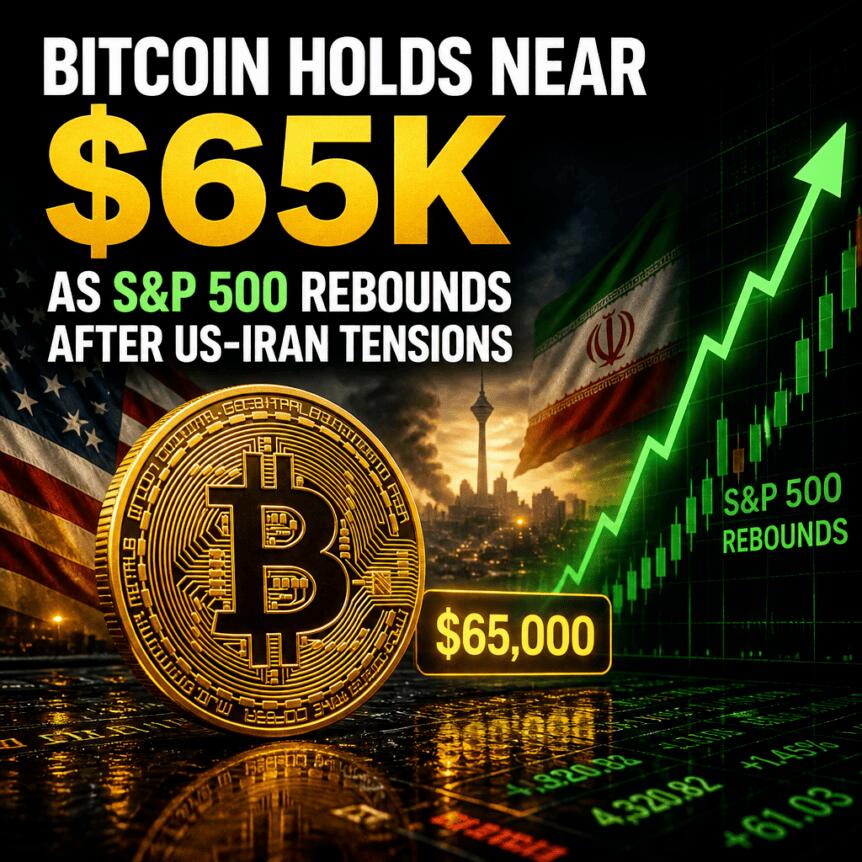
Bitcoin climbed to around $65,000 after the Wall Street open, extending gains as broader risk sentiment stabilized despite renewed geopolitical concerns tied to the US and Iran. The move came alongside a rebound in US equities, where the S&P 500 bounced from its lowest level since early August.
While stocks were finding support, the bond market and oil developments signaled a more complicated macro backdrop. BTC’s latest push also revived chart-based debate over whether the market is genuinely transitioning from consolidation into a sustainable breakout.
Key takeaways
- Bitcoin reached $65,000 for the first time since Aug. 10, following a rebound in the S&P 500.
- US 30-year yields jumped to 5.34%, the highest since January 2007, highlighting inflation and borrowing concerns.
- Trump’s Strait of Hormuz comments pushed geopolitical headlines back into focus, even as oil showed limited immediate volatility.
- Technical traders are watching key levels tied to a head-and-shoulders “bottoming” argument around $62,300.
US equities bounce while Bitcoin tests new highs
According to TradingView data referenced in the report, BTC/USD continued building on the week’s gains as the S&P 500 recovered from a session low of 7,696, its lowest since Aug. 4. The divergence matters because it suggests Bitcoin’s momentum is not merely mirroring equity direction—at least in the near term.
The geopolitical narrative returned to the forefront after US President Donald Trump posted on Truth Social that the Strait of Hormuz oil route would be treated as “new US territory,” framing the area as “open.” His later message emphasized that there were “no talks or conversations” with Iran, while asserting that naval conditions remained active and that the strait was operating.
Both the US and Iran have long-standing claims connected to control and security in the Hormuz region. In earlier commentary carried in the coverage, Trump also referenced threats against US ally Oman related to Oman’s plans to work with Iran on charging shipping tolls. Despite these headlines, oil’s immediate reaction appeared muted in the same timeframe, with WTI crude reported down about 1% to roughly $84 per barrel as of the time of writing.
Bond yields send a warning signal for risk assets
Even with stocks rebounding, government bond pricing suggested investors were still demanding more compensation for macro uncertainty. The US 30-year yield reached 5.34%, the highest level since January 2007, according to the cited market updates.
BNY Mellon analyst Geoff Yu warned in a research note quoted by the New York Times that the rise reflected investors seeking higher yields to cover inflation risk, while also pointing to the impact of government borrowing. The practical takeaway for crypto traders is that steep yield moves can raise the discount rate for risk assets, sometimes tightening financial conditions just as equities attempt to stabilize.
For Bitcoin specifically, this backdrop can create a tug-of-war: crypto may benefit from renewed interest when risk appetite returns, yet it can struggle if rates continue to rise sharply or if liquidity conditions tighten.
Chart watch: head-and-shoulders “bottoming” debate
Beyond macro headlines, the latest price action has turned attention back to technical structure. Trader and analyst Aksel Kibar, writing to X followers and cited in the report, focused on a potential reverse head-and-shoulders formation and pointed to $62,300 as the culmination point where a rebound would need to originate to validate the pattern.
Kibar argued that if Bitcoin is going to reverse higher, the move needs to develop from that area. He also discussed downside and upside scenarios if the structure fails or if the rebound sustains, including a potential target of $53,000 in the event of breakdown, and an upside target around $76,000 if the recovery extends.
That structure-focused framing is important because $65,000 is not simply a “new high” in isolation—it’s part of a decision zone where market participants determine whether the breakout is real or whether price returns to the prior range.
Why $65,000 may not be the finish line
The coverage also highlighted that earlier resistance levels have been a recurring barrier. Cointelegraph previously reported that underwater investors were contributing to Bitcoin’s inability to push higher. In the current update, Bitcoin’s rebound to $64,500 was described as stopping short of an overhead trend line: the 50-month exponential moving average (EMA), now referenced as $65,827.
That level is likely to draw attention from traders because moving averages often act as a proxy for longer-term trend health. A failure to reclaim and hold above the 50-month EMA could signal that the market is still negotiating the same distribution between sellers and buyers—especially if bond yields remain elevated.
At the same time, the fact that Bitcoin pressed toward $65,000 as US stocks bounced suggests demand is present. The immediate question is whether buyers can convert that momentum into follow-through without a renewed risk-off shock from rates or geopolitics.
Going forward, readers should watch whether BTC can hold above the reclaimed zone around the recent breakout levels and whether the market’s behavior around the $65,827 50-month EMA becomes more decisive—particularly as long-end Treasury yields and Hormuz-related headlines continue to influence broader risk sentiment.
Crypto World
Japan's Metaplanet launching U.S. bitcoin treasury company through $135 million nanocap deal


The deal involves Metaplanet contributing 2,100 bitcoin and $2.5 million in cash, valuing the initial investment at $134.6 million.
Metaplanet, the Tokyo-listed company that has adopted Bitcoin as its primary treasury reserve asset, plans to take a controlling stake in Nasdaq-listed Super League Enterprise, expanding its Bitcoin treasury strategy into the United States and potentially opening up new sources of capital.
On Tuesday, Metaplanet CEO Simon Gerovich said the company plans to contribute 2,100 Bitcoin (BTC) and $2.5 million in cash to Super League, which will be renamed Superplanet and become the company’s US Bitcoin treasury platform.
The 2,100 BTC contribution represents just under 5% of Metaplanet’s 43,000 BTC holdings and is worth roughly $135 million at current Bitcoin prices. Because the Bitcoin will come from Metaplanet’s existing treasury, the transaction does not represent a new BTC purchase.
Gerovich said the structure would give the company two avenues for raising capital, with Superplanet tapping US markets while Metaplanet continues to raise funds in Japan. The deal is expected to close in the fourth quarter of 2026, subject to customary closing conditions, including approval from Super League shareholders.
Under the proposed structure, capital raised by either company could support the group’s broader Bitcoin treasury strategy. Metaplanet said Superplanet could also pursue acquisitions in the US Bitcoin treasury sector that may not be available to the Japanese parent company.
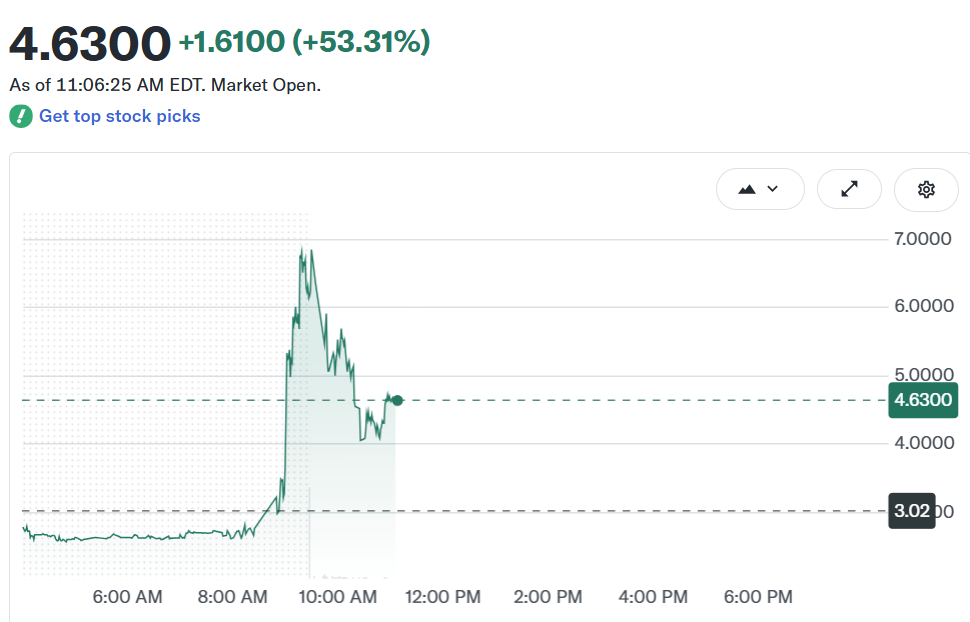
Super League Enterprise currently operates an immersive gaming, content and advertising business. Its shares surged more than 50% following the announcement, accompanied by a sharp increase in trading activity.
Trading volume reached roughly 37.3 million shares, compared with about 393,000 shares previously, an increase of nearly 95-fold, according to Yahoo Finance data.
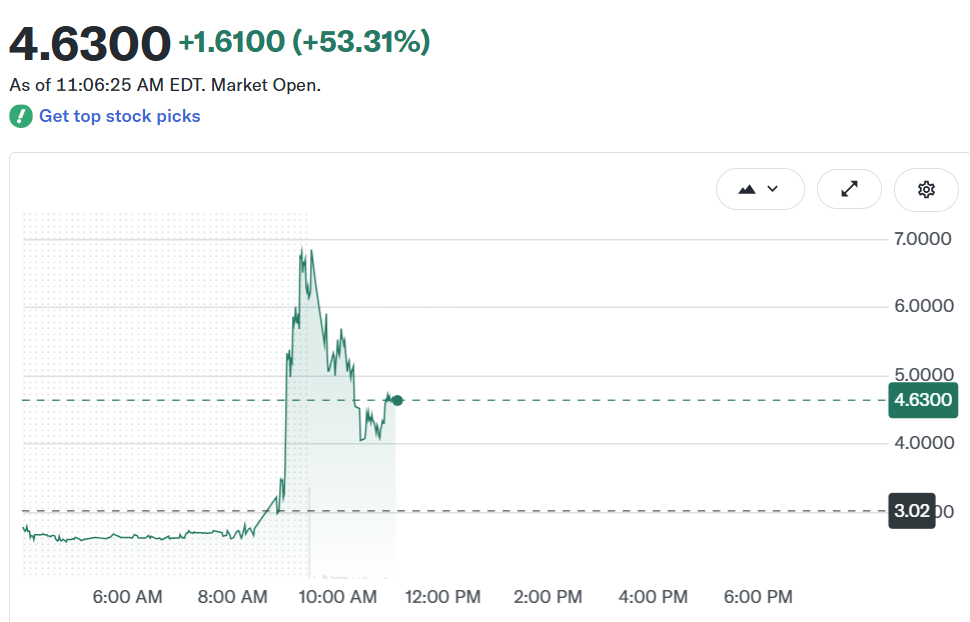
Super League Enterprise (SLE) stock. Source: Yahoo Finance
Related: Strategy CEO says company will resume Bitcoin accumulation this year
Bitcoin treasuries face new capital pressures
Metaplanet has emerged as the third-largest corporate Bitcoin holder, trailing Twenty One Capital by roughly 500 BTC. Twenty One Capital is a publicly traded Bitcoin treasury company backed by Tether, Bitfinex and SoftBank that was formed to accumulate Bitcoin and increase holdings on a per-share basis. Metaplanet last added to its Bitcoin holdings in early July, according to BitcoinTreasuries.NET.
Michael Saylor’s Strategy remains the largest corporate Bitcoin holder, with more than 840,000 BTC. However, the company has also sold Bitcoin in recent months to fund dividends, share repurchases and its US dollar reserve, highlighting some of the capital-management challenges facing publicly traded Bitcoin treasury companies.
Magazine: ‘Fabricated rumors’ about BitMart founder, Binance bStocks dominate: Asia Express
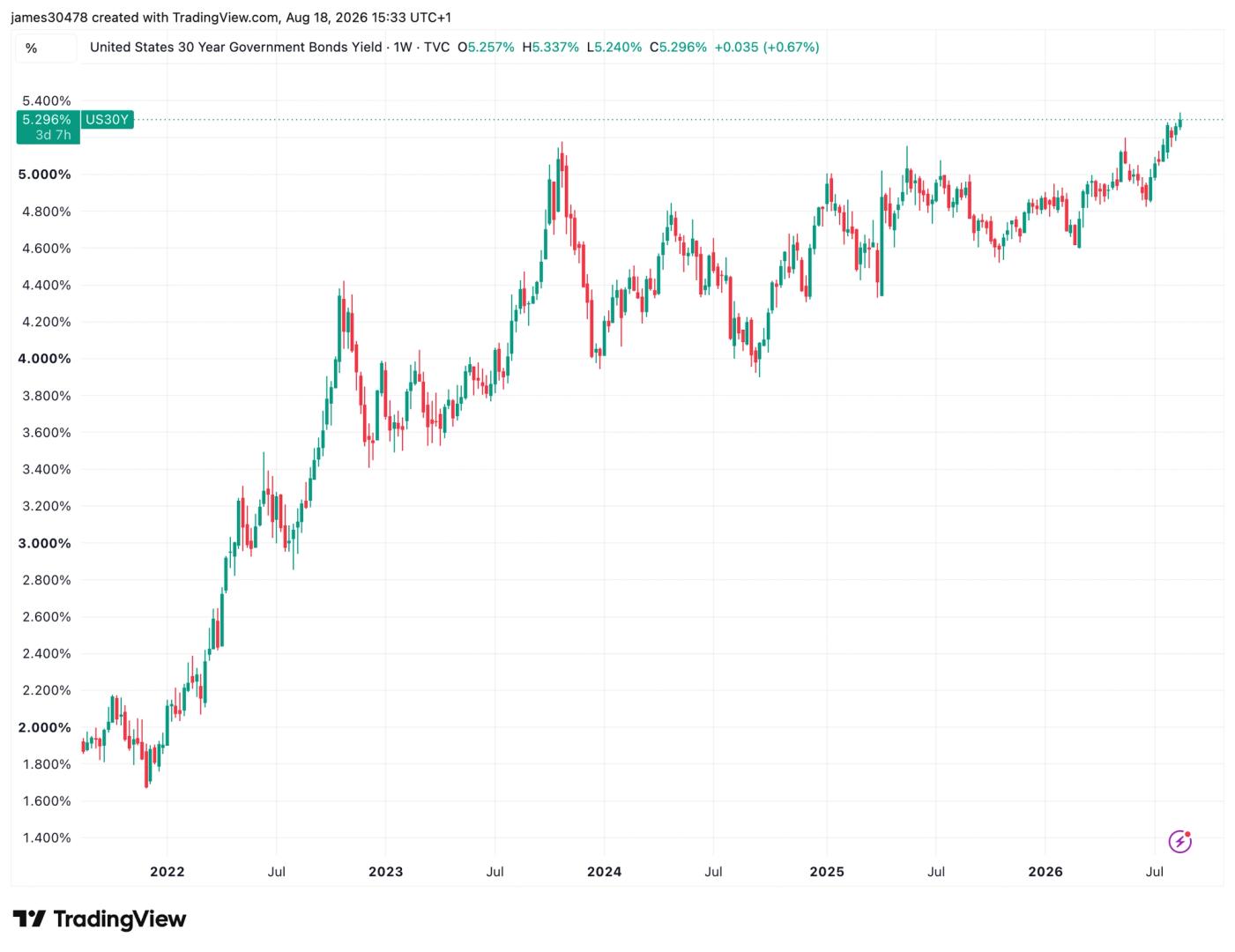
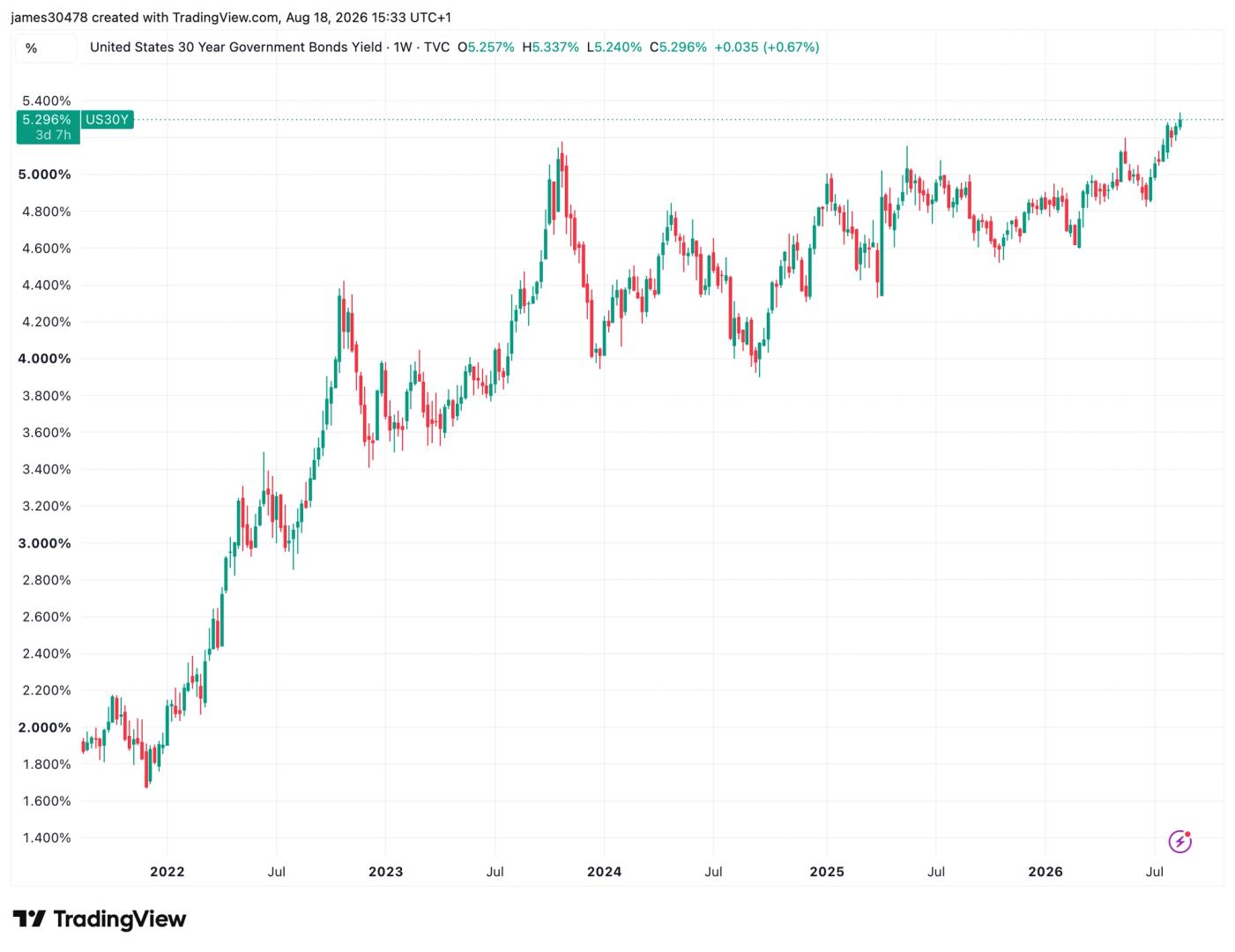
Long-term borrowing costs are reaching multi-decade highs as U.S. debt approaches $40 trillion and AI hyperscalers accelerate bond issuance.


South Korea ordered domestic access to Polymarket blocked, citing violations of the country’s Criminal Act and National Sports Promotion Act over gambling concerns.
The Korea Communications Commission announced the decision on Tuesday, after consulting with police and gambling regulators, ordering internet providers to cut off access nationwide.
Why South Korea Ordered the Block
Gambling is illegal for South Korean citizens, with the Criminal Act imposing fines of up to roughly $7,000 for offenders. That law now applies directly to Polymarket’s operations in the country.
The commission said Polymarket constitutes information that facilitates gambling or provides a venue for it, as well as activities resembling sports betting under the National Sports Promotion Act.
Follow us on X to get the latest news as it happens.
Regulators consulted the National Police Agency, the National Gambling Control Commission, and the Korea Sports Promotion Foundation before finalizing the block. Those agencies concluded that Polymarket’s operations could constitute an unlicensed gambling venue under existing law.
The commission argued that Polymarket’s structure inherently encourages gambling. It said the winner-take-all format makes financial outcomes heavily dependent on events users cannot control, such as politics, sports, and weather.
Regulators also pointed to Korea-specific betting markets as evidence that the platform targets local users. They specifically cited a listing on Seoul rainfall totals for August.
What Polymarket Does and How It Pushed Back
Polymarket lets users trade on real-world outcomes, from elections and World Cup matches to central bank decisions and geopolitical events, with transactions running through cryptocurrency.
One case drew particular attention earlier this year. A US soldier reportedly used classified information in January to win more than $400,000 betting on the raid to capture Venezuelan President Nicolás Maduro.
Polymarket pushed back during a July 6 hearing. The company said it had removed its Korean-language service and does not accept payments in Korean won, arguing that those changes place it outside the relevant communications law.
The platform also argued that it does not directly hold user funds or issue betting tickets, meaning it should not meet the legal threshold for gambling violations.
Regulators rejected both arguments. They said companies cannot avoid Korean law simply by relying on technical features such as language availability or currency support.
South Korea now joins more than 30 jurisdictions restricting Polymarket over similar gambling concerns. France and Argentina already block access to the platform, part of a broader pattern of regulatory pushback worldwide.
Subscribe to our YouTube channel to watch leaders and journalists provide expert insights.
The post South Korea Bans Polymarket, Citing Its Winner-Take-All Structure appeared first on BeInCrypto.
Crypto World
Why the Trump-backed crypto venture is distancing itself from Hong Kong AI aggregator WorldClaw
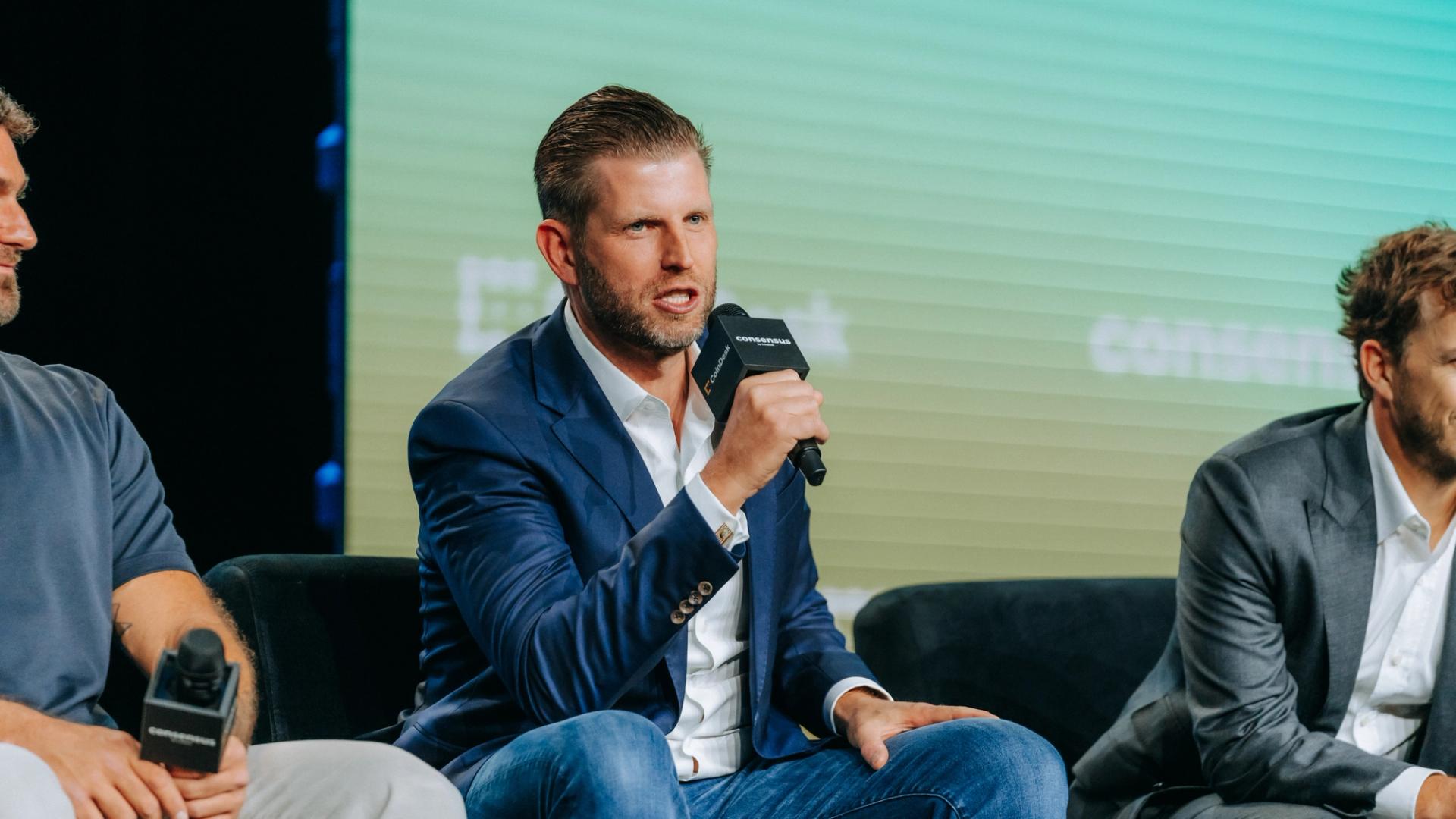
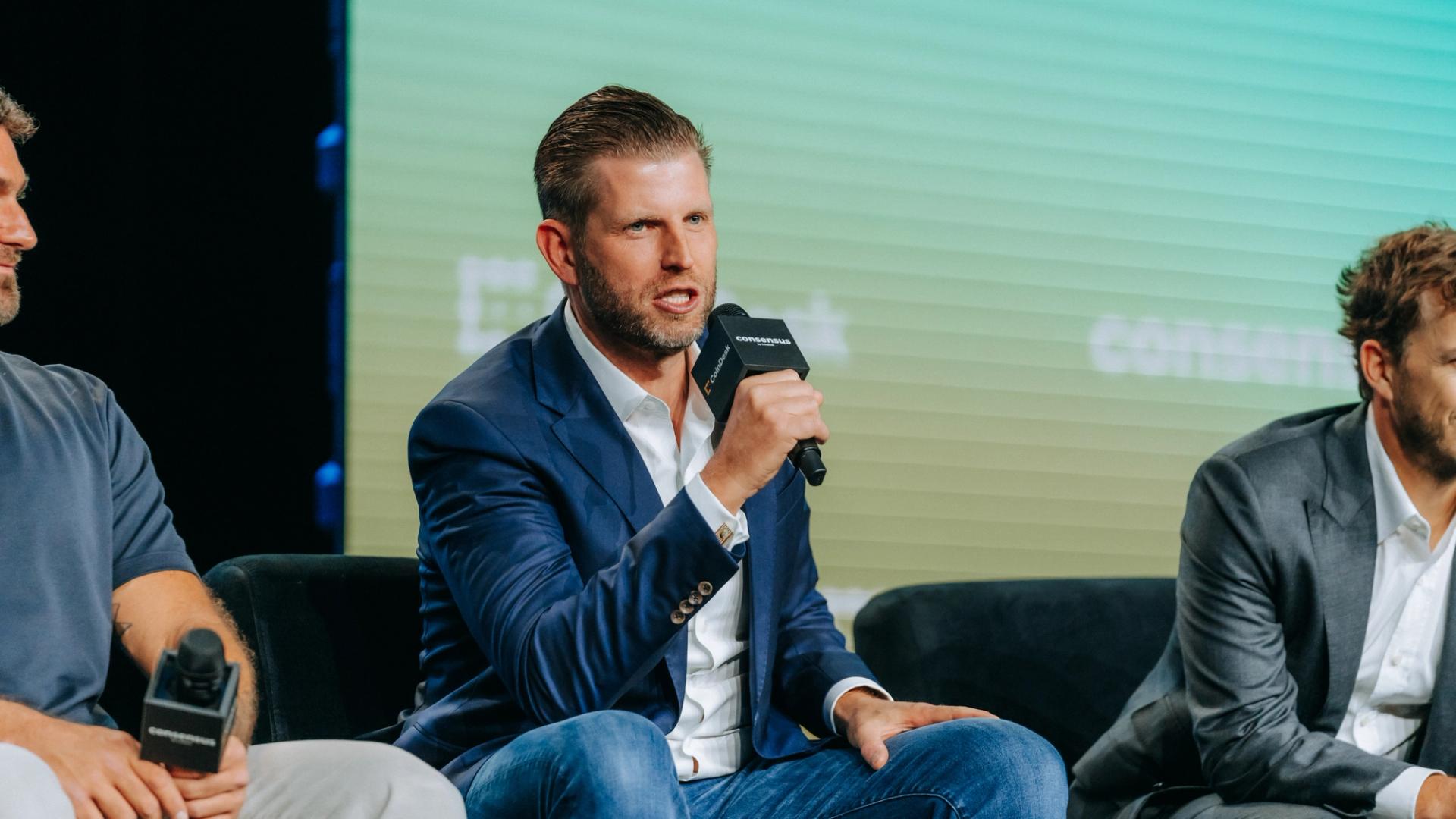
WLFI says the AI platform is independent and uses USD1 as a payment rail, but would not say whether it has equity, financing, revenue-sharing or other economic interests in the company.

If Targa wanted to lure in hyperscaler customers, it just secured some tremendous bait. The energy stock is rising on news of a 20-year deal with Exxon for three new natural gas processing plants and related services in the Permian Basin. Targa Resources (TRGP) spiked more than 7%, jumping above a flat base buy point at 280 and an alternate…
Copyright ©2026 Investor’s Business Daily, LLC. All rights reserved. 87990cbe856818d5eddac44c7b1cdeb8


The exchange said it is the first crypto company to offer European customers both traditional U.S. equities and tokenized versions of those assets on a single regulated platform.


Goldman Sachs has agreed to buy LCN Capital Partners for up to $410 million, adding about $3 billion in commercial real estate assets to its investment management business.
Summary
- Goldman will pay $260 million upfront, with up to $150 million tied to future targets.
- About 80% of the acquisition price will be paid in Goldman Sachs stock.
- LCN manages sale-leaseback, build-to-suit, and triple-net lease investments across North America and Europe.
- The transaction is expected to close by the end of 2026, subject to regulatory approval.
Goldman Sachs said in an Aug. 18 announcement that the transaction will bring LCN’s investment funds, corporate relationships, and real estate team into Goldman Sachs Asset Management.
Goldman Sachs will pay most of the LCN price in stock
Under the agreement, Goldman will provide about $260 million when the acquisition closes. LCN’s owners could receive another $150 million through deferred and conditional payments if the business meets long-dated performance targets and service commitments.
Approximately 80% of the full consideration will consist of Goldman stock, according to the bank. The final amount could therefore remain below $410 million if the conditions governing the additional payment are not met.
Expected to close by the end of 2026, the acquisition still requires regulatory clearance and must meet customary closing conditions. Goldman’s Global Banking and Markets division acted as the bank’s financial adviser, while Wachtell, Lipton, Rosen & Katz and DLA Piper provided legal advice.
RBC Capital Markets advised LCN on the sale. McDermott Will & Schulte served as the real estate manager’s legal counsel.
Based in New York, LCN was founded in 2011 by Edward V. LaPuma and Bryan York Colwell. Its investment team has more than 30 years of experience in triple-net lease transactions, according to Goldman.
LaPuma, Colwell, and other LCN employees will join the real estate division within Goldman Sachs Asset Management after the purchase closes. The bank did not disclose whether LCN’s brand will remain in use or provide details about possible changes to its investment funds.
“Our team, our strategy, and our commitment to our partners, both capital and corporate, remain unchanged — what changes is the scale of our ambition,” LaPuma said.
LCN adds $3 billion in commercial property assets
LCN had approximately $3 billion in assets under supervision as of June 30, with much of its capital supplied by institutions, insurance companies, and wealthy individuals. The firm operates in North America and Europe and has raised 10 investment funds since its creation.
Its portfolio covers industrial sites, offices, retail properties, and buildings created for specific corporate uses. LCN originates, negotiates, and manages sale-leaseback, build-to-suit, and net lease transactions, combining property ownership with an assessment of each tenant’s credit.
In a sale-leaseback, a company sells a building to an investor and immediately rents it under a long-term agreement. The company continues operating from the property while gaining access to cash that was previously tied up in the building.
Triple-net leases place several property expenses on the tenant. Along with rent, the tenant generally pays real estate taxes, insurance, and maintenance costs, reducing some operating expenses for the property owner.
Build-to-suit agreements involve constructing or adapting a building for a particular tenant, usually under a lease negotiated before the work is completed. Such contracts can give investors a known occupant and rental arrangement, although returns still depend on the tenant’s ability to meet its obligations.
Goldman said LCN’s strategy has produced an average annual net cash-on-cash return of 10.8% since inception across fully invested flagship funds. LCN calculated the figure as of March 31, using dollar-denominated returns for its North American funds and euro-denominated returns for its European products.
According to the bank, LCN’s funds have also ranked in the first or second quartile among closed-end real estate funds when measured by net multiple on invested capital and distributions to paid-in capital. Past fund performance does not guarantee comparable returns after the business joins Goldman.
The deal expands Goldman’s private real estate operation
Goldman oversees more than $4 trillion in assets across its investment businesses, based on figures reported as of June 30. Its alternatives division accounts for over $706 billion, covering private equity, credit, infrastructure, venture capital, real estate, and hedge fund strategies.
Within real estate, the bank said it has invested more than $65 billion since 2012. Its existing operation covers property equity, senior mortgages, mezzanine debt, and investments ranging from individual buildings to large portfolios.
LCN gives the division a dedicated sale-leaseback and triple-net lease platform. Goldman estimates that companies hold approximately $14 trillion of property on their balance sheets across North America and Europe, while only a small portion changes hands through net lease transactions each year.
American companies can use sale-leasebacks to obtain capital without leaving facilities needed for daily operations. For U.S. institutional investors, LCN’s funds offer exposure to rental income and corporate credit through private products rather than publicly traded real estate investment trusts.
David Solomon, Goldman’s chairman and chief executive, said LCN would offer asset and wealth management clients “diversified sources of returns” while providing corporate clients with additional financing choices.
“Their focus complements our private real estate team’s broad 30-year track record and will expand our ability to serve our insurance, institutional, and wealth client segments,” Solomon said.
Goldman expects its corporate relationships and Global Banking and Markets network to support LCN’s work with companies and developers. Its asset management distribution channels will also place the funds before pension plans, insurers, family offices, and wealthy clients.
In June, Goldman also entered blockchain-based real estate products through a tokenized property fund developed with Apex Group, Archax, Ownera, and LRC Group. Crypto.news reported that the fund represents real estate interests through Goldman’s GS DAP platform while retaining conventional administration, custody, and regulatory controls.
LCN follows Goldman’s $2.25 billion NEOS purchase
Six days before announcing the LCN agreement, Goldman disclosed a deal to acquire NEOS Investments for as much as $2.25 billion. NEOS managed about $30 billion across 19 options-based income ETFs as of June 30.
As previously covered in August, the NEOS purchase is expected to increase Goldman’s ETF assets beyond $130 billion, including about $80 billion held in actively managed products. NEOS co-founders Troy Cates and Garrett Paolella will become Goldman partners after that transaction closes.
NEOS also manages three U.S.-listed income ETFs connected to Bitcoin and Ethereum, giving the bank exposure to another area of investment management. The NEOS Bitcoin High Income ETF, Boosted Bitcoin High Income ETF, and Ethereum High Income ETF collectively held more than $1.1 billion when the acquisition was announced.
Unlike the LCN purchase, the NEOS transaction is scheduled to close during the first quarter of 2027. Its completion also depends on regulatory approval and customary closing requirements.
Goldman shares traded at approximately $1,029.55 on Tuesday, down about 2.1% from the previous close of $1,051.31. The stock moved between an intraday high of $1,052.98 and a low of $1,029.46.
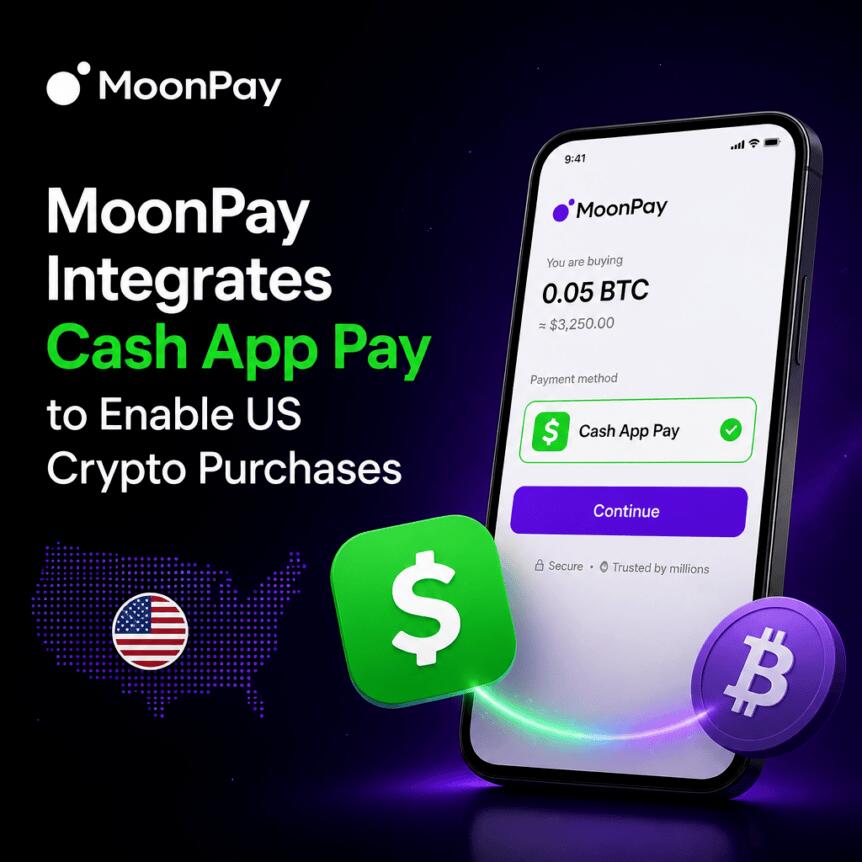
MoonPay has added Cash App Pay as a funding option for cryptocurrency purchases, enabling eligible customers in the United States to use their Cash App balances to buy crypto directly through MoonPay’s checkout. The move is intended to reduce friction by letting users complete transactions without switching between apps or performing an additional login.
In an announcement shared with Cointelegraph, MoonPay said Cash App Pay is available both on MoonPay’s own checkout and through select partner integrations. Those partners include Trust Wallet, Bitcoin.com, MetaMask, Moonshot, Ledger, BitPay, Uniswap, Tangem, LOBSTR and Edge.
Key takeaways
- MoonPay’s integration allows eligible US users to fund crypto buys using Cash App balances via Cash App Pay.
- Users can complete purchases through MoonPay checkout and partner wallets without switching apps or creating an extra login.
- Cash App is already a direct on-platform Bitcoin buyer/seller; MoonPay’s integration expands the range of assets accessible through the Cash App-funded flow.
- MoonPay is positioning itself as more than a fiat-to-crypto onramp, adding broader payment and infrastructure capabilities in 2026.
A tighter path from mainstream payments to crypto
Cash App, operated by Block, already lets users buy and sell Bitcoin inside the app. MoonPay’s new Cash App Pay option expands the practical reach of that user base by routing funding through Cash App balances into MoonPay’s crypto purchase experience, including access through multiple third-party platforms.
According to Block’s second-quarter shareholder report, Cash App reported 59 million active users in June. While that figure does not measure how many of those users will adopt Cash App Pay for non-Bitcoin crypto purchases, it highlights the scale of the audience MoonPay is trying to reach through a familiar consumer payments interface.
MoonPay co-founder and CEO Ivan Soto-Wright framed the integration around usability and trust, saying that Cash App is where “tens of millions of Americans” already manage their money and that the partnership allows those users to access a wider digital asset ecosystem funded “instantly” from an app they already know.
Available through MoonPay and multiple wallets
MoonPay said Cash App Pay can be used through its own checkout experience and with select partners, including widely used consumer wallets and on-platform payment interfaces such as MetaMask, Trust Wallet, Uniswap and BitPay. The company also named hardware and app-based ecosystems like Ledger and Tangem, as well as platforms including Edge and Bitcoin.com.
For users, the practical difference is the ability to fund a crypto purchase using Cash App’s balance while staying within the same general transaction flow—rather than jumping to a separate app to complete funding, then returning to finish a purchase elsewhere.
MoonPay also noted that Cash App Pay joins its existing payment integrations, which already include PayPal and Venmo. PayPal was added in 2024, and MoonPay later expanded support to Venmo.
Regulatory footing and MoonPay’s broader build-out
MoonPay’s announcement also comes as the company continues shifting from a straightforward onramp model toward a wider set of crypto services and infrastructure. From a compliance standpoint, MoonPay said it is licensed by the New York State Department of Financial Services via a BitLicense and Limited Purpose Trust Charter, and is authorized under the European Union’s Markets in Crypto-Assets Regulation in the Netherlands.
That regulatory posture matters because payment integrations typically require clear jurisdictional control—especially when partnering with mainstream consumer finance apps and embedding checkout or funding options across different platforms.
MoonPay has also been active on the acquisition and product-expansion front in 2026. It acquired Solana trading infrastructure provider DFlow in May, after an April deal for crypto security firm Sodot as part of a broader push into institutional services. In July, MoonPay acquired cross-chain infrastructure startup Glide and launched PayBox, a vault intended to let ChatGPT and Claude users authorize crypto transactions while keeping custody of their assets.
Taken together, the Cash App Pay integration fits into a wider theme: MoonPay is working to make crypto buying more accessible through familiar consumer payments while simultaneously building capabilities that extend beyond simple fiat-to-crypto transfers.
What to watch next
For users, the key question is rollout: which US customers are eligible for Cash App Pay inside MoonPay’s checkout and partner integrations, and whether the offering expands to more partners over time. For the market, investors and builders will likely watch whether “mainstream payments as crypto rails” continues to spread beyond Bitcoin-focused in-app buying, turning payments apps into broader gateways for multiple crypto assets.

Builder left ex partner “terrified” by sending string of emails despite court orders

Disney and ABC sue Trump’s media regulator to stop early licence renewal

Bitcoin Holds Near $65K as S&P 500 Rebounds After US-Iran Tensions





-

 Fashion4 days ago
Weekend Open Thread: Ann Taylor
-
 NewsBeat7 days ago
Communication cards help banking customers access services or report scams
-
 Sports5 days ago
This U.S. Amateur is a glimpse into golf’s future in more ways than you think
-

 Sports4 days ago
Birmingham 2026: Day 6 Timetable for Irish Athletes
-
 NewsBeat3 days ago
Myanmar says over 300,000 Rohingya refugees verified for repatriation as exodus enters ninth year
-
 Tech4 days ago
11 Ways to Rank Your Videos
-

 Politics3 days ago
SEQ Code: The Three Letter Boarding Pass Code That Could Give You The Worst Seat
-
 Entertainment6 days ago
Keke Palmer Subtly Hints At Sean Evans Drama With Cryptic Post
-

 Fashion7 days ago
Coffee Break: The Fonteyn Jane Flat
-

 Tech7 days ago
Zoom Screen-Sharing Bug Let People Fully Take Over Other Devices On A Call
-

 Fashion7 days ago
Should you refinance your debt? Pros, cons, and real numbers
-
 Crypto World7 days ago
XRP bridge drained after software mistook fake deposits for real ones
-

 Tech5 days ago
DeepSeek Harness launches as open source rival to Claude Code, alongside V4-Pro on API with higher prices
-

 Sports6 days ago
DeQuan Jones in ‘high spirits’ after successful leg surgery
-

 Tech6 days ago
SpaceXAI’s Grok Bot turns agents into persistent digital coworkers that can operate your apps for $120-per-month
-
 Crypto World6 days ago
Perplexity AI Predicts an XRP Scenario Few Analysts Are Discussing
-
 Entertainment6 days ago
2026’s Most Ambitious Fantasy Movie Officially Scores Sequel Update
-

 Politics6 days ago
How Average Are You In The UK?
-

 Business7 days ago
Evolv Technologies Holdings, Inc. (EVLV) Q2 2026 Earnings Call Transcript
-

 Fashion7 days ago
How to use your savvy shopping skills to build long-term wealth
You must be logged in to post a comment Login