
Crypto World
Why is Bitcoin price falling today? (April 15)

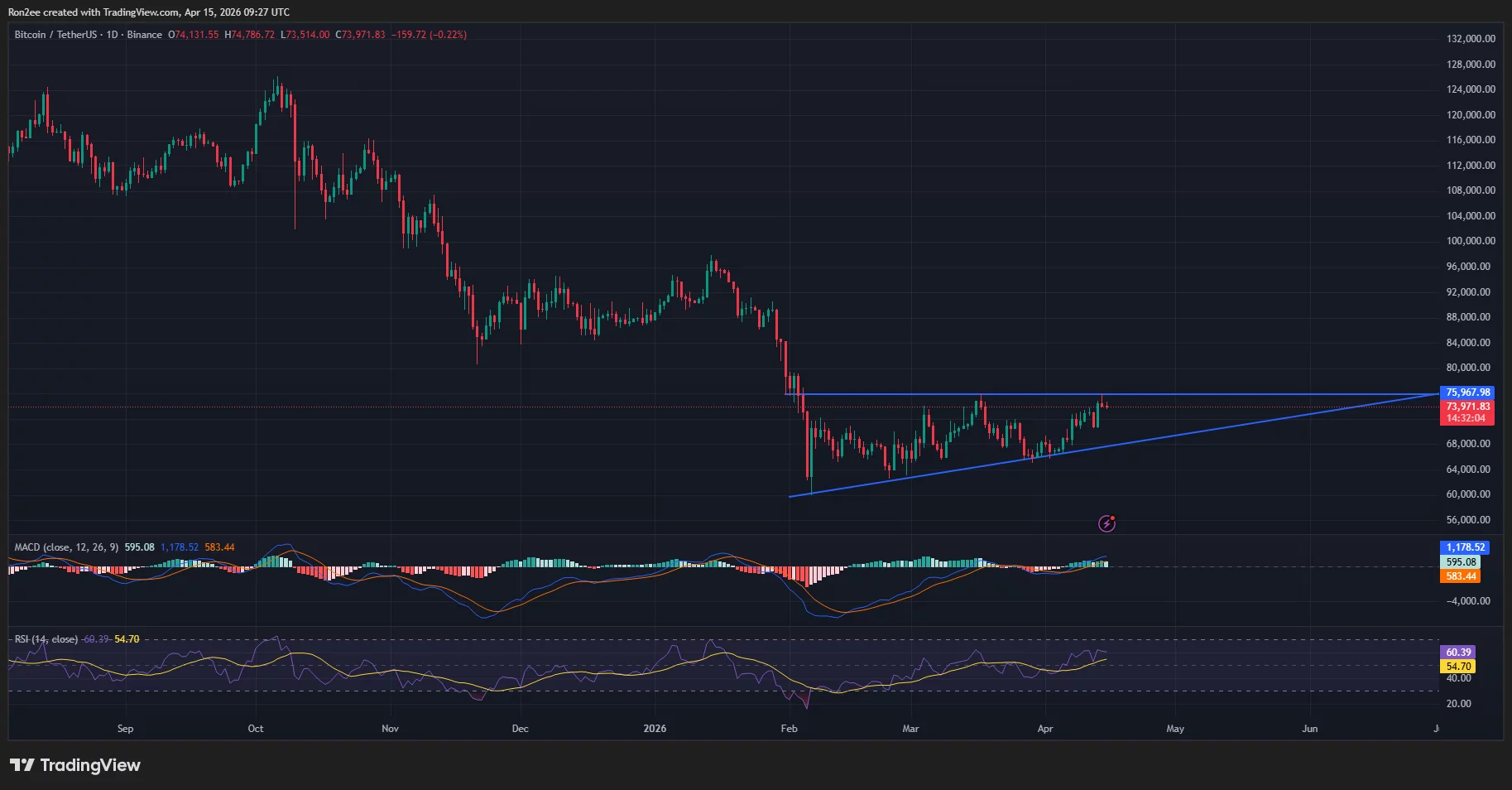
Bitcoin price fell nearly 3% on Wednesday as investors booked profits following its sharp rally above $75,000 the previous day amid renewed hopes of U.S.-Iran peace talks.
Summary
- Bitcoin fell about 3% to an intraday low of $73,617 after a 7% rally the previous day, as traders took profits following the surge above $75,000.
- Market sentiment was influenced by renewed hopes of U.S.-Iran peace talks, though geopolitical uncertainty and delays in negotiations kept volatility elevated.
- Technical indicators remain bullish, with an ascending triangle pattern in play and key resistance near $76,000, while downside risk emerges below $72,000.
Bitcoin’s price fell today as investors booked profits following the sharp rebound yesterday. It is quite common for investors to take some profits, especially when such a sharp upside occurs after days of intense volatility amid geopolitical conflict situations.
The risk-off sentiment is not confined to Bitcoin and cryptocurrencies alone, as traditional safe-haven assets such as gold and silver have also fallen a bit today after crude oil prices moved up again following the sharp drop under $100 yesterday.
According to data from crypto.news, Bitcoin (BTC) price fell 3% to an intraday low of $73,617 on Wednesday after paring off some of its gains from the previous day when the bellwether rose 7% to nearly $76,000.
The rebound occurred amid renewed hopes of a more concrete ceasefire in place between the U.S. and Iran after reports emerged that Iran was ready to negotiate new terms regarding its nuclear program and maritime conduct.
Most recently, U.S. President Donald Trump told Fox News that the war is “close to over” after he hinted at a second round of face-to-face talks with Iran in Islamabad in the next two days. However, with Pakistan’s prime minister out of the nation till April 18, the talks could face some delays.
The diplomatic push follows after the U.S. initiated a naval blockade at the Strait of Hormuz to halt economic trade on all seaborne cargo going into and out of Iran.
The Iranian government had previously called the move state-sanctioned piracy, while they themselves implemented a controversial toll system in the area, reportedly to recoup losses for nearly $270 billion in direct and indirect damages on the nation since the start of the US-Israel war on Feb. 28.
Despite Bitcoin’s slight pullback today, its market structure continues to present a bullish bias for the coming sessions.
On the daily chart, Bitcoin’s price action has been forming an ascending triangle which is a bullish continuation pattern if the price breaks out above the resistance level. At press time, Bitcoin’s price action was hovering closer to the upper horizontal trendline of the pattern, which suggests that a decisive move by bulls could confirm the pattern.
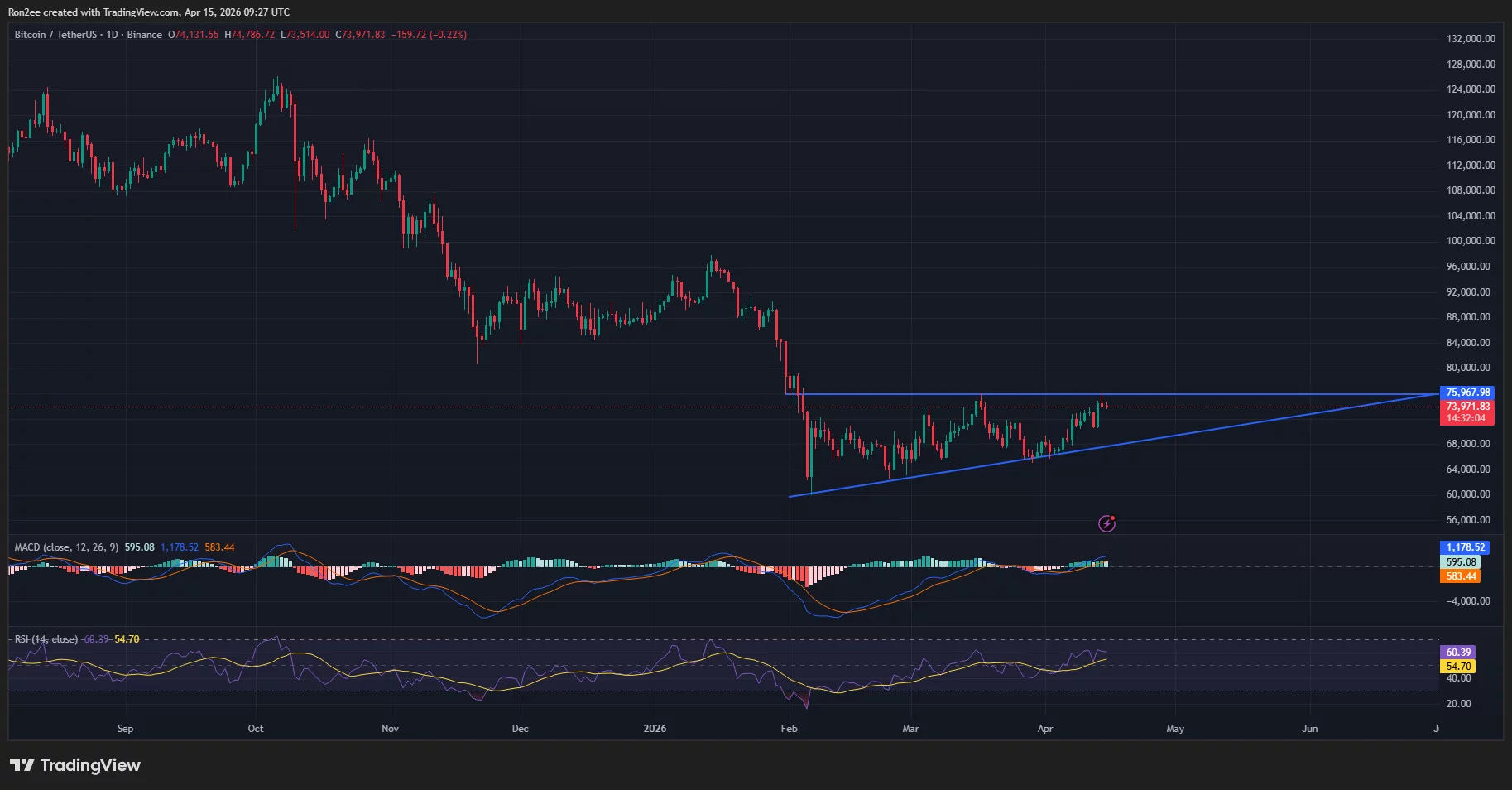
Technical indicators further support this bullish outlook. Notably, the MACD lines have pointed upwards while the RSI bounced back from neutral threshold to 60, showing there is still room for further appreciation before hitting overbought territory.
Hence, the next key resistance for Bitcoin lies at $76,000. A break above the trendline could trigger a rally toward the $80,000 mark.
On the contrary, if Bitcoin price were to fall below $72,000, it could invalidate the current bullish setup and lead to a retest of support near $70,000.
Disclosure: This article does not represent investment advice. The content and materials featured on this page are for educational purposes only.


Analysts arriving at a study of open interest and on-chain trading patterns say some market participants may have positioned before Robinhood’s crypto listing announcements. A Kaiko data debrief points to conspicuous activity that, in some cases, preceded public signals by more than an hour and could reflect either privileged access or highly effective front-running strategies based on public indicators.
In one notable example, a single wallet identified as 0xa1EE1c4cbB40A7b3D15E30a59d3633361Cfb177 opened a long position on Lighter (LIT) via the Hyperliquid decentralized venue at 11:05 UTC on Jan. 15 — roughly an hour before Robinhood disclosed that it would list the token at 12:12 UTC. The position was closed at 13:00 UTC, shortly after the listing was announced. The same address later opened a HOOD-linked perpetual short on April 28, just before Robinhood reported first-quarter revenue that missed expectations, and closed the position later that day as HOOD moved lower.
Kaiko’s researchers emphasized that the behavior from this wallet was not an isolated incident. A broader pattern emerged as the firm tracked open interest, funding-rate changes, and volume around multiple Robinhood listings, suggesting that sophisticated traders were reacting to market microstructure signals rather than relying solely on private information.
“Traders who understand microstructure could have noticed funding spikes, increases in volumes and open interest, and positioned accordingly,” said Laurens Fraussen, a research analyst at Kaiko. “The data shows that more than one participant acted on similar signals ahead of the announcements.”
While the activity raises questions about possible access to non-public listing timelines, Kaiko noted that the patterns could also reflect a disciplined response to publicly observable signals, rather than a single insider channel. The firm stressed that the behavior was consistent with a broader class of front-running strategies that exploit public information in the minutes surrounding a listing event.
Beyond LIT, Kaiko highlighted other listings that exhibited a pre-announcement drift in price and indicators such as open interest and funding rates. Tokens like Zcash (ZEC), Synthetix (SNX), and Near Protocol (NEAR) showed abnormal returns in the hours leading up to and immediately after Robinhood’s public listing announcements. In each case, the data pointed to a drift that traders could observe and exploit, raising questions about market microstructure surrounding exchange listings.
The takeaway for traders and investors is twofold. On the one hand, the presence of recognizable pre-listing patterns—spiking funding rates, surges in volume, and rising open interest—could provide a framework for risk assessment and positioning around future listings. On the other hand, the recurrence of these moves across multiple assets implies either broader visibility into the listing pipeline or a robust methodology built on public signals that allow for timely front-running or quick repositioning.
Kaiko’s analysis underscores a tension at the heart of crypto markets: as exchanges and listing processes become more interconnected with on-chain activity, the line between legitimate market anticipation and potentially privileged information grows harder to draw. The firm remains cautious about drawing sweeping conclusions, noting that the same signals could be a proxy for highly informed microstructure traders exploiting observable metrics rather than private disclosures.
For market participants, the episode serves as a reminder to monitor the evolving dynamics of token listings, funding-rate behavior, and open-interest shifts as a guide to potential liquidity and volatility around announcements. The research also highlights the importance of distinguishing between insider access and savvy interpretation of public signals when assessing risk and opportunity around listings.
Sources: Kaiko data debrief on front-running Robinhood on-chain evidence of informed positioning; mapped timeline of LIT, HOOD, ZEC, SNX and NEAR around listing announcements.
Key takeaways
- Kaiko identifies pre-listing activity tied to Robinhood crypto announcements, including a notable LIT trade on Hyperliquid before the public listing.
- A single wallet, 0xa1EE1c4cbB40A7b3D15E30a59d3633361Cfb177, opened a long LIT position shortly before the listing and closed it after the announcement, then opened a HOOD perpetual short ahead of Q1 results and closed the position later the same day.
- The patterns extend beyond a single token, with ZEC, SNX, and NEAR also displaying pre-announcement price drift and related activity in open interest and funding rates.
- Analysts caution that these moves could reflect privileged access to listing timelines or highly effective use of public signals, rather than simply insider information.
- The findings highlight evolving market microstructure around listings and the need for traders to distinguish between signals and potential information advantages when assessing risk and opportunity.
Pre-listing activity and a notable wallet
The January instance illustrates how on-chain activity can precede a public listing reveal. The wallet’s long position on LIT was established at 11:05 UTC on Jan. 15, about an hour before Robinhood announced the token’s listing at 12:12 UTC. The position was liquidated at 13:00 UTC, shortly after the listing became public. A separate action on April 28 saw the same address place a short on a HOOD-linked perpetual contract, timed ahead of Robinhood’s quarterly results, and closed the position later that day as the asset moved lower.
Kaiko framed these moves as part of a broader set of signals—funding-rate spikes, rising volumes, and open-interest growth—that traders could monitor to anticipate listing-induced volatility. The evidence suggests that such microstructure dynamics may be more widespread than a single insider scenario, though the possibility of privileged access to the listing pipeline cannot be ruled out.
Broader pattern across tokens and what it implies
In addition to LIT, Kaiko drew attention to a range of assets that exhibited pre-announcement drift around Robinhood’s listing cadence. Zcash (ZEC), Synthetix (SNX), and Near Protocol (NEAR) were cited as examples where prices and on-chain metrics moved in anticipation of listings. The firm noted that these episodes often featured “abnormal returns” in the hours surrounding announcements, coupled with shifts in funding rates and open interest.
Fraussen emphasized that while such patterns could indicate insider-like access, they more plausibly reflect the actions of traders who have refined techniques for interpreting public signals. The consistency of these moves across multiple assets points to a systematic effect in the market microstructure around listings, rather than isolated incidents tied to a single token.
As the crypto market continues to mature, observers are paying closer attention to how listing activity interacts with on-chain trading and whether regulatory or exchange-level safeguards can keep pace with increasingly sophisticated trading practices. The debate over insider access versus signal-based front-running remains unresolved, but the signals tracked by Kaiko illuminate how market participants are adapting to more transparent timing around announcements.
Market microstructure impulses and investor watchpoints
For investors and traders, the implications are clear: listing announcements can trigger a sequence of on-chain and derivatives signals that precede the public reveal. The pattern observed by Kaiko suggests that a subset of market participants actively monitors funding-rate volatility, volume surges, and open-interest trajectories as early indicators of impending volatility. While these signals can present opportunities, they also underscore the risk of price movements that precede official disclosures and the potential for front-running behavior in a nascent but increasingly efficient market.
The broader takeaway is not to assume a single explanation but to recognize that the crypto market’s listing events are becoming more predictable in their microstructure dynamics. Traders who can interpret the interplay of funding pressure, liquidity shifts, and public signals may position more effectively, while others may face elevated risk around these disclosures.
Readers should watch for further Kaiko analysis as Robinhood continues to refine its listing cadence and as more asset classes and exchanges become intertwined with on-chain data. The evolving picture of how information, timing, and liquidity interact around listings will likely shape risk management and strategy for years to come.
XRP Evernorth has named Robert Kaiden, CFO of the OpenAI Foundation, to its board of directors
Summary
- XRP Evernorth appointed OpenAI Foundation CFO Robert Kaiden and Antalpha COO Derar Islim as independent directors.
- The Ripple-backed company is preparing for a Nasdaq listing under the ticker XRPN.
- The board additions signal XRP Evernorth is building institutional credibility ahead of its public market debut.
XRP Evernorth, the Ripple-backed treasury company building an XRP-denominated balance sheet ahead of a Nasdaq listing, has appointed two senior executives to its board. Robert Kaiden, CFO of the OpenAI Foundation, and Derar Islim, COO of Antalpha, join as independent directors.
The appointments were announced on May 4. XRP Evernorth is targeting a Nasdaq listing under the ticker XRPN, positioning itself as a publicly traded vehicle for institutional XRP exposure. The addition of Kaiden in particular connects the company directly to one of the most prominent AI organisations in the world.
Board composition signals institutional intent
Kaiden’s appointment is notable given the OpenAI Foundation’s profile in Washington and Silicon Valley. His financial oversight background gives XRP Evernorth a credible voice on governance and capital markets strategy as it prepares for public scrutiny. Institutional appetite for XRP-linked products has grown sharply since Ripple’s legal dispute with the SEC moved toward resolution.
Islim brings exchange infrastructure expertise through Antalpha, a firm closely tied to mining and crypto asset management at scale. The combination of an AI finance executive and a crypto infrastructure operator on the same board reflects the increasingly converged landscape of institutional digital asset investment.
Grayscale and other asset managers have moved aggressively into tokenized and listed crypto products in recent months, with the race to launch exchange-traded crypto vehicles accelerating. XRP Evernorth’s Nasdaq bid enters a market where institutional-grade governance is becoming a baseline expectation. BlackRock’s move of $140 million in crypto assets to Coinbase Prime earlier this year underlined how seriously major institutions are treating infrastructure and custodial credibility.
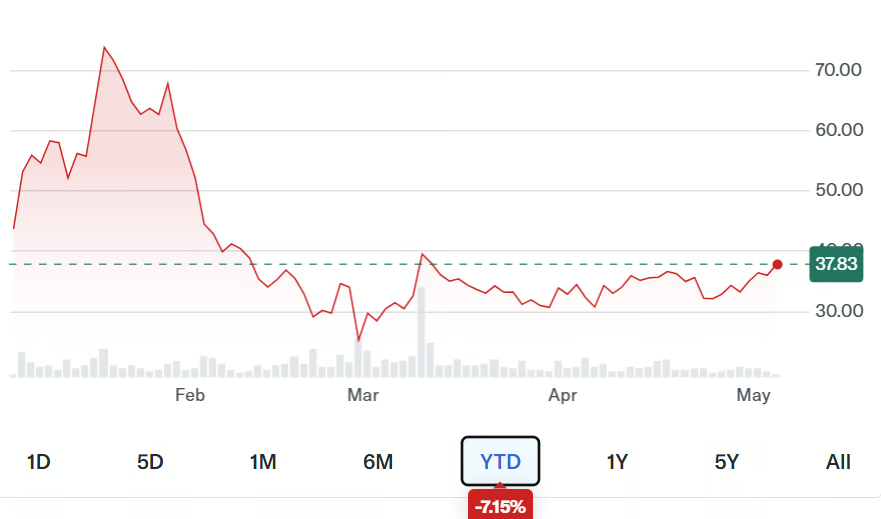
Shares of Figure Technology Solutions have risen nearly 10% over the past month, but the stock still appears undervalued as the company pivots beyond its roots as a fintech lender, according to Bernstein.
In a Tuesday research note, the firm reiterated its “Outperform” rating on Figure (FIGR), with a $67 price target, implying roughly 67% upside from current levels, and maintained its previous outlook.
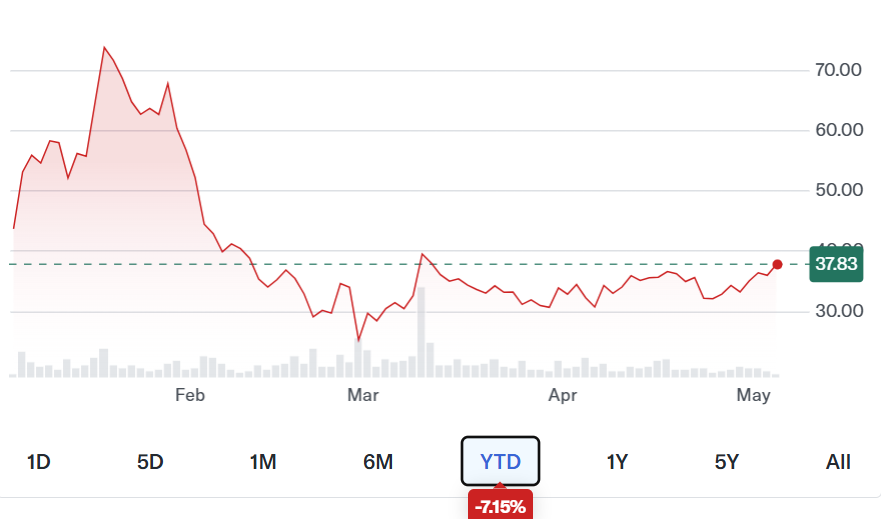
Figure Technology Solutions (FIGR) stock. Source: Yahoo Finance
Bernstein’s thesis centers on Figure’s transition from a home equity line of credit (HELOC) originator into a broader platform spanning blockchain infrastructure and AI-driven credit markets.
A key part of that shift is tokenization — in this case, converting loans into tradable onchain assets that can settle in real time. Bernstein estimates the addressable market for tokenized credit at around $4 trillion, positioning Figure to tap into a significantly larger opportunity than traditional HELOC lending.
The note also pointed to strong momentum. Loan volumes reached $1.34 billion in April, up 108% year over year and marking the second consecutive month above $1 billion. Bernstein expects that growth to continue, projecting total loan volumes to climb to $16.5 billion by 2027 from $8.4 billion in 2025 .
Related: RedStone launches settlement layer to address RWA liquidity gap in DeFi lending
Tokenized credit market could draw from wide swath
Bernstein’s estimate of a $4 trillion addressable market refers to the total annual volume of credit origination across multiple loan categories that could eventually move onchain as tokenized assets.
That includes lending such as mortgages, auto loans, home equity lines of credit and small-business loans — segments where Figure is expanding beyond its core business.
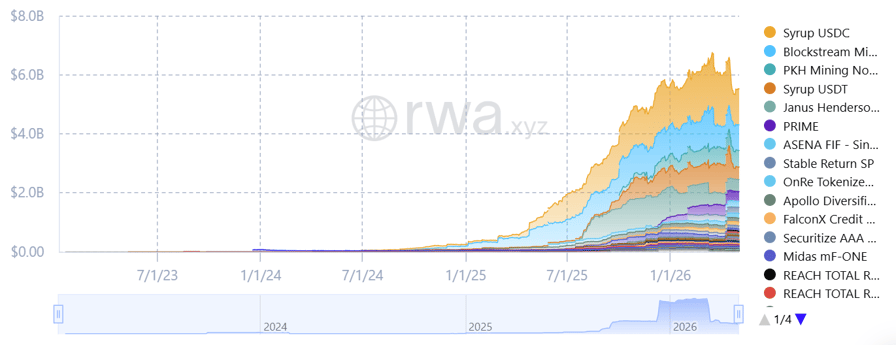
Tokenized credit market. Source: RWA.xyz
To be sure, tokenized credit remains a small segment of the broader real-world asset (RWA) market. However, industry data shows the sector is currently valued at around $5.5 billion, highlighting the gap between today’s adoption and the longer-term growth opportunity Bernstein outlines.
Other projects are already experimenting with bringing credit onchain. Centrifuge has expanded its decentralized finance platform to include tokenized credit and US Treasury products on new blockchain networks, aiming to connect institutional-grade assets with DeFi liquidity.
Figure has moved into areas such as auto loans through its Hastra ecosystem, where tokenized credit products are designed to plug into decentralized finance and broader blockchain markets.
Related: Crypto Biz: Capital has no consensus
Crypto World
OpenWorld to Tokenize Equity on Figure’s Blockchain Network as Public Markets Move Onchain

OpenWorld moves to tokenize its equity onchain
OpenWorld is taking a significant step toward the future of capital markets by announcing plans to tokenize its equity on the blockchain. The company has entered into an agreement with Figure Technology Solutions to issue tokenized shares through its Onchain Public Equity Network (OPEN), in parallel with a proposed Nasdaq listing.
The move reflects a broader shift in financial markets as companies explore blockchain infrastructure to modernize how equities are issued, traded, and managed.
A dual listing model combining Nasdaq and blockchain
Under the proposed structure, OpenWorld aims to offer investors exposure to its shares both through traditional markets and via blockchain-based ownership on OPEN.
This dual approach could introduce new flexibility for investors, including:
- direct ownership of blockchain-based shares
- the ability to lend assets and earn yield
- cross-collateralization between crypto and equities
These features highlight how tokenization could expand the functionality of traditional financial instruments.
Real-world asset tokenization gains momentum
The agreement reinforces OpenWorld’s broader strategy around real-world asset (RWA) tokenization, a sector that continues to gain traction among institutional players.
By tokenizing its own equity, the company is effectively using its balance sheet as a test case for the infrastructure it promotes globally.
According to the company, this approach is intended to demonstrate real-world applicability to partners, including sovereign entities and institutional investors.
Regulatory clarity accelerating adoption
Recent developments from U.S. regulators, including the SEC and CFTC, have contributed to increased clarity around digital assets and tokenized securities.
This evolving regulatory environment is creating a window of opportunity for companies seeking to establish a leadership position in compliant blockchain-based capital markets.
Figure’s OPEN network aims to reshape equity markets
Figure’s OPEN network is designed to rebuild public market infrastructure using blockchain technology, enabling real-time settlement and reducing operational inefficiencies.
The platform also introduces programmable financial features that are not typically available through traditional brokerage systems.
A broader shift toward onchain capital markets
The partnership between OpenWorld and Figure reflects a larger industry trend: the gradual transition of financial infrastructure toward blockchain-based systems.
As tokenization expands beyond private markets into public equities, initiatives like this could play a key role in shaping the next generation of capital markets.
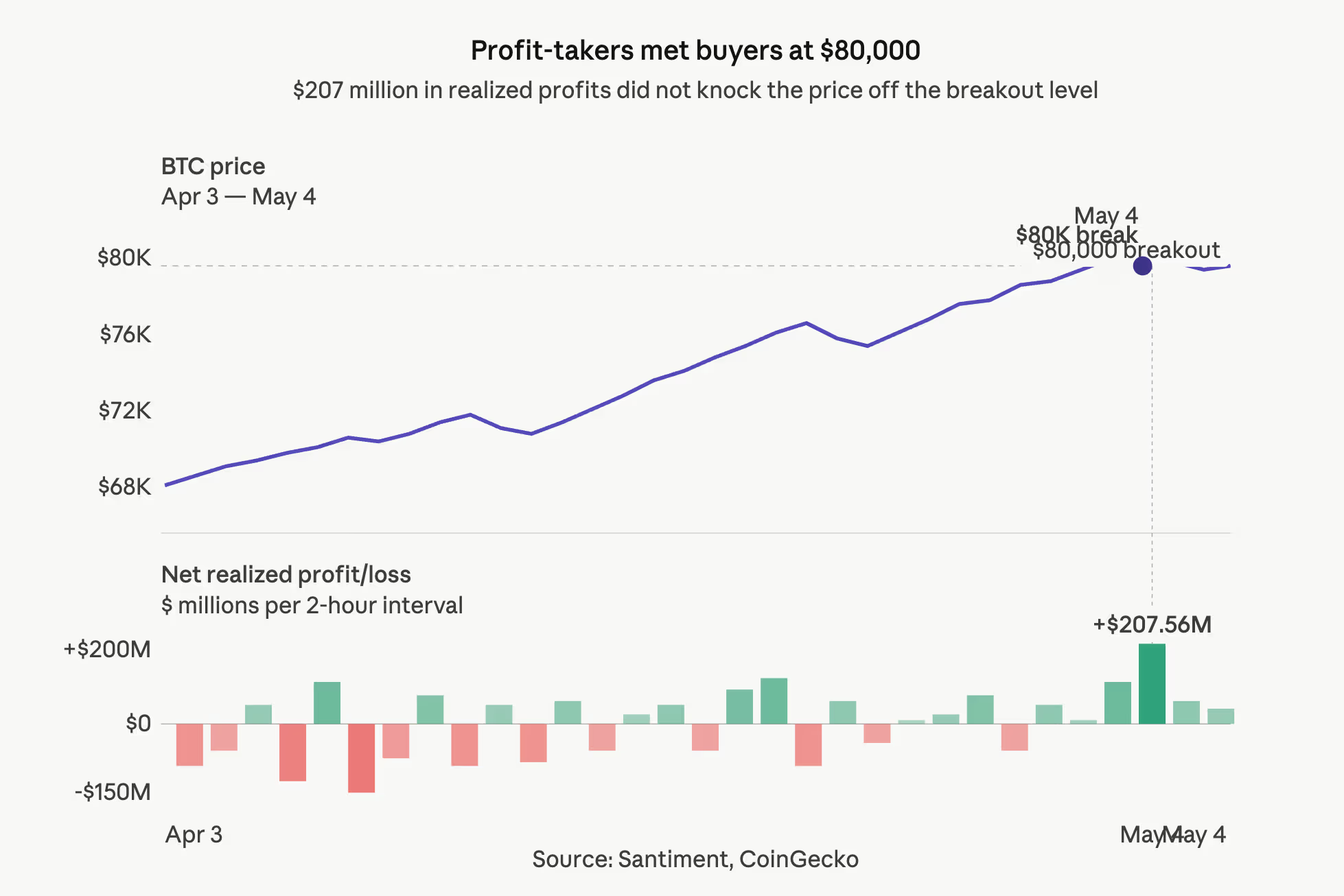
Bitcoin bears likely consider $80,000 as an area to take profits around, but onchain data suggests it is the opposite.
Bitcoin’s net realized profits, the metric that tracks the dollar value of coins sold above their original purchase price across the network, spiked to $207.56 million on Sunday, the highest reading in a month, per data from onchain analytics firm Santiment.
The print arrived as bitcoin briefly crossed $80,000 for the first time since January before reversing to $79,000 late Monday and rising above $80,000 again in Asian morning hours Tuesday.
Realized profit spiking during a rally — rather than a sell-off — is indicative of holders sitting on gains realizing profits and newer participants entering the market at current levels.

The cost-basis suggest a change in the underlying market structure.
Cost basis refers to the price at which a holder originally bought their coins, and it shapes how they react to future price moves. Old holders cashing out on Sunday transferred their coins to buyers willing to pay around $80,000, which raises the average entry price across the network.
That thickens the layer of holders whose break-even point sits close to current levels, and they tend to be the most likely to panic if prices drop. New buyers at are unlikely to dump on a routine pullback as they just got in.
The size of the move also fits the bullish read. The $207 million print is a one-month high, not an all-time high. Genuine cycle tops produce realized profit events that climb into the multiple billions, after which the market typically rolls over within days.
The onchain read aligns with the options-market positioning that CoinDesk reported earlier Tuesday.
Volatility markets did not chase the breakout, as traders are still paying more to protect against a drop than to bet on a sharp move higher, which shows the broader market remains cautious.
But options desks are also seeing demand for cheap call ratio trades, a structure that works best if bitcoin keeps climbing steadily without exploding through a higher strike. This suggests directional traders remain cautious while more sophisticated options flow is positioning for a steady grind higher.
Whether the breakout extends depends on the macro tape that the on-chain data cannot see, with the Iran-U.S. ceasefire fraying. Strategy reporting earnings later on Tuesday the April nonfarm payrolls print dropping Friday. Any of those can override what the chain is signalling.
David Schwartz, the co-founder of the XRP Ledger and CTO emeritus of Ripple, just broadcasted his personal view that people should not invest in Ripple.
“If you want direct exposure to Ripple’s success or failure, you can buy Ripple stock on the secondary market if you qualify under US law. But you probably shouldn’t,” he said.
He was responding to members of the crypto community who requested, “Let us have access to the Ripple stock.” Similar requests to open Ripple up for public investment have circulated for years.
Unsurprisingly, Schwartz’s public post earned tens of thousands of views within hours.
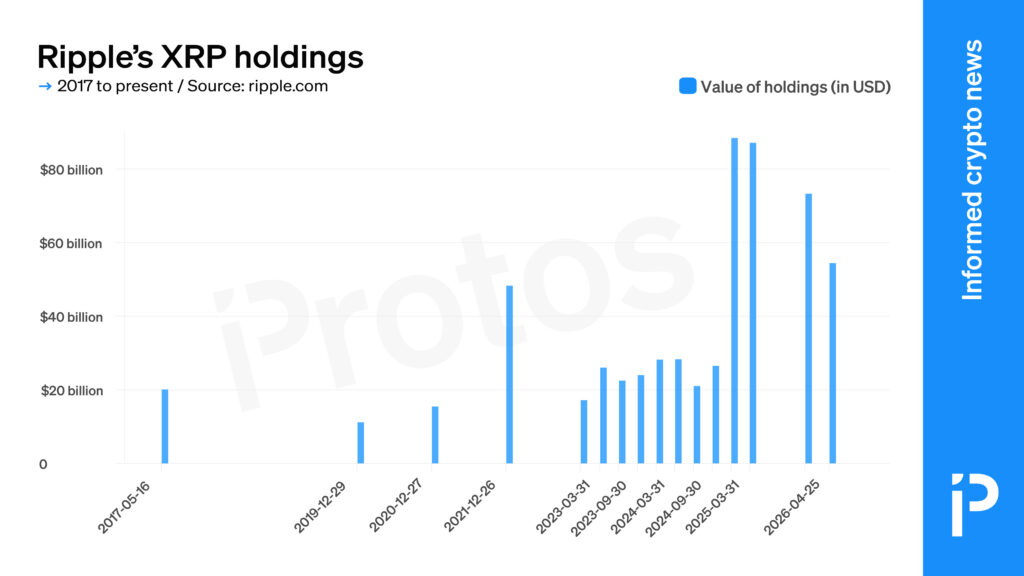
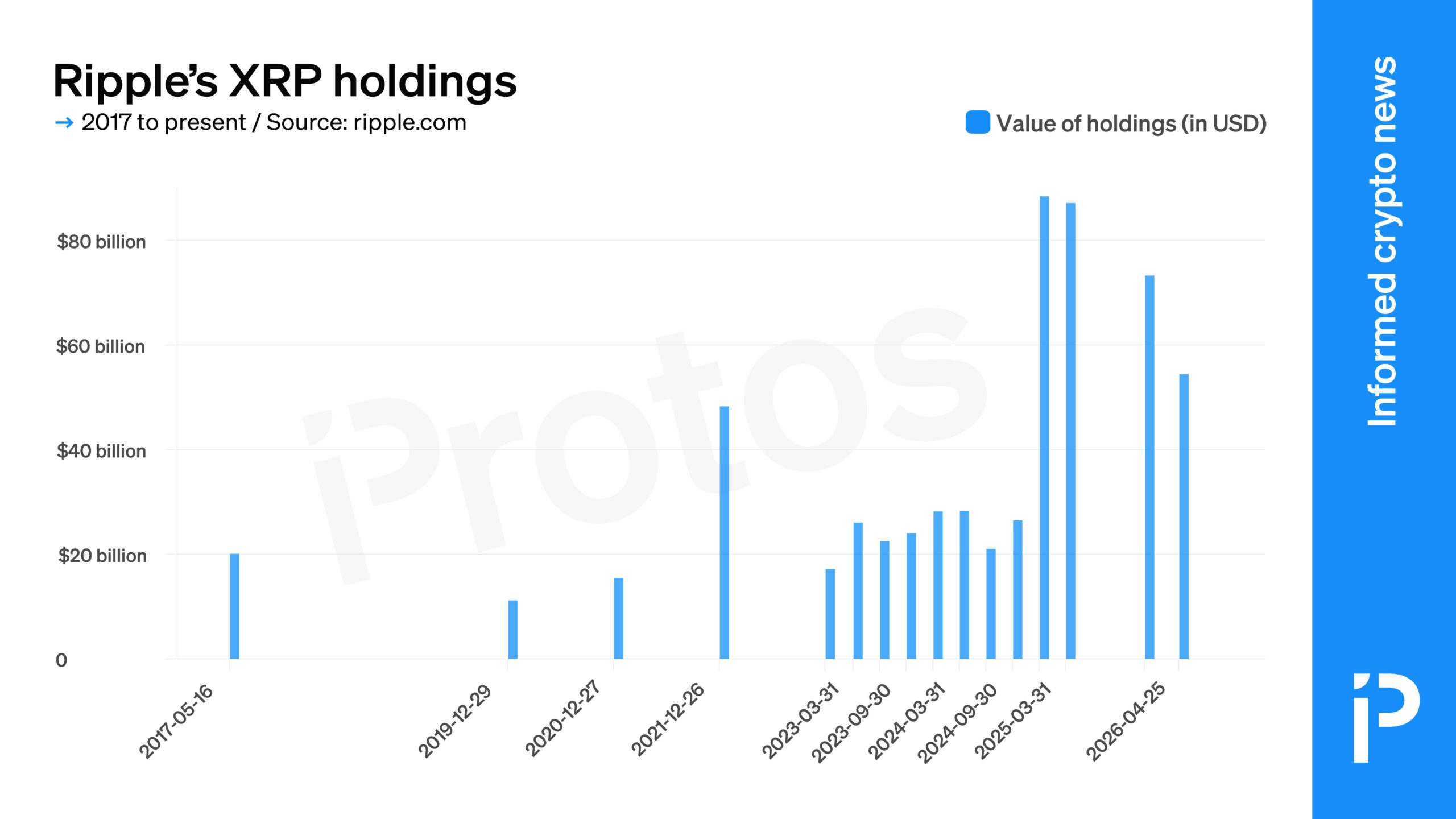
The unusually clear investment warning comes from a Ripple insider whose company once held as much as $180 billion worth of XRP at its January 4, 2018 peak.
At founding, Ripple (then NewCoin) held 80% of the XRP supply. Over the years, it’s steadily sold down its coins.
Forge Global, a secondary market for private investors that Charles Schwab recently acquired, first listed Ripple stock at $19.74 per share in January 2023. It peaked at $243.23 on November 6, 2025, and now trades at $116, imputing a $19 billion valuation.
Importantly, Forge Global’s valuation today is less than half the valuation claimed by Ripple itself two months ago — and certainly less than the value of its XRP holdings at that time.
XRP is not a Ripple investment
Ripple has never conducted an initial public offering, and there’s no public stock price on which to base a valuation of its equity.
Nonetheless, because Ripple has historically controlled such a disproportionate percentage of the supply of XRP, many retail investors mistakenly bought XRP as a proxy bet on Ripple’s success.
Periodically, the company discloses a fundraising round with a headline valuation number with few details as to what obligations or considerations went into the valuation.
Conveniently, the valuation of Ripple has broadly tracked the value of its XRP holdings. Its valuation, most recently near $50 billion in March, roughly equaled its XRP holdings at the time.
Read more: XRP Ledger creator David Schwartz leaves Ripple role after 13 years
Alongside Arthur Britto, Schwartz co-created the XRP Ledger in June 2012 and received equity in the company now known as Ripple that incubated its development.
As one of its largest shareholders, Schwartz’s view about whether a general member of the public should invest in Ripple certainly carries weight.
Schwartz has admitted that nowadays, after selling most of his XRP years ago, his current equity in Ripple is almost all of his crypto investment exposure on a personal basis.
Protos previously reported that Schwartz became CTO emeritus and joined Ripple’s board once his corporate tenure exceeded 13 years.
Got a tip? Send us an email securely via Protos Leaks. For more informed news, follow us on X, Bluesky, and Google News, or subscribe to our YouTube channel.
Crypto World
Bitcoin Price Prediction: BTC Just Hit $81,000 for the First Time Since January But the Next 72 Hours May Decide Everything

Bitcoin price is trading near $81,000 as bulls and bears fight over a critical inflection point, and the next 72 hours could define Q2’s trajectory.
After briefly reclaiming $81,000 for the first time since January, BTC has since pulled back, staying right under it.
The catalyst that lit the initial fuse? A convergence of $2.44 billion in April ETF inflows, geopolitical relief from Trump’s Project Freedom escort operation through the Strait of Hormuz, and a short squeeze that forced leveraged bears to cover quickly.
The April ETF print was the strongest monthly inflow figure since October 2025, capped by roughly $630 million in net spot BTC ETF inflows on May 1 alone.
A brief scare hit when Iran’s Fars news agency falsely reported a missile strike on a U.S. warship, sending BTC from $80,594 to $79,000 in minutes before prices recovered on the denial.
JUST IN — Walter Da2nd' Nibbleston (@NibbsWaltz224) May 4, 2026


 Iran releases first footage that shows Two Iranian missiles hits multiple U.S. military ship or Frigates near Jask Island.
  A first DIRECT STRIKE ON U.S. FORCES.#USA #Iran #News #War pic.twitter.com/6r35TIQwWN
With macro volatility still elevated and BTC consolidating near a technically sensitive zone, the question of where price goes next is anything but settled.
Discover: The best crypto to diversify your portfolio with
Bitcoin Price Prediction: Can BTC Reclaim $85,000, or Is $78,000 Support About to Crack?
BTC is sitting in a classic compression zone, and the lack of volume is the biggest signal right now. Neither buyers nor sellers have conviction, which usually means a larger move is coming.
The key level is $78K. As long as BTC holds above it, the structure stays intact and keeps the path open toward $85K–$88K.

Above, $80K is now a contested level. It has flipped from resistance to support, but it is not fully confirmed yet, so it needs to hold on to pullbacks.
More likely short term, BTC keeps ranging between $78K and $83K while the market waits for a catalyst.
If $78K breaks on a daily close, downside opens quickly toward $74K–$75K.
So this is a low-conviction setup, not bearish enough to collapse, not bullish enough to run, just building pressure for a decisive move.
Discover: Best Crypto to Get Right Now
The post Bitcoin Price Prediction: BTC Just Hit $81,000 for the First Time Since January But the Next 72 Hours May Decide Everything appeared first on Cryptonews.
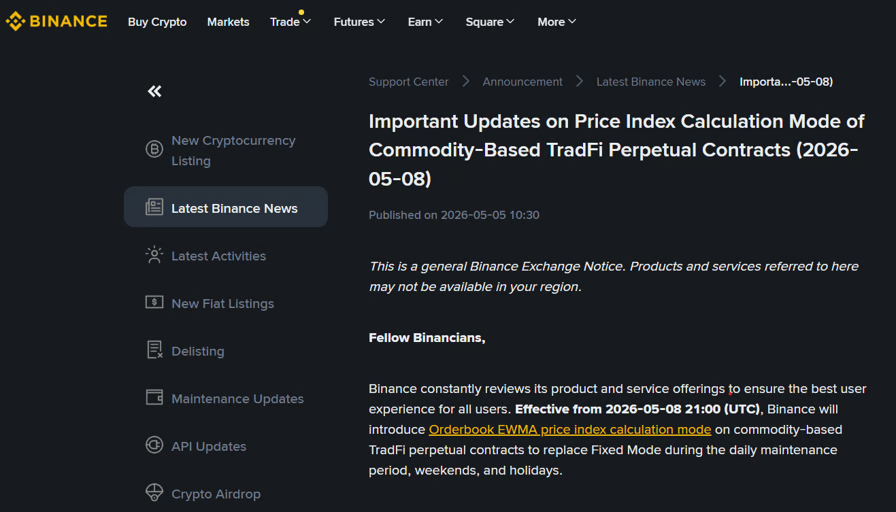
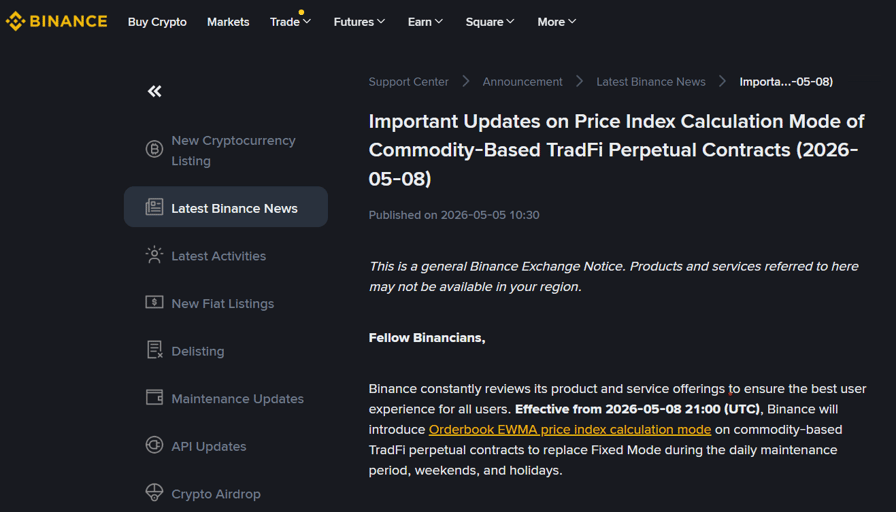
Binance will change how it calculates benchmark prices for commodity-based perpetual futures during off-hours, a move that could affect margin and liquidation levels during weekends, holidays and maintenance periods, according to an exchange notice published Tuesday. The update will take effect on Friday at 9:00 pm UTC.
The exchange will replace its current fixed pricing method with an Orderbook EWMA model for commodity-based traditional finance (TradFi) perpetual contracts. EWMA, or exponential weighted moving average, uses orderbook data that is smoothed over time rather than relying on a fixed reference price during periods of lower activity.
Binance said the change will apply during daily maintenance windows as well as weekends and holidays, when trading activity is typically reduced.
A Binance spokesperson told Cointelegraph the fixed mode was designed for lower-liquidity periods, but stronger volumes and deeper orderbooks have made a shift toward more flexible price discovery a “natural progression,” reflecting the growth of its TradFi perpetuals business.
The change applies to commodity-based TradFi perpetuals including gold, silver, platinum, palladium, copper, crude oil, Brent crude and natural gas contracts. It will also apply to future commodity-based TradFi perpetuals listed on Binance Futures.
Related: Binance revamps Launchpool, streamlines the BNB experience
EWMA model replaces fixed pricing
It will also extend to any similar commodity-based TradFi perpetual contracts listed in the future. The index price generated under this methodology is used to calculate margin and liquidation levels, meaning traders may see changes in how positions are marked and how liquidations are triggered during off-hours compared with the previous fixed-mode system.
The spokesperson said the exchange is not changing weekend margin requirements, but liquidation behavior outside regular hours will become more aligned with crypto perpetuals, with pricing more directly tied to exchange liquidity. The EWMA model also smooths transitions between off-hours and regular trading to maintain price continuity.
Update on price index calculation mode of commodity-based TradFi perps. Source: Binance
Industry pricing models
Other crypto derivatives venues use index pricing methodologies that incorporate multiple market inputs and orderbook-weighted components during periods of low liquidity or heightened volatility to reduce liquidation distortions, including Bybit’s index price calculation framework.
Bybit’s model aggregates prices from multiple external spot exchanges and applies weighting mechanisms to help smooth short-term dislocations.
The Binance spokesperson said the change applies only to commodity-based TradFi perpetual contracts, where underlying markets close outside regular hours. Crypto perpetuals trade continuously, and the existing framework remains appropriate. Equity-based TradFi perpetual contracts will continue to use the current fixed pricing method for now.
Asia Express: North Korea denies crypto hacks, Upbit’s bank tests Ripple
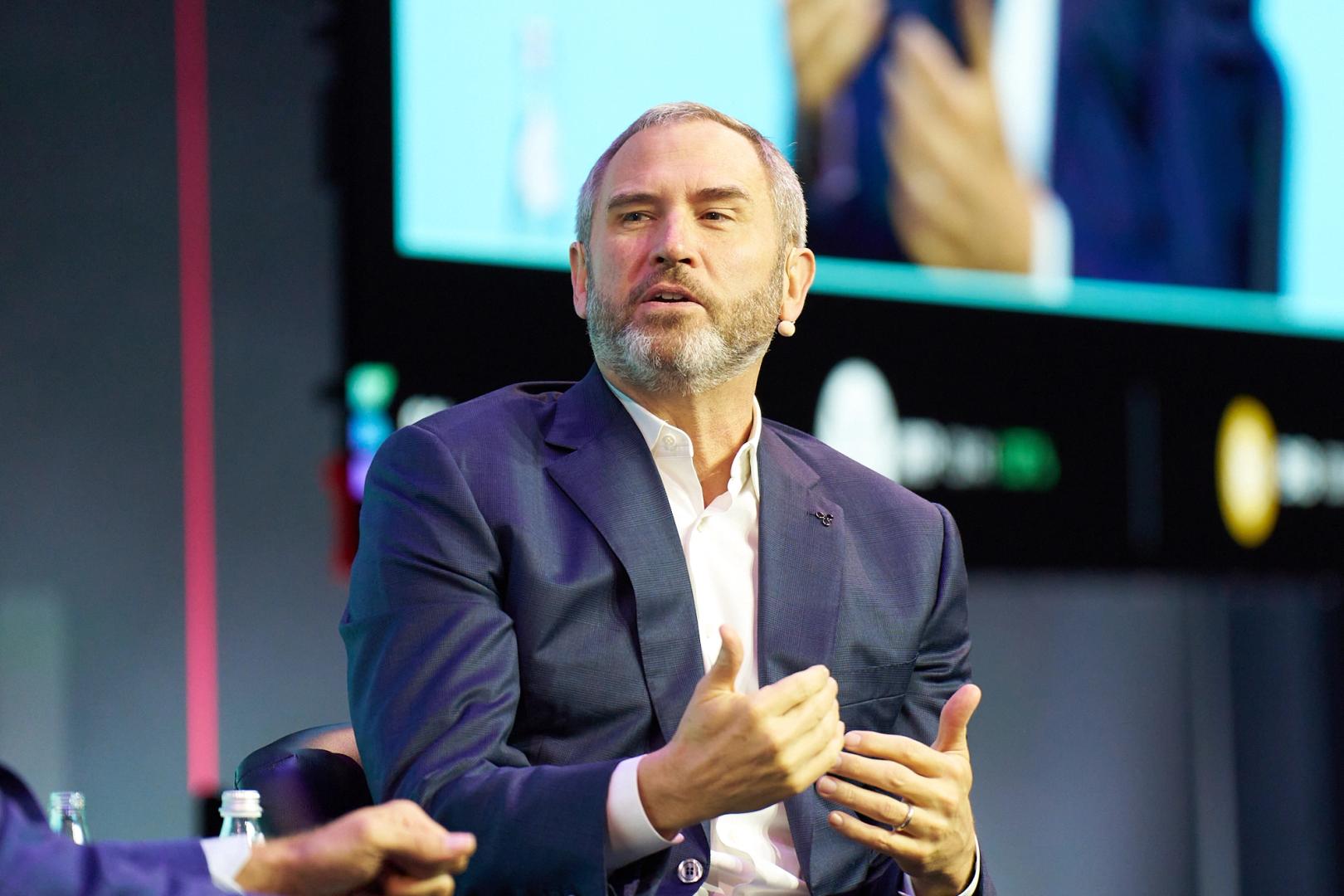
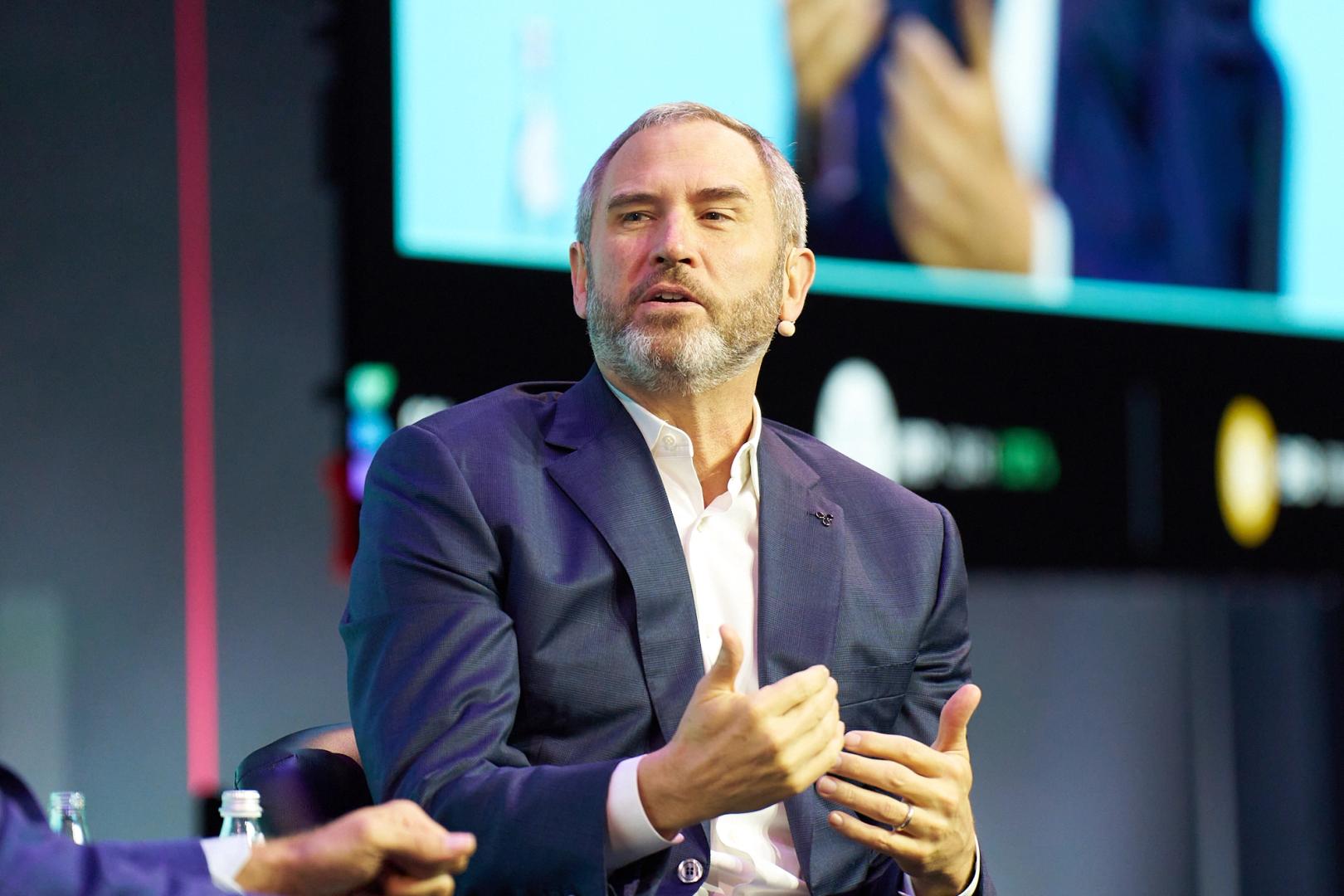
Miami Beach, FL — Brad Garlinghouse, Ripple’s CEO, has been closely following the U.S. Senate’s progress on the crypto market structure bill, and he said it’s not a “done deal” as the next two weeks may be pivotal for the legislation’s chances.
“If it doesn’t happen then, I think the likelihood is going to drop precipitously,” Garlinghouse said Tuesday at Consensus 2026 in Miami. But he said he still thinks it’s likely to happen, and the next moment will be the scheduling of the Senate Banking Committee’s long-awaited hearing to “mark up” the bill and advance it to the next stage.
Senators at the center of the negotiations over the Digital Asset Market Clarity Act revealed last week the latest compromise language on a major sticking point — stablecoin yield — that is expected to allow the banking panel to schedule the hearing.
“Do I think it’s perfect? Hell, no,” Garlinghouse said. “There’s tradeoffs and compromises, but I do think clarity is better than chaos.”
The stablecoin compromise aims for a balance that allows crypto firms to pursue certain rewards programs without offering yield-bearing stablecoin accounts that resemble banks’ interest-bearing deposits that fuel U.S. lending. Crypto insiders have generally agreed that it’s acceptable, but a coalition of banking groups said this week that the deal “falls short.”
The Ripple CEO said the importance of the Clarity Act lies in the permanence of backing crypto-friendly policies already being established at the U.S. Securities and Exchange Commission by Chairman Paul Atkins, who replaced a crypto-resistance predecessor, Gary Gensler. Without a law, Atkins’ successor can simply change those policies.
“There will be another Paul Atkins after Paul who we don’t know which side of this argument they’re going to fall on,” Garlinghouse said. “Hopefully, the trend line has moved far enough we don’t go back, no matter what, but codified into law means you kind of can’t go back.”
Also at Consensus, Garlinghouse predicted that the stablecoin market will reach $3 trillion by 2031. Ripple Labs launched its own stablecoin, , in 2024. The current market is at about $320 billion, led by Tether’s USDT.
Crypto World
Bitcoin Price Prediction Faces Strategy Earnings Pause While Whales Buy 270,000 BTC and Pepeto Presale Goes Viral, Here Is What You Need To Know
The bitcoin price prediction for May 2026 depends on what happens after Strategy reports Q1 earnings on May 5, according to CoinDesk. Michael Saylor paused weekly Bitcoin buys for only the second time this year, but told followers on X that purchases resume next week.
The bitcoin price prediction sits at a turning point because BTC trades near $80,286 after touching $80,393, its highest since January. The market is consolidating before the breakout every cycle produces after the halving. April 2024 halving, twelve months of sideways, then the move that reprices everything. The traders who position during the pause capture the full return.
While Strategy holds 818,334 BTC at $75,537 cost basis, Pepeto raised $9.89M from wallets not waiting for any earnings report. The presale fills because exchange tools are built, the Binance listing is approaching, and the bitcoin price prediction debate is exactly the distraction that lets early buyers enter.
CoinDesk reported Strategy paused its weekly Bitcoin buys ahead of Tuesday Q1 earnings, stopping a pattern that moved $5.5 billion into BTC last quarter alone. But whale wallets bought 270,000 BTC over the past 30 days and exchange reserves dropped to a seven year low not seen since December 2017, right before BTC broke $20,000 for the first time.
When the largest corporate buyer pauses but whales speed up buying and exchange supply hits multi year lows, the bitcoin price prediction signals the breakout is forming, and presale entries positioned with exchange tools capture the move before charts confirm it.
The Consolidation Before the Breakout Is Where the Biggest Returns Get Built
Pepeto: The Presale Filling Faster Than the Bitcoin Price Prediction Can Move BTC From $80,286
Every Bitcoin cycle follows the same sequence, and every time it happens, the majority miss the best entry because they wait for confirmation that arrives after the move started. April 2024 was the halving. May 2026 is month thirteen. The bitcoin price prediction is entering the phase where the chart breaks higher, and the wallets positioned before that move keep the return late arrivals pay for.
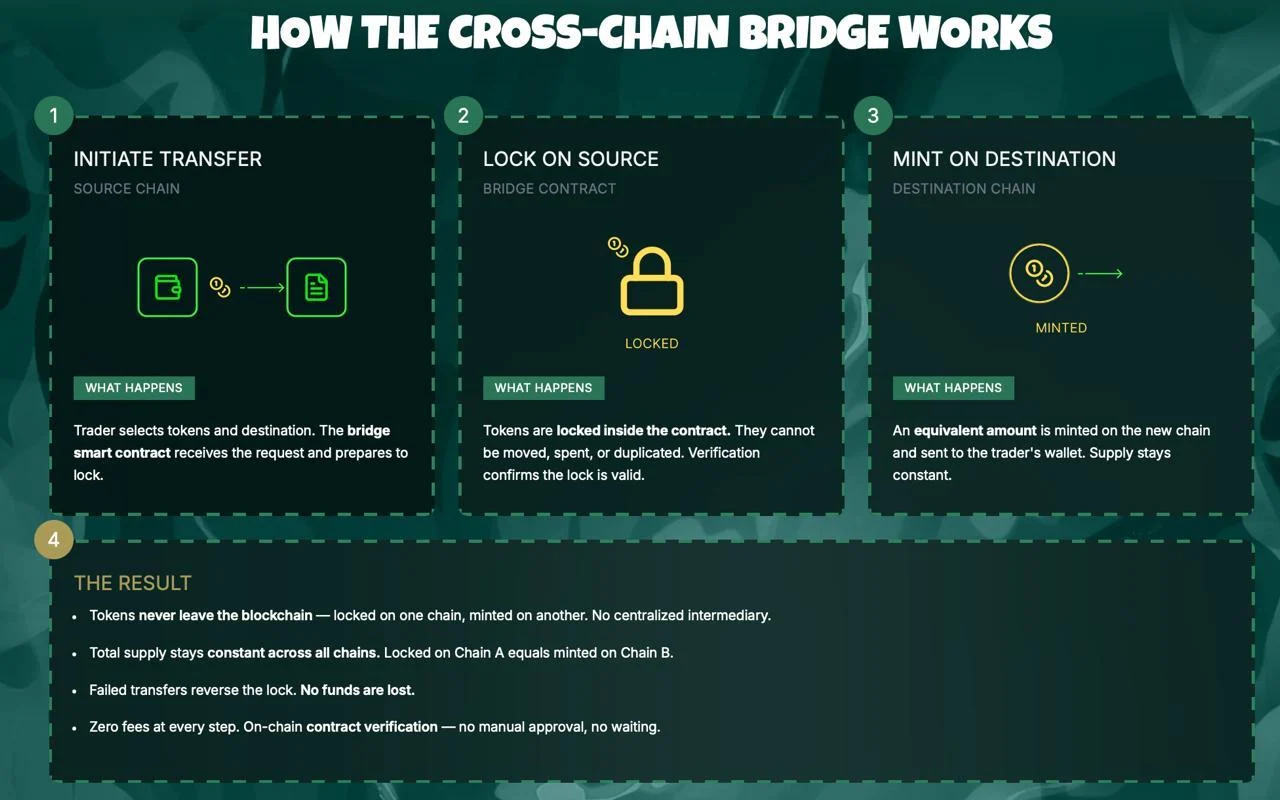
Pepeto raised $9.89M during this consolidation window because the exchange already runs. The cross chain bridge connects Ethereum, BNB Chain, and Solana so traders stop paying triple fees, PepetoSwap removes trading costs so every position keeps full value, and before your capital touches anything the risk scoring system reads every contract for hidden drains. Every line of code passed the SolidProof audit, and the cofounder who built the original Pepe token to $7 billion leads the team.
Tracking the bitcoin price prediction means watching BTC go from $80,286 toward $150,000, a decent return over months on an asset that needs hundreds of billions to move 90%. One Binance listing event is where presale wallets collect the return the BTC target takes all year to deliver.
At $0.0000001868 with 175% APY compounding daily, the math favors wallets inside. The entry disappears after the listing, and the gap between entering now and entering after the breakout is the gap between making the return and paying for it.
Bitcoin (BTC) Price at $80,286 as Halving Cycle Points to Breakout
BTC hit $80,393 on May 4 before pulling back to $80,286, its highest since January, according to CoinMarketCap. Strategy holds 818,334 BTC at $75,537 cost basis, whales bought 270,000 BTC in 30 days, and exchange reserves sit at a seven year low.
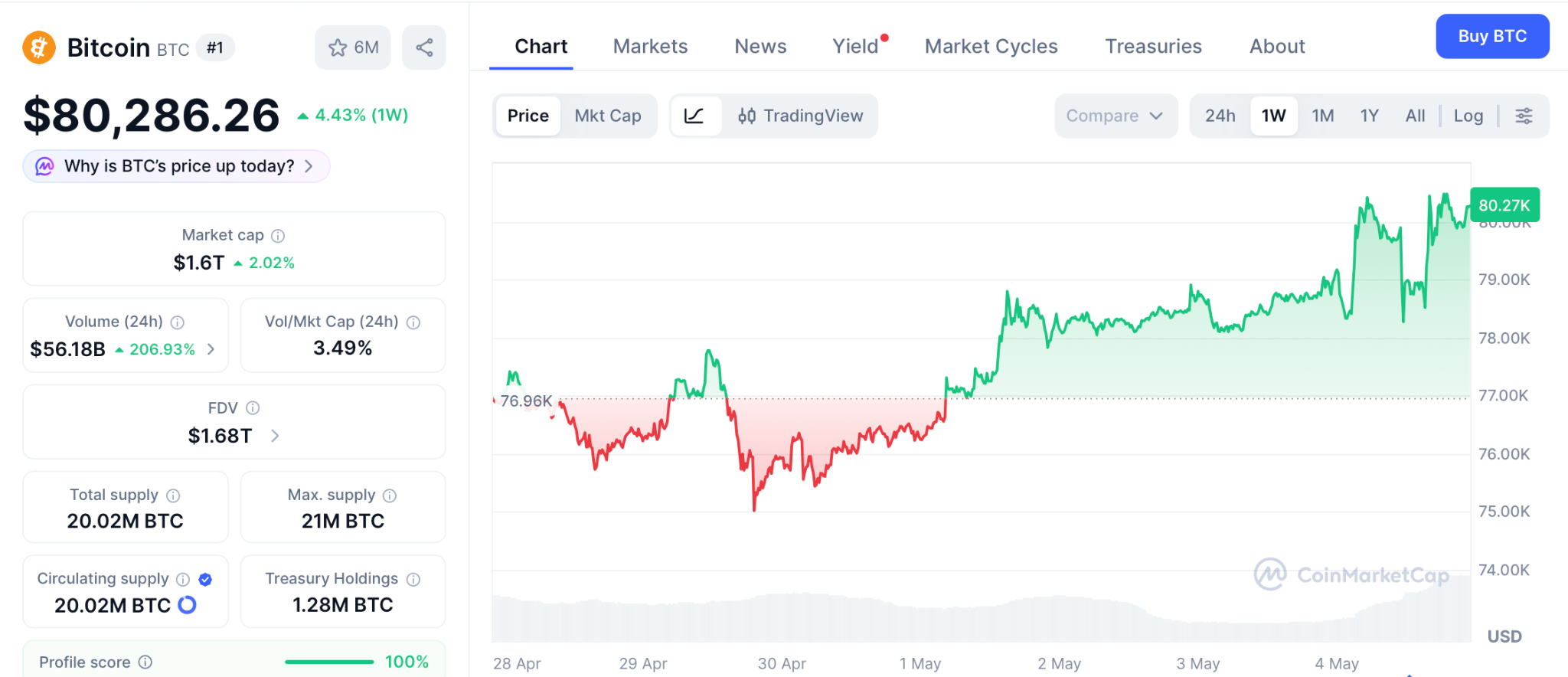
The all time high of $126,198 from October 2025 sits 58% above, Standard Chartered targets $150,000, and BTC needs to close above the 200 day moving average at $82,228 to confirm the bitcoin price prediction breakout.
Conclusion
Strategy paused its buys, but whales bought 270,000 BTC in a single month and exchange reserves hit a seven year low. The bitcoin price prediction signals the breakout is forming, and the consolidation window where the biggest entries get built is closing fast.
Pepeto crossed $9.89M while the market debated earnings, the Binance listing is approaching, 175% APY compounds daily, and stages fill faster each round. The wallets entering right now are buying at a number the market will never see again after the listing. Visit Pepeto and enter the presale before the breakout arrives and the entry you see today becomes the most expensive hesitation of this cycle.
Click To Visit Pepeto Website To Enter The Presale

FAQs
What is the bitcoin price prediction after Strategy pauses buys ahead of earnings?
The bitcoin price prediction targets $150,000 by year end as BTC trades near $80,286 with whales buying 270,000 BTC in 30 days and exchange reserves at a seven year low. Pepeto at $9.89M raised with a Binance listing approaching offers the returns BTC at $1.33 trillion cannot match, visit Pepeto.
Why is Pepeto filling during Bitcoin consolidation?
Pepeto is filling because the exchange tools are built, the SolidProof audit cleared every contract, and the Binance listing is approaching. At $9.89M raised and 175% APY staking, early wallets compound returns daily before the listing reprices the token permanently.
Disclaimer: This is a Press Release provided by a third party who is responsible for the content. Please conduct your own research before taking any action based on the content.


Kaiko flags frontrunning risk ahead of Robinhood token listings

Bill Skarsgård Does His Best Pete Davidson In R-Rated Saw Style Thriller

XRP: Warren Buffett Just Gave A URGENT Warning! (This Has NEVER Happened Before)

Manchester United reach agreement with Casemiro over contract clause amid transfer speculation

US brings back mandatory military draft registration

Steven Gerrard disagrees with Gary Neville over ‘shock’ Chelsea and Arsenal claim | Football


-

 Business7 days ago
Most Commercial Energy Audits Miss the Real Losses
-

 NewsBeat2 days ago
Channel 5 – All Creatures Great and Small series 7 new post
-

 Fashion7 days ago
Kylie Jenner’s KHY Enters a New Era with ‘Born in LA’
-
 Tech4 days ago
Trump’s 25% EU auto tariff breaches Turnberry Agreement that also covers semiconductors and digital trade
-
 Sports4 days ago
Paul Scholes issues Marcus Rashford reality check as agreement emerges over Man United star
-

 Business6 days ago
Barclay Brothers Avoid Bankruptcy: HSBC Drops High Court Petitions After IVA Deal
-
 Business6 days ago
Tesla Officially Registers Elon Musk’s Stock: What Investors Need to Know
-

 Tech6 days ago
Texas Instruments made a new flagship graphing calculator: the TI-84 Evo
-

 Business5 days ago
Two Powerball Tickets Split $143 Million Jackpot in Indiana and Kansas
-

 Entertainment6 days ago
Insider Claims Reason Behind Key & Peele Split
-

 Entertainment6 days ago
Celebrities Who Are Attending the 2026 Met Gala Event
-

 Entertainment4 days ago
Met Gala 2026 Rumored Guest List Is Turning Heads
-
Business2 days ago
Winning Numbers Drawn as Jackpot Resets to $20 Million
-
 Crypto World5 days ago
CoreWeave (CRWV) Stock Climbs 8% Despite $45M Insider Share Dump
-
 Crypto World6 days ago
Securitize and Computershare Enable Tokenized Equity Issuance for Over 25,000 U.S.-Listed Stocks
-

 Crypto World6 days ago
Meta (META) starts stablecoin payout to creators in Circle’s USDC on Polygon, Solana via Stripe
-

 Crypto World6 days ago
Gibraltar Proposes Tokenized Funds Regulation to Bolster Compliance
-

 Business7 days ago
Alexandria Real Estate Equities, Inc. (ARE) Q1 2026 Earnings Call Transcript
-

 Business6 days ago
Strait of Hormuz Remains Heavily Restricted on April 29 Amid Iran Conflict
-

 Entertainment4 days ago
Kylie Jenner Hit With Second Lawsuit From Ex-Housekeeper
You must be logged in to post a comment Login