

Crypto World
Why Stablecoins and SWIFT May Have to Coexist

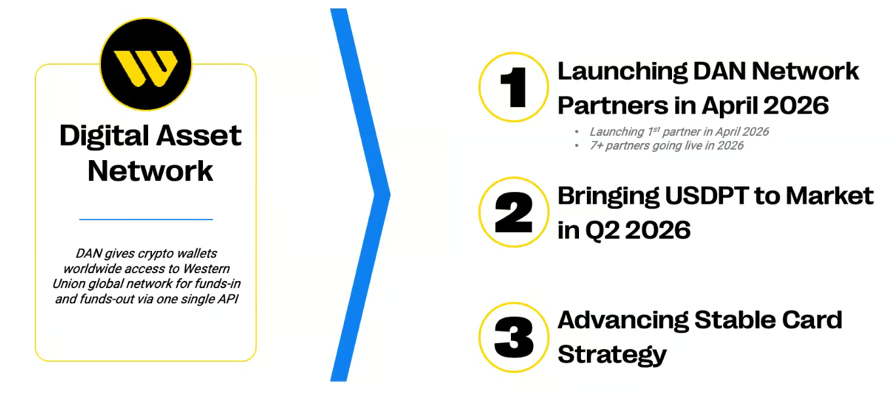
Some of the world’s largest remittance providers are accelerating their digital asset strategies as they look for faster settlement alternatives to traditional banking rails.
Western Union’s new stablecoin USDPT is the latest example of the growing overlap between traditional payments firms and crypto infrastructure. The money transfer company launched its Solana-based stablecoin on Monday in the Philippines and Bolivia, with plans to expand into additional markets throughout 2026.
Western Union CEO Devin McGranahan said in the company’s Q1 earnings call that the stablecoin will be used as an alternative settlement layer to the decades-old SWIFT network.
Digital assets allow transfers “to begin moving and settling between us and our agents onchain in real time at much faster speeds and again over weekends and holidays where we have capital tied up because the traditional banking system only settles Monday through Friday,” he said.
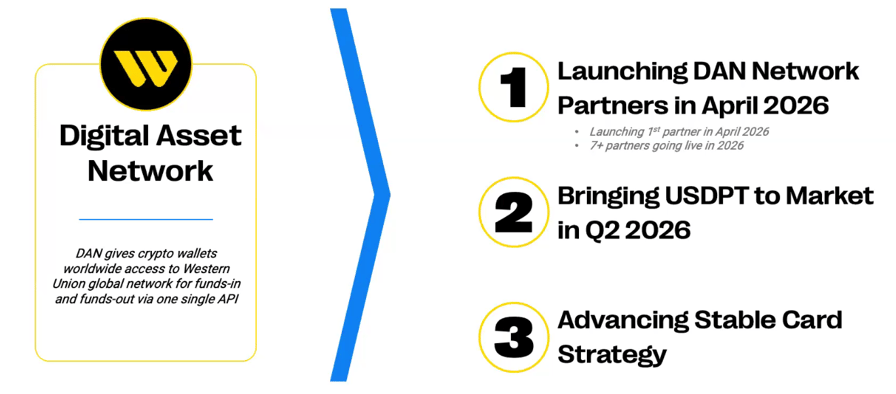
Western Union’s stablecoin follows the launch of its Digital Asset Network. Source: Western Union
Western Union is not the only remittance provider trying to move cross-border settlement away from the incumbent banking system’s weekday-only rails.
Rival MoneyGram on Tuesday announced a partnership with Kraken that allows users to convert crypto into cash for pickup, adding to a broader push among remittance firms to integrate blockchain-based payment rails.
SWIFT isn’t disappearing anytime soon
From its early years, crypto was often framed as an alternative to centralized financial systems and intermediaries.
Though Satoshi Nakamoto did not explicitly call for replacing banks in the original Bitcoin whitepaper, the network’s genesis block included the newspaper headline: “Chancellor on brink of second bailout for banks.”
As Bitcoin launched after the collapse of institutions like Lehman Brothers, the message has been interpreted as a political statement against centralized finance and bank bailouts.
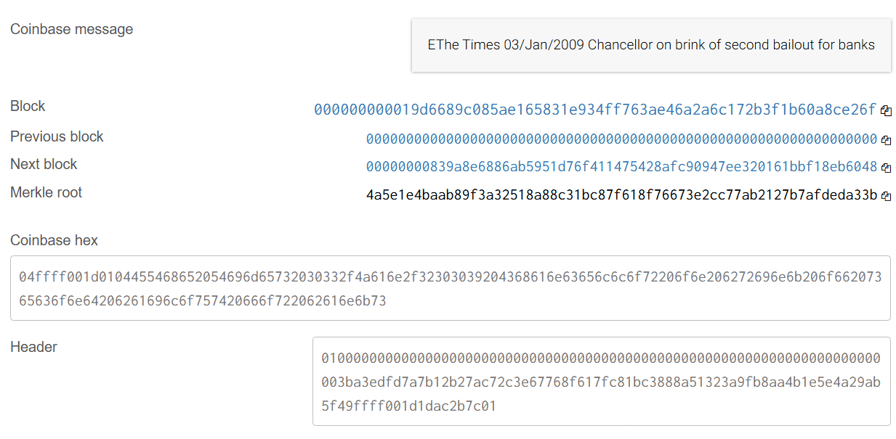
Bitcoin’s first block was mined on Jan. 3, 2009, during the Global Financial Crisis. Source: Bitaps
Related: DeFi can freeze stolen funds, but not everyone agrees it should
But today, many of those same financial institutions are embracing blockchain-based settlement systems themselves.
“It is no longer a question of if Western Union will be active in digital assets, it is now how fast can we scale,” McGranahan said.
Western Union exploring alternatives to SWIFT does not mean crypto has replaced the finance messaging network founded in 1973. SWIFT is still deeply embedded in the cross-border settlement infrastructure used by banks in more than 200 countries and territories.
In fact, SWIFT itself has also been experimenting with blockchain-related infrastructure. Last September, the organization announced work on a shared ledger initiative involving more than 30 financial institutions.
“SWIFT isn’t going to be replaced by a single announcement or a single stablecoin,” Bernardo Bilotta, CEO of stablecoin infrastructure platform Stables, told Cointelegraph.
“It’s deeply entrenched, and for many types of institutional transfers, it works well enough that the switching costs outweigh the benefits of moving to something new.”
Stablecoins unlock “dead” remittance capital
Faster remittance settlement has obvious benefits for end-users, who no longer have to be constrained to business days.
On the backend, it unlocks “dead capital” for the remittance provider and its local partners.
“A company like Western Union has capital parked across hundreds of correspondent banking relationships globally, pre-funding accounts so that when a transfer hits, the money is already sitting there waiting,” Bilotta said.
He added:
It earns nothing, it does nothing except guarantee that a payment can settle two or three days from now on a banking schedule designed in the 1970s.”
Moving settlement onto blockchain-based assets such as stablecoins compresses the payment timeline from days to minutes.
However, Bilotta argued that not all that liquidity will start flowing into useful earnings, as stablecoins also need locked reserves and partake in real-time treasury management. So in practice, not all the “dead capital” unlocked by stablecoins is expected to be immediately deployed elsewhere.
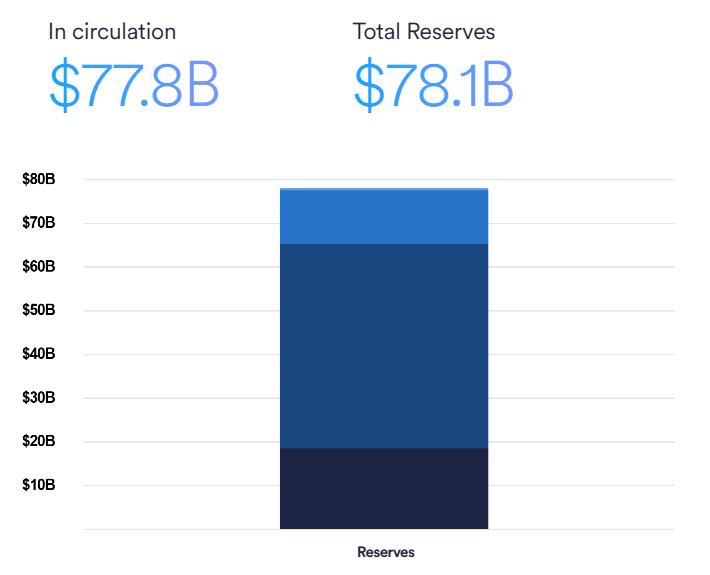
Stablecoin issuers also keep large amounts of capital locked in reserves. Source: Circle
Related: Why yen stablecoins are key to Japan’s crypto ambitions
Sota Watanabe, CEO of Startale Group, is building the JPYSC stablecoin in Japan. He said that the extra time in traditional rails also creates safeguards and buffers. Institutions batch transactions, net exposure and manage liquidity around banking hours.
“Stablecoins remove that delay. Powerful, but it means treasury systems must now operate continuously, not only during business hours,” Watanabe told Cointelegraph.
Private stablecoins risk creating new silos
While stablecoins promise faster and more efficient settlement, not all blockchain-based payment systems are built equally.
Bilotta argued that private settlement networks such as Western Union’s USDPT offer institutions tighter control over issuance, treasury management and counterparties, but risk recreating the same fragmentation blockchain originally aimed to solve.
“Every company that launches its own stablecoin creates another walled garden that the rest of the ecosystem has to bridge to or ignore,” he said.
Unlike private stablecoins operating inside closed ecosystems, public stablecoins such as Tether’s USDt (USDT) benefit from shared liquidity pools and interoperability across exchanges, wallets and payment platforms.
“A dollar moved through USDT in Thailand is the same dollar that arrives in Australia,” Bilotta said. “No bridging, no translation, no bilateral agreements between private networks.”
Watanabe shared similar concerns, warning that if every major payment company launches its own isolated settlement network, the industry could simply recreate the siloed infrastructure of correspondent banking on blockchain rails.
“Private settlement networks are efficient inside a closed ecosystem,” Watanabe said. “Their weakness is interoperability.”
He argued that the long-term advantage of public blockchain rails is not just faster settlement, but shared infrastructure where liquidity can move more naturally between applications, exchanges and financial systems.
For all the promises of faster settlement and 24/7 payments, blockchain-based remittances still risk rebuilding the same fragmented infrastructure they were meant to replace.
Magazine: North Korea denies crypto hacks, Upbit’s bank tests Ripple: Asia Express

Crypto World
Why JPMorgan’s $466 Price Target Makes UnitedHealth (UNH) a Top Healthcare Pick Right Now

Key Takeaways
- JPMorgan upgraded UNH price target to $466 from $420, maintaining “overweight” stance
- Mizuho increased its target to $460 from $440, keeping “outperform” recommendation
- Stock reached fresh 52-week peak near $413 on June 9, climbing over 20% year-to-date in 2026
- First quarter 2026 results exceeded projections with $111.7B revenue and $7.23 adjusted EPS
- Medical care ratio declined to 83.9% from prior year’s 84.8%, boosting margin outlook
UnitedHealth Group (UNH) finished trading at $407.73 on June 10, retreating 1.28% from the prior session, yet remaining close to its yearly peak following a series of positive analyst revisions earlier that week.
UnitedHealth Group Incorporated, UNH
On June 8, JPMorgan boosted its UNH price objective to $466 from $420, while reaffirming an “overweight” designation. This mark now represents the most aggressive target among major Wall Street firms, implying approximately 14% upside from the stock’s trading level at that moment.
Shortly after, Mizuho announced its own revision—elevating its price goal to $460 from $440 and preserving an “outperform” recommendation.
Mizuho informed investors that the managed care industry is entering a period of greater regulatory stability. Unexpected policy shifts from federal agencies have diminished following three turbulent years, creating a more predictable operating environment.
Shares touched a new 52-week pinnacle around $413 on June 9, advancing more than 20% through the first half of 2026.
Last Year’s Troubles Created Today’s Opportunity
To grasp why Wall Street has turned this optimistic, it’s essential to recall how challenging 2025 became.
In May 2025, CEO Andrew Witty departed unexpectedly. The board reinstated former leader Stephen Hemsley. The company withdrew its 2025 financial guidance as medical expenses exceeded internal projections.
Compounding matters, the Justice Department initiated an investigation into UnitedHealth’s Medicare reimbursement procedures. That inquiry continues.
Investors reacted by aggressively selling shares. UNH dropped to approximately $300–$312 per share—a steep decline from its record closing price of $603.20 reached in November 2024. Berkshire Hathaway established a position around $271 during the selloff, then liquidated the entire stake during Q1 2026.
The 2026 Turnaround Story
First quarter 2026 financial results catalyzed the recovery. UnitedHealth delivered revenue of $111.7 billion and adjusted earnings per share of $7.23, surpassing analyst expectations. The stock surged more than 8% following the announcement.
The metric that truly shifted sentiment was the medical care ratio—representing the percentage of premium income allocated to medical claims. It improved to 83.9% from 84.8% in the comparable period. A lower ratio means the organization retains a larger portion of revenue as operating profit. This enhancement restored institutional confidence more effectively than any executive presentation.
Consensus forecasts from Zacks for Q2 anticipate $4.84 earnings per share and $110.05 billion in revenue. Full-year projections call for $18.32 EPS and $443.7 billion in revenue, suggesting approximately 12% annual earnings expansion.
UNH presently commands a forward price-to-earnings multiple of 22.55, exceeding the sector average of 19.11.
JPMorgan’s optimistic outlook depends on three favorable developments: the DOJ Medicare inquiry concluding without substantial monetary sanctions, medical cost trends continuing their downward trajectory, and leadership executing on its 13%–16% long-term expansion objectives.
Berkshire’s decision to exit—disposing of shares acquired near cycle lows relatively quickly—represents a noteworthy detail certain market participants are monitoring.
The Medical-HMOs sector currently maintains a Zacks Industry Rank of 25, positioning it within the top 11% of all monitored industries.

CME Group, the world's largest derivatives exchange, said more than 7,200 cryptocurrency futures and options contracts traded over the first weekend of its 24/7 schedule, totaling about $50 million in notional, according to a release the company published Monday. The expanded hours went live at… Read the full story at The Defiant
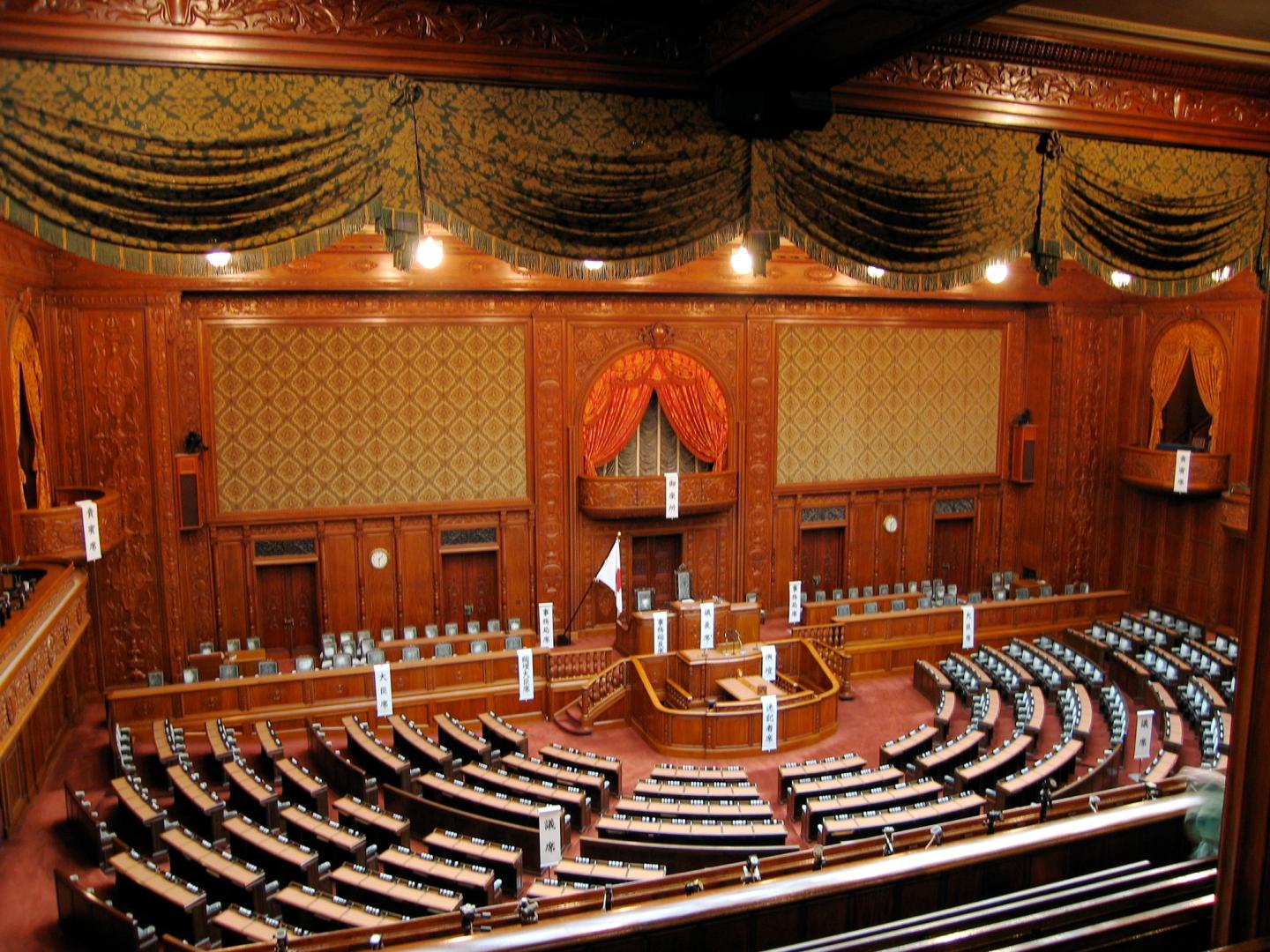
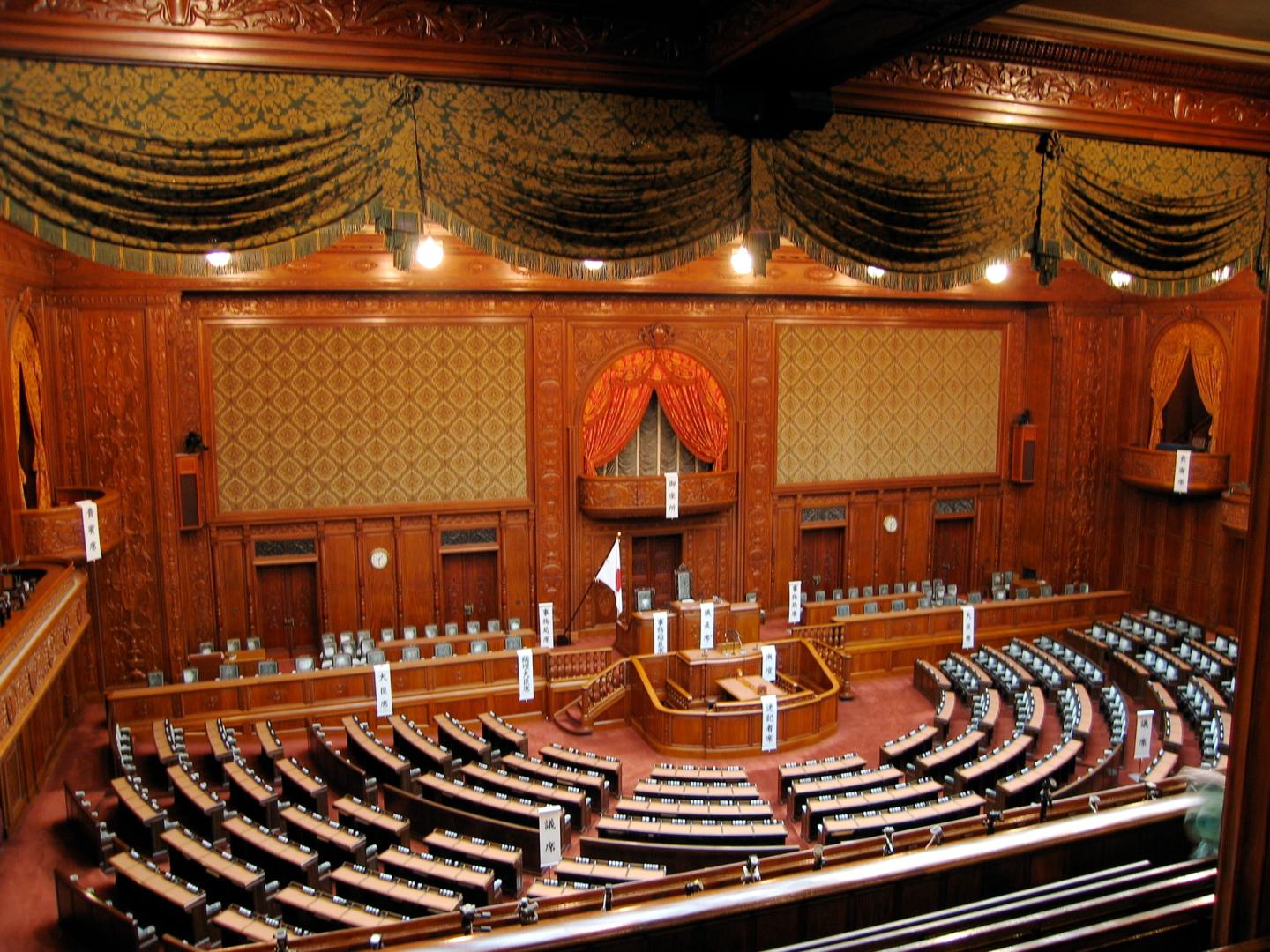
Japan could soon treat cryptocurrencies like stocks and other financial investments, rather than just as a payment method.
The country’s House of Representatives passed a bill that shifts crypto regulation from the Payment Services Act to the Financial Instruments and Exchange Act.
The Financial Services Agency (FSA) attributed the move to crypto quickly becoming a more mainstream investment asset in an announcement of the passage of the bill Thursday. Japan now has more than 14 million open crypto accounts, according to data cited by the FSA. Low- to middle-income everyday retail users are driving this growth, with people earning under 7 million yen ($43,600) a year accounting for roughly 70% of those accounts.
The new rules, expected to take effect next year, would classify crypto assets as financial instruments,subjecting them to lower taxes and stricter trading rules. It also opens the door to new products like exchange-traded funds (ETFs). “Crypto-ETFs would provide investors with easy-to-understand ways of investment,” the ruling Liberal Democratic Party said recently.
“Our framework intends to improve user protection while remaining mindful of promoting innovation, given that crypto assets are increasingly positioned as investment targets for both domestic and foreign investors,” the FSA said in the statement.
The FSA said the government is implementing an insider trading ban for crypto that works exactly like the stock market. Company insiders or exchange workers are banned from buying or selling tokens if they know about unpublicized “material facts”. This includes secrets like an exchange planning to add or drop a coin, a company going out of business, or large trades that make up.
The bill creates strict “information public disclosure rules” to stop developers from lying to the public. Projects must post clear details on how their technology works, their supply, and their business finances. If a company raises capital through a token but chooses not to obtain an independent audit from an accounting firm, regular investors will face a strict investment cap of 2 million yen.
The government also is getting much tougher on bad actors. The maximum prison sentence for anyone running an unregistered crypto business will jump from three years to 10 years. The country’s securities watchdog will also get clear powers to conduct criminal investigations and ask courts to freeze funds. Operating without registration could bring up to 10 years in prison, up from three, and fines could increase to 10 million yen ($62,800).

A Canadian teen stole more than $13 million in crypto through social engineering scams to pay for an “exotic lifestyle” in Miami and Los Angeles, including buying luxury cars, jewelry and taking private jet trips, US prosecutors say.
In May, US prosecutors charged then-19-year-old Trenton Richard Johnston for a scheme in which he and co-conspirators impersonated Google, Trezor and other crypto firm employees to gain access to victims’ crypto.
On Tuesday, Johnston, now 20, pleaded guilty to conspiracy to commit money laundering, avoiding further charges that could have resulted in a maximum sentence of up to 40 years in prison.

Trenton Richard Johnston’s mugshot. Source: Miami-Dade County
Social engineering attacks, where scammers portray themselves as trusted entities or people to trick victims, have become widespread in crypto, as artificial intelligence tools have boosted the capabilities of attackers to impersonate others.
“This case shows that some of the biggest crypto thefts today are not driven by sophisticated code exploits, but by basic human manipulation,” Cyvers CEO and co-founder Deddy Lavid told Cointelegraph.
“Crypto makes this especially dangerous because transactions are fast and largely irreversible,” he added.
“The attacker only needs to win the victim’s trust once, for a few minutes, and the loss can be permanent.”
According to court documents, Johnston and his co-conspirators started their crypto scam efforts around January 2024. In February, Johnston tricked a victim into believing that his Google email and Coinbase accounts were compromised, allowing them to steal approximately $41,000 in Ether (ETH).
Less than a month later, Johnston and his co-conspirators posed as Google and Trezor representatives to trick another victim in California into believing that someone was attempting to access their cryptocurrency wallet, allowing them to drain the account of about $13 million in Bitcoin (BTC).
Related: Coinbase freezes $3M tied to Southeast Asia crypto fraud networks
About $1.2 million of the stolen crypto was used to fund a lavish lifestyle across Miami and Los Angeles in just two months, according to prosecutors.
With the help of exotic car-rental company owner Brandon Tardibone, who also pleaded guilty to money laundering, Johnston spent most of the money on buying and renting luxury cars, including two BMWs and a Lamborghini Aventador SVJ.

A picture of a Lamborghini Aventador SVJ, a luxury car prosecutors say Trenton Johnston used stolen money to rent. Source: Wikimedia Commons
Stolen funds were also used to rent a private jet, a rental house in North Miami and plane tickets for “two girls from New York.”
Johnston’s run ended in March, when he was pulled over for speeding in a Rolls-Royce and found to be carrying 21 suspected amphetamine tablets. Investigators seized his computer, cellphone and handwritten notes, uncovering his link to the fraud scheme.
He has since turned over approximately 53.16 Bitcoin and 275.23 Ether, worth $3.7 million at current prices. In light of the plea deal and in return for full cooperation, prosecutors have recommended a sentence of 51 to 63 months in prison for Johnston, along with dismissal of the wire fraud charges.
Prosecutors also recommended Tardibone serve a sentence of between 27 and 33 months in prison.
US crackdown on crypto scams
The latest case is another win for US authorities tracking high-profile crypto scammers.
In April, a Californian resident was sentenced to 70 months in prison for his part in a criminal enterprise that stole $263 million in cryptocurrency through social engineering and burglary. Evan Tangeman, 22, pleaded guilty in December for helping the criminal organization launder at least $3.5 million in illicit funds.
In February, a Chinese national was sentenced to 20 years in US federal prison for a global cryptocurrency scam that stole more than $73 million from victims, many of them American investors.
“The industry cannot rely on education alone,” Leddy said.
“Wallets, exchanges, custodians, and banks need real-time, pre-transaction security controls that detect suspicious behavior, risky destination wallets, and laundering patterns before funds leave the account. The key shift is from investigating fraud after the theft to preventing it before execution,” he added.
Magazine: Does ‘Paper Bitcoin’ mean there’s an unlimited supply of BTC?

Key Highlights
-
Japan reclassifies Bitcoin and Ether under securities regulations similar to traditional stocks.
-
Tax reform could slash crypto capital gains rates from 55% to a flat 20%.
-
Regulatory pathway opens for Bitcoin and Ether exchange-traded funds in Japanese markets.
-
Enhanced insider trading enforcement may consolidate the exchange landscape.
-
Stablecoins remain governed by payment service regulations outside this framework.
Japanese legislators have taken a decisive step toward integrating digital currencies into the country’s established financial system. A comprehensive bill advancing through parliament would reclassify cryptocurrency assets as securities, implementing tax reductions, strengthening market supervision, and establishing infrastructure for regulated investment vehicles. The framework provides financial institutions, trading platforms, and market participants with unprecedented regulatory clarity.
Legislative Progress Signals Regulatory Evolution
The lower chamber of Japan’s parliament passed the legislation on Thursday, advancing it to the upper chamber for concluding deliberations. Political observers anticipate the regulatory structure will become operational next year following final parliamentary approval. The legislation modifies the Financial Instruments and Exchange Act, effectively incorporating cryptocurrencies into conventional financial oversight.
According to the legislative proposal, Japan would reclassify cryptocurrency holdings as financial instruments instead of maintaining their current designation as payment-related assets. This transformation would align trading behavior, transparency requirements, and regulatory monitoring with equity market protocols. Regulators would gain enhanced authority to combat insider trading schemes and market manipulation tactics.
This legislative push represents the culmination of extensive policy discussions triggered by exchange collapses and inconsistent taxation policies. Japan established one of the world’s first comprehensive crypto licensing frameworks following significant market disruptions. Current officials seek refined regulations as interest intensifies across institutional and consumer sectors.
Bitcoin Reclassification Creates Investment Product Opportunities
Bitcoin would receive designation as a financial instrument within the proposed regulatory architecture. Consequently, trading platforms and fund managers would obtain legal authorization for cryptocurrency-linked investment vehicles. This modification could facilitate domestic Bitcoin ETFs on authorized securities exchanges.
Japan Exchange Group anticipates cryptocurrency-tracking ETF products could debut as early as next year. These offerings would provide investors with Bitcoin market exposure through standard brokerage infrastructure and regulated exchange mechanisms. This framework might diminish dependency on publicly-traded corporations holding substantial cryptocurrency reserves.
Metaplanet has captured investor attention through its holdings exceeding 40,000 Bitcoin. Nevertheless, ETF availability could generate direct market rivalry for corporate treasury-focused digital asset strategies. This evolution may compel publicly-listed entities to demonstrate strategic rationale, custody arrangements, and financial statement valuations with greater transparency.
Ether Inclusion and Tax Rate Transformation
Ether would receive identical treatment as Bitcoin within the proposed securities classification system. The accompanying tax modification would transition cryptocurrency profits toward a uniform 20% assessment. Japan’s existing framework subjects certain cryptocurrency gains to marginal rates approaching 55%.
This taxation adjustment could commence in 2028, while broader regulatory provisions may activate sooner. The reduced assessment would harmonize cryptocurrency treatment with equities and fixed-income securities. The change could eliminate obstacles for frequent traders and buy-and-hold investors alike.
Stablecoins will continue operating beyond this legislation’s scope, maintaining their status under payment service frameworks. Japan authorized its inaugural yen-denominated stablecoin, JPYC, during autumn 2025. The nation additionally witnessed major banking institutions launching collaborative stablecoin initiatives with official regulatory endorsement.
Enhanced Enforcement Could Transform Exchange Ecosystem
The proposed legislation substantially increases compliance demands throughout Japan’s cryptocurrency sector. Unauthorized cryptocurrency operators could receive prison sentences extending to 10 years. Existing statutes limit maximum incarceration to three years.
Japan intends to implement sanctions for cryptocurrency insider trading equivalent to public securities violations. These provisions could strengthen confidence in authorized platforms while eliminating regulatory inconsistencies. However, they might simultaneously escalate legal and auditing expenses for resource-constrained operators.
Japan maintained 27 licensed cryptocurrency exchange operators as of April 1. Established platforms may absorb new transparency and compliance obligations more efficiently. Smaller exchanges might encounter consolidation pressure, market exits, or requirements for substantial internal control enhancements.


Binance’s plan to reenter the Philippines through local partner BlockShoals Technologies has faced a new regulatory hurdle after the country’s central bank said both firms lack required licenses.
Summary
- Binance and BlockShoals lack the BSP license needed to operate as virtual asset service providers.
- The SEC StratBox sandbox does not replace separate central bank licensing requirements for crypto operators.
- BlockShoals must integrate with a licensed domestic VASP before Binance-linked user onboarding can begin.
According to BitPinas, Bangko Sentral ng Pilipinas said neither Binance nor BlockShoals currently holds a virtual asset service provider license. The license is needed to operate crypto payment and transaction services in the country.
BSP says Binance and BlockShoals lack licenses
The BSP clarified that the two firms do not hold the central bank approval required for VASP activity. That means they cannot operate as licensed virtual asset service providers under the current framework.
The statement adds a new layer to Binance’s attempted comeback in the Philippines. Binance had earlier said it was working with BlockShoals under the Philippine Securities and Exchange Commission’s StratBox sandbox.
BlockShoals received SEC clearance under the sandbox structure. However, the BSP said sandbox participation does not remove the need for a separate central bank license.
That distinction matters because the SEC and BSP oversee different parts of the market. A sandbox test may support innovation, but a VASP license remains needed for certain crypto services.
SEC sandbox approval is not enough
The SEC’s StratBox framework allows selected firms to test financial products in a supervised setting. Binance and BlockShoals planned to use that route to test a local platform experience.
The SEC previously said BlockShoals would serve as the local intermediary, while Binance would provide technology, product support, security and compliance experience.
BitPinas reported that the revised sandbox terms require BlockShoals to integrate its systems with a licensed domestic VASP within 90 days. User onboarding through Binance infrastructure cannot begin before that step.
The SEC also revised its wording around Binance. The report said the regulator described Binance as a global crypto-asset service provider rather than a global VASP.
Binance remains blocked in the Philippines
Binance has a long regulatory history in the Philippines. In 2023, the SEC said the exchange operated without proper registration and licensing.
Philippine authorities later moved to restrict access. The National Telecommunications Commission blocked Binance’s website in 2024 after the SEC requested action.
As previously reported by crypto.news, the Binance app was also removed from the Philippine Google Play Store in early 2026. Users searching for Binance were redirected to other regional exchange apps.
Separate reporting said Binance partnered with BlockShoals in May as it sought a regulated path back into the market. The new BSP statement shows that route still depends on licensing compliance.
Reentry now depends on licensed local rails
The latest update does not close the door on Binance’s return. It shows that the exchange and its partner must meet both SEC and BSP requirements before operating locally.
For BlockShoals, the next key step is its required link with a licensed domestic VASP. That integration must happen before any Binance-backed onboarding can begin.
The case also shows how the Philippines is separating sandbox testing from full market access. Regulators appear open to supervised trials, but they continue to require licensing for live crypto services.
For Binance, the message is clear. Its Philippine comeback will not depend on a sandbox approval alone. It must move through licensed local rails before users can access services tied to its infrastructure.

The FIFA World Cup 2026 kicking off today, 48 teams, 104 matches, 16 host cities across Canada, Mexico, and the United States, and it is the most crypto-integrated World Cup in history.
Kraken enters as the Official Crypto Exchange Supporter, ADI PredictStreet runs the tournament’s first-ever official prediction market on Chainlink oracle infrastructure, and Chiliz fan tokens now live on Solana and Base, are already registering elevated on-chain activity.
Three pillars, one tournament, and a combined crypto footprint that no previous World Cup came close to matching.
Discover: The Best Crypto to Diversify Your Portfolio
Kraken’s World Cup FIFA Deal: What 6 Billion Viewers Actually Means for Crypto
Kraken is named the Official Crypto Exchange Supporter of the FIFA World Cup 2026 , the only exchange-level deal in FIFA’s sponsorship structure for this cycle.
The partnership covers fan activations and product experiences across North America and Europe for the tournament’s seven-week run from June 11 to July 19, targeting a cumulative global audience of more than six billion people.
Kraken operates in more than 190 countries and has spent over a decade building exchange infrastructure, the FIFA deal is a distribution play at a scale most crypto firms have never accessed.
Watching the @FIFAWorldCup 2026
Being there is another.
Sign up to Kraken with code ‘FWC26’ by July 9 for a chance to win 2 tickets with flights and accommodation included.
→ https://t.co/f6wqrd6BZb
Here we go.@FabrizioRomano pic.twitter.com/JXauo5k0cA
— Kraken (@krakenfx) June 10, 2026
Arjun Sethi, Co-CEO of Kraken and Payward, framed it plainly: “Football is the one thing that moves the whole planet at once.
Over seven weeks, six billion people will watch the same game, across every border and every language. Money should work the same way.”
FIFA Chief Business Officer Romy Gai cited shared commitment to innovation and technology as the basis for the partnership.
The deal builds on Kraken’s existing sports portfolio, Tottenham Hotspur FC, Atlético de Madrid, RB Leipzig, and the Atlassian Williams Racing Formula 1 team, but the World Cup exposure dwarfs any of those individually.
The honest caveat belongs here: Kraken holds the Supporter tier, below FIFA’s Global Partners such as Adidas, Coca-Cola, Visa, and Hyundai-Kia.
No crypto exchange has yet reached FIFA’s top sponsorship tier. That distinction matters structurally even as the on-the-ground footprint is real and broad.
FIFA’s First Official Prediction Market Runs on Chainlink, Here’s How It Works
ADI PredictStreet is operating as FIFA’s first-ever Official Prediction Market Partner for the World Cup, and Chainlink is the exclusive oracle infrastructure underpinning it.
The causal chain is direct: Chainlink oracles pull verified match results from authoritative sources, feed them on-chain via the Chainlink Runtime Environment, and trigger automated settlement of prediction markets without requiring any manual intervention or a trusted intermediary.
That is a meaningful architectural distinction from centralized prediction platforms, where settlement is discretionary.
ADI PredictStreet CEO Dimitrios Psarrakis cited the need for transparent outcomes and efficient settlement at scale as the reason for selecting Chainlink.
Chainlink Labs CBO Johann Eid described the integration as a potential shift in how fans interact with live sports, prediction markets as an engagement layer rather than a peripheral product.
For those wanting context on how crypto prediction markets for real-world events function at the infrastructure level, the mechanics here are illustrative.
Discover: The Best Token Presales
Five Verticals, One Tournament: What FIFA 2026 Actually Proves About Crypto Adoption
Roll the full picture together, and five distinct crypto verticals are operating inside a single sporting event simultaneously: exchange (Kraken), oracle infrastructure (Chainlink), prediction market (ADI PredictStreet), fan engagement and tokens (Chiliz), and on-chain ticketing (Avalanche). No previous World Cup came within reach of that combined footprint.
Qatar 2022 had Algorand handling NFTs and a digital wallet, a deal that was later scaled back amid the 2022–2023 market downturn.
FIFA 2026 is structurally different: multiple independent operators, multiple chains, and multiple use cases rather than a single blockchain partnership carrying the entire crypto narrative.
The tier caveat stands as a structural limit on how far the adoption story can be pushed. Crypto sports integration at FIFA runs deep across five verticals this cycle, but it has not reached the Global Partner tier occupied by Visa, Coca-Cola, and Adidas.
That is the next test, whether the engagement data from this cycle is compelling enough for a crypto company to bid for top-tier FIFA status in 2030. The proof-of-concept window is now open, and it runs for seven weeks.
The post Crypto FIFA World Cup 2026 Moment: Kraken, Chainlink, and Chiliz Are All In appeared first on Cryptonews.
Crypto World
Kalshi Files to Add Perpetual Futures on 12 Altcoins, Three Days After CFTC Cleared Its Bitcoin Contract
Kalshi filed on Monday to add perpetual futures contracts on 12 altcoins, three business days after the Commodity Futures Trading Commission approved its BTCPERP bitcoin contract as the first US-regulated crypto perpetual. The submission covers perpetuals on ether, XRP, solana, dogecoin, stellar,… Read the full story at The Defiant
Charles Schwab is targeting mid-2027 to bring spot crypto trading, transfers, and custody to the registered-investment-advisor channel that already houses $5.2 trillion of client money on its custody platform, Jalina Kerr, managing director at Schwab Advisor Services, told reporters at the firm's… Read the full story at The Defiant

Zcash (ZEC) briefly climbed above $470 this week from lows of just under $300. The token has since stabilized near $425 amid a broader market retreat.
A specific price region has now been identified that could decide whether the privacy network’s native asset continues recovering or enters another brutal decline phase.
Danger Ahead Below $360
Alphractal founder Joao Wedson said ZEC has reached a crucial point where its next price move could decide whether the token continues recovering or slips back into a deeper bear market. In his latest analysis, Wedson stated that Alphractal’s CVDD model, which is used to identify major market tops and bottoms, currently places ZEC in a very important zone.
He also highlighted the MVRV Z-Score indicator, which recently dropped close to zero after ZEC tested its Realized Price during the latest market correction. According to Wedson, that on-chain level acted as strong support and helped ZEC rebound after the sharp decline.
Even with the recovery, he stressed that bulls now need to defend the $360 level to prevent further weakness in the market. Wedson warned that if ZEC falls below $360, the privacy token could enter a much more aggressive bear market phase and face heavy capitulation pressure.
In that case, Alphractal would turn its attention back to the CVDD Channel to track possible lower support levels between $48 and $170. He added that $48 would represent the most bearish outcome and was also the level where ZEC formed its bottom in the previous market cycle.
Ironwood Upgrade
Zcash is preparing for a major network upgrade to address concerns around the token’s circulating supply. The Ironwood upgrade, which is expected in late July, will introduce a mechanism allowing node operators to independently verify ZEC supply without relying on developers.
The move comes after the discovery of a counterfeiting vulnerability in Zcash’s Orchard shielded pool. Although developers fixed the issue in June, they admitted there was no reliable way to confirm whether attackers had minted counterfeit coins before the patch.
Once activated, Ironwood will transition users from the old Orchard pool into a fresh pool.
The post Why ZEC’s Latest Rally May Depend Entirely on One Support Level appeared first on CryptoPotato.

Member marapthon dapat kontrak fresh money selama marapthon #bravy #bravysonvconk #radityadika

Second Strictly Come Dancing star revealed as Love Island’s Dani Dyer signs up for show
Why JPMorgan’s $466 Price Target Makes UnitedHealth (UNH) a Top Healthcare Pick Right Now

HarrisX Poll Found 52% of Registered Voters Support the CLARITY Act

BloFin War of Whales 2026 Grand Prix opens registration for $5M trading championship

Blockchain.com files with SEC for U.S. IPO
Member marapthon dapat kontrak fresh money selama marapthon #bravy #bravysonvconk #radityadika

Most Crypto Altcoins Are Dead.. And Never Coming Back (3 reasons)

Financial System Shock: Why Your Money May Never Work The Same | Mike Belshe
-

 Fashion6 days ago
Weekend Open Thread: Evereve – Corporette.com
-
 Crypto World6 days ago
Jensen Huang Approves Samsung, SK Hynix, and Micron for NVIDIA (NVDA) HBM4 Memory Supply
-
 Entertainment4 days ago
The Best Mystery Series of All Time Is Surging on Streaming 30 Years After It Ended
-

 Crypto World3 days ago
Anatomy of the June crypto crash: Fed, Iran, Saylor
-

 NewsBeat3 days ago
Alexander Zverev wins the French Open to finally earn a 1st Grand Slam title
-

 Tech5 days ago
Suspicious Polyfill login prompts pop up on Toshiba, Muji websites
-
Crypto World5 days ago
Senator Cynthia Lummis Calls CLARITY Act the Most Consequential Financial Legislation of This Generation
-

 Tech4 days ago
Microsoft unveils seven homegrown AI models in new bid for ‘long term self-sufficiency’
-

 Tech6 days ago
Microsoft launches MXC, an OS-level sandbox for AI agents, with OpenAI and Nvidia already on board
-

 Business6 days ago
(VIDEO) Justin Bieber Delivers Surprise Happy Birthday Serenade to Diners at Los Angeles Mexican Restaurant
-
 Business4 days ago
The Pain Points Taking a Fragile Tech Rally Down a Notch
-
 Crypto World3 days ago
Eli Lilly (LLY) Stock Surges 4% Following Breakthrough Sleep Apnea Trial Results
-

 Business3 days ago
High Stakes for Wembanyama as New York Pushes for 3-0 Lead
-

 Tech5 days ago
Von der Leyen’s AI envoy pick draws conflict-of-interest fire
-
Crypto World6 days ago
LBank Surpasses 25 Million Users Worldwide as AFA Partnership Continues to Drive Global Growth
-

 Tech5 days ago
Hackers now exploit SolarWinds Serv-U flaw to crash servers
-

 Tech6 days ago
Meta steals a tactic from Tesla and builds data centers in tents
-

 Crypto World4 days ago
Trump’s AI Ownership Plan Could Benefit Anthropic at OpenAI’s Expense
-
 Sports2 days ago
Bangladesh beat Australia after 20 years in ODIs, register only their second win over six-time world champions | Cricket News
-
 NewsBeat4 days ago
Alexander Zverev conquers demons and outlasts Flavio Cobolli to win French Open for first major title
You must be logged in to post a comment Login