
Crypto World
Zoomex Monthly Transparency Report: July 2026


July was the month the market caught its breath. After a June defined by a hawkish Fed surprise, a broken ETF cycle, and one of Bitcoin’s worst monthly candles in years, July delivered the opposite script: a steady grind higher, a World Cup campaign that closed out on schedule, a tennis debut at Wimbledon, and a security backdrop across the industry that made Zoomex’s transparency stack more relevant than ever. The month proved that recovery, like the drawdown before it, tests infrastructure just as hard as a crash does.
Zoomex by the Numbers
Against that backdrop, Zoomex’s value proposition stayed exactly where it was in June: sub-10ms execution, a dual liquidity pool architecture blending internal depth with aggregated external liquidity, and a minimalist interface built to hold up when volatility spikes in either direction. The platform continues to serve over 3 million registered users across 35-plus regions, with a catalogue spanning 700-plus trading pairs across Perpetual USDT, Inverse Perpetuals, Spot, tokenized equities, and now Predict Market contracts.
July’s test looked different from June’s. Rather than a single violent liquidation event, the month asked Zoomex’s infrastructure to hold up through a slower, choppier grind higher punctuated by a contentious Fed decision and an industry-wide spike in security incidents elsewhere. Zoomex’s regulatory stack, Canada MSB, US MSB, US NFA, and Australia AUSTRAC, stayed unchanged and fully active through it, and the platform’s Hacken security audits and Proof of Reserves framework remained the answer to a month where trust, not just speed, was the thing being tested across the sector.
What Zoomex Shipped in July
World Cup Predict Market Series Reaches Its Finale
Zoomex closed out its five-part World Cup Edition X Space series, part of the Zoomex World Cup Impact Pledge, with back-to-back episodes featuring some of football’s biggest names. England goalkeeper David James joined the third episode on July 9.

It was followed by Argentina legend and two-time Olympic gold medalist Javier Mascherano for the #ZOOMEXFootballAMA episode on July 14 hosted from Boston hours before the quarterfinals kicked off.

The series wrapped with a World Cup Final Panel featuring Fernando Llorente in late July. Each episode carried a charity component: Zoomex committed 1,000 USDT per episode to a cause chosen by that episode’s football guest, rising by an additional 5,000 USDT whenever the guest’s match prediction landed.

Zoomex Debuts at Wimbledon 2026
Zoomex extended its sports footprint beyond football and Formula 1, marking its first entry into elite tennis through partnerships with three professional players, Felix Gill, James Duckworth, and Roman Safiullin, timed to Wimbledon 2026.
Alongside the sponsorship, Zoomex launched a dedicated tennis Predict Market and a Grand Slam Trading Challenge, letting users trade to earn Lottery Tickets toward Wimbledon prizing while forecasting match outcomes and key moments as the tournament played out, extending the same Elite Access Platform positioning that has anchored its football and racing partnerships all year.
Home Race Week With Ollie Bearman
Zoomex’s Formula 1 partnership stayed active through the sport’s own headline week, as Silverstone hosted the British Grand Prix with Haas driver, Zoomex partner, and local favorite Ollie Bearman racing in front of a home crowd.

The platform marked the occasion with dedicated content around Bearman’s Silverstone weekend, keeping the F1 partnership visible alongside the month’s football and tennis campaigns rather than treating it as a one-off from earlier in the year.
Regulatory Watch: July’s Countdown Redefines Crypto’s Rulebook

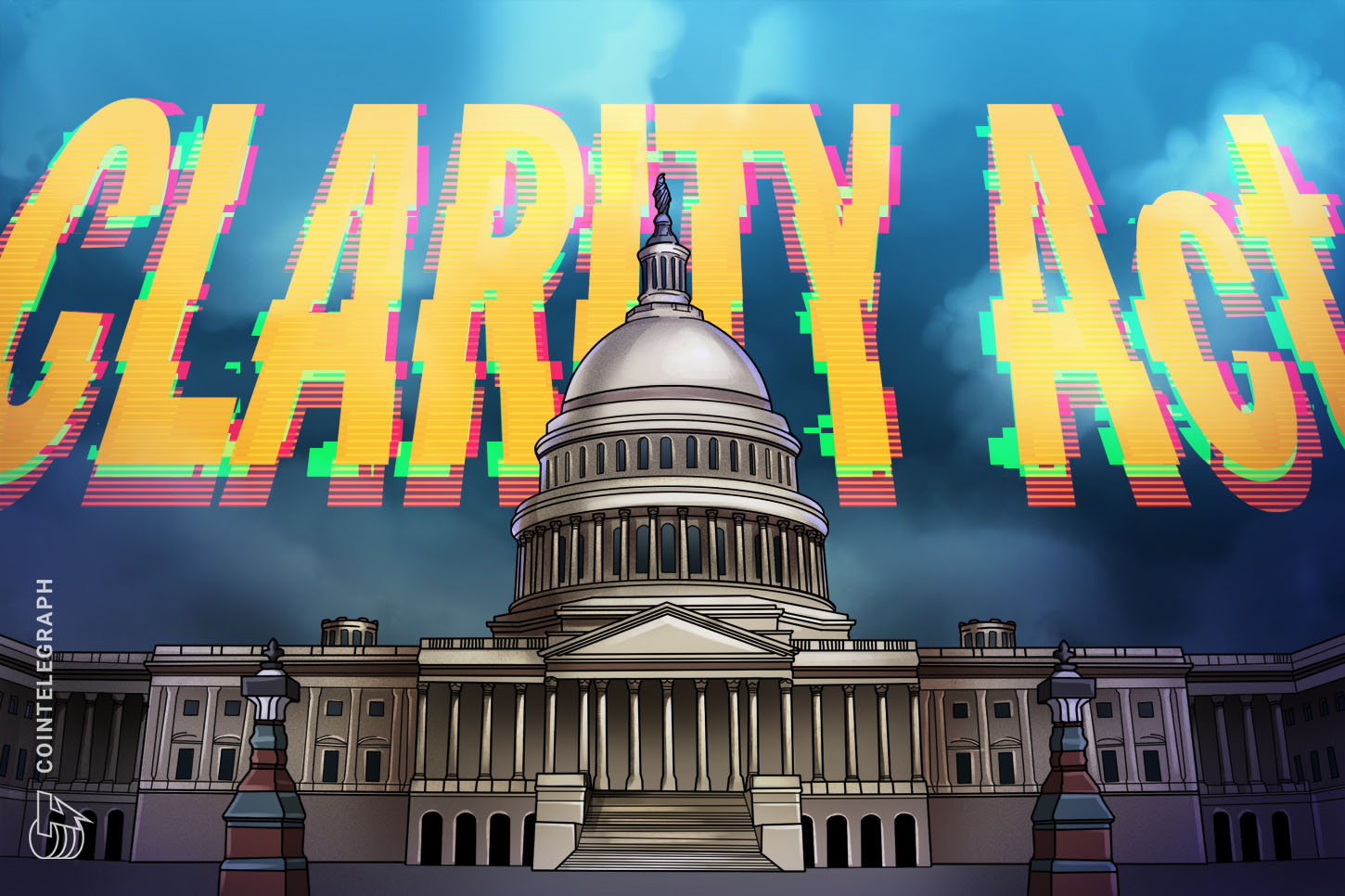
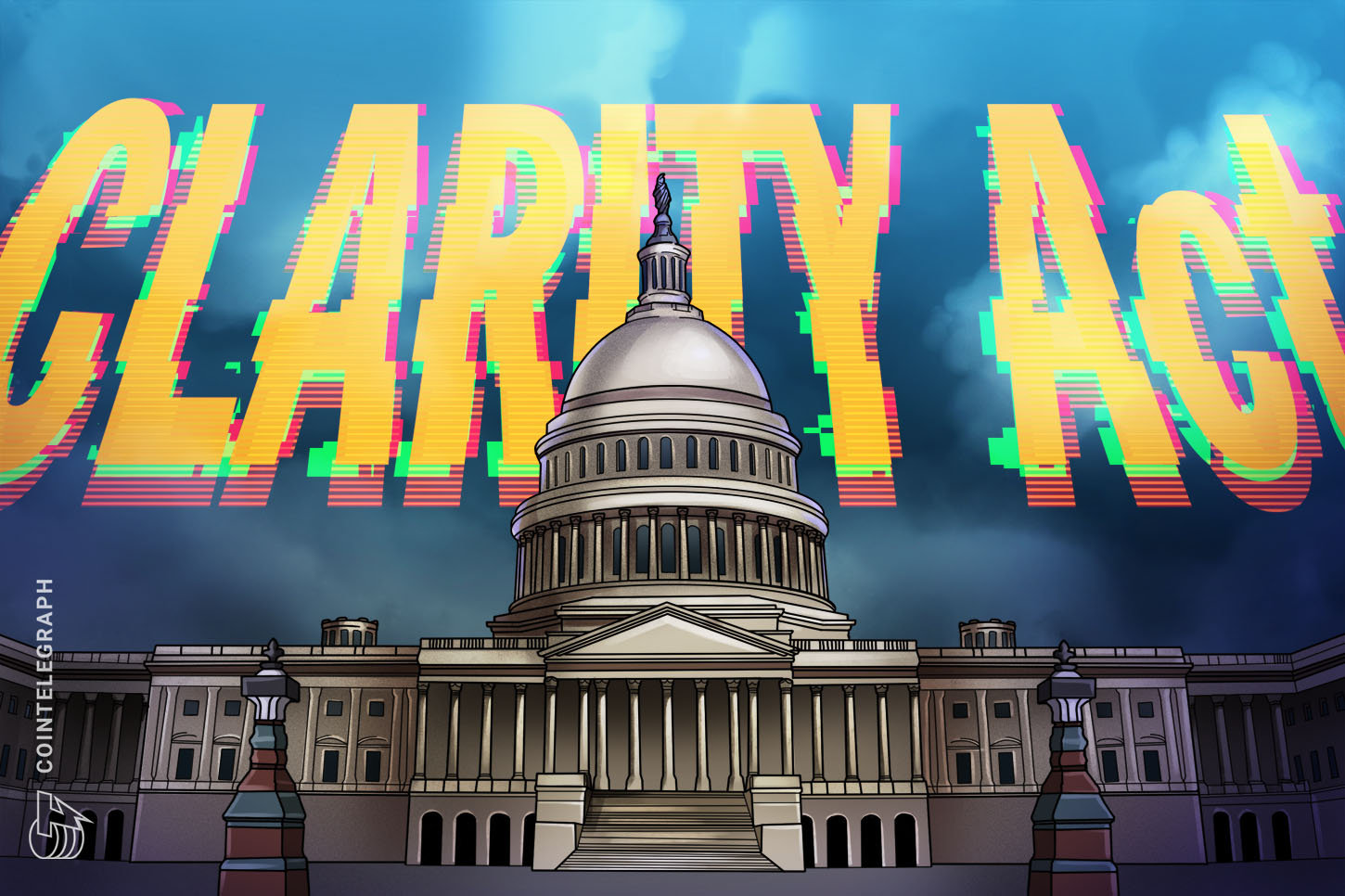
Zoomex closed out July’s regulatory coverage by tracking the CLARITY Act’s stalled momentum, updated text was out and a floor vote was targeted before the August recess, but an ethics dispute kept blocking the final step, dropping the odds of 2026 passage sharply. Against that backdrop, MiCA continued cementing its position in Europe as the only fully operational framework.
Macro Meets Crypto: When the Regime Flips

Zoomex broke down how July inverted the macro playbook that had defined crypto trading through 2025 and early 2026. Instead of tariffs weakening the dollar and the Fed inching rates lower, July brought a strengthening dollar and a new Fed chair talking hikes instead of cuts, forcing traders to rewrite the script mid-cycle.
Grid Trading on Zoomex: How to Profit From Sideways Markets

With July’s price action defined by a choppier, range-bound grind rather than a clean trend, Zoomex published a breakdown of its Contract Grid tool, designed specifically for markets that drift sideways for days or weeks without a decisive move.
Zoomex Predict World: Turning Crypto Markets, Sports, and Global Events Into Live, Tradable Charts

Alongside the World Cup campaign, Zoomex’s Predict Market kept broadening its scope through July, letting users trade not just match outcomes but geopolitical and macro questions from the same interface, from Venezuela-related political scenarios to speculation around a potential Russian nuclear test by a set 2026 deadline. The mix reinforced the product’s core pitch: one prediction venue spanning sports, crypto price action, and world events, rather than a football-only campaign tool.
Zoomex Monthly On-Chain Report: June 2026

Rounding out coverage carried over from June, Zoomex published its monthly on-chain report highlighting a pivotal month for the platform’s on-chain footprint, marked by a dramatic surge in exchange trade volume, sustained multi-chain asset growth, and a diversified pattern of capital flows.
CEX Security Architecture: How Your Funds Are Protected on Zoomex

Zoomex closed the month’s editorial output with a deep dive into its 7-layer security architecture, framed against the industry’s track record of exchange failures, from the FTX collapse to the Bybit exploit that resulted in $1.5 billion in losses in early 2025, positioning Zoomex’s safeguards as the counterpoint to that history.
World Cup Prediction Market Campaign Wraps Up
The World Cup Prediction Market Campaign that opened in mid-June ran through July 18, giving users a full month of task-based Lucky Spin draws for World Cup tickets, gift boxes, airdrop rewards, and trading vouchers before closing out alongside the tournament itself, with Zoomex flagging heating competition on the leaderboard as the window narrowed.
Discord Rewards Campaign
From July 15 to July 25, Zoomex ran a Discord-based promotion offering USDT bonuses, limited community roles, and priority access, with a $500 prize pool for top participants, extending the platform’s community engagement beyond X and into Discord for the first time this cycle.
July Airdrop Carnival
Running from June 30 through July 31, the July Airdrop Carnival targeted new users with tiered onboarding rewards, including up to $770 in combined bonuses and airdrops and a fixed-term product offering competitive fixed-term yield options, structured around KYC completion, deposit tiers, and trading activity, before rolling directly into the August Summer Airdrop at month’s end.
Conclusion
July was the month the macro backdrop finally caught up with crypto, and Zoomex’s response was to keep building rather than retreat. A live Prediction Market timed to the World Cup, a full tokenized equities suite answering the AI rotation directly, two World Cup campaigns running in parallel, and a five part charity series pairing football culture with real donations. Not a pause. Continued output through the sharpest drawdown of the year.
The macro numbers explain why that mattered: Bitcoin down roughly 18% for the month, $2 trillion wiped out across risk assets in minutes on June 17, and the Fear & Greed Index sitting in Extreme Fear for most of the back half of the month. Zoomex’s sub-10ms execution infrastructure and dual liquidity pool architecture were built for exactly this kind of stress, and the platform’s regulatory stack, FINTRAC, FinCEN, NFA, AUSTRAC, FATF Travel Rule, stayed unchanged and fully active through it.
No platform token. No VC entanglements. No user funds at risk.
June confirmed what May suggested: reliability compounds precisely when markets don’t cooperate, and the platforms still shipping through a hawkish Fed surprise and an $18 billion monthly drawdown are the ones building for the World Cup final and beyond, not just for the next bull run.
About Zoomex
Founded in 2021, Zoomex is a global cryptocurrency trading platform focused on derivatives trading. The platform serves over 3 million users across 35+ countries and regions, offering access to 700+ trading pairs. Built around easy to use, transparency, fairness, and speed, Zoomex provides a clear and efficient trading experience for users worldwide.
Through its high-performance matching engine, clear asset and order displays, and transparent fee and rule mechanisms, Zoomex helps users better understand their account status, order execution, trading costs, and results. Zoomex maintains registrations, licenses, and regulatory statuses across multiple jurisdictions, including the U.S. MSB, Canada MSB, U.S. NFA, and Australia AUSTRAC, and has completed security audits conducted by blockchain security firm Hacken. The platform also continues to strengthen its trust framework through Proof of Reserves, Security & Transparency, Compliance Information, and Fees / Rules Transparency initiatives.
Beyond trading, Zoomex builds a refined brand experience through elite sports partnerships, including the TGR Haas F1 Team, World Cup-winning goalkeeper Emiliano Martínez, and world-class tennis events such as Wimbledon. The values of speed, precision, discipline, fair play, and rule-based execution are closely aligned with Zoomex’s approach to derivatives trading.
At Zoomex: Easy to Use. Transparent balance. Fair access to your earnings.
Frequently Asked Questions
What is Zoomex? Zoomex is a global crypto derivatives platform founded in 2021, serving over 3 million users across more than 35 countries and regions with 700+ trading pairs.
How does Zoomex work? Zoomex operates through a high-performance matching engine with transparent asset and order displays, allowing users to execute trades and track outcomes with full visibility into their balances and results.
What can you trade on Zoomex? Zoomex offers 700+ trading pairs spanning cryptocurrencies such as BTC, ETH, and SOL, as well as stock-linked contracts like NVDA and AAPL and gold exposure through XAUT.
How does Zoomex compare to other exchanges? Zoomex differentiates itself by not issuing a platform token, avoiding venture capital or incubation deals, and holding security certifications from Hacken alongside regulatory licenses in multiple jurisdictions, positioning the platform around transparency and fund safety rather than token incentives.
Where is Zoomex headquartered? Zoomex operates as a global cryptocurrency exchange with regulatory registrations including Canada MSB, U.S. MSB, U.S. NFA, and Australia AUSTRAC, reflecting its multi-jurisdictional compliance approach.
Is Zoomex available in my country? Zoomex serves users across more than 35 countries and regions. Availability can vary by local regulation, so traders should check the official Zoomex website for country-specific access and requirements.
The post Zoomex Monthly Transparency Report: July 2026 appeared first on BeInCrypto.

Cointelegraph is committed to providing independent, high-quality journalism across the crypto, blockchain, AI, and fintech industries.
All news, reviews, and analyses are produced with full journalistic independence and integrity. For more details on our standards and processes, please read our Editorial Policy.


Bitcoin fell below $65,000 on Thursday after stronger-than-expected U.S. jobless claims data reinforced concerns that the Federal Reserve could keep interest rates elevated.
Summary
- Bitcoin traded at $64,384, down 0.69% after failing to close above $65,000.
- Initial U.S. jobless claims reached 199,000, below economists’ forecast of 204,000.
- BTC found immediate support near $64,000, while $64,800–$65,000 remains resistance.
- Further evidence of labor market strength could affect Federal Reserve rate expectations.
Bitcoin price rejected near $65,000
According to data from crypto.news, Bitcoin (BTC) price traded at $64,384.27 at press time, marking a 0.69% decline over the previous 24 hours. The pullback followed another unsuccessful attempt to break through the $64,800–$65,000 resistance zone.
BTC had recovered from approximately $62,400 earlier in the week and briefly tested the upper end of its recent range. However, buyers failed to secure a daily close above $65,000, allowing sellers to regain control near the psychological level.
The rejection pushed Bitcoin toward $64,000, which has emerged as its nearest short-term support. Holding that level would keep the latest recovery structure intact, while a sustained break below it could expose the lower part of the range.
Bitcoin has remained sensitive to U.S. economic releases because stronger data can reduce expectations for monetary easing. Higher interest rates generally make yield-bearing assets more attractive relative to risk assets such as cryptocurrencies.
US jobless claims beat expectations
The latest labor data showed that seasonally adjusted initial unemployment claims reached 199,000 during the week ending Aug. 1, according to the U.S. Department of Labor.
Claims increased by 1,000 from the previous week’s revised reading of 198,000 but remained below the 204,000 expected by economists. The lower-than-forecast figure pointed to continued resilience in the U.S. labor market.
The four-week moving average fell to 198,750, down 4,500 from the revised average of 203,250 recorded a week earlier. This measure helps smooth weekly volatility and provides a clearer view of the underlying trend.
Continuing claims rose by 24,000 to 1.801 million for the week ending July 25. Meanwhile, the insured unemployment rate remained unchanged at 1.2%.
Taken together, the figures showed that layoffs remained limited, although the increase in continuing claims suggested that some unemployed workers were taking longer to find new positions.
Fed expectations weigh on Bitcoin
A resilient labor market could give the Federal Reserve more room to maintain restrictive monetary policy or consider further rate increases if inflation remains elevated.
That possibility matters for U.S. crypto investors because expectations for higher rates can lift Treasury yields and strengthen the dollar. Both developments can reduce demand for non-yielding and higher-risk assets, including Bitcoin.
However, weekly unemployment claims represent only one part of the Fed’s policy outlook. Officials will also consider inflation, payroll growth, wages and consumer spending before making their next decision.
Bitcoin’s decline following the claims release therefore reflects shifting rate expectations rather than a confirmed change in Federal Reserve policy. Upcoming economic data could quickly alter the market’s interpretation.
Bitcoin must reclaim $65,000
Bitcoin now needs to close above the $64,800–$65,000 area to confirm renewed upward momentum. A successful breakout could allow buyers to extend the recovery that began near $62,400.
Until then, the repeated rejection leaves BTC trading within a defined range. The $64,000 level provides immediate support, followed by the recent swing low near $62,400 if selling pressure increases.
Traders will watch upcoming U.S. inflation and employment releases for further clues about the Fed’s path. A softer set of economic figures could revive expectations for lower rates, while continued labor market strength may keep Bitcoin’s recovery capped below $65,000.
Disclosure: This article does not represent investment advice. The content and materials featured on this page are for educational purposes only.
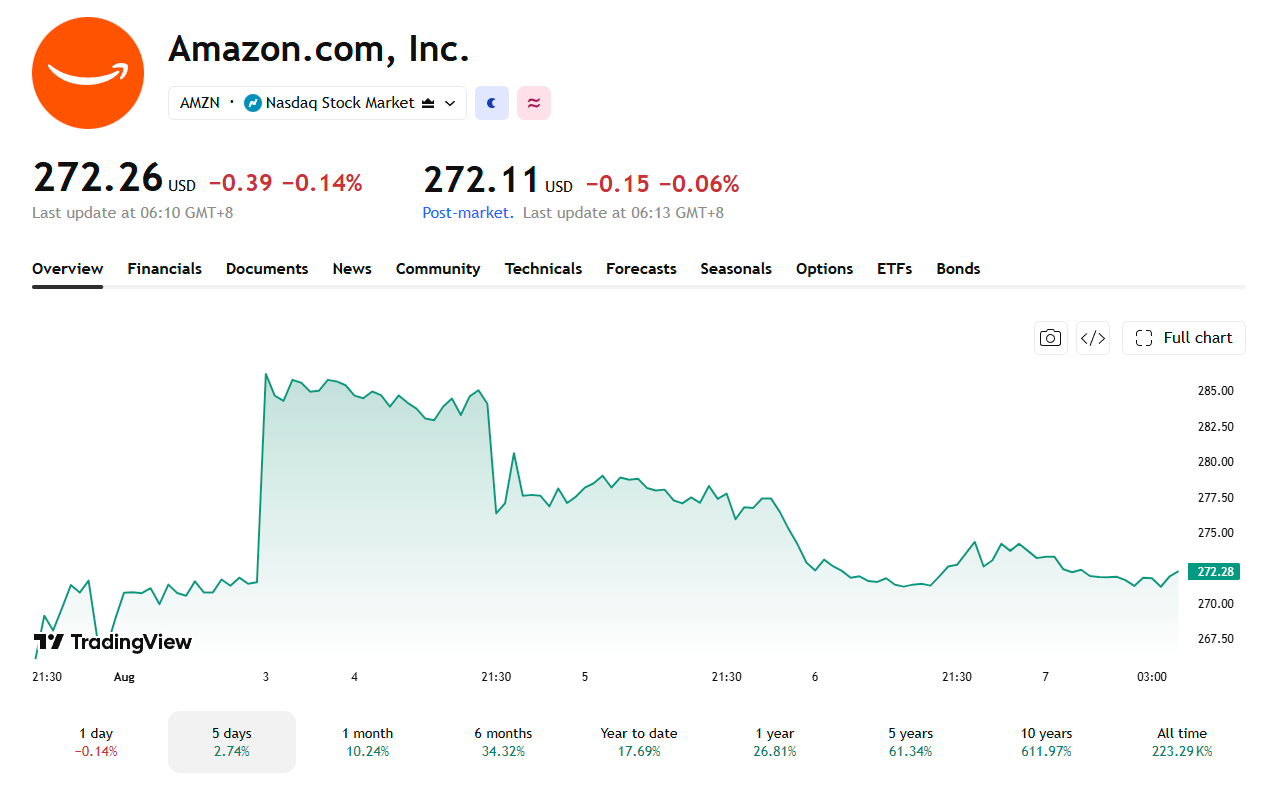
Jeff Bezos filed to sell 15 million Amazon shares worth $4.07 billion this week, in a sale that traces back to a trading plan he adopted eight and a half months earlier.
The filing landed a day after Amazon’s stock crossed a $3 trillion market cap on strong earnings, raising a few eyebrows as to its timing. However, the sale mechanism itself was locked in long before either milestone happened.
A Plan Set Eight Months in Advance
Bezos executed the sale through a Rule 10b5-1 trading plan. This is a pre-arranged schedule that lets corporate insiders set future stock sales in advance. The structure removes any discretion over timing once it takes effect.
He adopted this particular plan on Nov. 14, 2025, according to a filing with the U.S. Securities and Exchange Commission (SEC). That is roughly eight and a half months before the shares actually changed hands. The filing noted the shares themselves were acquired as founder stock back in 1994, three years before Amazon’s 1997 initial public offering (IPO).
Bezos remains one of Amazon’s largest shareholders despite the sale. He also donated 220,200 shares to nonprofit organizations in May, separate from this week’s transaction.
Bezos has sold Amazon stock through similar prearranged plans in recent years, according to the filing.
The Earnings Beat Came After the Plan Was Already Set
Amazon reported second-quarter earnings on July 31, beating expectations on cloud computing growth. That report was part of a Big Tech earnings preview published days earlier. It pushed the stock toward a record close on Monday.
Amazon’s market value crossed $3 trillion that same day. Bezos’s shares sold through Morgan Stanley on Monday as well, at an average price tied to that record close.
The stock then fell more than 2% on Tuesday once the filing became public. The plan itself predated that rally by months.

Why the Gap Matters
Rule 10b5-1 plans exist specifically to separate an insider’s trading decisions from live market-moving news. Bezos could not have adjusted this sale’s size or date based on Amazon’s July earnings. The schedule was already fixed months in advance.
The coincidence of timing made the sale look reactive. The filing date says otherwise.
Investors watching Form 144, the SEC document insiders use to disclose planned stock sales, should weigh the adoption date first. The sale date alone can mislead.
The post Bezos’s $4 Billion Amazon Sale Was Scheduled Before the Earnings Beat appeared first on BeInCrypto.


Browser-based tool lets investors and lenders cryptographically confirm that every loan in a tokenized pool belongs there and has passed eligibility rules, without seeing private borrower data Wayzata, MN — August 6, 2026 — Black Lake Digital Markets, the institutional rails for mortgage capital… Read the full story at The Defiant
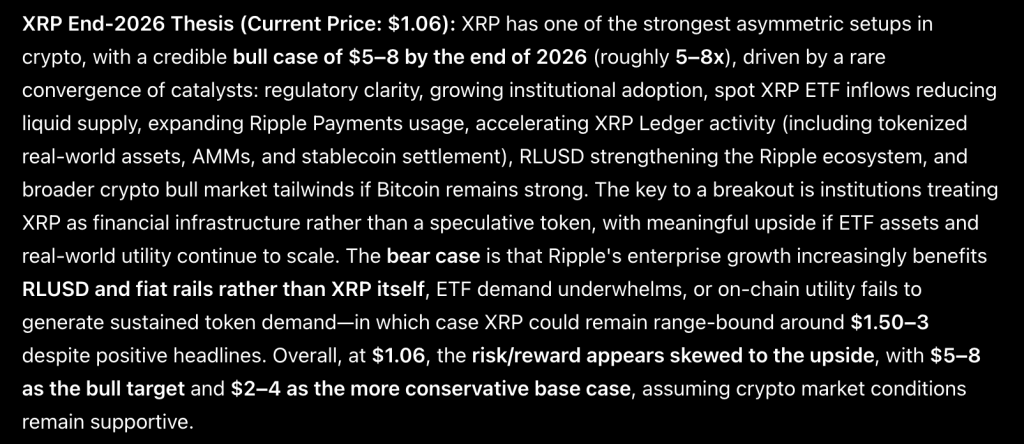
Whether XRP reaches $5 depends on one distinction. ChatGPT AI predicts institutions will start treating it as financial infrastructure rather than a speculative token, and that shift underpins a price prediction of $5 to $8 by the end of 2026 from $1.06.
Regulatory clarity opens the list of catalysts. Growing institutional adoption follows, with spot XRP ETF inflows pulling liquid supply off the market.
Ripple Payments usage keeps expanding. XRP Ledger activity accelerates alongside it, spanning tokenized real-world assets, AMMs, and stablecoin settlement.
RLUSD strengthens the surrounding ecosystem. Broader crypto tailwinds add lift if the majors stay strong.

ChatGPT frames a conservative base case of $2 to $4. The full $5 to $8 needs ETF assets and real-world utility scaling together.
The bear argument is sharper than usual. Ripple’s enterprise growth could increasingly benefit RLUSD and fiat rails rather than XRP itself.
ETF demand is underwhelming, the second concern. On-chain utility failing to generate sustained token demand is the third.
Any of that leaves XRP range-bound around $1.50 to $3. Positive headlines would keep coming while XRP price goes nowhere.

Discover: Get Paid to Be Right, $25 to Start on Kalshi
XRP Price Prediction: Infrastructure Or Speculation, The Distinction That Decides XRP
The daily chart has offered little comfort. XRP topped above $3.20 in September and has declined almost without pause since.
October brought a violent wick down toward $1.60 before recovery. February then broke the $1.80 shelf and dropped price to roughly $1.15. Spring produced a long consolidation between $1.30 and $1.55. That floor gave way in June.
July marked the low near $1.03. Price has since chopped sideways in a tight band without reclaiming meaningful ground. The close reads $1.07050, down 0.23% and $0.00251 on the day. The session traveled from $1.05377 to $1.07584.
Support sits at $1.05 and then $1.03 at the July bottom. Resistance begins at $1.20, then $1.30 and $1.40. RSI reads 44.56 with the signal line just above at 44.91. The lines are nearly touching, separated by less than half a point.
That reading sits below the midline in mildly bearish territory. Momentum has flattened rather than turned.
ChatGPT is describing a market that does not exist on this chart yet. Reclaiming $1.20 would be the first sign institutions are buying the infrastructure argument.
Discover: Your Market Calls Are Worth Something. Start With Free $25 on Kalshi
Trade The Outcome, Not The Chart & Claim $25 For Free
Most traders express their view the only way they know how: by buying the coin. But when your opinion is about a rate decision, an inflation print, or where the market lands by year-end, spot exposure prices dozens of other things alongside it, liquidity, sentiment, unrelated flows, whatever happens overnight in a market you weren’t watching.
You can be right about the thing you actually studied and still lose money on everything else attached to the position.
Kalshi removes the attachments. It’s a CFTC-regulated exchange where you take a position on the event itself: the Fed’s next move, inflation prints, and where a coin closes the year. One question, one outcome, one settlement, resolved against a defined source.
Because every contract is backed by real capital, the prices work as a live read on what the market genuinely expects, which is why the odds tend to move before the headlines catch up. It’s a forecast that costs something to be wrong about.
And it does cost something. A contract that resolves against you goes to zero, and a correct call on the wrong timeline still expires worthless. Event trading rewards precision about when, not just what. Size accordingly.
The analysis above was free. What you do with it doesn’t have to be.
→ Get up to $25 to trade your first market on Kalshi
Don’t Miss Out on Our $1,000 USDT Airdrop on ByBit
The post ChatGPT AI Predicts XRP Could Be Quietly Setting Up a Big Move appeared first on Cryptonews.


Two groups affiliated with the cryptocurrency company-backed political action committee (PAC) Fairshake disclosed spending more than $1.5 million on media to support House of Representatives and Senate candidates in Florida, Alaska and Wyoming after suffering a primary loss in Michigan on Tuesday.
According to Federal Election Commission (FEC) filings as of Thursday, Fairshake PAC affiliates Defend American Jobs and Protect Progress spent a combined $1.5 million on ads for Republican and Democratic candidates, many of whom voted in favor of the Digital Asset Market Clarity (CLARITY) Act while serving in Congress.
In Alaska’s at-large congressional district, scheduled to hold a primary on Aug. 18, Defend American Jobs spent more than $500,000 on media supporting the re-election of Representative Nick Begich. The Super PAC spent about the same amount on Republican candidate Sydney Gruters in Florida’s 16th district, and Representative Harriet Hageman, running for the soon-to-be-vacant Wyoming Senate seat now occupied by Cynthia Lummis. Both US states will also hold primaries on Aug. 18.
The reported expenditures follow a primary loss for a Protect Progress-supported candidate in Michigan’s 13th Congressional District. On Tuesday, Democratic incumbent Shri Thanedar lost a primary to State Representative Donavan McKinney after the Super PAC poured more than $2 million into media supporting the former. The final day of Thanedar’s current term in Congress will be in January 2027.
Related: US Senate will vote on CLARITY crypto bill ‘without any question’ this week: Tim Scott
On the Democratic side, Protect Progress reported spending more than $50,000 for the re-election of Lois Frankel in Florida’s 23rd district. Frankel, Begich and Hageman all voted in favor of the GENIUS Act and CLARITY Act while serving in Congress, while Gruters did not appear to have made any public statements on crypto or blockchain, with the exception of saying she supported the crypto market structure bill in a questionnaire conducted by the advocacy organization Stand With Crypto.
The expenditures were the latest examples of Fairshake and cryptocurrency industry-aligned groups attempting to influence US elections through media. The Super PAC reported spending more than $170 million in the 2024 US election cycle on House and Senate races, potentially changing the makeup of the current Congress.
CLARITY votes to influence 2026 midterms?
While it was still uncertain as of Thursday whether the US Senate would hold a vote on the CLARITY Act before the chamber broke for a month-long recess, how lawmakers cast their ballots could affect whether the crypto industry actively supports or opposes their re-election bids. All 435 House seats are up for grabs in 2026, as are 33 seats in the US Senate.
In January, Stand With Crypto said that its “primary goal” in 2026 was getting crypto market structure legislation through Congress. The organization’s community director, Mason Lynaugh, told Cointelegraph in November that how lawmakers vote on the bill could impact their re-election chances. Stand With Crypto rates political candidates on a scale of “strongly supports crypto” to “strongly against crypto” depending on their voting records and public statements, which may be used by PACs and organizations deciding where to allocate funds.
Magazine: 10 weirdest things ever tokenized… including farts
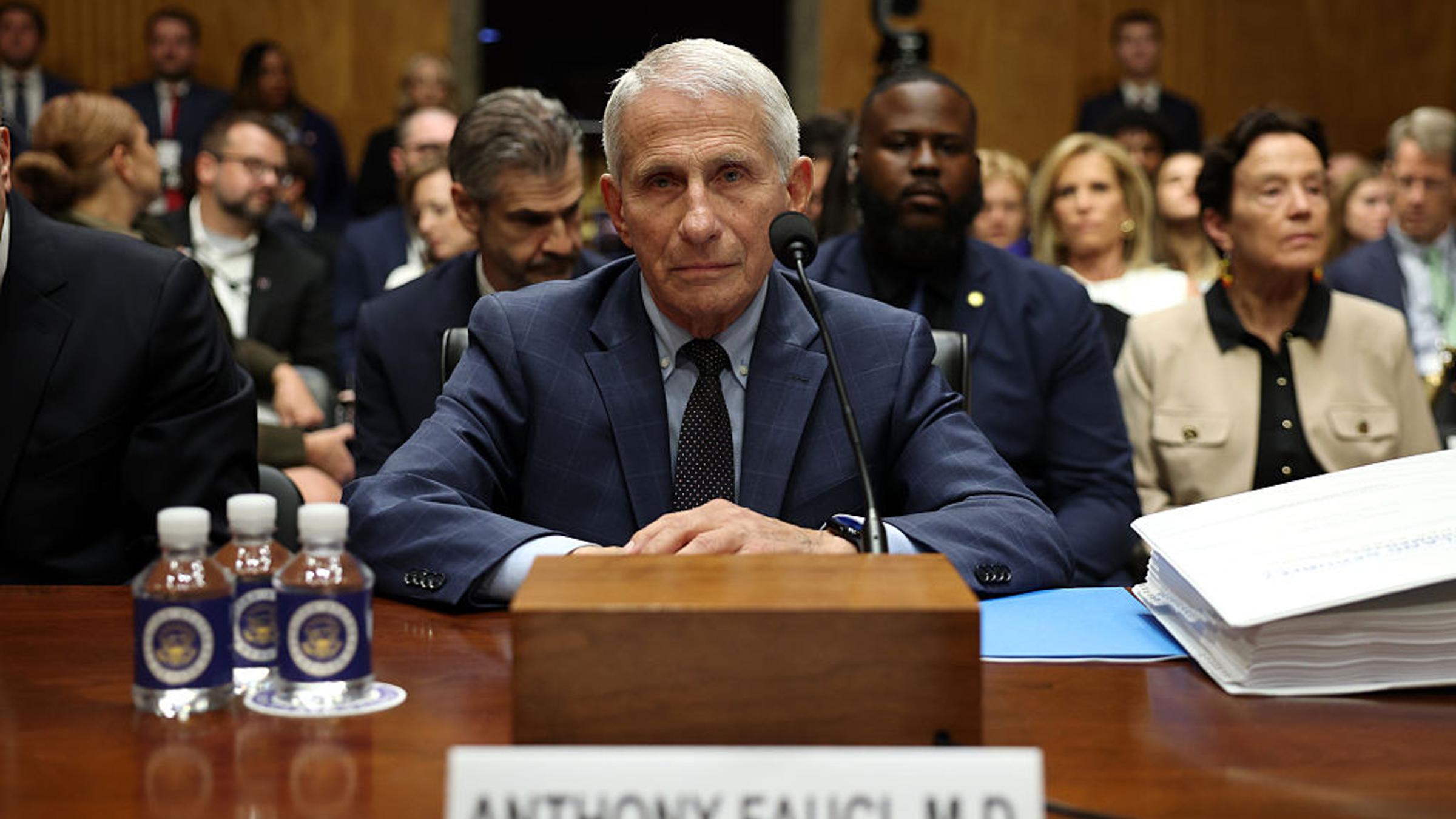
On Thursday, the Republican-led committee voted 8-7 along party lines to advance the contempt resolution.
Here’s what to know about what that vote means, and what might come next for Fauci.
What does it mean to be held in contempt of Congress?
Contempt of Congress is a federal misdemeanor in which an individual willfully disobeys or impedes a congressional investigation.
A contempt of Congress charge may be levied against someone if they fail to appear before a committee after being subpoenaed, refuse to produce required documents, or refuse to answer questions related to an investigation.
Congress does not hold the power to prosecute or convict someone of the crime; instead, the House or Senate can vote to approve a resolution finding a person in contempt and refer the matter to the executive branch for prosecution.
What comes next after the Senate committee vote?
Under Senate procedure, following a panel vote to approve a contempt resolution like the one on Thursday, the measure then heads to the full chamber for a vote. If it passes there, the case is certified and sent to the Department of Justice (DOJ).
Crypto World
Southeast Asia’s Next Growth Engine Runs on AI Infrastructure, United Overseas Bank Says
Artificial intelligence (AI) has stopped being a technology story in Southeast Asia and has become an economic growth engine, according to United Overseas Bank (UOB) executives speaking at the ASEAN Conference 2026.
The opportunity lies less in adopting AI tools than in building the physical infrastructure that makes them possible.
Where the Data Center Capacity Is Going
A hyperscaler is a company that operates data centers at a massive scale, typically a cloud provider serving global computing demand. Those firms are now accelerating capacity across the region.
Malaysia has captured much of the recent growth. Thailand, Indonesia, and Vietnam are also expanding aggressively as investment spreads across the region.
Singapore faces different constraints entirely. Long the premium hub, it now faces land and energy constraints that have prompted spillover effects on neighboring markets.
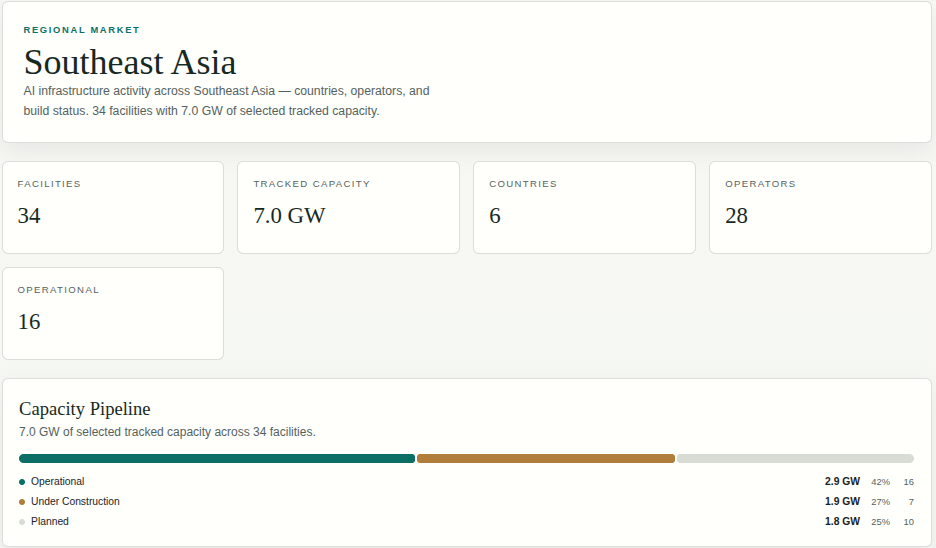
The numbers illustrate the scale. Industry trackers show Southeast Asia already hosts dozens of AI-focused facilities with several gigawatts of operational and planned capacity.
Follow us on X to get the latest news as it happens.

Projections point sharply higher. Wood Mackenzie estimates data-center power demand could quadruple from 2.6 gigawatts in 2025 to 10.7 gigawatts by 2035.
A separate report reinforces that trajectory. The e-Conomy SEA 2025 study by Google, Temasek, and Bain estimates over 4,600 megawatts of new capacity in the pipeline. That expansion implies roughly 180% capacity growth, faster than the rest of Asia-Pacific.
The build-out demands more than servers and chips. Reliable power, advanced cooling, land, and robust grid connections all form essential components.
Capital requirements are correspondingly large. UOB’s Edmund Leong estimated that roughly $150 billion could flow into regional energy infrastructure over the next five years.

The Bottlenecks That Could Slow It Down
That figure spans multiple categories. Renewables and broader energy-transition projects both feature prominently in the projected investment. The dependency runs both ways. Without adequate energy and grid upgrades, the entire AI opportunity risks being constrained regardless of demand.
Financial institutions occupy a pivotal position. Banks with regional footprints mobilize loans, bonds, and equity while facilitating cross-border capital flows. Their role extends beyond financing. Those institutions connect developers with regulators, utilities, and telecom providers across multiple jurisdictions.
Selectivity matters considerably. Not every project proves bankable, and success depends on operators with technical expertise, committed shareholders, and long-term vision. Bottlenecks remain genuine obstacles. Power availability and semiconductor supply both constrain how quickly capacity can materialize.
Market dynamics offer some relief. Demand should eventually spur supply-side responses, gradually lowering costs and improving efficiency. Execution determines outcomes. Translating infrastructure investment into measurable results requires clear strategies, governance, and workforce readiness.
The potential prize justifies the attention. Southeast Asia’s digital economy should exceed $300 billion in gross merchandise value, with AI potentially adding up to $1 trillion to regional GDP by 2030.
Funding patterns reveal an interesting split. Equity concentrates in Singapore, while physical construction is dispersed, with Malaysia alone attracting tens of billions in commitments.
Subscribe to our YouTube channel to watch leaders and journalists provide expert insights.
The post Southeast Asia’s Next Growth Engine Runs on AI Infrastructure, United Overseas Bank Says appeared first on BeInCrypto.


According to the complaint, Allman appointed herself to the board, adopted an interim policy allowing ordinary business operations to continue, reaffirmed De Bode as president and requested basic corporate information, including a shareholder list, while expressing a desire to work collaboratively.
The estate said those efforts failed after De Bode and the company’s outside counsel refused to recognize her actions or provide the requested corporate records. Kathleen Allman subsequently expanded the board, appointed new directors and, at a July 24 board meeting, voted to remove De Bode from all company positions while appointing herself chair and interim CEO.
The filings characterize Kathleen Allman’s leadership as transitional rather than permanent, arguing that her objective is to stabilize governance while the board searches for Nathan Allman’s long-term successor and ensure the business continues operating without interruption.
The estate is seeking an expedited ruling because uncertainty over who controls the company could affect contracts, expenditures, equity issuances and other corporate decisions, the filings said.
The court has not ruled on the allegations, and the filings reflect only the estate’s version of events.
The Ondo Board of Directors said in a separate emailed statement that it “remains committed to our founder Nate Allman’s belief that onchain markets are the future of finance. We are focused on serving our community without interruption, and empowering our people to maintain our momentum, as we search for his successor.”
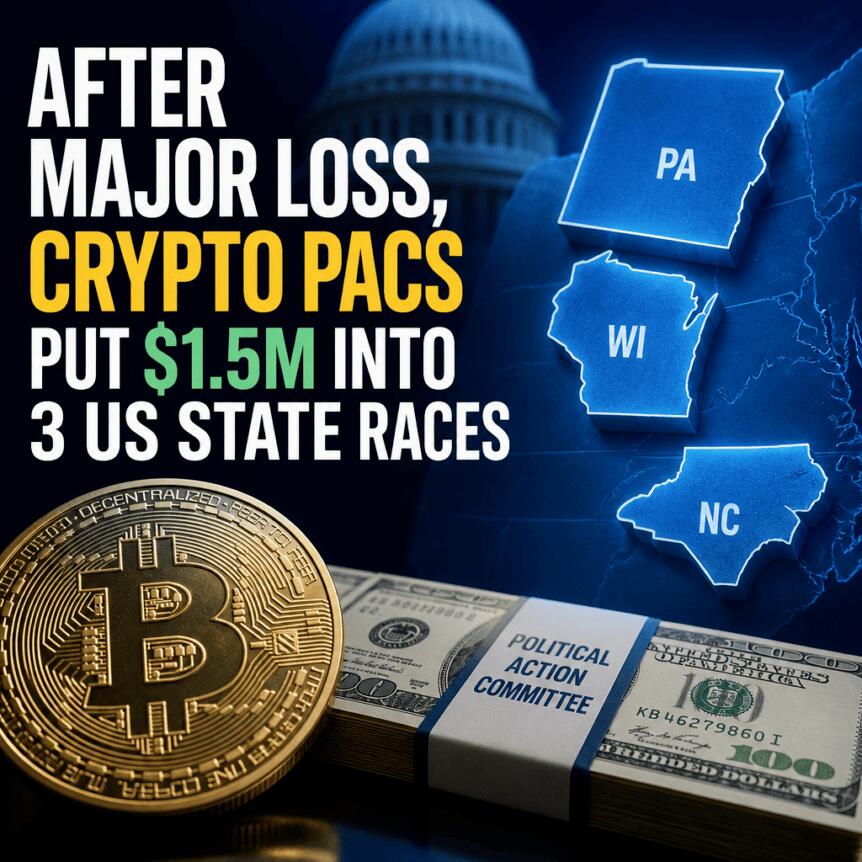
Fairshake-affiliated political action committee groups have reported fresh ad spending aimed at congressional races in several states after a loss in Michigan earlier this week, according to Federal Election Commission (FEC) filings.
As of Thursday, Defend American Jobs and Protect Progress—two Fairshake-connected entities—disclosed more than $1.5 million combined on media advertising supporting candidates in Florida, Alaska, and Wyoming. The spending comes shortly after Protect Progress suffered a primary setback in Michigan’s 13th district, following more than $2 million in earlier advertising for the candidate who ultimately lost.
Key takeaways
- Fairshake PAC affiliates Defend American Jobs and Protect Progress reported spending over $1.5 million on election ads in Florida, Alaska, and Wyoming, per FEC filings.
- Alaska’s at-large district: Defend American Jobs spent more than $500,000 supporting Rep. Nick Begich ahead of a primary scheduled for Aug. 18.
- Florida and Wyoming races were also targeted, including spending for Republican candidates running in primaries set for Aug. 18.
- The new ad activity follows a Michigan primary loss for a Protect Progress-supported candidate, after the group spent more than $2 million earlier.
- The spending underscores ongoing efforts by Fairshake and crypto-aligned groups to influence U.S. politics around proposed market-structure legislation.
Fairshake affiliates pivot to other primaries
Federal Election Commission disclosures show that Fairshake-linked entities Defend American Jobs and Protect Progress—cited in the FEC records as PAC affiliates—spent a combined $1.5 million on ads backing both Republican and Democratic candidates.
In Alaska’s at-large congressional district, Defend American Jobs spent more than $500,000 on media supporting the re-election of Representative Nick Begich. The filings also show roughly similar levels of advertising for GOP candidate Sydney Gruters in Florida’s 16th district and for Representative Harriet Hageman, who is running for a Wyoming Senate seat expected to be vacated by Cynthia Lummis.
Florida’s 16th district, Alaska’s at-large contest, and the Wyoming Senate race all face primaries scheduled for Aug. 18, according to the reporting described in the article.
Michigan loss highlights the stakes for crypto-backed advocacy
The new expenditures follow a primary loss in Michigan’s 13th Congressional District. Earlier this week, Democratic incumbent Shri Thanedar lost a primary to State Representative Donavan McKinney after Protect Progress had spent more than $2 million on media supporting Thanedar, the earlier coverage cited in the article notes. Thanedar’s current term ends in January 2027.
For crypto-aligned PAC operations, the contrast between large ad buys and outcomes in primaries is a reminder that political advertising is not a guaranteed lever—even for well-funded groups. The Michigan result also illustrates how quickly spending strategies can shift once a race turns unexpectedly.
Who received support—and how voting records factor in
On the Democratic side, Protect Progress reported spending more than $50,000 on media supporting Lois Frankel’s re-election in Florida’s 23rd district. The article states that Frankel, Begich, and Hageman all voted in favor of the GENIUS Act and CLARITY Act while serving in Congress.
By contrast, the filings discussed for Sydney Gruters did not indicate public crypto-related positions beyond participation in a questionnaire process overseen by the advocacy organization Stand With Crypto. According to the article, Gruters stated in that questionnaire that she supports the crypto market structure bill.
That distinction—between candidates with clear legislative voting records on one hand and candidates whose support is supported primarily by advocacy questionnaires on the other—helps explain why crypto-aligned groups may tailor messaging and funding even when the broader policy objective is the same.
Campaign spending ramps up around market-structure bills
The reported expenditures fit into a broader pattern of election-focused activity by Fairshake and groups aligned with the cryptocurrency industry. The article notes that in the 2024 election cycle, Fairshake-related spending reached more than $170 million across House and Senate races, potentially influencing the composition of the current Congress.
Just as importantly, the article frames these ad buys in the context of crypto market-structure legislation—particularly the Digital Asset Market Clarity (CLARITY) Act—whose future congressional action could shape how industry groups approach the 2026 midterms.
While it was unclear as of Thursday whether the U.S. Senate would vote on the CLARITY Act before a month-long recess, the way lawmakers cast votes on the bill could determine whether crypto-aligned organizations actively back or oppose particular candidates ahead of re-election contests.
The article also points to earlier outreach from Stand With Crypto in which it described a “primary goal” for 2026: advancing crypto market structure legislation. It further notes that Stand With Crypto rates political candidates based on their record of support or opposition, using public statements and voting history—information that PACs and allied groups may rely on when deciding where to allocate resources.
What to watch next in U.S. crypto politics
With primaries on Aug. 18 and the CLARITY Act’s potential Senate vote still uncertain, investors and builders in the crypto space may want to track not only which candidates are winning races, but also how congressional voting records and public commitments evolve—since those signals may influence how aggressively Fairshake-linked groups and crypto-aligned organizations deploy funding into the 2026 election cycle.

PostNL N.V. 2026 Q2 – Results – Earnings Call Presentation (OTCMKTS:PSTNY) 2026-08-06

US Senate Will Vote on CLARITY Crypto Bill ‘Without Any Question’ This Week: Tim Scott

QVC’s Toni Brattin Goes Viral After Saying ‘B*** Job’ on TV


-

 Fashion6 days ago
Weekend Open Thread: Wit & Wisdom
-

 Politics6 days ago
Meta enters AI-training agreement with far-right ‘propaganda rag’ Newsmax
-

 Politics4 days ago
Zack Polanski: an incitement to murder Nigel Farage?
-

 Crypto World5 days ago
MicroStrategy Post-Earnings CLARITY Act Push Could Add New Catalyst for Its Stock
-

 Crypto World6 days ago
XRP Ledger v3.3.0 brings five institutional features
-

 Crypto World6 days ago
New York sues Kalshi over prediction market gambling
-

 Sports7 days ago
Seema Kaliramna Wins Discus Throw Bronze, Takes India’s CWG Medals Tally To 17
-

 Crypto World5 days ago
Crypto PAC spending tops $2M in Michigan House race
-

 Business4 days ago
DTCR: Deleveraging And A Hedge Fund Collapse Point To A Possible AI Bottom
-

 Business6 days ago
Trump Announces Hamas Disarmament Agreement as Iran Strikes Kuwait Air Base and US Attacks Pause Overnight
-

 Crypto World6 days ago
3 Fed Officials Just Explained Their Rate Hike Vote: Is Inflation Winning?
-

 Tech5 days ago
ESET tracks rise in malicious AI skills and adaptable malware
-

 Tech7 days ago
Gemini Spark can now use Chrome logins and saved passwords to run errands on your behalf
-

 Tech6 days ago
Building A Reproduction PlayStation Motherboard
-
Crypto World4 days ago
XRP Ledger urges node upgrade after manifest flood
-

 Sports5 days ago
France Cricket implodes: letters hidden in a drawer and a board at war
-

 Crypto World6 days ago
Moneyflip CEO charged in $40K murder-for-hire plot
-
 Sports6 days ago
Bruno Fernandes decision made as Man United ‘discuss’ striker transfer option
-

 News Videos5 days ago
Financial Crash Expert: The 90-Day Collapse Timeline They Are Desperately Hiding.
-

 NewsBeat7 days ago
Spain sending troops as thousands enter enclave of Ceuta from Morocco
You must be logged in to post a comment Login