

Entertainment
Forgotten X-Files Episode Reveals Exactly Where The Show Went Wrong

By Chris Snellgrove
| Published

The X-Files is one of the most fascinating shows in genre history for the worst possible reason. The show dominated much of the ‘90s because it capitalized on the advent of the World Wide Web and America’s growing fascination with conspiracy theories. The fan-favorite monster of the week episodes could make even the most mundane things (including air-conditioning vents and flukeworms) into the scariest things imaginable. Beyond that, the show teased audiences with a growing mythology that involved government collaboration with nefarious aliens who wanted to dominate the world. Unfortunately, The X-Files dropped the ball when the show had to stop teasing and actually provide answers to its many mysteries.
The longer you watch the series, the clearer it becomes that showrunner Chris Carter was making most of this stuff up as he went along. He didn’t have much of a plan, really, beyond getting fans to tune back in each week. Arguably, though, he was always doomed to failure, as getting answers to huge mysteries is never as exciting as just speculating (just ask Lost fans). While Carter couldn’t see that, one of his best writers could. When writing the largely forgotten episode “Blood,” Glen Morgan deliberately never revealed who or what was sending out subliminal messages, reasoning that audiences would be much happier coming to their own conclusions.
The Power Of Subliminal Messages

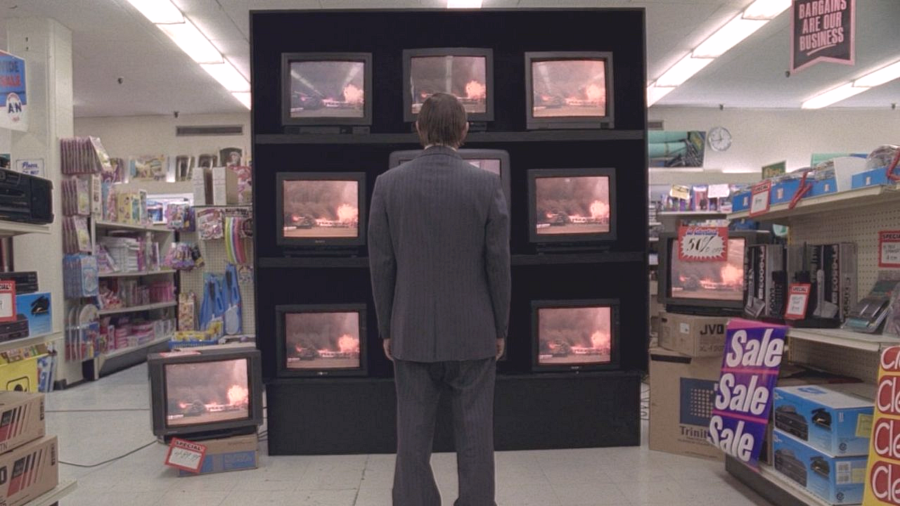
“Blood” was a Season 2 X-Files episode that dealt with one of the hottest topics of the ‘90s: crazy postal workers! The plot involves a postman who, right before he gets laid off, starts seeing subliminal messages like “Kill’em All” pop up on various electronics readouts. This happens to other people in the town, too, who try to kill people (including Mulder and Scully) after receiving similar instructions. Eventually, Mulder realizes that people are being sprayed with pesticides by a crop duster that makes them susceptible to these subliminal messages. Fortunately, he and Scully are ultimately able to stop the postal worker from committing a mass shooting from the top of a clock tower.
When you watch the episode, the first question you’re likely to ask is who is sending these subliminal messages and why. Mulder speculates that the government is deliberately doing this, much like they previously did with “D.D.T. in the 50’s, Agent Orange,” and “germ warfare on unsuspecting neighborhoods.” After Scully asks why the government would intentionally create a self-destructive population, Mulder replies, “Fear. It’s the oldest tool of power. If you’re distracted by fear of those around you, it keeps you from seeing the actions of those above.” Notably, his theory is never proven, and a creepy message sent to his phone (“ALL DONE. BYE-BYE”) implies the experiment is over.
Not Sweating The Small Stuff

So, who actually sent the subliminal messages? Nobody knows, and that’s the point! As published in The Truth Is Out There: The Official Guide to The X-Files, “Blood” writer Glen Morgan had absolutely no idea when writing this episode who or what was sending these subliminal messages. He also didn’t care, believing it would be better for the audience to try to figure everything out on their own. In this way, everyone watching the episode is a bit like Mulder: we can speculate as to the evil forces behind this widespread human experimentation, but we’ll never know for sure.
In retrospect, this is the approach Chris Carter should have taken with the mythology of The X-Files. Because the show’s slogan was “The Truth Is Out There” and Mulder was a crusader for revealing government secrets, Carter felt compelled to eventually give us very granular information about the aliens and their planned invasion of Earth. But everything got confusing as we got info about creepy black oil, infected bees, alien bounty hunters, mysterious vaccines, and government super-soldiers. Later, the awful X-Files revival retconned almost everything, revealing that aliens were actually peaceful, and evil government forces were staging fake abductions while trying to exploit advanced technology.

That final revelation effectively ruined the entire series for fans who had been enjoying The X-Files for decades. Looking back, it’s clear that Carter should never have revealed anything and left these mysteries for fans to argue about. Would audiences have been pissed about being led on and never getting a real payoff? Probably. But at the end of the day, those angry fans would have come up with a headcanon that was infinitely better than the answers we got and eventually gotten over their annoyance. Now, though, the fandom will never get over how badly the coolest mythology in television history was ultimately handled.

Continue Reading
Russian band Pussy Riot issued a challenge to the country’s president, Vladimir Putin.
“All these old men ruining the world right now act tough, but we see [through] their fragile egos — and I’m not afraid to call them out,” the band stated in a Monday, June 1, press release, announcing debut album CYKA. “They are, in fact, p******. While the world is waiting for the UFC Freedom 250 on June 14 at the White House, I challenge President Putin to a cage match.”
To celebrate the 250th anniversary of the founding of the United States, the UFC will host an exhibition tournament at the White House on June 14. Pussy Riot, led by musician Nadya Tolokonnikova, has long disapproved of Putin’s control over Russia and now wants to be added to the Freedom 2025 lineup.
“He thinks he’s so tough, but afraid of a girl? Let’s see. He loses? He gets the f*** out of Ukraine,” Tolokonnikova, 36, added in the band’s statement, referring to Russia’s ongoing invasion of the neighboring country of Ukraine. “The world can watch him lose to a girl, even with all his judo training. He can’t even URA anymore, but he throws the world into despair.”
The UFC released the long-awaited fight card for the upcoming event at the White House on Saturday, March 8. The card features six fights, including two title bouts. The event — dubbed “UFC Freedom Fights 250” — is part of the 250th anniversary celebrations for the United States. Ilia Topuria and Justin Gaethje will compete […]
Tolokonnikova continued, “Just like [Alexander] Brener in 1995 when they bombed Chechnya, and he challenged [Boris] Yeltsin, now they bomb Ukraine, and I challenge Putin. ‘Putin! Come here!’”
Tolokonnikova’s band is known as a protest collective, announcing CYKA during a protest at the Venice Biennale last month.

Vladimir Putin. VYACHESLAV PROKOFYEV / POOL / AFP via Getty Images
“We were always outcasts in the music industry, since we came from the art world, a group of performance artists starting a fake punk band,” Tolokonnikova told Artnet earlier this month. “I’m a workaholic, and don’t know how to rest, so the minute I was out of [Museum of Contemporary Art], I realized I miss producing. The eureka moment for me was that if a f***ing AI can produce a song at this point, I could too.”
Ahead of CYKA’s release, Pussy Riot debuted new single “Candy Dopamine” this week.


“This song is kind of a love and hate song to prescription and designer drug culture. It started with my dependence on antidepressants, but it’s also looking at everyone now mentalhealthmaxxing [sic] and looksmaxxing via pills and injections,” Tolokonnikova said in a Monday statement. “It’s not a judgment, it’s just an observation and my personal experience with these things is that I have to be in a long-term relationship with them for my PTSD and depression.”
The group even listed Putin, 73, as a collaborator of the record in the liner notes. Putin has not publicly responded to the band’s criticism and UFC challenge.
CYKA will be released Friday, June 12.
By Chris Snellgrove
| Updated

The original Scream used a simple phone call to deliver what would become one of the creepiest lines in horror history: “What’s your favorite scary movie?” In the universe of the film, it’s a great way to introduce us to the psychology of masked killers whose minds were completely warped by their obsession with horror movies. In the real world, it’s a great question to ask fellow horror fiends because it reveals plenty about their personality. Do they prefer slashers, psychological thrillers? Ghost stories or possessed dolls? Once you know what makes them scream, you know what makes them tick.
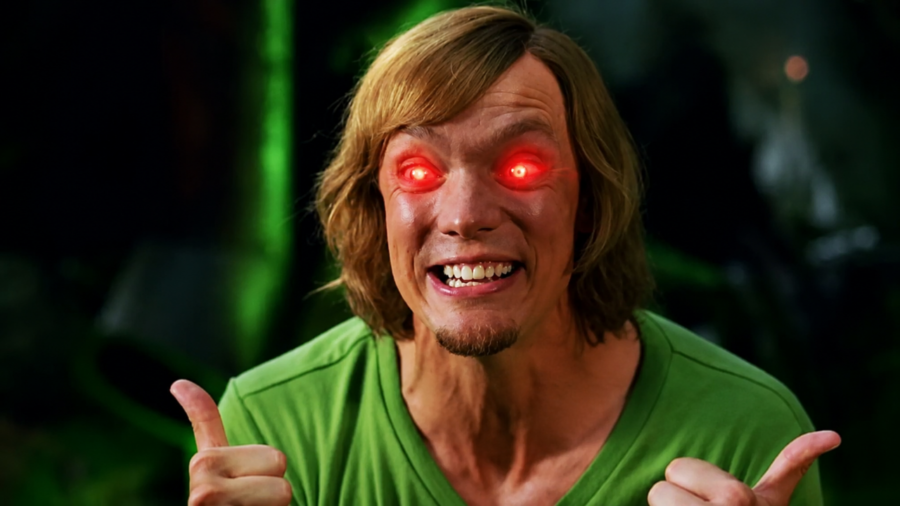
For fans of that first Scream movie, there’s no use asking who their favorite horror icon is. While Skeet Ulrich had his bloody, broody charm, most prefer Matthew Lillard, whose over-the-top performance instantly cemented his reputation as a legend of scary cinema. Later, he became an accomplished voice actor, bringing characters like Shaggy from Scooby-Doo to brilliant life. Recently, Lillard appeared at a fan convention and went off on Hollywood hiring generic celebrities for big animated films rather than voice actors. While he didn’t name any names, most interpreted these words as a swipe at Marvel veteran Chris Pratt, whose voice acting is the worst part of the Super Mario Bros. movies.
Living The Scream

Recently, Matthew Lillard was a guest at FAN EXPO Denver, and he appeared on a panel in which fans could ask him questions. One fan asked the Scream actor why it is so much easier for traditional actors to become voice actors rather than voice actors becoming traditional actors. It’s a provocative question, and one that Lillard is uniquely suited to answer. After all, he is a man who effectively straddles two worlds. He was a traditional actor who became a voice actor and, like many before him (including Mark Hamill and JK Simmons), has continued to perform in both spaces.
Lillard surprised the audience with his answer: “I think Hollywood has made a huge mistake by hiring actors that are not able to carry a part with [their] voice,” he said. “As an actor, you have full function, your face, your body, you have all these things that you can play on when you’re on the screen, but a voice actor has only their voice to work.” Summing up his thoughts on the matter, Lillard said, “The ability to carry a film, as the lead of a film with only a voice, is a power very few people have. And the idea that they keep hiring crappy celebrities to carry huge films is killing us.”
The Face Of The Problem

Understandably, that last part has fueled some serious discussion among animation fans online. Just who are the “crappy celebrities” who are being hired “to carry huge films” rather than traditional actors? The most obvious answer would be Chris Pratt, the former Parks and Recreation actor who became a cinematic superstar thanks to the Guardians of the Galaxy films. The success of his Marvel movies soon made Pratt Hollywood’s go-to choice to play generic action heroes. Later, he was inexplicably chosen to voice Mario in The Super Mario Bros. Movie, something many Nintendo fans thought was a slap in the face to longtime actor Charles Martinet.
Martinet is a veteran voice actor who served as the voice of Mario for over 30 years. Instead of giving the role of Mario to the guy who spent decades voicing him, though, Illumination and Nintendo gave it to Chris Pratt so they could have a more famous name attached to the part. It was, frankly, a disastrous decision. Pratt seemingly put no effort into actually voice acting, and he just sounds like a slightly more chipper version of Star-Lord. The same can be said of Seth Rogen, who played Donkey Kong; he made no effort to do an actual voice, so this intimidating ape sounds just like a bored stoner.
Not Another Shaggy Dog Story

Honestly, this was the perfect year for Matthew Lillard to speak out against Hollywood hiring recognizable actors who are terrible at voice acting for their big-budget animated features. 2026 has already seen the release of The Super Mario Galaxy Movie, Hoppers, and Animal Farm, all of which are filled with generic celebrity names. The same thing will happen later this year with Toy Story 5, The Cat in the Hat, and even The Angry Birds Movie 3. Obviously, some actors are better than others (Tom Hanks and Tim Allen are perfect in Toy Story), but Lillard’s point remains: whenever there’s a blockbuster cartoon, professional voice actors never get the big parts.
It’s worth noting that Lillard isn’t saying this from a place of professional bitterness. With his reappearance in the latest Scream, a strong role in Daredevil: Born Again, and an upcoming part in Superman: The Man of Tomorrow, his career is hotter than ever. Additionally, he’ll be voicing Shaggy again next year in Yokoso Scooby-Doo! He’s established himself as an acting legend in two different worlds, and he worked his butt off to do so. Lillard is understandably angry at Hollywood dismissing experienced voice actors in favor of bland marketing and blatant cronyism. Here’s hoping his speaking out resonates as much with studio execs as it did with fans.

Until something changes, though, we’ll all have an honest answer to a very Scream-like question. “What’s your favorite cartoon movie?” The answer: nothing with Chris Pratt in it, that’s for damned sure!
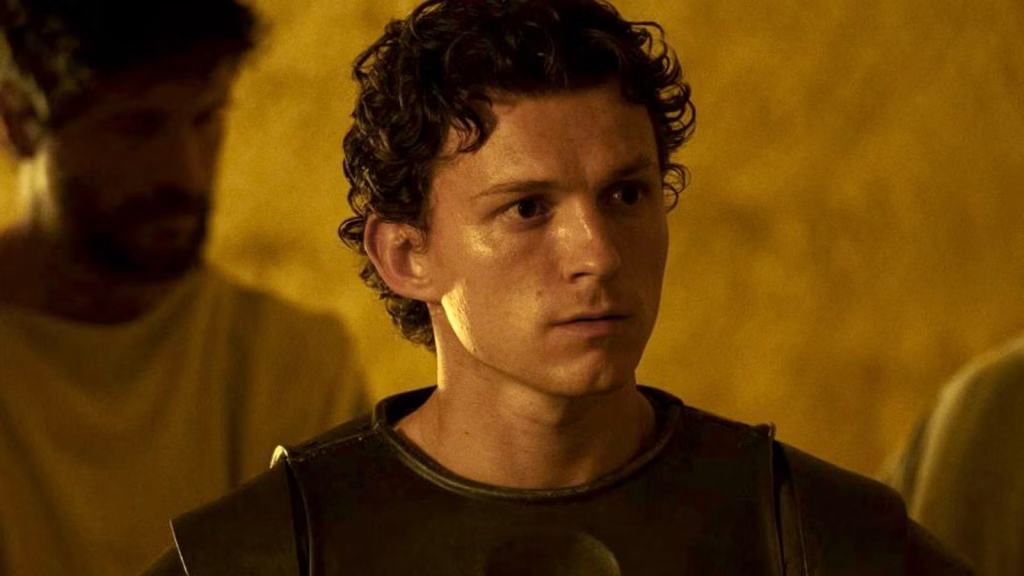
Tom Holland is giving fans a fascinating look behind the scenes of Spider-Man: Brand New Day, revealing that Christopher Nolan’s upcoming epic The Odyssey may have played a major role in shaping the next chapter of Peter Parker’s story.
Speaking about the development of the highly anticipated Marvel sequel, Holland explained that Spider-Man: Brand New Day was originally scheduled to film alongside Nolan’s adaptation of The Odyssey. However, the scheduling conflict forced him to make a difficult choice.
Rather than rushing into production, Holland pushed for Spider-Man: Brand New Day to be delayed, allowing the creative team additional time to refine the script and find the right direction for the project.
According to Holland, the decision ultimately paid off.
“I convinced the studio to delay the movie,” Holland said, explaining that the extra development time gave the filmmakers an opportunity to strengthen the story and fully realize their vision.
The actor also credited his experience working with Christopher Nolan for changing the way he approaches filmmaking. Holland said Nolan’s commitment to preparation, purpose, and storytelling inspired him to push for a higher standard on Spider-Man: Brand New Day.

Tom Holland, The Odyssey [credit: Universal Pictures]
“I wanted it to be a real movie,” Holland explained, emphasizing that he wanted the project to focus on storytelling rather than simply becoming another blockbuster production.
The additional development time reportedly allowed Marvel and Sony to bring in director Destin Daniel Cretton and spend several months refining the screenplay before cameras rolled. Holland now believes the result could be the strongest Spider-Man film yet.
Spider-Man: Brand New Day serves as a fresh start for Peter Parker following the events of Spider-Man: No Way Home, which erased Peter’s identity from the world’s memory. Holland previously described the new film as a “fresh start” and a “rebirth” for the character as he returns to a more street-level version of Spider-Man.
The film is directed by Destin Daniel Cretton and stars Tom Holland, Zendaya, Sadie Sink, Jon Bernthal, and Mark Ruffalo. The movie is scheduled to swing into theaters on July 31, 2026.
Meanwhile, Holland will also appear in Christopher Nolan’s The Odyssey, which arrives just one week earlier on July 24, setting up a massive summer for the actor.
Entertainment
“ANTM ”judge shares texts giving new context on why Tyra Banks didn't visit Miss J. in hospital after stroke left star paralyzed (exclusive)
:max_bytes(150000):strip_icc():format(jpeg)/antm-1-c1766c6bcb3a43d98ff74d6e868b022e.jpg)
Providing EW with screenshots of texts, Kelly Cutrone says Banks asked her to check on Miss J. immediately after his stroke. She also alleges Miss J.’s niece put him in a hospital under an untraceable alias.
By Chris Snellgrove
| Updated

Part of what makes The X-Files so fun is that the show focuses so much on fantastic threats. Sure, the series may be grounded in the real world (the heroes are, after all, FBI agents), but the biggest threats are always the most fantastical. Aliens, flukemen, the Jersey Devil, and chupacabras all threaten our heroes from week to week, fueling Mulder’s relentless quest to expose the various truths the government has been hiding from us. This is one of the major reasons that the show is perfect for those who are stressed out by the real world and just want to escape into a downright spooky hour of television.
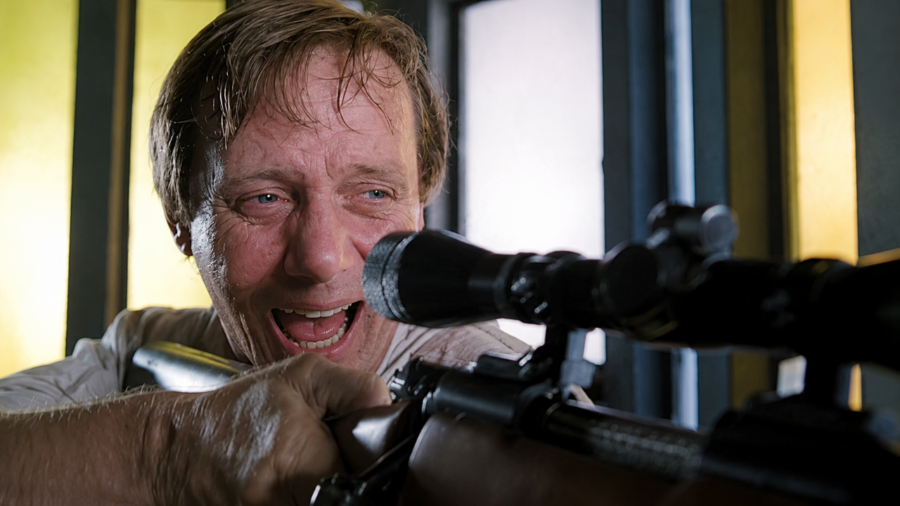
Every now and then, though, an X-Files episode hits too close to home. No, I’m not talking about its portrayal of the government as amoral monsters who don’t care if we live or die, which may go down as the most realistic thing about the series. I’m talking about the Season 2 episode “Blood,” which culminated in Mulder and Scully stopping a crazy man before he could carry out a mass murder at a local community college. Shockingly, this plot point was included by the episode’s writer because he thought the idea of going crazy and gunning down a bunch of random people was a joke the audience could relate to!
The Darkest Early X-Files Episode

In “Blood”, residents of a small town keep receiving subliminal messages on various electronic devices urging them to hurt and kill other people. One of these people is a postal worker who does his best to resist the violent instructions he keeps getting. Mulder and Scully arrive to investigate some local killings, and Mulder gets sprayed with pesticide from a crop duster. After he starts seeing the same subliminal messages, he determines that the town is being used as an experiment by the government to spray people and then subject them to subliminal messages. This information helps him ultimately prevent the postal worker from conducting a mass shooting at a nearby community college.
The origin of this episode was a two-word Post-it note that simply read “postal workers.” In the ‘90s, the idea of postal workers going violently bonkers had become so prominent that “going postal” eventually became common slang for “going crazy.” In the episode, the character Edward Funsch is a postal worker who is about to lose his job. As for the clock tower climax, Morgan later said (as recorded in X-Files Confidential) that “It’s almost like the joke that people at work who are stressed say: ‘I’m going to go up in a tower with a gun.’ That’s what everyone points to when they’re going to flip out.”
It Was A Different Time

Looking back, it’s hard to imagine a school shooting was meant to be funny or relatable in any way. As of this writing, there have been over 500 school shootings and over 4,400 school shooting victims in America, making this a phenomenon that regularly terrifies parents and students alike. Why, then, did this X-Files writer think it was something of a laughing matter? Probably due to when it was written: “Blood” premiered in 1994, and school shootings didn’t become a common thing until the infamous Columbine shooting of 1999. In fact, shootings were so rare at the time that the clock tower scene is mostly based on an infamous University of Texas shooting that happened nearly three decades earlier.
So, this is a case of an X-Files episode aging badly for a completely unpredictable reason. “Blood” is a fairly solid episode, and its plot about people going crazy after seeing subliminal messages on electronic devices is arguably scarier than ever before. But modern audiences are likely to react with shock and horror at the idea of someone planning a shooting rather than seeing a would-be clock tower killer as a relatable trope. At least, that’s how they react now, but if the haters get the right subliminal messages on their phones, they might find this episode’s climax funny as hell.

Or, you know, they might just feed a cat to an ATM. It could go either way!
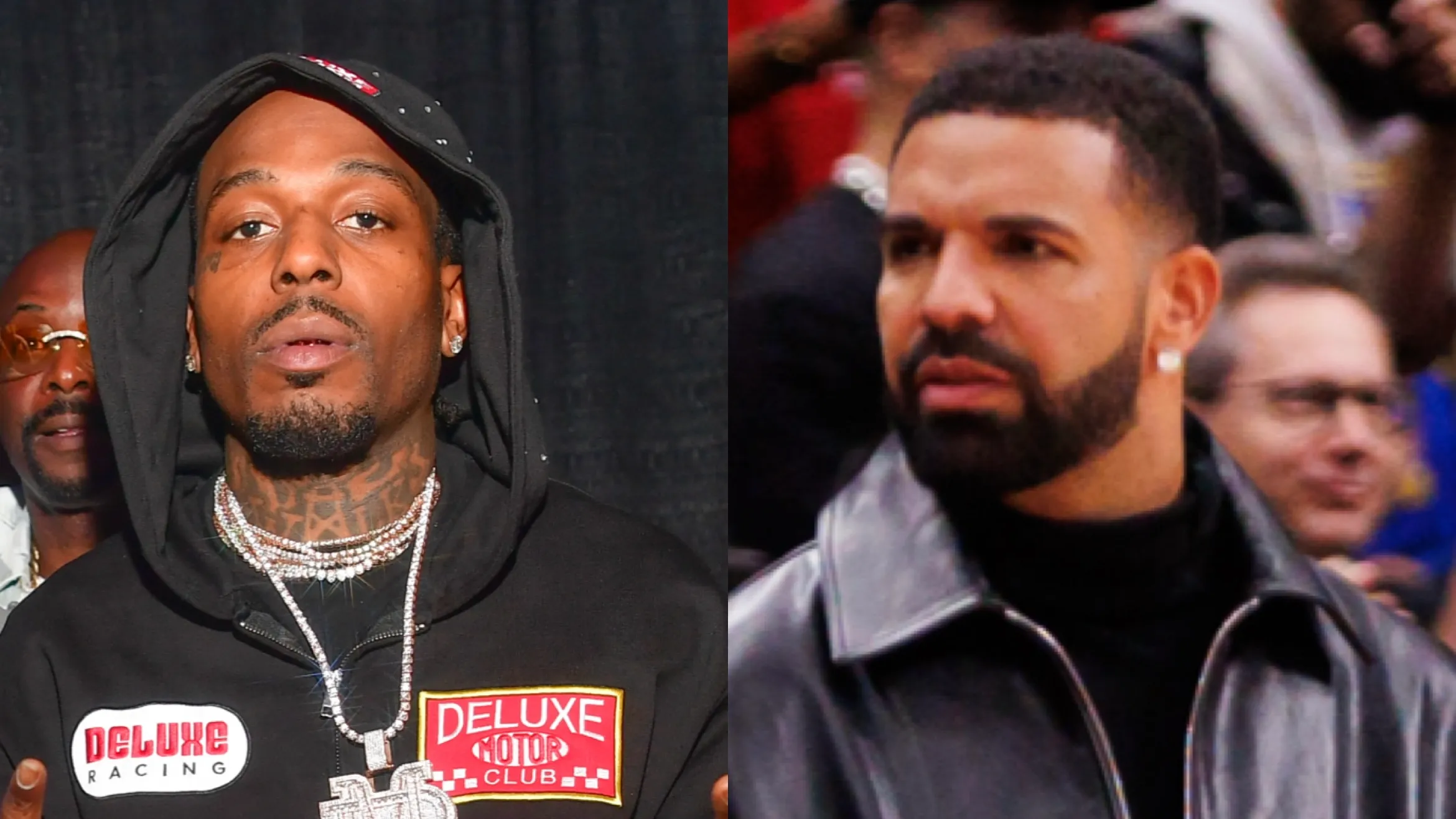
Kiley Lossen has exclusively spoken out after Sauce Walka went viral for threatening to “get Drake smoked” in leaked audio.
RELATED: Whew! White House Sparks Reactions After Using Song From Drake’s ‘Iceman’ In TikTok Showing Immigration Agents (VIDEO)
More On Sauce Walka Going Viral For Threatening To “Get Drake Smoked” In Leaked Audio
Earlier this week, audio surfaced of what appeared to be Sauce Walka speaking with one of the mothers of his children, Kiley Lossen, about her relationship with Drake. In the audio, Walka reportedly told Lossen that he got her “jumped” and he would put his “hands” on her, but instead, he will get her “jumped again.”
Ultimately, this led him to say he would “get Drake smoked” and have his cars “shot at.”
Kiley Lossen Speaks Out After Sauce Walka Goes Viral For Threatening To “Get Drake Smoked”
Subsequently, The Shade Room reached out to Kiley Lossen for more context and her thoughts on the audio of Sauce Walka threatening Drake. In turn, Lossen explained why she released the audio, explaining that she was “tired of being silent,” apparently about her relationship with Sauce Walka.
Furthermore, she explained that she has “spent years dealing with conflict, intimidation, threats, and unnecessary drama behind closed doors…” She explained that she released the audio because she wanted her “voice to be heard.” Lossen ultimately admitted that she and Drake had been “involved” with one another back in 2024. However, she stressed that what is currently happening between her and Sauce Walka isn’t about Drake.
Instead, she said, it’s allegedly about “what happens behind the scenes” and how it impacts their child.
Swipe below to read her full statement.
Social Media Reacts To The Statement & Leaked Audio
Social media users reacted to Kiley Lossen’s exclusive statement on Drake and Sauce Walka, and the leaked audio, in TSR’s comment section.
Instagram user @its_simplylina wrote, “It was no secret about you messing with Drake? Girl we never seen you before!”
While Instagram user @parishiltrin added, “‘I stayed quiet far too long, now I can finally tell my truth’ Thats a 304 favorite line”
Instagram user @thejeanmax wrote, “Choose who you have kids with like your life depends on it, because it does !”
While Instagram user @bonitabillionaire added, “Drake been w everybody but me n Lizzo atp 😔”
Instagram user @iam_h20 wrote, “Drake be having everybody crashing out😂”
While Instagram user @lowwwkee___ added, “I don’t think this was about Drake he threatened her and yall are focused on what he said about Drake?”
Instagram user @mahlasells.nj wrote, “‘I did not break up a happy home baby you pulled up on me. Tell em why u really hate me & what year did she date me.’ Lmaoooo I love drake he always gona pillow talk with the fans 😂🧊🧊”
While Instagram user @bossbear added, “Drake hit list impressive 👏🏾”
Instagram user @kwon wrote, “Nobody cares🤣 I don’t see how people just keep coming to the internet with the problems.”
While Instagram user @qumontaee added, “It was a secret , we didn’t know 😂😭”
Instagram user @mrscott951 wrote, “Nobody was talking about her or knew who she was. There was no narrative to control. Cap.”
RELATED: 99 Problems? Jay-Z Seemingly Disses Drake, Nicki Minaj, Ye & More During Spicy Roots Picnic Freestyle (VIDEOS)
This exclusive was initially obtained by TSR’s Lawrencia Grose.
What Do You Think Roomies?
Entertainment
‘Supergirl’ Boldly Soars in DC’s Surprising Sci-Fi Western, Plus Everything We Learned On Set
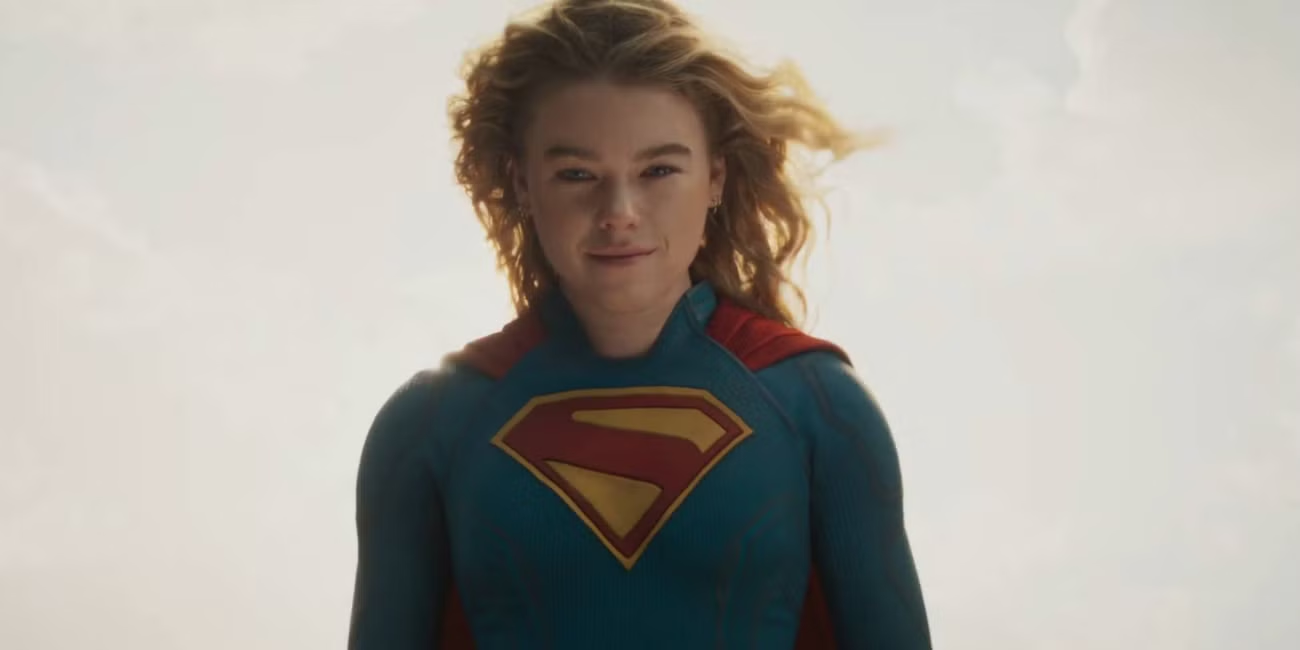
We joined Supergirl just 10 days out from the end of shooting, but that did not mean things were winding down. Executive Vice President of Production Chantal Nong Vo revealed that the team would remain at Warner Bros. Leavesden in Hertfordshire, England, for a maximum of three more days before heading up to Scotland and then further north to Iceland to finish on location.
Collider visited set in April 2025, which marked the production’s 70th day. Director Craig Gillespie compared it to the last week of school, with everyone aware the end was in sight, yet remained determined to make the most of the time left. The entire unit was on the backlot filming a flashback sequence set on Krypton, an emotional scene depicting Kara’s mother’s funeral. Everyone was dressed in cream and blended into an imposing Romanesque colonnade flanked by a lake. During its time at Leavesden, production had occupied the backlot, five sound stages and built so many smaller sets that the team had lost count of the final number.
The scale of Supergirl was immediately clear, but what stood out most were the finer details and the level of coordination required between departments. From hearing how DC Studios co-chiefs James Gunn and Peter Safran worked with Gillespie to learning first-hand from the craftspeople on set, Supergirl was a highly collaborative production. Creative decisions were being made collectively, with each department building on the work of the others to bring a shared story to life. The result is a wealth of thoughtful visual choices and character-driven details that audiences may not consciously notice, but will undoubtedly feel.
‘Supergirl’ Is Deliberately Not Trying to Be ‘Superman’

Superman had yet to be released at the time of our visit, so anticipation was still building around the film that would define the style, tone, and direction of the new DCU. While Gunn and Safran oversee the broader shape of the universe, Craig Gillespie (I, Tonya) brought his own blend of quirky humor and emotion to Supergirl, with Ana Nogueira making her feature screenwriting debut.
When Superman did eventually launch, Clark Kent’s story was full of optimism and heroism, but Supergirl is deliberately changing suits. The film reflects Kara’s trauma and cynicism shaped by her memories of Krypton’s destruction and the loss of her family, and Gillespie set out to make an unconventional coming-of-age story. Kara has already fought crime on Earth, so her journey is not about becoming a superhero, but about doing the role with her full self. As Nong Vo puts it: what do you do with a loss so profound that it defines your life? And what do you do after it?
While the feature shares some DNA with Guardians of the Galaxy, Dune, and Star Wars, Unit Publicist Sophie Scott was keen to emphasize that its primary inspiration remains Tom King’s eight-issue miniseries Supergirl: Woman of Tomorrow. Supergirl is a space western wrapped in a superhero adventure, following Kara Zor-El’s interplanetary journey alongside Krypto and, later, Ruthye Marye Knoll (Eve Ridley), a young girl seeking justice for her father’s murder at the hands of Krem of the Yellow Hills (Matthias Schoenaerts). While the comic is told from Ruthye’s perspective, the film keeps the relationship between the two girls central while remaining fundamentally Kara’s story.
Another key relationship stems directly from King’s original unrealized pitch for Woman of Tomorrow: a team-up between Supergirl and Lobo, with the pair occupying roles similar to Mattie Ross and Rooster Cogburn in True Grit. According to Nong Vo, Jason Momoa had long expressed interest in playing the character, and the team found a way to incorporate him that both served the story and fulfilled his ambition. She described Lobo as having a very high-impact 15% presence in the film as a bounty hunter whose goals align with Kara and Ruthye’s, but only when it benefits him.
“And then obviously to be lucky enough to have cast somebody like Milly, who this is her first movie. I didn’t wanna say that in front of her, but like she obviously knows it. You would think it was her 10th.” – Chantal Nong Vo
Momoa’s casting gives the film a big selling point, but throughout the visit it was Milly Alcock who received the most praise, which she met with a bashful look. Although this is her first feature, nobody on the production spoke about her like a newcomer. Present for approximately 95% of the shoot, Alcock tackles extensive stunt work, emotionally demanding material, and dialogue in multiple languages. Nong Vo shared that she brings a free-spirited, punk-rock energy to Kara, creating a heroine who feels delightfully messy in all the ways your twenties are supposed to be.
‘Supergirl’ Has Been Building a Galaxy the Old-Fashioned Way

One of the most striking aspects of the Supergirl set was how much of the film physically existed. While visual effects will undoubtedly expand the scale of the finished movie, the production’s approach was firmly rooted in practical filmmaking, which is going to cause a significant buzz with fans. Neil Lamont led production design and visual development, drawing inspiration from architecture around the world, while Lee Sandales, fresh from winning an Academy Award for Wicked, oversaw set decoration. Together, they created a vast network of fully realized environments that allowed performers to naturally inhabit the worlds, lending an authenticity to Kara’s space exploration that would have been difficult to achieve against empty blue screens.
Supergirl is first and foremost a planet-hopping adventure and the production design needed to give each destination its own visual identity. Perhaps the most mythic for superhero fans is Krypton, which is explored here through flashbacks. Adorning the walls of the Leavesden production offices were complex drawings, renderings and diagrams, depicting life inside Argo, the domed capital city built in a desperate attempt to preserve civilization. According to Scott, the production’s interpretation of Krypton draws heavily from classical architecture, inspired by the Roman Empire and ancient Greece. Towering columns, expansive walkways, vast lakes, blossoming trees, and pristine public spaces create a sophisticated world — albeit one living on borrowed time. The costumes of Zor-El (David Krumholtz) and Alura In-Ze (Emily Beecham) were inspired by the cream-colored architecture and designed to feel like a uniform consistent across Kryptonian society.
The Krypton set was also key to storytelling. Earlier in production, the environment had been filmed in its prosperity but by the time we arrived, it had been deliberately distressed. The lakes had been contaminated with what Scott jokingly described as green Kryptonite stuff, and the crew had physically painted decay to show the empire’s collapse. Production had also built more personal sets on Krypton including Kara’s family apartment, complete with enormous glass windows inspired by a power station on the English south coast where Scott grew up. As well as Zor-El’s laboratory and the escape pod Kara uses to leave, mirroring Kal-El’s own journey to Earth.
By the time we connect with her in the present, Kara has embraced spacefaring van-life aboard an RV inspired by Riggs’ caravan in Lethal Weapon. The ship’s interior resembles a teenager’s bedroom more than a Fortress of Solitude with books, Polaroids, and vinyl scattered across the floor — it looks as free-spirited and chaotic as she is. When her RV is stolen, she is forced to find a new way to travel. The most memorable mode of transport of the visit was the Wormhole Bus. It is wider than an airplane cabin and was packed with stunt performers wearing elaborate prosthetics to denote the range of alien lifeforms traveling on intergalactic public transport. Rather than relying entirely on visual effects, the team also built the bus to physically rattle during filming. The journey eventually leads Kara to a space rest stop which was one of the most colorful environments created for the production. Neon lights illuminate rows of alien snacks and slushies. Props designed an animatronic slug-like creature to occupy this intergalactic 7-Eleven — a creature that poops popcorn — leaving a lasting impression on everyone who toured the set.
“Think of the worst possible Greyhound you’ve ever been in, but into galactic terms.” – Sophie Scott
The most impressive set on Supergirl, however, was Evely Town Square. Named after Woman of Tomorrow artist Bilquis Evely, it echoes Krypton in decline with dusty floors, piles of rubble and rusting structures. The M-stage was vast and immersive with fully dressed streets and functioning businesses, including a store that crew members had to push a trolley through to test its real-world accuracy. Evely’s neon-lit pub became another favorite among the crew, serving as a location where Kara and Ruthye eat fried eyeballs together. They look disturbingly convincing up close but are really made from fondant icing with a cake center — Eve Ridley reportedly ate around 40 of them during filming.
“You’ve got to have a sweet tooth. That’s a nice thing about being a 12-year-old.” – Sophie Scott
Kara Zor-El Has To Earn Wearing the Iconic Suit in ‘Supergirl’

Like every department we spoke to on Supergirl, the costume team described a process built around detailed collaboration. Costume designer Michael Mooney (Aquaman and the Lost Kingdom) explained that decisions were shaped through constant conversations with the props department, armorers, set designers and special effects teams.
We already saw Supergirl make her drunken debut at the end of Superman complete with the first look at her iconic suit. The two productions developed a shared visual language and the suit went through numerous iterations before cameras rolled. Mooney revealed there was never any serious discussion about moving away from the classic boots-and-skirt combination, and the team committed to retaining the character’s comic book appearance.
The challenge instead was to modernize the suit for movement and action, so that Kara doesn’t look powerful because of the suit—the suit looks powerful because of Kara. Milly Alcock’s physical preparation played a major role in that process. Because of her training, there was little need for heavy muscle padding, resulting in one of the most body-close superhero costumes the department has produced. Stretch fabrics and new texture-printing techniques were introduced to create an armored feel while remaining highly flexible. The famous chest glyph required several adjustments after early versions restricted movement in the surrounding fabric, while the skirt, belt and cape were all designed to maximize motion during fight scenes. Mooney revealed that the cape fabric alone took around three months to source worldwide! The feminine silhouette of the skirt and boots alongside the flowing movement of the material allowed for a stark and powerful contrast when Supergirl went up against much larger frames like Lobo and Krem. The only problem was the over-the-knee boots repeatedly required quick-turnaround repairs after intense stunt work.
Although the Supergirl costume is central to Kara’s arc in the film, she spends much of the story away from Earth and her responsibilities as a hero. Nong Vo explained that this represented one of the biggest departures from the source material, so her civilian wardrobe became just as carefully considered as the suit itself. Central to the look is a long coat that functions almost like a cape and a Blondie graphic tee. Hundreds of indie bands were considered intentionally avoiding mainstream acts before Craig Gillespie settled on Debbie Harry. Around 30 versions of the shirt were produced with print sizes and colors carefully adjusted to ensure the design remained visually congruent on camera.
Lobo’s look emerged from a particularly collaborative process with Jason Momoa himself. Mooney initially drew inspiration from biker culture and early twentieth-century Army dispatch rider coats before opting for something larger. Lobo’s enormous coat is the heaviest costume in the production and was designed to dramatically move as he rides into a scene on his spacehog. Underneath is an embroidered jacket that took approximately three weeks to complete, with one costumer dedicated entirely to finishing it. The team also hand-sculpted Lobo’s buttons in brass, silver and rubber and developed a large chain necklace complete with a grenade. Momoa was heavily involved throughout and pushed for a genuine metal chain despite lighter alternatives being easier to work with. He also suggested claw-like fingernails, which replaced an earlier fingerless glove concept. According to Mooney, few actors could convincingly wear a costume of Lobo’s size and weight, but Momoa’s commanding physical presence allowed the department to push the design further than they otherwise might have.
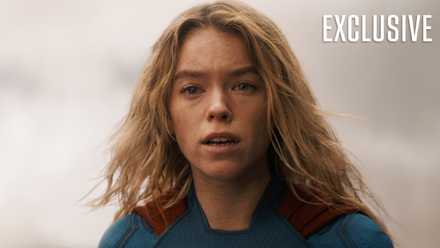
‘Supergirl’ Takes Flight in New Look at the Most Anticipated Superhero Movie of the Year
DC’s next major big-screen hero is ready for a fight.
If It’s on Camera, the ‘Supergirl’ Props Team Are Going To Make It Exist
Old-fashioned, practical film-making continued into Supergirl’s props department which, at its peak, comprised around 300 people with 75 prop makers and 10 painters. Supervising Hand Props, Charlie Horwood, acknowledged that if something appeared on camera, the team wanted it to exist for real. The clearest example of this approach is Krypto. While many assume the superdog exists only as a digital construct, Horwood presented a practical version, made from an IKEA rug which can breathe, blink, and wag its tail.
The most difficult prop to make for Supergirl was Kara’s Space iPod. She carries both an original Nano and a futuristic alternative during the film and for the latter there was no obvious starting point. The props team debated how closely it should resemble Apple’s primary design while still feeling like technology from another world. Finding working original iPods also proved difficult — the Nano functions as new, while the space version doesn’t, so its screen content can be added by the VFX team.
“A sword’s a sword. A dog’s a dog. But what’s a space iPod? Who knows?” – Charlie Horwood
The weapons used in Supergirl began with recognizable real-world silhouettes before pushing into sci-fi territory. The team’s goal was often to space-ify familiar objects, making them feel bigger, brighter and stranger. Most major weapons were created in multiple versions, including highly detailed hero props for close-up shots. Airsoft replicas provided a strong starting point, as they already featured moving parts and functional mechanisms, while rubber versions were produced for stunt sequences. One of the most pivotal weapons in the film belongs to Ruthye’s murdered father and early discussions explored the possibility of using his sword more like a walking stick. As the story evolved, however, it would be actively used, including during the scenes filmed in Scotland shortly after our visit. As Ruthye is a young character expected to carry the sword for long periods, the props team produced lightweight versions that would remain comfortable on long days. The design itself draws heavily from the comics while incorporating Afghan influences of intricate gold filigree.
Matthias Schoenaerts and Jason Momoa both collaborated with the Supergirl props team to enhance their characters. Schoenaerts suggested that Krem should always carry provisions for a long journey, so the team created a double-headed rat and bird-like creatures which could be hung off his belt and eaten in scenes. Momoa’s last minute request was for Lobo’s cigar made out of a vape to illuminate his face. Built in around six hours, the final result is Horwood’s favorite and is paired with a brass punch lighter which Lobo slams against a table to activate.
Before we left Leavesden, the team screened exclusive footage from the film. There were certainly powerful moments involving Kara, yet the strongest reaction came when David Corenswet‘s Superman appeared with his broad Christopher Reeve-esque smile — there was clear excitement bubbling for the start of the DCU. Now, as Supergirl finally heads towards its release, audiences should prepare not only for the same action-packed spectacle but also take time to appreciate the film’s attention to detail. Fans will ultimately decide how successful the production’s shared vision is when it arrives in theaters later this month. But after spending a day inside its worlds, it’s clear that Supergirl has been built with an unusual level of coordination and care worth watching out for.
Supergirl is released in theaters June 26.

- Release Date
-
June 26, 2026
- Runtime
-
110 Minutes
The last 50 years have been a rich period for fantasy. After its modern foundations were established in the 1950s (particularly with The Lord of the Rings), new generations of writers set about exploring it from a variety of fresh angles. The result was a diverse crop of classics, from political allegories and entertaining high fantasy to gritty revisionism and philosophical statements.
This list attempts to rank some of the best of them. While taste is obviously subjective, the titles below represent some of the most important fantasy novels published over the last half-century. Every kind of fantasy fan should be able to find something to enjoy among these gems that cover everything from legendary realms to brand new worlds full of ruthless violence.
10
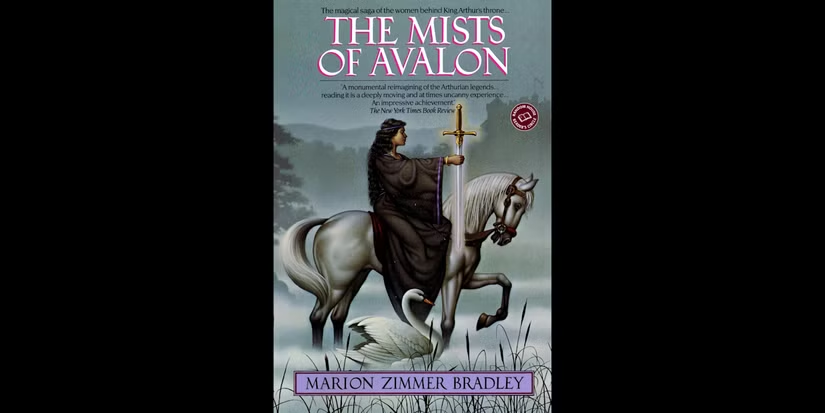
‘The Mists of Avalon’ (1983)

“You may not choose what role you play in life, but you may choose whether you will play it well.” The Mists of Avalon radically reimagines one of the most famous legends in the Matter of Britain. Rather than centering King Arthur and his knights, the novel retells the Arthurian myth through the eyes of the women surrounding Camelot, especially Morgaine, Gwenhwyfar, Viviane, and Morgause. At the heart of the story, priestess Morgaine struggles to preserve ancient spiritual practices as the political and religious world transforms around her.
In the process, author Marion Zimmer Bradley turns familiar mythological figures into psychologically layered human beings, all carrying unique burdens, whether that’s duty or love. The tone is melancholy throughout, an atmosphere of fading magic. This revisionist approach was deeply influential, opening up rich new possibilities for fantasy.
9
‘The Silmarillion’ (1977)

“Do not meddle in the affairs of wizards, for they are subtle and quick to anger.” The Silmarillion is a little dry, more suited to hardcore fans than casual readers, but it’s still one of the most impressive works of fantasy of its era, providing important background information to the main series. It chronicles the creation of Middle-earth, the rebellion of the dark lord Morgoth, the wars of the Elves, and the tragic history surrounding the Silmarils: three radiant jewels of destructive beauty.
Unlike the relatively grounded adventure structure of The Hobbit or The Lord of the Rings, this book reads more like a lost sacred text from an ancient civilization. The depth of the world-building is astonishing. Not content with simply inventing a cool fantasy setting, Tolkien constructs entire languages, religions, histories, genealogies, cultures, songs, and cosmologies. Every mountain, jewel, oath, and sword seems burdened with history.
8
‘The Black Company’ (1984)

“There are no self-proclaimed villains, only regiments of self-proclaimed saints.” Long before grimdark fantasy became a dominant force in the genre, Glen Cook wrote The Black Company, a brutal, cynical, and deeply influential novel that stripped fantasy of romanticism. It’s about an elite mercenary group hired by the terrifying Lady, ruler of a dark empire. The story is one of harsh military campaigns, shifting alliances, and endless moral compromises, as seen through the eyes of the Company’s physician, Croaker.
Here, battles feel confusing and ugly rather than glorious, while magic users possess terrifying levels of destructive power. The protagonists are simply ordinary soldiers trying to stay alive amid political chaos and supernatural horror. The book’s writing style is fittingly lean, efficient, and almost journalistic, very different from the ornate style of classic epic fantasy. This approach, too, left a lasting imprint on the genre.
7
‘The Name of the Wind’ (2007)

“It was the patient, cut-flower sound of a man who is waiting to die.” The Name of the Wind focuses on Kvothe, a legendary figure now living in obscurity as an innkeeper, who recounts the story of his life to a traveling chronicler. His tale begins with childhood tragedy after his family is murdered by mysterious supernatural beings, eventually leading him toward magic, music, scholarship, and dangerous ambition. In telling his story, the book strikes a perfect balance between epic fantasy and layered character study.
The world is immersive and memorable, full of interesting magic systems and frightening creatures, yet all the characters feel psychologically real. The main character, in particular, is both a myth and a broken man. Finally, the prose is lyrical the whole way through; simply put, this is one of the best-written fantasy books of the 2000s.
6
‘Jonathan Strange & Mr Norrell’ (2004)

“Can a magician kill a man by magic? Well, a gentleman ought never to.” While the TV adaptation is solid, the original Jonathan Strange and Mr. Norrell book is vastly superior. Set in an alternate version of 19th-century England where practical magic has almost vanished, it follows two magicians with radically different personalities: the cautious, scholarly Mr Norrell and the reckless, charismatic Jonathan Strange. Together, they attempt to restore English magic during the Napoleonic Wars, only to unleash forces far older and stranger than either fully understands.
We’re talking about an incredibly British book. The writing style pays homage to Charles Dickens and Jane Austen, and the clever use of footnotes creates the illusion of a fully developed magical history stretching back centuries. At the story’s heart, though, is the evolving friendship/rivalry between the two colorful protagonists.
5
‘The Crippled God’ (2011)

“We humans do not understand compassion. In each moment of our lives, we betray it.” The Crippled God is the conclusion to Steven Erikson’s monumental Malazan Book of the Fallen series, an epic fantasy saga that spans not just centuries but millennia. By the time readers reach this tenth volume, they have already traveled through continents devastated by war, witnessed civilizations collapse, encountered ancient gods, undead armies, assassins, and shattered empires, and followed one of the largest casts in fantasy history.
Erikson uses that accumulated history to create moments of extraordinary emotional weight. Character reunions, sacrifices, deaths, and acts of compassion land with devastating force because the series has spent so much time building emotional investment in its people and cultures. All these narrative threads could easily have collapsed into a mess, but the author brings them all to a satisfying end with style and grace.
4
‘A Game of Thrones’ (1996)

“When you play the game of thrones, you win, or you die.” Set across the divided kingdoms of Westeros, the first Game of Thrones book follows multiple noble families as they maneuver for political power following the death of the king’s chief advisor. Meanwhile, ancient supernatural dangers slowly begin awakening beyond the northern Wall. At the time, it made for an unusually political fantasy tale, eventually sparking one of the genre’s most intense fandoms (and most frustrating conclusions or, indeed, lack thereof).
While the final season of the GoT show has left a bad taste in fans’ mouths, there’s no denying the potency of the first few books. They’re creative, intelligent, well-written, and absurdly entertaining, keeping the reader hooked even across hundreds and hundreds of pages. Compelling characters reel us in, while the author’s willingness to kill them keeps the tension high.
3
‘Tehanu’ (1990)

“To be oneself is a rare thing, and a great one.” Tehanu is the final entry in Ursula K. Le Guin‘s beloved Earthsea cycle, serving as a kind of response to its predecessors. After the grand adventures and mythic journeys of the earlier books, this one gets quieter and more emotional. The story follows Tenar, now middle-aged and widowed, living a modest life on the island of Gont. Her life changes when she adopts a horribly abused child named Therru while the once-powerful wizard Ged arrives broken and powerless.
The characterization is extraordinarily nuanced here. Tenar, in particular, is wise and angry in the best ways, seeing through the hypocrisy and lies of the world around her. Through her, the book delves into themes of masculinity, authority, violence, and heroism. Dragons and magic are present, but they’re woven into a story primarily concerned with human vulnerability and moral responsibility.
2
‘Night Watch’ (2002)

“Sin, young man, is when you treat people like things. Including yourself.” Plenty of Discworld novels could have made this list, but perhaps the most well-rounded of them is Night Watch. In it, Sam Vimes, the cynical commander of Ankh-Morpork’s City Watch, is accidentally sent back in time during a magical storm. Trapped in the city’s violent past, Vimes must navigate political unrest, looming revolution, and his own younger self while trying to preserve history without losing his identity.
As usual, the humor is phenomenal, with Terry Pratchett serving up a steady stream of absurd moments and witty observations. However, there’s also real emotion and moral depth to the story, dismantling simplistic fantasies about revolutions and political movements. Despite the fantasy setting, the novel feels impressively real in its understanding of institutions, social unrest, exhaustion, and compromise.
1
‘Northern Lights’ (1995)

“We’re all subject to the fates. But we must all act as if we are not.” Northern Lights (aka The Golden Compass) is the first installment in Philip Pullman‘s His Dark Materials saga, one of the most intellectually ambitious (and entertaining!) fantasy sagas ever. At the heart of it is Lyra Belacqua, a rebellious orphan living at Jordan College in an alternate universe where human souls exist externally as animal companions called daemons. After children begin disappearing, Lyra becomes entangled in a vast conspiracy involving a mysterious substance known as Dust.
Along the way, she encounters witches, aeronauts, religious fanatics, and armored bears, while also coming into possession of a highly prized object that can divine the truth about anything. Beneath all that adventure lies a deeply philosophical story exploring free will, innocence, authority, and the dangers of ideological control, setting a new bar for modern fantasy.

By Jonathan Klotz
| Updated

Sci-fi shows need time. More so than any other genre, sci-fi needs to take the early episodes to introduce the strange new world viewers have been dropped into and then, gradually, peel back the layers of the onion to show why our heroes are important, how they fit into the world, and how cool it’s going to be see their journey. The Expanse starts this way, Dark Matter needs a few to show the real stakes for the crew, and Stargate SG-1 took some time to find the balance required in its “Planet of the Week” episodes. Season 1 Episode 9, “Brief Candle,” is one of those filler episodes that’s easily forgettable, yet it’s also the moment where everything comes together.
Stargate SG1 Heads To The Party Planet

“Brief Candle” sends the SG-1 team to the planet Argos, a gorgeous pleasure planet where Daniel (Michael Shanks) immediately helps deliver a baby, before figuring out that Pelops, the Greek hero, was likely a Gou’ald capable of inspiring worship. For reasons unknown he took some of the Pelopasians to Argos, where they worship him to this day. The catch is that the Argosians all fall asleep at the exact same time, then wake up the next day, except everyone has aged one full year over night.

Dan-el, the baby Daniel helped deliver, is a toddler the next day. O’Neil (Richard Dean Anderson) ate a marriage cake and slept with an Argosian, but instead of one year, he wakes up as if more had passed. Now the team runs against the clock to figure out what’s causing the aging that’s giving Argosians a lifespan of under a 100 days, and how can they save O’Neil?
The Team Comes Together

It’s a simple setup, low-stakes episode as on Argos, there’s no active Goa’uld presence, only the legacy of their caustic influence on an unsuspecting alien race. To figure out what’s going on each of the team gets a moment to highlight their speciality, Daniel’s translating shows the nature of the planet, Teal’c’s (Christopher Judge) knowledge of the Goa’uld fills in the gaps, Carter (Amanda Tapping) reveals her year spent working with the Pentagon on nanomachines as she and Dr. Fraiser (Teryl Rothery) get to work, while O’Neil is shown to be the heart of the team…and the one most likely to be seduced by an alien.
It’s a simple episode, with a simple solution (nanomachines), that manages to find a way for everyone to contribute while highlighting the importance of SG1, not only to combat the Goa’uld threat directly, but to dismantle their influence across the galaxy. Nine episodes into the first season, and “Brief Candle” cements the flow of what fans can expect from all future “Planet of the Week” adventures, while giving character moments to the entire team, showing that while Jack O’Neil may be the “hero,” it’s an ensemble show, and the real fun is watching everyone work together.
The Ideal Stargate SG-1 Episode

“Brief Candle” is another example of Stargate SG-1 showing how it’s different from that other 90s sci-fi franchise, Star Trek. Removing the Goa’uld transmitter that was controlling the nanomachines means that the Argosians can now age normally, leave the village, and experience normal lives. It also flies in the face of the Prime Directive by upending an entire culture that had developed around the notion of living under 100 days. Kynthia, one of the Argosians, explains to O’Neil that their short lives mean they make the most of every moment they have. Now that they can live for thousands of days, or more, how will their culture adjust?
We never get the answer. It’s “Planet of the Week” not “Planet of the Recurring Characters.” The impact of the team’s adventure on Argos doesn’t last, and O’Neil never does learn how many days you’ve lived at the age of 40, but for fans, this side story showed them what they can look forward to and, in the process, turned Stargate SG-1 into a massive success with die-hard fans to this day.
You can stream all of Stargate SG-1 on Netflix.
Entertainment
Apple TV+’s Cape Fear Is Earning Strong Early Reviews Ahead of Premiere : Coastal House Media
This review was made possible by screeners for Fraggle Rock: Back to the Rock Season Two which releases on Apple TV+ Friday, March 29th
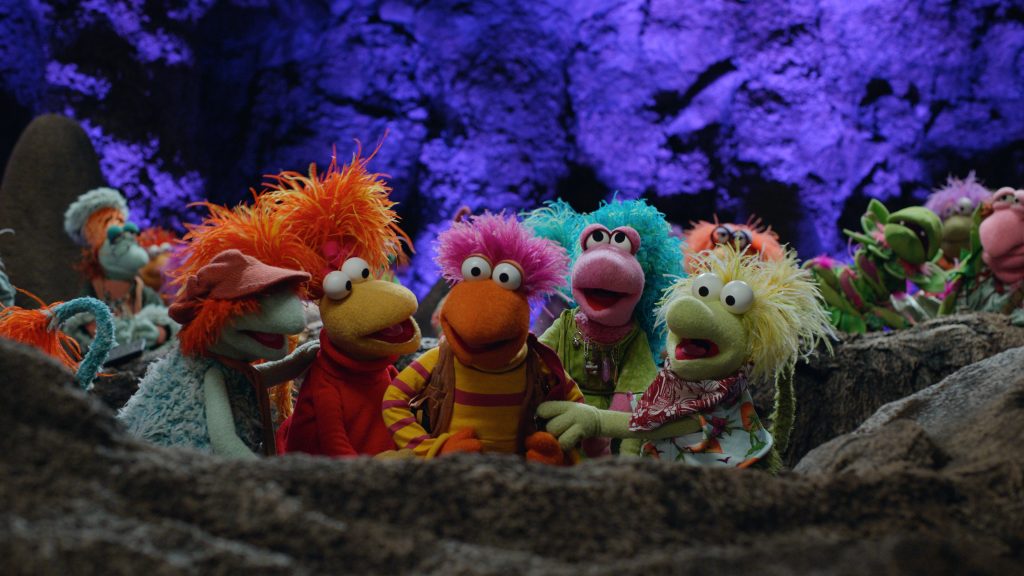
Are you ready to Radish… Let’s all put on our Strawberry hats and dance the cares away, as Jim Henson’s fun-loving, musical Fraggles are back for season two. Join Gobo, Red, Wembley, Mokey, Boober, and POGEY! Alongside new Fraggle friends on hilarious, epic adventures about the magic that happens when we celebrate and care for our interconnected world.
The highly-anticipated second season of the beloved classic series reunites these characters and unearths them once again for Season 2 streaming on Apple TV+ on Friday, March 29, 2024. The second season of Fraggle Rock: Back to the Rock by The Jim Henson Company consists of 13 incredible and entertaining brand-new episodes that are fun and educational for the whole family alike, as each episode features an important lesson that the Fraggle Five learn and ultimately accept. Important topics covered in these episodes are about facing your fears, the importance of change and adapting to it, anxiety and distraction, differences of opinion, using the right words, and self-expression. Such as embracing your uniqueness, and showing that there is nothing wrong with who you are. as well as how to treat others no matter their size, Of course, all of this is combined with catchy music and dance numbers, as singing and dancing are what a Fraggle does best. Fraggles explore their feelings, work through problems, and grow their minds and bodies through music so when a song comes on they celebrate. Parents will be able to show their kids how to clap, walk and move to the beat and ultimately learn the rhythm.

Jim Henson’s fun-loving and musical Fraggles—Gobo, Red, Boober, Mokey, Wembley, and Uncle Travelling Matt, appearing alongside new Fraggles and Doozers voiced by special guest stars, including Ariana DeBose (Mezzo), Brett Goldstein (Pryce), Catherine O’Hara (Leader), Daveed Diggs returning as Jamdolin, Adam Lambert (The Great Glitterini), and K-pop group Aespa—are back with more epic, fun, and zany adventures, this time with big changes affecting the Rock. The Fraggles, Doozers, and Gorgs are forced to confront their past and celebrate their interdependence as they move through challenges together with hope, silliness, and brand-new songs, all while dancing their cares away down at Fraggle Rock.
The addition of new Fraggle friends and special guest stars like the ones I’ve mentioned, such as Ariana DeBose, Brett Goldstein, and Catherine O’Hara, injects fresh energy into the series, adding new dimensions to the characters and their interactions. The voice talents shine through, breathing life into the colourful and vibrant world of Fraggle Rock.
All through the world of Fraggle Rock and the characters who inhabit the lands, ultimately, Fraggle Rock: Back to the Rock tells viewers that no two paths are the same, that we are not defined by our mistakes, and that if we all work together, no matter our differences, we can change the world.


Throughout season two of “Fraggle Rock: Back to the Rock”, each of the Fraggle Five characters goes through personal growth and development, thanks to the talented puppeteers who bring them to life. Gobo Fraggle, portrayed by John Tartaglia, continues to lead the group but struggles with the balance of leadership and power. Red Fraggle, portrayed by Karen Prell, learns the value of humility and teamwork. Mokey, portrayed by Donna Kimball, must confront her fears of letting go. Wembley, portrayed by Jordan Lockheart, discovers the importance of self-expression and self-identity. Boober, voiced by Dave Goelz and puppeteered by Frank Meschkuleit, must learn to embrace change and recognize the power of words. The fantastic puppeteers truly embody these characters and provide a deep connection that enhances the viewer’s experience.

In season two, Uncle Traveling Matt’s return is highly anticipated as the Fraggles eagerly await his latest postcards and tales from his adventures in Outer Space. As each episode unfolds, we are entertained by Matt’s quirky observations and interactions with the strange beings he encounters. His use of Fraggle vocabulary adds a fun and playful element to his storytelling, making the audience laugh and appreciate the oddities of the Human world through Uncle Travelling Matt’s eyes. Matt’s return in season two brings a sense of excitement and wonder to the show, as we get to experience the unique perspective of this adventurous explorer and his amusing encounters with the unfamiliar.
We also get to see more from the Doozers who live amongst the Fraggles building and creating their infrastructure. Most Doozers are construction workers, while others are architects and miners. But I love that Cotterpin takes front and centre in this season providing such knowledge and insight that help the Fraggles confront the challenges they face.
I’m also happy to say that we also get to spend more time with the family of Gorgs who live above Fraggle Rock. Junior Gorg (Voice and face by Dan Garza- body by Ben Durocher) is the son of Pa (voice and face by Frank Meschkuleit-body by Andy Hayward) and Ma Gorg (Voice and Face by Aymee Garcia-body by Ingrid Hansen), the self-acclaimed king, and queen.
We also get to spend time again with Sprocket and Lili Cooper’s Doc whose messages and problem-solving especially what’s important to them mirror that of the Fraggles, whether that is climate change or food insecurity.
My belief is in the power of community and collective action. The Fraggles’ resilience and determination in the face of challenges struck a chord with me, reminding me that even in the darkest of times, there is always a way forward if we come together and work towards a common goal. Watching season 2 of “Fraggle Rock: Back to the Rock” gave me hope and renewed my commitment to making positive change in the world. It reminded me that we are never truly alone, as long as we have each other to lean on and support us.
Jim Henson’s spirit and what he stood for truly shine throughout each of the thirteen episodes. Fraggle Rock wouldn’t be here today if it wasn’t for the amazing puppeteers who have poured their heart and soul into creating this loveable series for the second time that will ultimately create a path for a new generation of dreamers.
Puppetry especially the style Henson created has always held a special place in my heart. From the earliest memories of watching Fraggle Rock, Sesame Street, Labyrinth, Dark Crystal and The Muppets, The skill and artistry involved in bringing puppets to life truly is awe-inspiring, and I’ve always been amazed by the way puppeteers can imbue these characters with so much personality and emotion. Watching John Tartaglia, Karen Prell, Donna Kimball, Jordan Lockhart, Frank Meschkuleit, and Dave Goelz alongside the many other incredible puppeteers who have my utmost respect bring the Fraggle Five and their friends to life is a truly magical experience, and I believe that the timeless appeal of puppetry is something that will never fade. Special mention must go to Kanja Chen who has made me fall in love with Pogey!
Speaking of Tartaglia, As a long-time fan I couldn’t be more excited about his recent joining the Jim Henson Company in an official capacity as Creative Supervisor on Fraggle Rock. Tartaglia’s passion for Fraggle Rock and his deep understanding of what makes it special truly make him the perfect person to spearhead its evolution into a new frontier. His connection to the show, and the role it played in his childhood, gives him a unique perspective that will undoubtedly inform his vision for its future.

Fraggle Rock: Back to the Rock” is executive produced by The Jim Henson Company’s Lisa Henson, Halle Stanford and John Tartaglia, along with Matt Fusfeld and Alex Cuthbertson. Co-executive producers are Dave Goelz and Karen Prell, and the executive music producer is Harvey Mason Jr. The new season is produced by Chris Plourde and co-produced by Tim O’Brien. The series is produced in association with New Regency with Arnon Milchan and Yariv Milchan executive producing.
Fraggle Rock: Back to the Rock Season 2 premieres on AppleTV+ on Friday, March 29th.
Crypto World9 seconds ago
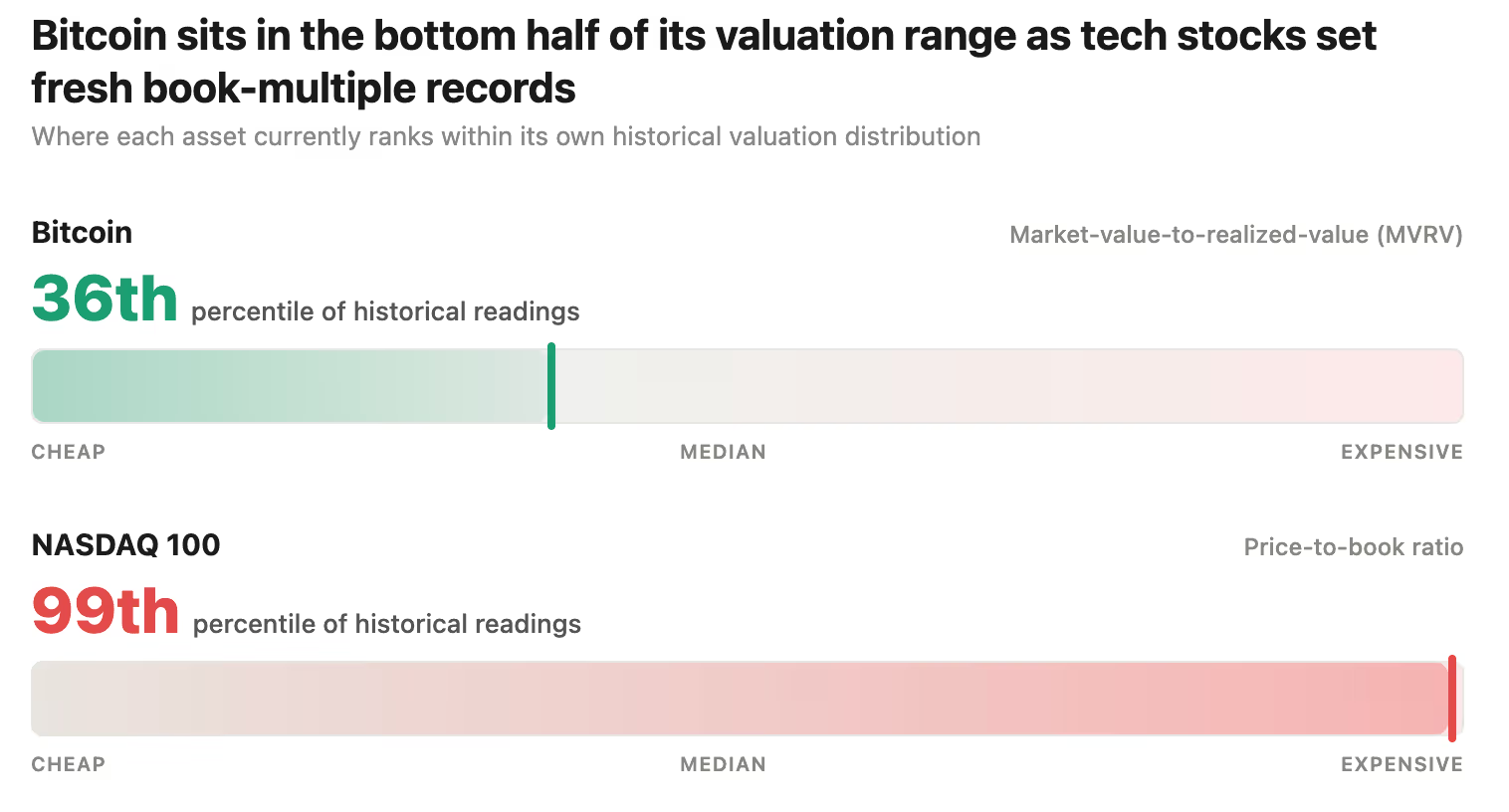
This model puts bitcoin’s fair value at $224,000

Entertainment1 minute ago
Pussy Riot Band Challenges Putin to UFC Fight at White House

Politics2 minutes ago
Reform’s Aberdeen candidate is a 5G conspiracist



-

 Tech6 days ago
Waymo dominates autonomous vehicle registrations as Tesla trails behind
-

 News Videos5 days ago
This is BROKEN! INSANE 5x MONEY CAR WASH WEEK! The NEW GTA Online UPDATE Today! (GTA5 New Update)
-
 Tech4 days ago
SpaceX just won a second Golden Dome contract. This one is $4.16 billion.
-

 News Videos5 days ago
SHE IS KILLING XRP!!! WATCH URGENT AND ACT FAST
-

 Business2 days ago
Jade Biosciences, Inc. (JBIO) Discusses Positive Interim Results From JADE101 Phase I Healthy Volunteer Study and Development Plans Transcript
-
 NewsBeat5 days ago
FIRST NIGHT REVIEW: Take That bring the Circus back to life in spectacular sun-soaked style
-
 Crypto World5 days ago
CFTC Has Approved the First Regulated Bitcoin Perpetual Contract in the U.S.
-

 Business4 days ago
Is the Spurs Phenom Already Better Than Prime Diesel?
-
 NewsBeat5 days ago
Novak Djokovic v Joao Fonseca LIVE: French Open latest scores and results after Jannik Sinner’s shocking collapse
-
 Crypto World5 days ago
Snowflake (SNOW) Stock Rallies on Strong Q1 Results and AI Product Growth
-
 Entertainment5 days ago
Weak ‘Supergirl’ Box Office Tracking Amid Milly Alcock Backlash
-

 Business4 days ago
Demand Conditions Improve In Chemicals Sector In April 2026
-

 Crypto World5 days ago
MicroStrategy Moves $30 Million in BTC to Coinbase Prime: Is the Bitcoin Sell-Off Already Here?
-

 Politics4 days ago
The House | Inside Andy Burnham’s Makerfield Campaign: “Nobody Thinks This Is In The Bag”
-

 Tech5 days ago
This Week In Security: Ubiquiti Fixes, And FreeBSD Joins The Club You Don’t Want To Join
-
 Entertainment4 days ago
One of the Greatest Sitcoms of All Time Shoots Up Apple TV’s Charts 11 Years Later
-
 Entertainment5 days ago
Maddox Jolie-Pitt Legally Requests to Drop Brad’s Surname
-
 Crypto World1 day ago
Seagate (STX) Stock Surges to Record High on AI Boom and Legal Settlement
-
 Entertainment4 days ago
Britney Spears Shares Troubling Update After Hard Year
-
 Entertainment5 days ago
Bruce Willis’ Generosity Resurfaces Amid His Dementia
You must be logged in to post a comment Login