

Entertainment
House of the Dragon Season 3 Stars React to Incest Scene

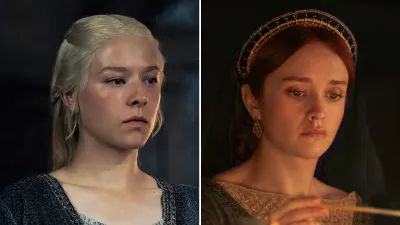
House of the Dragon returned with a bang on Sunday, June 21, featuring a scene that will undoubtedly have everyone talking.
During a tense exchange with his mom, Alicent Hightower (played by Olivia Cooke), during the season 3 premiere, Ewan Mitchell‘s prince regent, Aemond Targaryen, shocked viewers — and his mother — by planting a kiss on her lips.
According to Mitchell, 29, it “kind of makes you want to throw up in your mouth a little bit.”
“Yeah, it’s kind of shocking. But then also, I just recognized a tremendous challenge and an opportunity to show Aemond in a new light,” the British actor told People in an interview published on Sunday.

HBO Game of Thrones was no stranger to seeing some characters meet pretty gruesome fates, and its prequel, House of the Dragon, is following in a similar vein. The first two seasons of the HBO series have featured many onscreen deaths, from major characters to side players and other citizens of Westeros. Fans of the […]
“It’s quite a difficult pill to swallow, isn’t it? Kissing your mom on the lips, especially in that way,” he explained. “I mean, Aemond, growing up, he never felt like he was loved enough by his mom and his family around him, and a kid needs that unconditional love to develop a balanced view of themselves. And Aemond, because he never had that, he’s got a very skewed perception and a very strange way of showing love.”
“I think what you see in that scene in episode 1 is that skewed love,” he added.
Cooke, meanwhile, said the scene was difficult to film.
“I think it was quite odd for both of us,” said the actress. “There has been this Oedipal undercurrent — unbeknownst to Alicent. And I think it’s shocking.”
There’s also the small matter of Aemond being something of a psychopath. After all, he did burn his brother Aegon (played by Tom Glynn-Carney) half to death in season 2.
Cooke, 32, said that for Alicent, the kiss is “really dangerous, because he’s a very dangerous person.”
“She knows that one wrong facial expression, one perceived rejection, will cost her her life. So she’s trying to tread very, very carefully. But I do think she’s sort of stupefied in that moment,” she shared.
Despite having to kiss his onscreen mom, Mitchell praised his scene partner.


“Working with Liv Cooke in that scene is just … it’s a masterclass working with Liv Cooke in any scene. Yeah, she’s a real one,” he gushed.
Of course, fans of House of the Dragon and its predecessor, Game of Thrones, are no strangers to shocking incest scenes. Aemond’s brother Aegon is, after all, married to his sister, Helaena (Phia Saban). Season 1 also featured the taboo romance between Rhaenyra Targaryen (played by Milly Alcock and Emma D’Arcy) and her paternal uncle, Daemon (Matt Smith).
House of the Dragon season 3 airs Sundays on HBO and is available to stream on HBO Max.

Continue Reading
Entertainment
Klara and the Sun First Look Reveals Taika Waititi’s Most Emotional Film Yet : Coastal House Media
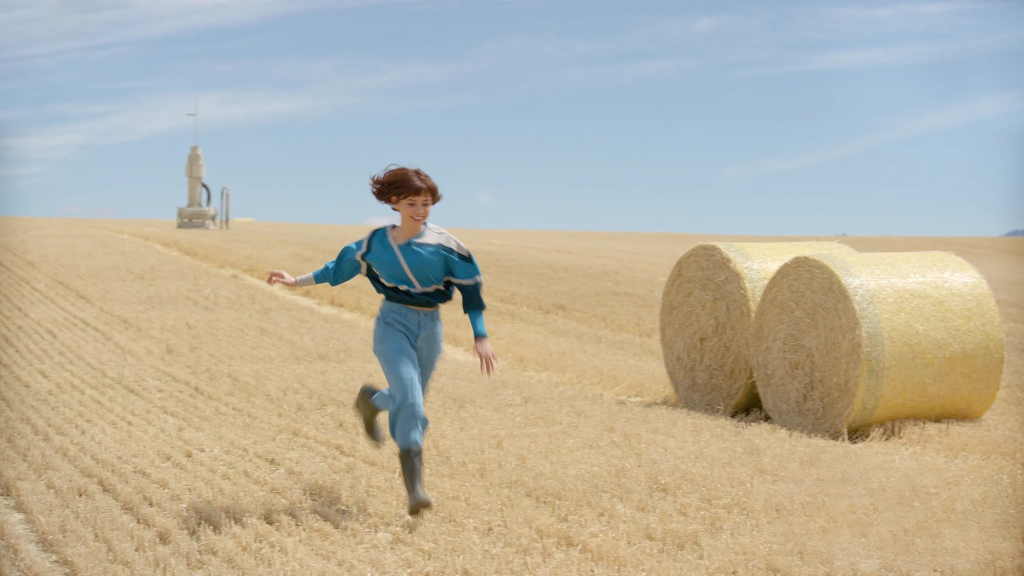
The first images from Klara and the Sun have finally arrived, giving audiences a glimpse at what could be one of the most emotional and unexpected science fiction films of 2026.
Directed by Taika Waititi, the adaptation of Kazuo Ishiguro’s acclaimed novel stars Jenna Ortega as Klara, an Artificial Friend designed to ease loneliness in a futuristic society. The newly released images showcase Ortega in a role unlike anything fans have seen from her before, trading the dark and sarcastic energy of Wednesday for a character filled with warmth, curiosity, and innocence.
In an interview accompanying the first look, Waititi described Klara and the Sun as perhaps his “most dramatic film” to date. The filmmaker, known for balancing humor and heart in projects like Jojo Rabbit and Thor: Ragnarok, admitted he initially thought adapting the novel would be simple.
“I thought this would be maybe the easiest film I’d ever make,” Waititi explained. “The more you read the book and delve into the relationships, the more complicated it gets.”
The story follows Klara, a solar-powered Artificial Friend who is purchased by a mother, played by Amy Adams, to become a companion for her daughter Josie, portrayed by Mia Tharia. As Klara becomes part of the family, she develops a deep understanding of love, sacrifice, and what it truly means to be human.
The film’s world is also unique. Waititi revealed that he imagined a future where humanity had grown tired of technology and intentionally moved backward in certain ways. The production design combines retro aesthetics with futuristic concepts, creating a world that feels familiar yet strangely unsettling.

Klara and the Sun [credit: Sony Pictures, Vanity Fair]
For Ortega, the role offered a chance to explore a very different kind of character. The actress said Klara’s kindness and optimistic outlook stand in stark contrast to many of the darker roles she has played in recent years. Rather than portraying an emotionless machine, Ortega and Waititi worked together to make Klara feel deeply relatable and emotionally authentic.
The themes explored in Klara and the Sun feel particularly timely. The story asks difficult questions about artificial intelligence, grief, loneliness, and whether love itself can be programmed. Waititi said he was fascinated by the idea that humans may someday form genuine emotional bonds with artificial beings, adding that the film does not offer easy answers.
With its emotional storytelling, stunning visuals, and a career-defining performance from Jenna Ortega, Klara and the Sunis shaping up to be one of the most intriguing science fiction films of the year.
Klara and the Sun is scheduled to arrive in theaters on October 23, 2026.

Madonna is gearing up for the release of her milestone 15th album, “Confession II,” a sequel to her highly regarded 2005 LP, “Confessions on a Dance Floor.” Now, weeks before the new body of work is set to be released, the 67-year-old is opening up about her failed biopic, which was scrapped in 2023 despite Julia Garner being tapped to play the music legend.

Madonna opened up to Interview Magazine in June 2026 about the movie and why it failed to materialize. She discussed her involvement with the film, saying, “I was supposed to make a movie about my life. I worked on my script for two years and spent two years at Universal Studios with the line producers doing budgeting and casting.”
Regarding why the movie didn’t move forward, the “Express Yourself” singer said, “We had a falling out, me and Universal, regarding budget because I needed — I’ve had an extraordinary life. I’ve had a huge life, so I needed a big budget. You know what I mean?”
She then stated that the executives at the movie studio “couldn’t get their heads around” the budget she felt would be necessary to properly tell her story.
The ‘Confessions II’ Singer Wanted to Find Ways To Decrease The Budget
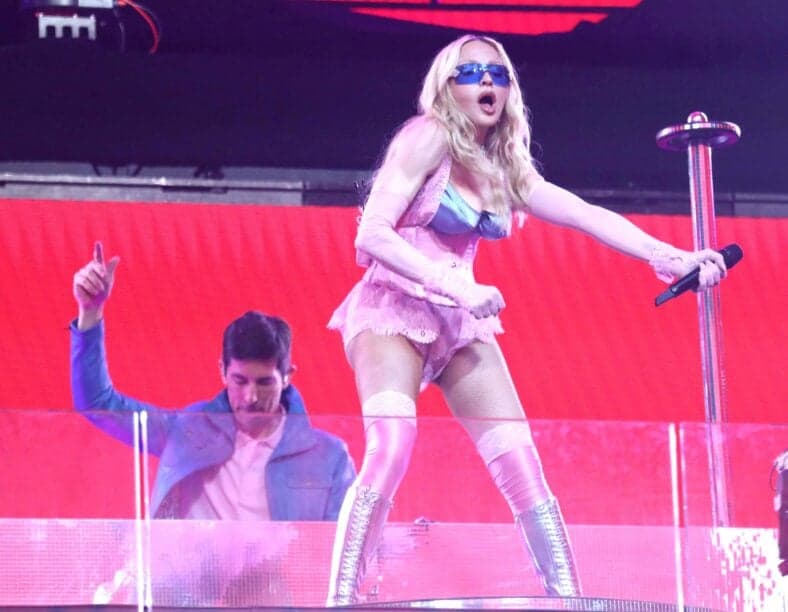
Madonna didn’t provide figures regarding the planned budget for her still-unfilmed biopic. However, she said she was willing to make changes to the production to reduce its cost. Namely, the icon stated she wanted to find “a way to make it for less money in Serbia.”
According to her, “Maybe they just didn’t believe in me. One of their first reactions was, ‘We don’t believe you’d stay in Serbia more than four days.’ And I said, ‘Did you read the script?’ My whole life has been survival. I’m not going there for a holiday. But anyway, I was in limbo when that fell apart, and then Netflix reached out to make a series.”
Regarding Netflix, she stated, “That was a whole other long process, because I couldn’t use the script I had with Universal unless I bought it from them for an extortionist’s price, even though I wrote it. Don’t ask.”
In reflecting on the situation, Madonna said, “That’s just the way it goes.”
Fans Still Want To See Madonna’s Story Told

Madonna is among the most influential pop stars of all time. Because of this, as well as the recent success of “Michael,” fans think the movie will still happen. However, others believe her life is so big that perhaps a multi-part mini series would be in order. Still, some wonder what she would have seen as a viable budget.
One person said, “Madonna certainly has a story that spans decades, genres, and cultural moments. It’s easy to see why she’d feel a traditional biopic would need a major budget to capture the full scale of her life and career.”
Someone else wrote, “That’s an unfortunate setback for fans who were eager to see her story on the big screen. Few artists have had an impact like Madonna, and telling that story properly would be an ambitious undertaking.”
A different Madonna fan chimed in, writing, “So huge she should know it needs to be a mini series with possibly 2 to 3 seasons. Not a film.”
Julia Garner Opened Up About The Madonna Biopic In 2025

Garner was offered the role of Madonna in 2022. After accepting, the actress underwent a rigorous preparation process, including a grueling boot camp. In July 2025, years after the movie was announced as scrapped, Garner told the “SmartLess” podcast that it was still set to be produced.
According to her, “That’s supposed to still happen.” Regarding going for the role, Garner revealed, “I kind of just wanted to see if I could do it, because I wasn’t a trained dancer and I had to learn how to dance and then dance in front of her and convince her that I can dance, basically, and sing. And sing with her!”
It’s worth noting that Garner may have been referring to the Netflix series Madonna mentioned, which is not currently in the works.
The Music Legend’s New Album Arrives In July
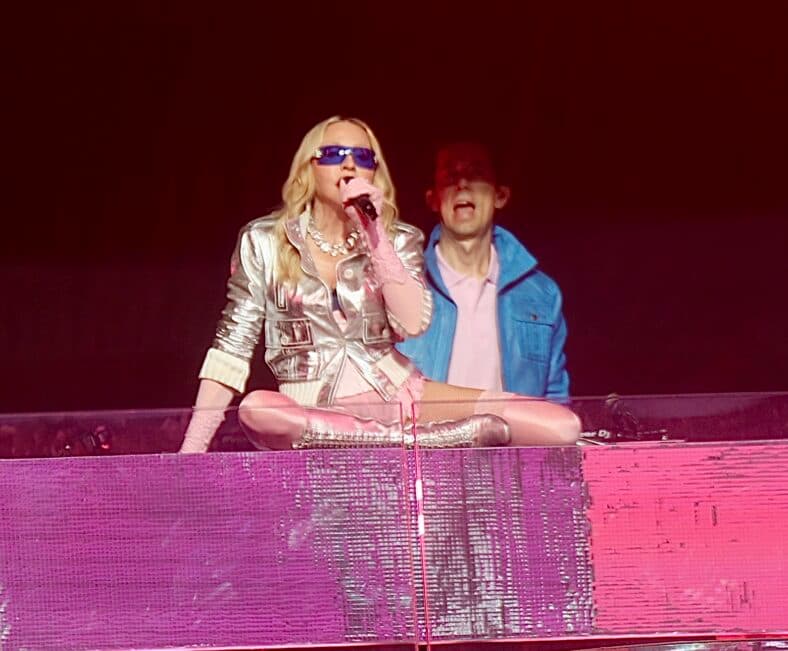
Madonna officially announced “Confession II” in April 2026 after signing a new contract with Warner Records in September 2025. From there, the first taste of the album arrived with the song “I Feel So Free,” released on April 18.
Since then, Madonna has released the singles “Bring Your Love,” a duet with Sabrina Carpenter, and the most recent offering, “Love Sensation.” The album will be released on July 3.
One day after a fan died at their Madison Square Garden concert, rock band Goose held a moment of silence during their Central Park show on Sunday, June 21.
“In moments like this, you realize life is so fragile, we’re so lucky to have an incredible community here around us,” band member Peter Anspach told the crowd at their Central Park SummerStage show in New York City on Sunday. “Everybody, if you’re struggling with something, please don’t be afraid to reach out to somebody in your life or send us a message.”
Anspach, 33, added, “We got to help each other out. That’s why we’re here. People are meant to talk and be with people, so thank you everybody for coming tonight, and we really appreciate you guys so much. We love you.”
The group — which consists of Anspach along with Rick Mitarotonda, Trevor Weeks and Cotter Ellis — held a moment of silence following the “tragic” death of 51-year-old Paul Kueker and sent their “deepest condolences” to his family and friends.
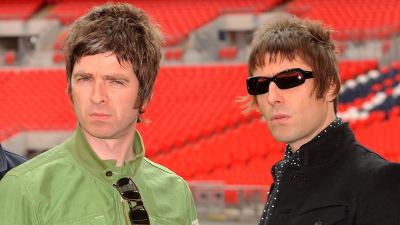
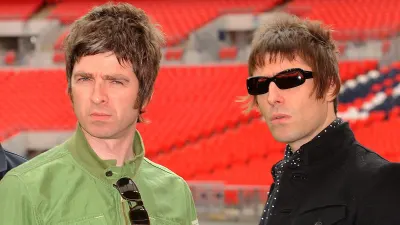
Members of Oasis have spoken out after a fan suffered a fatal fall from an upper level at London’s Wembley Stadium during the group’s Saturday, August 2, reunion concert. “We are shocked and saddened [to learn about the individual’s death],” the band, led by brothers Noel and Liam Gallagher, said in a Sunday, August 3, […]
The New York Police Department confirmed that Kueker died at the band’s MSG concert on Saturday, June 20, after falling from an “elevated position” inside the arena just before 10 p.m. local time. Police responded to a 911 call and found Kueker unconscious and unresponsive with injuries indicating a fall. He was seated in Section 300 of the arena, authorities confirmed.
Kueker was pronounced dead after being transported to Bellevue Hospital. While police do not suspect foul play, there is an ongoing investigation into his death.
“While we await the police report on the tragedy at last night’s Goose concert, we are deeply saddened by the loss of a fan’s life at Madison Square Garden,” the venue shared in a statement. “Our hearts go out to the family and friends of the concertgoer.”
Goose also took to social media on Sunday with a statement addressing Kueker’s death.
“We are deeply saddened and heartbroken to learn of the tragic event that occurred at tonight’s show,” they wrote. “We extend our deepest sympathy to everyone affected. Thank you to the emergency personnel and venue staff who stepped in with care and support.”
In a separate Instagram post on Sunday, Goose told fans that they “considered” canceling their Central Park show. However, they decided that the “best thing” they could do was bring their fans together.
All proceeds from Sunday’s show went to the Western Sun Foundation’s fan support fund.
“We are all reeling following the events that occurred at last night’s show. Getting off stage to learn that news was devastating for us and our crew, and we cannot imagine how some of you left the show feeling last night,” they wrote on Sunday. “This week we are working to host community gatherings with licensed therapists and grief counselors present, offering support with guided breathwork, space to share, and smaller breakout circles.”

By Jonathan Klotz
| Published

David Lynch will forever be remembered for his unique, dreamlike movies and the exceptional, generational series Twin Peaks. Most of his work could be hard to follow with its reliance on a skewed sense of logic, though ultimately, they ended up making sense and coming together. That’s why, when Joss Whedon showed Lynch the pilot episode of Dollhouse, and David Lynch’s comment was that it was “too confusing,” Whedon knew he had a problem on his hands. The solution, reshooting the pilot, didn’t make things any better.
The Strange Concept Behind Dollhouse

The premise of Dollhouse is, on the face of it, incredibly skeevy and creepy. People have their minds wiped and replaced with fake personalities for clients, clandestine missions, or corporate interests. Eliza Dushku is Echo, who in the pilot episode that aired on Fox in 2009, “Ghost,” takes on the persona of a negotiator to save a kidnapped child. It’s a straight forward, action-focused episode that explains who the Dolls are, what they do, the Rossum corporation, and touches on the dark side of the Dolls.
It’s also not the original series pilot. “Echo,” the original pilot, was pulled for being, as David Lynch mentioned, too confusing. In this episode, we see from the get-go how dark the series was going to get. Echo and FBI Agent Paul Ballard (Battlestar Galactica’s Tahmoh Penikett) have their fight where Echo reveals her mission to save the Dolls and bring down Rossum, a scene that airs much later in Season 1, as does another scene where the Rossum staff realizes the Dolls are showing signs of being self-aware. It’s a lot for a series pilot.
Even after filming “Echo” twice, it was chopped into pieces with the scenes inserted into later episodes. Once fans were able to watch the unaired pilot as part of the Dollhouse Season 1 box set, they realized they watched it all. The drip feed of information, revelations, and betrayals that fans received throughout the first season made it a hit, at least enough for Fox to air a second season, seemingly unheard of when it comes to high-concept sci-fi shows on the network. That’s despite some minor executive meddling that confused viewers.
Dollhouse Aired Out Of Order

Dollhouse did not air in the intended order. The second episode, “The Target,” was moved up a slot. If you watched the episode, and wondered who Alpha was after the Rossum staff started talking about his meddling, you were right to be confused. “Gray Hour,” the original second episode, aired fourth, and its in that episode we learn who Alpha is, and why it’s surprising he’s out there making life hard for Rossum. It’s hard enough keeping track of who’s who without dealing with executives adjusting the order because “The Target” is a take on The Deadliest Game and he thought that was cool.
Watching Dollhouse after Joss Whedon’s history came to light can be difficult. Eliza Dushku left acting because of what it was like working for him, but on the other hand, she did an amazing job as Echo. The cast, filled with familiar faces from the world of sci-fi, including Firefly and Buffy alums, is an absolute joy to watch them work. Be prepared to be a little confused as the series reveals itself, partly because of the twisted mystery, and partly because no one knew how to sell the concept to viewers, so they make you jump in headfirst.
Both seasons of Dollhouse are available for purchase on Amazon Prime Video.

This article covers a developing story. Continue to check back with us as we will be adding more information as it becomes available.
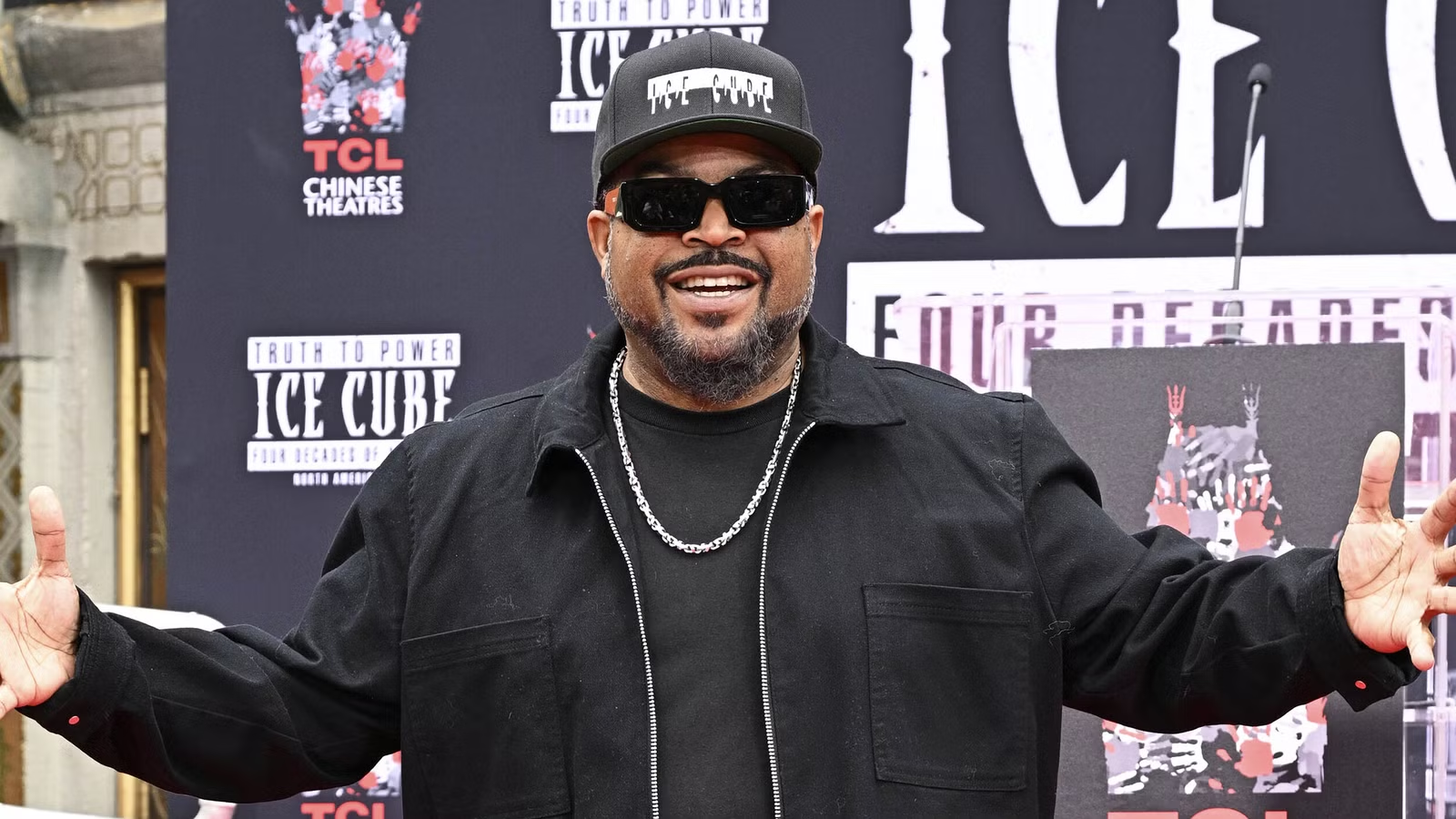
Everything’s coming up Ice Cube when it comes to the rapper-turned-actor’s beloved comedy franchises. Earlier this month, news broke that he was in talks to reprise his role as Captain Dickson in a long-awaited third installment of the 21 Jump Street franchise, titled 24 Jump Street, alongside Channing Tatum and Jonah Hill. This year also brought word that Cube was also discussing a reunion with Kevin Hart for another Ride Along film, after writer Daniel Gold delivered a script that finally got the team excited for another shift in the buddy cop series. Even the Friday franchise has been making steady progress towards its return following the reveal that Last Friday would finally conclude the ever-quotable smash hit after two decades and, hopefully, bring back as many familiar faces as possible.
According to a new report, yet another Ice Cube-centric comedy is now mounting a comeback. 19 years after the last installment arrived in theaters, Are We There Yet? is officially in development through Skydance Sports, with both him and Nia Long back in the fold as Nick and Suzanne. Chris Hazzard and Mike Fontana, the duo behind the live-action Teddy Ruxpin movie announced last year, are penning the screenplay for Are They Gone Yet?, which will follow the couple as they now welcome grandkids into the fold. It’ll be a new chapter and a much greater challenge for the couple that Cube is excited to navigate for a new audience, saying in a statement:
“We built something special with this franchise. Audiences grew up with Nick Persons, and now Nick’s got grandkids. Time flies. Partnering with Skydance to bring this story to a new generation is exactly the kind of move CubeVision was built for, and I am excited for the new partnership.”
Where Did ‘Are We There Yet?’ Leave Off?
Exact plot details for the next adventure of Nick and Suzanne’s growing unit are unknown at this time, but it’s bound to bring a new level of familial chaos to the table like its predecessors. Kicking off in 2005, the original Are We There Yet? followed Nick as he attempted to win over recent divorcee Suzanne by agreeing to take her kids Lindsey (Aleisha Allen) and Kevin (Philip Bolden) to their grandmother’s house. Following a mishap at the airport, however, what should’ve been a simple flight quickly devolves into a nightmare road trip in Nick’s precious Lincoln Navigator. Against all odds, though, they end up bonding, and Nick and Suzanne get together, leading into Are We Done Yet? in 2007, which takes the happy family to the suburbs where their hopes of owning a dream home are complicated by an eccentric contractor (John C. McGinley).

- Release Date
-
January 21, 2005
- Runtime
-
95 minutes
- Director
-
Brian Levant
Cast
-

-

-

Aleisha Allen
Lindsey Kingston
-

Philip Bolden
Kevin Kingston
This article covers a developing story. Continue to check back with us as we will be adding more information as it becomes available.

Prime Video has treated fans to some of the biggest TV shows of the year so far, including the latest season of Invincible and the final batch of episodes for The Boys. Prime Video may have ended The Boys after five seasons and canceled its first spin-off, Gen V, after only two, but the streaming Goliath has confirmed that more content out of the franchise is coming next year. Prime Video unleashed the first trailer for Vought Rising in the days following The Boys series finale, which confirmed the rumors that the show would premiere in 2027. After a few years away from the screen, Prime Video also brought back one of its most expensive shows of all time in Citadel, which dropped as a binge over a month ago before fading off of streaming charts last week.
Prime Video may not have the same subscriber total as Netflix, but it’s still the second-biggest streaming service in the world with over 200 million subscribers. Prime Video subscribers and Amazon Prime members are preparing to enjoy all the perks that accompany Prime Week, which kicks off tomorrow and is set to run through this Friday. Over the weekend, Amazon announced that the Prime Day deals would extend to Prime Video, where various extensions such as Apple TV and Paramount Plus will all be available at discounted prices. Prime is offering two months of Apple TV for $5.99 per month, down from $12.99 per month, and two months of Paramount Plus for $0.99 per month, down from $8.99 per month. The same two-month deals are also available for Hallmark, Audible, and BritBox — all are available for only $0.99 per month for two months.
What’s in the Prime Video Top 10 Right Now?
Prime Video has shifted to YA content in the last year or so, and it has paid off for the streamer. The top movie on Prime Video at the time of writing is Your Fault: London, and the most popular TV show on the streamer is Off Campus. Jack Ryan: Ghost War, the Tom Clancy spin-off film, is also sitting handily in the Prime Video top 10 weeks after its premiere. The same can be said for the first season of Spider-Noir, the Spider-Man spin-off show starring Nicolas Cage.
Stay tuned to Collider for more updates and coverage of all the latest projects on streaming.

- Release Date
-
May 13, 2026
- Network
-
Prime Video
- Directors
-
Dawn Wilkinson, Erica Dunton, Silver Tree, Sam Bailey
- Writers
-
Emmy St. Pierre
It’s pretty hard to find anyone these days who hasn’t already watched and experienced the emotional rollercoaster ride that is the hit animated Netflix show, BoJack Horseman, with it receiving universal acclaim from critics and audiences alike and is now a proud representative of television excellence found on the streaming platform. Nearly a decade since the first episode of the legendary animated series graced the small screen, it has achieved legendary status and is widely recognized as being among the best from its genre.
Led by Raphael Bob-Waksberg, BoJack Horseman teeters on the fine line between surreal comedy and brutal tragedy and provides some of the most profound and heartbreaking portrayals of the human condition in recent television history, and it’s all about a talking horse. The highest-rated BoJack Horseman episodes on IMDb reflect the very best that the series has to offer, and are also excellent starting points for fans who want to rediscover the incredible show on Netflix. If you are in the mood to re-watch the iconic series, here are the best BoJack episodes for a reminder of just how great the show can be.
30
“The New Client” (Season 6, Episode 2)
IMDb Rating: 8.5/10

One of the great aspects of BoJack Horseman as a show is its ability to balance two equally exceptional plotlines, with the A and B plots both having important and powerful messages centered around completely different characters. “The New Client” is easily one of the show’s best when it comes to this striking dichotomy of plots, being able to tackle both the difficulties of balancing parenthood and work life with a story of repressed guilt.
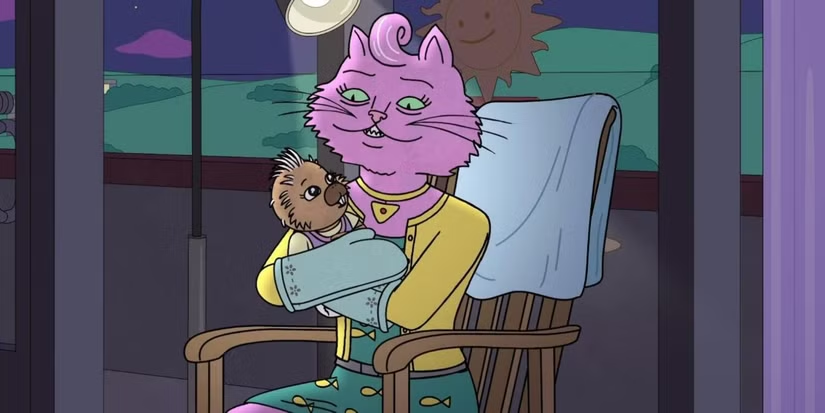
In the primary story, Princess Carolyn faces a great deal of difficulties as she attempts to continue the overwhelming demands of her job while parenting at the same time after her nanny quit. In the side story, Mr. Peanutbutter has increasing shame and guilt from having cheated on his girlfriend with his ex-wife, Diane, finding some unexpected refuge when he decides to visit BoJack in rehab. Both of these stories add layers to these characters and focus on them in vulnerable spots outside their comfort zone and the consequences of such.
29
“The Telescope” (Season 1, Episode 8)
IMDb Rating: 8.6/10

It’s widely accepted by fans of BoJack Horseman that the first season is the worst show, as so much of the season is reliant on setting up the dynamics of these characters, as well as the show simply having not found its comedic and narrative voice yet. However, easily considered by fans to be the first truly great episode of the show, “The Telescope” tackles a style of shocking, unexpected drama and emotional weight that would become the standard for great emotional hooks in the show going forward.
The episode revolves around BoJack deciding to visit his old friend and co-worker from Horsin’ Around, Herb (Stanley Tucci), because he is dying of cancer. However, the duo has a difficult past, as BoJack got Herb fired from the show, so BoJack feels as though he must apologize and try to get Herb’s forgiveness before it’s too late. However, in a moment of raw, painful realism that haunts BoJack for the rest of the show, Herb doesn’t forgive BoJack, forcing him to live with the pain of his decision, and dropping the first F bomb of the series.
28
“The Horny Unicorn” (Season 6, Episode 13)
IMDb Rating: 8.6/10

After several reveals of BoJack’s character and actions have been made public, “The Horny Unicorn” sees his world begin to crash all around him, and a scathing look at how Hollywood culture can incentivize and encourage the worst aspects of people’s characters. The episode’s main focus is BoJack becoming a social pariah and getting Vance Waggoner (Bobby Cannavale) as his new AA sponsor. At the same time, BoJack is clinging to a letter from Hollyhawk, refusing to read it out of fear that she never wants to talk to him again.
There are a lot of prominent moments that make this one of the defining highlights of the 6th season, from Vance’s disgusting viewpoint that parallels many gross, predatory, disgraced Hollywood figures to the painful ending of BoJack finally reading the letter and wallowing in despair. It’s a prominent turn for the character where things are finally catching up to BoJack for all of the bad things he’s done throughout the series.
27
“Sunk Cost and All That” (Season 6, Episode 11)
IMDb Rating: 8.7/10

After an entire show’s worth of chaotic moments in BoJack’s life and him doing shocking things and living with the pain, “Sunk Cost and All That” acts as a shocking release as he finally relays the truth of these painful events to those close to him. The episode sees him telling shocking stories from throughout the series, as the fear of toxic reporters bringing up events from his past could bring all the progress he’s made crashing down. This soon transforms into a mental and public preparation for when the story does drop, revealing to the world BoJack’s connection to Sarah Lynn’s death.
It’s a point of tragic irony that just as BoJack had been making positive changes in his life and found a steady job at a University, the actions of his past that have gone unpunished have bubbled their way back to the surface, fighting to take him down. While this struggle would be later explored in subsequent episodes, the brilliance of “Sunk Cost and All That” is the focus on BoJack’s lasting relationship with Princess Carolyn, even in spite of all that BoJack has done.
26
“INT. SUB” (Season 5, Episode 7)
IMDb Rating: 8.8/10

After so many episodes of following these memorable characters, the show going out of its way to paint a story in a new way can be wildly refreshing without having to take away from the core narrative at hand. “INT. SUB” uses the inherent fun of wild new designs in being told the stories of the episode from other characters, through two therapists and their incognito conversations about the characters in the show. This simple change adds so much flavor and intrigue into this episode as a piece of the larger picture of season 5, all on top of the effective narrative being told by itself.
The larger narrative strength of the episode comes from a continued exploration of the ever-complicated dynamic between BoJack and Diane, with Diane’s conversations with her therapist allowing Diane to come to the conclusion that more boundaries must be set for them to continue being acquainted. Even after the visual hook of the episode ends, the episode still has a major highlight in its shocking ending where Diane shows BoJack that she is fully aware of the disgusting things that he almost did in Season 2 with Penny.
25
“It’s You” (Season 3, Episode 10)
IMDb Rating: 8.8/10

One of the more chaotic episodes during the downward spiral and pain that BoJack goes through in Season 3, “It’s You” acts as a wake-up call for the character, most notably remembered for Todd’s painful monologue of BoJack’s cycle of harm. The episode primarily sees BoJack facing painful self-doubt after learning that he hasn’t been nominated for an Oscar for his role in the Secretariat biopic, opening up old wounds and pains of how he isn’t worthy of love or happiness.
The major standout that has made the episode such a fan-favorite is the ending rant by Todd, the often goofy and non-serious character having one of his few truly serious moments as he lays into BoJack’s toxic and destructive tendencies. It acts as a turning point for both Todd and BoJack as characters, serving as the start of their separation, with Todd branching out into his own life separate from BoJack’s toxicity while BoJack himself continues down his painful downward spiral.
24
“Let’s Find Out” (Season 2, Episode 8)
IMDb Rating: 8.8/10

Initially seeming to be nothing more than a goofy game show episode run by Mr. Peanutbutter, “Let’s Find Out” eventually shows its hand to be one of the first true emotional dives into the depths and pain of Mr. Peanutbutter as a character. The episode sees BoJack competing on Mr. Peanutbutter’s wild game show, something that BoJack already had no interest in being on. Yet, it soon takes a painful turn when the topic of conversation turns to BoJack’s past with Diane and his strained friendship with Mr. Peanutbutter.
The episode finds a great mix of satirical humor and jabs at the setup and clichés of daytime reality television while also providing a deeper examination into the flawed and toxic friendship of BoJack and Mr. Peanutbutter. Considering just how much of the character Mr. Peanutbutter is rooted in absurdist and non-serious gags, this early episode of the series shows one of the first real looks into his psyche and ability to have a serious conversation.
23
“Good Damage” (Season 6, Episode 10)
IMDb Rating: 8.9/10

Diane as a character has seen many changes and evolutions ever since her humble beginnings as the writer of BoJack’s memoir, with “Good Damage” acting as an effective sendoff and final chapter for the character. The episode sees Diane continuing her battle against depression from earlier in the season, taking medication and coming to terms with how her childhood trauma has helped shape who she is today, both positive and negative elements of herself.
Between a deeply creative animation style as Diane talks to herself about the difficulties of writer’s block and a mature and honest portrayal of her relationship with Guy, Diane has never been more relatable and likable than she is in this episode. The episode acts as the quintessential way to cap off the entire series’ worth of evolution and growth for the character, with her finally coming to terms with herself and coming out the other side able to be proud of who she’s become.
22
“Head in the Clouds” (Season 5, Episode 10)
IMDb Rating: 9.0/10

One of the last tension-building episodes during the latter half of Season 5, “Head in the Clouds” sees BoJack and the rest of the main cast dealing with their own consequences and misadventures at the premiere party for “Philbert.” Various building storylines see their apex and rising tension throughout the episode, from the relationship building between BoJack and Gina to Todd’s increasingly chaotic antics with Henry Fondle. However, the linchpin moment that has made the episode a fan favorite among fans is the confrontation between Diane and BoJack near the end of the episode.
Tired and annoyed with BoJack seemingly using “Philbert” as a way to justify actions from his past, Diane lays into him and demands an answer about the terrible things BoJack has done throughout the series and how he really hasn’t changed at all. It makes for a deeply painful yet reflective conversation about the destructive power dynamic that people like BoJack hold, and the ways that they justify their heinous actions and believe themselves to be the victim. It’s a turning point not just for BoJack, but the entire series as BoJack’s philosophy and past actions are now beginning to catch up to him.
21
“The Dog Days Are Over” (Season 5, Episode 2)
IMDb Rating: 9.0/10

One of the few episodes that dedicates nearly its entire runtime to a character that isn’t BoJack in their own story and journey of reflection, “The Dog Days Are Over” sees Diane going on a trip to Vietnam to get away from the stress of her divorce. The episode sees Diane finding guidance from her own writing while on the trip, making a “10 Reasons to go to Vietnam” article while on her trip that sets the flow and structure of the episode as she establishes these reasons.
Diane is one of the more intricate and emotionally complex characters in all of BoJack Horseman, with “The Dog Days Are Over” giving a deep and effective look into the character’s psyche during a moment of grief and necessary pain. The episode works wonders not just as an additional layer to Diane’s ever-evolving character, but as a stand-out standalone episode of culture shock and expectations not lining up with reality. The episode shows that, even when not focusing on BoJack’s struggles specifically, BoJack Horseman is able to excel at telling an emotional yet hilarious tale of self-discovery.
There are high-quality books that offer escapism, just as there are movies (usually blockbusters) that focus on entertainment over anything else. Not necessarily all, but a good many romance novels are intended to be digestible in this way, and the same can be said for many (though again, not all) works of fantasy, particularly so for fantasy books that are aimed at younger readers.
Then you’ve got books that go in the other direction, possibly intending to be compelling, but not really fun. That’s what the following novels more or less do, and there are also a couple of works of non-fiction thrown in here, just to keep things interesting, alongside some horror, drama-focused, and thriller books. These are some of the heaviest books of all time, and they’re all worth reading… just maybe not as the last thing you look at before falling asleep. The vibes aren’t good, but at least the quality of the writing is.
10
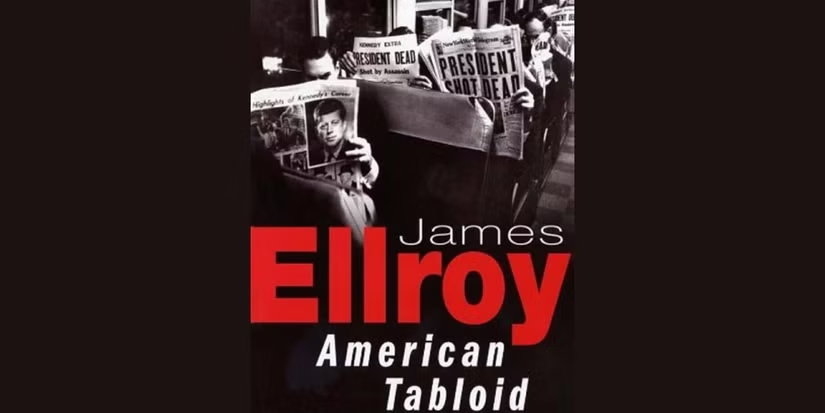
‘American Tabloid’ (1995)

The Black Dahlia and L.A. Confidential might well be James Ellroy’s best-known novels, and they’re plenty dark and cynical, yet American Tabloid is perhaps even more nihilistic. It takes place in the late 1950s and early 1960s, with various point of view characters all wrapped up in a complex series of events that lead to the assassination of John F. Kennedy, with the aftermath explored in two subsequent books by Ellroy, with all three forming the ominously titled Underworld USA Trilogy.
Of the trilogy, there’s an argument to be made that Blood’s a Rover is actually the darkest, but that third and final book is sort of incomprehensible, and almost a self-parody on Ellroy’s part. It’s hard to care when things are dialed up to the extent they are there, but a somewhat more grounded line is walked in American Tabloid, and that makes it more upsetting. Everyone involved in the narrative, be they fictional or based on real-life people, is morally shady at best and downright evil at worst, and all of them seem equally doomed, in one way or another. It feels like a novel about a president dying, and then the U.S. dying right along with him.
9
‘Lolita’ (1955)

There’s a lot to grapple with, while reading Lolita, including what the book itself is about, and who the narrator of it all is. He’s a man writing under the pseudonym of Humbert Humbert, and he’s someone who describes his infatuation with a 12-year-old girl he calls Lolita (who he’s technically the stepfather of), with much of the book dealing with how he targets and manipulates her.
A certain amount of dark humor does run throughout Lolita, but that serves to make the frequently horrible events of the book feel all the more intense and unsettling. It’s a fantastically written book that is also incredibly challenging and bold, even by the standards of postmodernism. For as good as the book is, and for as purposeful as the disturbing content might be, you really can’t blame anyone if they take a look at the thing, as a whole, and feel the complete opposite of compelled to read it.
8
‘Empire of Pain’ (2021)

Empire of Pain deals with opioid addiction, and the events that led to the opioid epidemic in the U.S., done in a way that condenses a good many moving parts and history into one coherent narrative. It’s masterfully done, as a work of non-fiction, and does give you a comprehensive overview of the Sackler family, while making it feel like something of a tragedy, what certain members of the family ultimately did.
It’s more sympathetic to those who’ve been directly impacted by the opioid epidemic, of course, so maybe it’s more accurate to suggest that it humanizes the Sackler family, or, at the very least, logically lays out how and why they did so much harm. Empire of Pain is huge in its ambition, and also extremely confronting in so many ways, particularly when you consider how the events of the book don’t end all that long ago, in the overall scheme of things, and further consider that deaths from opioid overdoses have continued to happen on a large scale in the years since Empire of Pain was published.
7
‘Nineteen Eighty-Four’ (1949)

The general despair that’s heavy throughout much of Nineteen Eighty-Four is a big reason why it’s considered so essential, as a piece of dystopian fiction, perhaps even being the definitive novel about a dystopia. Numerous terms and ideas from the novel have entered the English language, to the extent that Nineteen Eighty-Four is at least partly known about, even by those who haven’t read the whole thing (though everyone should read the whole thing, at some stage).
The novel’s about a bleak future torn apart by war and cultural chaos, and it’s led to mass surveillance by an all-powerful superstate, which the protagonist does rebel against, though in a rather futile manner. If any part of Nineteen Eighty-Four is hopeful or not entirely sad, it’s just so that the eventual heavy parts will feel even more crushing, in comparison. Still, it’s a big old downer for a purpose, and it’s really not too hard to see why the novel has endured to the extent it has.
6
‘Pet Sematary’ (1983)

People dying in a book by Stephen King isn’t anything new, nor particularly novel, but the extent to which Pet Sematary focuses on death (while also exploring grief) is. The pet cemetery referred to in the title is one that seems capable of bringing dead pets back to life, so when tragedy strikes a family, the father of said family starts to grapple with the idea of seeing whether the cemetery might also bring humans back to life.
Pet Sematary is quite a compelling read, even with all the sadness and the horror, and so it’s a little “easier” to read than most of the other books mentioned here.
It digs a little deeper and gets quite a bit darker than your average Stephen King book, so it feels worth considering Pet Sematary as perhaps his heaviest overall. That being said, it is quite a compelling read, even with all the sadness and the horror, and so it’s a little “easier” to read than most of the other books mentioned here. Still not a fun book, by any means, but it’s unusually easy to churn through for something that, in so many ways, proves to be a massive downer.
5
‘Libra’ (1988)

Sorry to go over one more book that’s about the John F. Kennedy assassination, but Libra is another heavy-going and compelling read that is stylistically very different from American Tabloid, even if both novels are paranoia-inducing and cynical about the direction America went in after the assassination. With Libra, though, the central character is Lee Harvey Oswald, and the novel works as historical fiction, unpacking what he might’ve been going through while having him get wrapped up in a massively complex conspiracy.
That focus on Oswald makes Libra something of an unexpected psychological drama/thriller book, while there’s also ample time spent on confusion and doubts surrounding the event that the novel inevitably has to build to. It’s impossible to come away from a book like this feeling very optimistic about much at all, since it so openly confronts the idea that there is so much we won’t – and maybe even can’t – ever know.
4
‘Vietnam: An Epic Tragedy’ (2018)

Even with the word “Tragedy” being in the title, Vietnam: An Epic Tragedy still finds ways to disarm and alarm you with the events it covers, and the manner in which it lays out the devastation caused by the Vietnam War. Well, technically, the scope of the book goes beyond the Vietnam War a little, since it begins covering things immediately post-World War II, detailing the First Indochina War, which then led to the Vietnam War.
There’s a lot of history to cover in 30 years, and Vietnam: An Epic Tragedy gets through it at a good pace, while never feeling like it skims over too much. It’s broad without being shallow, and is also admirable for how many different points of view it features. And that sense of showing things from multiple perspectives ultimately helps drive home the scale of the different conflicts in Vietnam between 1945 and 1975, and the alarming size of the overall destruction/devastation.
3
‘Blonde’ (2000)

Blonde is basically a work of horror, even though it’s not got any traditional (or more expected) supernatural elements. It’s instead more of a psychological drama that’s intense enough to also be a work of psychological horror, with the protagonist being Marilyn Monroe, and the whole book being about her short, tragic, and eventful life, albeit in an impressionistic way that does claim to be biographical.
Instead, Monroe’s life is used to represent how young women are sometimes used by Hollywood, or even just society more generally, since Blonde isn’t just about Marilyn Monroe’s experiences acting in movies. It’s a long, dense, and almost always emotionally harrowing novel that is a challenge to get through, by design, standing as something that’s easy to appreciate but very much hard to recommend, in the traditional/conventional sense.

Blonde
- Release Date
-
September 28, 2022
- Runtime
-
2h 46m
- Director
-
Andrew Dominik
- Writers
-
Andrew Dominik, Joyce Carol Oates
2
‘A Little Life’ (2015)

An obligatory pick, if you’re talking about sad and/or heavy books, A Little Life tackles a range of difficult subject matter throughout what ends up being a lengthy duration. There’s a group of friends at the center of A Little Life, and all of them have personal demons that they’re battling, with traumatic pasts explored via flashbacks, and then scenes in the “present” dealing with how such events linger and continue to impact those who went through them.
It might sound like fairly normal territory for a drama-heavy story to follow, but it’s the uncompromising nature of digging deep into various things other stories might skim over, or not dwell on too much, that makes A Little Life stand out. It might be cathartic for some to have any novel at all deal with some of the things this one’s willing to, but that content is also what might make it too difficult to read, for others.
1
‘Blood Meridian’ (1985)

There are some other Cormac McCarthy novels worthy of honorable mention here, like The Road and No Country for Old Men, but Blood Meridian is perhaps his most grueling and nightmarish. Unlike those other two novels, you can only (at least for now) experience Blood Meridian as a book, since it hasn’t been adapted into either a movie or TV show, with the level of brutality and persistent misery likely playing a role there.
Also, it’s quite loose narratively, and so there would be a need to condense things or recontextualize certain parts of the novel if you wanted to translate it to another medium, and that would be difficult, especially with so many people holding the source material in such high regard. And if you’ve not read Blood Meridian, you’re still likely aware of its reputation for being one of the darkest Westerns of all time, and one of the most violent books ever written. On both counts, such a reputation is more than deserved.
By Joshua Tyler
| Published

America was founded on the idea that Americans don’t want to be told what to do. They didn’t just kick the British out and replace them with their own centralized authority. The United States was originally structured to keep power fragmented rather than centralized. It’s why individual states exist.
Independence and freedom from oppressive authority are deep in the American DNA. So, of course, the powers that be made a sci-fi movie to try to rewrite Americans’ default independence code into something more manageable.
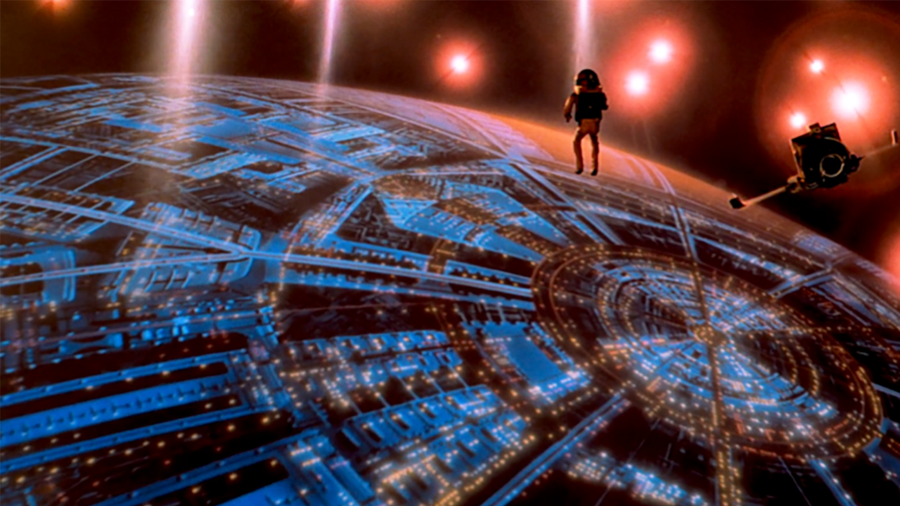
This is the story of how The Day the Earth Stood Still screenwashed Americans into surrendering the thing they loved most and replacing it with virtue tolls.
Using Sci-Fi To Send A Message

The Day the Earth Stood Still has one clear goal, and it’s not shy about telling its audience what that is. The movie’s only reason for existing is to convince Americans to give up their autonomy to a higher, collectivist power.
The film arrived in 1951, the early days of the ramp-up of Cold War paranoia, long before alien invasion movies became blockbuster spectacle. America had entered the atomic age, the Soviet Union had the bomb, and public anxiety over annihilation was everywhere.
Producer Julian Blaustein wanted to make a science fiction film aimed at adults rather than children, something serious enough to reflect postwar fears rather than exploit them. Up til then, Sci-Fi had largely been dismissed as kid stuff, and he saw it as his mission to change that.

Fox Studios hired director Robert Wise, who had already built a reputation as an efficient craftsman capable of making smart films on controlled budgets. The screenplay was adapted by Edmund H. North from Harry Bates’ short story “Farewell to the Master,” though much of the original material was changed. Shot quickly and relatively cheaply on studio sets and Washington, D.C. locations, the production relied more on atmosphere, music, and ideas than on effects and spectacle.
Unlike other sci-fi of the time, purpose wasn’t escapism. The filmmakers claimed it was a direct appeal for global collectivism, in the belief that this would somehow stop the United States and Russia from blowing each other up.
As it turns out, that was foolish. Collectivism was never the answer. The answer was always enlightened self-interest in the form of mutually assured destruction. The United States didn’t launch missiles at Russia because the people running the United States didn’t want to die. And the Russians didn’t launch missiles at the United States because they also did not want to die. It’s also probably not true that averting nuclear war through collectivism was the movie’s real goal.
Hands Up Don’t Shoot Klaatu!

The Day the Earth Stood Still begins when an alien spacecraft lands and a guy in a helmet walks out and waves a spiked, dangerous-looking object at soldiers. One of the soldiers does exactly what you’d do if some guy you didn’t know came at you with a sharp object: he shoots him.
We learn soon after that this being named Klaatu not only looks human, he speaks our language and seems to know everything about us. Which means he definitely would have known that waving a sharp, spikey thing at soldiers could be seen as threatening.

The Day the Earth Stood Still never addresses the fact that Klaatu did everything he could to get shot, and he seemingly did it on purpose. Instead, the movie spends the entirety of its run time framing humanity as violent savages who shoot helpless, peaceful people for no reason at all. Despite the fact that nothing like that happened at all.
This is an Aggressor Inversion. An Aggressor Inversion is a persuasion technique in which an instigator deliberately provokes a defensive reaction, then reframes the defender as the true aggressor by minimizing or erasing the original threat or provocation.

To keep the audience from realizing how ridiculous this is and to make the Aggressor Inversion work, The Day the Earth Stood Still strips away the moral context of what’s happening. It does that by making Klaatu an alien, which means we don’t understand his morality and intentions.
Identification Steering is then used to direct our empathy towards Klaatu by his sympathetic demeanor and the quick reveal that the thing he was holding wasn’t a weapon. The soldiers are portrayed as idiots, and they too act as if they’re to blame. If the soldiers aren’t pushing back against the idea that they’re at fault, why would the audience?

Klaatu quickly recovers from his wounds, and most of the rest of the movie follows him as he wanders Washington, DC, and looks down his nose at humans. He talks calmly and politely and is smarter than everyone else, so people like him and don’t seem to notice his condescension.
The one man with suspicions is a jealous boyfriend who has concerns about his single-mother girlfriend’s Klaatu obsession and her willingness to just drop her kid off with a strange guy she doesn’t know. That boyfriend is soon framed as a villain because he talks bluntly. Later, he’s fully condemned when he confesses he only cares about the people around him and doesn’t care about the world in general.

By the time he makes this confession, the audience has already been led to hate him, which means if you want to be a good person, you’d better make sure you care about the entire world, unlike that jerk who only cares about himself and his girl. That obvious manipulation sets the stage for the movie’s finale, which soon begins establishing a martyrdom framing.
Martyrdom framing is a narrative device in which a character is killed or punished for their beliefs, signaling to the audience that their message must have been true or it wouldn’t have been threatening to powerful interests that harmed them. This was an especially powerful tool back in 1951, since 99% of Americans were devoutly Christian and all in on the idea that the future of humanity depended on a guy who died and was resurrected.

So, Day the Earth Stood Still pulls the same bit. The military shoots Klaatu yet again, even though it makes no real tactical sense for them to kill him.
He dies, he’s resurrected, and then he makes his final speech demanding submission to a collective. The audience now accepts whatever he says because, well… Christ has risen!!! It’s classic martydom framing. Whether what this Christ figure says makes sense is irrelevant, since viewers are now fully ready to accept it as truth.
Klaatu’s Speech Is A Technique Used By Hypnotists

After his resurrection, Klaatu gives a speech. That speech is the reason this movie exists. It’s all been leading up to this. So it’s important to read exactly what Klaatu’s selling.
Klaatu’s speech begins:
“The universe grows smaller every day, and the threat of aggression by any group anywhere can no longer be tolerated. There must be security for all or no one is secure. Now this does not mean giving up any freedom, except the freedom to act irresponsibly. Your ancestors knew this when they made laws to govern themselves and hired policemen to enforce them. We, of the other planets, have long accepted this principle. We have an organization for the mutual protection of all planets and for the complete elimination of aggression.”
After this Klaatu does some explaining about how they’ve created robot policemen. Then he continues explaining what that means for his audience.
“At the first signs of violence they act automatically against the aggressor. The penalty for provoking their action is too terrible to risk. The result is we live in peace without arms or armies, secure in the knowledge that we are free from aggression and war, free to pursue more profitable enterprises. It is no concern of ours how you run your own planet, but if you threaten to extend your violence, this Earth of yours will be reduced to a burned-out cinder.”
He ends his words with this final warning, a full-throated threat.
“Your choice is simple: join us and live in peace, or pursue your present course and face obliteration. We shall be waiting for your answer. The decision rests with you.”
In summary, Klaatu condemns humans for being violent and then says we have to stop being violent or he’s going to get violent. Klaatu’s speech, which is the entire reason this movie exists, is a Confusion Resolution Trap.
A Confusion Resolution Trap is a technique in which a target is first placed in a state of confusion, contradiction, or cognitive uncertainty, and then guided to accept a suggested belief, authority, or solution presented as relief from that confusion.

This isn’t just a screenwashing technique; it’s one of the most basic tricks all hypnotists use to put their subjects in a suggestive state. Hypnotists know that confusion can make people more suggestible. That happens because when someone feels uncertain or mentally overloaded, they naturally look for clarity, direction, or stability.
In a confused state, the brain often reduces deep analysis in favor of quickly finding a framework that makes sense of the situation. That can make outside suggestions, interpretations, or instructions feel more compelling, especially if they appear confident, simple, or emotionally reassuring.
One of the most basic ways hypnotists create confusion in a subject is through contradictory statements. Statements exactly like speaking calmly about peace and reason while simultaneously describing an unstoppable system of violent enforcement. That contrast forces the audience to mentally reconcile two conflicting ideas at once: benevolent universal order and absolute coercion.
The result is a kind of cognitive pressure where the listener is nudged toward accepting the proposed system as the only stable resolution to the uncertainty and danger being described. Rather than persuading purely through logic, the speech gains power from the emotional and conceptual instability it creates. When it’s done, suddenly surrendering all your autonomy to a central authority of elites sounds not just sensible but reassuring.
Surrender. Obey! We are all one. We are all the same. Open your borders. Surrender your authority. Or else.
How The Day The Earth Stood Still Led To Virtue Tolls

The result of this way of thinking is much more deeply and broadly impactful than simply encouraging people to hand over control to the United Nations.
The film explicitly argues humanity must stop thinking tribally or nationally and instead adopt responsibility toward a larger collective order. It treats narrow self-interest of all types as morally immature.

Before Day the Earth Stood Still, charity was immediate and local. It was handled through neighborhood churches, and people’s focus was entirely on helping their own close-at-hand community. After this movie’s influence spread, we began instituting virtue tolls.
This means that in 2026, if you leave your house, whether it’s to drop your kid off at school, show up at work, or just go to the grocery store, you’ll be asked to pay a toll. A virtue toll.
Virtue toll is a term I just now invented, so that I can avoid using curse words instead. Virtue tolls are incessant requests for charitable giving added to ordinary daily transactions or public interactions. They’re everywhere.

You may think you’re in the Taco Bell drive-through to get a bean burrito, but you’re actually in line for a virtue tollbooth where they’ll shake you down for donations to help African kids who can’t read and stuff, before they’ll let you have any hot sauce. It’d be tolerable if any of these donations actually did any good, but most of these virtue tolls are scams designed to line the pockets of someone who has nothing to do with whatever that charity is about.
Unfortunately, the cute girl working at Starbucks knows nothing of these facts, and if you don’t give her a buck to help Nigerian swans, she’s going to think you’re a jerk. Meanwhile, the street you live on is full of trash and potholes, and the people who are supposed to be doing something about that are attending charity balls to raise money for Haitian refugees.
Americans have become so focused on the big picture, they’ve forgotten the small one. It’s why virtue tolls are never for some small, local organization that might actually help improve your life and the lives of those you love.
The idea of local-focused charity was based on a concept that aligns well with human motivation and well-being, and the term for it is Enlightened Self-Interest.
Enlightened Self-Interest is the pursuit of personal advantage through localized actions that strengthen the larger system, group, or conditions one ultimately depends on.

That enlightened self-interest approach to charity meant better communities with cleaner streets, and it also made embezzlement nearly impossible, because if you gave your church money to help Bob get a hotel room and then saw him sleeping on a park bench, the jig would be up.
But who knows if Mr. Beast actually built any of those wells in Africa, and even if he did, whether they make any difference at all. Spoiler alert: they don’t!
Things changed because media like Day the Earth worked to shame people for their tendency toward individualism and localism. It was explicitly created to convince audiences to think bigger, until they weren’t thinking at all.
Robert Wise Apologizes For His Movie With Star Trek

Years later, The Day the Earth Stood Still director Robert Wise would end up in charge of another high-concept sci-fi movie, called Star Trek: The Motion Picture. Star Trek, by the way, is a fictional universe built entirely on the premise that all of humanity is united under one central authority that has somehow eliminated all violence. Exactly like the one Klaatu claimed to belong to.
Though Wise’s film is set in that environment, what happens in The Motion Picture seems almost like an apology for the ideas of The Day the Earth Stood Still. In The Day the Earth Stood Still, an alien shows up, makes threats, and the film ends by advocating for total submission. In The Motion Picture, an alien shows up, makes threats, and mankind stops it not by surrendering but by teaching it about the power and importance of close human connection and intimacy.

Star Trek: The Motion Picture’s message is that on a localized level, humans are so awesome that everyone should be more like us. Day the Earth Stood Still’s message is that humans are awful and the only way to fix us is if we stop thinking about our communities and our loved ones.
Congratulations, inferior humans, you’ve been Screenwashed.

Warning: Spoilers ahead for House of the Dragon season 3, episode 1.
Poor Rhaenyra Targaryen (Emma D’Arcy) is down another son after the Battle of the Gullet.
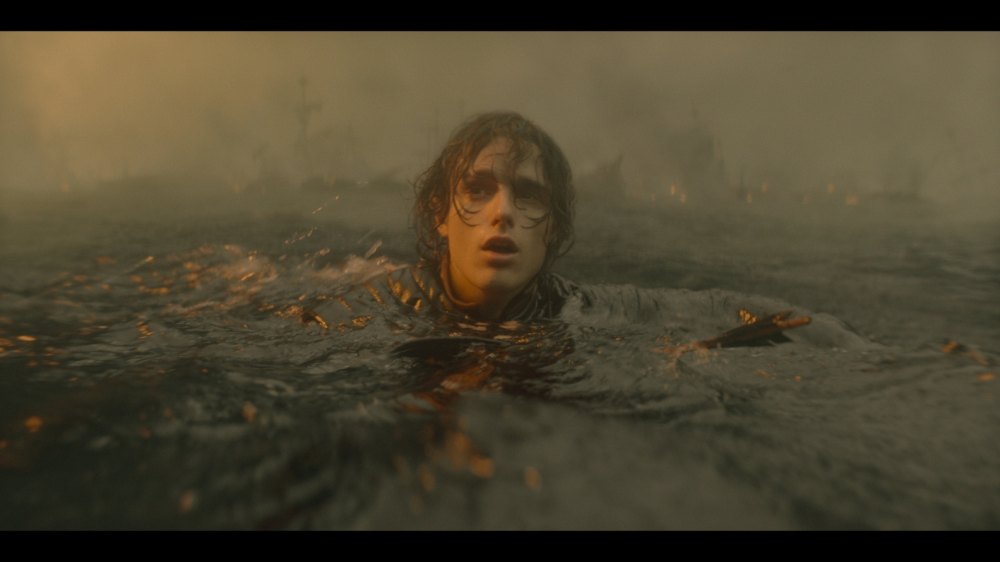
During the Sunday, June 21, season 3 premiere of House of the Dragon, brooding Jacaerys Velaryon — played by Harry Collett — met his watery end along with his dragon, Vermax.
The action-packed first episode saw Jace and Baela Targaryen (Bethany Antonia) come to the aid of Lord Corlys Velaryon (Steve Toussaint) and his ship, the Queen Who Never Was (originally called the Sea Snake), after they were ambushed on the Gullet by a fleet of Triarchy pirates led by Sharako Lohar (Abigail Thorn).
HBO Game of Thrones was no stranger to seeing some characters meet pretty gruesome fates, and its prequel, House of the Dragon, is following in a similar vein. The first two seasons of the HBO series have featured many onscreen deaths, from major characters to side players and other citizens of Westeros. Fans of the […]
Near the end of the episode, with Jace distracted by Rhaena Targaryen (Phoebe Campbell) and wayward dragon Sheepstealer joining the fray, the pirates speared the prince’s dragon using a ballista, bringing the beast down into the water. Just as it seemed Jace would survive — managing to free himself from his mount and come up for air — the prince was struck by no less than three arrows and died at sea.
In an interview with Variety on Sunday, Collett reacted to Jace’s final moments, which involved him having to play dead in the water.
“It was really hard to act dead — it’s actually one of the hardest acting I’ve ever done in my life,” he said. “It was really fun, but also really challenging trying to keep my eyes open in the water and staying afloat while also not getting any up my nose. Otherwise, I’d cough, and obviously I’m not dead if I cough. So that was quite challenging.”
Collett, 22, first joined House of the Dragon in the latter half of season 1 as Rhaenyra’s eldest son and heir apparent to the disputed Iron Throne.
The British actor said he always knew his character would only appear in the show for two seasons, but his time on set was extended when the Battle of the Gullet was moved from the end of season 2 to the beginning of season 3.
“I knew my fate already and was taking the days as they come and enjoying myself and just being grateful to be on this show in the first place,” he said. “When I read season 2, normally [showrunner] Ryan [Condal] calls you to tell you what is gonna happen this season. I didn’t get a call, and I was like, ‘Is he just waiting until like we get to the script read?’ But, no, it got skipped in season 2, which I’m very grateful for. It’s great that it gets to be the first episode that people see for this season.”
Jace’s death follows the slaying of his younger brother, Lucerys Velaryon (Elliot Grihault), who was also killed alongside his dragon, Arrax, at the end of season 1.
For those keeping score, that means Rhaenyra is now down to just three children, her young sons — Joffrey, Aegon III and Viserys II — with husband/uncle Daemon Targaryen (Matt Smith).
House of the Dragon season 3 airs Sundays on HBO and is available to stream on HBO Max.

Fashion13 seconds ago
How to Put Together a Capsule Wardrobe

News Videos1 minute ago
#minimalwardrobe #capsulewardrobe #underconsumption #vlogginglife #momvlog #mywardrobe #financial

NewsBeat2 minutes ago
The Pitt star Moshe Kasher, 46, reveals cancer diagnosis in graphic message


-

 Fashion3 days ago
Weekend Open Thread: Miami – Corporette.com
-

 Tech6 days ago
The Adder At The Heart Of Intel’s 8087 FPU
-

 Entertainment2 days ago
Renter of Home in Anne Heche Crash Denies Settlement With Son
-

 Business2 days ago
Soccer-U.S. defends Iran World Cup travel restrictions, says discussions ongoing
-

 Tech7 hours ago
Microsoft accidentally kills epic Outlook email threads
-
 Business3 days ago
Wall Street Week Ahead: Investors see Micron earnings as pulse check of AI rally momentum
-

 Politics4 days ago
BBC Reporter Discusses Cross Party Criticism Of Trumps Iran Deal
-

 Crypto World3 days ago
HIVE shares jump as $220M AI deal speeds Bitcoin mining pivot
-

 Crypto World2 days ago
Jake Chervinsky accuses CME of protecting derivatives monopoly
-
 Crypto World2 days ago
Can Charles Hoskinson Really Rescue Cardano?
-

 Sports4 days ago
FIFA World Cup 2026: Canada beat 9-men Qatar 6-0 to register first ever win | FIFA World Cup 2026
-

 Business2 days ago
MHP SE 2026 Q1 – Results – Earnings Call Presentation (OTCMKTS:MHPSY) 2026-06-20
-

 Business4 days ago
Brexit cost 6% of UK economy, Bank of England company data suggests
-

 Crypto World5 days ago
Anthropic’s Dario Amodei Urged AI Unity at G7, Even as US Banned His Models
-

 Politics2 days ago
Andy Burnham and the meaning of Makerfield
-

 Crypto World7 days ago
Robinhood opens AI-powered trading to all users, sending HOOD stock past $100
-
 Tech1 day ago
Signal’s Meredith Whittaker says AI chatbots ‘are not your friends’ and calls Copilot agents a backdoor
-

 Tech5 days ago
Weeks Of In-The-Field Testing And A Verdict
-

 Tech4 days ago
Adobe adds its AI assistant to Premiere, Illustrator and InDesign
-

 Tech4 days ago
AWS enters the context layer race with a graph that learns from agents, not manual curation
You must be logged in to post a comment Login