

Entertainment
Howard Stern to Keep Mouth Shut over Friend Carolyn Bessette

Howard Stern has opened up about his unexpected friendship with the late Carolyn Bessette, though he has promised not to reveal how they became close.
“I knew the real Carolyn Bessette,” the DJ, 72, revealed The Howard Stern Show on Monday, March 23 (via Rolling Stone). “I won’t say I knew her well, but we had many, many conversations, more than casual conversations. She was very lovely. She was a really nice woman … I don’t want to go into how I knew her, but I knew her. I know enough to keep my mouth shut about that.”
Stern went on, “Some stuff you do have to keep private … But she was very nice to me, very open and talkative. She didn’t give me the nose-up-in-the air kind of thing. I don’t have any juicy, gossipy story.”
The radio legend confirmed he had been watching Love Story — Ryan Murphy’s dramatization of Bessette and John F. Kennedy Jr.’s marriage — during his most recent break from The Howard Stern Show.

In March of 1998, John F. Kennedy Jr. and his wife, Carolyn Bessette, attended the wedding of friends Betsy Reisinger and Kenan Siegel in Miami. Photos from the event show the couple wrapped in a tight embrace, with Bessette’s arms around Kennedy’s neck, her head tilted back as she laughs with abandon. “Carolyn and John […]
Stern also knew Bessette’s late husband JFK Jr., having posed for the cover of Kennedy’s George Magazine in 1996. On Monday’s Stern Show, he revealed why he agreed to do a George photo shoot in an era when he was very selective about doing any magazine covers.
“I would do Rolling Stone and that was the only one,” Stern said. “But when John Kennedy Jr. [asks], who is literally American royalty and the nicest guy in the world … he was a super nice guy. And there was the opportunity that perhaps he’d come on the show.”
Stern revealed that Kennedy even showed up for his cover shoot, which cast him as George Washington in colonial attire. (George frequently had its cover stars dress in costumes from the Revolutionary War era.)

John F. Kennedy Jr and his wife Carolyn Bessett in 1997. MANNY CENETA/AFP via Getty Images
“He actually showed up to the shoot,” Stern remembered. “It’s one of the worst covers I ever did, and I did a lot of bad ones. They convinced me to be chopping down a cherry tree with a chainsaw dressed up in colonel garb. I guess I was supposed to be George Washington, but George Washington didn’t wear this s*** I was wearing. I looked like Paul Revere in drag.”
The Stern Show host added, “John and the photographer did that thing they do to supermodels. They go. ‘Gorgeous, you look great. This is the greatest cover.’ I’m posing while the guy is clicking away, and I’m posing like I’m Cindy Crawford or one of the Hadid sisters. That was before I knew about photo approval. I guess I kind of look like Captain Hook or something.”

Carole Radziwill opened up about her “last summer” with close friends John F. Kennedy Jr. and Carolyn Bessette-Kennedy in the gripping CNN docuseries American Prince. The three-part series revolved around John’s lifelong struggle with his family’s legacy as well as his whirlwind courtship and marriage to Carolyn before they died in a 1999 plane crash […]
In return for shooting the George cover, Kennedy granted The Howard Stern Show a rare interview in 1996, where he candidly discussed his relationship with Bessette. (Bessette and Kennedy got married at the First African Baptist Church on Cumberland Island, Georgia, in September 1996.)
Kennedy, Caroline and her sister Lauren Bessette were all killed in July 1999 when his private plane crashed off the coast of Martha’s Vineyard, Massachusetts.
The trio was en route to John’s cousin Rory Kennedy’s wedding to Mark Bailey at the Kennedy family compound in Hyannis Port when their plan encountered bad weather.

Continue Reading
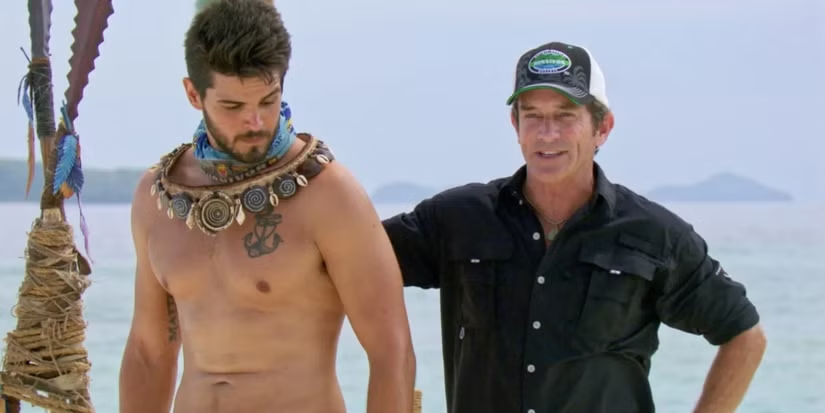
Survivor has proven itself time and time again to be one of the most engaging and gripping reality television series to have ever been released. The show has been able to consistently defy expectations and break the mold season after season, thanks to its terrific cast of contestants, ingenuity and evolution over the years, and genuine understanding of what makes the game so compelling. The show has had numerous all-time iconic reality TV show moments, including some of the greatest and most iconic individual episodes in reality TV history.
Whether a season-long narrative is being fulfilled in the episode, or there’s simply a great individual story surrounding a player’s elimination, there are many ways an individual Survivor episode can become one of the all-time greats. With 50 seasons and over 20 years of high-stakes gameplay under their belts, there is absolutely no shortage of jaw-dropping and mesmerizing episodes that have kept audiences on the edge of their seats for decades.
20
“You Get What You Give”
Survivor: David vs. Goliath, Episode 8

One of the most satisfying things to see in Survivor is the underdog managing to get one over on those in power, with the fun of this concept directly leading to the existence of the David vs. Goliath season. Of course, this season managed to have its own exciting underdog play, with the sequence of events and planning leading to the vote-off in “You Get What You Give” making it one of the most impressive tribal councils ever played.
The brilliance of this play is how it takes classic maneuvers that have been a part of strategy for a long time now and brings them to their absolute extremes, with some of the best maneuvering and playing of idols in Survivor history. So much of the tension revolves around each main group, both underdogs and the primary group in power, having idols to change the way. However, in a play that has never been done before or since, the 5 people at the bottom end up splitting the vote from the minority, on top of having a correct idol play, in order to defeat the idol played in response to their own idol.
19
“The Marooning”
Survivor: Borneo, Episode 1

It feels a little cheap to have the very first episode of the season on the list of the very best that the show has to offer, but “The Marooning” really does set the stage and the impact of the series from the very first moments, captivating audiences in a way that hasn’t let up for over 25 years. This dynamic exploration of clashing personalities, harsh elements, and the true beginnings of gameplay and strategy is what continues to make this episode standout even after over 720 episodes.
It’s especially interesting and compelling for longtime fans of the series to revisit this initial episode, as the series is simultaneously finding its footing as well as establishing the core tenets of what makes the show so compelling. The series simply wouldn’t be as massive as it is today without the impactful execution of this amazing first impression, being about as great a first episode that a reality TV show could ask for.
18
“Create a Little Chaos”
Survivor: Philippines, Episode 4

A recurring trend that has happened across the three tribe format is that one team can find itself in a constant downward spiral of failure, consistently losing and unable to get a win until the tribe has lost the vast majority of its members. While several different seasons have had their own signature failing tribes over the years, Survivor: Philippines does the best job of examining such a disaster tribe, with “Create a Little Chaos” following the Matsing tribe at its absolute lowest.
At the beginning of the episode, Matsing only has three tribe members left: returning captain Russell Swan and fan-favorites Denise Stapley and Malcolm Freberg. Unlike many other episodes that immediately get into the action, “Create a Little Chaos” has this somber undertone of a team emotionally and physically devastated despite trying their best. It’s a style of energy and emotional storytelling rarely accomplished in Survivor, with the stakes only getting larger when Matsing has to return to Tribal Council and go from 3 to 2.
17
“Y’all Making Me Crazy”
Survivor: Edge of Extinction, Episode 8

While Survivor: Edge of Extinction is far from a perfect season, with numerous issues and complications that come as a result of its central twist, this doesn’t take away from how great an episode “Y’all Making Me Crazy” is. In one of the most unique and one-of-a-kind executions for an episode, it nearly speedruns through the immunity challenge, time on the Edge of Extinction, and discussions to get to tribal council faster. This all leads up to one of the most exciting and chaotic tribal councils of all time, one that lasted so long that they cut to a commercial break in the middle of it, and then came back to more discussion and chaos.
While live tribals have become a sort of unexpected mainstay in the more recent eras of the show, this episode easily features the greatest live tribal that the show has seen, with seemingly any outcome being possible. It easily elevates the entire episode as a result, with a multitude of iconic moments, hilarious quotes, and a wholly satisfying conclusion to one of the most chaotic episodes of all time. Especially considering where the season would go and conclude following this, it makes for easily one of the biggest highlights of the entire season.
16
“Dirty Deed”
Survivor: Game Changers, Episode 4

A great number of a season’s most iconic moments come from the latter half of the game, and the numerous high-level gameplay and manipulation afoot in the merge portion of the game. However, there can be occasionally rare yet equally impactful episodes from the pre-season of a season, with Survivor: Game Changers‘ Dirty Deed being a prime example. The major highlight and excitement of this episode comes from the comedic petty drama of the Nuku tribe after they lose the immunity challenge and are forced to vote someone off.
It’s rare that the decision and drama surrounding someone being voted off, especially in an all-returnee season, finds itself to be so simple and childish, yet Dirty Deed fully delivers in this regard. Realizing that there is brewing drama revolving around a container of sugar used for coffee in a previously won reward, mastermind player Sandra Diaz Twine strategically uses up the last of the sugar to create a divide among tribemates. This creates a hilariously unexpected rivalry between players J.T. Thomas and Michaela Bradshaw that lasts the entire episode, ending with J.T.’s elimination at the end of the episode.
15
“Zipping Over the Cuckoo’s Nest”
Survivor: Caramoan, Episode 10

While Survivor: Caramoan as a whole was a season riddled with controversies and issues, it was still able to have a number of stand-out individual episodes, most notably Zipping Over the Cuckoo’s Next. The episode revolves around the underdog trio of Malcolm Freberg, Eddie Fox, and Reynold Toepfer, who are on the outs in the merge against the powerful and dangerous Stealth R Us alliance. However, through the trio’s ingenuity and flashy idol play, they are able to get a leg up on the alliance and take out their infamous leader, Phillip Sheppard.
With Reynold earning individual immunity, Malcolm uses two separate individual immunity idols to keep both himself and Eddie safe from votes, giving the trio full power at tribal council, and allowing them to eliminate Phillip. This advantage-reliant and flashy play easily became the highlight of the season, as it saw the true and final defeat of one of Survivor’s most notorious figures of the era. The episode also features an emotional heart-to-heart moment between Dawn Meehan and Brenda Lowe in its first act, a moment that finds itself becoming relevant during the season’s finale.
14
“You Call, We’ll Haul”
Survivor: Cambodia, Episode 8

Many Survivor episodes attain such legendary status in the eyes of fans through the inclusion of masterfully played singular moments that have become iconic in the realms of the show’s history, with “You Call, We’ll Haul” from Survivor: Cambodia being the perfect example. This is more commonly remembered as the episode that features Kelley Wentworth‘s legendary idol play and blindside of Andrew Savage. This play still to this day holds the record as the most votes negated by an idol at once, with 9 votes being voided and saving herself from elimination in the process.
The buildup and execution behind this legendary idol play have launched both Wentworth and this signature episode into the annals of the most legendary and memorable moments in Survivor history. In a season that was filled to the brim with exceptional, high-level gameplay, exciting blindsides, and perfect reality TV moments, this episode still easily stands proud as the highlight of one of the greatest seasons in the show’s history.
13
“Run the Red Light”
Survivor 46, Episode 10

Easily one of the best episodes of the new era, “Run the Red Light” is the episode that features the infamous Applebees reward and subsequent meltdown by iconic player Liz Wilcox. However, this is only the tip of what has made this such an energizing and effective episode of the show, as all the drama and chaos surrounding this event reach a perfect climax during the episode’s vote-off and blindside. Despite all the anger that Liz feels towards Q Burdette and what he did, Liz ends up not voting for him and is the deciding vote in blindsiding the top threat Tiffany Nicole Ervin.
The new era has been largely defined by being safer, more family-oriented, and focused on wholesome feelings and togetherness between castaways. In a massive contrast, this episode stands out as a wild, wrathful, and powerful blindside that shows that Survivor is still the masterful game of social deduction that made it a worldwide phenomenon in the first place. The buildup and shock of Liz going against her own emotions to pull off an exceptional blindside is what Survivor is all about, and is why the show is so dynamic and beloved after almost 25 years.
12
“The Great Lie”
Survivor: Pearl Islands, Episode 11

Especially with the notions of strategy and perspective still being ironed out and defined in the early seasons of the show, Survivor had a lot of distinct moments and players who broke preconceived notions in terms of strategy and television gold. One such moment of ruthless manipulation set up even before the season started makes “The Great Lie” not just one of the best Survivor episodes, but one of the most iconic moments in reality TV history.
The Survivor: Pearl Islands episode has a lot of great moments throughout, from Sandra Diaz-Twine‘s outburst and throwing away of the fish following the previous episode’s elimination of Rupert Boneham to a miscalled challenge that had to be reevaluated. However, the true iconic moment that has made this episode legendary is in the loved ones visit, where Jonny Fairplay tricks everyone into believing that his grandma had passed away while they were on the show in order to garner sympathy and give him the reward. It’s a shocking moment of pure villainy that still stands as one of Survivor’s most iconic moments.
11
“The Ultimate Shock”
Survivor: Palau, Episode 14

Featuring easily one of the most iconic and legendary final immunity challenges of all time, the finale episode of Survivor: Palau, “The Ultimate Shock” initially starts off as any other finale, following the final four before immediately going into the final 3 and final tribal council. However, history is quickly made in the final immunity challenge, in which Tom Westman, Ian Rosenberger, and Katie Gallagher have to hang on buoys floating in the water for as long as possible. This challenge still holds the near-uncontested record as the longest immunity challenge of all time, lasting 12 hours and into the dead of night before Ian eventually gives to Tom in the name of friendship.
More than simply being an exceptional display of talent from its competitors, the emotion and drama leading up to and during this challenge have helped launch this into being one of the best episodes of Survivor. From the rising tension between Tom and Ian, Ian’s brilliant win of the final four fire-making challenge, and all the stakes in the world going to the final challenge, it all comes together to create one of the highlights of the early years of the show, and has gone down in history and will forever be tied to the show’s legacy.
The Lord of the Rings has wonder, sorrow, scale, friendship, terror, myth, and one of the greatest cinematic payoffs of all time. So to say only three trilogies are more fun is not saying they are better in some blunt, childish scoreboard way or in the exact same sense that LOTR is great. It is saying they deliver a purer, more repeatable kind of joy. So let’s have that out of the way.
This list is about trilogies that you can throw one on at midnight, catch five minutes, and accidentally lose the next two hours without resentment. The kind where your body already knows the rhythm before your mind has even sat down. That is the key distinction. The Lord of the Rings is majestic fun. It asks for reverence too. These three ask for delight with less ceremony and yet hook even more strongly for less attention — in the sense that I didn’t have to stay on my toes to make sure I don’t skip a beat of Middle Earth’s lore.
3
‘Rush Hour Trilogy’ (1998–2007)

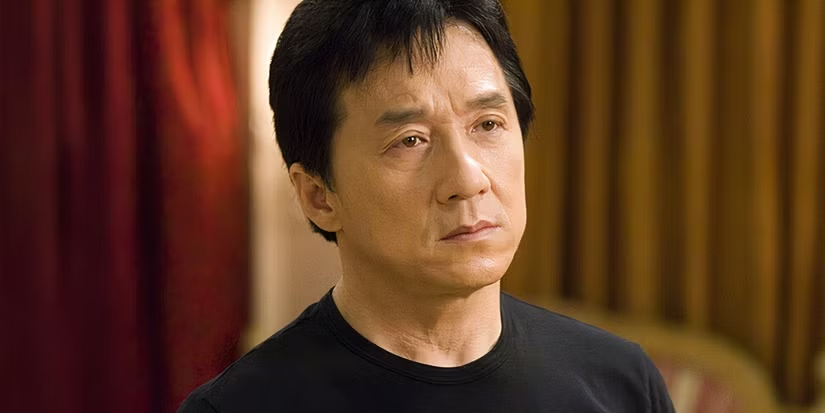
The Rush Hour trilogy is fun in the most old-fashioned and durable way possible: two completely different energies crash together and the movies never get tired of that crash because Jackie Chan and Chris Tucker never stop finding new angles inside it. That is the miracle. A lot of buddy trilogies survive one great first pairing and then start thinning out. Rush Hour keeps generating pleasure because Lee (Jackie Chan) and Carter (Chris Tucker) are not just opposites on paper. They annoy each other at different frequencies. Carter performs life at top volume. Lee lives with control, speed, embarrassment, quiet competence. Every scene becomes about one man overselling reality while the other has to physically and emotionally correct the room.
And what makes the trilogy more than just “funny action with chemistry” is how beautifully it understands rhythm. Jackie’s fight choreography always gives the movies real lift, because his action is never only violence. It is wit through movement. Embarrassment through movement. Improvisation through movement. Then Tucker turns verbal panic into its own action form. So the trilogy ends up playing like a duet between body comedy and mouth comedy. Even when the plots get dumber, and they absolutely do, the movies still know what people actually showed up for: the escalating intimacy of two men who will complain about each other forever and still ruin anyone who tries to separate them. That is trilogy pleasure at a very pure level.
2
‘The Naked Gun Trilogy’ (1988–1994)

Some trilogies are fun because you love the characters. Some are fun because you love the world. The Naked Gun trilogy is fun because it attacks the very idea of composure. These movies do not merely tell jokes. They wage war on cinematic dignity itself. Every serious line, every police-procedural beat, every romantic gesture, every threat, every visual frame is treated like an opportunity for sabotage. And the reason the trilogy holds together so beautifully is Leslie Nielsen. Without him, these movies would just be aggressively written spoof machines. With him, they become something close to comic architecture.
Frank Drebin (Nielsen) is one of the funniest screen creations of his era because he is not in on the joke. That is the whole engine. He moves through disaster with complete confidence, and the writing keeps weaponizing that confidence against reality. He misunderstands space, tone, evidence, conversation, seduction, danger, all of it, yet never loses the solemn self-belief of a man absolutely certain he is the most capable person in the room. That lets the trilogy do something special. It can keep repeating the same deeper comic idea, Frank is catastrophically unfit for the seriousness surrounding him, without ever feeling repetitive, because the exact form of collapse keeps changing. The pleasure becomes cumulative. You are laughing at the ongoing fact that this man continues to exist at all. That is rewatchable joy on an almost chemical level that gives you more quick fun than any LOTR movie manages.
1
‘Back to the Future Trilogy’ (1985–1990)

This one takes the top spot because the Back to the Future trilogy does something almost nobody else has ever managed: it makes plot feel like play. These movies are so tightly built, so mechanically elegant, so obsessed with setups, payoffs, mirrored choices, alternate outcomes, inherited personality, and time-bending consequence, and yet they never feel like homework. And they’re brilliant family watches too. They feel like exhilaration. That is an outrageous achievement.
Look, most trilogies either get more mythic and heavier as they expand, or looser and sloppier. Back to the Future somehow gets broader and more intricate while staying feather-light on the surface. And that surface lightness hides real emotional intelligence. Marty McFly (Michael J. Fox) keeps being forced to see his family as human beings rather than fixed roles. George McFly (Crispin Glover) is not just a dad but because of time travel, a young coward who might become brave. Lorraine Baines McFly (Lea Thompson) is a teenager full of desire, confusion, and possibility. Then there’s Doc Brown (Christopher Lloyd) who’s a great ecstatic sad man, somebody who genuinely believes history is touchable and then keeps paying emotional prices for touching it. What makes the trilogy more fun than almost anything else is that it keeps turning complicated cause-and-effect plotting into something that feels like a child being told that the universe is made of gears and sparks and maybe, just maybe, you can still outrun disaster if you move fast enough and care hard enough. It is not only clever. It is delicious. That is why it wins.
Trying to single out the best and most critically acclaimed war movies of all time is likely to lead to some conflict, with the inevitability of disagreements (of a potentially fiery nature) sort of inadvertently demonstrating why movies about such conflicts keep being made. People don’t stop fighting each other, and disagreements seem to be just a part of human nature, and disagreements done on a large and violent enough scale end up being wars.
So, you won’t likely agree that all the following deserve to be here, and maybe you would’ve preferred to see Oppenheimer (highly acclaimed, objectively so) or more than one David Lean movie, but that’s just how it is. These movies are here because they were particularly well-reviewed, drew in large audiences, won lots of awards for their respective year of release, or maybe even all of the above. They’re some of the most universally acclaimed war movies of all time, and as close to “objectively good” as you can imagine for this particular genre.
8
‘Paths of Glory’ (1957)

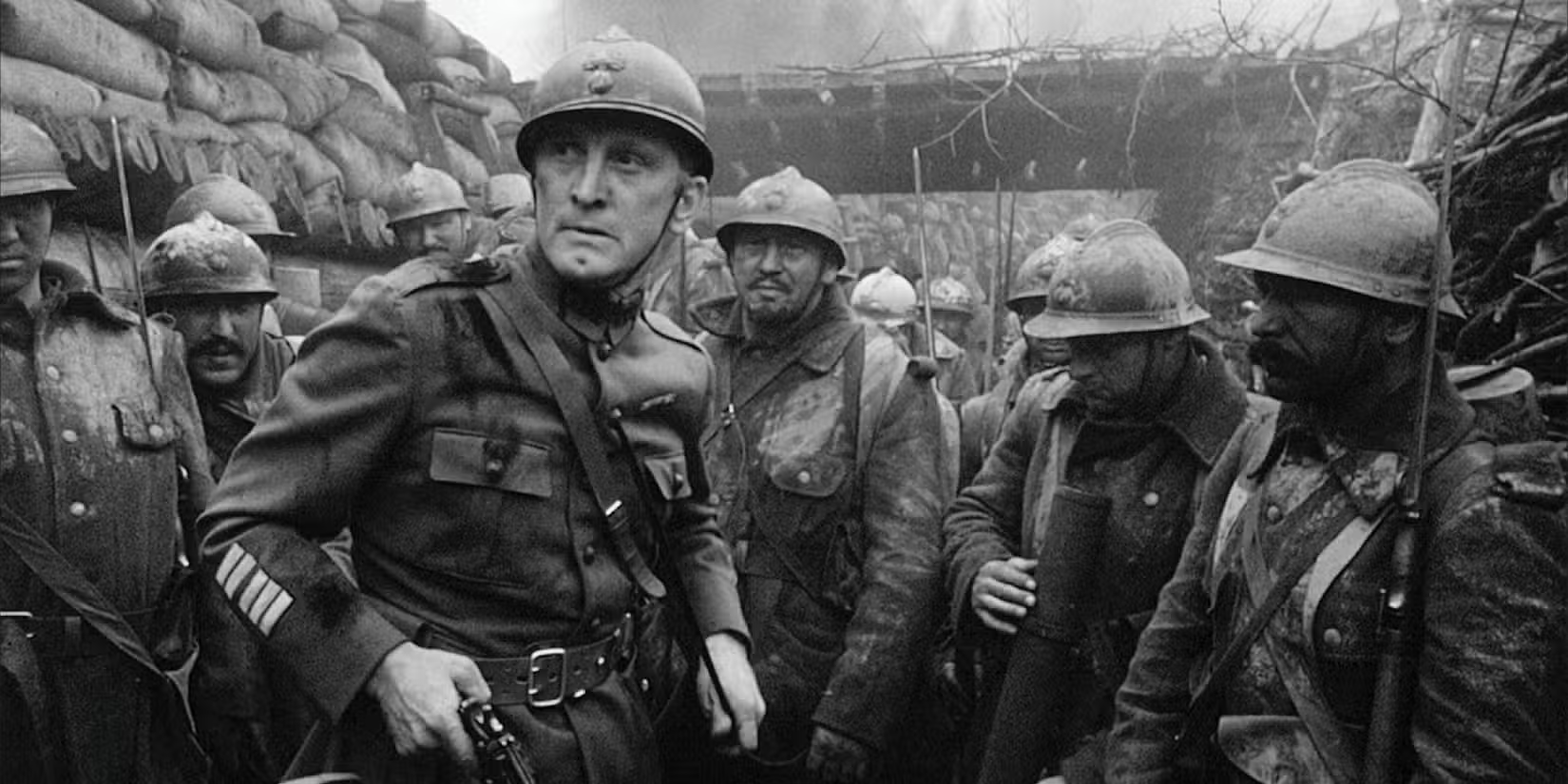
The first movie Stanley Kubrick made that was pretty much perfect was Paths of Glory, and it says something about how legendary a director he was that various films of his post-1957 were arguably even better. He went back to the war genre a few times, too, with Full Metal Jacket and Barry Lyndon (if the latter counts) also being phenomenal, but Paths of Glory is something special, and arguably the definitive World War I film, too.
It covers the aftermath of a failed offensive, with three soldiers being made scapegoats and put on trial, which leads to a commanding officer desperately defending them in a court-martial where their lives are on the line. For the opening, a more expected and frequently depicted war-related brutality is shown, but then after the battle sequence is over, there’s still a kind of violence and a battle with life and death stakes, just in a courtroom now. The idea of war being violent toward its participants even when they’re not in active combat was, of course, memorably explored further in Full Metal Jacket, mostly with the scenes in the first half that deal with boot camp training.
7
‘The Human Condition’ (1959–1961)

Just as you can sort of count The Lord of the Rings as one massive movie, owing to how it was helmed as a huge production and unfolds rather seamlessly if you watch all the parts relatively close together, so too can you argue The Human Condition is one massive movie… admittedly split into – and released in – parts. If you’re able to dedicate 10 hours in one day to just watching it, it’s certainly rewarding to do so, albeit it’s quite physically and emotionally exhausting to accomplish such a feat.
See, The Human Condition holds up as one of the most brutal and honest movies about war ever made, following a conscientious objector and pacifist being slowly made to take part in the Second World War more and more, as things go on. Each movie deals with a different stage of the overall conflict (a prelude to war, being in the thick of it, and surviving the aftermath, in effect), but you get a whole devastating story told across the entire thing, when it’s treated as one immense – and difficult to top, quality-wise – project/story.
6
‘Saving Private Ryan’ (1998)

It would feel a little strange to call Saving Private Ryan an outright crowd-pleaser, because parts of it are horrifying and sad, yet it’s crowd-pleasing by war movie standards because it does offer quite a lot of catharsis and moments of unambiguous heroism. It’s about a rescue mission to track down the titular Private Ryan, and the sacrifices made by a group of soldiers tasked with finding this one man, who’s purportedly behind enemy lines.
Whether you want to count the beach landing sequence as an opening scene or not, either way, it is one of the best-remembered sequences from any war movie pretty much ever made, and the similarly dramatic final combat set piece also leaves an impact. Saving Private Ryan is also very well-paced for something that’s as long as it is, and it’s earned a great deal of praise/acclaim on account of being so difficult to find fault with on a technical front.
5
‘Napoleon’ (1927)

Quite comfortably the oldest movie here, Napoleon (1927) definitely shouldn’t be mixed up with Napoleon (2023), though they’re unsurprisingly about the same figure. Napoleon Bonaparte is at the center of both biographical movies, but the 1927 version is noteworthy for really just being about his early life and some of his first successes as a military leader… but not a whole portrait of his life, as director Abel Gance originally wanted Napoleon (1927) to start a series.
With the earlier Napoleon, it’s so remarkably ahead of its time with how it’s shot, staged, and edited.
It wasn’t to be, but there’s still a huge amount to be impressed by, even if one might argue Napoleon (1927) technically feels incomplete. Still, as Napoleon (2023) showed, there are disadvantages to getting one man’s whole chaotic life crammed into just a single movie. Also, with the earlier Napoleon, it’s so remarkably ahead of its time with how it’s shot, staged, and edited, so if you’re interested in the history of cinema and how some of the all-time great silent movies evolved cinematic language, Napoleon (1927) is a must-watch (don’t let the length turn you off).
4
‘Pan’s Labyrinth’ (2006)

More of a fantasy movie, admittedly, but Pan’s Labyrinth makes the aftermath of the Spanish Civil War quite important for its overall narrative. There’s an imaginative young girl who’s made to live with an awful stepfather, with him treating her and her mother poorly while guerrilla warfare continues in the war’s aftermath, thanks to resistance fighters against the Armed Police Corps (said Corps being what the stepfather works for).
So, she retreats into a darkly fantastical world, and carries out a series of quests for the chance of bringing both her mother and soon-to-be-born baby brother into a better (and fantastical) world. Pan’s Labyrinth succeeds surprisingly well at being a fantasy and war hybrid, genre-wise, and it’s also the kind of film that feels like its own distinct (not to mention exceedingly admirable) thing.
3
‘Schindler’s List’ (1993)

There was already a Steven Spielberg movie mentioned earlier, but Schindler’s List is a very different sort of war film, even if, like Saving Private Ryan, it was focused on World War II and came out in the 1990s. There’s less by way of combat showcased in Schindler’s List, since the focus is on the Holocaust, which took place during World War II, and there’s more of a true story being retold here (Saving Private Ryan did famously depict some conflict that actually happened, but the main characters were fictitious).
It’s a long and ambitious film, so difficult to summarize entirely with just a sentence or two, but most of Schindler’s List is about how Oskar Schindler used a personal fortune to save more than 1000 Jewish lives from being sent to concentration camps. That act of heroism is celebrated while the overwhelming nature of the Holocaust in every other regard is still acknowledged, and depicted in a way where you feel the overwhelmingly awful enormity of it all. As a tonal balancing act (and judged just about any other way, really), Schindler’s List is remarkable.
2
‘Apocalypse Now’ (1979)
You feel like you’re in a nightmare pretty much straight away, with Apocalypse Now, though things do inevitably get more horrific as the whole film marches on into darker territory, literally and figuratively. It takes place during the Vietnam War, and the main character is a disillusioned captain who’s assigned with tracking down – and then killing – a rogue Green Beret Colonel.
That might sound like the set-up for some kind of wartime adventure movie, but everything here is bleak and sometimes even a little surreal, so there’s very little fun or catharsis to be found in Apocalypse Now, but that’s by design. It’s extremely effective as an anti-war epic, and of all the acclaimed and well-recognized (by either nominations or wins) Vietnam War movies at the Academy Awards, Apocalypse Now might well be the very best.
1
‘Lawrence of Arabia’ (1962)

Lawrence of Arabia is the kind of beyond-untouchable masterpiece where you can, if you’re feeling brave, argue it isn’t the best thing of all time, but a lot is going for it to make it worthy of being considered if not the best thing of all time (of all the things ever), then maybe the best movie of all time. It’s got it all, with a memorable character arc, a lot to say about war and the human condition, plenty of spectacle, and an overall interesting story that’s told well – and rather effortlessly – over a lengthy runtime.
You do need almost four hours to watch Lawrence of Arabia, and then further chunks of the same amount of time if you want to revisit the film and appreciate it even further, but it’s worth all that time and energy. It’s about as good as epic war movies get, and the copious amount of praise hurled at this movie ever since 1962 has all been exceptionally well-earned.

Lawrence of Arabia
- Release Date
-
December 11, 1962
- Runtime
-
228 minutes
- Director
-
David Lean
- Writers
-
Robert Bolt, Michael Wilson
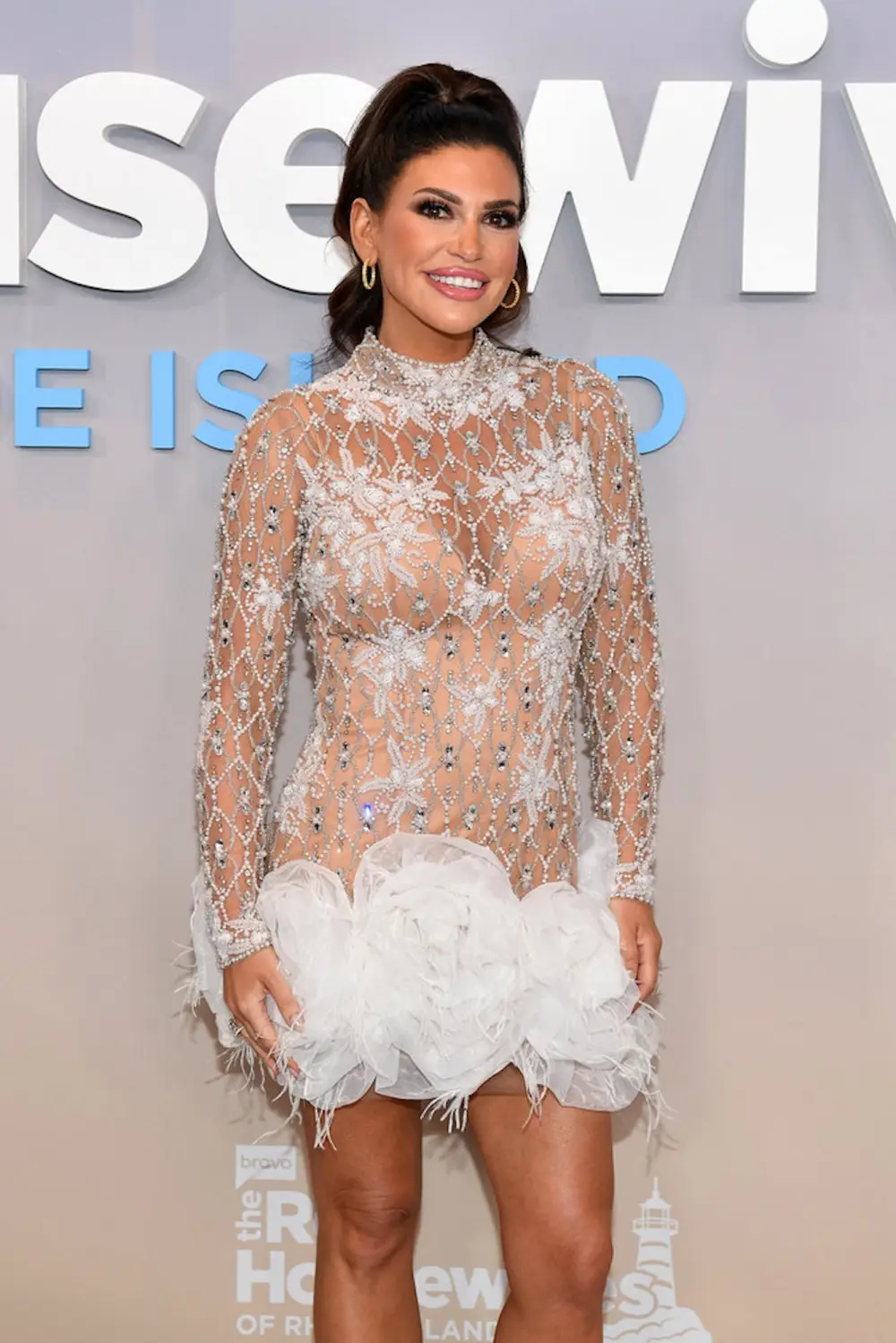
Real Housewives of Rhode Island star Jo-Ellen Tiberi had some “hesitation” when it came to discussing her childhood on the show.
“It’s extremely private to me,” Jo-Ellen told Us Weekly exclusively ahead of the Sunday, May 10, episode of RHORI. “My past is what’s shaped me and who I am today. I’m not embarrassed of it. It’s just not something I typically would publicize for the world.”
Jo-Ellen felt like discussing what happened during her teenage years on camera would help viewers to understand her more.
“It is heavy. This is not something that, I feel like, Bravo has ever really touched on when you’re talking about homelessness, or if you’re talking about suicide, or if you’re talking about depression, being sent away,” she explained. “Those are really heavy topics. This is my real life.”
She continued, “It’s a hard topic to talk about.”
Jo-Ellen noted that she was “shocked” when she started receiving messages from viewers who “understand” what she’s experiencing with her mother.
“I feel good that I let it out there. I’m showing that if I got through it, so can you,” she said. “If anything comes from this, it’s that people can see it’s OK [and] things will get better.”
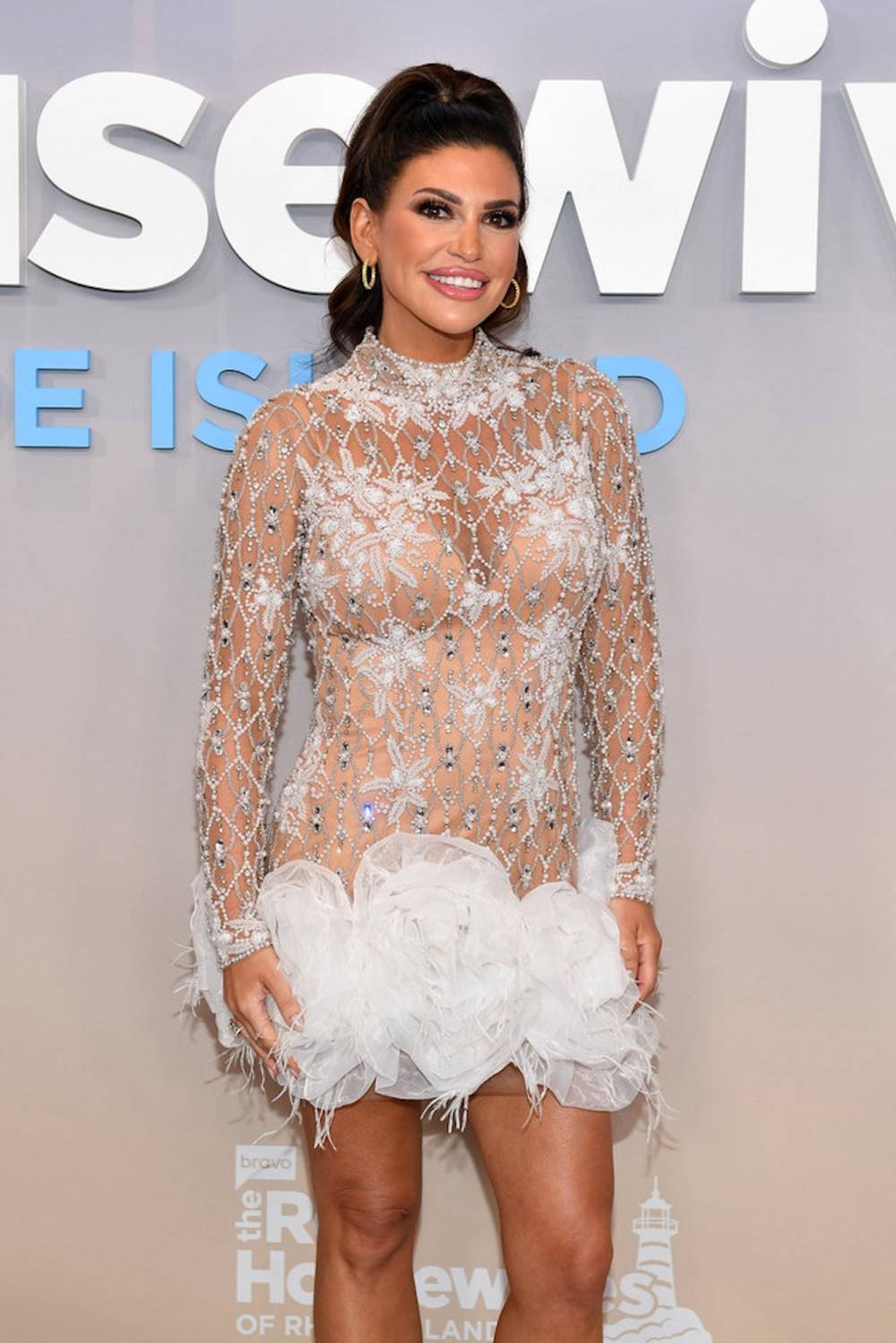
During Sunday’s RHORI episode, Jo-Ellen got emotional as she opened up to costar Alicia Carmody about her experiences in three different behavioral programs as a teenager .
“What did I do that was so bad that you put me in places with rapists, with murderers, with people that stab people, with, like, convicts,” Jo-Ellen wondered, adding that “99 percent of the people there were court ordered.”
In a confessional, Jo-Ellen explained that her mom was the “opposite” of a maternal figure while she was growing up.
“My mom tells me that she sent me to these places because she didn’t know what to do or how to control me,” Jo-Ellen added. “I wasn’t an out of control kid. I was a straight-A student. Her biggest problem with me was I had big boobs and boys liked me. She felt that I was promiscuous, even when I wasn’t doing anything.”

This week on Getting Real With the Housewives, The Real Housewives of Rhode Island star Jo-Ellen Tiberi thinks Rulla Nehme Pontarelli owes her an apology after she allegedly received video proof of her husband Brian Pontarelli’s affair. “He’s caught beyond red-handed, it’s irrefutable proof,” Jo-Ellen exclusively tells Us Weekly of the alleged video. “Some of […]
The first time Jo-Ellen was “sent away,” she went to a drug rehab in the seventh grade, but she had “never” done drugs. She was sent home after one week. The second place was “really rough,” but Jo-Ellen said the third — when she was in ninth grade — was “the worst.”
“My mom ended up giving partial custody to the state because her insurance stopped paying and she had me there for a little over a year,” she said. “It was really not normal and not a good place.”
Jo-Ellen said her mom called it “a boarding school,” which it was not. She left the facility after the state tried to take “100 percent control” of Jo-Ellen.
“I really try to block all of this out because it was a really bad time in my life. I was suicidal,” she said. “Many times for me, death was better than living with her. It hurts a lot to have no one that loves you growing up.”
While speaking with Us, Jo-Ellen revealed she’s “trying to improve” her relationship with her mom.


“My mom’s very, very proud of me. She’s very excited for what’s happened,” Jo-Ellen shared. “It’s a work in progress.”
New episodes of The Real Housewives of Rhode Island premiere via Bravo on Sundays at 9 p.m. ET and stream via Peacock the next day.
If you or someone you know is struggling or in crisis, help is available. Call or text 988 or chat at 988lifeline.org.
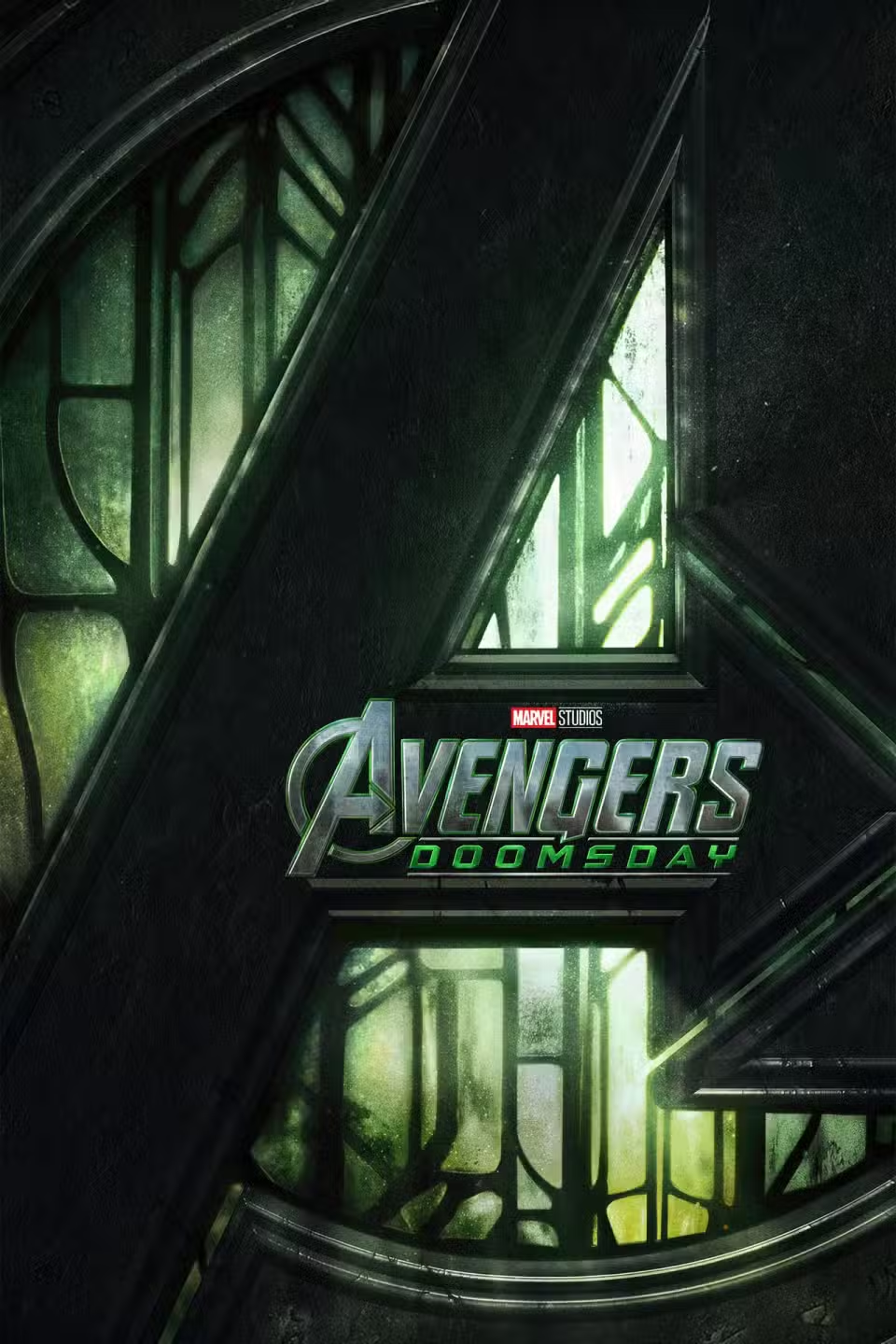
To say that Marvel’s first crossover movie, The Avengers, changed everything is perhaps the understatement of the century. While Iron Man may have been the official birth of the MCU, 2012’s The Avengers proved beyond a shadow of a doubt that Marvel Studios’ then-experimental approach to a shared cinematic universe was a monumental success. Of course, the movie’s record-shattering box office run inspired several more movies, though the film’s direct follow-up, Avengers: Age of Ultron, is widely considered the weakest chapter of the crossover series. Thankfully, that would not be the case whatsoever with the next two Avengers films.
The MCU’s “Infinity Saga” entered its closing chapters with the aptly titled Avengers: Infinity War, which united almost every single major character in the MCU to combat the otherworldly threat of the Mad Titan, Thanos (Josh Brolin). The shocking of events of that film led to the direct follow-up of Avengers: Endgame, which officially brought the Infinity Saga to a close in spectacular fashion. The two-part result was two of the most financially successful movies of all time, with Infinity War currently being the 7th highest-grossing movie of all time at $2 billion and Endgame being the 2nd highest-grossing movie ever made at $2.7 billion, falling just short of James Cameron‘s original Avatar movie.
Now, seven years later, in clear anticipation for the fifth Avengers movie releasing at the end of 2026, both Infinity War and Endgame are surging on Disney+. Both movies made a sudden return to the Top 10 charts on the House of Mouse’s chief streaming platform this past week. They share their spot with Sam Raimi‘s horror sleeper hit Send Help, Meryl Streep and Anne Hathaway‘s original Devil Wears Prada movie, and George Lucas‘ divisive Star Wars cult classic, The Phantom Menace.
‘Avengers: Doomsday’ Is Just Months Away
The Devil Wears Prada and The Phantom Menace are more than likely trending thanks to their respective franchises’ new movies The Devil Wears Prada 2 and The Mandalorian and Grogu, and that’s likely why Infinity War and Endgame are surging as well. Come December 18 (the same date as Dune: Part Three), Avengers: Doomsday will be released to the masses, which will have the Avengers, the X-Men, and more of Marvel’s mightiest heroes as they team-up to battle the fearsome Doctor Doom (Robert Downey Jr.). And the story won’t end there, as the Multiverse Saga will reach its own conclusion with Doomsday‘s direct follow-up, Avengers: Secret Wars.
Avengers: Doomsday premieres in theaters on December 18, with all four previous Avengers films streaming now on Disney+. Stay tuned to Collider for more updates.

- Release Date
-
December 18, 2026
- Writers
-
Stephen McFeely, Michael Waldron, Jack Kirby, Stan Lee
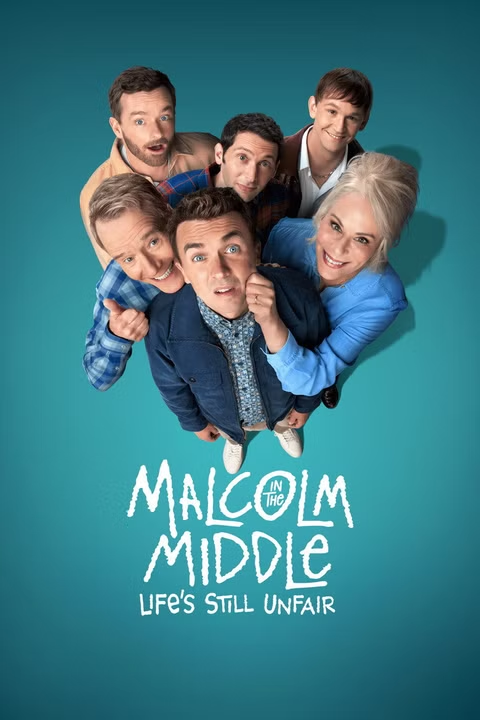
One will be hard-pressed to find a sitcom that captures the ups and downs of the early 2000s quite like Malcolm in the Middle. Without a doubt the best and most iconic sitcom of that era, the series consistently relished in its depiction of an average suburban American family who is truly anything but. Not only is it still gut-bustingly hilarious and surprisingly heartfelt from start to finish, but it also helped launch the careers of mainstay stars like Big Fat Liar star Frankie Muniz and Breaking Bad icon Bryan Cranston.
Because of that almost incomparable legacy, fans were overjoyed to hear that Disney and Hulu would be bringing the series back in the form of a four-part revival, reuniting almost the entire cast after 20 years. The result debuted on April 10 with Malcolm in the Middle: Life’s Still Unfair, which has Malcom (Muniz), now a father and a successful business owner, trying his best to avoid his family despite his parents’, Lois (Jane Kaczmarek) and Hal (Cranston), wedding anniversary. Even though there was some dubious backlash from a vocal minority who accused the series of being “woke,” the revival was not only well-received by both fans and critics alike, but it’s also still dominating streaming conversations.
In the past week, across both Disney+ and Hulu, Malcolm in the Middle: Life’s Still Unfair is became among the top five shows on the streaming platforms. An impressive feat considering the four-episode revival debuted exactly one month ago and is still posting big ratings, even overtaking regular streaming chart toppers like ABC‘s mega-hit crime series, High Potential. The series is also holding its own against several notable newcomers, such as the second season of Marvel’s own revival Daredevil: Born Again, the Star Wars villain spin-off Maul – Shadow Lord, and the Handmaid’s Tale sequel series The Testaments.
Is ‘Malcolm in the Middle: Life’s Still Unfair’ Getting a Season 2?
One would think that with the clear ongoing success of the series, Malcolm in the Middle: Life’s Still Unfair would be a shoe in for a Season 2 renewal, but that may not be the case. Speaking to Collider’s Steve Weintraub on the possibility of more, both Bryan Cranston and Jane Kaczmarek made it clear that the revival was not made with the intention of being a “stepping stone” to another season. That being said, Cranston also implied that if the new show was well-received enough and creator Linwood Boomer has a compelling idea for more, he may consider another stint as Hal.
Malcolm in the Middle: Life’s Still Unfair is streaming now on Disney+ and Hulu. Stay tuned to Collider for more streaming updates.

- Release Date
-
2026 – 2026-00-00
- Network
-
Hulu
- Directors
-
Ken Kwapis
- Writers
-
Alan J. Higgins, Gary Murphy, Matthew Carlson
Cast



There is a special heartbreak reserved for horror movies that should have become permanent fixtures of the genre conversation and somehow did not. Not the truly obscure ones that never got a chance. I mean the ones that did land on people, the ones that made somebody stare at the hallway a little differently, or made night feel more acoustically dangerous, or left one image lodged in the brain for years, and still somehow slipped into that awful category of “you’ve seen that?”
Horror has this problem more than almost any genre. The canon gets sticky. The same titles keep circulating. Meanwhile a second lineage, stranger, sadder, more diseased, more dream-rotted, keeps pulsing underneath it. And the beautiful thing is that these films are not leftovers. They are not “good for what they are.” They are actually great. These ten all deserve far more love than they usually get, and the higher you go on the list, the more serious the robbery starts to feel.
10
‘Dead & Buried’ (1981)

I have such affection for Dead & Buried because it understands that small-town horror should never be cozy. The town should not feel quirky. It should feel off. It should feel like everybody has agreed to keep smiling one beat too long. That is exactly the movie’s strength. It begins almost like a murder mystery dipped in rot, with corpses, strange behavior, and a sheriff trying to understand why the people around him seem locked inside some awful local ritual. The film keeps withholding just enough that your brain starts doing the sick work for it. Something is wrong with the town. Something is wrong with death itself. Something is wrong with the way people keep looking at each other.
And then it just gets meaner. That is what I admire about it. It does not spend all its time playing coy with its own nastiness. Once it starts revealing what kind of nightmare it is, the movie turns into this grotesque little masterpiece of embalmed Americana, a place where normalcy has become taxidermy. The gore matters, yes. The effects matter. But the real reason it sticks is atmosphere. That stiff, smiling, funeral-home atmosphere. You can practically smell varnish and seawater on it. A lot of forgotten horror films are worth checking out. Dead & Buried is better than that. It is a proper sickness.
9
‘The Sentinel’ (1977)

I have a lot of affection for The Sentinel because it is one of those horror films that seems to exist under a curse of tonal instability, and somehow that makes it more upsetting instead of less. On paper, it sounds like familiar apartment-horror territory: a model (Cristina Raines) moves into a Brooklyn brownstone, the building is full of strange tenants, and reality starts decaying around her. Fine. But the film is so aggressively, almost recklessly bizarre in its escalation that it stops feeling like a haunted-building movie and starts feeling like Catholic panic breaking through the walls.
That is the key to it. The movie does not want you comfortable. It does not want to glide you through one clean register of fear. It wants you spiritually harassed. The visions, the grotesques, the old-world damnation imagery, the sense that the apartment is not simply haunted but cosmologically placed, all of that gives it a nasty grandeur that a lot of more polished horror never finds. carries the film with exactly the right fragile alarm, and the whole thing builds toward a theological reveal so huge and blunt that you either laugh nervously or feel a genuine chill. I do both. Every time.
8
‘Messiah of Evil’ (1973)

This is one of the purest nightmare films on the list. Not plot-heavy nightmare. Not “dream logic” in the lazy, critic-buzzword sense. I mean actual nightmare texture. Messiah of Evil drifts into its coastal California town like it is wandering into a place already abandoned by normal human meaning. A woman arrives looking for her missing father, and almost immediately the movie starts surrounding her with faded murals, hollow spaces, eerie locals, and that magnificent, terrible feeling that whatever happened here did not end when it happened. It soaked into the environment.
What makes the film so haunting is that it does not rush to solidify itself. It lets dread spread through architecture and color and silence. The famous set pieces, especially the supermarket and theater sequences, are among the most genuinely oneiric scenes in 1970s horror. They do not rely on noise. They rely on the deep wrongness of being watched by people who do not feel fully alive anymore. And then beneath all that, there is this strange sadness to the movie, almost an end-of-the-world fatigue. Messiah of Evil feels like society has already died and only habit is still walking around in a human shape. That is horror I will always worship.
7
‘The Changeling’ (1980)

There are haunted-house movies that throw things at the walls and scream until something sticks. Then there is The Changeling, which knows that grief is already a haunting before the ghost does anything. That is why it works so beautifully. John Russell (George C. Scott) is not just sad but hollowed. The film understands that bereavement makes silence louder.
So when he moves into that giant old house, the supernatural elements feel like pressure. A noise. A ball. A space in the house that starts to feel occupied by memory that is not his. And because the movie is patient, every revelation lands harder. The séance is an excellent ghost. The wheelchair. The attic. The tape recorder. That incredible sense that the house is not merely inhabited by an angry spirit but by a buried crime demanding narrative completion. What I love most is that the film never loses the sorrow underneath the mystery. This is not fun haunting. It is a bereaved man being forced into contact with another trapped pain, another life wronged and unfinished. That overlap gives the horror a human ache a lot of ghost stories never find. People remember The Changeling if they know horror, sure. They still do not talk about it enough.
6
‘Pin’ (1988)

Pin is one of those movies I almost do not want to summarize too cleanly, because its power comes from how queasy and psychologically intimate it feels. It is nominally about a brother and sister, a doctor father, emotional damage, and a medical dummy named Pin that becomes a vessel for projection, control, repression, and psychic fracture. But saying that out loud does not really explain the movie’s sickness. Pin is about what happens when childhood loneliness and sexual confusion and parental coldness never get metabolized into anything healthy. They just keep sitting there, mutating in private.
What makes it so great is how little it needs to do to feel unbearable. The dummy is horrible, obviously, but not because the movie treats it like a simple horror object. Pin becomes horrible because of the emotional vacancy around him, because of what people need him to hold. That is what makes the film so much more upsetting than standard killer-doll nonsense. It is not really about the object. It is about the people using that object to survive, dominate, deny, and split themselves. There is something humiliatingly intimate about Pin.
5
‘The Reflecting Skin’ (1990)

This is one of the strangest films on the list and maybe the hardest to pitch to someone who wants neat genre lines. It is horror, yes, though horror refracted through childhood perception so intensely that the whole world starts looking mythic and diseased at once. The Reflecting Skin follows Seth (Jeremy Cooper) who lives in this vast, sun-blasted rural landscape that ought to feel open and innocent, and instead it feels poisoned.
Vampires are whispered about. Adults are broken in half by private despair. Violence enters the world in ways the child mind can sense before it can understand. The result is a movie where dread and innocence are fused so tightly you can barely separate them. And that is why it is great. It gives you spiritual damage. It comes with sickness, sexual terror, wartime trauma, and death. It is forgotten because it is too uncanny to file easily. That is exactly why fans should find it.
4
‘Session 9’ (2001)

This is one of the best examples of a horror movie understanding that place can do half the writing for you if you let it. The abandoned Danvers State Hospital in Session 9 is the movie’s nervous system. Every corridor, every flaked wall, every shaft of dead light feels like it has already heard something it should not have. Then the film puts inside that space a crew of asbestos cleaners, working-class men with financial pressure, emotional strain, ego friction, and just enough unresolved pain to give the building something to feed on. That is all it needs.
And the beauty of Session 9 is how uncertain the possession really is. Is the place haunted? Is one mind cracking under preexisting damage? Is evil something in the tapes, in the architecture, in the history, in the air? The answer is less important than the atmosphere of narrowing psychological space. The session tapes themselves are masterful, not because they overexplain, but because they make identity feel divisible in a way that echoes what the whole film is doing. I love how dry and underplayed the movie is. It never begs for your nerves. It lets dread crystallize slowly until that final note lands, and when it lands, it lands like a whisper from the pit.
3
‘Pontypool’ (2008)

I will defend Pontypool forever because it takes a premise that sounds almost like a joke and turns it into one of the freshest horror films of the 2000s. A virus spreads through language. Not saliva. Not scratches. Language. That is an extraordinary horror idea because language is already intimate. It enters the mouth, the ear, the brain. It is how we organize reality, how we reassure each other, how we control panic. So when Pontypool starts suggesting that speech itself might become the vector of collapse, the movie becomes terrifying in a way that bypasses ordinary zombie mechanics entirely.
And then it has the intelligence to set most of the story inside a radio station. That is genius. You are trapped with voices, reports, static, half-confirmed details, fragments of public breakdown, and one man, Grant Mazzy (Stephen McHattie), who has made a career out of language-as-performance and suddenly has to face language as plague. Stephen McHattie is phenomenal in this, giving the movie its cracked, skeptical, old-radio soul. What I love most is that Pontypool never loses its eerie wit. It is not humorless. It is intellectually playful right up until the point it becomes spiritually hideous. That combination is rare. Horror this smart usually gets too pleased with itself. Pontypool stays hungry.
2
‘Noroi: The Curse’ (2005)

Found-footage horror has so many dead zones in it now that people forget how powerful it can be when the form is actually used as excavation instead of gimmick. Noroi: The Curse gets it. It does not just pretend to be real. It understands that the true pleasure of investigative horror is accumulation. A psychic here. A missing person there. A TV appearance that suddenly feels wrong. Old rituals. Buried names. Strange sounds. A child. A documentary structure that keeps telling you this all belonged to one man’s final work and that you are watching the pieces after the fact. The film builds dread the way some stories build weather. Quietly, then all at once.
What makes Noroi: The Curse one of the greatest forgotten horror movies is that it thinks so much bigger than its surface. It begins like localized weirdness and keeps widening until it feels as if the whole contemporary media landscape has become a delivery system for ancient malice. That is not easy to do. Most found-footage horror shrinks the world. Noroi: The Curse expands it.
1
‘Lake Mungo’ (2008)

This is #1 because Lake Mungo does something almost no horror movie manages: it makes grief and haunting indistinguishable without cheapening either one. A teenage girl dies. Her family mourns. Strange images emerge. A documentary framework begins assembling memory, testimony, footage, speculation. That sounds simple enough. But the film’s genius is that it never lets the question “Is there really a ghost?” replace the much sadder, more frightening question “How well did we ever know the person we lost?” That is where the movie starts cutting deep.
And once it gets there, it never lets go. The interviews, the fake-documentary restraint, the incremental revelations about Alice’s (Talia Zucker) interior life, the sense that her family is grieving one version of her while another version remains hidden in the dark, that is what makes the film devastating. Then there is the image. The image. One of the most frightening and heartbreaking things in 21st-century horror, not because it jumps at you, but because it feels like time itself has become unbearable. Lake Mungo understands that the dead can terrify us not just because they return, but because they may have gone toward their own ending alone, carrying knowledge we were nowhere near ready to see. That is profound horror. That is partially why it belongs at number one.


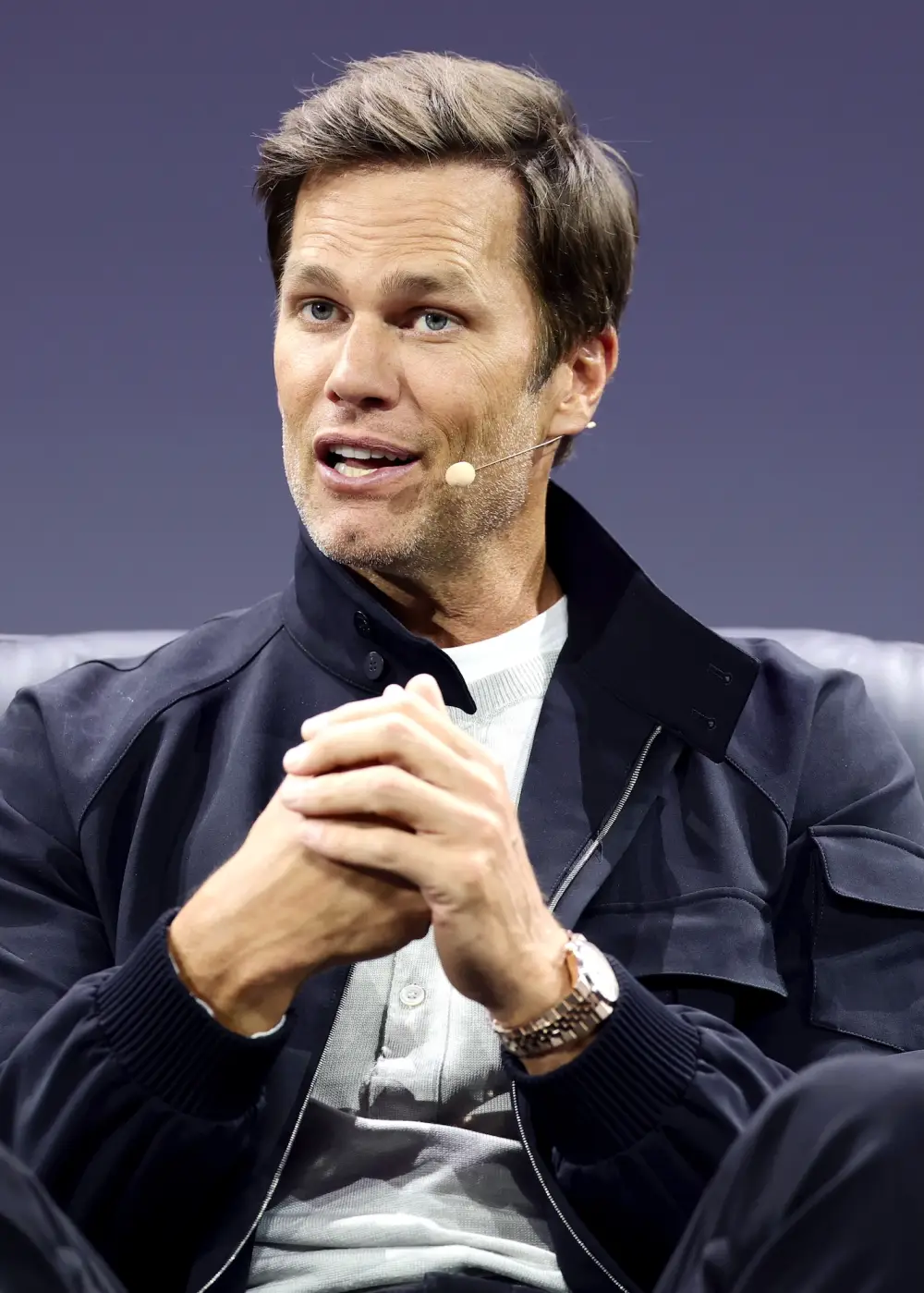
Tom Brady took a savage public swipe at Kevin Hart — in the name of comedy.
During Netflix’s The Roast of Kevin Hart, which streamed live on the platform on Sunday, May 10, Brady, 48, appeared on stage to throw a brutal jab at Hart, 46.
“All right, this won’t take long, because, as you guys know, I’m a busy man,” the NFL legend told the crowd, per a report by Variety. “But I do have a few words for you before I return to my affairs in Las Vegas. Oh, wait, I’m talking about affairs in Las Vegas. Was that off? Not supposed to talk about affairs in Vegas? I think I broke another rule. F*** it. I talked about it.”
Brady, who had been roasted by Hart during his own Netflix special in May 2024, referenced Hart’s 2017 cheating scandal which involved the actor betraying his then-pregnant wife, Eniko Parrish, during a trip to Las Vegas. Although Hart initially denied reports of infidelity, he owned up to it two months after the news broke. (Hart and Parrish share two children, son Kenzo, 8, and daughter Kaori, 5. Hart is also father to daughter Heaven, 21, and son Hendrix, 18, both of whom he shares with ex-wife Torei Hart.)
Prior to Brady’s arrival on Sunday’s stage, Hart warned viewers about the retired quarterback’s upcoming words. “I’m gonna tell you right now, it’s gonna be way better than the Brady roast,” Hart said, per the outlet. “The reason why is because I’m not a bitch. Tom is a bitch. Tom sat there the whole time with the f***ing white man’s face…He was a f***ing bitch. I ain’t no bitch. You bring whatever it is that you got. I could give two f***s. You go and say what you want to say. Say it. I don’t give a s***. At the end of the day, I’m Kevin Hart. I’m the man.”
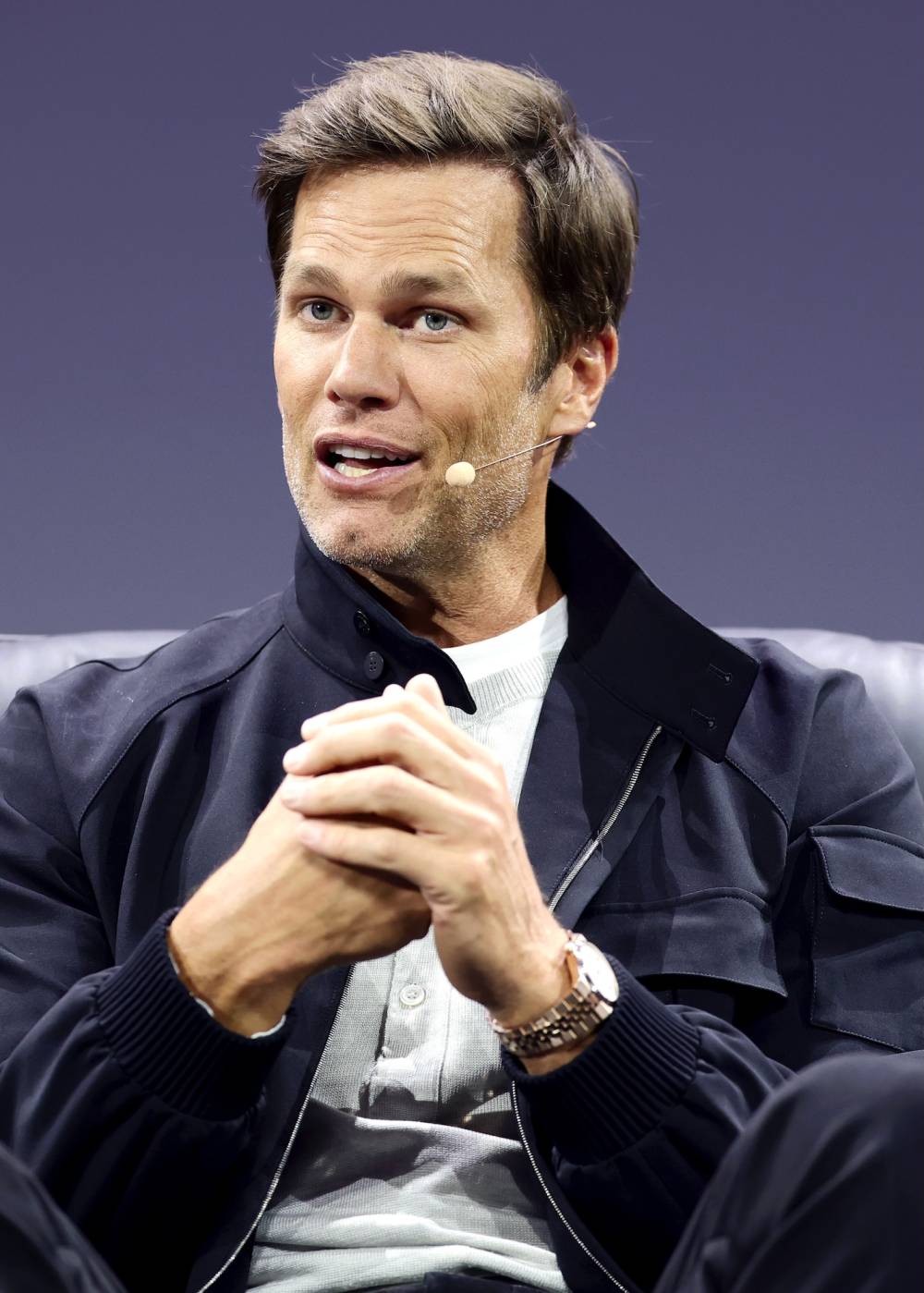
Tom Brady Andreas Rentz/Getty Images
Hart revealed in a 2021 interview with Romper that he had told his children about his mistakes. “You have to talk to your kids about it because it’s going to come out,” the actor said at the time. “Some of them are cool about it and some of them are not, depending on the situation. You have to understand the different personalities and manage them correctly.”
News of Hart’s actions in Las Vegas originally came to light when an alleged extortionist claimed to have obtained a “sexually provocative” video of the actor. He acknowledged his Las Vegas affair in a public apology video shared via Instagram in September 2017.
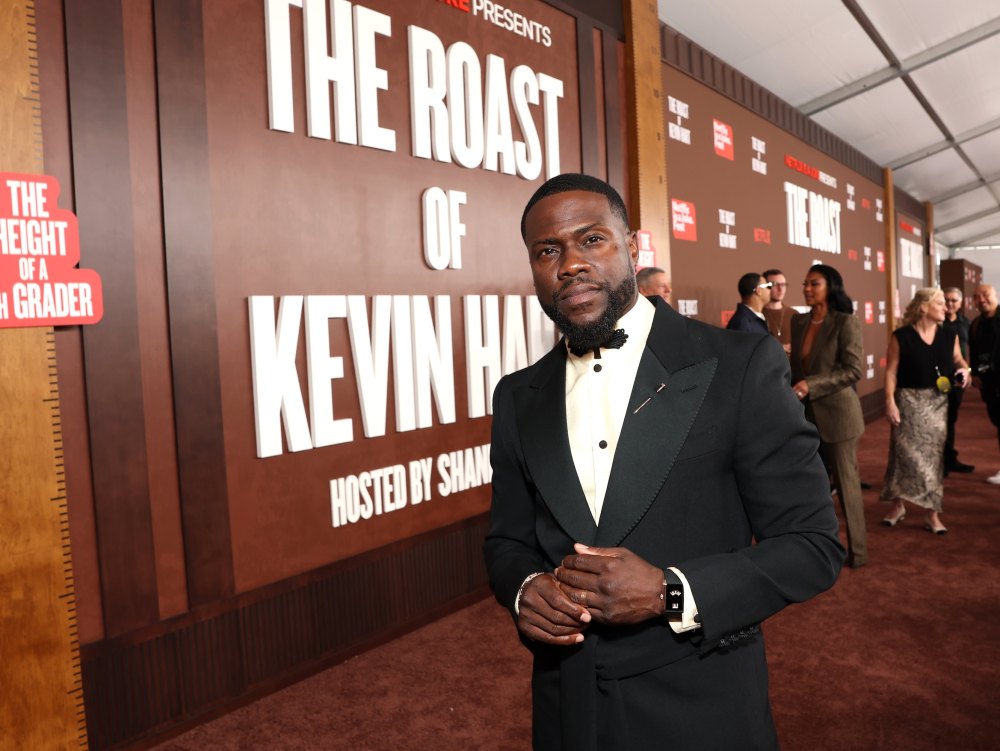
Kevin Hart Matt Winkelmeyer/Getty Images for Netflix
“I made a bad error in judgement and I put myself in a bad environment where only bad things can happen and they did,” Hart said in the video. “And in doing that, I know that I’m going to hurt the people closest to me, who I’ve talked to and apologized to — that would be my wife and kids.”
Parrish, 41, later addressed the scandal in detail in the docuseries Kevin Hart: Don’t Fk This Up. “This was a bad one. This was major,” she told Netflix’s cameras in 2019. “Nine years and I think looking forward, it’ll be better. I believe in second chances. I’m all about forgiveness, and you only get two times. Three strikes you’re out, you’re out of here. So, as long as he behaves, we’re good.”
Blake Lively’s chaotic legal battle with Justin Baldoni may finally be cooling down, but the actress is still finding herself at the center of headlines.
Just days after settling the explosive lawsuit tied to “It Ends With Us,” Lively received a very public show of support from husband Ryan Reynolds.
The actor used Mother’s Day to praise his wife as “fearless” while sharing intimate family moments online, signaling that despite months of controversy, the Hollywood couple is still presenting a united front as they move into their next chapter.
Ryan Reynolds made it clear that he is standing firmly beside Blake Lively after one of the toughest periods of her career.
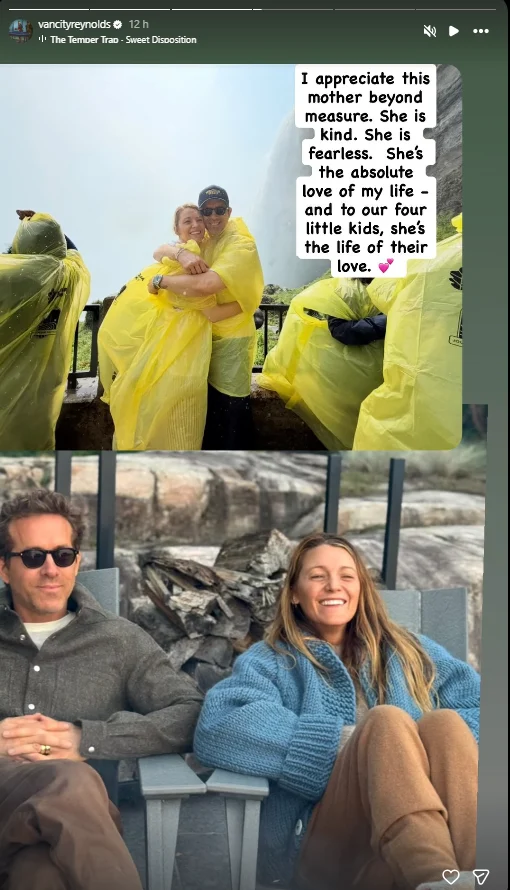
The “Deadpool” star shared a touching Mother’s Day tribute on his Instagram Stories featuring two candid photos of the couple together.
In one image, the pair smiled in matching yellow ponchos while posing in front of what appeared to be Niagara Falls.
Another showed them relaxing outdoors in blue chairs, with Reynolds wearing sunglasses while Lively kept cozy in a blue sweater and brown sweatpants.
Alongside the photos, Reynolds wrote, “I appreciate this mother beyond measure. She is kind. She is fearless. She’s the absolute love of my life – and to our four little kids, she’s the life of their love.”
Lively later reposted the tribute to her own Stories and sweetly replied, “I happen to be pretty fond of you too.”
Lively Shares Tribute To The Women In Her Family
While Reynolds celebrated his wife, Blake Lively also used the holiday to honor the mothers in her own life.
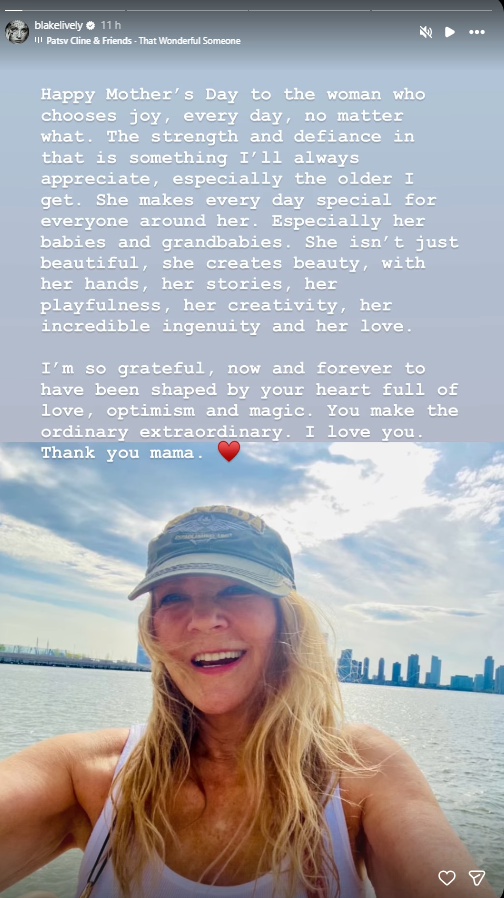
The “Gossip Girl” actress posted a heartfelt message dedicated to her mother, Elaine Lively, alongside a solo photograph.
“Happy Mother’s Day to the woman who chooses joy, every day, no matter what,” Lively wrote. She continued, “The strength and defiance in that is something I’ll always appreciate, especially the older I get. She makes every day special for everyone around her. Especially her babies and grandbabies.”
The actress also praised her mother’s creativity and optimism, writing, “She isn’t just beautiful, she creates beauty, with her hands, her stories, her playfulness, her creativity, her incredible ingenuity and her love.”
Lively later uploaded a second image featuring both Elaine and her mother-in-law Tammy Stewart together. “These two queens are my mamas,” she wrote, adding, “I couldn’t be luckier to have them. And as my mama has always said, ‘the best part is, I know it.’”
Blake Lively Returned To The Met Gala After Settlement Bombshell
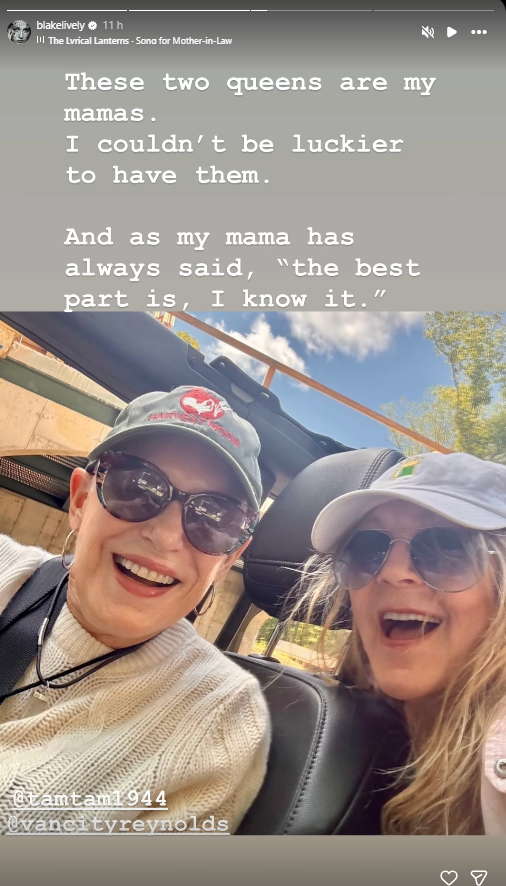
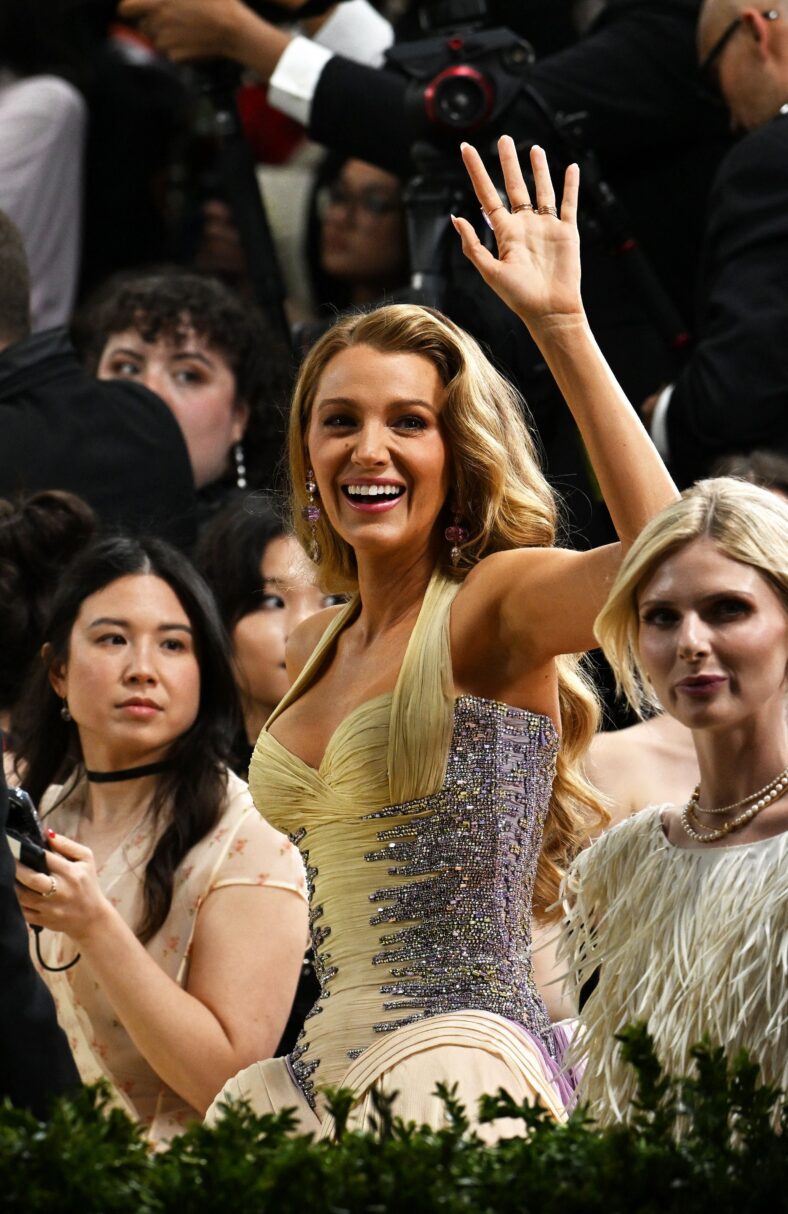
The Mother’s Day posts arrived less than a week after Blake Lively shocked fans with her appearance at the Met Gala.
The Hollywood star attended fashion’s biggest night just hours after news broke that she and Baldoni had settled their bitter legal fight tied to “It Ends With Us.”
Lively walked the red carpet solo while wearing a dramatic archival Atelier Versace gown. During an interview, she admitted she was feeling shy and wished her four children could have joined her at the event.
The settlement came only weeks before the planned May 18 trial and after a judge reportedly “gutted” key portions of her 2024 sexual harassment and retaliation lawsuit.
Although Lively received no financial payout from Baldoni, she is still pursuing legal fees connected to his failed $400 million countersuit.
Her attorney, Sigrid McCawley, later told Entertainment Tonight that the actress was “moving on with her life” and said her Met Gala appearance was proof that she was “standing up and not being silenced.”
“We wouldn’t want any woman in that position to be silenced. They should be out living their life,” McCawley explained.
Lively Faces Fresh Attacks From Baldoni’s Lawyer
Even after the settlement, the public war between both camps has continued. Baldoni’s attorney, Bryan Freedman, recently claimed that Blake Lively settled because she was too “scared” to testify in court.
“Part of the reason Blake settled is because she was scared to take the witness stand at trial. She did not want to face cross examination by anyone because that would require her to tell the truth,” Freedman told TMZ.
The lawyer also argued that a trial would have “exposed her lies” and claimed the actress “ended up with nothing” in the deal.
Meanwhile, McCawley defended her client and insisted Lively plans to continue “exposing the digital retaliation campaign here that was weaponized against her.”
The attorney also described the actress as “incredibly brave” for speaking out. “She’s going to continue to pave that path of being really bold and brave in this moment,” McCawley added.
Blake Lively’s Legal Fallout Still Pulls Reynolds Into The Spotlight
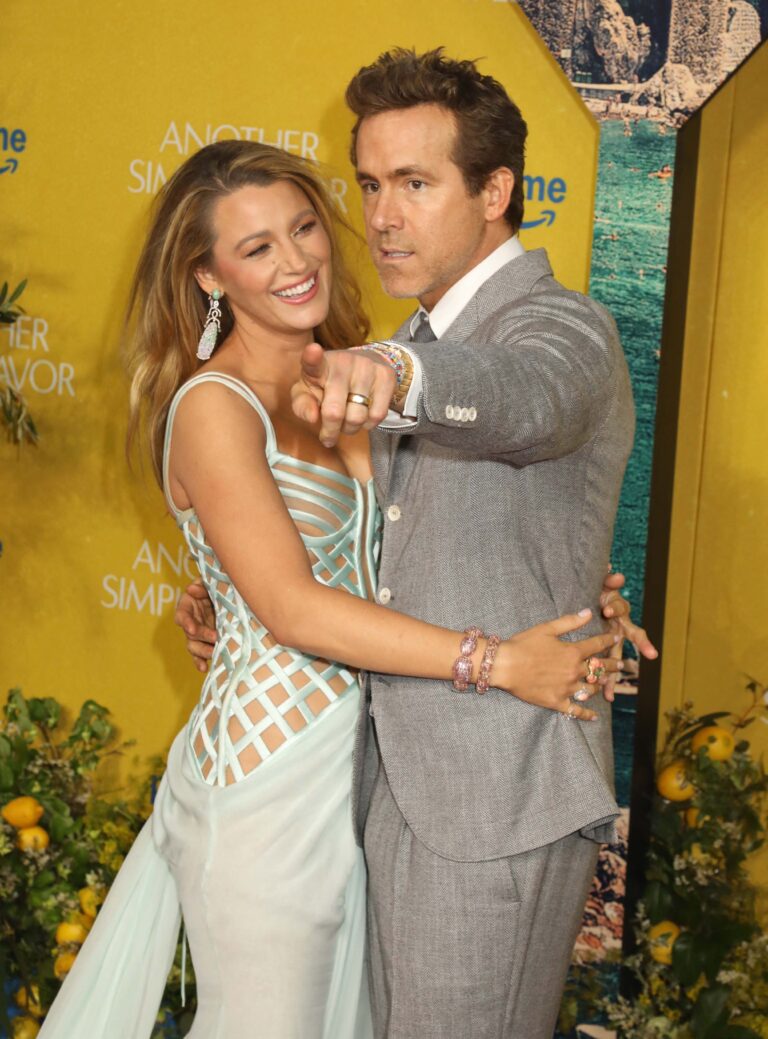
Even though Lively and Baldoni have officially settled their courtroom battle, the fallout surrounding the case is still unfolding publicly.
Much of the attention has now shifted toward how deeply Reynolds became involved in the dispute behind the scenes.
During the legal war, Baldoni accused Reynolds of “swearing” and “berating him in an aggressive tirade” during a tense 2023 meeting held at the couple’s New York penthouse.
According to Baldoni’s claims, Reynolds attended the meeting as Lively’s “representative” while concerns about the set of “It Ends With Us” were being discussed.
The drama only intensified when unsealed text messages from the case allegedly showed Reynolds referring to Baldoni as “dumb-dumb” during private exchanges tied to the feud.
At the same time, Lively has continued trying to move forward publicly with her appearance at the Met Gala and her Mother’s Day family tributes.
Meanwhile, Baldoni has also started reappearing publicly following the settlement announcement. The filmmaker was recently photographed smiling and holding hands with his wife, Emily, during an outing in Nashville.
Reports say he is now focused on “moving forward” with his wife and two children after the exhausting legal battle.
Entertainment
Michael B Jordan’s $660 Million Action Franchise Is Dominating Its Free Streaming Home
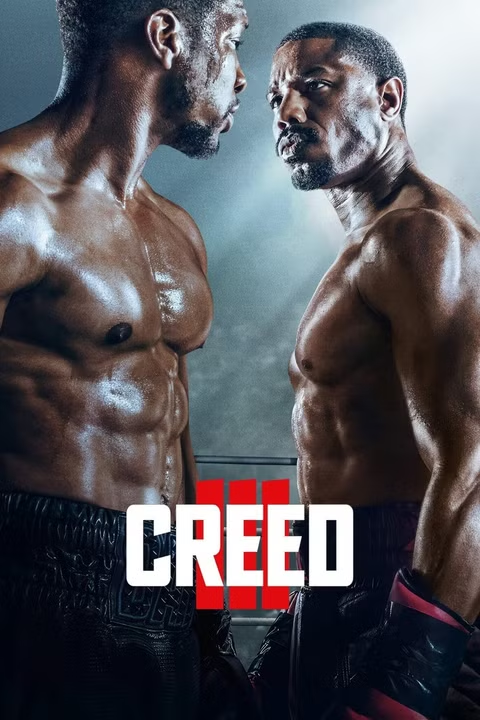
Michael B. Jordan has consistently surprised his fans with his incredible career choices. From playing a menacing villain with Killmonger in Black Panther, to a fearless hero with Adonis Creed in the Creed franchise, playing dual roles in Sinners that bagged him an Oscar, to directing and producing several projects, the actor is on a roll, and fans can’t wait to see what he brings next.
As compelling an actor he is, Jordan shines even brighter in diverse roles in front and behind the camera. His partnership with fan-favorite director Ryan Coogler has given us some amazing films, like Black Panther, Sinners, and Creed, the Rocky spin-off. Coogler helmed the first feature and took the mega task of introducing Adonis (Jordan) as he tracks down a retired Rocky Balboa (Sylvester Stallone) in Philadelphia to ask for training. The movie was a big hit thanks to many nostalgic elements, Stallone’s Oscar-nominated performance, and a brilliant story. Grossing $173 million worldwide on a $40 million budget, Creed received widespread acclaim from critics who praised Coogler’s direction, the screenplay, and acting performances. Its success was followed up with Creed II, which takes Adonis’ story forward in a compelling way.
Adonis faces off against Viktor Drago (Florian Munteanu), the son of Ivan Drago (Dolph Lundgren), who was responsible for the death of Adonis’ father, Apollo Creed (Carl Weathers), some thirty-three years earlier. Co-written by Juel Taylor and Stallone and directed by Steven Caple Jr., the movie was an even bigger success, earning $214 million at the box office on a $50 million budget. The 83% Rotten Tomatoes-rated movie is universally loved for its fight sequences, strong character development, and was criticized for plot predictability, but it’s a great watch.
Creed III marked Jordan’s directorial debut and a compelling one at that. We follow Adonis as he faces a childhood friend and former boxing prodigy, Damian Anderson (Jonathan Majors), who is eager to prove that he deserves his shot in the ring. Co-written by Keenan Coogler and Zach Baylin, the movie packs some serious gut punches and proves a worthy addition to the Creed universe. Like its predecessors, the film was a box office success, grossing over $276 million worldwide. It further earned an 89% approval rating on Rotten Tomatoes, with the audience giving it an even higher 95%.
The ‘Creed’ Franchise is Knocking Out the Competition on Streaming
Creed II and Creed III have taken over their free-streaming home, Tubi’s, top 10 charts, according to FlixPatrol. Creed II is at #2 spot right behind chart topper The Beach House, while Creed III stands at #4 spot behind A Madea Family Funeral among other films. If you want to check out the films, this seems to be the right time when they are available on a free streamer.
Stay tuned to Collider for more such updates.

- Release Date
-
March 3, 2023
- Runtime
-
116 minutes

News Videos28 seconds ago
8 Things AI Can’t Do in Financial Coaching

NewsBeat1 minute ago
The SNP’s Fulton MacGregor re-elected to serve people of Coatbridge and Chryston

Business2 minutes ago
Busselton holiday park sold, another on the market

NewsBeat2 months ago
Manchester United reach agreement with Casemiro over contract clause amid transfer speculation

Politics1 month ago
US brings back mandatory military draft registration

NewsBeat1 month ago
Steven Gerrard disagrees with Gary Neville over ‘shock’ Chelsea and Arsenal claim | Football


-
 Crypto World3 days ago
HarrisX Poll Found 52% of Registered Voters Support the CLARITY Act
-

 Crypto World4 days ago
Upbit adds B3 Korean won pair as Base token gains Korea access
-

 Fashion3 days ago
Weekend Open Thread: Marianne Dress
-

 Tech7 days ago
Image AI models now drive app growth, beating chatbot upgrades
-
 NewsBeat4 days ago
NCP car park operator enters administration putting 340 UK sites at risk of closure
-

 Politics2 days ago
Politics Home Article | Starmer Enters The Danger Zone
-
 Business2 days ago
Ignore market noise, India’s long-term story intact, say D-Street bulls Ramesh Damani and Sunil Singhania
-

 Tech1 day ago
Auto Enthusiast Carves Functional Two-Stroke Engine from Solid Metal
-

 Tech5 hours ago
GM Agrees To Pay $12.75 Million To Settle California Lawsuit Over Misuse Of Customers’ Driving Data
-

 Crypto World6 days ago
UAE Free Zone Deploys Blockchain IDs to Verify Registered Firms
-
 Sports7 days ago
2026 NHL playoff picks: Second-round predictions, series odds, Stanley Cup bracket
-

 Crypto World5 days ago
BlackRock CEO Larry Fink Discusses a New Asset Class
-

 Crypto World4 days ago
Robinhood says Wall Street is building onchain
-
Entertainment6 days ago
Serena Williams hits Met Gala in metallic dress after GLP-1 reveal
-

 Tech5 days ago
Apple and Samsung are dominating smartphone sales so thoroughly that only one other company makes the top 10
-
 Entertainment7 days ago
Skai Jackson Responds To AI Baklash After Viral Snapchat Photos
-

 Tech5 days ago
I tested the Xiaomi 17 Ultra’s camera and I don’t think I’ll ever go back to an iPhone
-

 Politics6 days ago
Met Gala 2026: Madonna’s Dramatic Red Carpet Look Steals The Show
-

 Fashion5 days ago
The Best Work Pants for Women in 2026
-
 Sports7 days ago
Hearts v Rangers LIVE: Prediction, team news and line-ups as Scottish Premiership title rivals meet at Tynecastle
You must be logged in to post a comment Login