
Entertainment
Lizzo Recalls Feeling Like Her ‘Life Was Over’ After Backlash

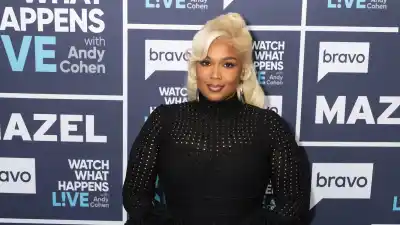
Lizzo is looking back at the peaks and valleys of her career.
“I wasn’t even really perceiving how famous I had gotten,” the “Truth Hurts” singer, 38, said during her appearance on the Monday, September 7, episode of Dax Shepard’s “Armchair Expert” podcast. “I feel like a regular girl in the Twin Cities, walk into the bar, going to get some cheese curds and a beer. I still feel like that girl.”
Lizzo continued, “But the whole world is like, everything I did was news. I had been going full throttle. It was like, clothing line. It was like, TV show, tour, album, actually really doing well. Like, oh my God. I didn’t even know how well the album was doing. I wasn’t paying attention.”
Lizzo shot to fame in 2019 with her hit “Truth Hurts,” which was released two years prior but later went viral thanks to its appearance in the Netflix film Something Great. The single reached No. 1 on the Billboard Hot 100 and increased interest in her third studio album, Cuz I Love You. Lizzo won three Grammy Awards in 2020: Best Pop Solo Album, Best Traditional R&B Performance and Best Progressive R&B Album. (Three years later, Lizzo also won Record Of The Year for her single “About Damn Time,” off her 2022 album, Special.)

Lizzo is opening up about how her plans for her music comeback have changed. The “Good as Hell” singer, 37, spoke about reentering the music industry after she was the subject of multiple harassment and hostile work environment lawsuits in an interview with Vulture published on Monday, September 8. “I put out those two singles, […]
At the height of her career, Lizzo expanded her profile to include TV and film, hosting a 2022 reality series called Lizzo’s Watch Out for the Big Grrrls and starring in her own documentary, Love, Lizzo. She also launched her own clothing line, Yitty, that same year.
In August 2023, Lizzo became the subject of controversy when three of her former backup dancers filed a lawsuit against the singer, her production company and her dance captain Shirlene Quigley, accusing them of sexual, religious and racial harassment, disability discrimination, assault, false imprisonment, creating a hostile work environment and weight-shaming.
Lizzo’s former wardrobe assistant, Asha Daniels, also sued the Grammy winner and her touring company over alleged racial and sexual harassment in 2023.
Lizzo has denied all allegations. In December 2025, a judge dismissed the fat-shaming allegations in the suits filed by Lizzo’s former backup dancers. The remaining claims are still pending in court.
A judge ultimately removed Lizzo as an individual defendant in Daniels’ case in 2024. On Tuesday, September 1, the federal court dismissed the remaining claims against her touring company due to a lack of evidence.
Amid the controversy, Lizzo took a break from releasing music until her fifth studio album, BITCH, in June. The project struggled commercially and failed to produce any chart hits.

Lizzo has had enough of the negativity she is feeling online. “I’m getting tired of putting up with being dragged by everyone in my life and on the internet,” the Grammy winner, 35, wrote via Instagram on Friday, March 29. “All I want is to make music and make people happy and help the world […]
Lizzo said on Monday that she had always planned to take extra time to work on her latest album, but the hiatus came at a time when “the world stopped f***ing with me.”
“I was like, ‘Whoa, this feels like my life is over,’” she recalled. “And so with the fame thing and the success and the public perception being super positive and being overly loved and people understanding me, I wasn’t looking over my shoulder for a shoe to drop because I really genuinely was moving so purely. I really, which they say you shouldn’t do, just really showed the whole world my heart.”
Lizzo continued, “When everybody started hating me, I kind of didn’t understand. … I had experienced little waves of it, but this time after my [Special Tour] ended, it was, like, legitimate. So I really did feel like my life was over because music had been my life, and I didn’t feel like anyone wanted me to make music anymore.”
Lizzo said she wondered if she should “cease to exist” amid the backlash.


“It was really heavy. It’s really heavy. And I think you have to kind of go to a very, very, very, very low place to be able to kind of float back up to the top,” she added, noting that she ultimately had to find herself as a person again.
“You know, what I came to is knowing who you are and not what you do. I feel like I had been identifying myself as what I do for so long, instead of remembering who I am because that’s my job,” she concluded. “It was extremely freeing because I’m like, ‘Oh, only I know me, only I know who I am and I need to remember that and not allow someone to change that because I can do that too.’”
If you or someone you know is struggling or in crisis, help is available. Call or text 988 or chat at 988lifeline.org.

Continue Reading

Get a rundown of Us‘ top stories making headlines in celebrity news, sports and entertainment on October 22, 2026. Here are the key takeaways:
• Hannah Gosselin said she has not spoken to her brother Collin Gosselin in nearly a year following the release of his memoir, In the Shadow of Eight: Surviving the Reality of My Childhood. In a TikTok Story, Hannah said she has stepped back from the family situation but maintains a relationship with her mom, Kate Gosselin, and her other siblings.
• Ariana Grande debuted a sleek bob and chocolate hair color in a carousel of fall photos on Instagram, retiring her signature ponytail and waist-length locks. The singer credited stylist Brandon Pietsch, who quipped in his own post that “the ponytail is taking a hiatus.”
• Katie Thurston shared an update on surrogacy plans with husband Jeff Arcuri and pushed back on unsolicited advice to adopt amid her breast cancer journey in an exclusive interview with Us. The former Bachelorette star said she expects the search for a surrogate match could begin sometime next year, and recently revealed doctors found “no evidence of disease.”
Edited by Samantha Benitz. Story produced with AI assistance
:max_bytes(150000):strip_icc():format(jpeg)/amanda-bynes-tout-24b30f1458ba47abae364a453bc1b4a5.jpg "Where is Amanda Bynes now? Inside her life 16 years after leaving Hollywood 56")
After finding fame on Nickelodeon and in hit movies, Bynes walked away from acting at 24. From personal struggles to surprising new pursuits, here’s where life has taken her.

Charli D’Amelio is opening up about her finances after months of speculation surrounding an alleged fallout with her parents, Marc and Heidi D’Amelio. The 22-year-old TikTok star revealed that she didn’t start learning about or getting involved in her own finances until around 21, despite working professionally since she was 15. Her admission comes as rumors continue to swirl about her relationship with her family, including unverified allegations that her parents mishandled millions of dollars she earned during her rise to fame. Although Charli firmly denied claims that her parents stole from her, she acknowledged that growing up in the spotlight taught her some difficult lessons about money, trust, and taking control of her career.
Charli D’Amelio Reveals She Only Started Learning About Her Money At 21

In a revealing interview with The Hollywood Reporter, published October 21, Charli discussed the challenges of becoming a major celebrity while still a teenager. The influencer, who shot to fame on TikTok in 2019, admitted she had only recently begun taking her finances seriously.
“I didn’t start learning about and getting involved in my financials until I was about 21,” she told the publication.
Charli also reflected on how long she had been working, noting that her career began when she was 15.
“I’m very fortunate to be able to be living the life that I am, but I’ve also been working nonstop since I was 15, so I should have stuff to show for it,” she explained.
Her remarks offer a glimpse into the financial responsibilities that came with building a multimillion-dollar career before reaching adulthood. Charli did not disclose how much money she has now or suggest she earned nothing from her years of work. However, she acknowledged that navigating the business side of fame has not always been easy.
Charli D’Amelio Denies Claims Her Parents ‘Stole’ Her Money

The financial admission comes months after allegations involving Charli’s parents began circulating online. In May, celebrity gossip account DeuxMoi shared an unverified claim suggesting that millions of dollars had allegedly been transferred from accounts associated with Charli’s career.
The allegations sparked speculation about a possible family dispute, especially after fans noticed Charli and her parents no longer followed each other on Instagram. However, when The Hollywood Reporter directly asked whether the rumors about her parents mishandling her money were true, Charli rejected the allegations.
“No, they’re not true,” she said. “I wouldn’t say that they stole my money.”
After reportedly pausing, she added, “I think we did a lot of things as a family.”
Her response marked one of the clearest public statements she has made about the controversy. The allegations against Marc and Heidi remain unsubstantiated, and Charli’s comments do not establish that any money was stolen.
Charli D’Amelio’s Father Previously Denied The Financial Allegations

Charli’s father, Marc D’Amelio, had already pushed back against the rumors when they surfaced earlier this year. Responding to the allegations on social media, Marc insisted that the claims were false.
“This is not true. We love Charli but she is being manipulated and I have the receipts,” he wrote, according to reports at the time.
Marc also disputed suggestions that the family had depended on Charli’s earnings to support themselves. The controversy coincided with changes in Charli’s professional relationship with her family. In June, it emerged that she had separated from Be Happy Snacks, the popcorn company associated with the D’Amelio family. Her parents remained involved in the business, while Charli began to take greater independence in her career and financial decisions. The professional separation fueled further speculation about the family’s relationship, although the family has not publicly explained the reasons behind every business decision.
Charli D’Amelio Says She Is Finally Taking Control Of Her Career

Charli’s financial revelations were part of a broader discussion about becoming more independent after years of working within a family-centered entertainment business. She parted ways with longtime manager Greg Goodfried in December 2025 and has since been making more decisions about her career without hiring a replacement.
“I like it. I’m in charge. Now I say what I’m doing and not doing,” she told The Hollywood Reporter.
The change appears significant for someone who became one of TikTok’s biggest stars while still attending high school. Charli also admitted that her experiences in the entertainment industry had changed how she approaches other people.
“You can’t be a trusting person,” she said, reflecting on lessons she learned about people’s intentions.
However, she didn’t direct that remark specifically at her parents. The influencer has continued exploring opportunities beyond social media, including performing on Broadway, as she works to build a career on her own terms.
Charli D’Amelio Opens Up About Her Relationship With Sister Dixie

While discussing her family, Charli also addressed speculation about her relationship with older sister Dixie D’Amelio. The siblings built much of their early fame together, appearing in social media videos, business ventures, and the Hulu reality series “The D’Amelio Show.” However, questions about their relationship intensified as reports of family tensions circulated.
Asked about Dixie, Charli made it clear that their bond remains important to her.
“I mean, that’s my sister. I’m going to love her till the day I die,” she said. “But there are times where you’re figuring stuff out.”
Charli also revealed that watching episodes of the family’s reality show for the first time had been an unusual experience. She described it as “watching something I never lived,” saying she felt disconnected from parts of her life during her rapid rise to fame.
For Charli, taking charge of her finances and career is now part of a larger effort to understand those years and decide what comes next. Her latest interview offers a more complicated picture of the rumored family feud: she has denied the most serious financial allegations while acknowledging that her relationship with fame, money, and family has changed considerably.
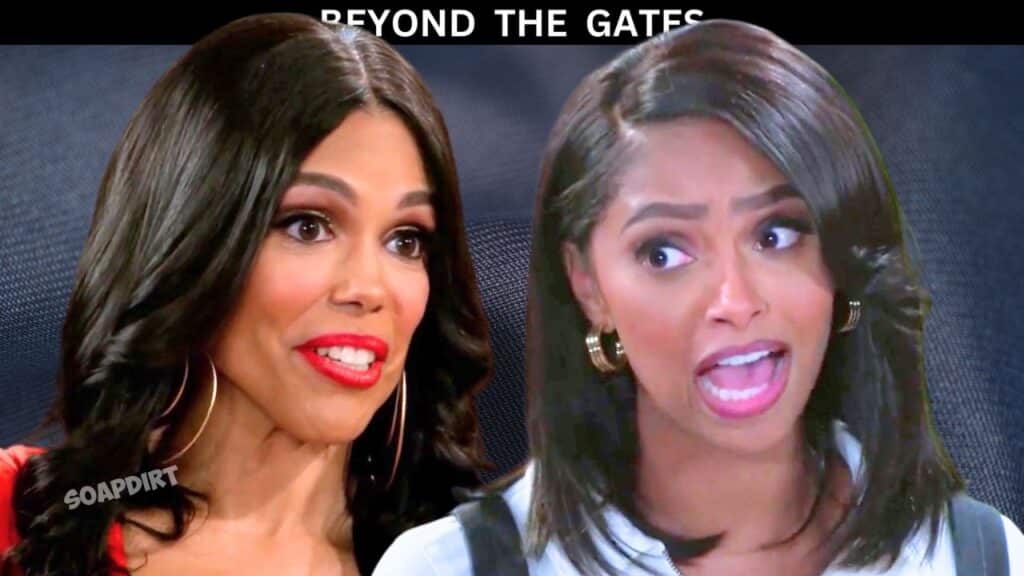
Hey, Beyond the Gates fans, we have got your early edition spoilers for the week starting October 26th, including Kat Richardson (Colby Muhammad) raging despite the promise to keep things peaceable. Plus, Dani Dupree (Karla Mosley) is totally blindsided in a moment when she should be really enjoying her life.
We’re diving into what is happening from October 26th – 30th, including the big kickoff to November sweeps, which starts on Thursday the 29th, and all sorts of wild stuff is going to be happening. As we always do on early edition day, we talk about what’s happening the rest of this week and then go into next week’s action.
Beyond the Gates: Kat Struggles with Wedding Prep
So on Wednesday, October 21st, if you haven’t seen it yet, we’ve got Kat having some problems while prepping for Dr. Ted Richardson (Keith D. Robinson)’s wedding. Kat, I’m sure, is worried about what having Eva Thomas Richardson (Ambyr Michelle) so involved is going to mean. Dana ‘Leslie’ Thomas (Trisha Mann-Grant) is never far behind when it comes to raising havoc. Although Kat and Eva promised Shanice Johnson (Ernestine Johnson) they’d behave so the wedding goes off peacefully, I think it’s going to be a real struggle.
Eva and Izaiah Hawthorne (David Lami Friebe) take a little trip down memory lane as they talk about their romance. They are so cute together, and Eva is trying to be understanding about his long-running friendship with Kat, but I expect Eva’s involvement with the wedding will trigger Kat into a rage before too much longer.
Bradley ‘Smitty’ Smith (Mike Manning) worries because Martin Richardson (Brandon Claybon) seems to be ignoring the obvious. Smitty’s concerned over what his arrest could do to Martin’s campaign, and his hubby seems blindly optimistic.
Beyond the Gates: Dani’s Life Story Special
This week, we’ve got Dani greeting Tia Allen (Tabitha Brown), who is a guest star, at the Fairmont Crest Country Club. Dani’s excited to see her, and Tia talks about Dani’s upcoming appearance on a show called Welcome to Your Life. This brings friends and family together to tell Dani’s life story, and she’s really focused on it.
But Andre Richardson (Sean Freeman) isn’t really on board. He likely does not want to be on the TV show with Dani, because it may trigger Heather Armstrong (Ashley Jones), because she’s insanely jealous. And in fact, neither Dani’s current husband nor her ex-husband is going to enjoy this chat show appearance after they see the fallout, because somebody from Bill’s past riles him up.
Beyond the Gates: A Blast from the Past
Also, this week, we’ve got guest star Kandi Burruss. You may know her from Real Housewives of Atlanta, or from being the lead singer of Xscape. She’s fabulous. And she’s playing Kalista Kilroy, who swaggers up to Bill Hamilton (Timon Kyle Durrett) at the country club.
And Kalista says, “If it isn’t Bill Hamilton.” He’s shocked and asks, “What the hell are you doing here, Kalista?” So, it looks like a very unpleasant blast from Bill’s past, but more importantly, she is a blast from Dani’s past.
Promises that Naomi Hamilton Hawthorne (Arielle Prepetit) and Jacob Hawthorne (Jibre Hordges) have made to each other are a struggle to keep. Both are trying to leave their work and Smitty’s case outside of their marriage and home, but that’s going to get increasingly difficult.
Beyond the Gates: Chat Show Explosion
Thursday, October 22nd, we have got Dani’s chat show happening, and we are going to have all kinds of family on there. So, what we’re going to see is the episode of Welcome to Your Life. Tia is hosting. We’ve got Tatum, the fashion designer that Dani collaborates with, on the show, behaving much better than some other people. We’ve got her bestie, Pamela Curtis (Cady McClain).
Andre, despite his protest, is going to be on the chat show with her. Chelsea Hamilton (RhonniRose Mantilla) and Naomi are on there, plus her sister, Dr. Nicole Dupree Richardson (Daphnee Duplaix). It’s everybody that’s important in Dani’s family. Vernon Dupree (Clifton Davis) and Anita Dupree (Tamara Tunie) are also on the show, and so is the drag queen who married her and Andre.
Beyond the Gates: Kalista’s History
But Kalista is on the set of Dani’s chat show and says about Bill, “He’s an awful husband.” Now, it turns out Kalista is Dani’s first modeling agent. So that means Kalista has known Dani since she was a teenager. And Kalista has scenes at Fairmont Crest with Dani’s sister Nicole, among others. So Dani is blindsided, and Bill is stunned by what Kalista has to say, and Bill yells, “Stop.”
But Dani tells him no and then walks away from Bill, annoyed, and he’s asking, “Why the hell would you do that?” So, it looks like he is ranting at Kalista. And Bill seems mortified and humiliated to be called out on national TV. And Dani’s not happy either.
Beyond the Gates: Fallout and Revelations
So, I’m wondering if Kalista is not just Dani’s first agent, but maybe banged Bill back in the day behind Dani’s back. Sounds like something Bill would do. And if so, of course, Dani would be horrified to realize that Bill’s been cheating on her almost from the start.
So, Kalista has some sort of grudge against Dani. I don’t know if Dani axed her as her manager. We’ll find out. But official Beyond the Gates spoilers say Kalista feels justified putting Dani on blast in front of the world. So then we have Naomi, Chelsea, and Andre comforting Dani and helping her with the fallout after Kalista’s appearance and everything on the Welcome to Your Life TV show turning out badly. Bill’s been hoping for a chance to cuddle back up with Dani, but this Kalista thing seems to have made that even less of a possibility.
Beyond the Gates: Hayley’s Shocking News
Friday, October 23rd on Beyond the Gates, Hayley Lawson (Marquita Goings) is still hoping for Randy Parker (Maurice P. Kerry) to come back with a new ID and a better backstory than the blue-collar hussy with bad taste in men, or the librarian. I mean, Hayley doesn’t look bookish. Maybe hookish, but not bookish.
And then, while eating with Leslie at Orphe Jeans, we have Hayley shocked. Leslie says some unflattering words, and Hayley’s ranting at Leslie, asking, “Are you saying I’m gaining weight?” But then Hayley looks like she’s going to toss her cookies and rushes off to the bathroom. And we all know what queasy on soaps means: red flag of pregnancy. If you’re hoping to see Bill’s little ex leave the DMV, think again.
Beyond the Gates: Naomi Encourages Bill
Naomi encourages her dad, Bill, to dig deeper. After the thing with Kalista, I’m sure Bill feels double stupid. He chose Hayley, who tried to kill him. Bill was rolling around with women like Kalista, presumably when he had a diamond at home in Dani, and didn’t treat her right. Naomi may encourage Bill to do some introspection and work on himself, and not dive into the dating app Chelsea got him until Bill sorts himself out.
Ted offers praise to Andre about Dani. So, it looks like Ted is impressed with how well Dani and Andre did on the show, especially in the face of more embarrassment from Bill.
Beyond the Gates: Heather’s Dark Turn
Somebody who’s not a fan of this show is Heather. She is triggered by the end of this week and gets treacherous. She’s sitting with Dani and Vanessa McBride (Lauren Buglioli) at Fairmont Crest Country Club, and Heather’s saying that she couldn’t let her ex flaunt his new woman in front of her every day, and tells Dani, “It would make me murderous.” And then Heather grabs a knife and stabs Dani in the chest. So, it looks shocking, and I’m sure it’s either Heather’s twisted fantasy in her head or Andre’s worst nightmare, because he’s paranoid after more threats from Heather about how much she wants him back.
Beyond the Gates: November Sweeps Outlook
Then the week of October 26th – 30th on Beyond the Gates, look for more fallout for Andre from Heather. He gets a big win because Bill was called out on Dani’s big day. But unless he can get Heather out of his life, Andre’s lies are going to come crashing down.
Bill’s reeling from this humiliation on national TV, thanks to Kalista. I’m sure he had it coming, though. And there’s going to be a one-two punch if Hayley really is pregnant. She may initially want to terminate the pregnancy, because she’s not exactly mom material. But I’m guessing Leslie is going to tell her the bun in that oven is an eighteen-year paycheck to take Bill to the cleaners every day.
Beyond the Gates: Leslie’s Story About Bill
And since Hayley is struggling to find a new identity to move on, maybe she’ll stop and listen when Leslie shares her story about Bill terrorizing her when she was pregnant. Dani and Andre’s marriage is stronger after the chat show ordeal, but the Heather mess is going to hit hard.
Smitty’s hoping for good news from Naomi’s expert, to say the footage from Uptown was digitally altered. Shanice’s wedding plans kick into high gear. We’ll find out if Leslie really is taking the high road or just biding her time. And with sweeps kicking off on Thursday, October 29th, I’m hoping to see the long-running Heather the Impaler story finally wrap its run.

Give yourself a hug in fabric form this fall and winter with a little help from celebrity stylist Rob Zangardi.
His luxury outerwear brand, AUTER, has found its way into the closets of Jennifer Lopez, Chrissy Teigen, Kendall Jenner, Taylor Swift, Ariana Grande, and Kim Kardashian, proving that sometimes, what’s on the outside really does count.
“I’ve been fortunate to work with incredible clothes and designers throughout my career, but I still couldn’t find the coats I wanted. As a stylist, I know how much a coat can change the feeling of a look, and even the way you carry yourself. I wanted to create outerwear that could be the outfit,” he tells ET.
From furry statement jackets to muted-toned puffers, wool peacoats, bombers, cropped styles, belted options, trenches, and leather staples, the collection offers plenty of reasons to keep your coat on long after you’ve stepped inside.
“I want someone to put it on and feel like the whole look has come together, then get inside and leave it on anyway. … Let the coat lead and keep the rest of the look simple. A great coat can make jeans and a T-shirt feel considered or bring a new energy to a dress. I also love when someone makes the coat their own and wears it open or buttoned, pops the collar, uses the belt, or adjusts the waist,” he says.
Beyond the high-quality fabrics, Zangardi puts just as much thought into the finishing touches.
“I think about how the coat feels, how it moves, and how someone will actually wear it. Fit is incredibly important to me, as are comfort and the small details that give a piece options, like hidden buttons, toggles, or a belt. … They can feel familiar and vintage in spirit, but have a modern shape, with fabrics and construction that make them distinctive.”
One person who was ahead of the curve? His longtime client Lopez.
“The first AUTER coat was a fox coat I designed with Jennifer in mind, and she was the first person to wear it,” he notes.
When it comes to styling the singer for cooler weather, Zangardi likes to work from the outside in.
“With AUTER, the coat is often that starting point. It gives the rest of the look a point of view.”
Next on his wish list for Lopez: a little something borrowed from the boys.
“I’m loving the richness of alpaca, mohair, and cashmere, and shapes that have a little volume and movement,” he shares.
“I’d love to see Jennifer in one of our green men’s alpaca topcoats. Green is her favorite color, and I love the idea of that relaxed, generous shape with something simple underneath. There’s something so good about ‘his coat on her,’ especially when she makes it completely her own.”
RELATED CONTENT:
:max_bytes(150000):strip_icc():format(jpeg)/teen-mom-tout-19b526e3c09b4308bb6ba0b4de6752de.jpg "“Teen Mom” cast, then and now: What happened to the MTV reality stars? 67")
Catch up with your favorite former teen parents and all the drama that’s followed them.
:max_bytes(150000):strip_icc():format(jpeg)/BLUEY-Best-Episodes-092826-915a70dbe18f474f8dc4344a365fedae.jpg "The 20 best “Bluey” episodes of all time 68")
Even adults love the hit Australian animated series.
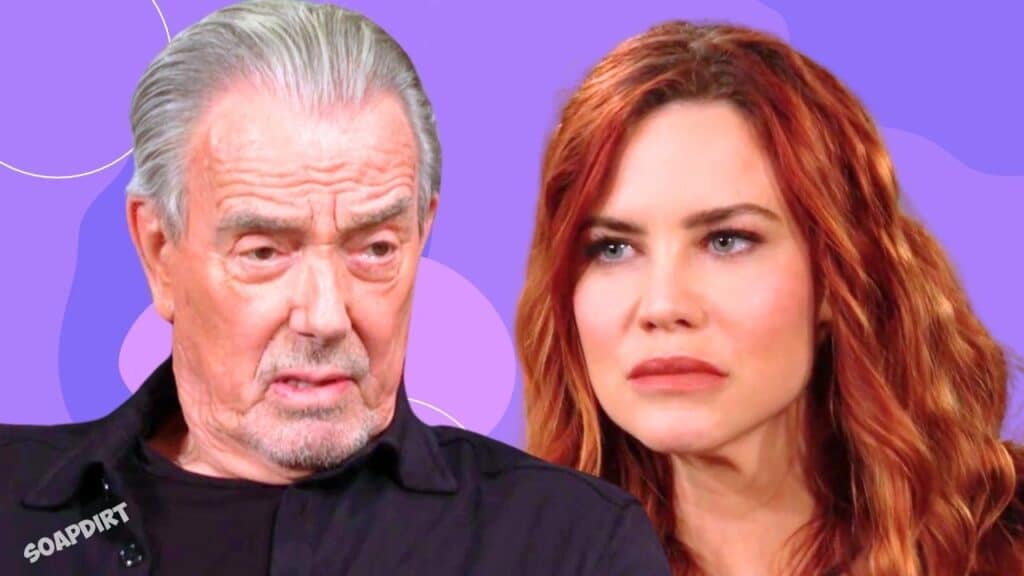
The Young and the Restless spoilers for the two weeks starting October 19th, where we’re going to see Sally Spectra (Courtney Hope) in labor and giving birth to her and Billy Abbott‘s (Jason Thompson)’s baby just as tragedy strikes. Plus, we’ve got Victor Newman (Eric Braeden) interrogating one of his sons.
We’re going to get into Nikki Newman (Melody Thomas Scott) backing down, Lily Winters (Christel Khalil) cancer update, and Chelsea Lawson Newman (Melissa Claire Egan) shocked by some fallout from the wedding, all in the excitement coming October 19th – 30th.
The Young and the Restless: Shirley Surprises Sally at the Altar
So, Monday, October 19th on The Young and the Restless, we’re going to carry over from Friday’s episode. We’re picking up at the moment where all eyes are on Sally as she stands backlit in her gorgeous gown. And then she is stunned when her grandma, Shirley Spectra (Patrika Darbo), is suddenly there to walk Sally down the aisle, because she thought Shirley couldn’t make it because her sister is so sick.
So, she and Sally walk down the aisle, and then Shirley hands Sally off to Billy after cracking a joke. Their vows are very sweet. They put rings on each other’s fingers, and bam, they are pronounced man and wife. After Billy kisses the bride, Sally officially introduces Billy to her grandma Shirley. And we’ve got hugs and congratulations all around as Sally is welcomed into the Abbott family.
Sally’s Water Breaks on Y&R
She kisses Billy and then heads up to her suite with Coco Spectra (Ashley Campbell) and Audra Charles (Zuleyka Silver) to get changed into her reception dress. Coco tells Sally it’s hard not to punch Adam Newman (Mark Grossman), but the wedding was great otherwise. And then Sally doubles over in pain, but she sits and breathes, and then it passes. And she tells Audra and Coco she’s okay. Please don’t tell Billy about it.
Meanwhile, Jack Abbott (Peter Bergman) tells Adam he’s impressed at his self-control during Billy and Sally’s wedding. And when Adam congratulates Billy, he refuses to shake Adam’s hand because he thinks he’s up to something. He walks off. As Sally is coming down with Audra and Coco, Adam is lurking and eavesdropping on them. And then when Sally heads back up to her suite for something she forgot, Adam follows. He wants to congratulate Sally alone. She gets another pain, and Adam is alarmed as Sally’s water breaks.
Young and the Restless: Reception Chatter
Traci Abbott (Beth Maitland) and Ashley Abbott (Eileen Davidson) tell Victoria Newman (Amelia Heinle) that Katie Abbott Newman (Sienna Mercuri) and Johnny Abbott (Paxton Mishkind) have grown up so much. Ashley and Traci mention that Kyle Abbott (Michael Mealor) is a big boy now, too. Talk about an age gap reality check. He slinks over and tells Victoria he wants to drag her into a closet. And then Audra comes over to hassle Kyle and Victoria, and they just ignore her.
Pietro (Jai Rodriguez) pitches Michael Baldwin (Christian Leblanc) an idea for a Batman-themed anniversary party for him and Lauren Fenmore (Tracey Bregman). Elsewhere, Chelsea and Lauren are excited to see Sally’s dress for the reception, and they wonder what is taking her so long to get down there.
Billy’s siblings offer marriage advice, but Shirley jokes about not taking advice from them because they’ve all been married so many times. Cane Ashby (Billy Flynn) wants to know if Lily is ready to top Billy and Sally’s wedding with one of their own, but Lily tells Cane she’s not ready for that just yet.
Young and Restless: Jill’s Cardiac Episode
The guests all head downstairs to the lounge for the reception. Cane pulls Traci onto the dance floor, and then he takes a turn with Lily. We’re going to see Cane and Billy wishing that Jill Abbott (Lauren Coslo) was there with them, and Billy is hoping Jill can make it to Genoa City for the birth of his child. But then Snapper calls Billy and asks him to get on a three-way call with Cane.
So he and Billy do that, and they ask if Jill is okay. And then Snapper tells Billy and Cane that Jill had a cardiac episode. Tuesday, October 20th on The Young and the Restless, Billy gets some upsetting news from Cane. So I suspect this is an update after they have that three-way call with Snapper, and they got the news about Jill’s cardiac incident. So scary, but Billy and Cane may actually be losing Jill.
The wedding reception gets going, but Sally and Billy may not be able to be a part of it, because when they should be cutting cake and doing their first dance, we’ve got Sally in labor up in her suite with Adam there. There are contractions and water breaking, and Billy is having that heartbreaking phone call. So hopefully, Adam calls 911, and then they call Billy. But remember, Audra hid Sally’s phone, and I feel like that’s going to come into it.
Nick Pressures Sharon About Matt on Y&R
We’ve got Nick Newman (Joshua Morrow) popping into Sharon Newman (Sharon Case)’s place to tell her and Mariah Copeland (Camryn Grimes) that he got Matt Clark (Roger Howarth) safely put away. So, it seems like Nick’s the one who takes Matt to the clinic and checks him in himself, to make sure that Nick knows Matt is quarantined there. And I do wonder if Nick demands that Matt be officially committed instead of voluntarily going in.
After catching them up, Nick tells Sharon she’s got to make a choice. I’m sure this is about Matt, since Sharon agreed to try and be Matt’s therapist, but Nick’s outraged that Matt had the nerve to ask her. And I’m sure Nick is pressing Sharon to leave Matt to rot at the mental hospital. But I expect Sharon will not bail on Matt, even though Nick’s going to be freaking out.
The Young and the Restless: Lily’s Cancer Results
Wednesday, October 21st on The Young and the Restless, Abby Newman (Melissa Ordway) gets a lesson in history from Traci and Ashley. This might be inspired by the news about Jill or about Sally going into labor right after the wedding. Hot on the heels of saying “I do,” Billy and Sally face their very first challenge as a newlywed couple. They’re going to have a newborn and Jill’s health crisis to contend with. So, it’s just a whole lot out of the gate. I think they’re up to it, though. Lily gets her follow-up cancer scan results. Let’s hope it’s good news, and it is not back.
The Young and the Restless: Victor Grills Nick
Thursday, October 22nd on The Young and the Restless, Nikki has a change of heart about a rival. Maybe it’s Diane Jenkins (Susan Walters), since they’re plotting that Vibrante versus Jabot thing. But if Nikki backs down, Victor may pick up the gauntlet and go after Diane and Jack himself.
We also have Victor grilling Nick on Thursday, possibly about Matt, since Nick drops Matt at the health clinic this week. Or this may be Victor giving Nick the third degree about assaulting Joe (Chris Grant Wenchell) and possible fallout from that attack. Billy makes a promise to Sally, and it may be about being a good dad and a good husband, since both of those things are now on his plate. And Chelsea sees Adam from a new angle. He seems a bit put out about Sally marrying Billy and giving birth to his child.
Friday, October 23rd on The Young and the Restless, Lauren changes plans because someone in her family needs her, and Adam gets some words of wisdom from Victor. So, this may be about Adam’s confusing feelings after being at Sally’s wedding and watching her go into labor, since he lost her, and they lost their baby, Ava. So, maybe Victor has some good advice. Kyle and Victoria hatch a dangerous plan.
What’s Ahead October 26th – 30th on Y&R
Then, the week of October 26th – 30th on The Young and the Restless, things really heat up, because November sweeps kicks off on Thursday, October 29th. So, we’re going to meet Sally and Billy’s baby soon. I’m hoping it’s a girl and they name her something like Jill Ava Abbott. That’d be really sweet. We’ll find out if Jill finally loses her battle with heart disease. Kyle and Victoria are perilously close to getting caught.
Detective James Burrow (Matt Cohen) may have more questions for Nick about beating up Joe. Maybe an arrest is coming. Look for an update on Marie Kirkland (Jade Harlow) soon, since she was last seen in an overdose coma with Nick at her bedside. And we may see Sharon up visiting Matt at the mental hospital, and whether she’s going to see him as a therapist, or maybe Sharon just goes to visit.
Tessa Porter (Cait Fairbanks) is back on screen soon. And we’ve got Mariah in the week of October 19th. So hopefully we’ll see both of them together soon. Ashley is heading back to Paris soon. Traci’s going to take off. We should see Shirley leave Genoa City to go check on the OG Sally Spectra, the bride’s great-aunt from The Bold and the Beautiful. Also, I do wonder how long until Daniel Romalotti (Michael Graziadei) regrets taking a job with Phyllis Summers (Michelle Stafford).
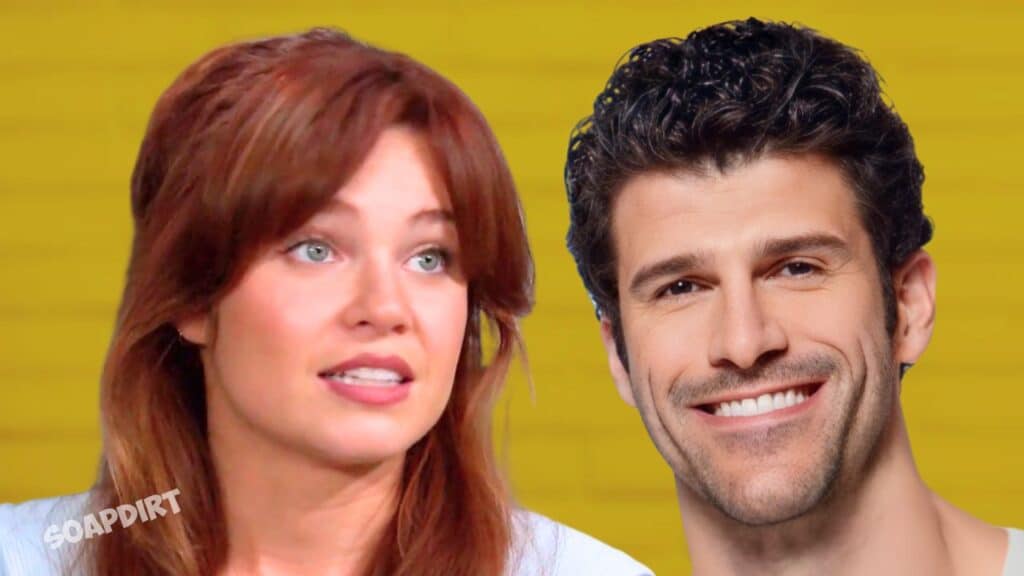
Days of Our Lives spoilers for the next two weeks starting October 19th, with Joy Wesley (AlexAnn Hopkins) busted for lying, but it’s not the big gotcha that fans are waiting for. Not just yet. Plus, Dante Vitali (Franco LoPresti) is spreading lies all over Salem in advance of Dominic Marino’s arrival.
And we’ll also see a shooting at DiMera Pharma, plus a romantic reconciliation and two mother-and-child reunions in the two weeks from October 19th – 30th.
Days of Our Lives: Kristen and Rachel’s Reunion
Monday, October 19th on Days of Our Lives, Kristen DiMera (Stacy Haiduk) and her daughter Rachel Black (Lorelei Olivia Mote) have a very touching reunion up at Salem University Hospital, but it’s not going to last very long, because Brady Black (Eric Martsolf) wants Kristen away from their daughter, Rachel. We’ll see Brady telling Kristen he cannot have her near their little girl. Brady is shouting, “No. Do you understand me?” But once Rachel wakes up and sees Kristen, I think things are going to get a lot harder for Brady.
Johnny DiMera (Carson Boatman) tells George O’Halloran (Michael Rose) he’s going to pay for what he did, and he fires him on the spot. Steve Johnson (Stephen Nichols) is lurking and snapping photos of George with a telephoto lens when he shows up and when he exits the DiMera mansion. And EJ DiMera (Dan Feuerriegel) hears from an irate George that Johnny fired him from DiMera Pharmaceuticals.
Dr. Kayla Brady (Mary Beth Evans) is so glad to be done with EJ. So I assume the hospital is officially in receivership and EJ’s banned. Steve shows Cat Greene (AnnaLynne McCord) some understanding, which surprises her.
Bonnie Busts Joy’s Crush on DOOL
And then Tuesday, October 20th on Days of Our Lives, Mason Whitfield (Brandon Butler) gets some good news. So maybe Roman Brady (Josh Taylor) agreed to rent the room to Mason, since Holly Jonas (Ashley Puzemis) said she’d put in a good word for the guy.
Joy gets advice from Bonnie Lockhart (Judi Evans), who basically busts Joy and tells her, “I think you’re the one missing Kelsey’s dad, Alex, not the baby.” Bonnie has clocked her crush. Stephanie Johnson (Abigail Klein) tells Alex Kiriakis (Robert Scott Wilson) again that she thinks Joy’s faking paralysis.
And Dante is still in Salem, and he meets with his future in-laws, Roman and Marlena Evans (Deidre Hall). So, they’ve got questions for Dante. I’m sure Roman’s going to grill Dante about Sami Brady (Alison Sweeney). Marlena might have some questions about Dominic, but I expect Dante to play dumb and say they were just roomies in boarding school many years back.
Amy Choi (Shi Ne Nielson) is going to be stunned by a reunion with her supposedly dead daughter. So, Sophia Choi (Rachel Boyd) spots Amy in the park, and then Sophia approaches her, but Amy thinks she’s seeing a ghost.
Days Spoilers: EJ Warns Dante
Wednesday, October 21st on Days of Our Lives, Alex is getting very close to busting Joy, with November sweeps starting a week after this. I expect somebody is going to catch her then. Dante gets a stern warning from EJ. We’re going to see him telling Dante he’d better not hurt his ex-wife Sami. But also, while EJ is chatting with Dante at the Salem Inn, EJ’s fishing for info that Dante claims he doesn’t have, and then EJ calls Dante a liar.
Philip Kiriakis (John-Paul Lavoisier) makes an offer to Stephanie. So, I wonder if Philip’s going to keep an eye on Joy, since they’re under the same roof at the Kiriakis mansion. Philip’s already suspicious that Joy didn’t call Chloe Lane (Nadia Bjorlin) or her parents to let them know about her spinal stenosis and the surgery.
Kristen has cause to be optimistic, and Brady is the one who gives her that optimism. We’ll see. Rachel may have begged Brady to relent on letting her mom stick around. I’m also curious to see Kristen’s reaction to finding out there may be another DiMera offspring.
Days of Our Lives: Leo and Javi Reconcile
Thursday, October 22nd on Days of Our Lives, Johnny helps Chanel Dupree (Raven Bowens) prepare for her lumpectomy. And if this goes well, her cancer journey may be over. Leo Stark (Greg Rikaart) gets a confession from his ex, Javi Hernandez (Jacob Martinez), about his feelings, and fall spoilers say that he admits that he still loves Leo, and that means Javi and Leo are officially reconciling very soon.
Theo Carver (Tyler Joseph Andrews) issues an invitation to EJ. I’m assuming it’s to Lexie Carver (Nikki Crawford)’s celebration of life event at the Brady Pub. No doubt Abe Carver (James Reynolds) and Theo probably don’t want EJ there at all, but they both know that Lexie would want EJ there. Lexie was thankful for the extra time EJ gave her with Theo and Abe, even though she died again.
Steve’s investigation takes a shocking turn. We’ll see if this is him investigating EJ, or Dominic and his backstory, or Steve may spot Kristen and Sophia both back in Salem. And now that he knows what all went down, that’s a huge red flag.
DOOL Spoilers: George Pulls a Gun
Friday, October 23rd on Days of Our Lives, we’ve got Kayla testing Joy. So, Kayla may be paying attention to Stephanie’s suspicions and trying to figure out if Joy’s really faking it. She’s got those muscle relaxers from her dad. And if Kayla notices that Joy seems loopy, she could just blood test her and see what’s in her bloodstream.
Sarah Horton (Linsey Godfrey) and Xander Cook Kiriakis (Paul Telfer) find themselves in danger when they try to steal George’s laptop from DiMera Pharmaceuticals. And we’ll find out if Johnny told them where to find the laptop, or maybe gave them permission to take it, because he thinks George used that device to alter the digital records and make it look like Sarah was tampering.

Days Spoilers:
George tells Sarah and Xander, “Sorry, but I can’t let you leave with that computer.” And then he pulls a gun. So, it looks like George may be taken by surprise, because Xander’s a big, strong badass who knows his way around a gun and a fight, and he’ll be desperate to protect Sarah. So, George may be dead or dying when it’s all done, because Xander has the gun in his hand by the end of it, but he’s slumped over a lab table as Sarah is frantically checking on Xander.
It’d be great for EJ if Xander killed George, because then EJ could blame everything on the dead man. But if he survives, I’m sure that George is headed for Statesville prison. Johnny calls 911 for an emergency. Since George pulled a gun at the office, maybe Johnny’s up there and hears the gunshot or the scuffle and rushes to get help. George being fired obviously ticked him off, and seeing Sarah with the laptop has pushed him to violence. Alex is with Stephanie when they get disturbing news, maybe about Joy, maybe about Xander and what went down at DiMera Pharma.
Days of Our Lives: November Sweeps Preview
The week of October 26th – 30th on Days of Our Lives is going to heat up a lot, because November sweeps begins on Thursday, October 29th. Xander may be wounded from his showdown with George, but on the plus side, Xander saving Sarah’s life could be a game-changer. It’s one thing to say you would give your life hypothetically for somebody, but if Xander literally jumped in front of a bullet, you know that’s true love, baby.
Javi and Leo are coupled up again, and hopefully the sassy reporter gets the info to help Gabi Hernandez (Cherie Jimenez) on the counterfeit handbags. Kristen may be really excited to find out Dominic is coming for EJ, because Kristen definitely wants EJ to go down. Dante is still lurking, doing some shady business that I suspect relates to Dominic. And Marlena continues to wait and worry. She wants a DNA sample from Dominic to be certain if he is really her son and Stefano DiMera (Joseph Mascolo)’s son.
Our leaker said we may not have to wait too much longer for Dominic. Rumor has it that he is in Salem close to the time of Lexie’s celebration of life. Sophia could make her presence known to Holly. Maybe she calls into the hotline to mess with her. We still haven’t figured out who sent the stalking text to Holly, since it now does not appear to be Sophia. But we’ll find out more soon. Halloween in Salem usually brings spooky, spooky surprises. And if Holly sees Sophia, she may think that she is back from the dead to haunt her.
:max_bytes(150000):strip_icc():format(jpeg)/king-tout-c24b704749e74556be28d3a4041bfe27.jpg "The 15 best Stephen King movies and TV shows of all time 75")
Some will terrify you. Others will break your heart. All 15 capture the magic of Stephen King’s storytelling.

Tech & AI13 seconds ago
GovTech lays off 38 employees in second wave of retrenchments

Tech & AI1 hour ago
Fusion startup Helion lines up potential $175M CHIPS award to develop advanced semiconductors

Fashion1 hour ago
Coffee Break: Elodie-R Coat – Corporette.com


-

 Fashion6 days ago
Weekend Open Thread: Kut from the Kloth
-
 Entertainment7 days ago
Anna Faris Says Chuck Lorre’s ‘Mom’ Remarks Still Hurt
-

 Tech & AI6 days ago
Double Fine’s First Post-Xbox Title, First-Person Soulslikes And Other New Indie Games Worth Checking Out
-

 Tech & AI7 days ago
Daily Deal: The 2026 Complete Godot Stack Development Bundle
-
 Entertainment7 days ago
Jake Bauers’ Wife Reacts to NLCS MVP Win After Viral Comments
-

 Tech & AI6 days ago
Hackers breach Microsoft 365 tenants via ConnectWise supply-chain attack
-

 Tech & AI6 days ago
Replit is no longer working with Anthropic, CEO says
-

 Entertainment5 days ago
Britney Spears Praises Janet Jackson In Heartfelt Message
-

 Tech & AI6 days ago
NeodraDynamics Neo1 Rises Thirteen Feet High to Carry Half Ton Loads at Work
-

 Tech & AI7 days ago
Daily Deal: The Ultimate Web Coding for Everyone Bundle
-

 Business & Hustles6 days ago
25 Videos You Can Film This Week
-

 Tech & AI5 days ago
Intel Nova Lake processors could ditch three-digit names for Core Ultra 4000 branding
-

 Tech & AI3 days ago
Seattle ag-tech startup Carbon Robotics reduces workforce, citing economic conditions
-

 Tech & AI5 days ago
Turning A Wi-Fi Adapter Into An SDR
-

 Tech & AI6 days ago
Making One Fender From Another
-

 Tech & AI6 days ago
Does More RAM Make a Laptop Faster? Check Before Buying
-

 Tech & AI7 days ago
Chinese Bride Gifts Groom ASUS ROG Astral RTX 5090 After Number Puzzle
-

 Crypto6 days ago
Bitcoin Faces Quantum Computing Threat: 30% at Risk
-
Entertainment5 days ago
David Pollack Reveals ‘Stunning’ Update About Wife’s Brain Cancer
-

 Tech & AI7 days ago
New Services Available from IEEE Smart Cities
You must be logged in to post a comment Login