
Entertainment
Love Backrooms But New To Analog Horror? Here’s The Primer You’re Looking For


By Robert Scucci
| Published

A couple years ago, I fell into an analog horror rabbit hole and never looked back. When the original The Backrooms shorts were uploaded to YouTube, I was hooked on the strange subgenre that’s been made possible by countless young filmmakers who grew up online and have an intimidating grasp of genre blending, building out mythology with their audiences in real time, and posting their art straight to YouTube instead of taking more traditional paths.
Analog horror is punk rock, and it’s a movement that I’ve been rooting for since I became aware of it. Admittedly, I’m late to the party and have only begun to scratch the surface, but I’ve been obsessed with the subgenre long enough to point your attention toward the essentials, because the past is prologue.

My goal here is to put together an analog horror primer because the subgenre now has mainstream attention, and there will be plenty more where that came from. There are so many talking heads on YouTube and Instagram who are angered by the fact that people are comparing Backrooms to Skinamarink, but there’s one very important thing to take away from this: analog horror operates on a wide spectrum, using liminal space, “lost media,” and internet folklore to drive its storytelling.
Not all analog horror is created equal, so I’m going to break it down for you (in no particular order because these are wildly different and impossible to rank) so you know what kinds of flavors are out there if you enjoyed Backrooms but want to keep digging.
Skinamarink
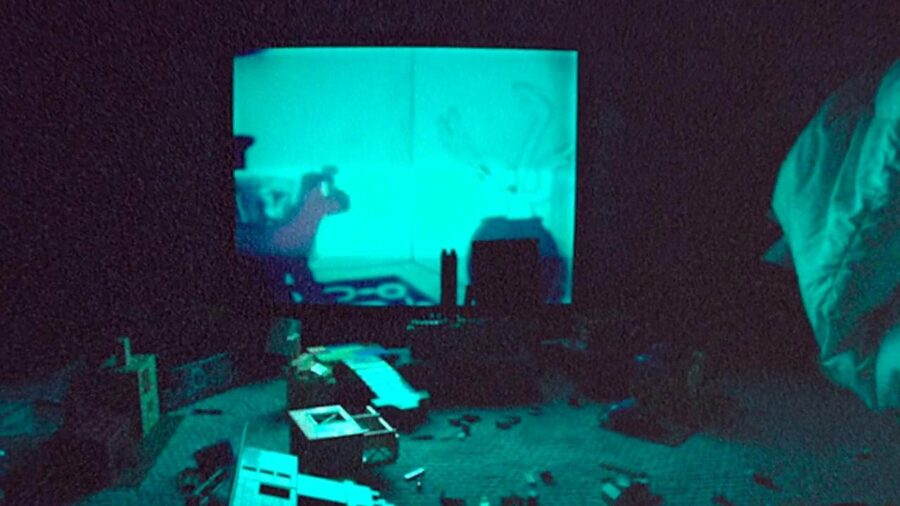
Kyle Edward Ball’s Skinamarink is an endurance test at 100 minutes for the kind of story it’s trying to tell, but it’s an early feature-length experiment that introduces some of the visual language you’ll find throughout analog horror. Set in 1995, the film centers on two little kids, 6-year-old Kaylee (Dali Rose Tetreault) and 4-year-old Kevin (Lucas Paul). One night, while their parents are absent (you find out why later), all the doors and windows in their house disappear, and they only have each other and the glowing TV in the room to keep them company. They build forts in the living room and try to make the best of the situation, even though they hear menacing voices from upstairs that sound like disembodied versions of their parents.
Filmed in its entirety for $15,000 in Ball’s childhood home, Skinamarink is a slow-burn nightmare told through the perspective of frightened children. You see everything at their eye level, and the only lighting comes from either a nightlight or their glowing TV. You think you might see a face in the shadows, but it could all be in your head. It’s a picture-perfect representation of that nameless, endless fear you feel as a child when you’re left alone for the first time and hear strange noises. It’s fear without articulation, which is the most frightening thing of all.

While you need to be built differently to enjoy Skinamarink because it’s a challenging film, it’s a solid entry point for analog horror because it’s set in the ’90s and boasts the VHS aesthetic that most filmmakers in this wheelhouse latch onto. If you’re a millennial approaching middle age, Skinamarink is nostalgia for a simpler, pre-digital time, but also a reminder that existential dread transcends technology.
The Mandela Catalogue
Conceived by YouTuber Alex Kister during the COVID lockdowns, The Mandela Catalogue is the finest example of mixed-media use in analog horror. Taking place across the ’90s and early aughts, the story follows the fictional Wisconsin community of Mandela County, which has been plagued by doppelgangers known as Alternates who slowly replace people by driving them to suicide and then taking their form. There’s religious imagery everywhere, often presented through creepy lost media cartoons depicting the Archangel Gabriel, and there’s a healthy amount of found-footage filmmaking here too.

It’s not worth breaking down the character dynamics here because the web series gets quite convoluted, and it’s one of those things you’re better off experiencing for yourself. Through Emergency Broadcast Systems, computer screens, GPS devices, and camcorders, you’re slowly clued into how far gone the community has become, giving you reason to believe these Alternates have humanity outnumbered and the government has pretty much given up on intervening at this point.
The Mandela Catalogue is still going strong, and it’s very much a community experience. Most people heard about it through reaction videos, and the lore keeps building, with the most recent installment arriving this past March. Half the fun is discussing everything in the comments section, where people are surprisingly receptive to fan theories and turning literally everything into a meme.
No Through Road

Taking a more traditional found-footage approach, No Through Road has four installments that span several years, even though their collective runtime barely cracks 30 minutes. There’s really not much going on here, but it’s executed with such care and precision that I consider it one of the most frightening versions of the “kids with a video camera” setup the genre has to offer. It’s also worth noting that the series’ creator, Stephen Chamberlain, was just 17 years old when the first installment dropped.
No Through Road tells a simple story about a group of teenagers on a late-night drive who take a private access road that sends them into an unending time loop, where a masked man constantly torments them.

That’s pretty much the long and short of it, aside from one key detail that really sells it for me: we didn’t get a second installment until two and a half years after the first one, which was posted to YouTube as legitimate found footage. While it’s obvious that this was an art project, Chamberlain was smart enough to use the early days of YouTube to build out the lore. Like The Blair Witch Project had everybody believing it was real because the internet wasn’t what it is today, Chamberlain didn’t have that luxury and instead cloaked the whole thing in mystery by updating sparingly.
It’s kids being kids, experiencing a trauma sourced from some uncanny plane of existence, and then radio silence until Part 2 came out. From June 2009 to August 2012, we got four videos, and that’s it. You eventually learn how their relationships broke down between installments, but the wait between releases, coupled with online communities obsessing over every new development, certainly added to its allure when it was first making the rounds.
VCR Willie

A recent analog horror entry that’s still ongoing, Alexander Henderson’s (Alexanderthetitan) VCR Willie is found footage with an added layer of abstraction that makes the entire thing horrifying.
Aside from a quick explanation from Alexander, we’re presented with found footage taking place in an apartment that’s cursed by some sort of supernatural entity. According to Alex’s explanation, he woke up one day and found a Sony Handycam in his closet with a tape inside. He’s suggesting that whatever is on each tape is what he witnessed the during his dreams the night before; there’s no sign of him going out and filming any of the footage himself.

And what’s in the footage, you ask? Creepy, creepy people, all of whom live in Apartment #40. The footage suggests that these people know who Alex is, and he’s invited into their homes to help them deal with supernatural entities that, much like the ones seen in The Mandela Catalogue, are either doppelgangers or have taken over their hosts outright. The story isn’t told in chronological order, and we only see what Alex has access to through his tapes. What he does have access to, though, is terrifying.
It’s mostly just people staring through your soul and hiding behind objects that are far too small for them, as if they’re not yet familiar with the dimensions of their new bodies, but for some reason it’s completely unnerving. Imagine coming home and seeing somebody who looks like a member of your family standing behind an open kitchen cabinet as if they’re hiding from you while laughing quietly, and they genuinely think you can’t see them. It’s the constant feeling of being watched, and never feeling safe, that makes VCR Willie such an effective effort.
Kepther E

“Kept Here,” stylized as Kepther E, falls into what’s known as the Alternate Reality Game (ARG) subgenre, making it a little more complicated than typical found-footage horror. It was so shocking at the time of its release that it was removed from the internet, but has since been restored through The Internet Archive and various YouTube compilations.
While it initially seems like a mass upload of unrelated found-footage content, you’ll find clues in the upload names that help you piece everything together chronologically (some people have uploaded them in order), and you’ll gradually start to understand what’s actually at stake.

Kepther E is mostly told from the perspective of a troubled teen named Alex, who’s often influenced to do terrible things by his unseen friend, Kevin. The tone and shooting style change depending on the upload prefix attached to each video, but they all lead to the same horrifying place: an abandoned house where it’s implied people are being held captive and tortured, as if it’s all part of some grand cinematic experiment that hasn’t yet been completed.
As each camera source pushes the narrative forward, we learn how everybody is connected, and it’s not for the faint of heart. I haven’t watched this series since I last wrote about it, and I still hear some of those distant screams in my head because they sound so genuine that it’s hard to shake them from your memory.
Indistinct Chatter

Falling into the “lost media” wheelhouse, Indistinct Chatter is a stop-motion experience created by YouTuber KrainagrzybowTV. The whole thing plays out like a bad fever dream, the kind you have when you fall asleep in front of the television and the line between your consciousness and subconsciousness starts to blur. Nothing seems real, but it feels like it’s all calling out to you.
Indistinct Chatter exists in that uncanny valley where you want to believe everything you’re seeing, but you know it’s all an illusion. I can’t say there’s really a point to this one beyond conjuring up the same kinds of memories that films like Skinamarink try to make you experience again as an adult. There’s nothing outright scary here, but there’s a nameless dread lurking around every corner, making you wonder if you’re watching somebody else’s dreams that you’re not supposed to see.

It’s really breezy too, clocking in at just over 30 minutes. Before I get to my last recommendation, I’m going to stop here for a second and tell you that if you’re not built for this one, you definitely won’t be built for the next one.
Buffet Infinity
I watched 2025’s Buffet Infinity for the first time last week because it only recently started making the rounds on digital, and I have not stopped thinking about it since. Buffet Infinity is reminiscent of, and openly inspired by, another analog horror web series known as Local 58, but it completely does its own thing. Local 58 tells its story through public access broadcasts, but the horror comes from the fact that WCLV-TV is repeatedly hijacked by supernatural entities trying to use media to manipulate the population into doing terrible things, including committing suicide.

Buffet Infinity pushes this kind of storytelling to its absolute extreme with a premise involving a sinkhole, a death cult, and a sentient restaurant of unknown origin that’s constantly expanding and consuming the surrounding community. It’s 100 minutes of the kind of public access commercials you used to see on local cable during the late ’90s and early aughts.
While watching 100 minutes of commercials sounds exhausting (and it is), what happens next is what makes this such an effective piece of analog horror. The actors in each commercial, whether they’re representing a law firm, insurance company, or pawn shop, all become vaguely aware of the titular restaurant’s presence and influence. They’re speaking in an almost coded language, trying to warn you about what’s happening.

Meanwhile, Buffet Infinity keeps growing, gets into scraps with rival businesses, and becomes increasingly unhinged until the whole thing boils over into a cosmic horror so all-consuming that you need to walk it off for a good minute.
Plenty More Where That Came From
Listen, there’s plenty more where that came from, and I’ve only begun to scratch the surface. The thing about analog horror is that it has so many different flavors that you can’t lump it into a single category. I hope this primer points you in the right direction and shows you some of the common themes that run throughout the subgenre.
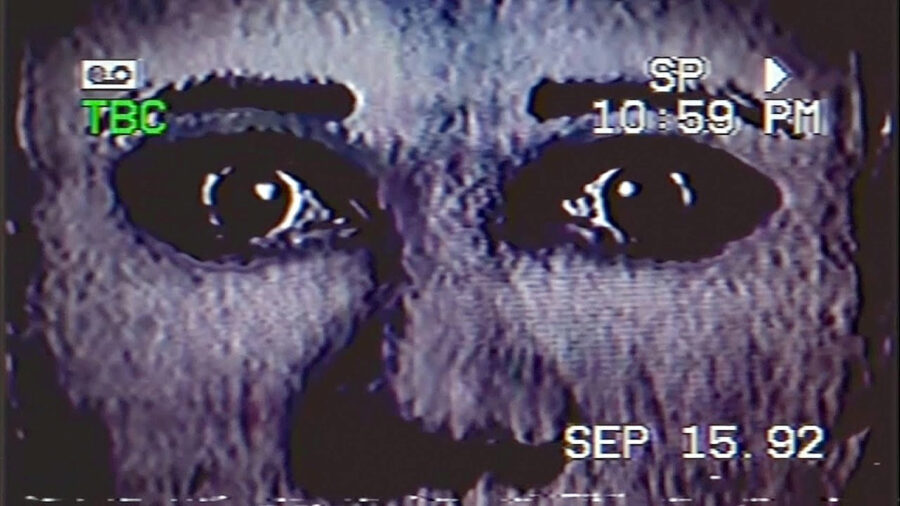
Analog horror specializes in liminal space, found footage, lost media, and our fear of the unknown. It’s been largely produced by kids on YouTube who know what they want to see but haven’t found it anywhere else. It’s the future of horror, and Backrooms has proven just how effective it can be at capturing an audience’s imagination and, more importantly, their undivided attention. It’s low-budget, doesn’t follow any known conventions, and every time I think I’ve seen it all, something from this wheelhouse blows me away and leaves me hungry for more.
Hopefully, this primer sets you in the right direction. Try to keep up, though, because I think we’re going to continue seeing some really great content come from the most unassuming places.

Continue Reading

Drew Sidora has the internet asking questions after she shared a link-up video with fellow actor Pooch Hall on Instagram. The two actors worked together on the sitcom ‘The Game,’ and fans want to know what the duo is up to now.
RELATED: Whew! Drew Sidora & Ralph Pittman’s Divorce Reportedly Finalized As Child Support Ruling Sparks Reactions
Drew Sidora Shares Video With Pooch Hall
Drew Sidora shared the link-up video of herself with Pooch Hall on Tuesday, July 28, and it features the two actors dancing to Chef Boy’s ‘Take It Off.’
The video has the internet going crazy as folks wonder if the duo is working on another project together. In addition to working together on ‘The Game,’ Hall recently appeared in an episode of Sidora’s reality show, ‘The Real Housewives of Atlanta.’
Sidora didn’t note what the two actors are working on, but she captioned the post, “Never a dull moment with @iampoochhall @bravotv #RHOA #theGametvshow.”
Fans Have Mixed Reactions To The Reunion
Folks have long memories, and many fans can still remember Hall’s character, Derwin, on ‘The Game’ cheating on his girlfriend (played by Tia Mowry) with Sidora’s character. Several fans teased the duo over their former collaboration, while a few others speculated about the meaning of their video shenanigans.
User @ joked, “Why yall stirring up trauma 🤔😒 like dang.”
@tiffany_dolce wrote, “I’m calling Med School, I don’t like it 🙄😂”
@kearajanay added, “Uggggh excuse me, we’re still not over this! I don’t approve this 😂😂😂.”
User @brownskinempress2 added, “See no lol I’m not healed.”
@elite_camaraderie exclaimed, “oh hell naw drew, you know we ride at dawn for girl melanie 🤣🙌.”
@iamtone_ joked, “After all these years he still ain’t learned his lesson 😂.”
User @_itsjayvia added, “I still ain’t forgave her yet …… button >>>>>.”
@msparker_legalbrains added, “Nope, too soon very inappropriate 😅.”
@urbanf*ckgirl added, “wtf yall doing together 😡.”
User @thebucketbillionaire joked, “A sprite commercial 😎😂.”
Hall Appears On The ‘RHOA’
In addition to reuniting in the video and in an episode of The ‘RHOA,’ the two actors are also starring in a stage play called ‘Whispers.’
Sidora teased Hall during a video call during the episode.
Sidora asked her co-star about his sex life, and she was not prepared for his reply.
Sidora asked Hall, “How many women have you slept with?”
He replied, “Are you serious? LOST COUNT!”
“Oh my God! … Damn! You lost count is crazy,” she replied.
RELATED: Drew Sidora Reveals The Ex-Boyfriend She’d Pick Up The Phone For & Michael B. Jordan’s Name Is In The Mix (VIDEO)
What Do You Think Roomies?
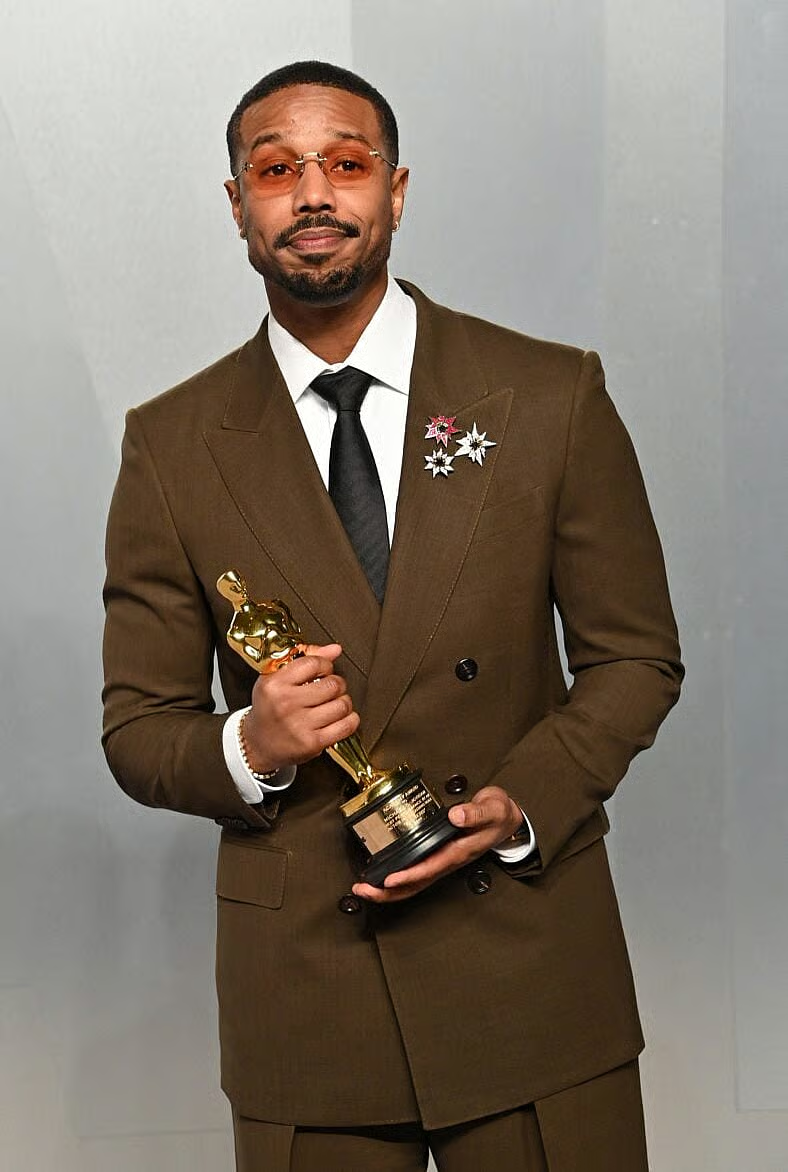
Michael B. Jordan has given fans another glimpse of his next big-screen role after unveiling a striking new poster for his upcoming film.
The newly released artwork features the actor in a sharp tuxedo as he takes on the title role in the modern remake of the 1968 heist classic “The Thomas Crown Affair.”
Jordan has previously spoken about his personal connection to the film, revealing that he grew up loving the 1999 version starring Pierce Brosnan. He later became an even bigger fan after watching the original 1968 classic starring Steve McQueen.
More than a year after revealing that filming had begun on his remake of “The Thomas Crown Affair,” Michael B. Jordan has given fans another look at the project by unveiling its first official poste.
Jordan appears in an elegant ivory-white tuxedo jacket paired with a crisp white shirt and black bow tie. A black leather-gloved hand adjusts the bow tie, reinforcing the polished, sophisticated image of the master thief he portrays in the film.
Above the title is the tagline, “REVENGE IS A WORK OF ART,” hinting that vengeance could play a central role in the story.
The bottom of the poster confirms an IMAX release and a theatrical debut on March 5, 2027, and credits the creative team Jordan partnered with to bring the project to life.
The A-list Actor’s New Poster Sparks Fan Excitement

Although the film is still nearly a year away from its theatrical release, fans are already eagerly anticipating its arrival.
“I’ve never seen the version from the 1960s or 1990s, but I plan to watch them before I go see this one,” one fan wrote.
“Classic movie. One of my favorites. Definitely think MBJ can pull it off,” a second Instagram user commented.
“The one with Pierce Brosnan was awesome… I can only imagine what awesomeness will come from this one,” another fan shared.
“This man doesn’t miss. Not once. March 5 officially booked,” another user wrote, while another added, “The original is so good! Can’t wait for this.”
Michael B. Jordan Shares His Personal ‘Thomas Crown Affair Story’

During an appearance on Variety’s Awards Circuit podcast last November, Jordan discussed his lifelong admiration for “The Thomas Crown Affair” franchise and why he chose it as his next MGM project after the critically acclaimed Creed series.
“I loved the 1999 version as a kid — Pierce Brosnan, the slickness, the art. I didn’t grow up going to museums, so that film showed me a different side of New York. My mom’s an artist, so I was raised around paints and leather dyeing. It shaped my taste more than I realized,” he said.
Jordan added, “Later, I saw the 1968 Steve McQueen version — the split screens, the style. After Creed, MGM asked what I wanted to do next. I said, ‘Thomas Crown Affair.’ I need that.”
Jordan Says Making Film Pushed Him To The Limit

For his remake of “The Thomas Crown Affair,” Michael B. Jordan temporarily relocated to England, where the film was shot.
The move left him feeling homesick, but the biggest challenge came from balancing several responsibilities beyond starring in the film.
“It’s the second hardest thing I’ve ever had to do outside of Sinners,” the actor said, comparing the project to his award-winning 2025 horror film. “Directing, producing, writing, acting. It was a lot.”
The ‘Sinners’ Star Promises A Different Twist To The Project

Earlier this year, Jordan teased that his remake of “The Thomas Crown Affair” would feature plenty of unexpected twists that would keep fans guessing.
“It’s a big movie. It’s international. It’s sexy. It’s a lot of fun. A lot of twists and turns. It’s going to have some things that I think audiences won’t be expecting that might be a nice treat for them,” he told The Hollywood Reporter in January.
During a subsequent appearance at MGM Studios’ CinemaCon in April, Jordan offered further insight into what drew him to “The Thomas Crown Affair.”
“I’ve been daydreaming of making this movie for years,” he shared. “I saw the ’99 Thomas Crown Affair when I was around 9 years old. It was a guy who was smart, sophisticated, and always three steps ahead.”

Oliva Wilde is enjoying the success of her latest film, “The Invite,” which many have called an Oscar contender. Now, weeks after its release, her next movie, “Naughty,” is set to star Jennifer Aniston and Peter Dinklage. Recently, she opened up about why both actors were perfect for the upcoming unorthodox movie, which has been in the works since 2023.

Wilde attended the Los Angeles premiere of the upcoming erotic thriller “I Want Your Sex” on July 28. While on the red carpet, the “Invite” director spoke to Variety, with the reporter asking about “Naughty,” which will feature Dinklage as Santa Claus. She began by discussing the movie’s history, saying, “That film has been in the works for several years,” before noting that Jimmy Warden wrote the script.
She continued, “I read that script, and I laughed so hard, and I became obsessed with the idea of Peter Dinklage playing Santa Claus.” When asked how she convinced the “Game of Thrones” alum to take on the role, Wilde said, “He’s the greatest guy, and I’m a big fan of his, and we went and had a coffee in Brooklyn, and I pitched it to him, and he was so immediately excited and supportive.”
After that, the “Booksmart” director stated that Dinklage was the only person she had in mind for the role. She then called the movie “really ambitious” and “really funny.”
The Filmmaker Had High Praise For Jennifer Aniston

Wilde continued her Variety interview by gushing about the casting of Aniston in the upcoming movie. According to her, “Of course, Jen was our dream girl, but I didn’t think I’d get her.” She was then asked why she believed the “Friends” alum would turn down the role in “Naughty.”
Wilde responded, “I think that, you know, to be able to direct one of our greatest comedians and actresses, someone who I grew up learning from, looking up to, laughing with, I just never imagined it would come true.”
She went on, “It’s like the name you have up on the board, but we won’t get her, and then she read it, and then she was so immediately into it and loved it.” Wilde then reiterated that it’s “a really ambitious movie,” before saying, “it’s an original comedy, and it’s not one that is an obvious greenlight because it’s bold.”
In the end, Wilde shared that she “fought like hell” to get the movie made.
‘Naughty’ Has Been In The Works For Years Now

Following the success of “Don’t Worry Darling,” it was announced in December 2023 that Wilde was set to direct a new movie with backing from Margot Robbie‘s LuckyChap production company. The movie “Naughty” was then described as “Bridesmaids” if it took place in the North Pole.
The movie follows Mallory, who we now know will be played by Aniston, as she must find Santa Claus, played by Dinklage, to testify at her divorce hearing to gain custody of her child. At the time, there was no studio attached. However, with the casting of Aniston and Dinklage came news that Universal had picked up the movie and set it for a November 5, 2027 theatrical release.
Olivia Wilde Stars In ‘I Want Your Sex’
Though her career as a director is heating up, Wilde remains a force on the screen, both in films she directs and those helmed by others. Her newest movie, “I Want Your Sex,” finds her starring in Gregg Araki‘s new erotic thriller, set to be released on July 31, going head-to-head with “Spider-Man: Brand New Day.”
So far, following the LA Premiere of the movie, it has received solid reviews. On Rotten Tomatoes, it currently has an 89% positive rating based on 61 reviews. “I Want Your Sex” also stars Cooper Hoffman, Mason Gooding, Chase Sui Wonders, Daveed Diggs, and Charlie XCX.
‘The Invite’ Became The Year’s Highest Rated Comedy
A24 opened Wilde’s “The Invite” in wide release on July 10, following its premiere at the 2026 Sundance Film Festival and a limited release in June. According to Deadline, the comedy debuted at number six in wide release, earning over $5.7 million and bringing its then-total to $7.38 million.
Per BoxOfficeMojo, to date, “The Invite” has made over $32 million, including its international box office. Regarding reviews, the film holds an impressive 97% from critics on Rotten Tomatoes. Wilde stars in the movie alongside Seth Rogen, Penelope Cruz, and Edward Norton.
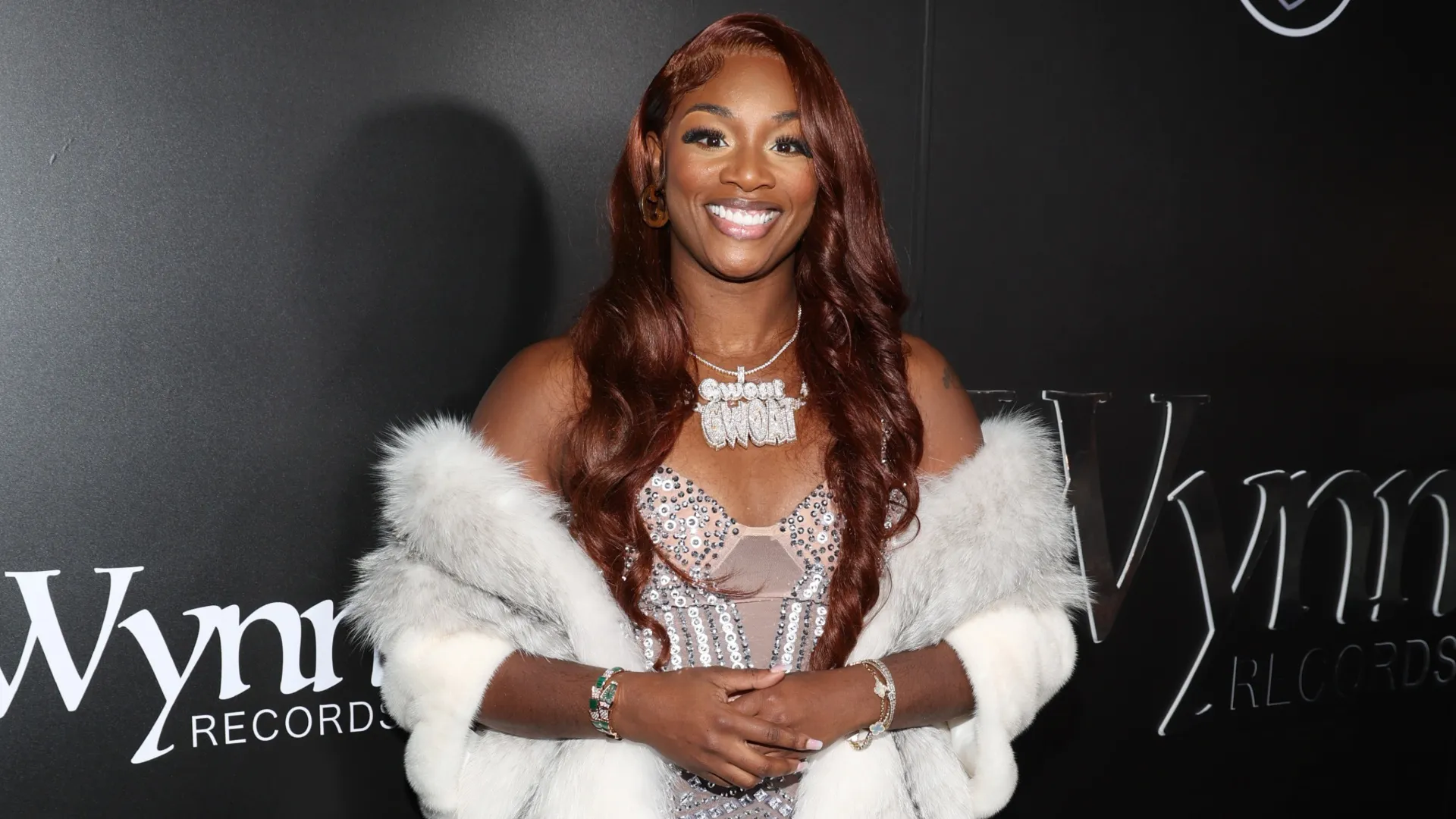
Claressa Shields is going viral for several Hollywood-style glamour shots she shared with her fans on Instagram. The professional boxer shared the photographs from a recent photo shoot on Monday, July 27.
RELATED: Claressa Shields Appears To Advise Chrisean Rock To Stay Away From Blueface After They Link Up For Boxing Training (VIDEO)
Claressa Shields Shares Her Glamour Shots With Fans
Shields went viral after sharing glamour shots on social media, and, in addition to being dressed to impress, she had a surprise for them.
The boxer transformed into a redhead during the photo shoot and wore a black, mesh-like, sheer dress covered with shiny stones. The 31-year-old paired the glamour look with a white fur coat, and she shared a message with the post, noting her “Good Life.”
The post was captioned, “Every chapter looks different. This one feels like the Good Life #GWOATERA #ClaressaShields #GoodLife. Welcome to the Good Life, I can sit pretty now 🥹🥰 Hair: @kingrichluxuryhair. Hairstylist: @theqluxe_hairco. MUA: @envymulatto. Lips: @damanicosmetic. Fine Like Wine 🍷 Your smile is your best curve, never let anything or anybody steal it. Always look Forward 🤩 Real Soft girl. Good life, good views good checks when I land 🤯. Claressa Fierce.”
She added in the comment section, “BEAUTIFUL WOMAN DON’T STOP 🛑 BEING WHO YOU ARE 🎶.”
Folks Praised Shields’ Glamour Shots On Instagram
After Shields shared the photos on Instagram, her fans weighed in with their approval in the comment section.
User @thegrasonedition wrote, “Excuuuse the hell out of me!!!!!! 😍😍😍😍😍 Mrs. Shields you look amazing 🔥.”
@sarah_tcj__ added, “It’s giving Jessica Rabbit 😍😍😍😍🔥🔥🔥.”
User @da_real_slim_goody wrote, “Yyyeesssss I love this ssssoooooo muchhhhhhhh!!! 😍😍😍😍😍😍😍.”
@hermosa_belle_ added, “Tell em to pick their jaw up 👏👏.”
‘Who This Fa’ artist Bri Biase wrote, “Ate this DOWNNNNNN 👏👏👏👏🔥🔥🔥🔥🔥🔥🔥.”
@cali.is.deadgame added, “Whatchu trynna dooooo ??!! 😍😍😍.”
@msfeethemadam wrote, “Oh my goodness! You look so very pretty!💕.”
User @alwayznikk247 added, “Yazzzzzzzzzzzzzzzzzzzah!!!!🔥🔥🔥🔥🔥🔥🔥🔥🔥🔥😍😍😍😍😍😍😍😍😍😍.”
@da_real_hotgemz added, “So fly!!!🔥🔥.”
User @karenmightyqueen concluded, “Gorgeous, elegant, and always that girl champ. Keep elevating.”
Shields Also Went Viral For Footage With Chrisean Rock
The boxer also went viral after she shared footage of her workout with Chrisean Rock on Instagram. Shields shared the photos with a caption about strong women training together.
Shields also noted that the 26-year-old rapper was attending her fight on Saturday, August 15, against Kaye Scott. The two boxers will face off at the WBC/WBA Unified Middleweight World Championships at the State Farm Arena in Atlanta, Georgia.
“GWOAT x @CHRISEAN 😈 Strong women. Strong personalities. Stronger picture. 💪🏾 Can’t wait to train together sis 🥊,” she wrote. “She coming to Atlanta Aug.15th for my fight too! #claressashields #GWOAT #chriseanrock.”
RELATED: You Good? Claressa Shields Speaks Out After Fans Question Why Papoose Wasn’t Smiling When They Walked Out At BET Awards (VIDEO)
What Do You Think Roomies?
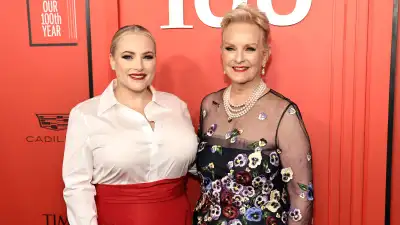
Meghan McCain chose to remember the good times she shared with Sen. Lindsey Graham after attending his funeral in Washington, D.C.
“A beautiful, poetic send off for a patriotic man and an American icon,” McCain, 41, wrote via X on Tuesday, July 28. “I will always miss you Lindsey and forever cherish my family’s time together with you.”
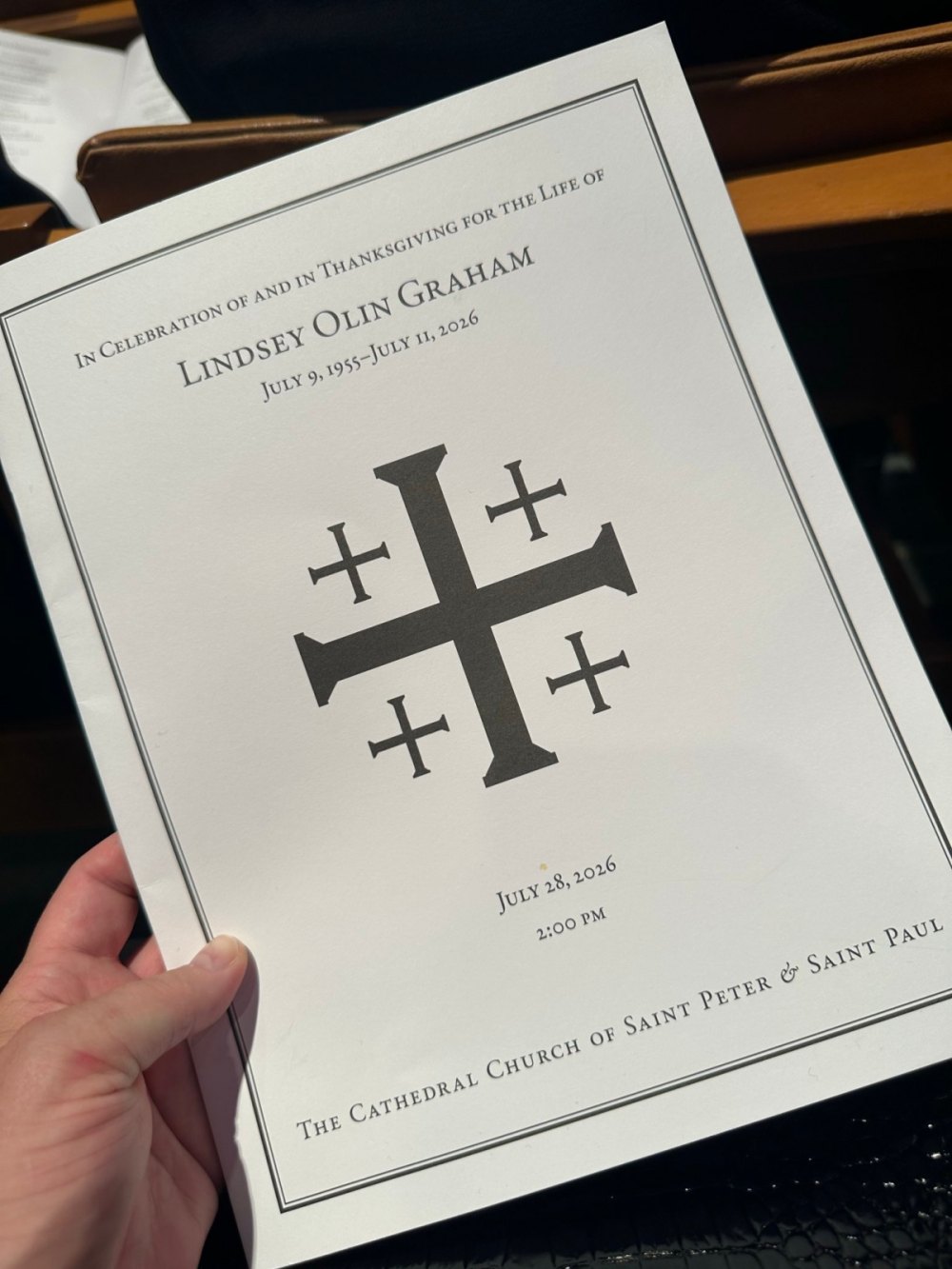
In her social media post, McCain shared a photo of the funeral program, which read, “In celebration of and in thanksgiving for the life of Lindsey Olin Graham.”
Graham died on July 11 from a brief and sudden illness, his spokesperson previously stated. He was 71.

Meghan McCain asserts that there’s no bad blood with her relatives even if they sit across the political aisle from one another. “Going to address something because there’s quite a bit of negative online chatter directed at me over this,” Meghan, 41, wrote via X on Thursday, July 16. “My mother, siblings and I love […]
Shortly after the news was confirmed, Meghan paid tribute to the South Carolina senator, who had a close relationship with her late father, Sen. John McCain.
“The news of his sudden passing is shocking and deeply saddening for me and my family. Like many relationships in life, mine with Lindsey was complex in later years,” she wrote via X on July 12. “I choose to remember the endless laughter and joy he brought to my family so many times, in so many ways. These memories are some of the most precious of my life. I hope that he is at peace and I hope he is in heaven drinking a White Russian and fishing with my dad and Joe [Lieberman].”
While Meghan often criticized Donald Trump for his controversial comments on her father, Graham remained one of the president’s closest allies.
Trump, 80, Vice President JD Vance, congressional colleagues and world leaders all came together on Tuesday for Graham’s funeral service at the Cathedral Church of Saint Peter & Saint Paul.
During his eulogy, Trump described Graham as “a respected statesman, a giant of the United States Senate and a true American original who left us much too soon.”



Authorities have determined a preliminary cause of death for former Senator Lindsey Graham, according to a new statement. Metropolitan Police Department Chief Jeffery W. Carroll and the District of Columbia Chief Medical Examiner Dr. Francisco J. Diaz confirmed to Us Weekly that Graham died “of aortic dissection due to arteriosclerotic cardiovascular disease.” An autopsy was […]
“For more than 30 years, nothing of consequence happened in this capital without Lindsey Graham knowing about it,” Trump said via NBC News. “Nothing of significance happened anywhere in the world without Lindsey Graham having a view on it, and no bill became law in the most exceptional republic in human history without Lindsey Graham having a say in it.”
According to NBC News, Meghan’s mom, Cindy McCain, was also in attendance along with former Vice President Mike Pence, Fox News host Sean Hannity and Supreme Court Justice Brett Kavanaugh.
Lindsey’s only sibling, Darline Graham, who was appointed to take his place in the Senate, was seen walking tearfully up to the casket during the service.
Entertainment
Marvel Brings Back James Gunn’s Favorite ‘Guardians of the Galaxy’ Member for New Solo Adventures
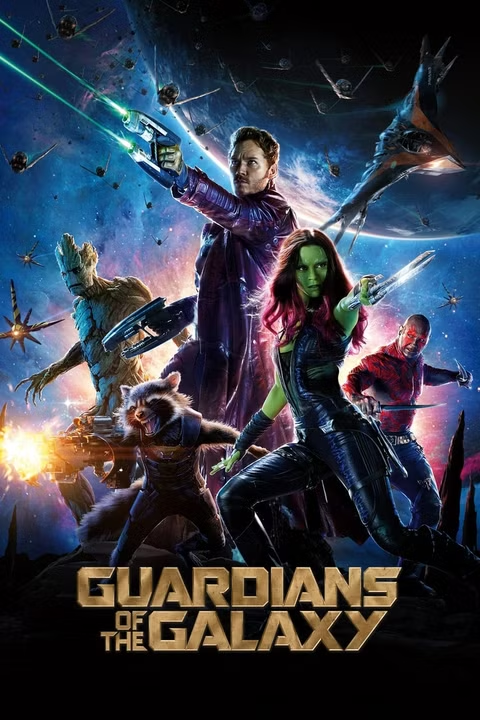
The MCU captured lightning in a bottle with the release of the first Guardians of the Galaxy film back in 2014. Even modern Marvel Comics readers were largely unfamiliar with the team and its lineup of heroes before James Gunn came along and elevated them all to a new level of stardom with a mix of humor, heart, a killer soundtrack, and serious star power, including Chris Pratt, Zoe Saldaña, Dave Bautista, Bradley Cooper, and Vin Diesel. The crew of intergalactic underdogs managed to defy the odds and score a staggering box office haul of over $773 million, paving the way for two more films, a holiday special, a major role in the two-part Avengers: Infinity War and Endgame, and an expanded roster. Yet, despite their newfound fame, their future in film is currently up in the air, especially with Gunn now leading the DCU and the MCU heading for Doomsday.
On the page, however, the Guardians are still managing just fine. This year marked the launch of the Imperial Guardians series, radically reinventing the lineup with one familiar face in Gamora as the leader alongside Captain Marvel, Cosmic Ghost Rider, Brawn, and Dark Hawk. To celebrate half a century since the character’s creation, Marvel now also has a new set of solo adventures on store shelves today starring the member of the team Gunn has previously called his favorite of the bunch — Rocket Raccoon. Guardians of the Galaxy Vol. 3 largely served as a spotlight for the Cooper-voiced anthropomorphic weapons specialist, but now, Rocket Raccoon: Rocket Rewind #1 is sending him blasting off across the cosmos with bonkers action, exciting team-ups, and a revisit to his origins on the page. A sneak preview was released to showcase three of the stories packed into this one massive issue.
The first two pages come from “The Fight in the Raccoon,” though it’s Hank Pym who opens up the tale. He’s on the losing end of an invasion on the planet of B’Digg-4, where he’s trying to protect a race of insects against an invading force led by a massive space dragon. Years of shrinking and growing in galactic wars as Ant-Man, Giant-Man, and more have left him weakened, so he sends out distress signals for help, and the only one who answers is Rocket, fresh off of nearly getting into an altercation with an alien at a bar. Though he doesn’t even show off his skills in the pages, his legendary status as a renowned warrior Thor and Captain Marvel precedes him, as does his penchant for wise-cracking. In the second story, “Boomshakalaka,” Rocket makes his way to the planet Shaka, chatting en route with old pal Groot about how odd their honor-based culture is. He’s unsure why they even hired him, considering they’re a peaceful planet protected by the Intergalactic Council, but he’s about to change his tune when it appears the rumors of their sacred artifact, the Pura Vida, are true after all.
‘Rocket Rewind’s Final Story Is a Homage to Rocket Raccoon’s Past
Last but not least, the final page provides a short look at “The Sword in the Star,” the framing story that sets up an exploration of Rocket’s creative origins. It sees the raccoon landing on an unknown backwater asteroid after his engine overheats. While he’s able to easily make repairs, even while immensely frustrated, he’s stuck on the rock for several hours while he waits for the engine to cool down. That leads him to start exploring until, out of nowhere, a hole opens underneath him, pulling him towards a mysterious signature indicating there is another lifeform on the asteroid. It will inevitably tie into the fourth and final story, “The Sword in the Star: Witchblade,” which isn’t an original tale for the anniversary comic, but a reprint of the exact moment from Marvel Preview #7 when Rocket’s creators, writer Bill Mantlo and artist Keith Giffen, introduced the character to readers for the first time. Expect things to get meta as the description teases a team-up between Rocket and his original 1976 counterpart, then called Rocky Raccoon.
As for the new segments, Rocket Rewind has gathered a murderer’s row of writers and illustrators for Rocket’s big spotlight. “The Fight in the Raccoon” was penned by Marvel veteran Christos Gage, who has also written for Netflix’s Daredevil series, while the art was done by Friendly Neighborhood Spider-Man illustrator Todd Nauck. Award-winning Marvel Mutts author MacKenzie Cadenhead and artist Enid Balám collaborated for “Boomshakalaka,” and J.M. DeMatteis, notable for penning “Kraven’s Last Hunt,” wrote “The Sword in the Star” alongside art from Shawn McManus. As the cherry on top, beloved Spider-Man artist Ryan Stegman and colorist Arthur Hesli handled the main cover.
Rocket Raccoon: Rocket Rewind #1 is now available on store shelves. Check out a preview of the comic in the gallery above.

- Release Date
-
August 1, 2014
- Runtime
-
121 minutes
- Director
-
James Gunn
- Writers
-
Nicole Perlman, James Gunn
- Producers
-
Kevin Feige, Louis D’Esposito, Nik Korda, Stan Lee, Victoria Alonso, Jeremy Latcham

Ant Anstead’s two previous marriages haven’t completely deterred him from potentially walking down the wedding aisle with girlfriend Renée Zellweger.
“I still believe in marriage, but right now we’re really happy,” Anstead, 47, told The Telegraph in an interview published on Friday, July 24, of the possibility the pair would say “I do” in the future.
The TV personality noted that while he does call Zellweger, 57, “the missus,” they aren’t in a rush to get hitched.
“We don’t need the pressure of a label,” Anstead added of their relationship.

Ant Anstead and girlfriend Renée Zellweger are still wheeling and dealing — and completely smitten — after five years of dating. “How it started …..” Anstead, 47, wrote in a rare Instagram tribute to Zellweger, 56, on Friday, April 24, in honor of their anniversary, sharing a throwback photo from what appeared to be their […]
Ant was previously married to Louise Anstead from 2005 to 2017. The exes share two children, Amelie, 22 and Archie, 19. He moved on with Christina Haack, whom he wed in 2018. The pair, who share son Hudson, 7, announced their divorce in 2020.
Ant and Zellweger, meanwhile, met while working on a 2021 episode of Discovery Channel’s Celebrity IOU: Joyride, where they bonded over their shared knowledge of cars.
“Renée is a hands-on car girl,” Ant told the outlet of the actress’ vibe on set. “She used a grinder to cut metal, she was welding, she was on the spanners.”

Renée Zellweger and Ant Anstead. Courtesy of Ant Anstead/Instagram
The Bridget Jones’s Diary star impressed Ant as soon as she drove stick shift mid-shoot.
“A lot of people in America don’t drive stick [manual cars] but, on the first day of filming, we needed to relocate a car for a scene,” he recalled. “Ren jumps in, goes, ‘I’ll do it!’, slams it into first, and off she goes. I’m like, ‘Wow. This lady really knows her cars.’”
Ant later learned that Zellweger’s dad was a Swiss engineer and she had picked up a thing or two from him along the way.

Renée Zellweger has bonded with Ant Anstead’s three kids during their romance. “Renée gets along really well with Ant’s children and they spend a lot of quality time together,” a source exclusively reveals in the new issue of Us Weekly, adding that Zellweger, 54, is particularly close with Anstead’s daughter Amelie, 19, whom he shares […]
“She’s a very real person. She’s absolutely brilliant, the most grounded, humble person,” he gushed. “If there’s a car job to be done at home, I say, ‘We’re doing this together. Put your overalls on, let’s go.’”
After sparking a relationship on Celebrity IOU: Joyride, the pair became a couple off camera and haven’t looked back, celebrating their five-year anniversary in April.
While the couple have not reunited on camera, Ant said Zellweger is very much involved in his latest show, Ant Anstead: Born Mechanic.
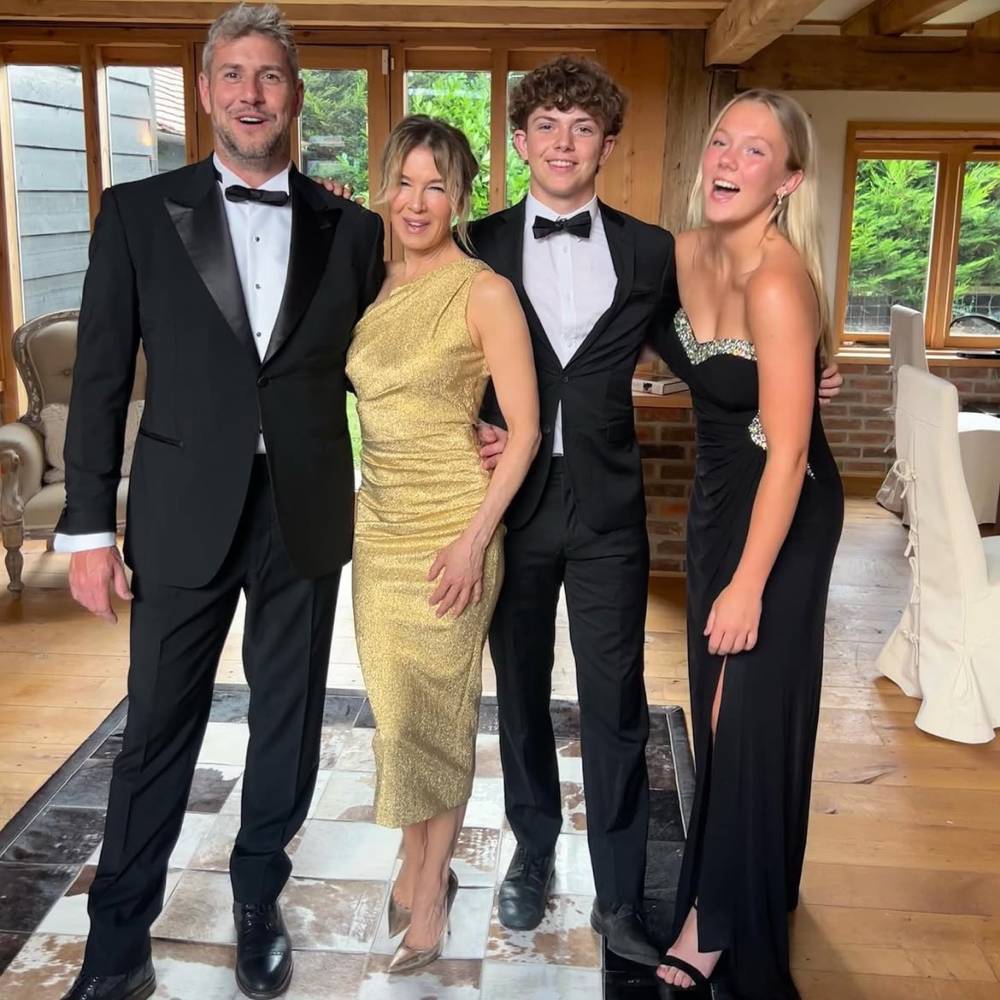
Ant Anstead, Renée Zellweger and his eldest children, Archie and Amelie. Courtesy of Ant Anstead/Instagram
He revealed that although Zellweger doesn’t appear on the car repair/restoration series for Quest, she has been guiding him from behind the camera.
“Ren was looking over my shoulder without me realizing [while I shopped on eBay for a few reclaimed gates]. The next day I went to buy them and they were gone. I was mad,” Ant told the publication. “I arrived here and they were in the barn with a balloon on them for my birthday.”
The former Wheelers and Dealers host explained that Zellweger had “secretly contacted my dad and arranged for him to collect them.”
Ant teased, “As a gift, it knocks a pair of socks on the head.”
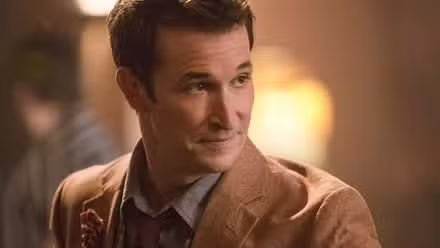
It is often the case in our modern streaming age that fantasy shows are geared more towards mature audiences, and that’s something of a shame. Fantasy, as a genre, offers the viewer a magical perspective on the world while speaking fondly to the inner child. There is a reason that so many grow up with the legends of King Arthur, the realm of Narnia, and the journeys of small Hobbits who make a world of difference. While few contemporary programs capture that same childlike wonder and sense of fantastical adventure, The Librarians: The Next Chapter is an outlier that does so quite wonderfully — and now in its second season, that enterprising spirit has only increased.
‘The Librarians: The Next Chapter’ Is a Novel Take on ‘The Librarians’ Formula
From the beginning, The Librarians: The Next Chapter was meant as a spin-off to continue The Librarians franchise beyond the original TNT series and the Noah Wyle-led made-for-TV movies that preceded it. It’s not a direct continuation of past entries, nor was it meant to replace the adventures of the heroes we came to love over those installments. Rather, it’s more akin to how Stargate Atlantis operated parallel to Stargate SG-1, or how Angel ran alongside Buffy the Vampire Slayer. It can be watched entirely independent of the original program or in conjunction with it. The only difference is that these are the only Librarians exploits currently on the air. However, it more than makes up for that sorry fact with fast-paced, character-driven episodes that somehow manage to recapture the spirit of the original series.
Amazingly, the spin-off reinterprets the material in a fresh way that doesn’t undo (or simply redo) what’s been done before. It’s its own thing, though it undoubtedly falls under the same distinct brand of fantasy adventure. Developed by Dean Devlin and John Rogers, The Next Chapter owes much of its charm and whimsy not just to the creative minds behind the series, but those at the forefront of each episode. After getting to know them over the first season, Season 2 wastes no time sending us flying through the magical door with its lead cast into whatever new mystery presents itself. Callum McGowan leads the charge as time-displaced Vikram Chamberlain, head Librarian of the Belgrade Annex, who has struggled to adapt to the 21st century — and he’s no closer to adapting to our world.
In many respects, McGowan’s performance is remarkably reminiscent of Tim Mison‘s Ichabod Crane from Fox’s gone-too-soon paranormal drama Sleepy Hollow, another man-out-of-time who uses his knowledge of history to battle supernatural forces in the present day. While the similarities between these two men are strong, The Librarians‘ tone stands in stark contrast to the moody look and feel of Sleepy Hollow, which was sometimes a bit more of a horror show than straight fantasy. Thus, McGowan plays Vikram with a bit more levity and wonder in each step, emphasizing his 19th-century eccentricities in each scene. One may be tempted to consider him a “discount Crane” in some sense, but that’s an oversimplification that doesn’t account for the differences between these series. Of course, The Librarians doesn’t work in this format without a team to fill out the Annex, and Vikram’s cohorts offer their own unique strengths.
Lysa Pascal (Olivia Morris) is proficient in physics, mathematics, and engineering. Her personal tragedy and desire for a “found family” fuels her devotion to the team, and stands in contrast to Vikram’s struggles to accept his place in this “brave new world.” But while Lysa is the team’s resident magic skeptic, former professor-turned-conspiracy buff Connor Green (Bluey Robinson) is a true believer to his core. Despite his belief, however, he wrestles with obsessiveness regarding magic — an obsession that may very well grip him if he isn’t careful. Morris and Robinson balance each other quite well, with Charlie Cornwall (Jessica Green of The Outpost fame) — the trio’s Guardian — there to pull them out of the fire. Of the four, Green’s character is perhaps the most underdeveloped, but like Rebecca Romijn in the previous series, she has arguably the most creative potential. It’s one thing to guard one Librarian, but how does one manage three? That is, in part, what this season is about.
‘The Next Chapter’ Season 2 Introduces New Faces and Revives Returning Favorites

The first two episodes of this season — “And the Burning Heart” and “And the Tethered Wish” — establish the mantra of “be careful what you wish for” as the long, unwinding thread connecting each character dot this season. Naturally, this idea begins to take hold once the group encounters a Camelot legend: Dominic Monaghan‘s Merlin. Yes, that Merlin. The former ally of King Arthur has returned after centuries of slumber, and though the character was referenced on occasion in the original Librarians, this marks his first official appearance. Well, after that brief tease at the end of Season 1’s “And the Unfinished Business,” of course.
Monaghan may not be anyone’s first choice for Merlin (he’s always felt more Hobbit-ish than wizard-y), but The Lord of the Rings star proves himself a brilliant cast. Not only does his distinct interpretation of the ancient wizard fit in quite well with the franchise’s usual, offbeat depictions of Arthurian figures, but Monaghan plays the part so smoothly that one cannot tell if he is a true friend or conniving foe. Annex caretaker Mrs. Astolat (Caroline Loncq) has her own opinions, but the jury is still out. In addition to new faces like Merlin, old Librarian staples pop up this season as well. Christian Kane returns as fan-favorite Jacob Stone in the second episode, which feels more like a crossover with The Librarians than just a simple one-and-done guest appearance.
As always, Kane’s dynamic with The Next Chapter cast is so natural that we almost wish both Librarian groups could come together permanently. The season is peppered with offhanded references to John Harlan Kim‘s Ezekiel Jones and John Larroquette‘s Jenkins, which further connect the Portland Annex with the Belgrade-based team, but despite how often these characters are name-dropped, it never feels forced or overly indulgent. Rather, it’s just another reminder that the events of The Next Chapter don’t occur in a narrative vacuum — how Vikram and his team deal with magic will affect other characters we care about too. Perhaps it also helps that we already know that these nods are planting seeds for Lindy Booth‘s confirmed franchise as Cassandra Cillian this season. Here’s hoping TNT renews this show soon so that we can reunite the whole North American branch of the Library…
That said, The Librarians: The Next Chapter Season 2 isn’t just notable because of its impressive (and long-anticipated) guest stars. That’s just icing on the cake. TNT’s flagship fantasy series builds on its first season foundation by giving each of our heroes a personal wish worth wrestling with. Vikram’s is explored in the second episode, but the season premiere hints at what drives each member of the team into this new normal at the Library. Admittedly, it does so in a way so incredibly on-the-nose that it leaves little to the imagination. The Librarians has never been known for its subtlety, and if there’s one obvious criticism of the second season, it’s that the dialogue could sometimes use a little finer-tuning. That said, considering how hours like “And the Feast of the Vampir” and “And Going Medieval” were able to surprise us in the back half of last season, we’re hopeful that future episodes will land better.
‘The Librarians: The Next Chapter’ Is Fantasy Entertainment Perfect for the Whole Family

This season of The Librarians: The Next Chapter continues to explore a world full of magic that unapologetically pulls from mythology, literature, and religious texts. True to form, it’s unafraid of being overly referential, occasionally goofy, or of wearing its heart on its sleeve. This may be a turnoff to some who prefer their fantasy to be a bit more high-brow or grimdark, but that’s been this world’s charm ever since executive producer Noah Wyle‘s very first feature-length installment. (Speaking of, it appears we’re nowhere closer to Flynn Carsen’s return since Wyle’s busy over on The Pitt.) It’s because of this lighter tone and the occasionally unserious (though never emotionally dishonest) adventures that The Next Chapter is perfectly addictive family-friendly entertainment, not unlike its predecessor. I just wish the full season was out already.
In short, The Librarians: The Next Chapter Season 2 is an exercise in fantastical adventure that doubles as endless fun. No, it’s not as high-budget or expansive as The Lord of the Rings: The Rings of Power, nor does it have quite the devoted following as a show like Supernatural, but this is a cult series well worth picking up. McGowen, Green, and the rest of the cast continue to leave a distinct mark on The Librarian franchise, and I wouldn’t be surprised if, in another decade or two, we’re calling for their return in The Next, Next Chapter… If you’re looking for a lighthearted drama with characters worth rooting for week-in and week-out, look no further.
The Librarians: The Next Chapter Season 2 premieres on TNT on August 2, 2026.

- Release Date
-
May 25, 2025
- Network
-
TNT
- Showrunner
-
Dean Devlin
- Writers
-
Dean Devlin
- Franchise(s)
-
The Librarians
-

Caroline Loncq
Elaine Astalot
-
Callum McGowan
Vikram Chamberlin
Pros & Cons
- Everything you loved about the original Librarians series is made new here.
- The main cast has great chemistry that is finally beginning to rival the original team.
- Dominic Monaghan is perfect as Merlin. We can’t wait to see what he does next.
- The promise of returning franchise cast members is an exciting one.
- Noah Wylie is an executive producer, but would it kill him to come back as Flynn Carsen?
- Repetitive themes could derail longterm character development, but it’s still quite early in the season to tell.
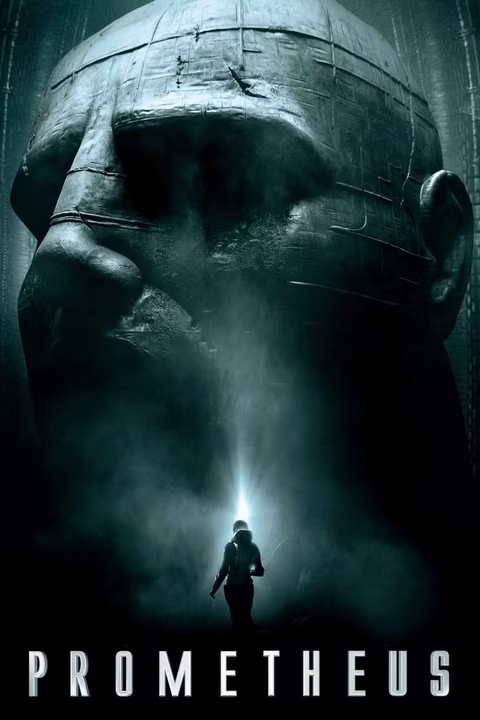
Let’s be honest, very few blockbuster films have inspired as many arguments as Prometheus. Even now, people can’t seem to agree on whether it’s an underrated science-fiction masterpiece or a total missed opportunity. Maybe it’s both? One minute it’s exploring humanity’s origins and the meaning of creation, the next somebody is trying to pet what is very obviously an angry alien snake. Some of us just wanted xenomorphs.
14 years later, with none of those arguments going away, the $403 million sci-fi epic has become a worldwide streaming hit once again, introducing a new generation of viewers to Ridley Scott’s long-awaited return to the Alien universe while giving longtime fans another excuse to dissect every clue, theory, and philosophical question hidden throughout the film.
In fairness to Scott, he did something different. He didn’t go for the haunted house, one person hunted by an alien thing, but something far more ambitious. Our heroes are the doomed crew of the research vessel Prometheus as they travel to a distant moon after discovering a series of ancient star maps in Scotland that seem to appear across multiple civilizations. Upon arriving, they’re hoping to encounter the mysterious, weird-looking engineers who were responsible for creating humanity, but instead, they find a f*cked up science experiment that leads directly to doom.
The stacked cast includes Noomi Rapace (The Girl with the Dragon Tattoo) as Dr. Elizabeth Shaw, Michael Fassbender (Steve Jobs) as David, Charlize Theron (Mad Max: Fury Road) as Meredith Vickers, Idris Elba (Luther) as Captain Janek, Guy Pearce (Memento) as Peter Weyland, Logan Marshall-Green (Upgrade) as Charlie Holloway, Sean Harris (Mission: Impossible – Fallout) as Fifield, and Rafe Spall (The Big Short) as Millburn.
Was ‘Prometheus’ Well-Received?
Despite the fact audiences were divided over the movie — some thought it a masterpiece, others a complete letdown that had nothing to do with Alien — Prometheus was a significant commercial success. The film grossed approximately $403 million worldwide, including around $126.5 million in North America. That was more than enough to convince 20th Century Fox to greenlight the 2017 sequel, Alien: Covenant, as well as gross a profit on a budget of $120 million.
Critical opinion was considerably more positive than many people remember, too. Prometheus holds a 73% critics’ score on Rotten Tomatoes, earning a Certified Fresh rating thanks to widespread praise for Scott’s stunning visuals, Fassbender’s truly unsettling performance as David, and the film’s willingness to tackle ambitious philosophical ideas. Despite that, though, the screenplay, the deliberately unresolved mysteries, and the bizarre choices the characters made over the course of the film were points of contention.
Prometheus is available to stream now.

- Release Date
-
June 8, 2012
- Runtime
-
124 minutes
- Writers
-
Jon Spaihts, Damon Lindelof, Ronald Shusett, Dan O’Bannon
- Producers
-
David Giler, Walter Hill
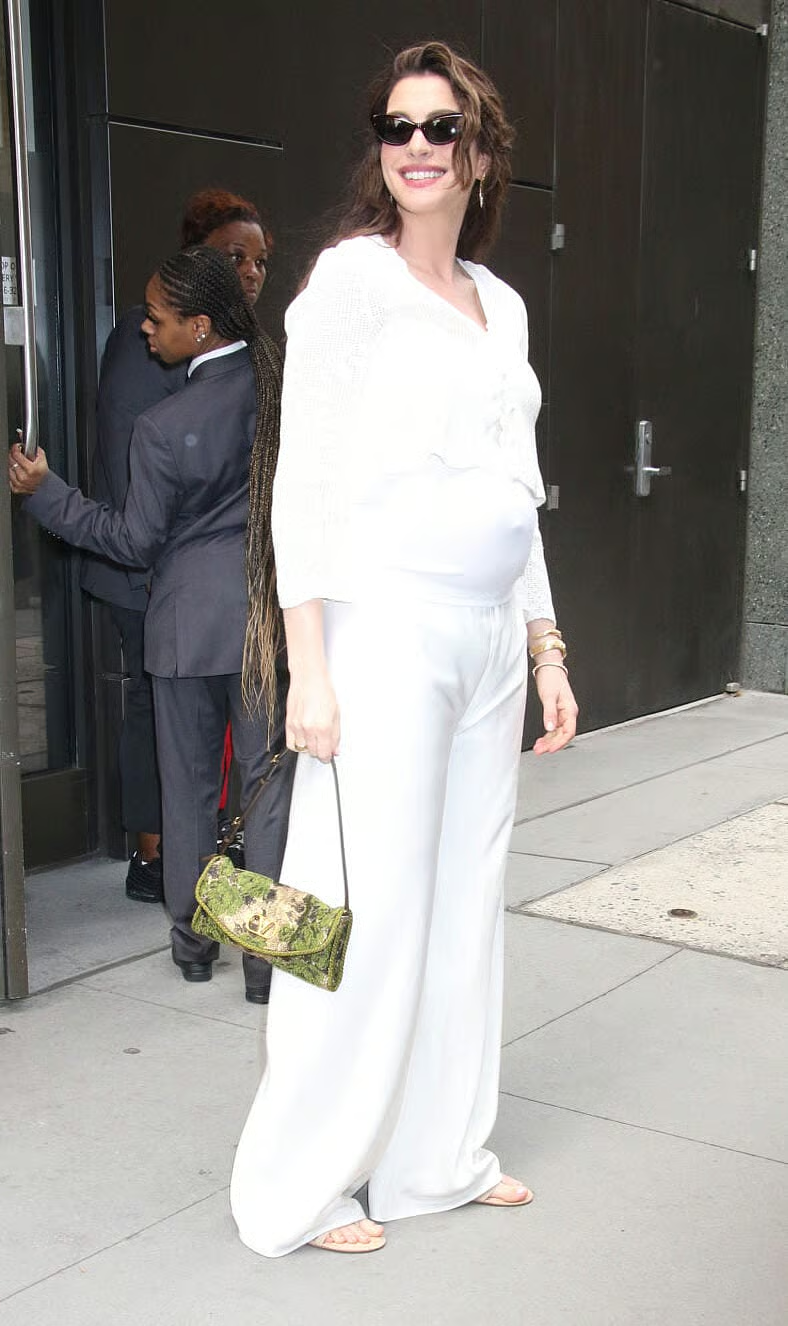
Elon Musk continues to come for the cast of “The Odyssey,” and his latest target is none other than Anne Hathaway.
The actress had the spotlight on her over the weekend after a 2018 video of her advocating for LGBTQ+ rights resurfaced, something Musk found a problem with.
The tech mogul is among the vocal critics of Christopher Nolan’s record-breaking adaptation, vowing to outperform the project with an AI remake.

The drama began on Musk’s social media platform when Hathaway’s acceptance speech for the National Ally for Equality award at the 2018 Human Rights Campaign National Dinner went viral.
While on stage, the “Princess Diaries” star called out her privilege as a white, cisgender, straight woman while championing “equality” and bashing capitalism. In her words:
“That myth is that gayness orbits around straightness, transgender orbits around cisgender, and that all races orbit around whiteness. And it is a myth that keeps money and power in the hands of the few instead of being invested in the lives of the free.”
The clip posted on X bashed Hathaway as a “degenerate narcissist” for her views, and Musk couldn’t help but agree. “She’s just a marionette. Whoever wrote her speech is the real douchebag,” he wrote.
Elon Musk Vowed To Remake ‘The Odyssey’ In Pursuit Of Accuracy
The Tesla founder’s criticism of Hathaway comes after he shockingly unveiled a plan to create his own AI version of “The Odyssey.”
Musk doesn’t buy into the hype around Nolan’s adaptation of ancient Greek literature, with his main issue being the diversity of the cast.
As reported by The Blast, he has since promised to take matters into his own hands to create a version he believes is closer to the body of work Homer truly meant.
In an X announcement, Musk noted that before the end of 2026, he will produce a “historically accurate” full-length movie with the use of his AI agent, Grok. Accompanied by the news was a three-minute dialogue clip of what the Grok Imagine-created piece would look like.
The Trillionaire Slammed Lupita Nyong’o’s Casting Choice

Musk has long voiced his displeasure about Nolan’s masterpiece long before its July release. For him, the starting point of contention was the director’s decision for Lupita Nyong’o to play the role of Helen of Troy.
According to The Blast, when conservative commentator Matt Walsh attacked Nolan for his wrong casting choice, saying he did it to avoid being called a racist, Musk agreed.
The SpaceX founder theorized that the beloved director was only focused on chasing the Oscars’ requirements to make his movie eligible for the Best Picture category.
It is a known rule since 2020 that the Academy Awards mandated the fulfillment of the diversity quota across the crew, subject matter, audience development, and leadership of a film.

Despite the intense backlash, Nyong’o remains steadfastly proud of her role in “The Odyssey,” happy to help bring Nolan’s vision to life.
Following Musk’s comment, the actress addressed the argument that conservatives posed about how it was inaccurate that she play a figure described as “the most beautiful woman in the world.”
Describing herself as “very supportive” of Nolan’s intention, Nyong’o explained, “Our cast is representative of the world. I’m not spending my time thinking of a defense. The criticism will exist whether I engage with it or not.”
As reported by The Blast, the Hollywood star also dismissed the notion that the major value she should bring to the role was her physical looks.
“You can’t perform beauty,” she stated, adding that her interest is in what is beneath and makes up a character, not appearance.
Colman Domingo Mocks Musk Over AI Remake Plans

Amid Musk’s journey to creating his version of “The Odyssey,” he has faced resistance from critics who point out that the epic poem is a work of fiction that can never be accurate.
One such voice is actor Colman Domingo, who recently served as a guest host on “Jimmy Kimmel Live!” And roasted the tech entrepreneur to pieces.
Domingo slammed Musk’s vow for a “historically accurate” version, saying, “By ‘historically accurate’, he means whiter than Christmas at Cracker Barrel.”
The “Euphoria” actor further mocked the business mogul, asking if he had anything better to do, like living on Mars, per The Blast

Business2 minutes ago
Middle-earners ‘struggling’ over Jersey schools bonus cap

Crypto World3 minutes ago
BNY adds blockchain recordkeeping to institutional fund services

Entertainment4 minutes ago
Drew Sidora & Pooch Hall Prompt Questions With Video Link-Up


-

 Fashion5 days ago
Weekend Open Thread: Brooks Brothers
-
 Sports3 days ago
Commonwealth Games boxing: Jadumani Singh seals dominant 5-0 win over Pakistan’s Sumama Rehman to enter quarter-finals | Commonwealth Games News
-

 Tech3 days ago
Intel is reversing course and bringing hyper-threading back to its server chips
-

 Crypto World7 days ago
Ethics, other provisions in crypto Clarity Act to be further discussed
-

 Politics2 days ago
Luke Littler dismantles Gerwyn Price to retain title in Blackpool
-

 Crypto World4 days ago
Ripple bought a bank in pieces. The $4 billion audit
-

 Sports5 days ago
2026 3M Open leaderboard: Scottie Scheffler finds putter in Round 1, sits three back
-
 Entertainment5 days ago
A New Post-Apocalyptic Gundam Anime Series Blasts Into SDCC
-

 News Videos3 days ago
BITCOIN JUST ENTERED THIS CRITICAL ZONE…
-

 Politics1 day ago
The Part of the Electric Transition Nobody Wants to Discuss
-

 Fashion5 days ago
16 Dresses for the High Summer Event
-

 News Videos6 days ago
The Peugeot Family: How 200 Years of an “Old Money” Dynasty Died in A Boardroom
-

 Politics3 days ago
Spain sweeps the board at 2026 World Cup with individual awards
-

 Business10 hours ago
Major shareholder moves on Canyon
-

 Crypto World3 days ago
XRP Ledger adds $2.6B as RWA inflows rank second
-

 Crypto World6 days ago
Uniswap (UNI) pushes deeper into tokenized RWAs with permissioned trading pools
-
 Entertainment20 hours ago
‘Stargate’ Creator’s New Sci-Fi Series Returns for Season 3 Tomorrow
-

 Tech4 days ago
Anthropic launches Claude Opus 5, a cheaper AI model for coding, agents and enterprise workflows
-
Crypto World6 days ago
SEC Agrees to Overhaul Recordkeeping After Settling Coinbase Lawsuit Over Gensler’s Lost Texts
-

 News Videos19 hours ago
Claude: Build Financial Dashboards in Minutes (2026)
You must be logged in to post a comment Login