
Related: Wrinkles Between Your Brows? This 3-Minute Fix Takes Years Off
Advertisement


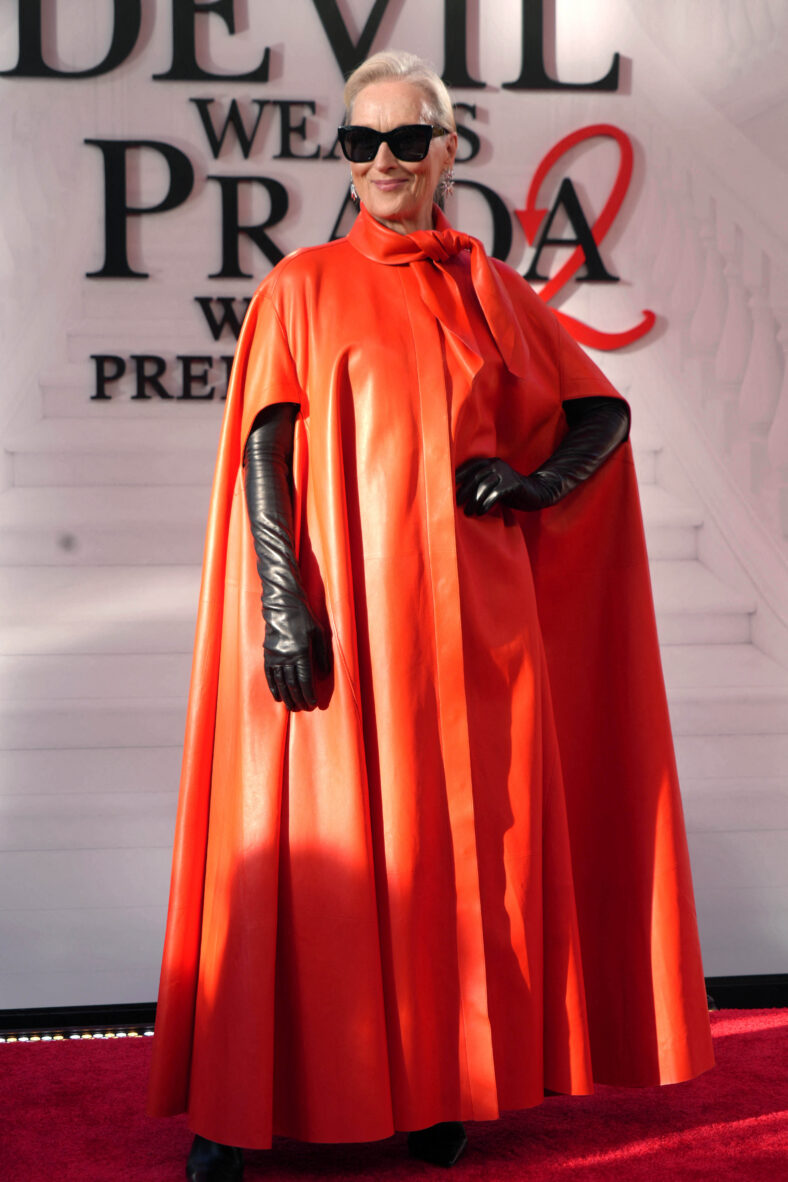
Meryl Streep isn’t just promoting a movie. She’s sparking a movement. The 76-year-old Oscar winner is making headlines after wrapping a global press tour for “The Devil Wears Prada 2,” with experts saying her bold fashion choices and candid remarks are challenging how women over 50 are seen in Hollywood.
While promoting The Devil Wears Prada 2 in Japan, Meryl Streep didn’t shy away from addressing the reality of aging in Hollywood. “You don’t see many 70-, almost 77-year-old women playing parts like this in any movie or under any circumstance,” she told reporters, as shared by the Associated Press. “So I’m happy to represent, you know?”
She also spoke directly about the broader issue facing women in the industry. “Often women over 50, I’d say, disappear into the woodwork,” she added. “Their interests and opinions are less valued in our culture, so it’s fun to see this person who is credibly placed in the world and having that influence.”
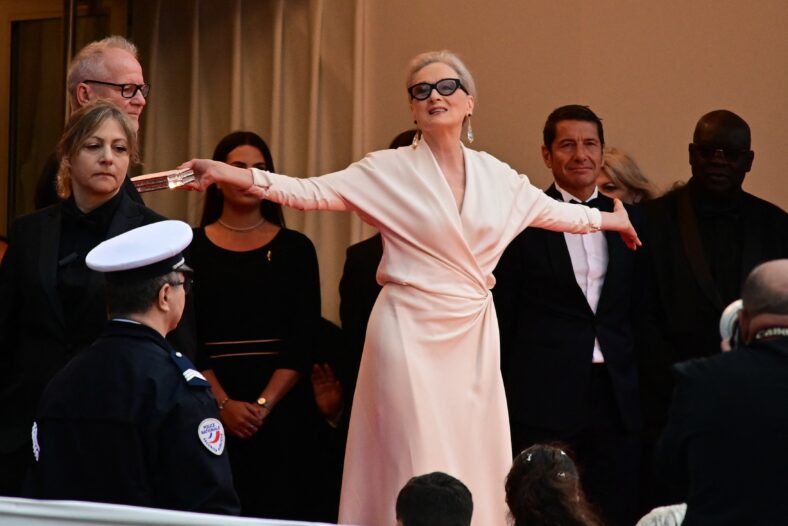
Leading voices in fashion, activism, and academia are pointing to Streep’s recent comments about older women “disappearing into the woodwork” as a major cultural turning point. Ashton Applewhite, an anti-ageism activist, told AARP’s Movies for Grownups that Streep is “explicitly calling out gendered ageism,” adding that she’s doing far more than just promoting a film.
“She’s encouraging women to take up space with confidence,” Applewhite said, noting that Streep’s style doesn’t chase youth; it embraces authenticity.
Fashion designer Carla Rockmore echoed that sentiment, praising Streep’s fearless approach to style. “By dressing so boldly, Meryl Streep is rejecting the premise that women of a certain age must style themselves with a whisper rather than a roar,” she said. “It’s a power move.”
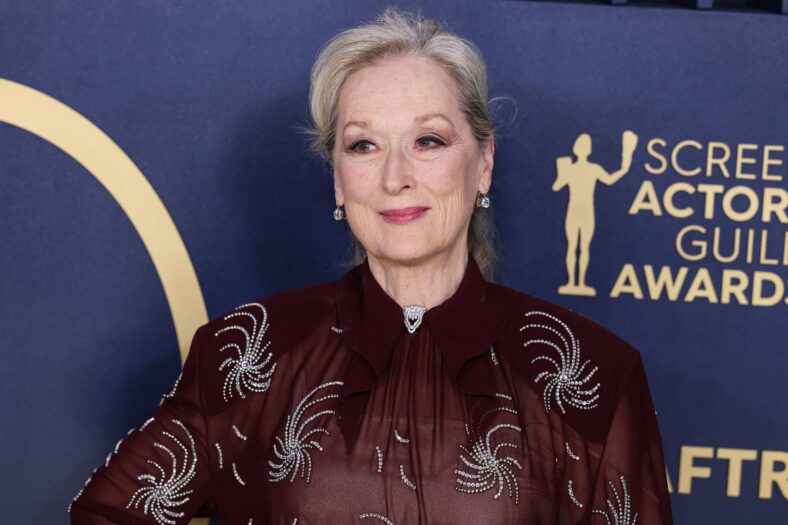
Celebrity stylist Julia von Boehm pointed out that Streep’s looks aren’t about trends, but they’re about self-expression. “Her looks are more out there for this press tour, but still I feel like they’re not like a fashion trend,” she said. “She still stays herself.”
She added that the message behind the tour is clear: “You’re not finished with life. You’re out there, and you’re great, and you’re confident.”
And Adrienne Jones, a fashion design professor at Pratt Institute, said Streep’s impact goes beyond the red carpet, highlighting a larger shift in how women approach style later in life. “Women over 50 are free. I don’t have to fit in any box,” Jones said, explaining that confidence and identity often become clearer with age.
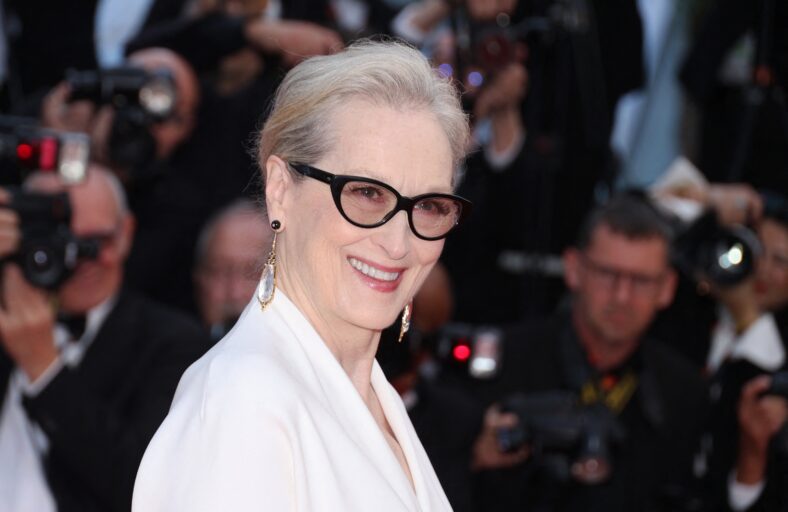
For many watching, Meryl Streep’s “The Devil Wears Prada 2” press tour isn’t just about fashion, but it’s being seen as a reset. The film, set to hit theaters May 1, was preceded by a six-week global tour spanning six cities and more than 30 carefully curated looks, all centered around one idea: evolution.
According to longtime stylist Micaela Erlanger, the goal wasn’t to recreate Miranda Priestly, but to highlight who Streep is today. “We wanted to have a wink and a nod to the original movie, but it’s also about evolution,” Erlanger told Vogue. “It was about dressing Meryl Streep as she is now, a powerful and realized woman at the height of her career.”
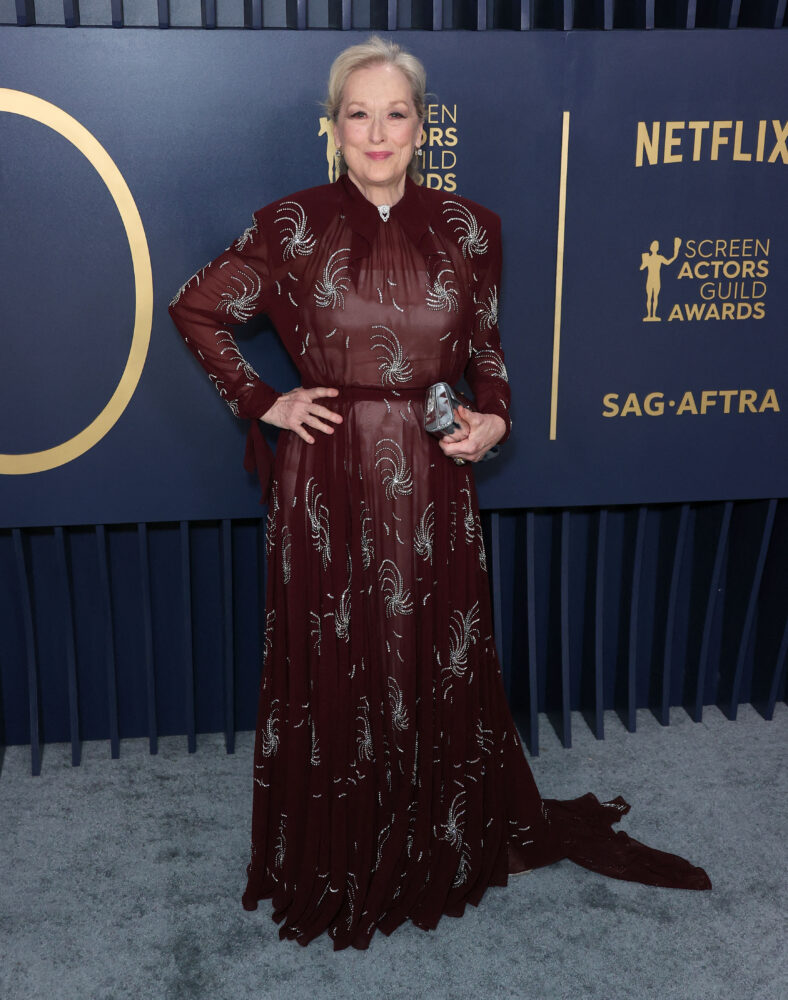
For Meryl Streep, getting older isn’t something to fear; it’s something to embrace. The Oscar winner has previously spoken about the sense of freedom that comes with age, explaining that it allows her to live more authentically and on her own terms. “The good thing about getting older is that you find your own way… what feels right to you,” she said.
That sense of freedom has shaped how Meryl Streep views aging as a whole, not as a loss, but as a transformation. “Aging is not for the weak. One day you wake up and realize that your youth is gone, but along with it, so go insecurity, haste, and the need to please,” she said.
“You learn to walk more slowly, but with greater certainty. You say goodbye without fear, and you cherish those who stay,” the actress continued. “Aging means letting go, it means accepting, it means discovering that beauty was never in our skin … but in the story we carry inside us.”
By Chris Snellgrove
| Published

Star Wars is filled with some of the coolest villains in genre history. This includes Darth Vader, an evil cyborg space wizard with a laser sword. There’s also Boba Fett, a ruthless bounty hunter with a cool ship and cooler armor who basically invented aura farming. Oh, and let’s not forget Emperor Palpatine, who walks around in a comfy bathrobe all day, but nobody gets to laugh because the guy looks like a zombie and can shoot lightning out of his fingertips.
As cool as all those bad guys are, they aren’t my favorite Star Wars villain. My pick goes to Admiral Motti, who is best known for mouthing off to Vader before getting Force-choked in A New Hope. Most of the fandom considers this guy a joke, but he’s secretly the most relatable character in the entire franchise. You know why that is? It’s simple: he takes pride in what he does, he hates useless work meetings, he calls out colleagues for their BS, and he takes a brave stance against religious discussion in the workplace.

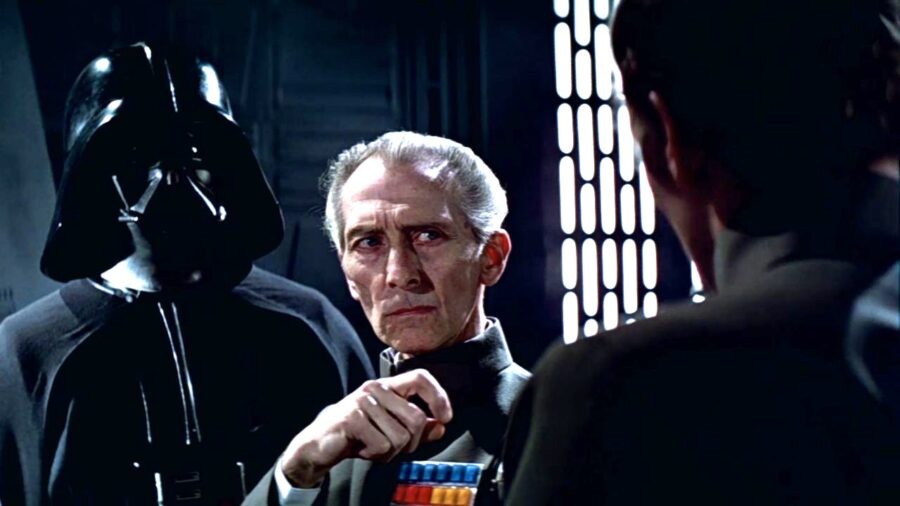
Need more of a reminder about who Admiral Motti is? He only pops up in one scene in A New Hope, when he and the other Imperial commanders are laying out some exposition and dishing on the Death Star. When Admiral Tagge points out that the Death Star is vulnerable because of the plans Leia stole, Motti defends the Empire’s latest creation, eventually declaring, “This station is now the ultimate power in the universe. I suggest we use it!” That’s when Darth Vader begins chiding the admiral, telling him he shouldn’t be proud of the Death Star because “The ability to destroy a planet is insignificant next to the power of the Force.”
Instead of yielding to Vader, Motti hilariously claps back, telling the Sith, “Don’t try to frighten us with your sorcerer’s ways, Lord Vader. Your sad devotion to that ancient religion has not helped you conjure up the stolen data tapes, or given you clairvoyance enough to find the Rebels’ hidden fort–.” The last word is cut off when Vader decides to Force choke the man, and he only releases his grip when ordered to do so by Grand Moff Tarkin.

Now, why is Admiral Motti the most relatable character in all of Star Wars? First, he takes pride in his work. Considering that it blows up at the end of the movie, it’s easy to see his defense of the Death Star as sheer hubris. But this guy was the head of naval operations for the battle station and was simply proud of the Empire’s latest creation. He didn’t like anyone speaking ill of the Death Star because they were effectively blaming him for the shortcomings of others. Like, Vader let the plans slip away, making the Death Star vulnerable before badmouthing it. Is it any wonder Motti hates this guy?
Also, while he had no way of knowing this, Motti’s plan would actually have saved the battle station and everyone on it from certain destruction. When he suggested using the Death Star, he presumably meant using it against any of the growing number of planets that were defying the Empire. Had Tarkin agreed to do so, the Rebellion would have slowly died as all of the planets supporting them would have been destroyed. It’s fair to say the Death Star was doomed because everyone ignored Motti, and hyper-focused so much on getting the stolen plans back, that they brought the battle station to the doorstep of the only people who had a chance to destroy it.

Finally, Motti has the distinction of being the only character in a Star Wars movie with the balls to insult Darth Vader to his face. That alone makes him cooler than every other minor character in the franchise, combined. As an added bonus, he calls Vader out for constantly bringing up his religious beliefs in the middle of a damned work meeting. Can you imagine working with a guy who always interrupts others during a meeting to say things like “the ability to increase shareholder value is insignificant next to the power of Jesus Christ, the King of Kings.” Be honest. You’d want to see that guy die for the sin of being so freakin’ annoying.
Nobody ever calls Vader out because they are rightully scared of him on sight. Admiral Motti, however, dunked on Vader’s incompetence, chastised him for constantly talking about his religion, and even put his life on the line to achieve the ultimate workplace accomplishment: getting the “this should have been an email” meeting to end early. For all these reasons and more, I think the fandom needs to raise their blue milks and toast Admiral Motti, the most relatable character in Star Wars history!
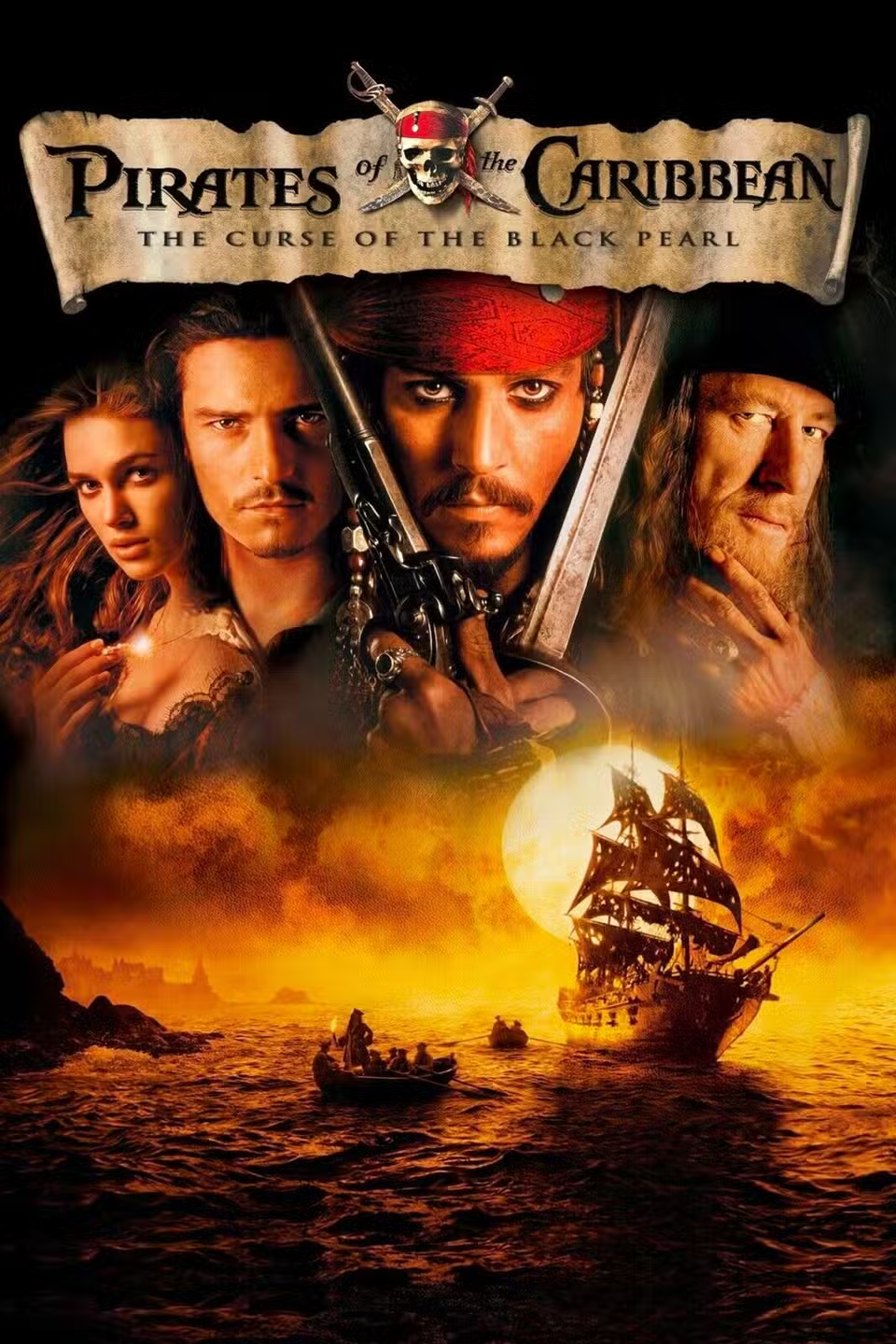
The Pirates of the Caribbean franchise has been floating in that strange Hollywood limbo for years now, where everyone knows another movie has been discussed, but nobody quite knows what shape it’ll actually take. The series remains one of Disney’s most recognizable live-action brands, with a world that still feels instantly familiar the second you hear the music, see a ship on open water, or remember just how weirdly emotional these movies can get when they want to. It’s been nearly a decade since Pirates of the Caribbean: Dead Men Tell No Tales brought a new generation into the story. Naturally, that means fans are still wondering whether any of those characters could be part of whatever comes next.
One star from the most recent movie has now shared where he stands. Speaking to Collider’s Maggie Lovitt on a panel at Calgary Expo, Brenton Thwaites, who played Henry Turner in Dead Men Tell No Tales, was asked about the possibility of returning for a sixth Pirates of the Caribbean movie. Thwaites didn’t pretend to know anything official, but he made it very clear he’d be thrilled to be involved in some way, even if that meant hanging around behind the camera instead of stepping back into Henry’s boots.
“Yeah, I hope I’m in it. I don’t think I will be, but I’ll work as a grip. I’ll be behind the camera, holding a boom if I could,” said Thwaites when asked about the new film. Thwaites isn’t out here trying to tease secret talks or hype up something that may not be happening, but there’s clearly still a lot of affection there for the franchise. He also reflected on watching Dead Men Tell No Tales again with his kids, and said the movie’s emotional story hit him harder than expected, especially when it came to Geoffrey Rush’s Barbossa. He told the audience:
“What I really loved — I watched the film, not for the first time, with my kids — and the storyline really almost made me cry was Geoffrey Rush’s, really. I think, in that theme of a kid trying to find a parent, on paper it looked like mine was the most through-line-y, like it kind of starts having a kid sinking to the bottom to see his dad. I think it’s about the kid trying to find his dad. And I think in the film, the emotional core of what it’s about is, you know, the surprise that Carina is Barbossa’s daughter. And as he’s falling to his death, she realizes it. It’s surprisingly really emotional.”
What made Dead Men Tell No Tales interesting at the time was how it tried to connect the original trilogy’s legacy characters with a younger generation. Henry was the son of Will Turner and Elizabeth Swann, played by Orlando Bloom and Keira Knightley, while Kaya Scodelario’s Carina Smyth was revealed to be Barbossa’s daughter. The movie also brought back Johnny Depp as Jack Sparrow and Rush as Barbossa, while adding Javier Bardem as the villainous Captain Salazar.
Thwaites said he believes that kind of mix has always been part of the franchise’s DNA, with new pirates and younger faces joining familiar characters as the movies go on. “Our actors always had a mix of new, younger actors and older actors. There’s always been that,” he remarked on the panel. “The pirate team kind of changes with different pirates, but yeah, I think it’s great that they continue that model, right? They have some recognizable faces from all those actors from the first film, and also some new, younger faces. So it could be a great opportunity to find another actor we’re particularly excited about. But selfishly, yes.”
As for where a sixth movie could go, Thwaites didn’t claim to have any inside knowledge. Still, he suggested the franchise could lean into the emotional parent-child territory that made Dead Men Tell No Tales land for him on rewatch, saying, “I think they’ll probably follow more down that road, but I have no idea.”
Stay tuned to Collider for more updates on Pirates of the Caribbean.

July 9, 2003
143 Minutes
Ted Elliott, Terry Rossio, Stuart Beattie, Jay Wolpert
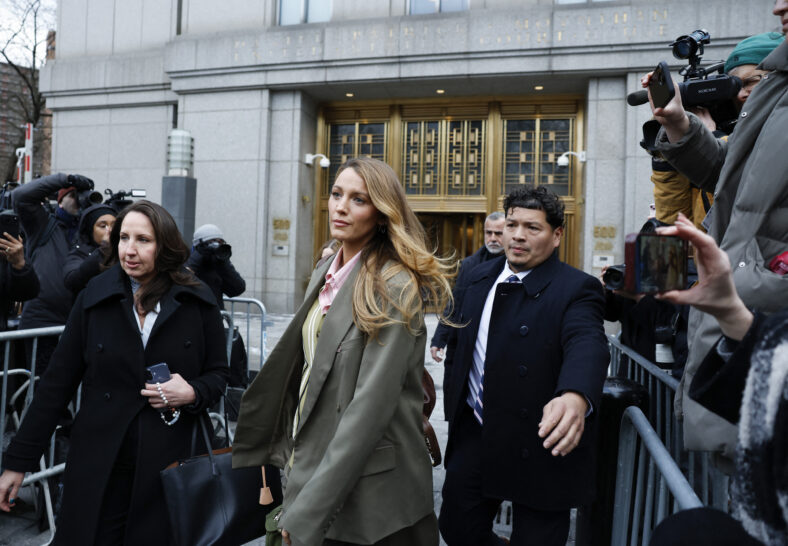
Blake Lively is making a bold legal move, and it involves one of Hollywood’s most infamous courtroom showdowns. The actress is reportedly planning to bring elements of the Johnny Depp v. Amber Heard trial into her ongoing case against Justin Baldoni, arguing she faced a similar wave of online backlash.
According to court filings obtained by The Daily Mail, Lively alleges Baldoni enlisted the same crisis PR operative used by Johnny Depp, a move she claims coincided with a sudden “torrent of online hatred” during the 2024 release of “It Ends With Us.” Her legal team argues the connection shaped her understanding of what they describe as a coordinated retaliation campaign.
If allowed, the strategy could introduce references to the six-week Virginia trial between Depp and Amber Heard, which ended with a $15 million jury award in Depp’s favor. Heard had argued at the time that she was the target of an online smear campaign that damaged her reputation, a claim that appears to mirror Lively’s current argument.
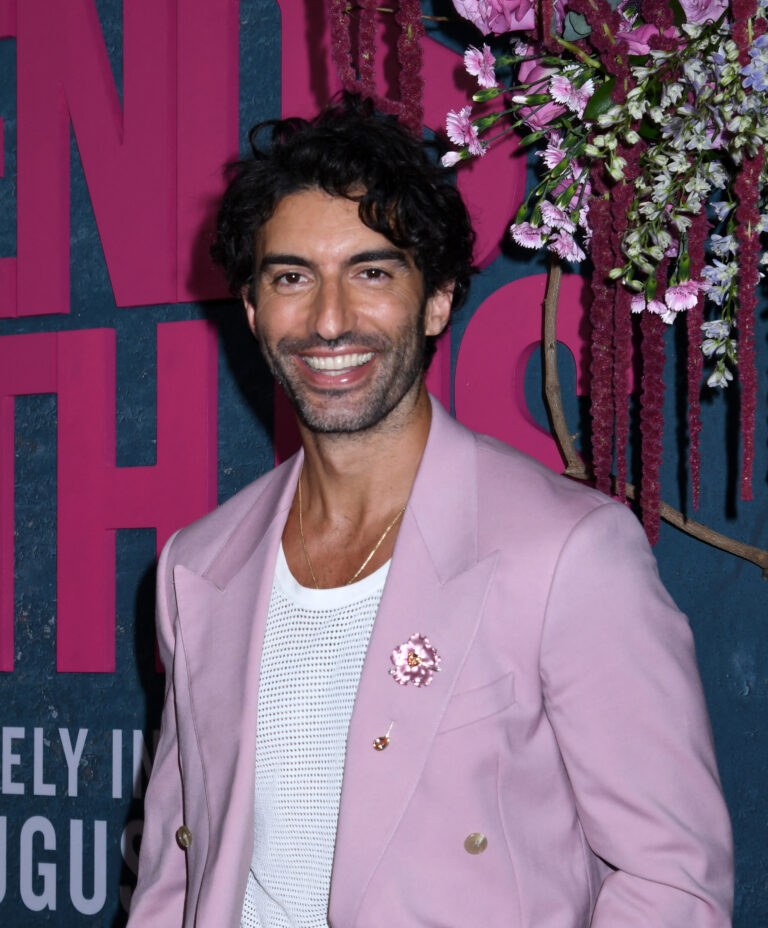
Baldoni’s legal team is pushing back hard, arguing that Lively’s reputation had already been impacted before the alleged incidents. They are seeking to introduce prior media coverage from 2024, claiming it shows she was already labeled a “mean girl” before any alleged campaign took place.
Baldoni’s lawyers wrote, “Evidence of Lively’s preexisting reputation is not being offered for the truth that she is a ‘mean girl,’ ‘bully,’ difficult to work with or ‘tone deaf’ but to establish Lively’s reputation prior to the alleged ‘smear campaign’ to show that defendants’ alleged conduct did not cause further harm to her existing reputation.”
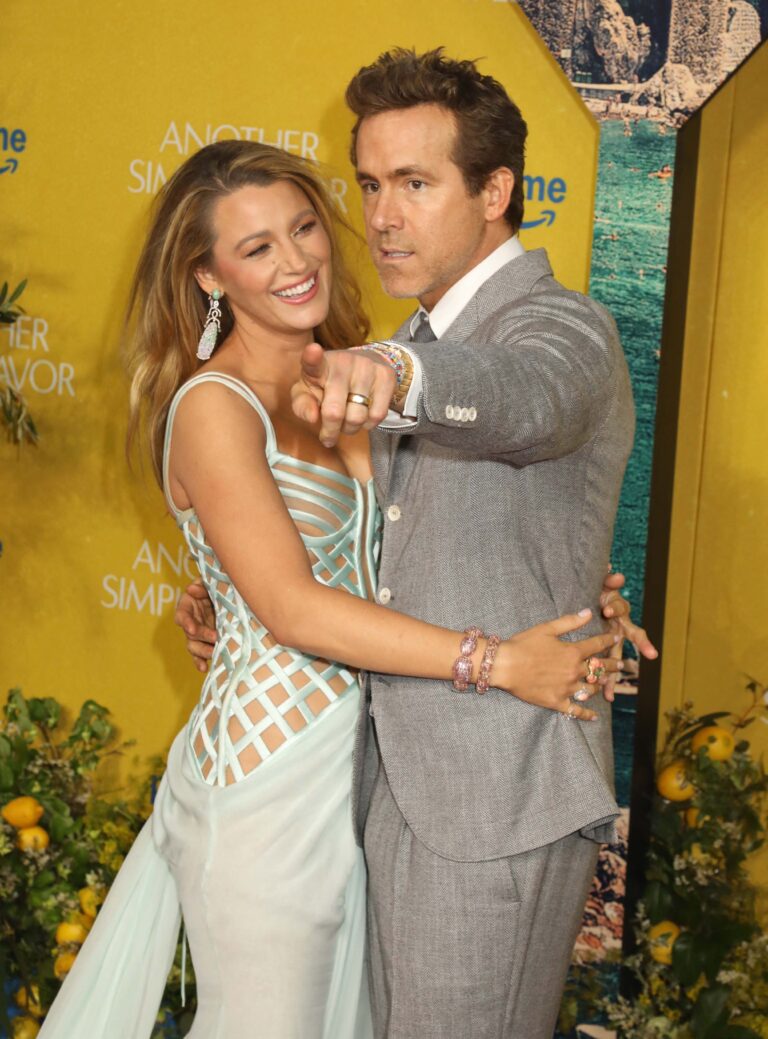
As the legal drama unfolds, Blake Lively has her husband firmly in her corner. Ryan Reynolds didn’t hold back when speaking about his wife during an April 19 appearance on Today’s “Sunday Sitdown.”
“I’ve never in my life been more proud of my wife,” he said. “People have no idea what’s really going on, you know? And I’ve just never in my life been more proud of someone with that level of integrity that brings that with them and carries that with them in everything that they do.”
Reynolds has also made it clear his support for Blake Lively goes beyond the current legal battle, previously calling out the pressures women face both in Hollywood and beyond. During a January 7, 2025, speech at the National Board of Review Awards, the actor spoke candidly about what he sees as a double standard.
“Stories about women seem to be held to a different set of standards, and that is to say that they’re often held to the standards women are held to in life,” he said at the time. “You must be perfect. You must hide your strength. You must shape-shift or placate.”
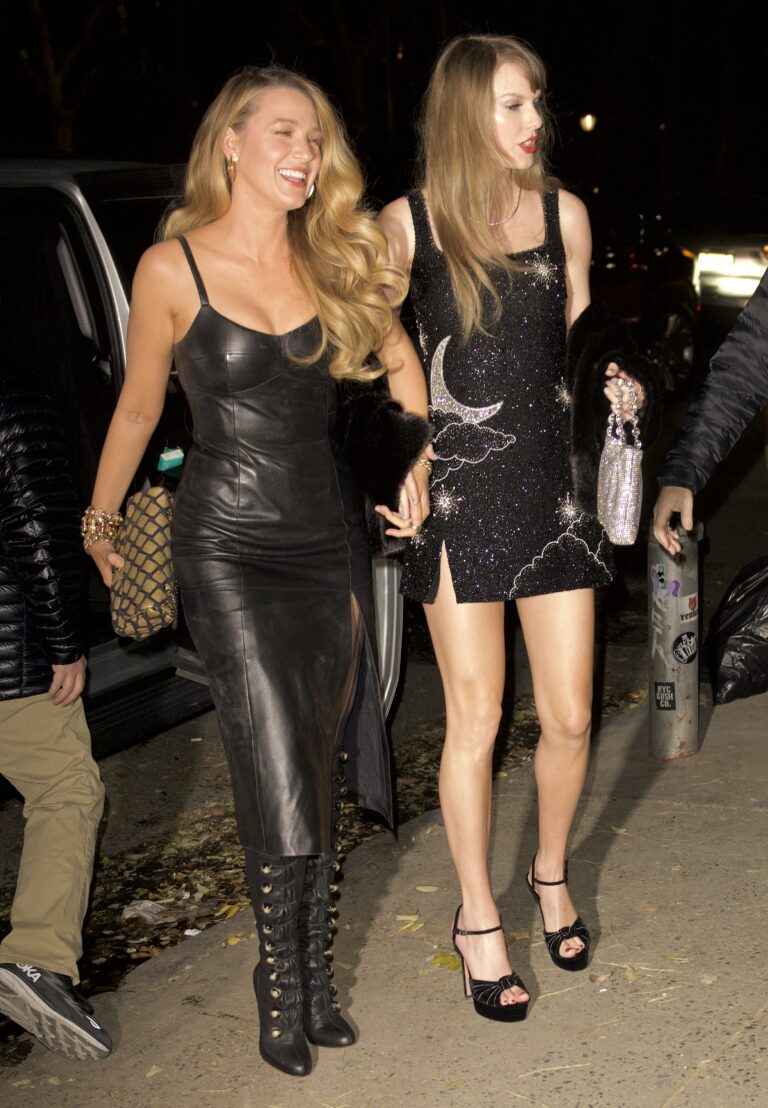
As the courtroom battle between Blake Lively and Justin Baldoni heats up, another major name has entered the conversation. Taylor Swift has reportedly been dragged back into the legal feud after her name appeared in jury selection materials ahead of the upcoming “It Ends With Us” trial.
According to court documents, both legal teams worked together to compile a list of questions for potential jurors, including one asking whether they are familiar with individuals who may be mentioned during the case: “Do you know any of the following people that you may hear from or about over the course of the trial?”
Swift’s name was included among a lengthy list of high-profile figures who could potentially come up during proceedings, signaling just how wide-reaching and closely watched the trial is expected to be.
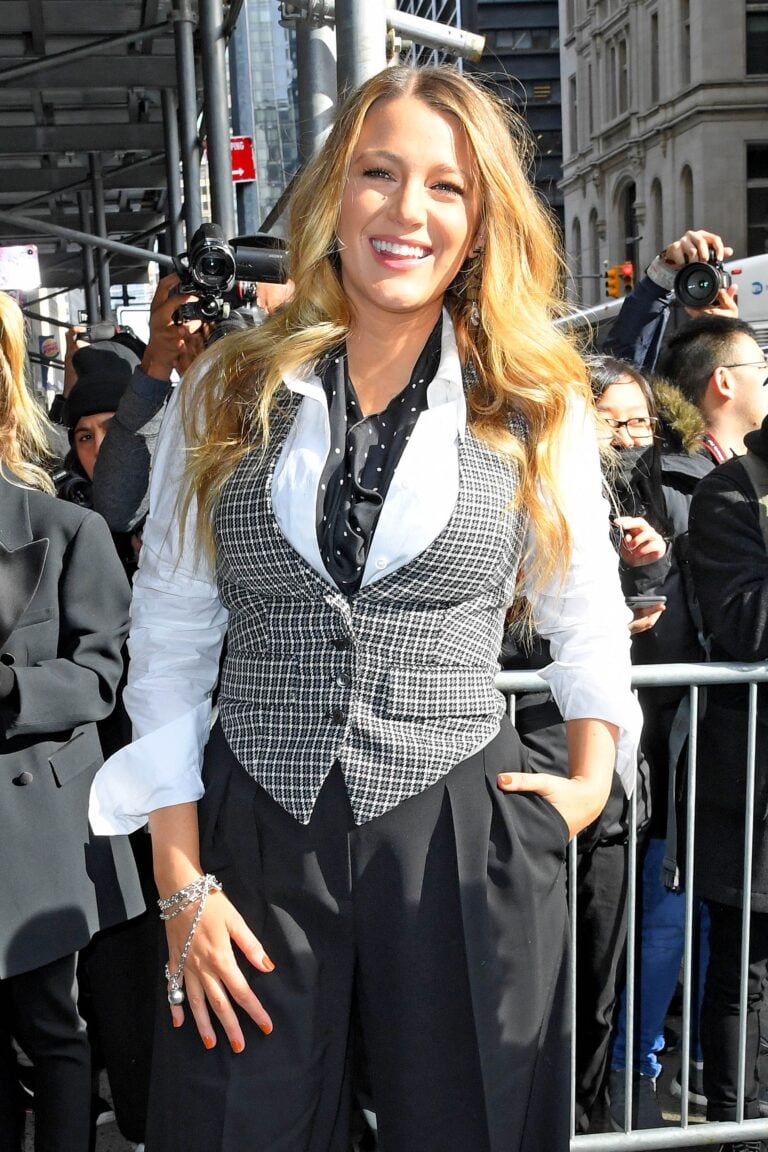
The case, which stems from Lively’s allegations of misconduct on the “It Ends With Us” set, is scheduled to go to trial in New York on May 18 and could last up to four weeks.
While several of Lively’s claims, including sexual harassment allegations, have already been dismissed, she is still seeking to introduce testimony from multiple women who she says experienced or witnessed inappropriate behavior on set.
Us Weekly has affiliate partnerships. We receive compensation when you click on a link and make a purchase. Learn more!
Dull, uneven skin and fine lines have a way of creeping up, especially when your routine starts feeling more like a chore than self-care. That’s why so many women (including myself!) are turning to at-home tools, like a red light therapy mask.
If you’ve been curious about red light therapy but didn’t want to commit to pricey treatments, the Renpho 4D Red Light Therapy Mask is the kind of deal that makes trying it feel like a no-brainer — especially for something you can use from your couch. Plus, it’s on sale right now!
Get the Renpho 4D Red Light Therapy Mask for Face for $150 (was $200) at Amazon! Please note, prices are accurate as of the publishing date but are subject to change.
Red light therapy has been gaining traction for its ability to help improve the look of fine lines, boost radiance and support smoother-looking skin over time. What sets the Renpho Red Light Therapy Mask apart is its 4D ergonomic fit, which contours comfortably to your face, making it much easier to use consistently.

Wrinkles between your eyebrows are one of those things you don’t notice — until you really notice them. Suddenly, they’re all you can see in every mirror, selfie and Zoom call. If you’ve been searching for a way to smooth fine lines without adding another complicated step to your routine, this 3-minute treatment might be […]
It’s also designed with real life in mind. The cordless, lightweight build means you can wear it while relaxing, scrolling or watching TV, and the simple controls make it easy to work into your routine without overthinking it. In other words, it solves one of the biggest skincare problems: consistency.
Shoppers are noticing the difference, too. One reviewer shared they were “honestly impressed” after only a few weeks of use. “It’s lightweight and comfortable to wear, and the 4D fit makes it sit nicely on the face without feeling bulky. The red light sessions are easy to fit into my routine, and my skin has started to look smoother and a bit more radiant. I also appreciate how simple it is to use.”
Another shopper with sensitive skin called this mask “incredible,” adding, “My skin is dry, with rosacea, reactive (sensitive), vascular, and very fair. After three uses, my skin started producing its own moisture, looks radiant and luminous, and my fine lines have diminished. I’ve been using it for three weeks, and my rosacea has improved. I recommend this mask 100%.”
If you’ve been looking for a way to upgrade your skincare routine without booking another appointment, this might be your sign — especially while it’s discounted.
Get the Renpho 4D Red Light Therapy Mask for Face for $150 (was $200) at Amazon! Please note, prices are accurate as of the publishing date but are subject to change.
Looking for something else? Explore more from RENPHO here and don’t forget to check out all of Amazon’s Daily Deals for more great finds!
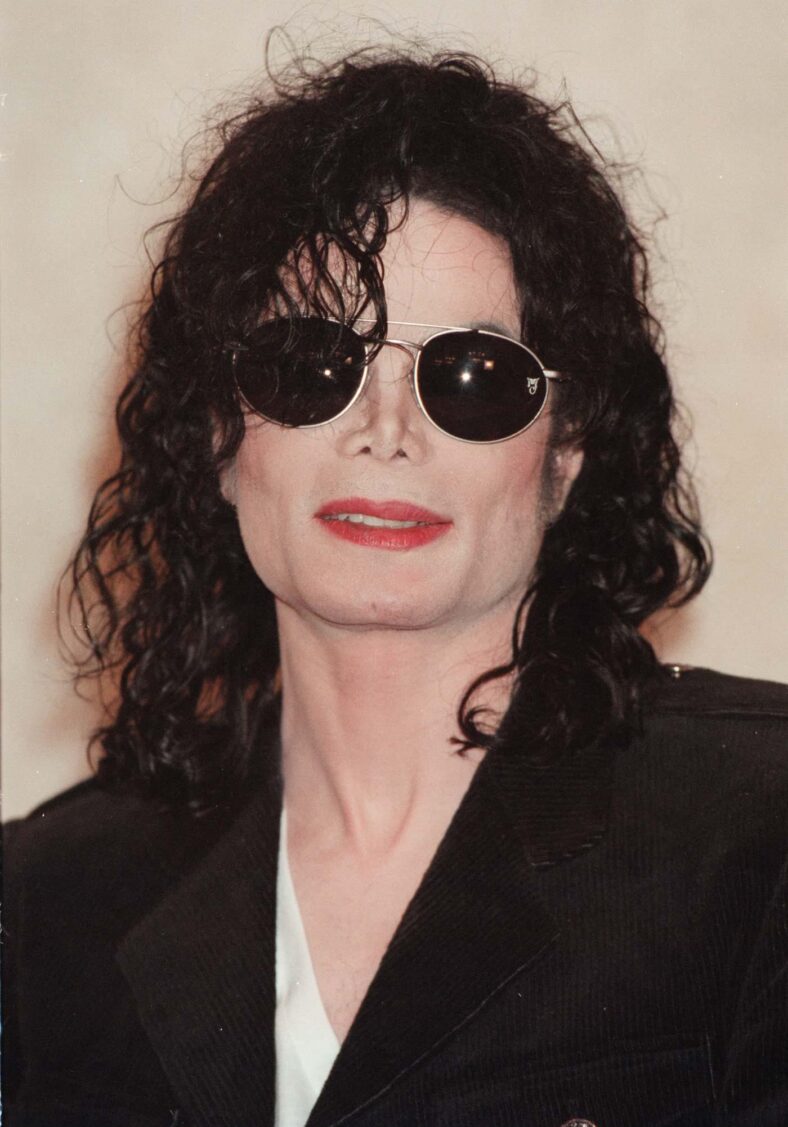
Not everyone is headed to the cinemas to watch the recently released Michael Jackson biopic.
One of the King of Pop’s accusers, James Safechuck, alleged that the iconic vocalist sexually assaulted him as a child during his visits to Neverland. Now, Safechuck has his back turned while many eyes are glued to the screens watching the viral biopic.
The film, which has been making headlines for a while, had several fans captivated and eagerly awaiting its release. Michael Jackson broke records during his lifetime by revolutionizing music videos and redefining popular dance, and was the first person ever to win eight Grammys in one night. Now he sets records in another sector of the entertainment industry, years after his death.
“Michael” has been making headlines, which have skyrocketed with its release in theaters. Many fans rushed to grab their tickets and popcorn to enjoy the show, but one person has assured the masses that he would not be caught in that queue. Safechuck says there is no way he is going to watch the film with a strong opinion that it should not have been produced in the first place.
TMZ reports that over the weekend, Safechuck was spotted in Sherman Oaks and asked if he planned to check out “Michael” on opening weekend, to which he responded simply but unequivocally, “no.” He stressed that the movie should not have seen the light of day, adding that his reason is clear: He does not believe in supporting child abusers.
Safechuck also raised his support for abuse survivors during his chat with outlets. In case you missed it, Safechuck and Wade Robson claim that they were sexually abused by the “Smooth Criminal” hit maker. Their allegations were not included in the biopic, and Safechuck was also asked about the missing storyline.
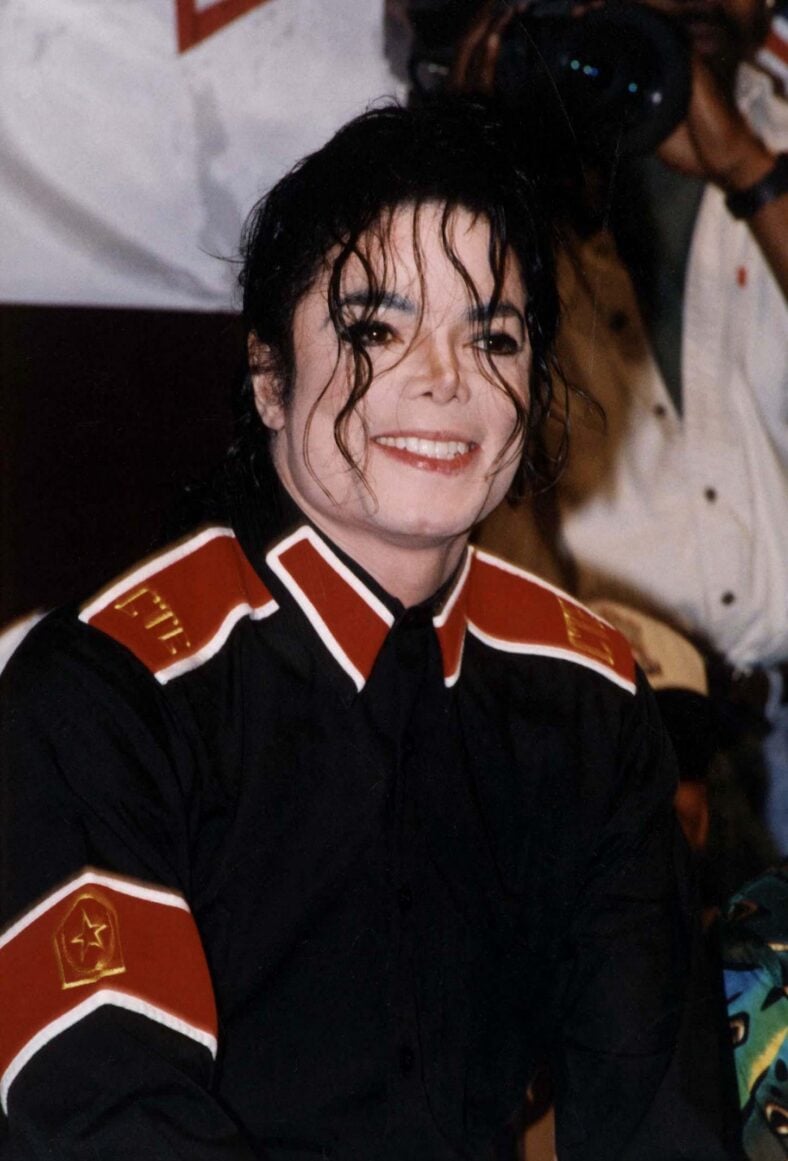
Shortly after the movie hit screens, Safechuck, who is also an actor, sent a reassuring message to others who have been sexually abused. The video clip made its way to the internet via the actor’s attorney, where he spoke about the promotion “Michael” was getting amid the singer’s alleged crimes.
He noted that the noise around the biopic could be triggering for other sexual assault survivors who may have been abused by different people in their lives, such as their sports coach, stepparent, and even a priest. He added that many a time, abusers are praised even when the alleged victims courageously come forth with detailed allegations.
Safechuck urged his listeners to lean on their support systems for love, adding that they should know that they are not passing through the pain alone. As shared by The Blast, Safechuck sent appreciation to news outlets for pushing his video message to the headlines on their platforms on Friday, April 24. He also reiterated his allegations that Michael was forcefully having his way with children during the Bad era.
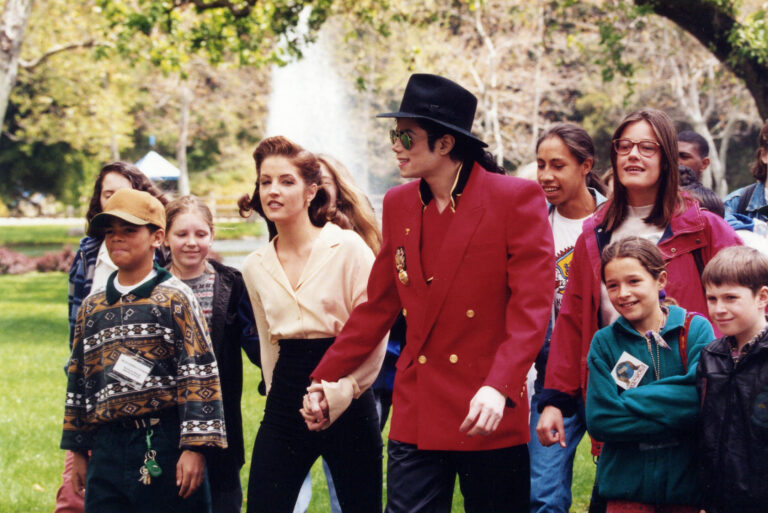
Safechuck and Wade Robson both came forward with claims that the hitmaker had sexually abused them as kids on the HBO documentary “Leaving Neverland.” They are suing the singer’s estate for $400 million in damages. Michael was never convicted of any crime, and his companies continue to deny the allegations, yet the two accusers maintain their stance.
They made strong, vivid accusations against the musician, which were detailed in the documentary now removed from the HBO streaming platform. Robson alleged in their lawsuit that he was abused every time he was with the artist. He cited that he spent time at Neverland during which the “Thriller” singer would fondle him, touch his body, and sometimes force him to watch as he performed sexual acts.
Safechuck, on the other hand, disclosed that he met the entertainer during a Pepsi commercial. Initially, he felt safe with him, but things then transitioned into an extensive grooming process. The actor also detailed how, at the beginning, his interaction with Michael felt loving but shortly became manipulative with time. He admitted that he was initially thrilled to be around the pop star, but realized there was a sinister agenda at play.
Robson and Safechuck both claim that the assault allegedly took place when they were children between 1988 and 1992. They established a pattern claiming that the late hitmaker lured them with a grooming process that began with gifts and frequent invitations to the Neverland Ranch and tours.
The Lionsgate biopic has risen to the occasion at the box office. The film arrived in theaters as an instant sensation with $97 million domestically and $217 million globally in its first weekend of release. Topping the chart like the legendary King of pop, the ticket sales for the film rank as the best start of all time for a biopic, exceeding the $60 million record set by 2025’s “Straight Outta Compton.”
“Michael” has also surpassed 2018’s “Bohemian Rhapsody,” which opened to $51 million before leaving fans wide-eyed with $910 million worldwide by the end of its run. As reported by Variety, the late musician’s biopic has made waves as the second-biggest debut of the year behind April’s sequel “The Super Mario Galaxy Movie” ($131 million).
The film continues to rise above expectations, rocking the box office despite the terrible reviews on Rotten Tomatoes. 38% of the reviews were positive on the critic site; however, audiences strongly disagreed with the rating. “Michael” has been tagged with an “A-” grade on CinemaScore exit polls, and most of the viewers are female.
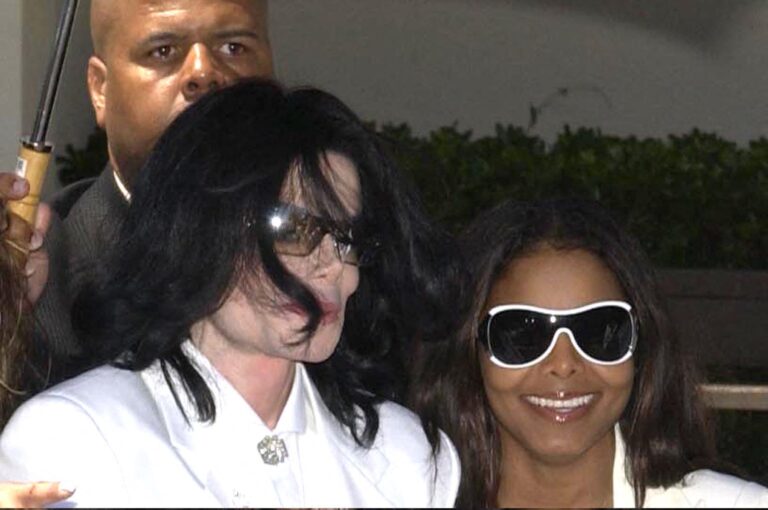
The late musician’s family members were at loggerheads over the biopic long before its release. It was the musicians’ sister, Janet, versus his brother Jermaine and other members of the Jackson household. Due to the unsettled differences, Janet’s role was completely wiped out from the film despite her close relationship with her late brother in real life. The Blast reported that she was offered an opportunity to be featured in the biopic, but she turned it down.
According to sources close to the family, the reason Janet and Jermaine are not seeing eye to eye is due to envy. “Janet’s always been insanely jealous of Michael, and her career is in the toilet,” the source disclosed. They also revealed that during the family review last month, the Jackson siblings got into a very heated argument over the phone.
Everyone but Janet applauded the film, cheering proudly at the preview, while the second most successful Jackson stood apart with criticism. While the topic of envy looms, Janet has previously shown her desire for her late brother to have the spotlight. Last year, she reportedly turned down all the offers to shoot her own biopic because “Michael” was yet to make its debut.
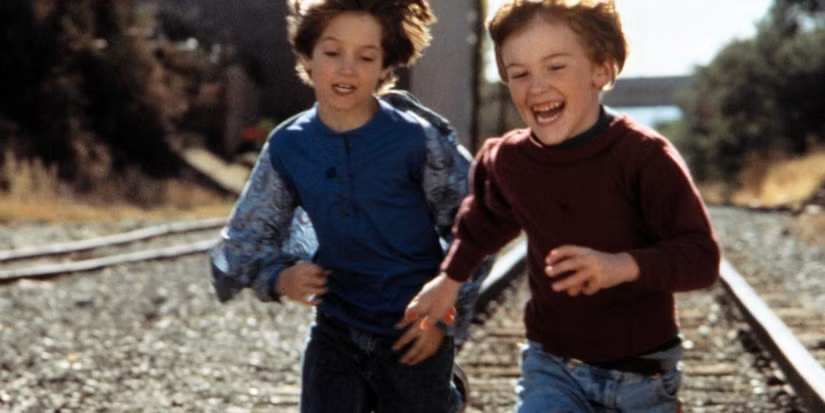
Elijah Wood and Tom Hanks played younger and adult versions of the same character in the 1992 underrated fantasy drama, Radio Flyer. Directed by the late, great Richard Donner, Radio Flyer did not achieve great commercial or critical success when it hit theaters. However, over 30 years after its original release, the movie endures as a magical, bittersweet, and poignant classic, exploring the bond of two brothers living under the terror of an abusive father, and the older brother, Mike Marshall (Wood), seeking the means to save his little brother, Bobby (Joseph Mazzello), from its horrors. It’s time to explore why this is the perfect time to revisit Radio Flyer.

Radio Flyer features Tom Hanks portraying the older version of Elijah Wood’s character, Mike Marshall, who, as an adult, recounts his childhood to his own young sons when they are quarreling. They move with their mother (Lorraine Bracco) to the California suburbs, where she falls in love with and marries a man the boys nickname, The King (Adam Baldwin), who turns out to be an abusive, alcoholic, and takes out his anger on Bobby. The boys keep the abuse a secret, believing they need to protect their mother’s happiness. After Mike receives advice from a dream about a magic buffalo, Mike and Bobby devise a plan for Bobby to escape The King by transforming their prized Radio Flyer toy wagon into an aircraft, so he can literally fly away from harm.
What’s important about Radio Flyer is the sadly realistic and tragic authenticity of the film’s premise. The movie’s subject matter is actually pretty dark and realistic, considering Bobby is subjected to horrendous physical abuse at the hands of his drunken stepfather, while simultaneously hiding the abuse from their more caring, yet sadly ignorant, mother. However, the plot adds a dreamlike, magical quality, empowering the children to discover a way to escape their predicament. Children connect with Radio Flyer because even though the subject matter is harsh and difficult, it still speaks to children’s imagination and seeks an uplifting message in the face of overwhelming strife. Many children see themselves in the place of Bobby, which provokes a strong emotional response. Children in Bobby’s place have likely experienced the same thoughts of a dream of escape, and Radio Flyer fully realizes that idea.
The other strength of Radio Flyer is that few cinematic dramas, fantastical or otherwise, capture the authenticity of Mike and Bobby’s brotherly bond. Wood and Mazzello wonderfully portray that relationship with their performances, making the movie very grounded and believable, yet still whimsical in how they accomplish their plan to build an aircraft. Seeing Mike’s desperation to help and save his brother, inspired by a dream of a magical buffalo, becomes incredibly powerful. It’s a deeply emotional, poignant depiction of a brotherly relationship that few movies have ever achieved.
Wood superbly carries the weight as the emotional protagonist throughout the narrative, with Hanks serving primarily as the narrator of the story, recalling the movie’s past events to his own children. Hanks’ Mike clearly tells the story from his own mind’s eye, so it’s up to the viewer to determine if Mike’s version is the authentic one. It grants the movie a grander thematic depth decades after its release.

A movie like Radio Flyer takes on a new context for adults, especially for its ending, where the adult Mike tells his own kids about “the importance of history being in the mind of the teller,” adding about his brother, “‘Cause that’s how I remember him.” It adds a bit of ambiguity over the ending and what really happened to Bobby, opening the final act to further interpretation and discussion. Did Bobby survive his flight, or did he perish in the process? Was Bobby even real, or was the whole event a dream-like fantasy that Mike created to deal with being subjected to abuse at the hands of The King? Or was all of it real, and did Bobby and Mike do something amazing, achieving the impossible?
Ultimately, every interpretation works, and that speaks to the power of Radio Flyer’s story. The saddest part about the movie lies in its truth to the movie’s premise, of children being subjected to physical abuse, and the strong possibility that they create fantasies in their heads about escaping that environment. The magic of Radio Flyer, which extends to various other movies as well, is that they bring those childhood fantasies to life. Stories like Radio Flyer are empowering because they do not talk down to children, but they speak to them with empathy on their level. Radio Flyer provides a genuine cinematic escapist experience with an authentically grounded premise. Children not only see the adventures of Mike and Bobby in Radio Flyer, but they also feel it on a sensory level. As they mature to adulthood, the story takes on a deeper context. For those reasons, Radio Flyer is easily worth a look.
Radio Flyer is available to stream for free right now on Tubi and Roku.

February 21, 1992
114 minutes
Richard Donner
David Mickey Evans, Lauren Shuler Donner, Michael Douglas, Peter McAlevey, Richard Solomon

Brad Pitt‘s daughter Zahara recently delivered an emotional speech celebrating her close bond with her mother, Angelina Jolie.
Speaking at Spelman College, the 21-year-old reflected on her upbringing, the actress’s influence, and growing up in the public eye.
However, Zahara made no mention of her father, Brad Pitt, further confirming reports of his strained ties with his kids amid his legal issues with Angelina Jolie.

Zahara offered a rare glimpse into her bond with her mother, Angelina Jolie, during an emotional speech that notably left out any mention of her father, Pitt.
The actor has been estranged from all his now-adult kids, who have been primarily raised by Angelina and seem to be on her side amid their parents’ legal battle.
Zahara made this abundantly clear when she spoke at a mother-daughter brunch hosted by the Pearls of Purpose Foundation alongside the Nu Lambda Omega Chapter of Alpha Kappa Alpha Sorority at Spelman College.
Addressing the audience, the 21-year-old admitted it was difficult to fully express the depth of her relationship with her mother, describing it as something uniquely profound and almost beyond words.
“When asked to speak with you all today on the value of mother-daughter relationships, it felt challenging to find the words,” she began, per the Daily Mail. “Not challenging because I don’t value it, but because my mom and I have a unique, almost kindred, relationship that can be hard to put into words.”
She reflected on her upbringing, sharing that although she was adopted as an infant, she grew up surrounded by love, strong values, and a close-knit family. Zahara credited her mother for instilling principles like compassion, kindness, and personal growth, values she believes are especially important in today’s world.
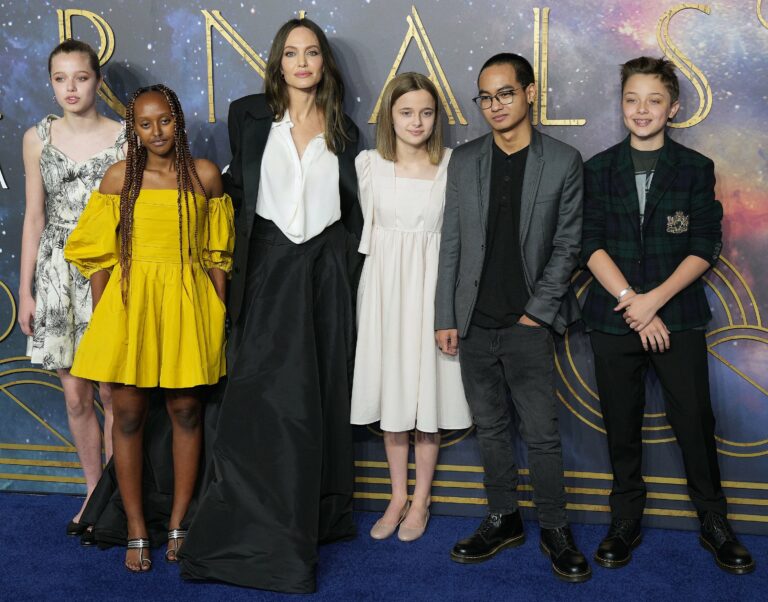
In her speech, Zahara praised Angelina as the most selfless, loving, and understanding parent, someone she continues to admire and learn from.
She spoke about the challenges of growing up in the public eye, noting how difficult it can be to maintain private, meaningful moments under constant attention. Despite that, she said her mother has always stayed engaged and supportive in every aspect of her life, from academics to personal growth.
Now a senior studying psychology with a minor in educational studies, Zahara also highlighted how her mother’s humanitarian work influenced her own outlook.
She shared that she often stepped into the role of a “second mother” among her siblings, inspired by the example set at home.
Zahara, who dropped “Pitt” from her name in 2023, focused entirely on her relationship with her mother throughout the speech, offering heartfelt gratitude.
She ended with a simple but powerful message, thanking the “Maleficent” actress for shaping her into the person she is today.
Quoting a phrase that resonated with her, she concluded, “I am a strong woman because a strong woman raised me. Thank you, Mom.”
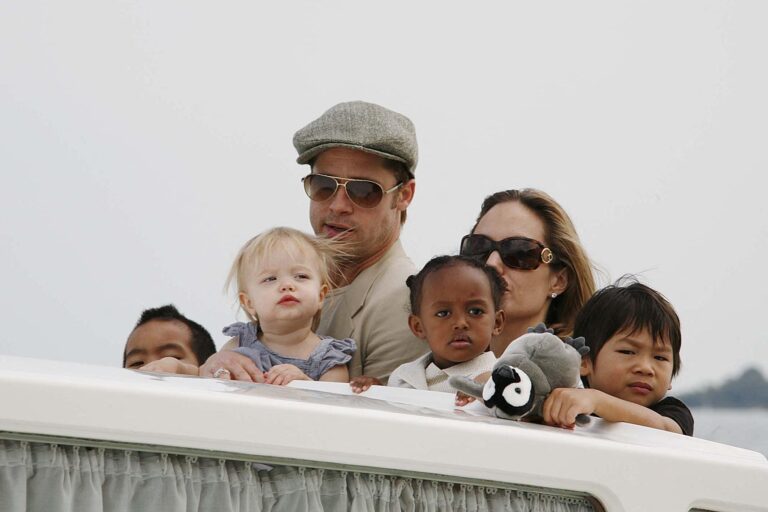
Zahara is one of six children shared by Angelina and Pitt. The former couple, who first connected while filming “Mr. & Mrs. Smith,” also have Maddox, Pax, Shiloh, and twins Knox and Vivienne.
After more than a decade together, Angelina and Pitt married in 2014 but separated just two years later, in 2016.
Angelina filed for divorce, citing irreconcilable differences, and later made allegations of abuse involving both herself and their children, which Pitt has consistently denied.
Their divorce proceedings stretched on for years before finally being settled in late 2024. In the time since, several of their children have distanced themselves publicly from their father, including by dropping his surname.
Shiloh, for instance, legally changed her name to Shiloh Nouvel Jolie after turning 18 in 2024. Maddox has also opted to go by “Jolie” professionally, appearing under that name in credits tied to film projects like “Couture” and “Maria.”
The actor’s youngest daughter, Vivienne, also once dropped Pitt from her name, opting to be credited as “Vivienne Jolie” in a project.

Meanwhile, the former couple remains locked in a separate legal battle over Château Miraval, their once jointly owned vineyard, in a dispute reportedly worth $164 million.
Angelina has requested that the trial be postponed by nine months, potentially pushing proceedings to late 2027.
Pitt’s legal team has pushed back, arguing that such a delay could weaken the case as “important evidence is disappearing” and witness testimony may no longer be available.
According to court filings, one significant witness, Angelina’s former business manager, Terry Bird, has passed away.
Another potential witness, her former transactional lawyer, Laurent Schummer, is reportedly too unwell to testify. Pitt’s team claims these developments “are yet another reason that a nine-month delay of the trial date would prejudice Plaintiffs.”
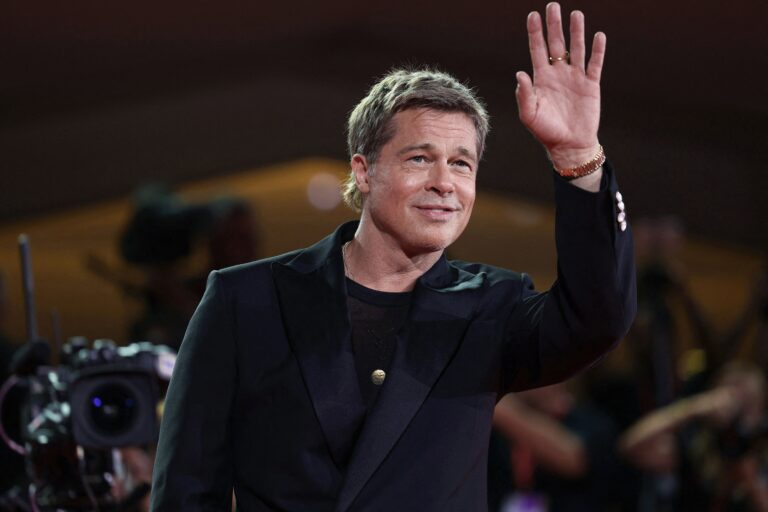
They also argue that the prolonged dispute has deprived Pitt of the “quiet enjoyment of his home in France,” and has negatively impacted the winery’s operations.
The legal documents suggest that ongoing disagreements between stakeholders, along with involvement from the Stoli Group (which acquired Angelina’s stake), have created instability for them.
“This dispute should be resolved as soon as possible so that all parties—including Mr. Pitt—can move on with their lives,” the court doc concluded.

By Robert Scucci
| Published

Before getting into my review of Netflix’s The Electric State, which is a feature-length adaptation of the graphic novel of the same name, I need to get something out of the way. I am not a “dense lore” kind of person– if a movie comes out that’s based on an established and adored intellectual property, I don’t think it’s necessary to get into the source material just so I can enjoy an action-adventure film on streaming. In other words, I didn’t go into viewing The Electric State expecting a direct adaptation because I never read the source material; I treated it as its own standalone title, and my review is based solely on the merits of the film itself.
That being said, I thoroughly enjoyed The Electric State, and I will be checking out the graphic novel as soon as I get off the waitlist for the title at my local library. Maybe I’ll have a change of heart in my assessment of the film after thumbing through the pages and taking in its worldbuilding, but as of this writing I can say with confidence that this $320 million Netflix Original is an incredibly fun outing, and absolutely has replay value as a family-friendly sci-fi adventure film thanks to the talent of its two leads, Millie Bobby Brown and Chris Pratt.
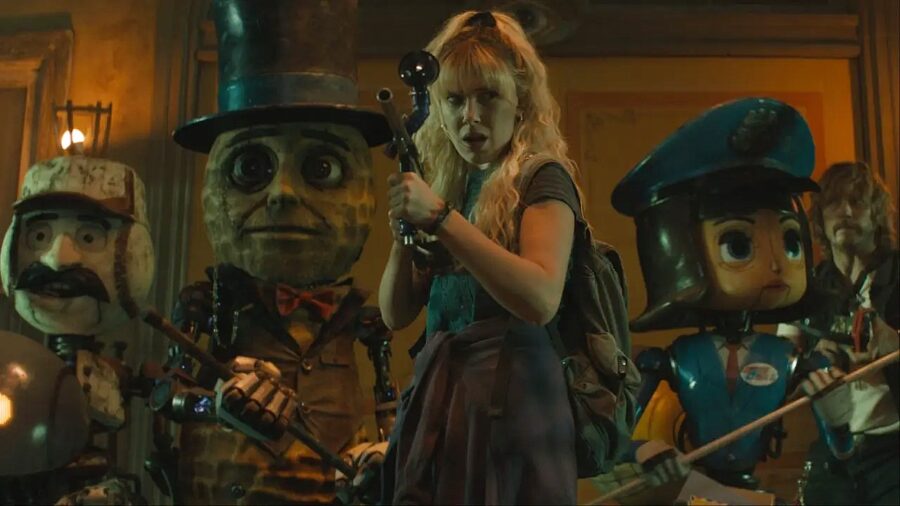
Set in a retro-futuristic 1994, The Electric State centers on Michelle Greene (Millie Bobby Brown), who finds herself living in a post-war world after humanity overcame a robot uprising. Before the war, Michelle’s younger brother, Christopher (Woody Norman), and her parents died in a car accident, resulting in her being bounced from foster home to foster home with no sense of stability. After receiving a visit from a sentient robot named Cosmo (voiced by Alan Tudyk), Michelle has reason to believe that Christopher’s consciousness is controlling the machine, and sets out to find her brother, who, in theory, is still alive somewhere for this all to be possible.
Given that most humans at this point in time in The Electric State would rather wear Neurocaster headsets and live in a simulation instead of worrying about the real world they live in, Michelle has little difficulty in venturing out with Cosmo, and meets a jaded war veteran named John D. Keats (Chris Pratt), who reluctantly joins them on their journey.
On their way to the sprawling exclusion zone where the robots were banished to, Michelle encounters Dr. Clark Amherst (Ke Huy Quan), who explains that Christopher survived his accident, and his consciousness had been harnessed by Sentre because his intellect allowed for their Neurocaster technology to be developed in order to spearhead their war efforts against the robot uprising.
Knowing that Christopher needs to stay hooked up to machines in his vegetative state so Sentre can continue its operations hinging on world domination in The Electric State, CEO Ethan Skate (Stanley Tucci), and General Marshall Bradbury (Giancarlo Esposito) stop at nothing to subdue and eliminate Michelle, Keats, and Cosmo in their efforts to find the truth that’s hidden in the heavily fortified exclusion zone that’s led by a robotic Mr. Peanut (Woody Harrelson).

My first impression of The Electric State was that it was insulting to my intelligence because every single plot point is told through dialogue instead of being shown on screen. I quickly had a change of heart, however, for a couple of reasons.
Given The Electric States‘ massive budget, it’s hard not to notice that the money was well spent on CGI animation and over-the-top battle sequences pitting robots against humans. There’s so much going on, visually speaking, that you simply want to be told what’s going on so you can feasibly watch such a visually enthralling adventure that’s so dense you’ll miss out on the action if you blink for even a second.
Additionally, The Electric State, though it tackles heavy subjects like government overreach in a dystopian setting, is a kids’ movie. I can’t fault the Russo brothers for knowing their audience and dumbing down some elements to give the film mass appeal. The Electric State is the kind of movie that you sit down and watch with your kids because the violence is cartoonish enough to not traumatize them, and any complex idea that would be obvious to adults needs to be spelled out in a way that a developing mind can digest, so they can get back to enjoying the story.

The Electric State was supposed to be one of Netflix’s giant prestige sci-fi events. Instead, it landed with a thud. Despite a reported budget of somewhere around $300 million, the movie failed to generate the kind of cultural impact Netflix clearly wanted.
Critical response to The Electric State was brutal almost immediately. Reviewers hammered it for feeling hollow, overproduced, and emotionally lifeless despite its gigantic budget and stacked cast. Many critics compared it to AI-generated entertainment: technically polished, visually busy, but lacking any real soul or artistic personality.
Audience reaction wasn’t much better. Think of the way movies like Don’t Look Up or Bird Box became unavoidable for weeks. Electric State never got there. People sampled it, shrugged, and moved on. That’s a disaster when you’ve spent blockbuster theatrical money on a movie designed entirely to drive subscriptions and attention.
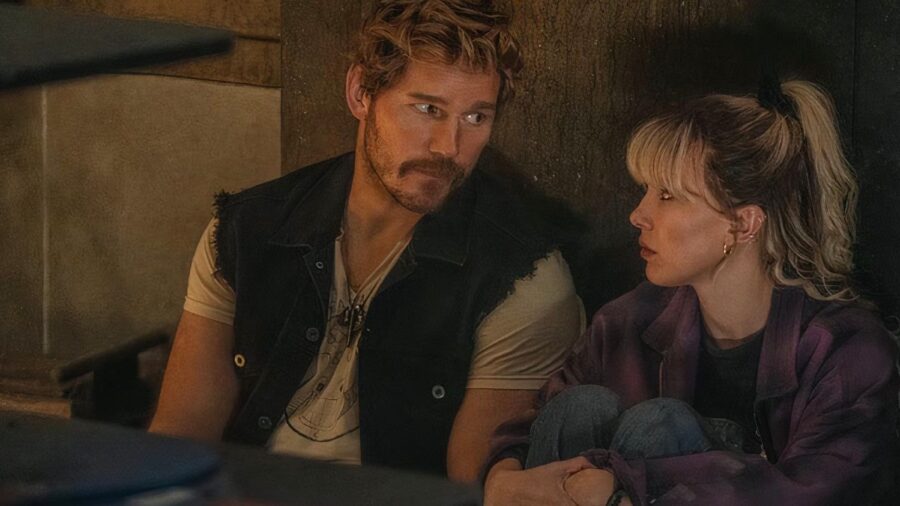

My review of The Electric State probably won’t sit right with fans of the original graphic novel, but I’m okay with that. As a father of young kids who are just getting into sci-fi, this is the perfect lazy summer day big-budget adventure that everybody can enjoy if they’re willing to go into it with an open mind. And if “the book is better,” then I’m glad to hear it because I hope to read it soon, which will allow me to enjoy the world that Simon Stalenhag created while appreciating how the movie does its own thing by branching out from the IP’s established fiction to tell its own story.
The Electric State is a Netflix Original, and can be streamed with an active subscription.
The production of the highly anticipated Michael Jackson biopic has sparked significant conversation regarding the financial and creative decisions made behind the scenes.
Recent reports suggest that the film’s leadership received a massive payout to oversee major changes to the script, specifically involving the removal of sensitive historical allegations.
This substantial investment was reportedly necessary to align the film with legal constraints while managing the schedules of its high-profile creators.
The director and producer of the new biopic, titled “Michael,” allegedly received an additional $25 million combined to modify the film’s content.
According to a report from Bloomberg, director Antoine Fuqua and producer Graham King were originally slated to earn $10 million and $6 million, respectively. However, the figures reportedly climbed significantly, with Fuqua receiving an extra $15 million and King an additional $10 million.
These payments were reportedly triggered by the need to cut out and reshoot scenes that referenced the 1993 child sex abuse allegations made against the late pop star.
While the original script reportedly included scenes touching on these controversies, they had to be removed due to a legal clause in a past settlement between Michael and the family of Jordan Chandler.
A spokesperson for King clarified that these large sums were actually part of a “new budget” necessitated by the unplanned production extension. People Magazine also confirmed that because the film had to go back into production for reshoots, both Fuqua and King were forced to postpone other major projects and commitments.
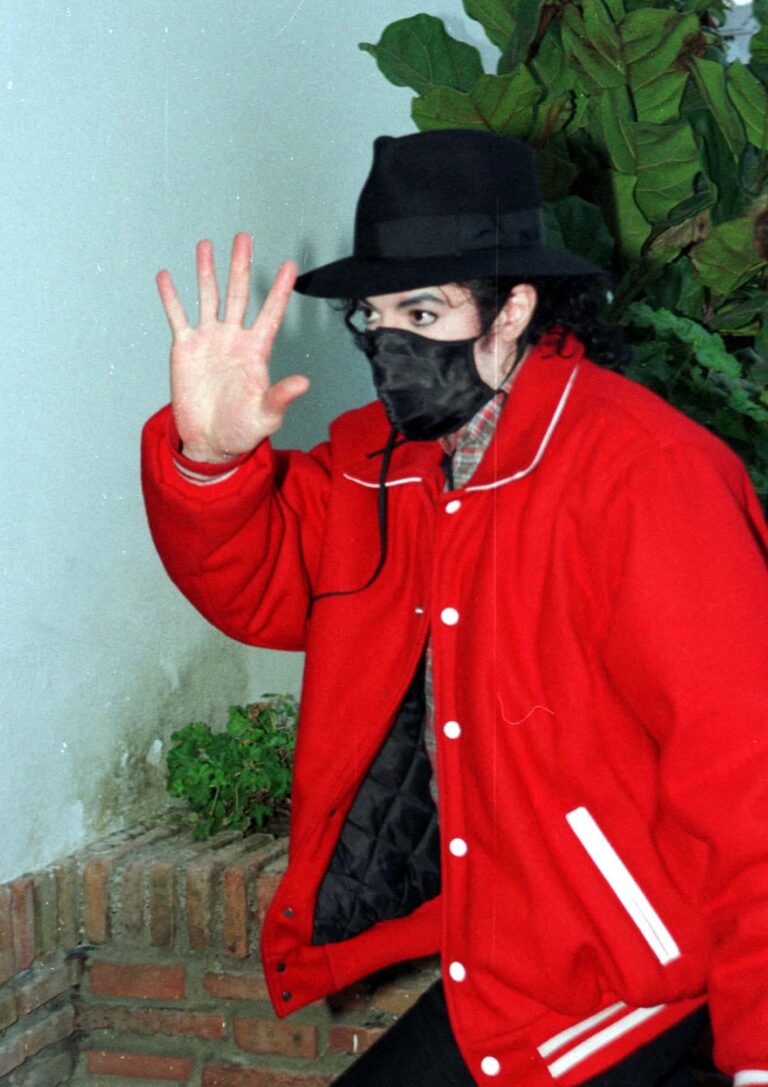
While the film’s production team focused on the logistical reasons for the script changes and alleged omission, critics of the pop star’s legacy expressed deep frustration over the narrative shift.
Dan Reed, the director of the 2019 documentary “Leaving Neverland,” reignited the debate by comparing the late singer to Jeffrey Epstein. Reed criticized the biopic for ignoring the serious allegations that have shadowed Michael’s career for decades.
According to The Blast, he questioned how an authentic story could be told without addressing the claims of child molestation.
“How can you tell an authentic story about Michael Jackson without ever mentioning the fact that he was seriously accused of being a child molester?” Reed asked.
Notably, Reed’s criticisms are rooted in the accounts of Wade Robson and James Safechuck, the two men whose allegations of childhood abuse formed the centerpiece of his documentary.
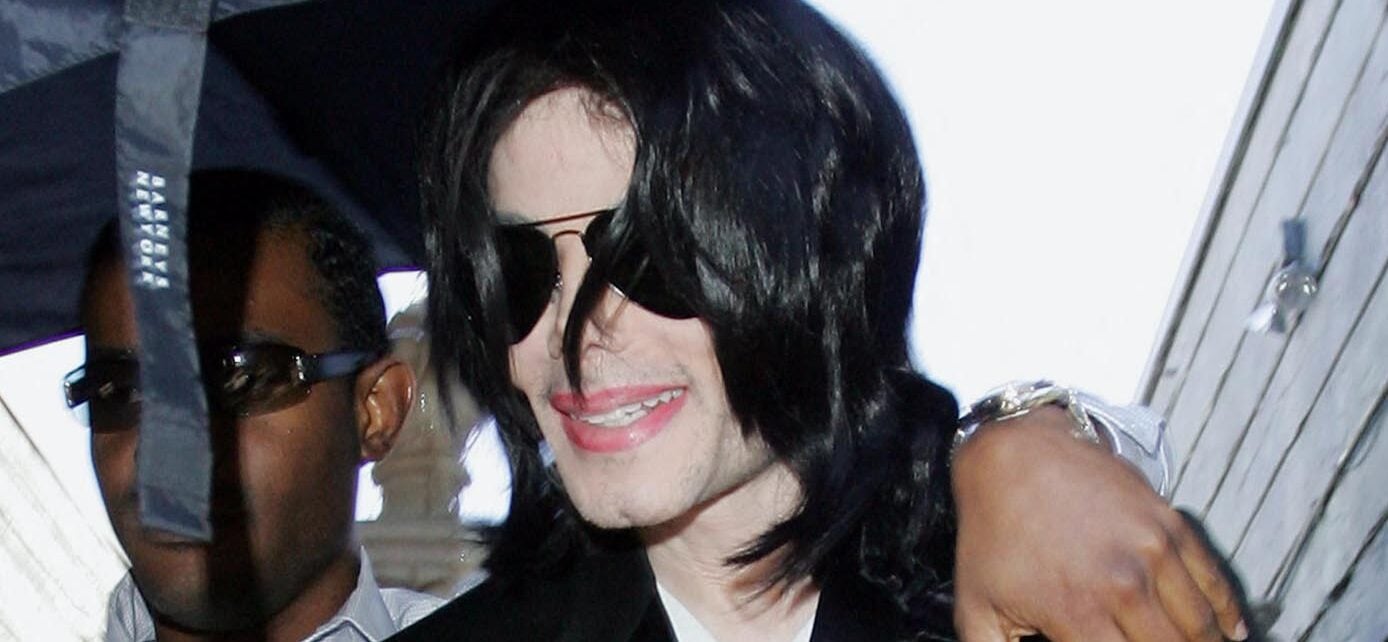
The controversy surrounding the biopic’s omissions stands in stark contrast to the reception the film received from those closest to the late singer.
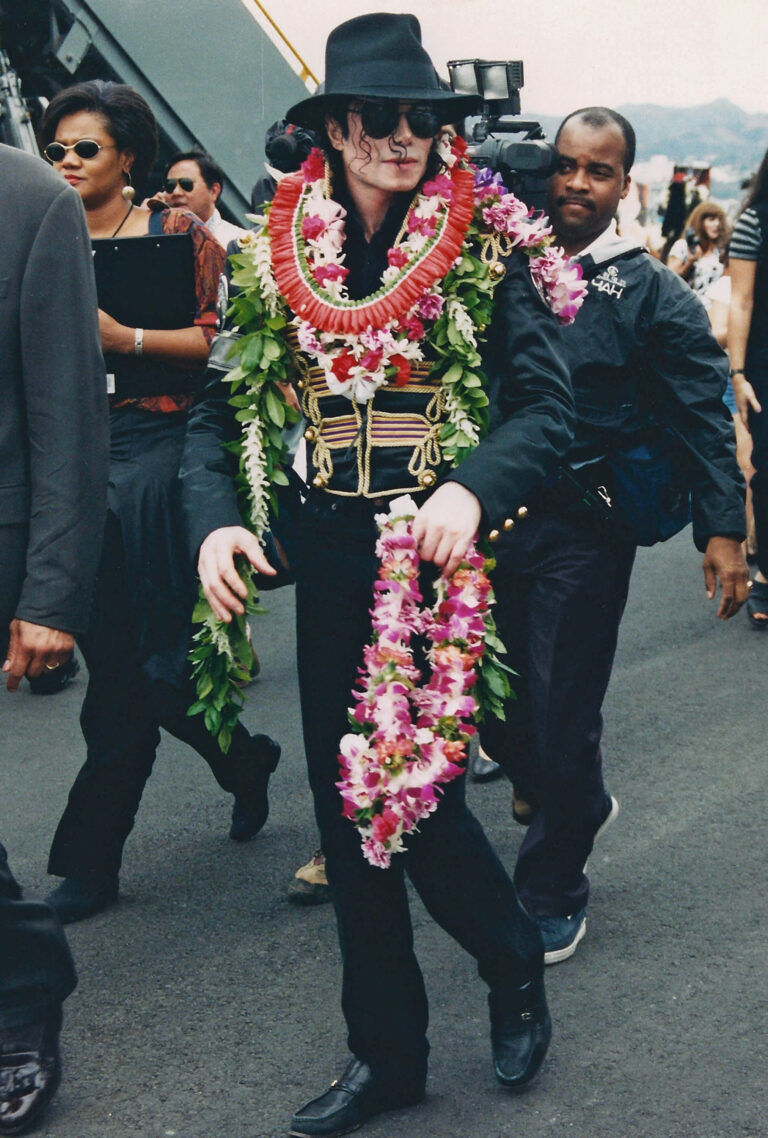
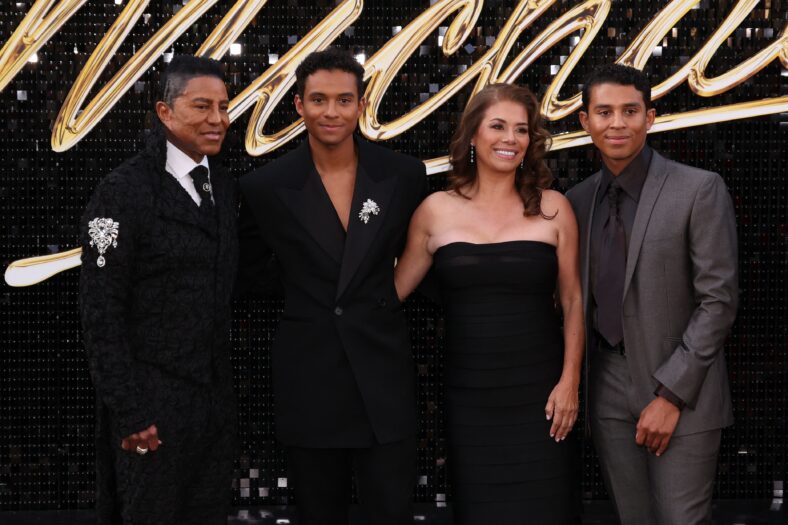
At a star-studded Hollywood premiere, the project was celebrated by members of the Jackson family, who gathered to support the portrayal of Michael’s early career and rise to stardom.
The event served as a major showcase for Jaafar Jackson, the pop icon’s nephew, who took on the task of playing his uncle, per The Blast.
The premiere was attended by Michael’s siblings, including La Toya, Marlon, Jermaine, and Jackie Jackson, all of whom shared their amazement at the lead performance.
While the Jackson family celebrated the film’s portrayal of Michael’s life, the individuals whose allegations were omitted from the script used the movie’s release to speak out.
Safechuck, who claimed he was assaulted by the singer between 1988 and 1992, released a video message through his attorney to address the current media frenzy.
He noted that the “Hollywood hoopla” surrounding such a high-profile release can be deeply traumatizing for those who have experienced childhood abuse, according to The Blast.
Robson also took to social media to voice his disappointment with the production’s direction. He shared his confusion over how a major film could be created without considering the impact on those who have come forward with accusations.
The controversy surrounding the film’s narrative also seemed to have influenced the career path of its leading man. Jaafar recently shocked fans by announcing a significant shift in his professional focus.
The Blast reported that while many expected the biopic to be a springboard for his own pop stardom, the young performer is instead stepping away from his musical ambitions to pursue a full-time acting career.
During an appearance on “The Jennifer Hudson Show,” Jaafar revealed that he is ready to wind down his singing career despite the anticipation surrounding his debut project.
He explained that portraying his legendary uncle on stage felt like reaching the pinnacle of artistic expression, leaving him feeling that any future musical endeavors might not measure up to that experience.
:max_bytes(150000):strip_icc():format(jpeg)/Amy-Heckerling-New-Group-Annual-Gala-2019-Sean-Penn-Fast-Times-At-Ridgemont-High-042726-72831d96c4264777b28e104fa014a6f1.jpg)
“Every time I would get a statement from [the studio] over the years, it was always in the red,” Heckerling claimed.








Weekend Open Thread – Corporette.com

Hyperliquid $HYPE Rally Builds Momentum as AI Sector Enters Prove-It Phase


Register Renaming | Hackaday


Making troops accountable for war crimes threatens US alliance, ex-SAS colonel warns


Disabled people challenge government SEND proposals over segregation concerns


Patterson-UTI Energy, Inc. (PTEN) Q1 2026 Earnings Call Transcript


Rolls-Royce Voted UK’s Most Iconic Trade Mark as IPO Register Hits 150

Five Value Stocks with Recovery Potential in 2026: PayPal (PYPL), Nike (NKE), and More

IPL 2026: Ruturaj Gaikwad registers slowest fifty of the season, enters all-time unwanted list | Cricket News


Starmer handler McSweeney to be dragged from shadows by Foreign Affairs Committee


Zack Polanski responds to home secretary’s taser threat
Wings Over Scotland | How To Get Away With Crimes


New York sues Coinbase, Gemini over prediction market offerings
Sydney Sweeney cameo cut from “The Devil Wears Prada 2”, source explains why (exclusive)

Crypto’s great hope in Senate’s Clarity Act still has a path to survive tight calendar

HCL Tech share price tank over 9% after weak Q4. JPMorgan, HSBC & 3 others cut target price


Kilkenny Design New Beauty Arrivals for Spring 2026


‘Iran is still a nuclear threat’

Tim Bradley names the current best in the world: “Better than Inoue and Usyk”


LK Bennett closes all stores after entering administration


You must be logged in to post a comment Login