

Entertainment
Millennials Can Finally Scar Their Kids For Life Thanks To Disney+’s Latest Rollout

By Robert Scucci
| Published

As of May 25, 2026, The Brave Little Toaster (1987) is finally available to stream on Disney+. Years ago, I wrote about how Disney+ was bizarrely missing the title from its streaming catalog despite hosting its much crappier sequels, The Brave Little Toaster to the Rescue (1997) and The Brave Little Toaster Goes to Mars (1998). To anybody who grew up with the original film, this always felt strange because Disney had long treated The Brave Little Toaster like part of its extended family while simultaneously keeping the actual movie locked away.
The reason came down to rights issues and the complicated history behind the film itself. While Disney distributed the movie on home video and eventually absorbed much of the talent that helped create it, the original film was produced independently by Hyperion Pictures. Disney had stronger ownership and distribution control over the direct-to-video sequels, which is why those movies hit Disney+ years before the original ever did. For years, the streaming rights surrounding the 1987 film appeared to be tied up in older licensing agreements that left it in limbo.
A Cult Classic Disney Couldn’t Fully Claim

The Brave Little Toaster has always occupied a weird space in Disney history because the film’s DNA is deeply tied to the company even though it wasn’t fully born under the Disney banner. The project was spearheaded by former Disney employees, including future Pixar co-founder John Lasseter, and many people have referred to Hyperion Pictures as a proto-Pixar operation because of the talent involved. Disney originally passed on fully backing the film after executives reportedly questioned whether audiences would connect with a story centered around talking appliances.
Despite its rocky production history and extremely limited theatrical release, The Brave Little Toaster refused to disappear. The film found its audience through VHS rentals and syndication on the Disney Channel throughout the late ’80s and early ’90s, becoming one of those formative childhood movies that traumatized an entire generation with air conditioners having mental breakdowns and horrifying junkyard death songs. Disney eventually released the movie on DVD in 2003, but for years, streaming remained the one place fans still couldn’t easily find it.

While I’m no lawyer, I’m pretty good at basic math. I can’t find anything publicly stating that Disney officially secured the rights, but Disney+ has been going heavy on throwback additions and has more money than God. So, I’m operating under the reasonable assumption that Disney either renegotiated the streaming rights with Hyperion Pictures or simply bought them outright, knowing longtime fans of the movie would finally be able to stream it at home alongside the other two movies that only belong to the Brave Little Toaster franchise by name (they’re terrible).
We Can Finally Pay It Forward, And Scar Our Kids For Life
On its face, The Brave Little Toaster is basically an early version of Toy Story. Here, we have talking appliances who come to the horrifying realization that their “Master” has abandoned them, prompting them to set out in search of him after their Jack Nicholson-sounding air conditioner friend has a life-ending mental breakdown.

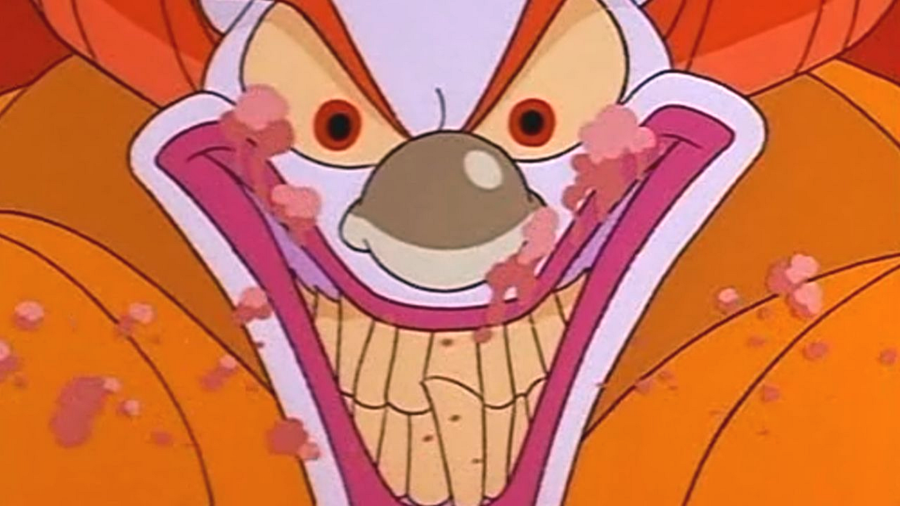
They trudge through treacherous terrain. Toaster (Deanna Oliver) experiences a disturbing nightmare sequence in which a clown rises out of a fire with smoke billowing through his gritted teeth, prompting him to “run” before he falls into a bathtub and gets electrocuted to death. The gang eventually ends up in a repair shop where the owner guts other appliances alive for parts before the film culminates in the third-act junkyard sequence, where every single character we’ve grown attached to faces certain death while hoping to be rescued before they’re crushed into submission.
As terrifying as The Brave Little Toaster may be, and trust me, this movie made me ugly cry when I was a child, it also tells an incredibly wholesome story about found family, resilience, and the power of friendship in a way that no Disney or Pixar film has really achieved since. It proves that hope can exist in a world full of pain if you refuse to let the elements beat you down. The film resonated with an entire generation of kids who all have kids of their own now.

Modern life has only gotten more complex and difficult since 1987, and even as adults, we could all learn something from The Brave Little Toaster. And that message is simple: don’t give up. Ironically enough, the film’s home-viewing legacy is almost as poignant as its original messaging. If you’re dealt a bad hand, you need to persevere. Only then can you reemerge from the ashes like a phoenix, or, like the horrifying clown demon in the film, look around, and say to yourself, “everything’s going to be okay.”
As of this writing, and hopefully forever, The Brave Little Toaster is streaming on Disney+.

Continue Reading
The 1990s represented a new peak for war filmmaking. The era saw a myriad of filmmakers masterfully balancing a sweeping sense of scale with some of the grittiest, most realistic portrayals of military combat that the genre had ever seen. Add to that shifting moral complexities, added philosophical depth, and even the occasional dramedy that satirized the concept of war in ways that not many movies ever had before, and you get one of the best-ever decades for war cinema.
It takes something truly special in order for a film to be truly perfect from start to finish, however; and as such, only a precious handful of ’90s war movie masterpieces can genuinely be praised as flawless. Of course “flawlessness” as it relates to movie analysis is a highly subjective thing, but there’s no denying that these eight ’90s gems are about as close as cinema can ever possibly come to perfection.
8
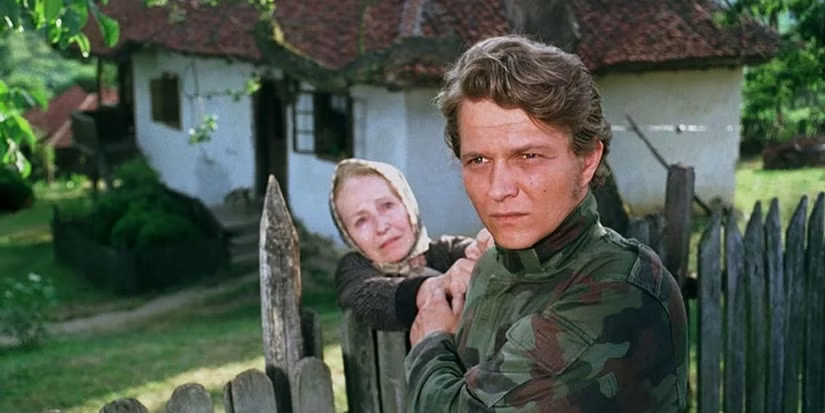
‘Pretty Village, Pretty Flame’ (1996)

The ’90s didn’t just see an increase in the quality of war films from Hollywood, but also in war films from the rest of the world. However, as often happens with smaller international productions, many of those masterpieces have faded into oblivion as the years have passed. That’s a particularly egregious crime when it comes to the Yugoslav masterpiece Pretty Village, Pretty Flame. Directed by Serbian filmmaker Srđan Dragojević, it’s a drama set during the Bosnian War, telling the story of two childhood friends who were forced to become enemies by the tragic circumstances of the conflict.
It was understandably a film festival sensation back in 1996.
It’s one of the most near-perfect 20th-century war movies nobody remembers, and it was understandably a film festival sensation back in 1996. It’s one of the most powerful anti-war movies of the ’90s, incredibly bold in its dark humor and political satire, as well as absolutely harrowing in its emotional core. Its complex exploration of its deeply nuanced characters is paired with an almost hallucinatory sense of surrealism, a perfect way of highlighting the madness and irrationality of war and violence.
7
‘Bullet in the Head’ (1990)

John Woo is best remembered as the father of gun fu and one of the greatest action filmmakers in history, which makes Bullet in the Head stand out all the more in his already stacked filmography. Another one of the most tragically forgotten war masterpieces of the ’90s, this one is a Hong Kong action epic and melodrama about three close friends who escape from Hong Kong to wartime Saigon in order to start living a criminal life. Soon, though, they all go through a harrowing experience which shatters their friendship forever.
It’s one of the best Vietnam War epics ever made, anchored by an exceptional cast and a transcendental understanding of the action genre, blending Woo’s signature explosive gunplay with the devastating psychological horror inherent to Vietnam War movies. Far more than just a tale of brotherhood and camaraderie, it’s a harrowing descent into greed, nihilism, and moral corruption the likes of which the genre hasn’t seen since.
6
‘Ulysses’ Gaze’ (1995)

Theo Angelopoulos was not only the greatest Greek filmmaker in history, but also one of the most important and hugely influential European filmmakers of his generation. He made several masterpieces over the course of his career, one of the most notorious being Ulysses’ Gaze, one of the most essential Harvey Keitel movies. It’s a psychological drama following an exiled filmmaker, who returns to his home country where former mysteries and afflictions come back to haunt him.
It’s one of the film’s with the most astonishing difference between critics’ and audiences’ ratings on Rotten Tomatoes, with a 27% from critics and an 89% from audiences. Couple that with the film’s 7.6/10 rating on IMDb and 4.2/5 on Letterboxd, and you get an undeniable case of critics being wrong on a movie. Poetic, hypnotic, and full of the same kind of patient long takes that Angelopoulos is known for, it’s a deeply moving and thought-provoking reflection on 20th-century Balkan history, the nature of political borders, and the power of cinema as cultural memory.
5
‘To Live’ (1994)

As further proof that the ’90s produced some of the greatest international war movies in history, ones which have mostly become tragically forgotten as the years have passed, there’s also the Chinese masterpiece To Live. Directed by Zhang Yimou, it’s one of those must-watch forgotten romantic movies, tracing the Xu family’s survival through the Chinese Civil War, Great Leap Forward, and Cultural Revolution between the ’40s and ’70s.
It’s everything that a historical epic should aim to be: Sweeping in scale, yet wonderfully intimate and profoundly human in scope, celebrating the heroism inherent in survival. Though the film spans four decades with just a little over two hours of runtime, it never feels overly dense or ambitious. Instead, it comes remarkably close to absolute perfection, with some flawless performances and a subtle humanist focus instead of overt political critique.
4
‘Underground’ (1995)

There are plenty of great movies from countries that no longer exist, and Yugoslavia is a former nation with a particularly strong filmography. Directed by Emir Kusturica, perhaps the greatest Yugoslav filmmaker in history, Underground is yet another of the ’90s’ most awfully underappreciated masterpieces, following two underground black marketers selling weapons to the Communist resistance in wartime Belgrade.
Part absurdist dark comedy, part three-hour-long war epic, Underground is the crowning achievement of Kusturica’s illustrious career and the peak of what ’90s European war cinema had to offer. Blending a surreal sense of humor with a devastating political tragedy, the film captures the soul of former Yugoslavia in a way that earned it the Cannes Film Festival’s 1995 Palme d’Or. It’s also a masterful work of magical realism, however, a universally timeless gem full of thought-provoking sociopolitical satire.
3
‘The Thin Red Line’ (1998)

Terrence Malick is one of Hollywood’s most divisive filmmakers, with an arthouse-coded style that favors abstract spiritual experiences over conventionally plot-driven storytelling. Those who don’t enjoy that kind of film aren’t likely to love The Thin Red Line, but arthouse cinema fans should consider it essential viewing. It’s one of the most perfect war movies of the last 40 years, an epic about the contrast between the horrors of human conflict and the transcendental beauty of nature.
It’s one of the most effective and powerful anti-war statements that cinema has ever delivered, an essential ’90s classic of the genre of unparalleled emotional impact. Not everyone will consider it perfect, but patient cinephiles will find its profound philosophical meditation and absolutely drop-dead gorgeous cinematography irresistibly moving. Highly existential and boosted by one of Hans Zimmer‘s richest, most haunting scores, it’s a war film fully worthy of its fame.
2
‘Saving Private Ryan’ (1998)

Steven Spielberg is the father and king of blockbusters, and as such, he has repeatedly proven his versatility by making box office hits belonging to every genre under the Sun. Case in point: the war action epic Saving Private Ryan, perhaps the Spielberg film that was most infamously robbed of the Best Picture Oscar. It’s perhaps best-known for having one of the greatest opening sequences in film history, Spielberg’s recreation of the D-Day landings in Normandy, but everything that follows is every bit as great.
It’s one of the most tremendous cinematic masterpieces of the 1990s, regardless of genre. Its action sequences, for one, proved absolutely revolutionary for the genre, adding unprecedented technical realism and brutality to war movie action. Then there’s the exceptional cinematography, the star-studded ensemble cast, the stunning sound design, and the riveting-yet-harrowing third act. What else could the combination of such elements be if not one of the biggest war movie masterpieces ever?
1
‘Schindler’s List’ (1993)

Spielberg hasn’t really been the same throughout most of the 21st century, but he was at the very top of his game during the ’90s. Surprisingly, however, it just so happens that the best film he’s ever made is not a spectacular popcorn blockbuster at all, but rather one of the most serious and emotionally devastating war epics of the era: Schindler’s List, which is also one of the best biopics of all time.
It’s a sprawling, profoundly compelling depiction of the work of Oskar Schindler during World War II, celebrating his heroic acts without ever shying away from his many moral layers and darker bits of nuance. Supported by an exceptional cast led by Liam Neeson and Ralph Fiennes, one of John Williams‘ most emotionally stirring scores, and some of the most striking black-and-white cinematography of the 1990s, Schindler’s List is undoubtedly the most perfect war movie of the decade, and one of the most perfect of all time.

One month after celebrating moms around the world, it’s time for dads to get their due.
Father’s Day is this Sunday, June 21, and Watch With Us wants to celebrate by recommending a movie genre near and dear to all dads’ hearts – war films.
Streamers like Netflix, Prime Video and Tubi have tons of action-packed movies to watch, which is why we narrowed down our selections that cover a specific historical event – World War II.
From Tom Cruise trying to kill Adolf Hitler in the thriller Valkyrie to Clark Gable battling Japanese submarines in Run Silent, Run Deep, these WWII films are guaranteed to make pops happy on his special day of the year.
‘Enemy at the Gates’ (2001) – Paramount+
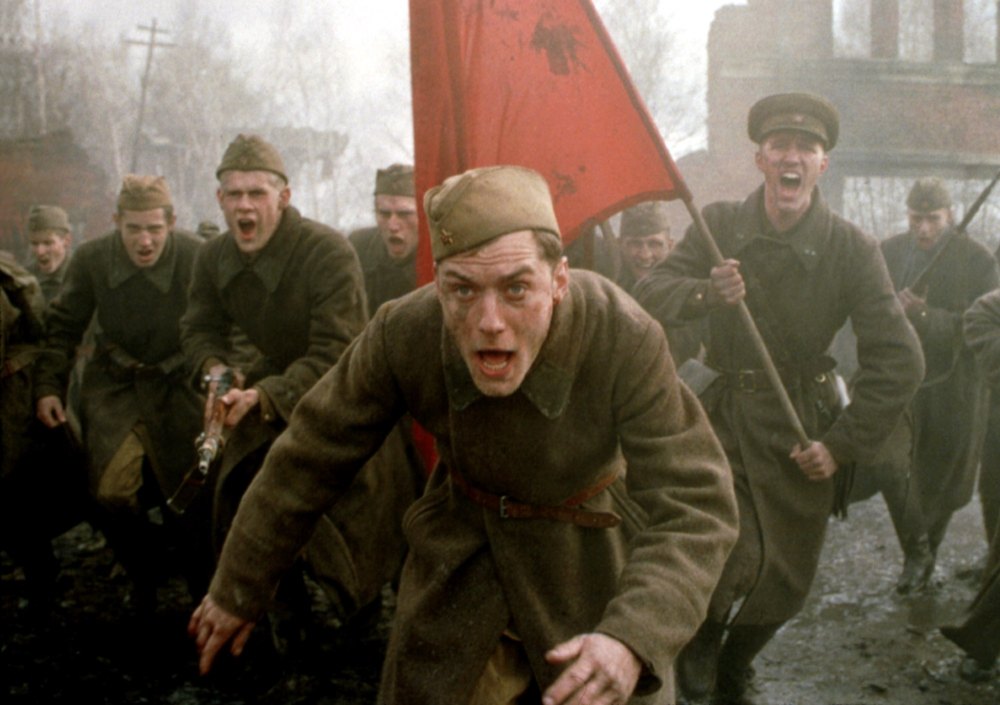
Jude Law in Enemy at the Gates. Paramount/courtesy Everett Collection
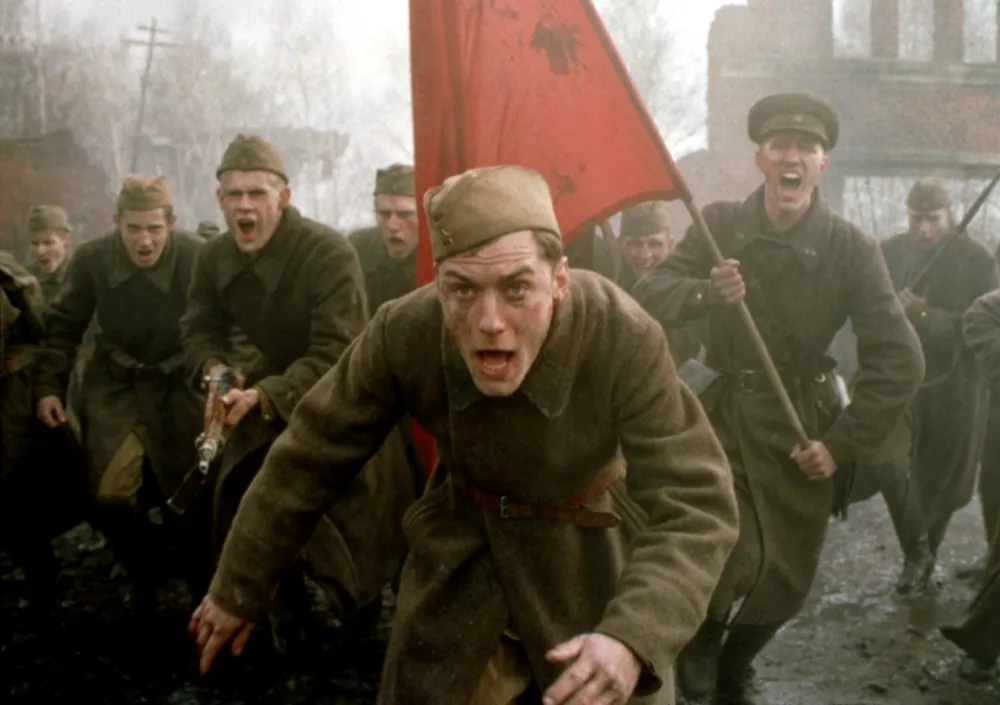
In the middle of World War II, everyone needs a hero, including the Soviets. They get one with Vassili Zaitsev (Jude Law), a Red Army sniper who is renowned for his incredible marksmanship, which has taken out many of the invading German army. He becomes friends with his supervising officer, Danilov (Joseph Fiennes), but the two men soon face a bump in their bromance – they both love Tania (Rachel Weisz), a private with a knack for translating German. They’ll have to set aside their rivalry when the Germans send Erwin König (Ed Harris), a sniper who is even better than Vassili, to take out his rival and any Soviet soldier who crosses his path.

With each year, there are fewer people who lived or fought through World War II. When they pass, films will be one of the only media keeping their stories alive for new generations to discover. Watch With Us recently rounded up the seven best World War II movies and ranked them by their Rotten Tomatoes […]
While the love triangle at the center of Enemy at the Gates is a bit unbelievable, the film makes up for it with its outstanding battle scenes and the climactic sniper-on-sniper duel between Vassili and Erwin. Hollywood doesn’t make many WWII movies with Russian and German protagonists, and the film’s depiction of the Battle of Stalingrad is truly impressive.
‘The Ministry of Ungentlemanly Warfare’ (2024) – HBO Max
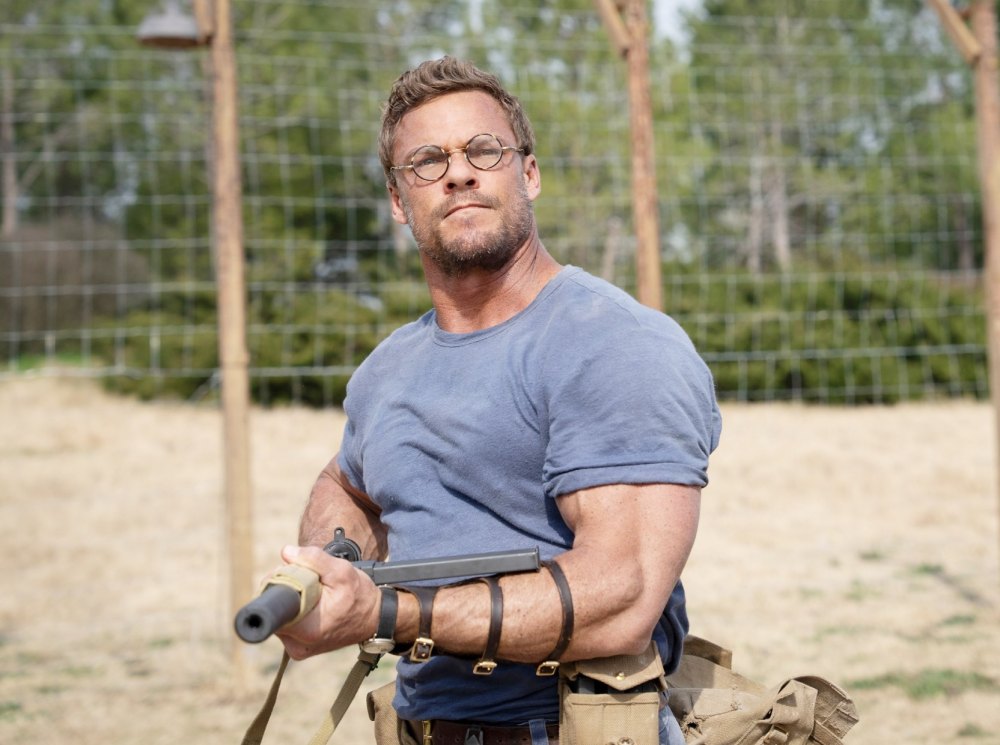
Alan Ritchson in The Ministry of Ungentlemanly Warfare. Dan Smith /© Lions Gate Films /Courtesy Everett Collection
If you want a war movie that doesn’t take itself too seriously, watch The Ministry of Ungentlemanly Warfare. Based on the nonfiction book Churchill’s Secret Warriors by Damien Lewis, the movie stars Henry Cavill as real-life war hero Gus March-Phillipps, who led a covert mission to destroy an Italian supply ship near a Spanish-controlled island. Gus can’t do it alone, so he assembles a dirty half-dozen of rogue officers like Anders Lassen (Alan Ritchson) and Marjorie Stewart (Eíza Gonzalez) to help him.
Director Guy Ritchie plays fast and loose with some of the facts, including adding several gunfights and explosions that never actually happened. Still, if watching former Superman Cavill gun down some Nazis and Reacher star Ritchson break some Axis Power heads, then hang out with The Ministry of Ungentlemanly Warfare.
‘Run Silent, Run Deep’ (1958) – Prime Video
With World War II still raging, submarine commander P.J. Richardson (Clark Gable) only has one thing on his mind – revenge. The Japanese destroyer Akikaze has sunk four American subs, including P.J.’s last ship, and he wants to stop it from doing it again. He gets his chance when he is assigned to command the USS Nerka, but the Navy forbids him to go after the Akikaze. P.J. ignores their orders and trains his crew to hunt and destroy his Japanese enemy, but he encounters resistance from one man on board – Lieutenant Jim Bledsoe (Burt Lancaster), who thinks P.J.’s obsession will doom them all to a watery grave.

War movies have been around for almost as long as Hollywood has been making films. And each generation of filmmakers has been adding their own sensibilities to the genre. There are now so many war movies that even some of the best in the genre have gotten lost in the shuffle. That’s why Watch With […]
Two dudes battling it out on a submarine? If Run Silent, Run Deep sounds a little like the 1995 Cold War thriller Crimson Tide with Gene Hackman and Denzel Washington, you’re right. Both movies feature two stars locked in a battle of wills while torpedoes are being shot at them thousands of feet underwater. But Run Silent, Run Deep is even more intense, with crisp back and white cinematography lending a patina of realism to its purely fictional story. At the tail end of his career, Gable gives one of his best performances ever as an officer who is no gentleman. His obsession with getting even jeopardizes his colleagues, and Gable is surprisingly convincing at showing P.J.’s growing desperation.
‘Nuremberg’ (2025) – Netflix

Russell Crowe in Nuremberg. Sony Pictures Classics / Courtesy Everett Collection
What happens after war ends and the enemy needs to be punished? That’s the question Nuremberg grapples with as it depicts the beginning of the Nuremberg trials in 1945. Hitler’s second-in-command, Hermann Göring (Russell Crowe), is accused of mass murder, and the prosecution needs to determine if he’s mentally fit to stand trial. After U.S. Army psychiatrist Douglas Kelley (Rami Malek) examines him, he doesn’t quite believe a man so civil to him – and caring for his family – could commit such atrocities. But as the trial proceeds and evidence is shown to the public, Kelley grapples with Göring’s true nature.


Unlike classic WWII movies like Saving Private Ryan and Das Boot, Nuremberg focuses on the aftermath of war and the battles waged in the courtroom and in public opinion. The Nuremberg trials were, for many, the first real look at what the Germans had done to their Jewish prisoners, and the film convincingly conveys this dawning horror through Kelley’s perspective. Crow gives his best performance in years as a monster cosplaying as a family man who thinks that by denying what he did, he can make it go away. Nuremberg shows how wrong he was and the need for public accountability for private misdeeds.
‘Valkyrie’ (2008) – Tubi
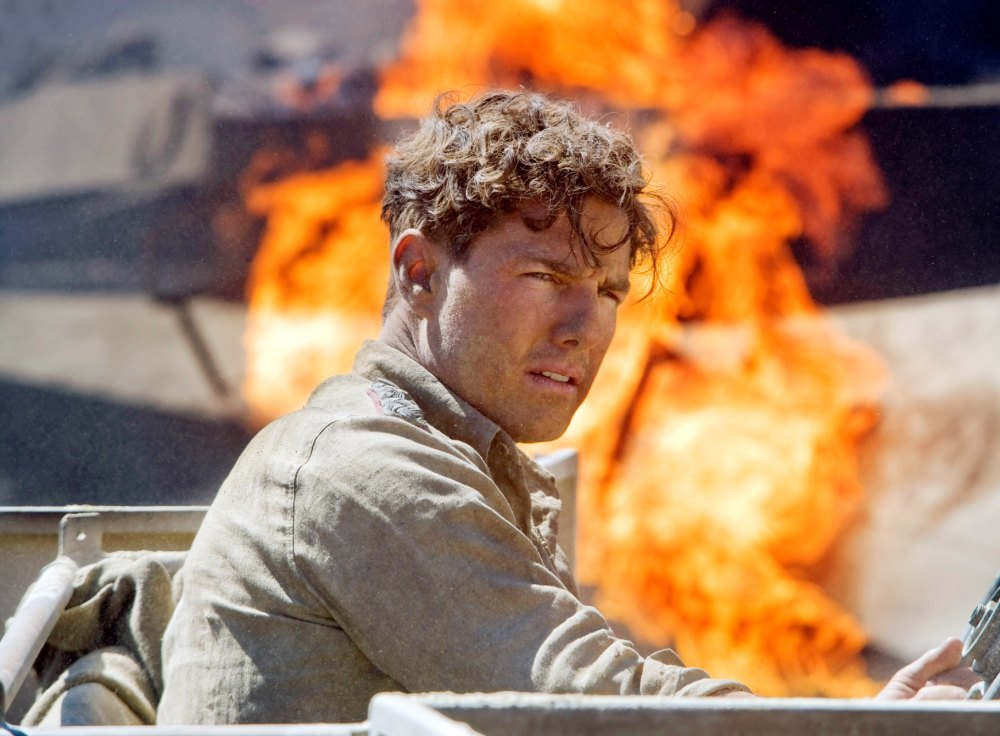
Tom Cruise in Valkyrie. United Artists/courtesy Everett Collection
Tom Cruise as a Nazi? Yeah, it happened – kinda – in 2008’s Valkyrie, which sees the Top Gun star play a German soldier, Claus von Stauffenberg, who is fed up with Hitler (David Bamber) and his cronies. He decides to do something about it by leading a resistance effort to assassinate the German leader so he can take over the military and end the war. That sounds simple, but to get close enough to Hitler, Claus has to make sure everything goes right – and nobody finds out what his real intentions are.

HBO Max is letting its freak flag fly high for the month of June. The Warner Bros.-owned streamer just added an eclectic lineup of new movies that cross all types of genres and boundaries. Thank You! You have successfully subscribed. Subscribe to newsletters Enter your email Please enter a valid email. Subscribe By signing up, […]
Directed by Bryan Singer, Valkyrie is an excellent thriller that retells a moment in history few people know about. There really was a Claus von Stauffenberg, and he almost pulled off an act that would have saved millions of lives. (It shouldn’t be a spoiler to reveal that Claus was not successful in assassinating Hitler.) Cruise is miscast as an eye-patch-wearing German officer, but he’s also oddly right at home spying on others and staging daring acts of subterfuge. He’s surrounded by a top-notch cast of British character actors, like Kenneth Branagh, Bill Nighy and Terence Stamp, and they’re all terrific as Claus’ fellow soldiers who want to off their big boss.
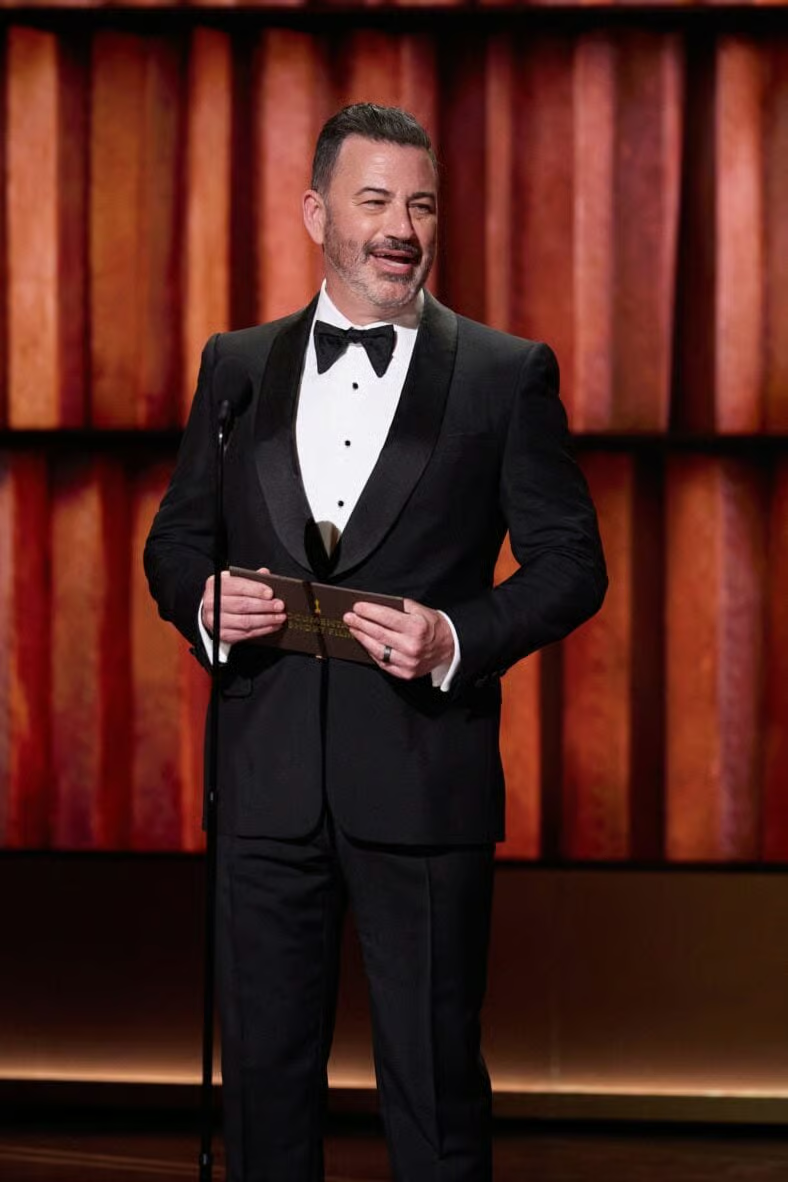
Jelly Roll is adding another impressive credit to his growing résumé. The country music superstar has been tapped as one of several celebrity guest hosts set to take over “Jimmy Kimmel Live!” while Jimmy Kimmel takes a two-month summer hiatus. Kimmel made the announcement during Thursday night’s show, revealing a lineup that includes Tiffany Haddish, Colman Domingo, Anthony Anderson, and more. Jelly Roll is no stranger to the late-night spotlight, having previously guest-hosted two episodes of the ABC program in 2025.

Another notable addition to Kimmel’s guest-host roster is Rosie O’Donnell, who will make her debut behind the “Jimmy Kimmel Live!” desk. Kimmel joked that he had invited one of President Donald Trump‘s “all-time favorites” to fill in for him, a reference to O’Donnell’s decades-long public feud with the president.
While unveiling his temporary replacements, Kimmel joked about stepping away from the show. “I will be taking the next two months off, this time voluntarily,” the comedian said, a playful reference to the controversy surrounding his show in late 2025, when “Jimmy Kimmel Live!” was briefly suspended following backlash over comments he made regarding conservative activist Charlie Kirk‘s death.
Kimmel is expected to return to the late-night desk following Labor Day.
Jelly Roll’s New TV Role Comes During A Busy Personal Chapter

The hosting announcement arrived during a highly publicized week for Jelly Roll and his wife, Bunnie XO. On the same evening Kimmel announced his guest-host lineup, Bunnie released a candid podcast episode discussing major changes in their relationship.
“We stopped communicating together, um, in the past year and a half,” Bunnie said. “And I think it’s safe for me to say that I always loved my husband a little bit more than he loved me.”
Bunnie went on to describe herself as “the glue” that held the marriage together, explaining that she and Jelly Roll often approached relationships differently. “He’s the runner, I’m the chaser,” she said.
According to Bunnie, tensions came to a head following an argument on Mother’s Day. While she stressed that infidelity played no role in their breakup, she admitted that frustration led her to tell Jelly Roll to file for divorce.
“I was so fed up,” she recalled, noting that she never expected him to actually move forward with the paperwork. “Was I blindsided? Was this divorce mutual? No. It was not mutual. Even though I told him to file the divorce papers, I was speaking out of anger and just frustration.”
Bunnie XO Says She And Jelly Roll Are Parting On Good Terms

Later in the episode, Bunnie emphasized that she and Jelly Roll remain committed to one another. “My husband and I are ending this marriage on the best possible terms that you could ever have a divorce,” she explained.
She also shared that the couple continues to pursue their long-discussed IVF journey after spending nearly two years navigating the process.
Jelly Roll Publicly Shows Support For Bunnie XO

Later that same night, Jelly Roll addressed the situation during a concert in New York, telling fans that everything Bunnie discussed on her podcast was “the truth.” The singer also used the moment to express his appreciation for his wife.
“Bunnie, I love you, baby. Thank you for those 10 years. They were incredible,” he told the crowd. “Thank you for the next 10 years of friendship and 20 beyond that.”
Jelly Roll additionally shut down online speculation surrounding infidelity rumors. “Nobody cheated on nobody,” he said, though Bunnie XO did confirm the singer is already open to dating. “He is ready, raring and ready to go,” Bunnie noted while speaking at length about the divorce on her podcast. “He’s all hopped up on testosterone, let me tell you. He’s even started dating.”
In fact, Bunnie encouraged interested fans to shoot their shot, joking that the country star’s social media inbox is fair game. “His DMs are open,” she told listeners, adding that she’s happy to see him embrace whatever comes next. “I love that.”
“Daddy Roll is probably in his finest season, right? Like, I mean, the man looks great. He’s feeling himself. He looks so good. He is healthier than he’s ever been,” Bunnie added.

Us Weekly has affiliate partnerships. We receive compensation when you click on a link and make a purchase. Learn more!
I hate to admit it, but I spend hours aimlessly scrolling through Reformation looking at all the gorgeous dresses. I never end up buying anything, though — I just can’t bring myself to spend over $200 on a sundress. Luckily, Amazon carries a ton of styles similar to the ones on Reformation, and for a lot less money. I’m talking hundreds of dollars less for a near-identical look.
I sifted through thousands of options on Amazon and found 17 dresses that look like they came from Reformation. And honestly, they’re so good that no one has to know you didn’t grab the real thing. Feel like your most confident self — on a budget! — by shopping these summer-friendly styles.
17 Reformation-Style Dresses to Shop on Amazon
1. Floral and Feminine: There’s something so soft and elegant about a dress with a bustier bodice and flowy skirt. This one comes in 20 gorgeous colors, including a variety of floral patterns.
2. Vintage Barbie: Remember the world’s first Barbie with its black and white bathing suit? This form-fitting polka dot dress brings those retro vibes into the 21st century.
3. So Romantic: Puffy sleeves and floral patterns are a winning, whimsical combo on this midi dress. It’s the perfect piece for summer weddings.
4. Extra Ruffles: What sets this flowing floral midi apart from other dresses is the cascading ruffles down the front that give it more movement. Get ready to twirl!
5. Seaside Dreams: Heading to the coast? This strapless striped maxi dress takes the nautical trend and makes it much more chic.

I have a bad habit of opening Amazon for one thing, and somehow ending up with a cart full of dresses. This time, I stumbled across the retailer’s under-$40 dress edit and immediately started shopping for pieces that look far more expensive than their price tags. From breezy maxis to throw-on-and-go shirt dresses, there are […]
6. Secretly Comfy: If you want to look like a supermodel, this billowing tank dress is the design to buy. It’s extra stretchy, morphing to your curves and cinching you in all the right places.
7. High Fashion Queen: The asymmetrical neckline on Zesica’s pleated maxi is a simple design choice that makes a big impact. You’ll be the most stylish person in the room whenever you wear it.
8. Bombshell Energy: This affordable mini dress features a vibrant floral pattern, ruffled hem and a fun scarf that makes it a must-have for any tropical vacation. The look is begging to be worn while dancing on tables.
9. Extra Trendy: Gingham patterns are inescapable this year. Instead of going for red, opt for this yellow gingham maxi that feels like a breath of fresh air. (Plus, it has pockets!)
10. Match Made in Heaven: Lace and polka dots may be the best dress pairing of all time, especially in navy and white. That’s why I’m adding this cap-sleeved stunner to our cart STAT.
11. Flirtiest of All: So many corset and bustier-style dresses are maxi length. Shake things up with this adorable A-line mini, which is available in five enchanting floral patterns.
12. The Most Flattering: If you want to feel supported (and look absolutely phenomenal), scoop up this halter dress. The top lifts your chest while the long bodice cut makes you look taller and leaner.
13. Let’s Get Meshy: Mesh dresses have gotten an upgrade; what used to be made for clubbing now appears elegant and classy. I’d totally wear this floral print mesh dress to a posh brunch or wedding.
14. Flowy and Fine: Empire waist dresses are my favorite to wear to meals because they leave a ton of room for your stomach to expand. This striped maxi has already become my summer staple for big celebrations.
15. So Versatile: Not only is this strapless boho dress ridiculously affordable, but it can also be worn as a beach cover-up or for fancier occasions.
16. Ruched to Perfection: I used to be self-conscious about wearing skin-tight dresses, but the ruching on this floral number conceals my stomach instantly to boost my confidence
17. Swing, Swing: The most unexpected summer trend? Bubble dresses. This polka dot pick reminds Us of our favorite ones from childhood, but with an updated halter neckline.
The past 30 years have seen television emerge as a prestige form of dramatic entertainment, evolving from the formulaic sitcoms and comforting police procedurals that used to define small-screen storytelling, and becoming a vessel of searing drama that takes the world by storm. The productions of HBO have been at the forefront of this development, with everything from crime masterpieces like The Sopranos and The Wire to detailed historical dramas like Chernobyl and Band of Brothers defining the premium network’s impact of the medium.
There is no doubt that HBO has presented a litany of masterful series that have engrossed the masses and become some of the biggest and best television spectacles of all time. But what of the series that don’t quite reach that level of quality and/or popularity? From dreary apocalyptic dramas to brutal crime dramas, political comedies, fantasy adventures, and even Western sci-fi, these near-perfect HBO series are still worth investing in even if they may not quite live up to the gold standard of the network’s most acclaimed and adored sensations.
10
‘Carnivále’ (2003–2005)

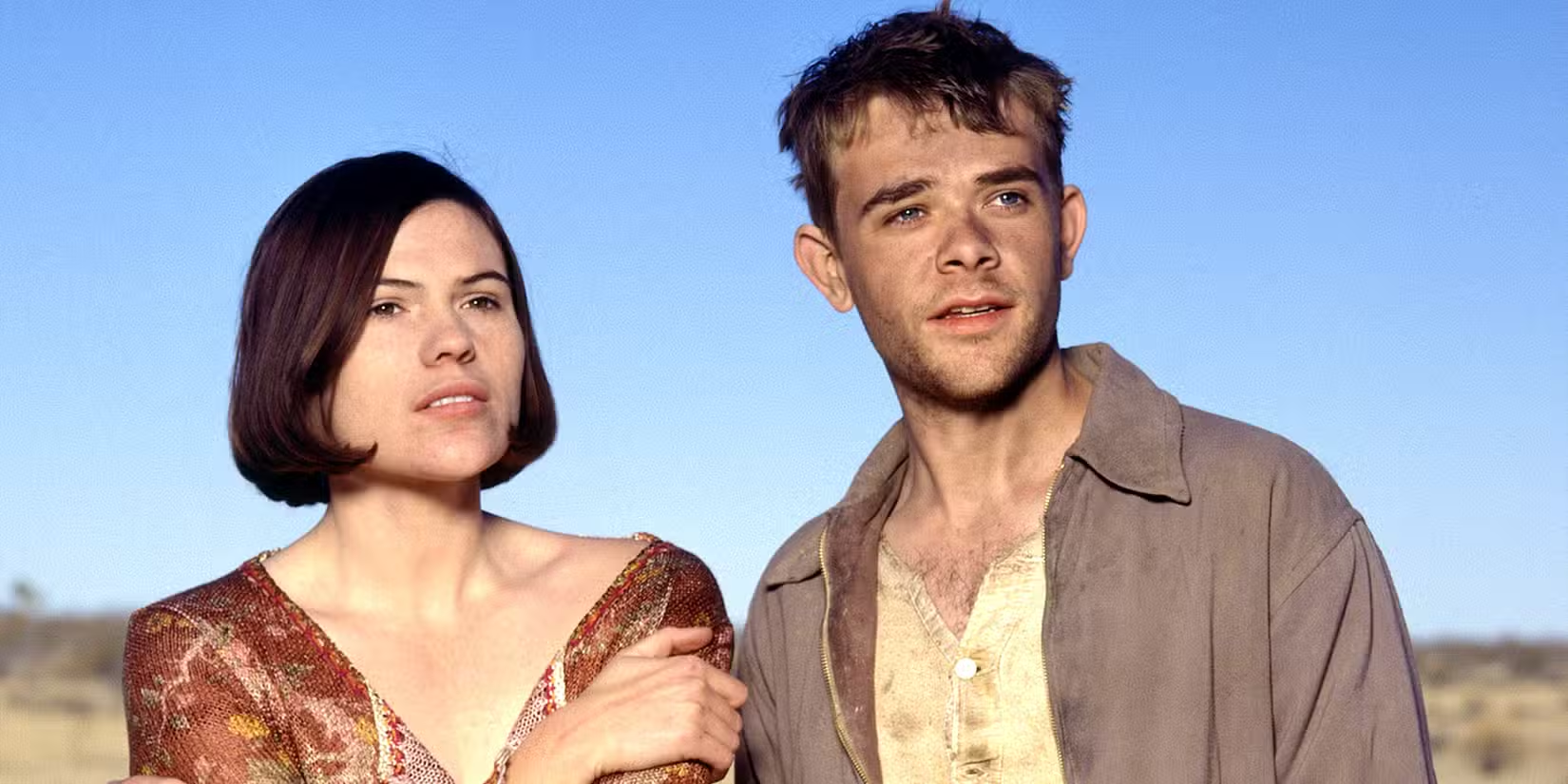
One of HBO’s most ambitious undertakings, and a sadly forgotten gem of 2000s television, Carnivále is an arresting blending of period drama, biblical fantasy, and folklore horror. Set in the Depression-era Dust Bowl, it transpires as an epic battle of good and evil as it follows Ben (Nick Stahl), a man with healing powers who joins a traveling circus, and Brother Justin Crowe (Clancy Brown), a Methodist minister devoted to his religious duties who realizes he is capable of bending people to his will.
Complimented by its eerily beautiful atmosphere of 1930s America and its effort to create its own mythology steeped in ideas of Gnostic mysticism, Templar conspiracies, and religious imagery, Carnivále excels as a uniquely enrapturing dark fantasy. Unfortunately, its high production costs led to it being axed after just two seasons, but it was able to deliver something of a conclusion to its main story, ensuring it is still worth watching today even if some superfluous plot threads remain unresolved.
9
‘Game of Thrones’ (2011–2019)

The vast majority of the television-loving world was ensnared by Game of Thrones throughout most of its epic eight-season run. However, if anyone who missed HBO’s monumental fantasy series considered revisiting it today, they’d probably be advised to steer clear by the masses. But is this entirely fair? While its conclusion is notoriously underwhelming, Game of Thrones still delivers six of the most exhilarating, astutely crafted, and brilliantly performed seasons television has ever seen.
Based on George R. R. Martin’s “A Song of Ice and Fire” novels, it unfolds as the ruling families in the magical realm of Westeros are plunged into a devastating war for power. The production is ceaselessly astonishing, while the story’s penchant for shocking twists, violent betrayals, and unbearable suspense make for an addictive dose of volatile, high-stakes drama. Even with its eighth season seeing it fall well short of television perfection, Game of Thrones remains a worthwhile series for the heights it reached so consistently throughout its run. It was a flagship series of HBO for many years and is still one of the defining titles of 2010s entertainment at large.
8
‘Oz’ (1997–2003)

It isn’t an understatement to say that Oz is one of the most important series in television history. It is certainly a monumental milestone for HBO, released two years before The Sopranos as the network’s first ever one-hour-long scripted drama. Furthermore, its gritty realism and confronting violence broke down barriers regarding television censorship, laying a foundation of dark, serialized drama and bleak morality that set a revolutionary new benchmark for small-screen productions.
Running for six seasons, the series immerses viewers in the lives of the inmates held at the Oswald Maximum Security Correctional Facility, following the prisoners in an experimental new ward that sees heinous acts of violence, domineering, and manipulation despite being designed to promote reform. Its hard-edged brutality hasn’t aged in the slightest since it first aired more than 20 years ago, and the series as a whole still stands as an enthralling, albeit deeply disturbing, descent into life behind bars.
7
‘Westworld’ (2016–2022)

Thematically loaded and decisively clever, HBO’s Westworld is a stunning recreation of the 1973 Western sci-fi film of the same name that adds plenty of layers of intrigue and social commentary to an exciting premise of chaos at an Old West amusement park. Set in the 2050s, it initially revolves around a wild west-themed amusement park as the android inhabitants become sentient and start to rebel against the human visitors that belittle and abuse them. As the series evolves, it extends into the real world where a powerful A.I. known as Rehoboam reigns over humanity.
Combining Western themes of morality, freedom, and power with integral science-fiction ideas like the exploration of what it truly means to be human and the dangers that reside in a near-future of technological advancement, Westworld is a flawless meshing of genres. Delivering four seasons of captivating drama defined by the brilliance of the ensemble cast and the majesty of the production design, it stands as one of HBO’s greatest hits of the past decade.
6
‘Boardwalk Empire’ (2010–2014)

So much of HBO’s success over the years has come in the form of crime television, particularly series that delve into the complex morality and cutthroat stakes of the world of organized crime. Boardwalk Empire isn’t the first series people typically think of when they contemplate gangster drama by HBO, but that certainly doesn’t mean it isn’t still worth watching, even a decade on from its conclusion in 2014.
Set in Prohibition-era Atlantic City, it follows Enoch “Nucky” Thompson (Steve Buscemi), the corrupt treasurer of Atlantic County who is actively involved with organized crime and routinely interacts with such figures as Al Capone (Stephen Graham), Arnold Rothstein (Michael Stuhlbarg), and Charles “Lucky” Luciano (Vincent Piazza). Bolstered by an ensemble of incredible performances, immaculate production value, and pervasive dramatic intensity that leans into the ruthless volatility of gangland tension, Boardwalk Empire is an underrated gem of HBO programming that should be an even bigger hit than it currently stands as.
5
‘True Detective’ (2014–2024)

Truth be told, there is nothing “near-perfect” about Season 1 of True Detective. It is viewed by many to be the greatest single season of television ever produced, a faultless marriage of mystery, suspense, atmospheric eeriness, and rich character drama that epitomizes crime television at its absolute best and demands to be watched by everyone with even the slightest interest in the genre. However, while the masses continue to sing the praises of Season 1 to this day, True Detective’s ensuing efforts have been met with more mixed reviews at best.
While following up Season 1 is a thankless task, Season 2 does a more admirable job than it is given credit for, transitioning from rural Louisiana to L.A. as it focuses more intently on police corruption and corporate crime. Season 3 recaptures a sense of the atmospheric gloom of Season 1 as it explores the case of a missing child, while Season 4—which is the weakest season thus far—revolves around the disappearance of eight men in Alaska. While each of the ensuing seasons have their flaws, all of them are worth investing in due to the caliber of actors involved, the winding tales of mystery and suspense, and the glorious production value of HBO.
4
‘Veep’ (2012–2019)

Created by esteemed political satirist Armando Iannucci, Veep excels as an acidic and cynical look at American politics from the perspective of Selina Meyer (Julia Louis-Dreyfus), a former senator now representing the nation as the Vice President. Skewering the halls of power as a cesspit of egomania, convoluted publicity, and shambolic chaos, the series unfolds as Meyer and her bumbling staff try to forge a respectful legacy while avoiding brewing scandals and getting caught in the day-to-day duties of the office.
In stark contrast to more idealistic and uplifting political series like The West Wing, Veep is a biting and blunt portrayal of ruthless ambition and the power of amorality. Narcissism and witty profanity are treated as necessary strengths characters need to thrive in the cutthroat world of democratic power. In addition to this unflinching depiction of callous inhumanity, Veep also commands to be watched thanks to the stunning lead performance of Louis-Dreyfus, who won six consecutive Emmy Awards for her portrayal of Selina Meyer which went a long way to solidifying the show as HBO’s greatest comedy thus far.
3
‘Generation Kill’ (2007)

Through the production of series like Band of Brothers and The Pacific, HBO has garnered universal acclaim for its handling of war drama in the form of limited series. A criminally underrated title that should also be included in this praise is 2007’s Generation Kill, which runs on a harrowing basis on Evan Wright’s non-fiction book documenting his time as an embedded reporter with the U.S. Marine Corps’ 1st Reconnaissance Battalion in the opening weeks of the Iraq War.
Even nearly 20 years on, Generation Kill remains the most authentic illustration of modern warfare that audiences have seen. It extracts drama from the unglamorous details of a soldier’s experience, be it the monotony of waiting for orders, the frustrating ordeals of miscommunication and resource mismanagement, and even the bureaucratic process that must be adhered to even when in active combat. Bereft of glory or sensationalism, it focuses purely on authenticity, and it stands among HBO’s greatest ever miniseries because of this.
2
‘Deadwood’ (2004–2006)

Quite possibly the greatest depiction of the Old West television has ever seen, Deadwood is a masterpiece of genre deconstruction and observational storytelling that ties its dramatic ferocity to the mythic-like story of the titular South Dakotan town and its notorious inhabitants. Unfolding as the town’s population booms due to a mining surge, Deadwood runs less as a traditional Western story and more as an examination of how a society is built from the ground up.
Furthermore, the series is made utterly entrancing by the rhythmic beauty, philosophical richness, and captivating vulgarity of David Milch’s dialogue, which manages to be thought-provoking and contemplative without ever losing sight of the hard-edged brutality of the characters that speak it. An abrupt and largely unresolved conclusion at the end of its third season is the only thing that keeps Deadwood from being a true beacon of television perfection, but it is still worthwhile viewing, especially with 2019’s Deadwood: The Movie tying up a lot of loose ends.
1
‘The Leftovers’ (2014–2017)

Not only the most underrated series in HBO’s catalog of small-screen titles, but potentially the most underappreciated masterpiece in the history of the medium as well, The Leftovers is an enthralling descent into a world of grief, loss, and teetering chaos. On October 14, 2011, two percent of the world’s population abruptly vanished. Three years later, society is still struggling to move on from the “Sudden Departure” as some try to maintain a sense of normality even as extremist cults and nihilistic views abound around them.
What makes The Leftovers so special is the delicacy of its focus. It isn’t about a manic search for answers or a desperate fight between survivors; it simply meditates on the profound complexity of the human condition by observing, without judgment, how different characters respond to grief, loss, and depression. Bitterly existential, while also being bolstered by a litany of exceptional performances and Max Richter’s somber, empathy-inducing score, The Leftovers is a true triumph of television from HBO, with every episode of its three-season run a masterclass in surrealist intrigue and contemplative drama.

The Leftovers
- Release Date
-
2014 – 2017-00-00
- Showrunner
-
Damon Lindelof
- Writers
-
Damon Lindelof, Tom Perrotta
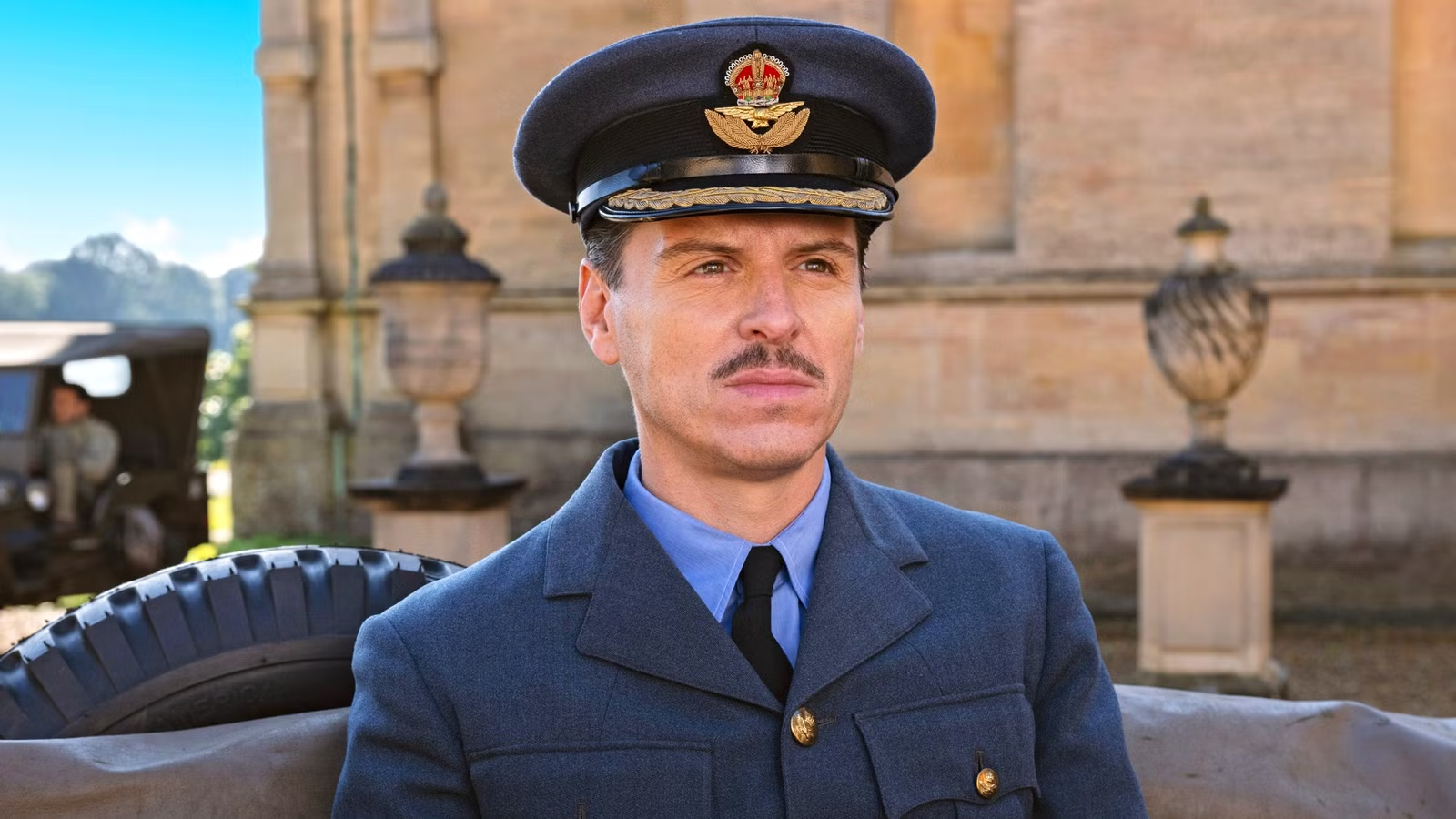

After a strong theatrical run where it overtook a handful of older WWII movies, and more importantly, generated valuable awareness, the sleeper hit of 2026 has landed on the PVOD market. Unsurprisingly, it emerged as one of the most popular titles on home video almost immediately after its release. The movie never quite managed to earn the sort of nationwide theater count that movies such as The Mandalorian and Grogu and Disclosure Day have enjoyed, but it made the most of its limited theatrical run. It grossed around $15 million, exceeding the grosses of older WWII movies such as Nuremberg and Letters from Iwo Jima made during their domestic box-office runs.
According to FlixPatrol, the new movie is currently among the top five most popular titles on the domestic iTunes and Amazon charts, in the company of massive hits such as Michael and Project Hail Mary. The one metric that unites these three films, and most home video hits, is their terrific audience scores on Rotten Tomatoes. While Michael holds a “Verified Hot” 97% audience score on the aggregator website, Project Hail Mary and the WWII hit in question are both sitting at 95% scores. This practically guarantees a hugely successful home video run for the new film, which was aimed at the exact demographic — older male viewers — who prefer watching movies at home.
The WWII Movie Is Competing with Box-Office Behemoths on PVOD
We’re talking, of course, about Pressure. The WWII drama-thriller stars Brendan Fraser and Andrew Scott in the lead roles, and unfolds in the tense 72 hours before D-Day. In addition to its excellent audience score, the film also holds a “Certified Fresh” 87% critics’ score on Rotten Tomatoes. The aggregator website’s consensus reads, “Finding a fresh angle on one of the most dramatized days in military history, Pressure is a brainy war film that derives most of its thrills from Andrew Scott’s simmering performance.” Fans of WWII storytelling can also tune into World War II with Tom Hanks, the epic 20-episode documentary series hosted by the Oscar-winner that’s airing on the History Channel. Hanks is also working on a sequel to his Apple TV blockbuster film, Greyhound. Stay tuned to Collider for more updates.

- Release Date
-
May 29, 2026
- Runtime
-
90 Minutes
- Director
-
Anthony Maras
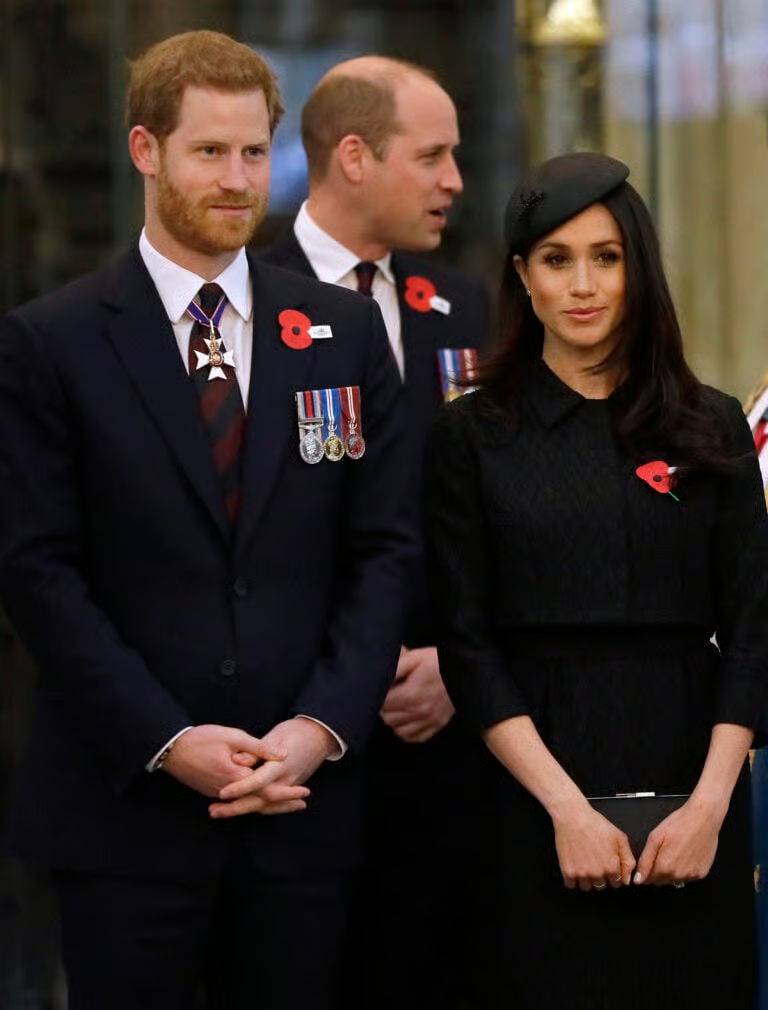
Prince Harry and Meghan Markle‘s reported plans to return to the UK with their children, Prince Archie and Princess Lilibet, have reignited worries about the state of their relationship with the Royal Family.
While King Charles is said to welcome the opportunity to see his grandchildren, questions remain over whether the visit could help mend long-standing family tensions.
However, one royal expert believes a reunion between Prince Harry and Prince William remains highly unlikely due to a deep breakdown in trust.
Prince William’s Rift With Prince Harry And Meghan Is Set To Be A Challenge Ahead Of The Couple’s UK Visit
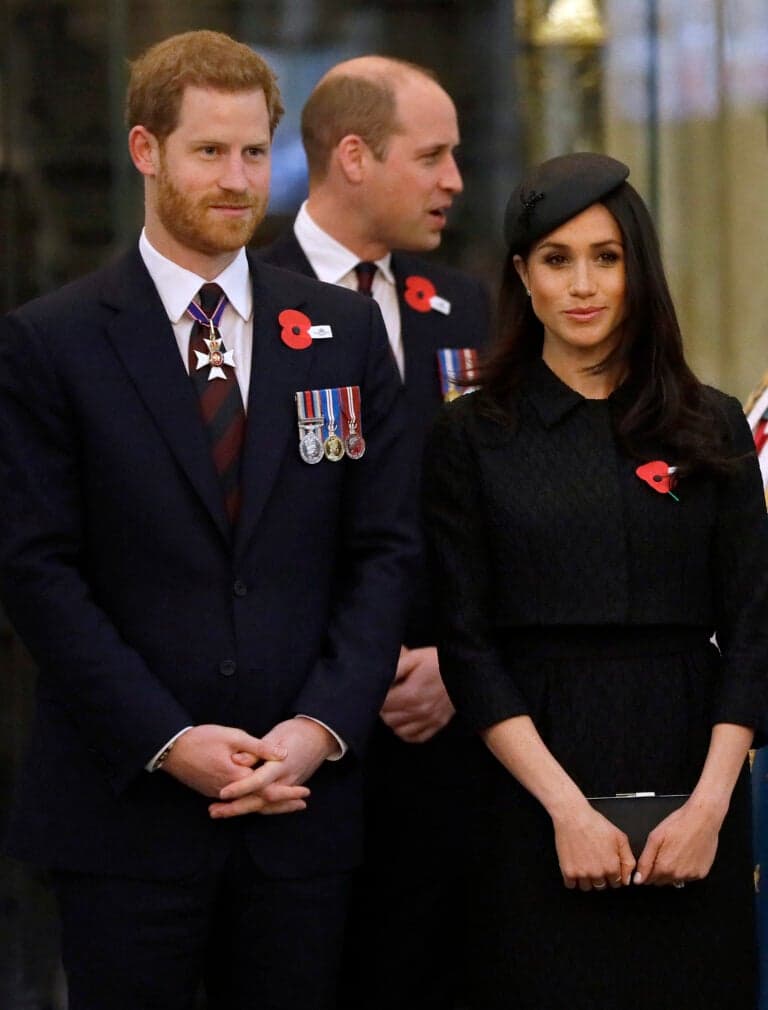
William is reportedly unlikely to meet with Harry and Meghan during their anticipated return to the UK next month, with sources suggesting he still feels unhappy with the couple.
The Duke and Duchess of Sussex are said to be planning a trip to Britain with their children, Prince Archie and Princess Lilibet, marking the youngsters’ first visit to the UK since 2022.
Although the Sussexes’ representatives have not officially confirmed the visit, reports suggest that security arrangements may have been facilitated at a high level. It also remains unclear whether King Charles III will take the opportunity to reunite with his youngest grandchildren.
According to royal commentator Richard Fitzwilliams, a reconciliation between William and Harry remains highly unlikely. Speaking to GB News, he pointed to the long-standing rift between the brothers, which deepened following Harry’s public criticisms of the Royal Family, including allegations made in his memoir, “Spare.”

Fitzwilliams argued that Harry and Meghan’s interviews, documentaries, and media projects have severely damaged trust within the family.
While he suggested Charles may be more willing to repair ties, he claimed William feels the complete opposite.
“William reportedly feels deeply betrayed. The king is rumored to be more emollient,” the expert noted. “Much of this will be played out in public; the issue is one of trust, and the Sussexes simply cannot appreciate the need for privacy in what appears to be their desire to have closer relations with the family they so publicly betrayed.”
Fitzwilliams further described the couple’s expected appearance at a “One Year to Go” Invictus Games event in Birmingham ahead of the 2027 tournament as potentially drawing significant attention, calling it something of a “trap,” though he acknowledged it is a legitimate official engagement. He suggested that such appearances naturally attract scrutiny due to their international prominence.
The Invictus Games, founded by Harry for wounded and injured service personnel, will be hosted in Birmingham from July 10 to 17 next year.
Prince William Reportedly ‘Appalled’ By King Charles’ Support For Sussex Visit

Meanwhile, reports surrounding the planned visit have highlighted differing reactions within the Royal Family.
While Charles is said to be pleased at the possibility of seeing Archie and Lilibet again after several years, William is reportedly far less enthusiastic.
According to reports cited by The Royalist, the Prince of Wales is “appalled” with what he sees as his father’s support for Harry and Meghan’s return.
William’s frustration has also grown amid claims that Charles may be helping to ensure security arrangements for the Sussex family during their stay.
Although British officials have declined to discuss any specific measures, a government spokesperson stated that security details are not disclosed publicly.
“It is our long-standing policy not to provide detailed information on those arrangements, as doing so could compromise their integrity and affect individuals’ security,” they noted, per She Knows.
Prince William Reportedly Threatened To ‘Boycott Sandringham’ Over Prince Harry And Meghan Markle
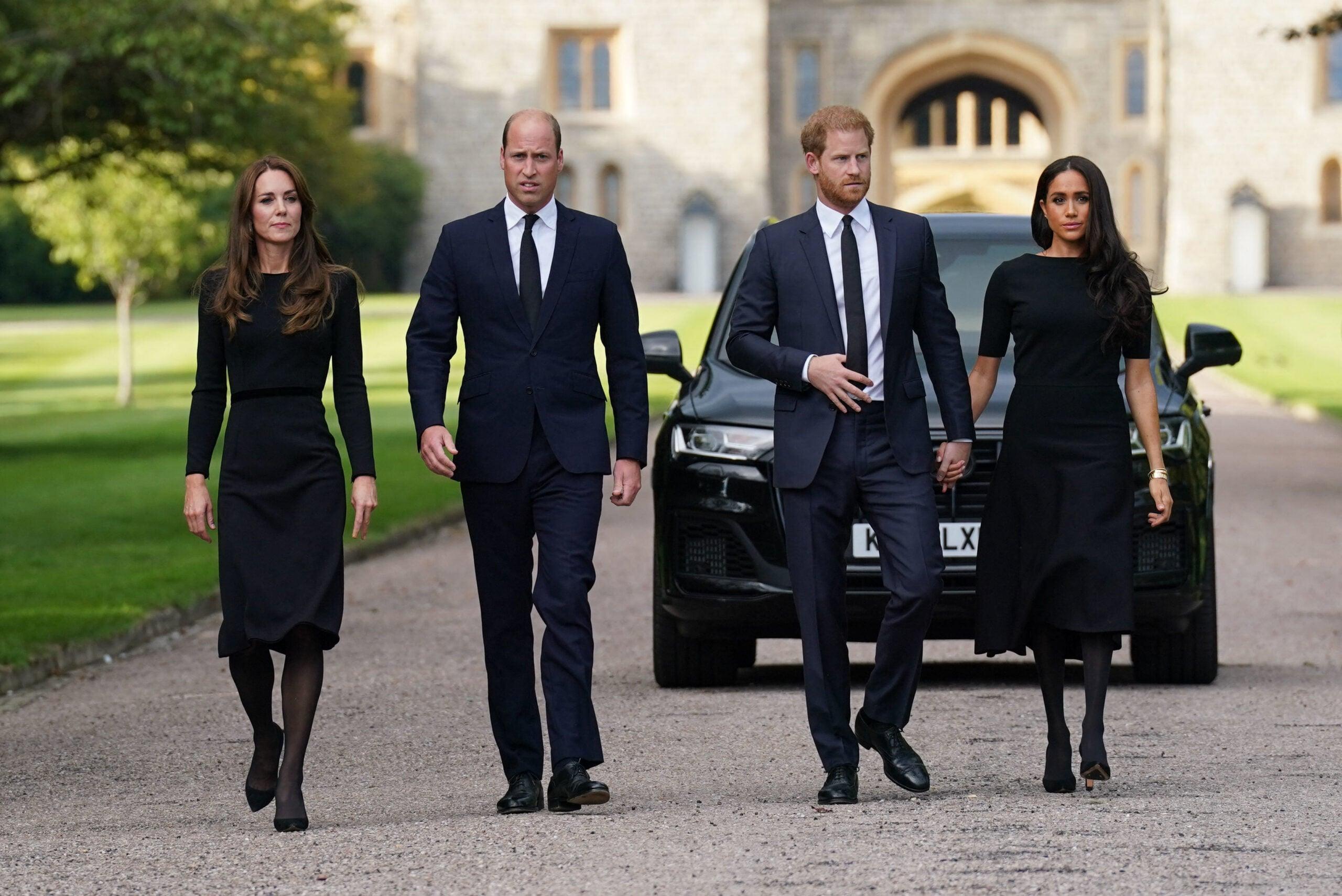
Reports have further suggested that William’s anger over the situation has recently intensified.
The Royalist claimed he had threatened to “boycott Sandringham forever” if Harry and Meghan were invited there, alleging that he already skipped a family gathering following Trooping the Colour as a sign of his displeasure.
William’s reputation for holding firm positions in personal disputes has also been a topic of discussion among royal commentators.
Earlier this year, journalist Roya Nikkhah told “Times Radio” that the future king is known for remembering perceived betrayals and rarely changing his stance once trust has been broken.
“William is someone who does hold a grudge; he does choose sides. If someone picks the other side, he remembers that,” she said.
Prince Harry Tried Reaching Out To William, But The Future King Has Not Been Cooperative

Earlier this year, royal author Omid Scobie shared that Harry has made unsuccessful efforts to reconnect with William, implying that the future king has been the reason behind the prolonged rift between the siblings.
“The ball has been in William’s court for some time now,” Scobie told People Magazine. “And he’s chosen not just to knock it back, but to kick it in the other direction.”
He added, “I think in terms of family, it takes two, and I think we have seen some effort between Harry and his father go both ways.”
Some royal commentators also believe younger audiences are increasingly sympathetic toward Harry, with reports suggesting many members of Generation Z and Generation Alpha view William’s handling of the family feud as overly “cold” and “unkind.”
Us Weekly has affiliate partnerships. We receive compensation when you click on a link and make a purchase. Learn more!
White sneakers have long been the de facto shoe choice for everyday wear, but this summer fashion is embracing a little more personality. Instead of reaching for basic white kicks, all the fashion cool-girls are gravitating toward colorful ballet flats and Mary Janes that instantly brighten even the simplest outfits. They’re just as versatile, but they add far more charm.
From sunny yellows and cherry reds to playful two-tone designs and metallic finishes, colorful flats are everywhere at the moment. So, we’ve taken the liberty of rounding up the best pairs on Amazon that capture the trend without the designer price tag. Whether you style them with jeans, sundresses or linen trousers, these stylish flats make getting dressed feel a lot more fun.
13 Colorful Flats Replacing White Sneakers This Summer
1. Two-Tone Mary Jane: A contrasting trim gives these eye-catching Mary Janes a polished, almost Parisian-inspired feel. The thick soles keep them comfortable enough for all-day wear.
2. Y2K With a Twist: Rubber lattice uppers add a nostalgic nod to early-2000s fashion to these sleek flats without making them feel costumey. The pointed toe ensures an overall modern and refined look.
3. Balletcore Pick: Delicate straps and a graceful silhouette allow these airy flats to channel the ongoing ballet-inspired trend perfectly. They feel feminine, lightweight and incredibly easy to style with everything from dainty dresses to vintage Levi’s.
4. Bright and Breezy: A cheerful pop of color and breathable weave instantly livens up otherwise basic, neutral outfits. The sleek shape keeps the vibrant hue feeling sophisticated rather than overwhelming.
5. Timeless Classic: A dainty bow and clean lines make this pair of red ballet flats feel forever chic. They’re the kind of flats you’ll wear season after season.

Remember when dad sneakers and clunky clogs were everywhere? That moment is over. Everyone’s replacing polarizing kicks with these sleek, expensive-looking styles that make any outfit appear polished. Refined footwear is officially back! We’re talking about chic flats, summery sandals, clean sneakers and mules you can slip on without a second thought. These 13 summer […]
6. Mesh Moment: Airy mesh gives these ballet flats a modern, fashion-forward update. They’re especially perfect for keeping cool during hot summer days.
7. Ballet Flat Bouquet: A bright floral print in a rainbow of hues makes this pair of flats practically neutral since they’ll match just about anything. The simple silhouette makes them far more wearable than the bold print might suggest.
8. Cool & Coastal: Lightweight construction and a rich navy blue hue capture that relaxed coastal aesthetic in these washable flats. They’re an easy companion for linen, denim and even beachwear.
9. Sunniest Shade: These vibrant yellow flats instantly brighten any outfit and are perfect for warm summer days. Consider these the easiest way to embrace dopamine dressing.
10. Edgy MVP: A knitted leopard print upper gives these flats a cool, contemporary feel. They deliver a great balance of comfort and style without looking too sporty or verging on orthopedic.
11. Shiny Statement: A glossy metallic finish adds just enough drama to elevate everyday outfits and straddles the line of being colorful and a neutral hue at the same time. These flats are bold enough to stand out, but versatile enough to wear on rotation.
12. Chic Satin: Smooth satin instantly makes these ballet flats feel like traditional ballet shoes in all the right ways. The delicate bow completes the look, no dancing required.
13. Fresh and Fun: Crochet texture and bright orange color combine for a playful summer shoe you’ll actually want to wear every day. They’re guaranteed to spark compliments wherever you go.

I’m usually slow to commit to fashion trends — I prefer a well-rounded, timeless wardrobe. But I immediately hopped on the mesh flats bandwagon, and I’m glad I did. It’s the footwear trend that never dies! These fun flats are perfect for summer because they are breathable, comfortable, easy to wear and add a playful […]
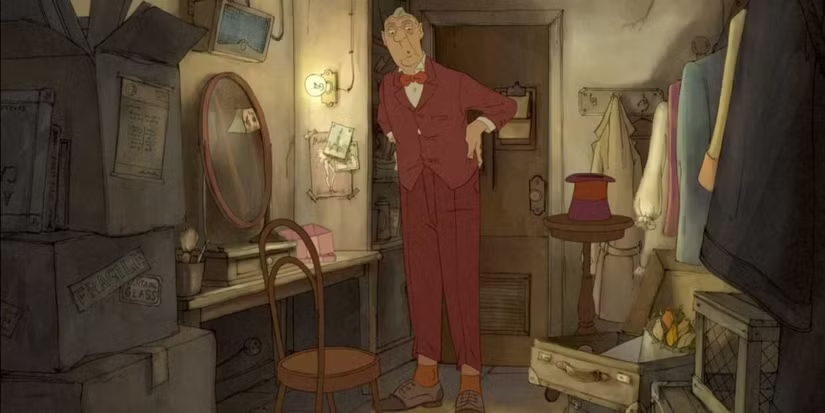
Animation has always had a weird unfairness around it. The loudest films become childhood monuments, while quieter, stranger, smaller animated movies get treated like side doors in the medium, even when they are doing things live-action could never touch with the same delicacy.
The films below deserve that bigger conversation. Some are funny in ways that feel completely unhinged. Some are soft enough to break you. Some use silence, folklore, paint, paper, clay, or stop-motion chaos to say things about grief, friendship, class, memory, faith, and growing up that feel almost too precise for their running times. And unlike the stereotypical belief, they’re not just for kids. Lock in if you’re ready.
10
‘The Illusionist’ (2010)

There is a special sadness in watching an artist realize the world has moved on without making a scene about it. The old magician (Jean-Claude Donda) at the center of The Illusionist travels through half-empty venues, fading variety halls, and small rooms where his act no longer has the same shine. Then he meets Alice (Eilidh Rankin), a young woman in a remote Scottish village who believes in his magic with the kind of innocence he cannot bring himself to crush.
Their tender bond gets built from misunderstandings, small gifts, quiet routines, and the ache of someone giving more than he can afford. Although it’s an animated film, it barely needs dialogue because the body language says everything: his tired posture, her delighted curiosity, the lonely hotels, the Edinburgh streets, the performers around him losing ground to a louder modern world. That’s brilliant. The film’s beauty sits in that painful space between illusion and kindness. He cannot give Alice magic forever, but for a little while, he lets her believe life can still surprise her gently.
9
‘A Town Called Panic’ (2009)

A Town Called Panic begins with Cowboy (Max Briquenet), Indian (Bruce Ellison), and Horse (David Ricci), and Cowboy and Indian want to surprise their roommate Horse for his birthday, then accidentally order an absurd number of bricks, destroy the house, and unleash a chain of nonsense that keeps getting bigger, faster, and more ridiculous. The characters are literal plastic toys, and the film treats that limitation like rocket fuel.
The joy comes from how seriously everyone takes the stupidest possible events. Horse is the only responsible adult in a world where responsibility has no chance. The brick disaster, the underwater thieves, the yelling, the random trips, the school piano lessons, the constant escalation, it all has the rhythm of imagination before logic arrives to ruin it. Plenty of animated comedies try to be chaotic. This one feels genuinely free. It deserves masterpiece talk because its craft is hidden inside the madness. Every tiny movement, every cheap-looking figure, every impossible detour adds to the feeling that animation can be pure play without becoming empty.
8
‘The Red Turtle’ (2016)

In The Red Turtle, a man washes onto an island, and the movie has the confidence to let silence do the talking. What follows is a man who tries to escape on rafts, but a giant red turtle keeps stopping him, and what begins as survival turns into something stranger, sadder, and more mythic. There are no speeches to explain what the island means, who the turtle is, or why this life is unfolding the way it does. The film trusts the viewer to feel it.
That trust is exactly why it stays with you. The man’s anger at the turtle, the transformation into a woman, the child growing up between sea and shore, the storms, the crabs, the bamboo, the wide empty horizon, all of it plays like a whole life remembered through images. It is about companionship, nature, parenthood, death, and the way time keeps moving even when nobody narrates it for us. In this film the animation is stripped down to breath and movement and that feels simple until you realize how much it has quietly carried.
7
‘The Breadwinner’ (2017)

The Breadwinner is about an Afghan girl, Parvana (Saara Chaudry) living under Taliban rule, and when her father is arrested, her family loses the one man who can legally move through public spaces for them. Parvana cuts her hair, dresses as a boy, and steps into a city where every errand carries danger. The story hurts because her courage comes before childhood has had any fair chance to end.
The movie balances real-world fear with storytelling in a way that gives Parvana inner strength without turning her situation into easy inspiration. Her tale about a boy facing the Elephant King runs alongside the danger of Kabul, and those handmade storybook sequences help her process fear she cannot safely say out loud. The bread market, the prison attempts, the family’s hunger, the constant threat from armed men, all of it keeps the stakes painfully close. This film deserves far more attention because it uses animation to protect the tenderness of a child’s perspective while refusing to hide the brutality around her.
6
‘The Secret of Kells’ (2009)

You can feel the pages glowing before you even understand the full danger outside the abbey walls. Brendan (Evan McGuire) is a young boy living in the Abbey of Kells under the strict protection of his uncle, Abbot Cellach (Brendan Gleeson), who is obsessed with building walls against Viking attacks. Then Brother Aidan (Mick Lally) arrives with an unfinished illuminated manuscript, and Brendan’s world opens toward art, forest magic, and a kind of bravery his uncle cannot measure with stone.
The film looks like a medieval manuscript learning how to breathe. Sharp patterns, spirals, flat shapes, glowing colors, and wild forest lines make every frame feel handmade with purpose. Aisling (Christen Mooney), the forest spirit Brendan meets, brings mischief and ancient sadness into the story, while the threat of Crom Cruach gives the beauty a darker pulse. What makes the movie so special is how it treats art as survival. The book in the story is memory, faith, imagination, and resistance carried through a world that keeps trying to burn itself down.
5
‘The Painting’ (2011)

The Painting follows the Alldunns, fully painted and privileged, who treat the Halfies and Sketchies like lesser beings because some characters were left incomplete by the Painter (JB Blanc). Lola (Kamali Minter), Ramo, and Plume leave their painted world to search for the artist who abandoned them, and that search turns the movie into a playful, gorgeous argument about art, hierarchy, and identity.
The film keeps finding new visual pleasures without losing the ache underneath. Characters move through canvases, studios, landscapes, and unfinished spaces where color itself becomes social status. A half-painted face can carry shame. A sketch line can become a prison. The adventure is charming, but the sharpness comes from how easily beauty becomes a class system when people start worshipping completion. It is such an underrated animated gem because it understands creation from the inside. Every artist leaves marks, gaps, and accidents behind, and this movie imagines the lives that might exist inside those gaps.
4
‘The Tale of the Princess Kaguya’ (2013)

It is almost painful how alive this movie feels in its pencil lines. The Tale of the Princess Kaguya begins when a bamboo cutter, Taketori no Okina (James Caan) finds a tiny girl inside a glowing stalk and raises her with his wife in the countryside, where she grows quickly, runs through fields, laughs with village children, and seems happiest when life is messy and free. Then wealth and status pull her toward court life, and the girl who once belonged to wind, dirt, and sunlight gets dressed into a role that slowly suffocates her.
The distinct animation makes that emotional loss visible. When Kaguya runs in distress, the lines themselves seem to break open with her. When suitors treat her like a prize, the beauty of the palace starts feeling like a cage. Her parents love her, yet their dream of giving her a noble life becomes part of the pressure that separates her from herself. The film is devastating because it understands how love can accidentally become control. It looks delicate, but its sadness is enormous.
3
‘Ernest & Celestine’ (2012)

The sweetest thing about this movie is how stubbornly it believes friendship can embarrass an entire society. Ernest (Lambert Wilson) is a hungry bear living badly on the margins of the bear world, and Celestine (Pauline Brunner) is a young mouse being trained in an underground society where mice are taught to fear bears and collect their teeth. They are supposed to be enemies by nature, by law, by bedtime story, by everything their worlds have repeated at them.
Then they meet, help each other, and become a pair so instantly lovable that the whole system around them starts looking ridiculous. Ernest’s grumpy warmth and Celestine’s fierce little imagination turn the movie into a soft rebellion against inherited fear. The watercolor style gives every street, shop, cellar, and snowy escape a storybook looseness that feels cozy without becoming cute in a shallow way. The courtroom scenes bring the prejudice into the open, but the film never gets heavy-handed. It simply lets one bear and one mouse prove that entire cultures can be wrong about who deserves trust.
2
‘Mary and Max’ (2009)

This one can destroy you with a letter. Mary and Max follows Mary Daisy Dinkle (Bethany Whitmore), a lonely Australian girl with a birthmark, distracted parents, and no real friends, so she randomly writes to Max Jerry Horowitz (Philip Seymour Hoffman), a middle-aged Jewish man in New York who lives with anxiety, routine, chocolate hot dogs, and Asperger syndrome. Their friendship grows through letters, drawings, questions, misunderstandings, forgiveness, and long stretches of life that neither of them knows how to handle alone. And this one follows clay animation which gives the film’s sadness a strange softness.
Mary’s brown Australian world and Max’s gray New York world both feel heavy, but every object has a handmade vulnerability to it. The film talks about mental health, loneliness, shame, food, bodies, bullying, obsession, and friendship with a directness that never feels fake. Mary and Max hurt each other at times because they are human, limited, and scared, which makes their bond even more precious. This is the kind of animated movie people casually overlook, then carry forever once they actually see it.
1
‘Song of the Sea’ (2014)

Some animated films feel like bedtime stories. Song of the Sea feels like a bedtime story told by someone who is also trying to heal a family wound. Ben (David Rawle) is a young boy living in a lighthouse with his father Conor (Brendan Gleeson) and little sister Saoirse (Lucy O’Connell) after their mother Bronagh disappears. He resents Saoirse because he connects her birth with that loss, and the story slowly reveals that she is a selkie whose voice is tied to old magic fading from the world.
The film earns the top spot because every piece of its beauty has emotional purpose. The Irish folklore, the glowing seals, the owl witch Macha (Fionnula Flanagan), the stone fairies, the city streets, and the circular designs all lead back to grief that has been locked away instead of felt. Ben’s anger softens as he learns what Saoirse is carrying, and Conor’s sadness stops feeling like background mood once you understand what he lost. The songs, colors, and myths are gorgeous, but the real power is family finally making room for pain without letting it drown them. This is an animated masterpiece hiding in plain sight.

Song of the Sea
- Release Date
-
December 10, 2014
- Runtime
-
93 Minutes
- Director
-
Tomm Moore
- Writers
-
Will Collins, Tomm Moore
Entertainment
Where is “The Handmaid's Tale” cast today? Catch up with Elisabeth Moss and her costars after leaving Gilead
:max_bytes(150000):strip_icc():format(jpeg)/handmaids-tout-a3d76c81bb3e4b62825bf0b1215f0561.jpg)
As “The Testaments” has proven, we’re not done with Gilead just yet.

Sports1 minute ago
2026 World Cup: Iran’s football coach says US travel rules continue to disrupt preparations

NewsBeat4 minutes ago
Major Little Hulton roadworks begin on Monday for 17 weeks

Business5 minutes ago
Delta Air Lines: My Buy Thesis Played Out, But Growing Risks Are A Real Concern (Rating Downgrade)


-

 Fashion2 days ago
Weekend Open Thread: Miami – Corporette.com
-
 Crypto World7 days ago
Zimbabwe Requires Crypto Businesses to Register Annually Under New FIU Regulations
-
 Business2 days ago
Wall Street Week Ahead: Investors see Micron earnings as pulse check of AI rally momentum
-
 Entertainment7 days ago
Matt Damon’s Viral Sci-Fi Thriller Has Taken Over HBO Max
-

 Crypto World2 days ago
HIVE shares jump as $220M AI deal speeds Bitcoin mining pivot
-

 Tech7 days ago
As AI companies race to go public, who else is along for the ride?
-

 Business7 days ago
Anthropic staff to meet White House officials next week, Axios reports
-
 Crypto World7 days ago
Bitcoin could crash to $48,000, if this historical pattern is triggered
-
 NewsBeat7 days ago
what doctors are seeing in ebike crashes
-
 NewsBeat7 days ago
Tributes to former deputy head teacher at Cambridge school among death and funeral notices
-
 NewsBeat7 days ago
Warning of disruption as Cardiff Crossrail works to start
-
 Entertainment7 days ago
Kate Middleton Glare Goes Viral After Kids Booed At Royal Event
-

 Politics7 days ago
“Israel’s” ban on ICRC visits ruled illegal, but Knesset moves to stop them permanently
-

 Crypto World7 days ago
XRP ETFs Outperform As Bitcoin And Ethereum Funds Extend Outflow Trend
-

 Tech7 days ago
Over 400 Arch Linux packages compromised to push rootkit, infostealer
-

 News Videos7 days ago
Financial Accounting | Last Day Revision Strategy and Booster | CMA Inter – June 2026
-

 Sports7 days ago
Dick Advocaat’s Curacao scores first-ever World Cup goal against Germany
-

 Business7 days ago
Invesco Quality Income Fund Q1 2026 Commentary
-

 NewsBeat7 days ago
Singer Oliver Tree dies aged 32 in helicopter crash in Brazil
-

 Tech5 days ago
The Adder At The Heart Of Intel’s 8087 FPU
You must be logged in to post a comment Login