

Entertainment
The Wildest, Raunchiest R-Rated Comedy Of The ‘90s Is Funnier Than Ever

By Chris Snellgrove
| Updated

The ‘90s were a heady time for movie lovers. We got new sci-fi masterpieces like The Matrix, brilliant genre deconstructions like Pulp Fiction, crowd-pleasing blockbusters like Independence Day, and so much more. But we also got something very unexpected: the renaissance of raunchy films. Movies obsessed with sex and vulgar punchlines were a staple of the ’80s, but they had started to die out by the beginning of the next decade. The late ‘90s brought back the raunchy sex comedy genre with American Pie, kicking off a decade-long revival that finally died out when movie studios got nervous about making R-rated comedies.
Of course, nothing happens in a vacuum. Have you ever wondered why American Pie was such a breakout hit? It’s largely because of another movie that came out just one year earlier: There’s Something About Mary (1998). This is the movie that took dirty sex comedies to the next level with some of the grossest gags ever put on film. Before this, it would have been unthinkable for a mainstream movie to include a joke about a woman accidentally using semen to style her hair. Fortunately, the Farrelly Brothers taught us just how funny sex could be, and you can now stream their raunchy magnum opus on Netflix.
Raunchy And Romantic

The premise of There’s Something About Mary is that a magazine writer (Ben Stiller) is still pining over the high school crush he never got to date. He hires a private investigator (Matt Dillon) to track her down, but the plucky PI ends up falling head over heels for this stunning woman (Cameron Diaz). Soon enough, the writer and the detective are both vying for her affection, which leads to one madcap romantic mishap after another. Arguably, these mishaps are the best part of the movie, allowing the filmmakers to examine modern anxieties about sex and dating through the lens of vulgar, slapstick comedy.
Surprisingly, the movie has a wholesome core and crunchy themes about finding true love. Don’t get me wrong, every scene has at least one raunchy gag that you’d hate to watch with your parents in the room, so this isn’t an overly sentimental story. But it’s also not overly nihilistic, and it presents the main character’s search for love as a Quixotic quest for self-fulfillment. That makes his struggles relatable, and the characters’ romantic struggles are arguably more relatable than ever before. You might not notice, though, because you’re too busy laughing at some of the grossest gags of the entire decade!
The Grossest Gags Of the ‘90s

There’s Something About Mary was clearly inspired by raunchy films from earlier decades, including classics like Animal House and Porky’s. However, those movies were typically content to simply flash some nudity, make a few vulgar quips, and call it a day. By comparison, There’s Something About Mary took gross-out gags to the next level in scene after scene. For example, Ben Stiller’s character misses a date because his balls get caught in a zipper. Other scenes include semantics surrounding self gratification, and the heady combination of foot fungus and Slim Jims (talk about a road snack!).
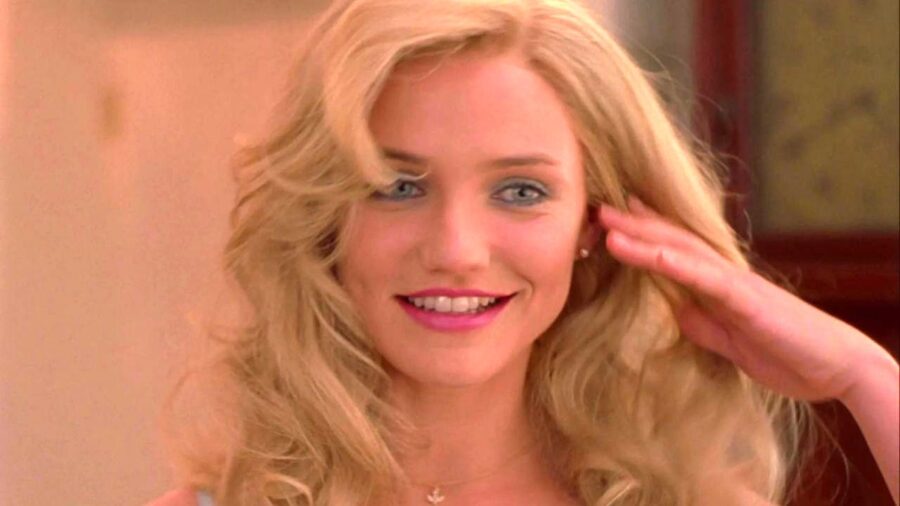
Of course, it’s impossible to talk about There’s Something About Mary without focusing on its most notorious moment: the infamous “hair gel” scene. Stiller’s character decides to “flog the dolphin” before a date with Diaz’s character in order to take the edge off. Later, she finds some of the mess he made on his ear, which he claims is just hair gel. Taking him at his word, she puts it in her own hair, resulting in a very sticky situation for her lovely lady locks. It’s a jaw-droppingly hilarious gag, one that helped cement (especially if you let it dry!) Cameron Diaz as one of Hollywood’s funniest and sexiest women.
A Star Is Born

There’s Something About Mary isn’t Cameron Diaz’s first film. She actually made her Hollywood debut as the blonde bombshell love interest in The Mask. However, it was this later role that established her as one of Hollywood’s most beloved leading ladies. After all, everyone already knew she could act and that she was absolutely gorgeous. But it was There’s Something About Mary that proved that she was game for the absolute craziest scenes, and she pulled them off with the same poise and grace that made her Hollywood’s favorite girl next door. In a movie filled with acting greats like Ben Stiller and Matt Dillon, she effortlessly gives the best performance.
The success of There’s Something About Mary transformed Cameron Diaz into a bankable movie star. She subsequently headlined major film franchises like Charlie’s Angels and more experimental films like Vanilla Sky, but she never forgot her raunchy comedy roots, which is why she starred in films like The Sweetest Thing and Sex Tape. To this day, Diaz is the best part of almost any project she joins, but she wouldn’t be in nearly so many things without the success of There’s Something About Mary, a film that’s a bit like her character’s “hair gel”: sometimes sweet, often salty.
The Rom-Com, Redefined

Dudes everywhere celebrated when There’s Something About Mary came out. It wasn’t just because there was a new movie with unforgettable gags, a quotable script, and a smokeshow of a lead. No, dudes were celebrating because this film transformed their least-favorite genre: the romantic comedy. Far too many rom-coms are bad at both the “rom” and the “com,” giving us warmed-over relationship platitudes centered around bland, inoffensive jokes. However, There’s Something About Mary blends hilarious jokes with a genuinely sweet (albeit insanely unconventional) love story. It’s a film that men and women alike can enjoy and spend a lifetime quoting at each other.
Do you need a little more raunchy comedy in your life? Maybe you want to gawk at Cameron Diaz in her prime, or just get the most unhinged haircare secrets ever caught on film? Whatever the reason, now is a perfect time to grab a beer and stream There’s Something About Mary on Netflix. It’s a perfectly imperfect, R-rated blockbuster about sex, dating, and love. It also offers some important life lessons to all of the men watching it. For example, after watching what happens to Ben Stiller’s character early in the film, you’ll always, always be careful when zipping up your pants!

Continue Reading
Emmy Rossum and Lola Petticrew‘s new show, Furious, deals with difficult subject matter but makes an effort not to show graphic scenes of abuse.
“This is a show made mostly by women,” Rossum, 39, exclusively told Us. “You can feel that in the treatment of the women and the victims in the show.”
Rossum noted that “nothing is gratuitous” in the eight-part Hulu show.
“There are no flashbacks that are showing the violence against them,” she continued. “But we feel that in every aspect of them. We can see the specific ways that it shows up in their life.”
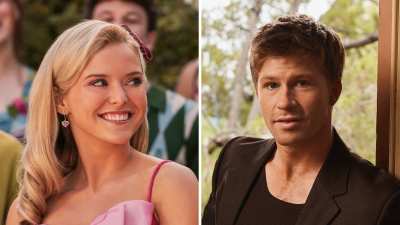
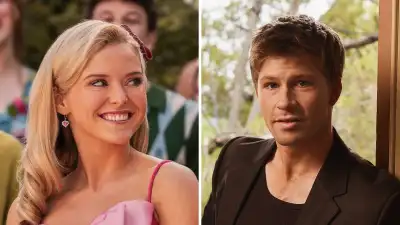
The summer TV schedule is overflowing with highly anticipated premieres and returns including Legally Blonde‘s Elle, a spinoff of Dancing With the Stars, Every Year After and more. Based on Every Summer After by Carley Fortune, Every Year After follows Percy (Sadie Soverall), who grew up vacationing in Barry’s Bay and spending all her time […]
Rossum elaborated: “That is more meaningful to see the way that the history of that affects you now than needing to see it.”
Pulling inspiration from the 1987 film Black Widow, creator Elizabeth Meriwether explores dark themes of abuse and human trafficking in Furious through the eyes of several complex — and many times imperfect — characters.
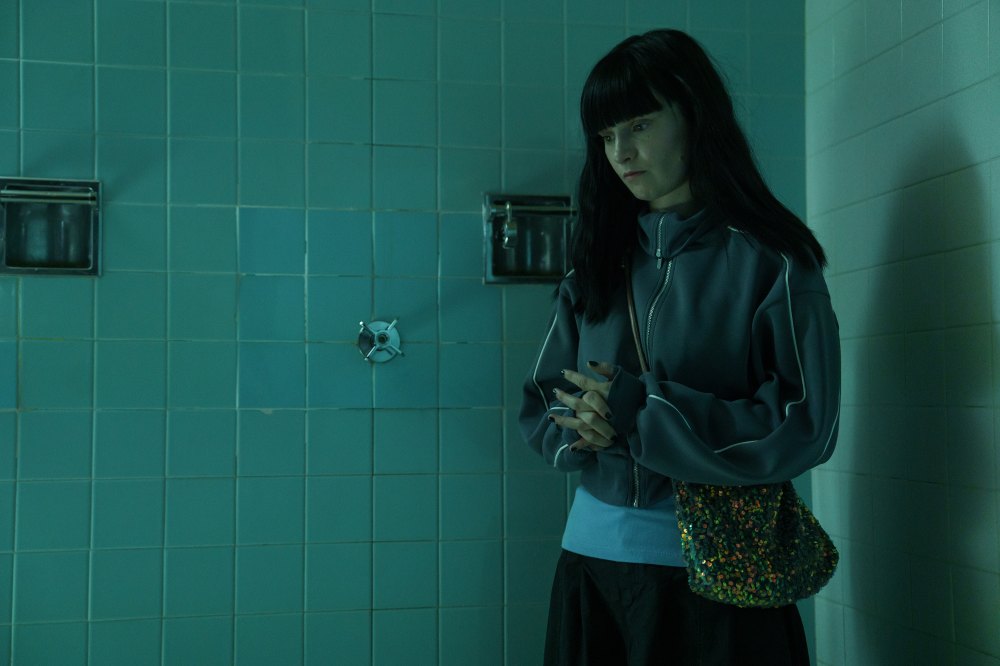
At the center of Furious, which airs Mondays, is FBI agent Alice (Rossum) as she hunts for a mysterious and calculating female serial killer played by Petticrew, 30, who targets men that prey on girls.
“Often on television, we see women who are victims as perfect victims. They’re presented with halos. I really wanted the show to dig into what it actually feels like to be a victim of violence and how it can manifest in really strange ways,” Meriwether teased to Us. “It can end up making you make strange and tough choices.”
The crime drama, which also stars Scoot McNairy, Quincy Tyler Bernstine and Jake Lacy, relies on twists and turns that even the characters don’t see coming. Petticrew, specifically, had their work cut out for them while exploring a murderous woman seeking revenge after years of sexual abuse.
For the actor, that meant finding the balance between fact and fiction.
“You have to toe the line between doing the research that you need to do without exploiting people who’ve been through what our characters have been through,” they explained to Us. “So it was really delicate work.”
Petticrew also made an effort not to bring work home, adding, “You have to be able to go in and do your best work and you can’t do that if you let the work eat away at you. Our cast were so phenomenal and we kept each other’s spirits up. Our crew is also just absolutely phenomenal.”


Before jumping into the role, Petticrew did the necessary research.
“Liz pointed me in the direction of a lot of amazing things to read and videos to watch. You have to toe the line between doing the research that you need to do without exploiting people who’ve been through what our characters have been through,” they continued.” So it was really delicate work. But I am also lucky enough that a lot of this stuff is already there in the page because Liz Meriwether is so incredibly talented.”
Furious airs Mondays on Hulu.

Prime Video has had a huge year so far with some of the biggest new movie and TV releases, but things are only going to pick up further next month with the return of Reacher. Alan Ritchson stars in Season 5 of the hit action/conspiracy thriller show, and he’ll also reprise his role in the Neagley spin-off that will begin streaming in September. Prime Video came into 2026 firing with the second season of Fallout, which premiered at the end of 2025 but finished its run in the first month of the year. While not yet rivaling the overall subscriber numbers of Netflix, Prime Video has quietly become the second-biggest streaming service in the world, also becoming the go-to home for new movies fresh out of theaters beginning a run on VOD.
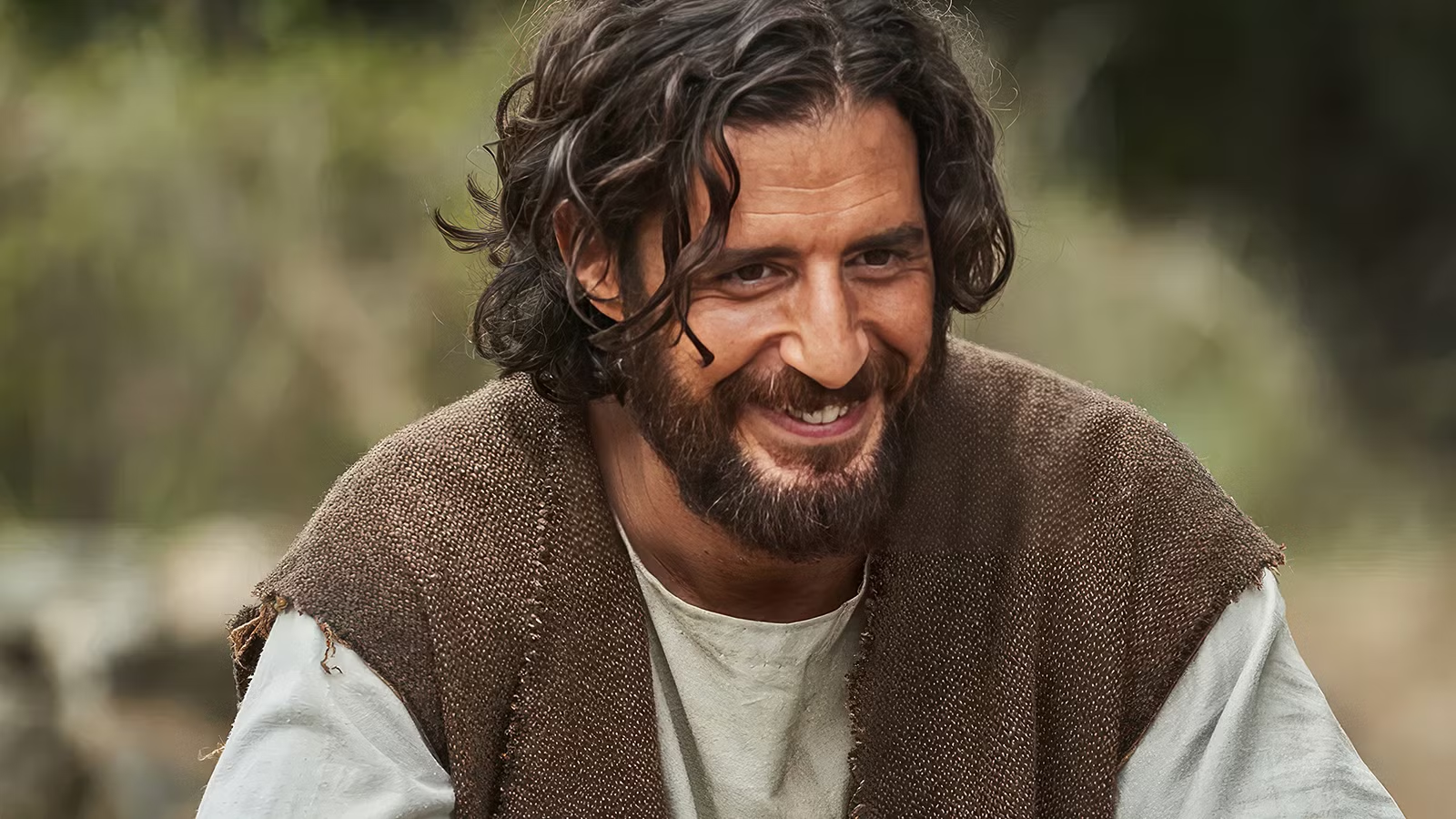
Prime Video has plenty of flagship shows that return with new seasons every year or so, but one of its biggest properties is The Chosen, the religious drama series written and directed by Dallas Jenkins. After The Chosen Season 5 aired last summer, it’s already been confirmed that Season 6 will return later this year on November 15, with an exclusive theatrical run before it begins streaming on Prime Video. However, fans don’t have to wait four months for the next official Chosen release on Prime Video. Just yesterday, the streamer officially announced the first Chosen spin-off show, The Chosen: In The Wild With Bear Grylls, the reality series that will begin streaming on August 9. The show will follow Grylls as he takes the cast of The Chosen, and even creator Dallas Jenkins, on dangerous adventures in the wilderness.
Is ‘The Chosen’ Streaming on Prime Video?

The first five seasons of The Chosen are streaming exclusively on Prime Video, which has become the primary home for the show in the last few years. While all five seasons are available to rent or purchase on other VOD platforms like Apple TV or Google, the cost of a Prime Video subscription is less than the cost of renting or purchasing one season, and it gives viewers access to all five seasons at once. The Chosen does not have an official critics rating on Rotten Tomatoes, but it’s one of the highest-rated shows of the last few years with fans, registering a near-perfect 97% on the audience-driven Popcornmeter. It’s also a personal favorite of Hollywood star Chris Pratt, who once called it “incredible pop-culture canon.”
Check out the first five seasons of The Chosen on Prime Video and stay tuned to Collider for more updates and coverage of Season 6.

- Release Date
-
April 21, 2019
- Network
-
Prime Video, VidAngel, Angel Studios, TheChosen.tv
- Directors
-
Dallas Jenkins
-

-

Elizabeth Tabish
Mary Magdalene / Lillith
Entertainment
Nick Offerman recounts harrowing woodworking accident that nearly cost him a fingertip: ‘Respect your tools’
:max_bytes(150000):strip_icc():format(jpeg)/Nick-Offerman-2-072726-8d694ea46f7e44abb11c306a6f1fc998.jpg)
The “Parks and Rec” star, long an avid woodworker, opened the Offerman Woodshop in Los Angeles in 2001.
Entertainment
Paul Wesley teases similarities between “The Vampire Diaries” and new show with Nina Dobrev: ‘Twists and turns’
:max_bytes(150000):strip_icc():format(jpeg)/paul-wesley-nina-dobrev-golden-globes-post-party-072726-cf8aa21bbb1f41a497bb1a5332eec185.jpg)
“The Vampire Diaries” alum stopped by EW’s 2026 SDCC studio and discussed his upcoming project.
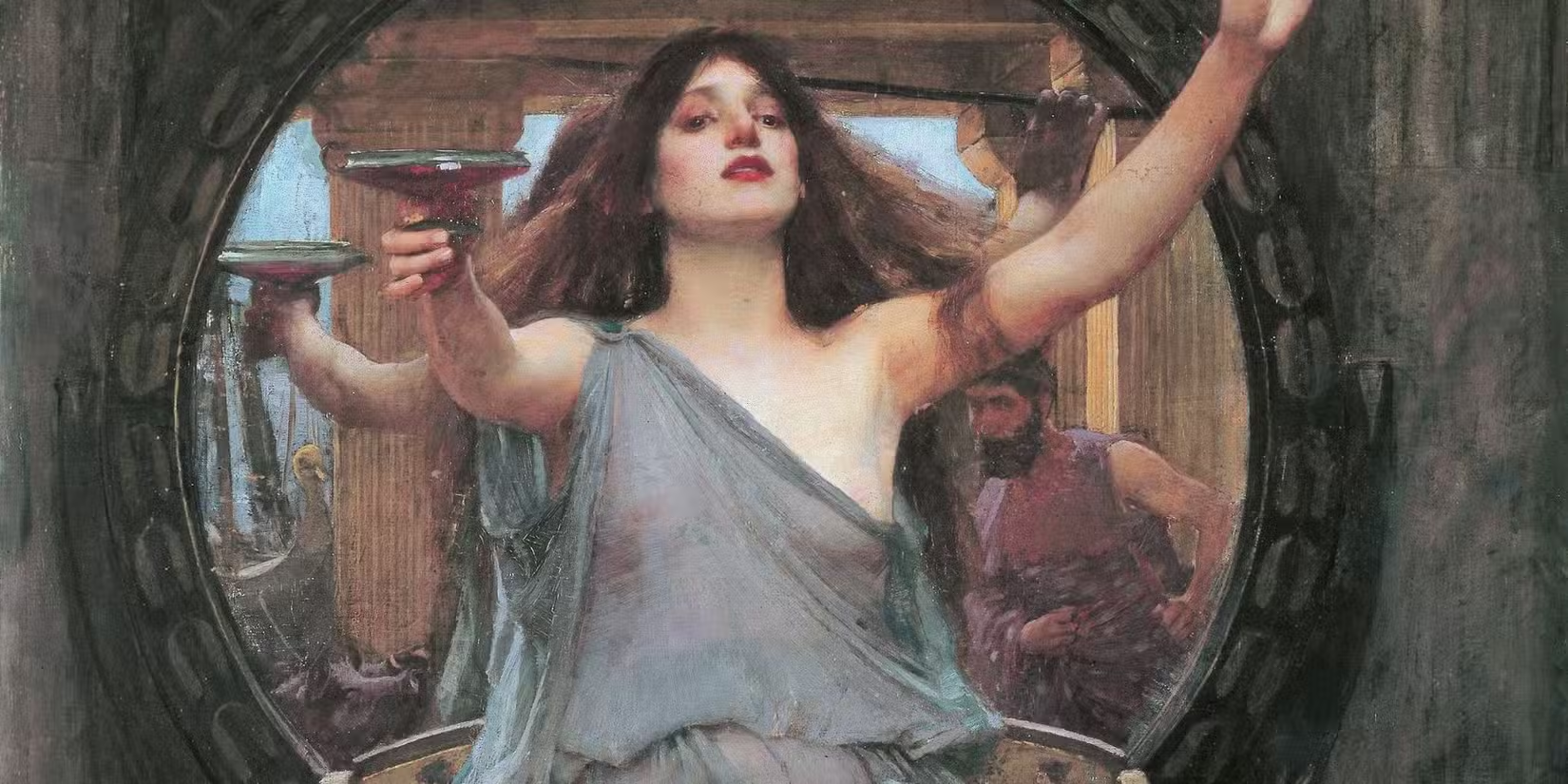
Christopher Nolan‘s The Odyssey is breaking all kinds of records, deservedly so. The film, a retelling of the epic by the Greek poet Homer, chronicles the 20-year journey of Odysseus (Matt Damon), who spends a decade fighting in the Trojan War and another decade trying to return home to Ithaca. On his journey back, Odysseus visits the island of Aeaea, where he meets the witch Circe (Samantha Morton). Partly because of Morton’s hypnotic performance, and partly because of Nolan’s staging, the Circe sequence has become one of the most celebrated parts of The Odyssey, to the point where many consider her the film’s best character.
It makes sense that such a fascinating figure would capture our collective attention. Since time immemorial, Circe has been one of the most commanding and mesmerizing figures from Greek mythology, largely as an antagonistic figure, a seductress and betrayer prone to revenge against those who wrong her. In 2018, however, Circe received a much-needed reinterpretation courtesy of Madeline Miller, author of the beloved 2011 novel The Song of Achilles. The book, appropriately titled Circe, is a captivating character study of one of mythology’s most elusive figures, both a tragedy and a bold, poetic statement on agency, autonomy, femininity, and mortality.
What Is ‘Circe’ About?

“When I was born, the word for what I was did not exist.” Those are the opening words of Circe, a first-person mythical fantasy tale from the perspective of the nymph Circe, daughter of the Titan Helios and the Oceanid Perse. Spanning millennia and covering the entirety of her life, the book chronicles every major event in her journey. Crucially, it reinterprets Greek mythology through a distinctly feminist approach without ever feeling too modern or anachronistic. Rather than just focusing on The Odyssey, it adapts multiple myths and features many key figures, including Jason and Medea, Daedalus and the Minotaur, Hermes, and, of course, Odysseus and his son, Telemachus.
Author Madeline Miller brings a haunting, melancholy tone to her writing. Here, Circe is far from the scorned enchantress she’s usually depicted as in everything from classic poetry to DC Comics. Instead, the witch is a wistful, introspective, and self-reflective figure with remarkable emotional intelligence, curiosity, and a fierce will that makes her both resourceful and empathetic. Through the book’s 383 pages, we get to meet her intimately, experiencing her singular existence in careful detail and getting acquainted with her many contradictions.
Circe is one of modern literature’s most compassionate characters — her interaction with the tortured titan Prometheus is a vivid, sorrowful depiction of conflict, curiosity, and plain, untainted empathy. Unlike her unknowable, borderline cruel family, Circe is both entranced by and profoundly sorry for humanity. It’s precisely this sentiment that makes her such an interesting figure in the context of the Greek mythological world, populated by distant, unforgiving, and brutal gods, whose concern for mortals is limited to the amount of praise garnered from them. Yet, Circe is also defined by bitterness and longing, prompting her to seek retribution against those who wrong her. In this way, she’s fairly similar to Samantha Morton’s take in The Odyssey: both versions use magic not as a form of punishment or cruelty, but rather to exercise some control amidst unpredictable chaos. In a way, their actions are both a form of rebellion and a way to bring balance to a world that resists it.
‘Circe’ Does What Many Adaptations Can’t

We live at a time when many adaptations of well-known tales miss the mark, especially those centered around villains. While many of these misguided projects try to excuse or, worse, reframe the characters’ villainous deeds as misunderstood rather than outright evil, Circe contextualizes the witch’s actions without forgiving them, thus allowing us to understand them fully. In doing so, Circe finds sympathy from us, if not atonement. Not that she needs it, though; Miller’s Circe is certain and accountable, willing to live with the weight of her actions and never denying her nature. Yet, she also expresses deep remorse for what she (correctly) identifies as an outstanding capacity for self-destruction. This self-awareness is what makes her such a vibrant, captivating protagonist, and what ultimately makes the end of her journey feel so earned.
The book’s power lies entirely in its ability to convey complicated yet universal feelings with a striking, lyrical beauty. For example, Miller paints Circe’s time in exile at Aeaea with a prose that feels both haunting and somber yet truthful. More than mere isolation, Circe’s time on the island goes from a punishment to a source of release, the chance to find and be herself, away from expectations and burdens. Pain is always close, as is regret, but Circe learns to bear it, finding solace, purpose, and ultimately realization.
Circe also shines with its emotional, romantic core. The last act of the book — the last seven chapters of the novel, to be more precise — focuses on the relationship between Circe and Telemachus, who arrives at Aeaea accompanied by his mother, Penelope, and Circe and Odysseus’ son, Telegonus. The book stays fairly close to Greek mythology concerning Odysseus’ ultimate fate and Telegonus’ role in it. Where it soars, however, is in its depiction of the bond between Circe and Telemachus. Miller paints their love as one born out of mutual understanding and genuine interest in the other’s plight rather than a mere physical attraction born out of circumstance.
‘Circe’ Is a Must-Read for Fans of Fantasy and Myth
Traditional fantasy stories usually concern magical beings, faraway kingdoms, and grand themes concerning the hero’s journey. Circe challenges these tropes by offering a quieter, more intimate, and incredibly rewarding story of introspection, self-discovery, the lie of divinity, and the power of mortality. In the process, it becomes an incredibly humane book, a text that uses the mythical and divine to make a statement on the natural and earthly. Miller offers reflections on loneliness, the weight of remorse, the changing ways of sorrow, and the power of caring, not only for others but, most crucially, for oneself. It’s a book that stays with you, and one of the greatest reinterpretations of Greek mythology out there.

Us Weekly has affiliate partnerships. We receive compensation when you click on a link and make a purchase. Learn more!
Shopping for a wedding dress can be overwhelming, especially when you’re trying to find a designer-worthy look that fits your budget and timeline. Thankfully, one of the biggest names in bridal fashion is now making the process even easier by offering several beloved gowns on Amazon.
David’s Bridal has built its reputation on timeless silhouettes, flattering fits and accessible pricing, and now you can shop many of the brand’s newest bridal styles without leaving your home. Whether you’re dreaming of sleek satin, romantic lace or modern corset details, these standout gowns deserve a spot on your shortlist. To help, we browsed through the collection and put together a list of stunning wedding dresses, starting at $100.
9 David’s Bridal Wedding Dresses on Amazon for $300 or Less
1. Our Favorite: Simple, elegant and extremely timeless, this matte satin A-line gown is the definition of understated bridal style. The delicate spaghetti straps and flowing skirt create a flattering silhouette that looks effortlessly luxurious from every angle.
2. Runner-Up: If you’ve always envisioned a classic princess moment, this satin ball gown delivers with its dramatic skirt and polished finish. It’s a timeless silhouette that feels bridal without relying on excessive embellishments.
3. Celeb-Approved: Clean, sculptural draping gives this sheath gown the minimalist aesthetic that’s a celebrity favorite. The streamlined silhouette creates a chic look that’s equal parts modern and sophisticated.
4. Designer-Looking: The structured corset bodice and romantic lace details give this tulle ball gown a couture-inspired feel. It captures the elevated look of high-end bridal boutiques without the designer price tag.
5. Everyday Essential: With its crisp square neckline and timeless design, this A-line gown proves that simplicity never goes out of style. It’s an easy choice for brides seeking a classic look they’ll love in photos for years to come.

Wedding season is quickly picking up, bringing a slew of invitations with it. And while there’s nothing like celebrating true love, buying a new dress for every occasion can get expensive fast. That’s why shopping on a budget is key — and Amazon currently has tons of wedding guest dresses for under $50. I found […]
6. Best Mermaid: Designed to hug your curves, this sculpting mermaid gown creates a dramatic, confidence-boosting silhouette. The figure-flattering fit offers plenty of ‘wow’ factor while remaining elegant.
7. Most Romantic: Soft chiffon and delicate illusion details combine for an ethereal look that’s perfect for outdoor ceremonies and garden weddings.
8. Best Corset: Romantic sleeves meet a structured corset bodice for a gown that beautifully balances softness and support. The silhouette enhances the waist while creating an unmistakably bridal finish.
9. Best Lace: Intricate floral appliqués elevate this mermaid silhouette with gorgeous texture and dimension. It’s a glamorous option for brides who want classic lace with a contemporary, body-skimming shape.
UsNow Summer Sale Alert: These Chic Fashion Finds are over 30% off – Plus Free Shipping
Welcome to summer with our biggest sale of the year. This summer’s chicest dresses, tops and swimsuits are all over 30% + free shipping. Inventory is limited so hurry before they’re gone.

Peak wedding season is nearly upon Us, and as luck would have it, I have two destination weddings on my calendar this spring and summer. As the classic type-A girlie, I had already planned a few outfit options for each — until my jaw dropped and I realized my go-to wedding guest dress brand had recently launched […]
The 1990s was a major decade for Japanese animation. Thanks to media released in the 1980s, such as Akira, anime became more accessible and sought after on the global market, leading to a plethora of shows and films getting overseas dubs. Thanks to blocks like Cartoon Network’s Toonami, younger audiences were exposed to a wide variety of high-quality anime, which lay the bedrock for how globally dominant Japanese animation has become, sometimes even outperforming Western cartoons.
There are so many fantastic programs that premiered between 1990 and 1999—some of which are still ongoing—meaning that, if you’re interested in exploring this era and how it differs from today’s anime, you have your pick of the litter. For the purposes of this list, we will not be including anime that premiered in the late 1980s but ran into the 1990s, such as Ranma 1/2 and Dragon Ball Z, so consider those as very strong honorable mentions.
‘Pokémon the Series’ (1997–Present)

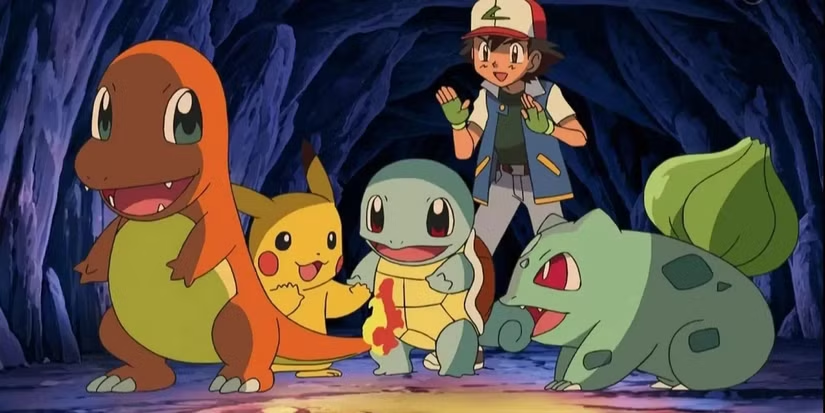
Ten-year-old Ash Ketchum (Hana Takeda, Rica Matsumoto, Veronica Taylor, and Sarah Natochenny) is an energetic boy living in a world full of Pokémon, mysterious creatures that use elemental attacks and who can evolve into larger, more powerful forms. He is given an electric mouse Pokémon named Pikachu (Ikue Ōtani) as his first partner, and after some initially rocky beginnings, they set off to travel the world and battle other strong trainers, so Ash can become a Pokémon Master. He is joined by numerous companions with their own hopes and dreams, and is hounded constantly by members of the criminal organization Team Rocket, who are obsessed with capturing Ash’s Pikachu.
Pokémon the Series is one of the biggest pop-culture icons to come from the 1990s, and played a key role in Pokémon‘s stranglehold on pop-culture during the late 1990s and early 2000s. While later seasons would try to match the rules of the games a bit closer, the original season was more concerned with doing its own thing, which ranged from including real-world animals to Electric-type attacks hurting Ground-type Pokémon. That said, there were also plenty of episodes that evoke strong emotions, like “Bye Bye Butterfree” and “Charmander – The Stray Pokémon,” and there is a lovely sense of nostalgia hearing the original 4Kids actors.
‘Digimon Adventure’ (1999–2000)

Seven young kids attending a summer camp together find themselves pulled into the Digital World, a parallel dimension inhabited by creatures made out of data called Digimon. The kids each receive Digimon partners, and, thanks to mysterious devices, they can temporarily allow their Digimon to transform into more powerful forms. This marks them as DigiDestined: heroes of prophecy who will save both worlds from wicked forces who seek to destroy and dominate all.
While at first Digimon Adventure might seem like a Pokémon knockoff, the two properties have nothing in common aside from transforming creatures. It tells a very solid quest story while managing to give each of its protagonists’ character arcs and believable personalities, including a wide array of home lives, from adoption to overbearing parents and divorced homes. The Digital World is also incredibly creative and detailed, with plenty of seemingly random items and locations, ensuring that each episode offered new surprises.
‘Slayers’ (1995–2009)

Lina Inverse (Megumi Hayashibara and Lisa Ortiz) is a teenage sorceress driven by wanderlust and greed. During her travels, she somehow acquires a group of more good-hearted and altruistic traveling companions, which means Lina often ends up getting roped into saving the world. Over time, she comes to like her friends, and figures that she can still get some gold out of battling the forces of evil.
Slayers offers a refreshing take on the typical high-fantasy quest thanks to its tone. Its high-stakes action is frequently broken up by moments of levity and comedy, from Lina’s petty attitude to hilarious slapstick comedy. The whole thing plays out like a Dungeons & Dragons campaign, complete with half of the troubles that befall the protagonists being of their own making.
‘Yu Yu Hakusho’ (1992–1995)

Yusuke Urameshi (Nozomu Sasaki, Justin Cook, and Darren Pleavin) is a teenage delinquent and street fighter who dies saving a young boy from being hit by a car. However, it turns out his altruism caught the eye of the Underworld’s elite, and he is allowed to come back to life as an Underworld Detective. Aided by his human best friend and two spirits, Yusuke must now investigate supernatural activity on Earth and thwart the plans of evil demons and other malevolent forces.
Yu Yu Hakusho is a stellar example of 1990s shōnen anime thanks to its aesthetic, character dynamic, and gorgeous animation. Its action sequences set a very high bar in terms of brutality and composition, while its characters had a strong camaraderie fueled by their flawed but complimentary personalities. It’s also got a fascinating mythology that pulls from the likes of Buddhism and Japanese folklore and Shintoism.
‘Sailor Moon’ (1992–1997)

Usagi Tsukino (Kotono Mitsuishi, Terri Hawks, Tracy Moore, and Stephanie Sheh) is your average teenage girl who is visited one day by a talking cat named Luna (Keiko Han, Jill Frappier, and Michelle Ruff). She gives Usagi the ability to transform into a magical form called Sailor Moon, and warns her that an evil organization called the Dark Kingdom has infiltrated the Earth and is draining humans of energy while they search for the powerful Silver Crystal, with which they can resurrect their Queen, Metalia (Noriko Uemura, Maria Vacratsis, and Mary Elizabeth McGlynn). As Usagi learns how to use her new powers to thwart the Dark Kingdom’s plans, she and Luna find other girls who can transform, and receive aid from the mysterious Tuxedo Mask (Toru Furuya, Toby Proctor, Rino Romano, and Robbie Daymon).
Sailor Moon revolutionized the magic girl genre by having female characters who could both stand up to evil themselves and had diverse and multifaceted personalities. Usagi is a good example of this, being a very flawed character who starts off as an underachiever who is terrified of her new responsibilities, but over time develops confidence through interacting with her fellow Sailor Guardians. Aside from its historical significance, the show is still pretty fun to re-visit, blending comedy with intriguing worldbuilding, fun characters, and plenty of visually interesting monsters of the week.
‘Case Closed’ (1996–Present)

Shinichi Kudo (Kappei Yamaguchi, Minami Takayama, Jerry Jewell, Griffin Burns, Mauricio Ortiz-Segura, Alison Viktorin, Wendee Lee, and Molly Zhang) is a teenage genius who uses his analytical mind to aid the police in solving crimes. One day, he is captured by two men in black and fed an experimental drug that was supposed to kill him, but instead reverted his body to six-years-old. Shinichi adopts the alias Conan Edogawa and continues to solve cases alongside private detective Kogorō Mōri (Akira Kamiya, Rikiya Koyama, R. Bruce Elliot, Xander Mobus, and Robert McCollum) and his daughter, Ran (Wakana Yamazaki, Akemi Okamura, Colleen Clinkenbeard, Cristina Vee, and Megan Shipman).
Case Closed, also known as Detective Conan, is one of the longest-running anime, and keeps bringing audiences back thanks to its simple yet brilliant formula. While each episode is a self-contained case, the show maintains plenty of long-running narratives, such as the mystery behind Conan’s attackers, and the romantic tension between him and Ran. It’s also just a ton of fun, with plenty of great mysteries, comedic interactions between the characters, and a wide array of gadgets that Conan uses to make up for his transformation.
‘Neon Genesis Evangelion’ (1995–1996)

In the year 2000, a cataclysmic event called the Second Impact sees the Earth devastated and humanity nearly annihilated. 15 years later, humanity is now under threat by monsters called Angels, which are protected by powerful forcefields. Amidst all of this, 14-year-old Shinji Ikari (Megumi Ogata, Ryūnosuke Kamiki, Spike Spencer, and Casey Mongillo) is summoned by his estranged father to pilot a massive biomechanical mech called an Evangelion, which could be humanity’s only hope against the Angels.
Neon Genesis Evangelion is one of the most revolutionary animes to come from the 1990s. Unlike other giant robot anime at the time, it chose to prioritize the characters over the action, dedicating lots of time to deconstructing its own genre and unpacking the emotional trauma behind each of its protagonists. Plus, it’s gorgeous to look at, with a very sleek and detailed design for the Evangelions that lends itself well to action, and a wide variety of unique and alien designs for the Angels to make them feel properly mythical and horrific.
‘Berserk’ (1997–1998)

Guts (Nobutoshi Canna and Marc Diraison) is an enigmatic mercenary who wanders the land wielding a massive sword and a brand that attracts the forces of darkness to him. A flashback reveals that his troubles began when he met Griffith (Toshiyuki Morikawa and Kevin T. Collins), the leader of the Band of the Hawk, who recruited Guts after defeating him in a duel. Over time, the two become friends as Guts helps Griffith achieve his goal of ruling his own kingdom, but a series of betrayals and poor choices sees their fates altered in the most unforeseeable of ways.
Berserk focuses on the manga’s Golden Age Arc, which explains the backstory of the principal characters. Thus, the story is a tragedy of epic proportions, with each character getting enough time to establish them as fully-realized characters with camaraderie and unique dialogue about the meaning of life and the dangers of reckless ambition. It’s also got plenty of epic battles, a gritty dark fantasy world, and a haunting soundtrack that compliments the mature tone.
‘Cowboy Bebop’ (1998–1999)

With the aid of hyperspace gateways, humanity leaves a devastated Earth and spreads itself across the Solar System. This, unfortunately, leads to an increase in crime among the colonies, so the struggling Inter Solar System Police instate a bounty system that will pay registered mercenaries if they bring the criminals in alive. Among these mercenaries, nicknamed “Cowboys,” is the crew of the Bebop, who struggle to get enough bounties to keep themselves fed day by day, while also dealing with ghosts from their pasts.
Cowboy Bebop is often ranked as one of the best animes, and thanks to being only 26 episodes long, it’s also an easy binge. The writing combining elements of space opera, film noir, and westerns into a one-of-a-kind science fiction world that is guaranteed to leave you eager to learn more about it and the complex people who dwell within. It’s also got phenomenal music, courtesy of Yoko Kanno, which at times is used to carry the story in lieu of dialogue.
‘One Piece’ (1999–Present)

Before he was executed by the World Government, Pirate King Gol D. Rogers (Chikao Ohtsuka and Sean Hennigan) announced that his massive fortune, called One Piece, would be available to anyone who can find it first. This sparks a new era of piracy as hundreds of ships sail the seas, headed for the Grand Line, a dangerous sea route that is supposed to lead to One Piece’s hiding spot. Among these treasure hunters are the Straw Hat Pirates, captained by Monkey D. Luffy (Mayumi Tanaka and Colleen Clinkenbeard), a young man who ate a magic fruit that turned his skin to rubber.
One Piece is one of the most recognized pieces of Japanese media, and between its near 30-year run and a live-action adaptation on Netflix, it shows no signs of stopping anytime soon. Audiences remain enthralled thanks to the fantastic worldbuilding and storytelling, as the Straw Hats visit new locations with their own unique cultures and factions, a robust set of powers that ensure characters feel unique, and long-form storytelling that is constantly paying off events setup years ago. Speaking of the characters, the Straw Hats in particular are a fantastic group of protagonists thanks to their diverse skills, flaws, and dreams, resulting in a wide array of fantastic character interactions and developments.

One Piece
- Release Date
-
October 20, 1999
- Network
-
Fuji TV
- Directors
-
Hiroaki Miyamoto, Konosuke Uda, Junji Shimizu, Satoshi Itō, Munehisa Sakai, Katsumi Tokoro, Yutaka Nakajima, Yoshihiro Ueda, Kenichi Takeshita, Yoko Ikeda, Ryota Nakamura, Hiroyuki Kakudou, Takahiro Imamura, Toshihiro Maeya, Yûji Endô, Nozomu Shishido, Hidehiko Kadota, Sumio Watanabe, Harume Kosaka, Yasuhiro Tanabe, Yukihiko Nakao, Keisuke Onishi, Junichi Fujise, Hiroyuki Satou
- Writers
-
Jin Tanaka, Akiko Inoue, Junki Takegami, Shinzo Fujita, Shouji Yonemura, Yoshiyuki Suga, Atsuhiro Tomioka, Hirohiko Uesaka, Michiru Shimada, Isao Murayama, Takuya Masumoto, Yoichi Takahashi, Momoka Toyoda
-

Mayumi Tanaka
Monkey D. Luffy (voice)
-
Kazuya Nakai
Roronoa Zoro (voice)
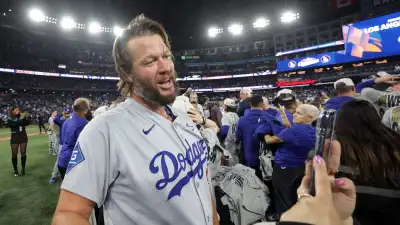
Retired MLB player Clayton Kershaw is no longer pitching for the Los Angeles Dodgers, but some of his past actions on the field are still causing controversy.
Last month, three San Francisco Giants players added a bible verse to their required rainbow-themed hats on the league’s Pride Night, receiving backlash from some fans who considered the action to be anti-LGBTQ+ in nature. (The MLB also issued formal warnings to the player who violated the uniform rules.)
Kershaw, 38, for his part, previously added the same Genesis 9:12-16 quote on his league-issued Pride hat one year prior — but insists he wasn’t intentionally trying to ruffle any feathers.
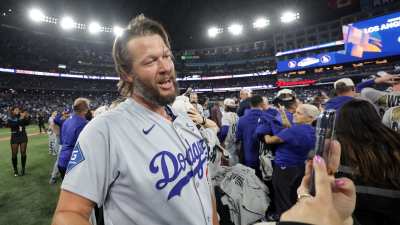
Los Angeles Dodgers pitcher Clayton Kershaw officially retired from professional baseball following his team’s World Series 2025 victory. The Dodgers clinched back-to-back World Series trophies on Saturday, November 1, with a Game 7 victory over the Toronto Blue Jays in 11 innings. It was another very competitive game between the two teams, as the Dodgers […]
“It wasn’t meant to discriminate or marginalize anybody,” Kershaw explained on the Saturday, July 25, episode of My View With Lara Trump on Fox News. “The rainbow means a lot of different things to different people.”
The three-time Cy Young winner noted that while he was playing, he chose to lead with his faith and how he perceives the rainbow tying into his beliefs — not how the image is often used to advocate for gay and trans peoples’ rights.
“So for me, the rainbow represents God’s covenant with his people. That’s what I wanted to represent,” Kershaw said. “As a man of faith, as a man that believes in Jesus that’s what the rainbow represents to me. I thought that was the best way to do that in a somewhat difficult situation.”
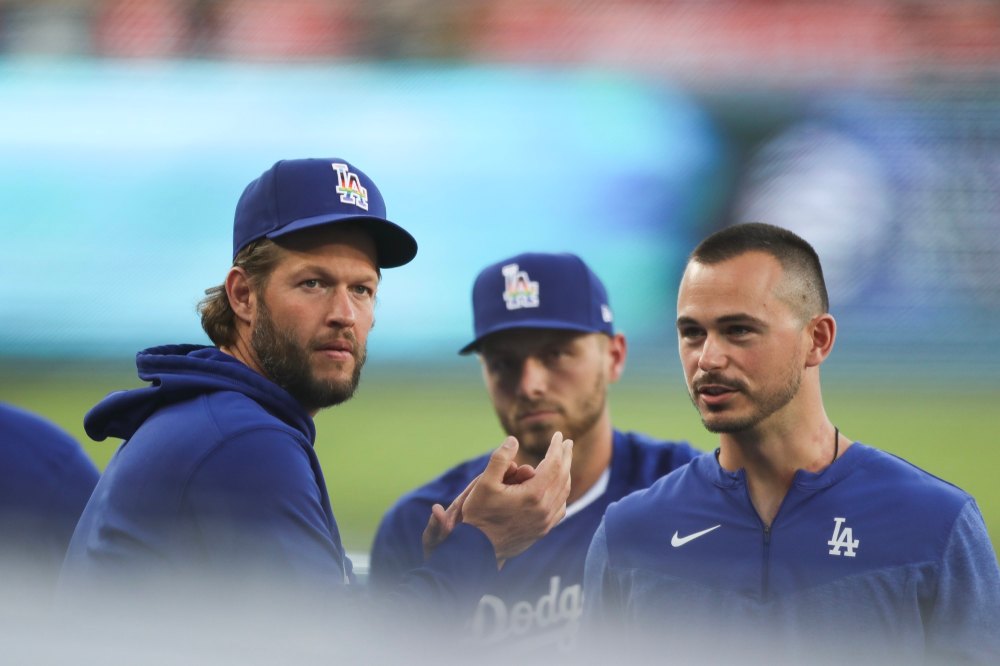
Clayton Kershaw on Pride Night 2023. Meg Oliphant/Getty Images
The bible verse in question reads: “God places the rainbow in the clouds as the sign of His covenant with Noah, promising never to flood the earth and destroy all life again.”
Kershaw noted on Saturday’s broadcast that the love of God was all he was trying to put forward by adding the handwritten verse on his cap one year prior.
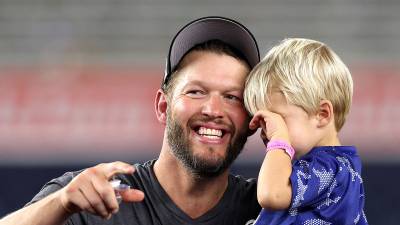
Elsa/Getty Images Clayton Kershaw might not have pitched in the World Series, but he certainly made up for it with his celebration. The Los Angeles Dodgers star, who only pitched in seven games this season while dealing with bone spurs in his left big toe after undergoing shoulder surgery in the offseason, partied shirtless after […]
“Once again, it wasn’t meant to discriminate or, you know, put anybody in a bad spot. It was just what I believed in,” he concluded. “It wasn’t an easy decision, but I still stand by it. I think it was the right thing to do.”
Although Kershaw retired from the MLB following the Dodgers’ 2025 World Series Win — the third in his career — he remains involved in the team. Kershaw, who played professional baseball 18 seasons, currently works as a special assistant for baseball operations for the Dodgers.
He was also on hand earlier this month when the World Series team went to Washington, D.C. to meet President Donald Trump — which sparked another controversy.

The Los Angeles Dodgers are becoming regulars at the White House. The back-to-back World Series champions were back in Washington D.C. on Thursday, July 23, to commemorate their latest triumph with President Donald Trump. “I’m thrilled to say welcome back to the White House,” Trump, 80, said during the ceremony. “And maybe I’ll see you […]
While every player who won that coveted baseball title in 2025 was invited to the White House, several players, including Kiké Hernández and Mookie Betts declined the offer. (Hernández, 34, has been vocal about his issues with the Trump administration.)
“I think it’s a personal decision,” Kershaw told Lara Trump during his interview after being asked if the honor of visiting the White House after a big sports win has been “usurped by politics.”
He added, “I’m thankful that the Dodgers are here. I’m thankful that I get to be at the White House. It’s a really special place.”
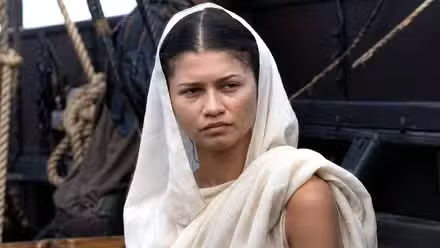
Since its release, Christopher Nolan‘s adaptation of The Odyssey has proven itself to be many things: a massive cinematic blockbuster (predicted to exceed $1 billion as its run continues), a faithful take on Homer’s influential poem, and, perhaps most importantly, an invitation for moviegoers to revisit the ancient Greek epic. With reviewers and audiences alike raving about the film, The Odyssey is the type of film that leaves viewers wanting more tales of Odysseus, mythical beings, and perilous voyages. And while you might be tempted to look to movies like Troy or Clash of the Titans to scratch that itch, it’s in another genre that you’ll find the actual best follow-up.
O Brother, Where Art Thou?, the folksy 2000 comedy directed by the Coen Brothers and starring George Clooney, John Turturro, and Tim Blake Nelson, follows three escaped convicts as they journey through 1930s Mississippi in search of buried treasure. And beneath the Coen Brothers’ trademark comedic exterior lies one of the smartest and most inventive adaptions of The Odyssey ever made. Clooney’s character, Ulysses Everett McGill, is no Greek king; he is a fast-talking con man whose abilities are constantly called into question by those around him. However, both Clooney’s Ulysses and Matt Damon’s Odysseus are driven by one goal more than anything else: Getting home before it’s too late.
‘O, Brother Where Art Thou?’ Embraces Homer’s Storytelling with Comedic Flair
Perhaps where O Brother, Where Art Thou? succeeds best is how naturally Homer’s The Odyssey is woven into the film’s story. The film uses the poem’s more familiar beats as inspiration, translating the mythology into a language and setting that is more familiar. Many of The Odyssey‘s most important moments, such as the encounter with the Sirens and Cyclops, are adapted cleverly but in a way that never feels as if the film is sacrificing its own identity.
The Sirens become three mysterious women bathing in a river, luring Everett, Pete (Turturro), and Delmar (Nelson) away from their journey with their singing. The Cyclops is the large and imposing Dan Teague, played by John Goodman, who is out to rob them rather than eat them. Naturally, Teague’s eye patch and size make him impossible to miss as he threatens our heroes and nearly kills them.
As the heroes finally reach their destination and Everett reunites with his wife Penny (Penelope), portrayed by Holly Hunter, he discovers that she is courted by a suitor. Similar to Homer’s epic, Everett must prove his worth and love for his wife, even after the journey itself has been so perilous. The trials required to win her back prove to be as difficult as his mission to get home, staying true to Homer’s epic, albeit with more comedy infused into the situation. It’s here where the Coens are at their best, preserving the emotional heart of The Odyssey and allowing it to stand on its own as a uniquely American adventure.
‘O Brother, Where Art Thou?’ Serves as a Reminder That Great Stories Can Be Reinvented

One of the biggest reasons that The Odyssey has been retold, translated, and adapted countless times since it was first written thousands of years ago is that its themes are timeless. Maintaining courage and perseverance in the face of danger, relying on found families, and being willing to fight for those you love are ideas that resonate across time, as relatable in Ancient Greece as they were in the Depression-era American South or continue to be today. It joins many other films that helped to inspire Christopher Nolan’s take on The Odyssey, proving that Homer’s epic is truly timeless.
Although Homer’s story points are adapted throughout O Brother, Where Art Thou?, they never feel like Easter eggs being dropped into the film for no real reason. Instead, they provide the necessary framework to tell a new and original story that has its own points to make about modern identity, faith, politics, and the quest for redemption. It reinvents The Odyssey while paying homage to it, and not making it simpler than it needs to be.
Given its massive success, The Odyssey has already begun to spark interest in Homer’s epic. For anyone looking to continue the journey of protagonists fighting against insurmountable odds to get home, O Brother, Where Are Thou? is an ideal next watch, even as the Coens provide a much more light-hearted and unapologetically unconventional take in their adaptation. Perhaps most importantly, O Brother, Where Art Thou? proves that some of our greatest stories don’t survive simply due to endless repetition of them. Instead, finding new and interesting ways to keep them alive for new audiences is the way that stories such as The Odyssey will last through the generations.

- Release Date
-
September 15, 2000
- Runtime
-
107 minutes
- Director
-
Joel Coen, Ethan Coen
- Writers
-
Joel Coen, Ethan Coen, Homer
- Producers
-
Eric Fellner, Tim Bevan
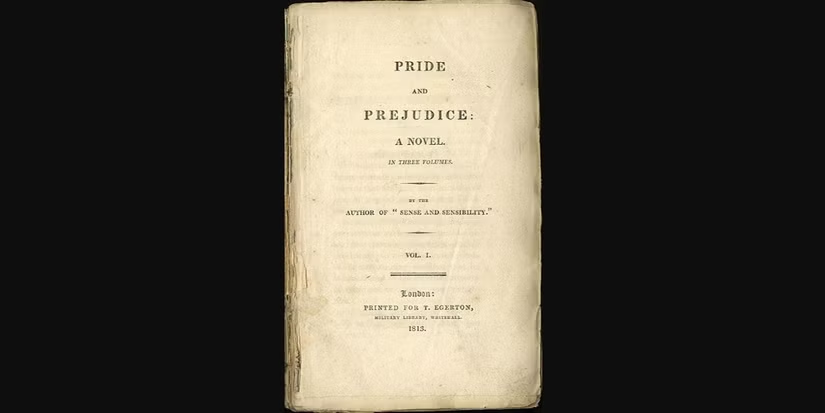
Romance is one of the oldest forms of storytelling, and for good reason. Something is just so fascinating about witnessing two strangers slowly become the most important people in each other’s lives. Movies can obviously tell great love stories, but books have always been the genre’s natural home. They allow readers to experience every little moment that leads up to the central characters’ happily ever after.
Not every romance book gets it right, though, because many of them mistake grand gestures for chemistry or rely on familiar tropes without giving readers a reason to care. Not the ones on this list, though, because they create relationships that feel so authentic that readers can’t help but become emotionally invested in every high and low along the way. Here are the romance books that are perfect from the first page to the last.
‘Pride and Prejudice’ (1813)

No one does romance like Jane Austen, and Pride and Prejudice is the holy grail of the genre. In fact, Elizabeth Bennet and Mr. Darcy practically invented enemies-to-lovers before every Netflix movie was doing it, and are still one of literature’s greatest pairings thanks to their compelling dynamic. The novel primarily follows the intelligent and fiercely independent Elizabeth Bennet, whose life changes when the wealthy yet notoriously reserved Mr. Fitzwilliam Darcy enters her social circle. Both characters instantly dislike one another. However, as their misunderstandings unravel, the two are forced to confront their own flaws and true feelings.
This constant tension between Elizabeth and Mr. Darcy is what makes the novel irresistible. Austen fills every conversation between Elizabeth and Darcy with tension, wit, and emotional subtext, which gives weight to even their smallest interactions. At the same time, Pride and Prejudice doubles as a sharp satire of class, marriage, and social expectations in Regency England, which gives the novel a lot more depth than a typical love story. That’s also why Pride and Prejudice remains an important part of cultural conversations today, with countless books, films, and TV shows borrowing from its characters and tropes. Safe to say, this book is as close to a perfect romance novel as the genre has ever seen.
‘The Time Traveler’s Wife’ (2003)

Audrey Niffenegger‘s The Time Traveler’s Wife is a science fiction romance that leaves the readers heartbroken. The story follows librarian Henry DeTamble, who has a rare genetic condition that causes him to involuntarily travel through time, and Clare Abshire, the woman who loves him despite never knowing when he will suddenly disappear or reappear. The most interesting part of the story is how Henry experiences his relationship with Clare out of order. The two meet at completely different stages of their lives, which means Clare has to build a future with someone whose past she already knows.
The novel constantly jumps between timelines, and while that might sound complex, the storytelling feels effortless to follow. The novel never uses time travel as a gimmick, but uses it as a tool to explore how true love can survive uncertainty and absence. Every reunion between the central characters carries the weight of an inevitable goodbye, and this balance of hope and tragedy is what makes readers stick with The Time Traveler’s Wife till the very end. More than twenty years after its release, it still stands as one of the most original and emotionally devastating romances ever written.
‘The Unhoneymooners’ (2019)

Christina Lauren‘s The Unhoneymooners is another enemies-to-lovers, but with a more contemporary narrative. The story follows Olive Torres, who unexpectedly wins a free honeymoon to Hawaii after every guest at her twin sister’s wedding comes down with severe food poisoning. The problem, though, is that the only other person who can claim the trip is Ethan Thomas, the groom’s brother and the one person Olive can’t stand. The catch is that the resort, excursions, and other bookings all expect the newlywed couple to show up. However, to avoid losing the trip and to keep things simple, Olive and Ethan pretend to be a couple.
Of course, this leads to a comedy of errors where their lie becomes increasingly complicated with time, especially when they run into acquaintances and are forced to keep up the charade. The book is a rom-com at its best, and the longer Olive and Ethan pretend to be married, the closer they get to one another. Lauren balances the story’s lighthearted moments with genuine emotional growth, so the romance never feels rushed despite all the chaos that surrounds it. The Unhoneymooners isn’t the most intense, gut-wrenching love story out there, but it’s definitely one of the most entertaining and sweet romance novels in recent times.
‘Eleanor & Park’ (2012)

Rainbow Rowell‘s Eleanor & Park perfectly captures the awkwardness and charm of first love. The story is set in the 1980s and follows two high schoolers who feel like total outsiders. Eleanor is the new girl who is constantly bullied for her appearance and is struggling through a turbulent home life. On the other hand, Park is a quiet half-Korean teenager who prefers blending into the background. Their relationship begins with a silent agreement to share a seat on the school bus, but casual comic book and mixtape exchanges gradually turn into a deep emotional connection that becomes a safe place from the challenges they face outside of school.
The book understands the light-heartedness of first relationships, but never loses sight of the very difficult realities the central characters are facing. This makes the romance feel all the more meaningful. Sure, there are no dramatic twists or grand gestures of love in the novel, but that’s because Eleanor and Park’s relationship is built on quiet, ordinary moments. The book is a coming-of-age story, a heartfelt romance, and a reminder of how much first loves matter, even if they don’t last forever.
‘The Flatshare’ (2019)

Beth O’Leary‘s The Flatshare is another modern romance that proves the genre doesn’t need an over-the-top premise to feel completely original. The novel follows Tiffy Moore, who desperately needs an affordable place to live after a difficult breakup. Then there’s Leon Twomey, a night-shift hospice nurse looking to earn some extra money. The two strike an unusual arrangement to share the same one-bedroom apartment. Now, because Leon works nights and Tiffy works during the day, they almost never meet. Instead, they slowly get to know each other through the handwritten notes they leave around the flat.
This very practical living arrangement gradually develops into a heartfelt romance that unfolds as naturally as ever. The author takes her sweet time to set up Tiffy and Leon’s dynamic, but that’s because she also explores themes of emotional abuse, grief, and healing. Leon gently supports Tiffy as she rebuilds her confidence after a turbulent relationship while dealing with personal struggles of his own. The central characters actually form a strong friendship before they fall in love, which makes every turn in their relationship feel all the more meaningful. By the time Tiffy and Leon finally share the same space emotionally as well as physically, their relationship feels completely authentic.
‘Jane Eyre’ (1847)

Charlotte Brontë‘s Jane Eyre is much more than just a love story. The novel follows Jane, an orphan who endures a lonely childhood before becoming a governess at the isolated Thornfield Hall. There, she meets the estate’s enigmatic owner, Edward Rochester, whose cold demeanor and mysterious past immediately set him apart from the typical romantic hero. The narrative shows Jane and Rochester growing closer, but their relationship is constantly tested by secrets, painful sacrifices, and impossible moral choices that force Jane to decide whether love is worth compromising her own principles.
The best thing about Jane Eyre is that, unlike many romances of its time, it never allows love to overshadow its heroine’s individuality. Jane refuses to sacrifice her self-respect and independence, even if that means walking away from the man she loves. That gives the novel a remarkable sense of maturity that has influenced generations of romance writers, but few have matched Brontë’s sensibilities.
‘Call Me By Your Name’ (2007)

André Aciman‘s Call Me by Your Name is one of the most beautifully written romances of the 21st century. The story is set in the sun-drenched Italian countryside during the summer of 1983, and follows 17-year-old Elio Perlman, whose quiet life is disrupted by the arrival of Oliver, a charismatic American graduate student staying with Elio’s family for the summer. What ensues is a masterclass in longing as Elio and Oliver slowly build an intense emotional connection without knowing how to express their feelings.
Aciman gives weight to every glance, conversation, and moment of lingering silence to capture the confusion of falling in love for the first time, and that, too, in an unconventional way. The love story is great, but the context in which it happens elevates it beyond a traditional coming-of-age romance. At a time when LGBTQ+ relationships were still rarely explored with this level of emotional nuance in mainstream fiction, Call Me by Your Name treated its central romance simply as a deeply human experience. That sincerity is exactly what gives the novel its universal appeal.

Call Me by Your Name
- Release Date
-
January 18, 2018
- Runtime
-
132 Minutes
- Writers
-
James Ivory, André Aciman
Tech1 second ago
Banjo and Kazooie Unreal Engine 5 Remake Makes the Duo Finally Feel Like They Belong in 2026

News Videos1 minute ago
XRP WATCH! Clarity ACT SOON, TRUMP SPEAKS LIVE

NewsBeat2 minutes ago
North Lanarkshire Council publishes details of plans for significant Coatbridge housing development


![Bitcoin Is Getting Ready For A Sizeable Move! [Time To Pay Attention]](https://wordupnews.com/wp-content/uploads/2026/07/1785221163_maxresdefault-80x80.jpg)
-

 Fashion4 days ago
Weekend Open Thread: Brooks Brothers
-

 Crypto World7 days ago
Grayscale Files For Worldcoin ETF, WLD Registers Sharp Rise
-

 NewsBeat7 days ago
How a former Blue Peter presenter stunned America’s Got Talent judges
-

 Tech1 day ago
Intel is reversing course and bringing hyper-threading back to its server chips
-
 Business6 days ago
New Jersey voter registration controversy explained: How 6,600 noncitizens got on the rolls, and what happens next
-
 Entertainment7 days ago
Johnny Depp’s R-Rated Gothic Cult Classic Gets New Release Ahead of Sydney Sweeney Remake
-

 Crypto World5 days ago
Ethics, other provisions in crypto Clarity Act to be further discussed
-

 Politics20 hours ago
Luke Littler dismantles Gerwyn Price to retain title in Blackpool
-
 Sports1 day ago
Commonwealth Games boxing: Jadumani Singh seals dominant 5-0 win over Pakistan’s Sumama Rehman to enter quarter-finals | Commonwealth Games News
-

 Sports4 days ago
2026 3M Open leaderboard: Scottie Scheffler finds putter in Round 1, sits three back
-

 Fashion4 days ago
16 Dresses for the High Summer Event
-

 News Videos4 days ago
The Peugeot Family: How 200 Years of an “Old Money” Dynasty Died in A Boardroom
-

 Politics2 days ago
Spain sweeps the board at 2026 World Cup with individual awards
-
 Entertainment4 days ago
A New Post-Apocalyptic Gundam Anime Series Blasts Into SDCC
-

 News Videos1 day ago
BITCOIN JUST ENTERED THIS CRITICAL ZONE…
-

 Crypto World2 days ago
XRP Ledger adds $2.6B as RWA inflows rank second
-

 Crypto World5 days ago
Uniswap (UNI) pushes deeper into tokenized RWAs with permissioned trading pools
-
 Crypto World6 days ago
Sablier Labs Enters Maintenance Mode, Halts Development
-

 Tech3 days ago
Anthropic launches Claude Opus 5, a cheaper AI model for coding, agents and enterprise workflows
-

 Entertainment2 days ago
Sara Gilson Killed By Husband After Viral “Pedophile” TikTok Video
You must be logged in to post a comment Login