Gaming
Final Fantasy 7 Revelation Director Opens Up on Fan Fidelity, Physical Media Battles, and the Trilogy’s Endgame

Final Fantasy 7 Revelation is barreling toward its April 2027 release, and the game’s director has spent the past week pulling back the curtain on the pressures of closing out one of gaming’s most scrutinized remake projects. In a flurry of interviews, Naoki Hamaguchi addressed the question fans have been asking since Rebirth’s cliffhanger ending: how much of the beloved 1997 original will survive the trip to its conclusion, and what did it cost to get there?
Speaking to Edge magazine, as relayed by GamesRadar, Hamaguchi was blunt about the tightrope he’s walked across three enormous games. “We haven’t altered the core of the story based on reactions at any given time,” he said. “It feels as though we’ve built up each title one-by-one without wavering from the central theme we established at the very start of the Remake series.” That discipline, he admitted, wasn’t easy to maintain. “I felt it was absolutely essential to avoid turning a masterpiece like FFVII into something that felt like my own personal fan project.”
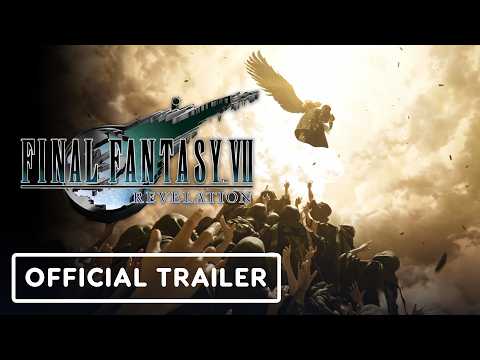
Why Final Fantasy 7 Revelation Won’t Just Give Fans a Happy Ending
It’s a telling admission. The remake trilogy has already bent the original’s timeline with the ghostly Whispers, creatures that exist to keep the story on its “intended” path, and has layered in meta commentary about fate and authorship along the way. Yet despite all that structural tinkering, Hamaguchi insists no major plot beat has actually diverged from the PS1 original. The temptation to rewrite history looms large over Revelation in particular, since the finale will finally confront the game’s most infamous moment — one that countless fans have spent decades hoping could somehow be undone.
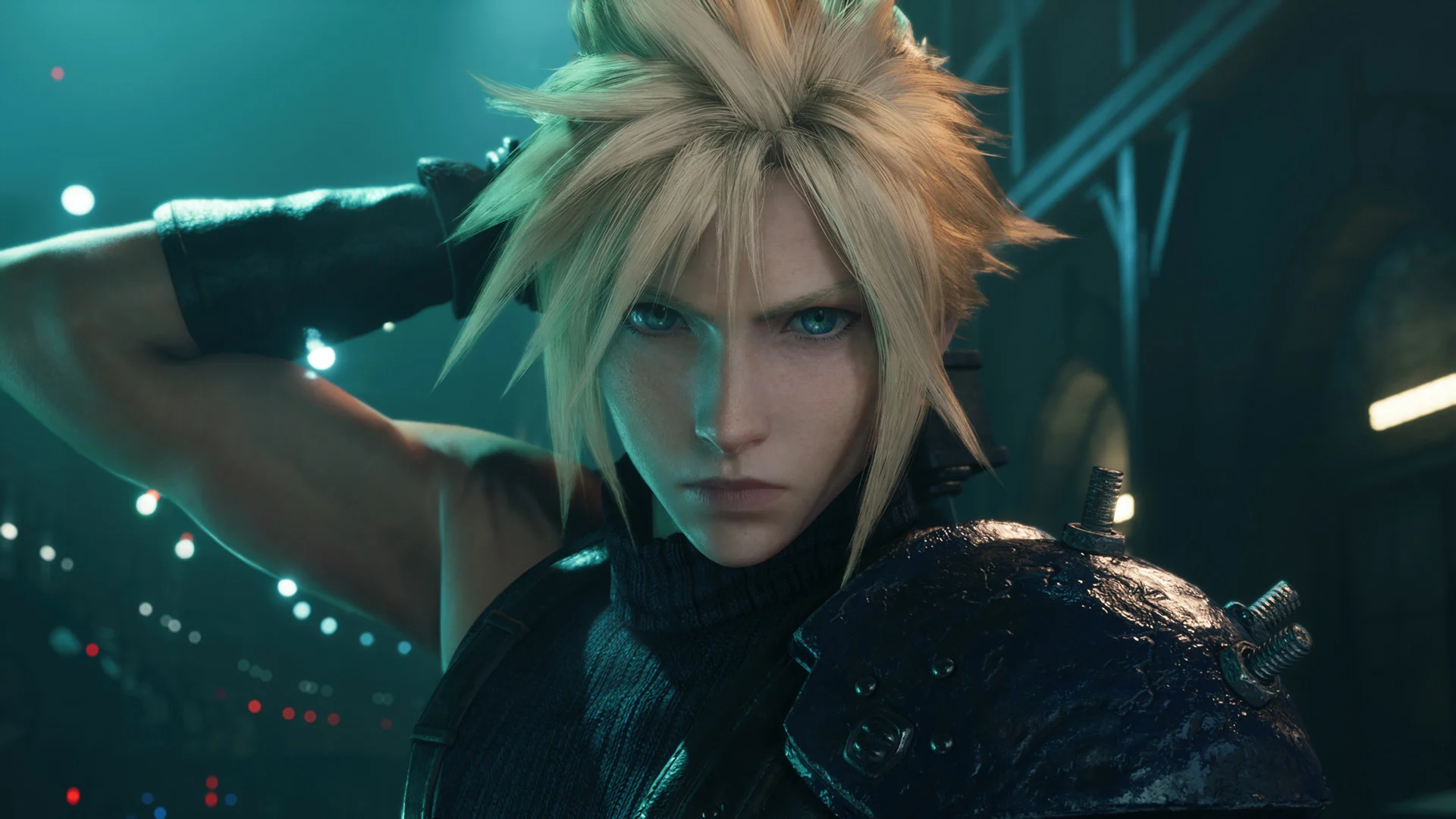

“The real challenge wasn’t simply incorporating elements that differed from the original or introducing new interpretations,” Hamaguchi explained. “It was constantly asking ourselves whether what we were creating could truly be called FFVIIR.” In other words, the team’s guiding question wasn’t “what would be satisfying?” but “what would still be Final Fantasy VII?” Modern games, as Hamaguchi noted, rarely end on the kind of bleak, unresolved note the original did — which makes the restraint required here all the more unusual for a 2027 blockbuster.
A Fight Over Physical Media
While the narrative questions dominate fan speculation, Hamaguchi also used the press run to address a messier, more industry-wide problem: the slow death of physical game releases. Speaking to Radio Times, as picked up by Eurogamer, he described personally lobbying for a full disc version of Final Fantasy 7 Revelation, pushing back against a broader shift toward all-digital distribution.
“Personally, obviously, I bought lots of physical editions of games as a child,” Hamaguchi said, adding that when he’s especially attached to a title, he still wants the physical copy for himself, and for colleagues to sign. He called the topic “particularly sensitive” in the current climate.
The compromise that emerged isn’t quite what disc purists wanted. Final Fantasy 7 Revelation will ship with a physical disc on PS5 and Xbox Series X, but that disc only contains the game’s opening segment — players will still need to download a substantial portion of the roughly 200GB release to play the whole thing. Hamaguchi acknowledged the frustration this has caused, noting he understands why some fans have adopted a “no disc, no purchase” stance.
He was also candid about the limits of his own authority. “As the director, it’s my responsibility to look after the content of the game to make sure it’s fun, really exciting,” he said. “The product line-up, the SKUs, how it’s going on sale — that is the responsibility of the publishing team. So my authority there is somewhat limited.” Even so, he said he pushed “as much as possible,” leading to negotiations “both internally and with first parties” that resulted in the partial-disc compromise now shipping with the game. “I completely understand there are those out there who may not really agree with that direction,” he added. “But I would just say that I hope you understand that I completely see where you’re coming from, and that I did my best.”
Hamaguchi predicted physical media “will remain in some form going forward,” citing the continued strength of PC digital storefronts as evidence the format landscape is more complicated than a simple shift to downloads. Still, he conceded he can “see a world in the not-too-distant future where physical media is essentially disc-less,” reduced to a code printed on cardboard. The timing is notable: Sony confirmed earlier this year it will stop manufacturing discs for PlayStation games entirely by January 2028, after which titles sold at retail will be digital-only despite remaining on store shelves in box form.
Closing the Trilogy on Its Own Terms
Beyond the disc debate, Hamaguchi and the broader development team have emphasized that each entry in the remake trilogy was designed to stand as a complete experience in its own right, rather than functioning as a mere placeholder for the next installment. That approach was described as “non-negotiable” from the project’s earliest planning stages, a philosophy that explains why both Remake and Rebirth delivered fully realized arcs even while setting up a larger story still to come.
For a project that has spanned nearly a decade, multiple console generations, and three enormous budgets, that commitment to each game standing alone — paired with a refusal to chase an easy, crowd-pleasing rewrite of the ending — suggests Square Enix is betting that fidelity, not fan service, is what will make Final Fantasy 7 Revelation land when it finally closes the book next April.
- Final Fantasy 7 Revelation Director Says It Was ‘Absolutely Essential’ Not To Turn The Remake Into ‘My Own Personal Fan Project’ (Kotaku)
- Final Fantasy 7 Revelation director says he "did his best" to fight for a full disc release (Eurogamer)
- Final Fantasy 7 Revelation lead says making each game in the trilogy complete was "non-negotiable" (GamesRadar)
You must be logged in to post a comment Login