Gaming
Switch 2 Becomes an RPG Powerhouse as Square Enix Classics Get the Upgrade Treatment

Nintendo’s newest console just picked up some serious reinforcements. Over the past two weeks, Square Enix has brought three of its most acclaimed role-playing games to Switch 2: Dragon Quest 11S, Octopath Traveler, and Octopath Traveler 2. Together, they represent one of the strongest stretches of RPG output the platform has seen since launch, even if the upgrades themselves are a mixed bag.
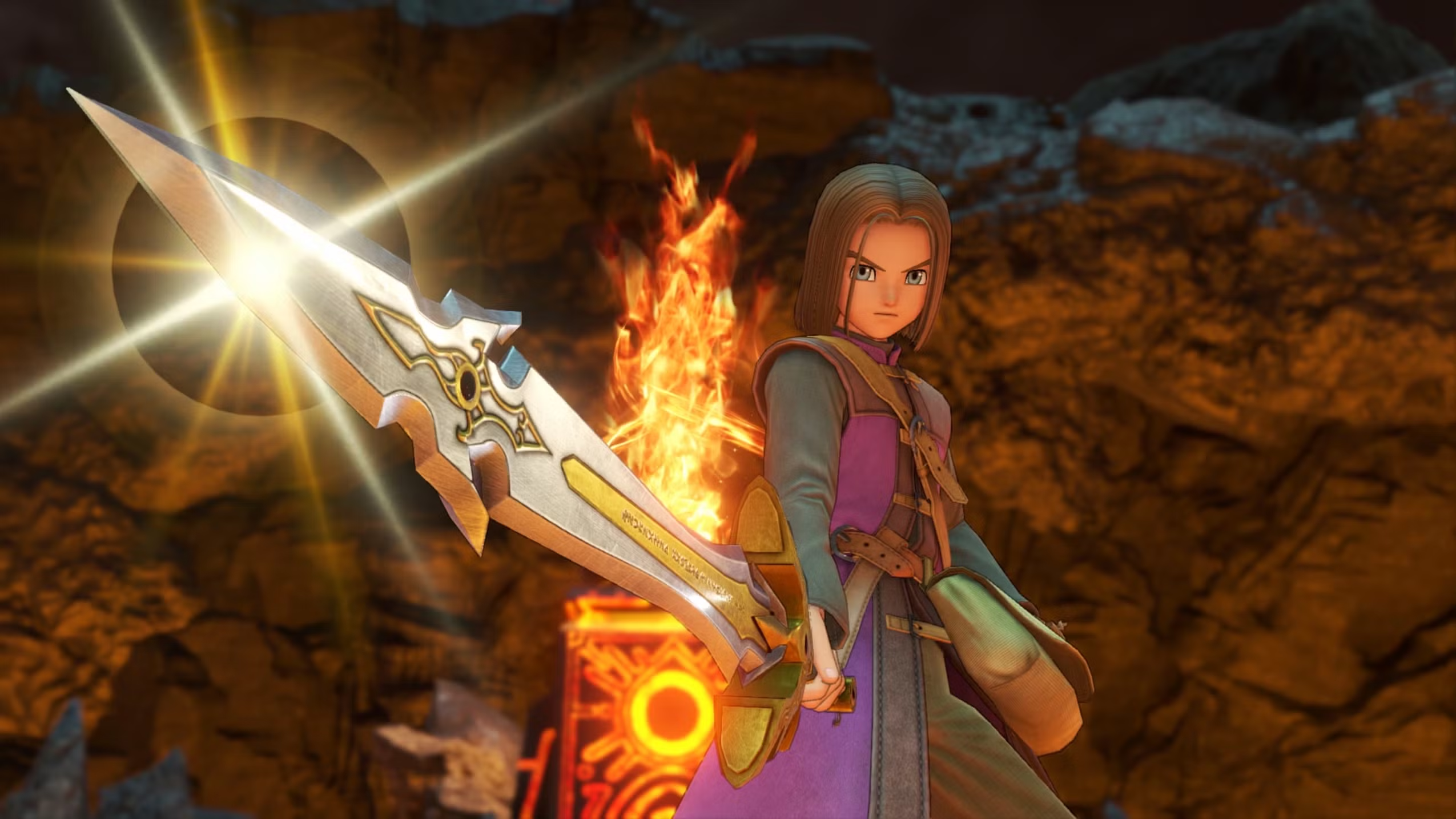
Dragon Quest 11S is the headline act. Originally released in 2017 and brought to the first Switch in its “S” definitive form, the game told a classic hero’s-journey story that started simple and gradually descended into surprisingly dark territory, anchored by one of the series’ best casts and a combat system that modernized traditional turn-based battling without losing its identity. On the original Switch, though, it looked rough — low-resolution textures, a persistent blurry haze, and performance that occasionally buckled under its own ambition.
The Switch 2 version fixes nearly all of that. The world of Erdrea now renders crisp and vibrant, with a 60fps option for players who want smoother combat and exploration, plus noticeably faster load times. It’s not a perfect leap — the game still toggles between quality and performance modes nearly a decade after its original release, and the handheld resolution shift is visible if you’re paying attention — but for newcomers or anyone willing to revisit Erdrea, it’s the best way yet to experience what remains one of the finest RPGs of the last several console generations.

The two Octopath Traveler ports tell a more modest story. Both games already looked good on the original Switch thanks to the series’ distinctive “HD-2D” art style, which blends retro pixel sprites with modern lighting and depth effects — a look that’s hard to make ugly even on aging hardware. The Switch 2 versions sharpen the detail slightly, bringing them closer to how the games look on PC and other consoles, but the difference is subtle enough that players will need a side-by-side comparison to really notice.
Where the upgrade matters most is loading. The original Octopath Traveler’s trip from the home screen to the title screen used to take nearly 40 seconds; on Switch 2, that’s cut to under 20. It’s a quality-of-life improvement rather than a visual overhaul, but for a genre built on frequent menu-diving and area transitions, faster loading is no small thing.
Creatively, the two Octopath games remain what they always were: ambitious attempts to recapture the feel of classic Super Nintendo-era Final Fantasy, executed with gorgeous pixel art and a challenging, skill-based combat system. The original entry is the rougher of the two, its eight separate character stories varying wildly in quality and only loosely intersecting by the end. Octopath Traveler 2 is the clear improvement, offering richer character writing, a more thoughtfully designed world, and deeper combat mechanics that build meaningfully on the first game’s foundation.
None of these three re-releases come with free upgrades or save transfers for people who already own the Switch 1 versions, a familiar and frustrating pattern for Square Enix ports. That makes all three a tough sell for anyone who’s already finished them and isn’t itching to start over. But for players who missed these games the first time around, or who don’t mind double-dipping for better visuals and shorter waits, Switch 2 has quietly become one of the best places to catch up on some of the last decade’s most essential RPGs.
You must be logged in to post a comment Login