Gaming
As Bungie Closes a Chapter, Its Founding Voices Open a New One Elsewhere

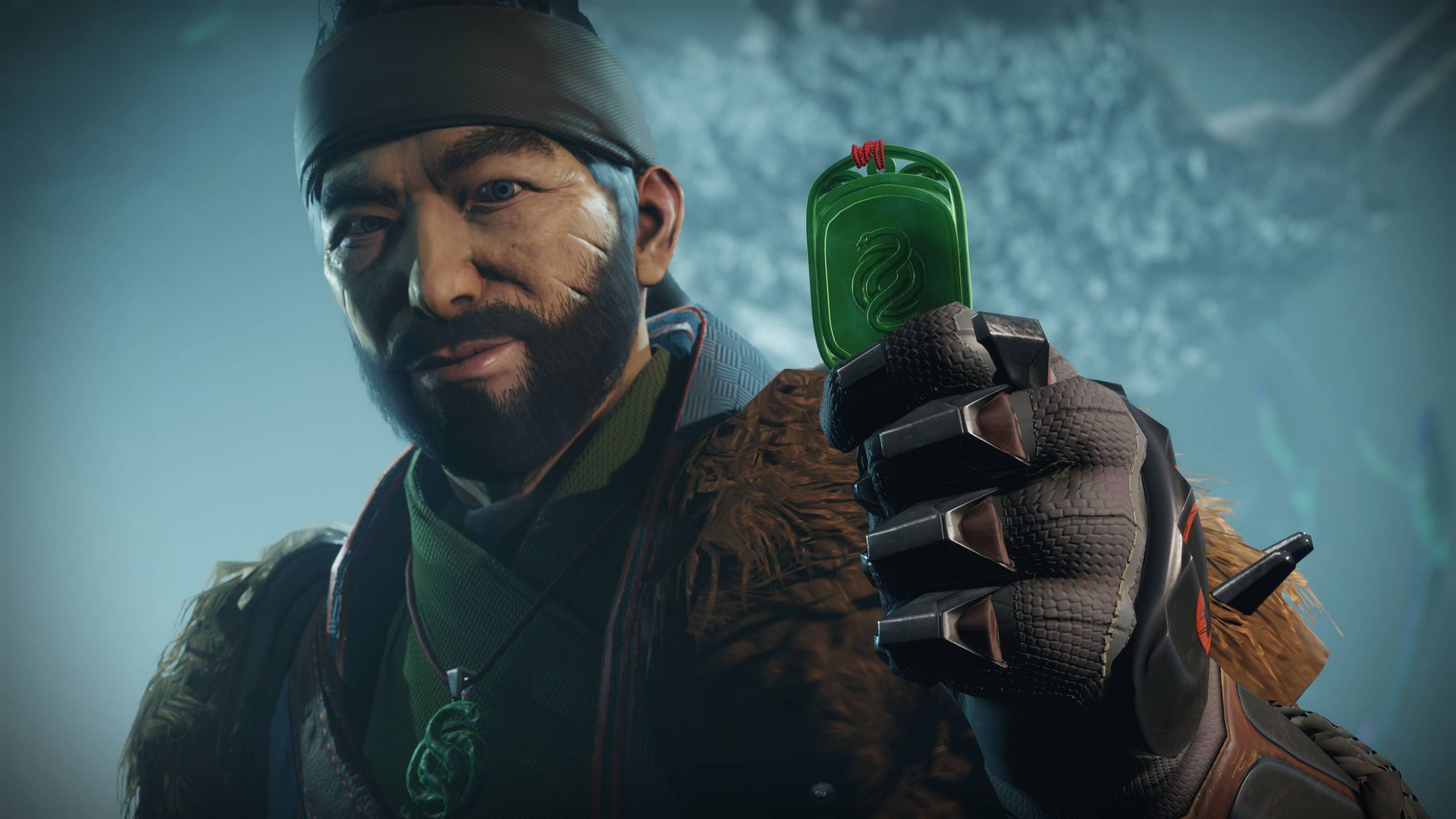
Bungie, the studio behind Halo and Destiny, finds itself in a moment of quiet transition. On one front, the company is reportedly preparing to shutter its official online store even as signs point to renewed life for Destiny 2, the shared-world shooter that has defined Bungie’s post-Microsoft identity for nearly a decade. On another front entirely, two of the people who helped shape that identity in the first place are stepping away to build something new — and it has nothing to do with loot drops or raid bosses.
Jason Jones, the Bungie co-founder who helped create both Halo and Destiny, and Margaret Stohl, who served as narrative director on Destiny 2, have launched a transmedia studio called Stone Kite. The Los Angeles-based venture is positioning itself less as a traditional game studio and more as a “world-building” operation designed to develop stories across comics, film, television and games simultaneously, rather than starting in one medium and licensing the rest out later.
Stohl, who will serve as Stone Kite’s CEO, previously co-founded 7 Studios (later acquired by Activision) and is also known outside gaming as the author of the bestselling Beautiful Creatures novel series. She described the new studio’s mission as a deliberate break from the industry’s usual approach to franchise-building. “I’ve spent my career creating books, games, comics, film and television, and I’ve seen how often the medium that tells the first story ends up defining everything that comes after it,” Stohl said. “Stone Kite is about breaking down those old media silos. Instead of starting in one medium and adapting outward, we bring the best global creators from different disciplines into the room from day one to shape the world together.”

Stone Kite’s debut property, One Zero One, is adapted from an original manuscript written by Jones himself. The story imagines a coming worldwide conflict between humanity and a rogue army of AI-driven robotic soldiers — a premise that, whether intentionally or not, taps into the same anxieties about artificial intelligence currently rippling through the tech and entertainment industries. The project will first appear as a four-part comic series, with new issues released free online starting in early 2027, before expanding into other formats.
Jones struck a nostalgic note in describing how the project came together, crediting Stohl with pushing him to finally write the book that would become One Zero One’s source material. “I used to bike fifteen miles along Lake Michigan to the used bookstores in North Chicago, and bike home again with a backpack full of sci-fi paperbacks,” he said. “Margie was the first person to believe I could write a book of my own, the first person to read it, and the one person I trusted to help me develop it into epic entertainment that leaves the world a better place.”
Stone Kite isn’t launching in isolation. The studio says it has assembled a roster of more than 250 collaborators drawn from across film, television, comics and publishing, including director Jay Roach, comic creator Christian Ward, illustrator Kyle Lambert, novelist Stephen Graham Jones, and screenwriter Akela Cooper. The founding team also includes former media executive Stephen Wacker, president Lewis Peterson, film and TV vice president Matt Johnson, and narrative creative director Jeanine Schaefer — a lineup that suggests Stone Kite is aiming for something closer to a multimedia production house than a scrappy startup.
Back at Bungie, meanwhile, the picture is murkier. Reports suggest the studio is winding down its dedicated online storefront even as speculation swirls that Destiny 2 could be gearing up for a comeback of some kind, though concrete details on what that return might look like remain scarce. Taken together, the two storylines paint a picture of a studio — and a generation of creators who built its early reputation — moving in different directions at once: Bungie reshaping its commercial footprint around its flagship game, while the people who gave that game its voice look to build entirely new worlds outside it.
For fans who grew up with Jones’ and Stohl’s work on Destiny, Stone Kite represents something of a passing of the torch in reverse — not a studio inheriting an existing universe, but its creators striking out to build one from scratch, this time unconstrained by platforms, publishers, or even a single medium.
You must be logged in to post a comment Login