
Gaming
Haunted Chocolatier Will Add Real Boss Fights — Four Years After Stardew Valley’s Follow-Up Began

TITLE: Haunted Chocolatier Will Add Real Boss Fights — Four Years After Stardew Valley’s Follow-Up Began
KEYWORD: haunted chocolatier
DESCRIPTION: ConcernedApe says Haunted Chocolatier leans into action-RPG combat with monsters and boss fights, built for Stardew Valley’s mine-diving fans.
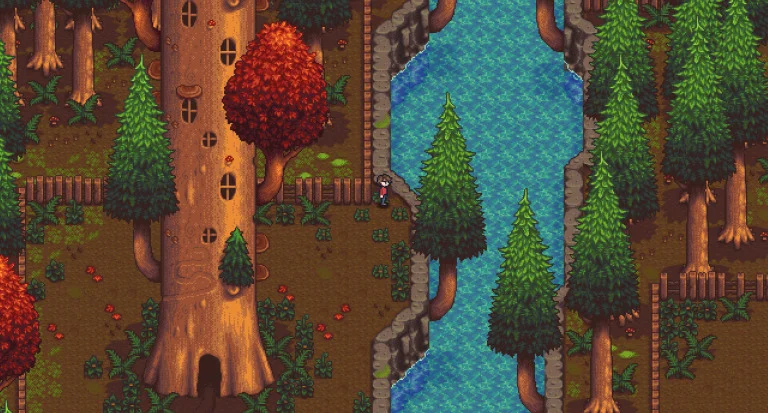
Eric “ConcernedApe” Barone has finally given fans a clearer picture of what to expect from Haunted Chocolatier, and it turns out the long-awaited follow-up to Stardew Valley is shaping up to be much more combat-focused than its farming predecessor. In a new interview with British GQ, Barone confirmed the game will lean heavily into action-RPG mechanics, complete with monsters, boss fights, and gear progression systems built for players who crave a fight.
“It’s more of an action RPG — the main focus is more about adventuring, finding equipment and getting more powerful. There are monsters, there are boss fights,” Barone told GQ. “It’s for the people in Stardew Valley that go into the mines.”
That’s a pointed distinction, and one longtime Stardew Valley players will immediately recognize. The farming sim has always had a split fanbase: those who treat it as a purely cozy experience, tending crops and chatting with villagers, and those who descend into its procedurally generated mines to grind for loot, fight slimes, and push deeper floor by floor in search of rare ore. Haunted Chocolatier, it seems, is being built with that second group firmly in mind.
A Town Game With Teeth
Despite the heavier emphasis on combat, Barone was careful to note that Haunted Chocolatier will still be what he calls a “town game” — meaning the social, settlement-building heart of the experience isn’t going anywhere. Players will presumably still move into a new community, build relationships with its residents, and grow a business, just as they did on the farm in Stardew Valley. The twist this time is a chocolate shop instead of crops, run in a town that Barone has hinted carries darker, stranger undertones.
That darker tone isn’t incidental. Barone has previously shown off glimpses of the game featuring enemy-stunning shields, off-hand weapons, and other combat tools, and he’s now cited filmmaker David Lynch as an inspiration for the project. For a developer whose last game became a byword for cozy, sun-dappled wholesomeness, invoking Lynch suggests Haunted Chocolatier could carry a surreal, unsettling edge beneath its confectionery exterior.
Years in the Oven, With No Release Date in Sight
Barone also opened up about the pressure of following up one of the best-selling indie games of all time. Haunted Chocolatier has now been in development for more than four years — nearly as long as Stardew Valley itself took to build before its 2016 release. Still, no release window has been announced, and Barone has suggested the new game will be “way bigger” in scope than Stardew Valley, a daunting proposition given how expansive that game eventually became through years of free updates.
“Everyone’s watching me, and if I don’t do things a certain way, it might disappoint millions of people,” Barone admitted, a candid acknowledgment of the weight that comes with following up a genre-defining hit almost entirely on his own.
For fans, the wait has already been long, but the latest details suggest Barone is using the time to build something distinct from Stardew Valley rather than simply repackaging its formula with a new coat of paint. Combat appears to be a central pillar this time, not an optional detour for players willing to brave the mines.
Whether Haunted Chocolatier can replicate the cultural phenomenon of Stardew Valley remains an open question, but with monsters, boss fights, and a reportedly larger scope, Barone seems intent on giving action-hungry players a reason to stick around in town long after the chocolate shop closes for the night.
Explore more on this topic with Vexel Search.
WordUp Morning
Ten stories, both sides of each, in five minutes. Free, every weekday at 7am, plus a Saturday weekend edition.
We'll email you a link to confirm. Unsubscribe any time.

The PlayStation Plus December games are confirmed: Sony is giving subscribers Tony Hawk’s Pro Skater 3+4, Dragon Ball Xenoverse 2 and Amnesia: The Bunker, available to claim from Tuesday, December 1 through Monday, January 4. The lineup is a deliberate change of pace for players who have spent weeks buried in Grand Theft Auto 6.
Outlets covering the announcement all noted the timing. Sony’s monthly offering lands while Rockstar’s blockbuster dominates conversation and playtime, and the three picks are lighter, shorter or more self-contained than a sprawling open-world epic. IGN framed them as a possible palate cleanser, and TheGamer called them a “temporary distraction” from GTA 6.
What’s in the PlayStation Plus December games lineup
Tony Hawk’s Pro Skater 3+4 arrives in its Cross-Gen Edition for PS5 and PS4. It remakes two early-2000s skating games. IGN scored it 8/10, calling the series’ over-the-top formula “totally timeless” while saying some changes to the fourth game miss the mark and the soundtrack was fumbled. Polygon sharpened that point: Pro Skater 3 remains one of the series’ high points, but the rework of Pro Skater 4’s career mode, which turns open-ended missions into bite-sized two-minute runs, hasn’t won over everyone. TheGamer added that the package includes creation tools for building and sharing skateparks online.
Dragon Ball Xenoverse 2 comes to PS5 and PS4. It is the oldest game of the three, and IGN gave it 7.5 on its 2017 release, describing an “ambitious, if rough-edged experience” with surprisingly deep RPG and brawling elements. Players build their own character, travel through time to fight in famous battles from the anime, and can take the fight online. Polygon points out that a sequel, Dragon Ball Xenoverse 3, is due next year, which makes this a convenient time to catch up.
Amnesia: The Bunker is listed for PS4. It is a first-person survival horror game set in a World War I bunker, where a dynamic monster stalks the player. IGN rated it 8, calling it a smaller, more self-contained entry in the franchise that shows developer Frictional still has “chilling new tricks.” Polygon notes that the bunker is full of supplies, so players have some freedom in how they try to survive.
Who can claim them, and what it costs
According to Polygon, all three games are part of the Essential tier, so subscribers at every level of PlayStation Plus can claim them. Essential is the entry-level plan. It costs $79.99 a year, $27.99 for three months or $10.99 monthly, following a price increase across all tiers in May. For that price it includes online multiplayer, cloud storage, store discounts and the monthly games.
The window for November’s picks is closing. Dead Island 2, Tomb Raider IV-VI Remastered and Monster Train 2 can be added to a library until Monday, November 30. Games claimed during a month’s window generally stay available to play as long as the subscription remains active, so the deadline applies to adding them rather than to playing them straight away.
What’s leaving the catalog
TheGamer also flagged departures from the service. Granblue Fantasy: Relink, Somerville, Fade to Silence, Dark Rose Valkyrie, Root Letter and Jake Hunter: Prism of Eyes are on the way out, and the outlet gives December 15 as the date to keep in mind. Granblue Fantasy: Relink is the notable loss, since it can take dozens of hours to finish and players have only a short window to do so.
The takeaway
The PlayStation Plus December games lean on proven names rather than fresh releases, but the mix covers a lot of ground: arcade skating, anime brawling and slow-burn horror, all rated between 7.5 and 8 by IGN. For anyone who wants a break from Los Santos-sized ambitions, the three-game haul is free with an active subscription from December 1, and there is more than a month to add all of them.
Explore more on this topic with Vexel Search.
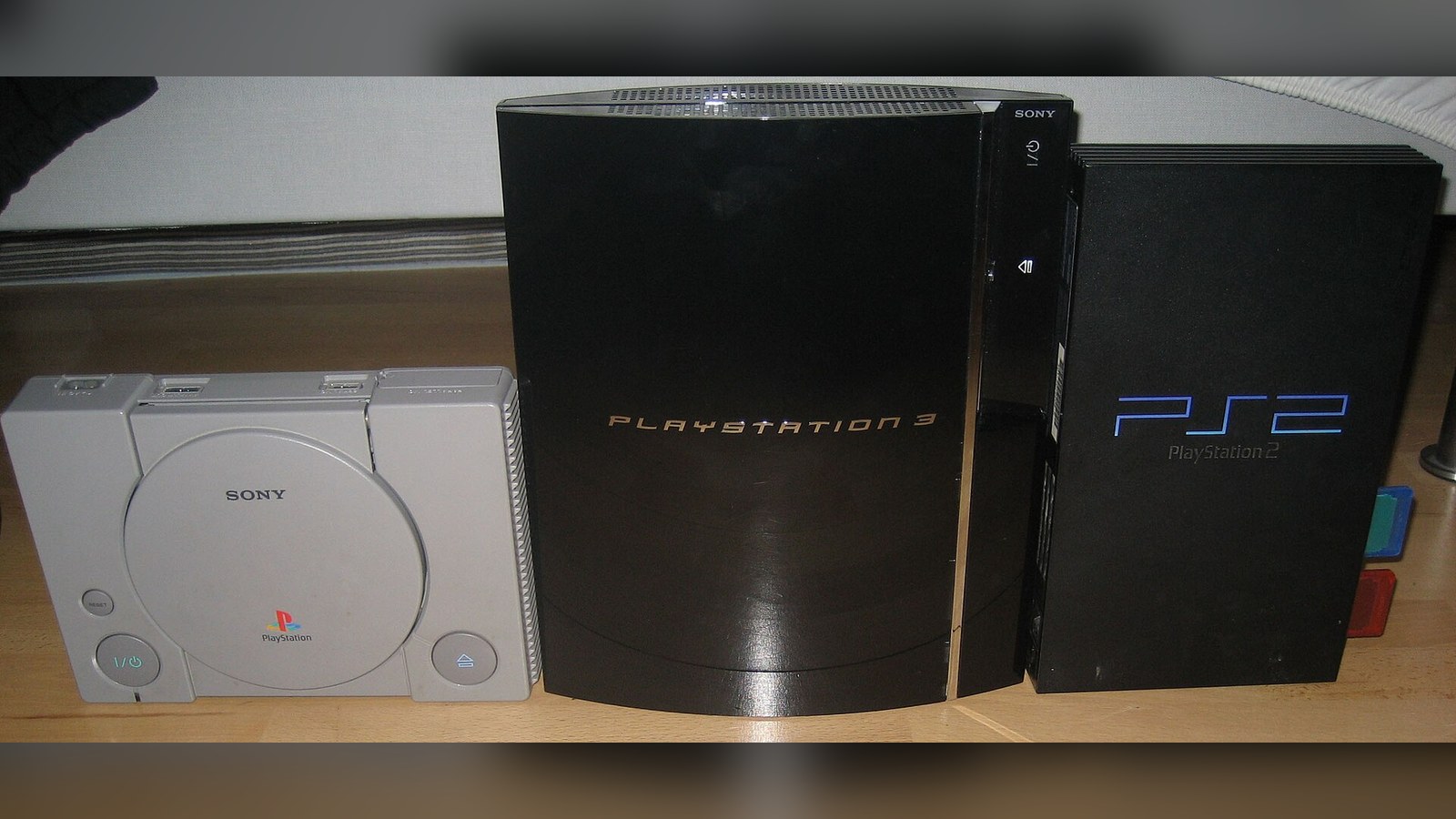
File photo: PlayStation 1, 2 and 3.jpg by Hlynz, CC BY 2.5, via Wikimedia Commons.
WordUp Morning
Ten stories, both sides of each, in five minutes. Free, every weekday at 7am, plus a Saturday weekend edition.
We'll email you a link to confirm. Unsubscribe any time.
After months of near silence, Team Cherry is finally ready to talk about the Silksong DLC. The studio has announced a “Cherry Time Special Presentation” for Friday, Nov. 27, promising an update on the Sea of Sorrow expansion and “a bunch” of other announcements it calls exciting.
When and where to watch Cherry Time
The stream goes live on Team Cherry’s YouTube channel at 10 a.m. ET, which is 7 a.m. PT, 3 p.m. GMT and 4 p.m. CEST. The studio hasn’t said how long it will run or what exactly will be shown. The date falls on Black Friday, a coincidence Polygon was quick to note.
Why the Silksong DLC timing matters
Hollow Knight: Silksong launched in September 2025 after one of gaming’s most notorious waits. In December 2025, Team Cherry revealed Sea of Sorrow, describing it as a nautically themed expansion that would be free for all players and arrive in 2026. It is expected to bring new areas, bosses and tools.
That promise has a deadline. With 2026 nearly over, all three outlets covering the news point to the same tension: a stream this late in the year could mean a release date, a surprise launch or a delay into 2027. Kotaku’s Ash Parrish says fans should “brace” for the delay possibility, while noting that Team Cherry’s independence lets it take as long as it likes. Polygon is similarly hopeful for good news but notes that fans are used to waiting.
Clues hiding in the physical editions
Eurogamer points to a detail that may hint at what else is coming. Physical copies of the game, which only recently began reaching players, include a booklet saying Silksong‘s world “will expand with free content packs,” promising new friends, abilities and foes. The same material reportedly calls Sea of Sorrow a “giant expansion.” That suggests Team Cherry’s post-launch plans go beyond a single DLC, though the studio hasn’t spelled out what the extra packs contain. Eurogamer notes that apart from Sea of Sorrow, little is known about the planned support.
The same outlet also lists a final “significant” patch ahead of the expansion among its recent coverage, which suggests the groundwork has been underway.
What to watch for Friday
Several outcomes are plausible, and none is confirmed:
- A firm release date for Sea of Sorrow.
- A shadow-drop launch, which Kotaku and Eurogamer both float as a long shot, with the latter adding that “stranger things have happened.”
- A delay into 2027.
- Details on the free content packs, or something else entirely.
Team Cherry hasn’t said what the other “exciting” announcements are, so speculation is all there is until the stream starts. Silksong is available on Windows PC, Mac, Linux, Nintendo Switch, Nintendo Switch 2, PlayStation 4 and 5, and Xbox One and Series X/S. For players on any of them, Friday should settle whether the Silksong DLC still arrives this year.
- Hollow Knight: Silksong Dev Officially Breaks Silence on Sea Of Sorrow DLC With New Showcase (Polygon)
- Hollow Knight: Silksong Studio Breaks Silence On Sea Of Sorrow DLC With A Showcase Announcement (Kotaku)
- Hollow Knight: Silksong devs announce a livestream for Friday, promise updates on the hotly-anticipated Sea of Sorrow DLC (Eurogamer)
Explore more on this topic with Vexel Search.
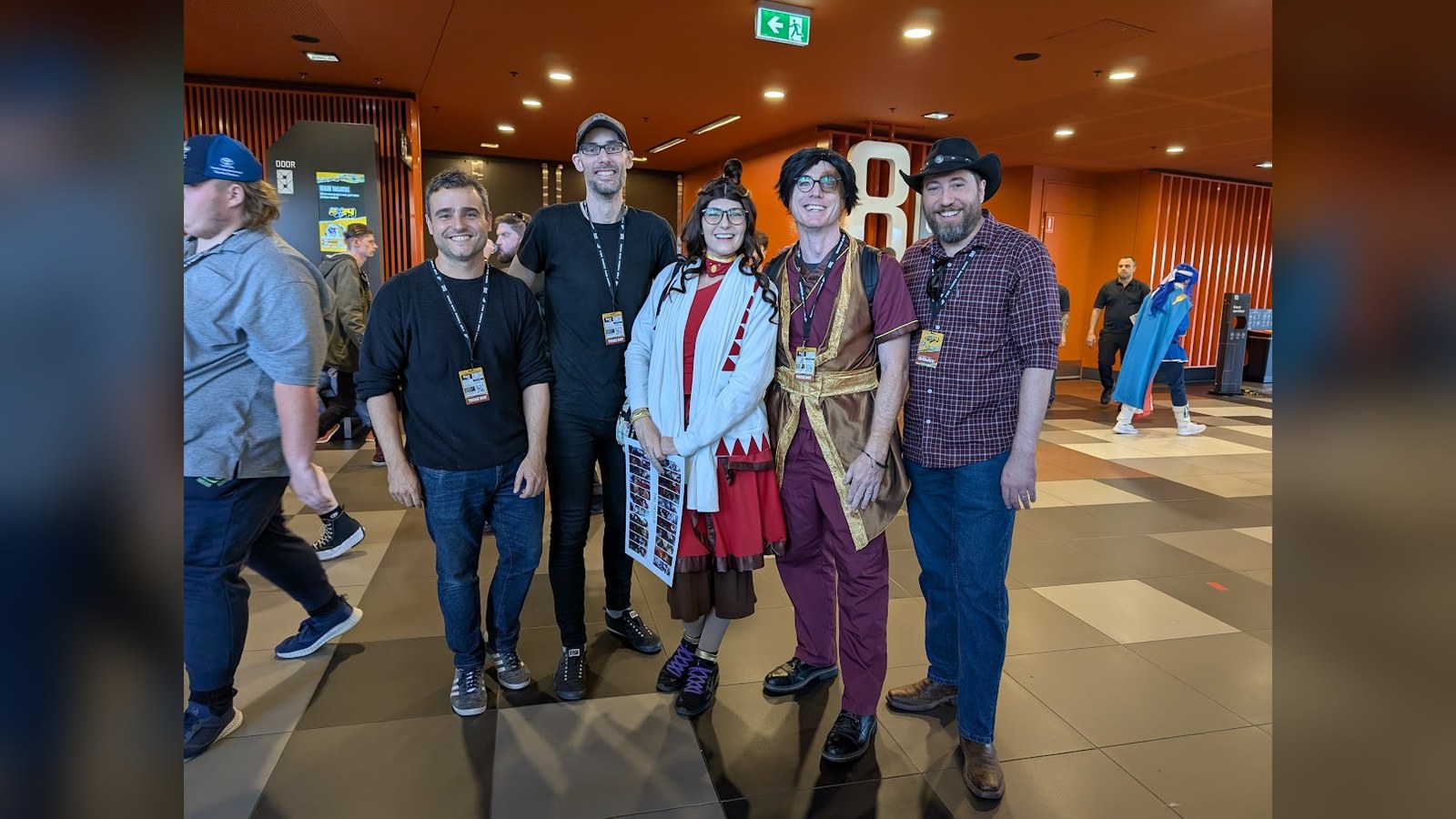
File photo: Team Cherry PAX AUS 2024 14.jpg by DrShoggoth, CC0, via Wikimedia Commons.
WordUp Morning
Ten stories, both sides of each, in five minutes. Free, every weekday at 7am, plus a Saturday weekend edition.
We'll email you a link to confirm. Unsubscribe any time.
Gaming
Machinarium 2 Is Finally Real: Amanita Design Revives Its Beloved Robot Adventure 17 Years Later
Seventeen years after a lonely little robot named Josef first wandered a rusting, dystopian city to save it from destruction, Czech studio Amanita Design has announced Machinarium 2, a long-awaited follow-up that nobody saw coming but plenty of players have been quietly hoping for since the credits rolled on the original in 2009.
The announcement arrived with little warning on Amanita’s social channels: a short video rendered in the studio’s unmistakable hand-drawn style, accompanied by the simple message, “Seventeen years later… the time has come for Machinarium 2.” A Steam page went live within moments, inviting fans to wishlist a game many had assumed would never materialize.
What Machinarium 2 Brings Back, and What’s New
The sequel picks up immediately after the events of the first game, following Josef and his companion Berta as they flee the city of Machinarium and crash-land in a new setting called the Barrens. There, players will discover a hidden valley inhabited by two rival robot tribes, one perched in a mountaintop monastery, the other scraping by in the valley floor beneath, both of them running dangerously low on power.
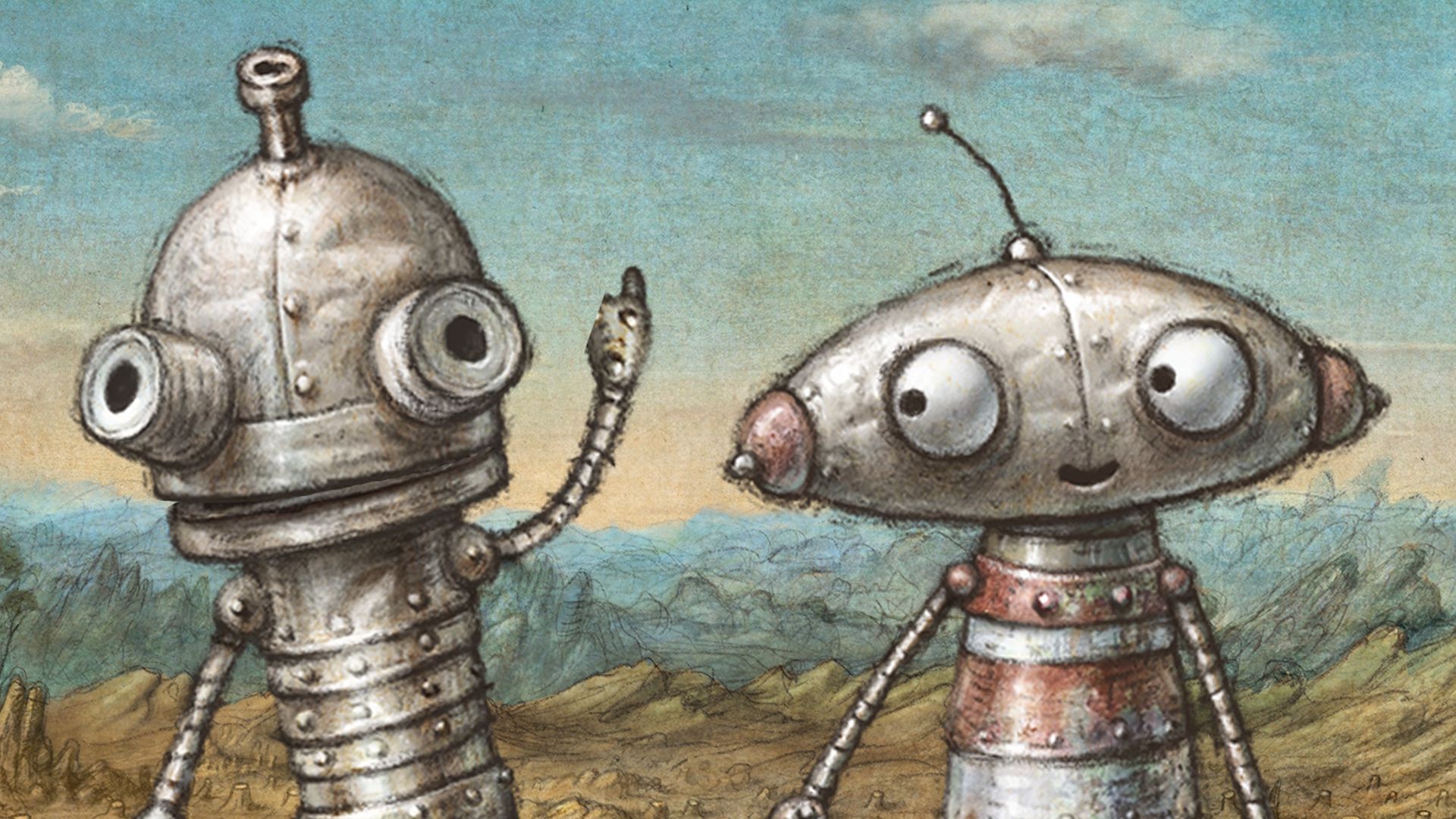
Where the original Machinarium cast players solely as Josef, the sequel doubles the cast of playable characters. Players will be able to switch freely between Josef and Berta, using their combined wits to solve the kind of tactile, mechanical puzzles that made the first game a word-of-mouth hit among adventure game fans. True to Amanita’s house style, the characters will communicate entirely without written dialogue, relying instead on expressive thought-bubble pictographs, a hallmark that has made the studio’s catalogue instantly understandable across language barriers.
That catalogue is not small. Amanita Design has spent the better part two decades building a reputation for whimsical, melancholic point-and-click adventures, from the Samorost series to Botanicula, Chuchel, Creaks, and this year’s Phonopolis. Each has leaned on the same formula: gorgeous, painstakingly animated art paired with atmospheric scores from longtime collaborator Tomáš “Floex” Dvořák, who is expected to return for Machinarium 2 as well.
No release date has been announced yet, but the studio does have precedent for resurrecting dormant franchises. In 2016, Amanita surprised players with Samorost 3, which arrived 11 years after its predecessor. That gap makes the 17-year wait for Machinarium 2 the longest yet, and has fans speculating, only half-jokingly, about whether sequels to Botanicula or Chuchel might eventually follow suit.
A Sequel Born of Urgency
What makes the announcement notable isn’t just the nostalgia factor, it’s the candor behind it. Amanita has framed the decision to revisit Machinarium not as a cynical cash-in on a beloved name, but as something closer to a reckoning with time itself: the team isn’t getting any younger, and with the state of the world feeling increasingly uncertain, there was no better moment to finally finish a story that had sat unresolved for nearly two decades.
That sentiment resonates in an industry where sequels are often treated as safe bets dictated by spreadsheets rather than creative conviction. Machinarium 2 instead reads as a passion project revived precisely because its creators recognized they might not get another chance, a rare instance of a studio choosing legacy and craftsmanship over market calculation.
Indie Consolidation Continues Elsewhere
The surprise sequel lands the same week as another reminder of how precarious life can be for independent developers, even successful ones. Fireshine Games has acquired Danish studio Fair Games, creator of the open-world survival sandbox Necesse, which has attracted an estimated 2.5 million players since its 2019 release.
Fair Games founder and CEO Mads Skovgaard will stay on as managing director, and the existing development team remains in place, but the studio will now lean on Fireshine for publishing, porting, and other resource-heavy tasks it struggled to manage alone. Skovgaard called the deal “a defining moment” for the studio, noting that Necesse had been searching for the right partner for some time.
Taken together, the two stories capture a kind of split-screen reality for independent game development in 2026: on one side, a veteran studio with decades of goodwill choosing to self-fund a deeply personal sequel on its own terms; on the other, a smaller team recognizing it needs outside muscle just to keep supporting the game it already built. Both paths speak to the same underlying truth that has defined indie development for years, that creative success and financial sustainability don’t always arrive together, and studios are finding very different ways to bridge that gap.
For fans of Amanita’s work, though, the headline is simpler. After 17 years, Josef is coming back, and Machinarium 2 is finally, improbably real.
- A great indie studio is making a sequel to one of my favorite adventures 17 years later, for one simple reason: 'We're not getting any younger, and the world seems to be ending' (PC Gamer)
- A Cult Indie Hit From 17 Years Ago Just Announced A Surprise Sequel (Kotaku)
- Fireshine Games acquires Necesse dev Fair Games, described as a "defining moment" for Danish indie studio (GamesIndustry.biz)
Explore more on this topic with Vexel Search.
WordUp Morning
Ten stories, both sides of each, in five minutes. Free, every weekday at 7am, plus a Saturday weekend edition.
We'll email you a link to confirm. Unsubscribe any time.
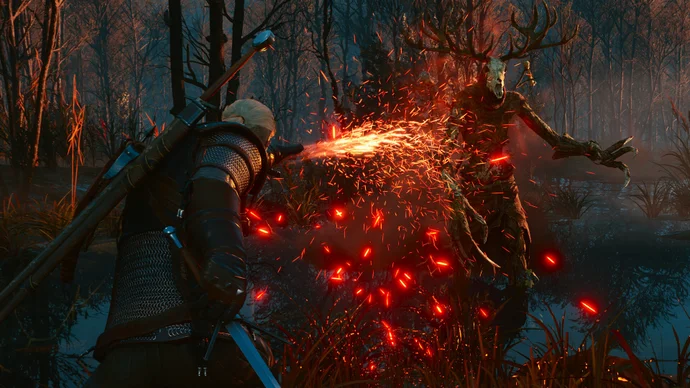
Witcher 3 Remastered has a bloom problem, and CD Projekt Red is finally doing something about it. The studio has rolled out patch 5.01 for the revamped edition of its 2015 RPG, addressing a laundry list of lighting complaints alongside dozens of smaller bugs that have irritated players since the remaster launched.
The headline fix concerns bloom, the hazy, overexposed lighting effect that had become something of a running joke among players since the remaster’s debut. Reddit threads filled up with screenshots of washed-out scenes and distractingly bright surfaces, and on PC the easiest workaround was simply switching bloom off entirely, even though that meant deviating from the look CD Projekt Red intended for the overhaul. With patch 5.01, the developer says it has made genuine improvements to bloom rendering, alongside tweaks to tone mapping, character lighting, ray tracing, and path tracing.
Console players are getting something they didn’t have before: actual control over the problem. The patch adds Bloom, Light Shafts, and Depth of Field toggles to the graphics settings on PlayStation 5 and Xbox Series X/S, meaning console owners can now dial back the same effects PC players have been disabling for weeks. CD Projekt Red paired that with unspecified “various optimizations to improve performance,” fixes for voiceover audio that had been dropping in volume after navigating the pause menu, a repair for incorrect frame-rate limits, and a fix for PS5 graphics settings that were resetting every time the game launched.
Witcher 3 Remastered’s PC-specific headaches get cleaned up
PC owners of Witcher 3 Remastered had their own distinct set of annoyances, several of them tied to GPU detection and settings that simply refused to behave. The patch fixes an issue where the game could select the wrong GPU altogether, and another where switching graphics presets would silently apply DLSS or XeSS even on cards that don’t support either upscaling technology. CD Projekt Red also squashed a bug letting players enable graphics settings their hardware couldn’t actually handle, and fixed the GTAO Quality setting resetting itself every time the game restarted. Dynamic Resolution Scaling, meanwhile, now defaults to off and no longer displays the wrong setting after players change their anti-aliasing mode.
Beyond graphics, a run of gameplay fixes rounds out the update. Ladder interaction animations have been smoothed over, Geralt no longer collides with dead enemies when finishing a foe with the Aard sign, and Vesemir has finally stopped repeating the same line every time Quen gets cast more than once. Dodging, which had developed an unintentional delay for some players, should now be properly responsive, and a particularly odd bug that let Geralt’s stamina drain completely when sprinting and dodging simultaneously has been resolved. CD Projekt Red also fixed player-controlled boats that could start “moving uncontrollably” and ignore terrain collisions under certain conditions, plus a handful of UI issues including stuck “ability point gained” pop-ups and misaligned progress bars.
Switch 2 owners will have to wait a little longer
Not every platform is covered by patch 5.01. CD Projekt Red confirmed it is working on a separate update specifically for the Nintendo Switch 2 version of Witcher 3 Remastered, aimed at bringing that version’s image quality closer in line with the rest of the lineup. The studio says the forthcoming patch will target “clarity and sharpness,” addressing complaints about blurry visuals on the hybrid console, and that more details are expected “in the following days.”
Patch 5.01 is available now on PC, PlayStation 5, and Xbox Series X/S. For a studio that already pushed a sweeping next-gen update for the base game years ago, this latest round of fixes suggests Witcher 3 Remastered is still very much a work in progress — one CD Projekt Red seems determined to keep polishing, bloom and all, while attention elsewhere in the studio turns to upcoming expansion Songs of the Past and the much larger task of The Witcher 4.
Explore more on this topic with Vexel Search.
WordUp Morning
Ten stories, both sides of each, in five minutes. Free, every weekday at 7am, plus a Saturday weekend edition.
We'll email you a link to confirm. Unsubscribe any time.
TITLE: Console Hardware Sales Hit 1980s-Level Crisis as PS5, Xbox Prices Soar to All-Time Highs
KEYWORD: console hardware sales
DESCRIPTION: PS5 and Xbox console hardware sales hit historic lows in 2026 as memory shortages push prices to record highs, raising fears of a crash.
Console hardware sales in the United States have collapsed to levels not seen in decades, according to industry analysts, as soaring component costs push PlayStation 5 and Xbox Series X/S prices to record highs and squeeze budget-conscious buyers out of the market entirely.
Circana analyst Mat Piscatella delivered the blunt assessment this week: the “US hardware market has not been in a more precarious position since the early 80s” — a pointed reference to the infamous video game crash of 1983 that nearly wiped out the industry. It’s a striking comparison, and one that underscores just how fragile console hardware sales have become heading into the critical holiday shopping season.
The numbers back up the alarm. Xbox hardware sales are down 33% year-to-date compared to 2025, marking an all-time low for the platform in the US. PlayStation hasn’t fared much better, with unit sales down 25% — its weakest performance since 2013. Both figures reflect a market where consumers are increasingly unwilling, or unable, to pay what it now costs to own a current-generation console.

Why console hardware sales are tanking
The culprit, according to Piscatella, isn’t a lack of interest in gaming — it’s price. The average Xbox console sold in the US in 2026 has cost $529, a 26% jump from a year earlier. PlayStation buyers have fared even worse, paying an average of $597, up 20% year-over-year. Both figures represent all-time US highs for their respective platforms.
“Price sensitivity is becoming a real problem,” Piscatella said, a tidy summary of a market where consoles that once undercut PCs on affordability are now creeping toward premium-computer price tags.
The root cause traces back to memory. Components like RAM and flash storage, once a predictable line item in console manufacturing, have been swept up in the global scramble for materials feeding AI data centers. That demand has driven memory prices skyward, and Microsoft and Sony have had little choice but to pass the costs on to consumers — repeatedly.
Xbox boss Asha Sharma recently laid out just how severe the spike has been. “When I joined as CEO in February, the price we paid for console storage components was over 2x as high as we paid last fall. These costs have since doubled again,” Sharma said, adding that by the 2027 holiday season, Microsoft expects to be paying more than five times what it paid for the same components just two years earlier. Micron’s CEO has warned the shortage could persist until at least 2028, meaning there’s no quick relief in sight for console hardware sales.
Can GTA 6 turn things around?
There is one potential lifeline: Grand Theft Auto 6. Rockstar’s long-awaited blockbuster is set to launch next month, and Piscatella suggested it could “help ease at least some of these declines” by driving a wave of new console purchases from players who’ve been waiting for a reason to upgrade.
But that boost is far from guaranteed. It hinges on whether Sony and Microsoft can actually keep consoles in stock — and at what price. If memory components remain tied up by data-center demand, manufacturers may simply be unable to build enough hardware to meet whatever demand GTA 6 generates, blunting any sales bump before it starts.
Notably, even developers within the industry see higher prices as something of an inevitability. The head of Kingdom Come: Deliverance 2’s studio recently said he hopes GTA 6 pushes game prices up further, calling such increases “long overdue and also necessary for this business to survive” — a sign that publishers may be bracing for a pricier era across the board, not just for hardware.
Software sales tell a similar story
The hardware slump isn’t happening in isolation. Microsoft’s own flagship release, Gears of War: E-Day, illustrates the broader tension reshaping the industry’s economics. The game launched to strong reviews — an 88 on Metacritic, among the best-reviewed entries in the franchise in over a decade — yet early estimates from Alinea Analytics suggest it sold only around 230,000 copies at retail and on Steam combined.
Instead, the game found its audience through Xbox Game Pass, pulling in an estimated 1.7 million subscribers, including 722,000 who paid $30 for early access rather than buying the game outright at $70. Analyst Rhys Elliott argued that Game Pass may be cannibalizing full-price sales even as it builds a massive player base, raising uncomfortable questions about whether subscription services are undercutting the very console hardware sales ecosystem that depends on blockbuster software driving console purchases in the first place.
Taken together, the hardware slump and the Game Pass dilemma paint a picture of an industry at a crossroads. Console hardware sales are being squeezed by external economic forces largely outside Sony and Microsoft’s control, while the software business model built to sell consoles in the first place may be quietly eroding its own foundation. Whether GTA 6 can paper over those cracks, even temporarily, may be the biggest test the console business faces this console generation.
- As Xbox and PlayStation sales reach new lows, analyst says the "US hardware market has not been in a more precarious position since the early 80s" (Eurogamer)
- US console market hasn't been this bad "since the early 80s," analyst says (GamesRadar)
- Gears of War: E-Day's Strong Reviews Haven't Translated to Big Sales, Analyst Says (Polygon)
Explore more on this topic with Vexel Search.
WordUp Morning
Ten stories, both sides of each, in five minutes. Free, every weekday at 7am, plus a Saturday weekend edition.
We'll email you a link to confirm. Unsubscribe any time.
Game streaming was handed the perfect setup this year, and almost nobody showed up. With Grand Theft Auto VI arriving next month amid soaring console prices and reported hardware shortages, the conditions for a cloud gaming breakthrough appear to be lining up exactly as industry executives long promised they would. Instead, the moment has largely come and gone without the audience excitement that was supposed to follow.
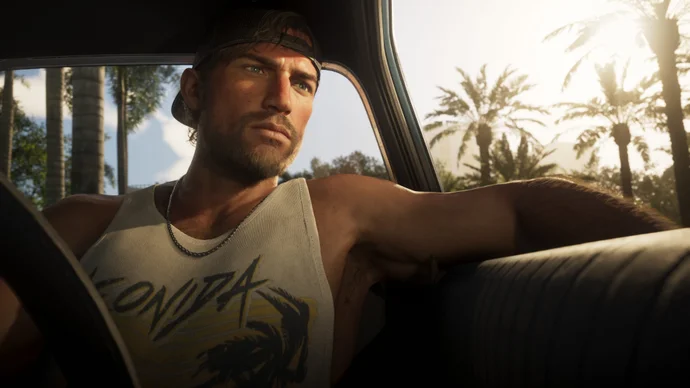
The setup looked almost too convenient. Both the PS5 and Xbox Series X have seen significant price hikes recently, and reports have already surfaced of scalpers charging hundreds of dollars over retail for PS5 Pro units more than a month before GTA 6 even ships. For years, this is precisely the scenario that cloud gaming advocates used to justify billions in infrastructure investment: a blockbuster release, hardware out of reach for ordinary buyers, and a service standing by to let anyone stream the game instantly from a data center rather than fight scalpers for a box.
That story briefly flared up when a report claimed Xbox had secured exclusive streaming rights to GTA 6 through its Xcloud service, teasing a scenario where Microsoft could outflank Sony’s dominant PlayStation preorder numbers by making the game playable anywhere. Xbox Chief Strategy Officer Matthew Ball quickly shot the report down, confirming the game would not be streamed exclusively, nor would it be streamable to PC at all. That single detail quietly deflates much of what made the idea exciting in the first place — if streaming access is restricted to people who already own hardware capable of running the game natively, it stops being a workaround for scarcity and becomes little more than a convenience feature for existing owners.
A pattern of indifference toward game streaming
This isn’t an isolated hiccup. It fits a broader pattern that has defined the past year for cloud gaming. Microsoft recently imposed strict new caps on streaming usage for Game Pass subscribers, a policy change that in another era might have sparked outrage from a userbase that had come to rely on the feature. Instead, the announcement landed with near-total silence, a telling sign of just how few people were actually using — or cared about — the service being curtailed.
That silence matters more than any press release. For over a decade, executives pitched game streaming as inevitable: no downloads, no hardware upgrades, no waiting in line for scarce consoles, just instant access from whatever screen happened to be nearby. The appeal to companies was obvious too, turning one-time game purchases into recurring subscription revenue and filling server capacity that would otherwise sit idle. But the enthusiasm was always more pronounced on the business side of the equation than among the people actually expected to use it.
GTA 6 was supposed to be the test case that proved the skeptics wrong. A genuine mass-market phenomenon, launching into a hardware environment where plenty of would-be players might reasonably be locked out by price or availability, is as close to a perfect experiment as the industry could hope to construct. Yet rather than generating a wave of anticipation for streamed access, the loudest moment of interest in GTA 6 streaming came not from consumers but from a mistaken report about a corporate exclusivity deal — and even that fizzled within days.
What comes next for streaming
None of this means cloud gaming disappears overnight; Sony, Microsoft and others will keep offering streaming options, and plenty of players will use them casually alongside owned hardware. But the idea of game streaming as a transformative alternative to console ownership looks weaker now than it has in years, undercut not by a dramatic failure but by a quiet lack of demand at precisely the moment it was supposed to matter most. If the biggest entertainment launch of the decade, paired with the worst console scarcity in years, can’t generate real momentum for streaming, it’s hard to imagine what combination of circumstances could.
- This should be game streaming’s moment. It's not | Opinion (GamesIndustry.biz)
Explore more on this topic with Vexel Search.
WordUp Morning
Ten stories, both sides of each, in five minutes. Free, every weekday at 7am, plus a Saturday weekend edition.
We'll email you a link to confirm. Unsubscribe any time.
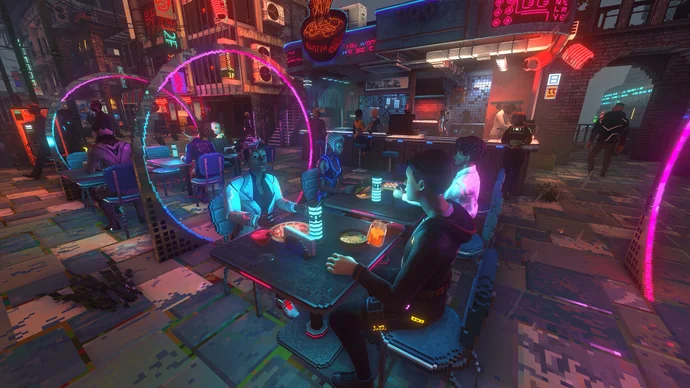
Nivalis Nights has no combat, no boss fights, and no player death, but according to the people making it, that doesn’t make it a cozy game. The slice-of-life sim set in a neon-soaked cyberpunk city has been pitched by some as a chill, low-stakes hangout experience in the vein of farming sims and city builders. Its lead writer wants to set the record straight: the comfort on offer is something players will have to work for.
Speaking to PC Gamer, lead writer Thomas Welsh explained that the opening hours of Nivalis Nights are deliberately designed to feel overwhelming rather than soothing. “Nivalis doesn’t have player death or shooting or boss fights, but that doesn’t mean it’s a cosy game,” Welsh said. “Life in a cyberpunk world shouldn’t be relaxing and free of stress — not at first anyway. If you want a cosy existence in this city, you’re going to have to earn it.”
That framing matters because Nivalis Nights, developed by ION LANDS, sits in a genre crowded with games that promise instant relaxation: warm pastel farms, gentle crafting loops, and low-friction social systems designed to soothe rather than challenge. Welsh’s comments suggest the team behind Nivalis Nights is pushing back against that formula, at least structurally, even while still offering players an eventual payoff of calm.
Why Nivalis Nights Leans Into Discomfort First
Welsh described the sensory assault the team wanted new players to feel upon arriving in the game’s city. “We imagined a world that felt like every app on your phone was sending you an urgent notification,” he said. That’s a deliberate echo of the cyberpunk genre’s broader preoccupations — corporate overreach, constant surveillance, technology that promises convenience but delivers exhaustion. Rather than softening those themes to fit a cozy-game mold, Nivalis Nights appears to be using them as the emotional starting point for the player’s journey.
From there, Welsh says, players have real freedom in how they respond. “Players can swim upstream, and they might end up rich, living on a farm. Or they might learn that success in Nivalis can look different for each person,” he explained. Crucially, he added that players “can even finish the story while being terrible at business,” suggesting that Nivalis Nights isn’t gatekeeping its narrative conclusion behind optimal economic play, even if it withholds easy comfort early on.
This design philosophy puts Nivalis Nights in an interesting middle ground. It borrows the trappings of cozy games — no combat, no failure states tied to death, a focus on daily routines and relationships — while resisting the genre’s tendency toward frictionless positivity. The result, if Welsh’s comments hold up in the finished product, is a game that uses cozy mechanics in service of a less cozy emotional arc.
Messy Relationships, No Guaranteed Romance
That same resistance to easy wins extends to the game’s dating and relationship systems. Welsh told PC Gamer the team “wanted it to be messy,” aiming to replicate the confusion of real-world romantic rejection rather than offering players a predictable formula for success. “We wanted the player to have a ‘what did I say wrong?’ experience,” he said. “When they miss out on romance, they never quite know why it didn’t line up, just like in real life.”
He was blunt about what the team wanted to avoid: the transactional logic common in many relationship-driven games, where repeated kindness mechanically unlocks affection. “We also wanted to avoid ‘I was nice to you three times in a row, so can I have one sex please?’” Welsh said. It’s a pointed jab at a well-worn trope, and another sign that Nivalis Nights is trying to carve out emotional authenticity even within a genre built around comfort and escapism.
Taken together, Welsh’s comments paint Nivalis Nights as a game interested in earning its soft moments rather than handing them out freely. Players looking for an easy, stress-free retreat may need to adjust their expectations, but those willing to push through the game’s intentionally overwhelming opening may find something more rewarding than a typical cozy sim: a city, and a sense of belonging within it, that actually feels like it was worth the effort.
Explore more on this topic with Vexel Search.
WordUp Morning
Ten stories, both sides of each, in five minutes. Free, every weekday at 7am, plus a Saturday weekend edition.
We'll email you a link to confirm. Unsubscribe any time.
Readers hoping for the latest video games news today are going to be disappointed, and we think it’s worth being upfront about why. The source material supplied for this story isn’t about games at all — it’s an interview about “Crystal Lake,” the upcoming Peacock prequel series exploring the origins of the Friday the 13th franchise. There is no mention of consoles, publishers, studios, or anything resembling a video games story anywhere in it.
That’s a problem worth naming rather than papering over. It would be easy to stretch a loose connection — the Friday the 13th property has, over the decades, spawned plenty of adaptations across different media — but doing so without solid sourcing would mean inventing details that simply aren’t supported by what’s in front of us. So instead of pretending this is a video games story, here’s an honest look at what the source actually says, and why it matters that we’re telling you clearly where the gap is.
What the Source Actually Covers (Hint: Not Video Games)
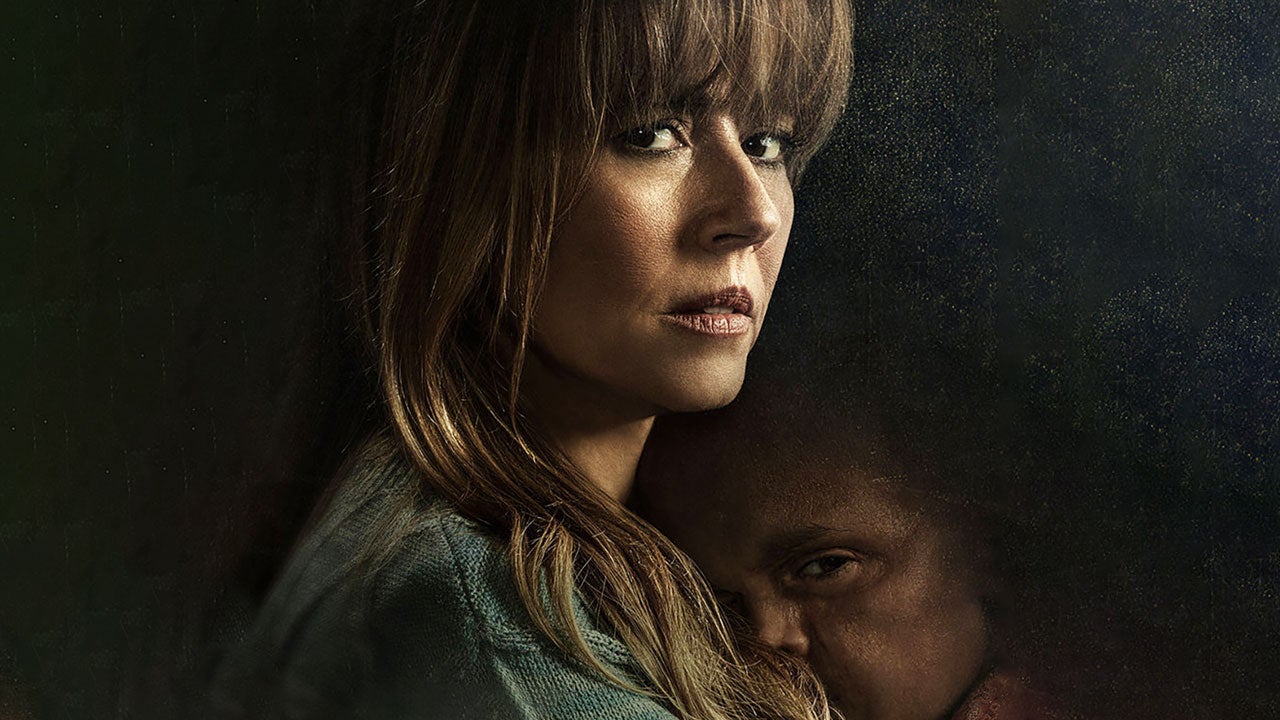
The material centers on “Crystal Lake,” a new television series that retells the Friday the 13th mythology from the perspective of Pamela Voorhees, played by Linda Cardellini, and a young version of her son Jason. Showrunner Brad Caleb Kane spoke at New York Comic Con about reinterpreting a decades-old horror story for a new audience, describing Pamela as a mother whose capacity for violence is terrifyingly relatable. Cardellini, fresh off an Emmy win, discussed the “switch” that flips inside her character once she’s pushed too far, while the show’s take on a young Jason — played by Callum Vinson — reimagines the iconic killer as a child dealing with a physical disability long before he becomes cinema’s most famous hockey-mask-wearing slasher.
It’s a genuinely interesting piece of entertainment journalism. It just isn’t a piece about video games, and stretching it into one would mean fabricating connections the source doesn’t make.
Why Accuracy Matters More Than Filling a Video Games Slot
At WordUp News, our commitment is to report what sources actually support, not what a topic label demands. When a request comes in for video games coverage and the available material has nothing to do with games, the responsible move is to say so plainly rather than inventing a tie-in — say, claiming a tie-in title is “in development” or implying a licensing deal exists — when no such claim appears anywhere in the source.
This kind of transparency matters especially in the video games space, where rumors and unverified claims spread quickly and can shape consumer expectations, stock movements, and even pre-order decisions. Readers deserve to know when a report is solid versus when it’s speculation dressed up as news. In this case, there simply isn’t a video games story to tell based on what was provided.
What Comes Next for Video Games Coverage
We’ll return with substantive video games reporting as soon as there’s sourced material to back it up — whether that’s new hardware announcements, major studio shake-ups, or the kind of franchise reboots that often do eventually make their way from film and TV into interactive adaptations. Friday the 13th itself has a complicated history when it comes to games, and if credible details emerge about any future project tied to “Crystal Lake” crossing into the video games world, that’s a story we’d be glad to cover properly, with real sourcing behind it.
For now, though, the honest answer is this: today’s source material is about a horror TV prequel, not video games, and we’d rather tell you that directly than manufacture a connection that isn’t there.
Explore more on this topic with Vexel Search.
WordUp Morning
Ten stories, both sides of each, in five minutes. Free, every weekday at 7am, plus a Saturday weekend edition.
We'll email you a link to confirm. Unsubscribe any time.
TITLE: Xbox Console Sales Plunge 33% to a 25-Year Low as Price Hikes Hit Gamers
KEYWORD: console sales
DESCRIPTION: Xbox console sales have crashed 33% to their lowest point in 25 years as PS5 sales drop 25%, with new price hikes pushing hardware costs higher.
The video game hardware business is going through one of its roughest patches in a generation. New figures show Xbox console sales have crashed 33%, landing at their lowest level since Microsoft launched the brand 25 years ago, while Sony’s PlayStation 5 has not escaped the downturn either, with console sales there sliding roughly 25%. The timing is brutal: both companies have recently pushed prices higher, with the Xbox Series X reportedly climbing to around $800 and the PlayStation 5 Pro landing near $900 in some markets.
For an industry that leaned heavily on hardware sales to build long-term ecosystems of games, subscriptions, and accessories, a simultaneous slump across the two biggest console makers is a striking signal. Console sales numbers like these aren’t just a blip — a 33% year-over-year drop for Xbox is the kind of decline that invites comparisons to the weakest stretches in the brand’s history, and doing so a quarter-century after the original Xbox debuted only sharpens the symbolism.
Why console sales are sliding now
The most obvious culprit is price. Hardware costs across the tech sector have been under pressure from tariffs, component shortages, and broader inflation, and console makers have passed much of that burden on to consumers. An $800 price tag for a flagship Xbox and a $900 price point for a souped-up PS5 Pro put current-generation consoles well above where many shoppers expected top-tier gaming hardware to sit this late into a console cycle, when prices typically ease rather than rise.
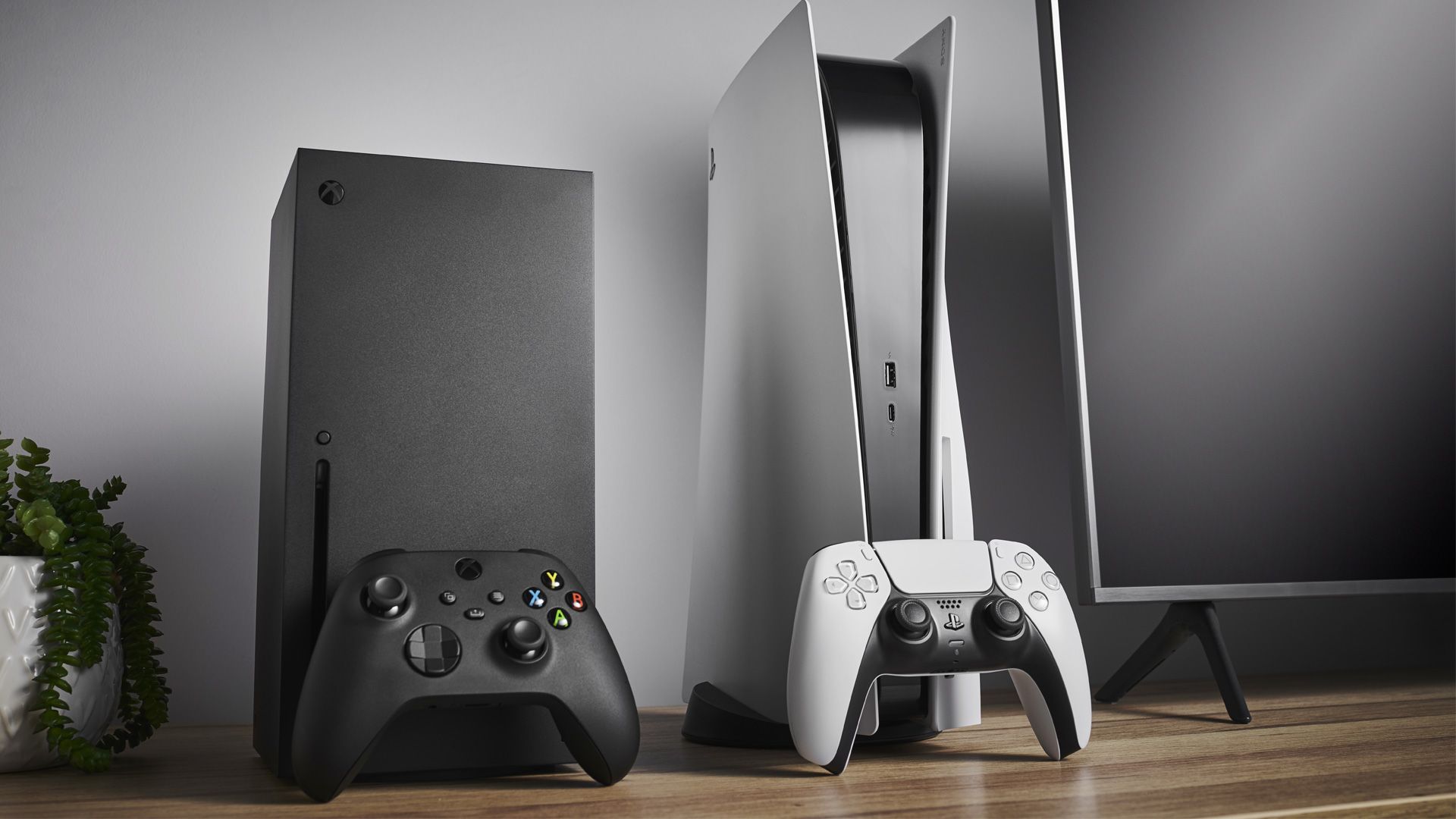
That dynamic appears to be discouraging upgrades and new purchases alike. Console sales tend to be highly price-sensitive, especially among younger buyers and families who treat a new system as a major household purchase rather than an impulse buy. When the entry price for a premium box edges toward four figures, plenty of potential buyers simply wait, switch to PC gaming, or lean on cloud and subscription services instead of buying new hardware outright.
There’s also a broader market context. Both Microsoft and Sony are now deep into the current console generation, and historically, console sales slow naturally as a cycle matures and shoppers anticipate the next refresh or successor. But the scale of these declines — a third of Xbox’s volume disappearing and a quarter of PlayStation’s — suggests something more than normal late-cycle fatigue is at work.
What steep price hikes mean for the industry
Raising prices in the middle of a sales slowdown is a risky bet. Manufacturers often justify hikes by pointing to rising component and manufacturing costs, but when console sales are already falling, higher prices can accelerate the very decline companies are trying to offset with better margins per unit. Fewer units sold at a higher price doesn’t always make up for lost volume, especially when hardware is often treated as a loss leader to sell games, accessories, and subscription services like Xbox Game Pass or PlayStation Plus.
That knock-on effect matters enormously for publishers and developers. Weak console sales can mean fewer new users entering the ecosystem to buy games, subscribe to online services, or purchase downloadable content — the recurring revenue streams that have become central to how the industry makes money. A sustained slump in hardware adoption could ripple outward into software sales projections, live-service game revenue, and the broader health of a gaming economy that has grown used to steady hardware growth underpinning everything else.
It’s also worth noting that console sales don’t exist in a vacuum. Gamers increasingly have alternatives: powerful gaming PCs, handheld devices, cloud streaming services, and even mobile gaming all compete for the same entertainment dollars. When console prices rise sharply, some of that spending simply migrates to those alternatives rather than disappearing from the industry altogether.
A tough holiday season ahead
The timing of these price hikes and the resulting drop in console sales is particularly uncomfortable heading into the critical holiday shopping period, when hardware manufacturers traditionally rely on gift-buying to move the bulk of their annual unit sales. If shoppers are already balking at $800 and $900 price points months before the holidays, both Microsoft and Sony may face pressure to introduce bundles, discounts, or promotional pricing to keep console sales from falling even further.
Whether this represents a temporary dip tied to price shocks or the start of a longer structural shift in how people buy gaming hardware remains to be seen. What’s clear from the numbers so far is that two of the industry’s biggest players are both absorbing the consequences of pricing decisions made in a market that, right now, has far less tolerance for sticker shock than it once did.
Explore more on this topic with Vexel Search.
WordUp Morning
Ten stories, both sides of each, in five minutes. Free, every weekday at 7am, plus a Saturday weekend edition.
We'll email you a link to confirm. Unsubscribe any time.
Bandai Namco used Evo France 2026 to give fighting game fans their first real look at Tekken 8 Yujiro, and the uncanny, muscle-bound rendering of the Baki the Grappler villain is already dividing opinion online. Tucked into the final seconds of a new Season 3 trailer, the brief glimpse of Yujiro Hanma’s in-game model confirmed what many longtime followers of the crossover had been bracing for: a near-exact, almost unsettling translation of the anime brawler’s exaggerated physique and toothy grin into Tekken’s fighting engine.
The teaser arrived as part of a roughly four-minute trailer that was largely dedicated to a different newcomer. Roger Jr., the kangaroo-and-joey boxing duo, dominated nearly three of those four minutes with extensive gameplay footage, underscoring that he is the marsupial pugilist ready to make his full debut first. Yujiro, by contrast, got only a handful of shots showcasing his signature smirk and eerie flexibility, a small taste meant to tide fans over rather than a full gameplay showcase.
What the Tekken 8 Yujiro Teaser Actually Shows
For a character as visually extreme as Yujiro Hanma, reproducing his look convincingly was always going to be a tall order. Known in the Baki manga and anime for his towering frame, grotesquely bulging muscles, and manic facial expressions, Yujiro presents a very different design challenge than Tekken’s usual roster of fighters. The handful of frames shown at Evo France suggest the development team leaned into that exaggeration rather than softening it, delivering an in-game render that fans are already describing as “uncanny” in the same breath as excited.
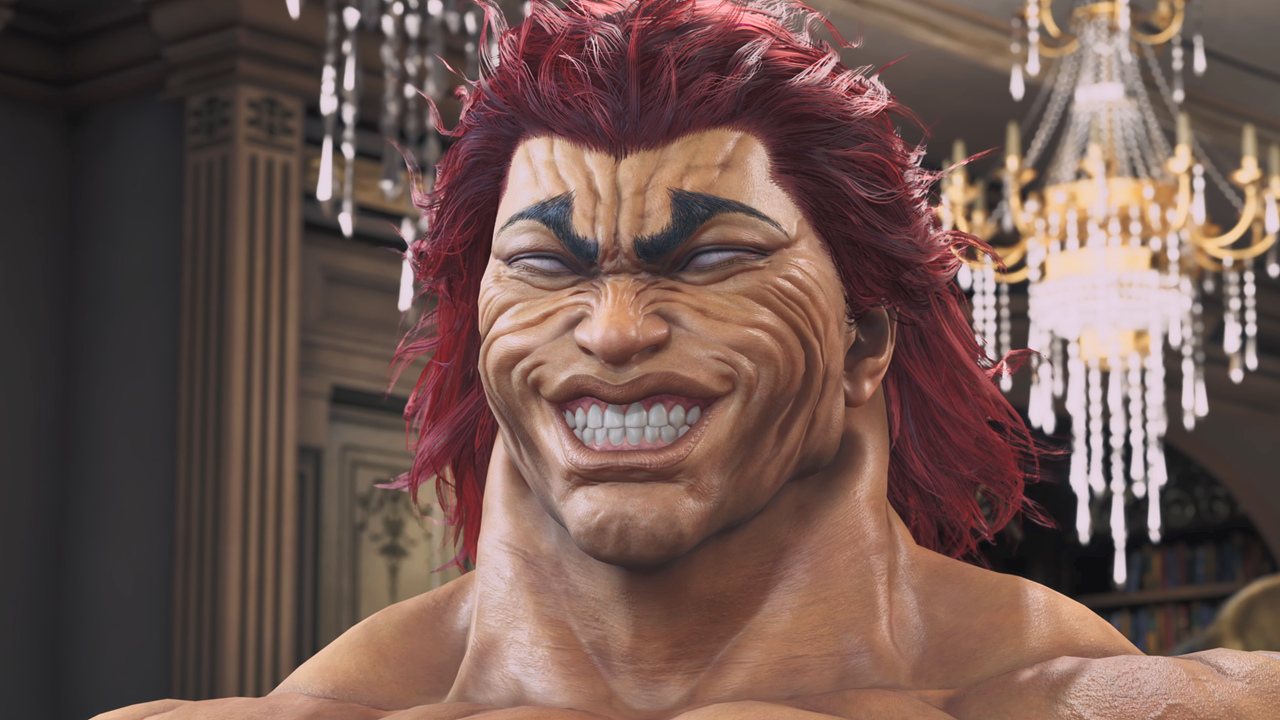
That reaction isn’t surprising. Guest characters crossing over from anime and manga properties often struggle to translate faithfully into a 3D fighting game without looking either flattened or cartoonishly off-model. Early impressions suggest the Tekken 8 Yujiro design threads that needle by embracing the character’s over-the-top presentation rather than shying away from it, even if the result looks a little strange in motion.
Roger Jr. Leads, Yujiro Waits
While Yujiro has generated plenty of buzz, he isn’t the next character walking through the door. That honor belongs to Roger Jr., who is confirmed for early access on November 11, 2026, with a full release following on November 16. His arrival continues a steady drip of Season 3 content that began with Kunimitsu in June and continued with Bob in August.
Yujiro, meanwhile, remains without an official release date. The trailer did offer one concrete marker for fans tracking his progress: a new, presumably more substantial Yujiro trailer is set to premiere alongside the Tekken World Tour Finals on January 17, 2027. That puts a firm date on the calendar roughly three months out, by which point fans can reasonably expect actual gameplay footage rather than a few teaser frames.
Reading the Pattern Behind Bandai Namco’s DLC Rollout
Bandai Namco’s release cadence for Tekken 8’s downloadable characters offers a useful clue for when the Baki crossover might actually land in players’ hands. The publisher has historically left a few months of breathing room between DLC drops, and by the time the January Tekken World Tour Finals trailer airs, roughly two months will have passed since Roger Jr.’s release. That timing lines up with when a release date announcement would typically surface, and it’s not out of the question that Yujiro could even launch that same day, though Bandai Namco has not confirmed anything of the sort.
Roger Jr. and Yujiro both fall under the Season 3 pass, which promises four bonus characters in total, following the template set by Season 1 and Season 2. Those earlier passes brought back classic faces like Heihachi and Armor King alongside newcomer Anna and the Final Fantasy 16 crossover protagonist Clive Rosfield. Each season pass has typically run $30, though the current Season 3 pass is priced slightly higher at $34.99.
Why the Baki Crossover Matters
The inclusion of Yujiro Hanma, a character famously written as someone who never loses, has been a point of curiosity since it was first announced. Tekken producer Naoya Yasuda and director of promotions Yuki Yokoi, a former Baki manga editor, have previously spoken about the creative balancing act required to fold an “unbeatable” anime icon into a competitive fighting game roster without undermining the format’s core premise of win-or-lose combat.
For now, fans eager for more than a few teaser seconds will have to wait until the Tekken World Tour Finals in January, when Bandai Namco has promised a proper trailer. Until then, the brief Tekken 8 Yujiro footage from Evo France stands as the only official confirmation of what the Baki villain will actually look like in the game, uncanny grin and all.
Explore more on this topic with Vexel Search.
WordUp Morning
Ten stories, both sides of each, in five minutes. Free, every weekday at 7am, plus a Saturday weekend edition.
We'll email you a link to confirm. Unsubscribe any time.

PlayStation Plus December Games: 3 Free Downloads From Dec. 1, Claim Them by Jan. 4

Rinderknech Doping Test Charge Carries Up to a Four-Year Ban as He Vows to Clear His Name

Bad Lieutenant: Tokyo Hits Theaters March 5, 2027 as Neon Bets on Miike’s Cop Saga


-

 Sports6 days ago
Premier League Legal Costs: 18 of 20 Clubs Back Cover for Board if Man City Sponsors Sue
-

 Business & Hustles5 days ago
Pensions dashboard to launch summer 2027, with 75 million records already connected
-

 Tech & AI2 days ago
Jensen Huang reinstated as Nvidia CEO: Trump says he ‘convinced’ the board, and the stock jumps 34%
-

 Tech & AI2 days ago
Trump Again Urges Nvidia to Rehire Jensen Huang as Board Says No and Shares Sit Roughly 50% Off Their High
-

 Sports7 days ago
Alonso Dakar Rally return: Aston Martin sends 3 cars into a 12-stage, 6,805km test
-
 Gaming7 days ago
New Zealand trick lets GTA 6 players start up to 18 hours early, but PS5 owners may have to buy it twice
-

 Fashion6 days ago
Jerry Lorenzo’s TEN Brings Fear of God a First In-House Sneaker and an L.A. Flagship
-
 Crime7 days ago
Alleged Russia Spy Suspect Moved to US Military Custody: What Happens Next
-

 Tech & AI7 days ago
Ofqual Warns Exam Cheating With AI or Smart Glasses Could Cost Students Whole Qualifications
-

 Sports7 days ago
Prendergast hip-drop tackle citing dismissed, clearing Ireland’s fly-half to face South Africa on Saturday
-

 Crime6 days ago
Florida pastor convicted on all 8 counts in Haitian president assassination case, faces up to life
-

 Tech & AI5 days ago
OpenAI Tests Always-On Dots Agents on Some $20-a-Month ChatGPT Plus Users
-

 Entertainment7 days ago
Warner Bros. Television Studios Will Merge Two Studios and 100+ Productions Under Two Presidents in Early 2027
-

 Business & Hustles7 days ago
Six firms now in the CMA’s drip pricing sights as a gym chain and two holiday brands join the probe
-

 Entertainment6 days ago
Government Has No Power to Force YouTube to Pull Russell Brand Video, Minister Admits
-

 Crypto7 days ago
Solana Foundation’s CoinGecko Majority Stake Could Bring Trading to a Platform With 18M Users
-

 Business & Hustles7 days ago
Workplace Savings Scheme Signs Up Employers Covering Over 500,000 Workers
-

 Business & Hustles7 days ago
Interest rates not ‘pre-set’, Bailey warns, as inflation hits 3.6% and a rise looms
-

 Sports6 days ago
Tiger Woods to design £30m Bellarena links, Northern Ireland’s first new championship course in over a century
-

 Gaming5 days ago
GTA 6 Infinite Money Glitch Is Already Everywhere, But Many Players Are Choosing Not to Use It
You must be logged in to post a comment Login