ABOARD THE CRESCENT (AP) — There’s something melodic about watching the sun rise over a rural stillness broken only by the rhythms of steel wheels on tracks. Or so we tell ourselves.
In this case, being aboard a train at all owed more to politics than poetry.
Advertisement
This image made from an Associated Press video shows the Virginia countryside, as seen from an Amtrak train, Friday, March 27, 2026. (AP Photo/Bill Barrow)
Advertisement
This image made from an Associated Press video shows the Virginia countryside, as seen from an Amtrak train, Friday, March 27, 2026. (AP Photo/Bill Barrow)
Advertisement
Advertisement
Congress and Donald Trump were mired in their latest budget stalemate, one rooted in the Republican president’s immigration crackdown and the tactics of federal forces he has sent to U.S. cities. But this impasse has upended a foundational constant of American life today: easy air travel.
In Atlanta, my hometown airport, cheerfully marketed as the world’s busiest, had descended into organized chaos. Unpaid federal employees called out from work, leaving a diminished security staff to screen travelers frustrated by hourslong waits in line. I wanted to get to Washington for the NCAA basketball tournament. So I eliminated the risk of a missed flight and booked the train overnight and into game day across a 650-mile route.
Advertisement
In this fraught moment in U.S. politics, I slowed down and thought about things we take for granted. Who ever ponders the conveniences of that 20th-century innovation, the airplane, that makes 21st-century hustle possible? We book and board. An unconscious, first-world flex of modernity. It’s even rarer to grapple with the inconvenience.
My decision had taken me further back, to the 19th century and another defining innovation: the long-distance train.
Advertisement
The Amtrak station in Danville, VA, is seen Friday, March 27, 2026. (AP Photo/Bill Barrow)
The Amtrak station in Danville, VA, is seen Friday, March 27, 2026. (AP Photo/Bill Barrow)
Advertisement
Advertisement
Advertisement
A 14½-hour weekend train ride is time aplenty to appreciate how completely politics, economics, social strife and fights over identity and belonging have always affected the order of our lives, including how, when and where we move around in these United States. But Amtrak’s Crescent also allowed me to see the expanse of our collective experience.
I traversed the urban, suburban and rural breadth of East Coast America. I learned how other travelers came aboard. And in that, I found the portrait of people, past and present, who refuse to be as paralyzed as some of their elected leaders.
Convenience on the railways
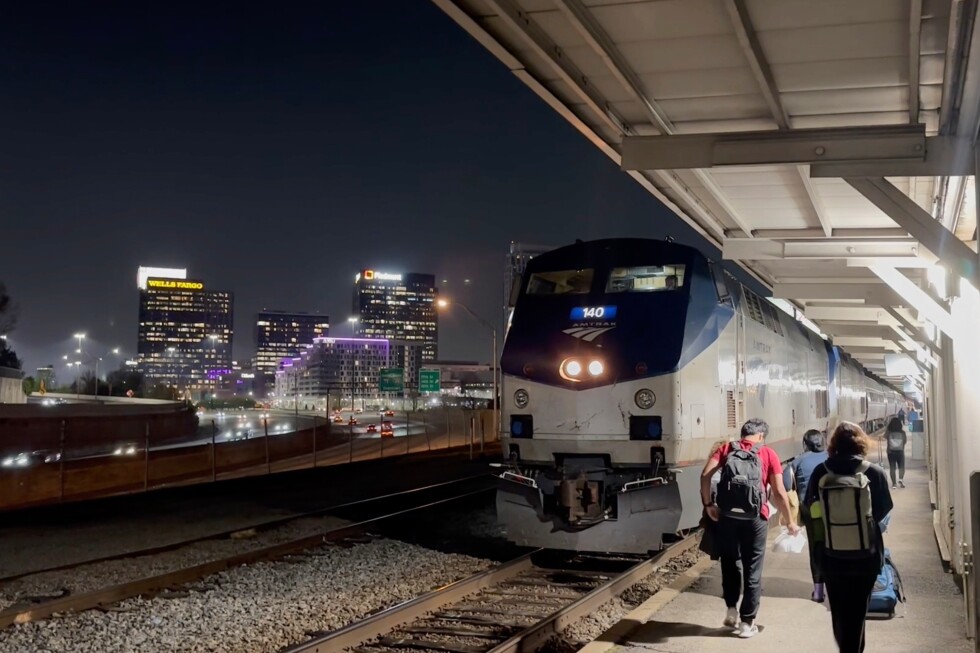
There is little glamour late night in a crowded Amtrak station. Children are up past bedtime and tended by frazzled parents. Older adults struggle with luggage and stairs.
Advertisement
Airports are not red-carpet affairs either, of course. But there is a certain cache to Delta’s Atlanta-Washington flights. They typically take about two hours gate to gate. They often are slotted at a midpoint gate of the concourse nearest the main terminal. That is almost certainly a nod to members of Congress who use it — but who have lost some airline perks during this extended patrial shutdown.
In normal circumstances I can get from my front porch to Capitol Hill or downtown in as little as 4½ hours. Security lines these days could at least double my overall air travel time.
Advertisement
Union Station is seen Friday, March 27, 2026, in Washington. (AP Photo/Bill Barrow)
Union Station is seen Friday, March 27, 2026, in Washington. (AP Photo/Bill Barrow)
Advertisement
Advertisement
Advertisement
The train is still longer, and time is money, we are taught. But certainty has value, too, even if it means at 11:29 p.m. departure. And at the Amtrak station, there were no standstill lines, no Transportation Security Administration agents, no ICE agents as stand-ins.
Passengers who arrived mere minutes before departure made it on board and found seats quickly — assigned in boarding order, not predetermined zones that yield jammed aisles. There’s no in-seat service or satellite TV. But even coach seats, the lowest Amtrak tier, are as spacious as airline first-class – and there is Wi-Fi, so it’s not the 19th century or even 20th century after all.
On board, I heard one crew member joke, “I’m no TSA agent.”
Advertisement
The pathways of history
As a boy in rural Alabama, I counted train cars and wondered where they were headed. I’ve since read diary entries and letters from my grandmother and her sisters recounting World War II-era weekend trips to Atlanta.
The South’s largest city has a historical hook, too. Originally named “Terminus,” Atlanta developed in the antebellum era as a critical intersection of north-south and east-west rail routes. That is what drew Gen. William Tecumseh Sherman for one of the Civil War’s seminal campaigns that helped defeat the Confederacy.
A century after the Civil War, Delta chose Atlanta for its headquarters rather than Birmingham, Alabama, which was the larger city as of the 1960 census. The company’s decision was tied up in tax breaks for the airline, named for its crop duster origins in the Mississippi Delta region. According to some interpretations, Delta’s decision was made easier because of the more overt racism of Alabama’s and Birmingham’s leaders as they defended Jim Crow — a code that, among other acts, allowed states to segregate the passenger trains that predated Amtrak.
On this night, I heard many languages and accents, notable given the role that immigrant labor played in building the U.S. rail system and especially striking now with immigration — legal and illegal — at the forefront in Washington, my destination. I saw faces that reflected U.S. pluralism, a different mix from what my grandmother and aunts would have seen a lifetime ago.
Advertisement
Union Station is seen Friday, March 27, 2026, in Washington. (AP Photo/Bill Barrow)
Advertisement
Union Station is seen Friday, March 27, 2026, in Washington. (AP Photo/Bill Barrow)
Advertisement
Advertisement
Advertisement
The array of voices celebrated the freedom and ease of rail travel. So did Agatha Grimes and her friends after they boarded in Greensboro, North Carolina, as part of a long weekend trip to celebrate her 62nd birthday.
Advertisement
“I got stuck in the Atlanta airport last week,” Grimes said, as her group laughed together in the dining car. “It’s just nuts.”
Beretta Nunnally, a self-described “train veteran” who organized their trip, said, “There’s no worry about parking. No checking bags. You come to the station, you get where you going, and you come home.”
An era for planes, trains and automobiles
Still, that is not as easy in the United States as it once was.
Just as politics, economics and subsidies helped grow U.S. railroads, those factors diminished the network as auto manufacturers, oil companies, roadbuilders and, finally, airline manufacturers and airlines commanded favor from politicians and attention from consumers.
Advertisement
Riding hours across rural areas, I noticed the junkyards where kudzu and chain-link fencing framed rows of rusted automobiles. I saw the farmland and equipment that helps feed cities and the rest of the nation. I awoke to see the night lights of office towers in Charlotte, North Carolina, and its NFL stadium. I saw vibrant county seats — and I thought of countless other towns like them that are not thriving as they sit disconnected from passenger rail and far from the Eisenhower-era interstate system that we crossed multiple times on our way.
In each setting, voters — conservatives, liberals, the extremes and betweens — have chosen their representatives, senators and a president who now set the nation’s course.
When I arrived in Washington, I paused to enjoy Union Station’s grand hall and its Beaux Arts appeal, and I lamented how much splendor has been lost because so many striking U.S. terminals have been razed. I stepped outside and looked up at the Capitol dome.
While I had slept, the Senate managed a bipartisan deal to fund all of the Department of Homeland Security except immigration enforcement. As I continued northward, House Republican leaders rejected it. The stalemate continued.
Advertisement
I was a weary traveler but renewed citizen. I had a game to get to. And the train rolled on.
TfL has insisted any such schedule would be voluntary and would not result in a reduction of contracted hours.
Sign up for all of the latest stories
Start your day informed with Metro’s News Updates newsletter or get Breaking Newsalerts the moment it happens.
Advertisement
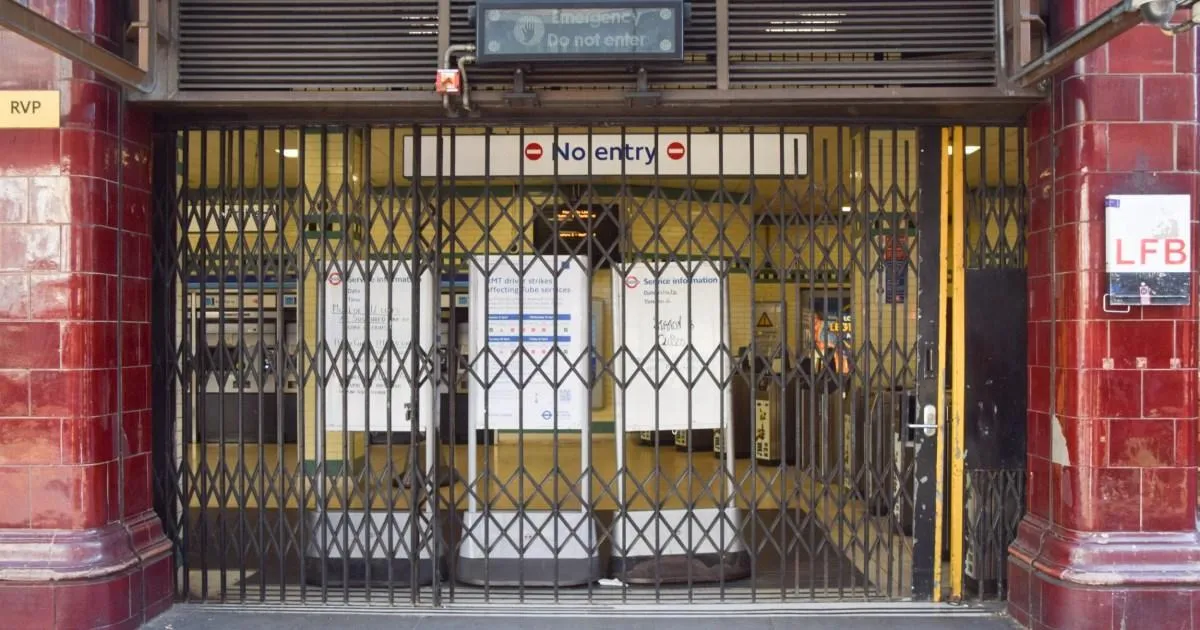
Tube services will be heavily disrupted on strike days, which will run from 00.01 to 23.59 on Tuesday, June 2, and then the same hours on Thursday, June 4.
On those days, no service at all is expected on the Circle line or the Piccadilly line.
No service will operate on the Circle or Piccadilly Lines on both Tuesday and Thursday (Picture: Vuk Valcic/ZUMA Press Wire/Shutterstock)
There will also be no trains on the Metropolitan line between Baker Street and Aldgate, and on the Central line between White City and Liverpool Street.
While other lines including Overground and Elizabeth Line will operate as usual, service levels will vary with trains starting later and finishing earlier than usual, with customers advised to complete journeys before 9pm on both days.
A normal service is expected to run on Monday, Wednesday and Friday, TfL has said.
Advertisement
TfL chief operating officer Claire Mann said the transport authority was hoping to pilot proposals for a four-day week on the Bakerloo line, which it said had support from ‘a significant number’ of drivers.
She said: ‘We are disappointed to see the RMT continue with this industrial action.
‘We still believe that the points they have raised can be worked out in time, through more detailed discussions and we are continuing to talk to the union’s representatives to find a way to avoid disruption to London.
‘We urge the RMT to work with us so we can resolve this dispute. In the meantime, we are asking customers to check before they travel and allow plenty of extra time for their journeys.’
Advertisement
RMT confirmed this week that strikes would go ahead, citing concerns the proposed four-day week could lead to ‘fatigue, longer shifts and reduced flexibility’.
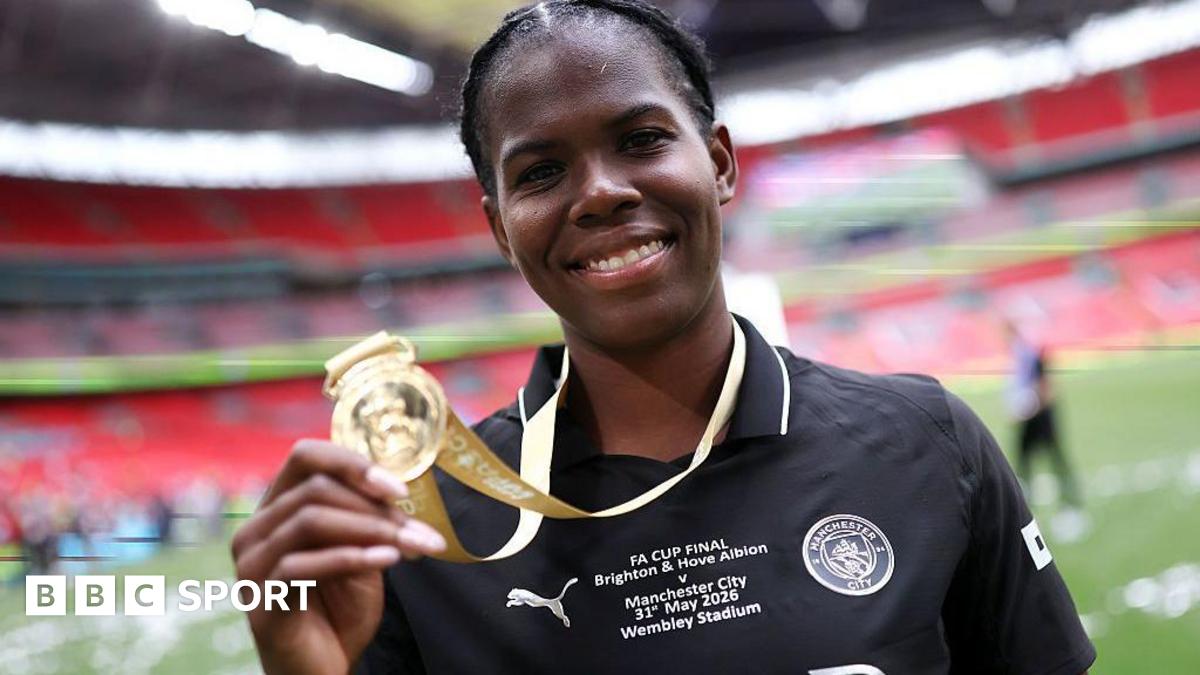
Shaw said after the victory at Wembley that she had been “a bit nervous” about announcing her new deal.
Fans had been through an emotional rollercoaster about her leaving, with Chelsea poised to take advantage.
But after a long season, in which Shaw scooped up several individual accolades including the WSL Player of the Year and Golden Boot, she relished getting her hands on another piece of silverware.
“To get the double is a good feeling,” Shaw said. “I’ve always said that Manchester is my home. It took a while, but we finally got [the contract agreement] done.”
Advertisement
At Wembley, her opener was crucial, coming after Brighton had dominated the first 30 minutes and with City struggling to get a foothold.
One moment – a cross into Shaw in the 38th minute – changed the game as the Jamaica striker rose highest to loop a header past goalkeeper Chiamaka Nnadozie.
That killed Brighton’s momentum and captain Alex Greenwood’s strike just before half-time gave City a commanding lead.
Jeglertz agreed Shaw’s goal gave his side “relief” and her assist for Fujino in the second half put City out of sight. A final goal from substitute Vivianne Miedema confirmed victory.
Advertisement
Despite the noise over the past month, Shaw has remained their standout performer. She was important in the final, was the matchwinner in the semi-finals and finished the WSL season with a double on final day to reach 21 goals in 22 matches.
“I’m very impressed with how she handled that [speculation],” said Jeglertz. “She has never showed any mood that has affected her performance.
“Of course, she knows about the writings. But at the same time, she has been so professional, always performed and always been a good person.”
Rain is due to cross much of the UK after days of soaring temperatures
Thunderstorms and heavy downpours are due to hit the UK in a ‘big change’ in conditions after the end of the heatwave, the Met Office has said. It comes after record-breaking temperatures baked the country earlier this week.
Advertisement
Temperatures soared across the UK, with 35.1C measured in Kew Gardens, west London, and 32.9C recorded at Cardiff’s Bute Park, on Tuesday. On Sunday (May 31), Bushy Park in Richmond upon Thames saw the highest temperature of the day at 24.7C, the Met Office said.
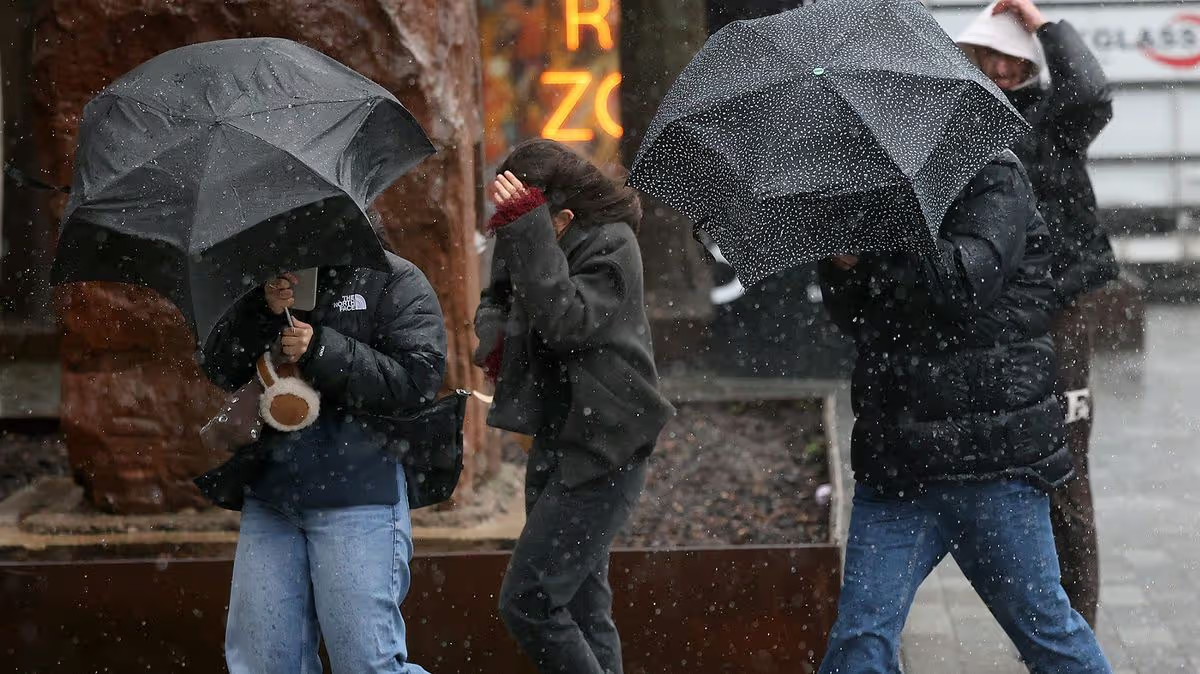
But the weather is due to change from Monday, with heavy rain expected to cross the whole country, particularly in parts of Wales, forecasters have said, with thunderstorms and cooler weather to continue.
Click here to get the biggest stories straight to your inbox in our Daily Newsletter
Rebecca Mitchell, senior operational meteorologist at the weather service, said: “Going into next week, there is a big change on the way. We’ve got spells of rain, possible thunderstorms, and some strengthening winds through much of the week. The other part of the story is the temperatures will be much lower compared to the week just gone.
Advertisement
“They’ll be around average for the time of year, which typically is around 17 to 19 degrees in the north and around 18 to 21 degrees in the south, so about 14 degrees lower in some places compared to the previous week.
“We’re not expecting too many impacts from this because it has been so dry recently for many places, and actually for some areas the rain will be welcome, I think, for gardeners, farmers, anyone hoping for some rain,” she said. “And then, following that, into Tuesday, we’ve got some heavy showers and potential thunderstorms.
“The main areas likely to see some thunderstorms would be central and southern areas, so Northern Ireland, northern England, southern England, and Wales.”
For the rest of the week, much of the county will see ‘unsettled weather’ along with some sunny spells and highs of low-20Cs, she said. The cooler conditions come after at least 15 people died during the heatwave after getting into difficulties in bodies of water, prompting emergency services to issue safety warnings.
Officers were called to the scene at Ferry Boat Lane at 7.59pm on Saturday and emergency crews from the National Police Air Service, Yorkshire Ambulance Service and the South Yorkshire Fire and Rescue Services also responded, police said.
President Donald Trump announced that he, “the Number One Attraction anywhere in the World,” will replace multiple performers who bailed on the Freedom 250 concert series.
“I understand Artists are getting ‘the yips’ having to do with their performance on Wednesday, so I am thinking about bringing the Number One Attraction anywhere in the World, the man who gets much larger audiences than Elvis in his prime, and he does so without a guitar, the man who loves our Country more than anyone else, and the man who some say is the Greatest President in History (THE GOAT!), DONALD J. TRUMP, to take the place of these highly paid, Third Rate ‘Artists,’ and give a major speech, rallying the Country forward like I have done ever since being President!” he wrote Saturday on Truth Social.
Trump’s announcement comes after a majority of musical actsdropped out of the Great American State Fair, an event celebrating America’s 250th anniversary. The event is organised by a group established through a presidential order.
Only a few slated performers remain. Those who have withdrawn include country superstar Martina McBride, who said she was “presented with an opportunity to perform at a nonpartisan event but that turned out to be misleading.”
Advertisement
Young MC, who was also scheduled to perform, claimed online that the “artists were never told about any political involvement with the event.”
Trump told followers, “I don’t want so-called ‘Artists’ that get paid far too much money, who aren’t happy.”
“I only want to be surrounded by Happy People, Smart People, Successful People, and People that know how to WIN,” the president wrote. “So, by copy of this TRUTH, I am ordering my Representatives to look at the feasibility of doing an AMERICA IS BACK Rally on Wednesday, Washington, DC, same time, same location.”
Trump’s announcement was met with ridicule and criticism, even from diehard conservative Matt Walsh, who told followers on X that “replacing a concert with a speech is lame and boring.”
Advertisement
“Just go out and get real musicians to play. Don’t cancel the concert just because a bunch of washed-up old has-beens canceled,” Walsh argued. “There are hundreds of artists out there who might not be famous but would absolutely leap at the chance to play on a stage like this.”
“Either way, the artists pulling out say this isn’t about the ‘yips,’ they say it’s about the perception that the festivity is partisan in nature. Not sure this post will dispel that concern,” Tapper wrote.
And conservative attorney and vocal Trump critic George Conway quipped, “nah he’s not a pathological narcissist—couldn’t possibly be,” followed by two laughing-crying emojis.
Subscribe to Commons People, the podcast that makes politics easy. Every week, Kevin Schofield and Kate Nicholson unpack the week’s biggest stories to keep you informed. Join us for straightforward analysis of what’s going on at Westminster.
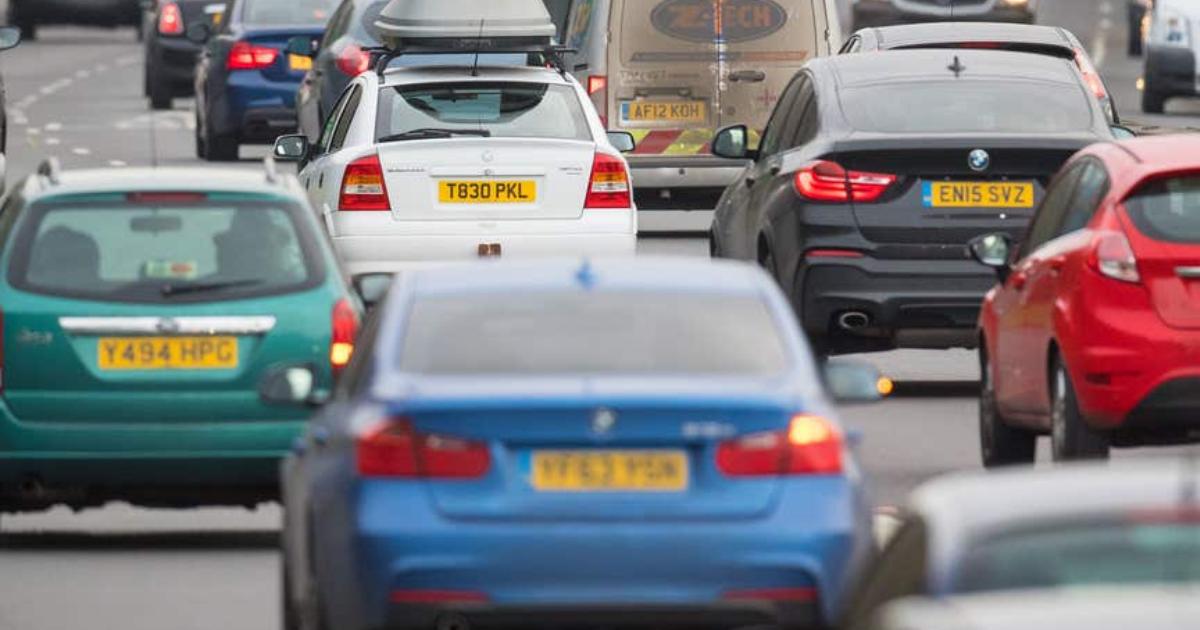
Offering lifts to friends will be second nature to many, but a potential issue could arise if offering some money to the driver for fuel costs.
Some might not know that charging even 1p more than the genuine cost of a journey (fuel, wear and tear) could classify the trip as ‘hire and reward’.
Under the Public Passenger Vehicle Act 1981, this could see drivers face a fixed penalty and a fine if the situation ended up going to court.
Advertisement
Why does accidentally overcharging for a lift potentially lead to a fine?
Claire Wills-McKissick, temporary car insurance expert at Tempcover, explained: “If you ask your passengers for a contribution to help ease the financial burden, you must avoid overcharging them by even 1p above the genuine cost of the journey, including fuel, wear, and tear.
“To do so, even completely unwittingly, risks crossing the line into a commercial transaction.
“Under the Public Passenger Vehicles Act 1981, making a profit from a lift – even a small amount – classifies your vehicle as a public service vehicle operating for ‘hire and reward’, which requires a commercial public service vehicle operator’s licence most drivers won’t have.
“This instantly invalidates your standard car insurance policy.
“If caught driving without valid insurance, you face a fixed penalty and points on your licence – and if the case goes to court, fines are unlimited. Recouping costs must be done carefully to ensure you stay on the right side of the law.”
Advertisement
Tempcover shared that 39.2 miles is the ‘tipping point’ where a friendly favour of a lift starts to feel like a financial strain.
It added that sharing the driving duties could be shared to avoid some issues, with the use of temporary car insurance to split time behind the wheel.
Breaking down how this could work, Tempcover shared:
The Upfront Agreement
Agree on the split before setting off to avoid the awkwardness of the 39.2-mile tipping point.
Jess Michaels said the palace’s failure to act had wider moral consequences for the victims involved in the scandal surrounding the paedophile and former prince.
She told The Telegraph that by “protecting” Mr Mountbatten-Windsor, the palace had failed his accuser Virginia Giuffre.
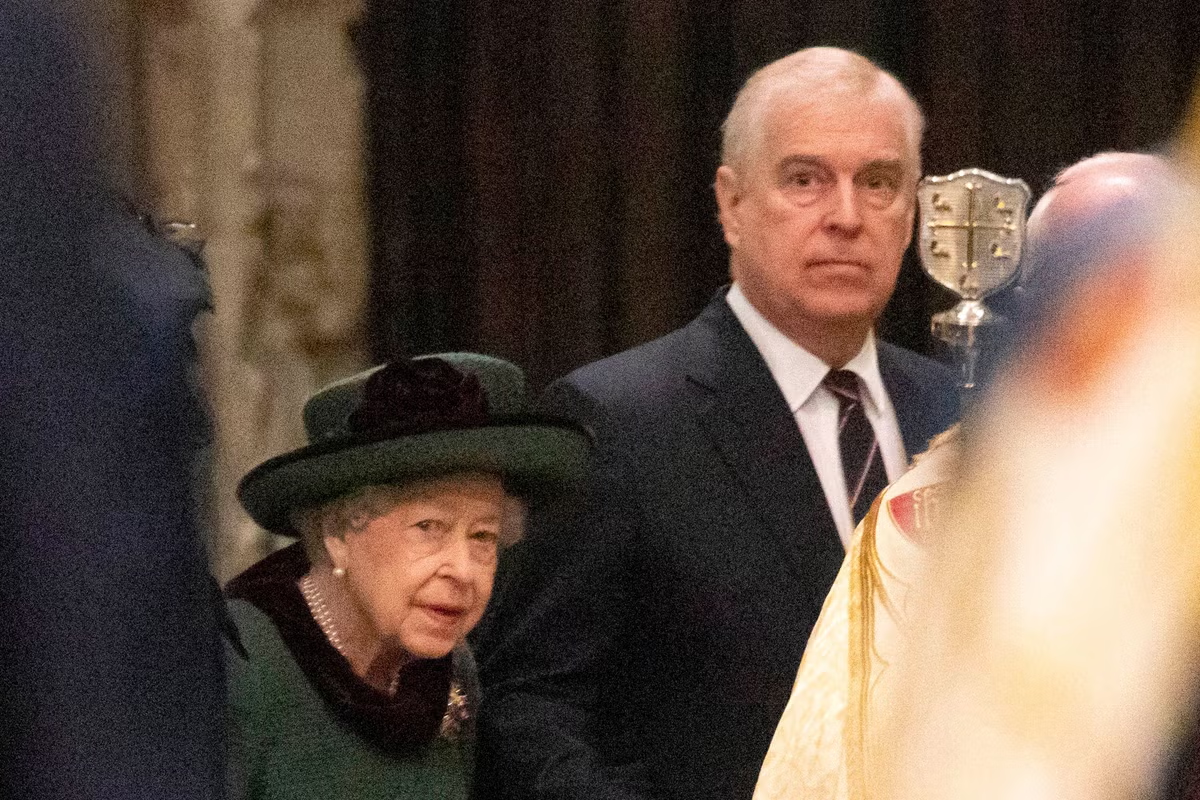
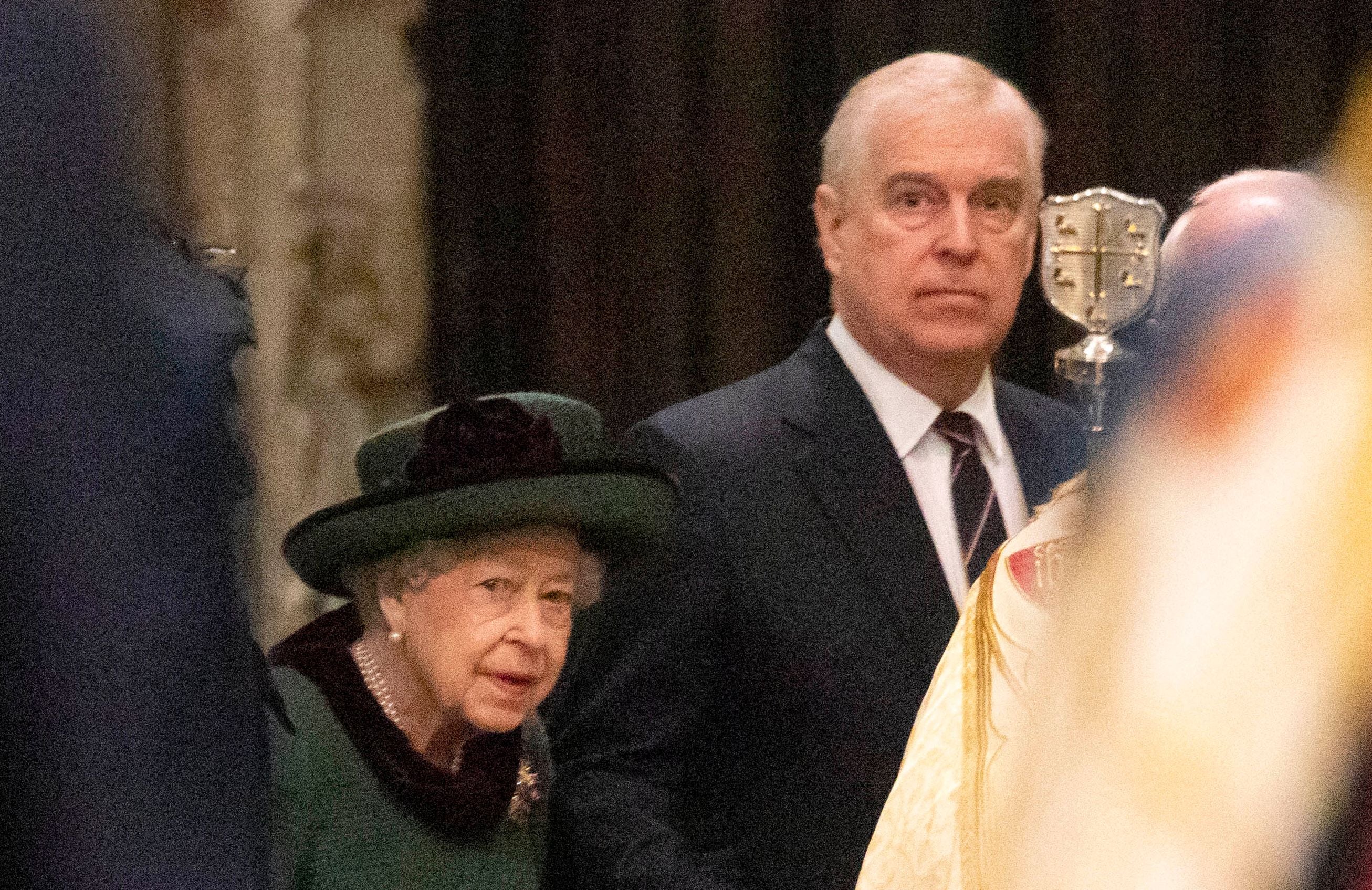
The late Queen Elizabeth II with her son Andrew Mountbatten-Windsor (AFP/Getty)
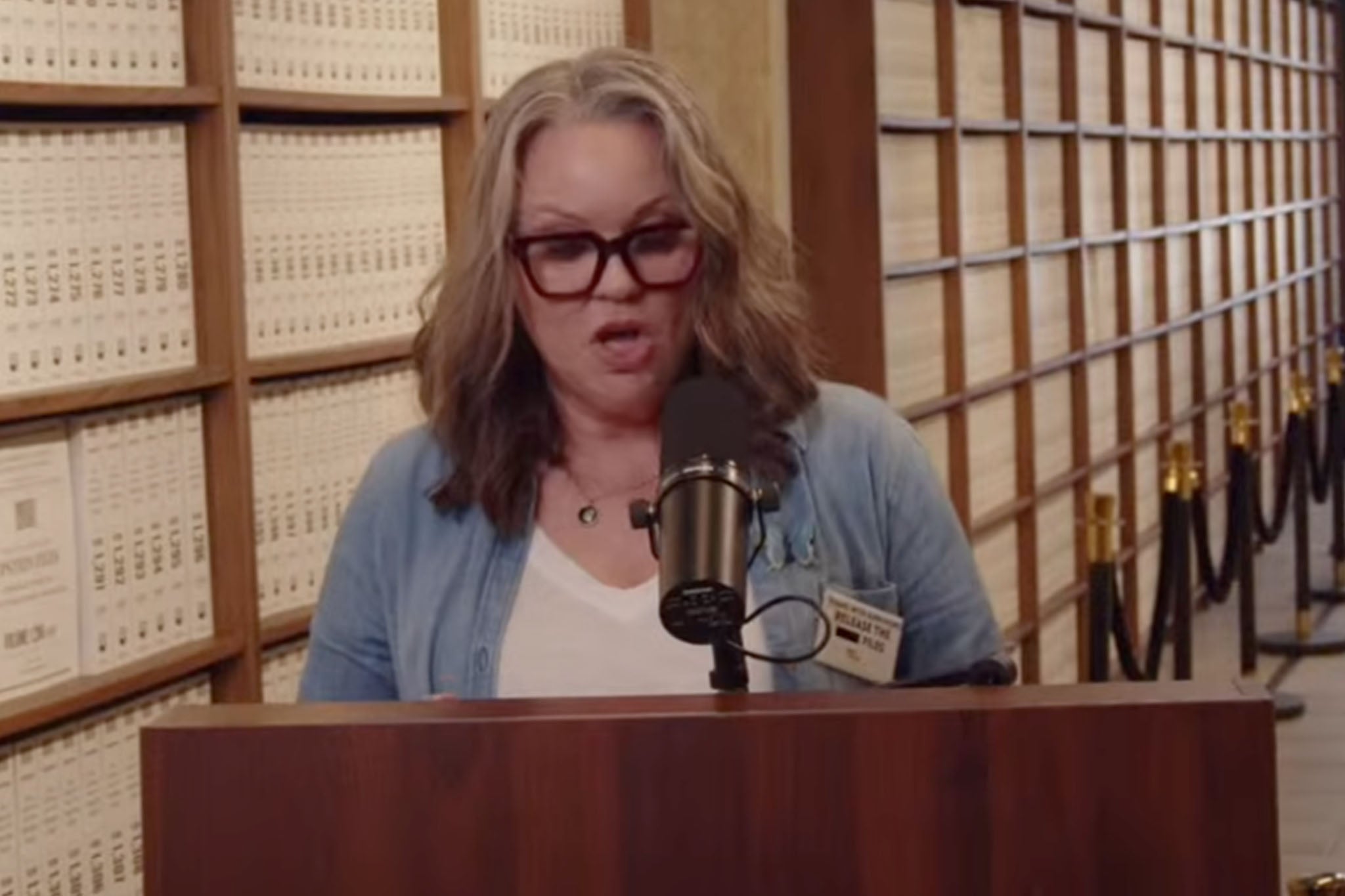
“This is what institutions do. They protect powerful men and leave the people they harmed to carry it,” said Ms Michaels, who said she was raped by Epstein in 1991.
“Six years ago, the palace knew Andrew wasn’t just a problem; he could face a criminal investigation. And they sat on it.
Advertisement
“Protecting him meant doubting her. Virginia Roberts Giuffre was telling the truth, and she didn’t live to see them admit it. That breaks my heart and it should break everyone’s.”
Ms Giuffre, who died last year, alleged that she was trafficked to the former prince and made to have sex with him on three separate occasions. Mr Mountbatten-Windsor has vehemently denied the claims.
Jess Michaels said she was raped by Jeffrey Epstein in 1991 (Youtube)
The Independent reported on Saturday that an archive of 30,000 emails, taken from a personal business contact of Mr Mountbatten-Windsor, was handed over to Lord Chamberlain, the most senior officer in the Royal Household, in May 2020.
Court documents suggest those emails would have shown that Mr Mountbatten-Windsor was sharing confidential government information while serving as a trade envoy between 2001 and 2011.
The former Duke of York was arrested in February on suspicion of misconduct in a public office following allegations that he passed sensitive government information to Epstein.
Advertisement
It was revealed last week that Thames Valley Police is also investigating Mr Mountbatten-Windsor for allegations of sexual misconduct in their inquiry into potential misconduct in public office.
The tranche of emails were handed over to Lord Peel, then Lord Chamberlain (PA/Roger Harris/CC BY 3.0)
Ms Michaels told the newspaper: “I’m glad the UK is finally investigating.
“A little late, but it’s the very least they could do. Meanwhile, our own government named us as victims, shields the men who harmed us and still treats us like the problem.”
In response to claims surrounding the emails received by Buckingham Palace in 2020, a spokesperson said: “Since there is an ongoing police enquiry concerning Mr Mountbatten-Windsor, it is not possible to provide any comment on these matters.”
The palace declined to comment on the claims made by Ms Michaels.
Advertisement
The Independent has contacted Mr Mountbatten-Windsor for comment.
Previews of every single World Cup team in your inbox, featuring the players to look out for, games you shouldn’t miss and Metro’s big England predictions.
Let’s be crystal clear from the outset: workers’ rights and the minimum wage are not to blame for the NEETs crisis.
Youth unemployment didn’t appear overnight. It’s the result of more than a decade of austerity under the previous government, a failed apprenticeship system, weak economic growth, and deep regional inequality.
Ahead of Alan Milburn’s landmark review into young people not in employment, education or training (NEETs), right-wing politicians and business leaders tripped over themselves to blame workers’ rights and minimum wage rises.
Advertisement
Rishi Sunak called for the Low Pay Commission to be scrapped. Tony Blair attacked the government’s Employment Rights Act. The boss of Next, a Tory peer, complained about wage increases.
One after another they shamelessly tried to blame a long-running crisis on policies that are barely even in force yet.
But Milburn himself was clear: the causes are “much more long-term and deep-seated than any decisions taken in the last few years.”
He’s right. This is a cynical attempt to turn workers’ rights and decent pay into a scapegoat.
Advertisement
The reality is that most measures in the Employment Rights Act haven’t even come into force yet. And many decent employers already meet these standards. The only businesses with something to fear are the rogue employers relying on exploitative practices like fire and rehire.
The same goes for the scaremongering about the minimum wage. Young people face the same rents, bills and rising costs as everyone else. Paying them less for the same work is indefensible.
And the evidence simply doesn’t support the critics. The previous government gradually moved 21 to 24-year-olds onto the full adult minimum wage with no negative impact on employment — according to the independent Low Pay Commission itself. In reality, most employers already pay younger workers the full rate anyway.
We’ve seen this pattern before. Instead of fixing the problem, people look for someone to scapegoat. First it was young people themselves — dismissed as “lazy” or “snowflakes” for struggling with mental health. Then it was the benefits system. Now it’s workers’ rights and fair pay.
Advertisement
But the crisis is structural.
Young people are far more likely to be trapped in insecure, low-quality work that damages their health and pushes them in and out of employment. The answer is not weaker protections or lower pay. It’s secure jobs, decent conditions and real opportunities.
The government’s expanded Jobs Guarantee for young people on Universal Credit is a start. But why should someone wait 18 months for meaningful support? It needs to be bigger, faster and more ambitious.
And for many young people, the problem isn’t unwillingness to work. It’s that the jobs simply aren’t there.
Advertisement
Vacancies are falling. Youth unemployment is rising faster than unemployment for older workers. And the places hit hardest – towns like Blackpool and Middlesbrough – are communities that have spent decades paying the price of deindustrialisation and economic neglect.
If the government is serious about tackling the NEETs crisis it must go all in on creating secure jobs, expanding training and education and rebuilding local economies.
That means stronger rights at work, fair wages and targeted support for young people – not rolling back protections to boost corporate profits.
The people offering easy answers aren’t trying to solve this crisis. They’re trying to protect the broken status quo.
Advertisement
Subscribe to Commons People, the podcast that makes politics easy. Every week, Kevin Schofield and Kate Nicholson unpack the week’s biggest stories to keep you informed. Join us for straightforward analysis of what’s going on at Westminster.
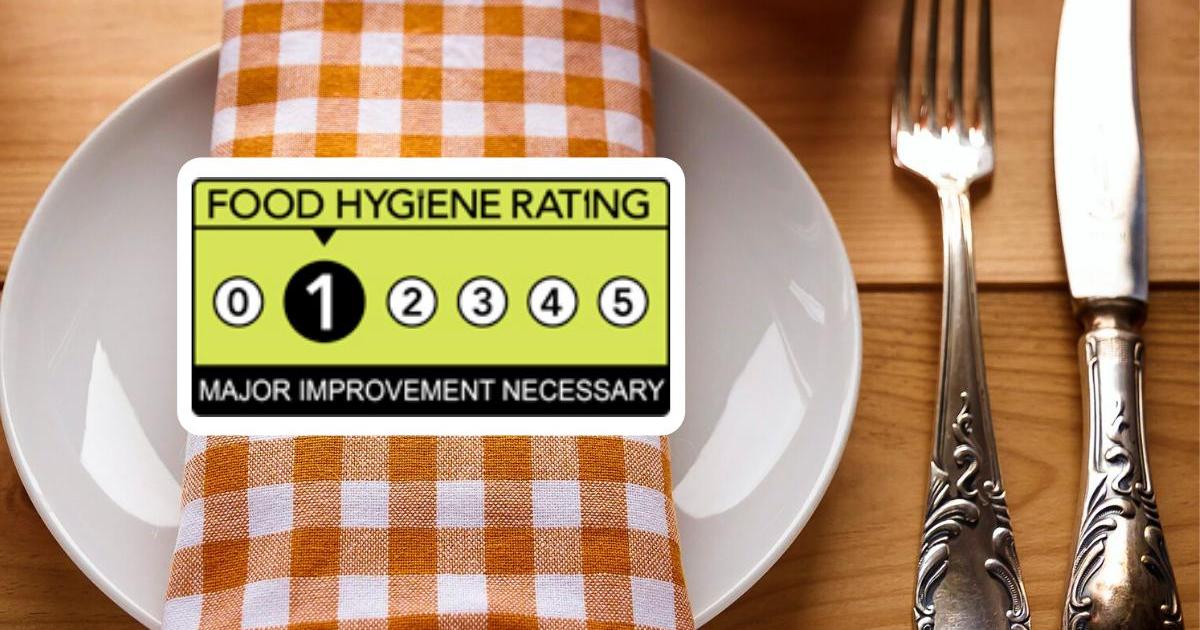
Agility Parks on the London Ebor Business Park, Nether Poppleton, received the rating, meaning ‘major improvement necessary’ following a visit by City of York hygiene inspectors on March 9.
For hygienic food handling, the inspectors determined ‘improvement necessary.’
For cleanliness and condition of the facilities and the building, it was also a matter of ‘improvement necessary.’
Advertisement
RECOMMENDED READING:
And for management of food safety, inspectors rated ‘major improvement necessary.’
Agility Parks opened around six years ago as a fitness park with two Ninja Warrior obstacle courses for children of five years up to adults.
With more than 100 linear meters of obstacle course and more than 30 obstacles the park says there is something to challenge all ages and abilities.
Advertisement
The venue has received great reviews, with Google awarding 4.6 stars out of five, based on 335 reviews.
TripAdvisor awards 4.4 stars out of five, based on 51 reviews. TripAdvisor notes the venue has a large café and bar on two floors catering to a wide range of parties, functions, events and group sessions.
The Shack Café offers jalapeños cheese dogs, salads, loaded fries and stone baked pizzas, plus real espresso coffee. A new cafe bar has also just opened serving a range of beers wines and non alcoholic drinks, the reviews website also said.
The most recent review on TripAdvisor awarded five stars for ‘an excellent birthday party.’
Advertisement
It also said: “My daughter had the best 9th birthday party. Roz & Fin were great! Thank you so much. Everything went very well. Food was great.”
One recent comment on Google said: “This place is miles ahead of the similar sorts of options in York. The staff are brilliant, and genuinely look after the kids (and adults, too). They actually seemed to want to be there!
“Leon was excellent in overseeing my 10-year-old daughter’s birthday party – he was fun, and kind, and helpful, and they thought he was great. Kitchen staff and others went out of their way to make sure we were ok. Very impressed – thank you!”
The Press has requested a copy of the food hygiene inspector’s report under the Freedom of Information Act, which we have yet to receive.
Advertisement
Agility Parks did not respond to our request for comment.
An adult New World screwworm which could cause devastation to US cattle if it spreads across the border from Mexico (Picture: AP)
Fears have been raised over the spread of a parasitic worm that could have a devastating impact on the food chain.
The New World screwworm has been found in Mexico just 30 miles from the US border. It’s a devastating parasite that can kill fully-grown cows in less than two weeks.
Its spread has spooked US officials, fearing the US’s food supply could be impacted if it crosses into the country.
The latest detection of the fly was in a six-month-old sheep in the Coahuila state.
Advertisement
As of May 20, there have been more than 171,000 reported cases in animals in Central America and Mexico, and more than 1,960 cases in people.
The New World screwworm larvae feeds off the host’s blood by hooking itself into wounds (Picture: AP)
Why is it so feared? The maggots lay eggs in open wounds, which then feed on the blood of their hosts.
It was eradicated in the US in the 1960s but there was an outbreak in Texas in 1976 which affected more than 1,400,000 cattle. Today, that would cost the economy in Texas alone an estimated $1,800,000,000.
Human transmission is rare but the first ever case of infestation was confirmed in August last year.
Advertisement
The US’s Centers for Disease Control and Prevention (CDC) issued advice to Americans living near livestock.
An outbreak among cattle could cause around $1,800,000,800-worth of damage to the economy in Texas (Picture: Reuters)
It said people should contact their healthcare prover immediately if they ‘see or feel maggots (larvae) in or on a wound or other area of your body’.
Symptoms can also include unexplained wounds that do not heal, a foul-smelling odour from the site of infestation, and seeing maggots in open wounds or in areas of the body such as the nose, mouth, eyes, ears or genitals.
The US Customs and Border Protection office has launched a campaign raising awareness about screwworm.
Donald R Kusser from the Laredo office said: ‘We are working to increase public awareness regarding New World Screwworm so that the public can help prevent this invasive pest from reaching the US and adversely affecting US livestock and pets.’











































You must be logged in to post a comment Login