The 54-year-old had asked his sister to place the bet for him, according to friend
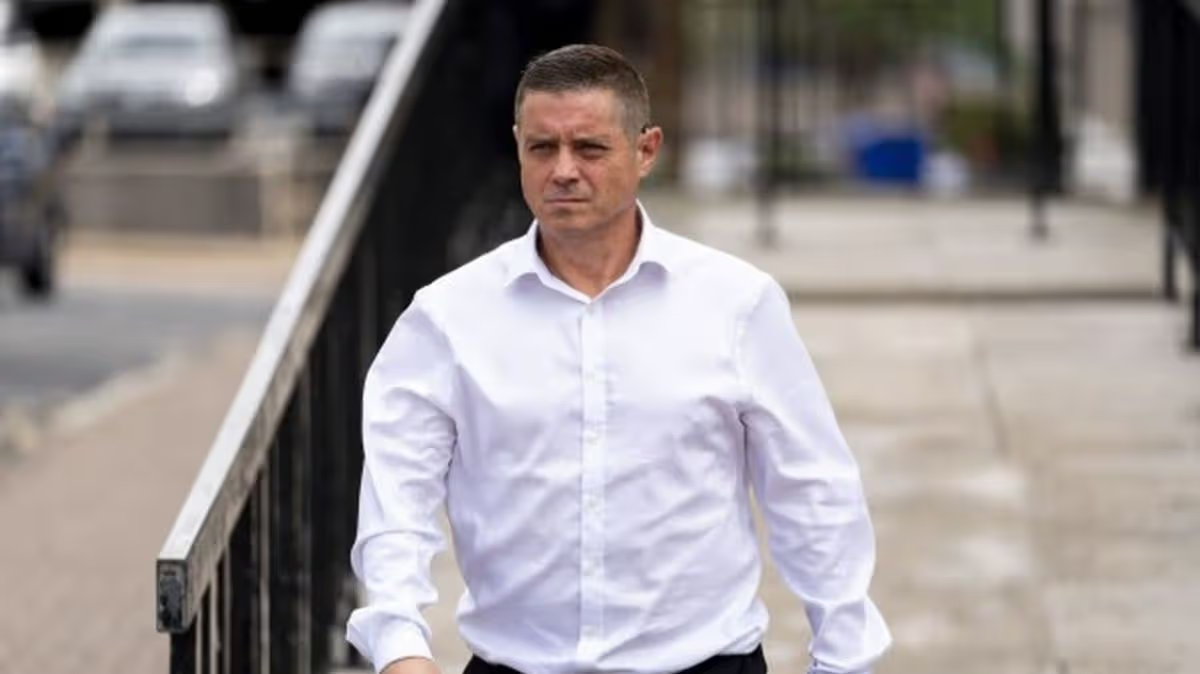
A friend of John Alford said the Scots-born actor had placed a winning bet on a race at Cheltenham before he was found dead in his prison cell.
Advertisement
The former Grange Hill and London’s Burning star died just weeks after he was sentenced to eight and a half years in prison.
The 54-year-old was found guilty on four counts of sexual activity with a child, alongside two further counts of sexual assault and assault by penetration involving a second young victim.
The Mirror reports his close friend, Justin Smith, posted on Facebook: “John liked a bet, he phoned his sister to put a bet on for him.”
The horse, with odds of 20/1, won the Albert Bartlett Novices’ Hurdle on Friday but John had already been found unresponsive.
Advertisement
Alford once had a promising career stretching through the 1980s and 1990s. However his fame faded, and in January he was jailed for eight and a half years following his conviction for child sex offences.
His death is now being investigated and a post-mortem is due to take place with further toxicology tests.
A Prison Service spokesman said: “John Shannon died in prison on 13 March 2026. As with all deaths in custody, the Prisons and Probation Ombudsman will investigate.”
John attended Anna Scher’s stage school from age 11 before securing a part in ITV sitcom Not and Then. His breakthrough came when he joined the cast of Grange Hill, taking on the character of Robbie Wright when he was 13.
Advertisement
During his tenure as Robbie, he participated in the show’s anti-drug campaign single, Just Say No. Alford’s acting career continued into adulthood when he landed the part of Billy Ray in London’s Burning, a role he held for five years. His final screen appearance came in 2017 as a prison guard in The Hatton Garden Job.
In September, he was convicted of sexually assaulting two girls, aged 14 and 15. Prosecuting barrister Julie Whitby told the court both victims were intoxicated when the assaults occurred. All offences took place at the residence of a third girl whose father was acquainted with Alford.
A third-party report was lodged with the police by the mother of the 15-year-old girl on 11 April 2022, as previously informed to the jury. The actor was arrested the next day after both girls were interviewed.
In his statement to the police, Alford claimed that one of the girls “kept on trying to kiss me” and had told him she was 17. He insisted: “At no point did I touch her in any sexual way whatsoever.”
Both victims submitted impact statements which were presented by a judge during the court proceedings before sentencing.
Get more Daily Record exclusives by signing up for free to Google’s preferred sources. Click HERE.
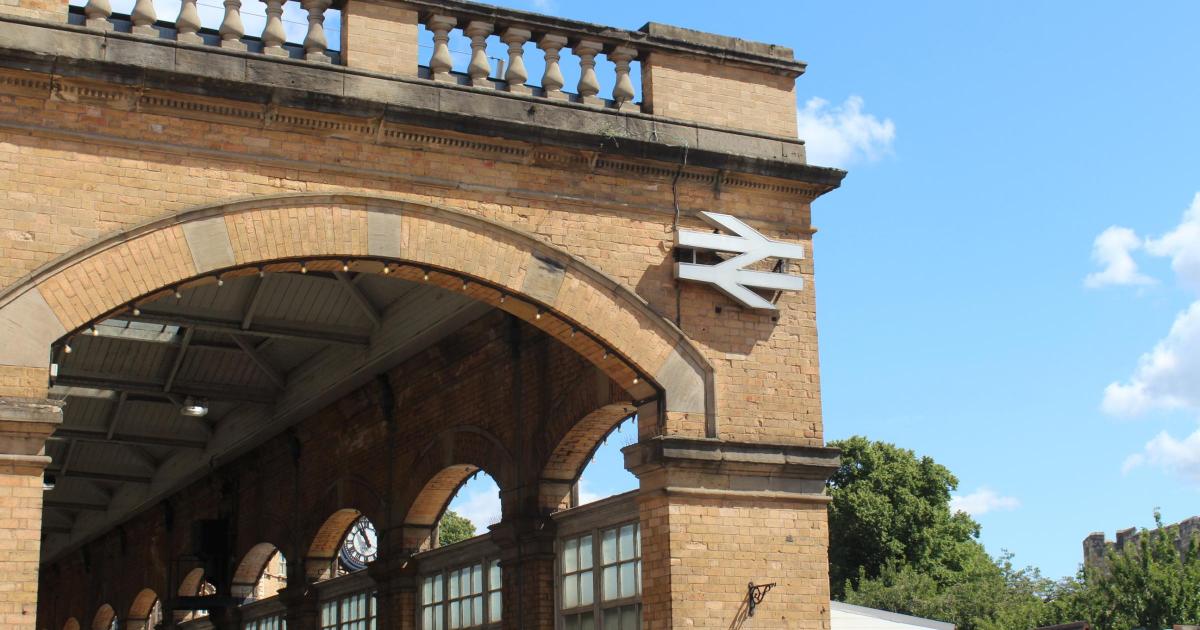
The tree has blocked a railway between York and Malton in both directions, forcing multiple services to be cancelled.
It comes after a TransPennine Express service was halted between the two destinations shortly after 9.20am.
Recommended reading:
Advertisement
Disruption is expected until 12pm today (Sunday, April 5), TransPennine Express has said.
A spokesperson for the train operator added: “Train services running from York to Scarborough in both directions may be cancelled or delayed by 60 minutes.
“Disruption is expected until 12pm.
“We are sorry for any inconvenience this may have caused to your journey today.
Advertisement
“If your journey has been delayed, you may be entitled to some compensation.
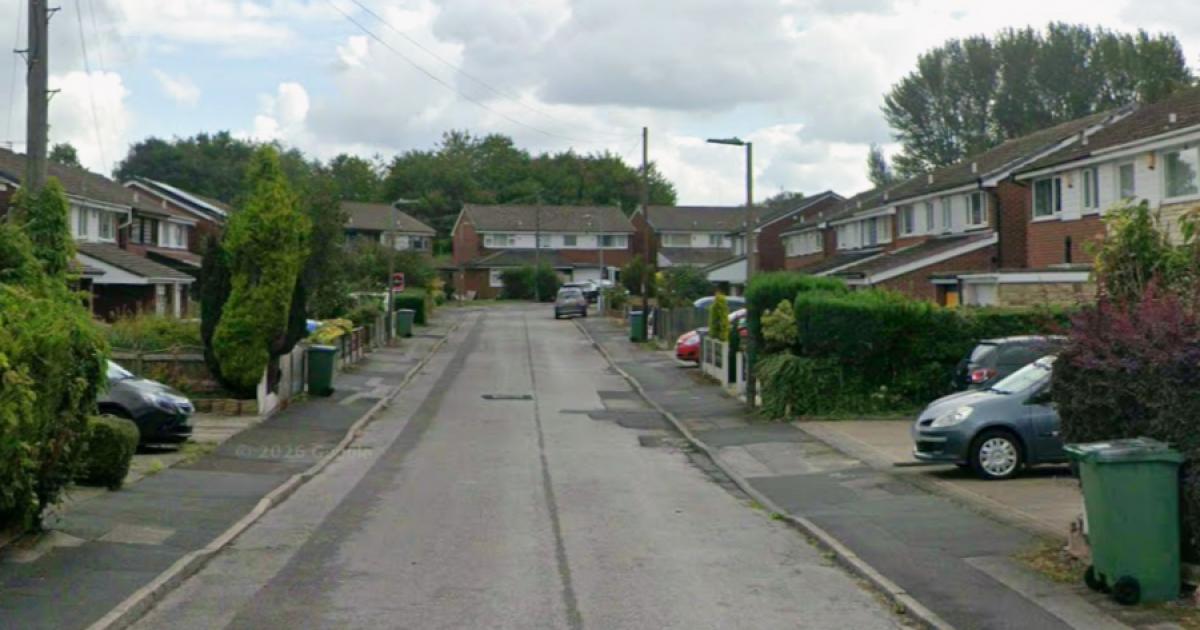
Greater Manchester Police (GMP) said the Criminal Investigation Department (CID) is investigating an incident at a home on Great Hall Close.
At around 2am on Saturday (April 4), it is believed a suspect attended the property and poured an accelerant through the letterbox, which was then set alight.
Police have confirmed that no injuries were sustained during the incident, with GMP now appealing for witnesses to come forward as they investigate the suspected attack.
Advertisement
Detective Sergeant Niamh McCarthy from Bury CID said: “We understand this incident may cause concern within the community; however, our assessment is that it was a targeted attack, and there is no risk to the wider public.
“Our enquiries to identify those responsible are ongoing, and we urge anyone with information that may assist our investigation to come forward.”
Anyone with any information, including mobile phone or CCTV footage, or anyone who witnessed the incident, is urged to call GMP on 0161 856 0312, quoting log 315 of 04/04/2026.
Spectators have been told to stay away from Durham’s Riverside ground at Chester-le-Street after it was hit by Storm Dave overnight.
The start of the third day’s play in the County Championship Division Two match between Durham and Kent has been delayed.
A club statement said “damage has been caused within the venue” and fans have been advised to stay away.
The statement continued: “The club have been in discussions with the match officials and venue staff this morning and following the impact on the pitch and structures within the ground it is confirmed that play will not commence on time, and a further update will be provided in due course.
Advertisement
“The safety of all in attendance is our number one priority in any decisions we make.”
The extent of the damage at the Riverside, an international cricket venue, has not yet been disclosed.
Stockton Waterfront will welcome its first visitors across the weekend of June 21 and 22 and will play host to a day of community-led celebrations as part of Stockton’s Armed Forces Day.
The opening marks the culmination of a five-year transformation of Stockton Town Centre.
Stockton Waterfront (Image: CHAPMAN BROWN PHOTOGRAPHY)
Councillor Richard Eglington, cabinet member for regeneration and housing at Stockton Council, said: “Stockton Waterfront urban park will be a nationally recognisable new space for the Borough’s residents and visitors.
“We are in the final stages of construction and subject to this timeline being met, we are very excited to be able to welcome people to the park in June.
Advertisement
“This is about repurposing Stockton to make it fit for the future and the exciting opportunities that will come from a development like this. The town will have more leisure space and more working space, as well as a retail presence, which is set to increase footfall.”
Stockton Waterfront (Image: CHAPMAN BROWN PHOTOGRAPHY)
The urban park reconnects the High Street to the River Tees via a land bridge, creating direct, uninterrupted access to the riverfront.
The design features a mix of flexible event spaces, including an amphitheatre, a central stage area, and a large oval lawn, supporting everything from specialist markets to large-scale public gatherings.
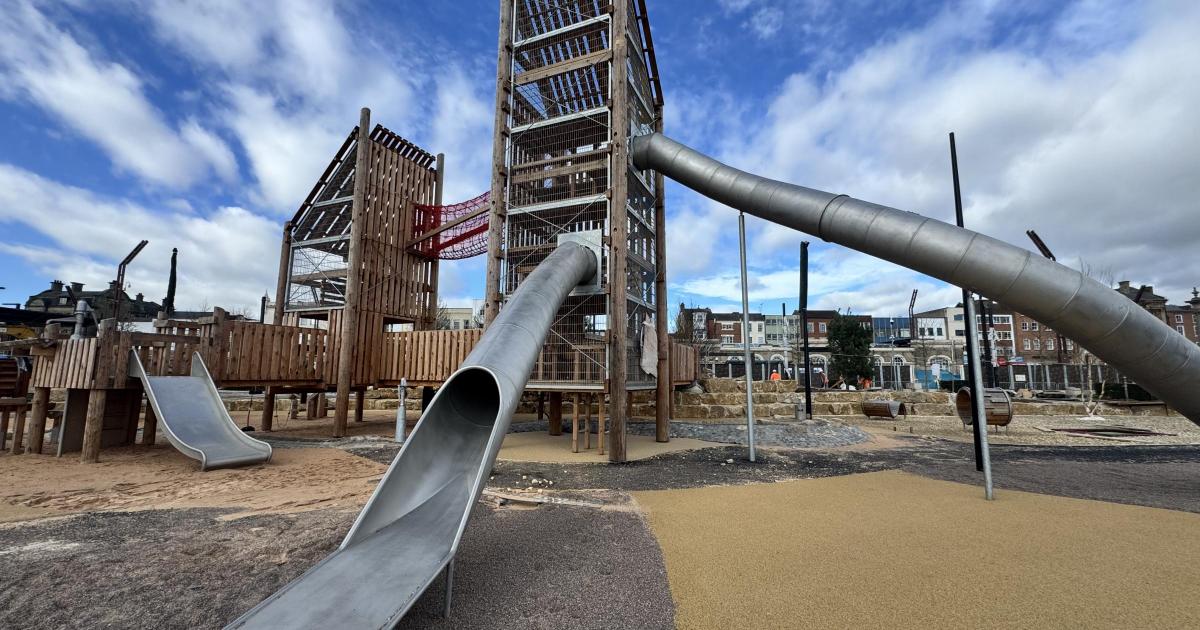
There are also three large-scale play zones for families, with standout attractions such as two large slides, an adventure path, and a tightrope walk.
Advertisement
Stockton Waterfront (Image: CHAPMAN BROWN PHOTOGRAPHY)
Final construction activities are under way, with the amphitheatre and play equipment installation close to being completed. Paving on the riverside area is continuing, with surfacing works beginning soon.
Planting has already been finished in the Finkle Gardens area, and 150 trees have been installed across the site.
Following this, Esh Construction will commence a phased handover of the site to the council during May.
Stockton Waterfront (Image: CHAPMAN BROWN PHOTOGRAPHY)
Stockton Council’s operational teams will then carry out inspections, equipment safety and compliance testing, signage installation, and other preparatory works throughout the site.
Advertisement
A Changing Places accessible facility will also be fitted out ahead of the grand opening.
The opening will include community previews, offering groups, young people, and stakeholders a first look at the space before it is fully open to the public.
Stockton Riverside (Image: CHAPMAN BROWN PHOTOGRAPHY)
Riverside Road, the A1305, will reopen following the Armed Forces Day celebrations.
Councillor Eglington believes the scheme reflects the council’s ambitions for a modern, vibrant town.
Advertisement
He said: “There’ll be something for everyone as they explore the different areas of the park and it will really set the scene for our world-class events programme in the future.
Stockton Riverside (Image: CHAPMAN BROWN PHOTOGRAPHY)
“This project is a unique opportunity to drive further change in the area and we have big plans to ensure Stockton is a place where people want to live, work and visit now and in the future.”
Steven Garrigan, divisional director at Esh Construction, said the project represents a significant chapter in Stockton’s regeneration.
Mr Garrigan said: “As we close in on completion, it’s incredibly rewarding to see Stockton Waterfront coming to life as a truly transformational space for the borough.
Advertisement
“This has been a complex and ambitious project, and we’re proud to be delivering an urban park that will be enjoyed by residents and visitors alike.
“The urban park marks an important milestone in the town’s wider regeneration journey.
“Along with our design partners Billinghurst, George and Partners and Ryder Architecture, we’ve worked closely with Stockton-on-Tees Borough Council throughout and remain fully committed to supporting a smooth handover.”
The urban park stands on the former site of Castlegate Shopping Centre and the Swallow Hotel, both of which were demolished in 2022 to make way for the new development.
Advertisement
It is expected to act as a catalyst for change, investment and external growth across the Borough.
However, it appears that Brooklyn’s love of cooking, who often posts video of his creations on social media, has started to rub off on Cruz.
Posting a video on Friday, Cruz cooked his girlfriend Jackie Apostel pancakes for breakfast, just days after Brooklyn’s wife Nicola Peltz said she loves the sweet treat.
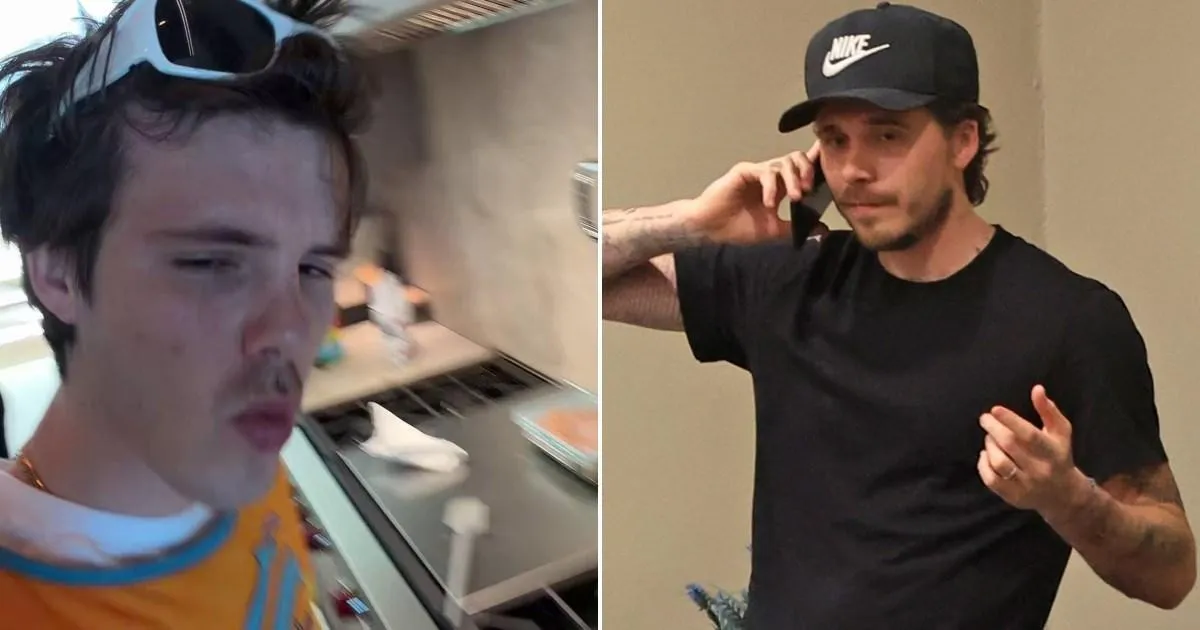
Brooklyn Beckham was seen having a serious conversation on the phone for 30 minutes outside the Sunset Plaza Hotel in West Hollywood (Picture: TURBO / BACKGRID)
Brooklyn seemed to be taking a tense phone call (Picture: TURBO / BACKGRID)
Writing on the caption, Cruz said: ‘She wants crepe, she got em’, as he filmed himself making the batter before adding Nutella.
Responding to the TikTok, Jackie commented that the pancakes were ’10/10′.
Previously, at the height of rumours of a family feud, musician Cruz responded to a TikTok comment asking: ‘Are you going to stick with this job or going to become a race car driver next or something?’
Throwing some shade in Brooklyn’s direction, Cruz replied: ‘Wrong brother mate’.
Advertisement
The 21-year-old made the pancakes for his girlfriend Jackie Apostel (Picture: cruzbeckham)
In a previous video, he then said ”wanna see the best cooking video ever ?👌 don’t watch this then’ as he shared a montage of clips from making a ‘cheesy potato soup’.
With Dolce Nonna playing in the background, the youngest Beckham boy joked that ‘as gross as it looks, it’s actually decent’.
Following him posting the clip, it didn’t take long for people to sense a hidden motive behind his social media content.
‘This is so passive aggressive. I love it!!’, commented @suzanneevans76.
Advertisement
The two brothers appear to have been feuding over social media (Picture: Getty)
Brooklyn Beckham said that he has no plans to reconcile with his family (Picture: Justin Goff Photos/Getty Images)
Ever wondered what Cruz’s gigs are like?
Metro’s Deputy Entertainment Editor Alana Anderson shared her experience…
Despite Brooklyn insisting he has no desire to reconcile with his family, Cruz still wished him a happy birthday earlier this month.
Stepping out in Paris, France, with his girlfriend, Jackie Apostel, 30, Cruz was asked by a TMZ videographer: ‘Any well wishes to your brother? It’s his birthday,’ to which he replied, ‘Happy birthday,’ with a smile.
Advertisement
The reporter then probed: ‘Any chance you guys will repair the relationship? Are you hopeful for that?’
‘Hopefully,’ Cruz said back, wishing the journalist a ‘lovely day’ before walking away.
Got a story?
If you’ve got a celebrity story, video or pictures get in touch with the Metro.co.uk entertainment team by emailing us celebtips@metro.co.uk, calling 020 3615 2145 or by visiting our Submit Stuff page – we’d love to hear from you.
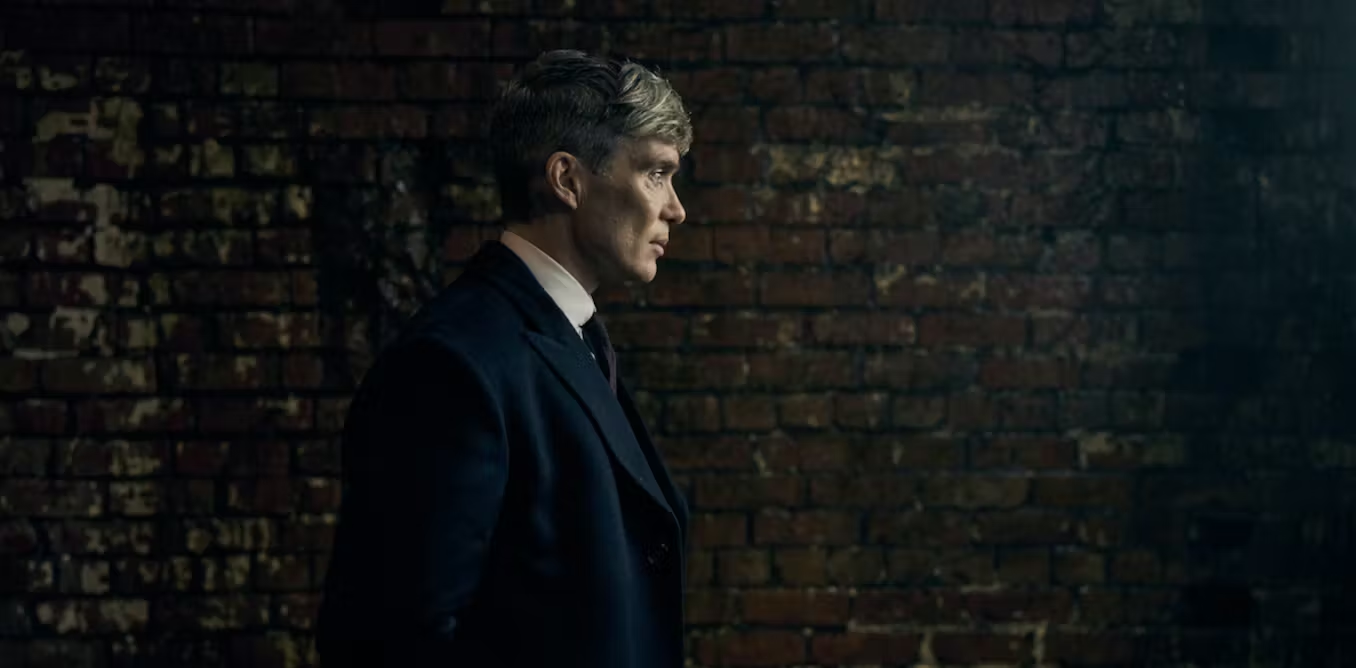
Tommy Shelby returns in Netflix’s new Peaky Blinders film, The Immortal Man, a figure defined by control, composure and calculated violence. He navigates risk, trauma and conflict with an almost unnatural endurance. No matter the pressure, he adapts, survives and remains in charge.
The Immortal Man follows Shelby as he navigates a tightening web of political intrigue and criminal threats beyond Birmingham, forced to operate at a higher, more dangerous level while struggling to maintain control. As power shifts and new alliances form, he is pushed into more dangerous territory, balancing strategy, loyalty and survival, while his past continues to shape his decisions.
Irish actor Cillian Murphy delivers a masterful performance, capturing Shelby’s authority while hinting at the strain beneath the surface.
As the film’s title suggests, Shelby reflects a broader cultural archetype: the “immortal man”. He is not literally invincible, but rather resilient – a character who absorbs damage without collapsing, who endures where others fall apart.
Advertisement
This figure appears consistently in crime drama – Vito and Michael Corleone in The Godfather, Jimmy Conway in Goodfellas, Tony Soprano in The Sopranos – and its popularity reveals something important about how we understand crime, masculinity and power.
Criminology has long challenged the idea that criminal figures are inherently irrational or chaotic. The “enterprise model” of organised crime reframes criminal activity as structured, profit-driven and responsive to market conditions.
From this perspective, participants resemble entrepreneurs operating within illicit economies rather than criminals. Tommy Shelby fits this model closely. His actions are calculated, with violence deployed as a means to an end rather than an impulse.
The emphasis falls on strategy, recognising opportunity, managing risk and consolidating power in ways that echo legitimate business practices. This framing shifts crime away from images of chaos and unpredictability, presenting it instead as controlled and methodical. Yet rationality alone is not enough to account for his appeal.
Advertisement
Masculinity, control and contradiction
Cultural criminology, particularly the work of Jeff Ferrell, draws attention to the symbolic and emotional dimensions of crime. It is not only about material gain, it is also about identity, meaning and representation. Shelby is not just an economic figure but a cultural performer. His authority is constructed through style, symbolism and reputation.
Control, in this sense, is not only exercised but communicated: his presence, speech and appearance are tightly managed, projecting authority through restraint as much as action. This stylisation makes organised crime seem structured and, for some audiences, appealing. The “immortal man” is therefore not just a survivor, but a figure who appears to master both his environment and himself.
This performance of control is inseparable from masculinity. Sociologist R.W. Connell’s concept of “hegemonic masculinity” (the dominant form of masculinity in society that shapes expectations of how men should behave) helps explain Shelby’s appeal.
Advertisement
He embodies authority, emotional restraint and the capacity to command. He leads decisively, conceals vulnerability and maintains dominance across different spheres of life. Yet what makes the character compelling is the tension within this model. Shelby’s authority is shaped by trauma – war, loss and psychological strain.
He aligns with the ideals of dominance while simultaneously revealing their cost. The “immortal man” is defined not by being invincible, but by his ability to endure and keep going under pressure.
In this sense, masculinity is not just power, but the ability to maintain control while carrying internal damage. Shelby intensifies this model, presenting a form of dominant masculinity rooted in survival, where dominance is sustained through emotional containment rather than the absence of vulnerability.
This tension reinforces a familiar expectation: that masculinity is proven through resilience without visible collapse. At the same time, it adds complexity, presenting strength and fragility as intertwined rather than oppositional.
Advertisement
In The Godfather both Michael Corleone and his father Vito exhibit the same tight control in terms of their own emotions and the people around them. Pictorial Press / Alamy
Sociologist Robert Merton’s strain theory suggests that when access to legitimate success is limited, individuals adapt by pursuing alternative routes.
Shelby’s trajectory reflects this logic. He does not reject the pursuit of wealth, status or influence, but he reworks the means of achieving them. Organised crime becomes a rational response to constraint, blurring the boundary between legitimate and illegitimate enterprise.
This is what gives the figure such resonance. Shelby appears to overcome structural limits while maintaining control, offering a version of success that feels both transgressive and recognisable. His appeal lies not only in what he achieves, but in how he achieves it: with certainty, authority and self-possession in contexts where those qualities feel increasingly scarce.
The endurance of this figure reflects wider cultural anxieties. In periods of instability, characters who impose order and act decisively become especially attractive. At the same time, as traditional models of masculinity are questioned, the “immortal man” offers a reassertion of clarity: an identity grounded in independence and dominance.
Advertisement
Shelby represents more than a criminal figure. He becomes a cultural response to uncertainty, embodying a form of masculinity and authority that promises control, even as it quietly reveals the strain required to sustain it.
Rethinking the ‘immortal man’
The issue is not that audiences engage with these narratives, but that their underlying assumptions often go unexamined. The “immortal man” ties together masculinity, power and violence in ways that appear natural but are, in fact, constructed. Authority is best demonstrated through domination, that emotional restraint is a marker of strength, and that success justifies the means by which it is achieved.
These associations are reinforced through repetition. Criminological research offers a more complex picture. Organised crime is rarely as stable or controlled as it appears on screen. It is often characterised by volatility, exploitation and harm, frequently directed at the most vulnerable.
What figures like Shelby offer, then, is not a reflection of reality, but a compelling simplification of it, one that continues to resonate because it speaks to enduring questions about power, identity and control in uncertain times.
Advertisement
There is, ultimately, nothing immortal about men like Tommy Shelby. What endures instead is the narrative itself: a story that continues to resonate because it speaks to persistent anxieties about inequality, control and the limits of legitimate success.
Arsenal’s FA Cup run ended abruptly following a shock defeat at Southampton (Picture: Getty)
Former Arsenal star Kieran Gibbs highlighted one shining light from Arsenal’s defeat at Southampton who he hopes has given Mikel Arteta some serious food for thought.
Instead, a heavily rotated side were outfought and outplayed by a Saints side who tore into their opponents and capitalised on some uncharacteristic defensive uncertainty.
Advertisement
Arsenal looked as though they were set to take control of the tie when substitute Viktor Gyokeres equalised midway through the second half but more ponderous defending allowed Shea Charles to grab a late winner for the Championship side.
The one bright spark for Arsenal was represented by the performance of Max Dowman who impressed on the right wing before being given even more responsibility in the N.10 role following Martin Odegaard’s withdrawal.
Arsenal’s teenage prodigy has already produced one matchwinning cameo in recent weeks having come of the bench to create history in the victory against Everton that helped open up a nine-point lead at the top of the Premier League table.
Get your football fix
Metro‘s weekly newsletter In The Mixer delivers punchy analysis and breakdowns of the biggest football stories directly to your inbox.
Successive cup defeats and the international break have combined to kill the momentum generated by Dowman’s exploits against the Toffees but Gibbs believes he should be given license to feature more regularly during the run-in.
Advertisement
Asked if Dowman’s latest eye-catching performance would’ve changed Arteta’s view on how he uses the latest gem to roll off the Hale End Academy production line, Gibbs said: ‘I think given the performance today, yes. Everything from Arsenal today came through him.
‘He was one of the bright sparks in today’s otherwise pretty average performance. Will he go and put that pressure on him in the Premier League and Champions League remains to be seen.
‘I think he looks ready, he’s not a player who really plays the occasion he plays the game with what’s in front of him.
‘That’s why he’s such a special talent because he has the ability to take in a lot of information and have his speed of thought and execution is so high to at least get into the opponents box or get a corner.
Advertisement
‘That is what he’s been so good at. Will he go and put him in in these next few Champions League and Premier League games when he’s used a certain formula that hasn’t involved him as much up until this point?
‘For me no. I don’t think he will rely heavily on him. He’ll probably get him in the squad and get him involved and put him in if he really needs to if they’re trying to find an answer and they just can’t.
‘I think that’s how he’ll be used. But, at the same time he himself has made a case to play in these big games.’
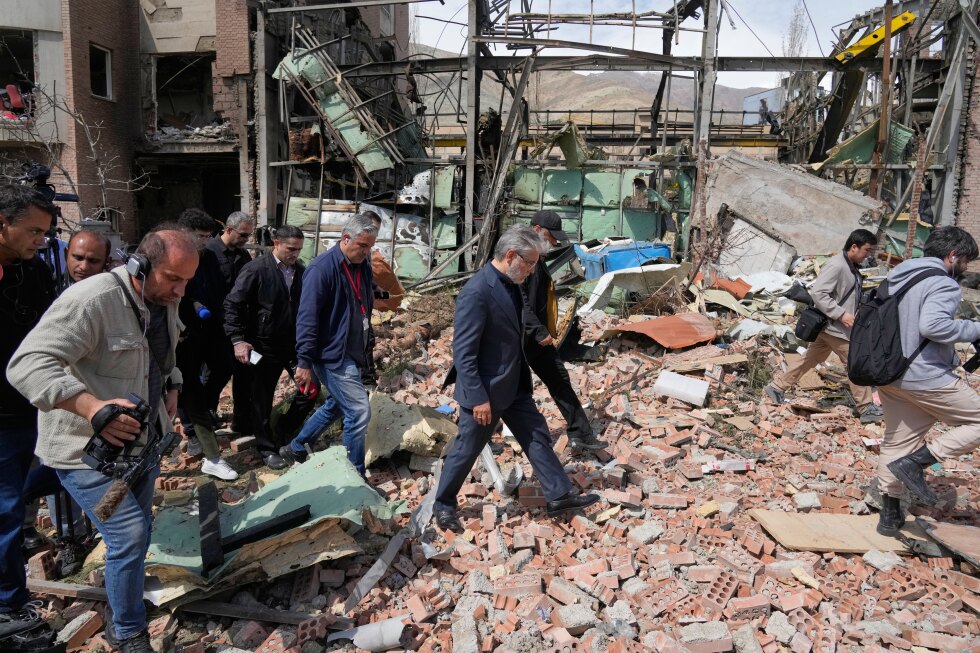
TEL AVIV, Israel (AP) — U.S. President Donald Trump warned Iran to open the crucial Strait of Hormuz by his Monday deadline and Tehran called his threat “unbalanced and foolish.” The search for a missing U.S. military pilot continued Saturday in a remote part of the Islamic Republic.
Trump has called Tehran “beaten and completely decimated ” in the war, now in its sixth week, but the downing of two U.S. warplanes on Friday and Iran’s call to find the “enemy pilot” have again raised the stakes.
“The doors of hell will be opened to you” if Iran’s infrastructure is attacked, Gen. Ali Abdollahi Aliabadi with the country’s joint military command said late Saturday in response to Trump’s renewed threat, state media reported. In turn, the general threatened all infrastructure used by the U.S. military in the region.
The war began with joint U.S.-Israel strikes on Feb. 28 and has killed thousands, shaken global markets, cut off key shipping routes and spiked fuel prices. Both sides have threatened, and hit, civilian targets, bringing warnings of possible war crimes.
Advertisement
“We will continue to crush them,” Israeli Prime Minister Benjamin Netanyahu said, and confirmed that Israel’s military struck a petrochemical complex in Mahshahr that he said helps to fund the war. Five people were killed and 170 injured, Iranian state media reported, citing a provincial security official.
The Atomic Energy Organization of Iran said that an airstrike hit near its Bushehr nuclear facility, killing a security guard and damaging a support building. The head of Russia’s state nuclear corporation, Rosatom, said that 198 workers were being evacuated. It was the fourth time the facility was targeted.
Advertisement
AP AUDIO:US and Iran race to find missing crew member from downed military plane
AP correspondent Julie Walker reports one US service member is still missing after his plane was shot down over Iran.
Hopes for talks
Pakistan’s Foreign Ministry spokesperson, Tahir Andrabi, told The Associated Press that his government’s efforts to broker a ceasefire are “right on track” after Islamabad last week said that it would soon host talks between the U.S. and Iran.
Advertisement
Iran’s foreign minister, Abbas Araghchi, said that Iranian officials “have never refused to go to Islamabad.”
Mediators from Pakistan, Turkey and Egypt were working to bring the U.S. and Iran to the negotiating table, according to two regional officials.
The proposed compromise includes a cessation of hostilities to allow a diplomatic settlement, according to a regional official involved in the efforts and a Gulf diplomat briefed on the matter. They spoke on condition of anonymity to discuss closed-door diplomacy.
Trump reminded Iran of his deadline in a social media post: “Remember when I gave Iran ten days to MAKE A DEAL or OPEN UP THE HORMUZ STRAIT. Time is running out — 48 hours before all Hell will reign down on them.”
Advertisement
A missing US pilot
The U.S. warplane, identified by Iran as a F-15E Strike Eagle, was one of two attacked on Friday. Iran’s joint military command on Saturday said that it also struck two U.S. Black Hawk helicopters, but the AP couldn’t independently verify that.
The search for the U.S. pilot focused on a mountainous region in Iran’s southwestern province of Kohgiluyeh and Boyer-Ahmad. An anchor on a channel affiliated with Iranian state television urged residents to hand over any “enemy pilot” to police.
In an email from the Pentagon, obtained by the AP, the military said that it received notification of “an aircraft being shot down” in the Middle East. A U.S. crew member was rescued. The Pentagon notified the U.S. House Armed Services Committee that the status of a second service member wasn’t known.
Trump told NBC News that what happened wouldn’t affect negotiations with Iran.
Advertisement
Iranian state media reported that airstrikes in southwestern Iran on Saturday killed at least three people and wounded others — in the same area where the missing American crew member is believed to be.
A second U.S. Air Force combat aircraft went down in the Middle East on Friday, according to a U.S. official, who spoke on condition of anonymity to discuss a sensitive military situation. It wasn’t clear if the aircraft crashed or was shot down, or whether Iran was involved.
Iranian state media said a U.S. A-10 attack aircraft crashed in the Persian Gulf after being struck by Iran’s defense forces.
Oracle’s Dubai headquarters struck
The Dubai offices of tech company Oracle was hit after Iran’s paramilitary Revolutionary Guard threatened the firm. Footage verified by the AP outside the UAE showed a large hole in the building’s southwestern corner.
Advertisement
The sheikhdom’s Dubai Media Office, which speaks for its government, noted a “minor incident caused by debris from an aerial interception that fell on the facade,” saying there were no injuries. Oracle Corp., based in Texas, didn’t immediately respond to a request for comment.
The Guard has accused some large U.S. tech companies of being involved in “terrorist espionage” operations against the Islamic Republic and called them legitimate targets. Amazon Web Services facilities in the UAE and Bahrain were hit in earlier drone strikes.
The Bab el-Mandeb Strait
Iran’s parliamentary speaker, Mohammad Bagher Qalibaf, issued a veiled threat late Friday to disrupt traffic through a second strategic waterway in the region, the Bab el-Mandeb.
The strait, 32 kilometers (20 miles) wide, links the Red Sea with the Gulf of Aden and the Indian Ocean. More than a tenth of seaborne global oil and a quarter of container ships pass through it.
Advertisement
“Which countries and companies account for the highest transit volumes through the strait?” Qalibaf wrote.
More than 1,900 people have been killed in Iran since the war began.
In Gulf Arab states and the occupied West Bank, more than two dozen people have died, while 19 have been reported dead in Israel and 13 U.S. service members have been killed. In Lebanon, more than 1,400 people have been killed and there have been more than 1 million displaced people. Ten Israeli soldiers have died there.
___
Advertisement
Jon Gambrell reported from Dubai, United Arab Emirates, and Samy Magdy from Cairo. Munir Ahmed in Islamabad; Dasha Litvinova in Tallinn, Estonia; and Konstantin Toropin, Seung Min Kim, Will Weissert, Michelle L. Price, Lisa Mascaro and Ben Finley in Washington, contributed to this report.
For the first time in a long time, I felt safe (Picture: Rachel Watkyn)
When I first stood in front of the mirror after my double mastectomy, I felt something completely unexpected.
I was prepared for heartbreak, expecting to cry and see loss staring back at me. I had rehearsed the moment in my head for weeks, anticipating the inevitable grief.
In 2006, my elder sisterwas diagnosed with stage 4 breast cancer at 38, just after giving birth to her daughter. I remember the disbelief. She was young and fit.
But in 2011, our mother, aged 72, was taken into hospital with what appeared to be a simple infection.
By 2016, I was 45 with a growing sense that something wasn’t right (Picture: Rachel Watkyn)
She died before doctors could even give a full diagnosis. Afterwards we were told her brain was riddled with cancer.
It came as a complete surprise to all of us because she had seemed so healthy only two months previously.
In hindsight small signs were there (such as slight lack of memory), but I guess we just put it down to her getting older – not that there was something seriously wrong.
There was no long decline or drawn-out interventions, which in some ways was a mercy.
By 2016, I was 45 with a growing sense that something wasn’t right. I didn’t have a lump or any symptoms of cancer like skin blemishes. Just a persistent instinct I needed to be checked.
I asked my GP for a mammogram, which luckily was instantly approved, and itrevealed early-stage breast cancer. While I’d had a hunch this was the case, it was still devastating. I underwent a lumpectomy followed by five weeks of radiotherapy.
I underwent a lumpectomy followed by five weeks of radiotherapy (Picture: Rachel Watkyn)
As I signed consent forms, the doctors told me that, in rare cases, the radiation itself can cause cancer later on. I decided to go ahead with the treatment anyway; there was no other choice.
Two years later, the explanation to our family’s struggles emerged.
Advertisement
My elder sisterunderwent genetic testing and discovered our family carries Li-Fraumeni syndrome, a rare TP53 mutation which dramatically increases the risk of multiple cancers and makes radiation particularly risky.
By then, both of us had already had radiotherapy.
My sister was soon diagnosed with lung cancer on the same side as her previous breast treatment. We suspected this could have been due to radiotherapy treatment and none of the doctors could deny the possibility.
I did not wait. Driven by the same instinct which had prompted my mammogram, I paid privately for a full-body MRI. Two days after I was diagnosed with a small tumour in my right lung.
My sister was not as fortunate, her cancer was too advanced by this point. She died in 2021, at 52, three years after her diagnosis, during which she endured medication that knocked her sideways and limited her quality of life.
The safest route was to remove both breasts completely and reduce the risk as much as possible (Picture: Rachel Watkyn)
My life, meanwhile, became measured in six-month scans, an endless cycle of uncertainty.
The psychological strain of living knowing your genetic code carries such high risk makes every appointment feel like waiting for a doomed verdict. It was exhausting.
In 2022, during routine screening, another tumour was found in my remaining breast.
For me, it was no longer an option, due to my TP53 mutation and the dangerously high chance the cancer would come back in the breast tissue.
The safest route was to remove both breasts completely and reduce the risk as much as possible.
I couldn’t have reconstruction surgery due to not having enough flesh in other places, so my only options were implants or nothing, so I opted for the former.
Advertisement
Before the operation, I asked my surgeon about my nipple tattoos, assuming they’d be removed.
He looked at me and said simply, ‘We’re not taking your nipples.’ In my case, they could be preserved. I hadn’t even known that was possible. It felt oddly symbolic.
My husband Steve stood beside me through every scan and diagnosis, steady and unflinching. Even so, when undressing in front of him after surgery, I felt nervous, almost like damaged goods.
It crossed my mind that he would rather be with someone else who didn’t look like a permanent stab victim.
Advertisement
I even felt at one stage it would be kinder to leave him, so that he wouldn’t have to keep going through all the trauma with me. He made it quite clear he was standing by me.
I lost family and had my body altered more than once. However, I have learnt the importance of advocating for myself (Picture: Rachel Watkyn)
In the end, the surgery was traumatic, but did not erase me. When I finally saw my reflection, I did not see disfigurement, but a decision made from strength rather than fear.
People will always make assumptions. Following my surgery, Steve and I were walking along a beach one day, when I passed a small group of women. One glanced at my chest and muttered, ‘Fake.’
I almost smiled. If only she knew.
Mastectomy is so often framed solely as loss. And for many women, it is. But it can also be empowerment and peace.
Advertisement
I lost family and had my body altered more than once. However, I have learnt the importance of advocating for myself.
Every tumour the doctors found was because I listened to a feeling inside and pushed for answers.
Now, my breasts represent so much to me: vigilance, science and trusting my instincts.
And, sometimes, what you feel most is relief, even when it seems everything is crumbling down.
Sunscreen may be the most important step in any skincare routine, but it is also the one most likely to be skipped.
Many are put off by greasy, pore-clogging formulas, but thanks to modern UV filters and improved ingredient formulations, the latest sunscreens are a world away from the sticky, heavy creams that gave SPF a bad name.
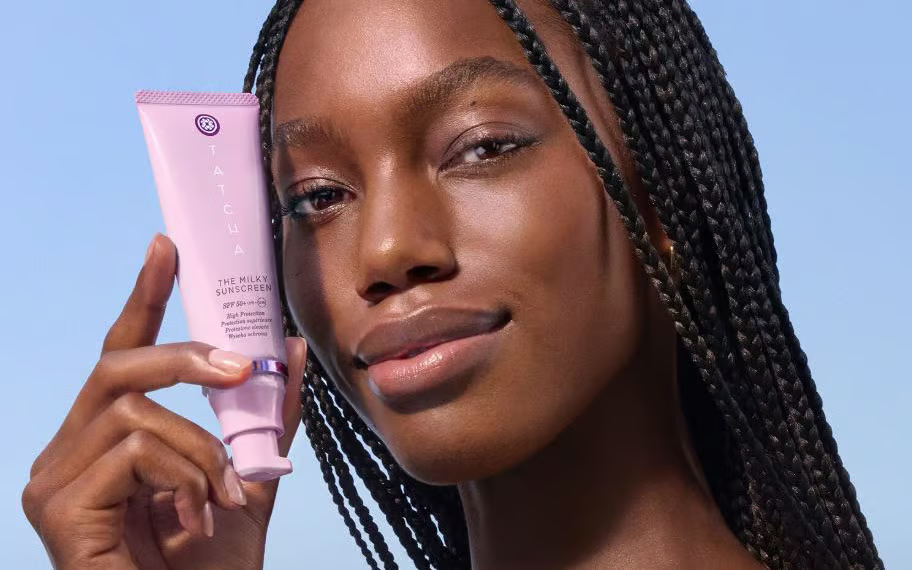
The most impressive formulas now come in the form of SPF serums, a new generation of thinner, more fluid textures that absorb quickly, leave no residue and deliver high protection while feeling just like skincare.
This new category of sunscreen is particularly useful if you’re oily or prone to spots. “Some sunscreens are richer or more occlusive, which can trap oil, sweat and dead skin cells and lead to clogged pores, particularly in acne-prone skin,” explains Dr Derrick Phillips, consultant dermatologist. “If you’re prone to breakouts, it’s worth looking for lighter, non-comedogenic formulations, such as serum, fluid or gel textures.”
Serum-style formulas also sit more comfortably alongside other skincare products and makeup. Where other formulations can pill or leave your makeup sliding down your face after a couple of hours, many SPF serums double as the perfect base for makeup and even help to control excess oil production.
That said, the guidance surrounding sunscreen application still applies, regardless of whether your SPF is a serum or cream. “You need to wear SPF every day to prevent UVA and UVB rays from damaging the skin,” says Dr Ahmed El Muntasar, GP, aesthetics doctor and owner of The Aesthetics Doctor. “UVA rays are responsible for premature ageing. They’re present all year round and can penetrate glass. Unless you are literally in a dark room or a room with no windows all day, daily SPF is recommended,” he adds.
Unlike traditional serums, SPF serums should be the last step of your routine rather than layered under moisturiser or other skincare products. “Start with cleansing, then apply any treatment products, followed by a moisturiser. Your sunscreen goes on last, before makeup,” explains Dr Phillips. Being generous with your application is important too. “Most people underapply, which significantly reduces the level of protection,” Dr Phillips adds. “As a guide, you need around two finger lengths of product for the face and neck to achieve the SPF on the label.”
Knowing how to apply your sunscreen correctly is key, but picking the right one for your skin can make all the difference as to whether you actually wear it. So, whether you’re giving next-gen SPF serums a first try or you’re simply fed up with your current sunscreen causing clogged pores or spots, read on – I may have found the SPF serum to suit you.
Advertisement
As a beauty journalist of over nine years and someone who wears daily SPF, I have a discerning eye when it comes to testing sunscreen.
For each product, I took note of the texture of the formula, how well it applied, what it felt like on my skin, how it wore under makeup and whether it left a white cast on my skin.
I also considered the price and value for money, any skincare benefits, the packaging and how much I actually enjoyed using it in order to give a well-rounded review.
Despite all of these SPF serums being fantastic in their own way, I’m hard-pressed to put any above SunsolveMD’s Volumize + Restore Sunscreen SPF 40+ PA++++. The perfect option for undetectable, high-level protection, it feels hydrating without being sticky, doesn’t irritate sensitive skin types and actively helps to strengthen a damaged skin barrier.
Advertisement
That being said, my runner-up would have to be La Roche-Posay Anthelios UVAIR Serum Sunscreen SPF50. A great all-rounder and slightly more affordable, it’s an easy product to slot into your skincare routine every morning and won’t wreak havoc with your makeup.
What’s the difference between a chemical and mineral SPF?
“The main difference between a chemical and mineral SPF comes down to how the filters are formulated and how they interact with UV radiation,” explains Dr Phillips. “Mineral sunscreens are made using zinc oxide and titanium dioxide. They sit on the surface of the skin and predominantly absorb UV radiation, converting it into a small amount of heat, with a small degree of reflection and scattering. They begin working as soon as they are applied.”
Chemical sunscreens differ slightly and need to be applied well in advance. “Chemical SPFs contain filters that absorb harmful UV radiation and convert it into heat before it can damage the skin,” says Dr Phillips. “They need to be applied around 15 to 20 minutes before sun exposure to allow an even protective film to form.”
Advertisement
When compared, mineral and chemical sunscreens can behave differently on the skin too. Mineral-based formulas are more likely to leave a white cast but tend to be better tolerated by those with sensitive skin, whereas chemical formulations typically absorb well and leave no residue, but can irritate sensitive skin types.
Can you still tan while wearing sunscreen?
A common misconception is that you can’t tan while wearing sunscreen, but according to Dr El Muntasar, this is far from the truth. “You still tan while wearing sunscreen,” he says. “SPF reduces the amount of UV reaching the skin but does not block it entirely, which is why some tanning can still occur.”
Ask any skin expert and they’ll tell you that a suntan is not recommended for healthy skin and it’s actually a sign of cell damage. So, if you want a healthy glow then fake tan is the way to go.
Advertisement
Is SPF50 better than SPF30?
SPF50 does offer more protection than SPF30, but according to Dr Phillips, the difference is often misunderstood. “SPF30 blocks around 97% of UVB rays, while SPF50 blocks about 98%,” he explains. “That sounds small, but it’s more helpful to look at what gets through. SPF30 allows about 3% of UVB to reach the skin, whereas SPF50 allows around 2% so in relative terms, SPF30 lets through roughly 50% more UV.”
As a general rule, going for a higher sun protection factor is generally more favourable if you want to avoid cell damage and premature ageing, so aim high.
Does makeup with SPF count?
Advertisement
It might be tempting to skip the sunscreen if your makeup contains SPF, but Dr Phillips advises against this. “To achieve the SPF on the label, sunscreen needs to be applied quite generously. In reality, most people apply far less makeup than this, so the level of protection you get is significantly lower than advertised.”
“Make-up with SPF can contribute to your overall protection, but it’s very unlikely to be enough on its own,” says Dr Phillips. “I would still recommend using a dedicated sunscreen as your base layer, with SPF in make-up acting as a useful top up rather than your sole source of protection.”













































You must be logged in to post a comment Login