India‘s air accident investigators are preparing to release an anniversary report into the crash involving a London-bound Air India flight that killed 260 people last year.
The Boeing 787-8 Dreamliner with 242 people on board crashed in Gujarat, western India seconds after take-off on 12 June, slamming into a medical college’s hostel outside Ahmedabad airport and erupting in a fireball. One passenger, a British citizen, miraculously survived the crash, while another 19 people were killed on the ground.
Under international regulations, investigators must aim to provide a final accident report one year after an incident, revealing what they have found about the probable cause of the crash and providing recommendations on how to avoid similar incidents in the future. If they cannot do so, they must release an update on their investigation on each anniversary of the crash.
Many questions remain unanswered about what went wrong with Air India Flight 171, with both bereaved families and those injured on the ground anxiously awaiting the accident report – not least because a host of lawsuits filed against Air India and Boeing are now proceeding through the courts in both the UK and US alleging culpability on the part of the airline and manufacturer.
Advertisement
India’s civil aviation minister said last month that the investigation was in the “last stage” and that the report would “mostly” be ready by the one-year anniversary date. “However, the investigation is being done by the Aircraft Accident Investigation Bureau (AAIB) and we don’t interfere in it,” Ram Mohan Naidu told reporters. “We are giving them all the resources they need.”
When will the Air India report be released?
India’s authorities were prompt in releasing a preliminary report into the crash last year, exactly 30 days after the incident in line with their international obligations.
Mr Naidu has said investigators are trying to complete their work “as soon as possible”, while the AAIB said on 20 May that their report will be published “as soon as the investigation is completed and accepted for publication”.
Advertisement
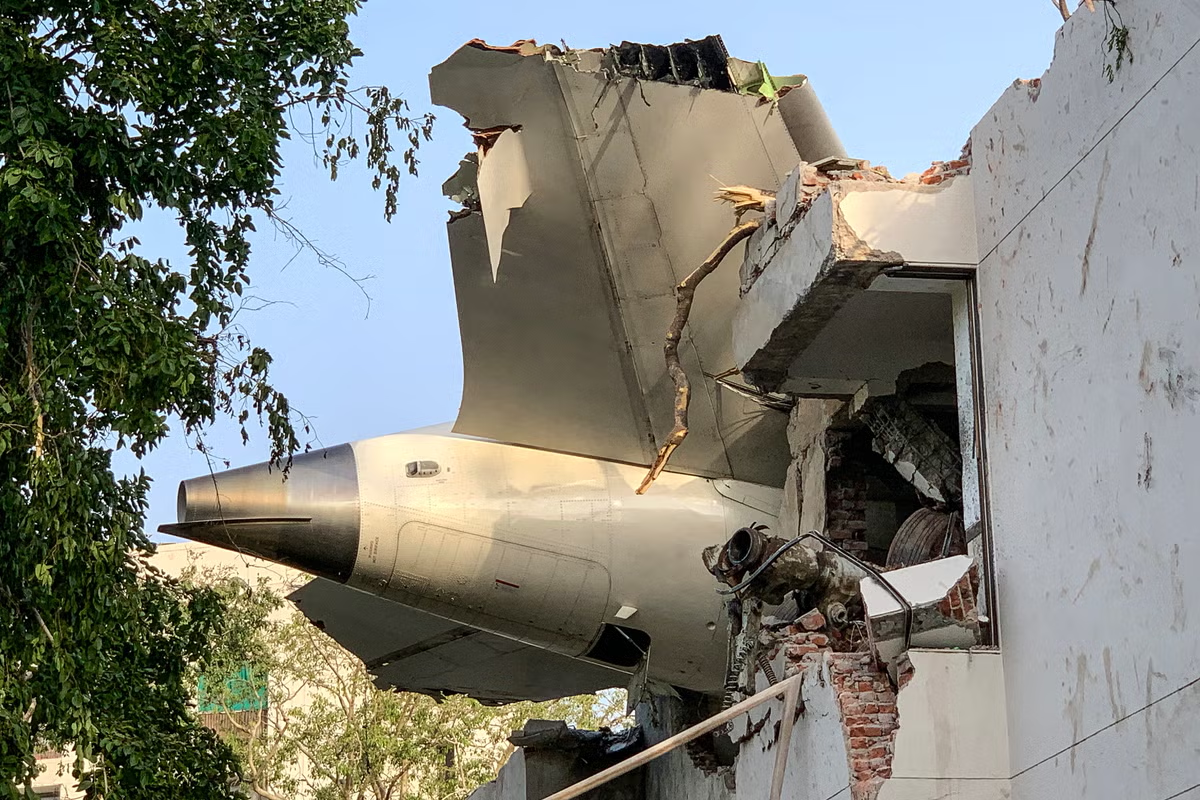
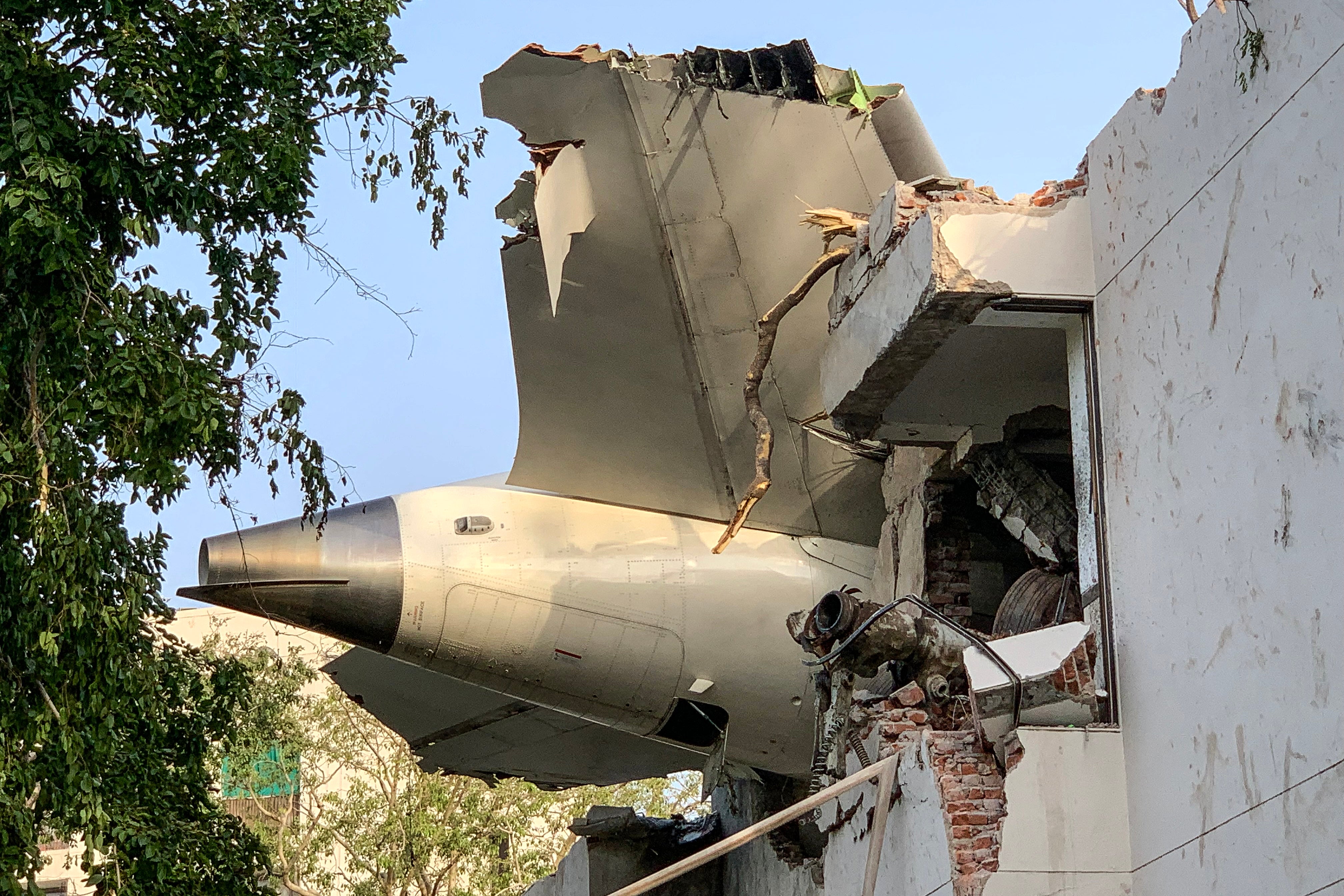
The back of Air India flight 171 is pictured at the site after it crashed in a residential area near the airport in Ahmedabad on 12 June 2025 (AFP/Getty)
Officials have not committed to releasing their final findings by the 12 June anniversary of the crash, however, and media reports indicate that it is more likely an “interim” report will be produced instead. A source told Reuters it would not be a final report because “it is a very complex investigation and is taking time”, and that a timeline for the final report remained unclear.
There is plenty of precedent for final crash reports taking longer than the ideal target of one year stipulated by the UN’s aviation body. The final safety report after MH370’s 2014 disappearance was published four years later, for instance, while a revised final report into United Airlines Flight 585’s 1991 crash was published over 10 years later.
What did the preliminary report say?
Last year’s preliminary report stuck to providing the factual sequence of events, stopping short of any causal analysis and leaving deeper questions unanswered. It claimed that three seconds after taking off, both the aircraft’s fuel control switches almost simultaneously flipped from “run” to “cutoff”, starving the engines of fuel.
The switches returned to the “run” position after about 10 seconds. It was too late. Moments later, one of the pilots transmitted a “Mayday, Mayday, Mayday” call.
Advertisement
The plane immediately began to lose thrust and sank. One pilot could be heard on the cockpit voice recorder asking the other why he had cut off the fuel. “The other pilot responded that he did not do so,” the report noted. An auxiliary power unit intended to provide power to the aircraft in the event of engine failure deployed automatically, but did not provide enough lift to prevent a catastrophic crash into a hostel at Byramjee Jeejeebhoy Medical College.
The 15-page preliminary report assigned no blame, identified no cause and didn’t conclude whether the crash was the result of technical failure, human error, maintenance issues, or systemic oversight gaps.
However, it sparked a media trial of the pilots, first officer Clive Kunder, 32, who was flying, and captain Sumeet Sabharwal, 56, who was observing. US officials have said that the cockpit recording supports the view that it was the captain who cut the flow of fuel to the plane’s engines, while the captain’s family have petitioned India’s top court to try and clear his name.
What will the report uncover?
Advertisement
The AAIB says its investigation “is looking into each and every factor to identify the root cause/ contributory factor(s) leading to the accident”. It said its final report would also issue safety recommendations to avoid a repeat of such accidents in the future, although it’s not immediately clear how much this point will be covered in the interim report.
Independent aviation experts hope the report will shed more light on theories beyond pilot action that have emerged since the crash, including a possible electrical fault. The lone survivor of the crash, Viswashkumar Ramesh, has described how the lights flickered inside the plane just before it started to fall – some experts say this could point to a water leak.
Pilots Sumeet Sabharwal (L) and Clive Kunder (Supplied)
According to the Foundation for Aviation Safety, an advocacy group in the US, the specific Boeing aircraft involved had a record of technical and electrical failures.
It entered service with Air India in 2014 and went on to suffer a series of system failures, including an electrical fire in 2022 which led to the replacement of core system components, the group said in a submission to the US Senate. The issues, it alleged, were caused by “a wide and confusing variety of engineering, manufacturing, quality, and maintenance problems throughout its 11-year life”.
Boeing’s chief executive Kelly Ortberg had offered the manufacturer’s “deepest condolences” to the victims after the crash, and said Boeing “stands ready to support the investigation led by India’s Aircraft Accident Investigation Bureau”.
Advertisement
The Independent has reached out to Air India, Boeing and the AAIB for a statement. Boeing has previously referred media inquiries to the Indian authorities, citing the ongoing crash investigation.
SEATTLE (AP) — The bullets that killed two bystanders during a shootout at a crowded Seattle food festival last weekend do not appear to have come from the gun that a 15-year-old arrested at the scene was firing, police said in court documents filed Wednesday.
The King County prosecutor’s office filed charges of first-degree assault with a firearm enhancement as well as unlawful possession of a handgun by someone under 18. In a statement supporting the charges, police said the teen was seen firing an untraceable ghost gun into a crowd, but preliminary testing of bullets recovered from the two bystanders killed showed they did not match that weapon.
Shell casings found at the scene of Sunday’s shooting indicate four weapons were fired during the shootout, the document said.
Police say a 19-year-old suspect died in the gunbattle, and that as police escorted the 15-year-old past that suspect’s body, the 15-year-old said, “Love you bro.”
Advertisement
Police have been trying to identify at least one other person involved in the shooting. The statement did not indicate who might have fired the bullets that killed the bystanders.
The shooting in the waning hours of the three-day Bite of Seattle festival left three people dead, including a 19-year-old gunman, and at least four people injured, including a toddler. Authorities say they believe the violence was gang-related, and they are reviewing any available surveillance video and interviewing victims and witnesses in an effort to identify others who may have been involved.
An eighth person with a possible gunshot wound checked themself into a Seattle hospital after the shooting, but checked out before investigators could conduct an interview, Police Chief Shon Barnes said Tuesday. Legal obstacles have prevented detectives from obtaining the patient’s identity, he added. It’s unclear if the injury was related to the festival shooting or whether the person might have been involved in it, but Barnes asked for the person to come forward and speak with investigators.
Prosecutors on Wednesday asked a judge to move the case to adult court, a decision that can take months after the judge considers arguments from both sides.
Advertisement
If the teen is convicted as an adult, the charges would carry a sentencing range of about eight to 10 years in prison, plus possibly another five years for the firearm enhancement. However, judges in Washington may also choose to sentence juveniles as juveniles even if they are convicted in adult court.
Advertisement
Sign up for Morning Wire:
Our flagship newsletter breaks down the biggest headlines of the day.
In juvenile court, the charges would carry a sentencing range of two to 2 1/2 years. It was not immediately clear whether the firearm enhancement might add additional time in juvenile detention.
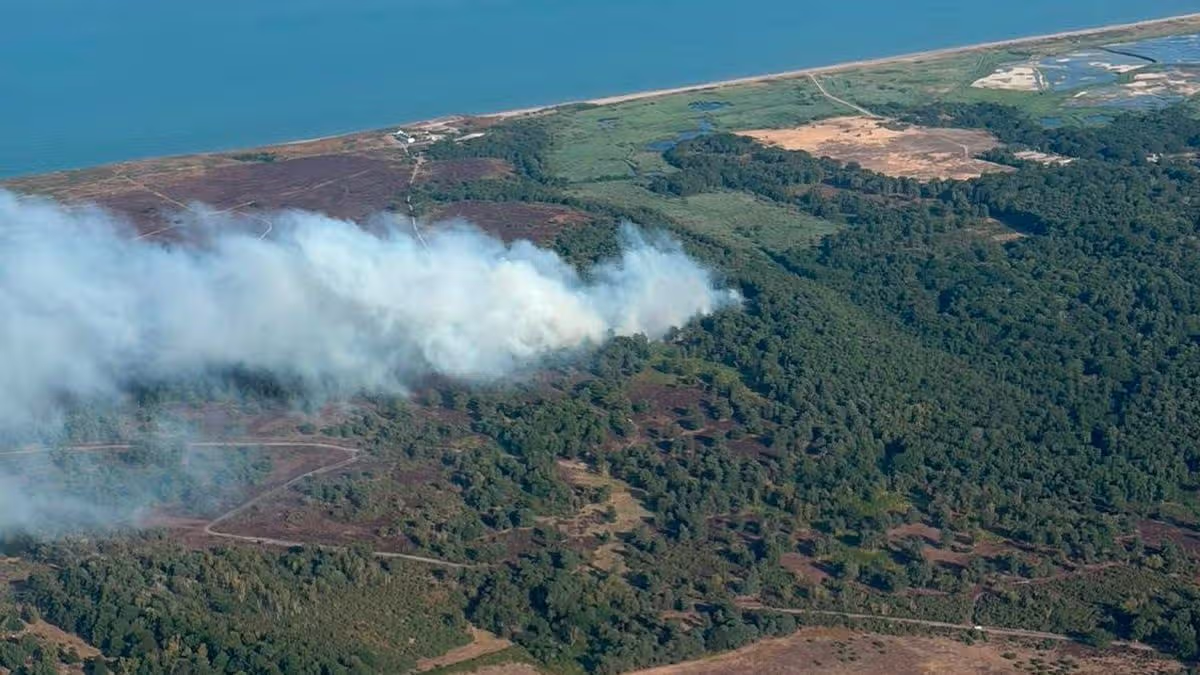
A short time ago, Suffolk County Council released a new update on the emergency response which said preparations are being made to evacuate 200 caravans if required.
It said: “Firefighters remain at the scene, with relief crews now in attendance to maintain firefighting operations. The incident ground has been reorganised into a number of sectors to support the ongoing response.
“As a precaution, crews have been focused on protecting properties including Coastguard Cottages, Mount Pleasant Farm and Cliff House Holiday Park. Preparations were also made for the potential evacuation of around 200 caravans at the holiday park should conditions require it.
Advertisement
“Specialist drone support is being used to help assess fire behaviour and support operational decision-making through the night. Members of the public are still advised to avoid the area and keep roads clear for emergency vehicles.”
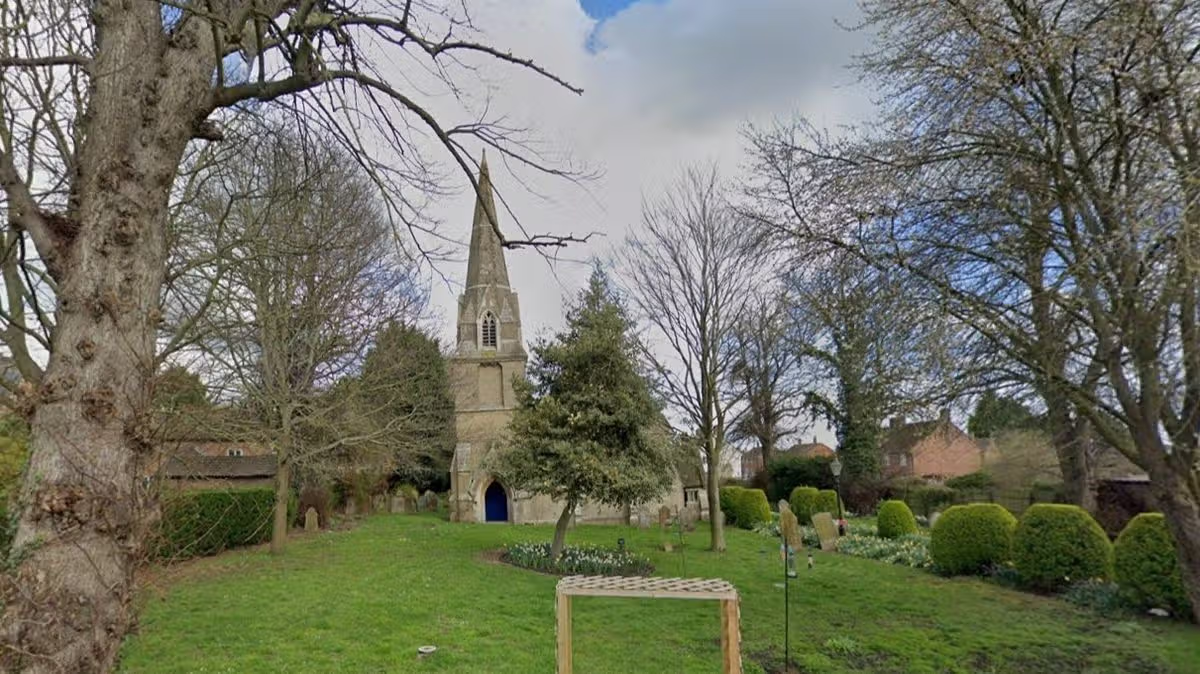
St Mark’s in Friday Bridge has invited comparisons to the iconic Italian tower because of its lean
Permission has been granted to remove the spire of a church with a lean which has invited comparisons to the leaning tower of Pisa. The application for St Mark’s in Friday Bridge was made to Fenland District Council following fears that the spire was structurally unsound.
Advertisement
The planning officer’s report said the grade II listed church is a “notable landmark” which is “distinguished by its prominent spire”. The conservation officer said they had “considerable concerns and sadness” for the loss of the spire but concluded it is “ultimately structurally unsound and the issues are live”.
They said the scale of repairs “is simply not affordable” but that “it is hoped that this removal is temporary, subject to funds becoming available”.
Historic Buildings and Places were also consulted and called the application a “very difficult case”. They said the church is among “several historic buildings in Fenland which have been or are threatened by unstable ground conditions.”
They said: “The analogy of the leaning spire with Pisa is sufficiently long-established for it to be assumed that the lean has been manifest for decades – settlement of this sort tends to take place in the first decade of a building’s existence after which it begins to stabilise.” They said they would opt to support the application if it meant repairing the rest of the church.
Advertisement
The planning officer’s report said they gave “substantial weight” to evidence “that the spire is structurally unsound and presents an ongoing risk to public safety”.
They said the plans would remove “this structural liability” and “help secure the continued use, maintenance and long-term preservation of the church as an important place of worship and community facility”.
The council approved the planning application on July 16.
A Rochdale mental health worker has been hailed as a hero for his brave actions after he saved a person from a canal.
Advertisement
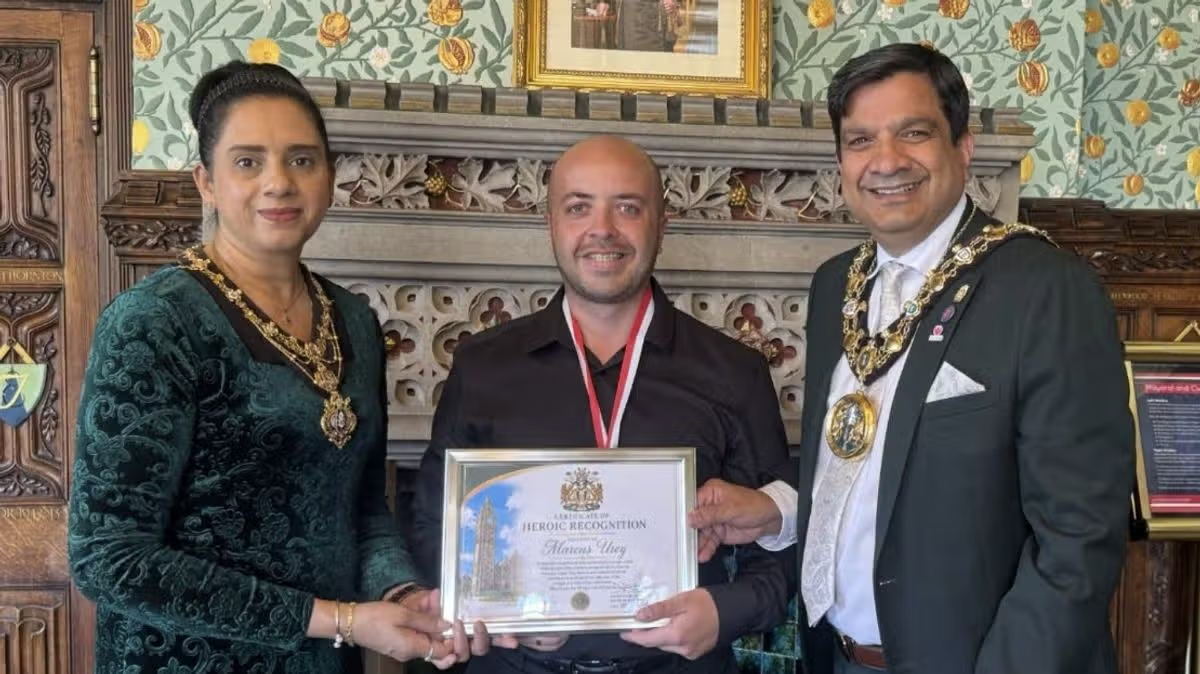
Marcus Urey has been granted ‘heroic recognition’ by Rochdale Borough Council for his ‘incredible bravery and compassion’, saving the person and later ‘making sure they received support’.
The Pennine Care NHS Foundation Trust shared on Facebook that Mr Urey works at Stansfield Place, a rehabilitation centre for men with serious mental illnesses.
Click here to get the biggest stories straight to your inbox in our Daily Newsletter
The trust said he ‘acted quickly to save someone from the canal’ while not on shift’, showing ‘incredible bravery’ to assist the person.
Advertisement
He was handed the certificate by mayor Faisal Rana and mayoress Iram Faisal at a ceremony at the town hall.
The trust wrote: “Care and compassion don’t stop at the end of a shift.
“We’re incredibly proud of Marcus Urey, technical instructor at Stansfield Place, whose bravery has been recognised by The Mayor and Mayoress of Rochdale.“Marcus acted quickly to save someone from the canal, making sure they also received the support they needed.“He showed incredible bravery and compassion in a difficult situation, acting without hesitation to help someone in need.“It’s fantastic to see Marcus recognised for his actions. He is a real credit to Stansfield Place and Pennine Care.“Marcus said: “Thankfully I was in the right place at the right time and did what I hope anyone would do to help someone in need.“I’m grateful the person was able to get help, and I’m humbled by the kind words from my colleagues.”
She was wearing a cream top and pink shorts and was carrying a blue Lilo and Stitch bag
A seven-year-old girl has gone missing from a town in Rhondda Cynon Taf on Wednesday evening.
Advertisement
Ivy was last seen at around 9pm on Wednesday on Enid Street, Trealaw in Tonypandy. Her hair is brown and is styled in two braids.
She was wearing a cream top and pink shorts and was carrying a blue Lilo and Stitch bag.
A South Wales Police spokesperson said: “Help us find Ivy, 7, missing from Tonypandy, Rhondda Cynon Taf.
“Ivy was last seen at around 9pm this evening (Wednesday, July 29) on Enid Street, Trealaw.
Advertisement
“She has brown hair in two braids and was wearing a cream top and pink shorts. She was carrying a blue Lilo and Stitch bag.
“If you have seen Ivy, or have any information which will help us to find her, please contact us quoting ref: 2600245630. Or phone Crimestoppers, anonymously on 0800 555111.”
Get daily breaking news updates on your phone by joining our WhatsApp community here. We occasionally treat members to special offers, promotions and ads from us and our partners. See our Privacy Notice
It was a famous night for Team NI who won gold, silver and bronze in Glasgow
Kate O’Connor delivered a history-making performance on Wednesday evening, winning Commonwealth Games heptathlon gold to secure Northern Ireland’s first gold medal of the Games and its first athletics title in 40 years.
Advertisement
The 24-year-old sealed victory in emphatic fashion, dominating the closing stages of the competition. After winning both the long jump and javelin during the morning session, O’Connor produced one final statement by powering to victory in the concluding 800m in 2:10.45.
She had built such a commanding lead that she could have finished 18 seconds behind nearest challenger Jade O’Dowda and still claimed gold. Instead, O’Connor refused to settle, storming home to win the race and underline her superiority across the two-day competition.
The triumph also ends a remarkable wait for Northern Ireland in the combined events, with O’Connor becoming the nation’s first Commonwealth multi-event champion since Lady Mary Peters captured pentathlon gold in 1974.
Fellow Northern Ireland athlete Anna McCauley also impressed, finishing eighth overall after producing the second-fastest 800m of the field behind her victorious teammate.
Advertisement
O’Connor will receive her gold medal on Thursday evening at 6:30pm, capping a breakthrough achievement. Competing at her third Commonwealth Games, she had finished eighth in 2018 before claiming silver in Birmingham in 2022. This latest success marks her first senior outdoor international gold medal.
After taking world championship silver last year, O’Connor arrived in Glasgow as the favourite following the withdrawal of defending champion Katarina Johnson-Thompson. She lived up to that billing with a composed, dominant display that culminated in one of the most significant athletics victories in Northern Ireland’s recent history.
Elsewhere, Daniel Wiffen added to Northern Ireland’s medal haul by claiming silver in the men’s 1500m freestyle.
Advertisement
Having boldly declared himself a “medal guarantee” before the Games, the Olympic champion bounced back from disappointing fourth-place finishes in both the 400m and 800m freestyle to earn a place on the podium.
Australia’s Sam Short completed a distance freestyle clean sweep, winning in 14:42.11, with Wiffen finishing 2.69 seconds adrift but comfortably ahead of Australia’s Benjamin Goedemans in third.
There was further success in the pool as McCartney claimed a surprise bronze medal in the women’s 200m breaststroke. The 21-year-old, who had qualified with only the sixth-fastest semifinal time, produced an outstanding swim to finish third in 2:24.73.
She finished behind home favourite Angharad Evans and South Africa’s Kaylene Corbett, edging Australia’s Ella Ramsay by just 0.16 seconds to secure a memorable podium finish.
Ukrainian tourists have been sunbathing as Vladimir Putin‘s army rains down bombs near a Black Sea resort.
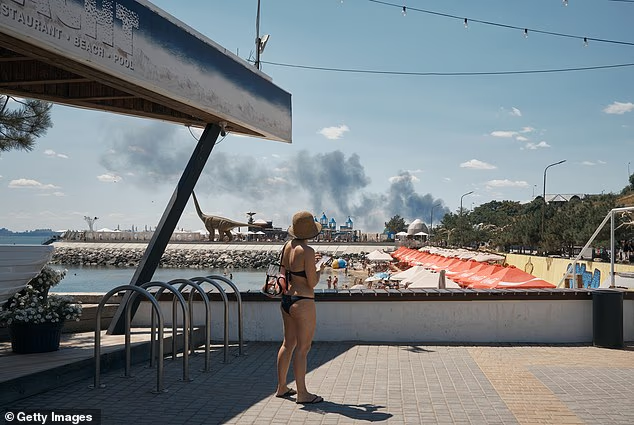
Photos taken from the port city of Odesa showed scores of sunbathers looking on in horror as smoke rises from the distance.
Russia’s defence ministry said its forces struck two vessels it said were carrying weapons and military equipment to Ukrainian ports.
It later said Russian forces had also hit a fuel storage facility in Odesa, two additional vessels in the port of Pivdennyi nearby, and another vessel north-west of Zmiinyi (Snake) Island in the Black Sea.
Advertisement
It said, without providing evidence, that all the vessels were being used to transport military supplies to Ukraine.
Russia and Ukraine have both stepped up attacks in recent weeks on shipping in the Black Sea and Sea of Azov, driving wheat prices higher.
Meanwhile, Ukrainian forces hit two of Russia’s biggest oil refineries overnight in its latest long-range strikes, officials said Wednesday, as Kyiv deepened its economic, military and diplomatic pressure on Moscow.
Ukraine’s almost daily long-range drone and missile strikes using domestically developed weapons have battered Russian oil facilities for months. The operation has brought a fuel crisis that is embarrassing the Kremlin more than four years after Russia’s all-out invasion of its neighbour.
Advertisement
Local residents and visitors relax on a beach on the outskirts of Odesa as smoke from a fire rises in the background following a Russian missile strike during an air raid alert, on July 29, 2026 in Odesa, Ukraine
Photos taken from the port city of Odesa showed scores of sunbathers looking on in horror as smoke rises from the distance
Firefighters work at the site of the postal distribution centre of Nova Post company, hit by a Russian drone strike, amid Russia’s attack on Ukraine, in Zaporizhzhia, Ukraine, July 25, 2026
Advertisement
The overnight attacks started fires at a Lukoil refinery in Russia’s Perm region, more than 900 miles from Ukraine, and a refinery in Ryazan, about 180 miles from the border, Ukraine’s Security Service and General Staff said in separate statements.
The refineries have a combined annual production capacity of around 220 million barrels of oil, according to Ukraine, and make a vital contribution to Russia’s military effort and its government revenue.
It was not immediately possible to independently verify the claims. Ryazan Gov. Pavel Malkov said only that six people were taken to hospital after a drone attack. He said drone debris caused fires at unidentified ‘industrial sites’.
Russian online retailer Wildberries, a major supplier likened to Amazon that Ukraine has targeted in recent days, said it evacuated employees from a facility in Ryazan but provided no further details.
Advertisement
Russia has sophisticated air defences but its vast territory is hard to comprehensively cover.
The attacks came hours after President Volodymyr Zelensky visited Washington on Tuesday for talks with US President Donald Trump to push for more vital American help for Ukraine’s fight against its much bigger enemy.
‘Russia must feel that every day of this war will only come at a higher cost for it. We need to weaken the aggressor and keep up the pressure to bring an end to this war closer,’ Mr Zelensky said on social media.
Ukraine’s recent high-profile successes against Russia have impressed Washington and helped restore US goodwill after Mr Trump’s reluctance at the start of his second term to keep supporting Kyiv. That stance had raised the spectre of Ukraine and Europe having to stand up to Russian aggression alone.
Advertisement
Russia’s defence ministry said its forces struck two vessels it said were carrying weapons and military equipment to Ukrainian ports near Odesa
Ukraine’s Unmanned Systems Forces said on Tuesday that its drones had now struck 201 Russian shadow-fleet and associated vessels since Operation MoLoCHKa was launched on July 6
It comes as the director and founder of a Russian drone manufacturer was wounded in a shooting on Wednesday, in what prosecutors described as an ‘attempted murder’.
Andrei Cherezov, head of the Russian Air Transport Laboratory, was returning home from work at around 1am (10pm GMT Tuesday) when he was attacked by an unknown assailant, Russia’s Izvestia newspaper reported.
Advertisement
The company is most famous for developing the ‘Ovod’ family of combat drones that the Russian army uses in its war with Ukraine.
Prosecutors have opened an investigation into attempted murder. They did not release any information on Mr Cherezov’s condition.
The shooting took place in the city of Tula, around 90 miles south of Moscow.
‘The victim has been hospitalised,’ the Tula branch of Russia’s Investigative Committee said on its website.
Advertisement
‘Investigative actions are currently underway to identify the perpetrators and establish all the circumstances of the incident.’
Izvestia also reported that Mr Cherezov’s wife had heard three shots but had not seen who opened fire on her husband.
Kyiv has targeted a range of Russian defence and military figures since Moscow sent troops into its neighbour in February 2022. Ukraine’s administration made no immediate comment on this latest attack.
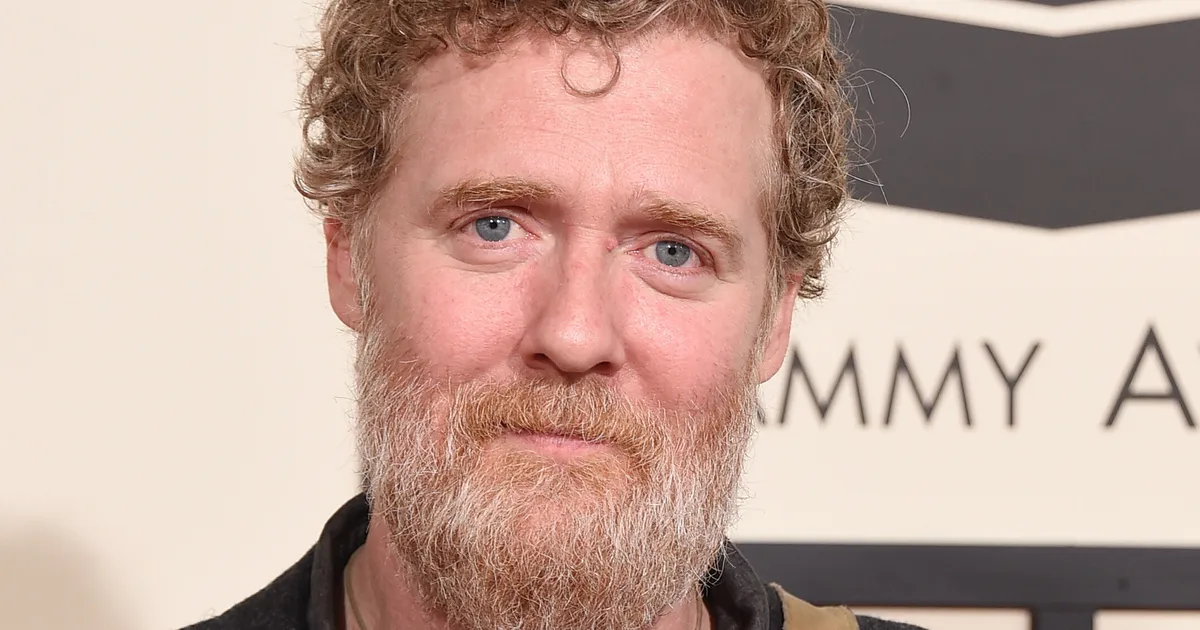
Glen Hansard, the frontman for legendary rock band The Frames who also played guitarist Outspan Foster in The Commitments, has died aged 56.
Per the BBC, the actor and musician, who won an Oscar for Best Original Song for Falling Slowly in 2008 (which he wrote for the movie Once), died in a motorbike accident.
This happened in Hansard’s home city of Dublin.
Gardaí (Ireland’s police) have appealed for witnesses following the crash, which only involved one vehicle and took place in Lower Road, Lucan. The tragic event was reported to emergency services just before 4:30am.
Advertisement
Hansard’s representatives, ATC management, said in a statement: “With broken hearts we announce the passing of Glen Hansard who passed away, in the early hours of this morning, following a road traffic accident in Dublin.
“Glen’s family is deeply shocked and heartbroken by this tragic loss and respectfully requests privacy at this extremely difficult time. The family is grateful for the support they have received and wishes to thank the emergency services who attended the scene.”
Waterboys singer Mike Scott has posted on X, “Just heard that Glen Hansard has died. Travel on well, Buddy. You made your dreams come true. I’m so sorry that he leaves his wife and 3-year-old child.”
Just heard that Glen Hansard has died. Travel on well, Buddy. You made your dreams come true. I’m so sorry that he leaves his wife and 3-year-old child.
Ireland’s Taoiseach (similar to the UK’s Prime Minister), Micheál Martin, has also expressed his sympathy.
He said, “Deeply saddened to learn of the passing of Glen Hansard. A talented musician and actor who made a significant contribution to Ireland’s cultural landscape over many years. My sincere sympathies to his family, friends, and fans. Ar dheis Dé go raibh a anam [God rest his soul].”
Deeply saddened to learn of the passing of Glen Hansard.
A talented musician and actor who made a significant contribution to Ireland’s cultural landscape over many years.
My sincere sympathies to his family, friends, and fans.
Paul Joseph Smith was found dead in a wheelie bin after he is believed to have overdosed in a bath
A man suspected of carrying out an arson attack which killed an elderly couple was found dead in a wheelie bin a week later, an inquest has heard.
Advertisement
Paul Smith, 40, known as Smigger, is believed to have started the fire at the home of Sheila Jackson, 83, and her partner, Eric Greener, 77, in StHelens, Merseyside, last July.
The couple were rescued from the blaze but died in hospital from burns and smoke inhalation.
Smith’s body was discovered seven days after the attack, in a bin where it had been moved after he died in a bath, having taken a cocktail of drugs, an inquest heard on Wednesday.
The hearing at the Gerard Majella Courthouse in Liverpool was told police were called on July 22 by Steven Wales, who told them a man had either drowned or overdosed in the bath at a property at Coniston Street, Everton, two days earlier.
Advertisement
Senior coroner for Liverpool Andre Rebello said: “Merseyside Police were deployed and located a male, deceased, in a wheelie bin at the rear of derelict properties on Thirlmere Road, which backs on to Coniston Street and is separated by an alleyway.
“The deceased male was identified by police as Paul Joseph Smith.”
Mr Smith, who lived on Lower Breck Road, had last spoken to his family on July 19 and was reported missing by his brother Michael on July 21.
Advertisement
In a report, Home Office pathologist Dr Matthew Lyall said toxicology results showed Mr Smith had taken heroin close to the time of his death, as well as a “relatively large amount of cocaine” and a number of sedatives.
Dr Lyall said drowning could not be proved or excluded.
He added: “Neither can it be entirely excluded that the deceased was held under water by a third party, but pathological findings cannot prove that occurred.”
He recorded the cause of death as mixed drug toxicity.
Advertisement
The court heard that police were satisfied the death was not caused by criminality.
Mr Rebello said it was understood there were criminal proceedings ongoing regarding the disposal of the body.
Recording the death as drug-related, the coroner said: “He died from taking illicit and and sedative drugs which caused respiratory failure.”
Earlier this year Kevin Weetman, 34, Kylie Maynard, 37, and Lee Owens, 46, were jailed for the manslaughter of Mr Greener and Ms Jackson.
Advertisement
A trial at Liverpool Crown Court heard that Mr Smith had travelled with Owens to the home in South John Street just after 12.30am on July 15.
Weetman was jailed for life with a minimum of 25 years for planning the attack after Mrs Jackson’s son George Jackson, 48, refused to sell drugs for him.
Maynard, said to be the “trusted lieutenant” in Weetman’s drugs line, was jailed for 23 years and Owens was sentenced to 13 years and six months.
Ensure our latest stories always appear at the top of your Google Search by making us a Preferred Source. Click here to activate or add us as your Preferred Source in your Google search settings.
IRFU and David Humphreys might have been onto something, giving themselves a direct line of communication to Schmidt with just over a year to go the World Cup
There was a lot to digest in the revelation that Ulster had snagged Joe Schmidt as Coach Development Advisor.
Advertisement
But there was a niggling feeling the headline was the main course and that the actual meal, oncee digested, wasn’t quite as substantial as it initially appeared.
It is good work to have added Clermont’s former Top 14 winning boss, the Heineken and URC winning Leinster boss, and Ireland Grand Slam winning coach.
The almost-insomniac, inveterate e-mail sender to all and sundry from World Rugby to referees groups, rules groups, anyone he has ever worked with, has always been an ideas’ mine and sounding board
And despite his newly created title, Coach Development Advisor, there is no doubt Richie Murphy will confide in him.
Advertisement
While I’d imagine there will be an Ulster function or two on the likely two/three visits here where he will be speaking.
Schmidt, understand, is always worth the plate-money.
His much nuanced and thought out views on leadership roles and responsiblities were highly prized on the Irish business circuit while his neat self-depracting humour sure helps to delivery.
Advertisement
Moreover, while there is a lot in it for Schmidt to get a couple of visits to Ireland where his son Tim is a ‘finance buisness’ advisor at Leinster.
While it is also likely dad will reconnect with some of the charities he worked with during his time here – there may well be a function or two in a rugby club near you.
Ulster will still be easy-up winners here even if Schmidt won’t be at training, sitting in a coaching box and will only have a minimal presence at a few games.
But the IRFU and David Humphreys might have been onto something, giving themselves a direct line of communication to Schmidt with just over a year to go the World Cup.The 60 year-old has just spent a year as part of the All Black set-up (2022-23) and three years as Australia coach.This means he has up to date dossiers on the top dozen teams in the world, not the All Blacks, Wallabies and the players that made up the 2025 Lions.
Advertisement
Watch this space as Andy Farrell will most likely use Schmidt as a distraction before the November internationals or the 2026 Six Nations.
But here is the real bet: Joe Schmidt to be given an ‘advisor’ or ‘consultant’ role with the Ireland RWC 2027 squad – think of Ulster as a retainer.














































You must be logged in to post a comment Login