Connect with us

NewsBeat

‘Antisocial’ car park meets slammed as locals say ‘show a bit of respect’

Published

on

Cambridgeshire Live

Cambridge and South Cambridgeshire councils propose £1,000 fines after 22 incidents of dangerous driving and vehicle stunts

Cambridgeshire Live readers have shared strong views after reports of antisocial driving at park-and-ride sites across Cambridgeshire. Many want tougher action, while others say the problem will simply shift to other places if rules change in one spot.

Antisocial driving at a park and ride site in Cambridge has made “people feel unsafe”, according to a councillor. A total of 22 separate incidents were recorded at Babraham Road Park and Ride between April 2024 and mid-January this year.

Advertisement

Babraham Road Park and Ride, situated between Cambridge and South Cambridgeshire, has seen persistent problems with inconsiderate and dangerous driving, alongside loud music, according to South Cambridgeshire District Council and Cambridge City Council.

Most of these incidents are reported to occur during evening hours or late at night, frequently continuing beyond midnight. Both councils say that additional gatherings are being organised, and that despite reports being submitted to police, vehicles often reappear after being dispersed.

The councils wish to introduce new measures to tackle the antisocial behaviour. They are proposing to implement a Public Space Protection Order (PSPO) covering the Babraham Park and Ride site.

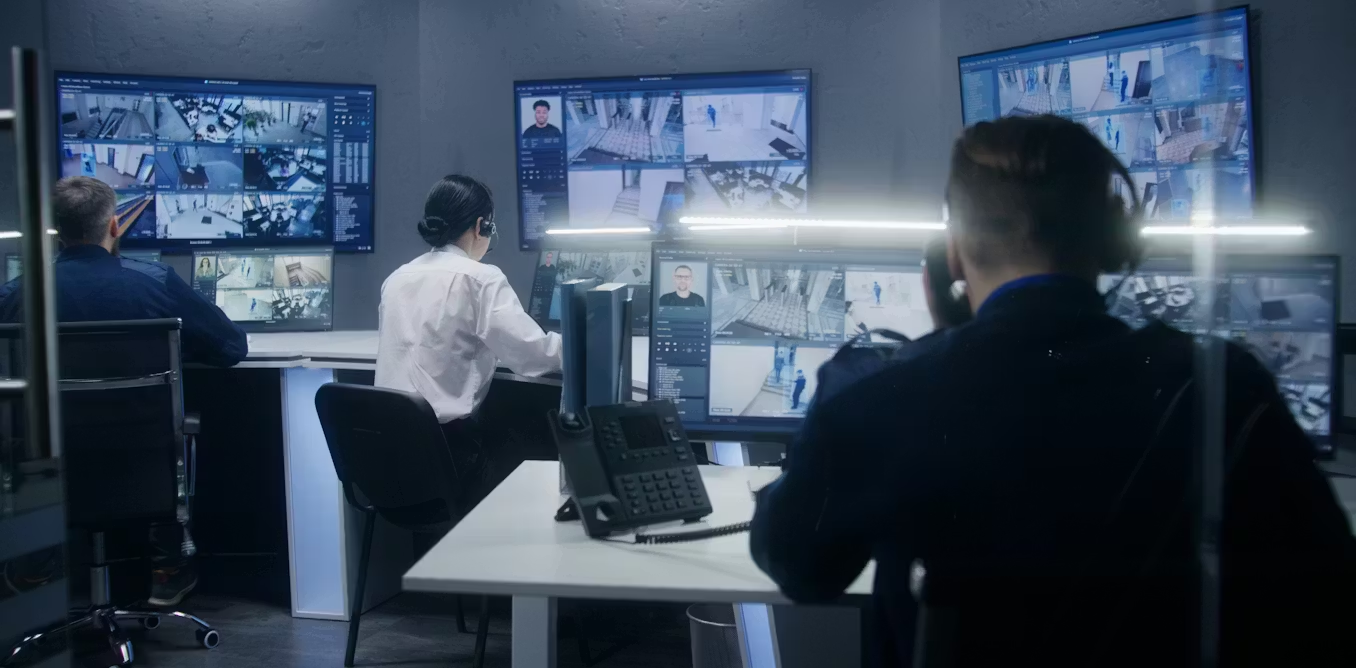
Automatic Number Plate Recognition (ANPR) alongside existing CCTV would be used, enabling councils to monitor vehicles and issue fines without requiring a physical presence. The new measures would make it a criminal offence to do any of the following within the park and ride:

Advertisement
  • Speeding or reckless driving that risks causing harassment, alarm or distress.
  • Revving, racing and disruptive vehicle behaviour, including unnecessary acceleration, loud engine revving, horn misuse and amplified music causing nuisance.
  • Dangerous stunts such as drifting, doughnuts, burnouts, wheel spins, J‐turns or wheelies.
  • Organised meets or racing‐style activity, including entering the site for vehicle display or performance driving.
  • Threatening or abusive behaviour towards other Park and Ride users.

Should the PSPO be implemented, anyone breaking the rules could face prosecution and fines of up to £1,000 or receive a Fixed Penalty Notice of up to £500.

One reader, Freddly, comments: “The PSPO needs to allow the car or van to be taken off the driver. Let’s spare a thought also for much more ‘respectable’ antisocial driving. Recently a pedestrian was killed by a car in a local car-park. Why was anyone driving fast enough in a to do this in a car-park? Since lawless and careless driving around supermarkets has become so commonplace, these car-parks, like our streets, need speed tables that damage cars if taken at more than 10mph.”

Campete2 says: “The penalty seems a little light. Although I suspect that a criminal conviction would have more impact after the fact, the prospect of vehicle seizure might be more effective at prevention. The thing is to make sure this doesn’t just move the problem elsewhere. People can break laws faster than authorities can make them.”

Skipper says: “Given that it seems legal for Lycra enthusiasts to hold push bike meets and race through the streets of Cambridge – and even get roads closed – plus free push bike tracks, how about some levelling up? Let’s have a taxpayer-funded tarmac area where car drivers can go to enjoy themselves, instead of the unfair demonisation of the car.”

Over on our Facebook page, Adam Barton comments: “Hope this happens and happens soon. Don’t get me wrong, there’s nothing wrong with youngsters having fun. However, right next door to Babraham Park & Ride, you have the Arthur Rank Hospice, which houses some terminally ill patients. Please show a little bit of respect to these people and their families.”

Advertisement

Molly Raé Hill disagrees: “Barley [sic] antisocial when people are meeting to socialise and appreciate each others [sic] cars, never known one to last past midnight either.”

Marshall Mars says: “This measure will hurt good and bad enthusiasts alike. Not all drivers go there for anti-social behaviour. Unfortunately, there are some groups that go there and can’t behave, acting like hooligans, ruining it for everyone else. Most go there just to be away from housing complexes and just park up for a chat.”

Are car meets really that bad? Comment below or HERE to have your say.

Source link

Advertisement
Continue Reading
Click to comment

Leave a Reply

Your email address will not be published. Required fields are marked *

NewsBeat

Will AI tools make better police officers?

Published

on

Will AI tools make better police officers?

Police officers often work with partial information under severe time constraints in situations that can change in seconds. Whether investigating a crime or patrolling a neighbourhood, they regularly have to make predictions based on instinct.

This “gut policing” isn’t just guesswork – it’s fast pattern recognition. It comes from training and years of dealing with real incidents, learning from colleagues, and building an instinctive sense of what matters and what doesn’t.

But instincts are no longer the only way police connect the dots. Many police forces are investing in AI-enabled tools, including predictive policing algorithms that forecast crime hotspots and offender assessment systems designed to support decision-making.


À lire aussi :
A ‘black box’ AI system has been influencing criminal justice decisions for over two decades – it’s time to open it up

Advertisement

This reflects a wider global trend: police forces are integrating AI into everyday policing. These AI-enabled tools draw on large volumes of data and patterns that would be impossible for any single officer to analyse in real time. The aim is straightforward: to help ensure decisions are based on strong evidence and reliable data, rather than relying solely on instinct or experience.

Many people appear to accept the use of AI technology by police forces – so long as there are clear guidelines in place first.


AI has long been discussed as a threat to jobs and livelihoods. But what’s the reality? In this series, we explore the impact AI is already having on specific occupations – and how people in these jobs feel about their new AI assistants.

Advertisement

In England, police forces are already using AI tools in day-to-day work. These include Untrite Thrive, which helps staff in police control rooms decide how to allocate resources. Another example is Qlik Sense, used by Avon and Somerset Police for monitoring the likelihood of reoffending or perpetrating a crime. These developments align with a broader government agenda focused on efficiency and cost reduction.

But once you swap human judgment for more automated predictions, the value of officers’ traditional connect-the-dots police logic can be lost. There have been plenty of examples where AI tools have flagged the wrong people, the wrong places, or the wrong risks.

Unverified information

A House of Commons select committee recently highlighted serious failings in West Midlands Police’s use of the AI assistant Microsoft Copilot in its decision to stop Israeli fans of Maccabi Tel Aviv football club from travelling to Birmingham for a Europa League match against Aston Villa last November.

Claims made by this force about alleged disorder involving Maccabi fans at past matches were based on inaccurate information generated by Copilot, including a supposed game between the Israeli club and West Ham United that never happened.

Advertisement

“Information that showed the Maccabi fans to be a high risk was trusted without proper scrutiny,” explained the committee’s chair Karen Bradley. “Shockingly, this included unverified information generated by AI.”

This inaccurate AI‑generated information was repeated by senior police officers in safety advisory group meetings and even in oral evidence to MPs, demonstrating a lack of due diligence and overreliance on unverified AI outputs. The case is now subject to an investigation by the Independent Office for Police Conduct.

Video: Channel 4 News.

And this was not an isolated incident. The Harm Assessment Risk Tool deployed by Durham Constabulary was found to have displayed many flaws, from overestimation of the likelihood of reoffending to discrimination in its datasets.

Advertisement

And the Metropolitan Police’s now-discontinued Gang Matrix, a database that recorded intelligence related to alleged gang members, was heavily criticised by the Information Commissioner’s Office for unfairly labelling young black men as high‑risk based on flawed scoring.

Relying on AI-driven tools can be a double-edged sword in policing. They can improve decisions, but can also reinforce bias and amplify mistakes. In our experience of working with police forces in England, AI‑supported decision‑making works best when police officers combine their operational experience with data‑driven insights.

Reinforcing biases

Our ongoing study of AI use in policing shows that uncritical reliance on AI risks reinforcing existing biases, disproportionately affecting the poorest and most marginalised communities.

Our research, which is yet to be published, suggests that effective use of AI requires a difficult balance: officers must both trust and mistrust AI recommendations at the same time, maintaining a vigilant mindset.

Advertisement

To prevent biases creeping into AI‑supported decisions, police forces should invest in bias‑awareness training that prepares officers to question AI outputs regularly and constructively.

The National Police Chiefs’ Council covenant mandated that AI should support rather than replace human judgment. This is a step in the right direction. Yet even this principle can backfire if police officers treat AI recommendations as objective truth, rather than guidance that requires careful scrutiny.

These concerns take on renewed urgency in light of the government’s introduction of a national predictive policing prototype, announced in August 2025. The system, scheduled for nationwide deployment by 2030, combines AI‑powered crimemapping with behavioural‑pattern analysis, supported by a £4 million initial investment.

It draws on data from police forces, local councils and social services, and builds directly on the expanding fleet of live facial recognition vans now operating across seven forces across England and Wales.

Advertisement


À lire aussi :
Facial recognition technology used by police is now very accurate – but public understanding lags behind


At the same time, developments inside policing organisations highlight the limits of technological oversight. The Met was recently reported to have begun using AI tools to flag potential officer misconduct by analysing internal data such as sickness records, absences and overtime patterns.

While the Met argues that such systems help raise standards and rebuild public trust, critics warn that such monitoring risks misclassifying workplace pressures as misconduct and eroding accountability rather than strengthening it.

Ultimately, whether AI technology improves policing outcomes depends on the governance surrounding it. Ensuring there is a vigilant human in every AI loop should be a non-negotiable safeguard.

Advertisement

Source link

Continue Reading

NewsBeat

House panel releases videos of Clintons answering Epstein questions

Published

on

House panel releases videos of Clintons answering Epstein questions

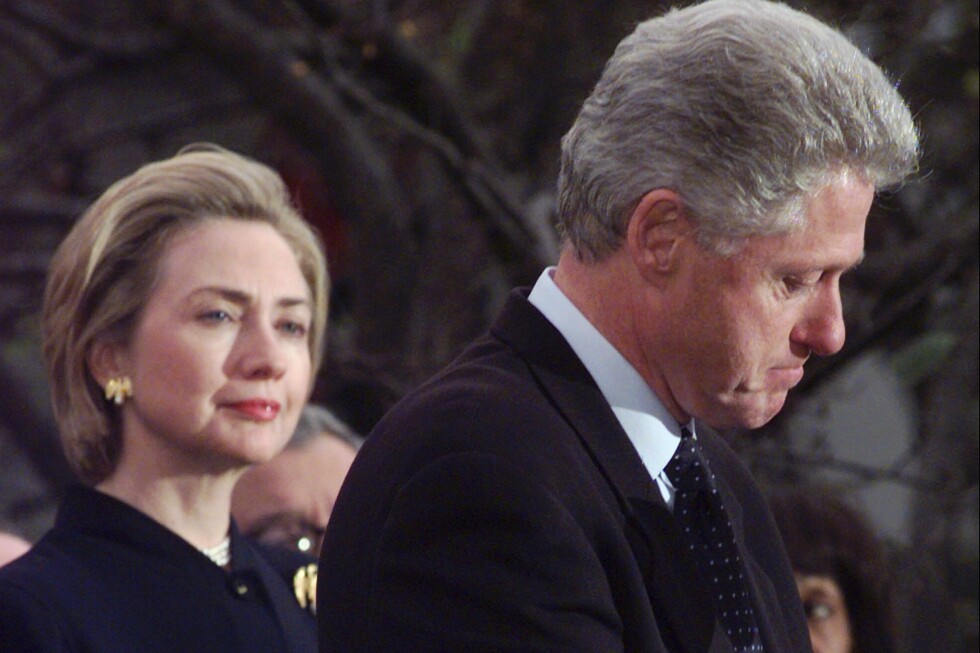
WASHINGTON (AP) — Videos of former President Bill Clinton and former Secretary of State Hillary Clinton answering questions about convicted sex offender Jeffrey Epstein were released Monday by a House committee investigating the late financier.

The recordings of the depositions, which spanned hours over two days last week, show how both Clintons distanced themselves from Epstein. Bill Clinton told the committee that he had ended his relationship with Epstein years before the financier entered a guilty plea in 2008 to soliciting prostitution from an underage girl.

The former Democratic president said he first remembered meeting Epstein when he flew aboard his private jet in 2002 for the Clintons’ humanitarian work, and they parted ways the year after.

“There’s nothing that I saw when I was around him that made me realize he was trafficking women,” Bill Clinton told the committee.

Advertisement

Epstein visited the White House numerous times during Clinton’s presidency and there are photos of them shaking hands, but Bill Clinton said he did not recall those interactions.

Hillary Clinton said she never even recalled meeting Epstein.

Still, they faced hours of questioning under oath from lawmakers who are searching for accountability for anyone who was aware or ignored Epstein’s abuse of underage girls.

Advertisement

Source link

Continue Reading

NewsBeat

Durham County Council approves Jade Business Park expansion

Published

on

Durham County Council approves Jade Business Park expansion

The next phase of development at the Jade Business Park in Murton is set to proceed after the latest proposal for three units was supported by Durham County Council

Located near the A19, the council-owned scheme was created to provide space for distribution, technology, and advanced manufacturing businesses. 

Currently, six out of the seven units built during phase one are occupied, with 149 jobs on-site.  A lease agreement is underway for the remaining property. 

Advertisement

Last October, funding previously allocated by Durham County Council for the business park was pulled from its capital programme. 

An allocation of £2.6 million, funded by corporate borrowing, was outlined for enabling works to build additional industrial space as part of phase two at the Jade Business Park next to Dalton Park outlet centre.

Yet, the local authority said the scheme, alongside a similar development in Bishop Auckland, hasn’t been “completely banished” and will continue to be assessed for alternative investment and funding opportunities, minimising the need for council borrowing. 

A Durham County Council economy and enterprise scrutiny committee was told that staff are in contact with several companies about future opportunities at the site. 

Advertisement

While not directly on the Jade site, the Eastern Green Link 1 – a high voltage electrical connection providing a marine cable link between Scotland and a landfall point north of Seaham – could use the Jade site. 

New data centres and energy storage companies have also been linked with the development. 

The Murton site could also be home to an on-land substation for the proposed Morven Wind Farm –  a significant offshore wind project by bp and EnBW off the Aberdeenshire coast. 

“The extent of the proposed development and land requirement is still to be determined but it may be situated on the Jade Business Park.

Advertisement

“Durham County Council are having ongoing and regular contact with Morven about this project and any particular impacts on its viability as a strategic employment location,” a council report said. 

Source link

Advertisement
Continue Reading

NewsBeat

The Lady finale explained as fans ask how accurate ITV royal true crime drama is

Published

on

Wales Online

The Lady is a gripping four-part royal true crime drama about the former Duchess of York’s dresser in the 1980s and 1990s.

The Lady: Natalie Dormer stars in Britbox trailer

ITV’s The Lady concludes tonight, leaving fans curious about how the royal true crime drama wrapped up.

Advertisement

For nine years, Jane Andrews (portrayed by Mia McKenna-Bruce) lived what seemed an idyllic existence, working in close proximity to Sarah Ferguson (Natalie Dormer), the former Duchess of York.

However, years following her redundancy from the position, Jane faced accusations of killing her partner Thomas Cressman (Ed Speleers).

She had struck him on the head with a cricket bat before delivering a fatal stab wound at their London residence, subsequently fleeing the scene for several days until police apprehended her.

Jane maintained that he had been violent towards her previously, forcing her down the stairs and restraining her to the bed to assault her, telling the court that she attempted to defend herself but ultimately inflicted the fatal injury on her partner.

Advertisement

What happened to Jane Andrews?

ITV’s The Lady concludes with Jane Andrews being convicted of murdering her partner Thomas Cressman.

Following a life sentence, Jane is shown in prison consulting with a psychiatrist who agrees with her assessment that she has Borderline Personality Disorder.

READ MORE: Britain’s Got Talent ratings ‘hit all-time low’ as bookies question ITV show futureREAD MORE: Netflix quietly adds ‘best ever’ drama with plenty of ‘twists and turns’

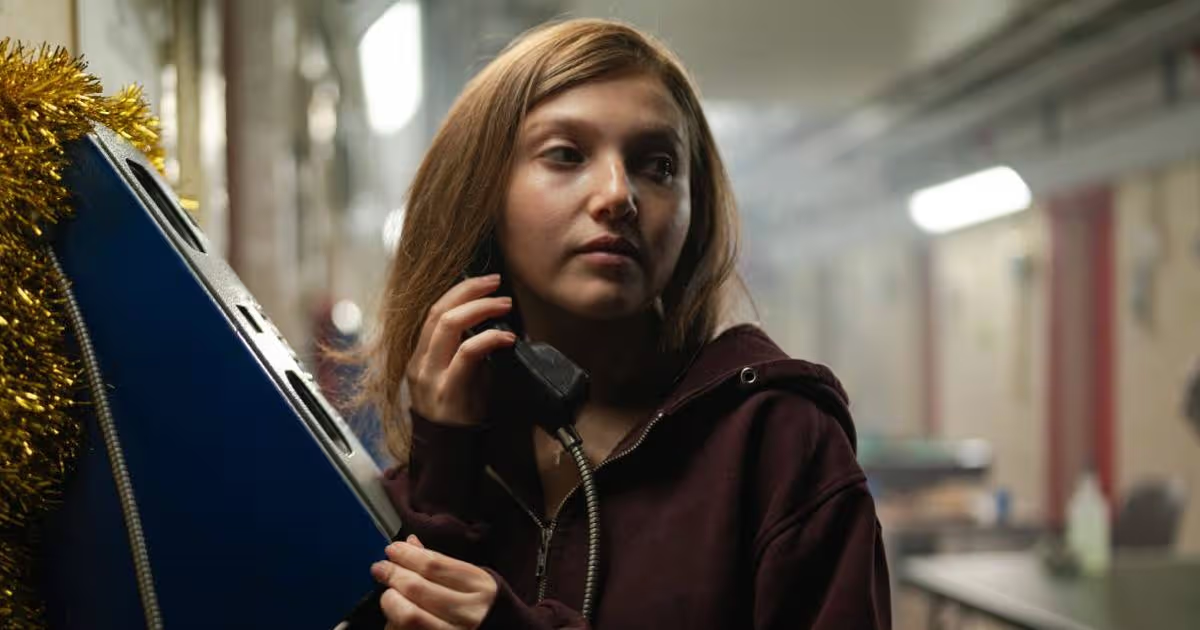
The four-part series then jumps forward to Jane speaking with her parents by telephone at Christmas, with her mother expressing worry about her being isolated.

However, Jane swiftly dismisses this concern, revealing she had acquired a new correspondent.

In the closing moments, Jane is depicted writing to someone with a newspaper cutting on her desk bearing the headline “King of the Wing”, accompanied by a photograph of a man. The closing credits state: “In 2003, Jane Andrews appealed against her conviction on the grounds of fresh psychiatric evidence.

Advertisement

“The appeal was refused and her claims of childhood sexual abuse remains unproven.

For the latest showbiz, TV, movie and streaming news, go to the new **Everything Gossip** website.Ensure our latest headlines always appear at the top of your Google Search by making us a Preferred Source.** Click here to activate**** or add us as your Preferred Source in your Google search settings.**

“She was released on licence in 2015 but recalled to prison in 2018, following allegations of harassment from a former boyfriend.

“No evidence was found to support the allegations but she remained in prison until 2019.”

Advertisement

Who is ‘King of the Wing’?

The identity of the “King of the Wing” remains unexplained, with no indication whether he was linked to American politics or served as a prison governor.

The newspaper cutting displays the surname Affcott, though no records exist of Jane corresponding with anyone bearing this name.

She did, however, maintain contact with a pen pal named Mark Ellson, who allegedly began writing to her whilst he was imprisoned for fraud.

Advertisement

The Mirror previously reported Ellson describing her as “obsessive”, before adding: “She is a difficult person to understand but I have seen how erratic she can be. Others need to be aware of this too.”

Is The Lady ending accurate?

The Lady remains largely faithful to events, though like many true crime dramas, certain scenes and characters have been fictionalised for dramatic effect.

For example, before the guilty verdict is delivered, Jane is depicted in the programme becoming light-headed outside the courtroom and collapsing, resulting in hospital treatment. Whilst Jane did visit hospital during the actual trial, it followed an emotional collapse rather than a fainting episode.

The character Aleksandra (Ophelia Lovibond) is also fictional, so Andrews didn’t lodge with her at her London residence throughout the trial proceedings.

Advertisement

However, she was subsequently diagnosed with Borderline Personality Disorder, though this diagnosis didn’t assist Andrews in winning her appeal.

The Lady is available to watch on ITVX.

Source link

Advertisement
Continue Reading

NewsBeat

Blade falls from giant 475ft wind turbine in popular Welsh forest

Published

on

Wales Online

Natural Resources Wales has confirmed that a large part of Brechfa Forest in Carmarthenshire has been been closed off after the incident

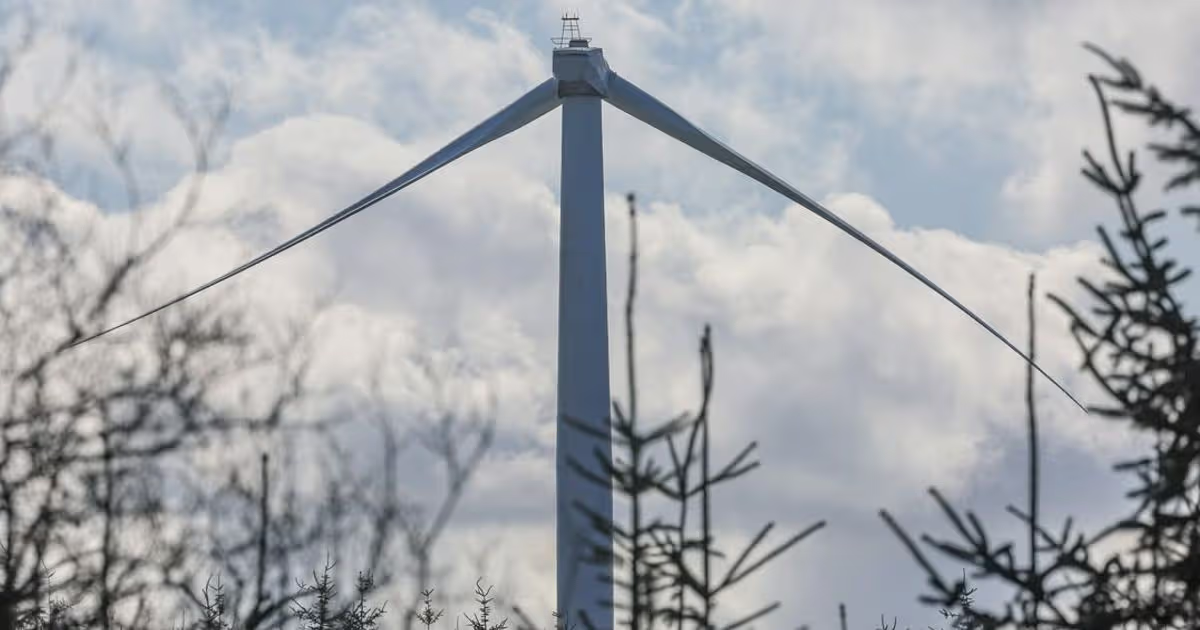
Pictures have revealed the damage caused to a 475ft tall wind turbine at a Welsh forest which lost of one its giant blades.

Advertisement

A large part of Brechfa Forest in Carmarthenshire has been closed off for safety reasons after one of three blades became detached from a turbine in a picturesque area used by walkers, horse riders and mountain bikers. The incident is believed to have happened last week at the wind farm north of the village of Brechfa, around 15 miles north-east of Carmarthen.

There are 28 wind turbines at the site in total, each one with a tip height of 145 metres and a rotor diameter of more than 92 metres. Stay informed on Carms news by signing up to our newsletter here.

Brechfa Forest in its entirety covers around 6,500 hectares of land and is managed by Natural Resources Wales (NRW).

Officers have been at the site and signs have been erected advising people that rights of access have been excluded for a week for the purpose of “avoiding danger to the public”.

However, NRW has said the closure of the forest will remain in place “until it is confirmed that the area can be safely reopened”.

Images taken at the forest show one of the giant turbines with only two blades. It is unclear how one of the blades became detached and when or if it is able to be reattached.

Ensure our latest news and sport headlines always appear at the top of your Google Search by making us a Preferred Source. Click here to activate or add us as Preferred Source in your Google search settings.

Advertisement

A spokeswoman for NRW said: “We have temporarily closed access to parts of the forest around Brechfa Forest West Wind Farm as a safety precaution while the operator, RWE, investigates the cause of a blade detachment at one of the turbines.

“The closure covers the area shown on the published map and restricts public access to the affected section of land.

“Ensuring appropriate measures are in place to keep visitors safe is NRW’s priority, and the closure will remain in place until it is confirmed that the area can be safely reopened.

Advertisement

“NRW is in close communication with RWE as they continue their investigation into this matter. Further updates will be issued as more information becomes available.”

Source link

Continue Reading

NewsBeat

The Lady ending explained: What happened to Jane Andrews?

Published

on

Daily Mirror

The Lady delves into the shocking true story of how the former Duchess of York’s royal dresser went on trial for murder

The Lady: Natalie Dormer stars in Britbox trailer

ITV The Lady has reached its climax tonight with fans wondering how the royal true crime drama concludes.

Jane Andrews (played by Mia McKenna-Bruce) was living her dream life for nine years, working very closely to Sarah Ferguson (Natalie Dormer), the former Duchess of York.

But years after she was made redundant from the role, Jane was accused of murdering her boyfriend Thomas Cressman (Ed Speleers).

She had hit him over the head with a cricket bat before fatally stabbing him at their London flat and then fled the scene for several days before Jane was picked up by the police.

Advertisement

She claimed that he had previously been abusive, pushing her down the stairs and tying her to the bed to rape her, telling the court that she tried to fend him off but ended up fatally stabbing her boyfriend.

What happened to Jane Andrews?

ITV The Lady ends with Jane Andrews being found guilty for the murder of her boyfriend Thomas Cressman.

After being given a life sentence, Jane is seen in prison speaking to a psychiatrist who shares her belief that she suffers with Borderline Personality Disorder.

The four-part drama then skips to Jane catching up with her parents on the phone at Christmas time, with her mum sharing her concerns that she would be lonely.

But Jane quickly states this wasn’t the case as she had a new pen pal.

In the final scene, Jane is seen writing to someone with a newspaper clipping on her desk with the headline “King of the Wing”, followed by a picture of a man.

Advertisement

The end credits then reads: “In 2003, Jane Andrews appealed against her conviction on the grounds of fresh psychiatric evidence.

“The appeal was refused and her claims of childhood sexual abuse remains unproven.

“She was released on licence in 2015 but recalled to prison in 2018, following allegations of harassment from a former boyfriend.

“No evidence was found to support the allegations but she remained in prison until 2019.”

Advertisement

Who is ‘King of the Wing’?

It isn’t explained who the “King of the Wing” is with no clues indicating if he was connected to US politics or a prison governor.

The newspaper clipping features the surname Affcott, but there are no records of Jane exchanging letters with someone of this name.

However, she did have a pen pal called Mark Ellson who reportedly started writing to one another when he was in prison for fraud.

Advertisement

The Mirror previously reported Ellson describing her as “obsessive”, before adding: “She is a difficult person to understand but I have seen how erratic she can be. Others need to be aware of this too.”

Is The Lady ending accurate?

The Lady is mostly accurate but, similar to a lot of true crime dramas, some scenes and characters are fictionalised for entertainment purposes.

For instance, before the guilty verdict comes in, Jane is seen in the show getting dizzy outside of the court and faints, leading to a trip to the hospital.

While Jane did make a hospital visit while the trial was going ahead in real life, it was following an emotional breakdown rather than her fainting.

Advertisement

The character of Aleksandra (Ophelia Lovibond) also isn’t a real person, so Andrews didn’t stay with her at her London home during the trial.

But she was later diagnosed with Borderline Personality Disorder, although this didn’t help Andrews win her appeal. The Lady is available to watch on ITVX.

If you have been affected by the issues mentioned in this article, call the Samaritans in the UK on 116 123 or visit a local Samaritans branch for confidential support.

For the latest showbiz, TV, movie and streaming news, go to the new **Everything Gossip** website.

Advertisement

Ensure our latest headlines always appear at the top of your Google Search by making us a Preferred Source.** Click here to activate**** or add us as your Preferred Source in your Google search settings.**

Source link

Continue Reading

NewsBeat

United Airlines Boeing plane forced into emergency landing at LAX by ‘engine fire’

Published

on

United Airlines Boeing plane forced into emergency landing at LAX by ‘engine fire’

A United Airlines passenger plane was forced to make an emergency landing at Los Angeles International Airport after reportedly suffering an engine fire Monday.

United Flight 2127 took off from LAX for Newark, New Jersey on Monday morning but was forced to turn back within an hour with a smoking engine, according to reports.

About 180 passengers were evacuated, with only minor injuries. Some other flights were temporarily grounded.

A spokesperson for the Federal Aviation Administration said: “United Airlines Flight 2127 returned safely to Los Angeles International Airport around 11:20 a.m. local time on Monday, March 2, due to a left engine issue. Passengers deplaned on a taxiway.

Advertisement

“The Boeing 787-9 Dreamliner was heading to Newark Liberty International Airport in New Jersey. The FAA will investigate.

“Please contact the airline and airport for additional information.”

It is the latest in a string of problems with Boeing planes over the last few years, ranging from a sudden mid-air hatch blowout to fatal crashes that killed hundreds of people.

In June 2025 a Boeing Dreamliner operated by Air India ploughed into the ground moments after liftoff, killing all but one of the 242 people aboard.

Advertisement

This story is breaking and will be updated.

Source link

Continue Reading

NewsBeat

Middle East chaos spreads as death toll from Trump’s war with Iran grows

Published

on

Middle East chaos spreads as death toll from Trump’s war with Iran grows

The war in the Middle East continued to escalate on Monday, with multiple countries now dragged into the growing conflict between the US, Israel and Iran.

The US and Israel have continued to pound Iran following the killing of Iranian supreme leader Ayatollah Ali Khamenei over the weekend, with Donald Trump warning the worst is yet to come.

“We haven’t even started hitting them hard,” he told CNN. “The big wave hasn’t even happened. The big one is coming soon.”

“This was our last, best chance to strike – what we’re doing right now – and eliminate the intolerable threats posed by this sick and sinister regime,” Mr Trump said later.

Advertisement

Tehran and its allies have hit back, with the UAE, Kuwait, Bahrain, Qatar, Jordan, Oman and Saudi Arabia among the nations struck in retaliatory attacks.

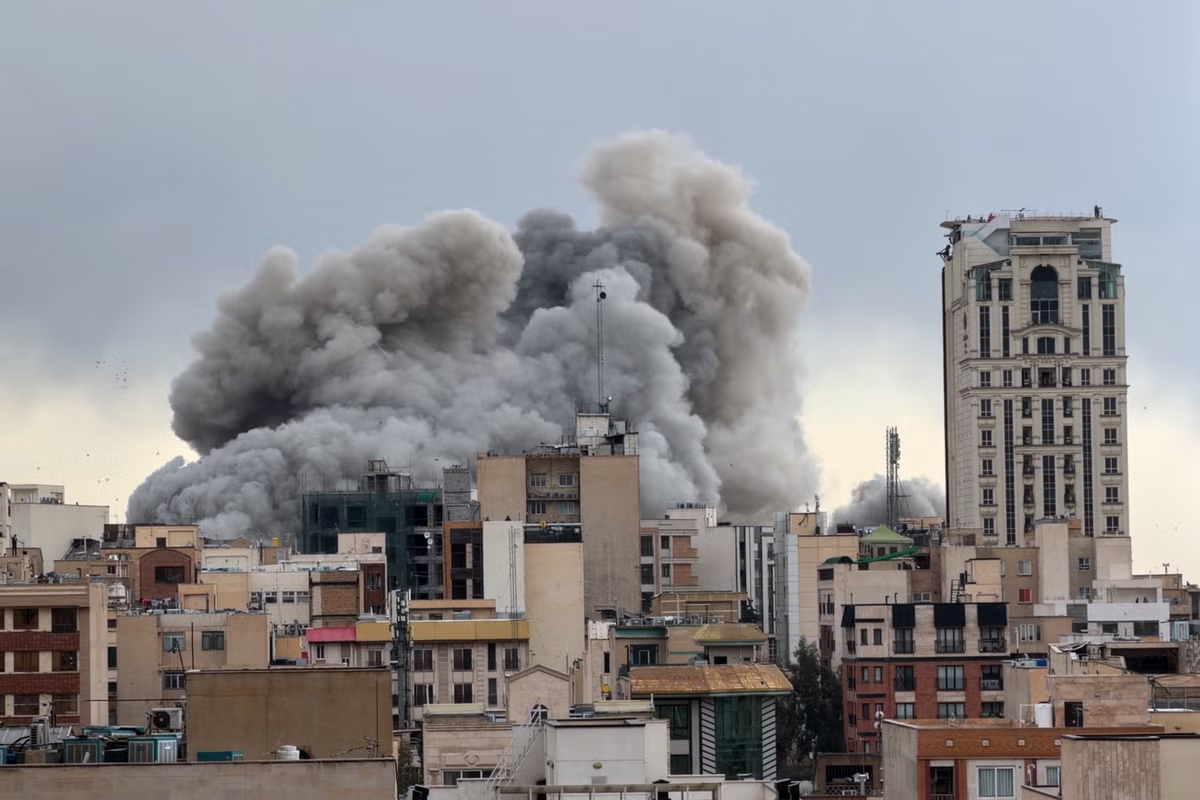
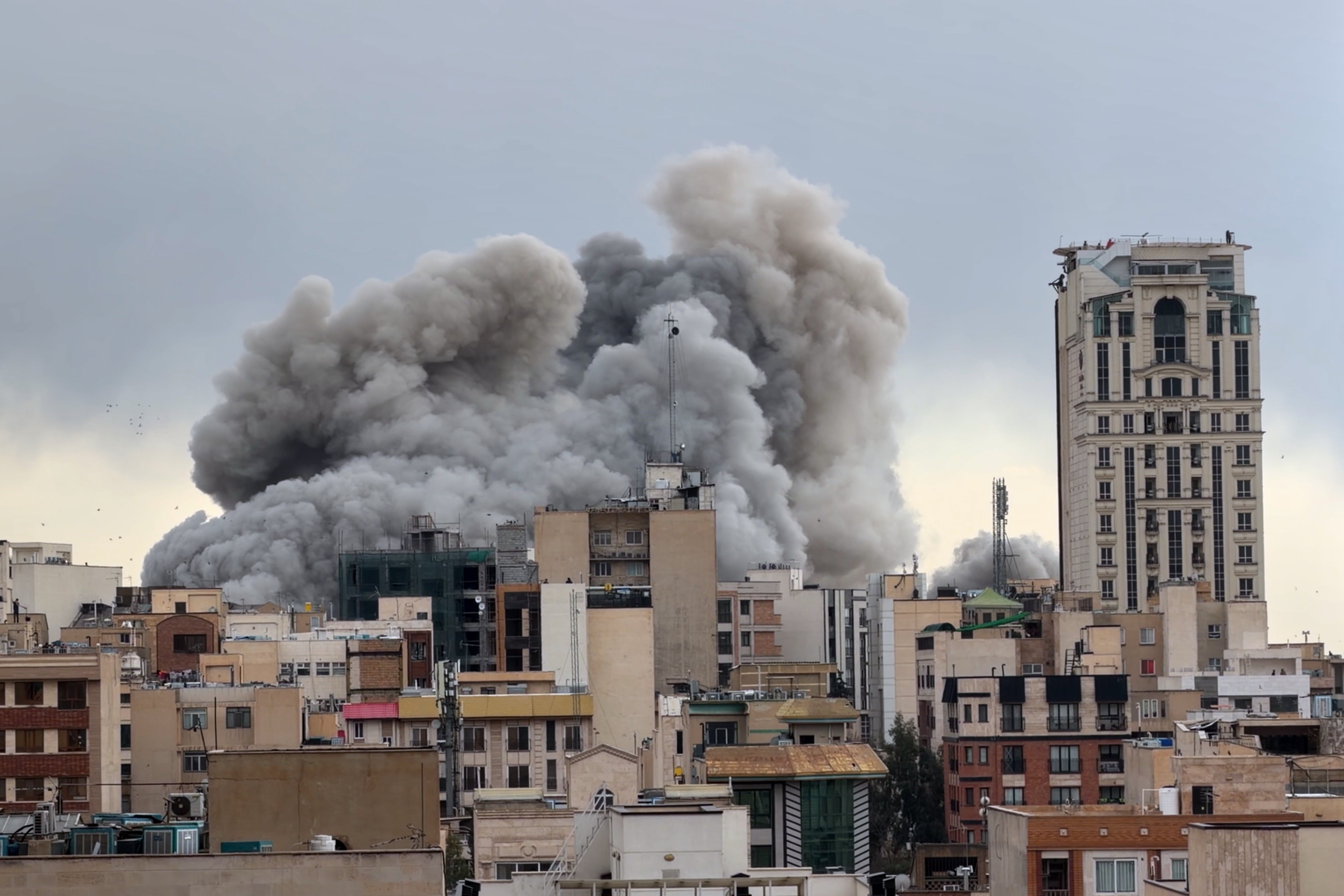
A plume of smoke rises after a strike in Tehran on Monday

A plume of smoke rises after a strike in Tehran on Monday (AP)

A series of loud explosions were heard across Gulf cities on Monday, with civilian targets in the region, including hotels and airports, also hit.

Tourists and residents in supposed Middle Eastern safe havens like Dubai have described missiles flying past their windows, while hundreds of thousands of airline passengers have found themselves stranded by flights cancelled in hotspot areas.

Advertisement

The conflict is already having a global economic impact with oil prices shooting up in response to the crisis.

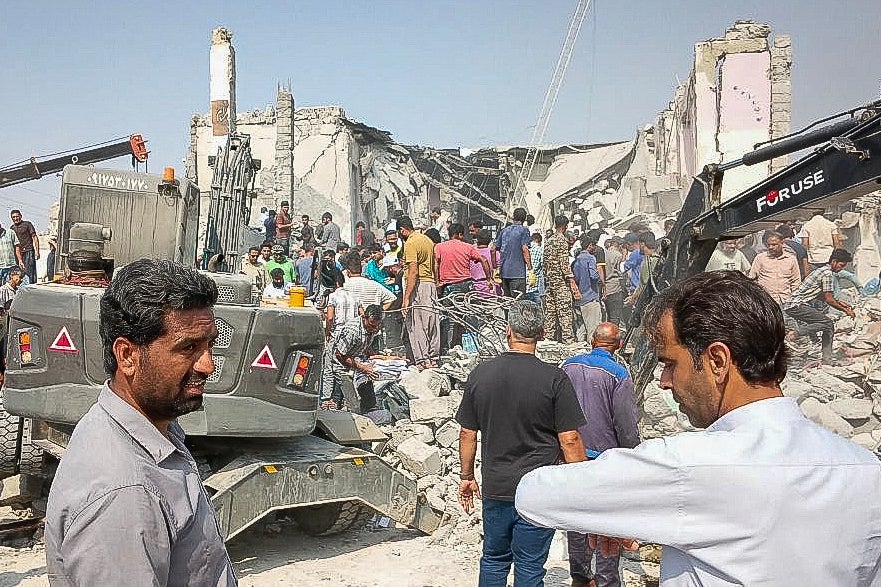
The death toll continues to climb on all sides, with fears the strikes could go on for weeks. The Iranian Red Crescent Society said that the US-Israeli operation has already killed at least 555 people, with reports of 165 victims at a girls’ school in southern Iran.

In Israel, where several locations were hit by Iranian missiles, 11 people were killed. The Iranian-backed Hezbollah militant group also targeted Israel, which responded with strikes on Lebanon, killing 52 people.

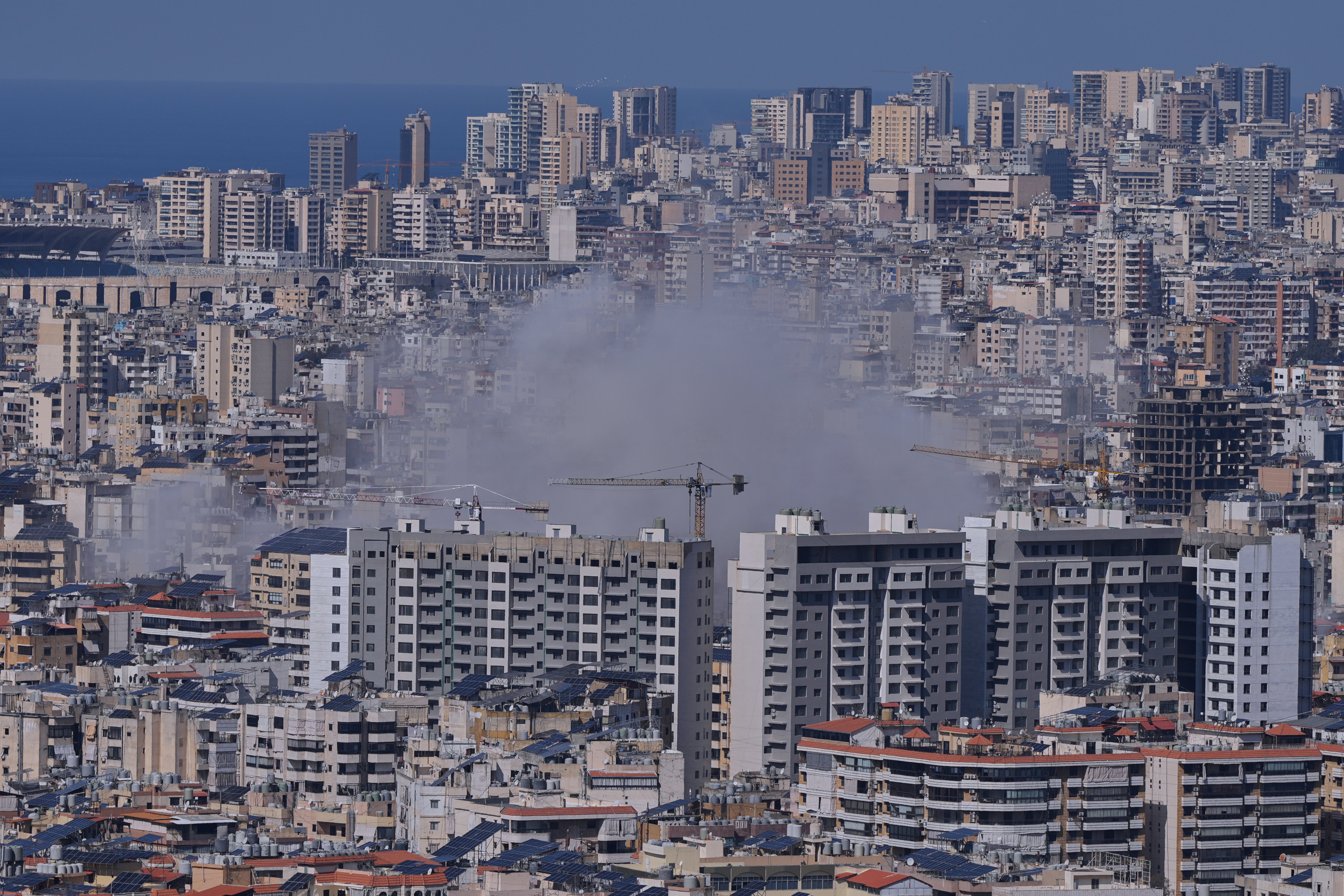
Smoke rises from Israeli airstrikes on Dahiyeh, a southern suburb of Beirut

Advertisement
Smoke rises from Israeli airstrikes on Dahiyeh, a southern suburb of Beirut (AP)

Four US service members have now been killed. There people were also killed in the UAE, and one each in Kuwait and Bahrain.

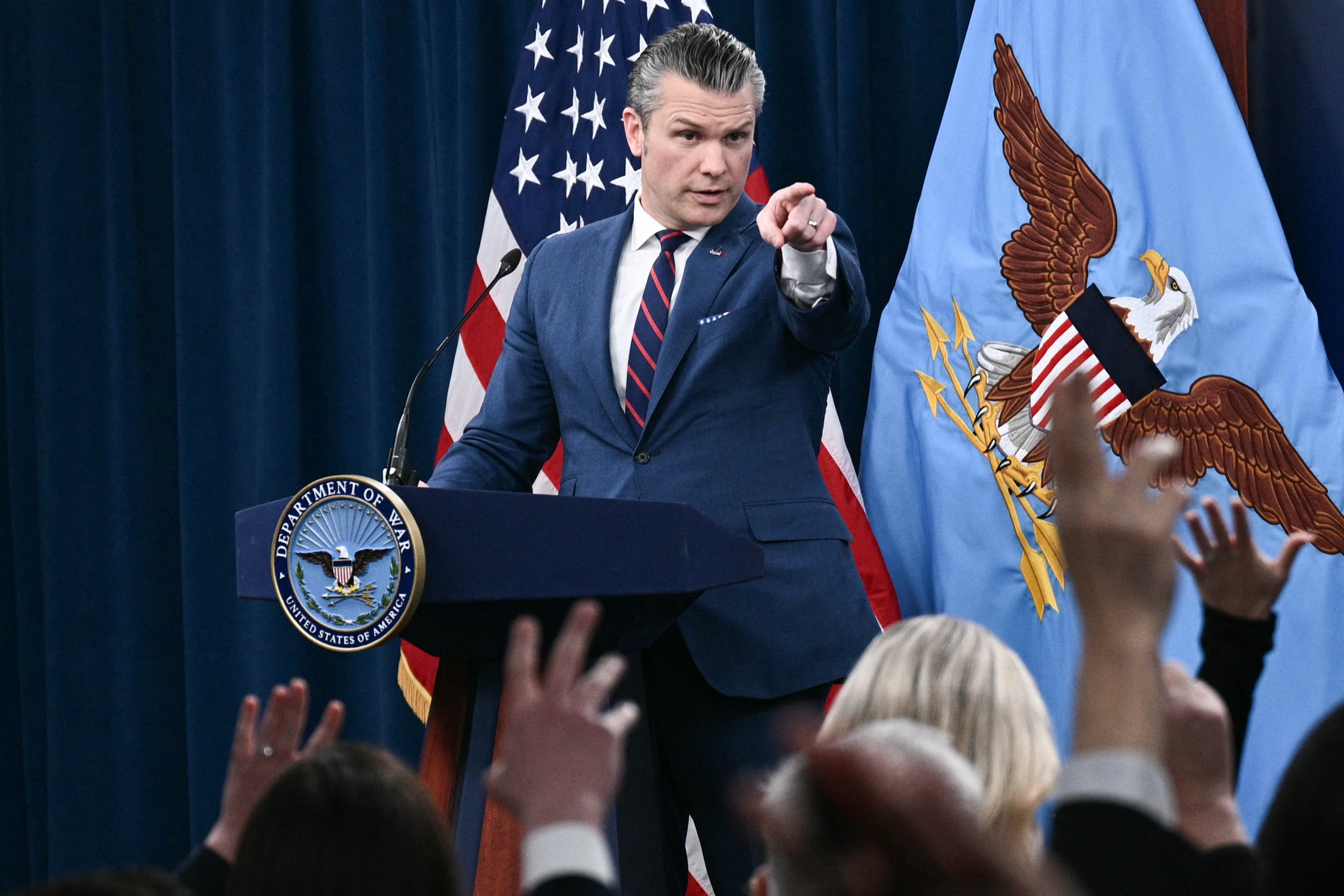
Amid growing concerns that the conflict could spiral into a protracted regional war, including over the lack of any apparent exit plan, US defense secretary Pete Hegseth insisted “this is not endless” as he held the Trump administration’s first news briefing since strikes were launched on Saturday.

But Iran’s top security official Ali Larijani vowed on X on Monday: “We will not negotiate with the United States.”

In an indication that the war could draw in yet more nations, the UK, France and Germany have pledged to help the US stop Iranian attacks.

Advertisement

A drone hit the British RAF Akrotiri base in Cyprus on Sunday with two more intercepted on Monday. Sir Keir Starmer said this was “not in response to any decision that we have taken” but was launched before Britain’s announcement that it would allow America to use its bases.

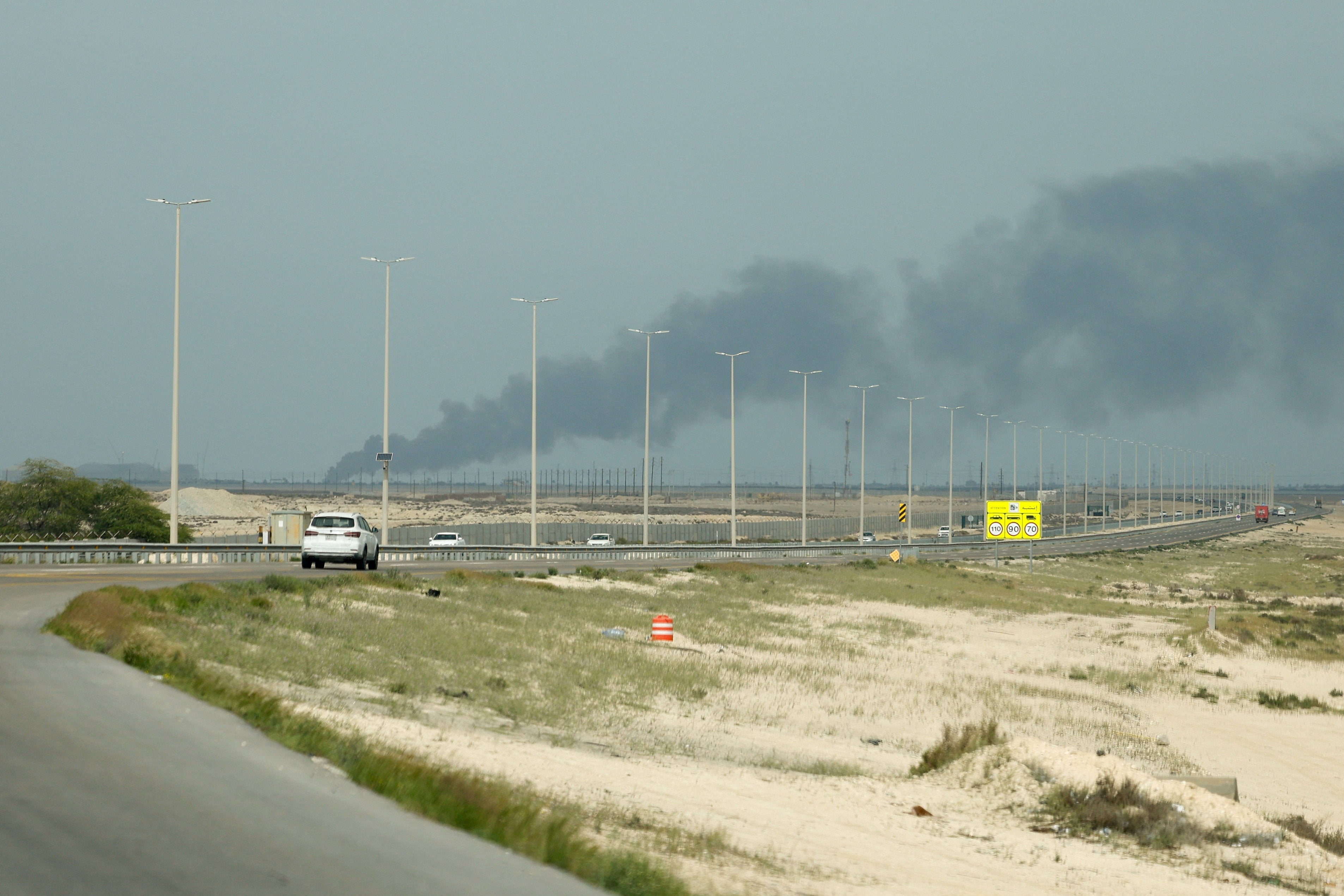
Smoke billows from Saudi Aramco's Ras Tanura oil refinery after a reported Iranian drone strike

Smoke billows from Saudi Aramco’s Ras Tanura oil refinery after a reported Iranian drone strike (Reuters)

The chaos of the conflict was further highlighted on Monday when the US military said Kuwait had shot down three American F-15E Strike Eagles during a friendly fire incident. US Central Command said all six pilots ejected safely and are in a stable condition.

In Kuwait City, fire and smoke rose from inside the American embassy compound, shortly after the US issued a warning to Americans to take cover and stay away from the complex. There were no immediate reports of damage or casualties.

Advertisement

Meanwhile, Saudi Arabia’s Ras Tanura oil refinery came under attack from drones, with defences downing some of the incoming aircraft, a military spokesperson told the state-run Saudi Press Agency. The refinery has a capacity of over half a million barrels of crude oil a day.

With world markets already rattled by the fighting, QatarEnergy said it would stop its production of liquefied natural gas, taking one of the world’s top suppliers off the market. It offered no timeline for restoring its production. European natural gas prices surged by 40 per cent in response.

Rescuers at the site of a strike on a girls’ school in Minab, in Iran’s southern Hormozgan province, on Saturday

Rescuers at the site of a strike on a girls’ school in Minab, in Iran’s southern Hormozgan province, on Saturday (ISNA)

Iran has long threatened that, if attacked, it would drag the region into total war, targeting Israel, the Gulf Arab states and the flow of crude oil crucial for global energy markets. All of these came under attack on Monday.

Advertisement

But Mr Hegseth insisted Iran “had a gun to our head” as he defended the joint US-Israeli attacks that sparked the widening conflict.

The conflict erupted on Saturday when Mr Trump launched what he described as a “major combat operation” to destroy Iran’s military capabilities and eliminate the threat of the country creating a nuclear weapon, following weeks of pressure.

Sir Keir has defended the UK’s “deliberate” decision not to join in with the wave of strikes by the US and Israel on Iran at the weekend, after Mr Trump said he was “very disappointed in Keir”.

US defense secretary Pete Hegseth claimed his country had not started the war – but they would end it

Advertisement
US defense secretary Pete Hegseth claimed his country had not started the war – but they would end it (AFP via Getty)

Speaking in the House of Commons on Monday afternoon, the prime minister responded: “It is my duty to judge what is in Britain’s national interest. That is what I’ve done, and I stand by it.”

The government insisted that Britain is not at war, but Sir Keir did condemn Iran’s “reckless” and “dangerous” actions and vowed to continue “defensive” actions in the region.

Israeli prime minister Benjamin Netanyahu, meanwhile, claimed he and Mr Trump are saving the world from the threat of Iran.

“We set out to protect ourselves, but in doing so we protect many others,” he said as he visited the site of a deadly Iranian missile attack in central Israel.

Advertisement

Iran’s cabinet has vowed that this “great crime will never go unanswered”, and the Revolutionary Guard threatened to launch its “most intense offensive operation” ever, targeting Israeli and American bases.

Source link

Continue Reading

NewsBeat

“My partner can’t speak for himself because he is dead”: man dies after incorrect blood transfusion

Published

on

Belfast Live

The Belfast Health and Social Care Trust is conducting an investigation about how a man died in hospital after he was given the wrong blood

A man has opened up about the death of his husband, who died at the Royal Victoria Hospital after receiving a transfusion of the wrong blood type.

Advertisement

Charlie Begley, who was 55 years old when he lost his life on January 23, told his partner, David O’Prey, he was scared of dying just days before he passed away. Mr Begley died roughly two months after he was given incompatible blood.

Mr O’Prey, 66, from South Belfast was the partner of Mr Begley for 36 years and the pair had been married for the last eight years. Both men had previously been employed in a hospital in Belfast, and Mr O’Prey is now seeking answers about how this happened.

READ MORE: New dog park in Belfast opens using upcycled playground equipmentREAD MORE: Man charged to court after alleged kidnapping in Derry

He believes the incident shortened his husband’s life. An investigation by the trust is currently underway after a Level Two Serious Adverse Incident was declared.

Advertisement

Speaking to Belfast Live, the bereaved man said: “You go in the hospital to get fit and get back on your feet, not to get the wrong blood. On January 21, Charlie said to me, ‘David, I am scared, I think I am going to die.’ I need the person or people who did this to be held accountable, I can’t have them doing this to someone else.

“My partner can’t speak for himself because he is dead but I am not going away, the trust needs to give me answers. I am sitting here with my husband’s ashes in the house, the hospital has shortened my husband’s life.

“I can’t bring my husband back but maybe someone else can be helped from this situation — It’s not right, my voice needs to be heard. If I didn’t do anything and sat here being quiet and someone else had this happen, I could not live with myself. I can’t sleep now, I don’t want anyone else to suffer.”

The Belfast Health and Social Care Trust confirmed there is an ongoing investigation taking place.

Advertisement

A spokesperson for the Trust said: “Belfast Trust has identified some areas of concern regarding Mr Begley’s care and treatment and has notified a Serious Adverse Incident principally regarding administration of an incorrect blood product.

“We understand this is a difficult time for Mr Begley’s family and offer our sincerest sympathies. It would not be appropriate to comment further while a review is underway.”

Want to see more of the stories you love from Belfast Live? Making us your preferred source on Google means you’ll get more of our exclusives, top stories and must-read content straight away. To add Belfast Live as a preferred source, simply click here.

Advertisement

Source link

Continue Reading

NewsBeat

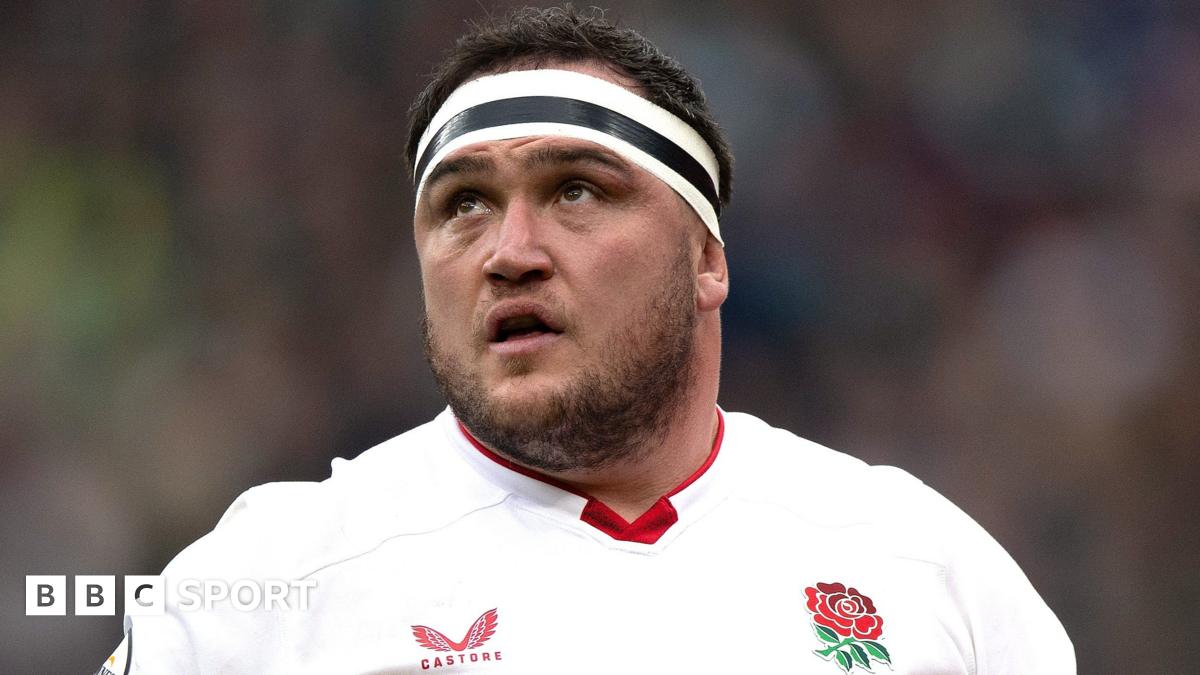
Jamie George – ‘I feel safe playing rugby, I haven’t always’

Published

on

Jamie George playing against Ireland

George added he would be happy to let his two-year-old daughter play the sport if she chose to.

While a group of former players are taking legal action against rugby’s authorities claiming that more should have been done to protect their brain health in the past, there are a series of measures in place to protect players from concussion.

They include ‘smart’ gumshields that measure the forces players heads withstand in a tackle, pitchside doctors, mandatory assessments and stand-down periods for players diagnosed with having had a concussion.

“We are in very, very safe hands,” George added.

Advertisement

“Of course, there is a risk that you might get a concussion in a full-contact sport. We are aware of the risks that come with that, but at the same time, we have the utmost confidence in the people around us, the protocols that are in place and that we are being as well looked after as we possibly can be.”

Ben Earl, George’s Saracens and England team-mate, is equally confident in the care he gets for both club and country.

“I have never once felt like I’ve been managed poorly,” he said.

“If anything, it’s probably too far the other way. They’re probably sometimes holding you back when you feel like you’re ready to go, but actually they’re just looking after you and your body.

Advertisement

“So, in terms of my personal experience with the game and safety, I have felt unbelievably well cared for.”

Source link

Continue Reading

Trending

Copyright © 2025