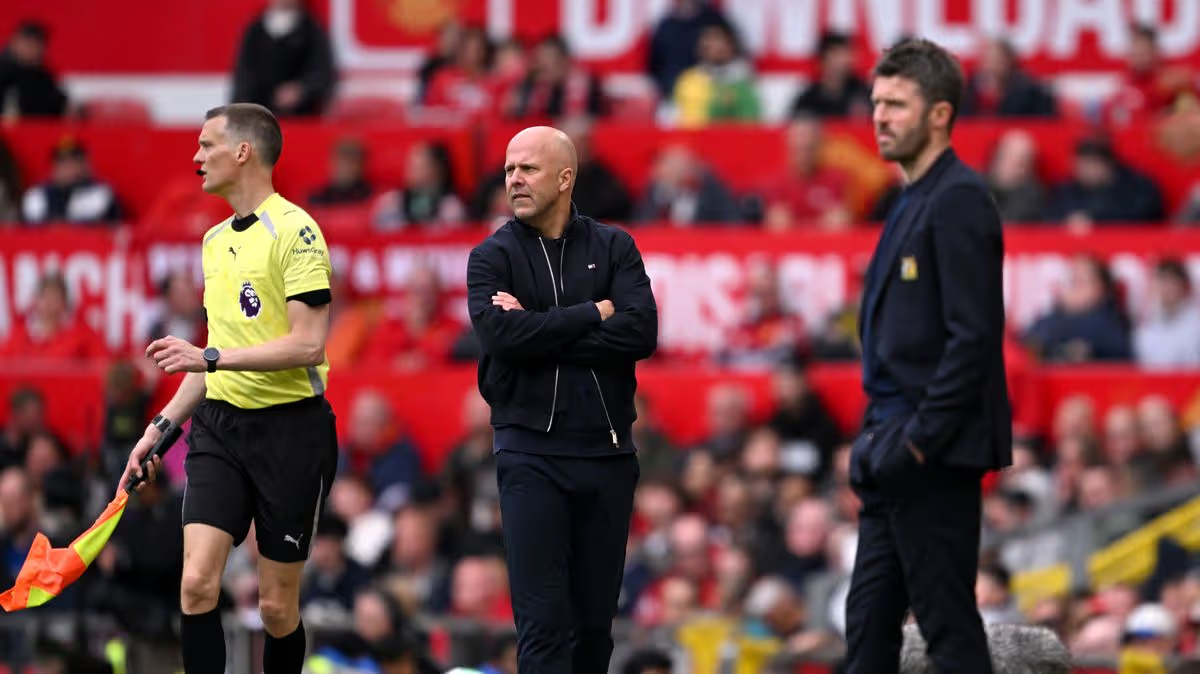
Liverpool have parted ways with manager Arne Slot, but the decision could be bad news for Man Utd next season.
Manchester United did the double over Liverpool in the 2025/26 Premier League season for the first time in 10 years. The Reds also finished above their fierce rivals for the first time since 2022/23.
Advertisement
Liverpool’s struggles have brought joy to United fans, who revelled in their slide again on Saturday when it was announced that Arne Slot had been sacked.
It’s worth reading Liverpool’s official club statement because the wording is unusual. “That this was a difficult decision for us to make as a club goes without saying,” it read. “The contribution Arne has made to Liverpool FC in the time that he has been with us has been significant, meaningful and – most importantly of all to supporters and ourselves – successful.
Click here to find out the latest Manchester United news in our daily newsletter
“As such, our appreciation for everything he has achieved could not be greater, particularly as it was underpinned by a work ethic, a diligence and a level of expertise which further underlined our view that he is a leader in his field.”
Advertisement
It goes on to reference how the club immediately identified that Slot embraces responsibility, and how his title win in his maiden season in England “was built on outstanding coaching and leadership every single day”.
But if Liverpool thought so highly of Slot, why has he been sacked? The statement reads like Liverpool aren’t convinced by their own decision.
The truth is, United fans would have preferred Slot to have remained in charge, given the signs of weakness at Anfield this season. Liverpool went from Premier League champions to just about scraping into the Champions League in the space of 12 months.
Sky Sports, HBO Max, Netflix and Disney+ with Ultimate TV package
Advertisement
This article contains affiliate links, we will receive a commission on any sales we generate from it. Learn more
Sky has upgraded its Ultimate TV and Sky Sports bundle to now include HBO Max, Netflix, Disney+, discovery+ and Hayu, as well as 135 channels and full Sky coverage of the Premier League and EFL.
Sky broadcasts more than 1,400 live matches across the Premier League, EFL and more with at least 215 live from the top flight alongside Formula 1, darts and golf.
Liverpool fans said they had ‘won’ the transfer window when they splashed £225million on Alexander Isak and Florian Wirtz last summer, but that ‘prize’ yielded a combined total of eight Premier League goals.
Slot spent a vast sum of money in the market to build his own squad but somehow made Liverpool worse, so his departure could be considered as bad news for United, who probably would have had a better chance of finishing above their rivals again if he’d remained in charge.
The chances are Liverpool will benefit from a change of manager and become a bigger threat to United next season.
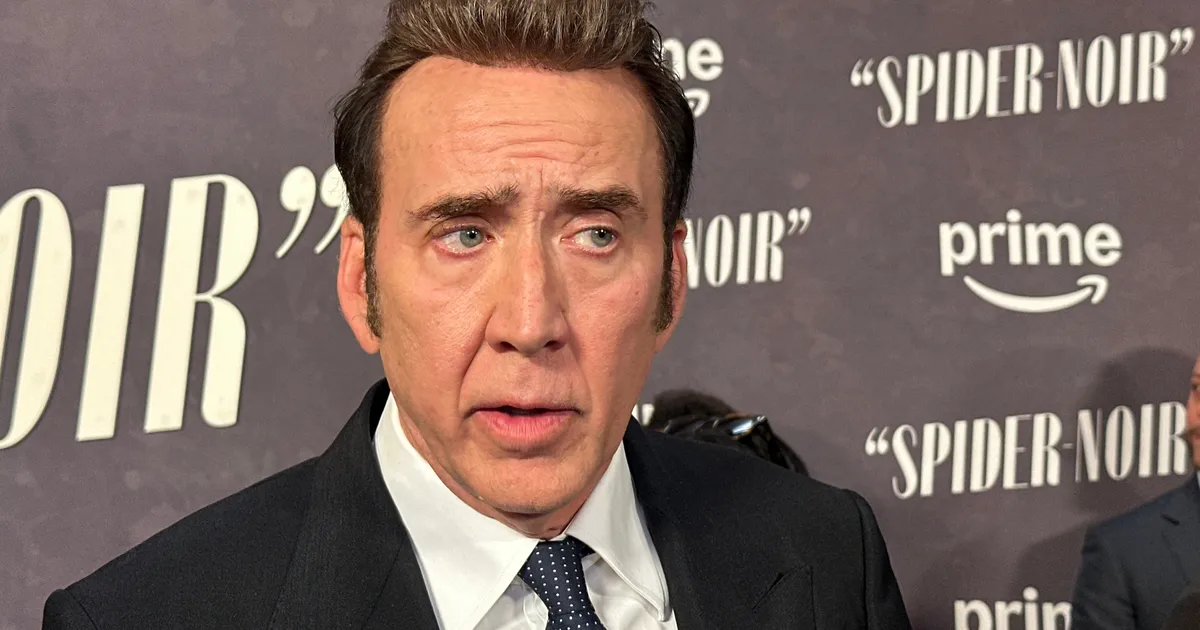
Nicolas Cage has revealed that he has legally changed his name to Nicolas Cage, which was previously only his stage moniker.
The Oscar winner shared the news in an interview with Variety posted on Wednesday.
Variety’s reporter asked Nick – who was born Nicolas Kim Coppola – about one of his inspirations being the comic book superhero Luke Cage.
“Is it strange to still be known as Nicolas Cage?” she asked.
Advertisement
“No. I am Nick Cage,” he then responded. “I changed my name legally last year.”
He added: “I’m Nick Cage in life, and I’m Nick Cage on camera. ’Tis better to be the patriarch of my own little family than the clown cousin on the margins of someone else’s, so I decided I’m going to bring it on and be ‘Cage’.”
The Leaving Las Vegas actor – whose uncle is The Godfather director Francis Ford Coppola and aunt is Rocky star Talia Shire – explained: “Cage is a name that I liked coming across in the comics.”
“I just thought he had a cool name,” he continued. “And I grew up in a very avant-garde, artsy family and there was talk about John Cage and the experimental compositions that he did.”
Advertisement
He added: “I was looking for something like ‘James Dean’, I was looking for something short and sweet. I thought, well, I’ll keep the name Nicolas because my father [the late professor August Coppola] named me Nicolas – with French spelling, which has always frustrated me, because everyone adds an ‘h’. I don’t know why he gave me the French spelling! But he did.”
The actor then made it clear that he can still be called Nicolas or Nick because “people know me as both”.
The newly-legally-certified Nicolas Cage currently stars in Spider-Noir on Amazon Prime.
Gas and electricity prices are due to rise again from July 1
Gas and electricity prices are due to rise again from July 1
Need to know: energy price hikes announced in Northern Ireland
Two major energy suppliers in Northern Ireland have announced significant price increases from July 1, affecting hundreds of thousands of households across the region.
Power NI will increase electricity rates by 6.2%, adding approximately £5 per month to bills for over 500,000 customers. Typical annual costs will rise to around £1,093 for credit customers and £1,065 for keypad users.
Firmus energy has announced a steeper 15.65% gas price increase for its Ten Towns network customers. This will add around £132 annually to typical household bills, affecting approximately 76,000 domestic and small business customers.
The increases are attributed to sustained global gas price rises and higher network charges, with Middle East tensions contributing to market volatility. William Steele from Power NI said: “We have worked hard to hold prices for as long as possible, but sustained increases in global gas costs, along with higher network and market related charges, means unfortunately this increase is unavoidable.”
David Smith from firmus energy noted that despite the increase, customer bills will be “roughly the same as this time last year and still significantly below where they had been in previous years.”
The Consumer Council advises struggling customers to contact their suppliers directly for support and assistance with energy bills.
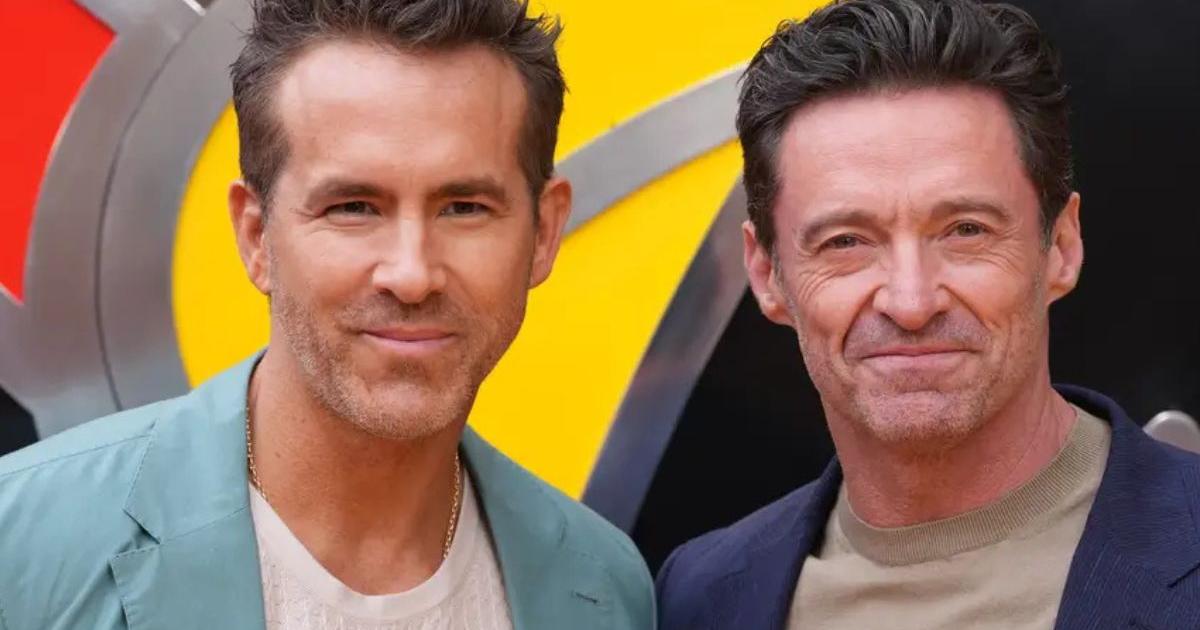
The Hollywood duo will front a new Disney+ documentary series following the Australian SailGP team, known as the BONDS Flying Roos, across a global racing season of the high-speed, global sailing competition.
Last year, Jackman and Reynolds purchased the team, which is led on the water by its chief executive and Olympic gold medallist Tom Slingsby.
The docuseries will take viewers behind the scenes of the sport and showcase catamarans racing at speeds of up to 100km/h on close-to-shore courses around the world.
Advertisement
In a joint statement, Jackman and Reynolds said: “This is our first collaboration since Deadpool & Wolverine and we once again anticipate action, comedy, heart but with a lot more water.
“And (fingers crossed) pirates. We hope there’s pirates in SailGP.”
Eric Schrier, president, direct-to-consumer international originals, strategic programming, and emerging media, said: “Following Ryan, Hugh and the SailGP’s BONDS Flying Roos Australian team’s journey gives us a remarkable inside view of this thrilling sport and what it takes to compete at the highest level.
“We couldn’t be more excited to bring this story to Disney+ audiences around the world.”
Advertisement
The yet-to-be-titled series will be produced by Maximum Effort and Eureka Productions, in partnership with SailGP and the BONDS Flying Roos.
It will stream on Disney+ internationally and on both Disney+ and Hulu in the US.
Rob McElhenney, co-owner of Wrexham AFC alongside Reynolds and star of Welcome to Wrexham, will also serve as an executive producer on the series.
Hugh Jackman on Ryan Reynolds
Hugh Jackman begged the Academy not to “validate” Ryan Reynolds, after learning the Deadpool actor had been shortlisted for the best original song Oscar.
Advertisement
The Australian actor and singer said having Reynolds receive a nomination in the category would “make the next year of my life insufferable”.
It comes after the song Good Afternoon from recent festive film Spirited, starring Reynolds, Will Ferrell and Octavia Spencer, was announced as part of the Academy shortlists last month.
According to Greater Manchester Police (GMP), the vehicle was found ablaze on Chorley New Road.
The fire was quickly extinguished and the vehicle has since been recovered.
Police confirmed that nobody was injured and no arrests were made in connection with the incident.
Advertisement
A spokesperson for Greater Manchester Fire and Rescue Service (GMFRS) said: “Just after 10am this morning (Saturday, May 30), a fire engine from Horwich Fire Station was called to reports of a vehicle fire on Chorley New Road, Bolton.
“The crew arrived quickly at the scene. Firefighters used a hose reel jet to extinguish the fire.
“Firefighters were in attendance for around twenty minutes.”
The cause of the fire has not yet been disclosed.
Advertisement
Traffic was affected in the area while emergency services dealt with the incident and recovered the vehicle.
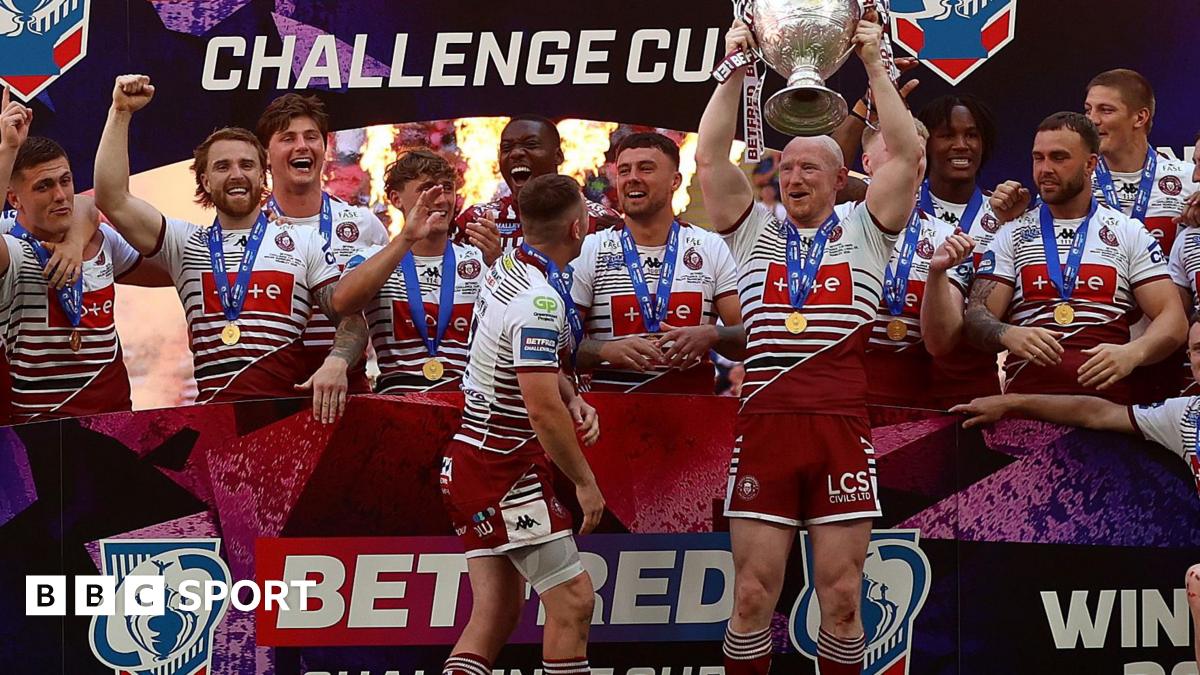
Prior to the game, Wigan legend Martin Offiah described the final as being an “unofficial World Club Challenge” given that Wigan and Hull KR are the past two winners of that competition – and the tie did plenty to earn that moniker.
It was a bruising battle in the heat and yet it was genuinely impressive that the first half brought 14 points in the conditions and with such high energy action on show.
Wigan had raised some eyebrows last week when, in a Super League fixture against the Robins which teed up Saturday’s final, boss Matt Peet had named a whopping 10 changes to his side ahead of their 62-4 thrashing.
Yet there was further surprising team news to come as French, who had been set to miss four months of the season with a hamstring tear in March, came back into the matchday squad and was named on the bench.
Advertisement
Likewise, Hull KR named Leyland on their bench, as his pair of tries while on a short-term loan with St Helens saw him help clinch a comeback win over Wigan in their Super League derby on Good Friday.
That defeat and subsequent reaction, inspired Peet’s side to a 32-0 victory over Saints in the final to set up their place in Saturday’s final, with Peet also saying that St Helens had “lost their identity” following Leyland’s part in their Easter win.
Yet if there were any lingering fears that Wigan would falter and slip to what would have been an embarrassing defeat in light of last week’s line-up, they were put to rest early on.
Wigan were at their very best for virtually the entire 80 minutes, but it was their second-half showing that inspired their win – with the 13-minute period where Nsemba and Keighran’s double came being the turning point.
Advertisement
Hull KR were undone in that spell by three moments of genius, the first being Farrimond’s pinpoint kick to Nsemba, Smith’s perfectly weighted kick to Keighran and Keighran’s run to evade the Robins defence to score.
French’s try on his return may steal the headlines, yet this was a rounded team performance the like of which draws parallels with their wonderful 2025 season.
In addition to the brilliance, the game ended on a sour note for Wigan, as Walters saw red with Nsemba also involved in the reckless move on Leyland with the game virtually at its conclusion.
It’s 90 years this week since Ireland’s national airline first took to the skies, choosing Bristol as its destination. It was welcomed locally as the start of luxurious international travel, though from this distance it just looks crude, dangerous and uncomfortable. Eugene Byrne says you’ll never get him up in one of those things.
People’s recollections of the first ever international flight from Ireland, and the first ever international flight to arrive at Bristol’s airport, include a couple of stories which might be true, or which might be mis-remembered from later flights. Who knows? Memories can be deceptive, as we all know.
So in one story, one of the passengers felt queasy, then worse. There were no air-sickness bags in 1936, so he had to use his bowler hat …
At the time, the only cargo recorded as being carried on the flight were some copies of the Irish Times, but in 1966 at a banquet to mark the 30th anniversary at Bristol’s Grand Hotel, the former airport manager recalled that it also carried a pair of greyhounds.
Advertisement
“They ripped a hole in their cage,” recalled Leonard Williams.
“And then they chewed through the fabric of the aircraft. The plane came in with their two heads sticking through the side of the fuselage!”
Both tales might be true, but we can’t be sure. Media coverage of the event at the time was quite muted. Perhaps no-one really grasped how it was an historic moment. Not just Bristol’s first international flight, but also the first outing for Aer Lingus, Ireland’s national airline.
British headlines that day – May 27 1936 – were dominated by the Queen Mary setting off from Southampton on her maiden voyage. The immense Cunard liner’s stop-start construction had been hamstrung by money problems, but now she was finally ready, carrying British pride onto the high seas.
Advertisement
By contrast, the arrival of a little aeroplane with five passengers – Queen Mary carried 2,000 – in a provincial British airport barely merited a mention. It was only worth a couple of paragraphs and a picture in the local press.
Besides, compared to the sheer size and glamour of a Cunard liner, the maiden flight of Aer Lingus’s only plane was a literal wing-and-a-prayer affair.
Advertisement
Aer Lingus nowadays has a fleet of over 80 aircraft, 4,000 employees, and a turnover in excess of 2.5 billion Euros. In 1936 it had one plane, 12 staff and its starting capital had been advanced by an English company while it awaited Irish government funding.
The company HQ was a hut at Baldonnel Aerodrome, near Dublin. The airfield was also used to pasture sheep which had to be moved out of the way on the few occasions a plane was taking off or landing.
At 9am on May 27 1936, there was a small gathering to see the first flight off. The aeroplane, a de Havilland Dragon, was blessed by the local priest, Father O’Riordan, and there were speeches from Seán Lemass, Ireland’s Minister for Industry and Seán Ó hUadhaigh, the chairman of the new company.
The plane, named ‘Iolar’ (Irish for eagle) would look impossibly frail to modern eyes, a biplane of wood and canvas which you could easily imagine a pair of greyhounds effortlessly vandalising.
Advertisement
Its passengers were airline director, W. H. Morton, plus Mr and Mrs T. Fitzherbert, Mrs Seán Ó hUadhaigh (the Aer Lingus Chairman’s wife) and Mr T. J. O’Driscoll of the Irish chamber of Commerce. Mr and Mrs Fitzherbert were the only fare-paying passengers – Mrs Fitzherbert had been given the tickets by her father over dinner the previous evening – the others all being associated with the airline. The sixth seat was empty, or maybe it was for the greyhounds or the Irish newspapers.
The aircraft, piloted by Eric Armstrong took to the sky, understanding it would be a grey and overcast day over Bristol. Armstrong’s was a highly skilled and demanding job, and he was doing it all on his own – no navigator or flight engineer. The only concession to in-flight maintenance was a biscuit tin containing a few spare parts stowed under the pilot’s seat.
There was no air traffic control, no satellite guidance, and the radio could transmit but not receive.
On a later flight, one of the passengers, an experienced sea captain, thanked Armstrong when they landed in Bristol. He found the experience of going up into the clouds, then seeing no land until the plane reached Bristol astonishing.
Advertisement
He had sailed the world, he said, but how the pilot had smoothly brought his plane to Bristol was something he would never understand.
Meanwhile, at Whitchurch just a few of the airport staff and a handful of local dignitaries awaited Iolar’s arrival. She was due to arrive at 11am, but at that point there was no sign of her.
Then, the distant sound of engines … which continued for half an hour because the airfield was shrouded in fog. The plane circled until finally, 50 minutes late, Captain Armstrong thought it was safe to land.
Advertisement
The plane taxied up and her engines spluttered to a halt. While we might consider the flight hair-raising, the small article in the Western Daily Press noting the new Bristol-Dublin service called it “luxury travel”.
There was no big reception, no Lord Mayor. But the pilot and passengers were welcomed by members of Bristol City Council’s Airport Committee (the Council owned and managed the airport), Alderman A.A. Senington and Cllr R.F. Lyne before being taken by car to Temple Meads to go on to London by train.
Bristol was a natural first destination for Éire’s new state airline, given its location and the historic links, and the service would connect with rail services to and from London. In the coming months this worked well – for those who could afford the £4 single ticket or £7 return.
But not that day. Interviewed at the 30th anniversary celebrations in 1966 Mrs Sheelah Martin – wife of the late Mr Fitzherbert and now re-married – recalled that they missed the connection to London.
Advertisement
“It was ironic that we got there later than if we had followed the original plan to go the whole way by boat-train.”
But the service was up and running, and mostly problem-free. There was one occasion on which a strong wind helped blow Iolar to Bristol in record time. But she would be flying against that same wind on the way back and would likely run out of fuel, so was delayed.
Just a few months later Aer Lingus invested in a new, more modern aircraft, a de Havilland Dragon Rapide which would stop at Bristol before continuing on to London’s Croydon Airport. Its first flight to Bristol carried the Lord Mayor of Dublin, and this time the Lord Mayor of Bristol did turn up to greet the arrival.
The service would turn out to be a great success by the standards of the time. It was punctual (weather permitting) and in its first 12 months carried 892 passengers and nearly four tons of cargo and mail.
Advertisement
Everything stopped though for the Second World War. The resulting disruptions and money problems meant that it was 1951 before a direct Aer Lingus link between Bristol and Dublin was resumed.
The brave little Iolar, meanwhile, was sold to an English company in 1938 and tragically was shot down near the Scilly Isles by enemy aircraft in 1941.
Aer Lingus bought an identical machine in 1967 and it was restored by volunteers over several years in the 1980s to look just like the original.
It’s still in flying condition and has appeared at several air shows and flying displays.
The 19-year-old was with friends at Balderton Lake
Husna Anjum Senior Reporter and Oscar Fisher
19:01, 30 May 2026
The body of a 19-year-old man has tragically been recovered from a lake in Nottinghamshire, making his the 15th water-realated death during the heatwave. The incident happened at Balderton Lake in New Balderton, near Newark after reports of a man in water.
Police were called to the scene at around 2.30pm on Thursday (May 28) NottinghamshireLive reports. Police, the fire service, and paramedics attended the scene and a 19-year-old man was recovered from the water.
Advertisement
He was treated at the scene by paramedics and then taken to hospital, but later died. Police say his family have been informed and that officers are supporting them at this distressing time.
There are not believed to be any suspicious circumstances and a file will be prepared for the coroner.
Chief Inspector for Newark, Clive Collings, said: “This is a tragic incident and our thoughts are solely with this young man’s family. We recognise this will be very upsetting for the local community and we encourage people to access support if they need it.
“During hot weather we know people want to keep cool but open waters are exceptionally dangerous as there is no way of telling what’s beneath the surface.”
Advertisement
Group manager Charlotte Weatherall-Smith, from Nottinghamshire Fire and Rescue Service, said: “On behalf of Nottinghamshire Fire and Rescue Service, I would like to extend our deepest sympathies and heartfelt condolences to the family, friends and loved ones of this young man at this incredibly difficult time.
“This is a tragic incident, and our thoughts remain with everyone affected. Incidents like this are a stark reminder of the dangers that open water can present.
“Even on warm and sunny days, water temperatures can be much colder than they appear, and entering the water can lead to cold water shock, which can be sudden, severe and potentially fatal. If you see someone in difficulty in the water, call 999 immediately and ask for the fire service.
“Encourage the person to float on their back to help them stay calm and conserve energy. For your own safety, please do not enter the water or attempt a rescue yourself, as this can put additional lives at risk.”
Advertisement
If you spot someone in open waters call 999 and provide the fire service with an accurate location using what3words or landmarks.
Ensure our latest stories always appear at the top of your Google Search by making us a Preferred Source. Click here to activate or add us as your Preferred Source in your Google search settings.
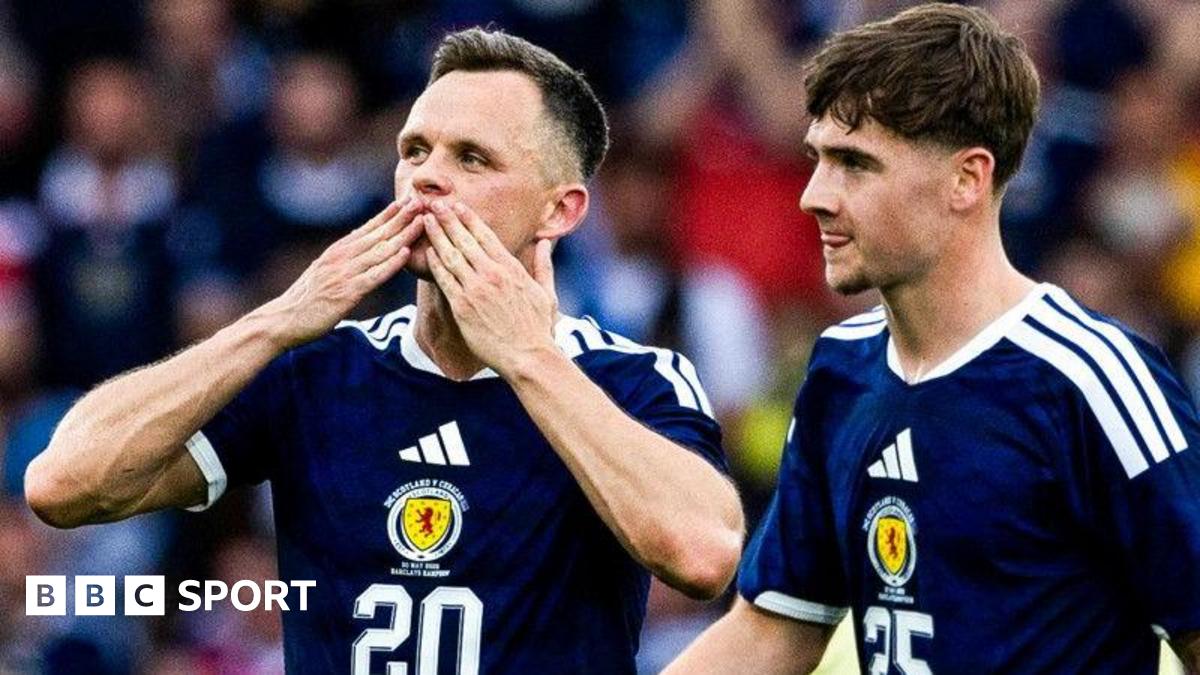
For an hour at Hampden, Lawrence Shankland was a peripheral figure, a support act for George Hirst – Scotland’s number nine – and diminished because of it.
Shankland ran everywhere apart from where he is most effective. He dropped deep and ran wide, he sacrificed himself so that Hirst could be the one leading the line.
He was in the margins of a nervy farewell to Hampden before the team heads for the United States on Sunday.
That would change, of course, And thank goodness. Shankland pushed on, took up more dangerous positions and, surprise, surprise, scored and then scored again. Two chances and two beautiful finishes.
Advertisement
Shankland is, by a margin, Steve Clarke’s most accomplished striker. Let’s hope the message lands.
No more Che Adams starting the big games. We’re firmly in the Shankland era now. He’s the one you’d want in a do-or-die moment in America, a chance to keep Scotland alive in the tournament.
When the new Rangers striker made it 2-1, then 3-1, a day of toil against the 10 men of Curacao – world ranking of 82 – turned into something altogether more palatable.
Up until those moments, Scotland were in mortal danger of being sent on their way with a collective shrug from the Tartan Army, a goodbye and good riddance message as they prepared for departure.
Advertisement
Eventually the loss of Jurgen Locadio, the hulking forward who walked in the 38th minute after an elbow on Aaron Hickey, told. That was the turning point.
Curacao were 1-0 ahead at the time and Scotland were struggling. The stadium was like a morgue. This is not how it was meant to be.
Locadio dynamited his team’s chances and prepared the ground for Scotland’s comeback. Nobody wanted that, not Curacao and not Clarke either.
GP Dr Dawn Harper previously told HuffPost UK that she’s sceptical of “superfoods” – “there is no one single silver bullet that will enhance your chances of living a long and healthy life,” she said.
You might think that Dr Jennifer Di Noia, an Associate Professor of Sociology at William Paterson University, whose 2014 paper sought to find the best fruits and veg to reduce our disease risk, was more fond of terms like these.
But she had her own concerns. “Efforts to define… powerhouse fruits and vegetables (PFV), foods most strongly associated with reduced chronic disease risk… are lacking,” she wrote at the time.
So, the researcher set out research-backed terms.
Advertisement
What counts as “powerhouse fruits and vegetables” or PFVs?
In her study, “powerhouse” fruits and vegetables had to offer at least 10% more of 17 nutrients per 100 calories than other foods.
These nutrients the study looked at were:
potassium,
fibre,
protein,
calcium,
iron,
thiamin,
riboflavin,
niacin,
folate,
zinc,
vitamin A,
vitamin B,
vitamin B,
vitamin C,
vitamin D,
vitamin E, and
vitamin K.
These nutrients had been deemed of public health importance by the Food and Agriculture Organisation of the United Nations and Institute of Medicine, the paper read.
The more of these a plant packed per calorie, the higher the PFV’s nutrient density score was.
Advertisement
However, the paper stressed that these aren’t the only potentially health-boosting components of food; therefore, these metrics could miss some produce that’s great for us.
41 fruits and vegetables, ranked by disease-fighting potential
Of the 47 foods the study author looked at, 41 met her criteria for “PFV”. (The six that missed the mark were raspberries, tangerines, cranberries, garlic, onion, and blueberries).
In order, their nutrient density scores were:
Advertisement
Watercress – 100.00
Napa cabbage – 91.99
Chard – 89.27
Beetroot greens – 87.08
Spinach – 86.43
Chicory – 73.36
Leaf lettuce – 70.73
Parsley – 65.59
Romaine lettuce – 63.48
Collard greens – 62.49
Turnip greens – 62.12
Mustard leaves – 61.39
Endive – 60.44
Chive – 54.80
Kale – 49.07
Dandelion leaves – 46.34
Red pepper – 41.26
Rocket – 37.65
Broccoli – 34.89
Pumpkin – 33.82
Brussels sprouts – 32.23
Spring onion – 27.35
Kohlrabi – 25.92
Cauliflower – 25.13
Cabbage – 24.51
Carrot – 22.60
Tomato – 20.37
Lemon – 18.72
Iceberg lettuce – 18.28
Strawberry – 17.59
Radish – 16.91
Winter squash (all varieties) – 13.89
Orange – 12.91
Lime – 12.23
Grapefruit (pink and red) – 11.64
Swede – 11.58
Turnip – 11.43
Blackberries – 11.39
Leeks – 10.69
Sweet potato – 10.51
Grapefruit (white) – 10.47.
With that said, the best approach for a healthy diet is eating a balance of healthy foods. Diets rich in fruits and vegetables of all different kinds is liked to better heart health, the British Heart Foundation has said.
Oscar’s Lockdown Pizza, which started out of his parents’ kitchen, will close this week
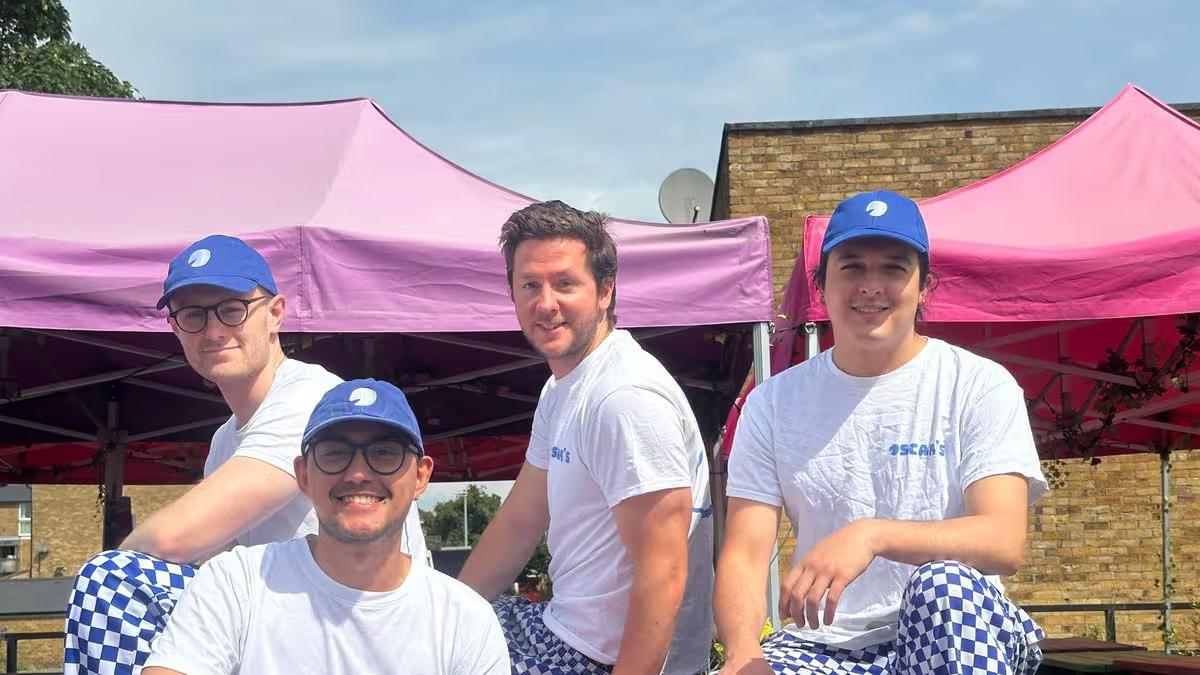
A beloved Cambridge pizza business will close down for good. Fans said they were ‘struggling to come to terms’ with the news that Oscar’s Lockdown Pizza will close at the end of July.
Advertisement
The business, started by pizzaiolo Oscar Peake in his parents’ kitchen during the COVID pandemic. But now Oscar has said the business, which has been serving pizza from local pubs, will close this week as he plans to leave the UK for Greece. The brand has become known for its range of innovative pizzas, especially its vegan and vegetarian options.
The business began while Oscar was struggling to find work during Lockdown and ended up cooking pizzas for his friends, family and neighbours.
“People told their friends, and then eventually we ended up doing 58 pizzas in one night”, he told CambridgeshireLive, “I put flyers in people’s houses around my neighbourhood and created an Instagram page, which got thousands of followers.”
But when his parents left Cambridge for Scotland, Oscar had to move his business and ended up cooking out of the kitchen and one of the city’s best-known pubs. He said: “Luckily, the Blue Moon is an amazing pub with a strong community and great beer.
Advertisement
“That was an amazing feeling, and it was kind of a realisation that an expansion was a possibility. When we first started, it was quite hard, and when we got busy, it was always a bit of a disaster. Eventually, we were able to do more and more pizzas with a lower wait time, and that was really satisfying, and that was the moment I realised maybe I’m good at this and really enjoyed the process of running the business.”
Alongside serving pizza in the Blue Moon, they also began making pizza at the Portland Arms in Chesterton and in London.
Oscar has decided to close Oscar’s Lockdown Pizza after moving to Greece with his girlfriend. He mentioned how it had “been on the cards for a while” and realised how “difficult” the business would be to run from Greece, so he will move the pizza company out there instead.
Advertisement
To celebrate Oscar’s Lockdown Pizza’s last eight weeks in business, the brand will sell a different special pizza each week. It will also offer anyone who has proof of ordering a pizza during lockdown, either a photo or a receipt, two free pizzas as a way to say thank you.
Out of all of the pizzas he has made over the years, Mr Peake had a few favourites. He said: “We had this one pizza called the aubaby, and I was really proud of that name. We had to produce a pizza that was good enough to match the name. It’s called aubaby after aubergine, so we deep-fried aubergine and coated it in this lovely chickpea batter. Then we put it on the pizza with some mozzarella and tomato sauce to make an aubergine parmigiana, and that was one of our favourite pizzas.
“The meat and smoky is our most popular pizza. It’s by far the most ordered pizza, and it’s an original flavour made by hand, which has got hay-smoked ricotta, sweet chilli jam, rocket, and chilli flakes. It’s more popular than the cheese and tomato, and people just absolutely love it. It’s like the Big Mac of Oscars.”
Advertisement
After the announcement was made, the company’s social media page was flooded with comments and people who “couldn’t believe” the news, with Mr Peake having to explain his decision. He continued: “I think people really can’t quite come to terms with it. I think a lot of vegans are actually genuinely concerned we’re closing because we made our own vegan cheese and pepperoni. Every pizza we have has a vegan version available. So Oscar’s is kind of like heaven if you’re vegan.”
When asked what he wanted to say to his loyal customers, Mr Peake said: “I just want to say thank you so much to anyone who bought a pizza, as it allowed me to do my dream job for the last five years. Sorry to let you down. Thank you to anyone who has told their friends about us, who has been essential to our success. I’m very grateful.”
Fans of the brand won’t be without pizza for long, though, as the head chef of Oscar’s Lockdown Pizza, Guillo, will be opening his own pizza business at the Blue Moon pub and will continue making vegan options as well as the “world famous” tarragon and garlic mayo dip. The business will be named Carmen’s after Guillo’s grandma and will incorporate Latin and Spanish flavours into many of the pizzas.
Advertisement
Oscar’s Lockdown Pizza will close on Sunday, July 26, meaning there is still some time to grab one last pizza.







































You must be logged in to post a comment Login