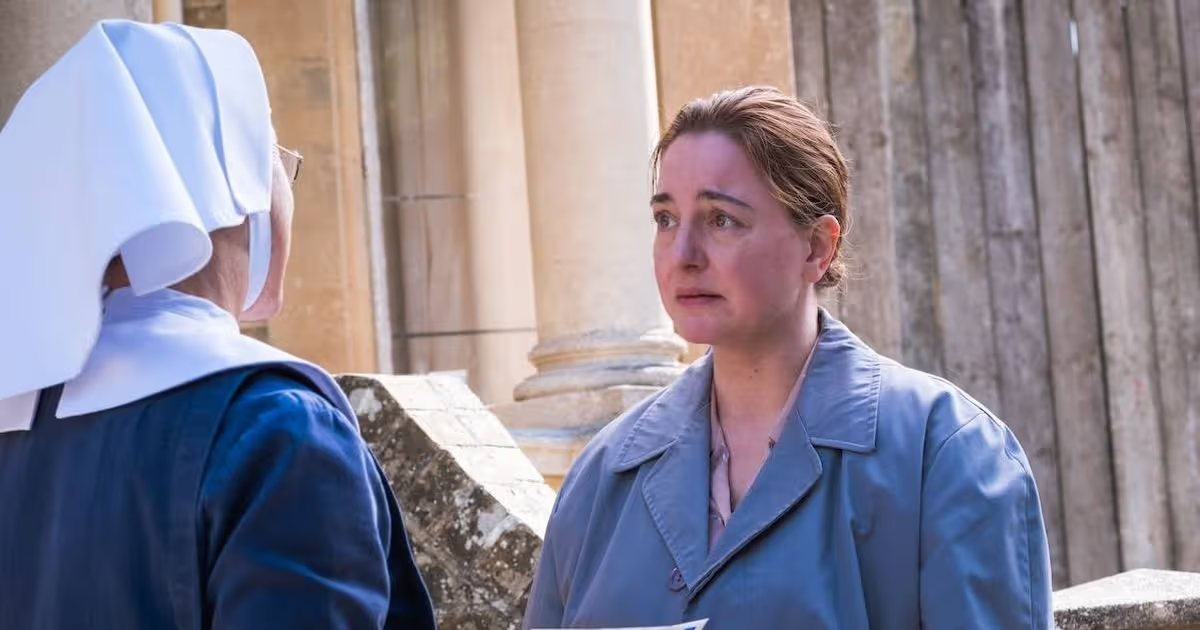
Call the Midwife will not air in its usual Sunday slot on BBC One tonight, leaving fans disappointed
Jess Phillips Assistant Showbiz/TV Editor and Abbie Bray Deputy Editor for Screen Time
15:07, 22 Feb 2026
Call the Midwife star teases return of character in series finale
Call the Midwife enthusiasts have been left heartbroken after the BBC suddenly pulled the period drama from tonight’s schedule.
Advertisement
This evening’s episode (February 22) will not broadcast at its usual time due to the BAFTA Film Awards taking over the customary 8pm slot.
The BAFTAs will run from 7pm until 9pm on BBC One, whilst BBC Two will be broadcasting the Winter Olympics closing ceremony.
Following immediately afterwards will be the new television adaptation of Lord of the Flies at 9pm, with Countryfile preceding the awards ceremony at 6pm.
The official Call the Midwife Instagram account announced the news, reassuring fans not to worry, stating: “Hello all! Just to remind you all that Call the Midwife WON’T be on this evening due to the BAFTA Awards.
“But series 15 will continue as normal next Sunday! See you then,” reports the Express.
Advertisement
The account added: “Don’t panic! We’re just taking a week’s break for the BAFTA Film Awards!”.
Disappointed fans immediately took to the comments section, with one writing: “Oh, I was so looking forward to tonight’s episode.”
Another responded: “Damn it. I really wanted to watch it this evening!”
For the latest showbiz, TV, movie and streaming news, go to the new **Everything Gossip** website.
Advertisement
Whilst a third commented: “BAFTAs should go on a different channel!”.
This follows speculation that series 15 might be the programme’s final run – however, the BBC has confirmed a 16th series will arrive in “due course”.
Scott Mills read out a statement from the broadcaster during his radio programme, which said: “The BBC would like to reassure fans that Call the Midwife will remain at the heart of the BBC for years to come.
“As previously announced, there are two Christmas specials, a new series, a film and a prequel series, before a sixteenth series in due course. Call the Midwife isn’t going anywhere!”
Advertisement
Ensure our latest headlines always appear at the top of your Google Search by making us a Preferred Source.** Click here to activate**** or add us as your Preferred Source in your Google search settings.**
Scientists have warned that even moderate consumption may accelerate the onset of dementia
Lauren Haughey Lifestyle and Money Reporter and Sophie Buchan Money and Lifestyle Writer
02:30, 12 Apr 2026
If you want to reduce your chances of developing dementia, there’s one habit worth giving up, or at least cutting back on.
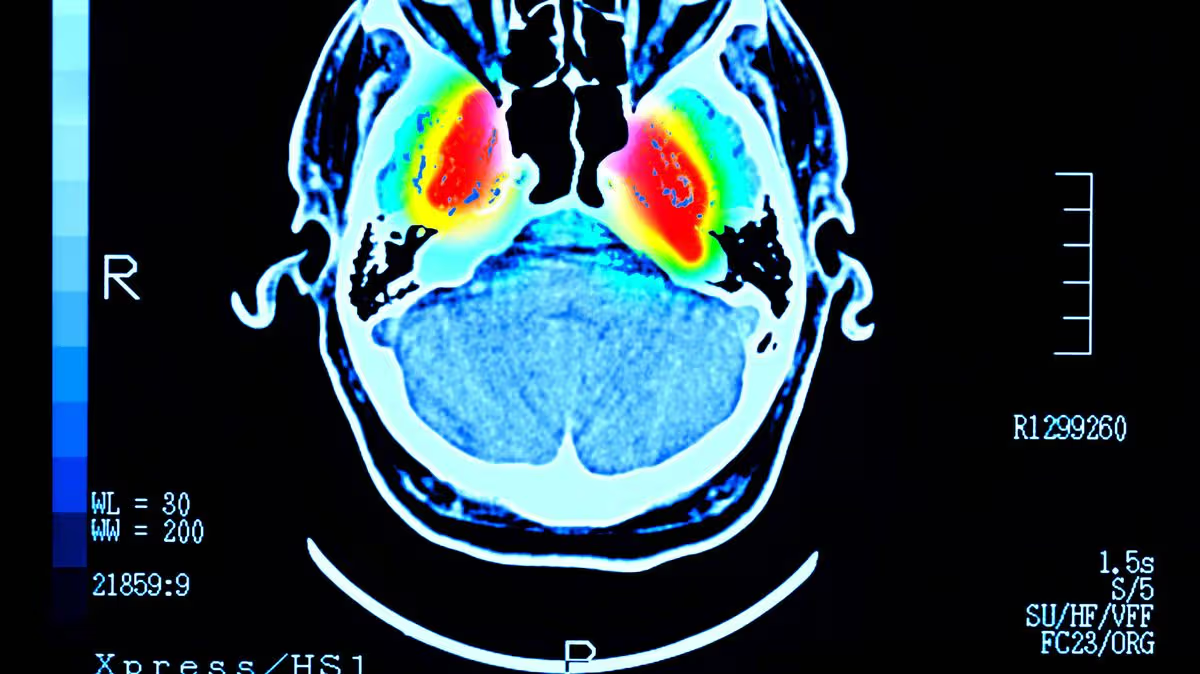
Research from a study suggests that regular alcohol use may do more than just leave you with a hangover with increasing evidence indicating it could have a significant negative impact on your cognitive health.
According to the NHS, dementia affects more than 944,000 people in the UK. The study highlighted the link between the drink and the condition in a 2023 peer-reviewed journal by Atrium Health. Researchers used a ‘chronic drinking approach’ in which mice were given the option to drink water or alcohol across 10 weeks.
Advertisement
The US-based researchers were especially focused on exploring the link between alcohol consumption and the development of Alzheimer’s disease, which accounts for around 60% to 80% of all dementia cases. Their findings showed that even “moderate” drinking levels were sufficient to speed up brain atrophy.
This refers to the shrinking and deterioration of brain tissue, coupled with a rise in ‘amyloid plaques’ – harmful proteins closely associated with Alzheimer’s. “These findings suggest alcohol might accelerate the pathological cascade of Alzheimer’s disease in its early stages,” said Associate Professor Shannon Macauley, of Wake Forest University School of Medicine, at the time.
“These preclinical findings suggest that even moderate consumption of alcohol can result in brain injury. Alcohol consumption may be a modifiable risk factor for Alzheimer’s disease and dementia”, reports Surrey Live.
Advertisement
Importantly, these results aren’t confined to studies on mice. In 2024, researchers at Oxford University identified alcohol as one of the most significant contributors to declining cognitive health, with the potential to increase the risk of Alzheimer’s.
The team analysed the brain scans of 40,000 individuals to determine this. Professor Gwenaëlle Douaud, who led the study, said: “We know that a constellation of brain regions degenerates earlier in ageing, and in this new study we have shown that these specific parts of the brain are most vulnerable to diabetes, traffic-related air pollution − increasingly a major player in dementia − and alcohol, of all the common risk factors for dementia.
“We have found that several variations in the genome influence this brain network, and they are implicated in cardiovascular deaths, schizophrenia, Alzheimer’s and Parkinson’s diseases, as well as with the two antigens of a little-known blood group, the elusive XG antigen system, which was an entirely new and unexpected finding.”
Current UK guidance from the NHS states that being aware of your units will help you stay in control of your drinking.
Advertisement
To keep health risks from alcohol to a low level if you drink most weeks, it suggests:
Men and women are advised not to drink more than 14 units a week on a regular basis
spread ySpreadinking over 3 or more days if you regularly drink as much as 14 units a week
If you want to cut down, try to have several drink-free days each week
It adds: “14 units is equivalent to 6 pints of average-strength beer or 10 small glasses of lower-strength wine.”
Accoridng to Dementia UK: “Dementia is an umbrella term for a range of conditions that affect the brain. There are many different types, subtypes and causes. It is a progressive condition, which means the symptoms always get worse over time.”
Advertisement
It added: “The most common symptoms of dementia include difficulties with remembering, thinking and speaking, which get worse over time. However, there are many other possible symptoms, and everyone has their own unique experience of the condition.”
The defeat means Arsenal are still nine points clear at the top of the Premier League but Manchester City now have two games in hand and also play the Gunners next Sunday.
Arteta, meanwhile, continues to face criticism over Arsenal’s playing style and their inability to create several clear-cut chances during games.
Advertisement
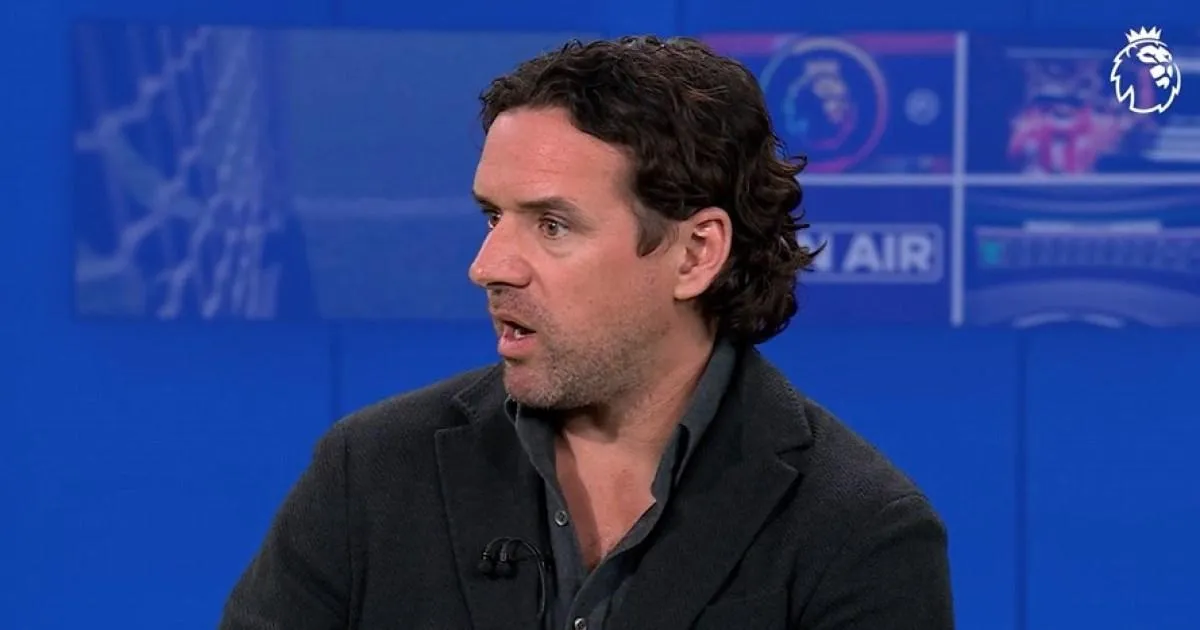
‘They [Arsenal] didn’t play confident,’ Hargreaves told Premier League Productions.
‘I was at the game and the crowd were super up for it at the beginning of the game, by the end of it they were not happy with what they saw.
Owen Hargreaves believes Declan Rice is one of the only Arsenal players who deserved credit after the defeat to Bournemouth (Getty)
‘The only ones who played properly were Declan Rice and Gabriel, the rest of them got thoroughly outplayed.
‘Bournemouth were brilliant by the way, they pressed the life out of Arsenal.
‘Arsenal could not keep the ball for the life of them, kept going long, they’d pass the ball back to the goalkeeper, I think it was 39 times in the game, David Raya had the second-most passes of an Arsenal player. They just really encouraged Bournemouth into that press and the press is probably one of the best in the Premier League but they just surprised Arsenal and they deserved to win the game.
Advertisement
Mikel Arteta is facing criticism over Arsenal’s struggles in attacking areas (Shutterstock)
‘I think the biggest problem is they’ve been outplayed in three of the last four games – City in the Carabao Cup final, Southampton in the FA Cup, and then today.
‘They had the win against Sporting but David Raya was one of their best players in that game and he made quite a few saves so there is a little bit of a trend there where they’re being outplayed.
‘They’ve worked so hard to get to this point but they have to finish the job. Today they lacked a little bit of courage, belief and a little bit of aggression in crucial moments, Bournemouth were more aggressive today.’
Prince Andrew allegedly insulted Sarah Ferguson’s appearance during a private lunch, according to a royal author who claims their long-standing bond hides a far more complicated and tense dynamic behind palace doors.
A royal author has claimed the relationship between Andrew Mountbatten Windsor and Sarah Ferguson has been far more strained behind closed doors than they have publicly suggested over the years.
Advertisement
In her bestselling book The Palace Papers, journalist Tina Brown alleges that Andrew once made a cruel and humiliating remark about his ex-wife’s appearance during a lunch at Royal Lodge in 2015.
According to the account, he entered the room while Ferguson was dining with a visiting media executive from the US and reportedly referred to her using an offensive insult. The witness was said to be left stunned by the comment, later suggesting it hinted at a dynamic in which Ferguson appeared uneasy around her former husband.
Andrew and Ferguson divorced in the mid-1990s following a series of high-profile scandals involving infidelity, but remained unusually close in the decades that followed. They frequently described themselves as the “happiest divorced couple in the world” and continued to live together at Royal Lodge, near Windsor Castle, for many years.
Despite this outward show of unity, Brown claims their relationship has been more complicated, describing it as “symbiotic” — with each appearing to rely on the other for support during times of difficulty.
Advertisement
Ferguson has faced well-documented financial struggles over the years, and Brown suggests Andrew often stepped in to assist. In return, Ferguson has consistently defended him in public, including during the fallout from his association with disgraced financier Jeffrey Epstein.
Andrew has repeatedly denied allegations linked to the scandal, while Ferguson has described him as a “kind, great man” and said she stands by him with “integrity and loyalty.”
Additional claims about Andrew’s behaviour have emerged in other recent books, including one by historian Andrew Lownie. His work alleges the duke was known for rude outbursts, crude jokes and humiliating pranks, including verbally abusing staff and embarrassing guests at social gatherings. Former aides reportedly described him as abrupt and demanding, in stark contrast to other members of the Royal Family.
Advertisement
While Andrew and Ferguson have long presented a united and amicable front in public, these accounts paint a more complicated and, at times, uncomfortable picture of their private relationship — one marked by loyalty, dependence and underlying tension.
Get more Daily Record exclusives by signing up for free to Google’s preferred sources. Click HERE
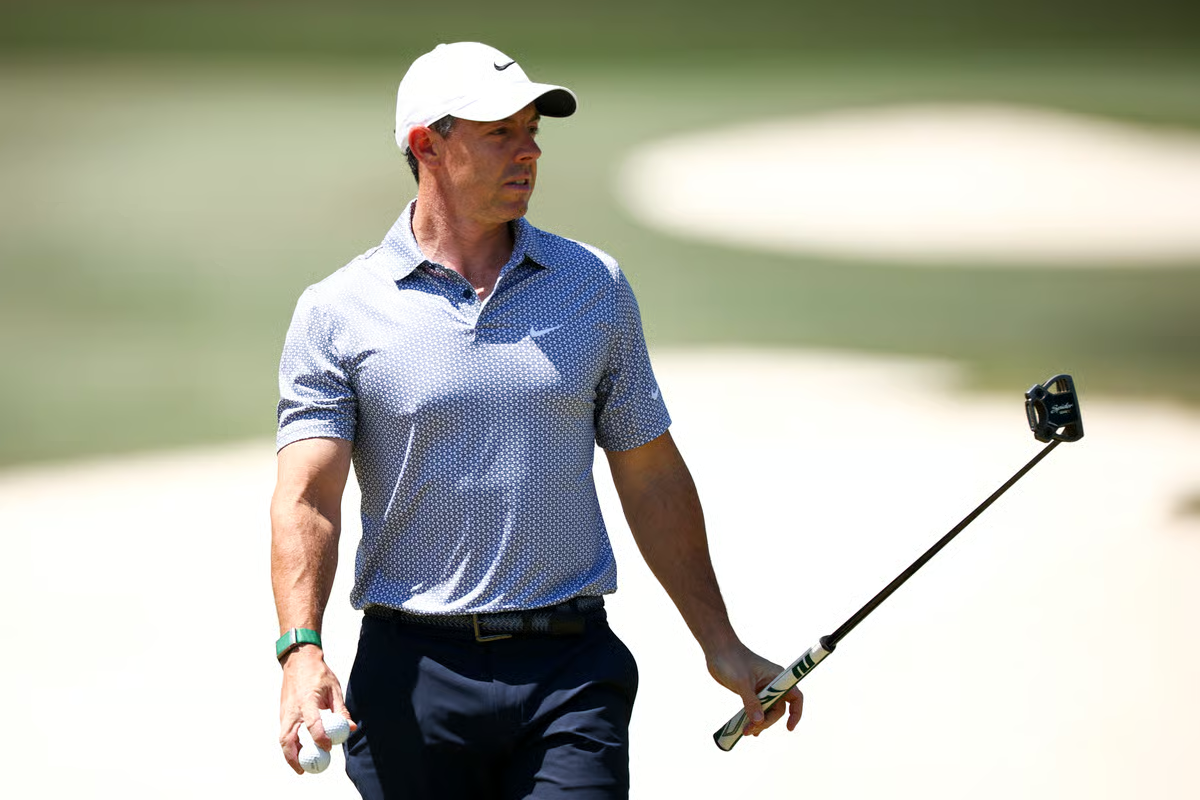
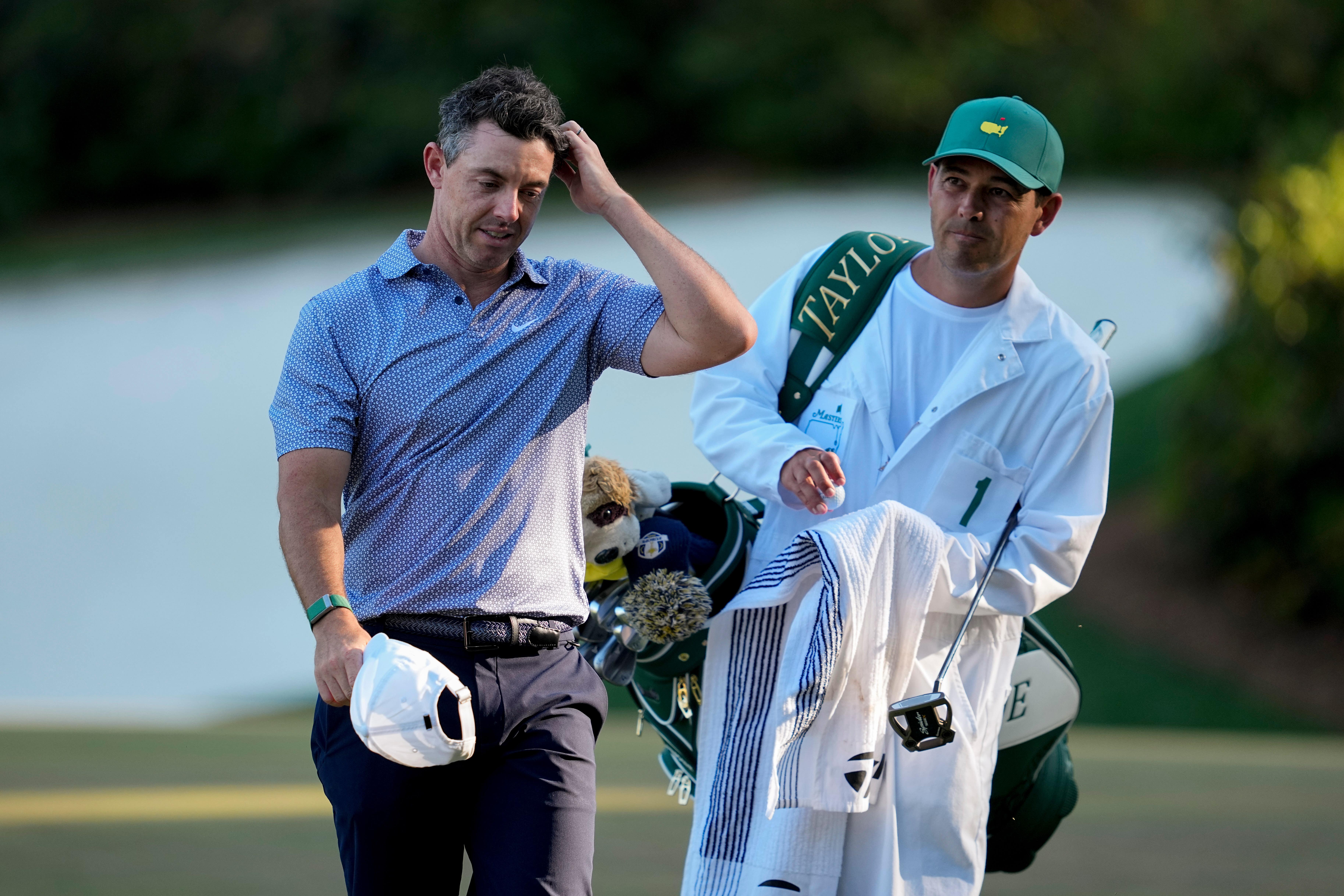
Rory McIlroy remains firmly in the hunt for a second successive Masters title, but has a lot of work to do on Sunday at Augusta.
However, that evaporated during a punishing and rollercoaster third round in which McIlroy – seeking to become the first back-to-back Masters champion since Tiger Woods in 2001/02 – floundered at the notorious Amen Corner and eventually dropped back into a share of the lead with a one-over 71 to leave him on 11-under for the tournament.
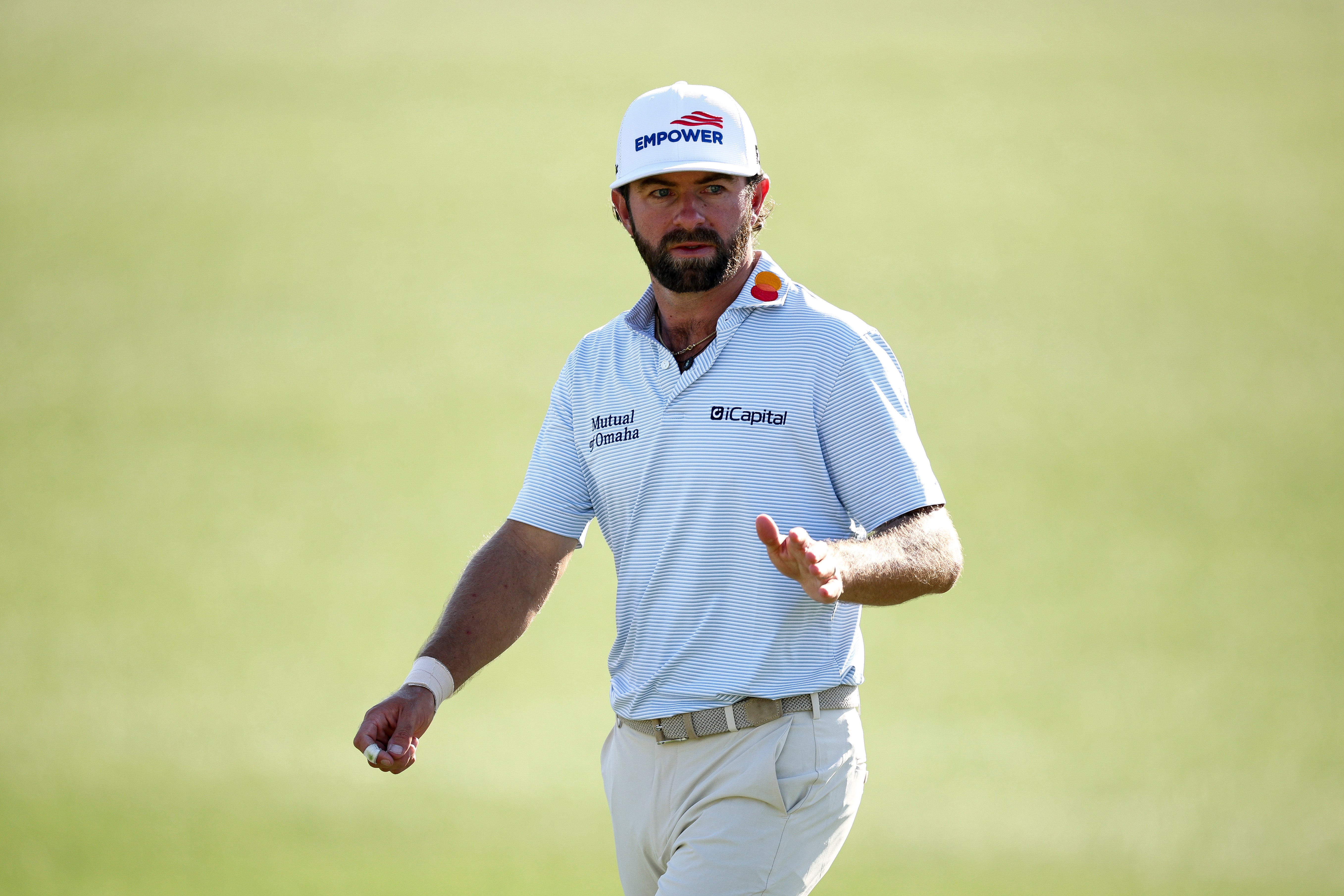
A Masters Sunday battle now beckons with Players Championship winner Cameron Young, who shot a glorious seven-under 65 to move into contention for his first major triumph.
Advertisement
Sam Burns is only one shot behind the leaders, with Shane Lowry on nine-under after becoming the first player ever to record multiple holes-in-one during his Masters career as he aced the 190-yard par-three sixth.
Rose and Jason Day begin round four on eight-under, one ahead of surging world No1 Scottie Scheffler and Haotong Li of China.
Anthony Joshua was in attendance for Tyson Fury’s fight against Arslanbek Makhmudov
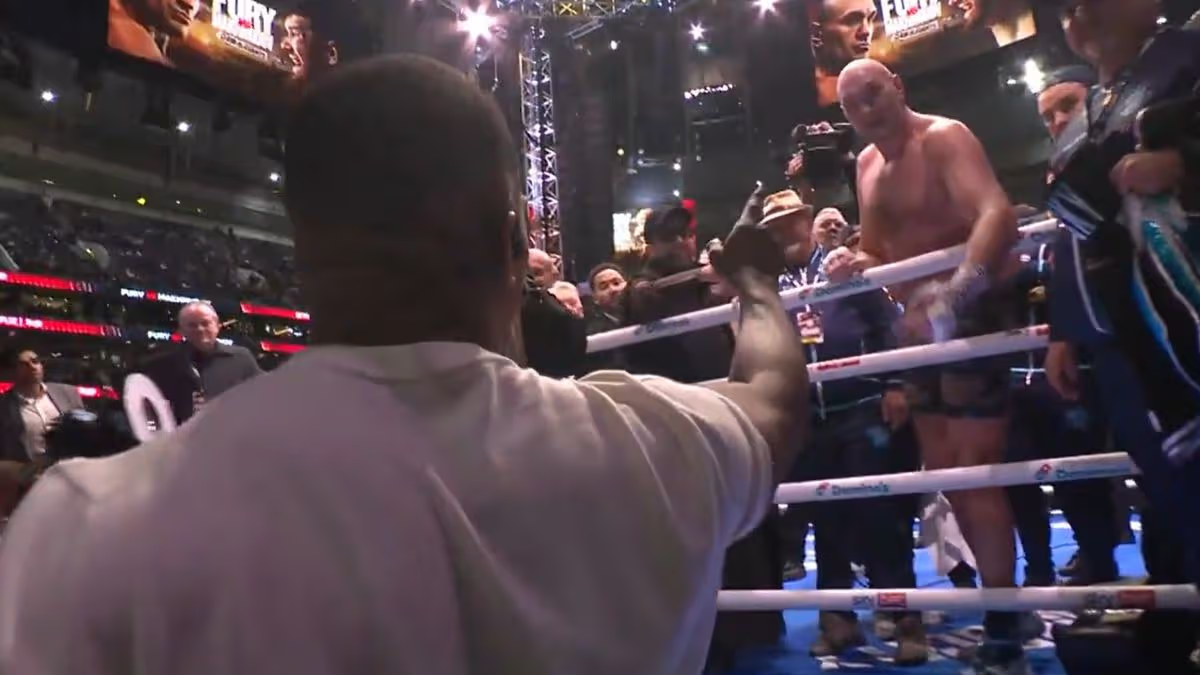
Anthony Joshua refused Tyson Fury’s request to join him in the ring after his victory against Arslanbek Makhmudov. The Gypsy King wanted his British rival to climb over the ropes after the fight at the Tottenham Hotspur Stadium.
Fury said: “I want to give you the fight you’ve all been waiting for. I want you, AJ, Anthony Joshua. Let’s give the fight fans what they want – the Battle of Britain.
“I challenge you Anthony Joshua to fight me the Gypsy King next. Do you accept my challenge?”
In response, Joshua said: “Tyson, you are a clout-chaser. I’ve never had no problem getting in a ring with you, I punched you up as kids, watching you tonight I’ll punch you up again.
“You won’t tell me what to do. I’ve been chasing you the last 10 years, when you’re ready you come and see me. I’m the boss, you work for me. I’m the landlord. You work for me.
“When you’re ready you come and see me and tell me your terms and conditions. I’m the boss, you work for me. I’m the landlord remember that, you work for me.”
Earlier in the evening, boxing promoter Turki Al-Sheikh hinted that we could see Joshua return to the ring to face Fury in one of the biggest fights in British boxing history.
Advertisement
Al-Sheikh got in the ring and said: “It is the time, Frank [Warren], Eddie [Hearn], it is the time. Come on here Eddie. Tyson – he’s the next. It is not my call, it is his call.”
Speaking ahead of Fury’s fight with Makhmudov, Al-Sheikh said: “You know what is amazing now. The British fans. This is what gives us the motivation to do more and more. Today we have a big surprise, I hope we’ll announce the biggest fight in the history of England.
“We need to kidnap Eddie Hearn to announce the biggest fight. We have five or six big announcements with Netflix next year.”
Joshua was also asked about a potential clash with Fury midway through the 37-year-old’s fight with Makhmudov and said: “I’m so much of a good spy I’m front row.
Advertisement
“I’ve got my eyes on the prize, it’s been a long time coming, we’ll be in the deep end soon. The plan is right hand left hook, right hand left hook until something lands and then boom.”
A long walk starting in Horton in Ribblesdale heading in to the heart of 3 Peaks country. The terrain is varied (forestry, moors, farmland) but straightforward on good tracks. The views of the 3 3 Peaks are constantly changing and full of interest.
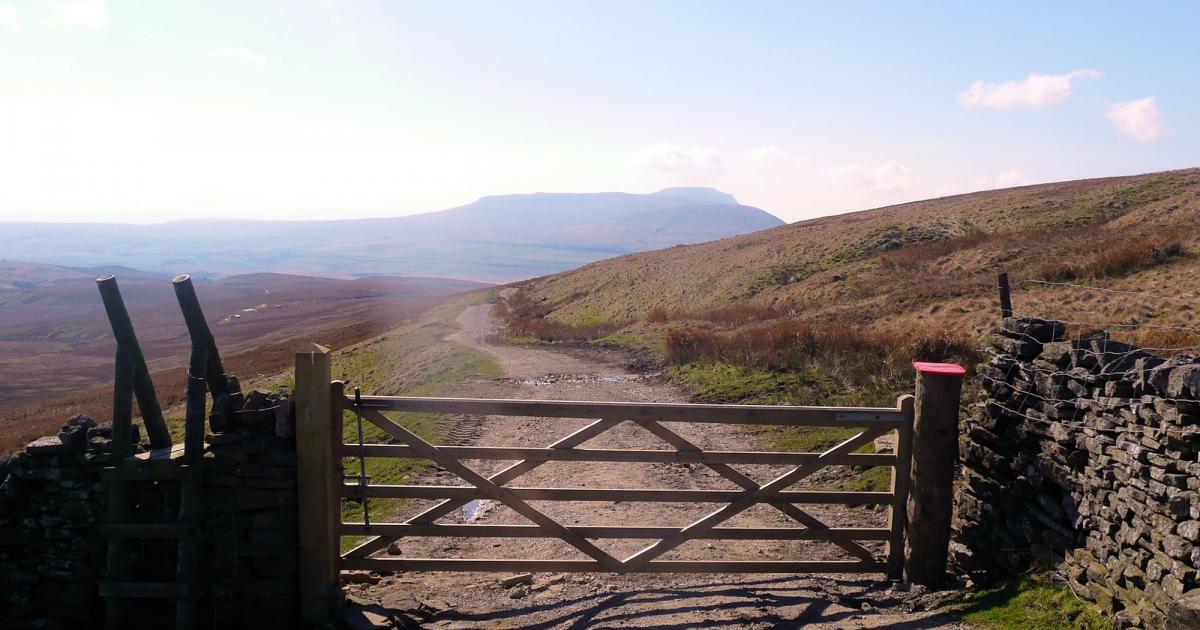
Start the walk from High Birkwith Farm; to find the farm head north from Horton in Ribblesdale on a narrow dead end road between the two bridges at the Crown Inn. There is limited road side parking before arriving at the farm. Near the farm are 2 of the best caves for inexperienced cavers (Birkwith and Old Ing), they are known as stream caves and easy to explore although they do form part of a larger caving network, accessible only by divers though! From the farm follow the bridleway north east and then north through sheep farming country. The 3 Peaks route from Pen Y Ghent to Ribblehead crosses here but ignore it and carry on past the attractive packhorse Bridge over Ling Gill. This is part of the Pennine Way/Bridleway and in good condition, the views start to open up over Ingleborough and Whernside after a steady climb and probably at their best when the track meets the Cam High Road.
More walks:
The Cam High Road is Roman in origin and used by Ceasar’s legions whilst heading north to Hadrian’s Wall. Today it is used by the Forestry Commission and as a result in excellent condition. Turn right at the Road and continue climbing steadily for one mile. At a height of over 500m take the path to the right which cuts through the corner of the large forestry plantation. Two stiles lead to Cam Houses which is worth exploring and an ideal spot for a picnic. The next mile is through tussocky, sometimes muddy, terrain but it is downhill and before long arrive at Swarthgill Farm.
Advertisement
A view of Ingleborough from Cam Fell. Jonathan Smith
Swarthgill Farm and the nearby Nethergill Farm are in the real heart of the Yorkshire Dales. Both are very remote but the farmers are making every effort to diversify. They offer accommodation for those on the Dales Way and Nethergill is an impressive conservation landscape, the farming practices encouraging a large array of wildlife and now a tourist attraction. From Swarthgill continue past Nethergill to the small hamlet of Outershaw.
Amongst the buildings of Outershaw a footpath heads south west (left) and climbs steeply uphill to a stile and in to forestry land. From here the nature of the walk completely changes, the forest shutting out the views (bad), weather (can be good!) and sounds of the first half of the walk. For one mile the footpath winds its way through the forest to a quiet dead end road heading west. Follow the road for a further mile until High Green where the tarmac becomes a farm track, still in good condition. Continue through the forest for a further mile until with some relief the track emerges in to open countryside. Continue for a further 500m to a split in the track, turn right and enjoy the views of Pen-y-Ghent to the south and Ingleborough and Whernside to the west. The path drops down between two small hills to New Ings and join the outbound track to the start at High Birkwith Farm.
Fact Box:
Distance: Roughly 14 miles
Advertisement
Heart of the 3 Peaks map
Height to Climb: 310m (1,030 feet)
Start: SD 800767. Near High Birkwith Farm on the dead end road north from Horton.
Difficulty: Hard. A long day but mainly on good tracks.
Refreshments: Horton-In-Ribblesdale has two pubs, the Crown now with new owners.
Advertisement
Be Prepared:
The route description and sketch map only provide a guide to the walk. You must take out and be able to read a map (Explorer OL2) and in cloudy/misty conditions a compass. You must also wear the correct clothing and footwear for the outdoors. Whilst every effort is made to provide accurate information, walkers head out at their own risk.
Please observe the Countryside Code and park sensibly.
Jonathan runs Where2walk, a walking company based in the Yorkshire Dales:
Advertisement
He has written 3 books on walking in the Dales; ‘The Yorkshire 3 Peaks’, ‘The Dales 30’ mountains and the long distance path ‘The Bracken Way. Buy them direct from Where2walk
Jonathan runs Navigation Training Courses. The next Beginners Course is on Saturday June 27th from Long Preston, near Settle.
You can buy Dales 30 Guide Book, T Shirts and branded caps from the NEW Dales 30 website. Start the challenge today.
Where2walk.co.ukfeatures 100s of walks with descriptions across Yorkshire and beyond, from easy strolls to harder climbs. Visit the website for details of all these walks, guiding
The relationship between six-time Masters winner Jack Nicklaus and defending Masters champion Rory McIlroy is close enough that, earlier this week, just before Nicklaus took his tee shot as the honorary starter, the 86-year-old felt fit to dispense some advice to the Ulsterman on how to join the very select group of golfers to defend their title at Augusta.
“No f***ing double bogeys.”
Two days of impeccable golf had given McIlroy the greatest 36-hole lead in Masters history in pursuit of back-to-back green jackets and an exclusive club alongside Nicklaus, Tiger Woods and Sir Nick Faldo. The defending champion sputtered through the front nine on Saturday before coughing up a double-bogey on 11 that saw his overnight lead finally, unbelievably evaporate. Possibly a historic turning point in this Masters tournament.
In truth, it had been coming for at least an hour. A high-quality chasing pack had been making gains as McIlroy stumbled out of the gates in what seemed to be perfect conditions. The new leader was Cam Young, the winner at last month’s Players Championship at Sawgrass and someone who began the day as barely a speck in McIlroy’s rear-view mirror, but will join McIlroy in Sunday’s final group. His 65, which tied Scottie Scheffler’s round on Saturday as the best score of the tournament, pulled him from eight shots back at the start of the day to become, fleetingly, sole leader.
Advertisement
That was when the 2026 Masters, which until now had become something of a procession, became an all-out battle.
Some of those who had laid in wait overnight fell off, but others, going out ahead of Rory, had the freedom to just play their game and hope for a crack of light to appear.
At the end of this wild Saturday, we were left with co-leaders in the shape of McIlroy and Young (-11), with Sam Burns one back, Shane Lowry a further shot behind him and then Jason Day and Justin Rose lurking on -8.
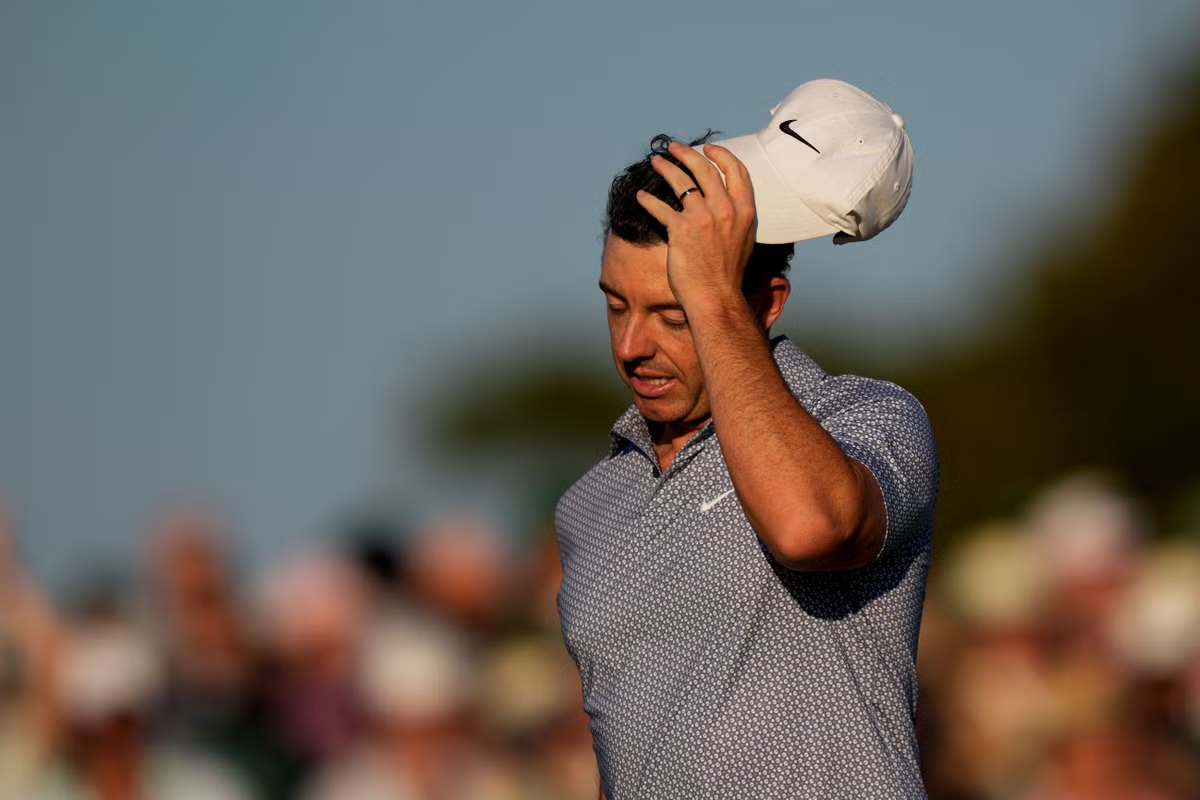
Rory McIlroy was pegged back on Saturday (AP)
Perhaps you’d usually end the list of contenders there, but one shot further back is the world number one, Scottie Scheffler, as well as Haotong Li, who showed himself capable of both the ridiculous and the sublime and might even be closer to the leaders if he hadn’t nearly had to withdraw with food poisoning on Friday.
So the defending champion held onto the lead, just about, but must share it overnight as he heads home for the evening. Or, rather, to the driving range, where he went to try and fix his wild tee shots that threatened to plunge him even further down the leaderboard.
Advertisement
Cameron Young of the United States reacts on the 17th green (Getty Images)
Over the first two days, McIlroy’s lead in spite of consistently failing to find fairways was a testament to how dialled in he had been around the greens and with putter in hand.
On Saturday, his inability to find those fairways put him in positions he couldn’t salvage and he goes into the final round with the worst driving accuracy (50%) of anyone at Augusta. The other co-leader, Young, while retaining the seventh best driving distance, with McIlroy top, the American is also tied-second for accuracy (88.10%).
If there was a moment that seemed to sum up the day, it was McIlroy splaying yet another tee shot wide of the fairway, this time on Amen Corner’s 13th hole, leading an exasperated Irishman to call out “get lucky” in hope more than expectation. He didn’t. All the fortune at Augusta had appeared to abandon him and was instead buoying Young’s championship charge, with the American twice clattering into trees but both times ending up safely in the middle of the fairway. Those were the breaks that encapsulated Saturday’s movements and set up a box office Sunday.
“I knew today wasn’t going to be easy, the quality of the chasing pack was very obvious,” conceded McIlroy after a tough day at the office.
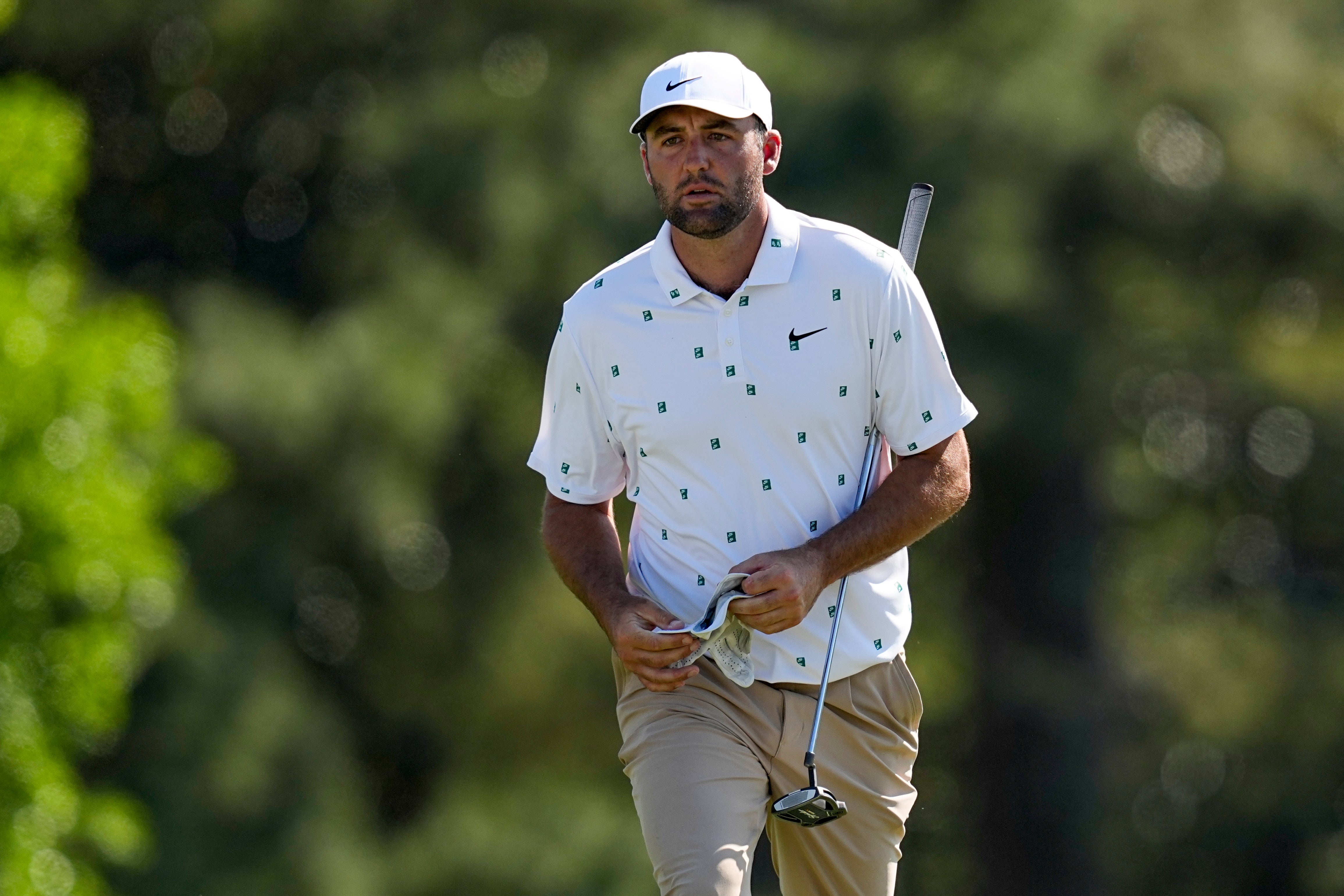
Scottie Scheffler is lurking after a blazing 65 on Saturday (AP)
“A lot of the guys went out and played superb golf, starting with Scottie and then Cam and everyone else.”
“I would have liked to have been in a better position going into tomorrow, starting out with a six-shot lead, but I still have a great chance. I’m in the final group, which is exactly where you want to be. I wish I had a bit more of a cushion, but I’m going to go to the range now and try to figure it out. I’ll need to be better tomorrow.”
Advertisement
Rory might go into the final day as favourite – just about – but there is a cavalcade of world-class golfers waiting and ready should he slip up.
Sandra Breene will take on the London Marathon on Sunday (April 26) with her husband Alan, and together, the pair hope to raise £25,000 for Leukaemia UK.
The 57-year-old’s world changed when a routine health check in May 2022 revealed a “dangerously high” white blood count, which led to a diagnosis of chronic lymphocytic leukaemia (CLL).
‘It came as a complete shock’
Sandra was a regular runner and led a busy life as president of consumer care at Croda – based at Cowick Hall in Snaith – and the news came as a “complete shock”.
Recommended reading:
Advertisement
She said: “I had no symptoms at all.
“I had a routine BUPA health assessment provided by my employer and received a call a couple of days later to say that my white blood cell count was exceptionally high – around 80k vs the normal range of 4 to 11k.
“I was told that leukaemia could be a possibility.”
Sandra and Alan (Image: Supplied)
Sandra was diagnosed with CLL – a type of slow-developing blood cancer, which is usually only picked up during routine blood tests – in June 2022.
Advertisement
“The diagnosis was a relief,” Sandra said. “The consultant told me there were many great treatments but no cure, and that some people never needed treatment but that it was likely I would.”
Sandra, from Brough, was placed on the ‘watch and wait’ list and given blood tests every three months.
Unfortunately, the tests showed her CLL was slowly progressing, and Sandra was given chemotherapy tablets and immunotherapy administered intravenously for 48 weeks.
‘My situation is a stark reminder that many are not so fortunate’
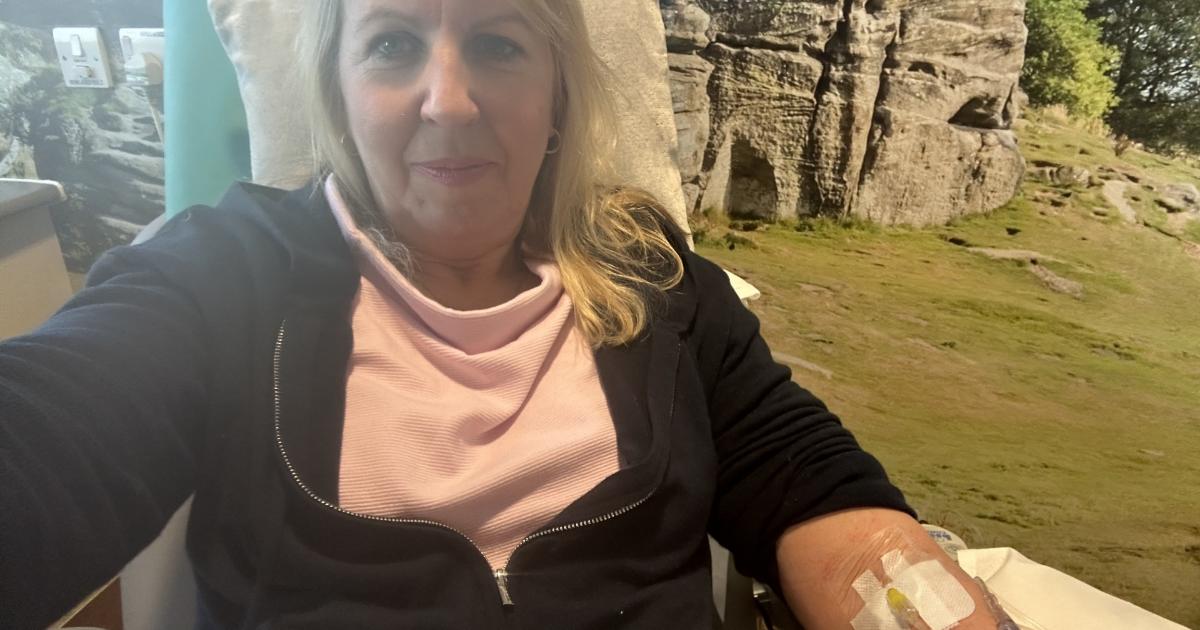
Speaking about this, she said: “The first few weeks were intense, travelling back and forth to Leeds most days for infusions taking six to eight hours.
Advertisement
“I was tired but otherwise all went incredibly smoothly.
““I am lucky. The revolutionary treatments I received wouldn’t have been possible without research.
“Yet my situation is a stark reminder that many are not so fortunate.”
“The first few weeks were intense, travelling back and forth to Leeds most days for infusions taking six to eight hours” (Image: Supplied)
Sandra and Alan, 67, will join 56 runners from across the country in running for Leukaemia UK on the day.
Advertisement
She explained: “It is a formidable challenge, especially for us ‘non-youngsters’, but every step we take will be fuelled by our determination to make a difference.
“We are running to ensure that others facing this diagnosis have the same chance for a full life that I have been given.
“I want anyone who sponsors me for the marathon to know they are writing a hopeful chapter for the next person who hears the word ‘leukaemia’.”
Hanna Chorley, Community and Challenge Events Manager at Leukaemia UK, said: “We are so grateful to Sandra and to all of our amazing runners taking on the London Marathon for us.
Advertisement
“We cannot wait to cheer them on. With the help of incredible supporters like Sandra, together we can continue to fund ground-breaking research into kinder, more effective treatments for leukaemia.”
Leukaemia UK hopes its supporters’ dedicated efforts will raise around £140,000 to fund more research to stop leukaemia devastating lives.
The charity will have a cheer point for its 56 runners on the iconic Tower Bridge.
To donate to Sandra’s fundraiser, visit her JustGiving page here.
Trains will be disrupted over the early May bank holiday weekend
Passengers hoping to travel by train over several weekends in April and May are being told to “check before travelling” as ‘essential’ engineering works are scheduled to take place. The works will see sections of track surrounding Ely station replaced to make journeys smoother and more reliable.
Advertisement
The works will start on Saturday, April 25, and will continue over the following three weekends, including the bank holiday weekend. There will also be two further Sundays in June which will face disruption as engineers check that the track has been bedded correctly.
Almost 1,000 yards of track will be renewed, along with six sets of points (the movable sections of track that allow trains to switch between lines) and old sleepers and ballast (the stones that support the track) near Ely station.
Network Rail says that renewing the rails, track base and points will “help maintain a safe, reliable railway for all services passing through Ely station and reduce the chance of unplanned disruption that can lead to delays and cancellations”.
Works will be taking place over the following weekends:
Advertisement
Saturday, April 25 and Sunday, April 26;
From Saturday, May 2 to Monday, May 4 (bank holiday weekend);
Saturday, May 9 and Sunday, May 10;
Saturday, May 16 and Sunday, May 17.
Passengers will also face disruption on Sunday, June 21, and Sunday, June 28. A tamping machine will be used to re-pack the ballast under the sleepers.
Anyone who had been planning to use the railway over any of these dates will instead be able to use replacement buses. Passengers using Greater Anglian, East Midlands, Great Northern and CrossCountry services are being told to check before they travel and to allow extra time to complete their journey.
Martin Beable on behalf of Greater Anglia and Network Rail said: “This work is essential to keeping our services running smoothly through what’s an extremely busy junction at Ely, and support the punctual, reliable service our passengers expect.
“A rail replacement service will run while the work takes place, so we’re encouraging passengers to check before they travel and allow more time for their journey. We’d like to thank everyone for their patience and understanding while this work is carried out.”
Travel advice from operators
Greater Anglia
Advertisement
Buses will replace trains between Thetford and Cambridge North and Bury St Edmonds and Peterborough. Trains will continue to operate between Norwich and Thetford, Cambridge North and Stansted Airport and Ipswich and Cambridge.
East Midlands Railway
Liverpool to Norwich services will start and terminate at Peterborough. There will be a connecting rail replacement bus service between Peterborough and Norwich.
CrossCountry
Advertisement
Buses will replace trains between Peterborough and Cambridge on services between Birmingham and Stansted Airport.
Great Northern
Buses will replace trains between Cambridge and Kings Lynn on the London Kings Cross to Kings Lynn route.






















































You must be logged in to post a comment Login