


Connect with us
DAPA Banner
DAPA Coin
DAPA
COIN PAYMENT ASSET
PRIVACY · BLOCKDAG · HOMOMORPHIC ENCRYPTION · RUST
ElGamal Encrypted MINE DAPA
🚫 GENESIS SOLD OUT
DAPAPAY COMING

NewsBeat

BBC EastEnders character Denise Fox set for cancer storyline

Published

on

BBC EastEnders character Denise Fox set for cancer storyline

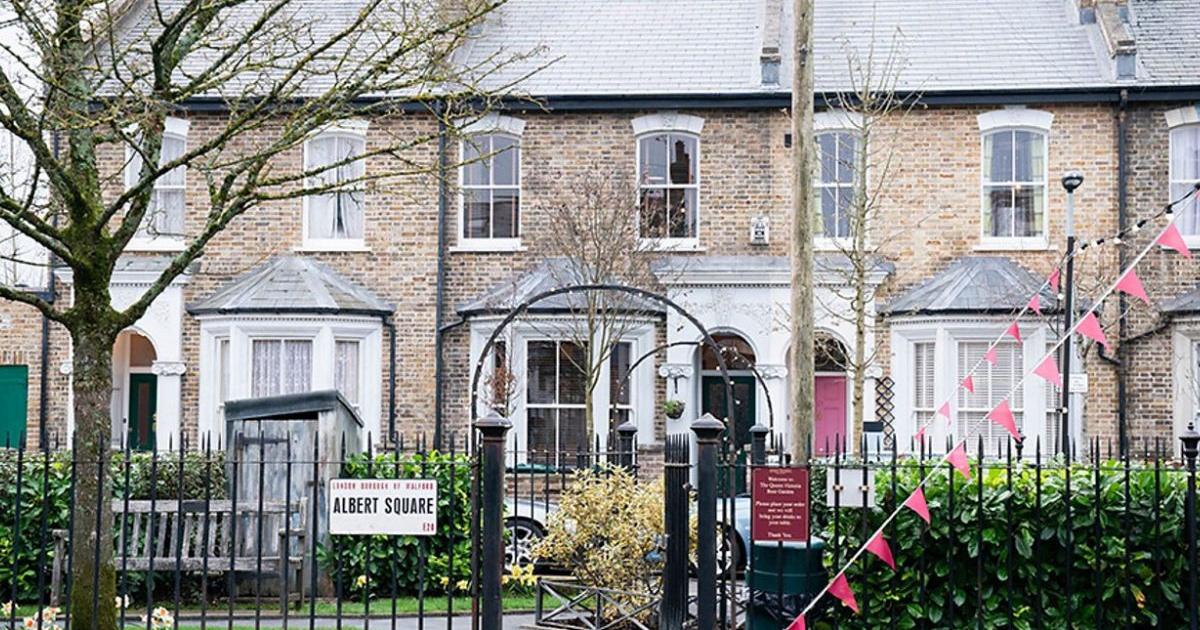
Walford favourite Denise Fox, played by Diane Parish, will be diagnosed with acute myeloid leukaemia following a period of unexplained tiredness and resulting medical tests.

The storyline will follow her diagnosis and its impact on her and her loved ones over the coming months.

EastEnders character Denise Fox set for cancer storyline

Denise made her first appearance on the BBC soap in May 2006 and temporarily left EastEnders in early 2008 to give birth to her second child.

Parish has had two roles in EastEnders, previously playing singer Lola Christie in 1998 before playing salon manager Denise.

On the new storyline, Ben Wadey, executive producer at EastEnders, said: “It was vital to us that Denise’s storyline is portrayed with sensitivity and care, and we’re grateful to Blood Cancer UK for their advice in helping us tell this story accurately.

Advertisement

“As viewers follow Denise, we hope to shine a light on the realities and challenges of an acute myeloid leukaemia diagnosis and the impact it has on the person affected and those around them.”

The blood cancer storyline is being developed in partnership with the national charity Blood Cancer UK to ensure it is depicted accurately and sensitively.

Blood Cancer UK reports that more than 40,000 people in the UK are diagnosed with blood cancer each year.

Diane Parish as Denise Fox in EastendersDenise Fox’s character Diane Parish will be part of a new cancer storyline on EastEnders (Image: Kieron McCarron/BBC)

Helen Rowntree, chief executive of Blood Cancer UK, said: “It’s been a privilege advising the EastEnders team to ensure Denise’s storyline reflects the real experiences of people living with blood cancer and those who care for them.

Advertisement

“Being black and living with an aggressive blood cancer like acute myeloid leukaemia can bring additional challenges.

“We hope viewers gain a greater understanding of blood cancer’s impact, and we’re pleased this issue is being highlighted on a powerful platform, helping make a ‘hidden’ cancer more visible.”

The symptoms of acute myeloid leukaemia (AML) usually develop over a few weeks, becoming more severe as the number of immature white blood cells increases, the NHS explains.

Symptoms can include skin looking pale or “washed out”, tiredness, breathlessness, night sweats, easily bruised skin, bone and joint pain, and more.

Advertisement

EastEnders to mark 20th anniversary of Denise Fox

The BBC will be hosting a special night dedicated to Denise Fox on May 11 as the character marks two decades on the soap.

Airing on BBC Three, a selection of EastEnders episodes will air from 8pm to 11pm, followed by the documentary ‘Manosphere’, which Parish fronts.

The episodes will highlight some of Denise’s biggest lines, including exposing her serial killer husband, Lucas Johnson (Don Gilet) and when she became entwined with the murder of Keanu Taylor (Danny Walters).

Plus, fans will be able to rewatch the time Denise had to choose between Jack Branning (Scott Maslen) and Ravi Gulati (Aaron Thiara).

Advertisement

The BBC will air the following episodes of Denise Fox, according to Radio Times:

  • 8pm – The downfall of Lucas Johnson (2010)
  • 8.30pm – Denise and Ian Beale kiss (2013)
  • 9pm – Keanu Taylor dies on Christmas Day (2023)
  • 10pm – Denise chooses between Jack and Ravi (2025)
  • 10.30pm – Joel Marshall’s behaviour takes a turn (2025)
  • 11pm – EastEnders Investigates: The Manosphere (2025)

EastEnders airs on BBC One every Monday to Thursday at 7.30pm.

Who is your favourite character on EastEnders? Let us know in the comments.

Source link

Advertisement
Continue Reading
Click to comment

You must be logged in to post a comment Login

Leave a Reply

NewsBeat

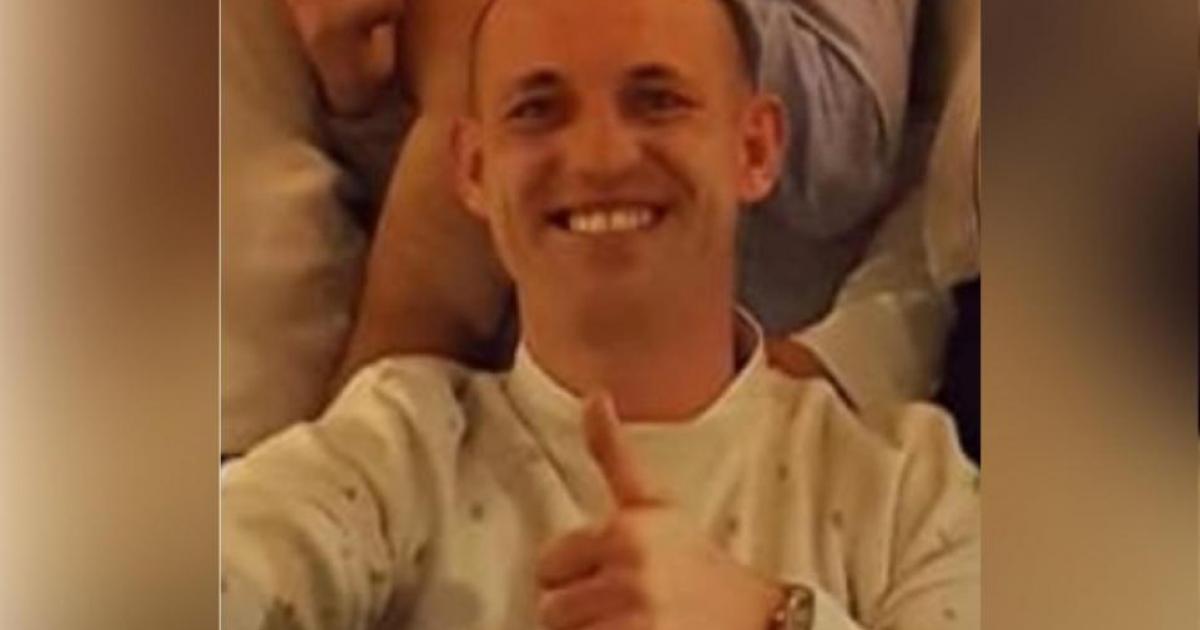
Jury has retired in Middlesbrough machete murder trial

Published

on

Jury has retired in Middlesbrough machete murder trial

The 44-year-old suffered fatal injuries when he was slashed and stabbed while trapped in his VW Passat after it was rammed by a 4×4 containing the defendants.

Teesside Crown Court heard how Morgan Caldwell, Daniel Simpson, Dominic Hall and a 17-year-old, who cannot be named for legal reasons, hunted down Mr Dickons and his friend Stephen Law when a drug deal went wrong.

John Elvidge KC, prosecuting, said the defendants armed themselves with machetes and a BB gun before driving around Middlesbrough searching for Mr Law after they accused him of ripping them off.

Advertisement

Throughout the trial, the jury has watched harrowing CCTV footage which captured the orchestrated and brutal attack on the 44-year-old in the car park of Orme Court, North Ormesby, Middlesbrough.

Simpson, 32, of Coledale Road, Berwick Hills, 24-year-old Hall, of Greencroft Walk, 26-year-old Caldwell, of Cannock Road and the teenager, all of Middlesbrough, deny the murder of Mr Dickons.

They also deny a charge of wounding with intent to cause grievous bodily harm against Mr Law on November 6 last year.

The trial continues.

Advertisement

Source link

Continue Reading

NewsBeat

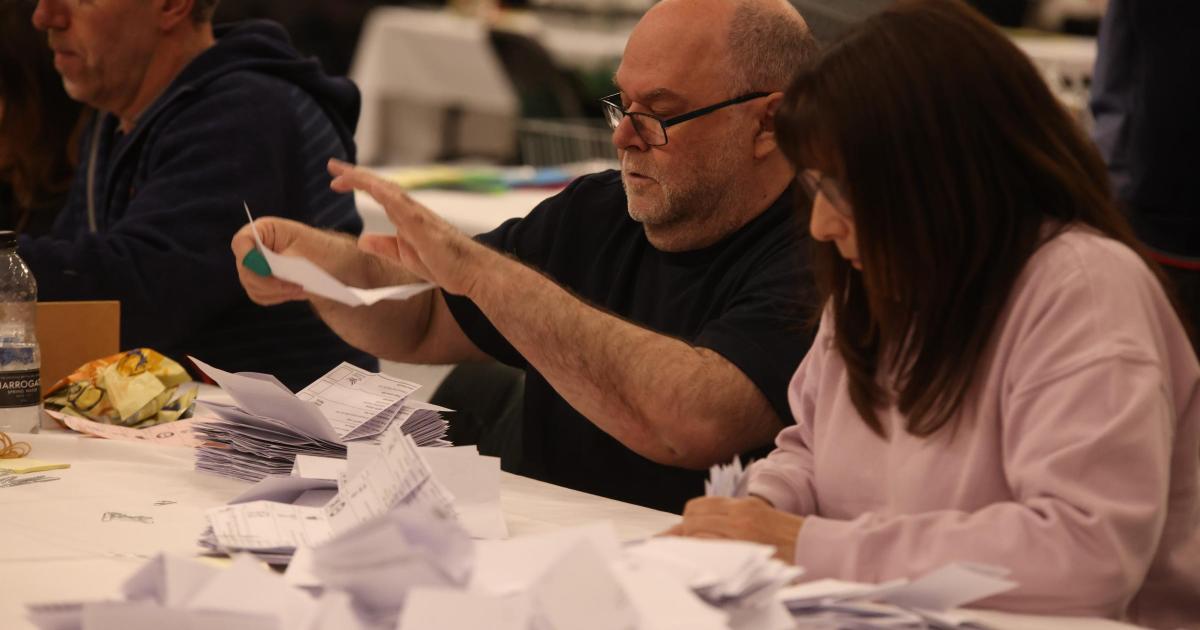
Westhoughton South results in Bolton Council elections 2026

Published

on

Westhoughton South results in Bolton Council elections 2026

There were 20 of town hall’s 60 seats up for grabs with Reform UK winning the most on the night with nine.

The Greens won three while the Conservatives also won three, with Labour winning two, the Horwich and Blackrod First Independents two and the Liberal Democrats one.

Overall this left Labour with the most seats with 20, but 10 off what they need for a majority.

Advertisement

The Conservatives were left in second place with 11 seats and Reform UK on third with 10 and the five Liberal Democrat with five.

When counting was done there were also four Greens, four Horwich and Blackrod First Independents, three Farnworth and Kearsley First Councillors and three independents.

Westhoughton South

Richard Adam Bates – Independent – 57

Advertisement

Glen Clarke – Reform UK – 1644

Colin Higson – Conservative Party – 276

Simon Penhallow – Green Party – 306

Christina Ruth Saunders – Labour Party – 455

Advertisement

Jack Speight – Westhoughton First Independents – 100

David Arthur Wilkinson – Liberal Democrats – 1550


Advertisement

Source link

Continue Reading

NewsBeat

Newscast – Electioncast: The First Results Are In!

Published

on

Newscast - Electioncast: The First Results Are In!

Available for over a year

Today, the first results from the English local elections have been declared, with Reform UK surging and losses for Labour – with many more results still to come.

Adam, Chris and Alex were joined by Luke Tryl, UK Director of More in Common, live on BBC Sounds to analyse the political picture that has emerged overnight.

Counts in both Scotland and Wales are taking place on Friday.

Advertisement

You can now listen to Newscast on a smart speaker. If you want to listen, just say “Ask BBC Sounds to play Newscast”. It works on most smart speakers.

You can join our Newscast online community here: https://bbc.in/newscastdiscord

Get in touch with Newscast by emailing newscast@bbc.co.uk or send us a WhatsApp on +44 0330 123 9480.

New episodes released every day. If you’re in the UK, for more News and Current Affairs podcasts from the BBC, listen on BBC Sounds: https://bbc.in/4guXgXd

Advertisement

Newscast brings you daily analysis of the latest political news stories from the BBC. The presenter was Adam Fleming. It was made by Miranda Slade with Grace Braddock. The technical producer was Jack Graysmark. The assistant editor is Jack Maclaren. The senior news editor is Sam Bonham.

Programme Website

Source link

Continue Reading

NewsBeat

Tap on the Tutt pub in Boroughbridge, North Yorkshire

Published

on

Tap on the Tutt pub in Boroughbridge, North Yorkshire

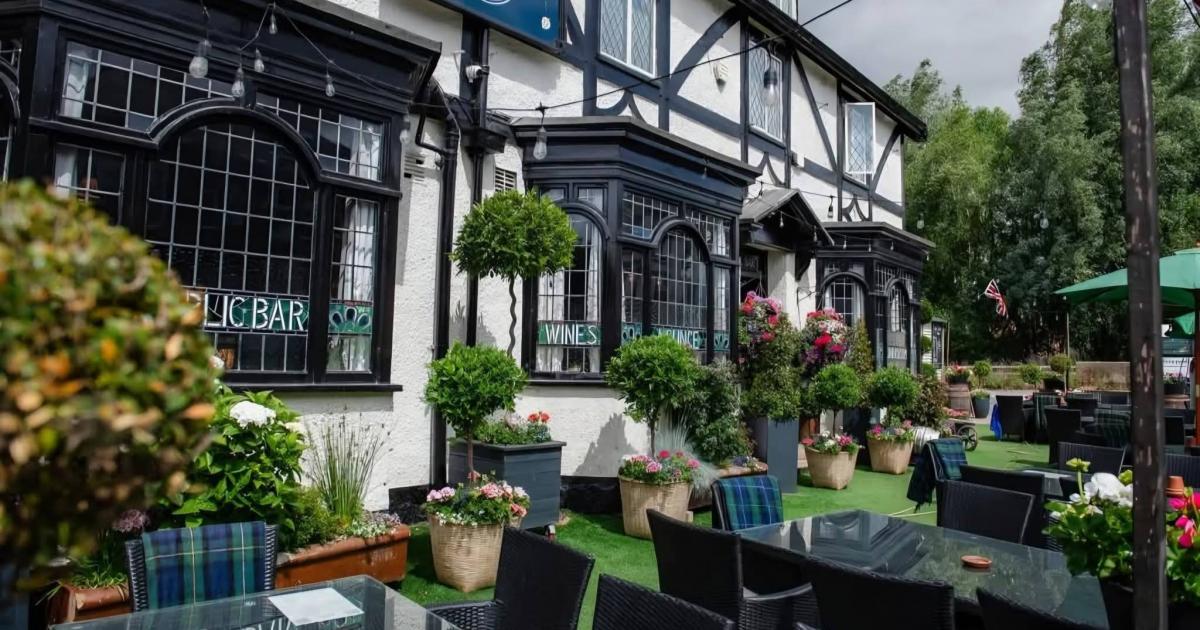
Tap on the Tutt, a Grade II-listed pub in Boroughbridge, North Yorkshire, has been acquired by Punch Pubs & Co in its latest expansion.

The venue is known for its selection of real ales, cosy atmosphere, and entertainment space, and will continue to be managed by Emma Ward and her team under the new ownership.


RECOMMENDED READING:

Advertisement

Andrew Cannons, head of acquisitions at Punch Pubs & Co, said: “We are delighted to welcome The Tap on the Tutt into the Punch family.

“With its strong reputation, we’re looking forward to working with Emma and the team to build on its success and ensure it remains a welcoming pub at the heart of the community for years to come.”

Jason Moran, operations manager at Punch, said: “The Tap on the Tutt is a beautiful pub, and what makes it truly special is the team behind it.

“I’m looking forward to working with Emma and her team to ensure the pub remains at the heart of the community.”

Advertisement

Source link

Continue Reading

NewsBeat

Gut health advocate Catherine Hurley Arbibe’s daily tips

Published

on

Gut health advocate Catherine Hurley Arbibe's daily tips

I love breakfast. I’m a creature of habit in general and I like to reduce the number of decisions that need to be made, especially since starting my own business, which has made daily life all about decisions, decisions, decisions. So with breakfast, I start by having a glass of water and a black coffee, then I’ll have Greek yoghurt mixed with our New Road 30 high-fibre, prebiotic blend and some kind of fresh fruit and nuts.

Source link

Continue Reading

NewsBeat

BBC radio star dies aged 57 as daughter pays heartbreaking tribute

Published

on

Daily Record

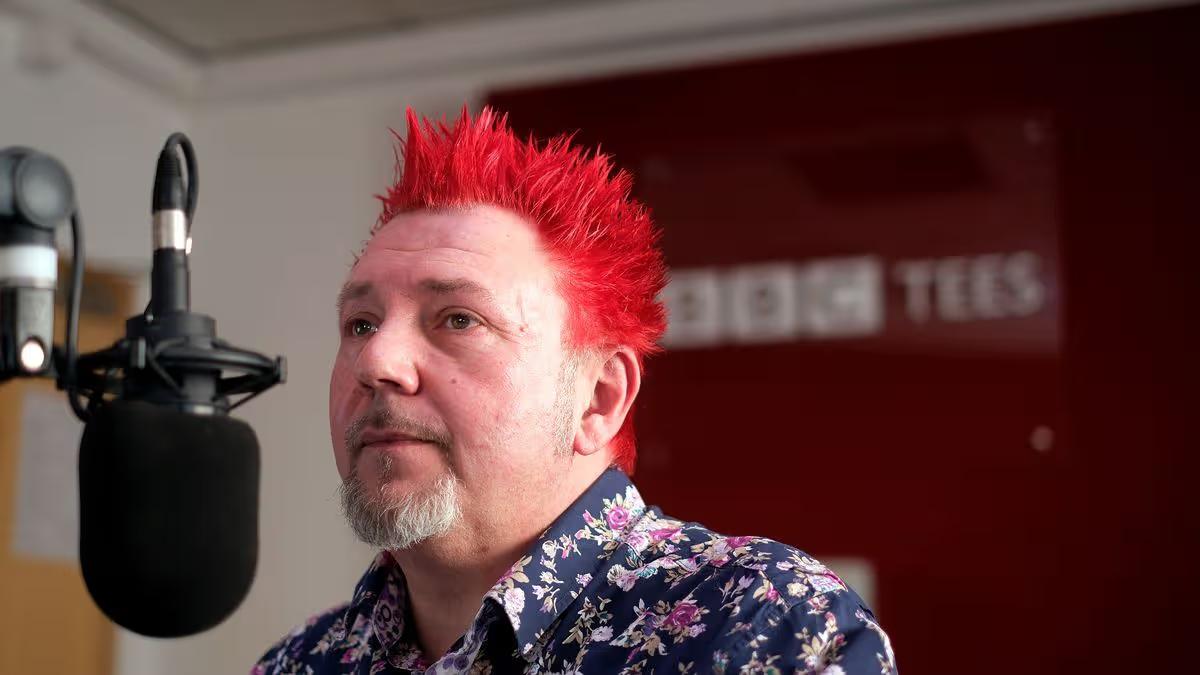
Dave Llewellyn, a BBC radio presenter known for his traffic and travel updates and distinctive on-air voice, has died at the age of 57 following a short illness, with his daughter leading tributes describing him as “incredibly modest and generous”.

A BBC radio star has has died at the age of 57 following a short illness, his family has confirmed.

Advertisement

BBC Radio Tees presenter Dave Llewellyn, known for his trademark red hair and warm personality, spent more than two decades delivering traffic and travel updates across the North East, reports the Mirror.

The popular broadcaster first began his career as the “eye in the sky”, reporting from a light aircraft flying above Teesside.

Originally from Fishburn in County Durham, Dave later settled in Yarm with his wife Ange and daughter Amy. Away from radio, he was deeply passionate about music and spent years performing and producing.

Paying tribute online, his daughter Amy described him as an “incredibly modest and generous” man who always had time for others.

Advertisement

She said: “Outside of his work he loved his family and his music. His true talent shone through while he was playing his keyboards, synthesisers and bass.

“He was the most loving father and husband, always going out of his way to make us happy. He will be sadly missed by everyone who knew him, especially our beloved dog Cupid who always saw a taste of his generosity, usually in the form of a shared sausage sandwich.”

Alongside presenting travel bulletins, Dave worked as a producer at BBC Radio Tees for the past six years and most recently contributed to Gary Philipson’s daytime show. His voice became familiar to listeners across the region through regular traffic reports broadcast from the BBC studios in Middlesbrough.

Advertisement

He also co-hosted a Sunday morning gardening programme with Brigid Press.

BBC Radio Tees colleagues paid emotional tributes during Friday’s broadcasts. Presenter Amy Oakden said the station would “never ever forget his iconic voice”, adding: “He was just so kind and lovely. He was a legend.”

Producer Sarah Robinson remembered him as a cheerful presence in the office, joking about his “terrible shirts” and “awful coffee” before adding that he was “relentlessly cheerful and positive”.

Listeners also shared tributes, with many describing Dave as friendly, funny and kind-hearted.

One wrote: “Every time you rang in he was great craic — what a lovely guy.”

Advertisement

Volunteer organisation Bloodrun EVS, which transports blood supplies between hospitals, also paid tribute, describing him as “a comforting voice to many”.

In a statement, the group said: “Thank you for your service. RIP Dave. Our condolences and thoughts are with Dave’s family and colleagues at this difficult time.”

Get more Daily Record exclusives by signing up for free to Google’s preferred sources. Click HERE

Source link

Advertisement
Continue Reading

NewsBeat

Why climate action stalls, despite widespread popular support

Published

on

Why climate action stalls, despite widespread popular support

What’s the link between the global economy and the climate? Consumption drives extraction and carbon emissions. But there is more.

The inequalities of the global economy don’t just shape what goes into the atmosphere. They affect our understanding of the climate and our perspectives when it comes to possible solutions. The lenses through which we see the world reflect the inequalities within it. The greater the centralisation of power, the greater the control over our knowledge about it.

This was a conclusion that the writer and revolutionary Antonio Gramsci reached, while languishing in prison after a failed revolution against the fascist Italian dictator Benito Mussolini. Unable to understand why ordinary people didn’t rise up against the dictator, despite their clear economic interest in doing so, he coined the term “hegemony”: the conflation of power and knowledge, whereby the views and interests of a political economic elite are adopted by the rest of society as common sense.

This perspective explains a lot about our seeming inability to escape the environmental status quo.

Advertisement

The largest determinant on whether a person becomes heat stressed is the work that a person does.
Mahmud Hossain Opu/ Royal Holloway, University of London, CC BY-NC-ND

Successive polls indicate overwhelming public support for resolving excessive carbon emissions and the problems this excessive use of fossil fuels is creating for communities around the world.

In the UK, 60% of people support net zero. In Germany, 81% of the population want to expand renewable energy, while 55% cite it as “very important to them”. In Italy, 80% of people support a renewables only energy policy. Even in the US, 57% want the government to do more to address climate change.

With the exception of the US, this majority is greater than that which has elected any political party since the turn of the 20th century. So with a super-majority in favour of decarbonisation, how does the world remain stuck on such a steep upwards trajectory of carbon emissions?

Advertisement

Almost every country has a stated commitment to decarbonisation. Wind and solar energy are the cheapest forms of energy in history.

Yet a record quantity of carbon was pumped into the atmosphere last year. And record amounts of coal, oil and gas are still being extracted from the Earth.

Statistics like this can make even thinking about climate change a demoralising business. This is precisely the problem. Our overwhelming political will is sapped by being locked into a system that obscures the most effective pathways (phasing out fossil fuels, for example), while continually moving us towards less effective ones.

If you’re worried that global garment production is on course to triple in size by 2050, common narratives suggest that simply choosing the “greenest” brand will help fix the problem. Worried about the carbon cost of flying? Never fear: a budget airline’s apocryphal claims to be sustainable can assuage that nagging guilt.

Advertisement

Feeling the heat?

But the politics of climate change isn’t just about what we buy. It’s a full-body experience.

Take heat stress. According to the UN’s International Labour Organization, 70% of workers experience heat stress throughout the year. That figure falls to 29% in Europe and rises to 93% in sub-Saharan Africa.

These two continents have big differences in temperature, but temperature is in fact only a small part of the problem.

The largest determinant on whether a person becomes heat stressed (the point at which their body is pushed beyond its normal thermal limits) is the work that a person does. People working in construction, agriculture and other high-intensity roles – the kind that dominate in developing countries – are at the highest risk. Sedentary service sectors, or office jobs to you and me, are the safest in terms of heat stress.

Advertisement

When it comes to the environment, what you feel depends on what you do.

two Bangladeshi workers in colourful clothing passing bricks to each other, grey stone wall

Construction workers in Bangladesh are more at risk of heat stress than garment workers who work inside.
Mahmud Hossain Opu/ Royal Holloway, University of London, CC BY-NC-ND

My new book, Climate Hegemony, highlights how a farmer is almost twice as likely as a garment worker to experience changing rainfall patterns, because everybody’s experience of the environment is filtered through how they spend their life.

That’s the problem. The populations of the developed world, consumers of most fossil fuels globally, may favour climate action. But as long as they continue to benefit from a global economy that reduces their risk through air conditioning and wealth, tackling climate change will remain alongside world peace and eliminating global hunger: moral aspirations, rather than tangible policy.

It is a testament to the persuasive powers of the fossil fuel industry that this hegemony is sustained – even in the face of precipitously falling renewable energy prices. Campaigns outflank arguments for renewable energy through widespread political lobbying and by support for conservative thinktanks and social movements, such as the campaign against net zero.

Advertisement

Individually, these activities might seem nefarious, but together they present as common sense, just as Gramsci complained from his cell in 1929.

As Gramsci found out, it is not easy to change minds. Yet by challenging the deeply embedded norms and assumptions of our current environmental impasse, it is possible to access something many environmentalists have felt starved of in recent years: hope.

The changing climate acts not only through emissions, but through everything we do, make and think. With different assumptions about which climate actions are possible, we arrive at different politics and different outcomes.

So, however much it might feel like it, the climate impasse is far from insurmountable. A world of ways to reshape our relationship to the environment are waiting, if only we can learn to see them.

Advertisement

Source link

Continue Reading

NewsBeat

Why politicians can’t fix potholes permanently

Published

on

Why politicians can’t fix potholes permanently

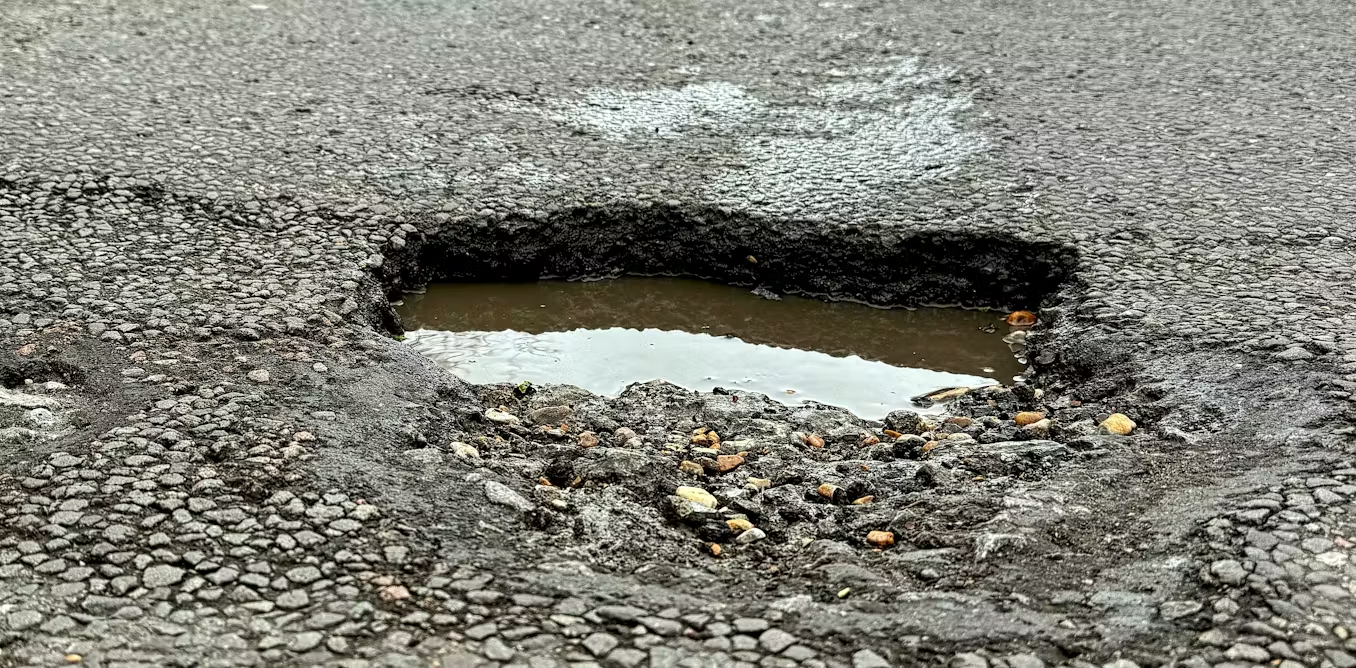
Potholes are a safety risk, source of vehicle damage and recurring annoyance in the UK. They gain special visibility at times of local elections, given that the vast majority of roads are maintained by local authorities. A survey conducted in April found that road condition was the top local issue for voters throughout Britain ahead of the May 7 elections.

The Asphalt Industry Alliance’s (AIA) 2025 report indicates that 17% of the local road network in England and Wales is in poor condition. It estimates that the backlog of repairs would take a staggering 12 years to clear, costing £16.81 billion.

While it’s easy for politicians to point to numbers of potholes filled as a way to gain votes from frustrated drivers, this does nothing to solve the problem in the long run.

Where do potholes come from?

Potholes are not isolated road surface defects, but rather the end-product of a hidden road deterioration process. In typical asphalt roads, bitumen ages, stiffens and becomes brittle over time. Traffic passage causes the road surface to crack.

Advertisement

Once cracks form, water enters the road structure. The weight of vehicles and freeze-thaw cycles over winter cause these cracks to expand and widen, eventually resulting in a pothole. By the time it appears on the road surface, the structural integrity of the subsurface is already compromised.

In the wake of climate change, the UK’s increasingly wet winters accelerate this process, especially on roads that have reached the end of their structural life.

The UK’s approach to repairing potholes is largely reactive: a short-term, localised patch job after the road has failed. Experimental studies show that while this approach is relatively inexpensive per intervention, it suffers from severe underperformance.

These repair jobs often last for just weeks or months in wet or winter conditions before needing to be done again. This “patch and repeat” cycle leads to escalating costs, network disruption and inconsistent road quality.

Advertisement

A much better approach would be preventative maintenance – intervening before failure occurs. Preventative treatments, including surface dressing and crack sealing, yield superior cost-effectiveness because they substantially reduce the frequency of patch failure and replacement.

It’s important to note that filling potholes, in itself, does not add life to roads, apart from temporarily keeping them safe. It is the construction equivalent of throwing good money after bad.

More ambitious would be to establish a predictive and proactive road management system that spans the road’s entire lifecycle. This includes designing and constructing resilient road structures, conducting frequent monitoring, and applying targeted, timely preventive maintenance.

Emerging technology such as advances in data analytics, AI, automation, digital twins and non-destructive testing may make this approach increasingly feasible.

Advertisement

Economics of potholes

Evidence suggests that preventative maintenance would be longer lasting, and significantly more cost-efficient. Spending £1 today on preventative maintenance leads to £4.20 saved within 10 years.

This payback reflects the current poor condition of the local road network in Britain. More sustainable road maintenance would have a rapid effect.

Similar evidence exists for the climate impact. Traditionally, potholes are fixed again and again using cold-mix or hot-mix asphalt – a mixture of stones and petroleum-based bitumen derived from crude oil. This makes the process incredibly carbon-intensive.

Preventative maintenance reduces the long-term carbon costs because roads stay in good condition for longer. As extreme weather such as floods or heatwaves becomes more frequent, the risk of damage to road surfaces increases, making resilience a crucial factor in highway maintenance.

Advertisement

Put another way, preventative road maintenance could be a key part of local authority’s net zero ambitions – whereas the current approach is a liability to this goal.

The electoral focus on fixing potholes therefore seems odd, since the medium- to long-term solution (from a cost, road quality and carbon perspective) is more preventative maintenance.

Preventative maintenance is a cost-effective alternative to the UK’s ‘patch and repeat’ approach.
Daz Hopper Photography/Shutterstock

Why are Britain’s roads so pothole-plagued?

The simple reason that local authorities can’t fix potholes permanently is a lack of funding. However, like many political issues, it is more nuanced.

Our work with the National Highways & Transport Network has found that the public’s satisfaction with roads is substantially driven by the condition of roads within a one-kilometre radius of where they live.

Advertisement

Politically, potholes are obviously visible – they are also classed as safety defects, so there are legal requirements for local authorities to “fix” them in a timely manner. But underlying road condition, while crucial to the emergence of potholes, is more hidden and does not get as much political bandwidth.

Local authorities receive various funding pots for road maintenance, but this funding can sometimes be reallocated to other authority services, such as adult social care. This seriously constrains funding that is spent on road maintenance, although the UK government has recently announced new rules to stop councils from diverting road maintenance funds.

Taken together, this means that preventative maintenance is crowded out by limited funds and the need to repeatedly fix holes that result from a lack of preventative maintenance.

A review of current local road maintenance budget allocations reveals that reactive maintenance consumes 25% of budgets. But the pothole problem is getting worse, which suggests this figure will rise over time.

Advertisement

The relatively recent extra money for road maintenance (£0.5 billion annually) allocated could help, but it won’t go very far unless put into preventative treatments.

Changing to a longer-term solution requires different approaches to government funding and policymaking. But this demands political will at all levels of government, at a time when local authority budgets are already very constrained.

Source link

Advertisement
Continue Reading

NewsBeat

Cambridge and Cambridgeshire local election results 2026 – live updates and reaction

Published

on

Cambridgeshire Live

In Abbey, Green Cllr Matthew Howard is not standing for re-election with Maria Margaret Cleminson up for the party instead. Labour councillors are standing for re-election in Castle, Cherry Hinton, Coleridge, King’s Hedges and West Chesterton.

Leader Cllr Cameron Holloway is standing in Petersfield instead of his current seat in Newnham. Labour are hoping candidate Sabina Harris-Hercules will win there instead. Their current councillors in Arbury, East Chesterton and Romsey are not standing for re-election.

Liberal Democrat councillors Katie Porrer and Olaf Hauk are hoping to be re-elected in Market and Trumpington respectively – a second seat in Trumpington is currently vacant but was formerly held by the Lib Dems.

Advertisement

Daniel Lee is not standing for re-election in Queen Edith’s, but Amanda Joan Taylor is standing to keep the seat Lib Dem.

Source link

Continue Reading

NewsBeat

Sunderland soldier took own life amid fears over demotion

Published

on

Sunderland soldier took own life amid fears over demotion

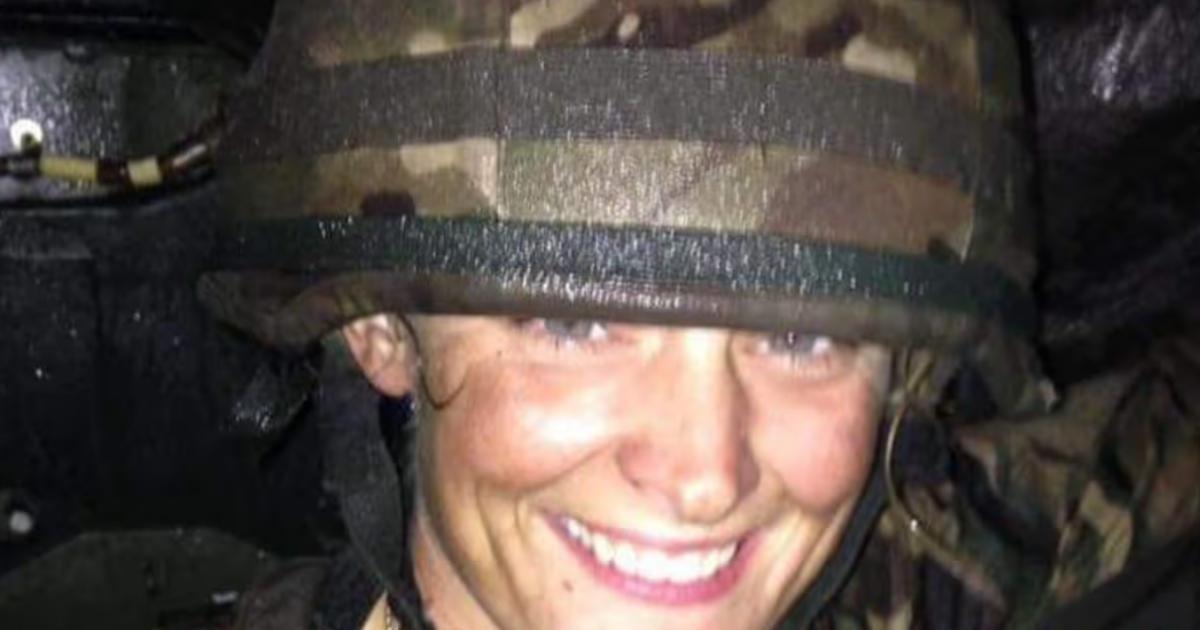
Royal Artillery Bombardier Nadine Askew, 31, from Sunderland, was found dead in her room at Larkhill Garrison in Wiltshire on July 22, 2021, after an altercation with a junior soldier the night before.

An inquest at Wiltshire and Swindon Coroner’s Court heard the Royal Artillery soldier had been involved in a fight with a gunner during a party at the accommodation block, and feared it could put her forthcoming promotion to sergeant at risk.

(Image: PA)

Recording a conclusion of suicide, assistant coroner Ian Singleton said: “I am satisfied that more likely than not she intended to take her own life.

“I find this was against the background of being involved in an altercation earlier that evening that Nadine would have known would, in all probability, have an adverse effect on the promotion that she was so keen to achieve.

Advertisement

“I find that her actions were a response to the realisation of that fact.”

Bmdr Askew had served tours of duty in Iraq and Afghanistan with the Royal Artillery.

Lucy Clark, a fellow bombardier, told the inquest: “She knew that getting into a fight and essentially hitting a gunner was going to have repercussions on her career.

“A lot of the time the repercussion for fighting is a demotion, and she wasn’t wearing sergeant yet, so the fear was a demotion in general, but she would have potentially been busted back down to lance bombardier.”

Advertisement

The inquest heard a group of soldiers had been socialising at a nearby pub before returning to the garrison and continuing the evening at a party.

The fight started after the gunner approached Bmdr Askew to apologise for something she had done earlier in the day.

Witnesses said Bmdr Askew punched and headbutted the gunner before being restrained by another soldier.

The court heard that she had a history of self-harm and had previously been placed on the Vulnerability Risk Management (VRM) register and given mental health support.

Advertisement

Just ten days before her death, senior officers had removed her from the register and approved her for deployment.

Her parents told the inquest that they were unaware of her previous self-harm or mental health struggles.

Mr Singleton said: “It would be speculation to say what difference it would have made if Nadine had been on the VRM or if measures had been put in place.

“No-one had concerns how Nadine presented after the incident on the evening of July 21 to 22, 2021.”

Advertisement

He found no evidence her earlier mental health issues contributed to her death, citing improvements noted by a psychiatrist and a lack of recent concerning behaviour.

The care she received was described by medical experts as of a “good standard,” and the coroner said her death did not reflect a failure in previous care.

(Image: PA)

Following the inquest, Bmdr Askew’s mother Amanda paid tribute to her daughter.

Ms Askew said: “It’s impossible to put into words how devastating it is to hear from multiple second-hand sources that your child was battling mental health struggles that you were unaware of.

Advertisement

“It’s been devastating to sit through all that evidence and be confronted with that fact.

“We endured this process as we hoped that by shining a light on the circumstances leading up to her death, we might spare other Army families from enduring the same irreparable pain.

“Nadine was a kind, caring woman with an infectious smile.

“After she died, we received over 300 cards from people all over the world and 27 condolence bouquets.

Advertisement

Read more:


“We also learnt that some of her friends have named their children after her.

“It is clear she touched so many people’s lives, which brings us some comfort.”

If you are in need of support you can contact the following:

Advertisement

– Samaritans are here to listen – day or night, 365 days a year. You can call them for free on 116 123 or visit samaritans.org.

– If U Care Share on 0191 387 5661 or text IUCS to 85258

– SANE on 07984 967 708, Calm on 0800 58 58 58

Advertisement

Source link

Continue Reading

Trending

Copyright © 2025