

Connect with us
DAPA Banner

NewsBeat

Brits left feeling gutted about their last chocolate egg

Published

on

Brits left feeling gutted about their last chocolate egg

A study of 2,000 adults found 22 per cent said this was the moment they realised they were ‘officially a grown-up’, marking a shift from being looked after to fending for themselves.

Only 15 per cent of grown-ups are still gifted choccy treats at Easter from their parents or guardians – despite 72 per cent believing you’re never too old to celebrate Easter with a chocolate egg.

However, 58 per cent weren’t warned about this abrupt change, saying ‘it just stopped’, while 22 per cent admitted they still buy an egg for themselves every year – simply because they can.

The research was commissioned by M&M’S , as part of their Great Easter Egg Debate, with Michael and Hilary Whitehall laying out both sides of the topic.

Michael said: “Frankly, once you’re an adult you should be self-sufficient and responsible for your own Easter chocolate – and I should know, my eldest son took far too long to fly the nest. But what do I know.”

Hilary, however, disagrees: “Oh, don’t be such a grump, Michael. I say just because you’re grown-up doesn’t mean you have to act like it. You’re never too old for a chocolate egg at Easter.”

Advertisement

The research also found that for those adults who still receive chocolate eggs, 57 per cent would be disappointed if they stopped getting them.


This includes 33 per cent who’d be annoyed in secret, whereas almost a quarter (24 per cent) would be happy to openly complain about it.

The average participant receives one and a half chocolate eggs per year but buys nearly four for other people.

Generally, the things people love most about Easter include getting together with family (25 per cent), the start of lighter evenings (24 per cent) and the bank holiday weekend (20 per cent).

Advertisement


However, as people get older, the things they miss most about the holidays are waking up to chocolate on Easter morning (15 per cent) and Easter egg hunts (14 per cent).

According to OnePoll.com figures, 27 per cent of those who have moved out do not bother with Easter eggs after leaving home.

Steve Waters, director of eggcellence at M&M’S, said: “Easter eggs are one of those little joys that quietly slip away as we move into adulthood, but who says they have to?

Advertisement

“This campaign is about reminding people that chocolate, fun and a bit of cheeky tradition don’t need to have an age limit.

“We’re here to stir the debate and give everyone a playful excuse to hold onto their Easter eggs, no matter how adult they are.”

Are you gutted about your last chocolate egg? Let us know in the comments

Advertisement

Source link

Continue Reading
Click to comment

You must be logged in to post a comment Login

Leave a Reply

NewsBeat

Why so many victims don’t realise they have been raped until later

Published

on

Why so many victims don’t realise they have been raped until later

MP Charlotte Nichols recently took the brave step to speak publicly about her rape trial experiences in parliament. Nichols endured a 1,088-day wait for her case to reach court. This experience led her to speak out, in a debate over the government’s plan to cut jury trials in England and Wales. Arguing that the proposals would only minimally reduce wait times, she called instead for the creation of special courts to hear rape cases.

Later, in an in-depth Guardian interview, Nichols disclosed that it took her 48 hours to mentally accept that what had happened to her was rape. This delay was used against her in court to undermine her credibility as a witness. Her case ended with a jury unanimously acquitting the man she accused of raping her. But this line of enquiry was based on outdated stereotypes of what “real” rape looks like.

Delayed realisation, when someone does not immediately name that what happened to them was rape, is extremely common. Most people imagine rape as an obvious crime: a stranger attack, force, threats or immediate fear. But the reality looks very different for many victims.

Back in 1988, Liz Kelly, a professor of sexualised violence, reported that around 60% of women she spoke to could not name assaults when they happened. More recent studies, including research led by criminologist Jennifer Brown, and my own research with disabled victims of sexual violence, continue to show this pattern.

Advertisement

Nichols disclosed that she had consensual “vanilla sex” during a one-night stand with a man: “We did have a really fun night actually where I was fully up for it.” This made what happened later that night harder to comprehend. She woke up to find him having sex with her again, biting her back, breasts and thighs.

Being betrayed in this way by someone you trusted and had positive feelings for can cause disassociation and shock. Nichols described feeling “outside my own body” and on “autopilot” in the hours after being raped. Many victims cope by rationalising or minimising what has happened. One of my respondents told herself: “No, it wasn’t that bad, it was all okay.”

Victims may use humour or detachment as coping strategies. Nichols did this when she sent her friend a joking text message the morning after the rape. Although the correspondence with this friend included later messages where she gradually began to acknowledge that what happened wasn’t right, this initial text message was used against her in the trial.

Many victims have internalised rape myths: widely-held attitudes about how rape happens that are generally false. These beliefs may hinder them from naming their experiences.

Advertisement

Although delayed realisation can happen to anyone, it is important to acknowledge that disabled women in our research faced additional barriers. Some had limited access to sex education. Some grew up being treated as childlike or passive, and others had been repeatedly disbelieved by professionals when they tried to report more mundane instances of maltreatment. These conditions make it even harder to understand or dare to name sexual violence.

How delayed realisation is used against victims

The criminal justice system often treats delayed realisation as suspicious. Nichols’ delayed realisation and outwardly calm behaviour in the immediate aftermath were presented as proof that the sex must have been consensual.

The emotional scars caused by rape led Nichols to developed post-traumatic stress disorder (PTSD). Emily Hunt, a former government rape adviser, claimed that 50% of sexual violence victims develop PTSD. On this ground alone, a large proportion of rape victims could be considered disabled and entitled to additional protections under the Equality Act.

Instead, rape victims’ trauma survival strategies, such as the “fawn response” – disassociation and masking one’s distress, as Nichols described – are exposed in court as evidence to undermine their credibility.

Advertisement

In my research this was especially common among neurodivergent women, who are generally well-versed at masking (mimicking neurotypical traits to fit into social situations).

Some respondents felt discriminated against because they expressed trauma differently from how they were expected to, for example by laughing when recalling uncomfortable events. Others were told they were “over-emotional” or “not emotional enough”. Several women said that their criminal justice experience made them feel that they were not the “right kind of victim”.

The current legal definition of rape requires that the perpetrator did “not reasonably believe” that the victim consented. Consequently, when Nichols’ case went to court, she was made to feel that she was on trial. The focus was on dissecting her behaviour in the aftermath of the rape to establish whether she had consented.

Advertisement

For most victims I spoke to, their cases were discontinued before they even reached court. Delayed realisation was routinely used to argue that it was not possible to “reasonably believe” that the victim had not consented.

The UK government’s ambition to increase rape convictions as part of the violence against women and girls strategy is commendable. However, low conviction rates will continue unless the law and how it is implemented are changed to reflect the reality that delayed realisation is a common trauma response for many rape victims.

Nichols’ courage in speaking publicly could open a national conversation about normalising delayed realisation. Her frank account is powerful, because it directly challenges many common rape myths, while highlighting how the presence of these views in the courtroom led to her feeling – and ultimately being – disbelieved.
Advertisement

Source link

Continue Reading

NewsBeat

How to watch Itauma vs Franklin: TV channel and live stream for boxing tonight

Published

on

How to watch Itauma vs Franklin: TV channel and live stream for boxing tonight

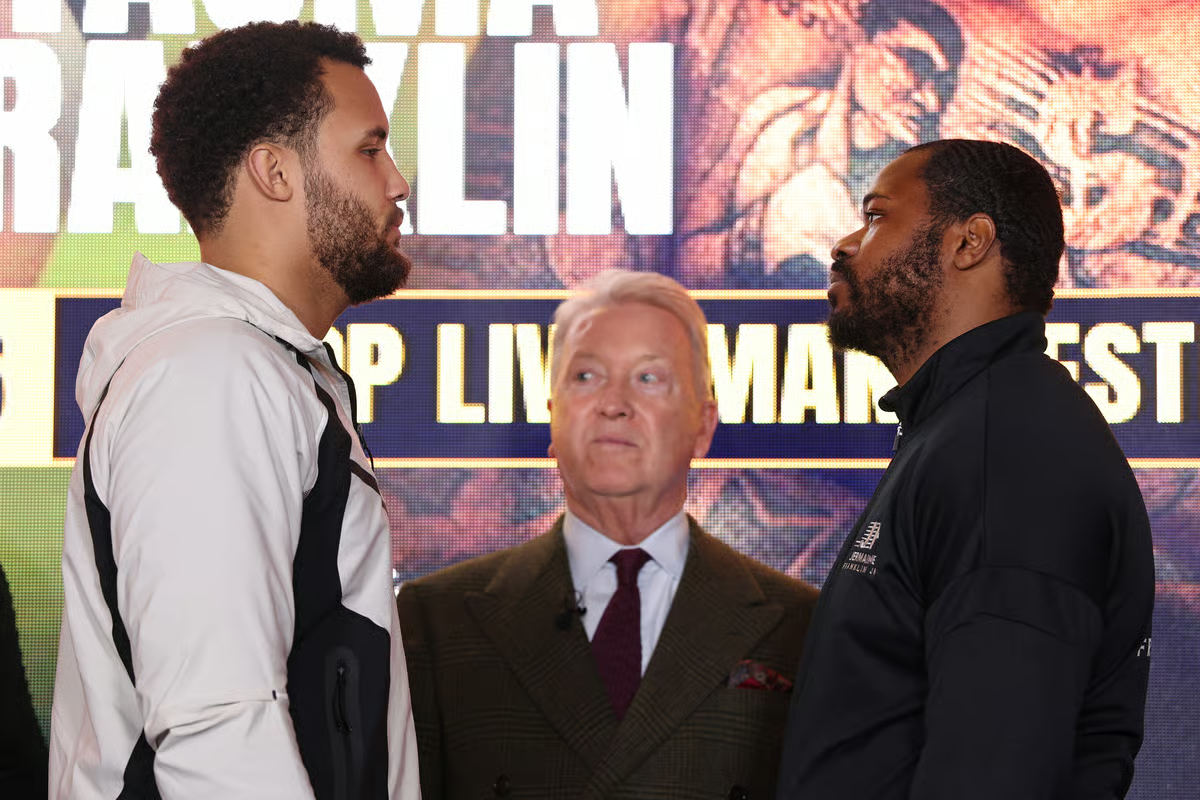
Frank Warren and Queensberry’s delayed Magnificent 7 card takes centre stage at the Co-op Live, two months after the show was originally supposed to take place.

Itauma is now recovered from a biceps tear sustained in training that forced that postponement and ready to take the next step in his ascending heavyweight career against what, on paper at least, should be his toughest opponent to date.

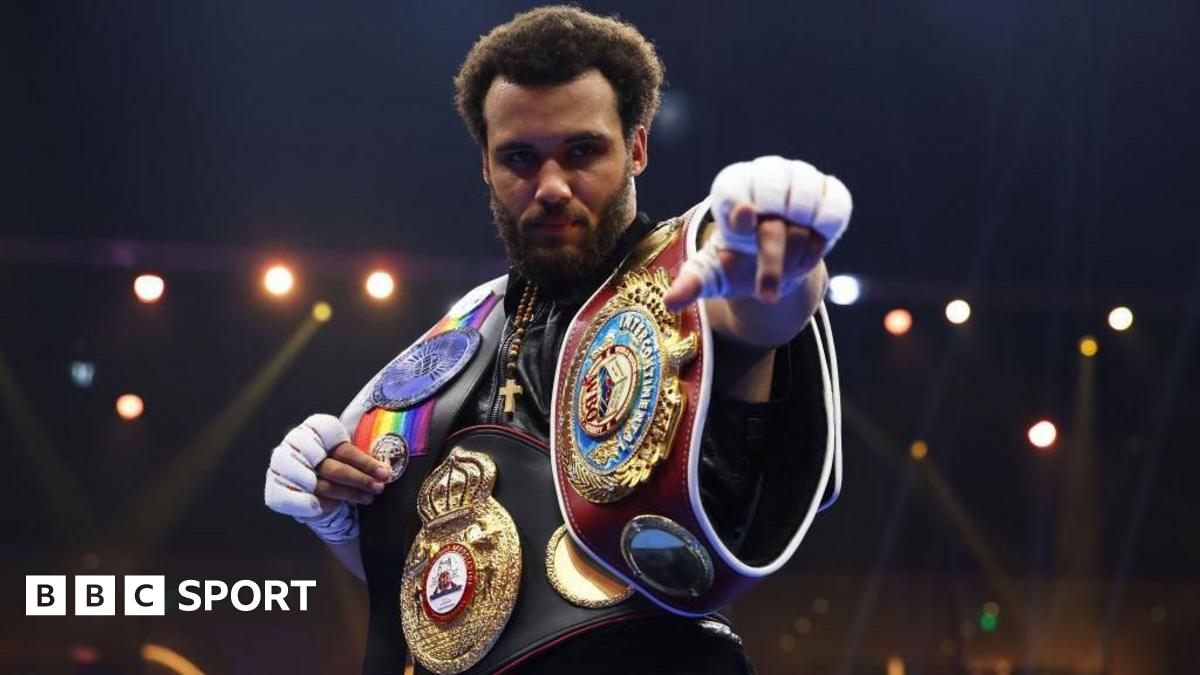
The 21-year-old is one of the biggest young stars anywhere in the sport and being tipped for a huge future that will surely include world title glory sooner rather than later, having delivered a number of destructive early knockouts to develop a fearsome reputation.

Advertisement

The American has never previously been stopped and gave a good account of himself in his only two professional losses to date, which came on points in successive outings in London against Whyte and Anthony Joshua – since when he has bounced back with a three-fight winning streak, albeit against lower opposition.

How to watch Itauma vs Franklin

TV channel and live stream: Itauma vs Franklin is being shown live in the UK through DAZN and is part of their regular subscription service, rather than on pay-per-view.

The undercard starts at 5pm GMT, with the main event expected at approximately 11pm.

Advertisement

Live blog: Standard Sport’s live fight blog will keep you fully up to date on how events unfold across the night.

Source link

Continue Reading

NewsBeat

Itauma vs Franklin: British heavyweight reflects on pro career & upcoming bout

Published

on

Derek Chisora and Deontay Wilder face off at a news conference draped in the flags of their country

Itauma’s professional journey has been brief but brutal. He has boxed just 26 rounds in his pro career – and many of those were cut short.

He demolished Marcel Bode in just 23 seconds on his debut in January 2023 at Wembley Arena. But just like the Whyte fight, the early ending brought little joy.

“I didn’t care,” he reflects. “My brother suffered his first loss, literally a couple of minutes before. To be honest, I didn’t even want to fight that day.”

Family is the core of the Itauma story. His brother, light-heavyweight Karol Itauma, sits behind the cameras during fight week duties. The bond was forged through a 1,050-mile journey from Kezmarok, beneath Slovakia’s Tatra Mountain, to Chatham in Kent.

Advertisement

Born to a Slovak mother and Nigerian father, their early years were defined by racism and a search for a place to belong.

“Me and my brothers, we don’t look very Slovak, and that kind of limited opportunities that we can have in that country,” says Itauma.

“My mum was like, they’re probably going to have more opportunities and a better upbringing if they move to a country where people of mixed-race backgrounds are more common.”

Those sacrifices influenced every decision that followed. Itauma started boxing at nine, but it wasn’t until 14 that he decided to take it seriously.

Advertisement

“My mum sacrificed a lot coming over to the UK,” he says. “I need to kind of make it. So, yeah, it’s difficult, but I’m happy that my mum made the decisions and obviously I’m following through.”

That “family first” mentality is why he snubbed the Olympic route with Team GB to sign with Frank Warren’s Queensberry Promotions.

“The short and sweet of it was that my family needed the money,” he adds.

Source link

Advertisement
Continue Reading

NewsBeat

Wife ‘chopped off husband’s head then his genitals and fed them to dogs’

Published

on

Daily Record

WARNING GRAPHIC CONTENT: Maria is accused of murdering her husband after years of domestic violence, telling police “it was the only option”

A 48-year-old woman is alleged to have attacked her husband following his night shift, beheading him and feeding his genitals to their dogs after enduring years of domestic abuse.

The horrifying incident is said to have unfolded when Maria, a Ukrainian woman, encountered her husband Oleksandr arriving home in the early hours after work on August 23, 2019.

Advertisement

She stands accused of strangling him with her bare hands. Maria was reportedly “covered in blood” according to eyewitnesses.

Police revealed the incident followed a prolonged period of physical abuse from her husband. Officers said she informed them she “was suffering domestic violence for ages and murdered her husband to put an end to it and that it was the only way out”.

Maria is alleged to have initially strangled her husband before beheading him by severing his head with an axe. She is then alleged to have seized a knife from the kitchen, removed his genitals and fed them to her pet dogs.

Maria is then accused of attempting to dismember the victim’s body but failed and fled into the street covered in blood.

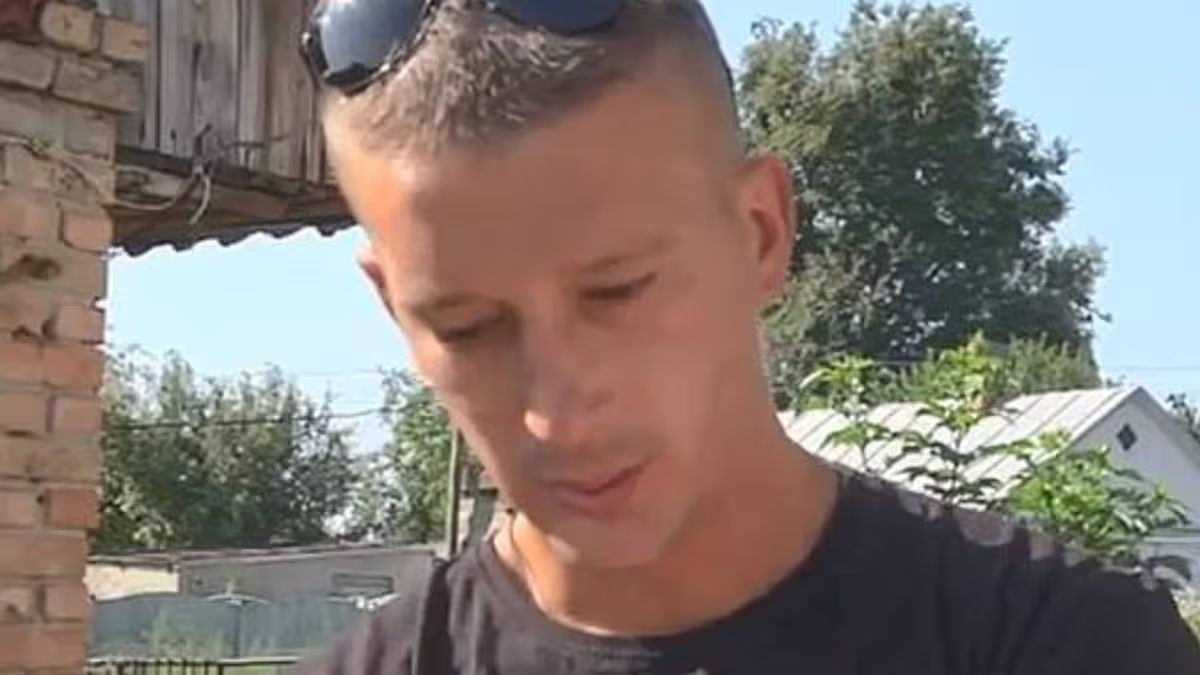
Speaking to local media, Nadezhda Opanasiuk, a neighbour who encountered the accused on the street, said she couldn’t believe what Maria was telling her until she witnessed the horrific scene and she confessed to having her husband’s head in a sack.

Opanasiuk said: “Her hands, feet and clothes were in blood. She said, ‘I am in trouble. I’ve killed my husband.’ I did not believe her. I thought they had a quarrel and she might have hit him. I went to see if he needed medical help.

“When I walked into the room, I saw his mutilated body. The bedsheets were soaked with blood. I asked her, ‘Where’s his head?’, and she replied, ‘there, in the sack.’”

Advertisement

Opanasiuk raised the alarm with neighbours, who immediately contacted police. Officers arrived at the property and arrested Maria following her admission to the killing.

Police spokesman Vadim Artiukhovich verified the incident, stating: “The suspect confessed in full at the scene. She was charged with murder and taken into custody.”

He added: “The woman said that she was constantly suffering physical and emotional abuse and did not see any other option to end her misery.

“Neighbors say they, in fact, saw the husband beating her up and chasing her with an axe a lot of times. However, the woman has never reported the incidents.”

Advertisement

Yet Maria’s son Viktor Fesianov remains unable to pardon her actions. “I know she is my mother. But I do not want to see her any more,” he informed local media.

Source link

Continue Reading

NewsBeat

Save 50% on period pants in WUKA’s unmissable hour-long sale

Published

on

Save 50% on period pants in WUKA's unmissable hour-long sale
Ditch disposable period products for good with this comfortable and reliable underwear (Picture: WUKA/Metro)

Metro journalists select and curate the products that feature on our site. If you make a purchase via links on this page we will earn commission – learn more

Did you know that the UK throws away 4 billion disposable period products every year, totalling roughly 200,000 tonnes of waste?

It’s really no wonder so many people are choosing to do away with disposable period products altogether and opt for something not just better for the Earth, but for their bodies, too.

Enter: WUKA.

Advertisement

Designed to help you ditch disposable period products in favour of comfort, sustainability and protection, WUKA’s world’s first period pants really work, helping you replace single use with reusable, leak-proof and plastic-free protection.

And now to celebrate Earth Hour, the brand are offering an unmissable one hour only deal to help you save on your next period pant purchase.

Between 8.30pm and 9.30pm today, March 28th, you can slash 50% off the WUKA Ultimate Collection and 30% off the WUKA Stretch™ Range. But yes, this is just an hour-long deal, so it’s one you’ll want to set your calendar reminders for.

Helping you do away with pads and tampons, WUKA pants offer a number of different absorbencies to suit you and your period, with the most absorbent holding over 20ml of blood – about four tampons or three pads’ worth.

Advertisement

This is all thanks to the built-in absorbent and odour-proof gusset that tackles everything from light to heavy flows, providing reliable protection that keeps you comfortable and confident throughout the day.

With one pair designed to replace 200 disposable products going into landfill, there’s a good reason women are ditching their archaic period practises and opting for WUKA instead.

Wuka period pants leopard print underwear
Take your pick from an array of different colours, designs and styles (Picture: WUKA)

Designed to be as comfortable as they are practical, the underwear features the brand’s trusted Stretch™ Technology, engineered to retain its stretch and expand up to four sizes, moulding comfortably to all body shapes and ensuring a smooth, seamless, first-time fit.

This means that despite there only being two sizes – Size 1 (XS – L) and Size 2 (XL – 3XL) – you’ve got a comfortable and functional fit that keeps up with you.

No leaks, no exceptions.

Advertisement

Better still, the buttery-soft microfibre pants feel amazing on the skin, boasting a seamless finish that gives an invisible, second skin look and feel, with no VPLs even under tight clothing.

The lightweight yet absorbent pants are hypoallergenic, breathable and free from added chemicals and silver treatments (Picture: WUKA)

The lightweight yet absorbent pants are also hypoallergenic, breathable and free from added chemicals and silver treatments, so, unlike with disposable period products, you don’t have to worry about any nasties getting into your body.

And arguably the best bit? The brand has a huge array of colours and designs to pick from – whether you prefer a thong or full brief, bright patterns or plain hues. You can even personalise your absorbency!

Be sure to snap up your own to try today in the WUKA Earth Hour sale. Between 8.30pm and 9.30pm on March 28th, you can slash 50% off the WUKA Ultimate Collection and 30% off the WUKA Stretch™ Range.

This is one you won’t want to miss.

Advertisement

Follow Metro across our social channels, on Facebook, Twitter and Instagram

Share your views in the comments below

Advertisement

Source link

Advertisement
Continue Reading

NewsBeat

Bolton rugby group TRY Talking holding match for charity

Published

on

Bolton rugby group TRY Talking holding match for charity

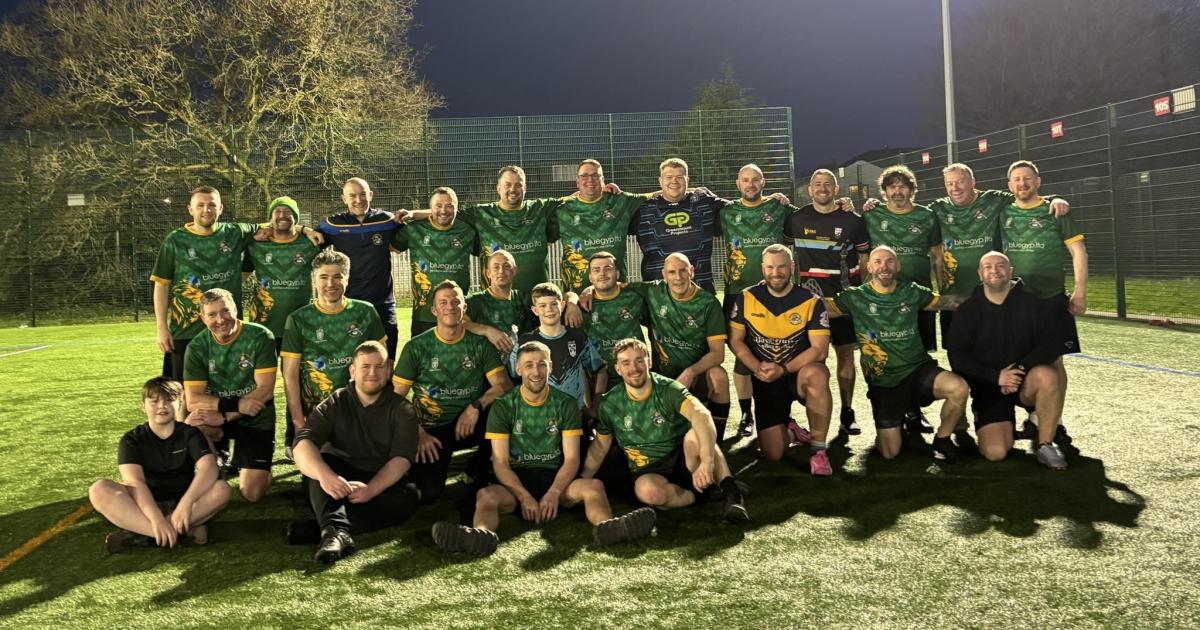
TRY Talking was set up in 2024 by Jon Hurst, aiming to break the stigma around men speaking about their mental wellbeing.

The group has grown in the time since, going from four members to over 30 regular members each week, playing games of tag rugby and gaining a chance to relax and have a laugh.

Now, TRY Talking will be playing a match in aid of Bolton Manbassadors against charity rugby team Fat Monkey.

Jon, aged 46, said: “The lads have been keen, because it has been going for a while now, so we decided to set up a game to raise awareness of what we are doing.

Advertisement

A rugby group will be holding a match for charity (Image: TRY Talking)

“Lots of them support the idea of what we are doing to promote mental health, and are keen to get us out there and show off our skills.

“We have lots of lads who had never touched a rugby ball when they came down, one lad had never done so but now is one of the first picks for the Westhoughton Lions Masters team.”

The match will take place at the Westhoughton Lions’ ground on Cunningham Road in Westhoughton from 6pm on April 10.

There will be fundraising in the club, including bingo, with food and drink being available.

Advertisement

To learn more about TRY Talking, see their Facebook page here: https://www.facebook.com/profile.php?id=61566764082540

TRY Talking (Image: TRY Talking)

Jon added: “The success of it has been the belief from the lads that what we are doing is a good thing, and needed in the community.

“We found at the beginning that it was tough to get going, men’s mental health is a tough subject for people and lots weren’t sure whether they would have to come down and talk about their problems.

“But then I didn’t push the mental health side of it, instead focusing on the camaraderie, a chance for a social session and somewhere to have a laugh and relax.

Advertisement

“Then organically, the lads on the Whatsapp group ended up supporting each other and talking about their issues.”

He added a thank you to Bluegyp Ceilings and Partitions for their financial support with TRY Talking.

Source link

Advertisement
Continue Reading

NewsBeat

Why we should worry about vapes as well as social media

Published

on

Why we should worry about vapes as well as social media

THE recent social media trial regarding children being sucked into social websites to their detrimental welfare has been highlighted in the news recently.

It has been likened to the “tobacco moment ” of the past where harmful products were airbrushed away as healthy and safe.

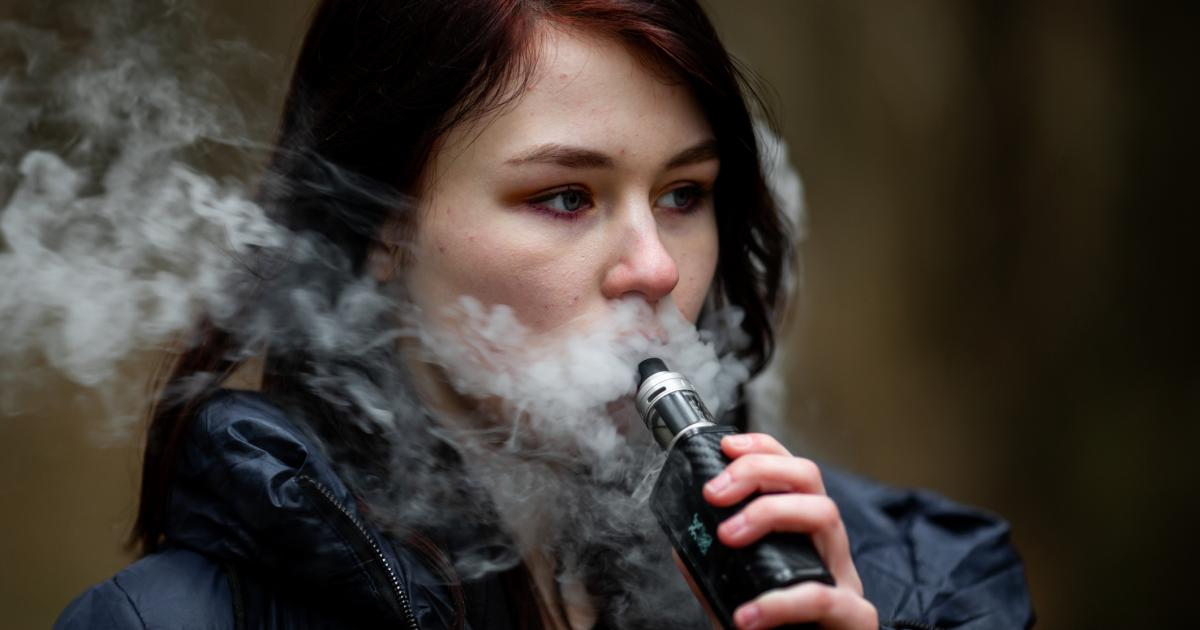
Today my worry is the same regarding vapes (which many people consider to be OK to use and with no health risk).

Advertisement

Puffing nicotine into the lungs seems madness to me but we consume alcohol with the same bravado!

Do we have a knowledgeable doctor for advice?

Put simply – if it’s enjoyable then it appears to be bad for you so moderation in most things is the answer!

Phil Shepherdson,

Advertisement

Woodthorpe,

York

Is this the reason we have no upgrade for A64?

Advertisement

ONCE again an upgrade of the A64 York to Scarborough road has been put on the back burner, could the reason for this be because the road passes through no Labour-held parliamentary seat?

Peter Rickaby,

Moat Way,

Brayton,

Advertisement

North Yorkshire

Don’t feed other people’s pets without permission

WALKING down Aldwark in York (Aldwark the old English for “old wall” referring to the old Roman city wall that runs parallel to Aldwark), I had a chat to a lady out walking a dog.

Advertisement

After the conversation I asked if it was ok to give the animal a dog treat.

She asked to see the treat before I gave it to the animal.

After showing the small bone-shaped biscuit she explained that someone had given her daughter’s dog a piece of fruit cake and they had to rush the animal to the vets, resulting in a £400 bill for the emergency procedure.

So the message is clear – don’t feed other people’s pets without permission, and certainly don’t give dogs anything with grapes/raisins, chocolate, alcohol, sweets and nuts (particularly macadamia nuts).

Advertisement

It’s dangerous for them and can potentially be fatal.

D M Deamer,

Penleys Grove Street,

Monkgate,

Advertisement

York


What do you think?

Feel strongly about an issue? Write us a letter. Please write no more than 250 words and you must provide your full name, address and mobile number. Send your views by email to: letters@thepress.co.uk


Advertisement

Write a comment

Join the debate and leave a comment in our comments section below this article – we may use your comments for a follow up article.


Source link

Advertisement
Continue Reading

NewsBeat

Africa is hurting again from a global crisis it had no part in starting

Published

on

Africa is hurting again from a global crisis it had no part in starting

Lagos taxi driver Adegbola Isaac went to the gas station twice last weekend. Each time, the price in the Nigerian city had climbed further and hit 1,350 naira ($0.99) per liter, a nearly 35% increase since the Iran war started. That’s wiped out most of his daily profit.

“It is hitting hard,” Isaac told The Associated Press.

Like many people across the world, Isaac is one of millions across Africa who are reeling from the economic impacts of the faraway conflict in the Middle East, which began Feb. 28 with joint U.S.-Israeli strikes on Iran.

For many Africans, the fuel price hike because of the Strait of Hormuz being largely closed off worsens the hardships they already struggle with in some of the world’s poorest households.

Advertisement

The latest shock also isn’t isolated.

Africa is hurting again from another global crisis it had no part in starting.

From the COVID-19 pandemic to the war in Ukraine and now the Middle East conflict, the world’s fastest-growing continent — with a population rivaling China and India — is at the painful end of ripple effects that include a global scramble for critical resources like fuel and fertilizer.

With the majority of African countries being net importers of refined oil products, the impact has been swift, leading to rising retail fuel prices in Africa and associated increases in the costs of most goods and services.

Advertisement

Experts say African countries are critically integrated into global economies and are exposed to global shocks because of their dependence on major economies.

The United Nations on Friday said it is pursuing a way to allow fertilizer to resume safe transit through the Strait of Hormuz, hoping it would build confidence in wider diplomatic efforts around the Iran war.

Africa is the epicenter of crises

According to a 2025 report by U.N. Trade and Development, or UNCTAD, which describes Africa as “the epicenter of overlapping global crises,” more than half of the continent’s imports and exports are with five non-African countries.

Advertisement

All of Kenya’s fuel comes from the Middle East, particularly from the United Arab Emirates, with its fuel retailers saying 20% of the country’s outlets are already affected. Uganda’s fuel stock was initially projected to last a few weeks.

South Africa sources a significant amount of its fuel from Saudi Arabia. Nigeria, Africa’s largest oil producer, lacks local refinery capacity and relies on importing refined crude products from Europe.

Adapting to higher prices

In Zimbabwe, health labor workers protested in favor of an increase in wages as the cost of living rose sharply. In response, the government plans to increase the blending of fuel with ethanol, from the current 5% to 20% ethanol blending. The blend poses a danger to cars, and a higher blend contributes to the emission of pollutants.

Advertisement

“I now avoid going into town during peak hours because the fares are too high,” said Washington Nyakarize, an informal cellphone trader who works in Harare’s Central Business District. “If I go later, the charge is a bit lower, but I lose business, because most customers come early in the morning.”

After South Africa’s fuel supplies from Saudi Arabia dropped, diesel-dependent industries started to panic-buy, fearing the worst. That is despite the Department of Mineral and Petroleum Resources, or DMPR, saying the country still has untapped strategic reserves and diversified supply routes.

War is likely to impact more than fuel

Access to fertilizer across Africa, including conflict-wracked countries like Sudan and Somalia, is set to be impacted, according to UNCTAD.

Advertisement

Kenya’s flower industry also has reported weekly losses of up to $1.4 million since the Iran war began, with growers attributing the losses to a decline in demand and shipping disruptions.

Experts say the war could further put Africa in uncharted territory if it lasts longer.

“If the conflict persists for another month or two, honestly, we’re going to be in unknown terrain, that no one else, like, no one can really predict, and we just have to wait and see,” said Zainab Usman, a senior research scholar at the New York-based Center on Global Energy Policy.

Governments scramble for alternatives

Advertisement

With the global squeeze in oil supply, African governments have begun to look for alternative routes for supplies.

Bloomberg reported this week that several countries including South Africa, Kenya and Ghana have reached out to Nigeria’s Dangote Refinery for fuel deals.

While it regularly exports jet fuel used in aircraft to the U.S. and Asia, the Dangote refinery this week announced that it completed the sale of 12 shipments of refined petroleum products to several African countries, including Ivory Coast, Cameroon, Tanzania, Ghana and Togo, a first at that scale since reaching full capacity earlier this year.

Energy experts say the Dangote refinery could be challenged in meeting growing demands for its products if its planned expansion is slowed down or if there are disruptions to its crude oil supply.

Advertisement

“As long as there is a steady supply of crude oil, the (Dangote) refinery has the capacity to meet some of the needs” from across the continent, according to Olufola Wusu, a Lagos-based oil and gas expert who was part of a team that helped review Nigeria’s national gas policy.

___

Michelle Gumede and Mogomotsi Magome in Johannesburg, South Africa, and Farai Mutsaka in Harare, Zimbabwe, contributed to this report.

Source link

Advertisement
Continue Reading

NewsBeat

Tell us where we can find the best fish and chips in Cambridgeshire

Published

on

Cambridgeshire Live

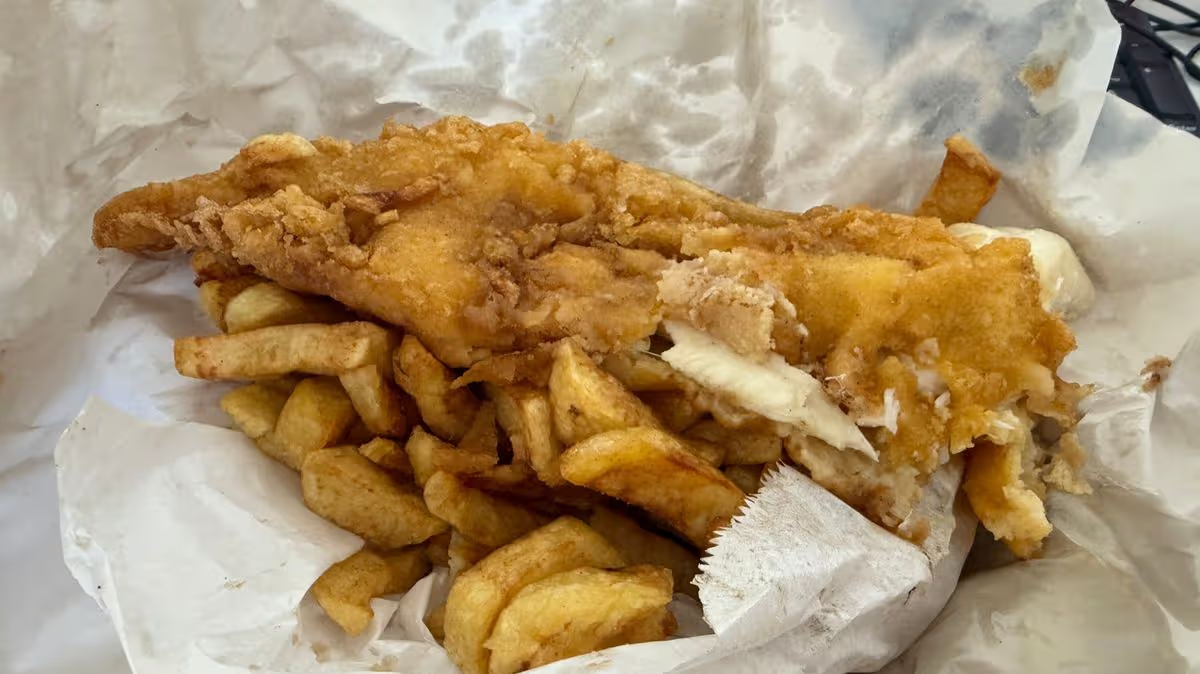
Where can we find the best fish and chips in the whole of the county?

Eating fish and chips on Good Friday has been a tradition for centuries. For Christians, it is a requirement to avoid eating warm-blooded animal meat, which symbolises Jesus sacrificing his flesh, on Good Friday. Fish is a popular alternative.

Advertisement

This tradition has carried on for many years and is still popular to this day with lots of people opting to pop to their local fish and chip shop for a treat on Good Friday. Cambridgeshire is lucky to have plenty of fish and chip shops that are loved by residents or have even won awards.

Whether you like the more traditional choices of cod and haddock or prefer something like plaice and scampi, you can find a range of options at fish and chip shops in the county. Even if you don’t love fish, you can often get alternatives such as fried chicken and pies along with a range of typical sides like curry sauce or mushy peas.

CambridgeshireLive wants to know where we can find the best fish and chips in Cambridgeshire ahead of Good Friday. It might be the generous portion sizes or quality of the fish used that makes a certain spots your favourite.

You can nominate your favourite fish and chip shop using our survey below. If the survey does not appear for you, you can open it using a new tab here.

Advertisement

Source link

Continue Reading

NewsBeat

how punk’s most notorious band became part of the mainstream

Published

on

how punk’s most notorious band became part of the mainstream

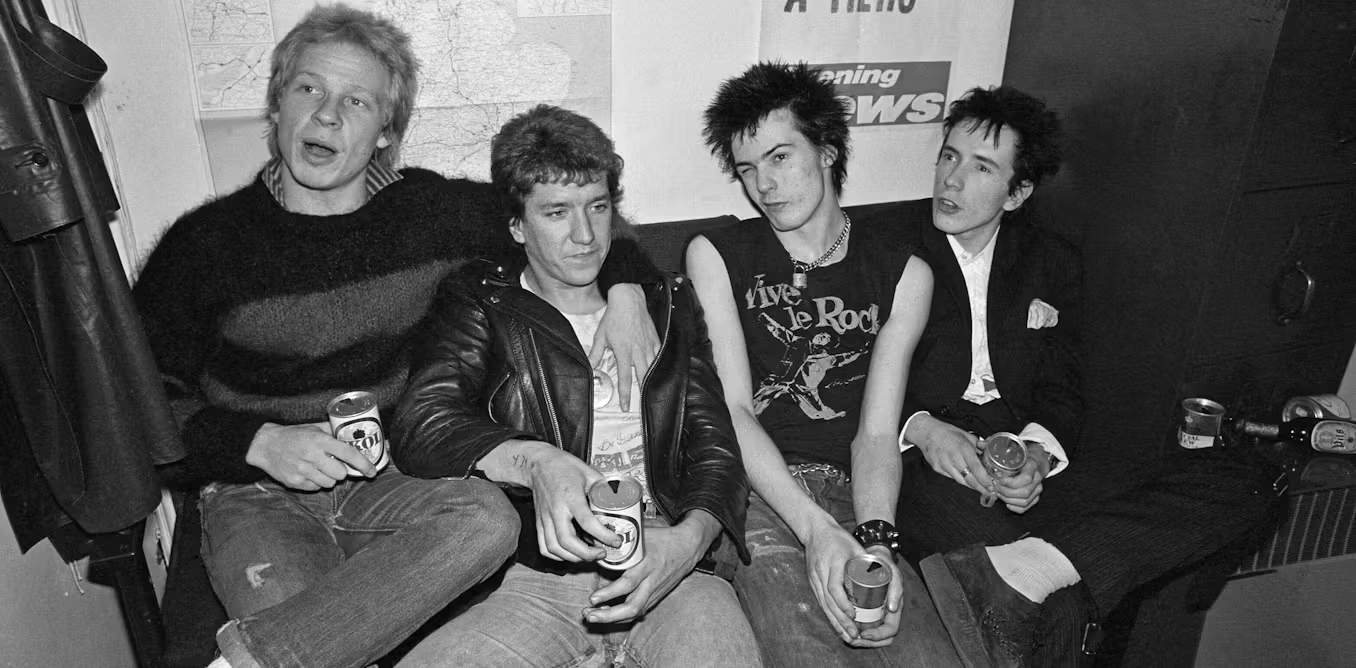
“Ever get the feeling you’ve been cheated?” John Lydon’s closing words before stalking off stage at San Francisco’s Winterland Ballroom in January 1978, concluding the Sex Pistols’ US tour, have echoed ever since. They’re a bitter bookend to a fractious spell in the limelight. Barely three years had passed since the band’s first gig and less than two since they exploded into the national consciousness.

Lydon’s words marked an ending, but the start was almost as combustible. Fifty years ago, on March 30 1976, the Sex Pistols played a pivotal gig at London’s 100 Club. Photographer P.T. Madden recalled the small, but select, crowd and the sense of momentum:

My main memory is thinking, this is extremely important. It is not like any other gig I have ever been to. It has an atmosphere of expectation which is totally exciting. This means something and there is no one here.

A venue and a moment

The 100 Club, a basement venue on Oxford Street with a history stretching back to the 1940s, had already hosted generations of musical growth in jazz and rhythm and blues. In 1976 it became a focal point for a new, abrasive sensibility. Alongside key gigs at Manchester’s Lesser Free Trade Hall and Kensington’s Nashville Rooms, it helped crystallise what punk looked, sounded and felt like.

In September, the two-day 100 Club Punk Special brought together emerging acts like Siouxsie and the Banshees, The Clash and The Damned, consolidating a scene that was coalescing around an aesthetic of nihilistic confrontation and musical minimalism. The Pistols were not alone in this but became its most visible face.

Advertisement

Their rise was swift. The band was signed to EMI by October 1976, only to be dropped within months amid controversy stoked by the band and their manager Malcom McLaren. A key flash-point was the furore surrounding an expletive-laden chat show interview with Bill Grundy.

Their debut single, Anarchy in the UK, released the following month, was a blunt declaration of intent. A rapid sequence of label changes followed, culminating in the 1977 album Never Mind the Bollocks, anchored by the incendiary single God Save the Queen. It was banned by the BBC and independent radio stations during the Silver Jubilee.

The Pistols’ opening salvo flared brightly and briefly, its intensity bound up with the conditions that produced it.

Advertisement

A soundtrack for disaffection

The optimism of the 1960s had curdled. Economic decline, an oil price shock, rising inflation and industrial unrest led to the three-day week of 1974 (in which commercial electricity use was restricted to three consecutive days per week), presaging 1978-79’s “winter of discontent”.

The 1976 sterling crisis saw chancellor Denis Healey turn cap-in-hand to the International Monetary Fund for a loan to stabilise the UK economy. This underscored a sense of the post-war economic consensus running aground. Rising youth unemployment deepened a pervasive feeling of stagnation and exclusion.

The Sex Pistols became the most recognisable expression of this broader cultural mood: caustic, disillusioned and sceptical of authority. Their salience was amplified by media outrage, oscillating between fascination and moral panic. Contemporary reports of local authority venues banning punk acts reinforced the perception of a movement defined by exclusion and resistance.

Advertisement

The roots of this approach were not exclusively British. Across the Atlantic, bands like the Ramones had begun stripping rock music back to its raw essentials in the early 1970s. Clubs like New York’s CBGB saw a defiant, unpolished aesthetic take shape. The Pistols and their peers translated and intensified this within a distinctly British landscape.

Cultural theorist Dick Hebdige framed punk as “homology”: the different elements of a sub-culture – clothing, art, and music – resonating with one another. Torn clothing, safety pins and aggressive performance articulated a confrontational, knowingly chaotic stance. The Pistols did not just express disaffection, they gave it visible and audible form.

From rupture to routine

Revolutions often reproduce what they set out to overthrow. Pete Townshend – once a critic of the old order, later a “rock dinosaur” target of punk – described apparent change leaving underlying power structures intact: “meet the new boss, same as the old boss”. The Pistols’ implosion seemed to confirm this pattern of established practices reasserting themselves. But what followed was less disappearance than transformation into a different kind of cultural object – not a unified movement, but a musical style absorbed into mainstream culture.

After Winterland, the band’s remnants were repurposed through a mixture of opportunism and myth-making. Sid Vicious’s notoriety was a factor. The Virgin-produced, McLaren-narrated film The Great Rock’n’Roll Swindle also offered a fictionalised, satirical account of their rise and fall, blurring the line between history and performance.

Advertisement

Thereafter, the Sex Pistols’ trajectory resembled that of many rock acts they had ostensibly sought to disrupt. Lawsuits, reunions and reissues followed. Lydon’s legal battles with McLaren, and later with bandmates underscored the tensions between artistic expression and commercial control. Reunion tours, documentaries such as The Filth and the Fury, and ongoing commemorations (like this) have all contributed to their canonisation.

What began as a rupture in popular music culture became incorporated into its institutional frameworks. The Pistols’ career has been endlessly revisited and repackaged.

Even institutions that once recoiled from punk have, over time, folded it into their own symbolic repertoire. In 2016, the BBC’s flagship current affairs programme Newsnight closed with the God Save the Queen in deadpan response to a Conservative MP’s call for the national anthem to mark Britain’s departure from the EU. What was once treated as cultural contagion became pressed into service as establishment punctuation.

Advertisement

But this should not obscure the force of the original moment. In 1976, the Sex Pistols did more than generate headlines. They captured a particular moment of social disaffection and cultural experimentation that remains emblematic of how music, style and social context aligned to produce something both fleeting and enduring.

If their later career followed familiar patterns, that raw, disruptive and unresolved moment continues to resonate – long after Lydon’s final, sardonic question at Winterland.

Source link

Advertisement
Continue Reading

Trending

Copyright © 2025