

Connect with us
DAPA Banner
DAPA Coin
DAPA
COIN PAYMENT ASSET
PRIVACY · BLOCKDAG · HOMOMORPHIC ENCRYPTION · RUST
ElGamal Encrypted MINE DAPA
🚫 GENESIS SOLD OUT
DAPAPAY COMING

NewsBeat

Celebrating Carers Week

Published

on

Celebrating Carers Week

Residents at Denmead Grange care home in Denmead, run by Barchester Healthcare, are celebrating National Carers’ Week. Residents wanted to thank all the wonderful staff at the home, whose hard work and dedication make a real difference to the lives of those living in their care.

Source link

Continue Reading
Click to comment

You must be logged in to post a comment Login

Leave a Reply

NewsBeat

Can I wear shorts to the office in a heatwave?

Published

on

Wales Online

No matter how hot it gets, many men will not wear shorts to work for fear of appearing unprofessional.

The UK is experiencing an intense heatwave which is expected to see temperatures surge to nearly 40°C. The Met Office has issued a very rare red warning for extreme heat and schools in parts of England are closing early. In Wales, schools have been given the choice whether to close.

Advertisement

But no matter how hot it gets, many men will not swap trousers for shorts in the workplace — but is this because their employer has told them not to? Or is it for fear of standing out, appearing unprofessional or believing that it would be “frowned on”?

Of course, there are two separate considerations here: one is where you stand from a legal or professional standpoint, the other is where you stand from a fashion or sartorial standpoint.

Can it be legally too hot to work?

The Unison and TUC unions want “a specific legal maximum temperature for indoor work of 30°C, or 27°C for strenuous work”. However, the UK’s Health and Safety Executive says: “There’s no law for maximum working temperature, or when it’s too hot to work, because every workplace is different. No meaningful upper limit can be imposed because in many indoor workplaces high temperatures are not seasonal but created by work activity, for example in bakeries or foundries.”

However, it also says that employers must stick to health and safety at work law, including “keeping the temperature at a comfortable level” and “providing clean and fresh air”.

Advertisement

The Workplace (Health, Safety and Welfare) Regulations “require employers to provide a reasonable indoor temperature in the workplace”. And under the Management of Health and Safety at Work Regulations, employers must “assess the risks to workers” and “put controls in place to protect them”.

The HSE says: “Temperature in the workplace is one of the risks you should assess, whether the work is being done indoors or outdoors. You should consult with workers or their representatives on the best ways to cope with high or low temperatures.”

While the Approved Code of Practice on the Workplace (Health, Safety and Welfare) Regulations does suggest a minimum temperature for working indoors (normally at least 16°C or 13°C “if much of the work involves rigorous physical effort”), there is no maximum temperature for workplaces.

Instead, all workers are “entitled to an environment where risks to their health and safety are properly controlled”. Heat is classed as a hazard and comes with legal obligations like any other hazard and so employers must decide what a reasonable temperature should be in the workplace.

Advertisement

Can I refuse to work if it’s too hot?

You can, but you would probably not be protected in law. Allan McDougall Solicitors state that “although the Employment Rights Act 1996 states that where a worker reasonably believes that they are in serious and imminent danger and they cannot reasonably be expected to avert that danger, they have the right not be dismissed or subject to detriment (such as wage docking) if they leave or refuse to attend work while the danger persists”.

However, they stress that “the wording of these statutes does not give an absolute right to withdraw your labour if you consider the workplace is too hot” and add “there is no guarantee that should you leave site or refuse to attend work and then be dismissed or subject to detriment, that you would have a legal remedy, or be successful at tribunal”.

Can I wear shorts to work?

The Workplace (Health, Safety and Welfare) Regulations require employers to provide a reasonable indoor temperature in the workplace. An employer should assess the risks to its workers and put controls in place to protect them. Temperature certainly counts as a risk.

And while there is no legal maximum temperature for working, the HSE says employers should provide “a reasonable working temperature in workrooms”, though it leaves the definition of “reasonable” to the employer. It says that employers can consider changing usual work arrangements to avoid people getting too hot and that this includes

Advertisement
  • flexible working patterns
  • allowing enough breaks to allow workers to get cold drinks or cool down
  • relaxing formal dress codes.

When it comes to relaxing the dress code, Allan McDougall Solicitors state that “although an employee can compel you to wear a certain uniform or abide by a dress code, depending on the circumstances of your workplace it may be reasonable for an employer to relax formal dress code policies to reduce the risk of excessive heat”.

But for many people the question is less a legal one than a fashion one. Sophie Jordan, menswear buying director at fashion firm Mytheresa, told Esquire: “It ultimately depends on the culture of the workplace, but shorts can feel entirely appropriate when approached with a more refined sensibility.”

Kit Swann, fashion editor at Mr Porter, told Esquire: “For me, it depends on the shorts and where you work, but largely I don’t see a reason why you couldn’t wear shorts to the office.”
Source link

Advertisement
Continue Reading

NewsBeat

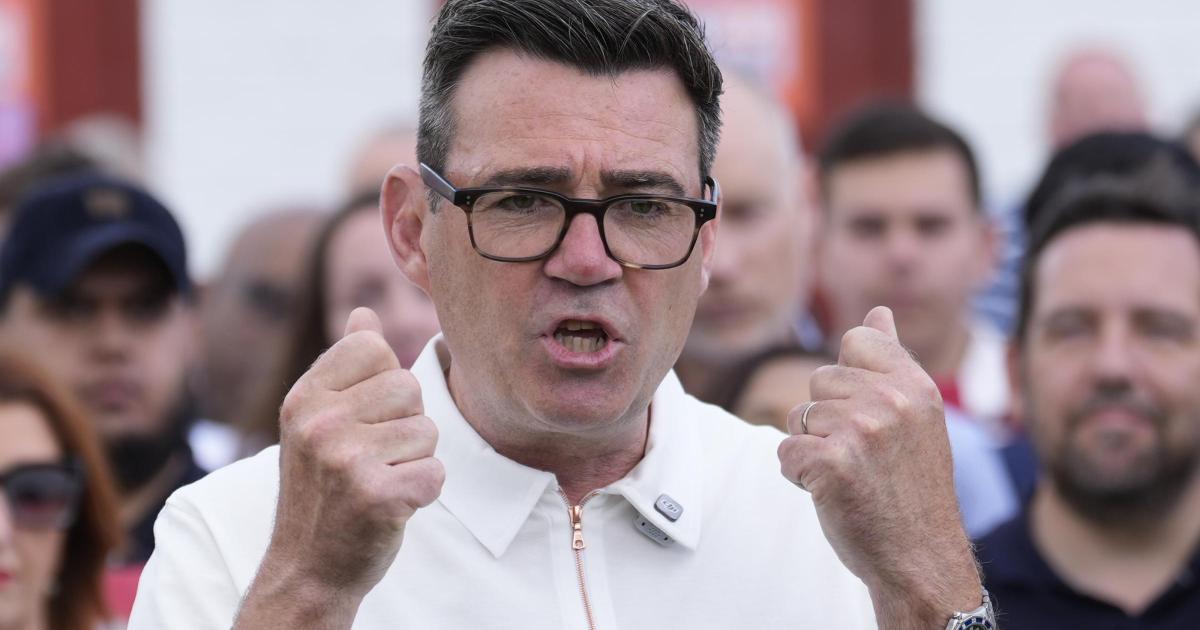
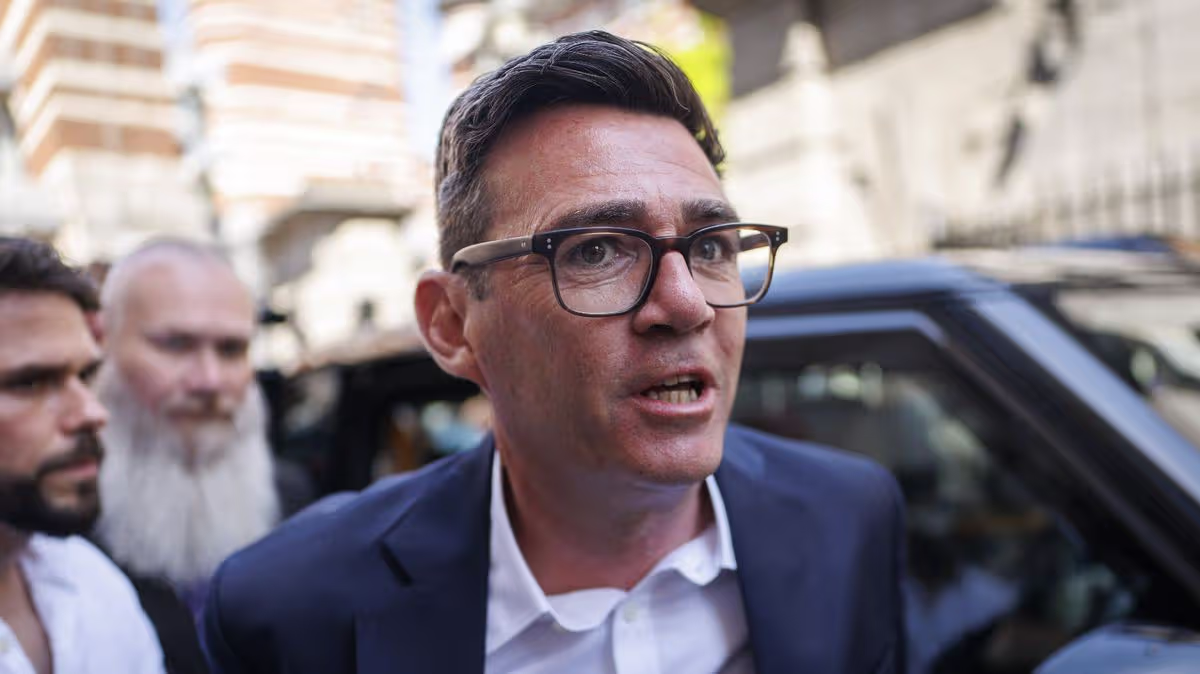
Could Andy Burnham be the PM who puts money back in workers’ pockets?

Published

on

Could Andy Burnham be the PM who puts money back in workers' pockets?

Following reported leadership turbulence at Westminster involving Keir Starmer, attention is now turning to who could steer the UK through its next economic chapter – and ‘the king of the north’ is increasingly being talked about as a frontrunner.

For millions of households struggling with bills, mortgage pressure and transport costs, the big question is simple: would a Burnham-led approach make life cheaper?

A ‘final chance’ to reset the economy

Burnham has already signalled he would broadly stick to fiscal discipline, including working within the framework set out by Chancellor Rachel Reeves, calming fears among investors that Britain’s borrowing plans could spiral.

He has also backed key manifesto pledges not to raise income tax or national insurance for working people – a move likely to land well with squeezed households.

But his broader economic tone could look to put more money in lower and middle earners’ pockets than traditional Treasury thinking.

Advertisement

Burnham has spoken about:

  • Cutting energy bills
  • Reducing public transport fares
  • Bringing key utilities under greater public control
  • Driving a new wave of “re-industrialisation” in the North

Supporters say this could directly target the cost-of-living pressures felt in everyday life – from commuting costs to household energy bills.

Markets cautious but no big drops

Financial markets have so far reacted calmly to the political uncertainty, with traders largely expecting change already priced in.

However analysts warn that stability will depend heavily on who takes key roles in a future cabinet – especially the Chancellor.

Dan Coatsworth of AJ Bell said markets typically prefer predictability, noting that investors want a “credible plan where the maths stacks up”.

Advertisement

There is also speculation around potential cabinet figures, including Ed Miliband and others from Labour’s senior ranks.

What economists are saying

Economists suggest a Burnham-led economic agenda would likely lean left, with more spending and potentially looser fiscal rules – but not a reckless break from financial discipline.

He would look to balance:

  • Higher public investment
  • Selective tax increases
  • Stronger regulation

But they also stressed he would likely avoid any “big bang” fiscal shock after past market turbulence in UK politics.


Recommended reading:

Advertisement

What could Andy Burnham as prime minister mean for your money?

The biggest impact of a leadership change may be felt not in Westminster, but in household budgets and the housing market.

Mortgage experts say uncertainty can affect:

  • Swap rates
  • Lender confidence
  • Fixed mortgage pricing

However, many also stress that the housing market is already adapting to lower interest rate expectations and gradual mortgage reductions.

One key proposal gaining attention is the idea of stamp duty reform or abolition, which some advisers argue could immediately boost housing activity if delivered with a clear plan.

Despite political momentum, the financial sector is united on one point: clarity matters more than ideology.

Advertisement

Markets want:

  • Clear funding plans
  • Controlled borrowing
  • Stable leadership
  • Predictable tax policy

Without that, analysts warn borrowing costs could rise – feeding into mortgages, rents and wider inflation pressure.

Financial expert Kevin Mountford said political change matters most when it affects household confidence:

“Prices remain high, borrowing costs are still elevated, and many families are under pressure. Even without policy changes, uncertainty alone can make people more cautious.”

He added that savers should not wait for political stability before reviewing their finances, and borrowers should act early rather than delay decisions.

Advertisement

A potential Burnham-led government is increasingly being framed as a “people-first economic reset” — focused less on markets and more on the lived reality of household budgets.

Whether that becomes a boost for ordinary families or a source of new economic tension will depend on one thing:

Can growth, spending and stability be balanced at the same time?

Advertisement

Source link

Continue Reading

NewsBeat

Andy Burnham to give economy speech after Keir Starmer resignation

Published

on

Daily Mirror

Former Greater Manchester mayor Andy Burnham is expected to give a speech on fiscal policy next week after returning to Westminster as an MP following his Makerfield by-election victory

Andy Burnham is poised to pledge economic growth and commit to Labour’s budget rules as he looks to strengthen his financial credentials following Sir Keir Starmer’s resignation, which has left him almost certain to walk through the door of No 10.

The former Greater Manchester mayor is expected to deliver a speech on fiscal policy next week, as first reported by The Times, after making his return to Westminster as an MP off the back of his Makerfield by-election win.

Discussions are also said to be under way regarding a potential reshaped Cabinet, with Energy Secretary Ed Miliband and Home Secretary Shabana Mahmood both mooted as possible candidates to take over from Rachel Reeves as chancellor. However, Mr Burnham’s allies insisted that no positions had been handed out and no agreements struck as of Monday evening.

Advertisement

The likelihood of an uncontested path to the top job for the former mayor grew stronger on Monday, as his principal rival, former health secretary Wes Streeting, threw his support behind him to succeed Sir Keir.

Yet Darren Jones is reportedly considering whether to throw his hat into the ring, which could throw a spanner in the works for Mr Burnham, following reports that Starmer loyalists were encouraging him to stand.

Sources close to the Chief Secretary to the Prime Minister indicated he was not currently inclined to enter the race, but that he would seek guarantees on economic policy, amid concerns among some quarters about potential market jitters.

Advertisement

Should Mr Burnham be the sole candidate to secure the backing required to stand, he could be installed as prime minister as early as mid-July. In an emotional address outside No 10 on Monday, the Prime Minister conceded he had lost the backing of his MPs and vowed an “orderly handover of power” to whoever succeeds him.

Standing by his record, he pledged to give the next leader “my full and unequivocal support, knowing that they will inherit a Britain that is far stronger and fairer than the one I inherited two years ago”.

Sir Keir announced he would ask Labour’s ruling National Executive Committee (NEC) to set out a timetable that would see a new leader in place by the time Parliament returns from its summer recess on September 1.

However, the appointment of a new leader could happen considerably sooner, with nominations closing on July 16.

Prospective candidates have until that date to secure the backing of at least 81 Labour MPs. On Monday evening, Sir Keir and his wife Victoria welcomed No 10 staff for drinks in the No 10 garden, where the couple expressed their gratitude to those gathered.

Lady Starmer told them: “I just wanted to say thank you from me. I obviously love Keir and support him as much as I can, but there’s only so much I could do, and it’s you guys who gave that support day in, day out, and I am personally really grateful for that. So, thank you all.”

Mr Burnham praised Sir Keir’s “huge service to our country” but said his resignation “marks the beginning of a transition”. He said: “The Labour movement has always been at its strongest when it looks forward with confidence and purpose. This is what we will do from here and we will make sure this transition is a positive process of renewal for our party and our country.”

Advertisement

Follow our live blog for the latest politics news by clicking here.

Source link

Continue Reading

NewsBeat

World Cup match suddenly suspended as FIFA take emergency action

Published

on

Wales Online

The second half of the World Cup clash between France and Iraq has been delayed due to rain and lightning in the surrounding area

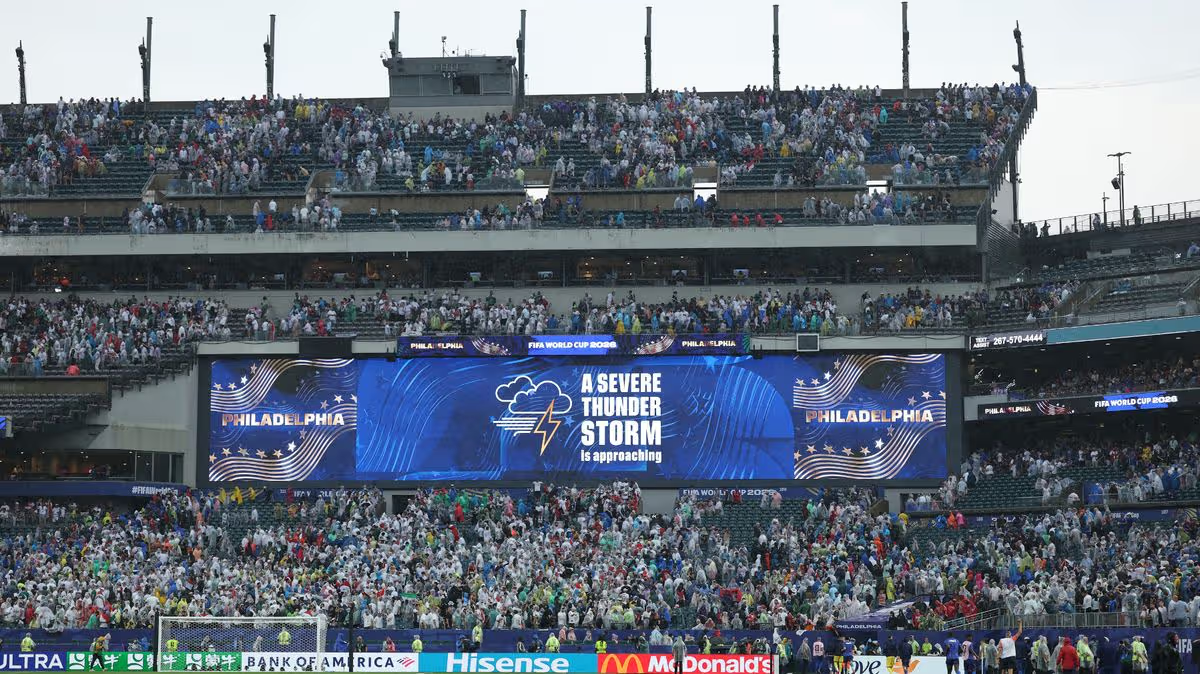
France’s World Cup clash against Iraq has been delayed due to lightning and adverse weather conditions at Philadelphia’s Lincoln Financial Field.

The second half of the Group I fixture was due to commence just after 6pm local time (11pm BST), but has been pushed back due to lightning after heavy rain impacted the first half.

A 75-minute delay has thus far played out but it looks as though the second half is finally set to begin with the players back out on the pitch to conduct a short warm-up. The plan is for the game to then resume at 7:30 ET.

Advertisement

A FIFA statement on the situation stated: “Due to adverse weather conditions in Philadelphia, including the risk of lightning in the vicinity of the stadium, the Fifa World Cup match between France and Iraq has been suspended.

“A 30-minute break has been announced. However, the situation is still being observed to determine if further delays are anticipated.

Get the latest World Cup news straight to your inbox by _signing up to our Make Football Great Again newsletter now!

“Fifa will follow the safety protocols established by the local authorities, and the match will resume as soon as it is safe to do so. The safety and security of all individuals is Fifa’s priority. We thank all fans for their understanding and cooperation.”

Advertisement

No other World Cup matches have thus far been halted or postponed due to heavy rain or lightning but England’s friendly against New Zealand was pushed back by over one hour because of stormy conditions.

Kelly Cates had announced the delay during BBC’S half-time analysis. She said: “There is a delay to the start of the second-half, there’s what they call lightning activity in the area around the stadium in Philadelphia.

“So they’re going to wait until that passes. Fans are being asked to take shelter outside of the stadium bowl itself. There are really strong safety protocols in place in the United States.

Advertisement

“So they’re just going to go get everybody safe, and then the minute there hasn’t been any lightning activity for 15 minutes, the players will come out and then they will warm up for 15 minutes, and then the second-half will get underway. Fingers crossed, we’re hoping that the storm is going to pass in plenty of time.”

The issues at the 2025 Club World Cup and delays to England’s pre-tournament friendly earlier this month, it is somewhat shocking that it has taken this long for another weather-related problem to emerge.

Despite the warnings, BBC have shown multiple shots of the stadium with many viewers still outside. Mass rain appears set to continue into the evening but lightning is not expected for much longer.

Advertisement

That could be enough to cause more delays of potentially up to an hour, however it will certainly be hoped that there is no lightning activity going forward as that will allow players to start a 15-minute warm-up.

The beaming sun has caused more controversy so far at the tournament with hydration breaks booed. The hope from FIFA will be that no more severe weather impacts fixtures, particularly with the final group-stage games all kicking off at the same time.

Source link

Advertisement
Continue Reading

NewsBeat

What does Trump want from a new UK prime minister?

Published

on

What does Trump want from a new UK prime minister?

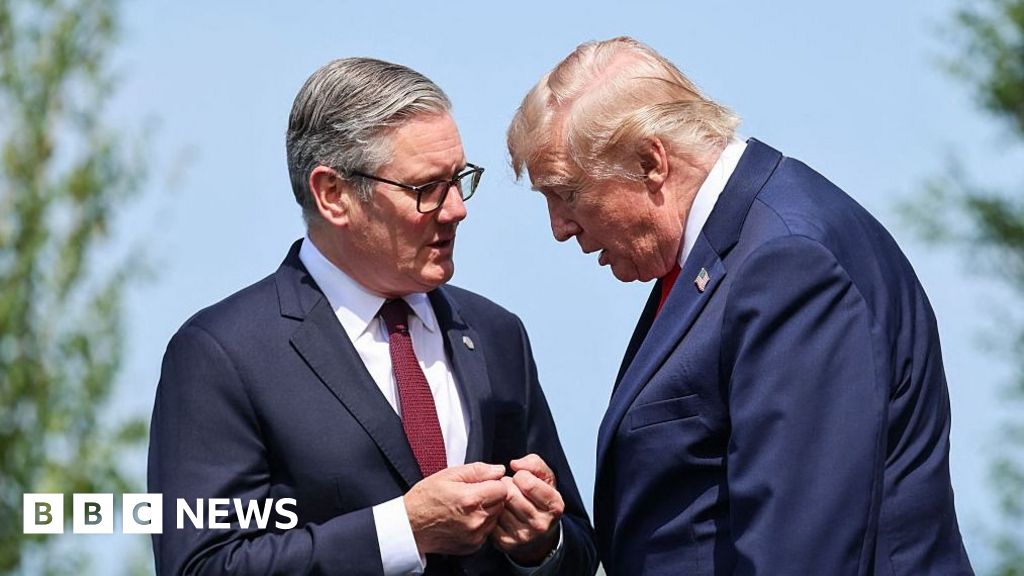
US President Donald Trump had a close relationship with UK Prime Minister Keir Starmer – until it unravelled over disagreements on the war in Iran.

In the wake of Starmer’s resignation announcement, the BBC’s Sarah Smith looks at the relationship between both leaders, and what Trump will want from UK’s next prime minister.

Source link

Continue Reading

NewsBeat

why the world’s heatwaves are a global health emergency

Published

on

why the world’s heatwaves are a global health emergency

Heat is no longer a future climate risk. It is already here.

Across continents, high temperatures are being pushed higher by forces acting at once: human-caused warming, very warm oceans, dry soils, slow-moving high-pressure weather systems and El Niño conditions that have now developed in the tropical Pacific.

El Niño is a natural warming of part of the tropical Pacific that can shift weather patterns around the world. It is not the cause of climate change, but when it develops in a climate already warmed by greenhouse gas pollution, it can add another push to global temperatures and regional extremes.

The science is clear. Greenhouse gases have raised the baseline, so heatwaves now begin from a warmer starting point. Record ocean heat adds more energy to the climate system. Dry ground can intensify heat, because less of the sun’s energy goes into evaporating water from soil and plants, and more goes into heating the air.

Advertisement

Weather patterns decide where that heat lands. A “heat dome” happens when a high-pressure system settles over a region. Air sinks, clouds are suppressed and temperatures can climb for days. The danger grows when nights remain hot, because bodies, buildings and infrastructure get little chance to cool.

El Niño’s effects vary by region and season, so it will not explain every heatwave in 2026. But it is now being added to long-term warming, and that combination can raise the risk of more extreme heat, drought or heavy rainfall in some regions, including parts of Asia, Australia and the Americas.

In the UK, Kew Gardens reached 35.1°C in late May, provisionally breaking the national May temperature record for the second day in a row. The previous record, before the 2026 heat, was 32.8°C, reached in 1922 and 1944.

Advertisement

Elsewhere, the same pattern is visible. Spring 2026 was the hottest spring recorded in France since records began in 1900. In the United States, March 2026 was the warmest March on record for the contiguous US (the lower 48 states). India’s meteorological service issued an extended heatwave outlook into early July for parts of northern, central and eastern India, while China’s National Climate Center has forecast above-normal summer temperatures, especially in southern China and Xinjiang in the north west. In Australia, Tasmania, Victoria and New South Wales have just had one of their ten warmest autumns on record.

Heat kills

Heat often kills without leaving obvious damage behind: it pushes bodies past what they can tolerate.

High temperatures can cause dehydration, strain the heart, worsen kidney disease and aggravate respiratory illness. Heat can also affect mental health and increase distress. Older people, babies, people with chronic illness, outdoor workers and those living alone are among those at higher risk.

Hot nights make heatwaves more dangerous because the body has less chance to recover. Research has linked high nighttime temperatures with increased heat-related deaths. In an overheated bedroom, care home or hospital ward, strain can continue for hours.

Advertisement

The death toll from heat is large, but often underestimated because heat may worsen existing illness rather than appear as the sole cause of death. A 2025 European analysis estimated 62,775 heat-related deaths in Europe in 2024 alone. The Lancet Countdown reports that heat-related deaths among older people have risen sharply, and that hundreds of thousands of people now die globally each year from heat.

Heat also puts pressure on the systems people rely on. Hospitals fill faster. Care homes become harder to cool. Rail lines buckle. Roads soften. Rivers warm and water quality declines. Electricity demand rises as people use fans and air-conditioning, while low river flows can affect water quality and supply. A power cut can disrupt cooling, transport, water systems, shops, hospitals and communications.

What helps during a heatwave

People can reduce risk, especially if they act before they feel ill.

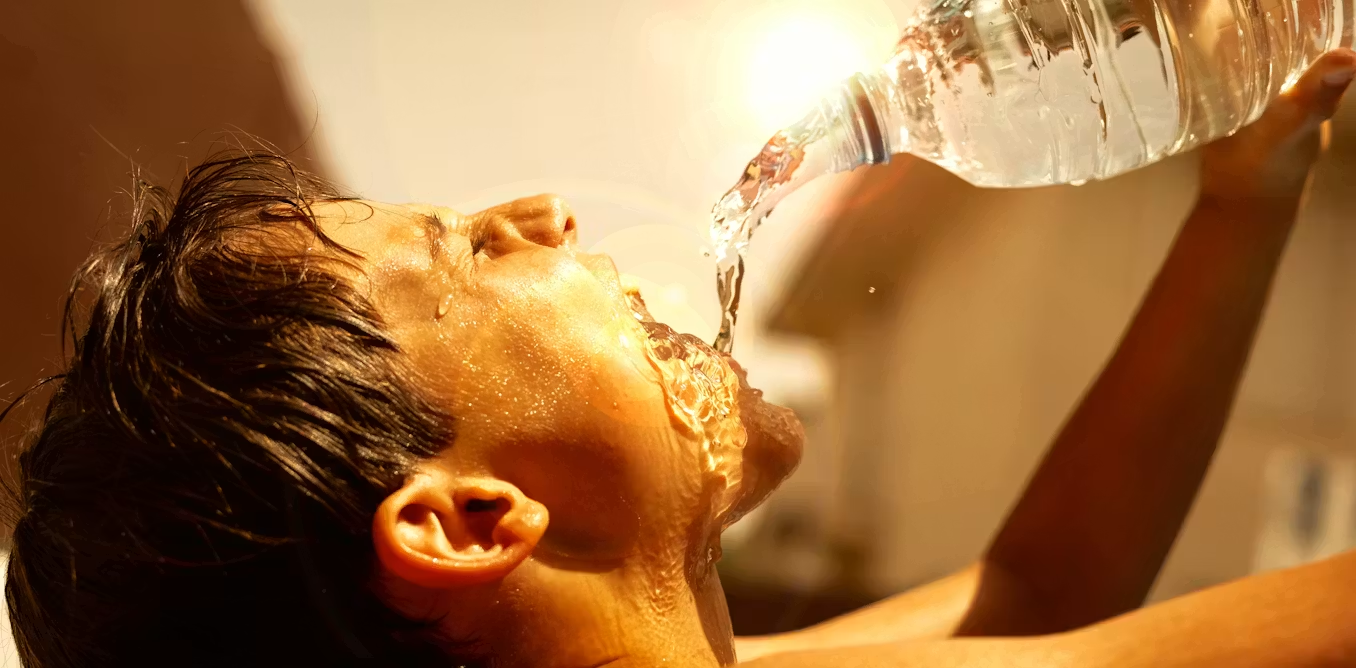
Cool the body early: drink water regularly, use shade, take cool showers and put wet cloths on the skin. People who have been told to restrict fluids because of heart failure, kidney disease or another medical condition should follow medical advice about how much to drink.

Advertisement

Avoid being outside in the hottest part of the day where possible. Outdoor workers, athletes and people who travel on foot need particular protection.

Keep homes cooler before they overheat. Close curtains or blinds during the day, especially on windows facing the sun. Open windows after sunset if it is cooler outside than inside. Sleep in the coolest room available.

Check on people at higher risk. Do they have water, shade, medication, a way to get help and somewhere cooler to go if home becomes unsafe?


À lire aussi :
Power outages in heat waves and storms can threaten the lives of medical device users – we looked at who is most at risk

Advertisement

Take official warnings seriously. Follow heat-health alerts, local weather warnings and public health advice. Have a simple plan for medicines, transport, pets, food, drinking water and somewhere cooler to go if needed.

Seek urgent medical help if someone becomes confused, faints, has a seizure, collapses, has very hot skin, has a very high temperature, or does not improve after being moved somewhere cooler and cooled down.

Inequality and infrastructure

Personal precautions save lives, but they cannot make unsafe housing safe, cool a badly ventilated care home or protect outdoor workers without changes to working conditions.

Advertisement

Heat risk is shaped by inequality. People without trees, insulation, ventilation, secure work, clean water or affordable energy are less able to avoid exposure, cool their homes or recover after extreme heat. The same pattern applies between countries: communities that have contributed least to climate change are often disproportionately affected, because they have fewer resources for adaptation, healthcare, infrastructure and disaster response.

Adapting to heat has to be collective: cooler housing, shaded streets, heat-resilient hospitals, reliable water systems, worker protections, public cooling spaces and early warning systems that reach the people who need them.

Heat and drought are increasingly linked emergencies. Heat increases demand for water and electricity. Drought can reduce supply. Together, they can create failures across health, transport, food, water and energy. Water, health, energy and climate planning need to be connected, because stress in one system can quickly spread to another.

The next heatwave will be reported as weather. It should also be understood as a test of housing, healthcare, infrastructure and public protection. A hotter world is already here. The question now is how many heat-related deaths and system failures governments are prepared to accept as normal.

Advertisement

Source link

Continue Reading

NewsBeat

Coronation Street’s Theo Silverton killer reveal sparks fan fear of major exit

Published

on

Manchester Evening News

The builder was found dead in April and it was during dramatic new scenes that Sarah Platt was confirmed to be his killer

Coronation Street fans fear that the exit of a Weatherfield legend may be on the cards as Theo Silverton’s killer was finally revealed in the long-running show.

Advertisement

The builder was found dead in April, bringing an end to his 13-month reign of both physical and mental abuse over his partner, Todd Grimshaw, who had reported his husband to the police shortly before his unexpected death.

Theo’s lifeless body was found by a horrified Betsy Swain on the night of her mum, Lisa Swain’s, wedding to Carla Connor, after flashforward scenes aired in February revealed she was being interviewed by police after the deadly discovery.

Click here to sign up for more Coronation Street updates in our newsletter

It wasn’t until a week after the wedding actually took place on April 23, and aired on-screen, that Betsy was seen discovering Theo dead, with Lisa, aka DS Connor-Swain and DC Kit Green having since been leading the investigation into finding his killer.

Advertisement

Corrie previously confirmed Todd Grimshaw, George Shuttleworth, Summer Spellman, Christina Boyd, Gary Windass and Danielle Silverton as the six potential suspects.

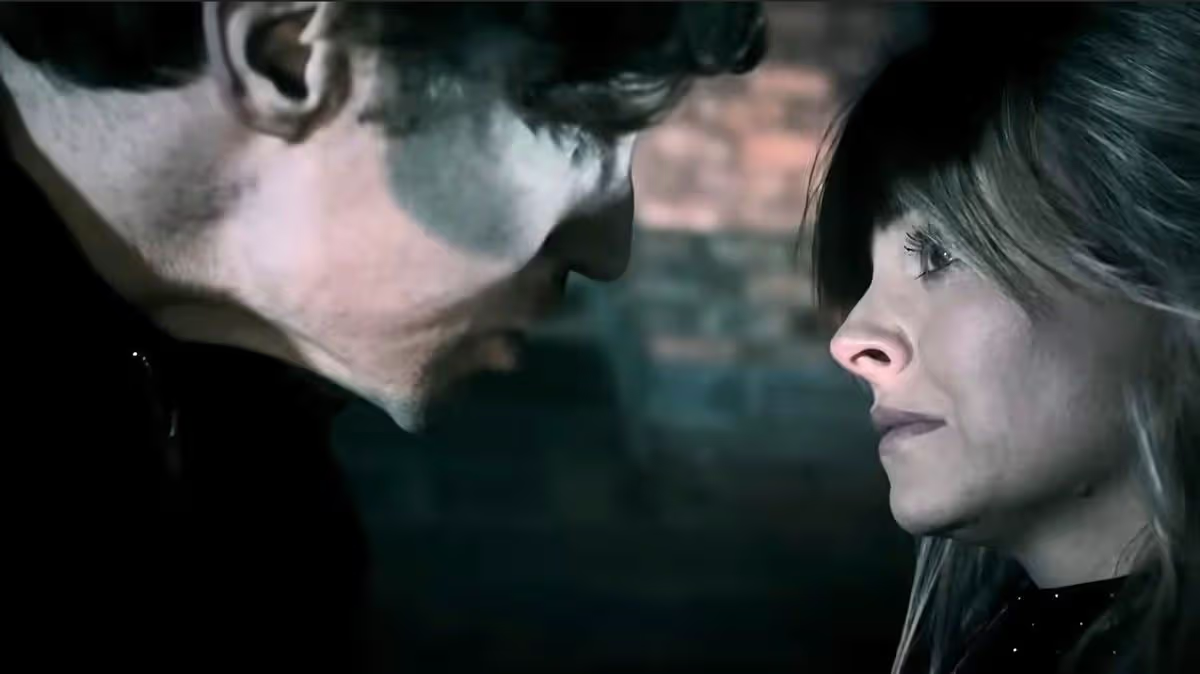
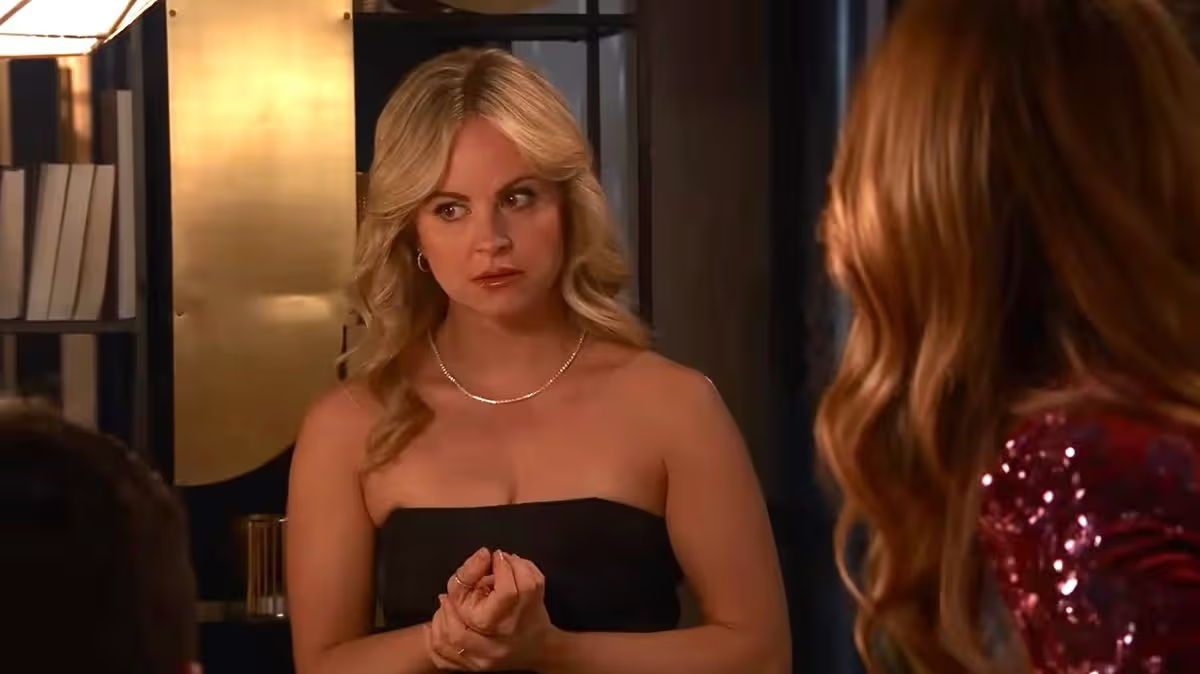
But the big reveal in Monday’s (June 22) episode of the ITV soap revealed that it wasn’t any of the six, as it was Sarah Platt who appeared to deal the blow that sent a drunk Theo tumbling off the scaffolding outside his flat and plummeting to the ground.

The truth was revealed to the audience only as Sarah and her partner, DC Kit Green’s, dinner party unfolded. Tensions were high at the couple’s flat, with Maria Windass wasting no time in confronting her husband, Gary Windass, and Sarah over their suspected affair.

However, it was soon revealed that all their recent hushed conversations and support of one another were for a reason, just not that they were hiding something much more damaging, as flashbacks revealed that it was Gary whom Sarah called for help when she realised Theo was dead.

Advertisement

But now, Corrie fans are worried it could mean an exit for Sarah, and actress Tina O’Brien, who plays her. @TheWelshTopBoy said: “#CoronationStreet #Corrie what a reveal! I had a feeling it was gonna be Todd or summer but good on Sarah for killing Theo. The flashbacks showed he was clearly gonna attack Sarah. Hope this doesn’t mean Sarah leaves tho, I think when Kit finds out he will defend/lie for Sarah.”

@Lozza479761 commented: “I can’t imagine Tina is leaving Corrie, so either an innocent person will go to prison or something else will happen. #corrie #swarla.” @SwarlaEndgame posted: “I’m not gonna explicitly mention the killer cause i don’t wanna spoil it, but I am impressed with Corrie making a bold choice by having it be a main character, but I swear if they go to jail I might have to start my own ‘free Deirdre ‘ type campaign.” @sadpphicss replied: “Right?! Because surely they won’t jail them?”

Source link

Advertisement
Continue Reading

NewsBeat

Coronation Street’s Sarah Platt star breaks silence on Theo Silverton murder twist

Published

on

Manchester Evening News

Tina O’Brien has spoken for the first time as it was revealed that Sarah Platt was the one who killed Theo Silverton in the ITV soap

Coronation Street star Tina O’Brien has broken her silence after it was revealed that Sarah Platt was the one who killed Theo Silverton in the show’s latest ‘whodunnit’ storyline.

Advertisement

The builder was found dead after his true colours were exposed, with his death bringing an end to his 13-month reign of both physical and mental abuse over his partner, Todd Grimshaw.

And as those who follow the Salford-based ITV soap know, DS Lisa Connor-Swain and DC Kit Green have so far spent weeks trying to pin down Theo Silverton’s killer following his shock demise in April.

Click here to sign up for more Coronation Street updates in our newsletter

But Kit is completely unaware that it’s his partner who is hiding as killer secret, as during Monday’s (June 22) dramatic visit to Weatherfield, it was revealed to viewers that she was responsible for Theo’s death.

Advertisement

A dramatic dinner party, hosted by Kit and Sarah, saw tensions reach boiling point, while flashback scenes revealed what exactly happened to Theo – and who was responsible.

As the dinner unfolded, a ruthless Maria Windass confronted her husband, Gary Windass, and Sarah about their suspected affair. And the timing couldn’t have been worse, as Kit had been planning to propose.

While the truth wasn’t revealed around the table, for Corrie viewers, it was soon revealed that all their recent hushed conversations and support of one another were for a reason, just not that they were hiding something much more damaging.

Advertisement

A spine-tingling flashback then took us back to the night of Theo’s murder, when Sarah received a suspicious text from Todd’s phone. She headed to the flat he had shared with Theo when she was confronted by the dastardly builder on the scaffolding that had been erected outside.

A drunk Theo prodded and poked Sarah’s emotions, even bringing up the son she and Todd had lost 21 years earlier. But as their confrontation became more sinister, as Theo threatened Sarah with violence, the Underworld factory manager defended herself by grabbing a metal pipe, which she hit on Theo’s head, sending him crashing to the ground below. And upon realising what she had done, she phoned Gary to help her.

He was soon furious to have been dragged into the mess, but helped Sarah nevertheless. He told Sarah to clean herself up and ensure she had an alibi, and she didn’t need to do much planning on that front, as viewers already know, she was unexpectedly knocked unconscious by Jodie Ramsey.

Speaking about her first reaction to finding out Sarah was Theo’s killer, Tina said: “I was really shocked, but for me, personally, I completely understand how it happened, why it happened. For me to get into her character and her head, I feel like, in that moment, she didn’t feel like she had any other choice.”

And keeping it quiet hasn’t been easy. “I’ve literally been a big bag of nerves,” the soap star, who has played Sarah since 1999, said. “It’s been so difficult, I told my mum and I just recently told [her children] Scarlett and my son Beau. Yeah.

“It’s really hard having to keep it quiet for that long, especially when you’re online, you’re seeing all the chat on social media, everyone’s saying I think it’s such a body, I think this, and I think that. Actually filming these scenes the weeks after have been the hardest thing I’ve ever filmed because I felt like my face looked guilty constantly and I was like, everyone’s going to know it’s me instantly. So that’s been really difficult.”

While fans are worried as to what this could mean for Sarah – and Tina’s – future, the soap star said: “There was a lot of debate in the green room as soon as we were told there was going to be a murderer. A lot of people were playing Cluedo. First off, some of the cast were told they were involved in the storyline, but they weren’t the murderer. So by the time it got to me to go for my meeting, I was a bit like, I think it’s me!

Advertisement

!But I genuinely didn’t worry, at the end of the day, this job is incredible, but to be an actor is not necessarily a job for life. So, I just was really excited to be given the honour of being the murderer, and then hopefully, however it plays out, I’ll enjoy Sarah’s arc.”

Source link

Continue Reading

NewsBeat

Teen’s tragic final moments at birthday boat party as dad found not guilty of manslaughter

Published

on

Daily Mirror

George Pino, 55, has been found not guilty of vessel homicide and manslaughter charges over the death of 17-year-old Lucy Fernandez during a birthday boat party in Biscayne Bay, Florida

A dad who threw a birthday celebration for his daughter and 12 friends that ended in catastrophe on a boat has been found not guilty by a jury today.

On September 4, 2022, George and Cecilia Pino hosted an 18th birthday celebration for their daughter aboard their boat. The group included several teenage girls who were lifelong friends and classmates including Lucy Fernandez.

According to investigators, George Pino was operating the family’s 29-foot boat as it returned to the dock when it struck a channel marker near Boca Chita Key. Miami-Dade Fire Rescue said Pino told investigators that another vessel had passed by and created a large wake. He allegedly said he turned to check on the girls after the wake and, in doing so, collided with the marker.

Advertisement

The collision tore a gaping hole in the vessel’s hull, hurling those on board into the water.

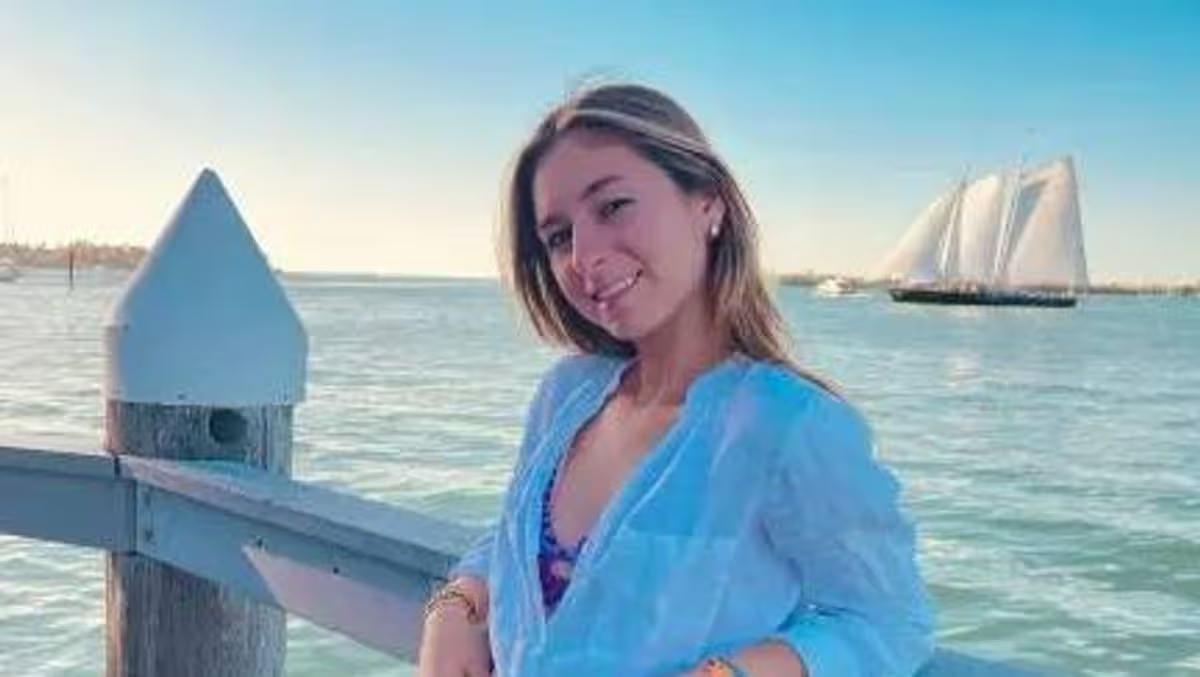
Six passengers were rushed to hospital but tragically one of his daughter’s friends, 17 year old Lucy Fernandez, tragically died and another friend was left with permanent injuries. Fernandez was reportedly trapped beneath the boat and died from drowning-related injuries in hospital approximately 12 hours later.

George Pino, 55, has now been cleared of vessel homicide and manslaughter following the boat crash near Boca Chita Key.

Advertisement

For two weeks, jurors heard testimony from more than 20 witnesses, including Fernandez’s father, Andres, and Pino’s wife, Cecilia. The jury also watched footage showing Fernandez and her friends jumping around the 29-foot vessel and singing along to Billy Joel’s “Uptown Girl,” illustrating how rapidly the party marking Pino’s daughter’s 18th birthday turned disastrous, NBC 6 South Florida reported.

“In a case like this, there are no winners or losers”

Throughout the trial Pino pleaded not guilty and maintained his innocence. During closing arguments, Pino began to cry as his defense claimed that the crash was an accident.

Pino’s lead attorney, Howard Srebnick, released the following statement: “We are grateful to the jurors for their careful consideration of the evidence and for reaching a just verdict. From the beginning, we have maintained that the events of September 4, 2022, were a tragic accident, not a crime.

“The testimony presented at trial, including unrebutted accounts from eyewitnesses who saw no signs of impairment, confirmed that Mr. Pino was not under the influence, was not operating the vessel recklessly and that he did everything he could to protect his passengers after the accident.

Advertisement

“We continue to mourn the loss of Lucy Fernandez every day and to pray for all those who were affected by this maritime mishap. Our hearts remain with the families of those involved in the accident, and we hope that today’s verdict allows everyone to continue the long process of healing.”

Miami-Dade State Attorney Katherine Fernandez-Rundle released the following statement after the verdict: “In a case like this, there are no winners or losers. Mr. Pino must live with what he did, while the Fernandez and Puig families will grapple with the consequences of his actions. hese families and, to some extent, our community as a whole have been deeply impacted by this tragedy.

“While I and my prosecutors, Assistant State Attorney Laura Adams and Assistant State Attorney Jonathon Borst, may disagree with the verdict, jury’s decisions are the cornerstone of our justice system, and we accept their decision and appreciate their service.”

Source link

Advertisement
Continue Reading

NewsBeat

Two vehicles crash in Sheriff Hutton Road, Strensall

Published

on

Upper Poppleton fire in the open – emergency services called

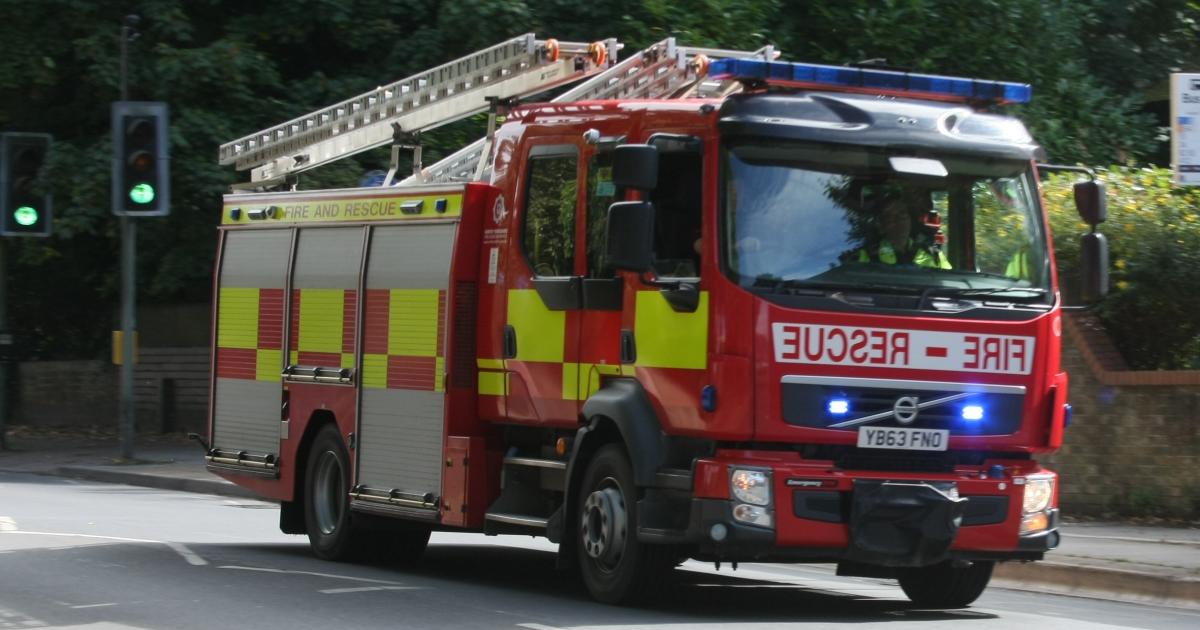
Firefighters and police were called to the scene in Sheriff Hutton Road, Strensall, shortly before 9.10am on Monday (June 22).

All occupants of the vehicles were out when the two crews arrived, North Yorkshire Fire and Rescue Service said.

A service spokesperson said the crews “disconnected the batteries of both vehicles and the incident was left with the police”.

Advertisement

Source link

Continue Reading

Trending

Copyright © 2025