Connect with us

NewsBeat

crime falls, sea-levels rise and education yet to recover from COVID

Published

on

crime falls, sea-levels rise and education yet to recover from COVID

In this fifth part in our series on how the UK has changed in the past 25 years, we look at crime, education, transport, energy and the environment.

Crime and policing

Graham Farrell, professor of crime science, University of Leeds

Toby Davies, associate professor in criminal justice data analytics, University of Leeds

Contrary to many media headlines, the story of crime over the last quarter century is positive. The dominant trend is the long-term decline in property and violent crime.

Advertisement

In the 1990s, property and violence rates were around ten times what they are now. The reason for their decline is a rising tide of security improvements that has reduced crime opportunities – everything from engine immobilisers in cars, to double glazing and deadbolts in houses, to dual-factor authentication for payments and other services.


How has the UK changed since the start of the century? From Blair to Burnham, from the dotcom era to AI agents, time has certainly not stood still. In this six-part series, a team of some 35 experts look at everything from defence spending to species populations to the rise of populism to try and make sense of the intervening years.

Advertisement

Not only have these discouraged theft, they have discouraged the violent crimes that go hand-in-hand. Bank and Post Office robberies, for example, are largely a thing of the past. And unable to get involved in easy property crimes, young people did not progress to violence.

Trends in violence, burglary and vehicle theft

Graph showing change in crime over 25 years


Authors provided, CC BY-SA

Violence against women and girls, including domestic violence, has fallen by around two-thirds in the last quarter century – albeit it’s still unacceptably high. Though further research is required to confirm it, domestic violence appears more likely to be by men who committed other crimes in their youth. If so, it may be that when they can’t commit those earlier crimes, they are less violent in relationships when they are older.

Crime online

Advertisement

There have also been new and emerging types of crime, particularly internet-related offences. We know these are independent of the declines in other property crimes and violence, for three reasons.

There was a decade or more between the start of the “crime drop” in the early 1990s and the main increase in cybercrimes. This means it’s different cohorts of offenders, since most offenders are young. The skills and resources needed for cybercrime are also very different to those for burglary, car theft and other similar crimes. And cybercrime offenders are not necessarily even located in the same country.

Cybercriminal at work.

Cybercrime is on the up.
Max Acronym

But even the cybercrime picture may not be as bad as often portrayed. Crime Survey of England and Wales estimates of household fraud and computer misuse are available from 2016-17 onwards, and the trend has been relatively flat over the last decade (the chart below does exclude a pandemic-related uptick which subsided).

Household fraud and computer misuse estimates

Advertisement


Crime Survey of England and Wales, CC BY-SA

You may be wondering why cybercrime hasn’t benefited from the same falls in crime opportunity structure (how easy crime is to commit) that have reduced property and violent crime. It’s true that online security measures are effective against some forms of offending, but rapid technological developments constantly create new opportunities for innovation by criminals. We’re still playing catch up as these crimes evolve, but with persistence we should be able to prevent them too.

There’s a similar explanation for another seeming anomaly: phone theft. It has increased because phones proliferated this century and make near-perfect theft targets. Crime science refers to such targets as CRAVED: they are concealable, removable, available, valuable, enjoyable and disposable (meaning easily re-sold). This explains why your phone rather than your fridge is stolen even when they cost the same.

Knife crime

Knife crime increases in the 2010s are one other counter-trend that still needs to be properly explained. But such crimes would not be possible without the widespread availability of knives, both online and in supermarkets.

Advertisement

Most households have lots of pointed knives in the kitchen, making them easy to grab during an argument. And with so many similar knives in the drawer, nobody notices if one goes missing. It is the pointed tip of kitchen knives that punctures major organs and arteries, potentially meaning a fight becomes a murder.

We have argued for removing pointed kitchen knives from general circulation, which is the only intervention likely to achieve the 50% reduction in knife crime to which the current government aspires. In case you didn’t notice, table knives are already round-tipped, so it is a small step to make kitchen knives safer too.

Knives on a table

The goal is for a 50% reduction in knife crime.
Brain Storm

At the same time, and counterintuitively, the UK’s knife crime headlines are evidence of success in some forms of crime prevention. Consider that it is high-profile only because our gun and bomb control policies are so effective.

In 2022-23 the per capita rate of gun-related homicide in the United States was over 100 times that in the UK – or, put another way, UK gun control was 99% effective in comparison. And the prevented UK crime and homicide did not shift to knives or other crimes; there are dramatically fewer overall.

Advertisement

Likewise, of the few terrorist attacks that occur in the UK, they disproportionately involve knives. These attacks would be more numerous and far worse without the raft of gun and bomb control measures. Weapon control works, in other words.

This brings us to broader crime policy. More funds for policing won’t have much effect on crime. Since the long-term crime declines were due to private and public sector measures by agents other than the police, our police and government should be more focused on encouraging the private sector to take responsibility for the crime opportunities it “emits”. The phone industry, for instance, could have been incentivised decades ago to disable stolen phones, so a recent call to action by the Metropolitan police is very welcome.

Education

Helena Gillespie, professor of learning and teaching in higher education, University of East Anglia

In 1996 Tony Blair made a speech promising that his three priorities in government would be “education, education, education”. He believed education was the engine of economic growth, and by the end of his first term in 2001, Labour had invested significantly in school infrastructure. Many schools had new and refreshed premises, fit for a 21st-century education.

Advertisement

This could have provided a unique foundation for schooling at the turn of the millennium, but 25 years and 22 secretaries of state for education later, the reality is somewhat different.

There is much that remains constant in schools. The system of primary and secondary education still means that most pupils move at the same rate through their education. Classrooms, desks, science labs and football fields still look very similar to 25 years ago. However, education is devolved to the nations, which has led to different curricula, approaches to qualifications and inspection regimes across the UK.

Three grade 10s in a classroom

Has Blair’s legacy in education been squandered?
Art Directors & Trip

Schools in England remain heavily influenced by what is known as a national approach to testing. This refers to standardised exams designed, mandated and marked centrally, as opposed to tests created individually by teachers or schools.

For instance, teaching in the later years of primary education in England is heavily influenced by the SATs (standard assessment tests) that pupils take at the end of primary, since the data is used in the school inspection regime. By contrast in Wales, comparable data on school performance is seen as less important than a school’s own assessment of its success. This gives teachers more flexibility in how and what they teach.

Advertisement

England’s approach owes much to Michael Gove, who has been the longest serving education secretary in the past 25 years (from 2010-14). He introduced the revised curriculum for English schools, which moved away from teaching skills toward core facts, rote learning and more emphasis on academic subjects like history, science and maths.

Michael Gove as education secretary

Michael Gove’s radical plans were not quite what they seemed.
Mark Makela

He oversaw significant expansion of academies, where schools cut ties with their local education authorities. In theory this gives them greater financial autonomy, and nearly 90% of secondaries now have this status. However, economies of scale have led to 92% of academies joining multi-academy trusts, which may have limited their financial freedom in the medium term.

Becoming an academy also, in theory, gave schools more autonomy over the use of the revised curriculum. But since Gove also did away with testing through coursework and modules at GCSE level and introduced mandatory high-stakes GCSE exams, schools effectively had less flexibility than it appeared.

The Scottish dimension

Advertisement

In the political turmoil that followed the Brexit vote in 2016, education took a political back seat, with four different education secretaries in Westminster in four years. Meanwhile Scottish education policy, whose skills-focused curriculum for excellence already made it quite different from Gove’s approach, further shifted in 2017 with a review of education and governance. It focused on the need to improve outcomes for the most disadvantaged children, and gave headteachers a bit more say in spending money to help drive attainment.

Many UK education secretaries have espoused the virtues of technical and vocational education, for example the Skills for Jobs white paper published in 2021. Yet such initiatives have failed to back their aspirations with meaningful investment in further education colleges, which should be the principal drivers of vocational education.

Meanwhile in higher education, introducing fees in England and Wales made it possible for universities to teach many more young people – participation rates rose from 40% in 2001-02 to 51% by 2023-24. However, it has also saddled graduates with very significant debt, particularly in England. Across the UK, the sector also remains plagued by questions of value for money and soaring institutional debt.

The big picture

Advertisement

In terms of results, changes to policy and grading approaches makes a longitudinal comparison difficult, but the overall picture in terms of GCSE (year 10) attainment in England has been stable since 2013.

Yet the biggest challenge to education in the last 25 years came not from a politician, or devolution, or policy change. It came in March 2020 when the COVID pandemic lead to the widespread sporadic closure of schools for two years. In the aftermath of the pandemic there was a failure of government efforts to support educational recovery which still resonates in the education system today.

Two girls going to school in face masks

The fallout from COVID continues among young people.
Sally Anderson

Absenteeism spiked during the pandemic and hasn’t really come down (it was about 5% in 2019 and around 7% today). Attainment levels between richer and poorer children worsened after years of improvement, and has largely not reversed. And a recent government report showed that levels of both diagnosed mental health conditions and psychological distress are rising among young people, having deteriorated during the pandemic (to some extent this may be because there’s less stigma around reporting these conditions than in the past).

There also remains a significant challenge around low engagement in education, with as many as one in eight of young people not in education, employment or training. As a measure of the success of the UK’s education system, that last statistic, perhaps more than any other, suggests a system which, over the last 25 years of change, has failed to keep up with the needs of young people.

Advertisement

Transport

Stephen Potter, emeritus professor of transport strategy, Open University

The period 1975-2000 saw little substantive change. Catalytic converters cut air pollution, but the rise in car use and road congestion was relentless, coupled with the introduction of a few city tram systems and the Channel tunnel.

Up to 2001 the amount we travelled steadily increased, but then this trend reversed. In 2002 the average annual distance travelled per person was 7,193 miles; by 2024 it had dropped to 6,082 miles.

Advertisement
National Express coach in London

We’re no longer travelling as much as we used to.
R Wareham

Why we travel has also shifted. Commuting trips declined by 39% over the period, and now account for only 12% of journeys. Trips to visit people dropped by 39%, while leisure trips increased substantially. The rise of digital communications, remote working and online shopping might explain much of these trends, but other socioeconomic factors are involved, such as our ageing population, young people drawn to city life, and an increase in economically inactive people.

The tech shift

Electric vehicles are an obvious example of technological change this century. In 1999, for a BBC Open University programme, I experienced the first hybrid Prius in the UK. Spurred by the climate agenda, battery electric vehicles today make up 27% of sales, plug-in hybrids 14% and other hybrids 13%, so more than half of all car sales are now electrified vehicles.

Sat-nav, a niche car feature in 2001, has become ubiquitous, vital for both personal travel and business systems. We are now moving on from digital driver assistance towards driverless autonomous vehicles.

Driverless taxis are due to appear on British streets soon; they certainly have their faults, but the technology is improving rapidly and heading mainstream. On a smaller scale robotic vehicles are already here, with several UK cities including Milton Keynes and Bristol having experimented with autonomous robotic food deliveries.

Advertisement

The appearance and popularity of e-bikes and e-scooters divides opinion, but they help fill a hole where conventional public transport services fail. Outside of big cities, local public transport is in crisis with bus trips declining by 39% from 2002-2024. In the last ten years, over a quarter of bus routes have been cut. In contrast, rail use has increased this century by over 50%.

Some new forms of public transport are beginning to appear. Demand responsive transport, booked roughly like a cab or Uber but sharing trips with other passengers, has appeared in some places, notably urban fringes and rural areas. Wales has been a frontrunner here.

Advertisement

Of potentially large significance is the emergence of the “trackless tram”. Instead of spending years and vast sums digging up roads to install rails and overhead power lines, this innovative battery-powered design is steered by GPS and cameras. They have been running in China for several years and places like Hertfordshire and Milton Keynes are actively working to introduce such systems.

How will all this work out in the future? As in other areas of life, in transport the shift from analogue to AI and digital futures could play out in a wide range of ways – some life affirming and environmentally positive, and others dystopian. We may now be in the crucial innovation stage of determining which of these paths will be followed.

Energy

Jim Watson, professor of energy policy, University College London

Back in 2001, three-quarters of our electricity was generated by fossil fuels, and electric vehicles were a distant dream. The energy transition, as it is now called, was well ahead of us.

Advertisement

However, the forces that have shaped our energy system over the last 25 years were starting to become visible. Climate change had been put firmly on the UK policy agenda in 2000 by the Royal Commission on Environmental Pollution. The commission’s report, Energy: The Changing Climate, recommended a long-term target for reducing UK emissions for the first time. In 2003, that recommendation was accepted by the government after an extensive review of energy policy, and the UK adopted a 60% reduction target for greenhouse gas emissions by 2050.

Dogger Bank offshore wind farm

Dogger Bank offshore wind farm is the biggest in the UK.
Christopher Drabble

Looking back, that target seems very unambitious. UK greenhouse gas emissions are now 50% lower than 1990 levels. They had already fallen steadily in the 1990s, largely due to a switch from coal to gas electricity generation. That trend subsequently accelerated from the late 2000s as policies to support renewables became more effective – and due to falls in emissions from road transport, domestic buildings and industry.

UK carbon emissions

Advertisement
Chart of UK carbon emissions

Carbon dioxide (CO₂) emissions from fossil fuels and industry. Land-use change emissions are not included.
Our World in Data, Global Carbon Budget 2025, CC BY-SA

The share of electricity from renewables grew from just 3% of the UK’s power in 2000 to 53% in 2025. The current level of generation from wind and solar would have astonished power system engineers in 2001. Back then, there were serious debates about whether more than 10% of our power could be generated from these technologies.

This rapid progress with emissions increased confidence that radical change could be achieved. It eventually led to the adoption of a legally binding net-zero emissions target in 2019, backed by a cross-party political consensus.

New uncertainty

That consensus has now started to break down, partly due to rapid increases in energy prices and increasing concern about energy security. The last five years have demonstrated how geopolitical events such as the Ukraine and Iran wars can still have a profound impact on UK energy prices. While fossil fuels now generate only a third of UK electricity, gas prices still set electricity prices most of the time. We still use oil and gas extensively, especially for transport and heating.

Advertisement
Ratcliffe-on-Soar power station

The closure of Ratcliffe-on-Soar power station in 2024 brought the curtain down in coal-fired power in the UK.
Brian Lawrence

Energy security is not a new concern, of course. When Prime Minister Tony Blair launched his second review of energy policy in 2006, this was also due to a rise in international fossil fuel prices. Two decades of low international prices had come to an end, and the UK had become a net importer of energy due to declining production in the North Sea.

A key outcome of that review was support for new nuclear power stations. Implementation is taking a very long time. The first new nuclear station is still under construction at Hinkley Point, south-west England, with an expected start date of 2031.

It is now much more likely than it was in 2001 that the UK’s energy system will make a decisive shift away from fossil fuels. The past 25 years have shown that rapid change is possible, and that government policies can act as a key driver of this change. Non-fossil technologies such as renewables, battery storage and electric vehicles are now much cheaper and more widely available. The remaining challenge is to build on the progress that has been made – and to insulate the UK from fossil fuel price shocks for good.

Environment

Hayley Fowler, professor of climate change impacts, Newcastle University

When the 2001 census was taken, climate change was already well understood by scientists, but to most people in Britain it still felt like a distant issue. Twenty-five years later, it has become part of the country’s lived environment. Britain is warmer, wetter in winter, more exposed to heatwaves and flooding, and facing rising pressure on coasts, rivers, water supplies and nature.

Advertisement

The clearest change is temperature. The UK’s warmest years have clustered overwhelmingly in the 21st century. Heat that once seemed exceptional is now less surprising, including the record breaking 35°C and 37°C temperatures of May and June 2026 respectively. The most striking example came in July 2022, when the UK exceeded 40° for the first time. This was more than a symbolic record: it showed that Britain’s buildings, transport systems, schools, hospitals and care homes were designed for a climate that no longer exists.

Grass dried out in Chichester, England

Extreme heat can be bad for crops.
Sam Stephenson

Extreme heat has changed the way climate risk is understood. In the past, British weather hazards were often associated with cold, storms and rain. Those risks have not disappeared, but heat is now a major public-health concern.

Rainfall has changed too. Britain has always had variable weather, but recent decades show a shift towards wetter winters and heavier rainfall events. The winter half-year from October 2023 to March 2024 was the wettest on record for England and Wales. Heavier rain increases the risk of river flooding, surface-water flooding and sewer flooding, especially in towns and cities where drainage systems struggle during intense downpours.

The main risks

Advertisement

These shifts mean that Britain faces greater risk from droughts, water stress and floods. The Climate Change Committee’s A Well-Adapted UK report (2026) identifies both flooding and drought – as well as heat – as central risks for the decades ahead, warning that the country is not yet adapting fast enough.

This dual risk can seem contradictory, but a warmer climate can intensify both wet and dry extremes. Hotter summers dry soils, increase evaporation and raise demand for water. This matters for households, farming, rivers, wetlands and energy production. Water companies, regulators and governments are now under pressure not only to reduce leakage and pollution, but also to plan for more severe dry periods by building new storage.

Sea levels have also risen around the UK by upwards of 10cm this century, increasing the risk of coastal flooding and erosion. Higher seas make storm surges and high tides more damaging, placing added pressure on coastal towns, ports, roads, railways and natural habitats. For some communities, adaptation may mean stronger defences; for others, it may eventually mean difficult decisions about managed retreat.

Advertisement
High sea levels

Sea levels have risen by around 10cm since 2001.
Masami Iida

Other environmental changes since 2001 are not only about climate. Air quality has improved in some respects, especially as coal power has almost disappeared and vehicle standards have tightened, though pollution remains a serious urban health issue through things like particulates and nitrogen dioxide from vehicle exhausts. Britain has also experienced continuing biodiversity decline, with pressure on birds, insects, rivers and habitats. Public concern about sewage pollution, river health and the condition of nature has grown sharply.

In parallel to all this, we’ve seen a major policy shift. In 2001 decarbonisation was still a relatively specialist policy debate. Since then, the UK has adopted legally binding carbon budgets and a net-zero target. Electricity generation has changed dramatically, with coal largely replaced by gas, renewables and imports. But emissions from homes, transport, food and land use remain harder to cut.

Nature and conservation

Helen Roy, professor in ecology, University of Exeter

Over the last 25 years there has been increasing pressure on our natural world from the five main drivers of biodiversity loss: climate change, land and sea use change, pollution, over-exploitation of natural resources and invasive non-native species. People are observing the changes for themselves – seeing new species arriving and habitats fragmented by the likes of new buildings and roads.

In 2004 the invasive non-native harlequin ladybird, Harmonia axyridis, was first detected in the UK. Now ladybird communities in towns and cities are dominated by this species. The harlequin ladybird is one of more then 2,000 non-native species in the UK – other recent arrivals include the yellow-legged hornet and box-tree moth. There is robust evidence of adverse impacts on people and nature for about 10% of all non-native species, and the actual proportion is likely higher, though that still means a large number are harmless.

Advertisement
Yellow-legged hornet

The yellow-legged hornet is one of the recent invaders to the UK.
Yasunori Koide, CC BY-SA

Some invasive non-native species are known to benefit from disturbed and degraded habitats, while climate change is providing conditions in the UK for some to flourish – giant hogweed and water primrose benefit from both, for instance. Biodiversity scientists are increasingly turning their attention to the ways in which drivers are interacting in these ways and consequences for ecosystems globally.

The Kunming-Montreal Global Biodiversity Framework (GBF), agreed at the Convention on Biological Diversity Conference of the Parties 2021-22, outlines ambitious targets for countries to address the drivers and reverse declines in biodiversity. While these targets may seem far removed from local communities, there are many ways in which people across the UK can make a difference, from digging garden ponds to avoiding synthetic pesticides.

The awareness boom

It has been encouraging to see a growing awareness among the general public about the plight of our natural world in recent decades. More people are talking about the issues facing biodiversity and thinking about ways in which they can help.

Advertisement

The number of people engaging with environmental citizen science projects has vastly increased, through apps such as iRecord, Big Butterfly Count and the UK Pollinator Monitoring Scheme Flower-Insect Timed Counts. We’re seeing artificial intelligence enhancing some of these apps – it’s assisting people with species identification on iRecord, for instance.

Equally, it’s inspiring to see the contributions of people across the UK to biological recording schemes, such as the UK Ladybird Survey. The large-scale and long-term biodiversity datasets derived from these activities are invaluable for tracking progress by the UK towards the GBF targets.

I also feel that there is greater understanding of some of the specific issues that the natural world is facing. The critical role of pollinating insects seems to be more widely recognised.

Gardening for wildlife seems to be increasing in popularity. Every year there seems to be more people engaging with campaigns such as No Mow May, which was recently extended into Let it Bloom June, to provide vital floral resources for insects through the summer months. These “nature positive” actions are people positive too. There is increasing evidence of the wellbeing benefits to people of connecting with nature.

Advertisement

There are many conservation success stories from the last 25 years that give me cause for optimism about the fate of our natural world. All of them involve the engagement of local communities and partnerships: seeing seabirds thrive on St Agnes, Isles of Scilly, thanks to a recovery project following the island-wide removal of rats; visiting nature reserves such as Daneway Banks, Gloucestershire where large blue butterflies are resident once again; promoting biosecurity campaigns such as Be Plant Wise and Check Clean Dry.

My hope is that there will be much to celebrate in another 25 years if everyone prioritises actions to nurture our natural world. While there is no doubt that we have been the cause of widespread losses in biodiversity over many decades, we are also the solution to a flourishing future for people and nature everywhere.


The Insights section is committed to high-quality longform journalism. Our editors work with academics from many different backgrounds who are tackling a wide range of societal and scientific challenges.


Advertisement

Source link

Continue Reading
Click to comment

You must be logged in to post a comment Login

Leave a Reply

NewsBeat

Edinburgh Fringe 2026 reviews: Raj Poojara, Freddie Meredith, Katie Boyle

Published

on

Edinburgh Fringe 2026 reviews: Raj Poojara, Freddie Meredith, Katie Boyle

Two acts who are up from London and one over from New York bring their own brands of humour to Edinburgh: reviews of shows performed 24 August, 2026.

Bunker Three at Pleasance Courtyard

Immensely likeable stand-up who’ll have you smiling along with him

An immensely likeable stand-up who’ll have you smiling along with him as he talks through how his life hasn’t quite gone to plan. The plan of his parents, that is of course. Coming from a Ugandan-Indian family, his stories of home life are warm and all based in his own life experiences, rather than leaning into well trodden ground. Beyond this, one joke riffed on a bit of crowd work may be the best off the cuff line I’ve heard at this year’s Fringe, which only gives confidence you’re in the hands of someone funny to their core. ★★★☆☆

Advertisement

Freddie Meredith: Need a Light?

Baby Grand at Pleasance Courtyard

Freddie Meredith – Need a Light?

.

Advertisement

The premise for this show is so simple it’s perfect

Freddie Meredith will be known to London comedygoers from his Groom of the Stool nights at venues such as MOTH Club, but does he have a show and will it translate to the Fringe crowds? Absolutely.

Source link

Continue Reading

NewsBeat

Heated airer that dries clothes for 8p an hour called ‘godsend in wet weather’

Published

on

Daily Mirror

One shopper said: ‘It’s honestly the best thing I feel like I’ve invested in household-wise’

Advertisement

As temperatures begin to drop, drying clothes can quickly become a headache. But while a tumble dryer can get clothes dry quickly, frequent use can soon add to household energy bills.

A heated airer offers a more economical alternative, and Lakeland has now cut the price of a range of its heated airers ahead of the colder months. The retailer has knocked up to £30 off selected models, with the range spanning compact three-tier designs for smaller homes to larger options that hold up to 15kg of wet washing.

Lakeland says its heated airers cost around 8p to run, compared with 65p for a standard tumble dryer. That’s based on an average electricity unit cost of 26.11p at the time of writing.

READ MORE:

Advertisement

For smaller homes, the dry: soon 3 Tier Heated Clothes Airer is now £139.99, down from £159.99, saving shoppers £20. The lightweight airer can hold up to two loads of laundry and folds down when not in use, making it a practical option for anyone short on storage space.

Reviews-wise, it’s had some great feedback. This person shared: “It helps to dry clothes inside quickly. I don’t have a cover, and it still works. I do use two bars per load, but it works great for my load and household. I only dry large clothes that cannot be tumble dried. Perfect for this. Cannot live without it.”

Shop here

Content Image

£159.99

£139.99

Advertisement

Lakeland

Buy Now on Lakeland

This lightweight heated airer holds about two loads of laundry.

And another said: “Perfect size for a family wash. It’s been extremely useful when the weather was impossible to get the washing outside.”

However, one person noted: “This is a great airer, plenty of space and dries fairly quickly. I would have given it 5 stars if it had wheels as the smaller version does.” Alternatively, the discounted BLACK+DECKER 3-Tier Heated Airer (£119, Amazon) features built-in wheels for effortless moving.

Advertisement

If drying clothes as quickly as possible is the priority, it may be worth spending a little more on a heated airer with a cover. A cover helps trap warm air around the clothes, speeding up drying while keeping the heat contained.

The Dry: soon 3-Tier Heated Airer and Bundle Cover is currently £184.98, reduced from £204.98. With 21 metres of drying space, it can hold up to 15kg of wet washing, while its foldable heated shelves make it easy to load and store between uses.

The accompanying cover features mesh panels to encourage airflow while keeping warm air around the laundry. It can also be converted into a storage bag for the airer when it’s not being used.

Advertisement

It’s a versatile option, too. The top shelves can be opened out to create extra space for longer items such as towels and trousers, making it easier to dry a full load without everything being crammed together.

It’s also had some great feedback from Lakeland customers, with more than 130 five-star reviews. This happy fan remarked: “It’s honestly the best thing I feel like I’ve invested in household-wise.

“Being in a flat with a poor heating system, this has saved me with my washing rotation, having things dry within the 12 hours I like to leave things on for.”

Advertisement

And someone else said: “It’s been in use daily for the past two weeks, gently drying whole loads of family washing. Although it seems a bit fragile, it easily copes with bed linen, towels, and curtains (although not all at once!). A godsend in winter or wet weather.”

To maximise a heated airer’s potential, Lakeland recommends a few smart accessories, including anti-slip strips to keep laundry secure and a mesh shelf duo for drying delicate items flat. Adding anti-slip hangers, like this £6 set from Dunelm, also prevents clothes from sliding between the heated bars.

Source link

Advertisement
Continue Reading

NewsBeat

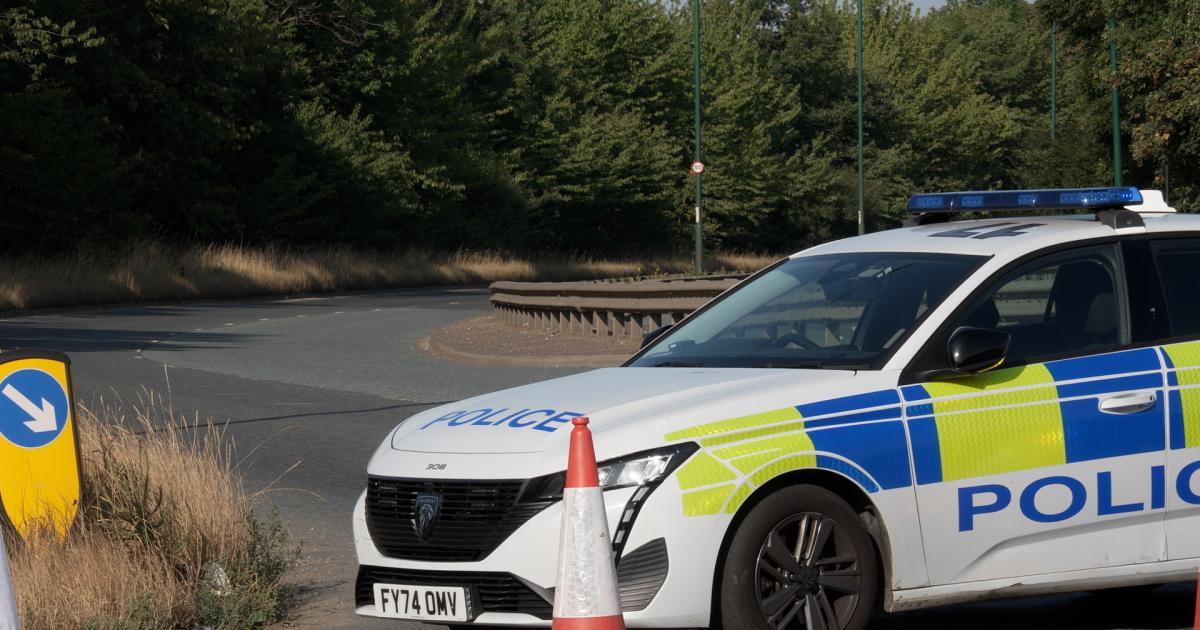
Motorcyclist dies in crash on A1246 at junction near Selby

Published

on

Motorcyclist dies in crash on A1246 at junction near Selby

The incident happened on the A1246, at the junction with Holyrood Lane near Selby, at around 3.10pm on Sunday (August 23).

The man was riding a motorcycle at the time and was pronounced deceased at the scene.


RECOMMENDED READING:

Advertisement

North Yorkshire Police said: “His family are being supported by specially trained officers, and have requested privacy at this difficult time.

“Officers want to hear from anyone who witnessed a Honda CBR 1000 motorcycle prior to the collision, or who may have relevant dashcam, CCTV or other footage from the area.

“Anyone with information that may assist the investigation is asked to contact North Yorkshire Police.

“Please email sciu@northyorkshire.police.uk – quoting the reference 12260164723 – or call 101.”

Advertisement

Source link

Continue Reading

NewsBeat

As Ukraine hits Russia’s refineries, Russia targets Ukraine’s petrol pumps

Published

on

A composite image of the front pages of the Daily Star and the Guardian on 26 August 2026

“Fill up quickly and move on,” Mayor Ihor Terekhov warns drivers in Ukraine’s second largest city Kharkiv.

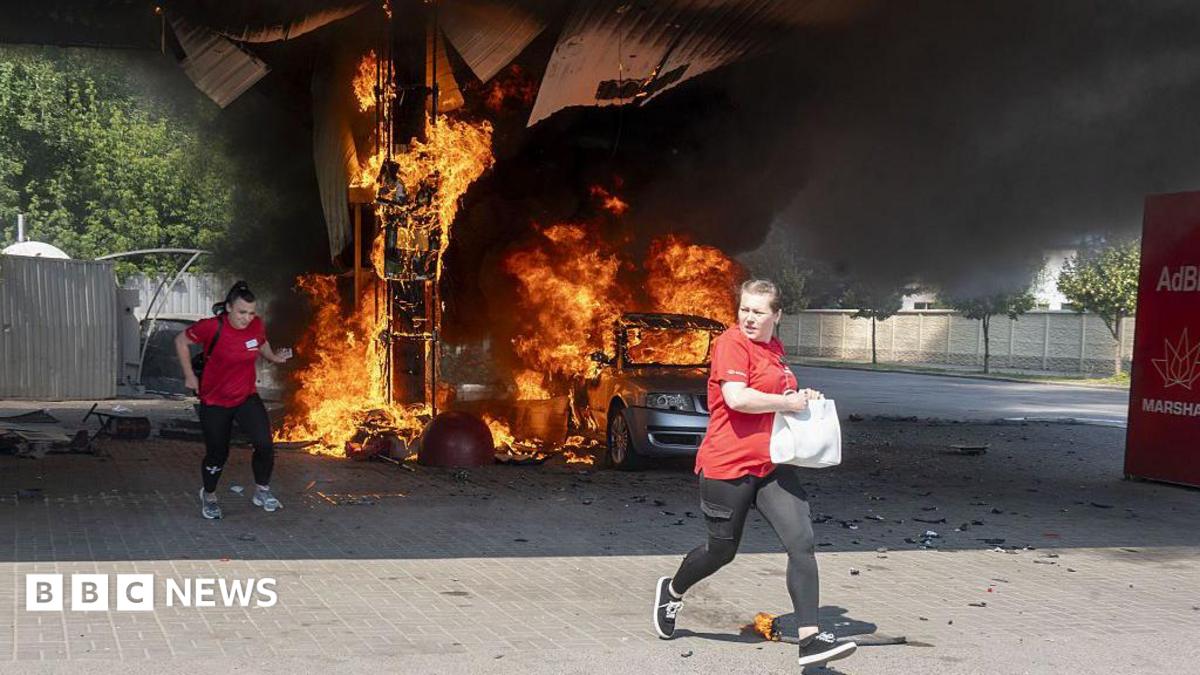
Two petrol stations in the city in Ukraine’s north-east were hit by Russian drones on Monday, which local officials say wounded two people. In another attack on a petrol station outside the city of Kryvyi Rih last week, three people were killed.

Russia’s campaign of targeting civilian filling stations with drones and missiles began in earnest in April, primarily in regions on the front line, and the attacks are steadily growing more frequent.

At the same time, Russia has endured two waves of severe fuel shortages across the country as a result of Ukrainian drone strikes on Russian oil refineries.

Advertisement

In total, Russia has hit at least 246 filling stations across Ukraine so far, says Oleksandr Sirenko, an analyst with Ukrainian energy think-tank Nafto Rynok (“Oil Market”).

In July alone, the Centre for Information Resilience, an open-source investigation non-profit group, verified 114 Russian strikes on filling stations, compared with 66 the month before.

Given the threat, police have issued special guidance urging motorists to leave petrol stations and, if necessary, to abandon their vehicles whenever air raid alerts sound.

“You can fix your car, but you won’t get your life back,” says one police force in the Dnipropetrovsk region.

Advertisement

The damage is highly disruptive and puts civilians at considerable risk.

According to Sirenko, initially the attacks were being carried out with smaller, remote-controlled drones, but then Russia started using bigger, more expensive and more destructive Iranian-made Shahed drones.

One Shahed drone is estimated to cost between $20,000 (£14,500) and $50,000 (£36,000).

“One petrol station took five Shahed hits,” Sirenko tells the BBC. “These Shaheds cost more than the petrol station.”

Advertisement

Source link

Continue Reading

NewsBeat

Dolly Parton death latest: Country star faced ‘brief battle’ with cancer, rep says

Published

on

Dolly Parton death latest: Country star faced ‘brief battle’ with cancer, rep says
Family of legendary country singer Dolly Parton announce her death

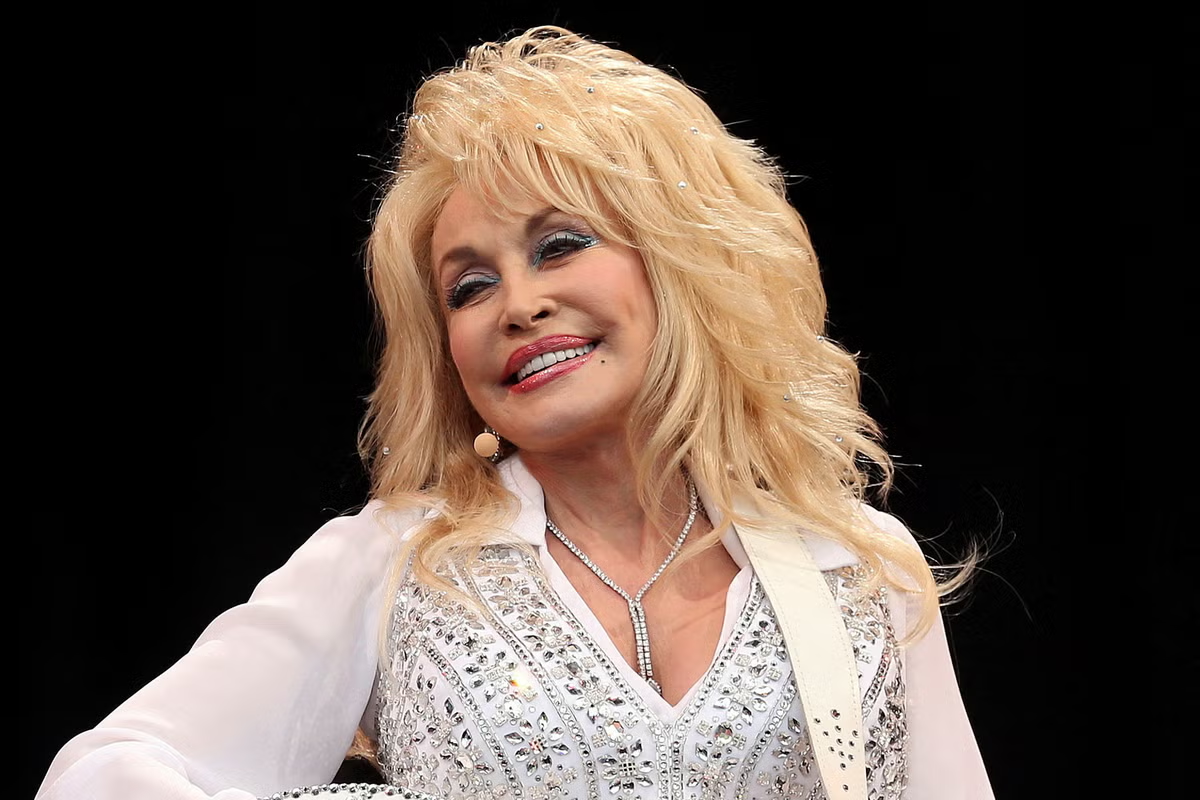
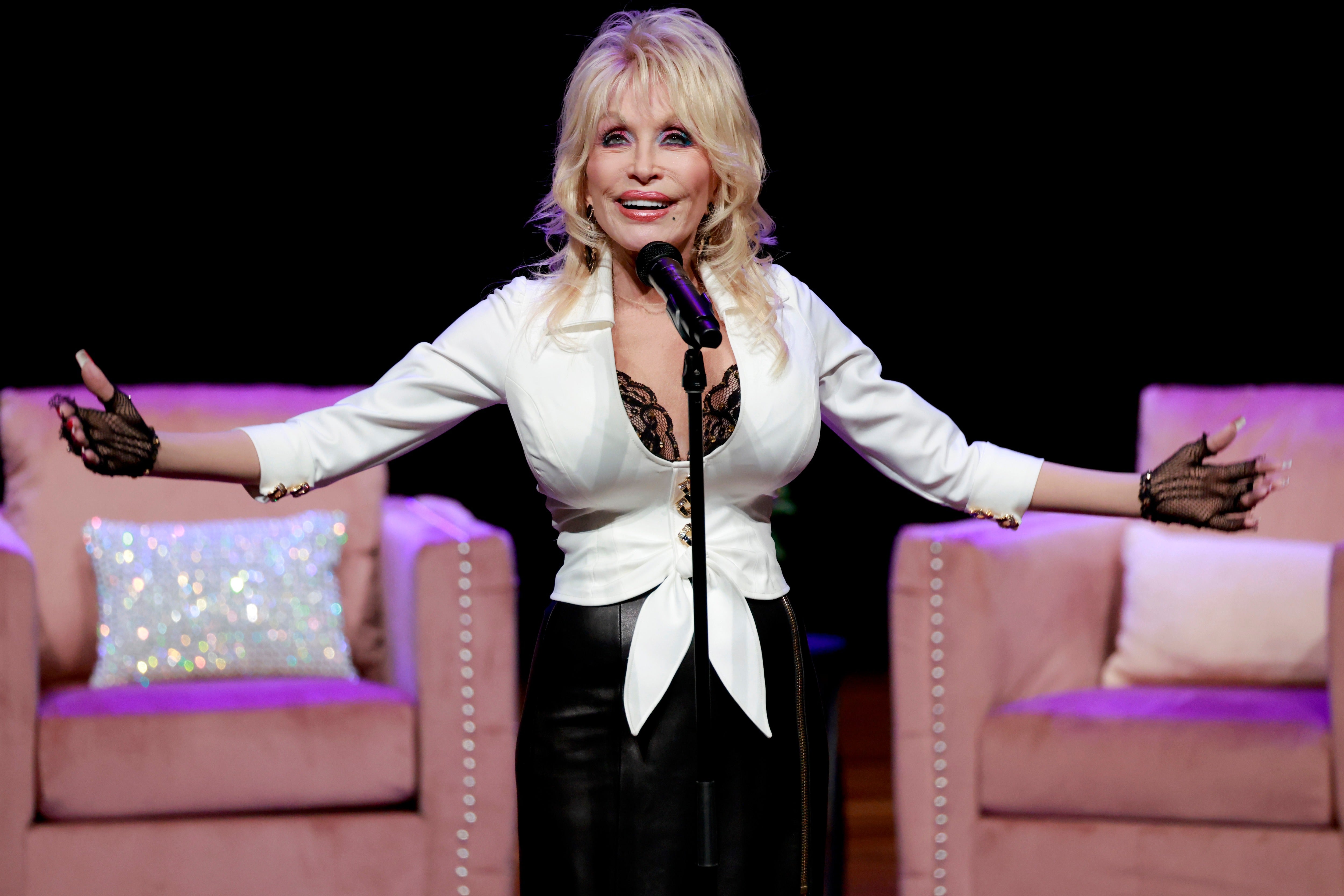
Dolly Parton, the Queen of Country music, has died at the age of 80 following a “brief battle” with cancer, her representative confirmed.

Her nephew, Bryan Seaver, announced the news of her death on behalf of the family on Tuesday, saying, “Dolly has lived in the light and is in the arms of Jesus.”

Later Tuesday, a rep for Parton said, “After bravely facing a brief battle with cancer, Dolly departed her Earthly life today at the Vanderbilt-Ingram Cancer Center surrounded by loved ones,” in a statement to CNN and People.

Fans and friends from around the world are paying tribute to the legendary singer, known for her hits “9 to 5” and “Jolene.”

Advertisement

Fellow country singer Reba McEntire wrote in part on X, “Dolly, thank you for all the wonderful things you did for us here on earth. Your love, your music and you gave so much with your huge huge heart. There will never ever be another you.”

Donald Trump ordered flags to fly at half-staff in the U.S. to honor Parton, writing on Truth Social: “This is a true loss for millions of people. There has never been anyone like her, and never will.”

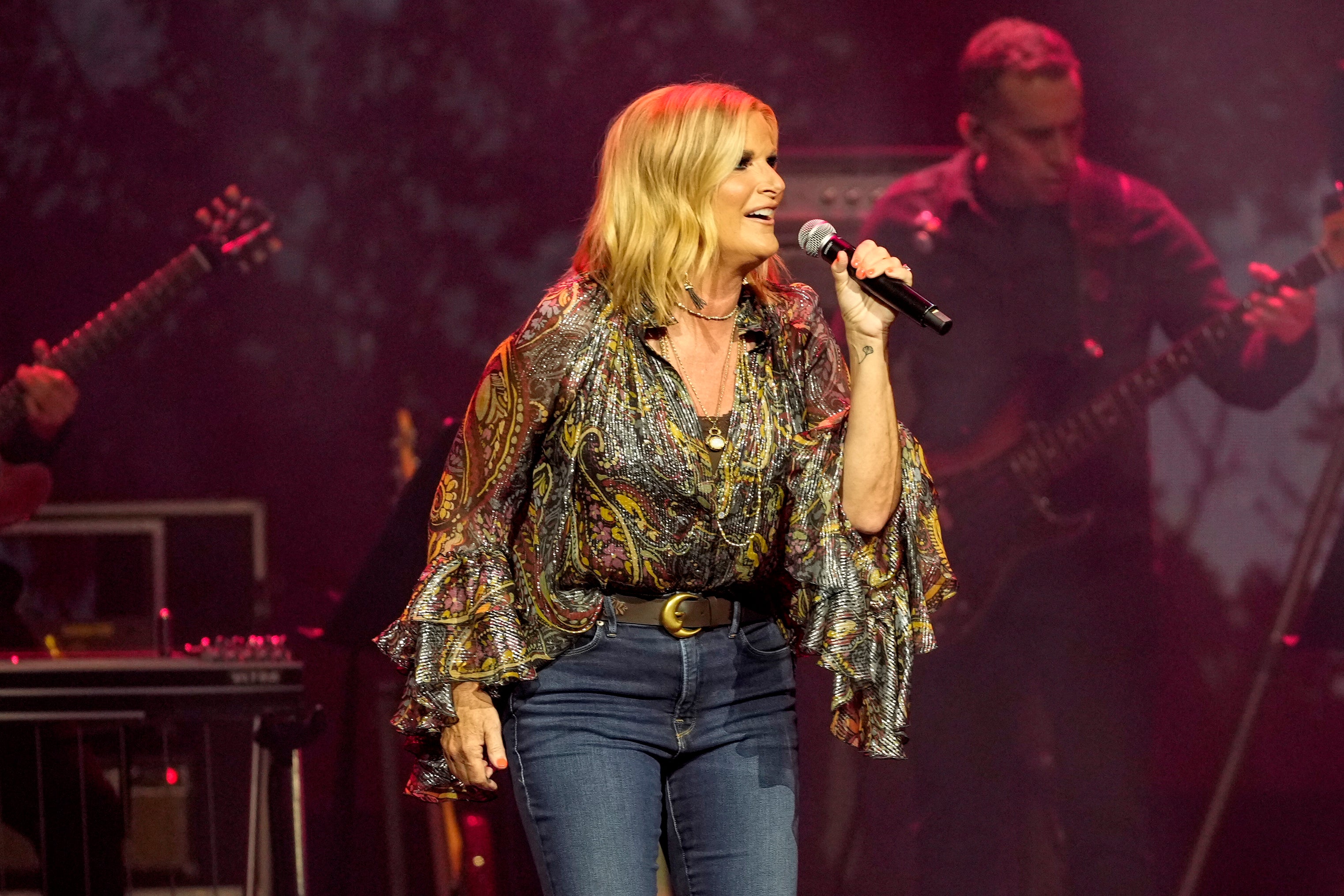
Trisha Yearwood honors Dolly

Trisha Yearwood pays tribute to Dolly Parton
Trisha Yearwood pays tribute to Dolly Parton (Getty Images)

“There aren’t words to describe what you mean to the world, Dolly,” Yearwood wrote on X.

“What I do know is that you have always been a light, and now you are shining brighter than we can imagine. Our job now is to keep that light alive. WWDD? Love one another. You walked the walk. To say your energy in this life will be missed is an understatement. We will always love you.”

Advertisement

Rachel Dobkin26 August 2026 03:01

John Mellencamp honors Dolly

“A legend and a true humanitarian. Rest in peace, Dolly,” Mellencamp wrote on X, alongside a heartwarming photo of the two.

Rachel Dobkin26 August 2026 02:47

Advertisement

Country star Randy Travis honors longtime friend: ‘There will never be another you, Dolly’

“I’ve been blessed to know many wonderful folks throughout my career in country music; but, none quite like you, Dolly. You had a way of making everyone around you feel most important. Your kindness was genuine, your faith strong, your humor lit up a room, and that beautiful heart of yours was even bigger than the remarkable voice the world fell in love with.

“I’ll always be grateful for the memories, the conversations, the laughs, and the goodness you showed me through the years—especially during the chapters of my life when your encouragement meant more than you probably ever knew,” Randy Travis wrote on Facebook.

Randy Travis pays tribute to Dolly Parton
Randy Travis pays tribute to Dolly Parton (Getty Images)

“You gave country music some of its sweetest memories and most iconic songs; but, you gave the world something greater…yourself. And, you gave it all! Now, it’s your turn to dance with Carl—

“Thank you for showing all of us how to carry success with grace and how to use the gifts God gave us to bless others. Your mission to make people happy and lift them up while glorifying God, is complete. You have planted so many trees under whose shade you will never sit… you have made this world a better place. There will never be another you, Dolly,” he added.

Advertisement

Rachel Dobkin26 August 2026 02:38

MLB teams play Dolly Parton’s music during tonight’s games

Several MLB teams are paying tribute to Dolly Parton at tonight’s games by playing the late country star’s music.

Songs such as Parton’s hit “9 to 5” were played at the Atlanta Braves vs. Los Angeles Dodgers game, the New York Mets vs. Milwaukee Brewers game and the Washington Nationals vs. Colorado Rockies game.

Advertisement

“Braves honoring Dolly Parton with her music between innings. ‘Jolene’ and ‘9 to 5’ among selections thus far. A true American hero,” Ken Sugiura, a sports columnist for The Atlanta Journal-Constitution, wrote on X.

Sportswriter Joe Pantorno wrote, “Nice touch by the #Mets playing Dolly Parton’s 9 to 5 as the players take the field.”

“Classy move by the @Nationals at tonight’s game: the Crowd Karaoke was 9 to 5. RIP, @DollyParton,” Michael Townsend, a political analyst for Charles Schwab & Co., Inc., wrote.

Rachel Dobkin26 August 2026 02:12

Advertisement

Beyoncé pays tribute to Cowboy Carter collaborator: ‘You were the barometer’

Beyoncé honors Dolly Parton
Beyoncé honors Dolly Parton (AFP via Getty Images)

Music legend Beyoncé has paid tribute to Dolly Parton, with whom she collaborated on her 2024 Cowboy Carter album.

“You were the barometer. The north star. Bold and brilliant. Talented and tenacious,” Beyoncé wrote on her website.

“You taught so many lessons on how to be uniquely oneself. I am grateful for your art, your heart, your generosity, your humor, your entrepreneurship. I’m honored that I had the privilege to work with you. I will treasure that forever.

“Thank you for your profound impact on the world. You are an angel who has made this world a happier place because of your joyful art. You are truly one of one. Rest peacefully,” the singer added.

Advertisement

Rachel Dobkin26 August 2026 02:03

Jason Aldean: ‘Thank you for the contributions you made’

Jason Aldean honors Dolly Parton
Jason Aldean honors Dolly Parton (Getty Images for Does Entertainment/UGA)

“Sad to hear of the passing of @DollyParton today. The term ‘legend’ gets thrown around a lot these days but she really was. An icon to the entire entertainment industry, especially the Country Music family.

“I had the privilege being around her a few times over the years and she was truly a bright light that shined just a little brighter than anyone else in the room. It’s always sad when one of our heroes passes away, but the beauty in music is that her art will live on forever.

“Rest easy Dolly and thank you for the contributions you made and the doors you kicked down for all of us that came after you,” the country star wrote on X.

Advertisement

Rachel Dobkin26 August 2026 01:42

Mötley Crüe pays tribute to Dolly

Mötley Crüe says working with Dolly Parton 'was one of the true highlights of our career'
Mötley Crüe says working with Dolly Parton ‘was one of the true highlights of our career’ (Getty Images for Live Nation UK)

“Working with Dolly on ‘Home Sweet Home’ was one of the true highlights of our career. We can still hear her voice saying, “Well, how about that, Dolly and Mötley at #1?”

“Thank you for the music, the laughter, the kindness and the inspiration, Dolly.

“Our deepest condolences to her family, friends, and fans around the world.

Advertisement

“With love and respect, Mötley Crüe,” the hard rock band wrote on X.

Rachel Dobkin26 August 2026 01:27

Country star Luke Bryan honors Dolly Parton

Luke Bryan pays tribute to Dolly Parton
Luke Bryan pays tribute to Dolly Parton (Getty Images for UCLA Jonsson Cancer Center Foundation)

“Her light, being a strong Tennessee woman, songwriting, charisma, wittiness, and the ability to make fun of herself and the ability to inspire the world is what I think about when I think of Dolly,” Bryan wrote on X.

“When you live your life and people can recognize you by one name, Dolly, I think that says it all. Rest in peace Dolly.”

Advertisement

Rachel Dobkin26 August 2026 01:15

Dolly Parton faced ‘brief battle’ with cancer: rep

Dolly Parton died Tuesday following a “brief battle” with cancer, her representative has confirmed to CNN and People. It’s unclear what type of cancer she had.

“Our beloved Dolly Parton spent her life and career bringing joy, laughter, hope and integrity into everything she touched. Her unmatched generosity reached the lives of countless people whom she would never meet, yet she was always there to offer a helping hand.”

Advertisement
Dolly Parton died after a 'brief battle' with cancer, her rep confirmed
Dolly Parton died after a ‘brief battle’ with cancer, her rep confirmed (Getty Images)

“Whether it be the hundreds of millions of books donated through her invaluable Imagination Library or funding research that helped create a lifesaving vaccine used around the world, Dolly’s unconditional love for all people was the guiding force for her lasting impact.

“After bravely facing a brief battle with cancer, Dolly departed her Earthly life today at the Vanderbilt-Ingram Cancer Center surrounded by loved ones.”

Rachel Dobkin26 August 2026 01:04

Al Gore: ‘I’m especially grateful’

(AFP/Getty)

Former Vice President Al Gore wrote on X: “In one of her many memorable hit songs, Dolly Parton famously sang about a ‘9 to 5’ job that was ‘all taking and no giving.’

“So, in looking back on her amazing legacy, it’s fitting to remember her for all her giving to others throughout her life: all the joy she gave us all with her incredibly beautiful songwriting, her captivating voice, and her endless creative pursuits. The 300 million free books she gave to children across America and around the world through her Imagination Library. All the fun she gave to families who visited Dollywood. The crucial funding and support she gave for medical research into pediatric cancer, infectious diseases, and not least, the Moderna COVID vaccine.

Advertisement

“She gave funding to provide shelter and food for the victims of disasters. I’m especially grateful for all that she gave back to our beloved home state of Tennessee. For many, her lasting gift is the inspiration to give back to our own communities with the same passion, humor, and conviction as Dolly. God bless her and may she rest in peace. We will always love her!”

Kevin Perry26 August 2026 00:42

Source link

Advertisement
Continue Reading

NewsBeat

Golf Channel postpones show premiere after criticism of Good Good Golf video

Published

on

Jury says The New York Times defamed Alabama player

ATLANTA (AP) — Golf Channel postponed Tuesday night’s scheduled premiere of the reality show “Big Break x Good Good” by one week because one of the sponsors wanted out, as pressure increased on popular content creator Good Good Golf for its video that showed a man shoving a woman to the ground as she reached for a new Callaway driver.

Golf Channel said postponing the show to Sept. 1 “will allow for necessary production updates following a request from one of the show’s sponsors to remove its branding from the series.”

Although Golf Channel did not identify the sponsor, multiple reports said it was retailer Golf Galaxy, which had been listed as a presenting sponsor of the show.

The video — an ad for the Callaway driver — was deleted by Good Good late Friday, a day after it first was posted and immediately drew negative reaction for portraying violence against women. The characters in the ad are both with Good Good.

Advertisement

Good Good apologized Saturday in a statement, saying the “depicted actions are not aligned with our values.” Callaway said it was disappointed by the video and “appreciative of Good Good addressing this.”

Good Good is the title sponsor of a new PGA Tour event in Austin, Texas, this fall, and the tour quickly expressed disappointment. Stronger words came from CEO Brian Rolapp on Tuesday when he was asked if Good Good took enough accountability.

“Initially, no,” Rolapp said. “I think what we saw was concerning and clearly not aligned with the PGA Tour values. We take it very seriously. I think their initial response was disappointing. It was a little bit defensive and late. But I think the responses are getting better. We’ve had some conversations with them, so we’ll continue to monitor and work with them going forward.”

Asked if it would affect their title sponsorship, Rolapp described it as a “fluid situation.”

Advertisement

“We’ll continue to monitor the situation and see how it develops,” he said.

Callaway added another layer of apologies, this one from CEO Chip Brewer, who acknowledged that while Good Good produced the video, Callaway approved it before it was posted.

“The approval never should have happened. Mistakes were made, and we are taking the matter very seriously,” Brewer said in a statement posted on Callaway’s social media channels. “As we deal with the consequences of our mistake and complete our investigations, I want to make it clear that we sincerely apologize for the video.”

___

Advertisement

See AP’s full golf coverage here

Source link

Advertisement
Continue Reading

NewsBeat

Patrick Clancy and new wife’s secret crisis: As he weighs big move ahead of Lindsay trial verdict… those closest to him speak out

Published

on

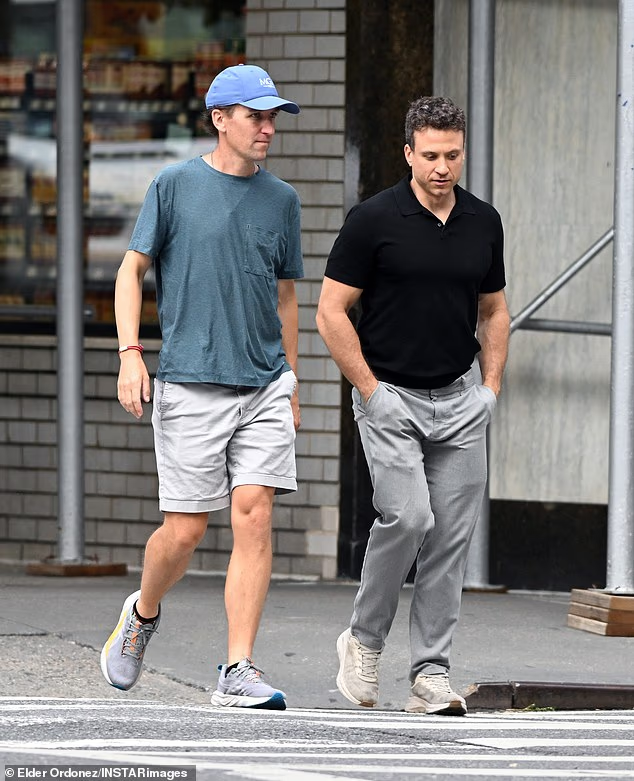
Patrick Clancy, 38, was seen this week touring apartments in a quieter part of Manhattan

As Lindsay Clancy‘s trial nears its end in Massachusetts, her ex-husband is hundreds of miles away trying to rebuild a life that keeps being dragged back into the spotlight.

Patrick Clancy, 38, was seen this week touring apartments in a quiet neighborhood of Manhattan as he and new wife, Dr Rachel Danis, seek to escape the glare of publicity.

He rode a Citi Bike through the streets and wandered around incognito, wearing a golf-branded baseball cap and sunglasses in an apparent bid to avoid being recognized.

Patrick viewed properties with realtor Alex Grapstein from Corcoran, a real estate company specializing in luxury condos, townhouses and high-end rentals.

Advertisement

The apartment hunt comes just a week after the newlyweds were secretly filmed by neighbors at the one-bedroom they currently share in busy midtown Manhattan.

Family and friends of the couple tell the Daily Mail they are struggling with a relentless wave of negative attention linked to the trial.

Cruel and totally baseless conspiracy theories have spread rapidly across social media falsely claiming Patrick was involved in the deaths of his and Lindsay’s three young children.

One of Patrick’s relatives, speaking to the Daily Mail on condition of anonymity, said the ordeal has taken a heavy toll on everyone close to the family, even as Patrick tries to push forward.

Advertisement

Patrick Clancy, 38, was seen this week touring apartments in a quieter part of Manhattan

He rode a Citi Bike through the city and wandered around incognito, wearing a baseball cap and sunglasses in an apparent bid to avoid being recognized

He rode a Citi Bike through the city and wandered around incognito, wearing a baseball cap and sunglasses in an apparent bid to avoid being recognized

Patrick viewed properties with Alex Grapstein, a realtor from Corcoran, which specializes in luxury condos, townhouses and high-end rentals

Patrick viewed properties with Alex Grapstein, a realtor from Corcoran, which specializes in luxury condos, townhouses and high-end rentals

Advertisement

‘I think he is doing okay under the circumstances,’ the relative said. ‘It’s very stressful for the whole family.’

Grapstein, Patrick’s realtor, told the Daily Mail that Patrick is searching for a new place once the lease expires on the $5,500-a-month, 750sq ft apartment he currently shares with Rachel.

The agent declined to comment further, calling the subject ‘too sensitive’ given the ongoing public attention.

In Plymouth, Massachusetts, 36-year-old Lindsay Clancy stands accused of murdering her and Patrick’s three children, five-year-old Cora, three-year-old Dawson and eight-month-old Callan, in their Duxbury home back in January 2023.

Advertisement

Lindsay has admitted to strangling all three kids using fitness bands but has claimed she is not guilty of murder because she was in the grip of severe postpartum psychosis when the killings occurred, and therefore bears no criminal responsibility.

Prosecutors reject that account entirely, arguing instead that the killings were calculated and deliberate, and that Lindsay purposely sent Patrick out on errands that night to clear the house before she acted.

Patrick has testified in Lindsay’s defense and filed a lawsuit against her healthcare providers. 

In the aftermath of the attack, Lindsay slit her own wrists and throat and leapt from a second-floor window at their home, leaving her paralyzed from the waist down.

Advertisement

She has remained in custody or under court-ordered psychiatric care ever since.

Patrick moved out of the Boston suburbs and into Manhattan in May 2023, four months after his children were killed and beginning what would become a very public rebuilding of his personal life.

Patrick moved to NYC four months after the deaths of his children and began rebuilding his life

Patrick moved to NYC four months after the deaths of his children and began rebuilding his life

Cruel and baseless conspiracy theories have spread rapidly across social media claiming Patrick was involved in the deaths of his and Lindsay’s three young children

Cruel and baseless conspiracy theories have spread rapidly across social media claiming Patrick was involved in the deaths of his and Lindsay’s three young children

Advertisement
He has testified in his ex-wife's defense but has refused to visit her since the killings

He has testified in his ex-wife’s defense but has refused to visit her since the killings 

Photos of him with Rachel Danis, 37, first surfaced online the following February, and the family’s home in Duxbury sold in May 2024.

Rachel, a fertility doctor, later moved into Patrick’s Midtown Manhattan apartment, and by late last year she was photographed wearing what appeared to be an engagement ring.

The pair married in April in a small ceremony at the famous Ladies Pavilion overlooking the lake in Central Park, followed by a celebration at nearby Sarabeth’s restaurant.

Advertisement

Yet the newlyweds have found no real refuge from the fallout of Lindsay’s trial, even far away in New York City.

A groundswell of online sympathy for Lindsay has fueled accusations from strangers that Patrick somehow failed his ex-wife.

Some of the uglier viral posts have gone further, suggesting without any evidence that Patrick and Rachel played roles in the children’s deaths.

The strain appeared to boil over earlier this month, when a neighbor secretly photographed the couple on a shared terrace at their luxury midtown building.

Advertisement

A witness described the pair spending roughly half an hour alternating between checking their phones and talking quietly to one another, visibly tense and dressed casually for the summer evening heat.

Patrick, who works as a salesman for Microsoft, was seen pacing in tight circles while on a call.

Both Patrick and Rachel have received death threats and had personal details posted publicly as part of an online harassment campaign.

Friends say Patrick and his family have struggled with the negative attention

Friends say Patrick and his family have struggled with the negative attention 

Advertisement
Patrick with his ex-wife Lindsay and two oldest children Cora, five, and Dawson, three

Patrick with his ex-wife Lindsay and two oldest children Cora, five, and Dawson, three

Patrick’s relative described the online pile-on as sheer ‘internet lunacy’ that has caused real damage to the couple’s daily lives.

A separate friend of the Clancy family told the Daily Mail that people online have been needlessly cruel and should focus on their own lives instead of tearing others down.

‘People are crazy, and people are stupid, and people are mean-spirited, and people should just worry about themselves,’ said the friend.

Advertisement

‘We need to put more good in the world. Not try to get people. It’s disgusting.’

Patrick, who took the stand during Lindsay’s trial, has never faced any accusations of wrongdoing in connection with the deaths.

He testified in her defense, describing her as a loving mother before the tragedy, and has since filed a wrongful death lawsuit against Lindsay’s healthcare providers, alleging negligence contributed to his children’s deaths.

Those providers deny any wrongdoing, and the lawsuit remains ongoing.

Advertisement

Patrick’s attorney has pushed back hard against online commentators, calling their claims false and defamatory in a public statement.

Patrick found new love in Dr Rachel Danis, whom he married earlier this year.

Patrick found new love in Dr Rachel Danis, whom he married earlier this year 

Couple Patrick Clancy and Rachel Danis have shared passions for charitable causes.

Couple Patrick Clancy and Rachel Danis have shared passions for charitable causes

Patrick grew emotional as he took the stand to testify in his ex-wife's trial last month

Patrick grew emotional as he took the stand to testify in his ex-wife’s trial last month

Advertisement
Lindsay Clancy has been receiving psychiatric treatment since the tragedy in January 2023

Lindsay Clancy has been receiving psychiatric treatment since the tragedy in January 2023

‘The facts are indisputable: Patrick Clancy has suffered an unspeakable and unimaginable loss,’ his attorney said.

‘The individuals making those statements – from minor influencers to major celebrities – should be on notice that their despicable actions and false, defamatory statements have caused real life consequences to the health and safety of Patrick and his family.’

Whether Patrick and Rachel can finally step out of the spotlight once the trial concludes at Plymouth Superior Court remains to be seen.

Advertisement

After nearly a month of often harrowing testimony, jurors this week heard from the final witnesses in a case that has centered on Lindsay’s mental state on the night she killed her children.

Lindsay faces three counts of first-degree murder, a charge that carries a mandatory sentence of life in prison without the possibility of parole under Massachusetts law.

Should jurors find her not guilty by reason of lacking criminal responsibility, state law would typically require her to undergo further mental evaluation and likely commitment to a state hospital for treatment.

She has already been held at Tewksbury Hospital for court-ordered psychiatric care since May 2023. If jurors cannot reach a unanimous verdict, the judge overseeing the case could still declare a mistrial.

Advertisement

Source link

Continue Reading

NewsBeat

Carabao Cup results: West Ham back to winning ways as Brentford hit Birmingham for six

Published

on

Carabao Cup results: West Ham back to winning ways as Brentford hit Birmingham for six

West Ham finally secured their first win of the season as they came from behind to beat Southampton 4-1 and progress to the fourth round of the Carabao Cup, while Brentford trounced Birmingham City 6-1.

But there finally appears to have been a break in the east London clouds as a youthful West Ham produced an impressive turnaround to get the better of the Saints.

For a time, it seemed Southampton were set to extend West Ham’s miserable month. They started the brighter and Leo Scienza took advantage of some slack defending to put the hosts in front after ten minutes.

It was not clear where West Ham’s response might originate, and it was the 19-year-old Joshua Ajala who grabbed the match by the horns.

Advertisement

The youngster, making just his third first-team appearance and his first start, headed home shortly before the break to equalise, before cutting out a poor clearance and firing home to put his side ahead early in the second half. The two goals were the first of his senior career.

Nuno introduced the cavalry on the hour mark, throwing Jarrod Bowen, Taty Castellanos and Arne Engels, the most expensive player in Championship history into the mix, and they were effective in killing off the match. Taty doubled the Irons’ advantage before club captain Bowen buried a fine fourth to set the home support filing to the exits.

Elsewhere, Keith Andrews’ Brentford continued their fine start to the campaign by hitting a sorry Birmingham City for six, Demarai Gray’s first-half equaliser a distant memory by the time the full-time whistle blew.

Nathan Collins’ brace helped Brentford into the next round

Advertisement

Getty

Igor Thiago was named to the PFA team of the year mid-match and celebrated, if unknowingly, by scoring his first goal of the campaign, while Nathan Collins bagged a brace.

Source link

Continue Reading

NewsBeat

Three Secret Service officials have been placed on administrative leave pending investigation

Published

on

Three Secret Service officials have been placed on administrative leave pending investigation

Three U.S. Secret Service officials were placed on administrative leave Tuesday, pending the outcome of an investigation by the agency’s professional standards office.

The three were operating in non-law-enforcement capacities and were being investigated for potential misconduct, the agency’s public information office reported. However, the cause for the action remained unclear as the Office of Professional Responsibility was beginning its review.

The Secret Service has been under scrutiny as President Donald Trump has been the subject of at least three assassination plots in the past two years. In April, police said an armed man breached security at the Washington Hilton during the White House Correspondents’ Association dinner, which Trump was attending.

Source link

Advertisement
Continue Reading

NewsBeat

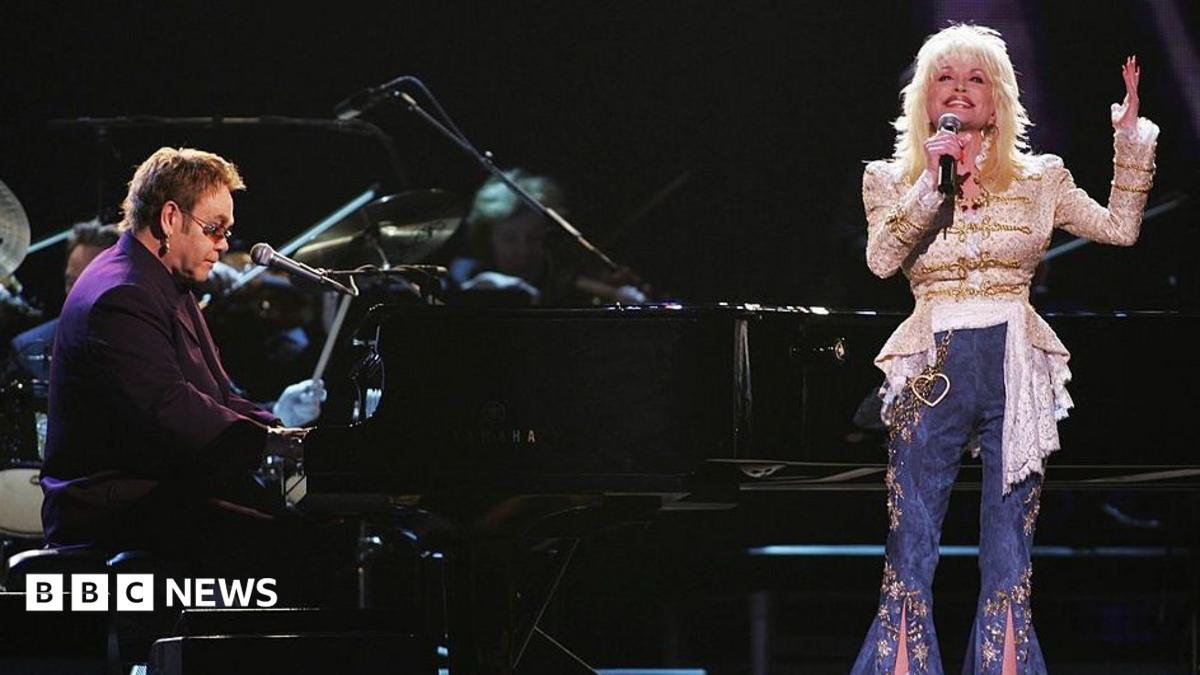
Elton John, Oprah Winfrey and Paul McCartney offer Dolly Parton tributes

Published

on

A man in a dark suit interviewing a woman in a colourful outfit.

Country singer Blake Shelton, who worked with Parton on the American television series The Voice wrote: “I can say with absolute certainty that we are all feeling the same heart brokenness today.”

“I want everyone to know that she was the EXACT person that you think she is,” he added. “It was like being with the funnest, most loving, most caring and closest member of your family.”

On social media, American singer and actress Dionne Warwick said her “heart is heavy”.

“I will certainly miss her laughter, jokes and her being. Rest well and in total peace my friend,” she wrote.

Advertisement

Former wife of Elvis Presley, Priscilla Presley, recalled: “After Elvis and I left the courthouse following our divorce, he sang [I Will Always Love You] to me as we walked down the steps together.”

“Her music touched all of us, but it was Dolly’s warmth, humour and enormous heart that made her truly one of a kind,” Presley added.

Parton, who was known for her roles in the movies 9 to 5 and Steel Magnolias, as well as the show Hannah Montana, was remembered fondly by many actors.

Seth MacFarlane said that when working with Parton, who guest-starred on his show The Orville, “her kindness, generosity, and authenticity were evident from moment one”.

Advertisement

“I’m devastated. Truly”, actress Keke Palmer said alongside a photo of her and Parton. The pair starred in the 2012 musical Joyful Noise.

Actress Jamie Lee Curtis said Parton was a hero who “is a great example for us all”.

Fashion designer Donatella Versace said: “The world has lost one of the kindest and most generous of souls, the greatest of story tellers and a true legend of music.”

Source link

Advertisement
Continue Reading

Trending

Copyright © 2025