Connect with us
DAPA Banner

NewsBeat

Crypto tolls in the Strait of Hormuz shows why bitcoin thrives in times of crisis

Published

on

Crypto tolls in the Strait of Hormuz shows why bitcoin thrives in times of crisis

Bitcoin has long been promised to function as money. In practice, it rarely does.

While 99% of transactions are still speculative trading, for as long as bitcoin has been a thing it has been used to skirt governments’ economic controls. Cryptocurrencies are particularly attractive for countries facing sanctions.

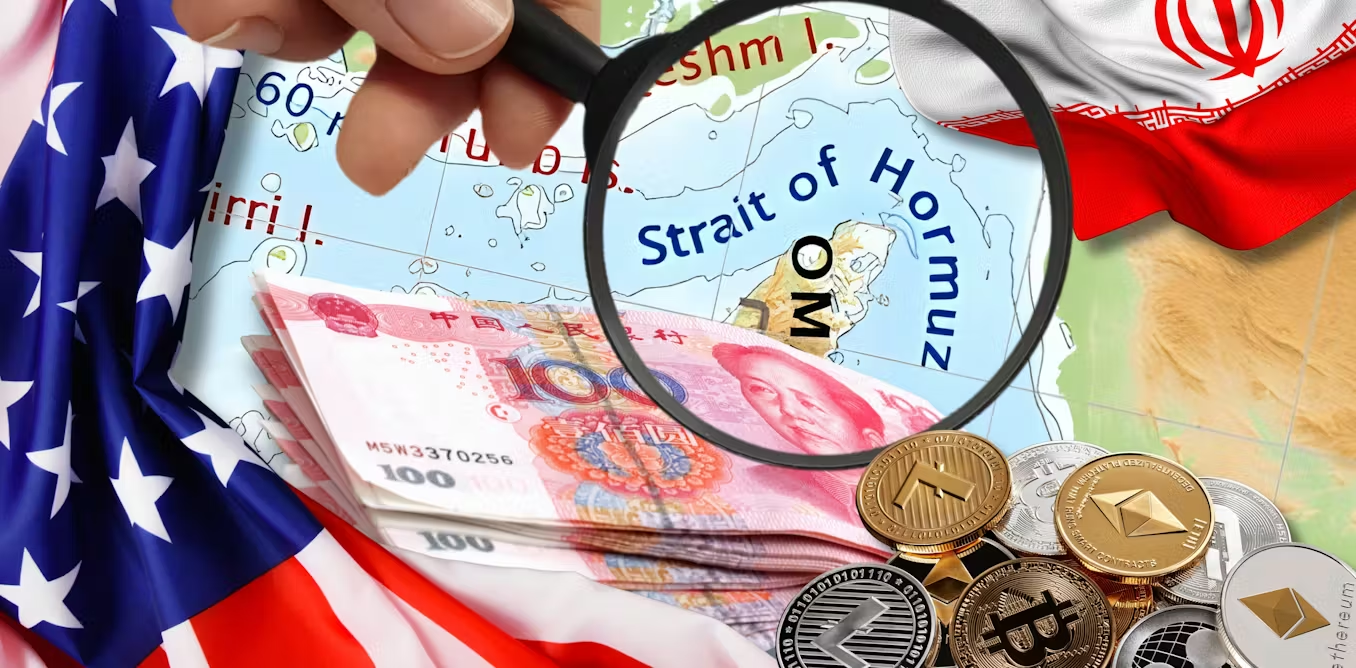
The Iranian government is considering charging oil tankers for safe passage through the Strait of Hormuz in cryptocurrency. The reports have excited the bitcoin community with crypto markets jumping slightly in response. “Once the email arrives and Iran completes its assessment, vessels are given a few seconds to pay in bitcoin, ensuring they can’t be traced or confiscated due to sanctions”, an Iranian government spokesperson told the Financial Times.

$2 million per ship – in crypto

According to blockchain intelligence firm TRM Labs, Iran’s armed forces, the Islamic Revolutionary Guard Corps (IRGC), has accepted payments from ship operators since March, charging up to US$2 million per vessel to transit the strait. Payment can be made not only in bitcoin but also in Chinese yuan or the dollar-pegged “stablecoin” tether.

Advertisement

For shipping companies, the details remain unclear. But many ships are unlikely to set sail without assurances of safe passage from the IRGC.

The US has taken a hard line. President Donald Trump has accused Iran of extortion and stated that the US would hunt down and intercept any ships in international waters that paid the Iranian tolls.

The stalemate is likely to tighten an already narrow choke point. The war has reduced the passage of tankers to a trickle.

Practical problems

Our research has examined how individuals and governments facing sanctions use cryptocurrencies as a way to buy and sell oil, raise hard currency and sidestep economic embargoes. Iran is no stranger to crypto shenanigans. Around 4.5% of all bitcoin mining takes place there, allowing the country to purchase imports and bypass US sanctions.

Advertisement

Yet implementing a bitcoin-based toll system without US approval is not straightforward. Shipping companies will struggle to buy enough cryptocurrency from exchanges without alerting US regulators.

As the US has defined the IRGC a terrorist organisation, any exchanges doing business with Iran risk being added to sanctions lists. Two UK-registered crypto exchanges have found themselves in such a predicament this year.

Even if shipping companies had ready access to millions of dollars-worth of crypto, bitcoin is not truly anonymous. All transactions are logged in a transparent ledger, known as a blockchain, and can be traced with ease in real time.

The transit fee has been reported as the equivalent of US$1 per barrel of oil. US enforcement agencies need only check how much oil a ship is carrying and the time the vessel sailed the strait to guess whether or not a toll was paid.

Advertisement

Who wins from crypto crises

Iran’s plan is seemingly a challenge to the dominance of the US dollar in global oil markets. Accepting payment in yuan, in particular, could subvert the so-called “petrodollar” system. One strategist at Deutsche Bank says the conflict could see “the beginnings of the ‘petroyuan’”.

But China and Iran aren’t the only potential beneficiaries. Some of the biggest commercial proponents of bitcoin are US oil firms, like Exxon and ConocoPhillips. Both have been recognised by the World Bank for their “innovations”: using residual gas from oil wells to power their bitcoin mining machines. Both benefit enormously from a high global oil price and spiking crypto markets. By spurring demand for bitcoin, the crypto industry – centred in the US – will also win big.

In times of war, stocks in weapons companies have always been a safe investment. It looks like cryptocurrencies could be joining them. In a forthcoming book I have written with colleagues, Crypto Crises: how digital currencies accelerate global instability, we explain how cryptocurrencies are reproducing and intensifying geopolitical crises, transforming them into new opportunities for states and corporations to extract profits.

Donald Trump and his family seem to recognise this, and have gone all in on crypto. As well as launching their own cryptocurrencies “meme-coins” and crypto businesses, the president recently bet US$1 billion chasing the bitcoin boom from his own pro-crypto reform policies.

Advertisement

Trump himself initially suggested that the US and Iran might levy the Hormuz toll fees as a “joint venture”, declaring that US involvement would be “a beautiful thing”.

Together, these moves point to a broader shift. Bitcoin remains difficult to use on the high street, while its transparent ledger makes it a terrible choice for criminals. Instead, its real use lies elsewhere.

Crypto use is often a symptom of desperation, not innovation. It is being touted during economic blockades or other moments of geopolitical tension, when conventional financial systems are restricted or have broken down. In these circumstances, it can become a makeshift opportunity for survival, or a tool for making quick profits from instability.

Advertisement

Source link

Continue Reading
Click to comment

You must be logged in to post a comment Login

Leave a Reply

NewsBeat

Women’s Six Nations 2026: Abbie Ward and Lark-Atkin Davies on pregnancy

Published

on

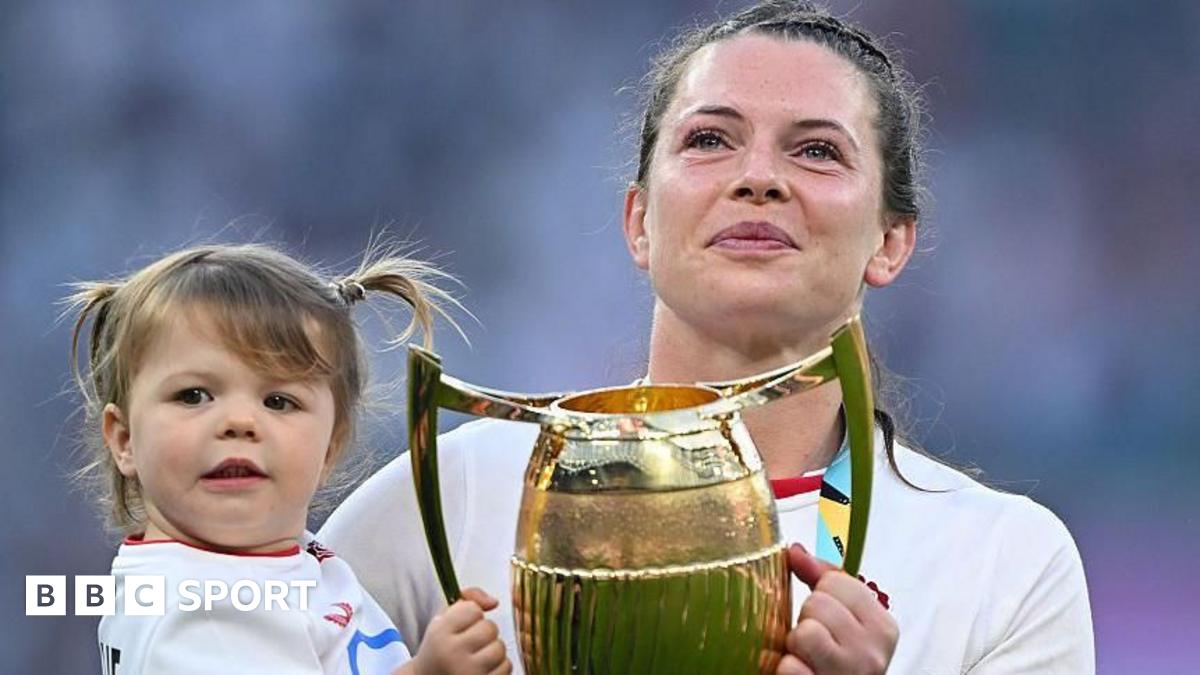
Lark Atkin-Davies and Abbie Ward with children on the Allianz Stadium pitch

Previously, the RFU did not have a maternity policy specifically designed for players, with former England prop Vickii Cornborough – the second Red Rose to announce a pregnancy after the update – describing the old policy as “not fit for purpose”.

Cornborough, a Rugby Players’ Association (RPA) representative, helped create the policy through input from the RPA and players themselves.

Following the birth of twins, 74-cap Cornborough announced her retirement from international rugby at the age of 34, saying she did not feel mentally ready to return.

With their babies due this summer, Atkin-Davies and Ward are both aiming to be back playing by the start of next season.

Advertisement

Ward, who played in two World Cup finals with Cornborough, warned her pregnant team-mates that returning will not be straightforward.

“It is amazing to know women have a choice and an option – great if I have played any part in that,” she added.

“There is also pressure, as I hope I have not catfished them into thinking it is easy. Everyone will find out it is not easy.”

Hooker Atkin-Davies has won 74 caps and been a regular since her England debut in 2015.

Advertisement

Having played in the past two World Cup finals, the 31-year-old wants to play at the next World Cup in Australia and have a similar moment to Ward’s 2025 Allianz Stadium celebrations.

“Becoming a mum and having a baby will make me a better person and player,” Atkin-Davies added.

“I know it is going to be really hard, and I am aware of that. I do not just want to come back – I want to come back and be better.

“That is what really drives you as well. It might take time, as your body and mind go through so many changes, but the fire and desire are in me to be at that World Cup in 2029 with a three-year-old.

Advertisement

“Those big moments of running out with my baby at Ashton Gate or Allianz Stadium would be absolutely amazing, but it will be hard.”

Source link

Continue Reading

NewsBeat

US extends waiver on Russian oil sanctions

Published

on

US extends waiver on Russian oil sanctions

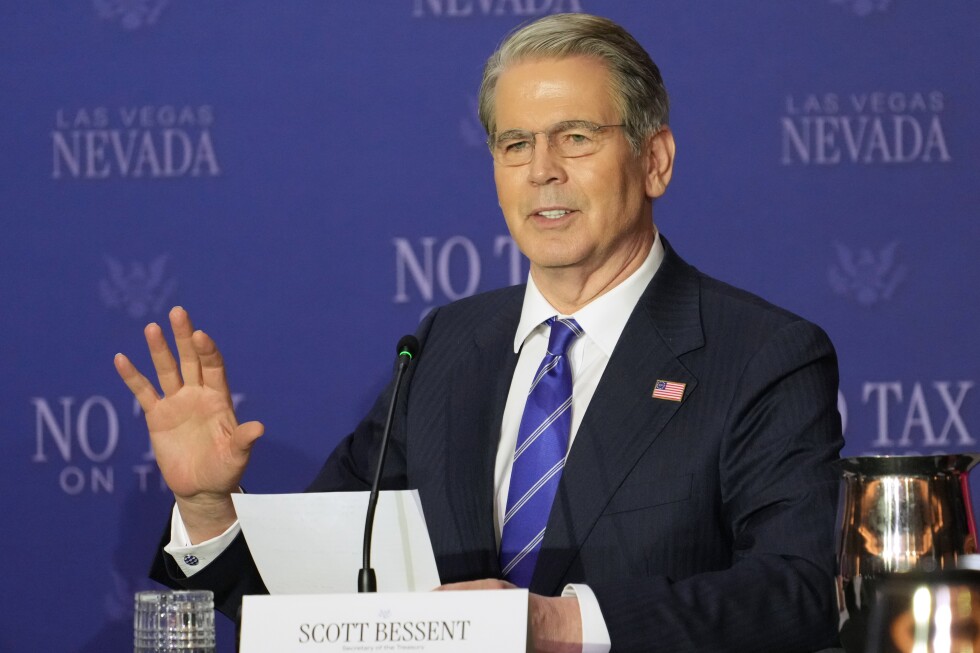
WASHINGTON (AP) — The U.S. Treasury Department on Friday extended its pause on sanctions on Russian oil shipments to ease shortages from the Iran war, days after Secretary Scott Bessent ruled out such a move.

The so-called general license means U.S. sanctions will not apply for 30 days on deliveries of Russian oil that has been loaded on tankers as of Friday. It extended a similar 30-day license issued in March for Russian oil that had been loaded by March 11. The extension underscores how the fallout from the Iran war has boosted Moscow’s ability to profit from its energy exports, which had been restrained since the invasion of Ukraine.

Speaking at the White House on Wednesday, Bessent ruled out extending the license. “We will not be renewing the general license on Russian oil, and we will not be renewing the general license on Iranian oil,” he said. The administration did not immediately explain the reversal.

Advertisement

Source link

Continue Reading

NewsBeat

‘TV reboots are terrible – stop tarnishing the classics’

Published

on

Daily Mirror

Recent reboots of Scrubs and Malcolm in the Middle have been met with some negative responses from fans.

TV reboots are becoming a poor excuse for a creative drought.

Advertisement

Fans of Malcolm in the Middle were eagerly awaiting the arrival of the revival series, Malcolm in the Middle: Life’s Still Unfair, on Hulu and Disney+.

Nearly two decades after the original series concluded, the sitcom sees Bryan Cranston and Frankie Muniz return to their roles as Malcolm enjoys a contented life with daughter Leah (Keeley Karsten) and girlfriend Tristan (Kiana Madeira), having separated himself from his biological family.

While it did shatter some streaming records, becoming Hulu’s most-watched premiere season of 2026, numerous viewers believed it disappointed devoted fans.

Some went so far as branding it “a monstrosity” and a “horror” in IMDb reviews, describing it as “forced and underwhelming”.

Advertisement

Television schedules and streaming services are presently flooded with reboots of beloved programmes, serving as a flimsy substitute for genuine original content.

Within the span of mere months, two of the most legendary programmes from the Noughties made their comeback in reimagined formats, as the Scrubs reboot premiered before Malcolm in the Middle in February this year.

Devotees of the original Scrubs series were left outraged after it emerged their beloved couple, JD ( Zach Braff ) and Elliot Reid ( Sarah Chalke ), had split up.

Advertisement

While they could have remained in blissful ignorance, for the purposes of drama, their cherished memories were destroyed.

Perhaps one of the most divisive reboot announcements in recent memory is HBO Max’s Harry Potter series, with the casting row making international headlines.

While some Potter fans are enthusiastic about the TV adaptation, for many it embodies the old adage: “If it ain’t broke, don’t fix it.”

As painful as it is to admit, the axing of Sarah Michelle Gellar’s Buffy the Vampire Slayer revival was likely for the best.

While it’s disappointing that supporters won’t see Gellar return to Sunnydale leading a fresh generation of slayers, the decision not to air the pilot has probably spared the original series from harm.

Devoted fans can take comfort knowing it will remain amongst the greatest cult classics of all time.

It’s not solely dramas and sitcoms facing a catastrophic fate, as game shows such as Deal or No Deal and Catchphrase have also resurfaced with no substantial alterations from the originals.

Advertisement

Why squander a decent telly slot on a recycled, cheesy game show or sitcom when audiences are hungry for something original? It’s perfectly fine to draw inspiration from the best, but copying is simply lazy.

Source link

Continue Reading

NewsBeat

Five Cambridgeshire roads could become one-way streets to ‘reduce conflict’

Published

on

Cambridgeshire Live

The potential changes would see five streets becoming one-way to traffic

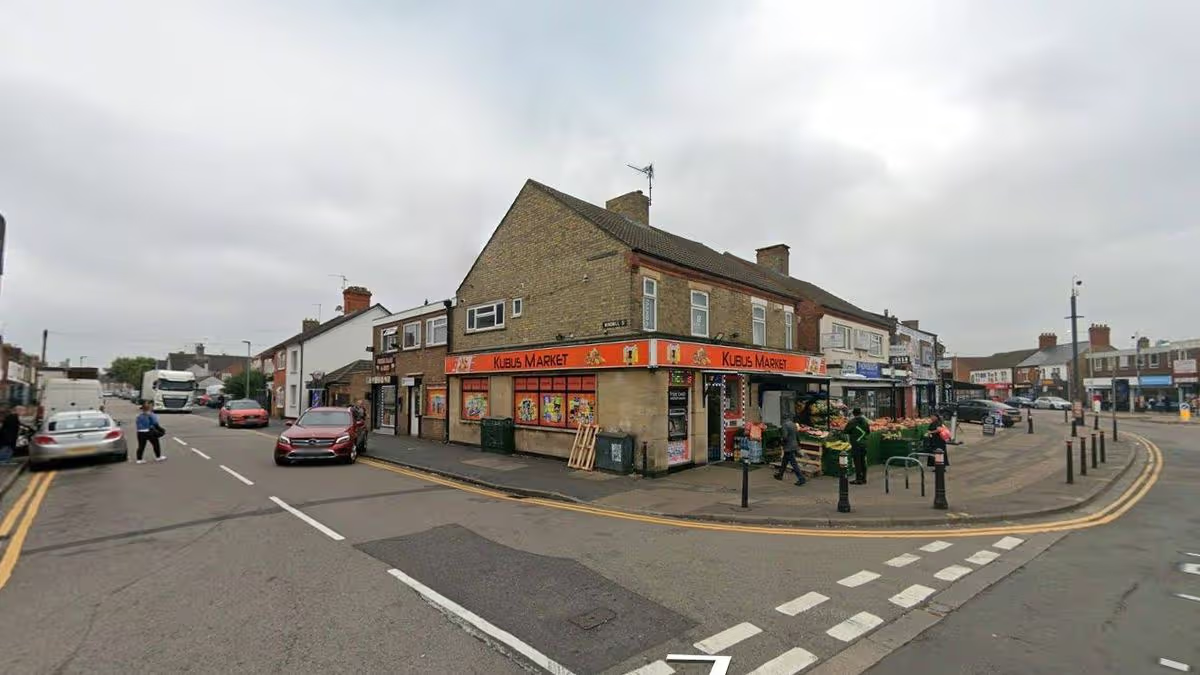
Plans that will see five roads modified to become one-way streets are being considered by Peterborough City Council.

The council’s Highways & Transport department released a draft order this week stating six changes are proposed to take place within the Millfield area, close to Lincoln Road. They will see five roads converted to accommodate one-way only traffic.

Advertisement

The five roads are:

  • Cambridge Avenue;
  • Gladstone Street;
  • Windmill Street;
  • Silverwood Road;
  • Springfield Road.

The roads will be amended to allow only the following directions of travel:

  • Cambridge Avenue: in an easterly direction between its junction with Gladstone Street and Summerfield Road;
  • Gladstone Street: in a northerly direction between its junction with Windmill Street and Serjeant Street;
  • Gladstone Street: in a southerly direction between its junction with Windmill Street and Cambridge Avenue;
  • Windmill Street: in a westerly direction between traffic calming island outside No.14 and the junction of Gladstone Street;
  • Silverwood Road: in a northerly direction between its junction with Cambridge Avenue and Springfield Road;
  • Springfield Road: in a westerly direction between its junction with Silverwood Road and Gladstone Street.

This will prohibit vehicles from entering Windmill Street from Gladstone Street, entering Gladstone Street from Serjeant Street, or entering Springfield Road from Gladstone Street.

A council spokesperson said the aim of the initiative is to improve the overall safe flow of traffic through the area.

They added: “The proposal to introduce a one-way system within Millfield has arisen from discussions between ward councillors and council officers with the aim of reducing conflicting traffic movements at locations that typically result in congestion.”

A consultation period on the proposals will begin on 16 April and run for three weeks. Residents in the area are receiving letters of consultation to ascertain their views. At the end of the consultation period, officers will review the feedback received in conjunction with the ward councillors to determine how best to proceed.

Advertisement

These proposed plans follow on from a £5.8m upgrade along a stretch of nearby Lincoln Road between Windmill Street and Serjeant Street which was completed earlier this year.

One of those improvements saw a northbound one-way system established between Windmill Street and Stone Lane, something many residents and business owners in the area praised.

“We are happy with the finished work and so are many of our customers,” said Cafer Koc, owner of the Cafe Algarve on Lincoln Road. “Business is picking up and the road looks cleaner and nicer than it was previously.”

Source link

Advertisement
Continue Reading

NewsBeat

BT will pay your broadband bill for 3 months when ditching rivals like Sky or Virgin

Published

on

Belfast Live

BT is dishing out free fibre broadband for three months when customers switch from their current provider.

BT is offering free broadband to new customers who make the switch from rivals such as Sky or Virgin Media. Those who sign up for one of BT’s fibre broadband packages this month will benefit from three months of free service.

The deal applies to BT’s full fibre plans, with download speeds ranging from 50Mbps to 900Mbps, potentially saving customers as much as £131.97. Those selecting the highest speed options will enjoy connections fast enough to download films in seconds and robust enough to support 4K streaming and online gaming at the same time.

Advertisement

Once the initial three-month period ends, standard pricing will apply for the remainder of the 24-month contract. This varies from £31.99 to £43.99 based on the selected package.

BT operates under the One Touch Switch scheme, meaning new customers aren’t required to get in touch with their previous provider to arrange the broadband installation. Switchover dates are typically arranged quickly within a fortnight.

BT additionally includes Norton Security with all its broadband packages to safeguard against viruses and other online dangers. To determine which speeds are accessible in their area, customers should utilise BT’s postcode checker, reports the Daily Record.

Get BT Broadband free for three months

Advertisement
Content Image

BT is giving new customers free full fibre broadband for three months, with speeds from 50Mbps to 900Mbps.

One drawback is that BT customers will experience a £4 increase to their bills every April. This practice extends to numerous other broadband suppliers, including Virgin and Plusnet, the latter currently enticing customers with a £100 gift card when they register for its 900Mbps package.

Following the 2016 merger between BT and EE, subscribers now have the option to bundle their broadband with various TV packages. By adding an EE TV package to a BT broadband subscription, users gain access to NOW, featuring a variety of Sky channels.

This includes sport and cinema content, alongside Netflix or TNT Sports availability on certain packages. BT has received considerable acclaim from numerous subscribers who have posted positive feedback on Trustpilot.

One customer said: “Amazing service and never had issues.” Another said: “I’ve been with BT for five years and can honestly say they’ve been amazing.

“My bill has never been wrong. My router hasn’t once gone down.”

Some subscribers have taken issue with BT‘s post-sign-up communication, as one review pointed out: “I’ve just had a broadband upgrade and the number of repeated texts, emails, notifications, over and over and over. Was incredibly annoying and frustrating.”

Conversely, other customers have commended the support service, saying: “There was zero wait, which is amazing for any customer service these days. Straight through to the call centre. I got to speak to a knowledgeable person who dealt with my problem with expertise and speed.”

Advertisement

Source link

Continue Reading

NewsBeat

Ronnie O’Sullivan chasing eighth Crucible title at 50 years of age

Published

on

Ronnie O'Sullivan

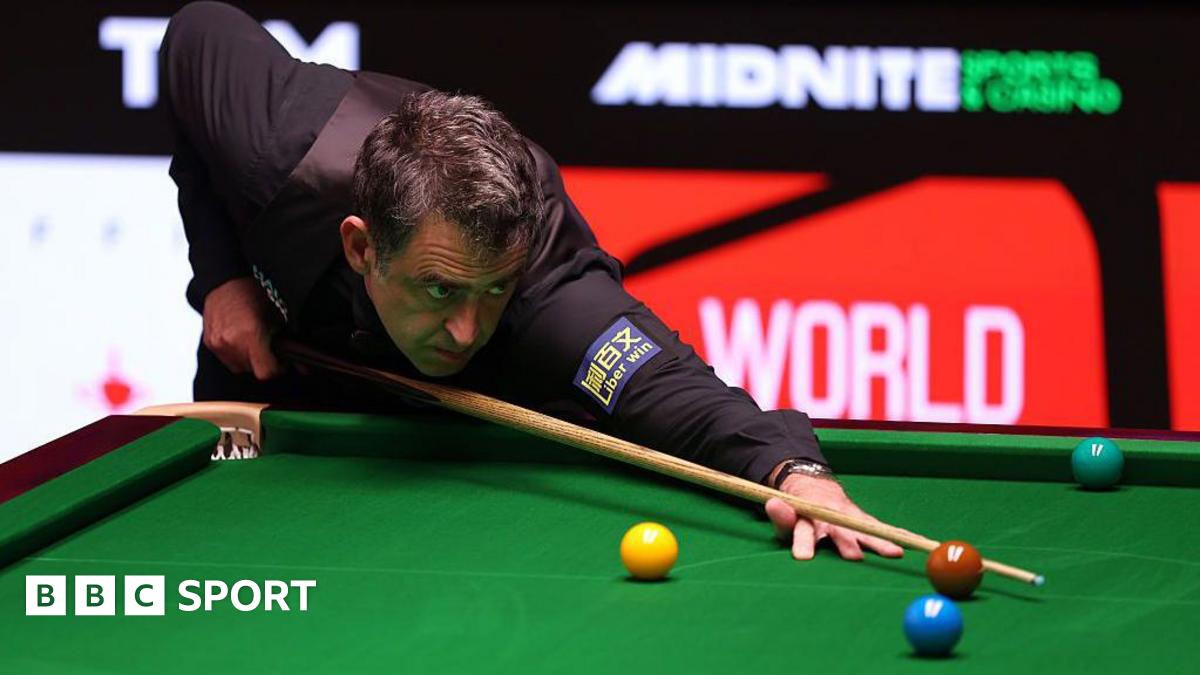
In 2001, Ronnie O’Sullivan won his first World Snooker Championship. Now, a quarter of a century later, he is aiming for a record-breaking eighth title.

The 50-year-old has lifted the trophy seven times, a feat only matched by Stephen Hendry in the 1990s, with no-one in the modern era having more success.

O’Sullivan already holds numerous snooker records, including being the oldest Crucible final winner following his most recent success in 2022, aged 46.

But even after having reached his own half-century, the player dubbed the Rocket is still blasting to new heights.

Advertisement

Last month at the World Open in China he made a break of 153, the highest ever recorded in professional snooker, after benefiting from an early snooker that left him a free ball, which then acted like a 16th red.

He reached the final of that tournament, and Shaun Murphy, who lost 5-3 to O’Sullivan in the last 16, was impressed with how he performed.

“When I played him in Yushan he seemed pretty sharp and it was a very high-quality match,” said 2005 world champion Murphy. “He has not been at his brilliant best this season, but when he gets in and in flow he is still as good as ever.

“It would be great for snooker if he did get to eight and great for him – it’s a story everyone wants to write and it would be an incredible achievement.

Advertisement

“But he is running out of time so he needs to do it sooner or later, but it’s Ronnie O’Sullivan so you wouldn’t put anything past him.”

Source link

Continue Reading

NewsBeat

Bromley Cross man jailed for St Peter’s Way crash after police chase

Published

on

Bromley Cross man jailed for St Peter's Way crash after police chase

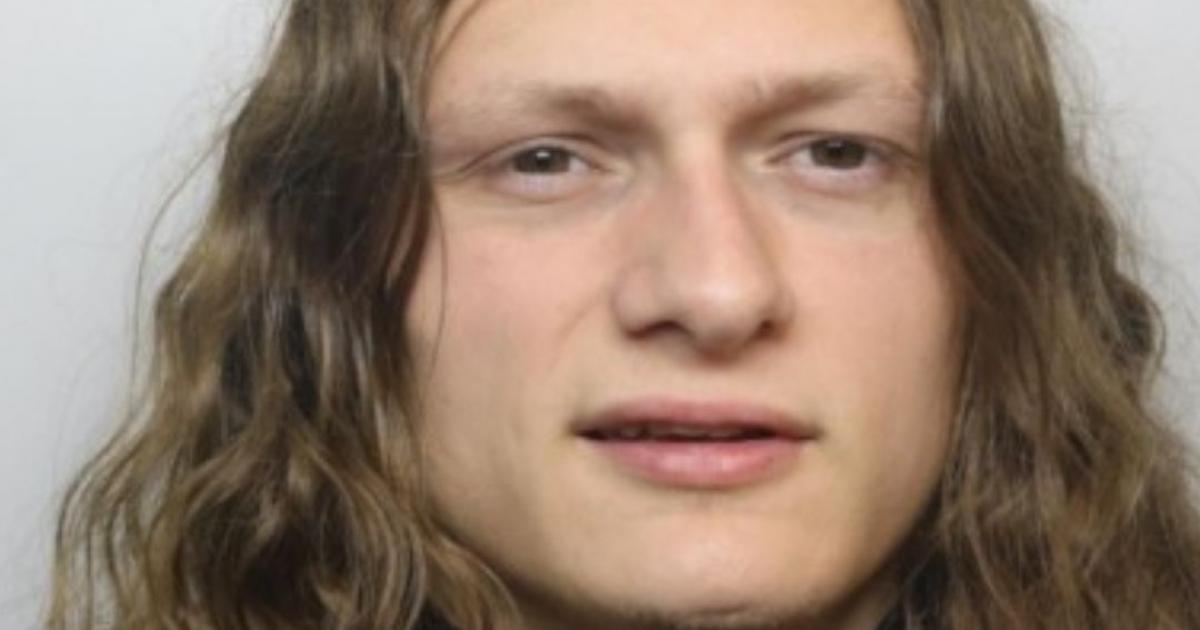
Mason Crossley, 21, was in the dock to be sentenced for dangerous driving causing serious injury, dangerous driving, driving while disqualified and driving without insurance.

In the evening of March 10, 2024, police spotted Crossley’s black Skoda Octavia as he was refuelling at the Shell service station on Bury Road in Breightmet.

Andrew Mackintosh, prosecuting, said Crossley “quickly turned his back” to the patrolling officers as they passed, which raised their suspicions.

After checking the Octavia’s registration, they found it had no insurance and began to follow the vehicle.

Advertisement

Police dashcam footage played in Bolton Crown Court during the hearing on Monday (April 13) shows Crossley’s car slow down and stop at a junction after being signalled by police.

But seconds after the officer’s car stops – the then-18-year-old accelerates and speeds off, starting a police chase.

Mr Mackintosh said that the police had seen “at least two passengers” and at one point in the footage the car slowed down for one of the back seat passengers to open the door and run off.

Mr Mackintosh said Crossley, of Rosehill Close, had sped through one red light at 60mph causing a van “to brake heavily” and another red at 86mph.

Advertisement

Crossley is then seen to drive the wrong way up an exit slip road onto St Peter’s Way before crashing into a black BMW on entering the dual carriageway.

The crash left Crossley and a BMW driver with serious injuries (Image: Public)

Mr Mackintosh said the driver of the BMW spent four-and-a-half weeks in hospital after suffering multiple broken bones, including seven broken ribs and breaking both feet.

The driver’s wife, who was in the front passenger seat, luckily did not suffer any serious injuries.

In a statement dated July 21, 2024, the BMW driver said: “This incident happened four months ago and I’m still significantly suffering now – I can still hear my wife screaming.”

Advertisement

He said he was unable to work after the crash and “missing out on valuable time” he could be spending with his daughters and grandchildren.

He said: “This is precious time I will never get back”.

Crossley, who was found to be six times the legal limit for a breakdown product of cocaine and 14 times the legal limit for ketamine, suffered a skull fracture and was diagnosed with a severe brain injury.

A year later – on March 30, 2025 – police began following a white Vauxhall Astra after the driver was seen not wearing a seatbelt.

Advertisement

A video of the incident was also played to the courtroom showing the driver speeding away from police through residential streets in Bradshaw.

Mason Crossley (Image: GMP)

Mr Mackintosh said that the Astra had “reached speeds of approximately 100mph” in the chase and “due to the speed of the vehicle, the pursuit had to be abandoned”.

He said the car was later found abandoned on Back Longsight – and CCTV footage showed Crossley leaving the vehicle.

He was interviewed by police and read a prepared statement that said he didn’t own a Vauxhall Astra – and though his parents had, it had been sold.

Advertisement

David James, defending, said that since going into custody on January 30, 2026, Crossley’s family feel his recovery from his brain injury has “regressed”.

Mr James said: “The greatest concern is recovery – traumatic brain injuries are in many ways an unknown and the point around the two-year mark is of great concern.

“Where one is then can be where one is fixed.

“The concern is Mr Crossley was on a programme of therapy with the neurologist dealing with his recovery and being put in a prison environment has curtailed that absolutely.”

Advertisement

Recorder Karen Ridge, addressing Crossley in the dock, said: “You are aware that your dangerous driving is directly responsible for the accident – in addition, you caused yourself serious injuries including a traumatic brain injury.

The crash left Crossley and a BMW driver with serious injuries (Image: Newsquest)

“It’s extremely regrettable that after suffering such serious injuries yourself, some 12 months later you made the poor decision to be involved in a police chase at 100mph.

“It’s extremely fortunate on that occasion you and other road users weren’t injured in that pursuit.”

She said she considered the medical reports before her, but put “more reliance” on the neurologist’s report from October 15, 2025.

Advertisement

The neurologist said Crossley’s “engagement with services has been inconsistent over the last 12 months”.

Ms Ridge jailed Crossley for a total of 26 months and disqualified him from driving for three years after his sentence is complete.

Source link

Advertisement
Continue Reading

NewsBeat

Russian forces have taken thousands of Ukrainian cultural objects during the war

Published

on

Russian forces have taken thousands of Ukrainian cultural objects during the war

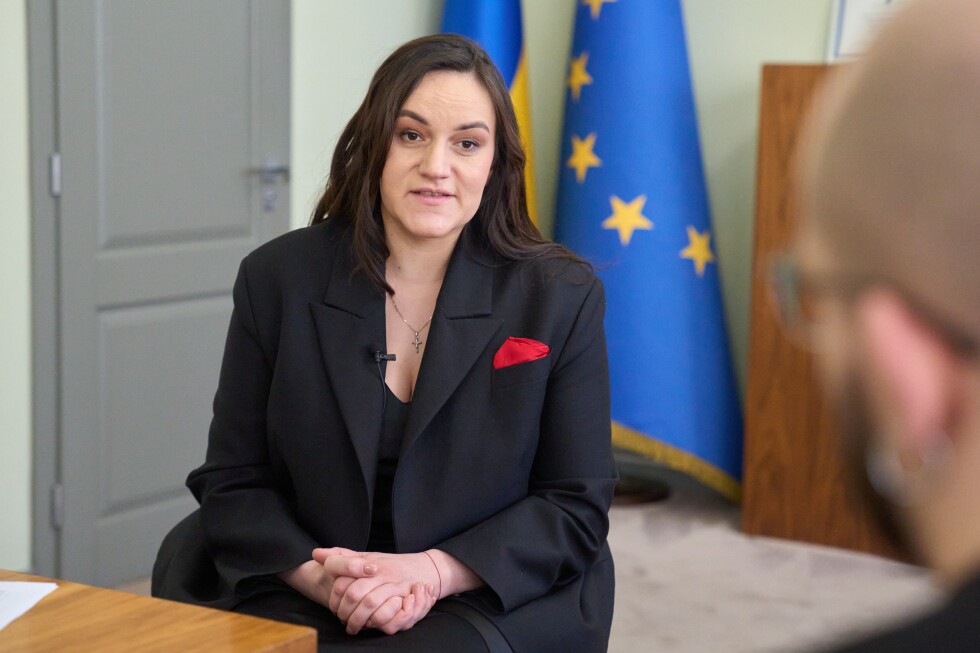
KYIV, Ukraine (AP) — When Alina Dotsenko returned to her museum after Ukrainian forces retook the southern city of Kherson from Russian forces in late 2022, she found thousands of artworks had vanished.

“I walked in and saw empty storage rooms, empty shelves. My legs gave way, and I just sat down by the wall, like a child,” the Kherson Art Museum director said.

Before Russia’s full-scale invasion in early 2022, the museum held more than 14,000 works in a collection “ranging from America to Japan.” As the Russians retreated, they loaded much of it onto trucks and took it to Russian-annexed Crimea, according to Dotsenko and video filmed by residents.

The fate of nearly 10,000 pieces remains unknown.

Advertisement

Ukraine is again raising its voice over the looting as Russia seeks to return to the world’s cultural stage. Next month’s Venice Biennale plans to allow Russian representatives to take part for the first time since 2022. Ukraine has said the event “must not become a stage for whitewashing the war crimes that Russia commits daily against the Ukrainian people and our cultural heritage.”

A rare documented case of looting

The Kherson case stands out because Ukraine knows exactly what was lost.

Years before the war, Dotsenko began photographing every item in the museum’s holdings, creating a digital archive. When Russian forces occupied Kherson, she hid the hard drives containing it. After Ukrainian troops returned, she retrieved them.

Today, that archive forms the most detailed record of looted cultural property during the war, allowing prosecutors to work with Interpol to trace missing works and pursue those responsible.

Advertisement

Across much of Ukraine, however, such documentation does not exist. And cultural losses can only be pursued in court if they can be proved, item by item.

The Russian Culture Ministry did not respond to an Associated Press request for comment on the alleged removal of items from Ukrainian museums. In the past, Russian-appointed officials in occupied territories described the removal as protective measures.

Kirill Stremousov, the former Russia-installed deputy administrator in Kherson who died shortly before Ukrainian forces liberated the city, said removed statues would “definitely return” once fighting stopped.

Carrying catalogs through checkpoints

Halyna Chumak, former director of the Donetsk Regional Art Museum, fled Russian-controlled Donetsk in 2014, carrying what she could: catalogs documenting a fraction of the museum’s roughly 15,000 artworks.

Advertisement

She spent a year transporting the catalogs through checkpoints into Ukrainian-controlled territory, leaving most behind as she tried not to draw attention from pro-Russian forces who searched her at each crossing.

Those catalogs covering just over 1,000 items are the only surviving evidence. More than a decade later, Ukrainian entrepreneur Oleksandr Velychko is digitizing them.

It took his team over three painstaking months to process about 400 works. Once completed, the database will be given to Ukrainian authorities, providing a partial legal basis to claim ownership of missing items.

Prosecutors turn to open-source intelligence

Officials say many cases across Ukraine resemble Donetsk more than Kherson.

Advertisement

Anna Sosonska, deputy head of a war crimes unit at Ukraine’s Prosecutor General’s Office, said her department is handling 23 criminal proceedings involving cultural crimes, covering 174 episodes of looting, damage and destruction.

The Kherson museum case is among the priorities, she said, largely because of Dotsenko’s digital archive.

Sosonska said Russian forces often remove inventory books and other documentation from museums, making it harder to establish what was taken.

Prosecutors sometimes rely on open-source intelligence, tracking artworks through photos, auction records and other online traces — a labor-intensive process that cannot reconstruct entire collections.

Advertisement

It takes time, but Sosonska noted that cultural crimes fall under international law and have no statute of limitations.

The scale of looting remains unknown

Ukrainian officials say the scale of looting far exceeds what can be documented.

According to Ukraine’s Culture Ministry, Russia as of March had destroyed or damaged 1,707 cultural heritage sites and 2,503 cultural infrastructure facilities including events spaces and galleries, notably the Mariupol Drama Theatre.

The ministry said over 2.1 million museum objects remain in Russian-occupied territories. Of the territories Ukraine has retaken since 2022, over 35,000 museum items are confirmed to have been looted.

Advertisement

Large parts of Ukraine have been under Russian occupation since 2014, and much original documentation has been lost, destroyed or removed.

Russia has moved to formalize control over seized collections. In 2023, it amended legislation to incorporate 77 Ukrainian museums in the occupied Donetsk, Luhansk, Kherson and Zaporizhzhia regions into its national catalog, a step critics say effectively prohibits the return of looted works.

Appointed as Ukraine’s culture minister in October 2025, Tetiana Berezhna said digitalization will be a key priority for her office to preserve collections.

“If we had digitalized them beforehand, then we would know how many objects were stolen and what they look like,” she said.

Advertisement

One case of accountability

A recent case in Europe has drawn attention to the possibility of accountability.

In March, a Polish court ruled that Oleksandr Butiahin, a Russian national, can be extradited to Ukraine over allegations he conducted illegal excavations in Crimea, removing artifacts from a site Ukraine considers its cultural heritage.

Butiahin was detained in Poland last year at Ukraine’s request. The court’s decision remains subject to appeal.

Sosonska described the case as the first time a Russian national could face prosecution for crimes against Ukraine’s cultural heritage linked to occupied territory.

Advertisement

For museum workers like Dotsenko, the issue remains deeply personal.

She spoke with The Associated Press at an exhibition in Kyiv featuring reproductions of the paintings taken from the Kherson museum.

“While these works are still in captivity, we all hope the situation will be resolved in favor of the Kherson Art Museum. I didn’t dedicate 50 years of my life to this museum for nothing,” she said. ——— AP journalist Dmytro Zhyhinas contributed to this report

Advertisement

Source link

Continue Reading

NewsBeat

Gruesome gangland double murder shocked police and remains unsolved 27 years later

Published

on

Daily Record

Gangland Unsolved: The latest in our series looks at the 1999 double murder of John Nisbet and William Lindsay and its links to organised crime.

It was a gruesome sight that greeted detectives in a wind swept farm track 12 miles south of Edinburgh. Two men had been tortured, shot dead, their bodies set on fire and then dumped in the remote hilltop location in Elphinstone village near the East Lothian town of Tranent.

The double killing in October, 1999, carried all the hallmarks of a gangland hit. Local cops from Lothian and Borders Police didn’t have a clue who the two men were.

Advertisement

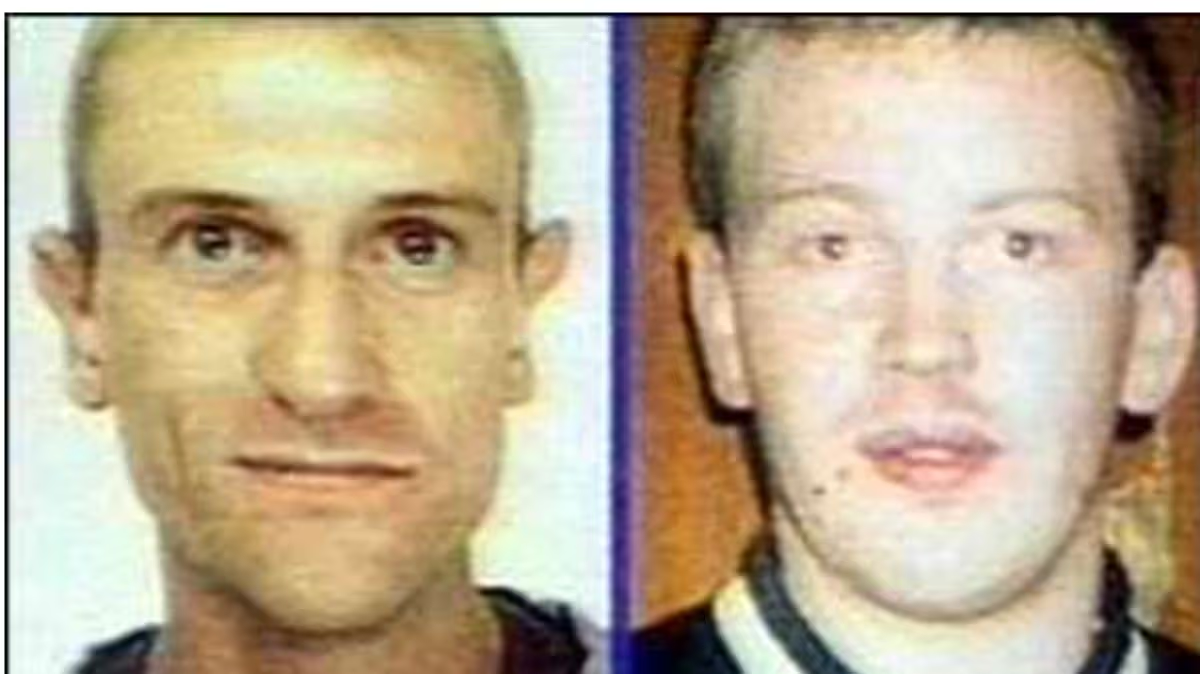
However colleagues in neighbouring Strathclyde were able to help out. John Nisbet, 25 from. Craigneuk, Lanarkshire, and pal William Lindsay, 26, from nearby Wishaw, were both well known to them, particularly Nisbet.

About 60 police and support staff were deployed in the double murder investigation. In the following days information emerged about Nisbet and Lindsay and a possible suspect.

Nisbet had just completed a four-year jail term for a shooting incident and was thought to have been behind a separate drive-by shooting attempt only days before his death. In 1996 he had been arrested after a £1million security van robbery in Ayrshire but freed due to a lack of evidence.

Advertisement

Meanwhile Lindsay is understood to have been acting as Nisbet’s ‘driver’ at the time of their deaths. Investigations showed that the two men had likely been murdered near the village of Chapelhall in North Lanarkshire, having been lured there.

It’s then thought their bodies were loaded into the boot of a Peugeot 406 and driven the 40 miles to Elphinstone. The same car was found burned out a few days later in Salsburgh near Airdrie.

It appeared that both victims had been shot several times. The killers had later doused the bodies with petrol on the farm track – undercover of darkness – and burned them almost beyond recognition.

Advertisement

The area, part of the 420-acre Elphinstone Tower estate, was sealed off in the search for evidence. One of the bodies had been discovered by a 58 year old local man who was walking his dog, and the second was found by police shortly afterwards in the same field, just off the B6414.

The dog walker later said it looked as if someone had built a big fire as the ground was scorched around the area where he saw the body. But there was no other signs of violence. But why had the two victims been taken to such a remote spot so far from home?

It then transpired that a number of caravan parks in nearby Port Seton, including Seton Sands, were known as bolt-holes and hideaways for criminals in Lanarkshire. Reports suggest Nisbet may have been staying there at one point after the earlier failed shooting.

Advertisement

One of the first to be questioned was a friend and associate of Nisbet, Lee Smith said to be an up and coming figure in the world of drugs and organised crime. However Smith from Bellshill, Lanarkshire was released without charge.

Advertisement

By that time the 29 year old had already carved out a fearsome gangland reputation with connections to the Liverpool underworld. He had been previously jailed for two years for a machete attack on a complete stranger.

The convicted car thief had also served a further two years for an attack on a man with a knuckle duster. More information also began to emerge on the connections between Nisbet and Smith.

Nisbet had been a guest when Smith married, at a lavish wedding at Chatelherault Country Park near Hamilton. Phone records established the last phone call made by Nisbet on his mobile was to Smith.

Advertisement

It then emerged that Smith owned a caravan in Seton Sands. His name had also been cropping up frequently in police intelligence reports and he was also spotted by undercover officers on a number of surveillance operations.

However they struggled to establish a motive for the murder though it was likely the two victims had probably known their killers. There had been an on going feud between local criminals for control of the lucrative drugs trade in Lanarkshire and that was the most likely spark for the two killings.

Eventually the murder inquiry inquiry was wound down. It had proved to be a very difficult case to solve because of the reputation of the victims and the violence involved.

However Smith continued to be the focus of the attention of police over the next seven years Between 1999 and 2006, he and a close associate were targeted by six surveillance operations over allegations of his involvement in the drugs trade and organised crime.

Smith was even watched when he travelled to Tenerife to meet drugs suspects. However as the net closed in Smith was suddenly found dead in a caravan in Seton Sands at the age of 32, only five miles from the spot where the two bodies were found.

However in this case there was no police investigation as his death was deemed non suspicious. Three years later a Proceeds of Crime Action at the Court of Session in Edinburgh confiscated assets of more than £350,000 from his widow – one of the largest seizures in Scotland at the time.

It was claimed that Smith had run a “criminal enterprise which operated on a national and international basis.” with intelligence reports linking him to large drugs consignments including cocaine and heroin.

Advertisement

Graeme Pearson, a former Director General of the Scottish Crime and Drug Enforcement Agency, said the violence involved in the murders of Nisbet and Lindsay marked a new development in serious and organised crime with criminals prepared to go to more extreme methods because of the riches to be earned Mr Pearson said: “A form of execution had taken place.

“These two individuals had been conned into a meeting by people they had an element of trust with. They were to some extent tortured either as a form of punishment or to get information from them and then at the conclusion they were murdered.

“It reflects that changing aspect of organised crime where the money was becoming so attractive that extreme violence entered into the process.”

Advertisement

Mr Pearson also believes many criminals around that time were copying what they were seeing on TV crime dramas. He added: “It is almost fact following fiction. There was a great deal of crime fiction on TV which reflected the same types of behaviour.

“One that had a big impact was The Wire. One wonders how often criminals watched these programmes and adopted the same lifestyles.”

A Police Scotland spokesperson said: “The murders of John Nisbet and William Lindsay remain unresolved. “Unresolved murders are cases that are never closed and Police Scotland is fully committed to identifying those people responsible for all such cases.

“Police Scotland works closely with the Crown Office and Procurator Fiscal Service and meets regularly to review outstanding unresolved murders from across the country. Working collaboratively, the potential for new investigative opportunities are regularly assessed to maximise the ability to deliver justice for grieving families, irrespective of the passage of time.

Advertisement

“As with any unresolved murder case, we would review any new information provided to police and investigate further if appropriate.”

Get more Daily Record exclusives by signing up for free to Google’s preferred sources. Click HERE

Source link

Advertisement
Continue Reading

NewsBeat

Mikel Arteta vows Arsenal will play to win against Man City

Published

on

Mikel Arteta vows Arsenal will play to win against Man City

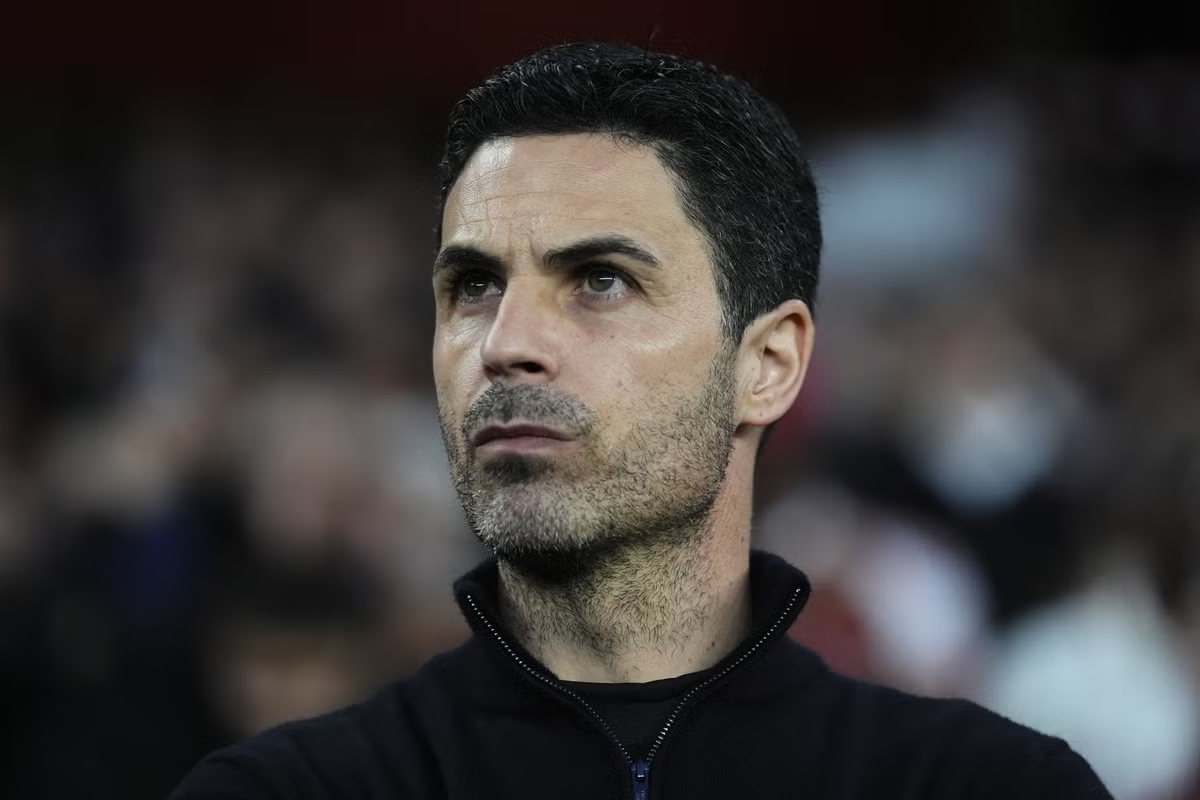
Mikel Arteta has unequivocally stated that playing for a draw in Arsenal’s crucial Premier League encounter against Manchester City on Sunday has not crossed his mind “for one second”.

The Gunners travel to the Etihad Stadium holding a six-point advantage over Pep Guardiola’s side, with avoiding defeat potentially pivotal in their pursuit of a first league title in 22 years.

Despite the high stakes, Arteta remained resolute in his pre-match press conference.

“I’m not going to spend one second talking about that,” he declared when asked about a defensive approach. “We prepare every game to win. That’s why we are where we are and we’re going to continue to do the same.”

Advertisement

He added, “we have earned the right to be in this position, to be challenging for the title, and with the possibility to win and the opportunity to win on Sunday, arguably against the best team and the best manager that this league has ever seen. That’s a huge privilege, and we can’t wait to play, and we’re going to prepare the game to win it, that’s for sure.”

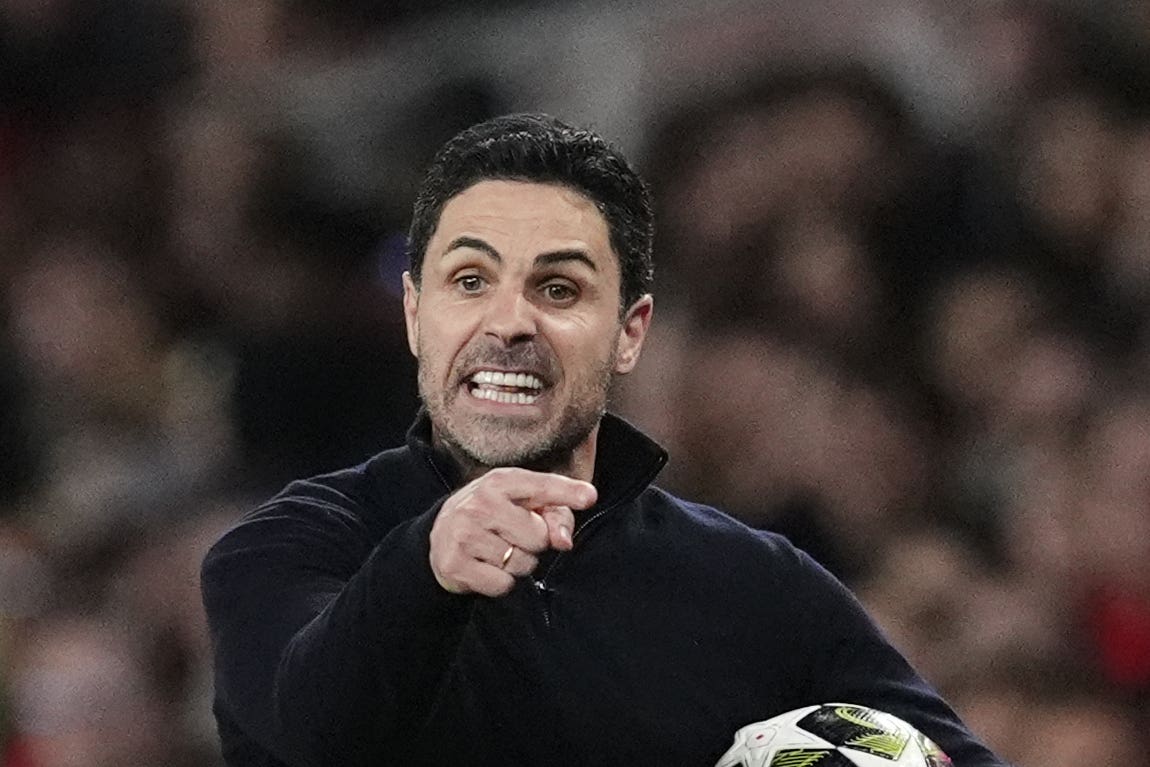
Arsenal manager Mikel Arteta will not consider playing for a draw at Manchester City (Nick Potts/PA)
Arsenal manager Mikel Arteta will not consider playing for a draw at Manchester City (Nick Potts/PA) (PA Wire)

However, Arsenal face the formidable challenge without key forward Bukayo Saka, who Arteta confirmed on Friday remains sidelined with an Achilles injury.

Saka’s absence has coincided with a concerning dip in form for the north London club, who have secured just one victory in their last five outings.

Last weekend’s defeat by Bournemouth has seemingly shifted momentum towards City, who capitalised on their rivals’ home loss with a commanding 3-0 win at Chelsea.

The fixture is being widely billed as one of the most significant in recent Premier League history. Guardiola had previously suggested that City’s championship aspirations would be over if they were to lose to Arsenal.

Advertisement

Responding to these comments, Arteta offered a pragmatic view: “There are six games to go. It’s a really important one for both teams, and it (a win for Arsenal) will incline the balance a little bit. I mean winning at this stage you are a bit closer.

“If we win the first game in the semi-final of the Champions League we’re going to be closer. That’s why it is clear we want to win the game on Sunday.”

Bukayo Saka will miss Sunday’s match
Bukayo Saka will miss Sunday’s match (PA Wire)

The last meeting between the two title contenders at the Etihad in September 2024 was a fiery affair, culminating in Erling Haaland launching a ball at Arsenal defender Gabriel and telling Arteta to “stay humble” amid a post-match clash.

When questioned if he ever understood Haaland’s remarks, Arteta simply replied: “No.” He then added with a smile: “That’s one of the nicest things that you can get told. It’s obviously an extremely competitive match between top sides that are looking to win the Premier League. It doesn’t get better than that and that competition for sure is going to be seen on the pitch.”

While Saka is out, Noni Madueke, who limped off in Arsenal’s draw with Sporting Lisbon, is expected to be fit for Sunday.

Advertisement

Martin Odegaard, Jurrien Timber and Riccardo Calafiori will all undergo assessments on Saturday, adding further uncertainty to Arsenal’s squad ahead of the pivotal clash.

Source link

Continue Reading

Trending

Copyright © 2025