The Helsinki Beatrice Striped Lounger has a reclining mechanism and a padded headrest for added comfort
Zoe Chamberlain and Rahaf Ali
11:58, 26 Mar 2026
This article contains affiliate links, we will receive a commission on any sales we generate from it. Learn more
Dunelm has unveiled a new lounger for summer 2026 that’s evoking ‘retro British beach holiday vibes’ among our shopping writers, as it resembles a classic deckchair but with enhanced comfort. Priced at just £39, the Helsinki Beatrice Striped Lounger promises a ‘weightless feel for optimal relaxation’.
The vintage aesthetic is achieved through its green and white stripes. A reclining mechanism allows for easy transition from sitting upright to leaning back with legs elevated. An added padded headrest pillow ensures extra comfort, reports Birmingham Live.
Advertisement
Moreover, it conveniently folds flat for straightforward storage. From superstar gigs to cosy pubs, find out What’s On in Wales by signing up to our newsletter here
“Offering a gently weightless feel, this lounger features a smooth reclining mechanism that lets you move easily from sitting upright to fully laid-back with your legs raised.
“The fresh striped design brings a relaxed, summery look to your garden or patio, while the padded headrest adds extra comfort where you need it most.
Advertisement
“Finished with a practical fold flat design, it’s easy to store away when not in use.”
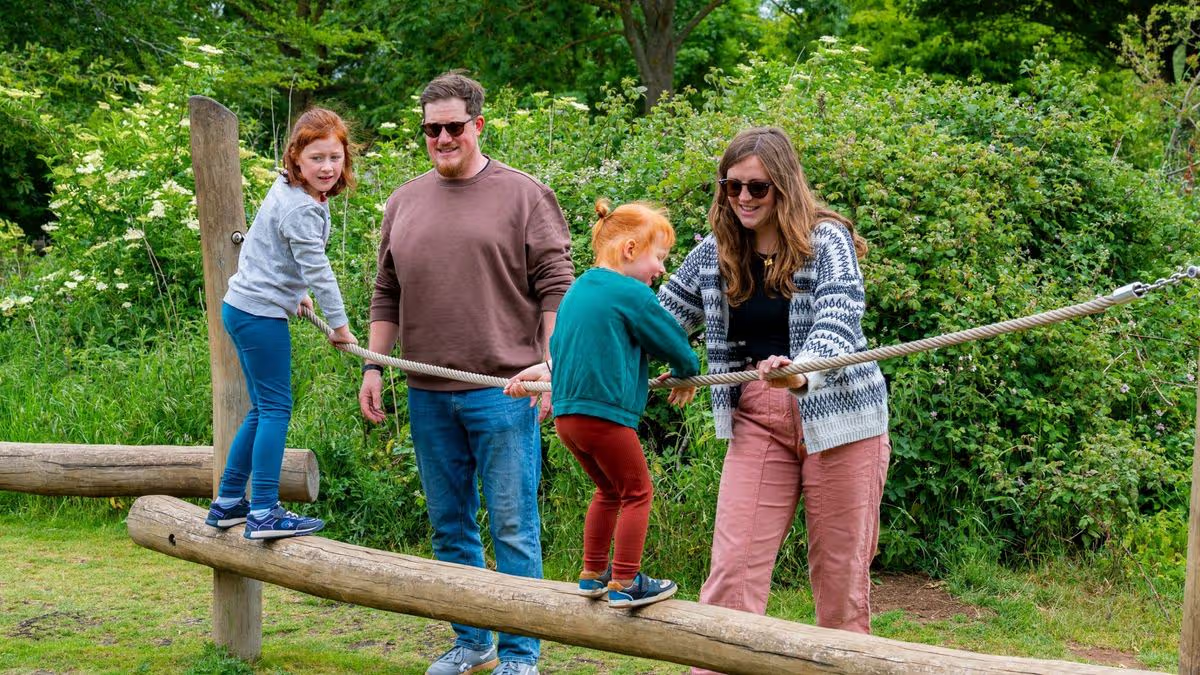
A trip to the park is a family favourite activity so here are some of the best parks in Cambridgeshire to visit this summer
Taking a trip to the park is a popular way to keep children busy throughout the spring and summertime. It can also be incredibly cheap thanks to green spaces being free and available to everyone, leaving some extra money for a treat during the day.
Advertisement
Cambridgeshire has a range of parks to explore with playgrounds and other activities for kids to get involved in. No matter where you are in the county, you will be able to find somewhere to enjoy some sunny weather while your children go off and play.
If you are new to the area or want to visit a different park from your usual choice, you might want to check out one of these popular choices . CambridgeshireLiveasked its readers to tell us which parks in Cambridgeshire are the best and here are the three that came out on top.
3. Great Shelford Recreation Ground
Location: Woollards Ln, Great Shelford, Cambridge CB22 5LZ
The recreation ground in Great Shelford managed to get third place in our poll. The commuter village is hugely popular with families and is often regarded as one of the best places to live in Cambridgeshire thanks to its local facilities, including the park.
Advertisement
The ‘Playscape’ can be found on the recreation ground and has been “designed to be inspiring and inclusive for all”. The playground features a range of things for children to explore such as swings, a sandpit, towers, and an accessible trampoline.
Found at the back of an industrial estate in Milton, this country park is a popular place to take dogs for a long weekend walk. However, Milton Country Park also has lots of other activities to get involved in like an outdoor play area, cycle paths, and even laser tag.
Thanks to the large lakes found in the park, the area is a good spot for water sports with lots of classes available to book from paddle boarding to canoeing. The Grounds Café is right next to one of the lakes and offers families a place to enjoy a hot drink and a piece of homemade cake.
Advertisement
1. Nene Park
Location: Ferry Meadows in Nene Park, Peterborough PE2 5UU
For anyone who has been to Nene Park in Peterborough, it is probably unsurprising that it has topped our poll. It is easy to visit Nene Park multiple times and do completely different activities each time.
Ferry Meadows, which can be found at the heart of the park, has three playgrounds for children of all different ages, a visitor centre with a gift and farm shop, and café that over looks Overton Lake. The park also has a mobile climbing wall, boat trips, and lots of water activities you can book before your trip.
The proposal relates to 172–174 Crook Street, a three-storey property formerly known as the Church Hotel.
The ground floor is currently occupied by Baba Jee’s restaurant which is temporarily closed, with office space above.
Developers are seeking prior approval from Bolton Council to convert the first and second floors into eight self-contained flats, with four units on each floor.
The ground floor restaurant would remain unchanged.
Advertisement
Proposed layouts of the flats (Image: Bolton Council)
Planning documents state the scheme would create four flats on each of the upper floors, with bin and cycle storage provided at the rear.
No external alterations to the building are proposed.
The site sits just outside Bolton town centre in a mixed-use area close to the main transport interchange.
Applicants say the location is sustainable and well connected, with seven parking spaces included in the plans.
In the supporting statement, the applicant argues the development meets national permitted development rules and would provide acceptable living conditions, including adequate natural light and protection from noise.
The building is not listed and is not within a conservation area or flood risk zone, according to the application.
Bolton Council will now assess the plans, with residents able to comment before a decision is made.
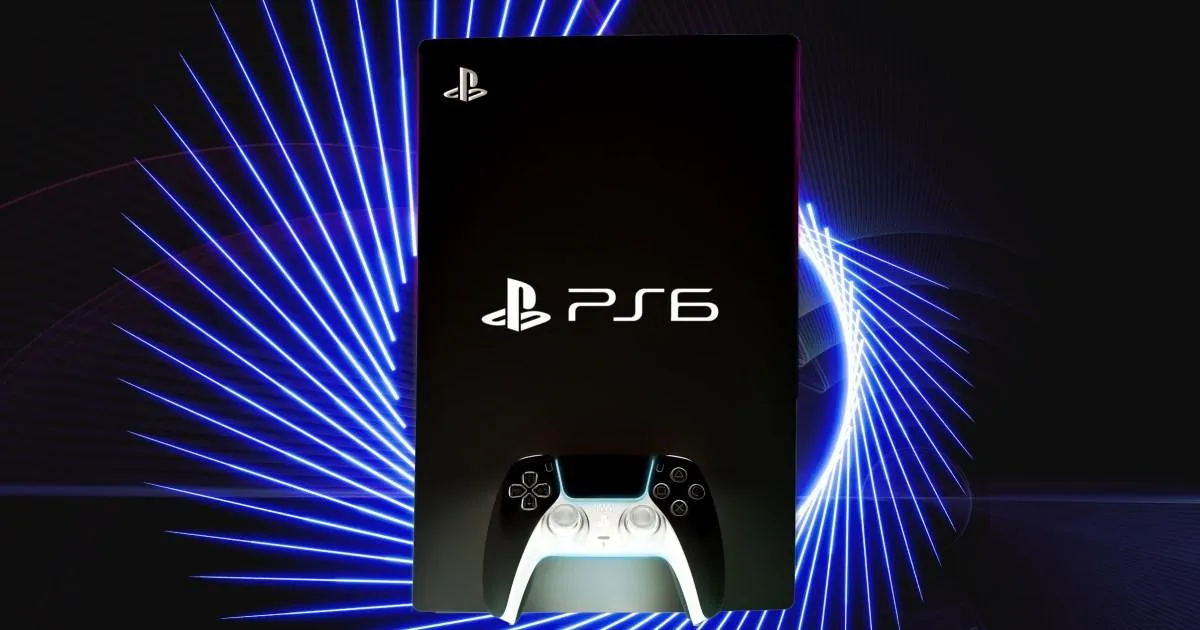
The PS6 is not going to be an impulse purchase (Metro)
The Monday letters page encourages Capcom to make more Resident Evil DLC, as a reader reports back on the Mortal Kombat 2 movie.
Games Inbox is a collection of our readers’ letters, comments, and opinions. To join in with the discussions yourself email gamecentral@metro.co.uk
Zero planning PlayStation 6 can be delayed forever as far as I’m concerned. I’m a fairly keen gamer and I can tell you the last thing I’m going to spend money on at the moment is £500+ for a new console that doesn’t need to exist. I cannot believe I’m the only person in a similar situation and yet apparently they’re going ahead with it all anyway.
I would be very interested to hear from anyone who is definitely planning to get one and are you saving up for one already? I know it might get delayed now but the original plan seems to have been that it’ll be out next year, so surely people weren’t going to pay for that out of pocket? You’d have to be preparing for it.
Advertisement
Well, I can say that I am definitely not doing that. Hell, I’m having to save up for GTA 6, because I want that day one and we still don’t know how much it’ll cost (although hopefully we’ll get pre-orders this month). Goliath
DLC forever I definitely would’ve preferred The Mercenaries but I’m having a lot of fun with Leon Must Die Forever mode right now, in Resident Evil Requiem. I can imagine that was the quickest one to make, so that’s why it’s coming out first, and the menu option definitely gives away that there’s going to be more of them.
Expert, exclusive gaming analysis
Sign up to the GameCentral newsletter for a unique take on the week in gaming, alongside the latest reviews and more. Delivered to your inbox every Saturday morning.
Advertisement
I like this idea of keeping single-player games going through a constant stream of DLC, especially relatively short ones like Requiem. If I were them, I’d add things to lead into Resident Evil 10 as well, like The Witcher 3 is apparently doing.
They sort of did this with Resident Evil 2, by adding the Nemesis noises outside the police station, in the build up to Resident Evil 3, but that was pretty subtle. I don’t know if anything can connect Requiem to Code: Veronica or Zero but that would be neat too, especially as those two games got sidelined pretty quick the first time round. How about adding Billy Cohen into Requiem? Orkey
Changing the schedules Great to see Pokémon Pokopia selling so well. A 4:1 attach rate for a game after just a few weeks is incredible and shows just how popular it is. The fact that Donkey Kong Bananza is only a little bit more, despite being nearly a year old now, also says a lot about how that game has only been an average hit.
Advertisement
I think it’s a good game, but I’d be interested to know why it wasn’t a bigger success, or at least why Nintendo thinks it wasn’t. I think the most likely option is just that it came out too soon after launch and people have only got so much money.
I wonder if Metroid Prime 4 had come out in July and Donkey Kong in November or December, if that would’ve turned things around a bit. That way Metroid’s failure wouldn’t have mattered, Nintendo would’ve had a proper Christmas game, and Bananza would’ve had quite a bit of space between it and Mario Kart. It could’ve made quite a bit of difference, I think. Tacle
The old guard Full salute to Takashi Tezuka on his retirement from Nintendo, it’s clearly very well deserved. Nintendo may not be on a high at the moment, but I think one they’ve always done very well is train up a new generation for when the old legends are gone. I don’t think Miyamoto has made a game properly himself since the first Pikimin and Tezuka and a bunch of others are in the same position.
Advertisement
Despite the iconic legacy of these people, they’ve been making efforts to make sure they’re not indispensable for decades now, which is very encouraging.
This strikes me as being the exact opposite of all these American companies laying off hundreds of developers at a time, wiping out all this ‘institutional knowledge’ and making anyone that’s left fearful and resentful. I bet Mario and Zelda will still be great in another 30 years, I wouldn’t bet that about any Western franchise. Holbert
May the Schwarz be with you As an aside to the Star Fox reveal on Switch 2, am I the only one whose ears pricked up at 10.34 to 10.47 (on the official UK Nintendo YouTube vid, immediately after the presenter’s finger click)? It sounded very much like the start of the OG Star Wars film at the end of the credit crawl, just before the ships come into frame.
Advertisement
The visuals even have the panning down to the planet straight after, I was half expecting a Star Destroyer to come into view. TheTruthSoul (PSN ID)
GC: The whole of the Star Fox series is heavily influenced by Star Wars and whatever other sci-fi films happened to be contemporary at the time. Star Fox 64, for example, has a level very obviously inspired by Independence Day.
Men in black An interesting look at the way games publishers are talking about AI at the moment. The idea that they have to pretend they’re using it more than they are to investors, but less than they are to fans, almost makes me sympathetic towards faceless execs.
The examples the Sony guy gives all sound perfectly reasonable, but I’ve heard Epic Games saying that AI is only there to help developers and not replace them. Except they’ve laid off nearly 2,000 people in the last couple of years so that obviously doesn’t track.
Advertisement
For me, the Project Helix reveal is going to be the testing point for AI in gaming. If Microsoft go all in on some sort of DLSS 5 focused slop factory, as they clearly wanted to originally, then that is going to open the door for this to problem to rumble on for years.
If it’s just a bunch of buzzwords and stuff like making hair easy to animate though, then we could be looking at another victory over the men in suits, to add up alongside lootboxes and NFTs. Generative AI in games isn’t any more inevitable than those other things and I feel like the tide is already turning in our favour.
It seems ridiculous that we’ve constantly go to hope that companies won’t shoot themselves in the foot like this, but this is a tale as old as gaming, unfortunately. And when they give up on AI it’ll be some new scam after that too. Ashton Marley
Flawless victory RE: Mortal Kombat 2 film. I just watched it and I absolutely loved it. I honestly haven’t enjoyed a film that much at the cinema in years. Everyone gets their time to shine, Shao Khan is an absolute beast, really great fight scenes, lots of nods to the games and a bit of nostalgia right at the end.
Advertisement
Absolutely brilliant and highly recommended. It won’t win any Oscar but it’s just a fun film. Simon
Don’t miss Gaming news! Add us as a Preferred Source
As a loyal GameCentral reader, we want to make sure you never miss our articles when searching for gaming stories. We have all the latest video games news, reviews, previews, and interviews, with a vibrant community of highly engaged readers.
Click the button below and tick Metro.co.uk to ensure you see stories from us first in Google Search.
GameCentral has been delivering unique games news and reviews for over a decade
Pragmatic response Excellent review of Pragmata, which I did not expect to be a nine out of 10 game. When GC said no bugs were found, I did have a starting problem when, after buying Pragmata off the PS Store and downloading it, the game, after getting through the initial set-up, the game failed to load during the second bottom right loading icon and the PlayStation 5 error code appeared.
So, I checked Google for a fix and after a few system setting changes and cache/rebuilding databases, etc. it worked. Never seen that happening before, something about a handshake operation or something to initiate the starting process.
Either way, the game definitely is a clean and well-made experience, with the crisp graphical effects and the overall smoothness of animation in general. The music blends into the gameplay and background without being memorable overall in any way, but just what it’s supposed to do.
Advertisement
Gameplay-wise is where it counts though and here it does the business spot on, with the two characters interacting with each other, reminding me of Midna and Link in Zelda: Twilight Princess.
The mechanics and controls of the on-screen action are near perfect, with a great emphasis on style, fluidity and innovation. I was going to ultimately give this game a play check with streamers or content creators, but hung back and just trusted less of an investigation and went for it.
The length of the game being of average was also within the time I could spare, without having to worry about exploration and just following a more linear path and story.
Overall, a very well-produced game, which hits most things a gamer wants for a modern day experience, bringing out a vibrant graphical world with near perfect gameplay mechanics. Definitely well recommend and, for me, one of the surprising moments of this year so far, as I just never thought Pragmata would go all the way to being a modern classic. GG to Capcom and the RE Engine in general. Alucard
Advertisement
Inbox also-rans Although I admit a Zelda: Ocarina Of Time remake does seem likely we are all going to be so gutted if it’s not true. Nintendo aren’t exactly one to do the obvious thing, after all. Focus
Just your monthly reminder that Atlus still hasn’t announced Persona 6 and we have absolutely no idea, not even a rumour, of when they will. Paraninja
The small print New Inbox updates appear every weekday morning, with special Hot Topic Inboxes at the weekend. Readers’ letters are used on merit and may be edited for length and content.
Advertisement
You can also submit your own 500 to 600-word Reader’s Feature at any time via email or our Submit Stuff page, which if used will be shown in the next available weekend slot.
You can also leave your comments below and don’t forget to follow us on Twitter.
PHILADELPHIA (AP) — Jalen Brunson, Josh Hart and the New York Knicks are back in the Eastern Conference finals, tying the NBA postseason record with 25 3-pointers in front of a raucous crowd rooting for the road team and rolling past the Philadelphia 76ers 144-114 on Sunday to sweep the second-round series.
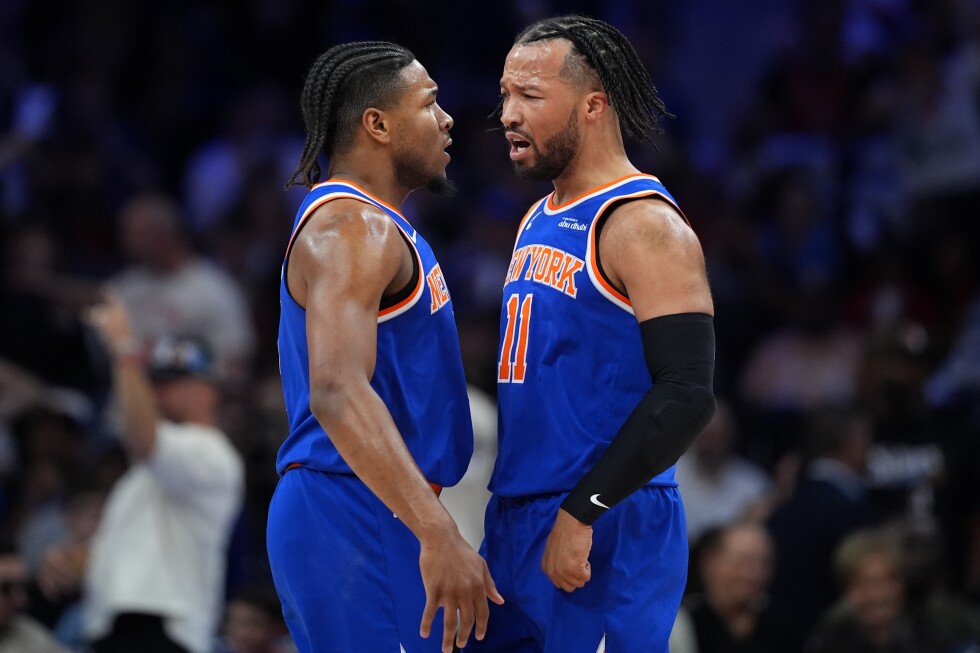
Deuce McBride started in place of the injured OG Anunoby and hit seven 3-pointers, going 4 for 4 in the first quarter when the Knicks had another record with 11, and scored 25 points. Brunson had 22 points and Hart and Karl-Anthony Towns each scored 17 in the Knicks’ latest lopsided playoff victory.
The Knicks’ 19.4 point-per-game margin of victory is the largest through two rounds since the playoffs went to 16 teams in 1984.
“It’s just us being very locked in to the moment,” Towns said.
Advertisement
The Knicks advanced to the East finals for the second straight season and will play the winner of the Cleveland-Detroit series. The Pistons lead 2-1.
“Our guys tried to take it to another level with their focus on the details and their energy and effort level,” Brown said. “That’s a lot of the reason why we’re playing pretty good basketball.”
Knicks fans made a habit of scooping up tickets by the thousands at the Sixers’ arena for playoffs games over the years, and in Game 4, they may have made the loudest statement yet. They raised brooms outside the arena and waved “Always Knicks” towels once inside, all while noisily neutering the few Sixers fans that didn’t make a few extra bucks on the secondary market and stuck around.
Advertisement
The 76ers’ franchise failed to stop Knicks fans in their effort to buy tickets.
The 76ers were greater failures in trying to stop the Knicks on the floor.
Game 4 was a laugher from the tip, with the Knicks using the 3-point arc as a starting point for their personal pop-a-shot game.
With Knicks fans on their feet and exclaiming “Deuuuce,” McBride hit one, two, three, four — four! — 3-pointers in succession for a 20-6 lead and the Sixers were already on their heels. McBride became the first Knick (since play-by-play tracking began in 1997) to hit four 3s in the first quarter of a playoff game.
Advertisement
New York’s 3-point records were just heating up.
Brunson added two in the period (six total) to help make the Knicks 11 of 13, which tied the NBA mark for most makes in a quarter.
The Knicks totaled 18 3s in the first half to score 54 points off the long ball, compared to 57 total for the 76ers. Overall, that was an 81-57 lead and helped power the Knicks toward their first best-of-seven series sweep since the 1999 East semis against Atlanta.
The Knicks scored 80-plus points in the first half twice in five road playoff games this season.
Advertisement
The second half was a mere formality, and the Sixers are headed home after a gutsy 3-1 series comeback to beat Boston in the first round.
“The energy was a big gap between their energy and our energy, I thought,” Sixers coach Nick Nurse said.
Joel Embiid ended another injury-riddled season with 24 points, Tyrese Maxey had 17 and the Sixers still have not advanced out of the second round since 2001.
“I came into this year not knowing where I was going to be (with health), how long I was going to play, if I was even going to play based on how the knee was the last few years,” Embiid said. “I came in just hoping for the best and I feel like we’re in a position where we figured out the knee. It hasn’t been an issue.”
Advertisement
Towns had 10 assists. Hart hit four 3-pointers and celebrated by stripping off his jersey and tossing it to a woman in Sixers gear.
“My right hand remembered that the goal was to make 3s,” Hart said. “Happy to have her back.”
If the sweep and the Knicks’ fan takeover didn’t saddle the Sixers with enough bad news, there was one final cutting blow to the ego — Philadelphia’s two first-round 2018 draft picks are still playing: Mikal Bridges and Landry Shamet, of course, for the Knicks.
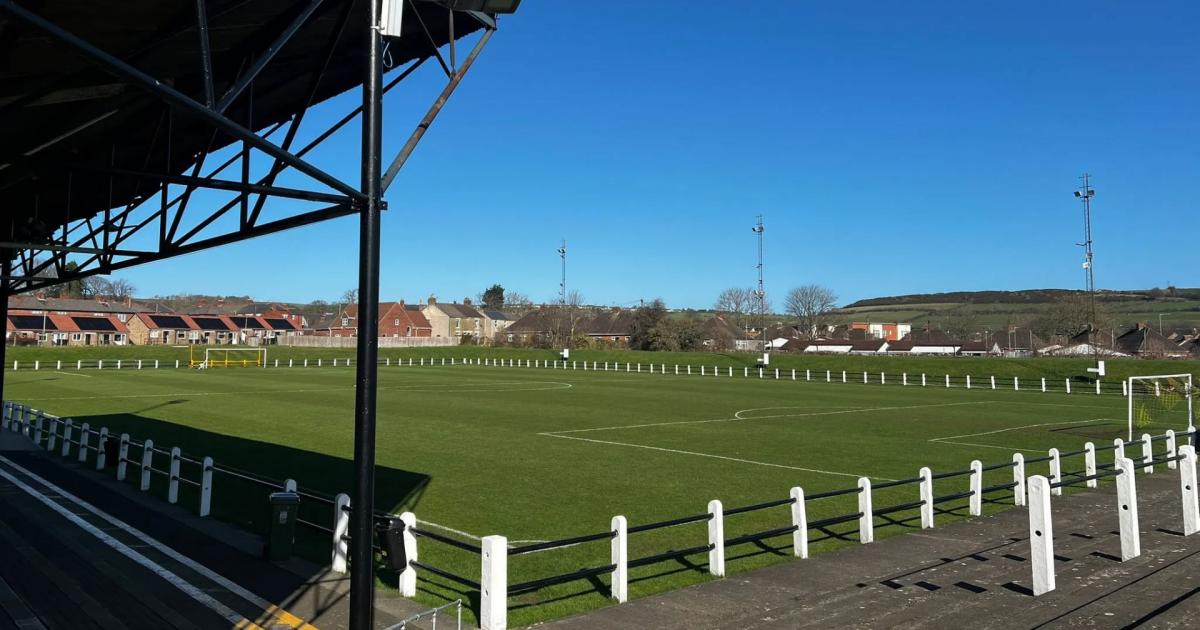
The incident took place overnight at The Footballers Bar at Crook Town AFC on Friday (May 8), where intruders forced entry, stealing cash and alcohol and leaving behind extensive damage.
As well as gaining access to the building, those responsible caused “severe damage to the interior of the clubhouse and till.”
In a statement shared online on Saturday, the club said: “Last night, The Footballers Bar was broken into with cash and alcohol being stolen, as well as damage caused by entry and severe damage to the interior of the clubhouse and till.”
Crook Town AFC (Image: CROOK TOWN AFC)
CCTV images of the suspected intruders have been captured and passed to police, who are now investigating.
Advertisement
The club has urged anyone with information, “however small”, to come forward to assist officers with their enquiries.
Crook Town AFC highlighted the vital role the clubhouse plays within the local area, describing it as a hub not just for football, but for life’s most important moments.
“Our clubhouse is well used on match days but also for our town’s birthdays, christenings and wakes, as well as local companies to aid our community’s learning,” the club said.
The venue also serves as a crucial support space during the winter months, offering warmth and companionship to elderly residents.
Advertisement
Crook Town AFC has included CCTV images in its post below:
“We also use it as a warm space in the winter to help the local elderly,” the statement added.
“So to have someone undo all our brilliant work, all done by volunteers, is utterly heartbreaking.”
Advertisement
The club says it works tirelessly to provide facilities the town can be proud of, making the incident all the more painful.
“We work hard to give you all a ground and its facilities, to be proud of,” the statement continued.
“For this to happen just breaks the soul and uses cash to remedy that could be used elsewhere when money is so tight for us all already.”
Despite the setback, Crook Town AFC has been buoyed by messages of support and is now focusing on helping police identify those responsible.
Advertisement
“Anyone who may have information, however small, that you think can help us, please come forward,” the club said.
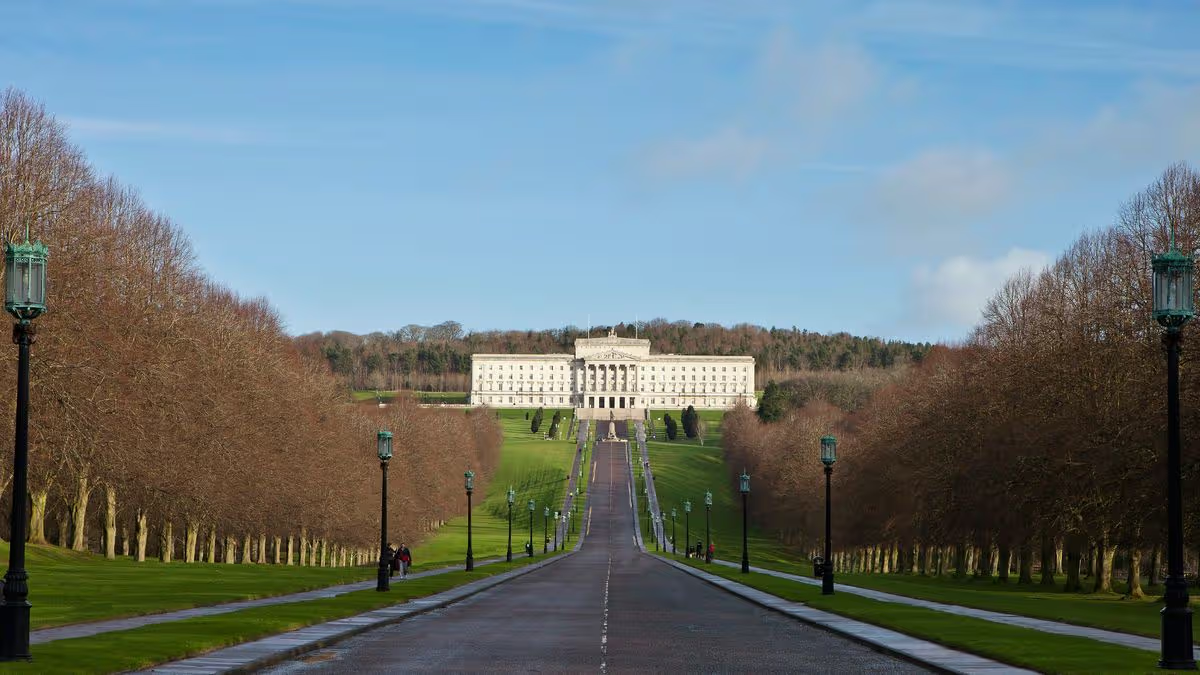
Writing for Belfast Live, Professor Stephen Farry explains the implications of Stormont having no agreed budget
Setting a budget is the most fundamental duty of any government. We are now over a month into the current financial year, and we continue to await Executive agreement on a budget.
Advertisement
It remains unclear if and when Northern Ireland will see a budget, and further if that budget will be multi-year or single-year. The legal backstop measure of the Permanent Secretary in the Department of Finance authorising expenditure at 95 per cent of last year’s allocations has already been put in place.
The backdrop to this budget impasse is deep financial crisis. Public services in NI are not sustainable under their current guise and configuration, bearing considerable opportunity costs.
The pattern of recurring overspends over the past four financial years, which have been addressed by short-term interventions, such as better than expected Barnett Consequentials or the reserve claim from Treasury, are testament to this situation. Further overspends are already projected for the current financial year.
Indeed, there is a danger that not agreeing a budget becomes a politically easier outcome than the difficult decisions and compromises in reaching formal agreement on allocations over one or more years.
Advertisement
Continued delay or even failure to agree entails negative consequences for Departments, alongside Arms-Length Bodies and the community and voluntary sectors, which deliver crucial services for government.
The outcome of the multi-year UK Spending Review has been in place since June 2025. This provides the Executive with the opportunity to put in place NI’s first multi-year budget since the 2011-2014 period. Prior opportunities for such a multi-year budget were hampered by the absence of working institutions.
There is, of course, a process for the Department of Finance to undertake with the NI Departments to shape local draft proposals. Further, the relatively late UK Budget last autumn, with the potential to alter allocations on the margins, created further uncertainty.
However, both Scotland and Wales did announce their budgets for 2026-2027 in January this year. In one respect, it is easier for NI to introduce and sustain a multi-year budget, notwithstanding the missed opportunities in the recent past. Whilst Scotland and Wales are engaged in elections with uncertainty as to the make-up of the incoming administrations, given our particular system of government, there is a considerable consistency of parties in power.
Advertisement
For reference, in early 2011, the outgoing Executive agreed the 2011-2014 multi-year budget even though all of those relevant financial years would fall into the subsequent mandate.
Whilst a multi-year budget doesn’t in itself place more resources on the table, it would allow a more strategic approach to spending, enable renewed investment and reform, address market failures, and safeguard future outcomes.
However, merely agreement of a multi-year budget that is just a set of numbers does not in itself equate to a strategic outcome. That comes from a clear focus upon transformation and alignment of resources in line with a Programme for Government.
Further, it is worth noting that there is an ongoing misalignment between the timing of opportunities for multi-year budgets and the agreement of Programmes for Government.
Advertisement
This could be improved if the Executive returned to an outcomes-based framework and put in place a rolling and evolving programme, which on paper could be much easier to maintain given the consistency of parties in power.
Yet the delay regarding agreement on any budget brings many immediate challenges. When Departments and Arms Length Bodies cannot adequately plan ahead, this brings uncertainty on workforce plans and service delivery, and even entails some staff being placed on protective notice in the community and voluntary sector.
Where savings and efficiencies do need to be made by Departments to remain within budget allocations, it is challenging enough to make and implement those measures over a 12- month horizon, never mind a reduced 11-month window or less.
Without agreement on a budget or agreement on a budget where it is commonly recognised that the budget would be broken by significant overspends by many departments, NI would limp to the next Assembly Election with greater chaos and distance from a strategic approach that is ultimately required for financial sustainability and better outcomes.
Advertisement
The hope may be for a further Treasury response. Notwithstanding the moral hazard, this is unlikely in the current UK fiscal context. This begs the question as to what the UK Government would do in response to overspends and the scale of negative impact from this short-termism.
Stephen Farry is a Professor of Strategic Policy in Practice at Ulster University.
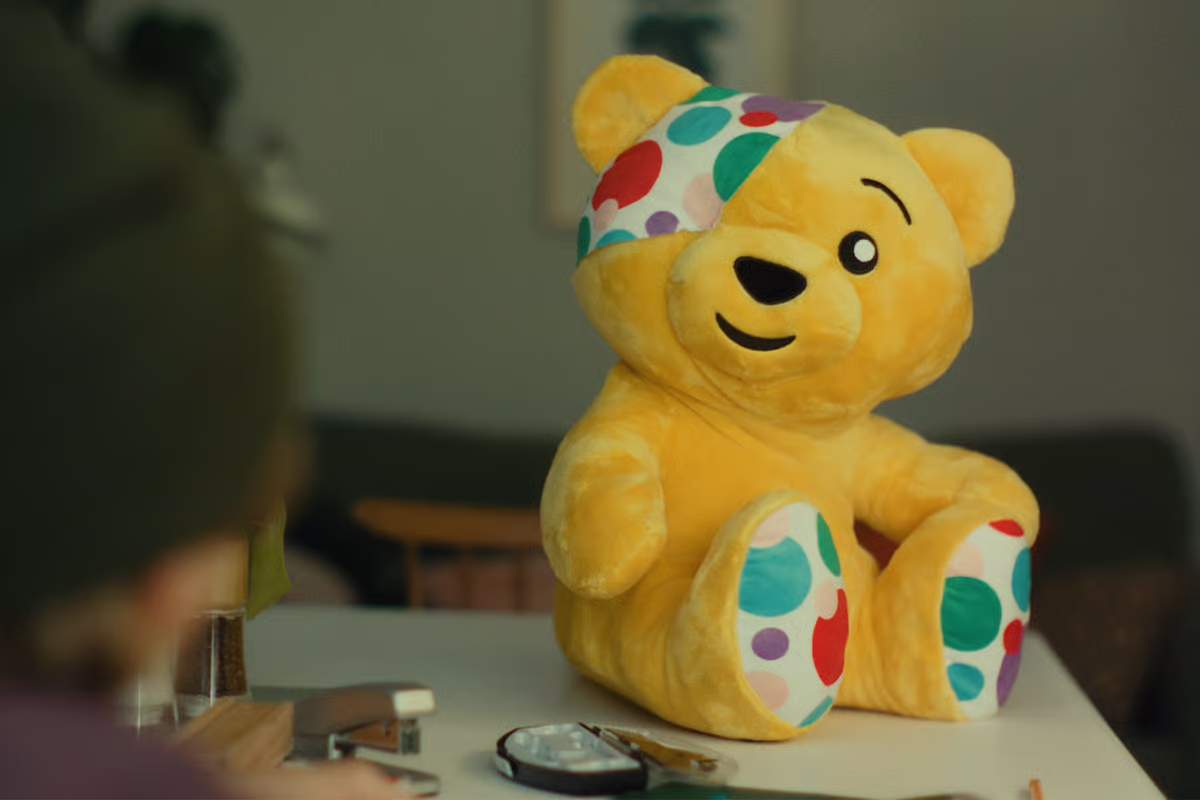
“Pudsey has stood alongside children for over 40 years, and now, for the first time ever, he’s finding his voice. Pudsey is finding his voice because too many children feel they can’t share what they’re going through, and too many adults aren’t sure how to start that conversation.
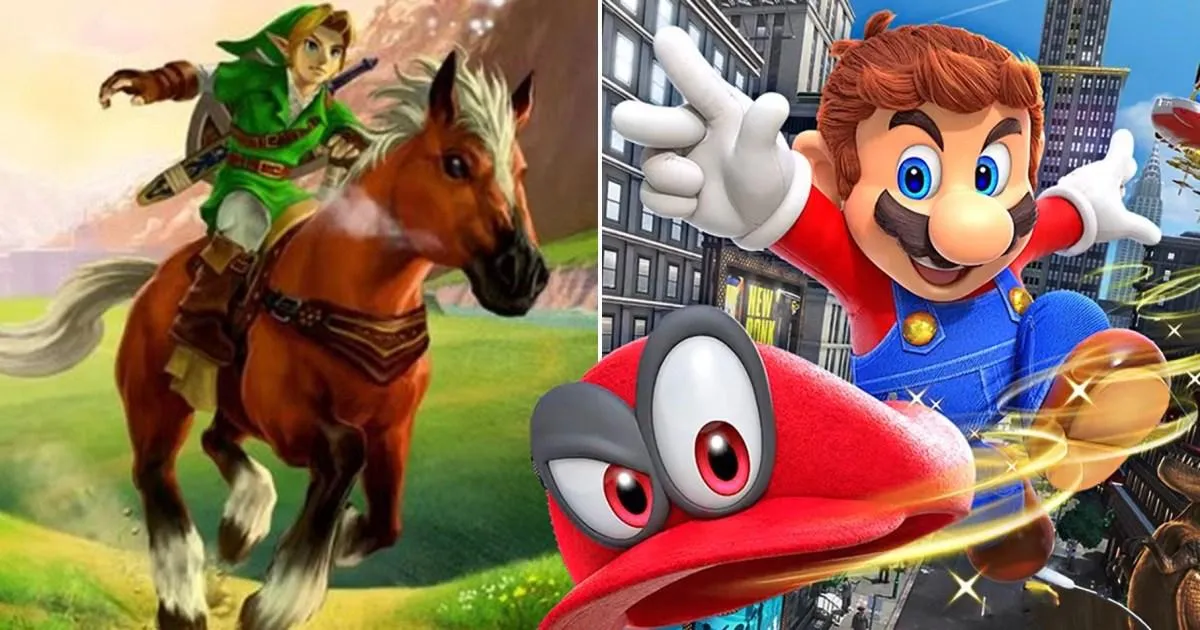
A Zelda remake is rumoured for this year and 3D Mario for 2027 (Nintendo)
The Switch 2 may now be being sold at a loss, as Nintendo insists that the upcoming price hike doesn’t completely compensate for the rising cost of manufacturing.
There are always several mysteries revolving around Nintendo at any given time but the most perplexing at the moment is why they haven’t had a first party Nintendo Direct, to lay out all the games coming out for the rest of the year.
Sony and Xbox have both had their equivalents and usually Nintendo has an event in January or February. But despite six separate Directs so far, all of them have been minor affairs and no major new games have been announced so far this year.
One could go mad speculating as to why, but the most important question is whether this is all according to plan, from Nintendo’s point of view, or if they view it as a mistake. We don’t know the answer to that, but they have now promised to do better in the future.
Advertisement
We still don’t know how what the new UK price of the Switch 2 will be, when it comes into effect in September – because Nintendo has only announced it for Japan, the US, and Europe – but it’s likely to be roughly a £30 increase, to around £430.
Nintendo is following in the footsteps of Sony and Microsoft, who have both increased the cost of their consoles multiple times, with everyone being at the mercy of the current memory crisis, where RAM chips are being bought up in bulk to power AI data centres.
Expert, exclusive gaming analysis
Sign up to the GameCentral newsletter for a unique take on the week in gaming, alongside the latest reviews and more. Delivered to your inbox every Saturday morning.
Advertisement
The Switch 2 is already unusually expensive for a Nintendo console, and it seem clear the company is not happy at having its hand forced in this way. In fact, president Shuntaro Furukawa has issued an open apology to fans:
‘We sincerely apologise to our customers for the considerable inconvenience and trouble this will cause. While we wanted to prioritise a wide adoption, it was challenging to bear the rising costs over a long period. The [new] pricing does not fully account for all cost increases.’
That last sentence implies that Nintendo is still making less money on the console than they were, even with the price increase, and they may now even be selling it at a loss. The comment could also hint at more price increases to come, which is what happened with Sony and Microsoft as well.
Advertisement
The Switch 2 is getting more expensive for everyone, including Nintendo (Nintendo)
Furukawa didn’t offer any detail on the Switch 2’s upcoming line-up, or a future Nintendo Direct, but he did say the following:
‘We will prepare a robust software lineup to enhance the Switch 2 ownership value. We will work diligently to overcome this barrier.’
Although you can never tell with Nintendo – especially considering the Star Fox annoucement last week came out of nowhere, with just 10 minutes warning – it’s now very likely they won’t have a major Direct until their usual not-E3 time slot of mid-June.
We’d normally say there’s no way of knowing what they’ll announce but unusually there have been quite a few Nintendo rumours lately, including Star Fox. The most believable at the moment is of a Zelda: Ocarina Of Time remake, which many reliable sources claim will be out this year.
Advertisement
Nintendo hates leaks, and often changes their plans as much as possible to prove them wrong (the Star Fox rumour originally claimed a slightly earlier reveal), but they have to announce something for this Christmas and Zelda: Ocarina Of Time would certainly be welcomed by many.
Furukawa may have been purposefully vague in his comments but he’s clearly hinting at multiple games, and currently the only major first party titles confirmed for this year are Star Fox, Splatoon Raiders, and Fire Emblem: Fortune’s Weave. There’s also The Duskbloods, but that’s by FromSoftware and, slightly worryingly, hasn’t been seen since last year.
In terms of other rumours, leaker malo932, who is relatively unknown but the first to correctly predict the new Star Fox game, has corroborated existing rumours of not only Ocarina Of Time, but also a new Wii Sports related title.
He also claims there’s another, non-remake, Star Fox coming next year, alongside a 3D Mario game. Finally, he suggests a Super Metroid remake is relatively imminent and that a new Wario Land is in development, possibly for release in 2027.
Advertisement
There’s no guarantee that all of that will be shown this summer, even if it is all true, but if Ocarina Of Time is being positioned as the big Christmas game you would expected to see that.
After all, the first thing any company, in gaming and beyond, turns to in a tight spot is nostalgia and on that account it doesn’t get much bigger for Nintendo than the N64’s first, groundbreaking The Legend Of Zelda entry.
Nintendo needs a bigger hitter than a single-player Splatoon (Nintendo)
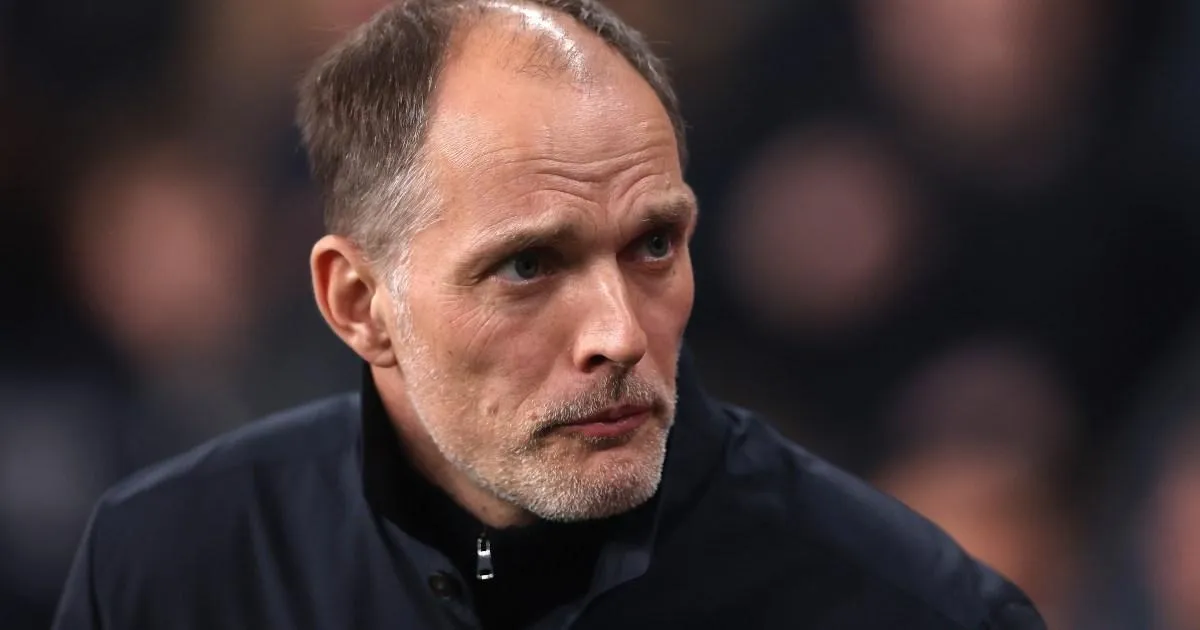
Despite those poor results, Thomas Tuchel’s side are still one of the favourites going into the tournament, having reached back-to-back European Championship finals under previous boss Sir Gareth Southgate.
Cole believes the Three Lions can end their 60-year wait for a World Cup trophy this summer but only if Tuchel, who took charge last year, picks the right team.
Ex-Chelsea manager Tuchel has selection dilemmas in a number of positions, including at centre-back, central midfield and on both wings, with the preliminary squad needing to be submitted by May 11 and the final 26-man squad by May 30.
Cole thinks he has the solution to one of England’s selection debates, however, insisting Palmer should start on the right-wing ahead of Arsenal’s Bukayo Saka.
While Cole has backed Palmer to start for England at the World Cup, he also wants Tuchel to put faith in Newcastle United’s Anthony Gordon on the other flank.
Advertisement
Cole believes Tuchel should overlook Saka but says his Arsenal teammate Declan Rice could be the most important member of England’s squad.
‘Right, this is my England team for the World Cup,’ Cole, who earned 56 international caps, said on The Dressing Room podcast.
‘I’m going Jordan Pickford in goal. Reece James, Marc Guehi, John Stones – I would have liked him to have played more games of football this season but you need experience at the World Cup and he’s massively experienced.
Joe Cole’s England team for the World Cup (Picture: Metro)
‘You always have that fear of him breaking down but maybe it will work because he’s fresh, knows what he’s doing and brings experience.
Advertisement
‘At left-back I do like Lewis Hall but I’m going with Nico O’Reilly because he gives that penetration going forward.
‘Declan Rice starts in midfield and I’m going to go Elliot Anderson next to him. I would have Declan a bit deeper than where he plays for Arsenal – there’s a big push for him to play further forward but we’ve got so much already going forward.
Chelsea star Cole Palmer in action for England (Picture: Getty)
‘I would tell Declan that he’s the most crucial player on the pitch and he needs to marshal that midfield. If England are going to win the World Cup we’re going to have to be really good off the ball.
‘I would have Jude Bellingham as the No. 10 but if he isn’t performing, you can quite easily make a change there.
‘I would have Cole Palmer coming in from the right like he’s been doing at Chelsea, releasing him up, and almost playing two number tens. A midfield of Rice, Anderson, Bellingham, Palmer has power, ability and goals.
Advertisement
Who should start for England at right wing?
‘On the left I would start with Anthony Gordon over Marcus Rashford because he scores goals, he’s a warrior and he presses really well and has legs to run in behind and that will help Harry Kane if he’s dropping off sometimes.
‘I think with that team we can control possession and win the World Cup.’
Group games against Ghana and Panama follow as Tuchel’s side look to advance to the knockout stages and ultimately win the World Cup for the first time since 1966.



















































You must be logged in to post a comment Login