




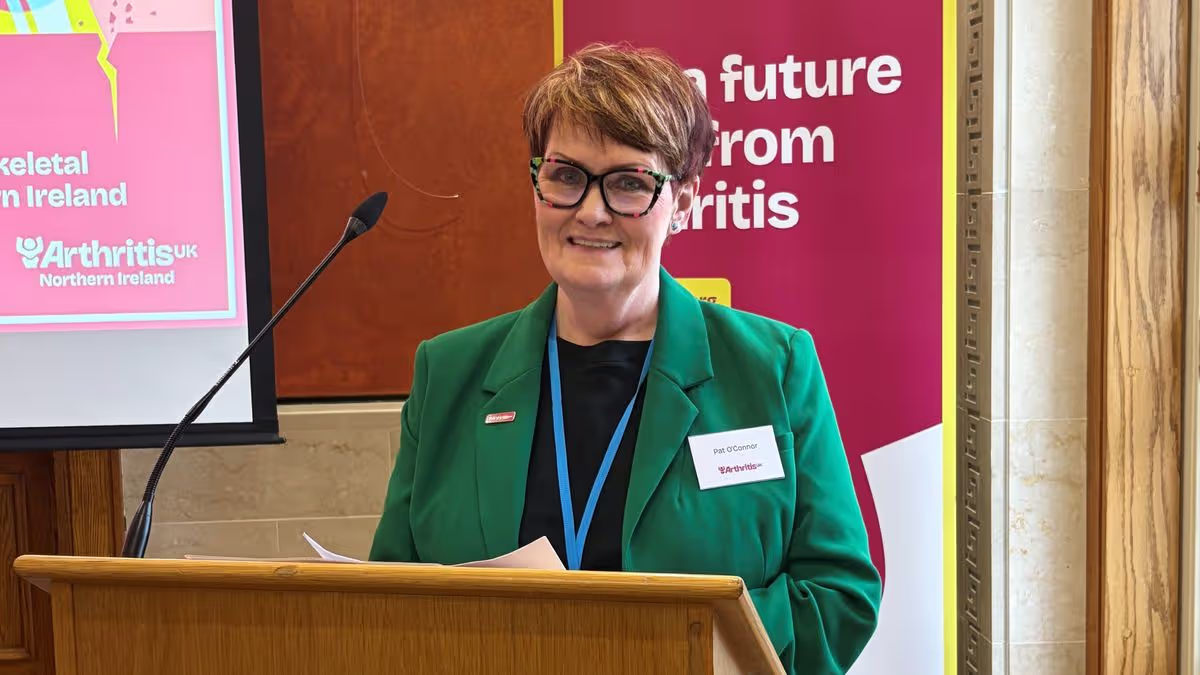
She has felt unwell and very vulnerable, suffering from depression and feeling like her ‘life was over’ at times.
A Belfast woman says arthritis diagnosis delays are leaving many people like herself in pain and in limbo.
Pat O’Connor, 68, from Belfast is one of the 550,000 people in Northern Ireland living with a musculoskeletal (MSK) condition like arthritis.
She has felt unwell and very vulnerable, suffering from depression and feeling like her ‘life was over’ at times. She’s taken it upon herself to research her condition but has felt left in the dark.
READ MORE: EastEnders star’s new series puts spotlight on ‘amazing’ care stories across Northern IrelandREAD MORE: ‘I’ve spent decades listening to people in psychological crisis’
Pat started getting pain in her left knee around 20 years ago , but it went away, then, four years ago, it started again becoming worse. About three years ago Pat went to the doctor and an x-ray showed she had arthritis in her knee.
Following her x-ray, she was given painkillers and two physio appointments after being diagnosed with arthritis and believes that a lack of information and support was instrumental in her being forced to retire early.
Despite having her x-ray and physiotherapy appointment over three years ago Pat still feels in the dark about her condition, with no one ever giving her a full diagnosis, or being told what type of arthritis she has and how to manage it.
“It has been an incredibly difficult process to receive a diagnosis and treatment. There are many hurdles and dead ends to overcome at a time when you are feeling unwell and very vulnerable.
“Ultimately it cost me my job as work became harder and I retired in April 2024, even though I felt I’d so much more to give, which left me feeling useless and wondering what my life was going to be.
“I was very low and at times felt so depressed, like life was over for me. There was such a lack of information. If someone had just taken a few minutes rather than assuming I knew where to start with researching myself—just a few minutes to tell me, to explain different types of arthritis and the effect—then it may have had less of an impact on my life.”
A new report today from Arthritis UK says too many people with arthritis are being left in pain, uncertainty and without vital support while waiting for a diagnosis.
With more than 10 million adults, young people and children in the UK living with arthritis, the charity warns that delays in an arthritis diagnosis can have major consequences for people’s health, work and independence.
The uncertainty of not knowing what is wrong can also take a major toll on mental well-being, make conditions harder to treat, while creating wider costs for the NHS and the economy.
The Silent Treatment: Why an Arthritis diagnosis matters reveals that delays are often caused not by one single long wait, but by a series of barriers across the diagnosis pathway.
Symptoms may be dismissed as minor, mistaken for ageing or work-related strain, or not recognised as arthritis at all. Once people seek help, they can face further hurdles such as difficulty getting appointments, delays accessing tests, or long waits for specialist referrals.
Last year, Arthritis UK’s report, Left Waiting, Left Behind: The Reality of Living with Arthritis, highlighted the scale of the problem. Among respondents with a diagnosis, 38% said getting a diagnosis took too long and 54% reported unreasonable waits or delays to see the relevant specialist.
This new report, launched as part of Arthritis Awareness Month, builds on that evidence by piecing together how these delays are experienced in real life.
Drawing on lived experience workshops and focus groups, as well as input from health and care professionals, the report found that diagnosis is about far more than a medical label. For many, it provides reassurance, recognition and a route to treatment, information and support after months or years of pain and uncertainty.
The sense of finally knowing that pain and symptoms were real and recognised was an area many found hugely comforting. This benefit is reflected in the charity’s previous findings, with 62% agreeing that receiving a diagnosis validated their experiences.
Arthritis UK says these experiences highlight the urgent need for UK governments to prioritise arthritis and related conditions and support health and care professionals operating in an already stretched system.
This could be faster, clearer routes to diagnosis with improved training for healthcare staff, including better recognition of symptoms, timely referral to specialist care and tailored support for people while they wait and at the point of diagnosis.
Sara Graham, Head of Northern Ireland at Arthritis UK, says people here with arthritis are waiting far too long for answers and support while living with pain and worsening symptoms.
She added: “Getting the right diagnosis quickly can be life-changing. When diagnosis is delayed, people are left in pain, uncertainty and without the support, treatment and information they need.
“In some cases, conditions may worsen while people wait, causing long-term damage and leaving people feeling isolated and alone.
“Delayed diagnosis has a wider cost. When people cannot access the care they need, it can affect their ability to work, care for families or live independently, while placing further pressure on our already stretched health services.
“Northern Ireland’s health system cannot afford for arthritis and musculoskeletal conditions to continue to be overlooked. Faster routes to diagnosis, earlier intervention, better awareness and support must become a national priority.”
The Department of Health was approached for a response.
For all the latest news, visit the Belfast Live homepage here and sign up to our daily newsletter .
















































You must be logged in to post a comment Login