Emergency services were called to Murrayfield Primary School in Blackburn just after 7.15pm on Saturday, May 16.
An investigation is underway following a fire at a West Lothian primary school last week.
Advertisement
Emergency services were called to Murrayfield Primary School in Blackburn just after 7.15pm on Saturday, May 16. Two fire appliances were dispatched to battle the blaze.
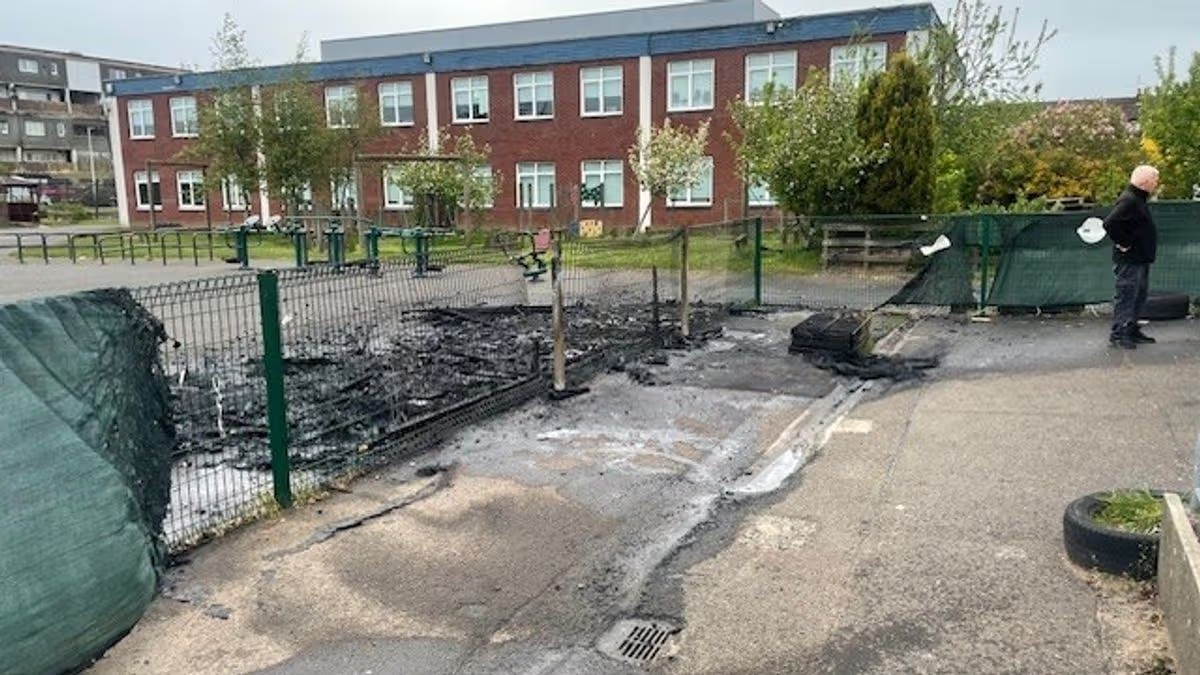
The blaze destroyed playground equipment, and left windows in the nursery block damaged due to the intensity of the flames.
Pictures issued by West Lothian Council show piles of charred, blackened material on the ground, and the glass cracked in the affected windows.
However, there was no internal damage and nobody was injured.
The local authority confirmed the school, which is closed on Monday for a local holiday, will re-open as normal on Tuesday, May 19.
A statement read: “There was a fire at Murrayfield Primary School in Blackburn on Saturday evening. Thankfully nobody was hurt and the damage is limited to the destruction of some playground equipment and four windows in the nursery block that have cracked due to the intensity of the flames.
“The playground will have to be cleaned up and the windows replaced, but there is no internal smoke damage and the school will re-open as normal.
Advertisement
“Fire crews were in attendance and the cause of the fire is being investigated.”
A Scottish Fire and Rescue Service spokesperson said: “We were alerted at 7.17pm on Saturday, 16 May, to reports of a fire affecting a wooden play hut at Murrayfield Primary School in Blackburn.
“Operations Control mobilised two fire appliances, and the fire was extinguished.
Advertisement
“There were no reported casualties, and crews left the area after ensuring it was safe.”
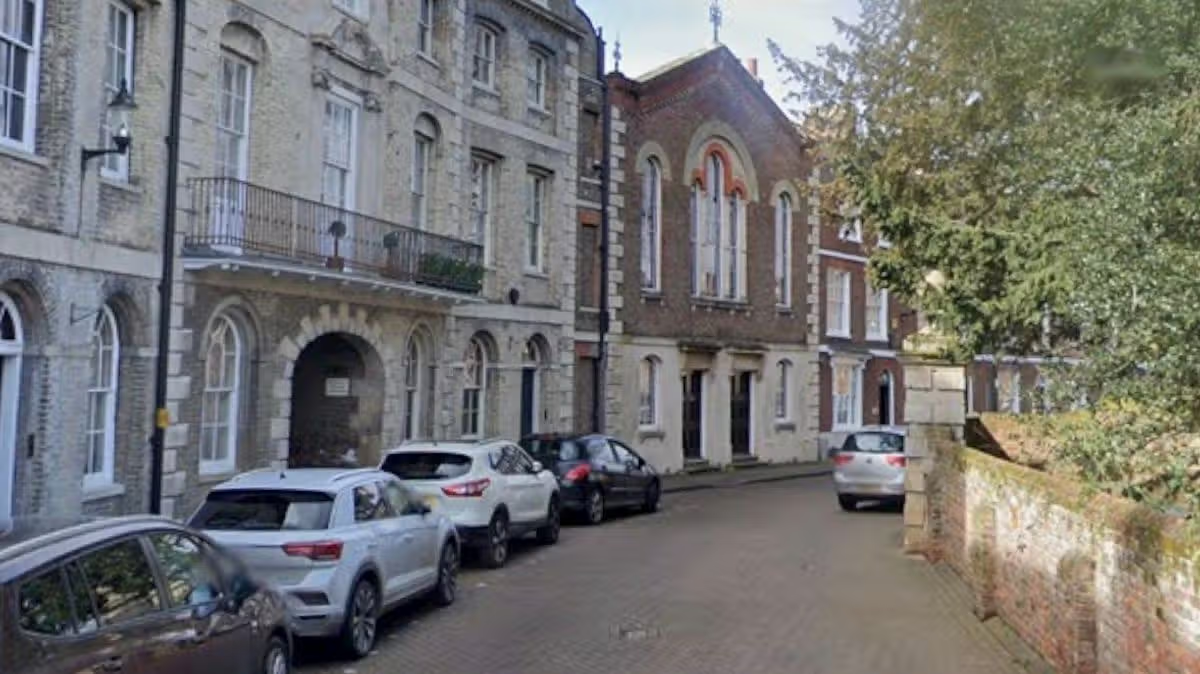
The plans proposed that the building would include a health and wellbeing centre and a café, and it would also be used as a community space and for events. The applicant said the Crescent Wellness Club would bring a “historic building back into use”.
They also said the space would provide a “welcoming and inclusive environment supporting physical, mental and emotional wellbeing, alongside community and creative use”. The wellness space will offer mental health and wellbeing workshops, therapy and group support sessions.
The basement area will also be used for yoga, Pilates, reformer Pilates and sound healing. Fenland District Council has now approved the plans.
Before approval, there was a mix of objections and support for the application. A resident in Lerowe Road objected to the plans as they said there was “no provisions made for wheelchair access”.
Advertisement
The Wisbech Society said they “welcomed” the plans, but they did raise some concerns. One of these concern was about a potential “nuisance” to neighbours.
A spokesperson for the society said: “The design and access statement notes long operational hours of 7am to 9pm with a café in operation from 8am to 5pm with a capacity for 50.
“Also, an estimate of a possible 208 users at one time. We wish the enterprise well, but this will have a significant impact on neighbouring residents in this prime location in Wisbech.
“We wish to have assurance that all measures will be taken to alleviate any disturbance; including use of on street parking and noise.”
Advertisement
Another resident in Union Place was in support of the plans. They said: “It is refreshing to see a large public building and period property being restored and put to use in the community when so many others in town are derelict and slowly going to ruin.”
Hello, and welcome to WalesOnline’s live blog for Saturday, July 4. We’ll be bringing you all of the latest news from across Wales – whether you’re on the move, at home or at work – as well as the latest traffic and travel.
We’ll also be keeping you informed of major news stories from the UK and overseas.
Contribute to the live blog by posting your comments below, or tweet us@WalesOnline to share the news that’s breaking in your area. Read the biggest stories in Wales first bysigning up to our daily newsletter here.
Peter Tatchell, LGBTQ+ and human rights campaigner
‘We saw Pride as the LGBT+ equivalent of the black civil rights marches in America’
Peter Tatchell
Getty
Advertisement
Way back in the early 1970s, I was a member of the newly formed Gay Liberation Front (GLF). It was Britain’s first freedom movement of openly LGBT+ people. In those days, nearly everyone was closeted and many felt ashamed.
Indeed, homosexuality was condemned as shameful by every social institution: government, police, media, church and the medical profession.
The opposite of shame is pride. So, on 1 July 1972, in London, GLF held the UK’s first-ever “Gay Pride” march. Our aim was to show that we were proud, not ashamed. Only 700 people turned up. Most of my friends were too scared to march. They feared that if they were seen at Pride they might be sacked from their job or evicted. That was lawful in those days. Many worried that we’d be attacked by queer-bashers or arrested. That didn’t happen, but we were swamped by a sometimes aggressive police presence. They treated us like criminals. It was scary.
But we were determined to have fun and make our point. Our carnival-style parade went from Trafalgar Square to Hyde Park. There were lots of extravagant costumes and banners poking fun at homophobes like Mary Whitehouse.
Advertisement
Back then, Pride was very political. In 1972 homosexuality was still classified as an illness, lesbian mothers had their kids taken off them by the courts, and the police were at war with the LGBT+ community — with thousands of gay and bisexual men arrested for consensual behaviour, including for having sex before the age of 21, the discriminatory age of consent for gay men at the time. Many of us saw the Pride parade as the LGBT+ equivalent of the black civil rights marches in America. Our slogan was “Gay Is Good”.
We got mixed reactions from the public. Some were hostile. Many were curious or bewildered. Most had never knowingly seen a gay person, let alone hundreds of queers demanding freedom. But some were supportive, which encouraged us.
Unlike nowadays, there was no commercial sponsorship. No business wanted to be associated with queers. London councils spurned the event. MPs refused to attend.
There were no floats or marching bands, and no entertainment after the march. Instead, we held a DIY party in Hyde Park. We played camped-up versions of party games like spin the bottle and drop the hanky. I won a game and my prize was a kiss with a handsome French activist who had come over to London for our march.
Advertisement
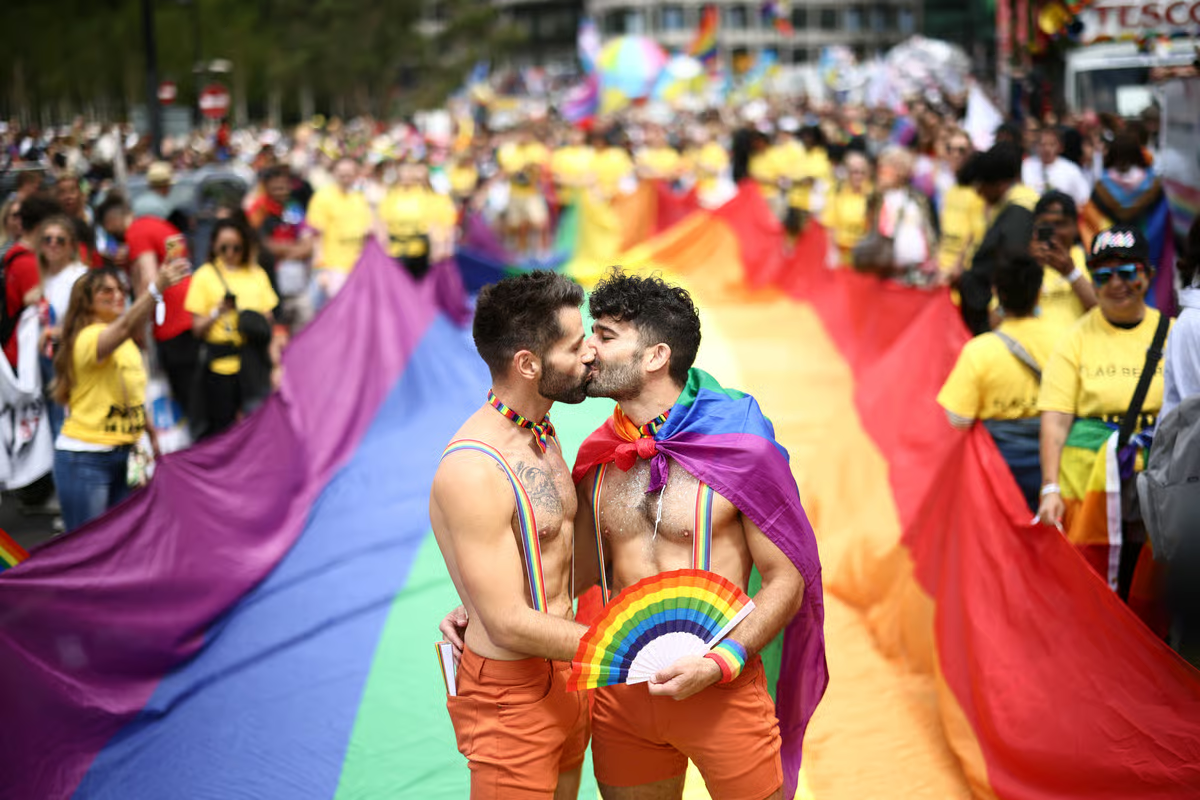
Kissing him was more than good fun. In those days, same-sex kissing in public could get you arrested. Our games were a gesture of defiance. But the police didn’t make arrests — I guess there were just too many uppity queers for them to handle.
Five decades on, London Pride is now a rally attended by more than a million revellers. Since 1999, we’ve won many LGBT+ law reforms, such as equalising the age of consent to 16, repealing Section 28 and legalising same-sex marriage.
But nearly half of all LGBT+ pupils are bullied at school, there are thousands of homophobic hate crimes every year and about 12 per cent of the public still believe that homosexuality is “always or mostly wrong”. Trans people are demonised and subject to new social exclusions following the Supreme Court ruling.
This is why the campaign for our rights must continue. Let’s have a fun Pride but also send out a message: the battle for acceptance and rights ain’t over yet.
Advertisement
Peter Tatchell is the director of the Peter Tatchell Foundation; petertatchellfoundation.org
‘I’m overwhelmed with gratitude that schools like my daughter’s celebrate Pride’
Lotte Jeffs
Getty Images
I was up a ladder, hanging up rainbow bunting so that it stretched from the school gates to the branch of an apple tree in the playground, when the emotion hit me. My daughter’s state primary in south-east London celebrates Pride every July. There’s a big Pride playtime with music and dancing. In the classroom there are lessons about diversity; sometimes an LGBT speaker will share their experiences and I’ll read the picture book I wrote, My Magic Family (published by Puffin) to the Reception and Year One children. We’ll talk about the fact that the girl in my story, right, has two mums and goes on a fantastical adventure to discover all the different kinds of families her friends are part of, too.
Advertisement
I love answering the four and five-year-old’s questions. I’ve been asked if I live in a shoe, why dragons breathe fire and if it’s possible to hate Frozen if you love princesses. But I’ve never once, in the four years I’ve been doing this, had my queer family questioned or challenged — the kids just get it.
I’ve heard from other LGBT families who say that their children’s schools either don’t acknowledge Pride Month at all or do so in a way that involves rainbows and kindness but avoids ever having to mention the words “gay” or “lesbian” — as if the terms are somehow inappropriate.
But what about the kids with gay parents or other family members? What about the Year Six children who are starting to wonder if they might be queer or trans themselves? How damaging it is to be told, even subtly, that this is not OK. To normalise talking about the LGBT community, and all the ways we can be ourselves and love who we want to love, is powerful and affirmative. It could make the difference between a child growing up feeling shame about themselves or having a deep sense of pride.
I was a child during the era of Section 28, when it was illegal to talk about homosexuality in schools, so I’m overwhelmed with relief and gratitude that schools like my daughter’s celebrate LGBT Pride. Watching the kids run out into the playground to a soundtrack of gay anthems, waving Progress flags and queuing up for glitter facepaint fills my heart with joy every year.
Advertisement
Jack Guinness, Presenter and author of The Queer Bible
‘I dropped Madonna’s Vogue as we turned onto Oxford Street and the crowd erupted as one’
Getty
My favourite London Pride memory? It’s a surreal one. Years ago I was the face of Levi’s for its Pride campaign. I arrived to the float early in the morning to join the procession. As soon as the parade got moving, whistles, cheers and music created a cacophony of queer joy. We moved past families with small children, allies and parents holding placards celebrating their LGBTQ+ kids. Seeing an older gay couple holding hands and watching the march, I imagined all they have endured: surviving the Aids epidemic, repressive laws under the Conservatives and living in such a hostile world. I cried… with joy for all we’ve achieved, but with sadness for all they had to fight against.
Queer people so often move through the world in a state of high alert, constantly checking ourselves. Even as a very privileged, white, cisgender, gay man, I constantly ask myself: am I being too visible? Is it safe to hold my partner’s hand? Dare I steal a kiss and risk attack? But at Pride, en masse, we are offered a level of temporary security.
Advertisement
For just a day, we can be impulsive, freeing ourselves from the checks that society puts on us. We can be unapologetic, reject shame and be truly proud.
On that sunny day in London, I clambered (gracefully, of course) onto the top of the float. I plugged my USB sticks into the decks and dropped Madonna’s song Vogue just as we turned onto Oxford Street. The crowd erupted. As one, connected through music, through shared history and, most importantly, through love… we danced.
‘Pride was born out of protest, designed to be a disruption to the status quo’
Crystal
Crystal
Advertisement
São Paulo. Madrid. Brighton. Manchester. The Pride that changed my life wasn’t at any of these grand or well-known locations. It happened in 2023, in Southend-on-Sea.
I was booked to perform at Adventure Island amusement park in Southend as part of the area’s Pride celebrations, right. It was the third year in a row that I had brought a family-friendly show to the park. There was a warm atmosphere, with lots of families and teens.
Sadly, someone who hadn’t attended the event clipped a few seconds of video, Right-wing outrage accounts (like Libs of TikTok) amplified it, and the Daily Mail did a hit piece on me, saying parents were “horrified”. Suddenly I was receiving hundreds of comments describing me as a paedophile, and MP Lee Anderson was on GB News calling me an “it”.
Adventure Island issued a statement claiming it had no idea about the nature of my performance and cancelled all future Pride events at the park. It said “Pride isn’t for us”, and that its attempt at inclusivity had “backfired”. Of course, I had done the same act there for three years with no issue, so the problem wasn’t me or my performance, it was the manufactured outrage. It was a stark reminder of the nature of pinkwashing. Companies are very happy to use queer people when convenient, either to sell things or to polish their image. But we can’t count on them when the chips are down.
Advertisement
This is true of governments and public bodies as well, as we’ve seen Reform-led councils around the country axe Pride funding this year.
The thing is, Pride was never meant to be free from controversy. It was born out of protest, designed to disrupt the status quo. So, the following year I returned to Southend-on-Sea to volunteer my services for the grassroots local Pride. While the corporate version of Pride folded under pressure, the real one didn’t. The event was joyful and couldn’t be cancelled on a panicked CEO’s whim.
As the anti-trans panic intensifies, more and more companies and councils will pull back their support, so we need to remember the lesson I learned from Southend. If we are united, no one can stop us. See you on the streets!
Lady Phyll, Political activist
Advertisement
‘As long as our rights can be denied, Pride remains both a celebration and a call to action’
Lady Phyll
Getty
Pride feels as though, for just a few precious hours, we have given each other permission to exist fully. Today, when I stand at UK Black Pride and look out at tens of thousands of people, I don’t see a crowd. I see generations. I see elders who fought battles many of us will never fully understand. I see young people discovering that they are not alone.
I see families, chosen and biological, celebrating together. I see joy sitting alongside protest, because our liberation has always demanded both.
Advertisement
People sometimes ask whether Pride is still needed. My answer is always the same: as long as there is a young queer person wondering if there is a place for them, Pride matters; as long as Black, trans, disabled, migrant and other marginalised LGBTQIA+ communities are still fighting to be seen, Pride matters; and as long as our rights can be debated, rolled back or denied, Pride remains both a celebration and a call to action.
Miss Jason, DJ and presenter
‘I saw strangers looking out for one another, caring for each other like family’
Miss Jason
Jed Cullen/Dave Benett/Getty Ima
Advertisement
I remember my first Pride parade. I was 24, newly out and still learning how to feel comfortable in my own skin. My friends and I decided it would be fun to get the coach to Brighton and have a few drinks on the way.
A few drinks quickly turned into far too many, and we arrived absolutely smashed. But what I remember most has nothing to do with that.
I just recall feeling an overwhelming sense of safety. I saw people of every age living unapologetically, celebrating who they were. I saw strangers looking out for one another, caring for each other like family. It was something I wasn’t used to, but I instantly loved it. I’ll never forget this one Pride in Soho where artist Liz Johnson Artur steered us through this crowd of tall muscle gays, like she knew exactly where to go. She is only about 5ft 2in, but she had this total authority in the middle of all that chaos.
My friend was newly transitioning at the time, and a woman came over with her child. She wanted her child to meet my friend, and to say “Happy Pride” and give her a hug — to really see her and make it clear she was supported.
Advertisement
It really got to me. Knowing how much it meant to my friend, who was going through this new journey, was so beautiful and poetic.
For me Pride is safety. Pride is home. Pride is kindness. Pride is about being seen and seeing others.
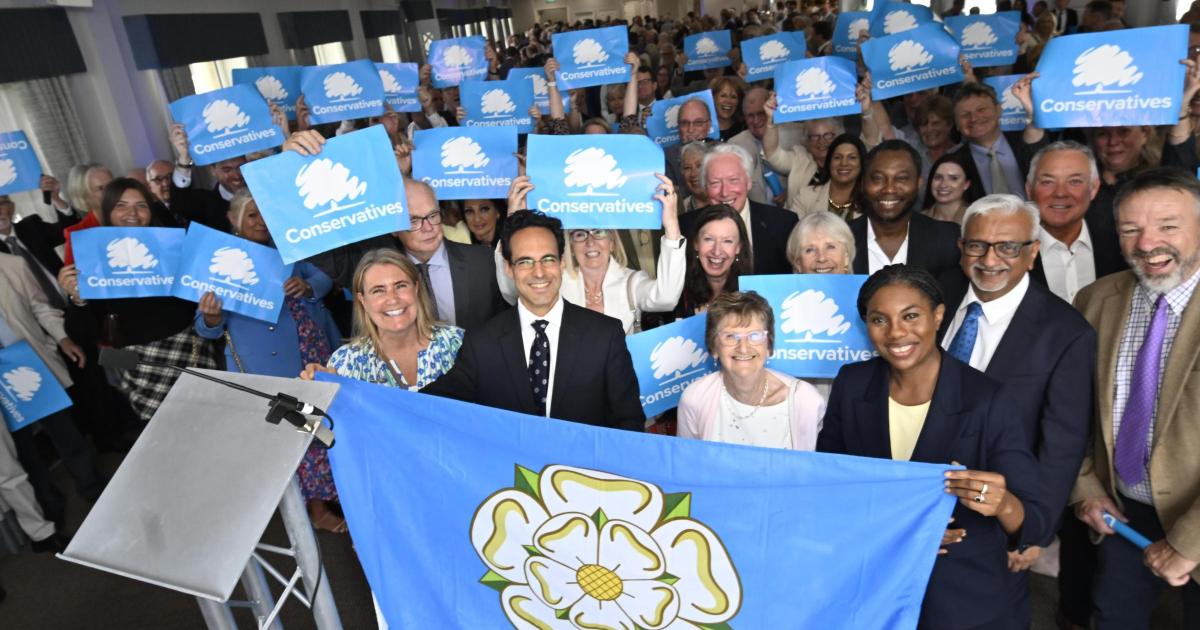
The sell-out event, which was due to take place in Northallerton, had to be moved to Harrogate to accommodate the significant demand from Conservative supporters.
Consistently named as the most popular Party Leader in Britain, Kemi Badenoch’s favourability ratings have been constantly increasing according to opinion polls, the Conservative Party says.
Ms Badenoch addressed Party Members at the Pavilions of Harrogate within the Great Yorkshire Showground to set out the Conservatives’ vision for the country on both local and national levels.
Yorkshire Conservatives’ Regional Chair, George Jabbour, said: “Hosting such a successful event has been a thrilling experience.
“The demand to attend the lunch with our Party Leader was so high that we had to move the venue from Northallerton to Harrogate so we can accept as many requests as possible.
“Even with this much larger venue, we had a long waiting list. It just goes to show how interested people are in listening to what the most popular Party Leader in Britain has to say.”
Advertisement
Conservative-run North Yorkshire and East Rising of Yorkshire Councils are facing all out elections in May 2027. In addition, voters in a number of local authorities in West and South Yorkshire will be heading to the polls at the same time.
Earlier today, as previously reported, Kemi Badenoch visited Twisted Automotive in Thirsk, where she toured the car factory, which adapts Land Rover and Range Rover vehicles to a much-higher specification.
Accompanied by Thirsk and Malton MP Kevin Hollinrake, Ms Badenoch also held a business roundtable session with a group of local businesspeople, including celebrity chef Tommy Banks, before giving media interviews, including to The Press.
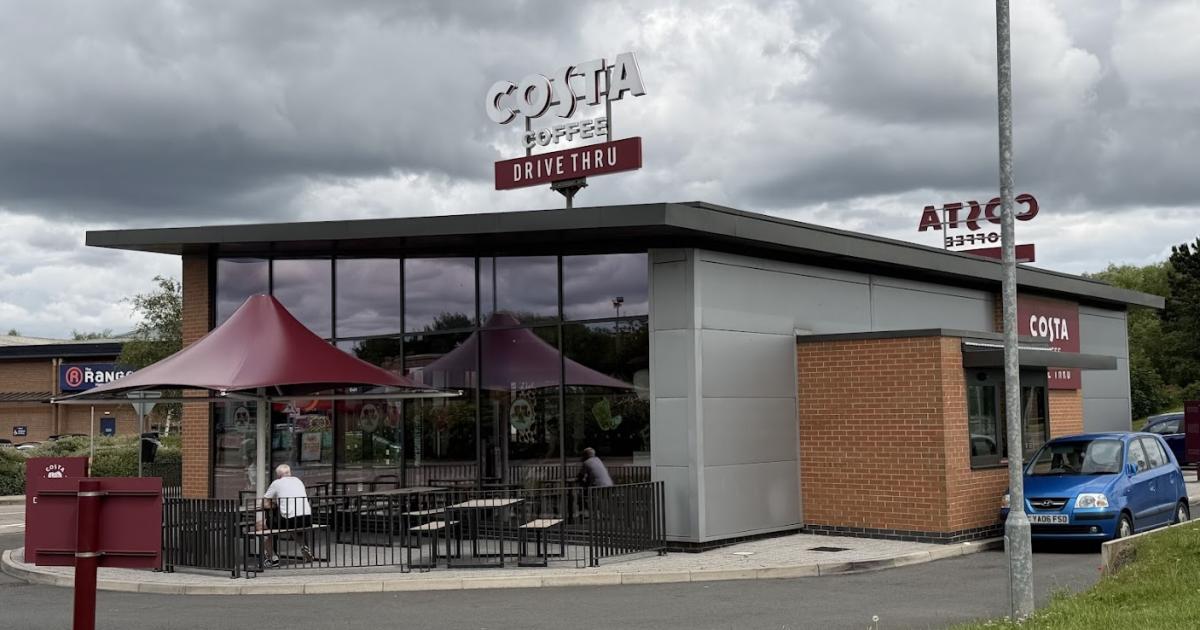
The coffee house on Darlington Retail Park, Yarm Road, was closed for nearly two weeks while refurbishments were carried out.
The shop was closed from June 12 to 25.
Costa Darlington Yarm Road reopen after closing for refurbishments. (Image: SARAH CALDECOTT)
A Costa Coffee spokesperson said: “We’re delighted to welcome customers back to our Darlington Drive Thru store following its recent refurbishment.
“The refreshed store features a new look and feel, including updated décor, an improved layout and a new counter, creating an even better experience for customers to enjoy.”
Advertisement
The Costa store announced that they had re-opened on their social media accounts alongside pictures showcasing their new look.
The caption said: “We’d like to say a huge thank you to all of our loyal customers for your patience and support while our shop was closed for refurbishment.
“We truly appreciate everyone who has waited for us to reopen, and we’re so excited to welcome you back into our fresh new store.
“Whether you’re a familiar face or visiting us for the first time, we can’t wait to serve you and share our brand new Costa with you.”
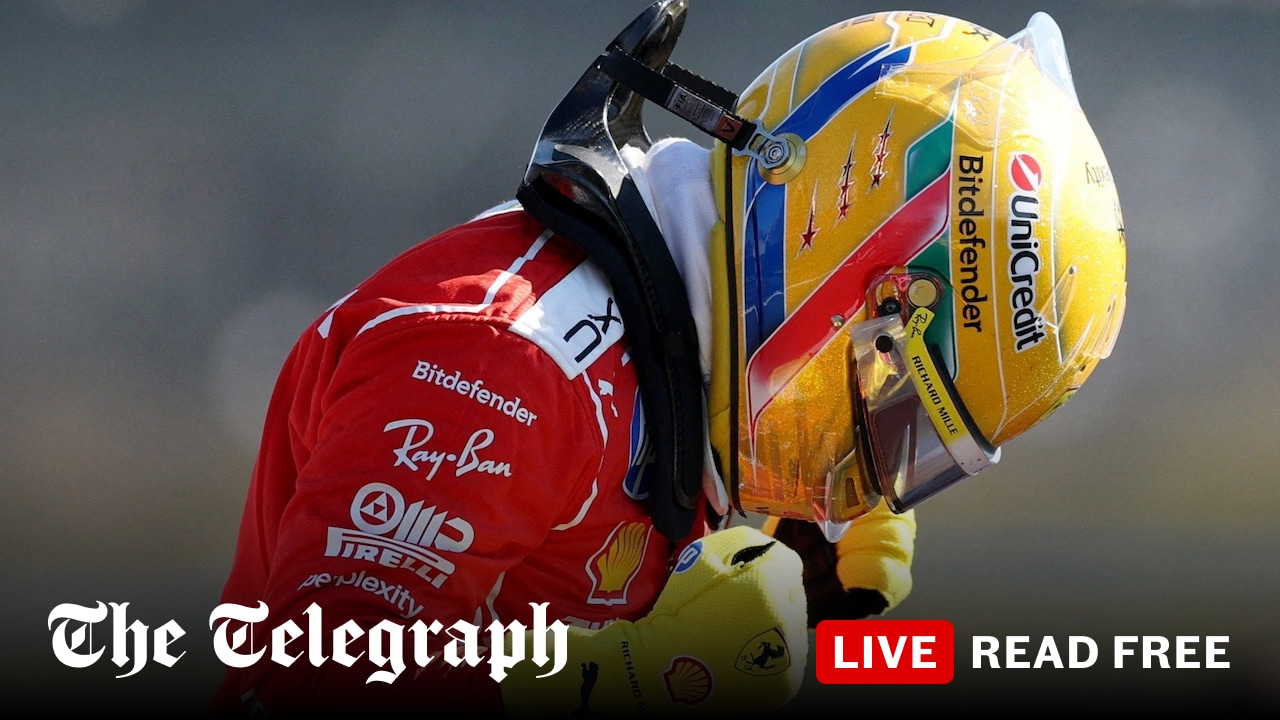
The Briton added that he was “very surprised” by the pace of Ferrari.
“They have been on the back foot with the PU [power unit] and energy management and today they look the best,” he said. “We’ve always known they have a great chassis. Some things are not quite making sense. Ferrari have had the upper hand all day.”
Russell’s comment about things “not quite making sense” may be a veiled reference to Ferrari’s recent spate of upgrades. Both Russell and Mercedes team principal Toto Wolff have spoken recently about the number and speed of upgrades emanating from Maranello, with Wolff seemingly questioning whether it was possible within the budget cap.
Advertisement
Fred Vasseur, the Ferrari team principal, admitted he had been unimpressed with those comments. “I found it quite ironic from Toto, coming from Toto and Mercedes,” he said in Friday’s press conference.
“When Red Bull is developing, or when Mercedes is developing, they are geniuses. When we are developing, we are cheating. I think you have to calm down with this. We didn’t bring more parts than Red Bull or another one. I don’t know if it was a joke, but…”
Silverstone’s fans will not care if it means another British Grand Prix win for Lewis Hamilton this weekend.
Kazaliou Balde’s parents started worrying about him when as a small child he avoided eye contact and had difficulty communicating.
First, the family in the West African nation of Guinea turned to a traditional healer who suggested protective amulets. Then, as the boy dragged himself along the ground instead of walking, they took him to a hospital in the capital, Conakry, where he was diagnosed with autism — something the family had never heard of before.
Neither had their neighbors. Some of them made rude comments about the child.
“Some suggested that I take him to the bush and throw him away,” said his mother, Kadiatou Diallo, a 55-year-old trader.
Advertisement
Misconceptions are common around children with autism in parts of Africa that lack reliable data, awareness and government support. Some mistakenly attribute autism to evil spirits. Experts say the misconceptions have often delayed diagnosis and brought stigma for children and their families.
Autism is a complex developmental condition now known as autism spectrum disorder that affects people in different ways. It can include delays in language, learning or social and emotional skills. For some people, profound autism means being nonverbal and having intellectual disabilities, but the majority of people experience milder effects.
Guinea’s government does not keep records around autism. The World Health Organization says about one in 127 people worldwide had autism in 2021, but it notes that the prevalence in many low- and middle-income countries remains unknown.
Diallo decided to stand up for her son and seek better care. She said she has four children but loves him especially “because I’ve suffered so much with him.”
Advertisement
There is little support for autism in Guinea
In Guinea, a nation of about 15 million people, only a few schools cater to children with autism and they can cost up to $300 per month. Not many families can afford it in a country where the minimum wage is 550,000 Guinea francs ($63) a month, and where 43.7% of citizens live below the poverty line, according to the World Bank.
“In Guinea, the care for autism is very poor,” said Dr. Alhassane Cherif, a psychologist and clinician in Conakry. “Private organizations and nonprofits are the only ones addressing this disorder and training staff to try to identify children.”
Balde first attended both private and public schools, but none fit him. His teachers did not introduce him to writing and reading, his mother said, recalling their comments that her son “has no provision for school.”
Advertisement
“I refused to consider these negative judgments. I refused to take him out of school,” Diallo said.
She said her late husband “went to every corner of the country” looking for assistance for their son before dying in a road accident.
The solution appeared in their own hometown.
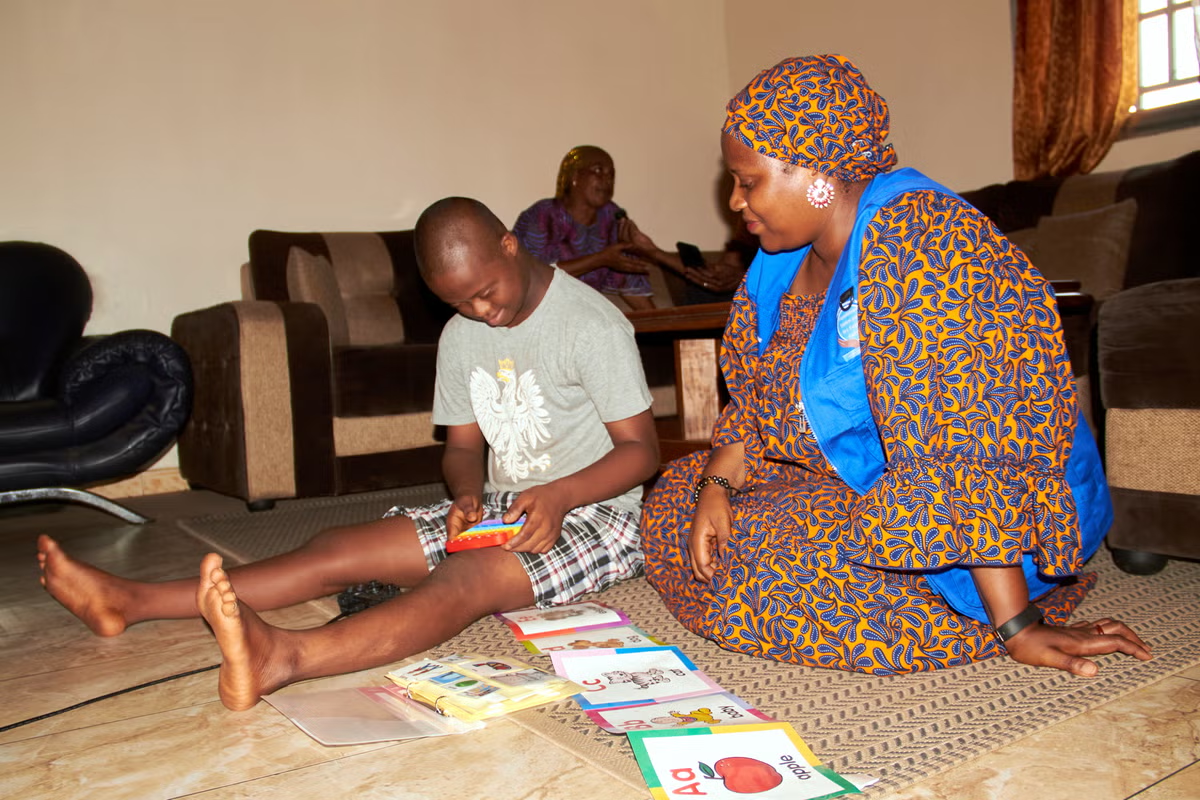
In 2023, Balde enrolled in the newly opened Salim Foundation for Children with Autism, a rare free school for children with autism. The school’s authorities were conducting an outreach program when they learned of Balde and visited his family.
Advertisement
The school teaches him and 14 other students in a large house with three teachers. It has toys in bright colors and pictures of animals on the walls.
The school, registered with Guinea’s educational authorities but not receiving government funding, is the brainchild of Mariam Aisha Barry, a social worker and philanthropist who said her daughter with autism was her inspiration.
At the school, children are taught basic things like identifying objects and assembling toys as well as everyday skills such as operating a TV remote.
Last year, the school organized what it called the country’s first international seminar on autism.
Advertisement
“Our mission is to break the stigma surrounding autism through awareness-raising, family training and advocacy for better care. These children deserve acceptance, understanding, education and unconditional love,” Barry said.
Still, the now-15-year-old Balde has had to spend his life outside school away from many community members because they still attribute his condition to an unknown “evil” and want him shunned.
“I categorically refused,” his mother said.
A teacher says many other children are kept hidden
Advertisement
Studies on autism are often conducted in high-income countries, with less attention to places like Guinea. That makes it difficult to identify risk factors or plan effective intervention strategies, experts say.
Sub-Saharan Africa is “critically understudied” in autism research, according to a 2023 study in the Review Journal of Autism and Developmental Disorders, which said the region’s “rich genetic diversity” could improve understanding of autism globally.
The gap has kept many parents from seeking help.
“We have 15 autistic children here, but there are several hundred in this city. Some parents hide them in their homes to avoid mockery and stigmatization,” said Hassanatou Diallo, advocacy officer at the Salim school.
Advertisement
Balde’s mother said that despite the challenges, she will not give up on her son’s education.
“My most ardent wish is that he knows how to read and write,” she said. ___
For more on Africa and development: https://apnews.com/hub/africa-pulse
The Associated Press receives financial support for global health and development coverage in Africa from the Gates Foundation. The AP is solely responsible for all content. Find AP’s standards for working with philanthropies, a list of supporters and funded coverage areas at AP.org.
England have been at the centre of a World Cup controversy ahead of facing Mexico, which even saw the BBC comment on accusations they were involved in FIFA discussions
06:11, 04 Jul 2026Updated 06:11, 04 Jul 2026
England players (right) were booed as they entered their hotel in Mexico
Here is everything you need to know about what happened in the World Cup overnight following some England vs Mexico kick-off time chaos…
Advertisement
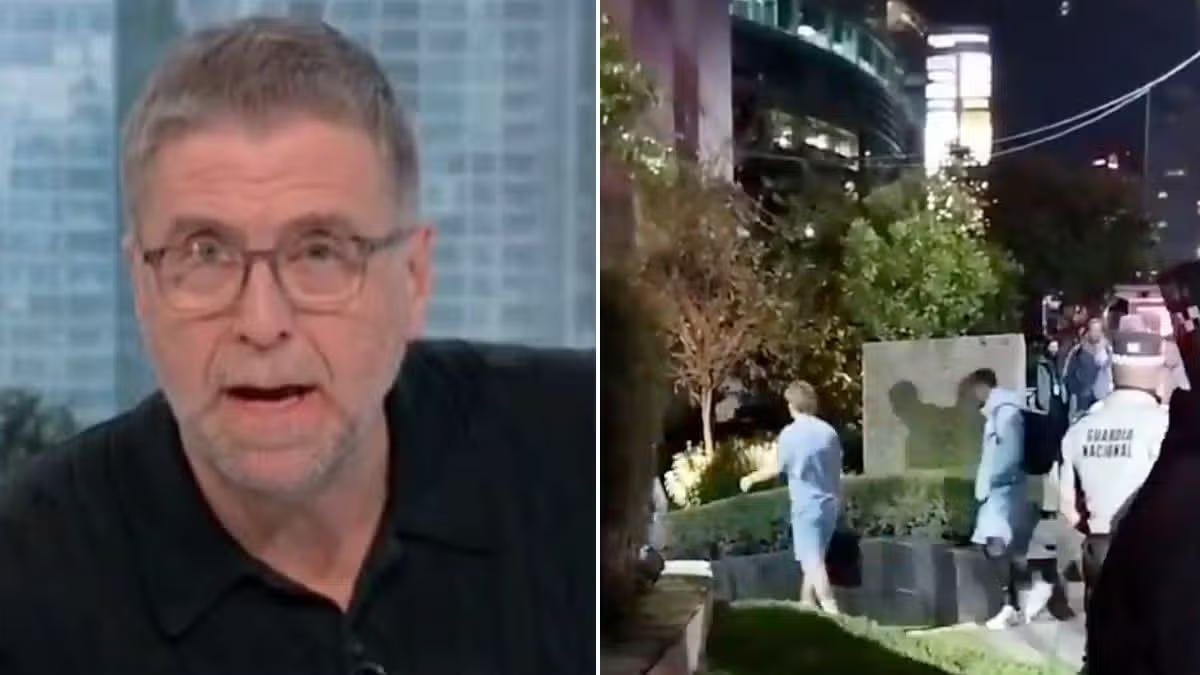
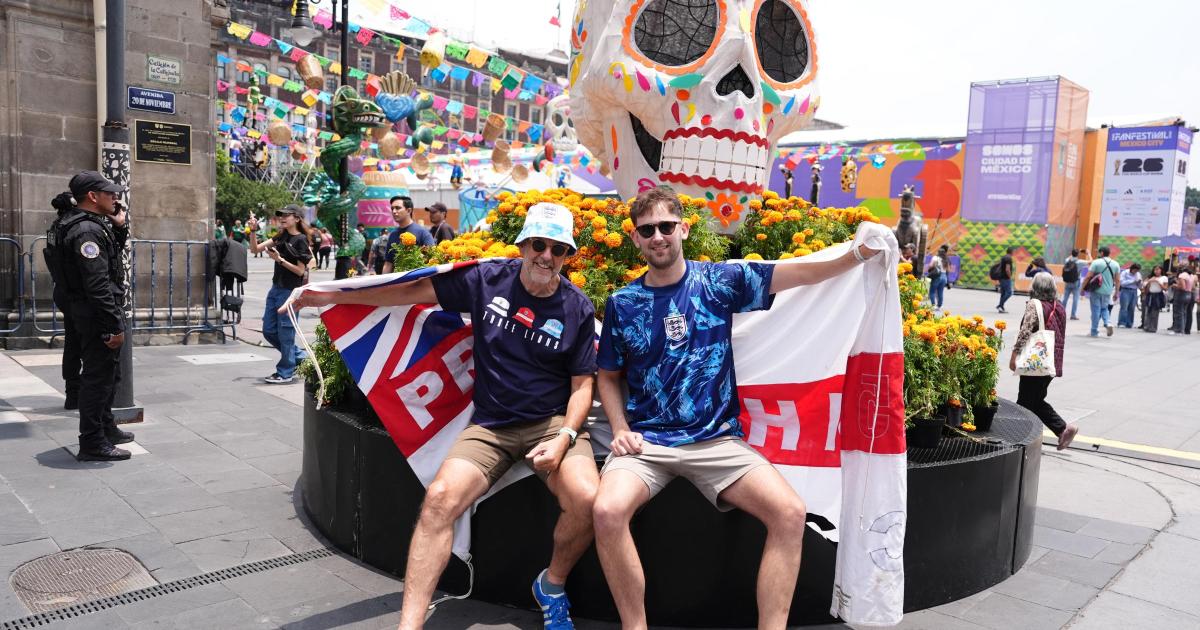
In the last few hours, England arrived in Mexico and were greeted by boos and shouting from the co-host nation’s supporters. It was not quite the level of atmosphere they will face at the Azteca, but it was certainly a hostile welcome ahead of their last-16 tie.
The Three Lions had been hoping the location of their hotel would remain unknown, but it has seemingly been leaked almost immediately.
The BBC, meanwhile, have been forced to deny they were involved in any talks to have the kick-off time changed of England and Mexico’s match. A spokesperson for the broadcaster confirmed that they were ‘not involved in these discussions’ after reports in Mexico claimed they were.
FIFA held an emergency meeting over bringing the clash forward by six hours to a new time of 12pm in Mexico (7pm BST). Both England and Mexico were against the proposed alteration with FIFA later performing a U-turn on their potential plan.
Though there are thunderstorms forecasted, The Athletic have claimed that FIFA’s talks to change the kick-off time centred around fan safety, with those in attendance more likely to be involved in pre-game drinking and post-match gatherings if it were played in the evening.
All of the last-32 matches have now taken place, with Colombia and Argentina the final two to confirm their spot. The Three Lions could face either of these teams in the semi-final, but will first have to get past one of Brazil or Norway, assuming they beat Mexico.
The latter beat Ecuador in convincing fashion to get to this point, but the South American nation are still far from pleased over their treatment ahead of that clash. They have since released a new statement demanding a “detailed investigation,” issuing a clear warning to England about the disruption they might face.
Paraguay’s surprise win over Germany was very nearly overshadowed by Cape Verde in the early hours of Saturday morning. They took Argentina to extra-time courtesy of two stunning strikes before an unfortunate own goal eliminated them.
Lionel Messi was key in two of his side’s goals and he was extremely complimentary of Cape Verde both on and off the pitch. Following one of his interviews, the footballing icon was more than happy to pose with some players from the national team that had pushed Argentina to the absolute limit.
He stated to Tyc Sports: “They asked for my jersey, everything… On the field, they kick the crap out of me, ha.” And that statement was certainly proven as being the case with Messi fouled five times in the game.
Earlier in the day, Argentina discovered they would be facing Egypt, assuming they advanced, with Mohamed Salah scoring in their penalty shoot-out victory. When the final spot-kick was converted, he showed his true colours by shaking hands with several Australian players before joining the celebrations.
A licensing application lodged by Valhalla would see the bar open outside its current premises in Patrick Pool, in the city centre.
The Viking-themed bar’s application stated it would operate during busy times of the week and year.
Plans for the bar would see it allowed to open from 11am to 11pm daily if City of York Council approves Valhalla’s application.
RECOMMENDED READING:
Advertisement
It would be placed in the rear courtyard area behind St Sampson’s Community Centre.
Valhalla’s application is open for public comments until Thursday, July 30.
The application is among those which have recently been submitted to the council.
Others include an application to licence a padel club set to open at Clifton Moor Retail Park this month.
Advertisement
Chicken Cabins Ltd, the franchisee of Blossom Street’s KFC, has applied to extend its delivery hours to 1am from Sunday to Tuesday and until 2am between Wednesday and Saturday.
The outside of Valhalla, in Patrick Pool, York (Image: LDRS)
Scottish-based international whisky seller The Dormant Distillery Company has applied to licence the former Smiggle store in Coney Street.
The firm plans to open its flagship store in England in the vacant children’s stationary and accessories store.
Cocktail bar The Langton, next to York’s medieval Barley Hall, has applied to change its opening hours to 8.30am to 12.30am daily and until 1.30am on Christmas Day and New Years.
Thomas Tuchel’s men take on the co-hosts in a clash at the Estadio Azteca with kick-off scheduled for 6pm local time (1am Monday in the UK).
Talks took place with relevant stakeholders about moving the game forward due to possible adverse weather conditions in Mexico City, with a new time of 12pm local (7pm Sunday in the UK) being widely reported.
FIFA sources indicated no decision was taken to reschedule and the relevant stakeholders will continue monitoring relevant factors.
Advertisement
Under safety rules, games face an automatic 30-minute delay if lightning strikes within eight miles of the stadium, with the clock resetting each time there is a new strike.
FIFA’s World Cup regulations say the governing body has “the right to cancel, reschedule or relocate one or more matches…for any reason at its sole discretion, including as a result of force majeure or due to health, safety or security concerns”.
England playmaker Morgan Rogers said of any potential change: “It’s just another obstacle to overcome. We’ll be ready regardless of the time.
“I’m not concerned about it, but won’t be happy if it wakes me up, I’ll be honest. We’ll deal with it as best as possible. It’s another obstacle to get over.”
Advertisement
England team-mate Marcus Rashford also downplayed the impact of a potential kick-off change.
“I think for us it’s the same, how we prepare for the game,” the forward said. “It has to be the same, we have to be focused, we have to be ready for anything.
“I think it’s one strength of the group, everyone included, the players, the staff, we’re ready for whatever challenges get thrown at us. Obviously it’s not ideal, but also it doesn’t matter.”
The prospect of the fixture time moving shocked former England right-back and coach Gary Neville.
Advertisement
“For our players it’s worse, it’s a sporting disadvantage to England,” he said on ITV. “There’s a sporting integrity issue here as well because I’ve never seen a League Two game moved, I’ve never seen a Sunday League game moved.
“FIFA are just willy nilly making it up and moving a game. It just feels a little bit sort of strange.”
A kick-off alteration would only add to what England boss Tuchel knew would be “a lot, a lot, a lot of obstacles” awaiting them in Mexico.
An intimidating atmosphere awaits at the Azteca, while the visitors are braced for hostility outside the team hotel.
Advertisement
But altitude could be the biggest challenge, with the match taking place more than 2,000 metres above sea level.
Tuchel said: “My understanding is that we cannot adapt to the altitude.
“That is just a huge advantage that Mexico will have. It just takes too much time.
“We have only three days in between (the last-32 win over DR Congo and the Mexico game). This is physically just not possible to adapt to the altitude, which is quite high.
Advertisement
“We knew that before, so this is just something, it’s just a disadvantage, with which we will have to deal.”

















































You must be logged in to post a comment Login