President Donald Trump’s primetime address on the Iran war featured extraordinary claims about Venezuela, confusing war timelines, and promises about gas prices as fuel costs surge
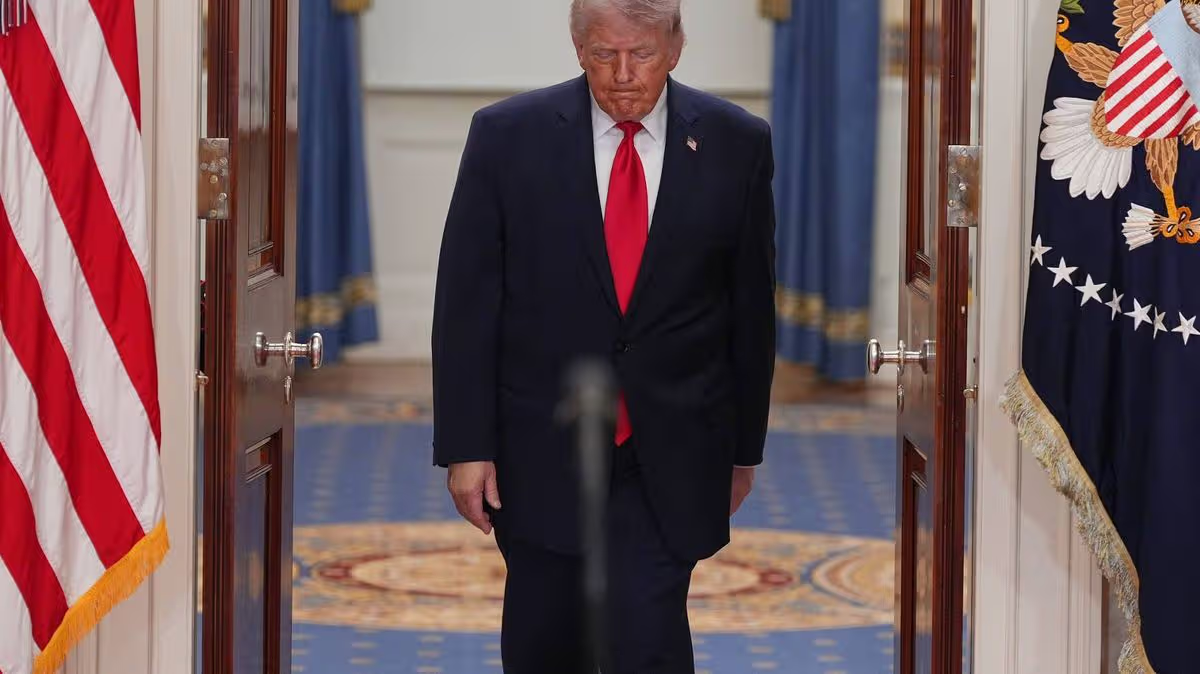
President Donald Trump appeared for a primetime national address on Wednesday night to deliver an official update on his war with Israel against Iran, which has sent petrol prices soaring, resulted in the deaths of at least 13 American service members and sent the global economy into turmoil.
Advertisement
He and senior U.S. officials have for weeks given conflicting statements over when the costly war will conclude, what its objectives are and whether or not the administration will decide to deploy American boots on the ground in Iran. Trump himself has grown increasingly irritated with news coverage and has failed to find a way to explain why he started the war – or how he will end it – that resonates with the wider public.
But on the national stage, with prepared remarks before him, the president offered neither fresh information on the ongoing conflict nor clarity on how he will proceed in the days and weeks ahead. Instead, he appeared to improvise at length about Venezuela, supposed U.S. stockpiles of gas, the final words of slain U.S. troops and the superiority of American firepower even as he has demanded assistance from NATO allies.
Ensure our latest headlines always appear at the top of your Google Search by making us a Preferred Source. Click here to activate or add us as your Preferred Source in your Google search settings.
1. Trump claims U.S. troops ‘took’ Venezuela
Trump claimed on Wednesday that American troops did a “masterful job” in “taking the country of Venezuela,” a comment that follows weeks of him discussing “running” the South American nation while leveraging its political transition to benefit American oil companies. “I also want to thank our troops for the masterful job in taking the country of Venezuela in a matter of minutes,” Trump declared during his speech, referring to his unexpected nighttime military assault on Venezuela’s capital, Caracas, in January that led to numerous casualties and the capture of former President Nicolás Maduro, reports the Mirror US.
“That hit was quick, lethal, violent and respected by everyone all over the world,” he asserted.
Advertisement
However, in reality, Maduro’s capture faced severe backlash from both U.S. allies and adversaries, including at an emergency meeting of the U.N. Security Council on the day of his court appearance.
2. Trump claims Americans ‘have so much gas’ as prices skyrocket
Emphasising his perspective on the robustness of the U.S. economy under his leadership, which is facing unprecedented disapproval among Americans, Trump attempted to alleviate concerns about escalating petrol prices as the war continues.
Advertisement
Arguing that the U.S. has ample fuel reserves due to his “drill baby, drill” stance on domestic oil production, Trump stated that the nation produces more oil and gas than Saudi Arabia and Russia combined, according to The Associated Press.
The U.S. was the top oil producer globally in 2025, pumping more than 13 million barrels per day. Russia and Saudi Arabia ranked second and third worldwide, each producing more than 9.5 million barrels per day, as per the U.S. Energy Information Administration.
This week, US petrol prices climbed beyond an average of $4 per gallon for the first time since 2022, as the Iran conflict continues driving fuel costs upwards globally. The last occasion US motorists collectively paid this much at forecourts was nearly four years ago, following Russia’s invasion of Ukraine.
3. Trump adjusts war’s timeline to ‘two or three’ more weeks
Advertisement
Since the US and Israel initially struck Iran on 28 February, the president and his senior officials have provided inconsistent responses regarding the conflict’s duration.
Combat “will continue until all of our objectives are achieved,” Trump told reporters on 29 February. He subsequently suggested it would conclude in four, five or even six weeks. Now with the war approaching its sixth week, Trump continues wavering between declaring complete victory, suggesting he will soon be prepared to withdraw from the Middle East, and threatening to escalate it further.
On Wednesday, Trump again extended the deadline for the war, which the Centre for Strategic and International Studies estimates is costing the US approximately $891.4 million daily.
Advertisement
“We are on track to complete all of America’s military objectives shortly. We are going to hit them extremely hard over the next two to three weeks,” he stated. “We’re going to bring them back to the stone ages, where they belong.”
4. Trump urges Americans to consider the war as an investment in their future
“This is a true investment in your children’s and grandchildren’s future,” Trump stated. “The whole world is watching, and they can’t believe the power, strength and brilliance. They just can’t believe what they’re seeing!” However, U.S. allies abroad are scarcely impressed by America’s military capabilities, and appeals to join Trump’s conflict have been largely rebuffed.
Advertisement
Amidst soaring petrol prices, Washington has encountered widespread condemnation from European allies, including U.K. Prime Minister Sir Keir Starmer.
“It is increasingly clear that as the world continues down this volatile path, our long-term national interest requires closer partnership with our allies in Europe,” Starmer remarked at a Downing Street press conference on Wednesday after declining to join the war.
Drawing closer to Europe represents a clear indication of British foreign policy moving away from the so-called ‘special relationship.’
5. Trump’s assertions about state of conflict contradict reality
Advertisement
Trump on Wednesday described Iranian leadership as a “new regime,” despite the current Supreme Leader, Mojtaba Khamenei, being the successor of the slain Ali Khamenei. He also maintained that the war is almost finished, before suggesting it could continue for up to three more weeks. Tehran has stated there have been no substantial negotiations with the US, and Trump has repeatedly threatened to further intensify the war.
Democrats condemned the address as “incoherent” and as doing little to address “the most basic questions of the American people,” according to statements from two Democratic lawmakers issued on Wednesday.
Sen. Mark Warner observed that Trump owed Americans more clarity about a conflict that has pushed up prices on petrol “alongside rising prices for diesel, fertiliser, aluminium, and other essentials, with consequences that will continue to ripple through the economy for a long time to come.”
Advertisement
Meanwhile, Sen. Chris Murphy issued a statement declaring the “speech was grounded in a reality that only exists in Donald Trump’s mind.” Murphy continued to note that “no one in America, after listening to that speech, knows whether we are escalating or deescalating.”
Follow our live blog for the latest updates by clicking here.
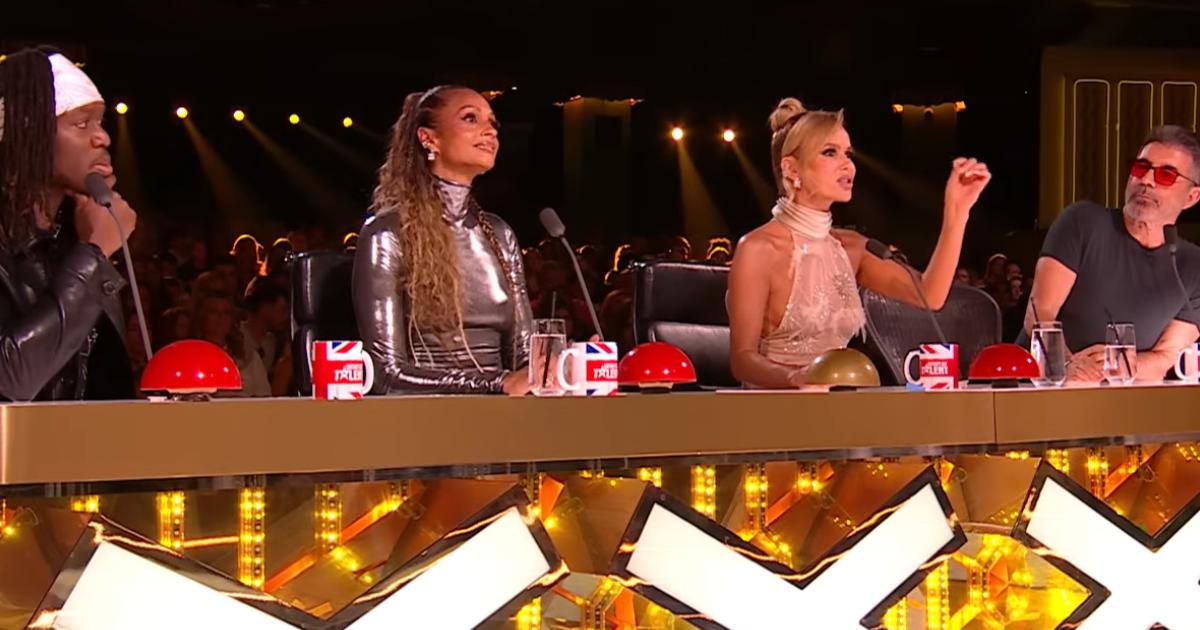
A range of acts will compete for the coveted title, £250,000 prize, and a performance slot at the Royal Variety Performance.
Unlike the semi-finals, the winner will be decided entirely by public vote, with no golden buzzer in play.
Voting is free and can be done via the BGT website after registering with a UK mobile number on the ITV website.
Advertisement
Viewers must wait for presenters Ant and Dec to announce the opening of the voting window during the live broadcast.
Fans can then follow the instructions online to vote for their favourite act.
Who is in the Britain’s Got Talent Final for 2026?
The final of Britain’s Got Talent 2026 will be tonight, with 10 acts confirmed to be taking part.
After weeks of auditions followed by several live shows, the final crop of talent is battling it out to book their spot at the Royal Variety Performance.
Advertisement
From a magician and poet to a fire-juggler and comedian, there is plenty to look forward to.
The 10 acts in the BGT final for 2026 are:
Matty Juniosa (singer) – golden buzzer from semi-final one
Anastasiia and Salsa (dog act) – winner of semi-final one
LMA (dance group) – golden buzzer from semi-final two
Fabian Fox (magician) – winner of semi-final two
Liwei Yang (fire-juggler) – golden buzzer from semi-final three
Ted Hill (comedian) – winner of semi-final three
Sonny Green (poet) – golden buzzer in semi-final four
Rafferty Coope (magician) – winner of semi-final four
Celestial (drone art) – golden buzzer from semi-final five
The Hawkstone Farmers Choir (choir group) – winner of semi-final five
When is the BGT 2026 final on TV?
The final of Britain’s Got Talent 2026 will be shown live on ITV1 tonight, Saturday 30 May.
The finale is extended from its usual run time, and will air from 7pm to 9.30pm.
Who do you want to win BGT 2026? Let us know in the comments below.
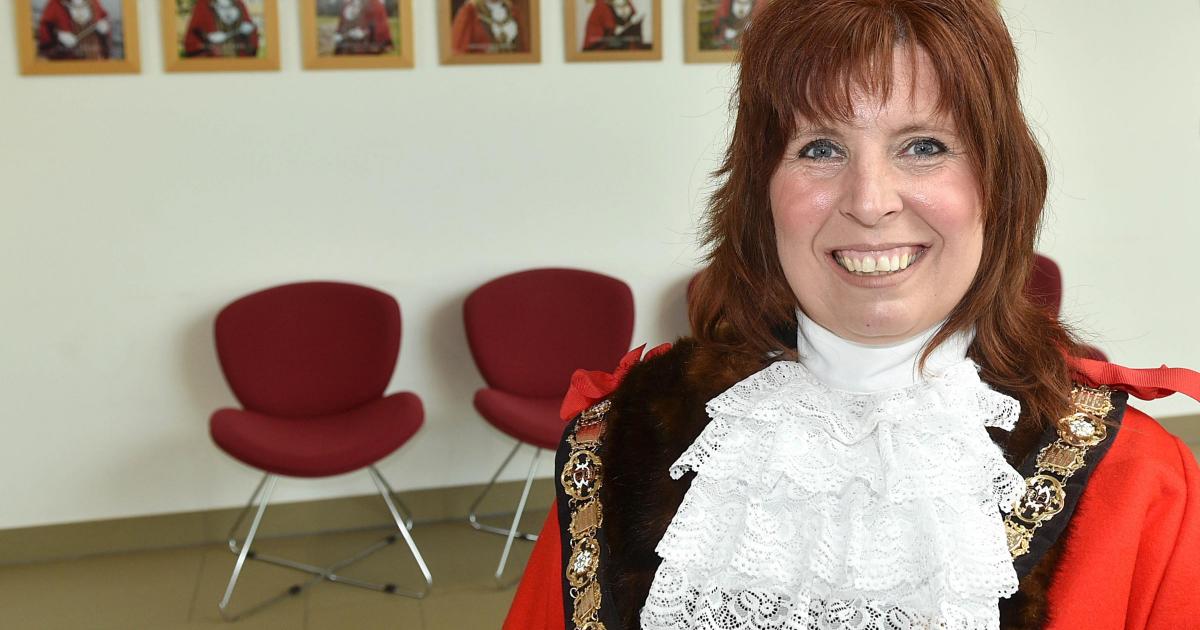
Dormanstown ward councillor Ceri Cawley also nominated the two causes she will raise funds for during her 12 months in the ceremonial role.
These include the Chris Cave Foundation set up by Redcar mother Theresa Cave after her son was killed in a stabbing.
The charity campaigns against knife crime, including educating young people in schools.
Advertisement
Mayor Cawley will also raise funds for Morgan House in Boosbeck, east Cleveland, a dedicated centre supporting military veterans.
She said: “I am proud to support these two fantastic charities and help raise much-needed funds so they can continue their important work.
“To be elected as mayor is a great honour and privilege and I look forward to being a good ambassador for our area.”
The mother-of-three, whose father was previously a professional jockey, attended West Redcar Secondary School and Sir William Turner’s College.
Advertisement
As a teenager, she worked at gym which broadened her martial arts knowledge and she achieved her first dan (black belt) in karate at the age of 16.
Cllr Cawley, 43, successfully campaigned for Redcar and Cleveland Council to become the first endometriosis-friendly local authority in the North of England last year. She was diagnosed with the condition when she was in her 20s.
Her investiture, which saw her wear the mayoral robes and chain for the first time, was held at Redcar Civic Centre in the presence of her, now, predecessor Councillor Ian Hart, who took on the duties of mayor in the municipal year 2025/26.
The new deputy mayor is Grangetown councillor Adam Brook.
Advertisement
Cllr Brook said it was a “huge honour” and a “truly special and proud day” for him.
He said he was passionate about making a positive difference for residents across the borough.
It means that the UK will get 13 full moons this year, rather than 12 – which is a rare spectacle and hence the term ‘once in a blue moon‘.
It will also be the smallest moon of the year, being the furthest away from Earth.
The BBC states: “The Moon will be officially ‘full’ at 09:45 BST on Sunday morning. In the UK it will be below the horizon at that time so the preceding Saturday night or the night of Sunday 31 will give you two chances to view the Blue Moon.”
Advertisement
The last Blue moon was seen two years ago, and will not be seen again until the winter of 2028.
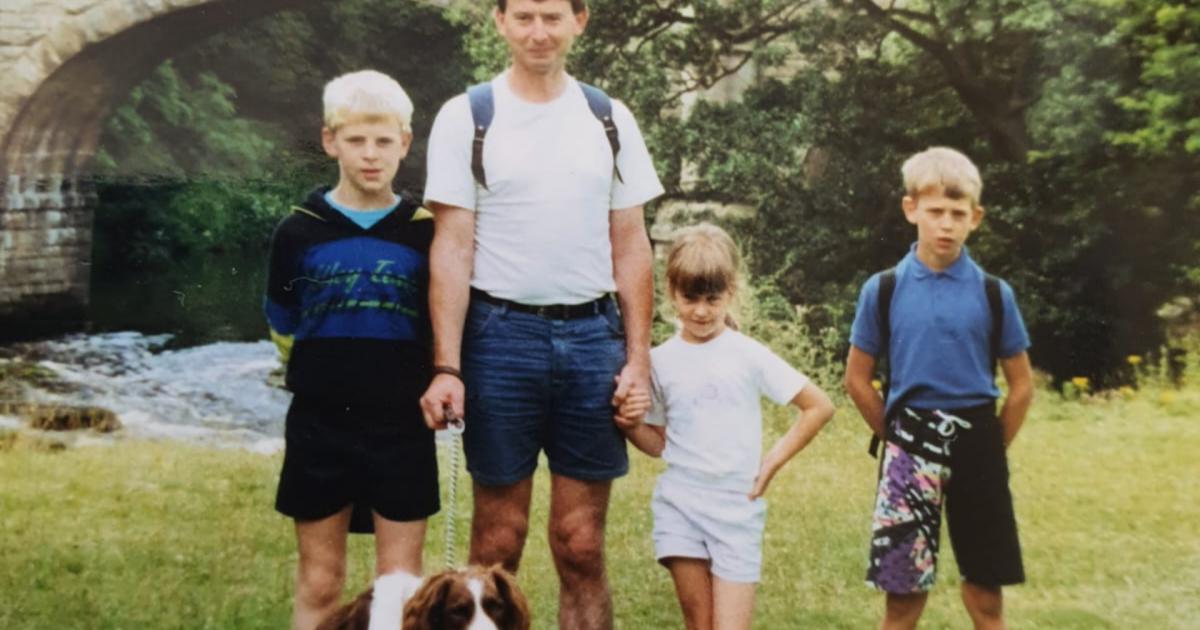
Nicki Coombs, her two brothers Steve and Mike, and her niece Isabelle will take part in the St Leonard’s Hospice Yorkshire Wolds charity walk on Saturday, June 13 in memory of their father, Ray, who was cared for late last year.
Nicki Coombs said: “Dad loved walking and used to take the family climbing up hills when we were younger, so it feels like a fitting event to take on in his memory.
“He spent five days at St Leonard’s, and it made such a difference to his quality of life, as well as ours.”
Families taking on the Wolds Walk last year (Image: Supplied)
Ray lived with Parkinson’s disease for around 20 years and developed dementia in the last four years.
Advertisement
He eventually moved into a care home, and after a short hospital stay, was transferred to St Leonard’s Hospice.
Nicki said: “The hospice looked after the whole family, not just Dad.
“It was the little things that made a big impact while at the hospice, like bringing a record player into her dad’s room and playing music.
“Dad also grew facial hair while in hospital, which isn’t what he’d usually have.
Advertisement
“The healthcare assistants at the Hospice wanted Dad to look and feel like himself, so after viewing photos of him, they made sure he was clean shaven and was wearing clean clothes.”
“The hospice made a really difficult time that bit easier for us.”
Channon Barlow, head of fundraising at St Leonard’s Hospice, said: “We’re so grateful to Nicki and her family for taking on the Wolds Walk challenge in her dad’s memory, and for sharing her experience of the care and support the Hospice provided to her family last year.
“We’re only able to do what we do at St Leonard’s thanks to the generosity of those in our community, and we’re all wishing Nicki and her family the very best of luck for the challenge on 13 June.”
Advertisement
The St Leonard’s Wolds Walk takes place on Saturday 13 June, and offers a choice of 12-mile or 18-mile routes through the Yorkshire Wolds.
Walkers of all ages and abilities are welcome to take part.
The incident took place on Rhyl beach, Denbighshire where the “special lady” was rescued
Andrew Forgrave Countryside and tourism editor and Husna Anjum Senior Live News Reporter
21:21, 30 May 2026
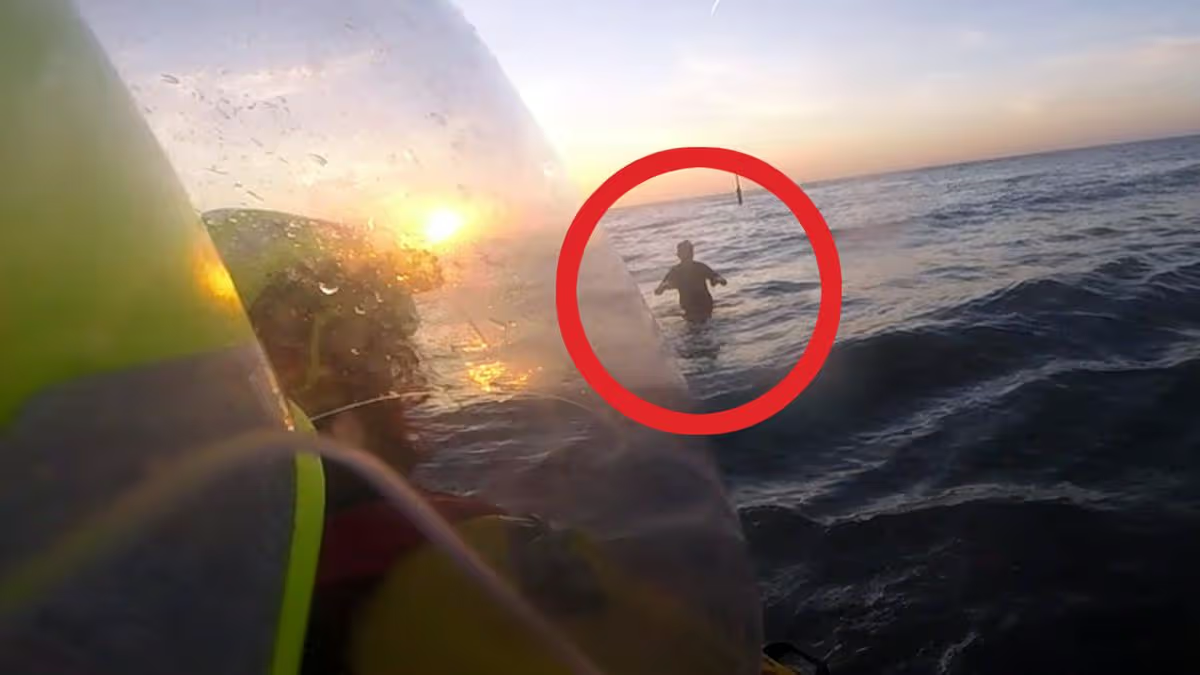
A woman was rescued before water engulfed her on a beach, after becoming trapped in sinking sand. The worrying incident took place on Rhyl beach, Denbighshire where emergency services reported at one point, the tide ‘came up to her waist’.
Rhyl’s RNLI (Royal National Lifeboat Institution) inshore lifeboat rushed to the scene at 9pm on Friday evening (May 29). The woman was reported to be stranded in soft sand off Splash Point in the resort, according to NorthWalesLive.
An RNLI Rhyl spokesperson said: “The inshore lifeboat was launched within minutes. Once arrived on scene, the crew found the casualty to be trapped in the sand with the incoming tide now around their waist.
Advertisement
“The lifeboat was brought alongside the casualty and crew put them in a lifejacket. A crewmember supported the casualty on their back, which popped their feet out of the sand.
“The casualty was recovered into the inshore lifeboat, and brought back to the lifeboat station for a check-over and warm up. Rhyl Coastguard Rescue Team was also tasked to the incident.”
Quick to thank the RNLI crew, on social media, was the woman’s mum from Rhyl. Another person added: “Thank you so very much for saving a very special lady.”
Advertisement
People stuck in soft sand are advised to remain calm and not struggle as this can worsen the problem. While leaning back to distribute your weight, gently wiggling your legs can let water loosen the sand’s suction.
Meanwhile, RNLI Holyhead responded to its fourth shout of the half-term break when two jetskiers became stuck on sandbanks near Traeth Penrhos beach. Initial reports suggested one jetskier might be injured.
Other information indicated they were in fact stranded near the Stanley Embankment (Valley Cob). Heading to Traeth Penrhos, RNLI Holyhead’s inshore boat was joined by local cliff rescue teams.
An RNLI spokesperson said: “On reaching the location, it was found that there were two jetskiers, and no injuries. The casualties had been stuck on sandbanks – however they had managed to re-float and were starting to head back to Llanfwrog (also known as Sandy Beach) where they had come from.
Advertisement
“Suitable safety advice was given, and the casualties then headed back to Llanfwrog, where they were being met by the Holyhead volunteer Coastguard team.”
RNLI Holyhead Lifeboat Station said water sports enthusiasts should always wear a suitable lifejacket or buoyancy aid. They should also have a means of calling for help.
The station added: “We’d like to remind everyone to be aware of the tides and layout of our local waters – it can be very difficult to judge the depth of water in certain locations.”
Ensure our latest headlines always appear at the top of your Google Search by making us a Preferred Source. Click here to activate or add us as Preferred Source.
Clacton-On-Sea was once a glorious coastal destination that drew holidaymakers in their droves from across Britain.
A once-bustling seaside town that has tumbled down the rankings used to be home to a massive Billy Butlin’s resort — today, though, you’d never know it existed.
Clacton-On-Sea was once a glorious coastal destination that drew holidaymakers in their droves from across Britain. It was celebrated for its award-winning pier, sweeping sandy beaches and classic fairground rides – but last year it came third-from-last in Which?’s annual ranking of the UK’s finest seaside towns.
Advertisement
Clacton scraped a paltry 42 per cent — a stark contrast to Bamburgh, which topped the charts with an impressive 84 per cent destination score.
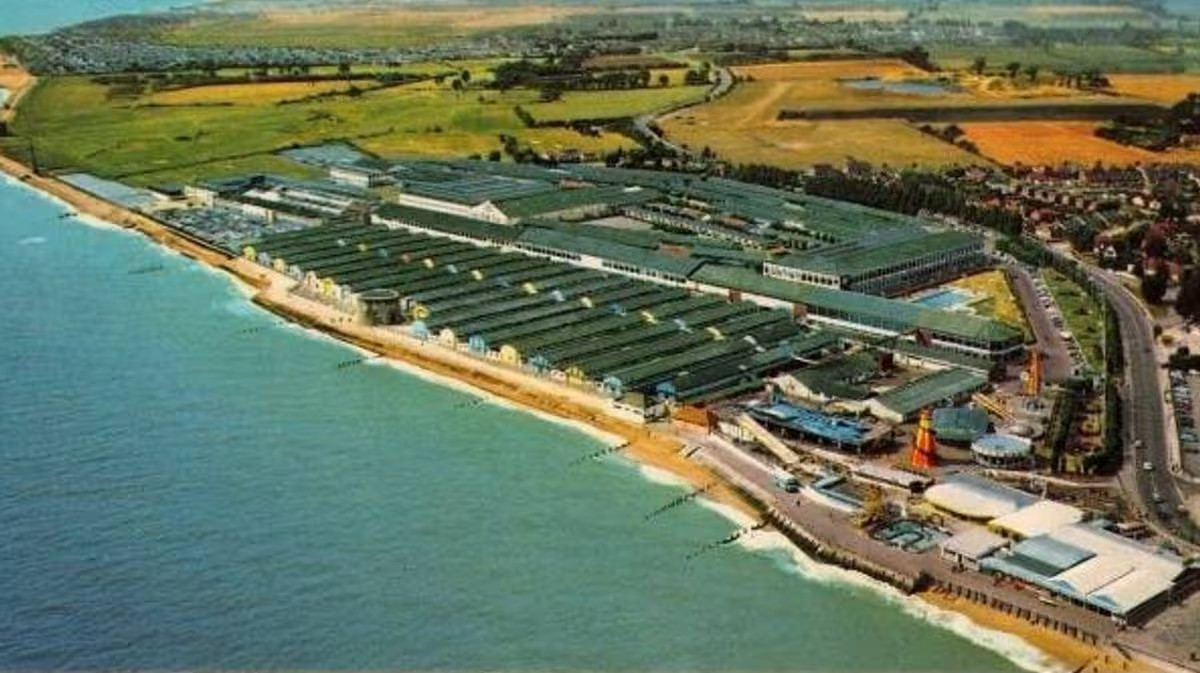
Yet in its heyday, before the Benidorm boom tempted Brits away from British shores in favour of budget package holidays to Spain, the town was a very different place. Billy Butlin purchased the West Clacton Estate in 1936 — which already boasted a miniature golf course and boating lake — and transformed it into the iconic Red Coat resort that became a beloved British institution.
As reported by the Mirror, the resort shut down when war broke out, with the Army temporarily commandeering the site. In 1946, though, it was relaunched as a holiday camp — and subsequently acquired neighbouring land for expansion.
Advertisement
“By the late 1950s, Butlin’s had become a national institution and to some extent, Clacton was able to bask in its reflected glory,” Clacton History explained. “The combination of Butlin’s and Clacton had become firmly established and for both their futures as family holiday venues seemed unshakeable.”
As with other Butlin’s locations, visitors flocked to enjoy the extensive amenities available, including comfortable chalets, an enormous outdoor swimming pool, fairground attractions, a ballroom for dancing, a bowling green, retail outlets, a miniature railway, and top-notch entertainment. Stars such as the Beverley Sisters, Michael Holliday, and Jack Douglas are said to have graced the camp’s stages during their early careers.
Unable to match the appeal of affordable flights to sunny Spain, though, and damaged by rowdy teenagers treating the venue as a drinking destination, Butlin’s tragically shut its gates in 1983 — the same year the Filey resort was also closed down.
According to Butlin’s Memories, the site was snapped up for approximately £2 million by Amusement Enterprises Ltd — who revealed bold proposals to transform the complex into a ‘Disneyland’ style theme park. With a fresh identity, Atlas Park, the site reopened in 1984 but stayed largely as it was during the Butlin’s years. The project lasted just four months before encountering financial troubles, and the land changed hands once more. By 1987, everything had been torn down.
The location now functions as a housing estate for local residents, perfectly positioned close to the seafront. It feels a far cry from Butlin’s heyday — which is still fondly remembered by many locals.
Despite sitting just 60 miles from London – one of the richest cities in Europe – Clacton and Jaywick suffer from low wages and poor public perception, with dark tourists and American influencers venturing there to report on their struggles.
Happily, there is a lot of hope on the horizon for the area. The District Council is working on a raft of regeneration projects across Clacton, Jaywick Sands and Dovercourt after successfully applying for millions of pounds in Government funding.
Advertisement
The Council entered into a Community Regeneration Partnership (formerly the Levelling Up Partnership) in late 2024 and was awarded £20million in funding from the Ministry of Housing, Communities and Local Government to regenerate Clacton and Jaywick Sands.
In Clacton, these include proposals to repurpose the 200-year-old Martello Tower on Clacton seafront and bring it into regular use, in a project TDC says will convert “a disused public convenience close to Clacton Pier into a vibrant cultural venue and providing a free-to-use BMX pump track, learn-to-cycle and climbing facility at Clacton Leisure Centre.”
A further £20million was also secured from the Local Regeneration Fund (formerly Levelling Up Fund) for Clacton Town Centre which was granted to create the new ‘Clacton Civic Quarter’.
Advertisement
Clacton Library is also being redeveloped into a new multi-story building that will be built on the current library site, to include a centre for Adult Community Learning and local registration services.
Get more Daily Record exclusives by signing up for free to Google’s preferred sources. Click HERE.
Previews of every single World Cup team in your inbox, featuring the players to look out for, games you shouldn’t miss and Metro’s big England predictions.
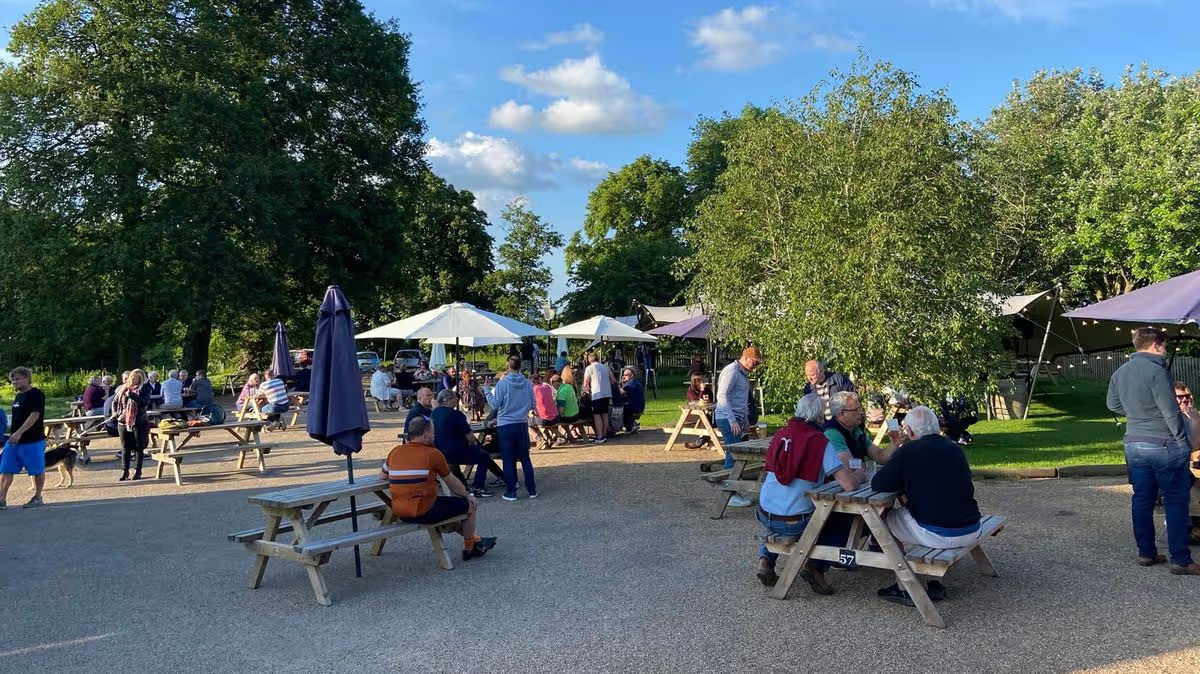
Having a playground in a pub garden is an easy way to keep children happy for an afternoon.
Going to the pub is a staple activity throughout the summer. It is a great way to get the whole family together to enjoy a meal alongside a few relaxing pints, while being able to soak up some sun in a pub garden.
Advertisement
However, if you want to a spend a few hours in the pub, it can be hard to finds way to keep your children entertained. To help everyone have fun while out and about, many pubs have added playgrounds and activities for kids to let off some steam.
Whether it has a huge pub garden with plenty of grass for children to run around on or an impressive playground with swings and climbing frames, there are a lot of reasons why you might love a family-friendly pub. Many pubs across Cambridgeshire will also have kid’s menus or special family deals to help you save some money throughout the summer holidays.
CambridgeshireLive wants to know what your favourite pub to visit with your kids is and where has the best playground for children to enjoy. You can nominate your favourite family-friendly spot in Cambridgeshire by using our survey below.
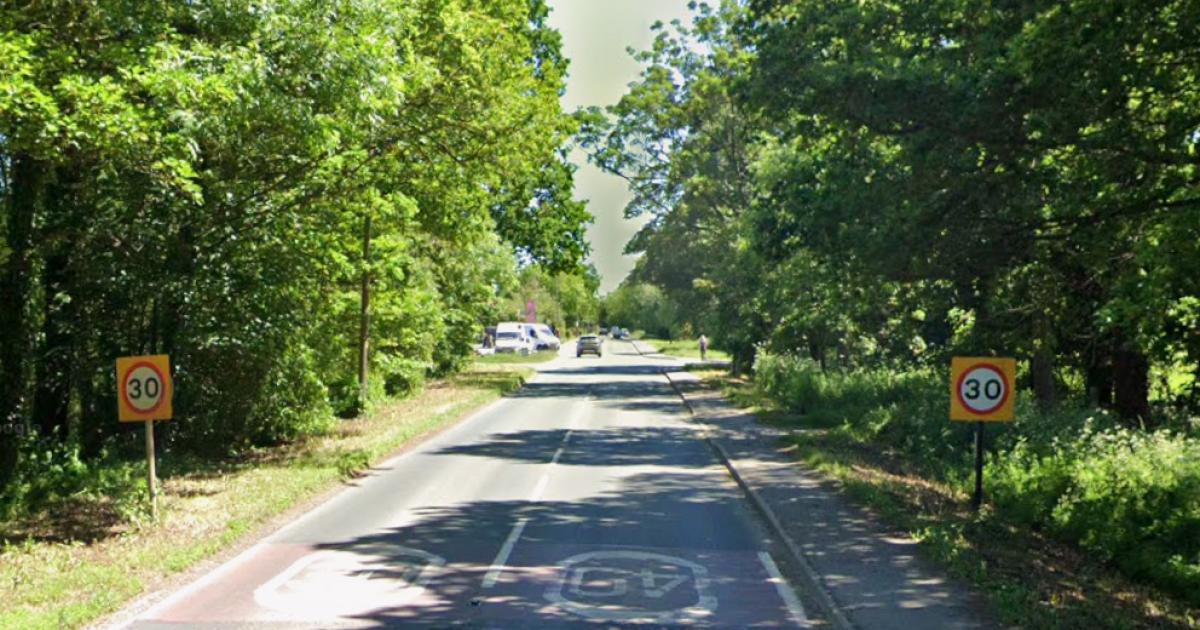
Andrew Stanley admitted breaking the 30mph speed limit in Elvington Lane, Elvington, on June 17 last year.
The 50-year-old company director who lives off Clifton Park Avenue, Rawcliffe, York, already had points on his licence so should have been disqualified for at least six months under the totting up procedure, Harrogate magistrates heard
But they decided he would suffer exceptional hardship if he were banned and decided not to disqualify him. Instead they gave him three penalty points and fined him £284.
Advertisement
The court heard that he had been a finance director for 20 years for a company that employs 70 people, and he believed that if he lost his driving licence he would be unable to do his job.
Although he mostly worked in an office, he had to travel for work purposes to construction sites.
As well as work purposes, he also needed his licence for family matters, the court heard.
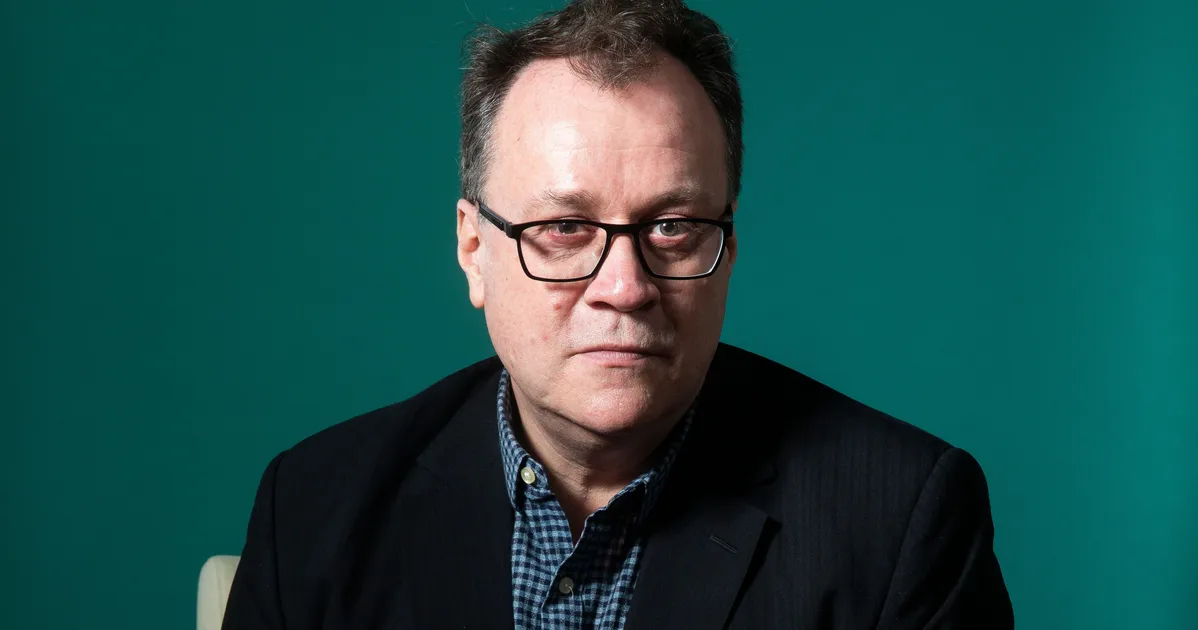
Thanks to acclaimed dramas like Cucumber, Years And Years and It’s A Sin, Bafta-winning screenwriter Russell T Davies has been responsible for some of the most heartbreaking scenes in recent TV history.
But even compared to the most jaw-dropping and breath-taking moments of his past works, his latest offering, Tip Toe, stands apart as his most unflinching work to date.
Taking an up-close look at modern life, the hard-hitting drama introduces us to two neighbours – played by Alan Cumming and David Morrissey – who have tolerated living next door to one another for more than a decade.
However, in an ever-divided society and a culture that increasingly pits people against one another, the two men find themselves suddenly at war over their deeply-held beliefs, with ugly consequences as their feud drags them both over a point of no return.
Advertisement
Speaking to HuffPost UK ahead of the show’s release, Russell told us that there were “various incidents” both in his own life, and in those of “every friend I’ve got”, that led to the inception of Tip Toe.
“Things happened both at work and at home – in ways that I’m not going to go into because it’ll only encourage them to happen again, genuinely – that made me think ‘that’s enough’,” he explains.
“If this anger, this violence and these lies are getting close to my life – I’m in a very privileged, lucky and well off position, so for those who are not so well off, then this must be really bad. These times must be getting worse and worse and worse.”
Bafta winner Russell T Davies’ new series may be his most hard-hitting to date
Fabio De Paola/Shutterstock
Advertisement
While his friends in the queer community are “feeling more and more pressure, and more and more attacks upon them” in the current climate, Russell notes that these fears are also being felt by other marginalised people.
“I have a friend who is a wheelchair user, and someone turned up at her door, rang the doorbell, and when she opened the door, there was a man saying, ‘you’re lying, you can walk, you’re claiming this on benefits’. To her face!” he recalls.
“And the fear of physical proximity was so terrifying. The anger that I always thought was online is now visibly stepping into the modern world.”
He says these feelings of fear, anxiety and division only continued to “rise up and rise up”, until he “literally felt driven to write” the script that eventually became Tip Toe.
Advertisement
“I had to,” he explains. “There was no way I was not going to write it. If they’d then refused to make it, I still would have felt happy [to have written it], because I would have got it out of my system.”
Tip Toe touches on timeless themes like family relationships, sexuality, gender expression and tolerance, but also hones in closely on more thorny topics relevant to today’s world, from misinformation and online radicalisation to the resurgence of far-right politics, the “manosphere”, transphobia and the dangers and consequences of unregulated social media.
Episode one actually starts at the end of the story, in the aftermath of an act of unspeakable violence and hatred, before rewinding to just days earlier, leaving viewers pondering how the hell things could reach that point (and, as Russell puts it, “how the hell is society reaching this point? Which we are!”).
Unlike some of his other most popular works, for Tip Toe’s writer, the show isn’t so much a cautionary tale as a reflection of Britain in 2026 as he sees it.
Advertisement
Tip Toe – starring Alan Cumming and David Morrissey – makes for tough viewing in its darker moments
“I think it’s here,” he insists. “If this was a drama about a Jew living next door to someone [targeting them because of their religion], not one person would be doubting the credibility of the story. In fact, I’d be told that I was out of date, because it’s literally already happening out there, in front of us.”
As a result, both he and Channel 4 – with whom he’s been collaborating since the 1990s – both felt it was “urgent and needed and necessary” to get Tip Toe on the air as quickly as possible.
“I love that,” he enthuses. “That’s a clarion call for me.”
Throughout his TV career, beginning with Queer As Folk through to the aforementioned Years And Years and even Doctor Who, Russell has been commenting on all aspects of society (“I’ve done an awful lot to try and stop these terrible things happening – and it just gets worse,” he observes) for a quarter-century.
Regrettably, he now believes things are in a more dire state than ever.
Advertisement
“Queer As Folk went out in 1999 when the age of consent was 18, section 28 was in place, there was no gay marriage, there was no gay adoption,” he points out. “All those things have come in within those 26 years. Those are extraordinary leaps. But those are also the very things now that are being weaponised against us.”
“All this time I thought visibility was the answer, or the cure,” he laments. “To the extent that I dragged my gayness into every interview that I’ve ever done. You could literally be asking about the weather and I’ll say, ‘yes, I’m gay… and it’s sunny’ – because I genuinely believe in [the importance of] visibility.
“[I think about] someone sitting at home, trapped in a closet. or trapped in a lonely house, or trapped in a lonely town, where they’ve never heard anyone say that before – and I will be that person to say it. And I still believe in that!”
“But now, I also have to reckon with, ‘what happens then?’,” he continues. “I never thought ahead! It’s as if I were imagining some sort of a future nirvana, which no society ever has. We’re always at war with something. And here we are at war with ourselves.
Advertisement
“So, yes, you can point to things that are demonstrably better. Yet now, they’re being weaponised to make it worse.”
Russell T Davies believes that progress made in the last 20 years for the LGBTQ+ community is now being “weaponised”
“What happens when we’ve got visibility, when we’ve got equality, when we’ve got representation?” he adds. “What happens when they see us and they still don’t like us?”
These are the same questions Alan Cumming’s Tip Toe character, Leo, is found asking himself in the drama’s first episode following when reflecting on fresh attacks on the queer community.
As the owner Leo is the owner of a popular venue in Manchester’s iconic Canal Street, Leo who has fought for LGBTQ+ equality over the decades. As he reflects on progress made for queer people, a friend reminds him that as a community figurehead, and the employer of trans bar staff, he’s still on the frontline of the culture war whether he likes it or not. As Russell quotes these character’s concerns verbatim, it’s not difficult to see similarities between Leo and Russell himself in these moments.
“Oh! The weaponisation against me online began the moment I put a trans character into Doctor Who,” he agrees.
Advertisement
After helming the hugely successful reboot of Doctor Who in the mid-2000s, he returned to the franchise in the early 2020s, and remains its showrunner.
During his tenure, he’s been repeatedly forced to defend his vision for the show against far-right critics who have argued that it’s “too woke”.
The backlash against him personally, he says, “began then, on that date” when it was first announced he’d be introducing a transgender character into the long-running series.
“And it has never stopped,” he says, before quickly clarifying: “With lunatics. And idiots. I mean, there is no measure of their lack of intelligence. But that is now crossing over into the real world. That’s the scary thing.
Advertisement
“Lunatic action is being taken. Violent thoughts are being expressed and then violent action is being taken.”
This harsh introduction to the sinister side of social media included things being “aimed at me professionally, and in my own house, that really seriously make me fear for what the situation might be in the future”.
“I had always imagined that a death threat was not deathly and not threatening,” he claims. “And now, you realise they are becoming deathly, and they are becoming threatening.
“And they’re being aimed in all directions – there are people whose views I profoundly disagree with who are also receiving death threats. It’s become part of normal language. And you have to wonder what the hell is happening to us and where are we going, with no end to this in sight.”
Advertisement
Russell T Davies poses similar questions to Alan Cumming’s Tip Toe character Leo in light of recent attacks on LGBTQ+ people
The root of it all, Russell says, began “right there”, gesturing to his phone “the moment we all went online”.
“We all love it so much that we don’t question it,” he observes. “It’s a brand new form of communication in the history of the human race. This has never happened before.
“They say when the printing press was invented there were then 200 years of war. And the printing press was a lot slower – believe you me, Bibles did not reach those villages as fast as the internet does
“Now, we’re all connected to each other all of the time, and we’re not evolved to communicate like that. It is absolutely wrong in every shape and form.”
“I know for a fact that communicating what you think in the form of writing is very, very difficult,” he says. “Now that we’re all typing, we’re all led on as though it’s easy – and it’s not.
Advertisement
“People are expressing their thoughts when they’re not always their thoughts. They haven’t worked out how to say things properly, so they say things simply, and they say things brutally. And then, because that’s said so often, they do end up thinking that. It becomes a self-fulfilling prophecy.
“We’re absolutely trapped in that loop. It’s utterly the wrong way to communicate. And now, we sit here wondering why children’s mental health is so bad. It’s completely fucking obvious.”
Indeed, as tensions continue rising in the world of Tip Toe, preventable situations are exacerbated even more by characters’ online lives, whether they’re using social media as a well-intentioned means to connect or being drawn into the dark underbelly of these platforms.
Online radicalisation is just one of the many themes examined in Russell T Davies’ new series
Addressing the fact where we now live in a world where “hatred” can be “monetised” and “rewarded” rather than “challenged”, Russell says: “If you’re a YouTube channel now, expressing this hate, you can attract adverts, and you get paid. And that makes you angrier, and express it more, and more money comes in.
“This is the revolution that’s happening. This is why everything’s going completely wrong. And we’re letting it happen! I’m describing something we all know is happening, every single day, and then we’ll go and have our tea tonight and do nothing about it.”
Advertisement
Russell is similarly critical of X, the platform once known as Twitter, which he’s not posted on since 2021, branding it a “hate site”.
He goes on to share that he’s recently run into some “very big problems” in his work at the BBC, having “refused to be part of any press release that went on Twitter”.
“I said, I’m taking my name off anything [that goes on Twitter],” he claims. “There is no way a publicly-funded corporation should be posting on a hate site. And it is a hate site now – it’s run by one man with an aim to increase hatred, and all the safeguards have been taken off, and public bodies still post on it. It should stop immediately.”
“In fact,” he offers. “We should sue those public [bodies]. We pay for the BBC – we pay for Channel 4 as well – and they’re public bodies. They should absolutely stop posting on a site that is not a public forum, but is a hate site.”
Advertisement
Last year, these questions around online radicalisation were raised with the release of another well-received drama, Netflix’s Adolescence, in which a teenage boy is sucked into the so-called “manosphere” and winds up murdering a young girl at his school.
A key difference between Adolescence and Tip Toe is that, in the latter, it’s the adult characters who find themselves being radicalised by content they’re viewing on social media.
“Go and look at the venom that was directed at Jack Thorne. He became public enemy number one,” Russell says. “Go and look at the tweets despising him, calling him a liar, calling him a fraud… all because it was a white child and not a Black child [depicted in the series].
Advertisement
“He is absolutely under attack to this day, still. [After Adolescence’s release], the bile and anger festered and [was] weaponised more than ever.”
Alan Cumming and David Morrissey on the set of the new Channel 4 drama Tip Toe
Increasingly divided though the world of Tip Toe may be, Russell was adamant when sitting down to write it that he didn’t want to portray either side of any argument as perfect. Deplorable though some characters’ actions might be, we discover they’re capable of kindness and compassion in the most surprisingly and seemingly unlikely of places.
He claims: “I think I’d be a terrible writer if I didn’t do that. I think that’s why I love writing, is exploring people like that.
“I’ve absolutely no interest in just being nice about people, because I think people are complicated and strange, and that’s why I write.”
As for what’s next, Russell admits he’s not sure how we get ourselves out of the corner we’re now backed into – or if people even want to.
Advertisement
“I don’t feel particularly optimistic,” he admits. “Great people will always do great things. That’s the story of the human race. But I think we’re now out of control in a way that we won’t even contemplate, because getting rid of your WhatsApp thread for your street, so you know what days the bins go out, is more important than children’s mental health.
“We’ve got every standard wrong, and we’re trapped. And we’re monetised to stay in this position – and you cannot vote against an algorithm and I think actually there’s no hope. That’s what I think. There is no hope.”
Prompted for a solution as to how we reverse things, he jokes: “You tell me! That’s why I wrote it. I put something like this into the world so that somebody can come up with something we can do.”
He does, however, have a warning for anyone standing by complacently as persecution against minorities in all forms continues to increase.
Advertisement
“That world out there is going to ‘other’ all of us,” he states. “It’s going to find ways to do this to every single one of us.”
This interview has been edited for clarity and length. Tip Toe premieres on Channel 4 on Sunday 31 May.

































You must be logged in to post a comment Login