Anthony Joshua and Tyson Fury will contest their long-awaited all-British heavyweight fight at Cardiff’s Principality Stadium on 11 December.
The bout, more than a decade in the making, will be broadcast globally on Netflix.
BBC Sport understands the main event could take place in the early hours of Saturday morning in the UK, with organisers considering a late start to cater for audiences in the United States.
Joshua and Fury will come face-to-face at a news conference in London on Wednesday, 30 September, as the build-up begins to one of the most anticipated fights in British boxing history.
Advertisement
“I am inspiring a generation,” Joshua, 36, posted on Instagram. Fury, 38, is yet to comment on the announcement.
The event is being promoted as a collaboration between Saudi boxing powerbroker Turki Alalshikh’s The Ring and UFC chief Dana White.
“Two of the best heavyweights of this generation, finally in the ring together,” Alalshikh said.
“This will be one of the biggest fights in boxing history. I am very happy to make this fight happen for the fans.”
Advertisement
The former two-time world champions had already signed contracts for the bout earlier this year, but the date and venue had yet to be confirmed.
London’s Wembley Stadium and New York’s Madison Square Garden were the frontrunners to stage the fight, but both presented issues before Cardiff recently emerged as an alternative.
The Principality Stadium has hosted late-night boxing before, including Joe Calzaghe’s fight with Mikkel Kessler in November 2007, which began at 01:00 GMT.
Welsh Rugby Union and Cardiff Council officials welcomed the fight, saying it would reinforce the city’s reputation for staging major events and could bring a significant economic boost, although some operational details still need to be finalised.
Advertisement
Joshua had been pushing for the fight to take place in the UK and has got his wish.
“Forever indebted to the UK public for their support of Anthony Joshua. We couldn’t have got this over the line without you,” his promoter Eddie Hearn said.
It is notable that White, who fronts Zuffa Boxing, is involved in the promotion.
“For more than a decade, boxing fans have been clamouring for the heavyweight showdown between Tyson Fury and Anthony Joshua. Together, they bring 66 wins, 52 knockouts and multiple heavyweight world titles into the ring,” White said.
Advertisement
“On December 11, two of the biggest heavyweights of this generation finally collide – and the winner will take a significant place in heavyweight history.”
There was no official statement from Hearn or Fury’s promoter Frank Warren in the official news release sent by Netflix. Hearn had previously said he did not want White to be involved in promoting the fight.
“I know that people want this to happen faster,” Powell told the BBC. “We are taking those steps, it is working.”
Shadow home secretary Chris Philp said: “Keir Starmer’s pledge to ‘smash the gangs’ was always a farce and open-borders Burnham has learnt absolutely nothing from his predecessor.
“The only way to stop the crossings is to deport all illegal immigrants on arrival, and only the Conservatives have a plan to do that.”
Liberal Democrats home affairs spokesman Max Wilkinson said the government should “tackle the root cause by entering the EU’s landmark migration and asylum pact”.
Advertisement
Until they did so, he said, people smugglers would “continue to find a way through, lives will be put at risk and taxpayers’ money will be wasted”.
Reform UK leader Nigel Farage said his party would “deploy the Royal Navy and stop the boats”.
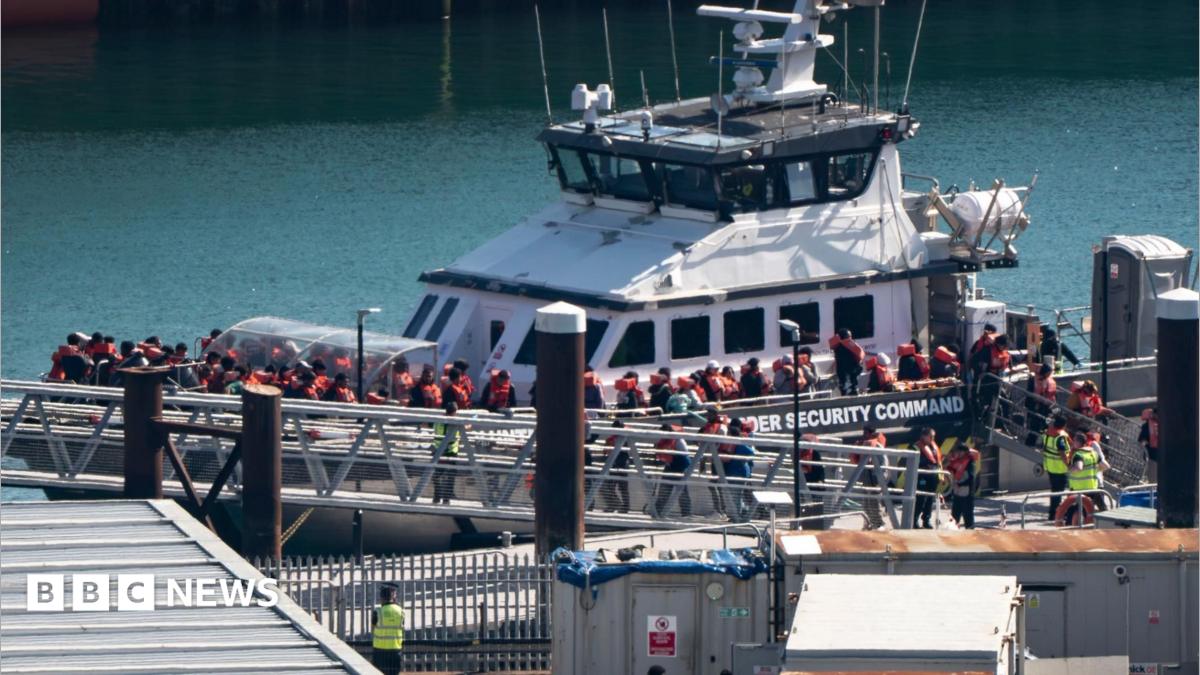
On Tuesday Home Secretary Shabana Mahmood ordered officials to conduct a review after two migrant vessels in as many days made it ashore near Folkestone undetected.
Small boat passengers are usually brought to shore by Border Force officials or on rescue boats and uncontrolled arrivals are rare. Mahmood said the beach landings were “not acceptable”.
Advertisement
The landing on Monday was the first in more than a year and only four have been recorded since the Home Office began keeping data in 2023.
A Russian drone crashed near the town of Solca, around 15 miles from the Ukrainian border, forcing nearby schools to cancel their classes.
Poland has evacuated two key crossings on its border with Ukraine after a fresh wave of Russian air strikes prompted security fears close to NATO territory, Prime Minister Donald Tusk has said.
Advertisement
The Dorohusk and Zosin crossings were cleared as a precaution in response to what officials described as an aerial threat lasting around 20 minutes. Thousands of residents in eastern Poland’s Lublin and Podkarpackie regions also received emergency alerts on their phones as the attacks unfolded.
Speaking at a joint press conference with Bulgarian Prime Minister Rumen Radev shortly after the evacuations, Mr Tusk warned that the months ahead could prove especially dangerous, the Mirror reports.
“This situation compels us to act very consistently here in Poland, to cooperate with Ukraine, but also to warn our European partners that these are truly difficult times,” the Prime Minister said, adding, “We need to be well prepared for the coming weeks and months. Autumn and winter could be truly critical.”
Further overnight strikes on Ukraine featured an unspecified number of hypersonic and ballistic missiles, 282 drones and other weapons, Ukraine’s air force estimated, killing two people.
Advertisement
One of the victims was in the car park of a maternity hopsital in the capital city of Kyiv. Six others were killed in an attack which struck a farm in Kharkiv, in the northeast of the country.
NATO jets were scrambled in Polish and Romanian airspace overnight and on Wednesday morning (September 23). Posting on social media, Poland’s Armed Forces Operational Command said fighter jets were dispatched “to ensure safety” due to Russian “strikes using jet-powered unmanned aerial vehicles on targets in western Ukraine.”
No violations of Polish airspace were recorded, and the jets returned to base roughly an hour after setting off, officials said. In Romania, a Russian drone crashed near the town of Solca, around 15 miles from the Ukrainian border, forcing nearby schools to cancel their classes.
Advertisement
The drone was flying “in national airspace” for four minutes, according to Romania’s Ministry of Defence, before falling near the town of Solca in Suceava County. No casualties or material damage were recorded, the ministry reported.
Elsewhere, Moldovan authorities reported four “aerial objects” illegally entering the country’s airspace on Thursday morning. Unlike Romania, Moldova is not a NATO member. President Zelensky said Russia launched its attack while people slept, with flashes from the explosions lighting up the sky in Kyiv.
“As people were sleeping, flashes from explosions lit up the sky,” Zelensky, who was in New York for the UN General Assembly, said on Telegram. Once again, the main targets of their strike were Kyiv and civilian infrastructure, residential buildings, a maternity hospital, energy infrastructure, and logistics.”
Advertisement
He also urged the US to “respond strongly,” adding: “We need ballistic interceptors to protect lives.”
Ensure our latest stories always appear at the top of your Google Search by making us a Preferred Source. Click here to activate or add us as your Preferred Source in your Google search settings.
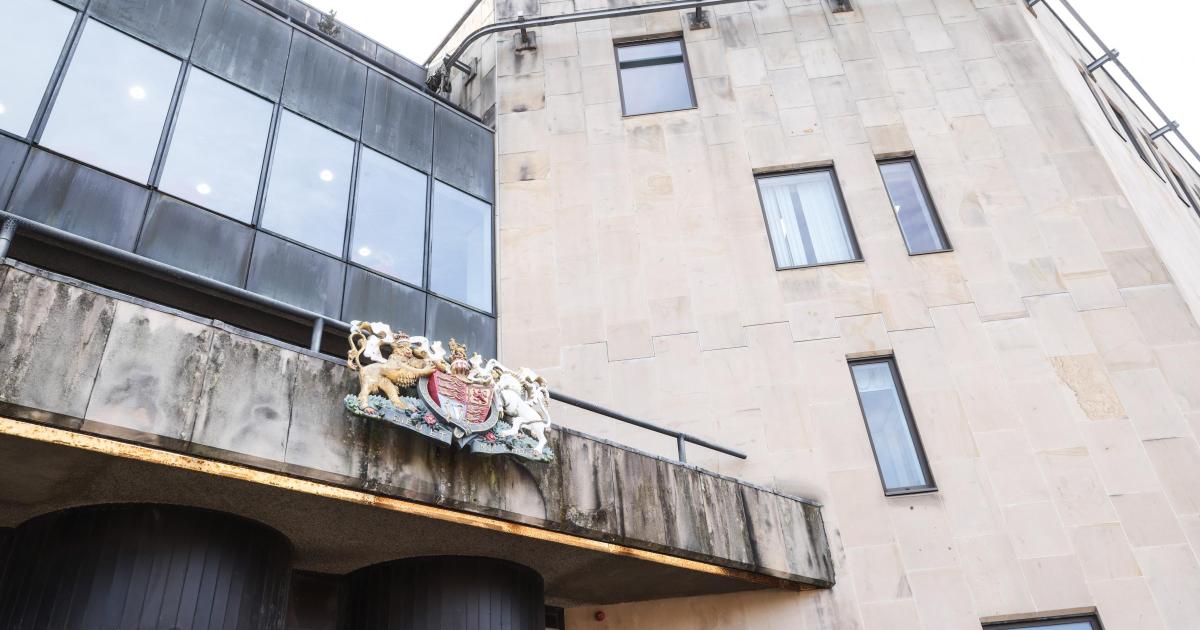
Cases brought by Bolton Council in recent weeks involved the parents of children at Little Lever School, Johnson Fold Primary School, St Matthew’s CE Primary School, Halliwell, and Moorgate Primary School.
One parent was left with a £791 bill, while another was handed a community order after admitting more serious school attendance offences.
At Bolton Magistrates’ Court one parent was fined £169 and ordered to pay £85 in costs and a £68 surcharge, bringing the total to £322, after pleading guilty to an offence for failing to ensure her child attended school regularly.
She was ordered to pay the amount in monthly instalments of £40.
Advertisement
In another case a parent was fined for the same offence.
The court heard the child had failed to attend school regularly in the first term.
He was fined £440 and ordered to pay £175 in costs and a £176 surcharge, leaving a total bill of £791.
A parent admitted two offences relating to the attendance of two children.
Advertisement
The parent was handed a community order requiring her to complete up to 25 days of rehabilitation activity.
She was also fined £120 and ordered to pay £85 in costs and a £114 surcharge, totalling £319.
The court ordered her to pay £25 per month.
Another was also taken to court over the attendance of a child.
Advertisement
One charge alleged the child failed to attend school regularly.
She was fined £440 and ordered to pay £175 in costs and a £176 surcharge, again bringing the total to £791.
All four cases were brought under the Education Act 1996 by Bolton Council.
Local councils and schools can use various legal powers if children are missing school without a good reason, including parenting orders, education supervision orders, school attendance orders and fixed-penalty notices.
Advertisement
Parents prosecuted for school attendance offences can face fines and, in the most serious cases, imprisonment.
There comes a point in every parent’s life when their sprogs discover the art of whining – and boy, can it grate.
While the odd whine is fine (who doesn’t need a good moan now and then?), when whining becomes the default, or children seem to constantly complain, it can be exhausting – especially when you’re trying to work, look after them, juggle endless amounts of life admin (yours and theirs), and everything else in between.
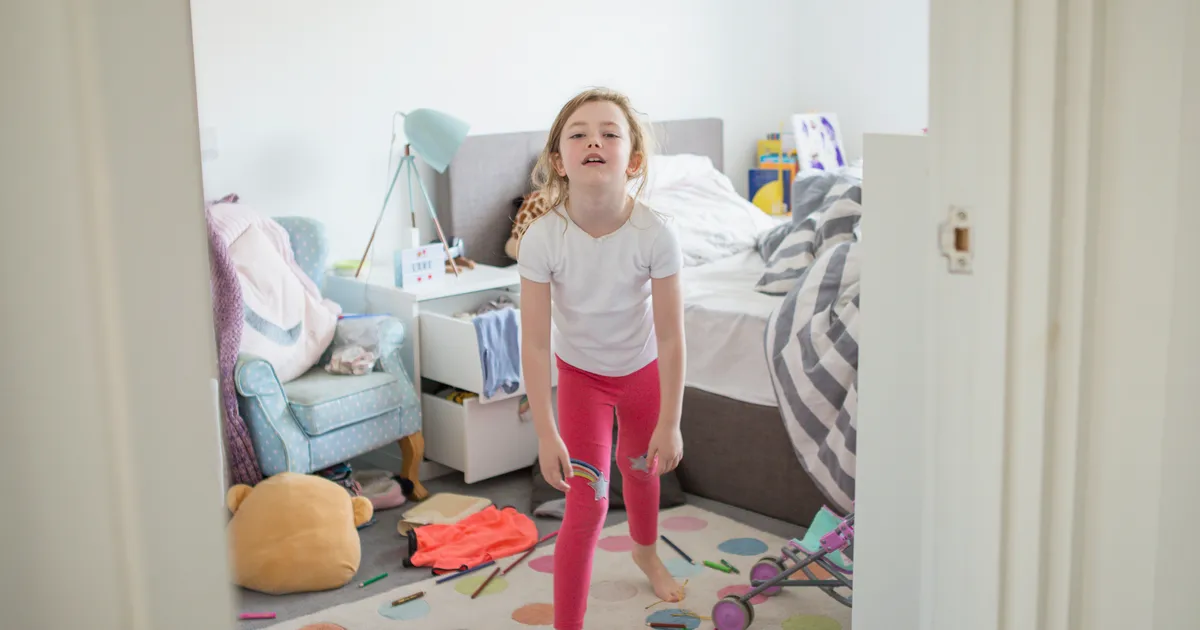
Such is the case for one parent of two young girls aged six and nine, who shared that their children’s complaints are “constant” – and it’s starting to really get to them.
“I reached the point that when I am working alone from home and I hear the main door opening (meaning they are back) I pre-stress and I start to have palpitations,” said the parent on Reddit’s r/Parenting forum. “It should not be like this.”
Advertisement
Why do kids whine?
Abigail Finnegan, a psychotherapist and member of Counselling Directory, said: “For many of us who have worked in the field of child development we know only too well that if a child feels that they can’t get the attention they need through being delightful, they will instead resort to less ‘delightful’ ways to be noticed – because, after all, any attention is better than no attention at all!”
Plenty of parents are increasingly stretched to capacity (a survey from this year found nine in 10 mums have experienced burnout) and unless you’ve got a village nearby, or have a lot of money to throw at childcare, you’re very much on your own.
Add this to the fact we’re increasingly living in fast-paced environments where, as Finnegan says, parents have to meet the competing demands of employers, schools, other children, ageing parents and then kids are coming home from school “past the point of exhaustion”.
Advertisement
Mix it all up and you’ve got a recipe for whiny behaviour.
When we’re stressed and bustling about like headless chickens (which I’ll be the first to admit is my default setting) it’s easy to forget that underneath all that whining and complaining is a need to communicate something.
Psychotherapist Pei-I Yang, also a Counselling Directory member, said: “Children often don’t have the words to say ‘I feel overwhelmed’ or ‘nobody’s really listening to me’, so it can leak out as moaning instead.
“The whining isn’t the problem. It’s a communication for parents from their children telling them that something underneath needs attention.”
Advertisement
The worst way to respond to whining
When your kid whines, your instinct is probably to say something along the lines of: “stop complaining”, “try to be more positive” or “some kids would love what you’ve got”.
However Yang highlights that more often than not, this can leave children feeling “brushed off”. And a child who feels brushed off “tends to complain more, not less”. Eek.
The best way to respond to whining
Advertisement
If whining is your child’s way of communicating something, therapists suggest the best way to nip it in the bud is to get to the bottom of why they’re whining. Or at least try to.
“It’s important to verbally acknowledge to both yourself and your child that there is obviously something making them unhappy – otherwise they wouldn’t be whining!” said Finnegan. “The questions is: what to do about it?”
Her advice for parents is to slow down and check no one is hungry or thirsty. (“Healthy snacks in a bag can make a huge difference to mood at the end of a long day,” she added.)
“As hard as it can be when you’re tired as a parent, maybe ask yourself when the last time was that you were able to slow down enough to play or talk with your child without distractions?” added the therapist. “Is it possible to create some time, on a regular basis, just to be with your child?”
Advertisement
If they get plenty of time with you but still complain a lot, sometimes it can help to simply validate their emotions. Yang noted that even a simple “that does sound annoying” can take the heat out of the moment, because they feel heard.
If your teenager has taken to complaining a lot of late, instead of trying to fix or lecture, Yang encourages parents to be curious. You could ask something along the lines of: “You’ve seemed really fed up lately, what’s going on?”
“Often the small complaints are hiding something bigger, and it’s the space to talk, without you rushing to solve it, that helps them open up,” she explained.
“Whatever their age, it comes down to the same thing: connection and being curious before correction. A child who feels genuinely heard rarely needs to complain to be noticed.”
Yesterday, Port Talbot Coastguard were tasked with two separate cases dealing with a despondent person. At 8.51am, the team was tasked to assist South Wales Police following a report of a despondent person in the vicinity of Monkstone Marina.
Whilst the team was mustering at station, they then received confirmation that the individual was safe and in the care of Police. As a result, our team was stood down.
At 10.12pm, they were called alongside Porthcawl Coastguard, to assist South Wales Police with a report of a despondent person on Porthcawl Pier.
Advertisement
As the team conducted a search of the pier they had news that the CAS was located safe by Police and therefore stood down.
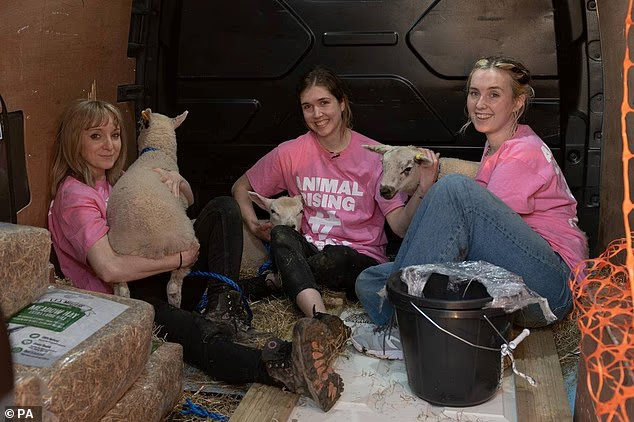
Three animal rights activists who took lambs from the King’s estate in Sandringham and claimed Charles would have approved were convicted of theft today.
Footage of the women, who wore pink t-shirts bearing the name of pressure group Animal Rising, was released online afterwards by the organisation.
They were also shown brazenly standing outside Windsor Castle with signs stating they had taken the sheep before handing themselves in to police.
Advertisement
During their trial, they said they wanted to provoke a ‘discussion’ about animal farming and its impact on the environment, while the monarch was targeted because he ‘says he’s an environmentalist and an animal lover’.
Their defence rested on the claim that they had saved the animals from poor welfare conditions and slaughter and there was no ‘dishonesty’ in what they did as the so-called ‘open rescue’ was the morally right thing to do – and the King would have ‘consented’.
Prior to the hearing, Animal Rising said: ‘The open rescue tactic is an attempt to create strong case law foundations to give a legal basis for the rescue of animals from animal testing, farms or other industries.’
Advertisement
Rose Patterson, 37, along with Rosa Sharkey and Sarah Foy, both 26, spirited away three lambs during an early morning visit to Appleton Farm in Norfolk
The case follows other trials where activists have been cleared of alleged offences, leading MPs to warn such verdicts provide a ‘green light’ for people to commit crime.
But a jury took just three hours and 48 minutes to find the defendants guilty of the charge.
Judge Anthony Bate told the defendants, who showed no emotion as the verdict was returned, that he hoped to sentence them later today.
Advertisement
He indicated he was thinking of imposing a community order with unpaid work.
Conservative MP Sir John Hayes, the founder of the Common Sense Group of parliamentarians, condemned the defendants’ actions, telling the Mail: ‘Anyone who keeps animals needs the protection of the law.
‘The distorted understanding of the relationship between humans and animals is evident in the fact that they carelessly took these babies from their mothers.’
He also branded the claim that Charles would have supported the lambs’ ‘rescue’ as ‘impertinent’, adding: ‘It’s hard to think the King would want anyone to steal animals.’
Advertisement
Immediately after the theft on May 24, 2023, livestock experts and farmers condemned the stunt.
A National Sheep Association spokeswoman said the distressed ewes would have been ‘scouring the field for their lambs, bleating endlessly with no hope of finding them’.
The activists said they target the King because he said he was ‘an environmentalist and an animal lover’
Gareth Wyn Jones, a sheep farmer for over five decades, added: ‘These people are absolutely bonkers.
Advertisement
‘It’s distressing for these animals to be handled wrongly by amateur strangers.’
The lambs have never been recovered as they were taken to an undisclosed sanctuary where, Norwich Crown Court was told, they had begun ‘socialising with other animals and had made friends with goats’.
Animal Rising director Ms Patterson said outside court: ‘We are of course disappointed by the verdict today but it doesn’t change how I feel about rescuing Sammy, Sunny and Sooty.
‘We rescued them because we believed they deserved the chance of a long life, rather than having their lives cut short simply because they were being farmed for food. I don’t regret for a moment giving them that chance.’
Advertisement
Ms Sharkey added: ‘I hope that the rescue of these lambs helps open the King’s eyes to the reality of farming sheep.’
During the trial, jurors were told that the King was the official owner of the lambs, which were worth £400-500, but they were in the care of head stockman Gordon Robinson.
Charles, who was then the Prince of Wales, admires sheep being judged at The Great Yorkshire SHow in July 2021
Giving evidence, the defendants said the farming of livestock was having a devastating impact on the environment.
Advertisement
Food distribution worker Ms Sharkey, of Brighton, said: ‘We discussed wanting to save sheep and the best way to do that.
‘One of the things we were considering was the impact it would have on the farmer and knowing that farming lives are not easy.
‘That was the key reason why we went for the King’s farm as it’s not his primary source of income.
‘And we wanted to do it in a way that would have a wider impact and produce a discussion in the country.
Advertisement
‘The King says he is an environmentalist and an animal lover and I do think that the reality of sheep farming is quite hidden away, and what they face in the slaughterhouse and the impact on the land are not actually things that he’d agree with.’
Prosecutor Dingle Clark posed a hypothetical situation where someone ‘comes into a coffee shop and walks out with a cake’ and suggested: ‘That would be wrong’.
Ms Sharkey told him: ‘It would depend on the context.’
Ms Patterson, of north London, claimed electrodes that stun lambs at abattoirs were often used incorrectly, leaving them ‘paralysed while going to slaughter fully awake’.
Advertisement
The defendant – who was previously arrested on suspicion of conspiracy to cause a public nuisance after being flagged in the group’s plot to sabotage the Grand National – also claimed the ‘scale’ of the animal industry meant there were frequent violations of standards, yet there were ‘very few prosecutions’.
The defendants stood outside Windsor Castle with signs admitting what they had done before handing themselves in to police
Ms Foy, an Animal Rising volunteer support co-ordinator from South Normanton, Derbyshire, told jurors the lambs were taken on a hot day and there had been no water for them.
‘We rescued them from neglect or from being killed,’ she said.
Advertisement
She also argued that ‘no aspect of the farm system actually makes sense. Every part of it needs change’.
But Mr Robinson said in a statement read to the court: ‘We unapologetically rear forest-fed lambs to sell for consumption.’
And Mr Clark told the jury in his closing speech: ‘One might have sympathy with the views of some of the defendants but they are all controversial views.’
It might be that farming practices should change, he added, but there are ‘plenty of ways to change the law [and] plenty of ways to campaign lawfully’.
Advertisement
What the defendants didn’t have, he concluded, was permission to ‘take property that belongs to other people’.
Defence barrister Sarah-Jane Ewart, for Sharkey, said in her closing speech: ‘The three women sat behind me took three sheep. Those sheep, there’s no dispute, belonged to the King.
‘There’s no suggestion they planned to give them back … but they didn’t do it dishonestly and so the law says that’s not theft.’
She explained that ‘someone isn’t dishonest if they believe the owner would consent to the appropriation of the property if they knew of it and its circumstances’.
Advertisement
‘They genuinely believed King Charles would be open to this,’ added Ms Ewart.
So-called Open Rescue, where activists use ‘non-violent and transparent’ tactics to ‘rescue’ animals in captivity, was first used by protesters in Victoria, Australia.
Earlier this year, four defendants were unanimously acquitted of burglary after a jury heard they had taken 18 beagle puppies in an ‘open rescue’ at an animal testing site in Cambridgeshire in December 2022.
The Sandringham Estate consists of 2,400 hectares of farmland, with an additional 4,000 hectares rented by tenant farmers. There are around 3,000 royal sheep present.
Trump sparks shock new showdown with reporters just HOURS after judge ordered White House to let them back in as free speech crisis overshadows Xi state visit
Donald Trump’s White House has defied a federal judge and seized reporters’ press passes just hours after a court ordered them let back in, marking an extraordinary escalation in the dispute over ‘Fake News’ coverage.
The White House turned away at least two reporters on Thursday, even after the judge reinstated access to the banned outlets.
Trump banned them last Friday in a fiery social media post accusing them of peddling ‘fake news.’ He was reportedly shown a slate of negative coverage from the outlets by his aide Natalie Harp in the moments before the ban was announced.
US District Judge Timothy Kelly granted a temporary restraining order early Thursday morning, effectively forcing the Trump administration to restore access to Politico, CNN and MS NOW, which the president shockingly banned last Friday.
Advertisement
Still, a Politico reporter’s credentials were confiscated on Thursday after the ruling allowing re-entry took effect, the outlet reported.
An MS NOW reporter also had their credentials taken and was denied access, the outlet reported.
The three outlets filed their lawsuit against the Trump administration on Monday and the case has rapidly progressed.
In solidarity with the banned outlets, major broadcasters like Fox News, NBC, CBS and ABC – known as the TV pool responsible for covering presidential coverage on a rotating basis – have refused to cover the president in response.
Advertisement
A Politico reporter had his credentials taken while entering the White House on Thursday despite a judge’s ruling for the administration to restore the outlet’s access
MS NOW correspondent Akayla Gardner reports outside the White House grounds after President Donald Trump banned MS Now, CNN, and Politico in a Truth Social post
The ban has resulted in a media blackout of Trump’s state visit with Chinese President Xi Jinping
Advertisement
As President Donald Trump and First Lady Melania Trump greeted Chinese President Xi Jinping and his wife, Madame Peng, at the airport on Wednesday, many broadcast teams broke down their cameras and watched the events without filming them.
Trump’s week has been packed with major events from attending the UN General Assembly meeting in New York City to the historic state visit with Xi in Washington, which concludes on Friday.
The media blackout has prevented widespread coverage of the spectacles, and the broadcasters have mostly not taken any of the events live.
New media outlets like Real America’s Voice, a MAGA-friendly network, have filled the void with YouTube streams.
Advertisement
Given the ban on CNN and MS NOW, the broadcast tents they used to occupy on White House grounds are now vacant with their lights off, and correspondents have opted instead to shoot live shots from the streets outside the presidential residence.
It is unclear when the White House will officially restore the outlets’ credentials.
The Daily Mail contacted the White House for comment.
The White House Correspondents’ Association (WHCA) released a blistering condemnation of the ban in the wake of the media crackdown.
Advertisement
‘The president said it plainly in the Oval Office, describing his own planned action as a “ban on the free press,”‘ Jacqui Heinrich, WHCA president, said in a statement.
‘The Constitution protects the freedom of the press from government interference. That protection does not depend on whether the president likes a news organization’s coverage, agrees with its reporting, or approves of the questions its journalists ask.’
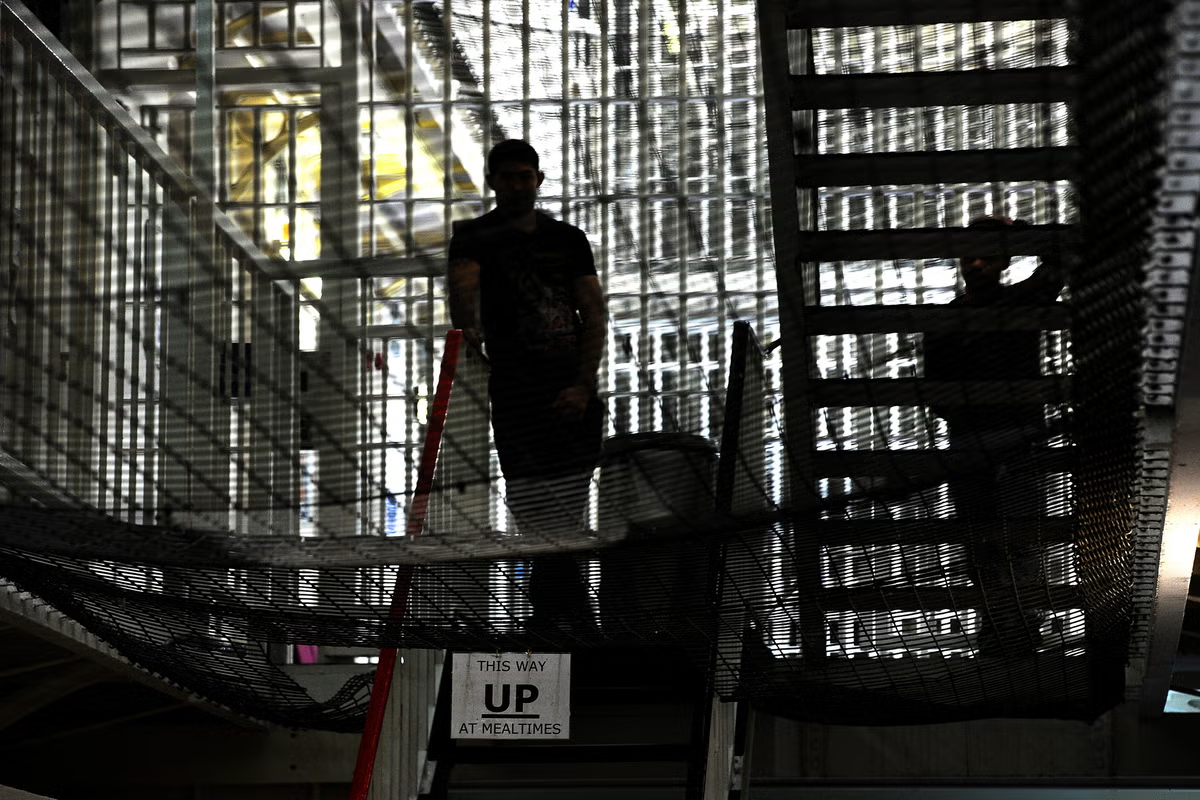
Nine more prisoners trapped on indefinite jail terms have had their sentences referred to the Court of Appeal by the miscarriages of justice watchdog.
The Criminal Cases Review Commission (CCRC) is currently reviewing more than 250 cases involving people serving Imprisonment for Public Protection (IPP) and the youth equivalent, Detention for Public Protection (DPP) jail terms.
So far, the watchdog has referred 25 cases to the appeal courts this year after a string of sentences were overturned by top judges.
The latest cases include Carl Lamb, who cut off his own ear with a razor blade in front of a prison officer in protest at his sentence.
Advertisement
He was jailed with a tariff of one year, seven months and 25 days in 2006 for grievous bodily harm with intent following a road rage incident when he was 26. Now 46, he has never been released.
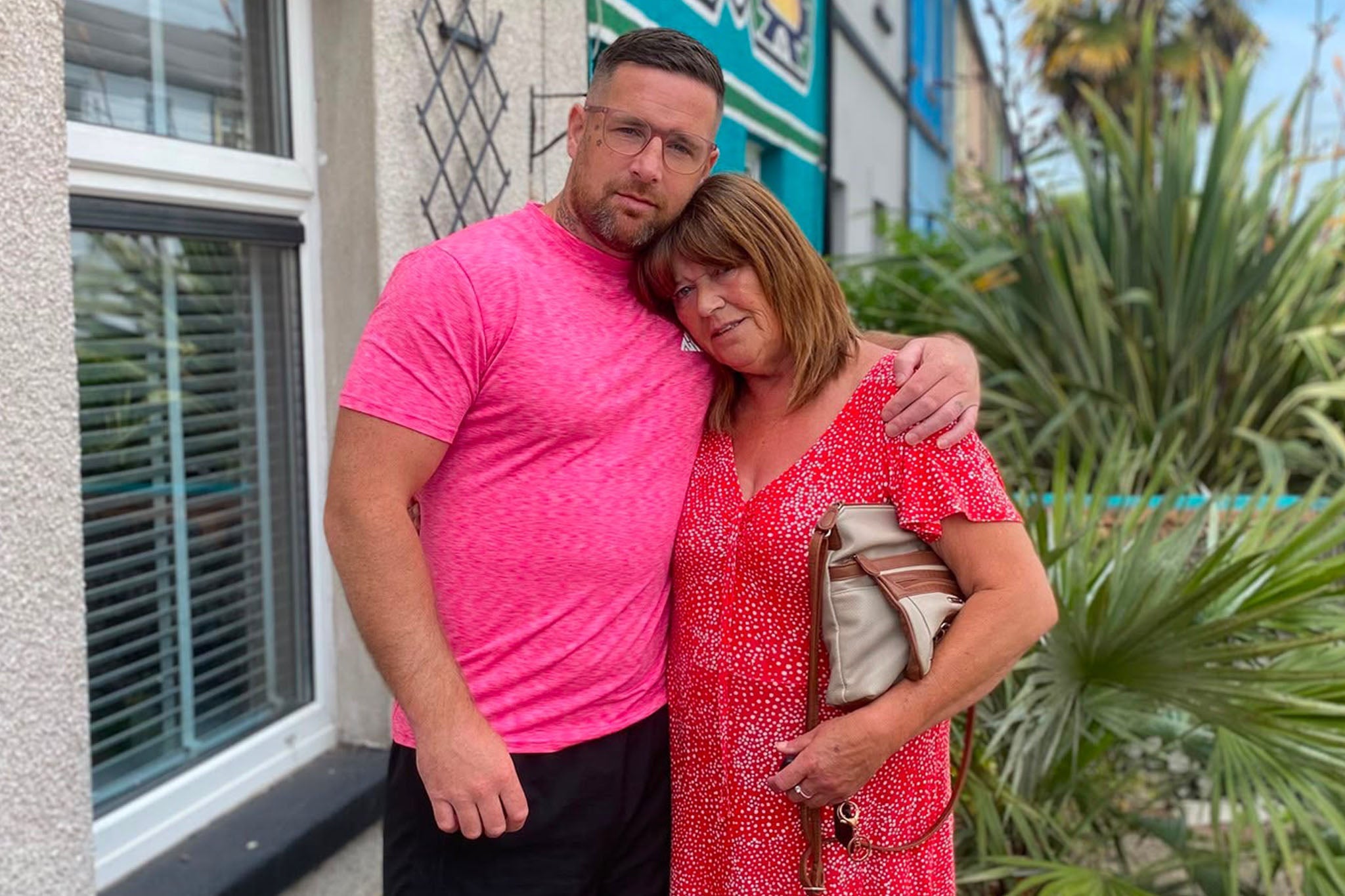
Shaun Lloyd and his mother Shirley Debono (Supplied)
Shaun Lloyd, 38, has been hauled back to prison five times and served almost 14 years under his indefinite jail term for the street robbery of a mobile phone he committed 20 years ago.
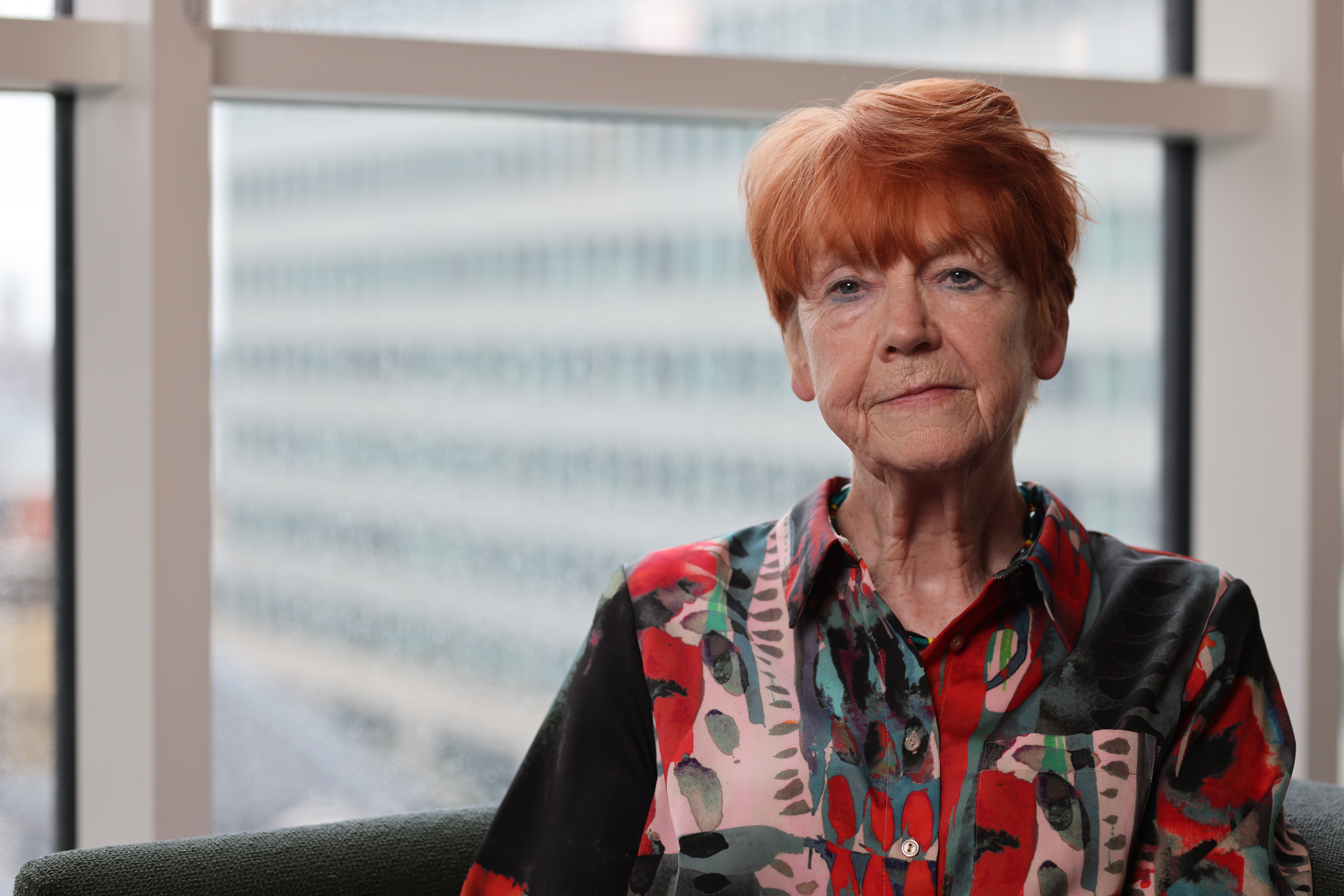
Chair of the CCRC, Dame Vera Baird KC, has said the referrals represent a “fraction” of those who remain “caught up in this abolished sentencing regime”.
The open-ended punishments were scrapped in 2012, but not retrospectively, leaving thousands languishing in prison without a release date.
The Independent has repeatedly called for all remaining IPP and DPP prisoners to have their sentences reviewed, highlighting shocking cases including Mr Lloyd’s and Mr Lamb’s.
Advertisement
Andy Burnham last month pledged to bring legislation to end the “long-running” injustice of IPP sentences before the end of this parliament, bringing hope to thousands of such prisoners for the first time. Details of how the scandal will be addressed are to be decided by a cross-party oversight group.
Carl Lamb, pictured as a child, has never been released from his IPP jail term (Supplied)
Dame Vera, a former victims commissioner, said public protection must remain paramount but “so too must fairness”, as she offered to support the government in their efforts to bring the sentence to an end.
“These nine referrals bring to 25 the number of IPP and DPP cases that the CCRC has referred to the Court of Appeal so far this year,” she said.
“But while 25 referrals are a significant number, this represents only a fraction of the people who remain caught up in this abolished sentencing regime.
“The latest figures show that 856 people who were given IPP sentences have never been released from prison. Around eight in 10 of those who have passed their minimum tariff have already spent at least 10 years beyond the point at which the court originally said they should become eligible to seek release. A further 1,415 people are in custody following recall.
Advertisement
“These are extraordinary figures for sentences which were abolished more than a decade ago.”
Recent Court of Appeal judgments have seen indefinite sentences overturned because the original judge had not fully considered the defendant’s age or maturity when handing out the punishment.
Dame Vera Baird KC says an ‘extraordinary’ number are still locked up under the abolished jail term (CCRC)
Dame Vera said the CCRC will continue reviewing applications, adding: “The Commission will continue to examine these cases carefully and independently. Where we identify a real possibility that a sentence would now not be upheld, we will refer the case to the appropriate court. It will then be for the court to decide what should happen.
“There is no simple solution to the legacy of IPP and DPP sentences. Public protection must remain paramount, but so too must fairness and the principle that people should not remain imprisoned indefinitely because of a sentencing regime that has already caused so much damage and which parliament abolished more than a decade ago.”
The nine latest referrals include:
Advertisement
Abdiwali Hassan, convicted at Isleworth Crown Court in 2011 and sentenced aged 19 to an IPP with a tariff of three years
Carl Lamb, convicted at Cardiff Crown Court in 2006 and sentenced aged 26 to an IPP with a tariff of 21 months
Ben Nye, convicted at Leeds Crown Court in 2007 and sentenced aged 21 to an IPP with a tariff of three years
Scott Prince, convicted at Derby Crown Court in 2008 and sentenced aged 19 to an IPP with a tariff of three years and six months
Liam Osborne, convicted at Wolverhampton Crown Court in 2006 and sentenced aged 21 to an IPP with a tariff of two years and three months
Jerome Barrett, convicted at York Crown Court in 2005 and sentenced aged 19 to a DPP with a tariff of two years
Victoria Hathaway, convicted at Ipswich Crown Court in 2009 and sentenced aged 19 to a DYPP with a tariff of six years (varied on appeal to four years)
Shaun Lloyd, convicted at Cardiff Crown Court in 2005 and sentenced aged 18 to a DYPP with a tariff of two years and nine months
Jason Ritchie, convicted at Teeside Crown Court in 2008 and sentenced aged 38 to an IPP with a tariff of three years
Other than Mr Ritchie, who is on licence, all the prisoners are in custody.
The referrals follow a landmark ruling last year in the case of Leighton Williams, who served nearly 16 years over a drunken fight aged 19. The appeal court ruled that a previous offence committed when he was 17 had been wrongly counted against him and his IPP sentence was quashed in 2024. Following his release, he told The Independent the unjust jail term had robbed him of 16 formative years.
Since then, a flurry of cases have been referred to the Court of Appeal and overturned, including that of Haroon Ahmed, who spent 18 years being punished for a knifepoint robbery of a service station committed when he was 19.
A further six indefinite sentences were quashed in a sweeping ruling earlier this year.
Until Mr Burnham’s announcement last month, successive governments had refused to act on calls to address the injustice facing IPP prisoners, some of whom have served up to 22 times their original tariff. Others have faced a vicious cycle of recall, often for breaches of strict licence conditions.
Advertisement
The punishment has been described as “psychological torture” by the United Nations, with 96 prisoners taking their own lives in custody after losing hope of getting out.
Mr Lloyd is among five men serving IPP sentences whose detention has been found to be arbitrary by the human rights watchdog, prompting a major legal challenge due to be heard next month.
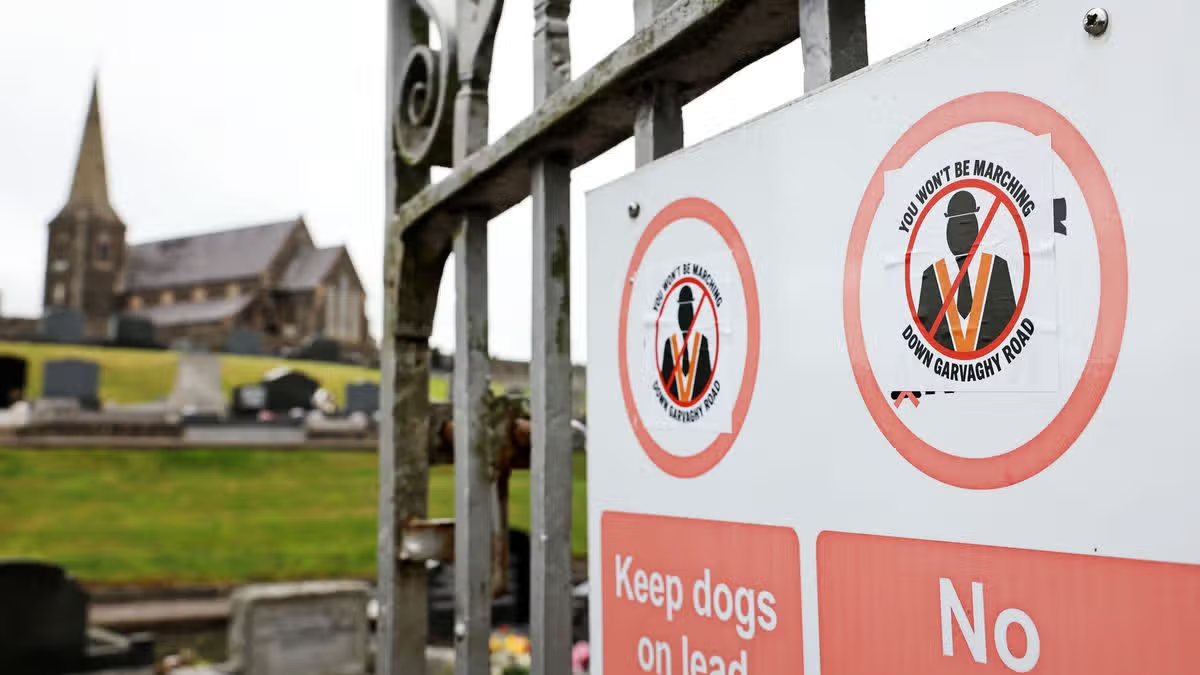
The Drumcree dispute has returned to the political spotlight more than two decades after the Orange Order was last permitted to march along the Garvaghy Road.
At the centre of the row is a relatively short stretch of road in Portadown, which became one of the most heavily contested pieces of territory in Northern Ireland during the Troubles and the peace process.
The dispute became a wider battle over identity, territory, cultural rights and the ability of the state to maintain public order without appearing to favour one community over another.
With a new application to march along the Garvaghy Road now before the Parades Commission, here is what you need to know about the history of the Drumcree conflict.
Advertisement
What is the Drumcree dispute?
The dispute centres on Orange Order parades between Portadown town centre and Drumcree Church, with the return route passing along the Garvaghy Road.
For the Orange Order, the march is regarded as an important expression of Protestant and unionist culture and tradition.
For many nationalist residents of the Garvaghy Road, the parade has historically been viewed as sectarian and triumphalist, particularly because the route passes through what became a predominantly Catholic and nationalist area.
The dispute became particularly intense during the 1990s, when annual confrontations at Drumcree became a symbol of the wider divisions within Northern Ireland.
Advertisement
Why is the route so controversial?
The geography of Portadown changed significantly during the 20th century. For much of the 19th and early 20th centuries, the route from the town centre to Drumcree Church passed through relatively open farmland.
That changed as housing estates were developed along the Garvaghy Road and Obins Street during the 1960s.
The Troubles then accelerated population displacement and segregation, leaving the areas around the route increasingly divided along Catholic-nationalist and Protestant-unionist lines.
The traditional Orange route, therefore, came to pass directly through a densely populated Catholic and nationalist neighbourhood rather than through the open countryside it had historically crossed.
Advertisement
When did the controversy begin?
The history goes back much further than the Troubles. The first official Orange parade to and from Drumcree Church took place in July 1807.
There were episodes of sectarian violence associated with parades in the area during the 19th and early 20th centuries, with clashes recorded in a number of years, including 1873, 1883, 1885, 1886, 1892, 1903, 1905, 1909, 1917, 1931 and 1950.
Advertisement
The dispute intensified significantly in the 1980s, however, as nationalist residents began challenging loyalist parades through Catholic areas.
What happened on Obins Street?
Before Drumcree became the major flashpoint, the focus was on Obins Street, a Catholic area of Portadown known locally as “the Tunnel”.
Tensions escalated in 1985 after a nationalist St Patrick’s Day parade was rerouted following objections from loyalists, while Orange parades through Catholic areas continued to receive extensive police protection.
Later that year, thousands of Orangemen marched through Obins Street while residents staged a sit-down protest.
Advertisement
The RUC cleared the protesters using batons, resulting in injuries and arrests.
Violence intensified in 1986 and, following widespread loyalist rioting, the RUC eventually banned the Orange Order’s parade from Obins Street.
The Orange Order subsequently concentrated its efforts on defending the return route along the Garvaghy Road.
What happened at Drumcree in 1995?
The first major Drumcree crisis came in July 1995. Catholic residents, organised through the Garvaghy Road Residents Coalition, staged a sit-down protest to prevent an Orange return parade from travelling along the road.
Advertisement
The RUC decided the march could not safely proceed through the crowd and ordered the Orange Order to reroute. The Orangemen refused.
Around 10,000 Orangemen and supporters gathered at Drumcree Church while approximately 1,000 RUC officers formed a security cordon.
Violence followed, with loyalists attacking police and roadblocks being established across Northern Ireland.
A compromise was eventually reached, allowing the march to proceed provided the Orangemen marched in silence and residents remained on the pavements.
Advertisement
The agreement was overshadowed when UUP leader David Trimble and DUP leader Ian Paisley joined hands and raised their arms in celebration as the march entered Portadown.
For nationalist residents, the episode reinforced the perception that concessions represented capitulation rather than compromise.
Why was 1996 even more serious?
The following year’s confrontation was significantly more violent. The RUC initially banned the Orange parade from the Garvaghy Road, leading thousands of Orangemen to gather at Drumcree.
The standoff triggered widespread loyalist civil disobedience, road blockades and sectarian violence.
Advertisement
Catholic families were forced from their homes in parts of North Belfast and, on 7th July, Catholic taxi driver Michael McGoldrick was murdered.
On 11th July, RUC Chief Constable Sir Hugh Annesley reversed the decision and ordered the parade down the Garvaghy Road, citing threats to life and public order.
The decision triggered widespread nationalist rioting, with thousands of plastic bullets fired during the disturbances.
What happened in 1997?
The following year, security forces took a different approach. Fearing another outbreak of loyalist violence and citing threats against Catholic civilians, thousands of troops and RUC officers sealed off the Garvaghy Road before the parade.
Advertisement
Residents were effectively contained within their housing estates while the march proceeded along the road, surrounded by security forces.
The resulting violence left more than 100 people injured and resulted in 117 arrests.
However, the crisis eventually de-escalated, and the IRA announced its final ceasefire on 19th July 1997.
That helped clear the way for the all-party negotiations, which ultimately produced the Good Friday Agreement.
Advertisement
Why was the Parades Commission created?
The Drumcree crisis exposed a fundamental problem for the state. The RUC was responsible both for maintaining public order and, under the old system, making decisions about contentious parade routes.
That meant decisions could become effectively influenced by the threat of violence.
Following the North Report, the Public Processions (Northern Ireland) Act 1998 established the independent Parades Commission and transferred responsibility for imposing conditions on contentious parades away from the police.
Organisers were also required to provide 28 days’ notice.
Advertisement
The Commission’s decisions are based on factors including the potential for public disorder, disruption to community life, the effect of a procession on community relations and compliance with its code of conduct.
What happened at Drumcree in 1998?
The Parades Commission formally banned the Orange Order from marching along the Garvaghy Road in June 1998.
The Orange Order refused to accept the decision and thousands gathered at Drumcree.
The security response was enormous, involving around 1,000 British troops and 1,000 RUC officers.
Advertisement
The confrontation was accompanied by a wave of loyalist violence across Northern Ireland.
There were 2,561 public order incidents between 4th and 14th July, including 615 attacks on security forces, 632 petrol bombs thrown and 467 vehicles damaged.
The crisis culminated in the murder of three young Catholic brothers, Richard, Mark and Jason Quinn, who died after their home in Ballymoney was firebombed.
Their deaths caused widespread revulsion and helped bring an end to the mass mobilisation surrounding Drumcree.
Advertisement
The Orange parade was never again permitted to travel along the Garvaghy Road.
How were loyalist paramilitaries involved?
The Drumcree dispute became increasingly intertwined with loyalist paramilitary activity.
Billy Wright was a prominent figure around the Drumcree protests and subsequently formed the Loyalist Volunteer Force after breaking with the mainstream UVF leadership.
Advertisement
The LVF went on to carry out a campaign of sectarian murders and bombings against Catholic civilians.
Wright was assassinated by INLA prisoners in the Maze Prison in December 1997. His death was followed by retaliatory loyalist killings and contributed to a wider loyalist feud..
She challenged parade decisions through the courts and represented residents in their dealings with the authorities.
Advertisement
Nelson faced severe intimidation and death threats and was publicly warned about the danger to her life.
She was assassinated outside her home in Lurgan on 15th March 1999, when a bomb was attached to the underside of her car.
A loyalist group calling itself the Red Hand Defenders claimed responsibility. Her murder led to a major public inquiry and further damaged confidence in the RUC.
Did the Good Friday Agreement resolve Drumcree?
It helped contain the violence but did not resolve the underlying dispute. From 1998 onwards, the Orange Order was not permitted to march down the Garvaghy Road. Instead, a prolonged stalemate developed.
Advertisement
The Orange Order maintained a symbolic protest at Drumcree Church, with weekly demonstrations continuing while the Parades Commission repeatedly refused permission for the traditional route.
In that sense, Drumcree became a frozen conflict rather than a settled one.
What changed in 2026?
The long-standing arrangement was dramatically disrupted in August 2026. The High Court in Belfast quashed the latest Parades Commission determination blocking the Drumcree parade.
However, the ruling did not establish that the Orange Order had a substantive right to march along the Garvaghy Road, nor did it remove the human rights concerns raised by residents.
Advertisement
Instead, the court challenge succeeded because of a procedural problem in that the Parades Commission accepted that not all six commissioners had properly signed off on the final determination before it was published.
The judge criticised the Commission’s procedures, describing its handling of the decision as involving “errors, shortcuts, and sloppy procedures”.
What happened after the court ruling?
The ruling immediately reignited political tensions with criticism from unionist politicians who argued the judgment exposed problems with the Parades Commission.
Nationalist representatives, meanwhile, expressed concern that the ruling could reopen the type of confrontation associated with the 1990s.
Advertisement
Garvaghy Road residents maintained that parades through the area were finished following the events of 1998.
The Northern Ireland Secretary subsequently appointed senior judge Sir John O’Hara to conduct an independent review of the Parades Commission’s decision-making processes and governance.
What is being proposed now?
Portadown District LOL No. 1 has submitted a new notification seeking permission for 60 members to march along the Garvaghy Road on 27th September 2026.
The Parades Commission attempted to appoint TIDES Mediation NI as a third-party mediator.
Advertisement
However, the Garvaghy Road Residents Coalition rejected the appointment, citing the organisation’s previous working relationship with the Orange Order as a conflict of interest.
That leaves the dispute facing another potentially significant test of the institutions established in the aftermath of the original Drumcree crises.
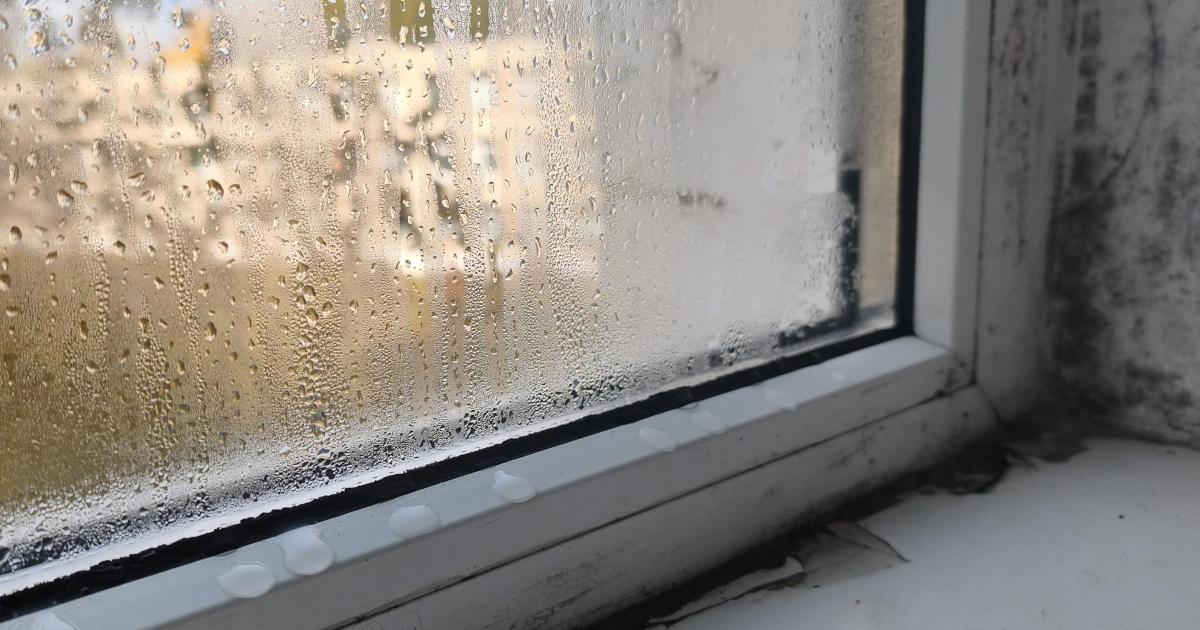
Condensation can damage your windows and furniture, and it can also cause mould which could be detrimental to your health to form.
Ben Gallizzi, energy expert at Uswitch.com , said: “Keeping your home warm can help prevent mould from building up during the coldest months of the year.
“Experts recommend that people in good health should heat their home to between 18 and 21 degrees celsius.”
This is everything you need to know about why condensation may be forming on your windows, and how you can prevent it from happening.
Advertisement
Why is their condensation on my windows?
Stephen Hankinson, energy efficiency expert at Electric Radiators Direct explains how condensation is caused, what the health risks are with having a very humid or ‘damp’ home, and what to do about it.
He said: “Humidity is a measurement of the water content in the air. It’s usually measured in percentages or grams per cubic metre.
(Image: Getty Images)
“Ideally, our indoor spaces should have a humidity level of about 50%. While most of us won’t be able to measure this, there will be some clear signs if your home’s humidity is too high or low.
“If your home’s humidity is too high, you may notice condensation on your windows or mirrors. Condensation happens when there’s too much moisture in the air, and it collects as droplets on a cool surface.”
Advertisement
How to prevent condensation on your windows
In terms of getting your home’s humidity to the right level, there are a couple of solutions that can really make a difference.
While investing in a humidifier or dehumidifier may be the most obvious step to consider, it’s important to get to the bottom of why your home’s humidity levels are too high or low in the first place – otherwise you’re merely putting a plaster over the real issue.
Keep your rooms heated and ventilated
It’s important to keep your rooms heated to prevent condensation and high humidity, as this will keep the water in the air in vapour form by preventing it from cooling too much. It will also increase the air’s circulation, allowing it to cycle out of the room more easily.
Advertisement
Doing this while keeping your windows or vents open will help excess moisture to escape. Of course, keeping your windows open in winter is easier said than done.
Opening your windows for just five minutes a day could make a difference, if you can’t withstand doing it for longer.
It’s especially important to ventilate your home when you’re cooking, or drying clothes inside. Always make sure you are using your extractor fan, and place damp laundry near an open window.
Look at improving your home’s insulation
If you’re heating and ventilating your home properly already, and still experiencing things like mould, damp or dust mites, there may be other factors at play.
Advertisement
Insulation keeps moisture out of your home, by sealing it from the outside. It eliminates cold surfaces where condensation can form, keeping your home warmer and dryer.
If your home is poorly insulated, then too much moisture may be entering your home, and heating and ventilating may only do so much.
Install a radiant heating system
If these steps don’t remedy your home’s humidity issues, or you want to ensure your property is extra-safe from humidity-related issues, you may want to consider investing in a heating system that uses radiant heat.
As radiant heat travels through the air rather than warming it directly, it has less of an effect on room humidity as it doesn’t rely on the air to transfer warmth. This means the air is more stable, as it isn’t circulating heat around your home. This can help to gradually increase humidity and has the added benefit of not spreading as many dust particles around your home.
Advertisement
There are a couple of options when it comes to radiant heating systems. The first is infrared panels, which provide 100% of their warmth through radiant heat. They’re slim units that can be installed on walls or ceilings. They can either blend in, or stand out, to fit your home’s design.
The second option is electric radiators, which provide around a third of their heat through radiation. This could be a good middle ground option for those who don’t want 100% of their home’s heat to be provided through radiation.
























































You must be logged in to post a comment Login