Connect with us
DAPA Banner
DAPA Coin
DAPA
COIN PAYMENT ASSET
PRIVACY · BLOCKDAG · HOMOMORPHIC ENCRYPTION · RUST
ElGamal Encrypted MINE DAPA
🚫 GENESIS SOLD OUT
DAPAPAY COMING

NewsBeat

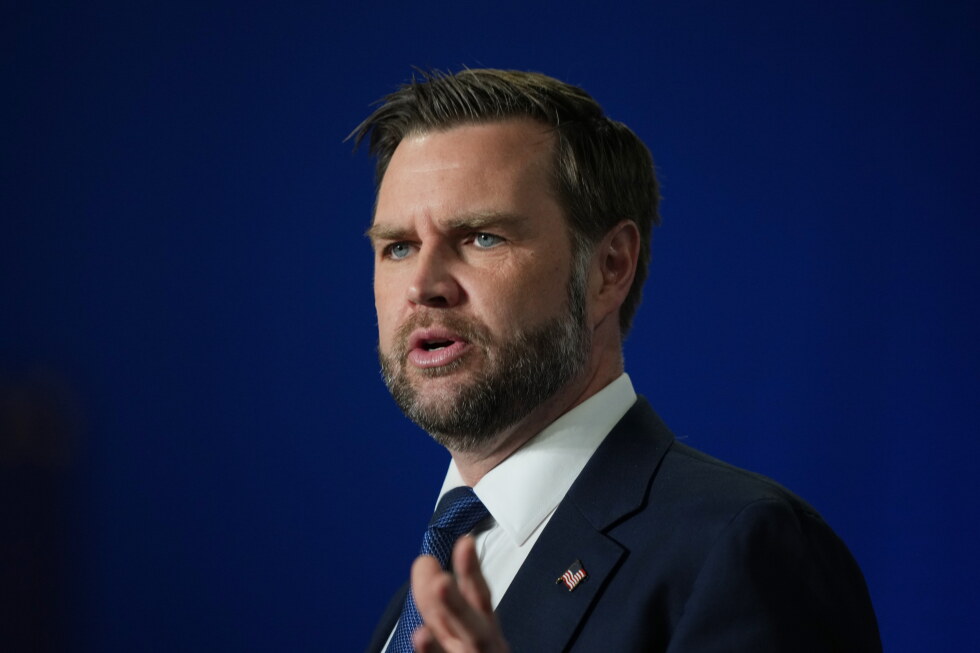
Hero or fall guy? Vance becomes face of Trump’s tentative Iran deal

Published

on

Hero or fall guy? Vance becomes face of Trump's tentative Iran deal

WASHINGTON (AP) — JD Vance was supposed to be spending the week promoting his new book, the kind of event a potential presidential candidate like the vice president typically uses to speak to a wide audience about his life and values ahead of a campaign.

Instead, the rollout of Vance’s second book, “Communion: Finding My Way Back to Faith,” has been largely crowded out by something else he’s put his name on: the tentative deal to end the Iran war.

The Republican vice president has embraced the role of chief defender of the agreement he and President Donald Trump signed with Tehran, giving a series of interviews touting the memorandum of understanding as a success and releasing a video championing it.

It’s a striking emergence for a politician who was known for his skepticism of foreign military interventions and who seemed reluctant to speak on the conflict when Trump launched it in late February.

Advertisement

The vice president is poised to yoke himself further to the conflict’s outcome on Friday, when he’s expected to travel to Switzerland to kick off a new phase of negotiations with Iran. He was originally expected to attend a formal signing ceremony for the deal, but Trump formally signed it on Wednesday instead.

Vance becoming a hype man for the agreement seems to be an all-in gamble that, should he decide to seek the White House in 2028, voters will reward him for being the face of ending an unpopular conflict.

It’s also setting Vance up as the presumptive fall-guy should the deal with Iran falter.

Trump joked about such a possibility on Wednesday.

Advertisement

“If it works out, I’m going to take the credit. If it doesn’t work out, I’m blaming JD,” Trump said.

Officials release text of the deal after backlash

The White House in a statement called Vance the president’s “right-hand man and an invaluable member of the President’s talented national security team.”

“That’s why the Vice President was trusted to lead these negotiations alongside Special Envoy Steve Witkoff and Jared Kushner,” White House spokeswoman Olivia Wales said. “What President Trump and his team achieved on the battlefield and at the negotiating table is nothing short of remarkable and will strengthen American security for years to come.”

But backlash, including from conservatives, began growing this week after the U.S. digitally signed the memorandum of understanding with Iran on Sunday.

Advertisement

Luke Schroeder, a spokesman for the vice president, said in a statement: “It’s unfortunate that some Republicans are attempting to undermine the President’s efforts to achieve peace in the Middle East and ensure Iran never has a nuclear weapon.”

Officials gave shifting answers about when they would release the text, but leaked copies of a draft were quickly met with anger and skepticism from Democratic and Republican U.S. lawmakers, as well as Israel and pro-Israel advocates. Their criticisms included concerns that the deal, meant to open a two-month negotiating period, seemed to offer Iran wins up front while guaranteeing little in return, and that Trump’s stated reason for launching the conflict, to prevent Iran from obtaining a nuclear weapon, remains unresolved.

Vance has reiterated that Iran must meet its obligations.

“If they don’t behave properly, they don’t get any of the benefits of this bargain,” he said Tuesday on Fox News Channel’s “Fox & Friends.”

Advertisement

In response to the backlash and mounting questions, the U.S. on Wednesday provided the text of the agreement to journalists.

The agreement states that Iran’s stockpile of highly enriched uranium, which is believed to be buried under rubble, must at minimum be diluted under international supervision. It also states that Iran shall not procure or develop nuclear weapons — a commitment it has made previously. But beyond stating that the U.S. and Iran will negotiate over Iran’s nuclear program, other commitments still need to be worked out.

Criticism on the right persisted after the text was released.

Conservative radio host Erick Erickson, a hawk who has defended the war, said Wednesday: “This is an American surrender.”

Advertisement

Texas Republican Sen. Ted Cruz, a potential 2028 presidential candidate, criticized the agreement and said to reporters, “I think the president, unfortunately, is receiving bad advice.”

Trump’s ‘Operation Epic Fury’ has angered wings of his movement

The conflict, which has stretched into its fourth month, has cleaved Trump’s broad Make America Great Again coalition and angered both those who favored a harder line against Iran and those drawn to Trump’s “America First” foreign policy underscored by a message of “no new wars.”

Critics, including Republicans, have already started pointing fingers in Vance’s direction, questioning whether the deal resembles the 2015 nuclear agreement struck by Democratic President Barack Obama and whether this new agreement achieves Trump’s stated objectives for launching the war.

Republican Sen. Lindsey Graham of South Carolina, a Trump ally and Iran hawk, had been skeptical of the agreement and referred to Vance on social media as “the architect of the deal.”

Advertisement

After the agreement was released, Graham issued a tepid statement of support, saying, “Whether or not the United States can reach an acceptable, verifiable deal with Iran regarding its nuclear program and other issues is yet to be determined, but I see little downside to trying.”

Ben Domenech, The Daily Wire’s opinion editor, said on Fox News that everything he was hearing about the deal “seems bad” and appeared to cast blame on Vance by alluding to his first book, “Hillbilly Elegy.”

“Are we going to backslide into being some kind of ‘hillbilly Obama’ kind of GOP?” Domenech said.

GOP allies say Vance can navigate the politics

The Trump administration has not offered formal briefings to Congress on the details of the memorandum, but Vance has quietly started doing outreach to some Republican senators on Capitol Hill.

Advertisement

Sen. Bernie Moreno, R-Ohio, a close ally of Vance’s, said the vice president would be able to assuage even critics within his own party who are skeptical of the deal because “JD is just the president’s messenger, and the president’s going to prove them all wrong.”

Sen. Kevin Cramer, R-N.D., said the deal “certainly adds to the national security and geopolitical chops” of Vance, who spent two years as a U.S. senator for Ohio before ascending to the vice presidency.

But Cramer acknowledged the risks if the agreement goes awry.

“I guess the nice thing is, if you’re not the No. 1 person, you can take credit and avoid risk, avoid the criticism, but probably not so easily,” Cramer said.

Advertisement

Vance argues Iran is not a quagmire like the Iraq war

In interviews this week, Vance has sought to speak directly to the skeptics in his party, a preview of the difficult explanations he may be pressed to make as a candidate on the war.

On Megyn Kelly’s show, the vice president said the critics “believe Iranian propaganda” about the deal. But he acknowledged some of the frustrations on the hawkish right while trying to reassure the anti-interventionists that the Iran conflict isn’t the war in Iraq, where he served as a Marine.

“We were never going to get the quagmire that a lot of people were worrying about because Donald Trump is just not George W. Bush,” he said.

Democrats have stressed that even as Vance becomes the face of the Iran deal, the fate of any administration official who harbors presidential aspirations — particularly hawkish Secretary of State Marco Rubio, who has largely been quiet in the agreement’s final phases — will be tied to its outcome.

Advertisement

“I think any member of this administration is going to rise or fall on the basis of the Iran war and the handling of the economy, and I don’t think there are exceptions,” said Sen. Brian Schatz, D-Hawaii.

___

Associated Press writer Will Weissert contributed to this report.

Advertisement

Source link

Continue Reading
Click to comment

You must be logged in to post a comment Login

Leave a Reply

NewsBeat

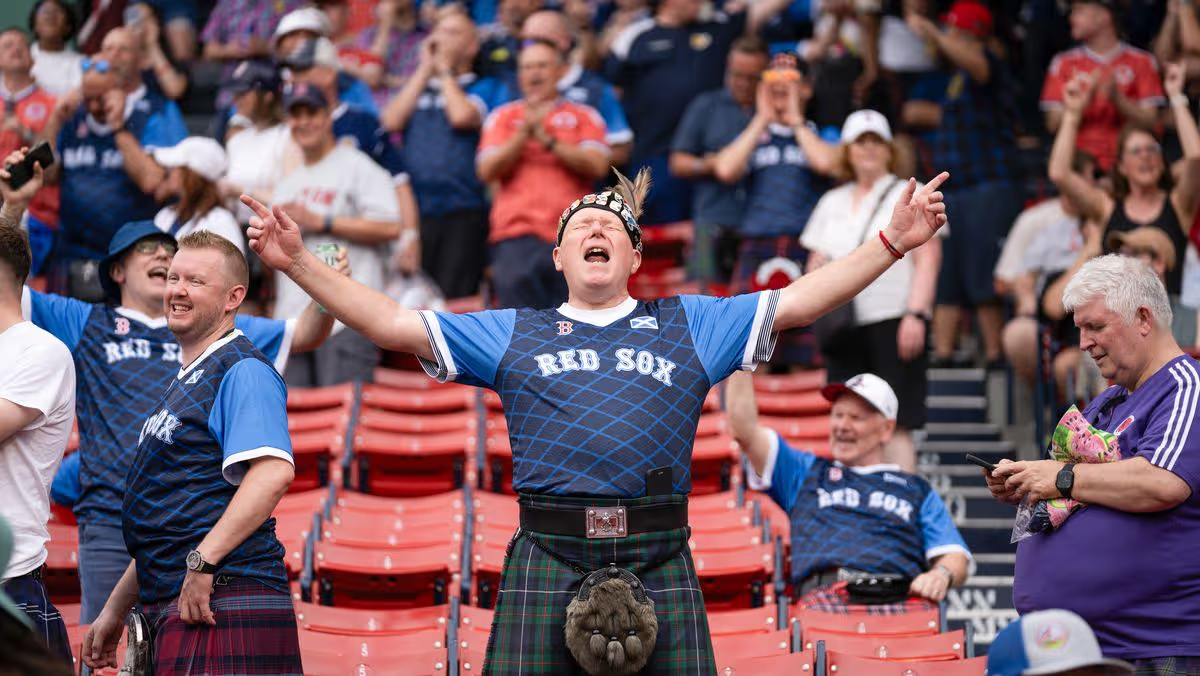
Scotsman’s kilt spotted at Boston Stadium goes viral as fans left in stitches

Published

on

Daily Record

The Scot could be seen celebrating at the Haiti Game and has been dubbed “Tartan Army maintenance crew”

The Tartan Army have come out in their thousands to cheer Scotland on in Boston during the World Cup and during their jubilant celebrations, many of them have been seen proudly donning a kilt.

Advertisement

However, few Scots have been seen wearing a high-vis kilt. One proud fan at Boston Stadium was not hard to spot in a Tartan Army crowd as he celebrated in a luminous yellow builder’s outfit that he had transformed into the Scottish fashion symbol.

The man wore a navy top with a typical worker’s vest that had the words ‘Tartan Army on tour’ etched on the back of it and a matching luminous kilt. He could be seen fist-pumping the air and waving around his luminous cap in celebration, leaving fans in stitches at his outfit efforts.

The now-viral video of the Scots ‘workie’ has been shared online with the caption: “Someone wore a high-vis kilt to the Scotland game. I’m dead”, along with laughing face emojis.

Content cannot be displayed without consent

The TikTok creator wrote: “I wonder what he does for work #worldcup #scotlandtiktok #tartanarmy #scotland #football”

Advertisement

Other social media users raced to the comments as one joked: “That’s the cone manager.”

A second amused viewer wrote: “Tartan army maintenance crew.”

A third Scot penned: “That’s so his maw and da can try to spot him on the TV.”

Someone else replied: “The tartan of the clan McSafety.”

Advertisement

A fifth added: “He’s there installing an emergency beer pipeline from New York to Boston.”

Another chimed in: “What does he do? He walks 500 miles and then he walks 500 more.”

Quoting a famous Still Game scene, somebody commented: “Can you see me noo???”

Get Daily Record Premium for just £1 per month in exclusive offer to celebrate the World Cup

Advertisement

Celebrate the World Cup with a chance to win £100 in Aldi vouchers

Many kilted Scotsmen have gone viral online after taking over Boston for the past week, with one piper taking to the streets for a toe-tapping ‘elite mashup‘ with a makeshift drummer and another becoming an internet sensation after he slid down the infamous Boston Cop chute whilst playing a bagpipes tune.

The excitement will not calm down anytime soon as we are now hours away from Scotland playing their second World Cup match against Morocco.

The match will take place at 11pm EST at Boston Stadium on Friday, June 19.

Advertisement

After Scotland’s 1-0 win against Haiti last weekend, it’s a huge game for the team as it could see them potentially qualify for the knockout stages for the first time in World Cup history.

The team are currently at the top of group C after John McGinn scored in the 28th minute, the only goal of the game, and Morocco and Brazil drew 1-1.

Next week, Scotland will take on Brazil at Miami’s Stadium on Wednesday (June 24).

Source link

Advertisement
Continue Reading

NewsBeat

More than 1,000 Palestinians killed in Gaza during ceasefire

Published

on

More than 1,000 Palestinians killed in Gaza during ceasefire

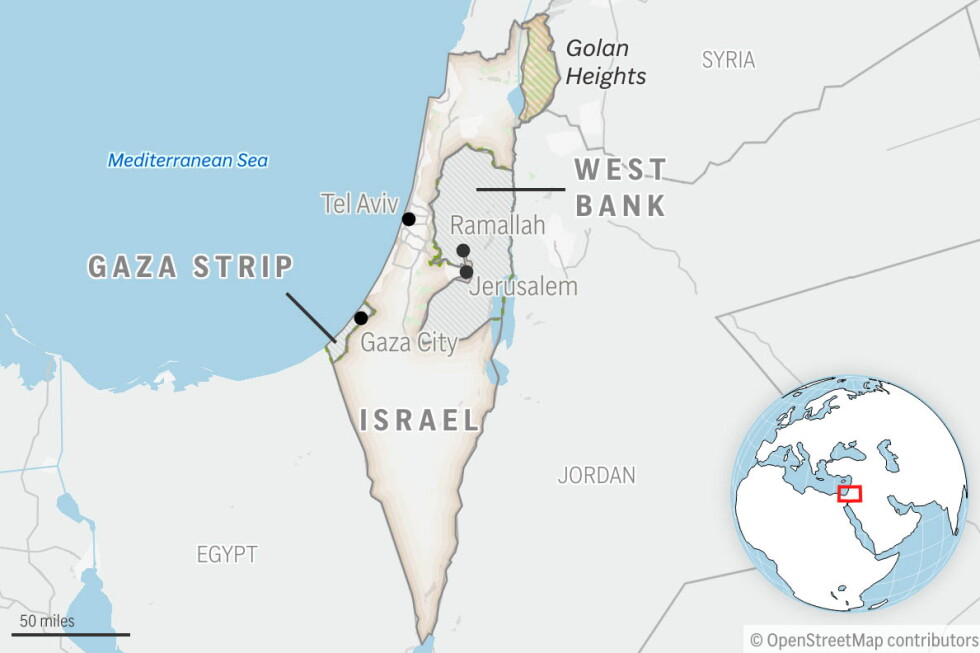
DEIR AL-BALAH, Gaza Strip (AP) — Israeli operations in the Gaza Strip have killed 1,005 Palestinians since a ceasefire was reached between Israel and the militant group Hamas last October, the Gaza Health Ministry said Wednesday.

The enclave has seen near-daily strikes, as well as shelling and gunfire along the boundary that divides Gaza into Israeli and Palestinian-controlled zones. The most recent deaths were recorded after a series of Israeli drone strikes in the past few days on towns and refugee camps in central Gaza and Gaza City.

Also Wednesday, an Israeli strike killed two Palestinians and wounded six others in Khan Younis in southern Gaza, health officials at Nasser Hospital said. The Israeli military acknowledged carrying out the strike and said the target was a “terrorist,” but didn’t elaborate. Families at the hospital said the strike targeted a group of people near the beach in the sprawling tent camp of Muwasi, where hundreds of thousands of displaced Palestinians live.

Israel has said it is continuing to operate against Hamas and allied militants in Gaza and has expanded the amount of territory it controls inside the strip. Both sides have accused the other of violating the ceasefire.

Advertisement

Advertisement

In a separate statement Wednesday, the Israeli military said that it killed two militants from Hamas and Palestinian Islamic Jihad in strikes over the weekend.

Gaza’s Health Ministry on Sunday said the death toll from the Israel-Hamas war had surpassed 73,000 in Gaza. The ministry doesn’t differentiate between civilians and combatants. It is staffed by medical professionals and maintains detailed records viewed as generally reliable by the international community.

The war erupted when Hamas-led militants stormed into southern Israel, killing 1,200 people, mostly civilians, and taking 251 hostage, on Oct. 7, 2023. In response, Israeli leaders promised a punishing offensive on the Gaza Strip to annihilate Hamas and free the hostages.

Advertisement

Source link

Advertisement
Continue Reading

NewsBeat

Lidl applies for alcohol licence for possible Linthorpe store

Published

on

Lidl applies for alcohol licence for possible Linthorpe store

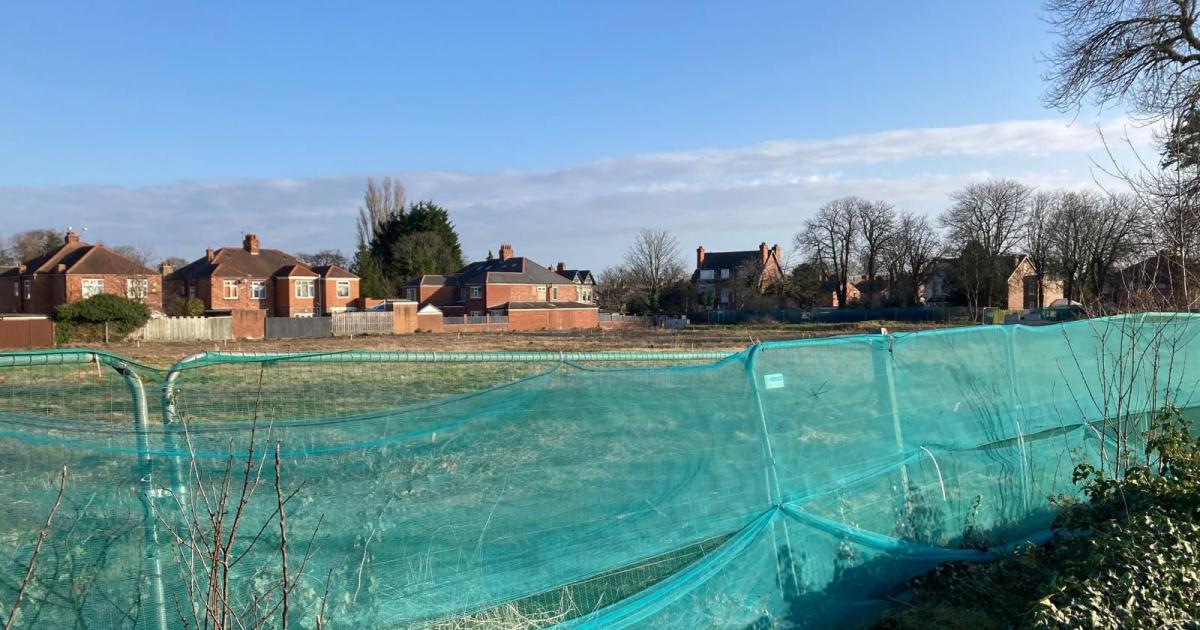
Permission is being sought from Middlesbrough Council so that the prospective shop can sell booze for consumption off of the premises between 7am and 11pm daily.

The German discount supermarket has been hoping to build a store in Linthorpe for several years, but has faced setbacks after a planning refusal, inspectorate dismissal and committee deferral. Its application for the site on the corner of Green Lane and Roman Road is likely to appear in front of the planning committee again in the next few months, potentially as soon as Thursday, July 2.

The company is in the process of trying to secure a similar premises licence for a potential store in the south of the town, on the site of the former Marton Hotel & Country Club, located on Stokesley Road, which is also yet to gain planning permission, but is likely to receive a decision from Middlesbrough ’s planning committee before the end of the year.

CGI of Lidl's latest proposal for Green Lane, Linthorpe. Credit: Lidl GB. Free for LDRS use.CGI of Lidl’s latest proposal for Green Lane, Linthorpe.

The premises licence application for the Green Lane location was made on Thursday, June 11, and any representations must be made to the council’s licensing department by Thursday, July 9. If the authority grants permission, the licence will run for 16 hours each day, seven days a week – although the store likely wouldn’t be open for such lengthy periods, with the two current stores in Middlesbrough operating from 8am to 10pm, Monday to Saturday, and 10am to 4pm on Sundays.

Advertisement

Documents state steps will be taken to promote four licensing objectives, which are:

  • prevention of crime and disorder,
  • public safety,
  • prevention of public nuisance,
  • protection of children from harm.

The application form discusses how staff will be trained “regarding appropriate precautions” to prevent the sale of alcohol to children under the age of 18, as well as the signs and symptoms of drunk persons and the “refusal of sale due to intoxication”. Staff are also to be trained so that they can recognise “proxy purchases”.

If an employee suspects a customer to be under the age of 25, a street drinker, or attempting a proxy purchase, they will “immediately” call the duty manager, who will then decide if the sale should be allowed.

Source link

Advertisement
Continue Reading

NewsBeat

Why LGBTQ+ patients are paying for gaps in fertility care

Published

on

Why LGBTQ+ patients are paying for gaps in fertility care

In some parts of England, a female same-sex couple may have to spend up to £25,000 of their own money on fertility treatment before the NHS will help them have a baby. A heterosexual couple may also face restrictions, but they can usually meet the NHS requirement to show that they have struggled to conceive without paying for repeated clinical procedures.

The gap even has a nickname: the “gay tax”.

In vitro fertilisation, or IVF, involves fertilising an egg with sperm in a laboratory before transferring an embryo to the womb. Before the NHS will fund IVF for two women, some local NHS bodies require them to pay privately for repeated rounds of artificial insemination. This involves placing sperm into the reproductive system to increase the chance of pregnancy. In intrauterine insemination, or IUI, sperm is placed directly into the womb.

The aim is to show that the couple has not been able to conceive. Heterosexual couples are usually expected to show that they have tried unsuccessfully for a baby for two years, alongside meeting other eligibility criteria. They are rarely asked to pay for repeated clinical procedures to prove it.

Advertisement

The decision is made locally by integrated care boards, or ICBs: the NHS bodies that decide which treatments will be funded in their areas. A 2023 investigation by the BBC found that only four offer fertility treatment to same-sex couples who have not already paid privately for artificial insemination. Government guidance updated in 2025 states that some ICBs may require female same-sex couples to fund up to 12 rounds of artificial insemination privately before entering the NHS pathway.

Earlier figures from the UK’s fertility regulator illustrate the gap. In 2018, the NHS funded 39% of IVF cycles for heterosexual couples, compared with 14% for women in same-sex relationships.

Beyond the bill

The money, though, is only the part you can see.

We conducted 36 interviews with 54 people, including LGBTQ+ people who had used UK fertility clinics and professionals working in fertility care, to understand how LGBTQ+ patients navigate services that place additional barriers in their way. What stood out was the amount of hidden work they take on simply to be treated fairly. It is work that heterosexual couples are rarely asked to do.

Advertisement

Some of it is physical. Because there is, as one woman put it, “no NHS tick box for same-sex couples”, many arrive at a private clinic without the basic tests that a GP, or family doctor, would normally arrange. One couple had their tests done on the NHS, only for the clinic to reject the results and make them pay to repeat everything.

For transgender patients, the bodily toll can be greater still. One transgender woman wanted to store sperm before continuing her transition but was refused funded treatment because of her weight. She paid privately and temporarily stopped taking the hormones used as part of her transition. She described this as going back to “living as a man” for several months before facing the procedure in what she called “the strangest room I’ve been in in my life”.

‘Relentlessly delightful’

Then there is the emotional work. Fertility care can be saturated with forced cheerfulness: positivity planners, gratitude journals and promises that it will all be fine. Patients learn to play along.

One gay father pursuing surrogacy, having a child with the help of a woman who carries the pregnancy, described the pressure to seem “relentlessly delightful”. He felt he had to prove that he was warm and “parently” at all times. It took energy to put on this front and energy to resist it. One woman who went through seven rounds of IVF wanted honesty about her chances, rather than false hope that made each disappointment land harder.

Advertisement

Much of the work is also mental: a steady stream of high-stakes decisions. Whose egg should be used? Who will carry the pregnancy? Which donor should they choose? Which clinic?

One woman and her wife spent weeks choosing a sperm donor, only to be told afterwards that the clinic would not allow them to use him. The decision, and the cost, began again.

Choosing the clinic itself also carries risk. One transgender man and his partner carefully selected two local options, then encountered such ignorance and prejudice that they ended up travelling 230 miles to a clinic that was, in his words, “basically designed for queer people”. All the effort they had already put in was wasted. They had to start again.

A 2024 audit of fertility clinics across the UK found widespread gaps in clinical knowledge and cultural understanding, despite efforts to improve LGBTQ+ inclusion.

Advertisement

Their own experts

When clinics offer little guidance, patients become their own experts. They teach themselves through online groups, peer networks and, in one case, “hundreds of voice notes” from other queer women explaining how treatment actually works. As one woman said of learning about her options this way: “that’s the only way we knew what to do”.

This self-teaching can be powerful. One gay man researched his surrogate’s failed cycle, realised that the clinic’s reasoning was flawed, pushed for a different approach and achieved the pregnancy he had been told was unlikely.

But becoming your own expert depends on having the time and confidence to challenge a doctor. Those without that head start are left further behind. The current system tends to reward people who are already advantaged.

These problems are not confined to Britain. The UK case is revealing because LGBTQ+ people can legally access fertility treatment, yet the system still places additional barriers in their way. The obstacles are embedded in the daily running of clinics built around a heterosexual couple with a fertility problem.

Advertisement

The result is a hidden second shift. One couple’s path through the clinic is smoothed and paved. Another couple, hoping for the same outcome, has to lay every slab themselves and pay for the privilege.

Source link

Advertisement
Continue Reading

NewsBeat

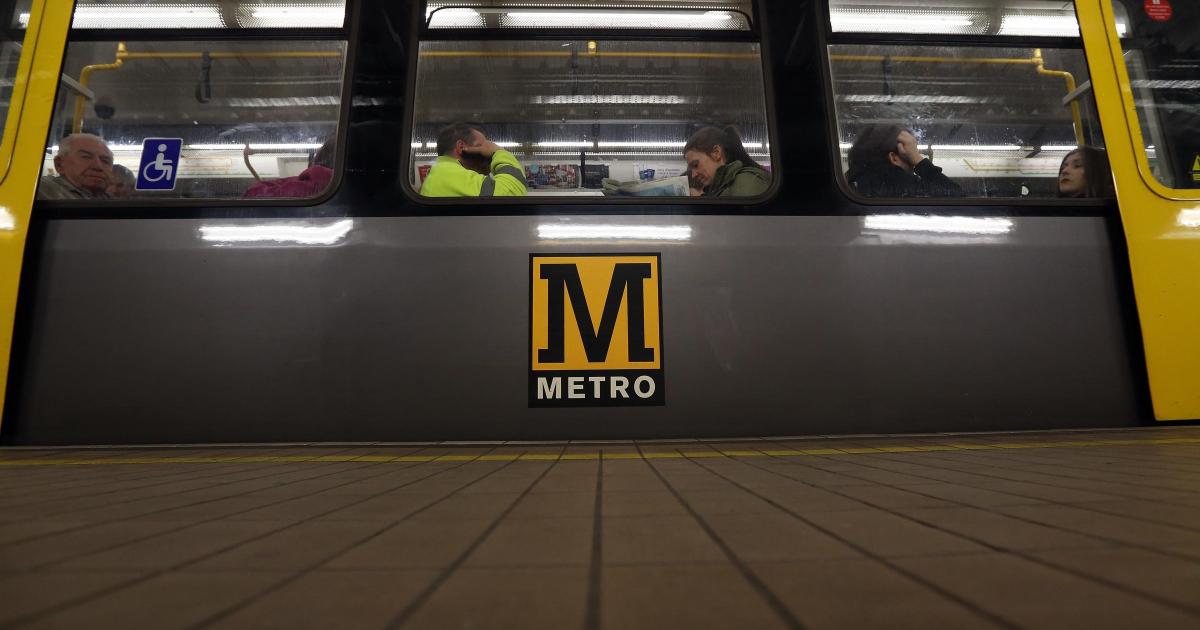
Parts of Tyne and Wear Metro suspended due to cable theft

Published

on

Parts of Tyne and Wear Metro suspended due to cable theft

No trains are running between Monument and both South Shields and South Hylton, due to cable theft.

A Metro service (Image: LDR)

The suspension affects all Metro services south of the Tyne and is expected to remain in place for the “foreseeable future” while engineers work to get the line back in operation.

Shortly after 6.30am, Metro operator Nexus said: “We have a service suspension between Monument and South Shields/South Hylton due to a cable theft.

“Ticket acceptance has been arranged on Go North East and Stagecoach services in the affected areas. Thank you for your continued patience during this time.”

Advertisement

Metro tickets are being accepted on several local bus services while the suspension remains in place.

Passengers can use all Go North East services between Monument and South Shields, the 56 between Newcastle and Sunderland, the service nine between Jarrow and Sunderland, the 24 between South Shields and Sunderland, and the four between Heworth and Concord.

Stagecoach services accepting Metro tickets include the X24 between Newcastle and Sunderland, the E2 between South Shields and Sunderland, the 18 between South Shields and Brockley Whins, and all Stagecoach services between Sunderland and South Hylton.

Advertisement

Tickets can also be used on Northern Rail services between Newcastle, Heworth and Sunderland.

Nexus has urged passengers to allow extra time for their journeys while the disruption continues. The operator’s live travel page and social media pages are also providing Metro service updates.

Further updates are expected as engineers work to restore services.

Advertisement

Source link

Continue Reading

NewsBeat

Does screen time mean children are missing out on play?

Published

on

Does screen time mean children are missing out on play?

In Toy Story 5, Woody, Buzz, Jessie and the gang are up against a new challenge: Bonnie’s tablet. Even Rex the toy dinosaur is worried about going extinct again.

The storyline reflects a broader shift in childhood. Traditional toys increasingly share space with digital devices as part of children’s everyday play experiences.

There is substantial evidence showing a decline in traditional free play and an increase in digital play among children around Bonnie’s age (eight to ten years). Research has suggested that children in this age group spend an average of four hours per day on screens. This has approximately doubled compared to previous studies from 2009 to 2010, which mainly focused on traditional TV and video viewing for children of similar ages.

Play is essential in early childhood. It promotes cognitive, emotional and physical growth. Through play, children have opportunities to develop language and self-regulation skills.

Advertisement

It is important to recognise that digital play is still a form of play. While defining play can be challenging, it is often described in terms of how and why someone engages in an activity to have fun rather than solely by the activity itself.

Some experts argue that play is defined more by a child’s motivation and mental attitude than by the specific activity taking place. This means that using a tablet or smartphone can still be considered play, depending on how children interact with it.

Different – but still play

In 2002, play theorist Bob Hughes developed a framework categorising 16 distinct forms of play. These ranged from imaginative and socio-dramatic play, where children create stories and act out roles, to creative play, exploratory play and rough-and-tumble play.

More recently, other scholars have examined the place of digital play within this framework. The findings suggest that all forms of play, except two previously defined types – “recapitulative play” (play that involves re-enacting aspects of human history, such as building dens or making camps) and “rough and tumble” – can be adapted to the digital context. The authors contend that it is not necessarily the type of play that changes when screens are introduced, but rather the nature of the play experience itself.

Advertisement

Another study compared tablet play with traditional toy play by observing 98 different activities, both digital and non-digital. The authors concluded that tablet play was more likely to involve exploration, problem solving and skill acquisition. Traditional play involved more imagination and fantasy-based activities. Both forms of play may be important for development.

Play focused on exploration and problem solving (epistemic play) can support learning and skill acquisition. Imaginative (ludic) play can help children develop flexibility in their thinking, understanding of symbols and emotional processing. Rather than one form of play being better than the other, research suggests that different play experiences may provide different developmental opportunities.

A recent study randomly assigned children to play with either dolls or a tablet featuring open-ended creative games. The results indicated that children who played with dolls exhibited greater social understanding compared to those who interacted with tablets. This suggests that traditional imaginative play may provide opportunities for children to practise empathy and perspective taking.

Advertisement


À lire aussi :
Dolls beat screens for building children’s social skills, study finds


Research has also raised questions about whether digital play may displace other forms of play. A large study found that greater screen time in young children was associated with less playtime with peers. This, in turn, was linked to developmental outcomes, including motor, communication, social and cognitive skills.

At the same time, research suggests that some forms of interactive digital play may support aspects of language development, executive function, memory and problem solving. Educational games and apps can provide opportunities for exploration and learning, particularly when children are actively engaged and supported by adults. The benefits of digital technologies often depend on factors such as the content being used, the child’s age and whether parents are involved in the activity.

Not all screen time is equal

These findings highlight why, in our research, we are moving beyond simple measures of screen time. A child passively watching videos for long periods is having a very different experience from a child creating digital artwork, solving puzzles, exploring an educational app or video-calling family members. Understanding how children engage with screens may be just as important as assessing how long they spend using them.

Advertisement

Setting time limits and designating screen-free periods can provide children with a better balance between free play and digital play. However, it is important to note that the decline in play is not solely due to children’s choices.

For instance, fewer opportunities for free play – child-led play that is unstructured and directed by children’s own interests and imagination – may contribute to this shift. Limits on children’s free play are often linked to concerns about neighbourhood safety. It is important to recognise that children have not lost their ability to engage in free play and, if given the opportunity, will do so.


À lire aussi :
How to give children the freedom to play all across the city – not just in playgrounds


While Toy Story 5 may treat the tablet as the antagonist, the truth is more complicated. The use of electronic devices is a regular part of growing up now, and some forms of digital play can actually build useful skills. At the same time, traditional imaginative play continues to provide significant opportunities for social and emotional development.

Advertisement

The challenge may not be about choosing between toys and tablets. Instead, it may be about ensuring children have opportunities to experience a wide range of play experiences.

Source link

Advertisement
Continue Reading

NewsBeat

Preston Davey sentencing LIVE as murderer Jamie Varley and partner to learn their fate

Published

on

Manchester Evening News

Preston was born on June 16, 2022. He went into foster care five days after his birth.

The tot was the son of notorious convicted murderer Sarah Davey, who brutally tortured and killed a pensioner in Failsworth in Oldham in 1998. Ms Davey was 14 when she was jailed for the ‘unspeakably wicked’ murder.

The identity of Preston’s mother was never revealed to the jury. She has since been in and out of prison.

In April 2023, Jamie Varley, a former secondary school head of year, and his partner, John McGowan-Fazakerley, adopted Preston when he was nine-months-old.

Advertisement

In the next four months up until his murder, Preston was used as a ‘plaything’ being routinely physically and emotionally abused, sexually assaulted and had indecent photos and videos taken of him.

He was killed when he was aged just 13-months-old. Varley claiming he had accidentally drowned in a bath at their Blackpool home on July, 27 2023.

But a post-mortem examination identified more than 40 injuries on his body, as well as internal injuries indicating sexual abuse. His cause of death was established as acute upper airway obstruction, suggesting something had been inserted into his mouth blocking his airway.

He had been admitted to hospital three times in the months before his death and a social services investigation is under way.

Advertisement

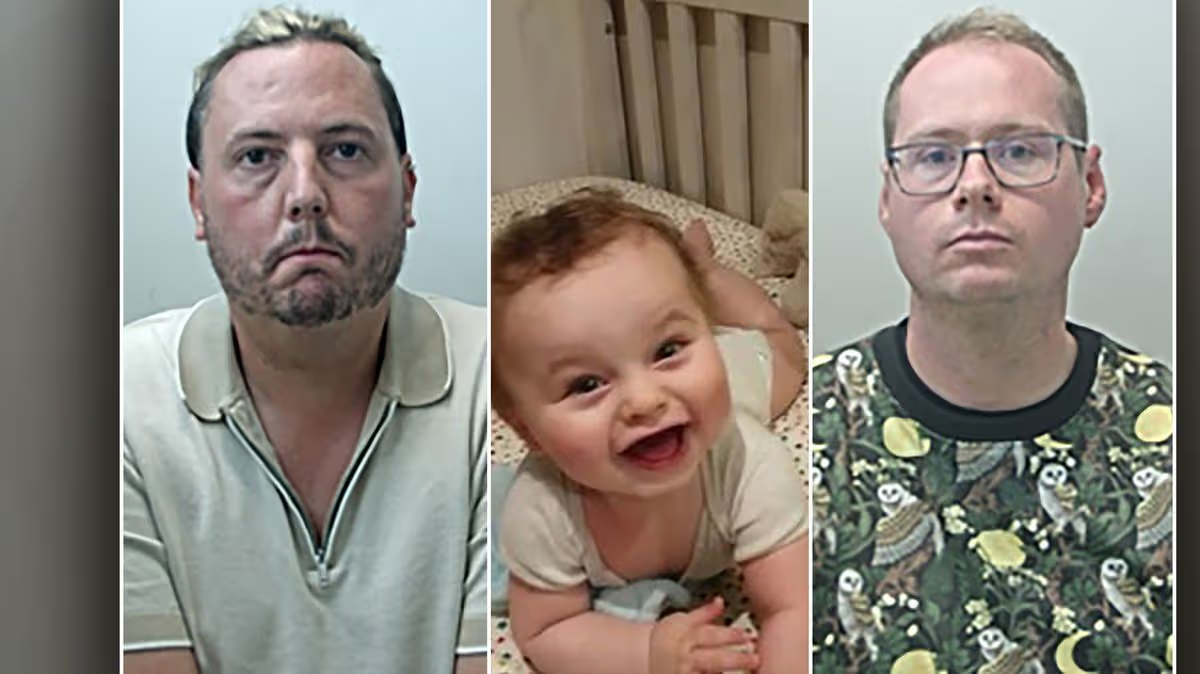
Jamie Varley, left; Preston Davey, middle; and John McGowan-Fazakerley(Image: Lancashire Constabulary/M.E.N.)

Source link

Continue Reading

NewsBeat

Oil prices drop further below 80 dollars a barrel as US-Iran peace deal signed

Published

on

Oil prices drop further below 80 dollars a barrel as US-Iran peace deal signed

Susannah Streeter, chief investment strategist at the Wealth Club, said: “The digital signing of the interim agreement between the US and Iran, ahead of an official ceremony on Friday, is exerting a fresh downward force on (oil) prices, as new supplies are expected to hit the market just as demand has been weakened by rationing and energy-efficiency measures.”

Source link

Continue Reading

NewsBeat

TV soap star shares update after years of depression and body dysmorphia | Soaps

Published

on

TV soap star shares update after years of depression and body dysmorphia | Soaps
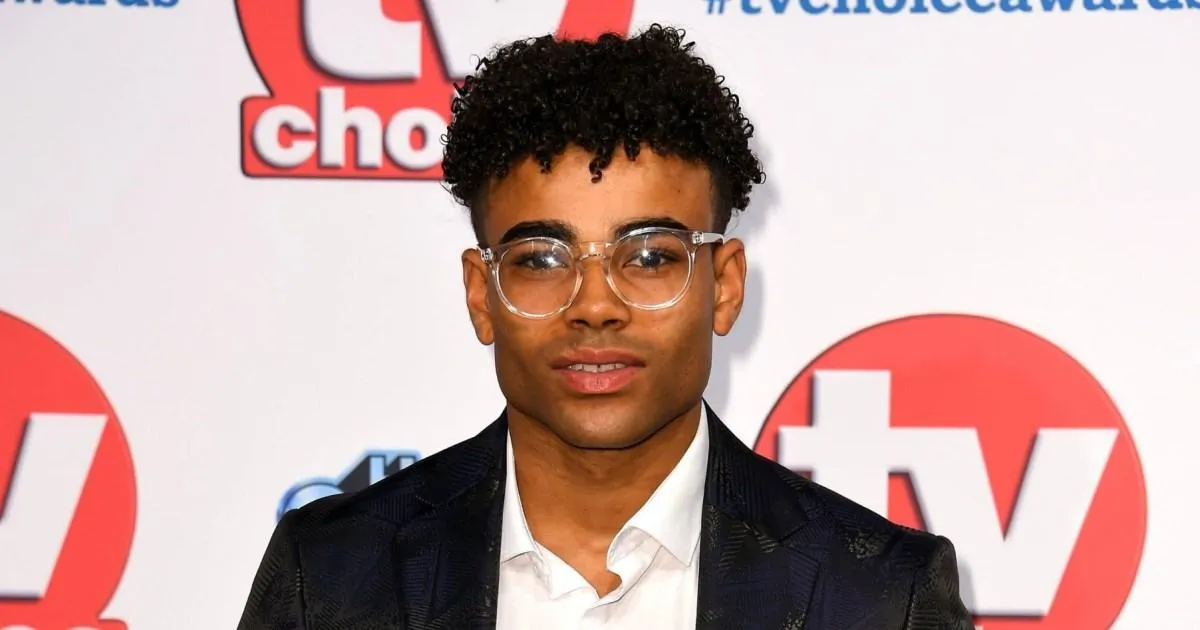
Malique Thompson-Dwyer is best known for playing Prince McQueen in Hollyoaks (Picture: Lime)

Hollyoaks star Malique Thompson-Dwyer has shared a very honest post about his mental health.

The actor, who is 28, is best known for playing Prince McQueen in the Channel 4 soap.

Malique, who has also appeared in I’m A Celebrity and Celebs Go Dating, often shares pictures on his Instagram that give followers a small insight into the life he lives when he isn’t filming as Prince.

Recently, he took to his social media page to post an update on his life and how he’s been feeling.

Advertisement

The images Malique shared feature him out and about, on the Hollyoaks set, and with some of his loved ones. In the caption, the star admits that the last two years of his life ‘haven’t been easy’.

‘Life lately’, he begins.

photo issued by Lime Pictures of Prince McQueen (Malique Thompson Dwyer) holding back Mercedes McQueen (Jennifer Metcalfe) an image from a special hour-long Hollyoaks episode which will premiere on E4 on January 11. Issue date: Wednesday December 22, 2021. PA Photo. See PA story SHOWBIZ Hollyoaks . Photo credit should read: Lime Pictures/PA Wire NOTE TO EDITORS: This handout photo may only be used in for editorial reporting purposes for the contemporaneous illustration of events, things or the people in the image or facts mentioned in the caption. Reuse of the picture may require further permission from the copyright holder.
Prince has endured a lot of drama while living in the Hollyoaks village (Picture: PA)

‘Life is one big learning curve, full of lessons that shape into who you’re meant to be. The last two years haven’t been easy. Feelings of depression, body dysmorphia, anxiety, days where I couldn’t see a way forward. But God had a plan bigger than my pain’.

‘Here I am. Still standing’.

Malique added: ‘My faith in Jesus Christ, the gym, work, family, and learning to believe in myself again. Consistency and prayer changed everything. Praise the Lord.’

Advertisement

Offering some words of advice to anyone else in a similar position to him, Malique said: ‘Life is you vs. you. Get out of your own way. Buy the clothes. Book the flight. Learn to love yourself.

‘Nothing is impossible. I’m living proof.

‘If you’re in a dark place right now, it doesn’t have to be the end of your story.’

Don’t miss a Soaps scoop! Add us as a Preferred Source

As a loyal Metro Soaps reader, we want to make sure you never miss our articles when searching for stories. We have all the latest soaps news, spoilers, videos, and interviews, with a vibrant community of highly engaged readers.

Advertisement

Click the button below and tick Metro.co.uk to ensure you see stories from us first in Google Search.

Add us as a Preferred Source

Soaps authors collage Fact box image only Picture: Metro
Now you can ensure you never miss a story from the Soaps team

Malique has played the role of Prince in Hollyoaks on and off since 2016.

Advertisement

The character is the son of Goldie McQueen and Shane Sweeney and has endured a great deal of drama while living in the Hollyoaks village.

Prince returned to our screens in September 2021, and was accompanied by his fiancée Olivia Bradshaw.

Malique Thompson-Dwyer attending the Inside Soap Awards 2018 held at 100 Wardour Street, Soho, London. PRESS ASSOCIATION Photo. Picture date: Monday October 22, 2018. See PA story SHOWBIZ Soap. Photo credit should read: Ian West/PA Wire
Malique has played Prince since 2016 (Picture: PA)

Not keen on Prince’s new partner, Goldie was left devastated when the couple revealed their plans to move to New Zealand so Olivia could begin a teaching job. Goldie purposefully ruined Olivia’s job application, leaving her and Prince forced to stay in England.

Olivia and Prince began working at Hollyoaks High School, but Prince got fired after vodka bottles hidden by John Paul McQueen were found by students DeMarcus and Leah.

Most recently, Prince attempted to connect with Vicky Grant, but she made it clear that she wanted Prince to stop using steroids before their romance could continue.

Advertisement

Source link

Advertisement
Continue Reading

NewsBeat

Ukraine targets Moscow oil refinery in major drone attack

Published

on

Shootings at school and home in northeastern British Columbia leave 10 dead, including shooter

Ukraine hit a Moscow oil refinery for a second time in a week and disrupted commercial flights at Moscow airports in one of its biggest drone attacks since Russia’s invasion more than four years ago, Russian officials said Thursday.

The Russian Defense Ministry said that its air defenses overnight shot down 555 Ukrainian drones over multiple regions, with almost 200 intercepted as they were approaching the Russian capital.

Several drones hit the Moscow Oil Refinery on the southeastern outskirts of the city, Moscow Mayor Sergei Sobyanin said.

The Russian Transport Ministry said that flights from four Moscow airports were halted.

Advertisement

The attack came hours after Ukrainian President Volodymyr Zelenskyy said he had held “an important coordination call” with U.S. President Donald Trump and French President Emmanuel Macron that may “bring about significant change.”

Zelenskyy said Wednesday his country had won key pledges of further support from world leaders attending the G7 summit in France.

″These last few days were very important for Ukraine because it is the reunification of the G7 around Ukraine,″ Macron told reporters as he and Trump left the Palace of Versailles near Paris.

″And now we will continue to advance to help Ukraine to resist″ and to build up its ″capacity to defend itself and capacity to counterattack,” Macron said.

Advertisement

The attack comes as President Vladimir Putin is in Kazan, 700 kilometers (430 miles) east of Moscow, hosting leaders of the Association of Southeast Asian Nations as Russia seeks to bolster business and other ties.

The two-day meeting is set to consider ways to expand Russia’s “strategic partnership” with ASEAN nations that include Brunei, Cambodia, Indonesia, Laos, Malaysia, Myanmar, the Philippines, Singapore, Thailand, East Timor and Vietnam, according to Kremlin foreign affairs adviser Yuri Ushakov.

Advertisement

Source link

Continue Reading

Trending

Copyright © 2025