The sun is finally here which means many of us are looking at ways to spruce up our outdoor spaces.
Advertisement
One place that’s packed with gardening gear at this time of year is Home Bargains and there are loads of products to add a special touch to your garden or patio.
And an item that’s proving particularly popular is the Jardin Wooden Wheelbarrow Planter, priced £12.99.
Get MEN Premium now for just £1 HERE – or get involved in our WhatsApp group by clicking HERE. And don’t miss out on all the latest news and events for families with our Manchester Family newsletter HERE
Offering a statement look, it’s described as being ‘a breeze to assemble’ and ‘adds a delightful rustic touch to any outdoor space’.
“A cute and stylish way to show off your plants,” says Home Bargains. “It’s super easy to put together with fixtures included for simple self-assembly. Measuring W69 x H28 x D32cm, it’s the perfect size to add a rustic charm to your garden, patio, or balcony. A great way to bring a little extra character to your outdoor space.”
The product is available in stores and to order online.
And there are lots more planters available too, including this cute Jardin Frog In Wellington Boot Planter to ‘add a playful touch’.
Advertisement
Priced £7.99 and around 24cm in height, it’s described as ‘a quirky and charming decoration that brightens up any outdoor space’.
There’s also a Jardin Hedgehog Backpack Planter, priced £14.99, featuring ‘ adorable hedgehogs peeking out for a fun and friendly vibe’.
If you’re wanting something more traditional to transform your outdoor space, you can get a large Hand Crafted Round Wooden Planter for £9.99.
Advertisement
Made from natural wood, this ‘rustic beauty features a drainage hole and handy metal handles, perfect for showcasing your favourite flowers in style’.
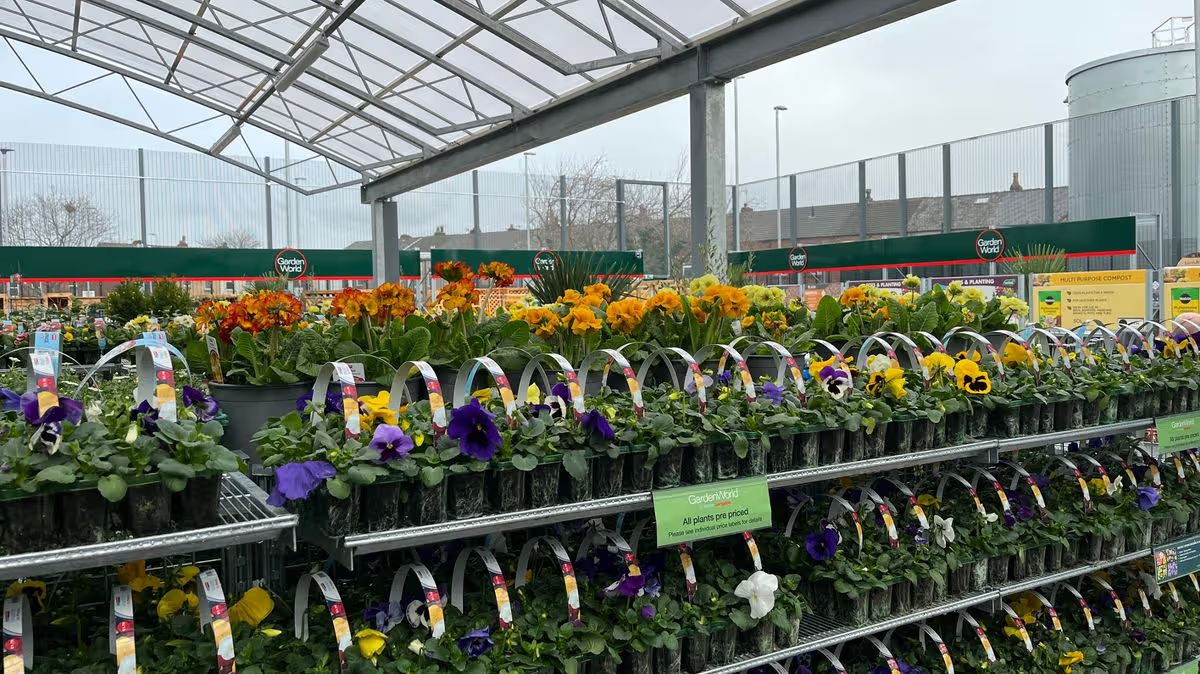
Some larger Home Bargains stores have their own gardening centres attached.
At the end of February we took a look round the new Leigh store which has its own cafe and garden centre selling everything from plants and hanging baskets to garden lighting, furniture and soil.
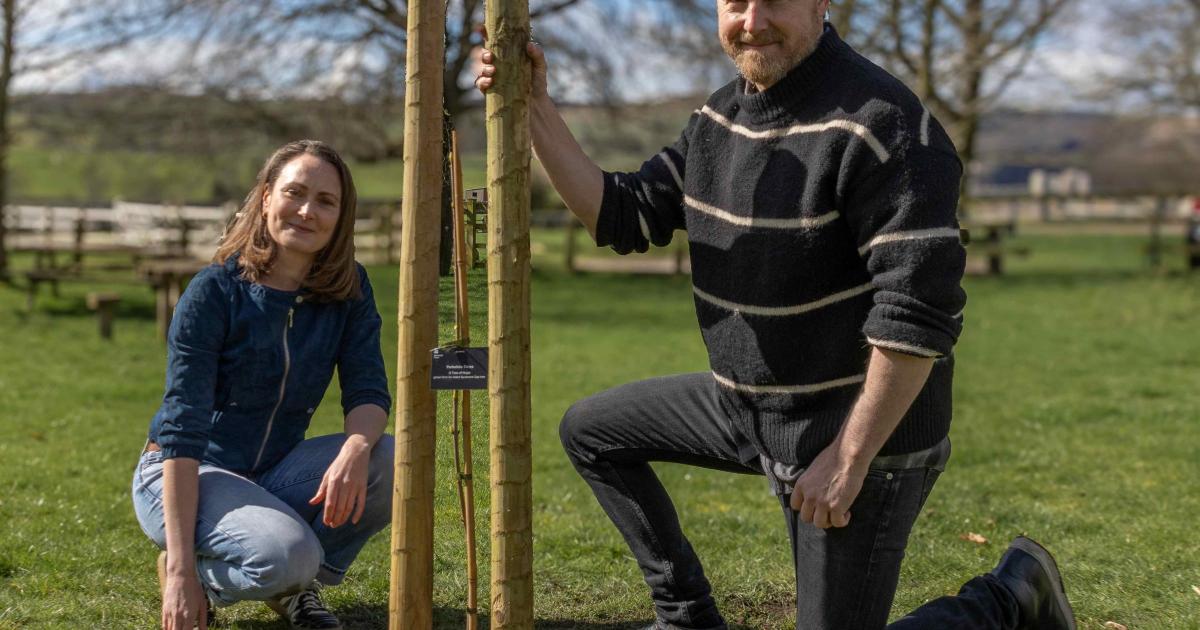
Samuel West, who plays Siegfried Farnon, and Anna Madeley, who plays Mrs Hall in the television series, planted the tree at the Yorkshire Dales National Park Visitor Centre in Grassington on Monday (April 27).
Mark Corner, member champion for natural environment at the Yorkshire Dales National Park Authority, said: “This new generation of trees reminds us that conservation is about our commitment to future generations.
1 Sam West and Anna Madeley planting the Sycamore Gap sapling (Image: YDNPA)
“From one iconic tree to 15, its legacy will now grow in every National Park, and we are proud to play our part in this story of resilience and renewal here in the Yorkshire Dales.
“I would like to extend my sincere thanks to Sam and Anna for taking time out of their busy filming schedule to help us celebrate this landmark moment in the continuation of the Sycamore Gap tree’s legacy.
Advertisement
“Their involvement is especially fitting here in the Yorkshire Dales – home of All Creatures Great and Small – a place long associated with compassion for animals, landscapes, and rural communities.
“It’s a reminder of how deeply our stories, our places, and our care for nature are linked.
Sam West and Anna Madeley doing the spadework (Image: YDNPA)
“The location at Grassington National Park Visitor Centre ensures visitors can watch the sapling grow in the heart of the National Park – a place where thousands begin their exploration of the Dales every year.”
The sapling is one of 15 being planted across the UK, each in a national park, as part of a legacy project following the felling of the original Sycamore Gap tree in 2023.
Advertisement
Anna Madeley and Sam West (Image: YDNPA)
The cuttings were propagated by the National Trust as part of a scheme led by National Parks UK in partnership with the trust.
Each sapling is a direct cutting from the original Sycamore Gap tree, ensuring its story continues to grow in landscapes cared for by National Park teams, communities, farmers and landowners.
The Yorkshire Dales site is especially meaningful as a filming location for All Creatures Great and Small and a starting point for many visitors exploring the national park.
Now, the County Durham team behind another successful local pub have stepped in, hoping to breathe new life into the well-known venue.
The family-run team previously took over The Village Tavern in Coxhoe, to prevent it from closing, and is about to celebrate the first anniversary there on May 9.
One of the owners, Leanne Storr, 44, from Coxhoe, said: “We took over The Village Tavern last year, and to be honest, we just kind of winged it. We didn’t really know what we were doing at first, but we loved it.
Advertisement
“It’s our local pub – we didn’t want it to close and wanted to make it work. Since then, we’ve been looking for somewhere else because we have a great team and some really good staff, and we thought now’s the time to branch out.”
The family will officially take over the Red Lion on May 18, bringing with them a year of experience.
Leanne will run the pub with her sister Jill Shaw and both of their partners, Andrew Shaw and Matthew Storr.
She said she was “excited” to be bringing the popular pub back to life.
Advertisement
“Some of us are familiar with the village, and some of us weren’t, but we really liked it,” she said.
“It’s a lovely place, and when we went to look at The Red Lion, we felt it was something we could take on. After the checks and formalities, we got offered it recently, so we decided to take the risk and see if we can do it again.
The Red Lion (Image: Parker Barras)
“It’s definitely a bigger place than the one we’ve got, so it feels a little intimidating, but we’re all really excited to see where we can take it. We’ve got lots of plans, and we want to make it welcoming for everyone in the village.”
Those plans include scrapping the previous dress code, introducing happy hours and all-day offers, and putting on live music and events.
Advertisement
The 44-year-old said: “We want to have local bands and artists, maybe some karaoke nights, and put in a pool table and darts board. It’s about giving people a reason to come in, enjoy themselves, and feel like it’s their pub.”
Leanne and her team said they hope to make it a hub for the village once again.
She said: “We’re all about keeping things simple – good prices, good people, and a pub you’ll want to come back to.
“We want to make it a proper, welcoming pub atmosphere for everyone to enjoy.”
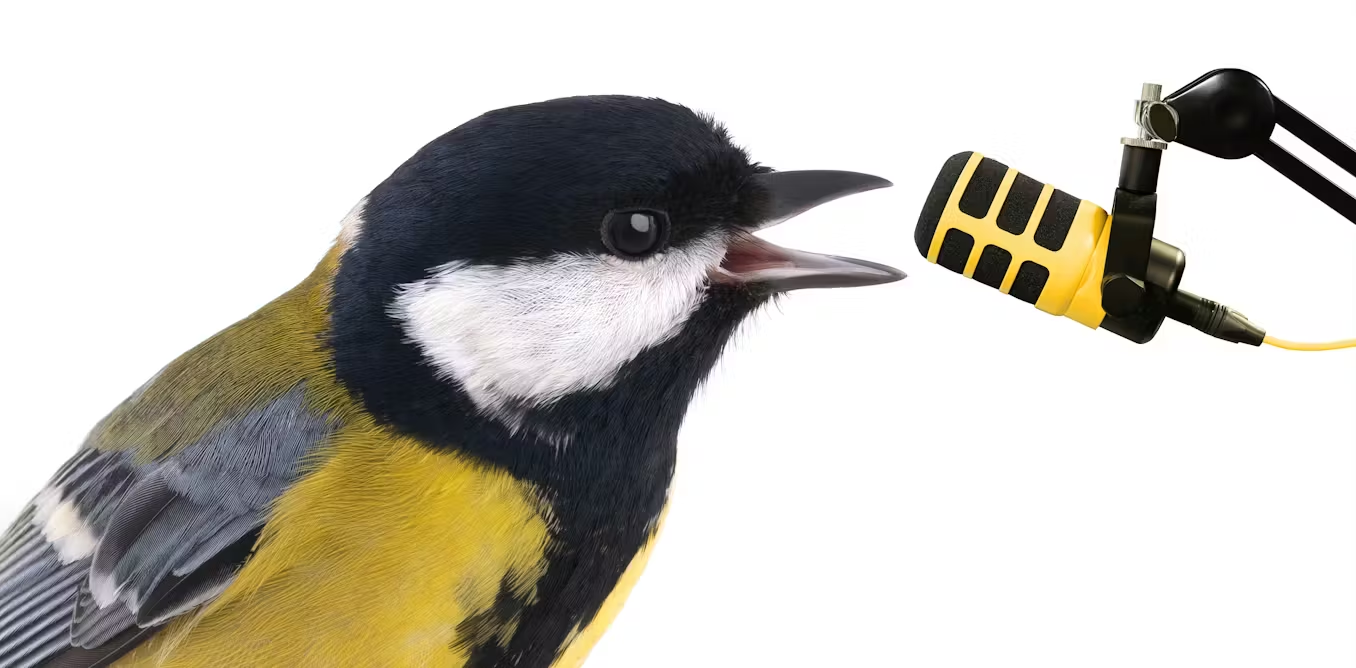
International Dawn Chorus Day (May 3 for 2026) is a great time to hear the UK’s birds at their most vocal. While we can enjoy the variety and beauty of birdsong, for the birds themselves it serves more practical purposes – to attract a mate and establish and defend a breeding territory.
Birds can produce complex vocal sounds, which we refer to as “song” because they have a vocal organ called the syrinx – which, unlike the larynx possessed by mammals like the human, can make two distinct notes simultaneously. This ability to generate notes in rapid succession is helpful because birds hear their song and the songs of other birds differently to humans.
Research suggests that they are able to perceive small and rapid changes in sound much more clearly than we can, meaning what we may hear as a single or buzzy note will be distinguished by them as multiple notes. Birdsong to a bird is something of much greater complexity than we can apprehend.
Advertisement
International Dawn Chorus Day brings casual bird appreciators, ornithological experts and dedicated twitchers together in a celebration of birdsong. In our series, experts give their insights on nature’s chorus.
While I understand that I hear bird song very differently to the creatures that make it, my background as a music producer, field recordist, sound artist – and keen amateur birdwatcher (and listener) – has made me think about which notable musicians and pieces of music might have something in common stylistically with the songs of certain birds. The following is both speculative and entirely subjective and I would welcome other ideas and opinions.
Blackbird
Whether delivered from rooftop or treetop, their sweet, tender and calming song, which has been likened to human whistling, can often be heard book-ending our daylight hours. Bobby McFerrin’s whistled introduction to Don’t Worry Be Happy captures something both of the blackbird’s performance and sense of ease it can create in the listener.
Advertisement
Though joined by visitors from colder climes in autumn and winter, our breeding population of blackbirds are common year-round residents in UK gardens and woodlands.
Nightingale
There are few wildlife experiences in the UK that can match hearing a nightingale singing at close range, and this summer visitor – a scarcer cousin of the blackbird and song thrush – should be in full voice by International Dawn Chorus Day. The dynamics, dexterity and variation in its song are extraordinary, and it is no surprise that it has inspired poets such as Keats, Milton and Rossetti, and composers including Stravinsky, Beethoven and Rimsky-Korsakov.
Advertisement
When thinking about a musician who can get some way to matching the expressiveness of the nightingale, Italian American operatic soprano Amelita Galli-Curci’s 1927 recording of the Russian popular song The Nightingale (Solovey) by Alyabyev
captures something of the bird’s style with her nimble and vivid flourishes.
However, the nightingale is known for never performing the same song twice, and as
one of nature’s great musical improvisers, a better match might be the solos of jazz saxophonist John Coltrane.
Advertisement
In Bye Bye Blackbird Coltrane combines fast-paced bursts of melody with more thoughtful and lyrical sections, evoking something of the nightingale’s song. Coltrane is also quite a loud player and nightingales, as anyone who has heard one in the flesh will know, are loud – you can’t miss them.
Reed warbler
A wetland reedbed bird that arrives in the UK in mid-April, the reed warbler
couldn’t be further from the melodic and rhythmic variation of the nightingale. It prefers an almost monotonic song.
Advertisement
The hypnotic main riff on New York DJ and producer Joey Beltram’s Energy Flash comes to mind for its rhythmic solidity, while its subtle filter adjustments evoke the bird’s buzzy modulation.
Sedge warbler
The reed warbler, or at least its sound, might not be out of place in a subterranean Berlin techno club at 4am, but its reedbed neighbour the sedge warbler is much more of a bebop hep cat. Its fast and complex patterns combining staccato sections with more melodic phrases could recall the sharp accents and raid trills of “the Bird” himself – legendary saxophonist Charlie Parker.
But for me, the sedge warbler is too buzzy and raspy for the smooth tones of a tenor sax, and the rapid-fire delivery of trumpeter Fats Navarro on cuts like Wail or The Chase is a better fit.
Advertisement
Blackcap
One of our more common migrant warblers in the UK, the blackcap’s loud and
frequent song can be heard in wooded areas across the country. To my ears, its
volume and power is matched only by its tunelessness, with every note sounding just
a little flat or sharp in relation to what proceeds and follows.
It is reminiscent of an enthusiastic singing talent show auditionee belting out Anastasia’s I’m Outta Love. Nine out of ten for effort, but a much lower score for the precision of its pitching.
Advertisement
Bittern
The elusive bittern is usually a bird to be heard but not seen. Another denizen of the reedbed, its booming song can be likened to someone blowing across the top of a very large bottle or beginning to play a giant didgeridoo and then thinking better of it. Like the reed warbler, it prefers to stay hidden among the reeds where it provides some serious sub bass accompaniment to that other bird’s techno riffing. Think of a bleep-and-bass classic like LFO by LFO.
I hope you enjoy the variety and virtuosity of song on offer in your own garden, local park or woodland on International Dawn Chorus Day. Or like me, you can head for the rave going on at your nearest wetland nature reserve.
The Night Manager creator David Farr has shared an exciting update on the highly-anticipated third season
16:00, 27 Apr 2026Updated 16:05, 27 Apr 2026
There’s good news for fans of The Night Manager.
Devotees of the BBC and Prime Video hit thriller The Night Manager have been treated to an exciting update from the show’s creator.
David Farr spoke at Deadline’s Contenders TV panel, where he disclosed some thrilling news regarding the highly-anticipated third series.
Advertisement
Fans endured a decade-long wait for series two, which had an epic finale, with Farr conceding that plans for a second instalment were never originally intended.
However, given the spy thriller’s remarkable success, the decision was taken to press ahead with Jonathan Pine’s (played by Tom Hiddleston) story.
Now, Farr has confirmed that work is already underway on a third instalment, revealing: “Right now, I feel the deep weight of doom of stress about it because I’m the one who has to actually do the writing of the damn thing.”
“It’s a huge challenge. It’ll be very exciting.” He also offered some encouraging news regarding the wait, adding: “And it won’t take as long as the last one, I promise.”
As for what viewers can expect from a third series, Farr revealed it will tackle the second season’s dark, troubling conclusion, which “was important to us all because the world is a tough place at the moment, and it didn’t feel right not to reflect that”.
He continued: “But of course, all of us want to see justice, redemption and we want to see something change, so I feel like season three, there is actually a deep emotional and moral imperative to honour that.”
The second season finale saw Teddy Dos Santos (Diego Calva) killed off and Jonathan Pine left stranded and abandoned for dead in the Colombian jungle, laying the groundwork for a revenge-fuelled third series.
Advertisement
Hiddleston spoke during the same panel about his enthusiasm for revisiting Pine’s story, adding: “He’s managing the world’s darkness because he believes the light should win.
“And it’s all comes from him in a way, and it’s such a thrill that we get to do it again. A trilogy feels tidy. And I hope I’m not that much older by the time we start.”
The actor was delighted to step back into the role after a decade away, sharing: “I was so thrilled to get to do it again because I’m 10 years older, the world is 10 years older. I’ve been in the same world that he had been in.”
Advertisement
Fans flocked to X to voice their anticipation for the third instalment, with one writing: “I need The Night Manager season 3 like yesterday.”
Another posted: “Final episode of The Night Manager Season 2 was a banger! Totally unexpected ending. Can’t wait for Season 3!!”
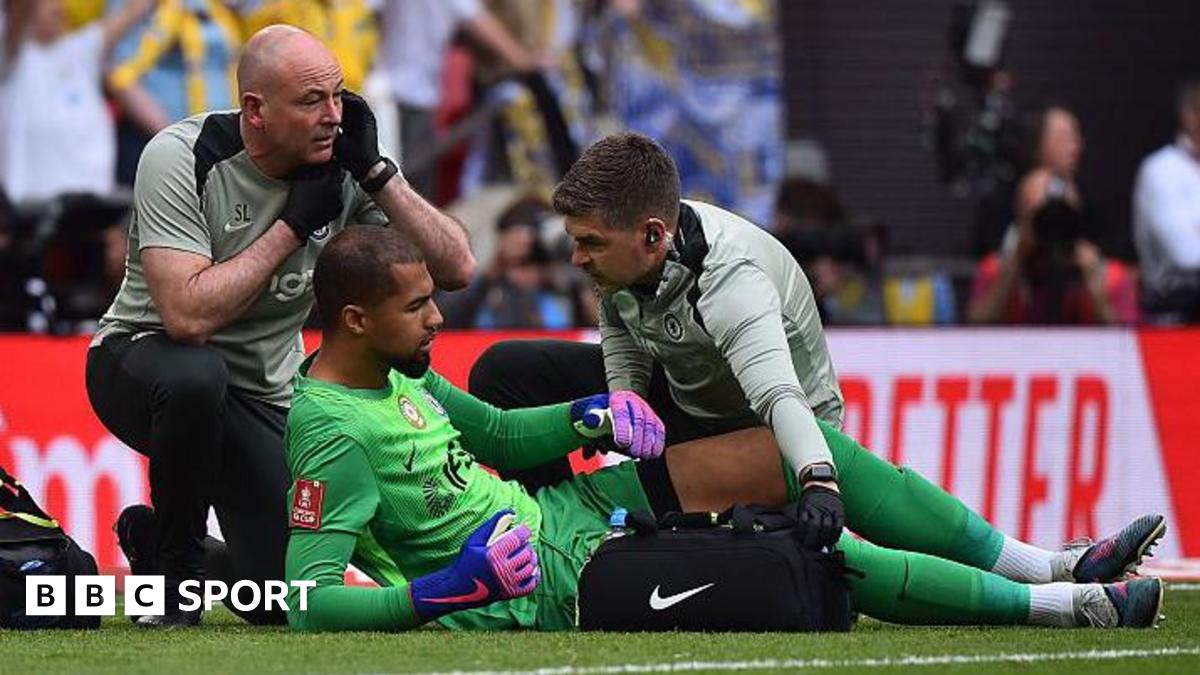
Until a couple of seasons ago, it was usually an outfield player who would go to ground to stop play.
It was being used for two distinct reasons.
Either to break up the momentum of the opposition by causing a stoppage in play, or for the coach to give instructions to his players. Sometimes it has been both.
English football attempted to combat this by insisting that any player who receives treatment must leave the field for 30 seconds.
Advertisement
It had some positive results, but managers just switched focus and told the goalkeeper to ask for treatment.
A team cannot play without a goalkeeper, so it became a risk-free method of impacting the opposition, or getting the opportunity to talk to your team.
There is nothing a referee can do about it, as they cannot accuse a player of faking an injury. If it turned out the player was genuinely injured there could be serious repercussions.
So the game has been stuck in a doom loop.
Advertisement
Goalkeepers go down, the other 10 players rush to the technical area for a team talk.
As soon as the coach has delivered his message, the keeper miraculously gets to his feet.
It has been a theme during Leeds‘ season, starting in November when Manchester City goalkeeper Gianluigi Donnarumma went down as the West Yorkshire club were in the ascendancy at Etihad Stadium.
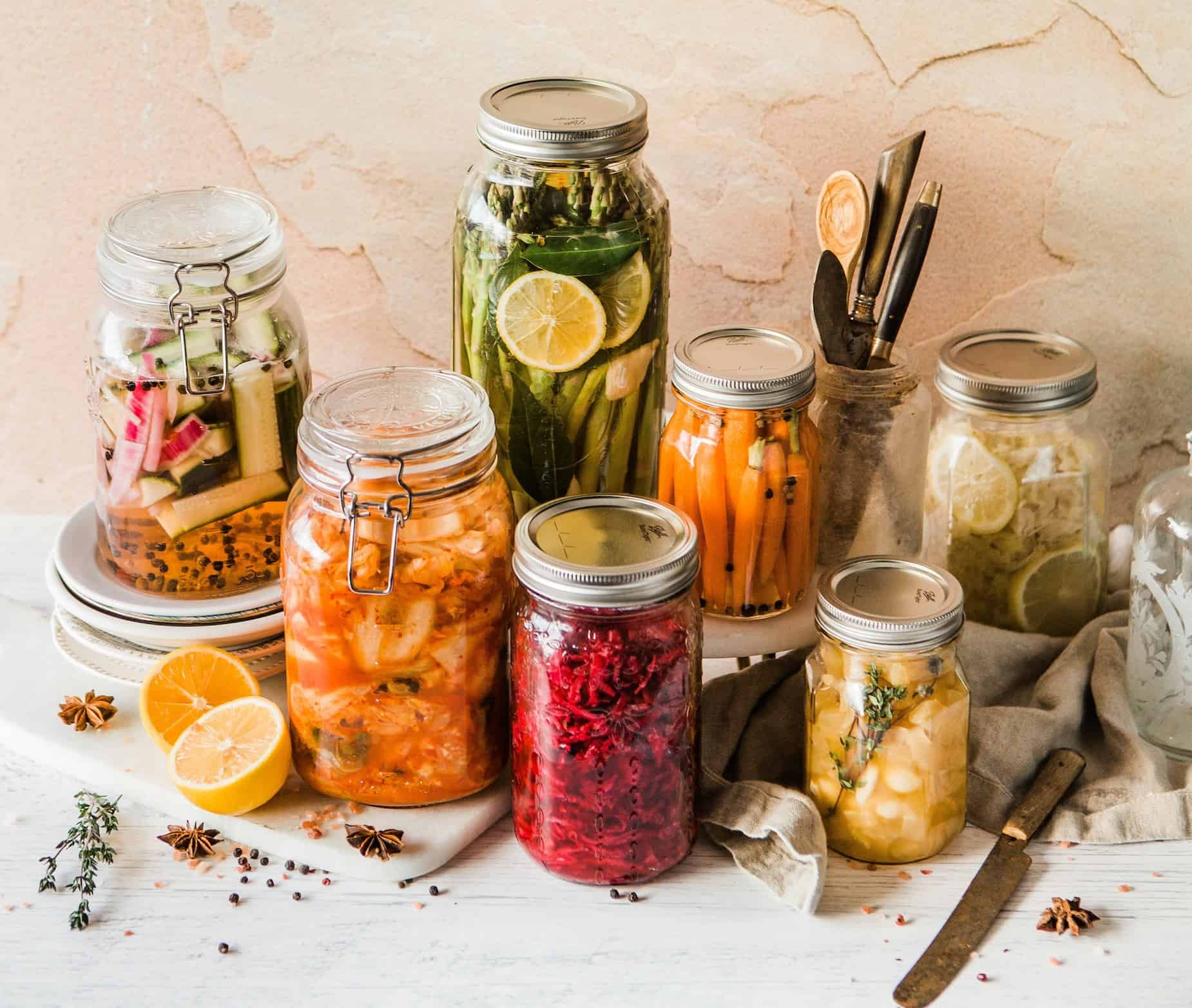
Fermented foods have gone from niche health-shop staples to supermarket mainstays, promising everything from better digestion to a more sustainable way of eating. But is there substance behind the trend, or has fermentation become the latest food buzzword?
For years, fermentation was something most people barely noticed. It sat in the background of everyday eating: the tang of yoghurt, the funk of blue cheese, the fizz of beer and the sharpness of pickles.
Now, it is everywhere. Kimchi has become a supermarket staple. Kombucha is no longer confined to health food shops. Sourdough went from niche bakery obsession to lockdown essential. Miso, kefir and sauerkraut have become shorthand for “gut health”, while probiotic claims and microbiome-friendly marketing have become some of the food industry’s favourite sales pitches.
Advertisement
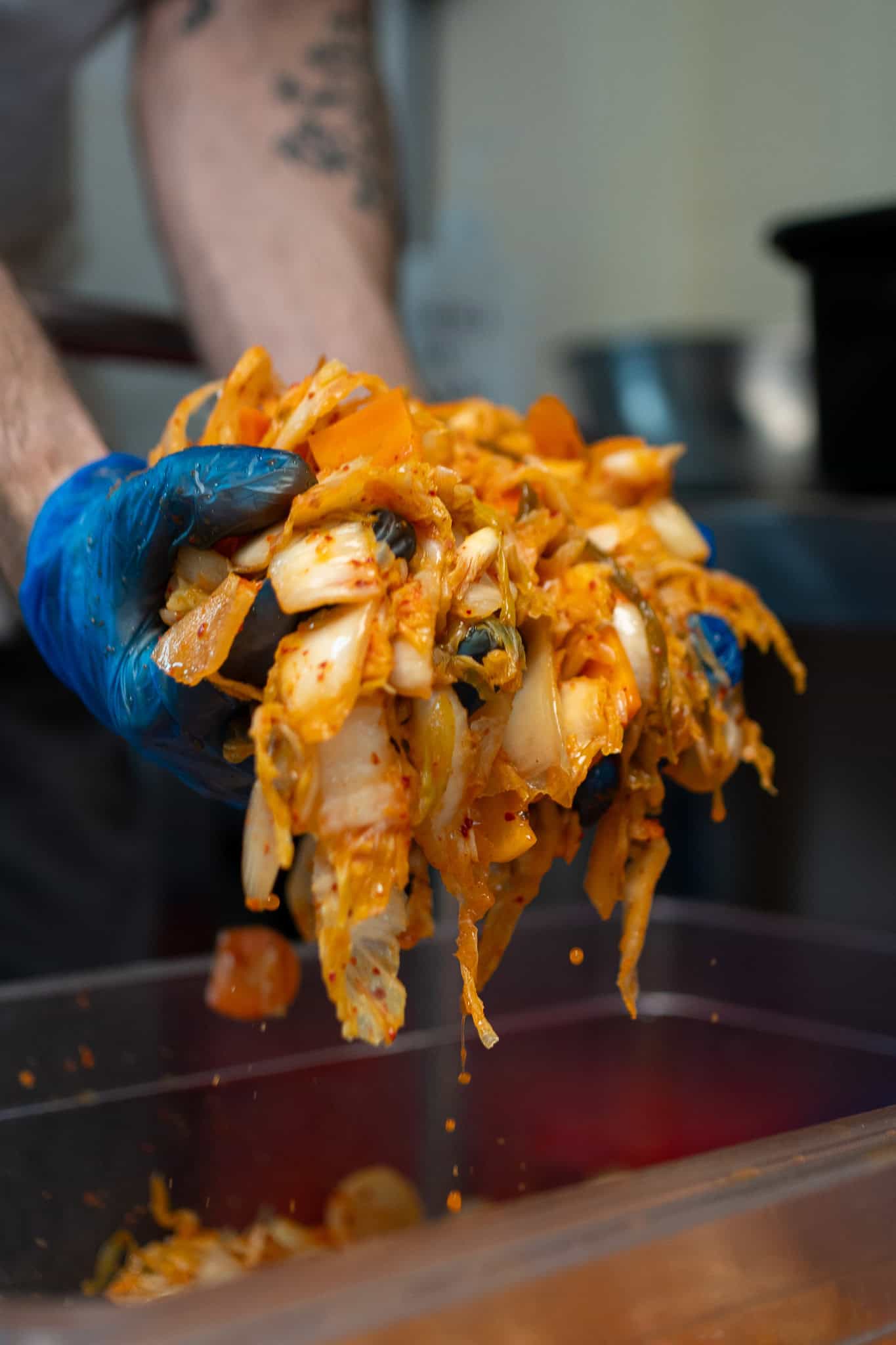
That growth is being driven not just by health claims, but also by changing tastes. Fermentation can make vegetables more savoury, more complex and, crucially, more satisfying.
Advertisement
One convert to fermentation is Neil Rankin. At places such as Pitt Cue Co, Smokehouse and Temper, Rankin became one of Britain’s best-known advocates for fire cooking, barbecue and nose-to-tail eating. Now he is betting that the future tastes more like mushrooms, onions and beetroot.
He still eats meat, but says he no longer sees it as the most exciting or important direction for food culture. Fermented vegetables, by contrast, feel more relevant to the future. Part of that future, he argues, is environmental. Meat is already expensive and, in his view, it is likely to become more so.
“The meat and dairy industry is currently subsidised heavily,” he says. “I just think the metrics around it just aren’t going to work in the future.”
That does not mean fermented vegetables are a silver bullet. Plenty of consumers became disillusioned with the first wave of plant-based food, which often relied on ultra-processed ingredients, additives and lab-style engineering.
Advertisement
Fermented vegetables feel more relevant to the future
“I think people will prefer animal products to that sort of stuff because it just doesn’t give you the emotional reward that real food does,” he says. “It needs to come from a place of trust. It needs to be built up. It needs to be delicious and nutritious.”
Rankin has recently released a range of fermented products under the brand symplicity foods, built around simple ingredients such as mushrooms, beetroot and onions rather than protein isolates or powders.
“These ingredients are abundant throughout the world. This is not some niche ingredient that we’re using,” he says. He adds that there are ample ‘wonky’ vegetables that might not make supermarket shelves but can certainly be turned into fermented products.
Advertisement
That focus on whole ingredients is part of what has made fermentation attractive to health-conscious shoppers. The theory is simple enough: fermented foods can contain beneficial bacteria, known as probiotics, which may help support digestion, immunity and gut health.
There is growing evidence that fermented foods can positively affect the gut microbiome, both in the short and long term. Some studies suggest they can help increase microbial diversity in the gut, which is associated with better digestion and overall health.
But the science is still developing, and there is a risk that the marketing has raced ahead of the evidence.
Advertisement
The British Dietetic Association says that fermented foods can support the microbiome, but that more studies are needed before stronger health claims can be made.
These ingredients are abundant throughout the world. This is not some niche ingredient that we’re using
Immunologist Daniel M. Davis warned that although microbial diversity is linked to good health, “the evidence is largely correlative rather than causative,” and scientists still do not fully understand what makes a healthy microbiome.
People often buy fermented products believing they are a cure-all for digestive problems, immunity and general wellbeing, when the evidence is much more mixed.
Rankin is careful not to oversell the benefits. “I don’t think there’s any silver bullet ingredient or product that’s out there that’s going to change it,” he says. “It’s going to have to be something broader than that.”
Advertisement
Dietitian Tanzil Miah has warned that many products “lose some of that goodness in the processing and batch production”. He also acknowledges that cooking can reduce some probiotic benefits, although he says: “There are some survivable pre-biotics in there.”
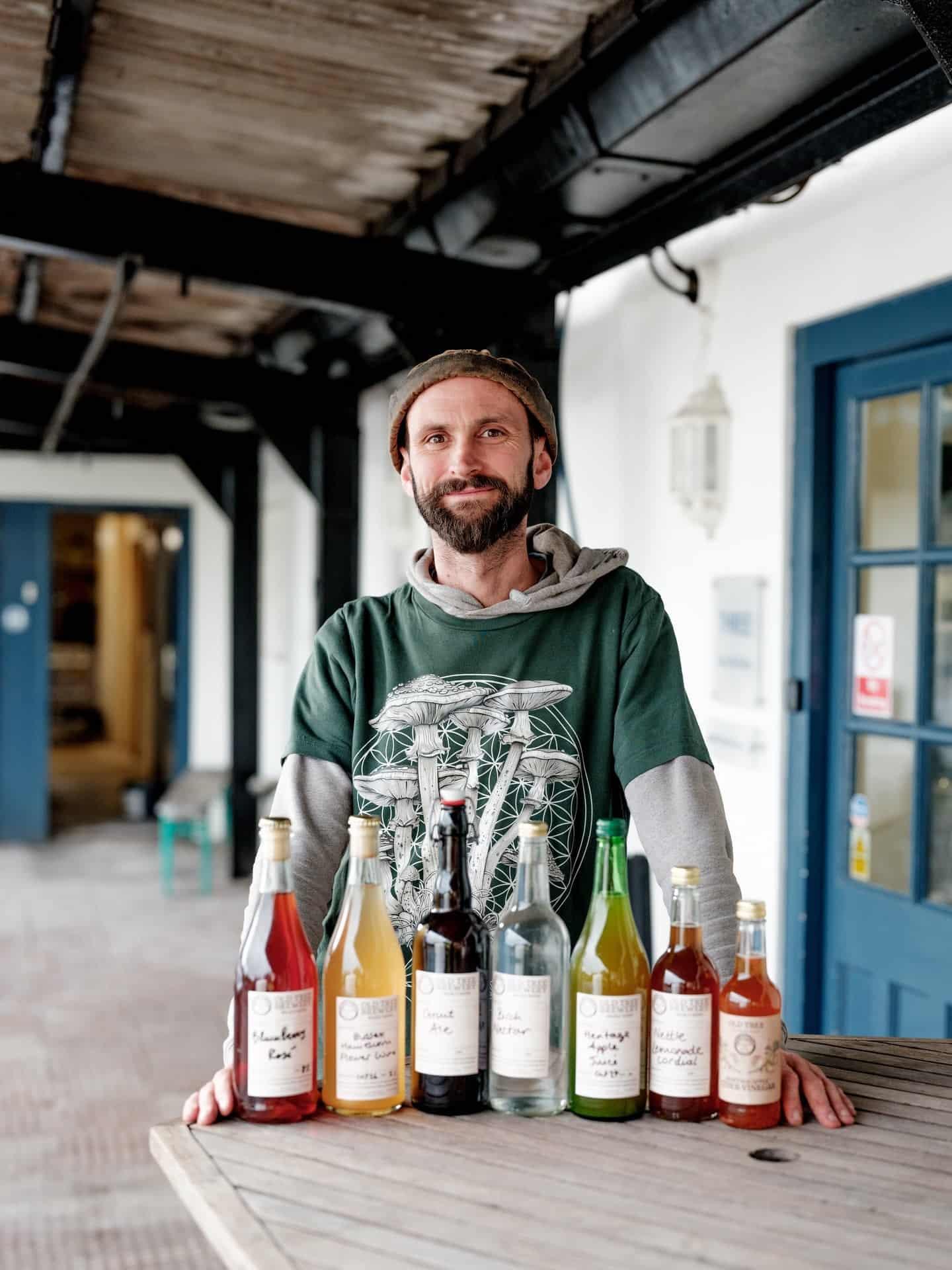
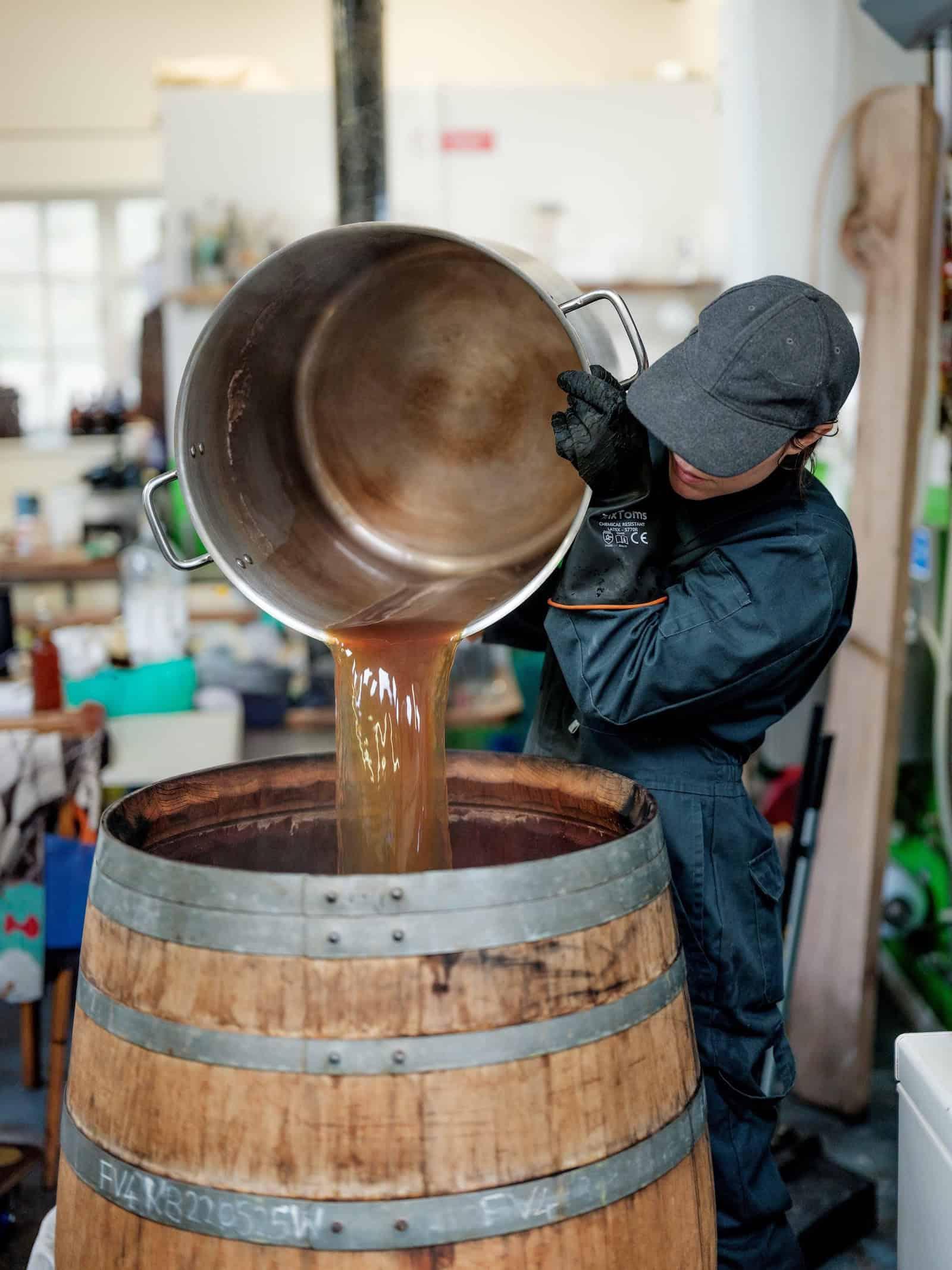
The rise in popularity of all things fermented has put some traditional makers at odds with the mass-produced products that are increasingly visible on sale. Thomas Daniell is the founding director of Old Tree Brewery CIC, which produces kombucha, a type of fermented tea. He argues that the economy’s obsession with shelf life above all else dilutes the positive impact real kombucha can have.
Advertisement
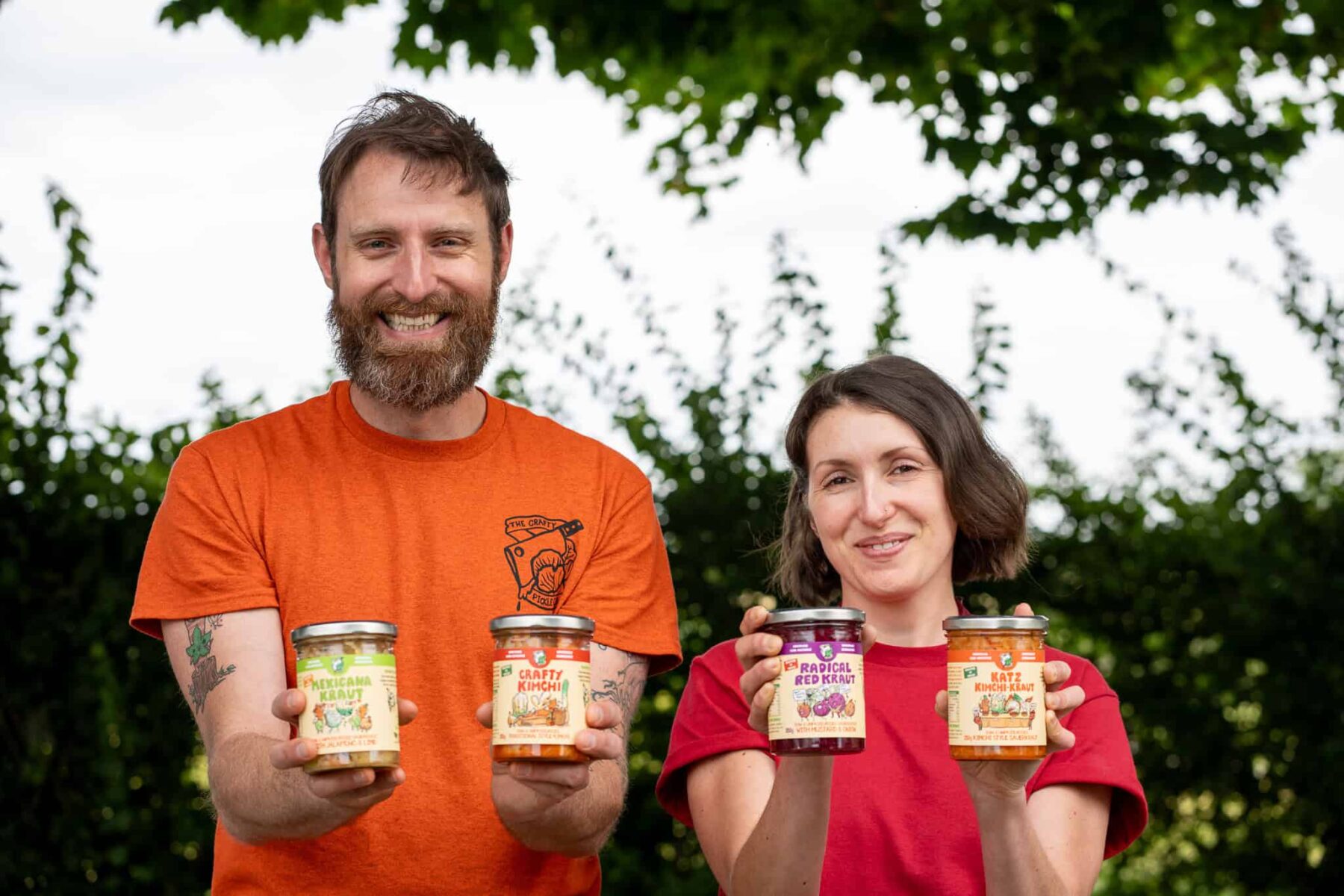
“Bigger brands of kombucha are not made using traditional methods, contain added sweeteners or are just fizzy drinks with a couple of added microbes in,” says Madi Myers, co-founder of Crafty Pickle Co. “We think this gives kombucha a bit of a bad name and doesn’t demonstrate the depth of flavour traditional methods achieve.”
Some products still contain live cultures when they reach the consumer. Others are pasteurised or heat-treated, which can kill off the microbes that many shoppers are seeking out.
The economy’s obsession with shelf life above all else dilutes the positive impact real kombucha can have
Daniell argues that large-scale production can flatten the complexity that makes fermented foods special. “Biological complexity is certainly lost with the fermentation of probiotic and prebiotic foods,” he says. “Biodiversity is what our bodies need, and this is hard to containerise.”
Myers believes fermentation can survive scale, but only up to a point. “You can’t recreate the deliciousness of small-scale fermentation with scale,” she says. “Some of the best batches of sauerkraut and kimchi we’ve made have been in one litre glass jars.” Still, she sees supermarket growth as an overall positive.
Advertisement
“Accessibility is important; most people shop in large supermarkets, so this will be the main way most people are introduced to these foods if they’re on store shelves,” she says. “Scale also helps bring prices down so we’re not opposed to scale and competition.”
There is certainly plenty of appetite for fermented foods. The UK kombucha market alone was worth an estimated £134m in 2024 and is expected to more than triple by 2033. Meanwhile, Ocado reported a 139% rise in searches for “fermented food”, with kimchi sales up sharply and raw sauerkraut also seeing strong growth.
Globally, the fermented ingredients market was estimated at £27.7bn in 2023 and is forecast to reach £57.7bn by 2030. Humans have been fermenting food for thousands of years. Bread, cheese, beer, wine and yoghurt all rely on it. What is changing is that consumers are becoming more aware of the process, more interested in gut health, and more willing to see vegetables as something worth celebrating rather than simply tolerating.
As Myers puts it: “Fermented foods aren’t scary, or novel or niche and it’s certainly not allowing foods to rot as we sometimes hear. It’s a highly controlled, curated process that gives flavours that can’t be achieved in other ways.”
Whether fermentation proves to be a lasting shift or simply the latest food craze will depend on what happens next. If chefs such as Rankin can persuade people that vegetables can be every bit as indulgent, flavourful and satisfying as meat, there may be much more behind the trend than a few jars of kimchi in the supermarket fridge.
Main image: Brooke Lark
Advertisement
Be part of the solution
At Positive News, we’re not chasing clicks or profits for media moguls – we’re here to serve you and have a positive social impact. We can’t do this unless enough people like you choose to support our journalism.
Give once from just £1, or join 1,800+ others who contribute an average of £3 or more per month. Together, we can build a healthier form of media – one that focuses on solutions, progress and possibilities, and empowers people to create positive change.
Donald Trump keeps America’s friends close but has also kept its Russian enemies in an embarrassing embrace.
However, his passion for Vladimir Putin is being tested as his envoys clamber into bed with Iran’s envoys, welcoming Tehran’s foreign minister in St Petersburg on Monday. Like the victim of a coercive relationship, Trump has seemingly gone out of his way to forgive the infidelity of Russia’s president.
Asked about Moscow’s supply of intelligence to Iran that has been used to kill American personnel over the last two months, he replied: “I don’t know, look, they can give all the information that they want but people they’re sending to are overwhelmed. Russia would be overwhelmed too. Anybody would be overwhelmed.”
Speaking as American military bases were under attack from Iranian drones and missiles, the US president shrugged off Russia’s help to Iran by saying, “They’d say we do it against them. Wouldn’t they say that we do it against them?”
Advertisement
Such indifference to military collaboration between Iran and Russia at a time of war is staggering.
But it is not surprising. And since then, Trump has continued to remain silent on Russia’s close cooperation in the production and development of missile technology with Iran.
He’s not asked the Russians to step back from their continued involvement in Iran’s development of nuclear power – Russian experts are still on the ground at the Bushehr nuclear facility in Iran.
The US president has also given Russia financial headroom amid international sanctions on its exports of fossil fuels, by lifting some US restrictions on Moscow’s oil exports.
Advertisement
Vladimir Putin shakes hands with Iranian Foreign Minister Abbas Araghchi in Saint Petersburg on April 27, 2026 (AFP/Getty)
And on 14 April, his vice president JD Vance described his “proudest moment” of the presidency so far as the decision to cut military aid to Ukraine – a nation that Russia invaded but has been under pressure from Trump and his officials to succumb to Putin’s demands as part of a “peace process” that has been described by many European governments as a recipe for Kyiv’s capitulation to the Kremlin.
But now Iran’s foreign minister Abbas Araghchi has arrived in Russia to seek more support for its war against America. This is Trump’s opportunity to send at least a minor signal to his friends in Moscow that he’s publicly embarrassed by the flirtation.
Iran’s ambassador to Moscow has said that it’s much more than a long look across the negotiating table or side eyes over canapes at a diplomatic convention.
No. This, he says, is a full-blown relationship.
Kazem Jalali said in a post on X that Mr Araghchi would meet Putin “in continuation of the diplomatic jihad to advance the country’s interests and amid external threats”.
Advertisement
JD Vance at the White House with Donald Trump and Marco Rubio on April 23, 2026 (AFP/Getty)
“Iran and Russia are present in a united front in the campaign of the world’s totalitarian forces against independent and justice-seeking countries, as well as countries that seek a world free from unilateralism and Western domination,” Jalali said.
A “united front” against America.
Trump’s response?
“If they want to talk, they can come to us, or they can call us. You know, there is a telephone. We have nice, secure lines,” he trilled on The Sunday Briefing on Fox News.
But the Russian support to Iran is real. Moscow has transferred or agreed to transfer advanced air‑defence systems, including variants of the S‑300 long-range surface-to-air missile systemsto Tehran. Its excerpts have provided advice on improved accuracy of missiles and how to evade American defences. Russia has also been working with Iran on space launch and satellite technology.
Advertisement
The two nations also collaborate on developing live battlefield surveillance technology, which could be used to kill Americans.
Trump speaking to CBS News after a shooting incident in Washington (60 Minutes, CBS)
Rather than try to stop this, Trump has turned on America’s Nato allies who have not joined his attacks on Iran alongside Israel, because it is an illegal war of aggression and choice – not an act of self-defence. His administration, which believes it owns the alliance of 31 other member states, is considering expelling Spain and suggested that the Falklands won’t get Nato protection.
Spain cannot be expelled by the US. The only attack on a Nato member by a foreign state has been by Argentina when it invaded the Falklands in 1982. The US gave almost no help to the UK then, and London did not invoke the mutual defence agreement between Nato members.
The US did that on 9/11 – and Nato members came to Washington’s aid.
The only beneficiary of divisions inside Nato is Putin. The US will suffer long-term as a consequence of it. Yet Trump has delivered just that.
Advertisement
Only Tehran and Moscow gain from their close relationship. The US will suffer from their long embrace. The US will suffer as a long-term consequence of that, too.
Yet Trump chooses to ignore it or, for reasons that remain obscure and creepy, is powerless to stop it.
“Good quality and great storage, luxury fabric feel.”
This article contains affiliate links, we will receive a commission on any sales we generate from it. Learn more
Advertisement
A footstool from Dunelm is being praised by shoppers as ‘luxurious’ and a ‘great storage’ option – and it is currently reduced in the sale. The Zoe II Velvet Storage Footstool is available for £151.20, down from £189, in the colour lagoon blue.
Dunelm’s Zoe II Velvet Storage Footstoolcomes in three other colours (for different prices) and is described as having a ‘luxurious velvet finish’. It features plush velvet upholstery and elegant buttoned detailing and, if shoppers lift the top, there’s a spacious storage compartment inside.
The Zoe II Velvet Storage Footstoolcould be ideal for keeping blankets and cushions neatly tucked away, or shoes, and it is finished with low ball feet for a ‘contemporary look’. The footstool’s dimensions are 45cm x 103cm x 62cm and it comes part assembled – plus, there are plenty of matching options to complete the look, from a two seater sofa to a snuggle chair.
As an alternative, Dusk has this Hampshire Pouffe in beige for £159, down from £199 currently. It comes in several other colours, is made with a premium textured weave fabric, and has a pocket sprung cushioned top and oak wooden legs.
Dusk also has the Paisley Buttoned Round Storage Pouffe in the colour olive for £118, reduced from £189, and it is selling fast, according to the site. Described as both practical and elegant, this has ‘useful hidden storage’ and can be used as an extra seat.
Finally, there’s the HOMCOM Storage Ottoman with Armrest, Upholstered Linen Storage Bench from Debenhams for £92.65, down from £242.99, saving shoppers 62%. This has a versatile, multi-purpose design with a large storage capacity, and it has sturdy rubberwood legs and supportive armrests.
Advertisement
Shoppers have left an average overall rating of 4.8 out of five for the Zoe II Velvet Storage Footstool from Dunelm. One said: “Good quality and great storage, luxury fabric feel.”
A second said: “Great footstool. Looked for ages to get one in this colour.”
While a third wrote: “Good for a large-ish size living room or bedroom. Excellent storage and looks plush.
Advertisement
The Zoe II Velvet Storage Footstool is available from Dunelm
“Very happy with the purchase.” Others deducted a star, with one writing: “Lovely storage stool.
“The colour (was) not what I expected, it looks more grey than green, but apart from that I would recommend.”
Meanwhile, one shopper wrote about their experience with Dunelm as a whole on Trustpilot: “Good website, easy to order – like all Dunelm products, know you are getting a good quality item – only downside is that often items are not available for home delivery – e.g. fleece throw.”
Malik Abdulhasan has been charged with offences of; meeting a girl under 16 years of age following grooming; two counts of engaging in sexual communications with a child; three offences of making indecent images of children and one of possessing extreme pornographic images.
The 25-year-old offered no indication of plea to all seven offences when he appeared at South Cumbria Magistrates Court in Barrow.
He is accused of meeting a 12-year-old girl in Millom with the intention of raping her.
Advertisement
The defendant is also alleged to have intentionally communicated with two underage girls for the purpose of obtaining sexual gratification in August 2024 in Bolton.
The charges state he made requests for sexual images and on one occasion requested to meet a girl for a sexual purpose.
Abdulhasan, of Glaister Lane, Bolton, is also alleged to have made 23 category A images, 11 category B images, 19 category C images as well as possessing a further three extreme pornographic images displaying a person performing a sex act with a horse, fish and a frog between November 2, 2023, and October 2, 2024.
Magistrates adjourned the case to Preston Crown Court for a plea and trial preparation hearing on May 26.



















































You must be logged in to post a comment Login