Connect with us
DAPA Banner
DAPA Coin
DAPA
COIN PAYMENT ASSET
PRIVACY · BLOCKDAG · HOMOMORPHIC ENCRYPTION · RUST
ElGamal Encrypted MINE DAPA
🚫 GENESIS SOLD OUT
DAPAPAY COMING

NewsBeat

How US presidents shift controversial actions abroad to get around limits at home

Published

on

How US presidents shift controversial actions abroad to get around limits at home

When Donald Trump deported a group of Venezuelan nationals to El Salvador in 2025, it was the fulfilment of a long-held wish. Across both of his administrations Trump has pushed officials to find ways to brutalise immigrants, particularly those who are undocumented, believing that doing so will deter others from making the trip.

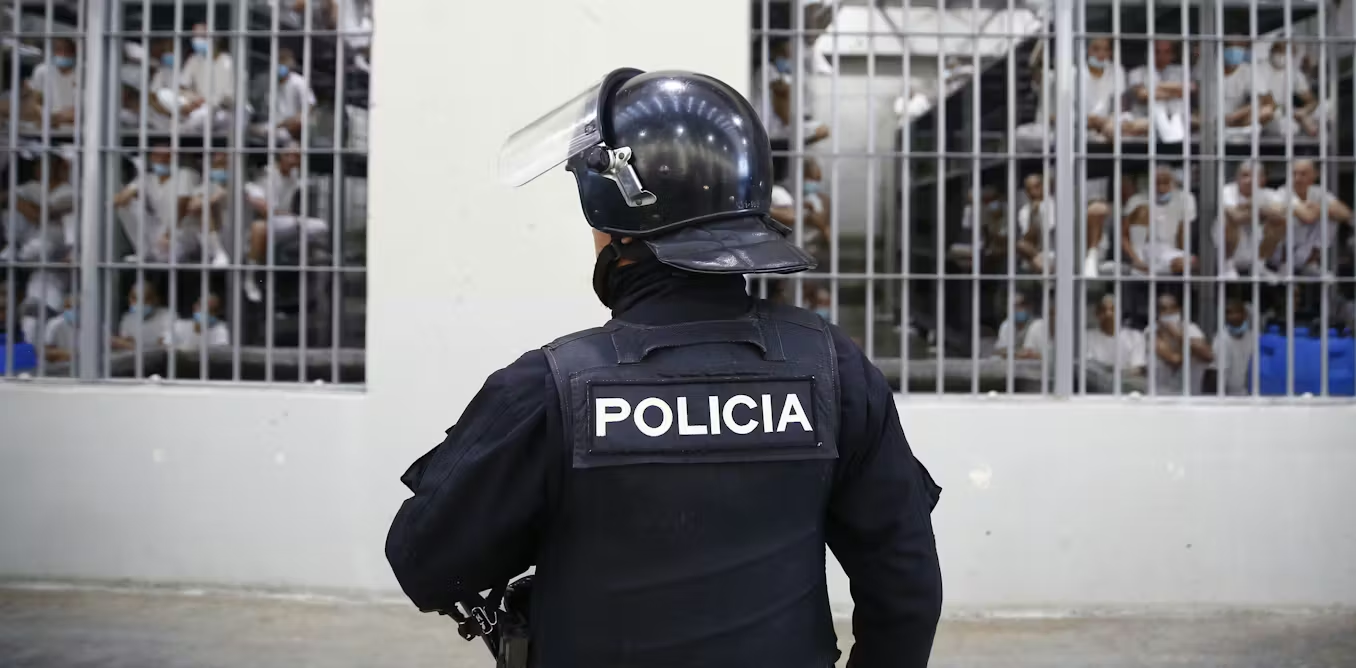
The Venezuelan nationals were destined for El Salvador’s Terrorism Confinement Center, known as Cecot. When they arrived, according to a Human Rights Watch report, they were subjected to systematic beatings, sexual abuse and psychological duress.

The Trump administration amplified reports of conditions in the prison. Trump’s former homeland security secretary, Kristi Noem, for example, filmed a video inside Cecot in 2025 in which she thanked El Salvador for “bringing our terrorists here and incarcerating them”.

Trump’s deportations were a chilling sign of how easy it is for US presidents to sidestep the constitution. If Cecot were in the US, it would be recognised as a site of illegal abuses. The constitution’s protection against “cruel and unusual punishments” would cause judges to order it shut down – and it is likely that political outrage would not cease until that order was followed.

Advertisement

Yet by making an agreement with El Salvador’s president, Nayib Bukele, Trump managed to get around these legal and political obstacles. In a recent paper, I explored how Trump’s deportations are part of a broader pattern of what I call “presidential extra-territorialization” – American presidents acting in or through a foreign jurisdiction to circumvent the US constitution.

There is a long-term pattern of cooperation between presidents from both the Republican and Democratic parties and the leaders of foreign countries. It is a pattern that could have grave implications for the future of US democracy.

Donald Trump meeting with Nayib Bukele at the White House in April 2025.
Ken Cedeno / EPA

Outsourcing abuses

The ability of US presidents to engage in this outsourcing of abuses is rooted in two things. First, their control over the vast capabilities of the modern executive branch, with its array of spies, soldiers and law enforcement officials. And second, control over US diplomacy, which is enshrined in Supreme Court precedent.

In 1936, the court ruled that the president is “the sole organ of the federal government in the field of international relations”. This has commonly been interpreted as meaning US presidents cannot be constrained by the other branches of government when conducting diplomacy.

Advertisement

Combined, these factors mean presidents face fewer constraints in foreign affairs than in the domestic realm. They are able to avoid oversight from the courts and Congress by keeping agreements with other governments secret and by acting too fast to be stopped. If they can find just one foreign government willing to enable them, then what is not possible at home suddenly becomes possible overseas.

This lack of constraint was evident in Trump’s deportations. The US government sent the men to El Salvador despite a last-minute ruling by a federal court ordering their return.

And once they were in El Salvador, the Trump administation claimed it was no longer responsible for them and could not be expected to bring them back. The Supreme Court stepped in to pause further such deportations, but only weeks after the fact.
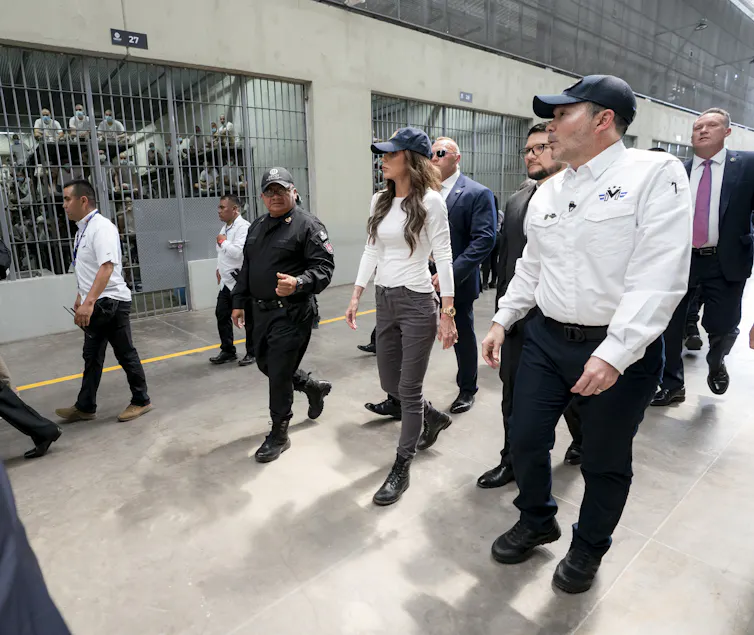
Kristi Noem receives a tour of Cecot with El Salvador's minister of justice and public security.
Kristi Noem receives a tour of Cecot with El Salvador’s minister of justice and public security, Gustavo Villatoro, in March 2025.
United States Department of Homeland Security

Other examples of the power and flexibility of extra-territorialization became apparent during the “war on terror”, when successive US presidents faced the issue of where to send detainees who were suspected terrorists.

If they were brought to the US, they would have had constitutional rights and could not have been tortured or indefinitely imprisoned. So presidents from Bill Clinton in the 1990s onward established a series of agreements with other countries to take and mistreat them instead.

Advertisement

After the 9/11 terrorist attacks in 2001, the Bush administration established a series of “black sites” in countries such as Poland, Thailand and Romania in which to hold detainees in secret. Abuses were committed directly by US agents, but still beyond the reach of US courts. The administration held prisoners at Guantanamo Bay in Cuba too, another place where the constitution’s reach was limited.
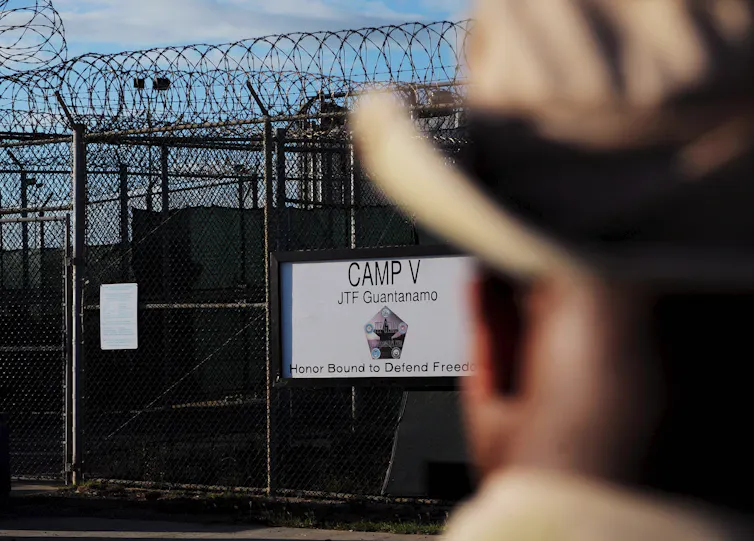
A detention facility at Guantanamo Bay in Cuba.
A detention facility at Guantanamo Bay in Cuba, pictured in 2008.
Mandel Ngan / EPA

Presidents can also shift territory in response to attempts to constrain their actions. When the US Supreme Court ruled that detainees at Guantanamo Bay had to be afforded certain rights in 2008, the Obama administration transferred some detainees to Bagram Air Base in Afghanistan. Bagram was not covered by the Supreme Court ruling.

As a US court of appeals noted in 2010, the ability to shift territories so easily seemed to allow the administration to “switch the constitution on or off at will”.

Yet another example of extra-territorialization is the “Five Eyes” intelligence agreement between Australia, Canada, New Zealand, the UK and US. As part of this pact, members have been reported to spy on each other’s citizens – an outsourcing of surveillance that allows each to circumvent domestic privacy constraints.

The fact that Trump has engaged in extra-territorialization so openly, in contrast to previous administrations who tried to keep it hidden, is a stark warning.

Advertisement

Even when the president said he was exploring a proposal to send US citizens to Cecot in April 2025, he received little pushback from within his own party. This suggests they have accepted it as a legitimate strategy to achieve policy goals.

In the hyper-polarised atmosphere of contemporary US politics, extra-territorialization is threatening to become a regular tool of governance. To stop that from happening, it is vital to expose and confront it. But first we must understand it.


Source link

Advertisement
Continue Reading
Click to comment

You must be logged in to post a comment Login

Leave a Reply

NewsBeat

What if the news reflected what matters most to you?

Published

on

What if the news reflected what matters most to you?

A new seven-week listening project from Positive News will explore what people truly value and how media could support a healthier relationship with the world

Every day, news organisations make choices that decide what deserves attention. Certain kinds of stories dominate the agenda: politics, crime, war, the economy – and these subjects are often told through a lens of conflict, crisis, threat, division or competition. These issues are important, but they’re not the whole of reality, nor the only way to look at the world.

What the media focuses on affects what happens next. Over time, it shapes what people notice, what they believe others care about, what they think is possible, and how much agency they feel they have. Journalism is never truly neutral. There are always choices about what to cover, whose voices are heard, and what kind of relationship with the world all of this encourages.

Advertisement

But journalism rarely questions the assumptions shaping those choices. So what would it look like to build a media organisation more consciously around the values, needs and lives of the people it exists to serve? That’s the question behind Positive News: What Next? – a seven-week listening project inviting our audience and wider community to help shape the future of Positive News. Over the coming weeks, we’ll be asking what you value, what you want from your media, and what role Positive News plays in your life.

Advertisement

As part of this, we’re launching our flagship Positive News values survey today. This draws on a long-established framework called Schwartz’s theory of basic human values, which is used by social psychologists to understand the values people hold closest. At the end of the survey, you’ll receive a personal values profile, giving you a snapshot of the principles and motivations that shape how you see the world.

It’s part of how we’re exploring an emerging idea called values-aware journalism. The premise is that all journalism reflects values, and that the things media organisations choose to emphasise – consciously or not – shape people’s sense of what matters in the world.

We also want to better understand what people are truly looking for from journalism at a time when trust in media is low, many people feel overwhelmed by the news, and digital content increasingly competes for attention through outrage, anxiety, distraction and disinformation.

At the heart of all of this is a question: does the media actually reflect what people care most about?

Advertisement

‘We’ve always believed journalism can build a fuller picture of reality and empower people’

Traditional news culture often gives most attention to ideas such as status, competition, wealth and power as markers of what matters. Yet values research has consistently shown that most people place greater importance on things such as community, equality, connection, care for others and care for the natural world. Values-aware journalism is about becoming more conscious and transparent about the values behind editorial choices, and the effect those choices have. 

Advertisement

This connects closely with Positive News’ long-standing constructive journalism approach. We’ve always believed journalism can build a fuller picture of reality and empower people – not by ignoring problems, but by focusing on progress, solutions and human potential.

Now we want to take that thinking further. 

Positive News is already structured as a community benefit society, a form of co-operative designed to serve the public rather than private shareholders. This next phase is about building on that purpose by exploring how more of what we do can be shaped around our community and shared values – from the stories we cover and the ways you participate, to the services or experiences we create beyond journalism.

We want to better understand what people are truly looking for from journalism at a time when trust in media is low

Because it’s no longer enough just to report the news – even if it is positive. What makes something newsworthy or “positive” anyway? What makes journalism genuinely useful? These are the kinds of questions we want to explore by better understanding your values and needs.

Advertisement

This is a genuine conversation. Throughout the project, we’ll share what we’re learning through updates, and at the end we’ll publish a full account of what we heard and how it’s shaping our next chapter.

Ultimately, Positive News: What Next? is asking a bigger question than simply what stories Positive News should publish. It’s asking: what does a media organisation that truly benefits its community look like? And with your help, we hope to find the answer.

Take the Positive News values survey now.

Sean Wood is CEO of Positive News and an advisory board member for the Common Cause Foundation’s Values in Media initiative.

Advertisement

Main image: SolStock

Source link

Advertisement
Continue Reading

NewsBeat

Family’s heartbreaking reaction as they’re told beloved young woman could have survived

Published

on

Manchester Evening News

‘We truly hope things can be changed’, Clarissa Street’s loved ones said following the conclusion of an inquest into her death

Advertisement

The devastated loved ones of a young woman who died amid ‘gross failings’ in her hospital care broke down in tears as a coroner concluded she ‘more than likely’ would have survived if she had received ‘appropriate’ treatment.

Clarissa Street, 24, from Rochdale, was left corridor late at night at Royal Oldham Hospital for more than a hour. She was handed an oxygen mask that wasn’t connected to anything while suffering from a ‘massive’, undiagnosed blood clot on the lungs.

A doctor later carried out two procedures that were ‘not medically required’ and ‘precipitated’ a fatal cardiac arrest – the result of a pulmonary embolism, Rochdale Coroners’ Court heard.

Click here to hear the latest from Manchester’s courts in our newsletter

Advertisement

Clarissa – a University of Manchester graduate from Castleton who studied sociology and earned the Dean’s Award for her dissertation – had been feeling unwell for several days. She suffered bouts of vomiting and couldn’t sleeping before she collapsed and lost consciousness.

Her boyfriend rang an ambulance and she was taken to Royal Oldham at around 11.25pm on August 13, 2024. The inquest into Clarissa’s death heard a paramedic suggested she was ‘overreacting and having a panic attack’ when she was passed over to triage staff.

She had previously experienced a provoked pulmonary embolism and deep vein thrombosis, in 2017, and had taken blood thinners for several months afterwards.

After she arrived at Royal Oldham, Clarissa was given an oxygen mask that wasn’t connected to anything ‘to try and regulate her breathing’ and spent more than an hour in a corridor before being transferred, the inquest heard.

Advertisement

Recording her conclusion on Friday (May 15), area coroner Catherine McKenna said there were ‘serious failings’ in Clarissa’s triage and the initial management of her treatment.

She said Clarissa had a National Early Warning Score (NEWS) of eight, meaning she was ‘critically ill’. That fact was not escalated and she didn’t receive the ‘care and attention her condition required’, Ms McKenna added.

The coroner said decision the decision not to hook up her oxygen mask was ‘not based on recognised nursing practice’. That fact, and the ‘failure to act on observations that showed she was acutely unwell’ were ‘gross failings’, she added.

Advertisement

Those failings did not, however, cause Clarissa’s death, Ms McKenna said. After being transferred to higher care shortly before on August 14, a doctor failed to obtain and consider Clarissa’s full medical history; didn’t review the results of an ECG; and ‘misinterpreted’ the readings on a bedside cardiac monitor, the hearing was told.

The doctor then carried out a Valsalva manouvre – a breathing technique performed by exhaling forcefully against a closed airway – and carotid sinus massage, intended to slow heart rate and lower blood pressure.

Ms McKenna said those were not ‘medically required’; were ‘inappropriate’; and ‘precipitated’ the cardiac arrest Clarissa suffered. The coroner said those were ‘basic care failings’ that were ‘contributing factors in her death’.

Ms McKenna said she was not satisfied those errors were ‘gross failings’, and so was unable to record a finding of neglect. The coroner said that ‘in no way minimises the gravity with which the court regards these failings’.

Advertisement

She said she agreed with expert evidence that Clarissa would have had a ‘more than 50 per cent chance’ of survival if she had not gone into cardiac arrest.

Ms McKenna, who recorded a narrative conclusion, said that: “I find that had Clarissa receivied appropiate care and treatment from the time she arrived, a primary diagnosis of pulmonary embolism would have been confirmed. More than likely she would have survived this acute episode.”

A number of Clarissa’s family members were in court. They burst into tears as Ms McKenna delivered her findings. The coroner thanked her loved ones for the ‘dignity’ they had shown during the proceedings and told them: “I am truly sorry for your loss.”

In a statement issued following the hearing, her family said: “We are truly devastated about the loss of our favourite person Clarissa. She will forever live on in our hearts and minds. We will always be shaped by the impression she left on all of us.”

Advertisement

They said they believed she was ‘treated as an overreacting young woman’ and that they ‘truly hope things can be changed’ to stop other families suffering similar tragedies.

Source link

Continue Reading

NewsBeat

‘I bought same 4 items from Tesco, Home Bargains and BP to see which was cheapest’

Published

on

Daily Mirror

Self-made millionaire Mark Tilbury has shared the results of his supermarket price comparison experiment in which he bought the same items from Tesco, Home Bargains and a BP petrol station to find out which offers the best value for money

A self-made millionaire has revealed the results of a shopping experiment where he bought items from Tesco, Home Bargains and a BP petrol station to find out which offers the best value for money. Mark Tilbury purchased the same four items from all three retailers to settle the debate once and for all.

Advertisement

The entrepreneur picked up a sandwich, a 500ml bottle of Coca Cola, a large bar of Cadbury Dairy Milk chocolate and a packet of hay fever relief tablets from each outlet before heading to TikTok to share his verdict. His first stop was the petrol station, which housed a Wild Bean Cafe and an M&S Simply Food store inside.

Content cannot be displayed without consent

“This totalled £12.40,” Mark revealed as he returned to his vehicle. “Ouch.”

He then made his way to a Tesco Extra superstore. “This is most people’s go-to – the supermarket,” Mark continued. There, the very same four items set him back £7.40.

“That was nearly half of the price of the petrol station and I got a free packet of [McCoy’s Thai Sweet Chicken] crisps,” he enthused.

Advertisement

Mark wrapped up his experiment with a visit to Home Bargains. “I then went to this discount store where everything is supposed to be cheap,” he said.

But did it deliver? “As I was grabbing the items, I realised that it’s actually quite expensive,” Mark claimed. His shop came to £7.25 – just 15p less than his Tesco total.

“So the cheapest was the discount store, but they didn’t give me a free packet of crisps,” he concluded.

The results prompted one TikTok user to declare: “The way we all just trust the most expensive store to be the best quality is a scam.”

Advertisement

Another viewer agreed, saying: “This is a great breakdown of how ‘cheap’ branding can be deceptive. Showing the actual math behind the supermarket versus the discount store helps people shop smarter.”

Though a third observer noted: “The antihistamine he brought at the bargain store [Home Bargains] was fexofenadine rather than loratadine/cetirizine, which is always more expensive anyway even when generically branded.”

In an earlier video, Mark disclosed he left school at 16 without any qualifications or money. “No-one believed in me – especially my teachers,” he said.

And in his first role manufacturing wooden bins, he alleged he was “bullied” and earned less than £2.50 hourly. “I decided to quit and start my own business – it was a big risk,” Mark explained.

Advertisement

“30 years later I run two multi-million pound companies and I have grossed over £50 million. I have a dream house, but most importantly I have the freedom to spend time with my family.”

Source link

Continue Reading

NewsBeat

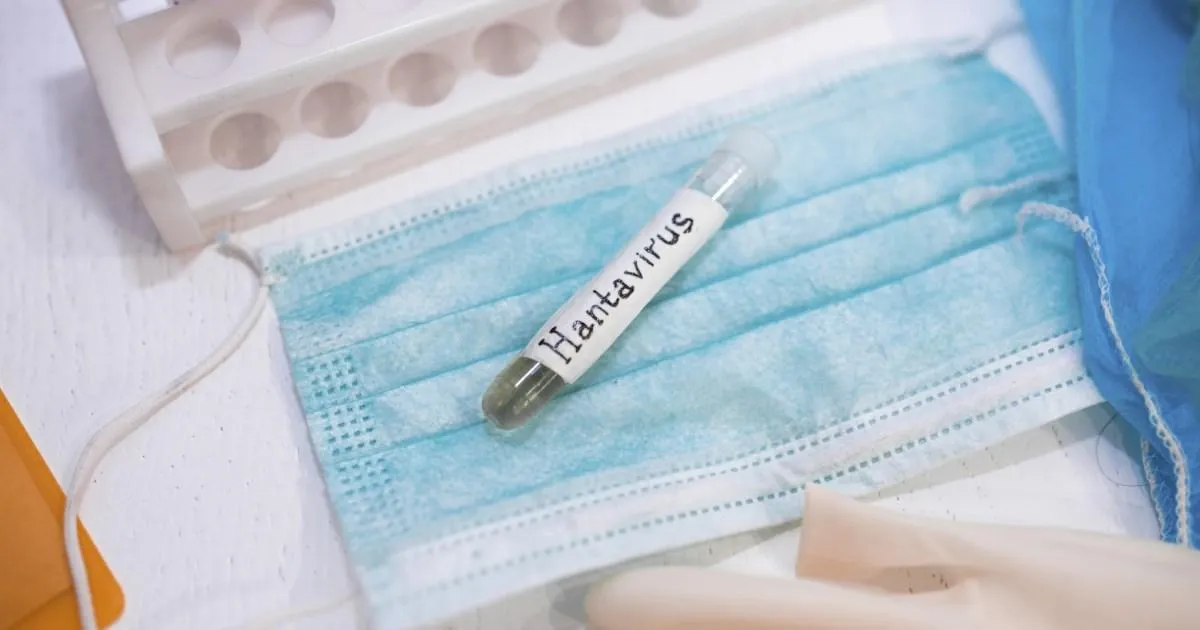
Is Hantavirus a new STI? Here’s why it could be in your semen

Published

on

Is Hantavirus a new STI? Here's why it could be in your semen
If you’ve had hantavirus it could be in your semen after you recover (Picture: Getty Images/imageBROKER RF)

Emerging details about Hantavirus, the illness responsible for three deaths on board a British cruise ship, have raised concerns it could be transmitted via sex.

According to a 2023 study in the journal Viruses, the rat borne virus can survive in human semen for up to six years after that person became infected.

The Spiez Laboratory, a Swiss government institute tasked with fighting nuclear, biological and chemical threats, investigated a 55-year-old man who had previously had the Andes strain of the hantavirus.

Researchers discovered that although there was no longer any trace of the virus in man’s blood, urine and respiratory tract, it was still detectable in his semen 71 months later.

Advertisement

But does this mean you could catch hantavirus from having sex with someone who had previously fallen ill? And should we be treating it as an STI? We asked a doctor to give us the lowdown.

How can hantavirus live in semen?

‘The testes and male reproductive tract are what we call “immune privileged” sites, meaning the immune system does not patrol them as aggressively as it does other parts of the body,’ Dr Suzanne Wylie tells Metro.

‘This is partly because sperm cells are biologically unusual and could otherwise trigger immune reactions, so certain viruses are able to persist there for prolonged periods even after they have disappeared from the blood and respiratory tract.’

To view this video please enable JavaScript, and consider upgrading to a web
browser that
supports HTML5
video

Advertisement

The study makes it clear that yes, hantavirus can survive in semen for a long time, but that doesn’t necessarily mean it’s highly infectious.

The GP and medical adviser for IQdoctor says viruses such as Ebola and Zika can behave in this way, and standard advice for those infected is to wear condoms whenever they have sex to prevent potential transmission.

Advertisement

Dr Wylie completely understands the concern that you could be exposed to the virus via unprotected sex.

‘It’s important to stress that confirmed sexual transmission of hantavirus remains exceptionally rare and the evidence is still very limited,’ she explains. ‘At the moment it’s more of a serious scientific and public health question than evidence of a widespread new route of transmission.’

If you’ve currently got hantavirus you shouldn’t be having sex with anyone because the disease can spread through prolonged contact.

If you’ve recovered from Hantavirus, it’s not standard practice for doctors to recommend you wear a condom for a period of time after the illness but Dr Wylie say that could change if more research determines the traces in semen could be infectious.

Advertisement

As part of practicing safe sex it’s wise to use condoms regardless of whether you’ve been unwell or not to protect against STIs.

Could this affect women in a similar way?

In short, there’s not enough evidence to know if the virus could live in the vaginal or reproductive tissues in the same way it lives in semen.

‘Biologically the testes are somewhat unique because of their immune-protected environment, so it may not behave identically in females,’ Dy Wylie says.

‘That said, researchers will almost certainly now start looking more carefully at persistence in female reproductive tissues as well.’

Advertisement

Could I catch hantavirus six years later?

Potentially yes, if you have sex with someone who had the virus some years ago, there’s a possibility you could catch it from them, even if they themselves have recovered.

Hantavirus survives in semen but it’s not clear yet if it’s infectious (Picture: Arman Onal/Anadolu via Getty Images)

‘That doesn’t necessarily mean large numbers of recovered patients are infectious for years, but it does mean the assumption that recovery automatically equals zero transmission risk may not always be true for every hantavirus strain, particularly Andes virus,’ Dr Wylie explains.

If you’re wondering if this means it should be considered an STI, the expert says most clinicians wouldn’t currently describe it as one.

‘This is because its primary mode of transmission remains exposure to infected rodents and their droppings, and person-to-person spread overall is still uncommon outside certain Andes virus outbreaks in South America,’ she adds.

‘However, if further studies confirm viable virus can persist in semen and be sexually transmitted long after recovery, then sexual transmission would clearly need to be recognised as an important secondary route.’ 

Advertisement

What are the first signs of hantavirus?

If you are worried you could have been exposed to hantavirus, you’ll need to look for symptoms that could be confused with flu.

‘Early symptoms can be fatigue, a fever, a headache, and muscle ache,’ Dr Govind explains. This muscle pain will likely manifest in areas like the thighs, hips, back and shoulders according to the Centre for Disease Control.

Catching hantavirus can then lead to two main illnesses:

If it progresses into HPS, about half of these patients will experience headaches, dizziness, chills and abdominal problems like nausea, vomiting, and diarrhoea.

Advertisement

About four to 10 days after these initial symptoms, the CDC says you’ll experience ‘late symptoms’ which include coughing and shortness of breath, as well as tightness in the chest as the lungs fill with fluid.

If you develop HFRS, initial symptoms will include intense headaches, back and abdominal pain, fever or chills, nausea, and blurred vision.

You could even have inflammation or redness in your eyes or a rash.

Once the disease progresses, later symptoms include low blood pressure, acute shock (lack of blood flow), internal bleeding, and acute kidney failure, according to the CDC.

Advertisement

Read more about hantavirus and treatments here.

Do you have a story to share?

Advertisement

Get in touch by emailing MetroLifestyleTeam@Metro.co.uk.

Advertisement
Advertisement

Source link

Continue Reading

NewsBeat

Severe M4 delays near Newport as vehicle jackknifes

Published

on

Wales Online

There are long delays on the M4 near Newport on Friday after a vehicle pulling a caravan appears to have overturned. The accident has taken place o the westbound carriageway between junction 26 (Malpas) and junction 27 (Highcross).

There are severe delays and two lanes closed, according to traffic monitoring service Inrix. Congestion has built back to junction 23 at Magor.

There is also slow traffic on the eastbound carriageway due to onlookers.

Gwent Police said: “We’re currently dealing with a road traffic collision on the M4 Westbound between J26 and J27.

Advertisement

“Please avoid the area if possible and find alternative routes for your journey.”

Follow our live updates below:

Source link

Advertisement
Continue Reading

NewsBeat

Aston Villa vs Liverpool TV channel, live stream and kick-off info

Published

on

Wales Online

Sky has upgraded its Ultimate TV and Sky Sports bundle to now include HBO Max, Netflix, Disney+, discovery+ and Hayu, as well as 135 channels and full Sky coverage of the Premier League and EFL.

Sky broadcasts more than 1,400 live matches across the Premier League, EFL and more with at least 215 live from the top flight alongside Formula 1, darts and golf.

Source link

Advertisement
Continue Reading

NewsBeat

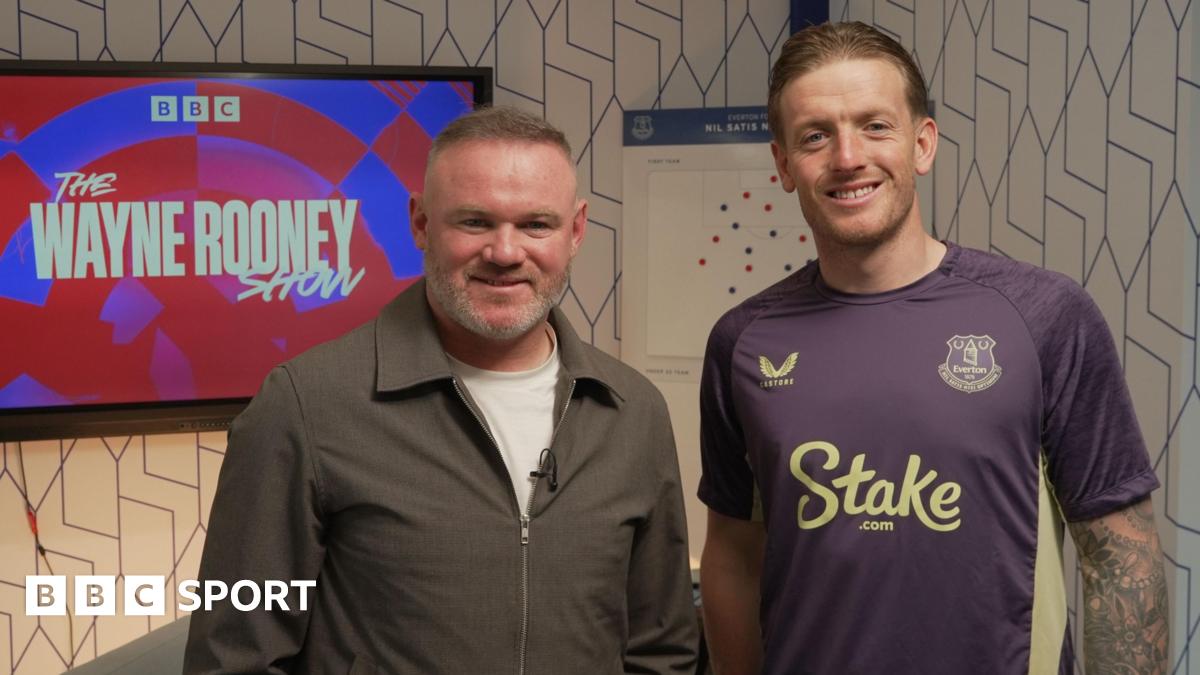
Jordan Pickford talks to Wayne Rooney about being England’s number one, the World Cup and a shared love

Published

on

An image of Pep Guardiola and Tony Pulis laughing and smiling to each other when Manchester City played West Brom in 2017

A few months before he made his England debut in 2017, Pickford joined Everton from Sunderland for an initial £25m.

Later that summer, Rooney, who had left Everton in 2004 and won five Premier League titles and the Champions League during 13 years at Manchester United, returned to Goodison Park.

“There was a price tag on me when I was being bought – the most expensive British keeper – so there was that pressure,” Pickford says to Rooney. “I’ve always enjoyed the pressure and I knew I had to do something early to get the fans behind me.

“In your first game we won 1-0 and you scored the header and I made a decent save in my first home Premier League game at Goodison, so I set myself off on a good stall.”

Advertisement

Rooney was instantly impressed with Pickford’s performances,

“At the time I thought, ‘this could be Everton and England’s number one goalkeeper for a long time’,” he says.

Nine years later and Pickford is just that – and in October signed a new contract to keep him with the Toffees until 2029.

But since he joined, Everton have not finished higher than eighth in the Premier League and they are in danger of missing out on European football for an eighth successive season.

Advertisement

During the interview, Rooney asks Pickford about his decision to stay.

“I don’t agree, but a lot of people say ‘why haven’t you moved on from Everton?’” he says.

“For you to be so loyal, to what you have been to the club, it’s quite rare these days.

“With your ability, you can say: ‘Well, do you want to go and play Champions League?’ But you’ve stuck with Everton. Why is it?”

Advertisement

Source link

Continue Reading

NewsBeat

Belfast reaches 300,000 milestone with one million trees

Published

on

Belfast Live

A community orchard project has also been launched in the city

Belfast is not far off target with its one million trees initiative, and has announced it has recently reached just under the 300,000 milestone, and has also started a community orchard project.

Advertisement

Launched in December 2020, and coordinated by Belfast City Council, the Belfast One Million Trees initiative is a 15-year project aiming to plant one million native trees by 2035 to tackle climate change, enhance biodiversity, and improve air quality. The project was inspired by the Belfast Metropolitan Residents Group and is supported by the Woodland Trust, National Trust, and the Belfast Hills Partnership.

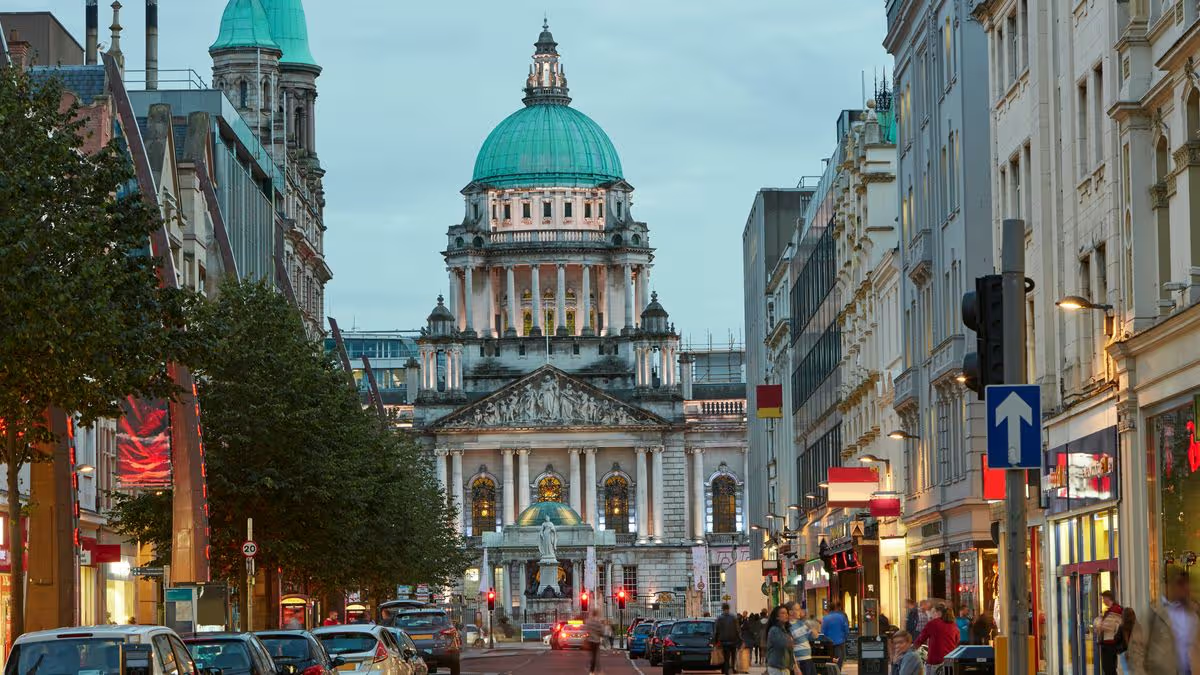
At a committee meeting at City Hall this week, council officers said reaching the 300,000 planted tree milestone was “a good news story.”

READ MORE: Narrow vote at City Hall pushes through Irish signage for seven streets that did not meet 15 percent threshold

READ MORE: Union Street pedestrianisation not working and taxis mostly to blame claims councillor

Advertisement

A report on the council’s overall Tree Strategy for the People and Communities Committee at City Hall states: “Since the establishment of the One Million Tree initiative in 2020 the council and its partners have planted a total of 293,516 new trees and 4,232 linear metres of hedging, what is more the Council remains committed to achieving 30 percent canopy cover by 2050.

“It should be noted the National Trust were a major contributor to the 2025/26 tree planting figures, which came about from their successful application for funding from the Forest Service, as part of the afforestation project in the Glencairn and Ballygomartin area.”

The report does give a slight note of expectation management however. It states: “The council continues to collaborate with existing partners and is similarly striving to establish new partnerships, all of which is essential if the council is to increase tree canopy cover across the city.

“However elected members are reminded that whilst the council is committed to increasing tree canopy cover, it should be stressed the One Million Tree initiative is a city wide project, which will necessitate increased engagement with other land owners to ensure the council achieves its objectives, as set out within the Belfast Tree Strategy.”

Advertisement

Officers also announced that the council had launched its first community orchard project in March, after a successful Alliance Party motion, with members of the Malone Tornadoes who planted fourteen fruit trees in underused space at Shaw’s Bridge.

Since then the council has delivered several small community orchards in Ardoyne, one in the grounds of a local day nursery and another in the neighbouring community centre. Officials also planted a small community orchard with the L’arche organisation in the east of the city, a group which works directly with a network of communities of people with and without learning difficulties.

The council report states: “The council will continue its work on the establishment of small community orchards across the city at the beginning of the next tree planting season which runs from November to March each year.”

For all the latest news, visit the Belfast Live homepage here and sign up to our daily newsletter here.

Advertisement

Source link

Continue Reading

NewsBeat

Trump backer and German financier charged over Bond Street incident

Published

on

Trump backer and German financier charged over Bond Street incident

Melissa Rein Lively is charged with assault by beating while Philipp Ostermann, 37, is charged with two racially aggravated public order offences and a further public order offence, after an incident at Bond Street Underground station on the evening of October 11 last year, British Transport Police said on Friday.

Source link

Continue Reading

NewsBeat

RHS Bridgewater to celebrate birthday year with giveaways

Published

on

RHS Bridgewater to celebrate birthday year with giveaways

The garden will celebrate its anniversary on Monday, May 18, and has announced an extension to its Salford Free Tuesdays scheme, allowing all Salford residents to enjoy free entry every Tuesday until May 18, 2027.

Since opening in 2021, 86,000 Salford residents have enjoyed free visits to the 154-acre garden, while hundreds of wellbeing and community groups have found calm, creativity and connection across the site’s diverse landscapes.

Special celebrations will take place on Monday, May 18, including £5 admission for all visitors, birthday goodie bags for the first 50 arrivals, a £5 hot drink and cake offer, and £5 off plants priced at £15 or more.

Advertisement

One lucky visitor will also receive a ‘Golden Ticket’ in the fiftieth goodie bag, granting a year of RHS Individual Membership.

Marcus Chilton-Jones, head of site at RHS Garden Bridgewater, said: “Extending Salford Free Tuesdays is a wonderful milestone for us.

“Over the past five years, we’ve seen how much this garden means to local people, from families discovering nature together to community groups using the space to support wellbeing.

“Making sure Bridgewater remains open and welcoming to our neighbours is a core part of who we are, and I’m delighted we can continue offering this opportunity for another year.”

Advertisement

The extension of the Salford Free Tuesdays scheme highlights the garden’s focus on community access, wellbeing, and horticultural education.

With more than 2.49 million visits since its opening, RHS Garden Bridgewater has delivered more than 44,000 free educational sessions for schoolchildren and benefited from thousands of volunteer hours.

Paul Dennett, city mayor of Salford, said: “RHS Garden Bridgewater has become one of Salford’s great success stories, and I want to congratulate everyone involved on its fifth birthday.

“In just five years, it has grown into a place that brings people together, boosts wellbeing and showcases the very best of our city.

Advertisement

“I’m especially proud that Salford residents can continue to enjoy free entry every Tuesday.

“I’d encourage people of all ages to make the most of this fantastic offer, visit the garden regularly, and take pride in this fantastic garden right on our doorstep.”

More information and booking details are available from the RHS website.

Advertisement

Source link

Continue Reading

Trending

Copyright © 2025