Connect with us
DAPA Banner

NewsBeat

Hundreds of pupils excluded from schools in Wales – including some as young as four

Published

on

Wales Online

The list of exclusions from schools in Wales includes children as young as four and five as teachers warn of violence and behaviour crisis

Advertisement

Schools in Wales have permanently excluded 92 children and teenagers this academic year. Most were expelled for assaulting teachers and other pupils or for verbal aggression and threats.

Thousands more have been issued with fixed term exclusions, mostly for disruptive behaviour, but also for violence, including the youngest reception class children aged four to five. Data from local education authorities, provided to WalesOnline under a Freedom of Information request, reveals more than 360 pupils were permanently excluded between September 2023 to March this year, including 92 between September 2025 and March 2026.

The true figure will be higher as only half of councils asked responded to the FOI and one declined to. Read the biggest stories in Wales first by signing up to our daily newsletter here.

The worrying exlusion statisics come as teaching unions warn of a behavior crisis in schools with some walking out in protest. There have also been high profile court cases for pupils attacking staff.

Advertisement

Reasons for the thousands of fixed term exclusions include violence, verbal threats, racist abuse, sexual misconduct, damage to property, theft, drugs and alcohol.

There is no category in Wales for for bringing weapons or bladed articles into schools among reasons for excluding pupils and one catch-all “other” category. Cases of pupils bringing knives and weapons into schools in the last three years have been reported separately however and schools issued with guidance on searching pupils.

In February this year a 15-year-old appeared in court charged with attempted murder of a teacher at Milford Haven School in Pembrokeshire following an alleged incident.

Earlier this year Flint High was placed under Estyn special measures after staff went in strike over pupil behaviour.

Advertisement

High profile, though unusual cases, include both teachers and pupils being stabbed. The data period covers 2024 when a 14 year-old girl used a knife to stab two teachers and a pupil at Ysgol Dyffryn Aman in Ammanford, Carmarthenshire. She was later found guilty of three counts of attempted murder.

There have also been a number of instances of school lockdowns where threats of violence, or actual violence, occurred and police called.

Members of the Nasuwt are due to walk out at Llantwit Major High on April 15, 23 and 28 in protest of pupil behaviour and working conditions.

Most fixed term exclusions are half to a full school day, while some run to two and three days. The law states pupils cannot be temporarily excluded for a total of more than 45 days in a school year.

Advertisement
School exclusions in each council area in Wales:

Torfaen

Fixed term exclusions:

2023-24: 2,178

2024-25: 1,590

Advertisement

2025 to March 26: 926

Permanent exclusions

2023-24: 18

2024-25: 10

Advertisement

2025-March 2026: 12

Reasons by year:

Assault/violence to learner: 242, 189, 96

Assault/violence to staff: 112, 83, 54

Advertisement

Bullying: 32, 16, six

Damage: 50,33, 17

Disruptive behaviour: 710, 494, 291

Drug/alcohol: 51, 31, 12

Advertisement

Other: 379, 383, 270

Racist abuse: 38, 28, 19

Sexual misconduct: 10, five, less than five

Verbal abuse/threatening behaviour to pupil: 82,50, 36

Advertisement

Verbal abuse/threatening behaviour to staff: 490,289, 139

Cardiff

Wales’ largest education authority was only able to provide data for 2023/24 school year. That showed for that year there were 2,712 fixed term exclusions, most for older children, but among them nearly 500 in primaries including 40 for the youngest reception class children aged four to five. Most fixed term exclusions were one day.

The same year there were 53 permanent exclusions for children aged eight to 16.

Advertisement

Reasons for both types of exclusion included 276 assaults on adults, 560 assaults on pupils, 588 cases of verbal abuse and threats to pupils and adults, 36 cases of racist abuse, 752 for persistent disruptive behaviour, 72 for damage and 56 for drugs/alcohol.

Anglesey

Fixed term exclusions:

2023-24: 722

Advertisement

2024/25: 634

2025- March 2006: 389

Permanent exclusions:

2023-24: 17

Advertisement

2024-25: 24

2025-March 2026: 17

Reasons (with number for each of the three school years)

Bullying : six, seven, two

Advertisement

Damage : 20, 13, nine

Drug and alcohol related: 14, 29, 15

Other: 110, 50, 57

Persistent disruptive behaviour: 205, 220, 131

Advertisement

Physical assault against a pupil: 123, 114, 68

Physical assault against an adult: 50, 32, 12

Racist abuse: 18, 15, seven

Sexual misconduct: one, three, one

Advertisement

Theft: two, three, zero

Verbal abuse/threatening behaviour against a pupil: 15, 28, 15

Verbal abuse/threatening behaviour against an adult: 146, 155, 83

Pembrokeshire

Advertisement

Fixed term exclusions:

2023-24: 606

2024-25:563

2025-26: 337

Advertisement

Most exclusions were older pupils but there were also hundreds among primary aged reception to year six.

Permanent exclusions:

There were less than five permanent exclusions in this three year period.

Flintshire

Advertisement

Flintshire only provided the number of exclusions and not the reasons for them. Its data showed that in the 2023/24 school year there were more than 130 exclusions in primaries including 20 in reception and 11 in year one. The same year there were more than 2,000 fixed term exclusions in secondaries.

In 2024/25 there were 230 exclusions in primaries and just under 2,000 in secondaries.

Neath Port Talbot

Fixed term exclusions:

Advertisement

2023-24: 1,893, including 12 in reception and 16 in year one

2024-25: 1,833 including two in reception and 11 in year one

2025-March 2026: 1,034 including two in reception and 17 in year one

Permanent term exclusions:

Advertisement

2023-24: 37, including two in primaries

2024-25: 19, all in secondaries

2025-March 2026: 12, all in secondaries

So far this school year in NPT there have been 76 exclusions for violence to adults and 126 for violence to pupils. In 2023/24 there were 181 exclusions for violence to adults and 318 for violence to pupils while the following year the figures 130 and 234 respectively.

Advertisement

Caerphilly

Fixed term exclusions:

2023-24: two, 180, including 22 for reception pupils

2024-25: 2,033

Advertisement

2025-to March 2026: 1,204

Permanent exclusions:

2023-24: 43 (all secondary)

2024-25: 57 (including eight in primaries)

Advertisement

2025-March 2026: 34 (including two in primaries)

Reasons are given for 2023-24 only. For that school year they include 16 assaults on staff in secondary schools and 48 assaults on staff in primary schools. There were also 285 exclusions for pupils assaulting other pupils and 509 for disruptive behaviour.

Powys

Fixed term exclusions:

Advertisement

2023-24: 811

2024-25: 667

2025-March 2026: 328 (including 17 in year one)

Permanent exclusions:

Advertisement

2023-24: 10 (including two in primaries)

2024-25: 19 (including two in primaries)

2025-March 2026: two

Merthyr

Advertisement

Fixed term exclusions:

2023-24: 687 (including 11 reception classes)

2024-25: 612 (including 15 in reception classes)

2025-26 to date 352 (including two in reception classes)

Advertisement

Permanent exclusions:

2023-24: 12

2024-25: nine

2025-March 2026: 10

Advertisement

Blaenau Gwent

Fixed term exclusions:

2023-24: 1,058. Of these 67 were for violence against an adult member of staff and more than 100 for violence against a pupil.

2024-25: 984 (including one in nursery and 10 in reception classes) Of these more than 100 were for violence against an adult and more than 150 violence against pupils.

Advertisement

2025-March 26: 494 (including two in reception)

Three fixed term exclusions over the period were for sexual misconduct, 36 for drugs and alcohol, more than 300 for verbal abuse and more than 300 for physical assault against adults or pupils.

Permanent exclusions:

2023-24: seven (all but one in secondaries) Six were for violence against staff or pupils and one “other” reasons.

Advertisement

2024-25: Three (two in secondaries, one in primary) two for violence against pupils/adults and one “other” reasons.

2025-March 2026: zero

Wrexham

Fixed term exclusions:

Advertisement

2023-24: 1,895 including 17 in reception classes and 546 in year eight.

2024-25: 2,209 including 13 in reception classes and 560 in year nine.

2025- March 2026: 1,651 including 14 in reception and 355 in GCSE year 10.

Permanent exclusions:

Advertisement

2023-24: 17 in years eight and nine and less than five each in years seven, 10 and 11.

2024-25: Six in year nine and less than five each in years six of primary and seven, eight and 10.

2025-March 2026: Less than five each in years seven, eight, nine and 10.

Monmouthshire: Refused FOI request for details of school exclusions.

Advertisement
What the law says about school exclusions in Wales
  • Exclusion from maintained schools and pupil referral units in Wales is governed by the 2002 Education Act, supported by regulations made under that Act. They state that pupils should only be excluded in response to serious breaches of the school’s behaviour policy and if allowing them to remain in school “would seriously harm the education or welfareof the learner or others in the school”. Only the headteacher or teacher in charge of the school in their absence can exclude a pupil.
  • On permanent exclusions the regulations say a decision to exclude a learner permanently is “serious”. It will usually be the final step in a process for dealing with disciplinary offences “following a wide range ofother strategies that have been tried without success”. It is an acknowledgement by the school “that it has exhausted all available strategies for dealing with the learner and should normally be used as a last resort”.
  • Headteachers can permanently exclude a pupil for a first or one-off offence such as serious actual or threatened violence against another pupil or member of staff and use or threatened use of an offensive weapon.
  • The regulations state that pupils should not be excluded for uniform breaches, more than three days at a time or for more than 45 days in a school year.
  • “Unofficial” exclusions, where children are sent home or asked not to come in are unlawful. All exclusions must be officiall recorded.
  • Permanently excluded pupils may be moved to other schools or the education authority arranges out of school learning.
  • Families can appeal a school’s decision to exclude. If the parent, carer, pupil, governing body or local authority consider that the panel’s decision is wrong they have the right to the High Court for a judicial review.

A Welsh Government spokesperson said: “The Welsh Government expects all exclusions to be carried out in line with the legislation, the regulations and the statutory guidance.”

Reasons for exclusions:

Schools and local education authorities are required to follow a broad set list of reasons for exclusion. These include disruptive behaviour, violence/threats of violence to adults or pupils, verbal abuse, racist abuse, sexual misconduct, drugs/alcohol, theft and damage to property. There is also a broad sweep category for “other”.

Data on weapon-related exclusions is not categorised in Wales. Some councils told WalesOnline that they would need to manually search thousands of records to identify those that reference weapons as a reason for exclusion, which would be outside the statutory 18-hour limit for work on an FOI request.

Get daily breaking news updates on your phone by joining our WhatsApp community here. We occasionally treat members to special offers, promotions and ads from us and our partners. See our Privacy Notice.

Source link

Advertisement
Continue Reading
Click to comment

You must be logged in to post a comment Login

Leave a Reply

NewsBeat

Sierra Leone women defy norms as rickshaw drivers

Published

on

Sierra Leone women defy norms as rickshaw drivers

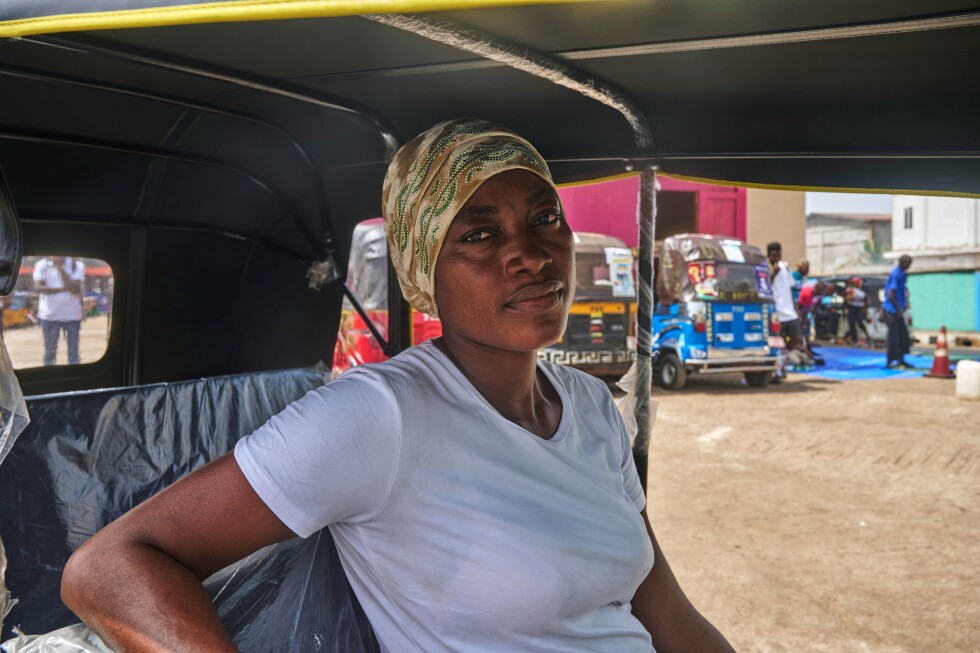
FREETOWN, Sierra Leone (AP) — As the late afternoon sun settles over Freetown’s main transit park, Hawa Mansaray pulls up her motorized three-wheeled vehicle and steps away for a break and to pray.

Mansaray is one of a small but growing number of women entering a male-dominated commercial transport sector in Sierra Leone’s capital, Freetown. The auto-rickshaws, known locally as kekeh, are an essential means of transport and until recently were almost exclusively driven by men.

“I have done different jobs since I came to Freetown but kekeh has done more for me,” said the 27-year-old single mother of one.

The rickshaws have become increasingly popular in Sierra Leone, filling the gaps in a strained public transport system as the West African country struggles to recover from its 1991-2002 civil war.

Advertisement

Freetown’s population has grown to more than 1.5 million, according to city estimates — roughly three times the size it was when much of its infrastructure was planned and built. Public transport systems have struggled to keep up, creating demand for commercial motorcycles and auto-rickshaws.

Although the rickshaws are usually rickety, run at minimal speed, and are considered less safe due to the maximum exposure that comes with how they’re built, commuters still prefer them because they’re easily accessible and offer maximum ventilation and relative comfort.

As more people turn to the rickshaws to earn a living, it’s also become a symbol of what women are capable of.

In the city, however, women are still “seen as people not adequate to do certain types of jobs,” said Marfoh Mariama Samai, a women’s rights advocate with Plan International Sierra Leone.

Advertisement

“So when a young woman ventures into a certain type of job, they are stigmatized,” she says of the female drivers.

A ticket to financial independence for many

Sierra Leone has one of the lowest levels of access to and availability of financial services in Africa, making it harder for groups such as women and rural residents to recover from economic shocks.

As a result, many women are confined to petty trading that offers little stability and makes them rely heavily on their husbands, said Samai.

“When the man gives you the money, he makes all the decisions,” she said of the patriarchal norms still in place in parts of Sierra Leone. “More young women should be encouraged to get into the transport sector.”

Advertisement

Mansaray knows the challenges of financial dependence firsthand. Originally from Kailahun District, where Sierra Leone’s civil war began, she was born at the height of the conflict, and had to drop out of school at the primary level.

As an adult, she turned to running small businesses to make ends meet for herself and her baby, after separating from her husband.

Learning to drive rickshaws for a living was initially not in her plans, but she took interest in it and paid to be trained after seeing women like her excelling in the business.

Mansaray now works under a company that requires her to make daily returns of 350 leones ($14), earning an average daily wage of 175 leones ($7), enough to cater to her family and considered high income for many in the country.

“I will advise my fellow women who aren’t employed to come into the game,” she adds.

Alimatu Kamara, another female rickshaw driver, can relate to Mansaray’s experience. She had been unemployed for years before deciding to venture into the business.

Advertisement

It’s been a great ride ever since, Kamara said, but added that a major challenge for her remains aggressive behavior from male riders, a common complaint among female drivers alongside safety concerns at night.

“Some women can panic,” she said. “It takes mind and determination to continue.”

Despite the difficulties, she plans to expand and purchase more rickshaws.

“We can’t just sit, waiting for office jobs. With jobs like kekeh, you can even make more money,” Kamara said.

Advertisement

‘Whatever men can do, women can do better’

The Sierra Leone Kekeh Riders Union has more than 1,000 registered members in western Freetown, but only about 20 are women, a number the union’s district chairman, Mustapha Thoronka, said has improved.

Thoronka said he supports efforts to train and assist female drivers, including advocating for loans for them.

“Whatever men can do, women can do better,” Thoronka said, hoping that through the business “they can support themselves and their families without relying on men.”

Thoronka is urging the government to provide more support, noting that it’s capital intensive, making it more difficult for women to get involved.

Advertisement

Mariama Barrie, a commuter, said she prefers female drivers.

“They are more careful than the men,” she said. For her, the growing presence of women in the kekeh sector sends a message particularly “to women who sit and wait to be spoon fed.”

“If you know how to ride, take kekeh … rather than sitting and waiting for handouts,” she said.

——

Advertisement

For more on Africa and development: https://apnews.com/hub/africa-pulse

The Associated Press receives financial support for global health and development coverage in Africa from the Gates Foundation. The AP is solely responsible for all content. Find AP’s standards for working with philanthropies, a list of supporters and funded coverage areas at AP.org.

Advertisement

Source link

Continue Reading

NewsBeat

Saturday Kitchen’s Matt Tebbutt suffers painful injury just moments before going live

Published

on

Daily Mirror

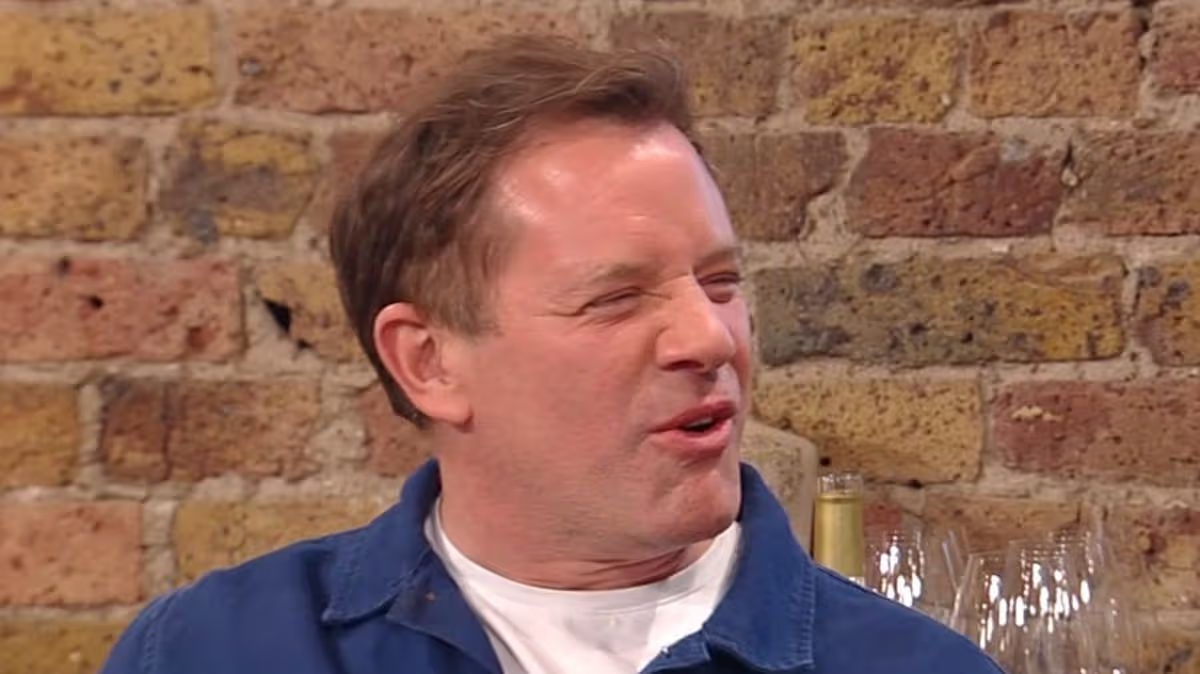
Saturday Kitchen was back on screens for another episode but, before the show went live, host Matt Tebbutt suffered an unfortunate accident.

Matt Tebbutt has revealed he suffered a painful injury just moments before he appeared on Saturday Kitchen.

The beloved BBC show returned to screens on Saturday morning (April 11) with Matt back at the helm. Joining Matt on the programme were chefs John Chantarasak, Niklas Ekstedt and Thomasina Miers.

Advertisement

Chart-topping singer Jack Savoretti also made an appearance – in which viewers had to vote on whether he would have his version of food heaven or food hell. Drinks expert Helen McGinn was on hand too, to discuss some booze.

However, just minutes in and Matt revealed things took a worrying turn moments before the show went live, after he suffered a painful injury.

Talking to Helen, Matt revealed: “So I burnt my lips in rehearsal. Does it look like I’ve got fillers?” Helen replied: “It doesn’t look bad at the moment,” to which Matt shared: “I’ve got a blister there. It only hurts when I talk.”

Advertisement

Helen then said: “It’s going to hurt later.” Matt quipped: “Shall I not talk?” Giggling, Helen added: “I don’t know if you can get away with that!” Trying not to move his sore lips, Matt said: “Tell us about the wine,” as Helen laughed and replied: “I’ll give you a straw later.”

Matt quipped back: “I’ll dribble it all out, like you’ve been at the dentist.” Touching his sore lip Matt continued: “That’s what I feel like.”

It comes after Matt returned to Saturday Kitchen last month after spending some time in Australia. Earlier in March, audiences saw The One Show’s Alex Jones take the presenter’s chair as she was accompanied by Mike Reid, Adejoké Bakare, Bryn Williams and special guest Phil Wang.

Advertisement

While Matt appeared on the programme the previous week, the BBC star confirmed it was a pre-recorded episode as he posted updates from Australia with his Instagram followers.

Nevertheless, the 52-year-old presenter was back in charge once more in March as he paused to commend Alex for stepping in.

He remarked: “Before we go on with our usual nonsense, we should say how well Alex did last week. Well done, Alex Jones.”

Advertisement

Saturday Kitchen airs every Saturday at 10am on BBC One.

Source link

Continue Reading

NewsBeat

York Open Studios returns next week – what you need to know

Published

on

York Open Studios returns next week - what you need to know

Around 150 artists across York will open their doors to the public across the weekends of April 18-19 and April 25-26.

The annual not-for-profit event offers a chance to meet the artists, learn about their creative processes and purchase artwork. It involves artists living within a 10-mile radius of York.

Maps for the artists taking part in Open Studios can be found in libraries, shops and galleries across York in the weeks before the event.

Twenty-seven artists will be taking part in the event for the first time, including photographer Marcus Chapman, upcycle jewellers The Spoonery and painter Prachi Bhatnagar.

Advertisement

Marcus Chapman who will take part in this year’s York Open Studios (Image: York Open Studios)

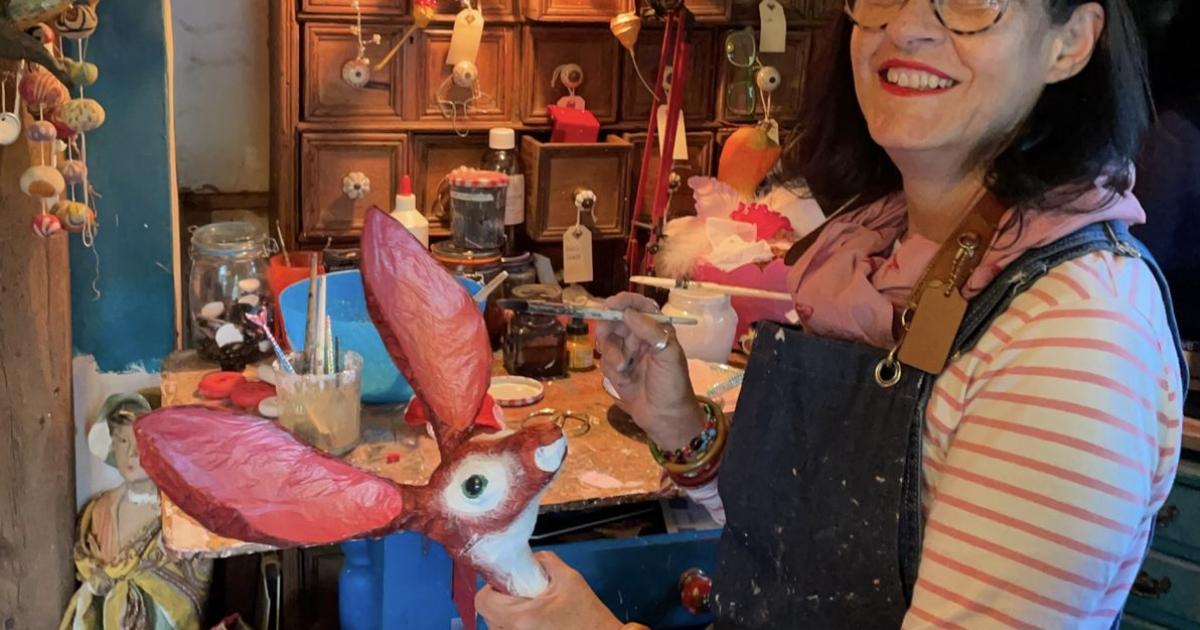
Michelle Hughes who will take part in this year’s York Open Studios (Image: Tom Jackson)

Other artists have regularly appeared at past Open Studios events, such as wire and paper sculptor Joanna Coupland, linocut printmaker Michelle Hughes and textile artist Jacqueline James.

Charmian Ottaway, York Open Studios’ committee member and a contemporary designer jeweller, said the event is a “unique chance to see the city with pops of creativity along the way”.

“As an artist myself, I just love to show visitors how I work and also hear what they might be looking for,” Charmian said.

“As artists, we are all very proud of what we produce and hearing visitors’ responses and find potential buyers can be really uplifting especially if you often work alone and don’t directly meet your buyers.”

Advertisement

As The Press reported, this year’s Open Studios will not feature one of York’s best-known living artists, Mark Hearld, was said he was not selected for the 2026 event.

Mark Hearld who will not be taking part in this year’s York Open Studios (Image: Newsquest)

Mark, whose home in The Mount has been a popular venue at previous Open Studios, said he understood he was not selected because the description of his work, “Collages inspired by nature”, was too brief.

But Mark said the description perfectly described his work.

He added that in the past other leading York artists had faced an identical situation and it was time for the selection process to change.

Advertisement

Mark also said artists not selected for Open Studios risked being banned from future events if they showed work in their homes during the same weekends, which he felt was too punitive.

“I am pro Open Studios; I like the spirit of it, but I am very, very frustrated,” he said.

Christine Storrs, chairperson of York Open Studios, said the organisation was open to feedback and suggestions. However, she confirmed there was a risk to non-selected artists staging their own event during the York Open Studios weekends.

She added that the event had taken the “difficult decision this year to cap the number of artists taking part to 150”, which followed “feedback in recent years from visitors and participating artists that the event was becoming too big”.

Advertisement

“More than 650 artists have taken part over the years, and it would not be practical for our volunteer committee to administer an event on such a scale – nor would this be enjoyable for our visitors to navigate,” Christine said.

For more information about York Open Studios, visit yorkopenstudios.co.uk

Source link

Advertisement
Continue Reading

NewsBeat

Three fire engines attend house fire in Leigh overnight

Published

on

Three fire engines attend house fire in Leigh overnight

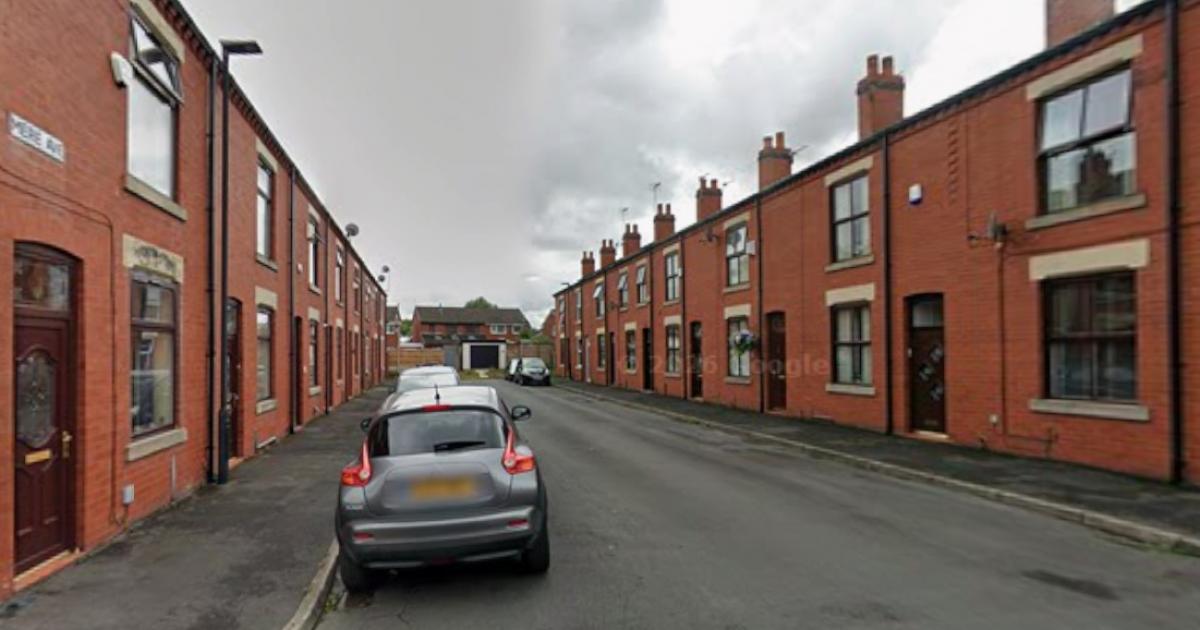
Firefighters were called at around 12.15am last night by a neighbour who reported smoke and an alarm sound coming from a house on Mere Avenue, Leigh.

They arrived at the scene at 12.30am with three fire engines from Leigh, Wigan and Atherton.

Once they were inside the property, they found that the top floor was smoke-logged and that a fire had broken out in the back bedroom.

Advertisement

Firefighters were on the scene for two hours.

No one was in the house at the time of the fire, the fire service has confirmed.

In light of the incident, a spokesperson for the fire service has stressed the importance of having working fire alarms in the home.

For more information on fire alarms and to check if you are eligible for a free Home Fire Safety Assessment, you can contact Greater Manchester Fire and Rescue Service online or on 0800 555 815. m

Advertisement

Source link

Continue Reading

NewsBeat

Huge emergency response at Irlam Locks amid reports of ‘person in water’

Published

on

Manchester Evening News

A full search was carried out but no-one was found, police said

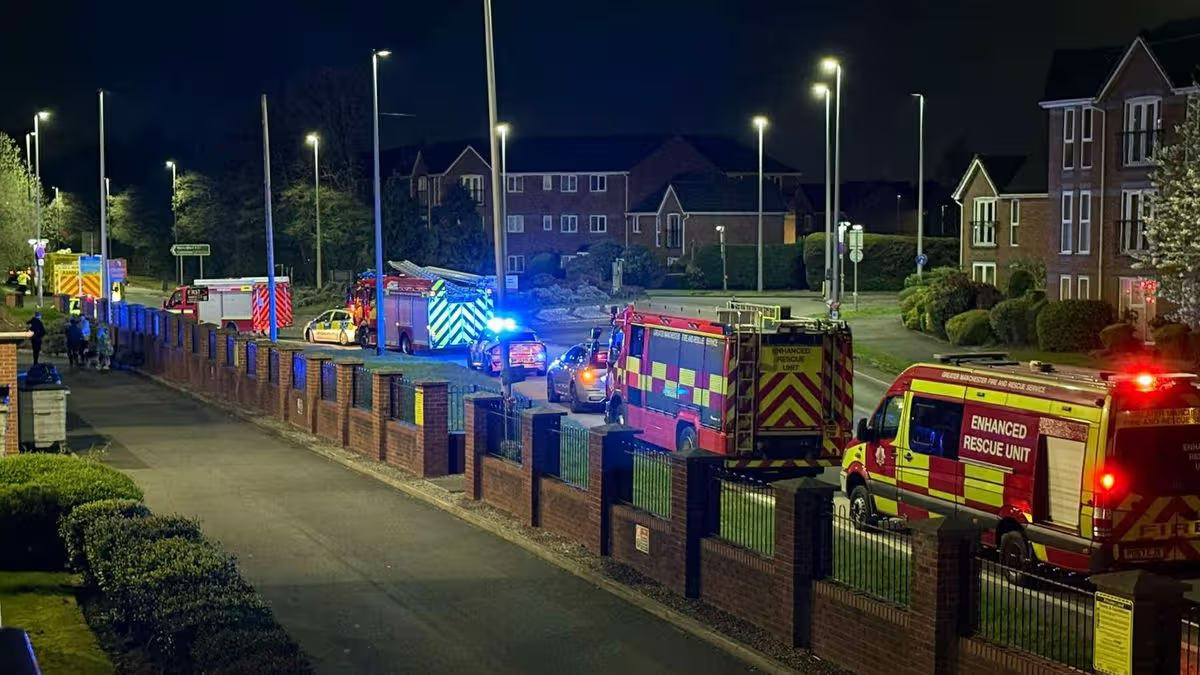
A huge emergency rescue response descended on Irlam Locks last night amid reports of a person in the water.

A large number of police, water rescue units and fire service vehicles were pictured on the scene off Cadishead Way just before midnight on Friday evening (April 10). A spokesperson for Greater Manchester Police confirmed the force was called over reports of a person in the water.

Crews carried out a full search of the area into the early hours of this morning. However, no-one was found and the search was stood down.

Advertisement

Get MEN Premium now for just £1 HERE – or get involved in our WhatsApp group by clicking HERE. And don’t miss out on our brilliant selection of newsletters HERE.

In a statement, GMP said: “We were called to a report of a person in the water. Emergency services attended and carried out a full search, no one was found.”

A spokesperson for the Greater Manchester Fire and Rescue Service (GMFRS) said: “Just before 12am last night (Friday 10 April), two fire engines from Stretford and Irlam fire station, along with the Water Incident Unit from Eccles and Technical Response Unit from Ashton, attended an incident near Forebay Drive, Irlam.

Advertisement

“Firefighters were in attendance for around an hour.”

Source link

Continue Reading

NewsBeat

Man rushed to hospital with life-threatening injuries after being knocked down in Edinburgh

Published

on

Daily Record

Emergency services were called to Chesser Avenue in the capital after the alarm was raised at around 12.20am on Saturday.

A man has been rushed to hospital with life-threatening injuries after being knocked down in Edinburgh.

Advertisement

Emergency services were called to Chesser Avenue in the capital after the alarm was raised at around 12.20am on Saturday, April 11. Officers from Police Scotland were responding to reports of a crash involving a blue MG HS and a 49-year-old male pedestrian.

Ambulance crews attended and he was taken to hospital having sustained life-threatening injuries. The 35-year-old female driver of the car was not injured.

A picture shared by Edinburgh Live showed the road closed off as officers launched an investigation at the scene.

A number of police cars could be seen in attendance with uniformed cops standing guard. Detectives are now appealing for information.

Advertisement

Sergeant Fraser Mitchell said: “Our enquiries are ongoing to establish the full circumstances and I am appealing for anyone with information to get in touch.

“I would ask anyone who was in the area around the time of the collision to contact us, especially those who may have dash cam footage that could assist with our enquiries.

“Anyone with any information is asked to contact 101 quoting reference 0074 of April 11, 2026.”

Get more Daily Record exclusives by signing up for free to Google’s preferred sources. Click HERE.

Source link

Advertisement
Continue Reading

NewsBeat

Arsenal vs Bournemouth LIVE: Premier League match stream, latest team news, lineups, TV, prediction

Published

on

Arsenal vs Bournemouth LIVE: Premier League match stream, latest team news, lineups, TV, prediction

With the top two set to meet at the Etihad Stadium next weekend, this is a must-win fixture for Mikel Arteta’s side as they bid to prove they can cope under pressure. Eberechi Eze has handed Arsenal a surprise fitness boost by returning earlier than expected from injury, but it remains to be seen if Bukayo Saka, Jurrien Timber, Martin Odegaard and Piero Hincapie will feature.

Source link

Continue Reading

NewsBeat

Stormont must face the cost of its climate ambitions

Published

on

Belfast Live

“If the Executive continues to prioritise rigid carbon accounting over road safety, economic connectivity, and the financial stability of households, they won’t just miss their climate targets, they’ll miss the point of government entirely.”

Advertisement

There is a fine line between visionary leadership and blind dogma. If you want to see what happens when a government tumbles headfirst over that line, look no further than the current state of Northern Ireland’s infrastructure.

On Tuesday, the DUP will bring a motion to the Assembly floor that sets out how our region’s legally binding climate targets have become an impenetrable barrier to basic regional prosperity.

For years, we were told the Climate Change Act (Northern Ireland) 2022 was a “landmark” victory for the environment. But in 2026, the reality on the ground, or more accurately, the potholes in the ground, tells a different story. What was billed as a green revolution has instead become, as Doug Beattie has aptly described, a “contagion of caution” that has paralysed our road network and created a zero-sum war for every penny in the public purse.

The most glaring casualty is the A5 Western Transport Corridor. A £1.7 billion project designed to save lives and connect the west has been quashed by the High Court because the Department for Infrastructure couldn’t reconcile a massive road scheme with a yet-to-be-finalised Climate Action Plan.

Advertisement

This isn’t just about one road. The A5 ruling has set a far-reaching precedent. Any project that generates emissions is now a sitting duck for judicial review. We’ve seen the £36 million A4 Enniskillen Southern Bypass, a vital project for Fermanagh, stalled indefinitely because the Minister is “mindful” of the legal risks. This hesitation cost the taxpayer £6.6 million in surrendered funding this year alone. While the lawyers argue, the costs of civil engineering continue to skyrocket, leaving the ratepayer to pick up an even bigger bill whenever, if ever, the diggers return.

Perhaps the most perverse outcome of the 2022 Act is the 10 per cent mandatory spend on “active travel”. On paper, spending £85 million a year on walking and cycling sounds lovely. In reality, it has forced the DfI into what can only be described as creative accounting, raising concerns from the Audit Office.

The Department has been caught reclassifying £37 million of general repairs as “active travel” just to hit a statutory quota. Meanwhile, the actual structural maintenance budget is a heavily depressed £68 million, which is well short of what is needed to keep the lights on and the tarmac smooth. We are being forced into a binary choice between asking if we want aspirational cycle lanes or roads that don’t destroy our suspension.

Then there is the draft Climate Action Plan 2023-2027. It is a document built on “speculative accounting” and “unquantified” proposals. It asks our farmers to adopt targets that are, frankly, unworkable, based on what critics have described as failed models from the Republic of Ireland.

Advertisement

For those in social housing, the “Just Transition” plan pushes for heat pumps that, without a complete retrofit, are more expensive to run than gas or oil. Because there is no grant support for these retrofits, housing associations are forced to take out commercial loans, the interest on which could be paid for by the region’s most vulnerable tenants through higher rents.

The DUP motion calls for a rigorous cost-benefit analysis, and frankly, we cannot continue to govern by aspiration while ignoring the macroeconomic reality of a cost-of-living crisis.

Northern Ireland needs to decarbonise, but it shouldn’t have to go bankrupt to do it. If the Executive continues to prioritise rigid carbon accounting over road safety, economic connectivity, and the financial stability of households, they won’t just miss their climate targets, they’ll miss the point of government entirely.

For all the latest news, visit the Belfast Live homepage here and sign up to our daily newsletter here.

Source link

Continue Reading

NewsBeat

Grand National 2026: Who is the favourite to win at Aintree and what price are they?

Published

on

Wales Online
Grand National 2026: Who is the favourite to win at Aintree and what price are they? | Wales Online