Connect with us
DAPA Banner

NewsBeat

I observed how tradition survived harsh Sovietisation and rapid transformation

Published

on

I observed how tradition survived harsh Sovietisation and rapid transformation

When Soviet president and Communist party secretary Mikhail Gorbachev introduced the policies of perestroika (reconstruction) and glasnost (openness) in the mid-1980s, it marked the beginning of cautious reforms of the Soviet Union. Georgia, or the Georgian Soviet Socialist Republic, to give it its full name at the time, was on the periphery of the union.

Far from Moscow, it lay hidden on the other side of the Caucasus mountain range on the edge of the Black Sea. As a doctoral candidate in linguistics on a research grant to Tbilisi University, I spent one year living there, between 1987 and 1988. I was conducting research on the Georgian language.

Travel at the time was very difficult, and could only happen via Moscow. I did not return to Sweden for the duration of my stay. In the recent publication, We Witnessed the Soviet Break-Up: Five Scandinavian Researchers on the Final Years of the USSR, Seen From the Caucasus, I detail how this gave me a front-row seat from which to observe the speed at which society was shifting – and how language was key to that transformation. I also observed how old cultural traditions had endured despite decades of Communist propaganda and harsh Sovietisation.

The 1987 May Day parade.
Karina Vamling, Author provided (no reuse)

Rapid transformation

The May Day parade was long one of the key moments in the Soviet calender. I witnessed the last time it was held in central Tbilisi, in 1987. People were carrying red flags. Banners declaiming “Glory to the Communist party” and “Glory to our multinational Soviet Fatherland” were draped on the main buildings.

Advertisement

Next year, however, the national movement across the republic was pushing for a free Georgia. In November 1988, many took part in a hunger strike in front of the Georgian parliament against changes in the constitution that would reduce the rights of the Georgian republic. Protesters wanted what they termed the “Russification of Georgia” to come to an end.

Georgian society was multiethnic and multilingual, counting Russians and Georgians alongside Armenians, Azerbaijanis, Abkhaz, Ossetians, Greeks and many others. Georgian was the main language within the Georgian education system as well as in broadcasting and the press and, technically, according to Article 6 of the Constitution of Soviet Georgia recognised as the republic’s official language. However, during the Soviet period, Russian speakers could easily live and work in Georgia without knowing Georgian: Russian was the lingua franca for inter-ethnic communication within the republic and the Soviet Union at large.
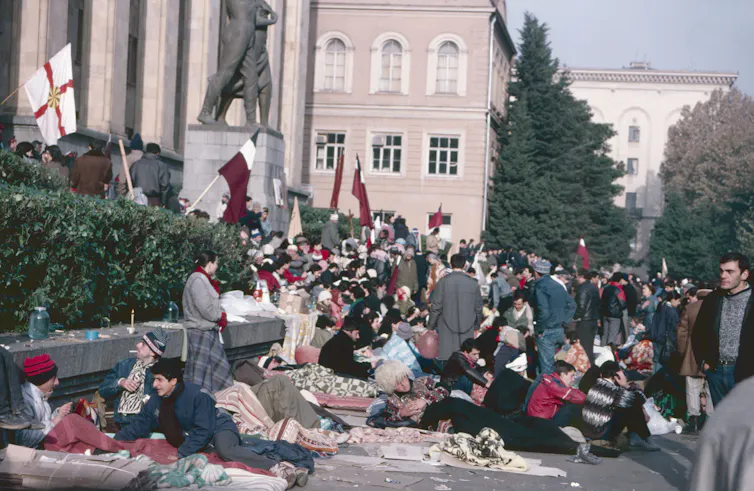
People engaged in a hunger strike lie on a pavement outside a parliamentary buidling.
The hunger strikes of 1988.
Karina Vamling, Author provided (no reuse)

As a non-Indo-European language, Georgian boasts its own script and a written history that dates back to the 5th century AD. It is a cornerstone of the Georgian identity. Within the wider push for greater political freedom, Georgians now fought for the implementation of the constitutional status of Georgian. This included increased demands for knowledge of Georgian in workplaces and administration, while also investing in teaching Georgian as a second language.

Efforts were made to develop Georgian terminology in technology, science and other fields where Russian had been dominant. Citizens who had little or no knowledge of Georgian were under pressure to learn.

Enduring traditions

Despite decades of Sovietization, social and family life remained underpinned by old patriarchal traditions.

Advertisement

During my time in the country, I was welcomed with more openness and engagement, and less suspicion, than during the three years I had spent in Moscow. I experienced the extent to which hospitality was an ancient Georgian virtue. “A guest is a gift from God,” local people would say.

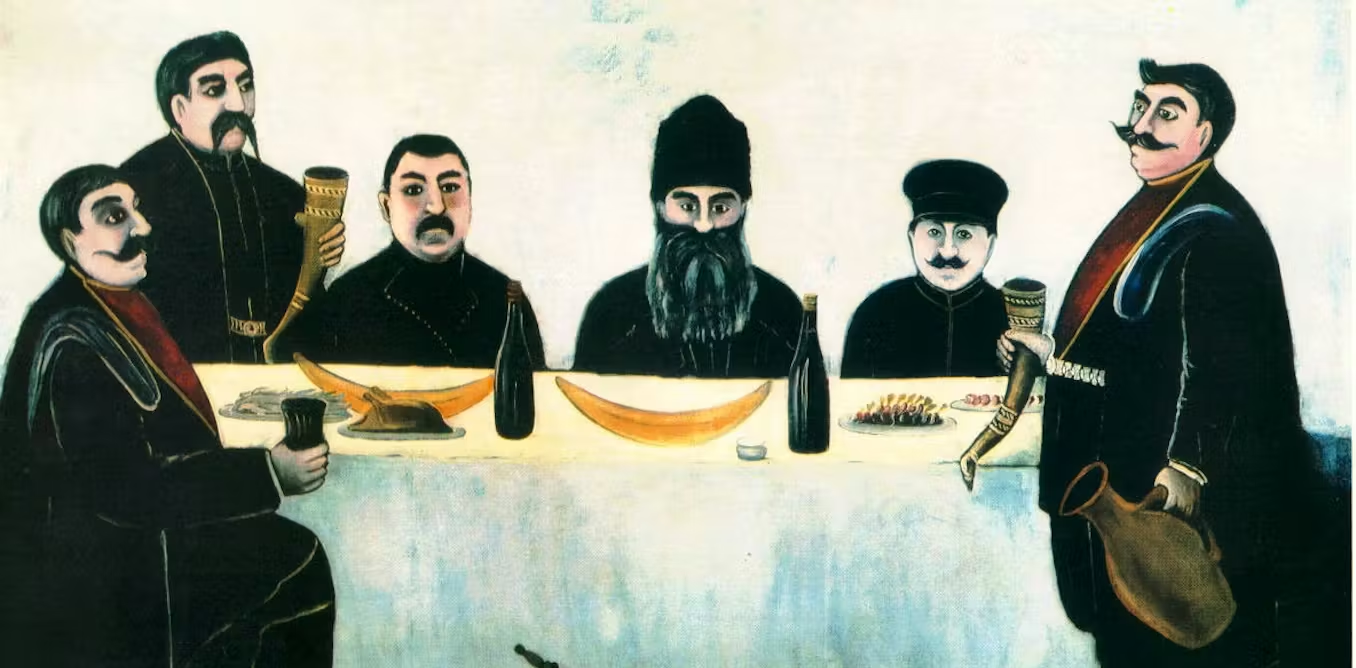
Georgians were proud of their cuisine and ancient wine production. When a guest entered a home, the dinner table would quickly transform into a feast, what is know as a “supra”. This came with its own specific structure and rules. The man of the house would assume the role of toastmaster (tamada), and the wife and female members of the family would prepare and serve the food. They would be called in from the kitchen for a toast in honour of the women. In some traditional families, the men would sit at one end of the table, and the women and children at the other.

These traditions were discernible across the different cultural communities within Georgia. Tensions at the time were growing between Tbilisi and the central Soviet authorities in Moscow, and within Georgia itself, with minorities in the autonomous entities of Abkhazia and South Ossetia.

Advertisement

In the summer of 1989, the first violent Abkhaz-Georgian clashes took place. I was on a day trip, travelling from Sokhumi, the capital of the Autonomous Republic of Abkhazia, to a wedding in a small town called Zugdidi in the Megrelia region when violence broke out. Unable to return to Sokhumi as planned, I ended up spending one week with a family on the outskirts of the town.

Being there was like stepping back in time. The household was run by a young woman called Tsira, who, as a widow, dressed all in black. According to tradition, she would remain in black for the rest of her life. Her eldest son, who was 12-13 years old at the time, appeared to be seen as the man of the house.
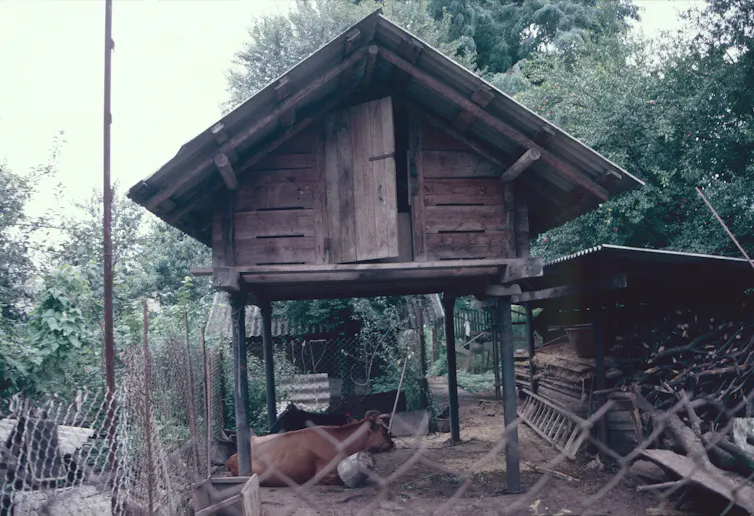
A wooden hut in a forested countryside.
A journey back in time. Tsira’s yard in Zugdidi.
Karina Vamling, Author provided (no reuse)

Tsira’s neighbours came round and my friends from Sokhumi sat with them, discussing the conflict in Megrelian, the local language. Tsira prepared food, chicken and maize porridge over an open fire in a small wooden hut in the yard. Smoked cheese hung from the ceiling.

At one point, we visited the cemetery. Tsira sat on a stone bench by a black marble bust of her husband while relatives and guests sat around the grave. The women brought out Soviet champagne and food. I observed how toasting and eating bread dipped in wine were important in a ritual of honour and remembrance.

These religious practices showed how, within the official atheism of Soviet society, Georgian Orthodox traditions persisted – as they still do today. Another such religious practice common in Georgia during Soviet times was to hold a commemorative supra 40 days after a person had passed away. During this period, the men were not supposed to shave. The 40 days are considered the time it takes for the soul to reach heaven and God.

Advertisement

In 1990, I heard the crowd shouting “occupiers, occupiers” in front of the general staff of the Caucasian Military District in Tbilisi. The newly adopted Soviet law, dubbed the “law of non-secession” made the idea that the Soviet Union might break up feel a utopian dream. And yet it did, merely a year later. Georgia declared independence from the Soviet Union on April 9 1991 and the split was finalised on December 26 with the dissolution of the USSR.
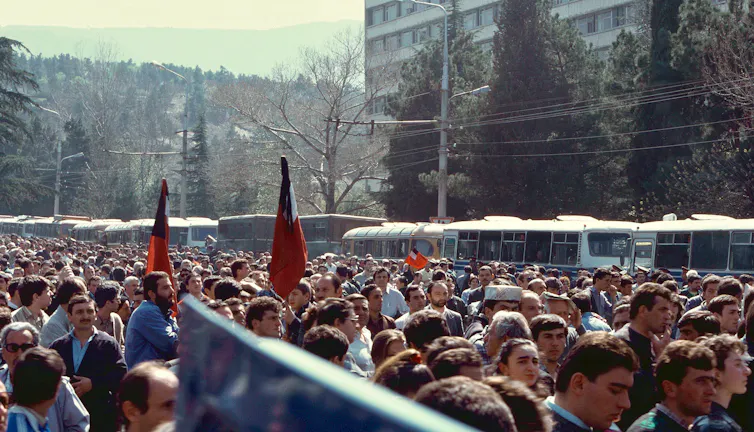
Protestors in a street in the 1990s.
Protests in 1990.
Karina Vamling, Author provided (no reuse)

In the intervening decades, the ethnopolitical conflicts that were fomenting during this early post-Soviet period have only deepened, not least following the Russo-Georgian war of 2008. Today, they remain largely unresolved and the situation in Georgia, highly volatile.

The Georgian language, however, has reclaimed the media, education and the streets. Russian has been replaced by English among the young generation of Georgians who do not carry this Soviet heritage.

Source link

Advertisement
Continue Reading
Click to comment

You must be logged in to post a comment Login

Leave a Reply

NewsBeat

Reform plan to move Bolton back into Lancashire sparks row

Published

on

Reform plan to move Bolton back into Lancashire sparks row

Discussion over whether Bolton should remain part of the Greater Manchester Combined Authority (GMCA) or become part of a reorganised Lancashire has gathered momentum following Labour’s sharp criticism of Reform UK’s plans.

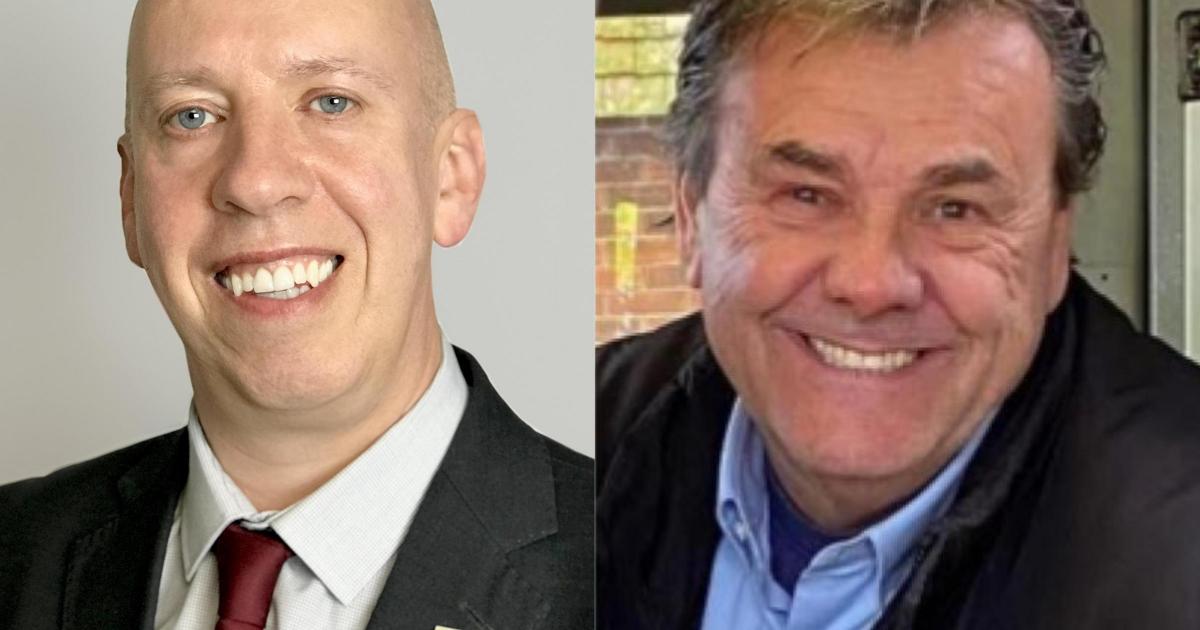
Trevor Jones, chair of Reform UK in Bolton, has defended the proposal, while the town’s Labour leadership has strongly opposed it.

Labour has warned that the move would “rip Bolton out of the successful Greater Manchester partnership and force the town into a county facing major structural upheaval and uncertainty”.

Advertisement

The party also claims Reform UK “has failed to be honest with residents about the consequences of this move”.

According to Labour, proposed changes to local governance in Lancashire, including the creation of large unitary authorities, could see Bolton incorporated into a broader “South Lancashire” area, alongside towns such as Burnley, Pendle and Blackburn.

Nick Peel, leader of Bolton Council’s Labour group, said the proposal would have far-reaching implications for local decision-making and public services.

“Reform UK’s plan would drag Bolton backwards,” said Cllr Peel, who also leads Bolton Council.

Advertisement

“Leaving Greater Manchester means losing investment, losing transport benefits, and losing our seat at the table in one of the most successful devolved regions in the country.

“At the same time, Reform-led Lancashire is planning to scrap its councils entirely and replace them with distant mega-authorities.

“That means Bolton being lumped into a sprawling ‘South Lancashire’ structure with little connection to our town.

“This is not about local pride, it’s about political posturing at the expense of Bolton residents.

Advertisement

“People here deserve better than to be used as part of an experiment that risks jobs, investment, and essential services.”

Labour pointed to potential impacts on transport arrangements linked to the Greater Manchester Combined Authority, including the Bee Network, capped bus fares, and concessionary travel.

Concerns were also raised over investment secured through devolved funding, such as support for the new medical school in Farnworth, adding that “there is no guarantee that such investment would have been secured under a Lancashire system”.

Bolton’s Reform UK branch, however, says the issue should ultimately be decided by residents if the party gains control.

Advertisement

Trevor Jones, the branch’s chairperson and a candidate in Tonge with The Haulgh in May’s local elections, said he has been suggesting the idea for years.

“They laughed at me and said, ‘pie in the sky, it’ll never happen’,” said Mr Jones.

“The last thing they thought was that four years down the line we’d be running Lancashire County Council.”

Mr Jones said if Reform UK were to lead Bolton Council, residents would be given a vote on the issue.

Advertisement

“We would ask on a voting slip, would you like to stay as part of Greater Manchester Combined Authority, or would you like to return to Lancashire as a Unitary Authority.

“It’s called democracy.”

Mr Jones has been campaigning with leaflets under the slogan “Lancs not Mancs”, setting out Reform UK’s wider priorities on local government, housing and council spending.

In the leaflet, he argues for a referendum on Bolton’s governance, alongside proposals for a full audit of council finances, measures to improve street cleanliness, stronger action on fly-tipping, and a focus on prioritising housing for residents.

Advertisement

It also raises concerns about the number of Houses in Multiple Occupation (HMOs) in the borough.

The leaflet says: “We will seek a referendum on leaving the Greater Manchester Combined Authority and returning fully to the county of Lancashire as a Unitary Authority with the help of the Reform UK run Lancashire County Council.

“This will save Bolton millions each year to invest locally and put an end to Andy Burnham’s 19.4 per cent yearly Mayoral increases.”

The 2026 Bolton Metropolitan Borough Council election will take place on May 7, alongside other local elections in the UK.

Advertisement

One third of the 60 members of Bolton Metropolitan Borough Council in Greater Manchester will be elected.

You can find a list of all candidates standing in the Bolton Council elections on the Bolton News website.

Source link

Advertisement
Continue Reading

NewsBeat

Ketamine Therapy And My Sexual Awakening

Published

on

Ketamine Therapy And My Sexual Awakening

“Is there anyone we can call?” the EMT asks, standing over me as I raise a shaky hand to my left collarbone and feel the bulge that shouldn’t be there. I am sitting on the pavement, my Madewell jeans now covered by a long black streak down the left leg, still wearing my motorcycle helmet. My elbow is shattered into three pieces, and the pain radiates down my arm to my pinky and ring finger, where my wedding band always used to be.

“No, there’s no one. I have no one!”

I panic about who will take my elderly, rescued basset hound for her bedtime walk if I go to the emergency room. I look over at my Vespa — an impractical divorce gift to myself — laying on her side with huge dents and scuffs ruining her beautiful mint green body. My phone and rainbow pride keychain are trapped in the storage compartment under the tan leather seat.

Just a few months before, after undergoing ketamine treatments as a last-ditch effort to ameliorate my relentless existential depression, I told my husband that I couldn’t be married to him anymore because I was meant to be with a woman. Now I am desperately alone in the back of an ambulance experiencing a cataclysmic life event. And yet a feeling of “It’s supposed to be this way” reassures me that just like ending my marriage and coming out as a lesbian, this accident is part of my life path.

Advertisement

A year earlier, when I started the IV ketamine treatments that ultimately led to my sexual awakening, no one warned me that I might experience an ego death. “If this is what death feels like, I’m totally OK with it,” I thought as I sank deeper into the blissful emptiness. I remembered all the times I wanted to end my own life over the years. Suddenly, without the fear of the unknown keeping me from acting, the thought of returning to my “waking life” terrified me. Death seemed like a better option than perpetual self-hatred.

I broke down in tears as the nurse removed the IV from my arm.

“I don’t want to live like this anymore!” I wailed.

My sweet husband came in to hold my hand as I steadied my breathing.

Advertisement

“I don’t know what’s wrong with her,” the nurse told him quietly, as if I wasn’t in the room. “I’ve never seen anyone react this way.”

I thought back to our wedding all those years ago, and how I mistook the deep pit in my stomach for typical wedding day jitters. On the outside, I was smiling, but an unfamiliar voice within was screaming at me to run.

I hated myself for not being able to give my husband the love and intimacy he deserved. The infrequent times we did have sex, I was drunk and closed my eyes tightly and left my body until it was over. I felt broken and ashamed.

Throughout the years, we continued to grow and move forward in our lives, progressing in our careers and relocating to different cities and buying bigger houses, but the feeling that something was off persisted. As the depression worsened, my problematic binge drinking escalated.

Advertisement

I avoided the basement of our starter home because I imagined myself hanging from our cast-iron pipes. When we moved to Texas, I regularly drove home in my tiny convertible in a blackout drunk state, completely disregarding how much it hurt my dear husband, because I honestly didn’t care if I made it back to him or not.

One night, after downing two bottles of red wine, Googling local gay bars and failing another “Am I gay?” quiz online, I shut myself inside our closet, curled into the fetal position, and cried till I passed out.

I emerged from my office one evening and quietly admitted to him, “I think I’m bi. What does that mean?”

I knew the word I wanted to say was “gay,” but I wasn’t ready to utter it yet. I was still hoping we could somehow stay together, that maybe I wasn’t ruining our lives. And how could I possibly know that I’m gay without ever kissing a woman? He took a deep breath and eventually said, “I always knew this was coming.”

Advertisement

I looked down at my hands — half of my fingers were bandaged from picking at my cuticles until they bled. I remembered that wild animals chew off their own feet if caught in a trap as an attempt to save themselves from capture.

“I kept quiet as long as I could. It feels like I don’t have a choice anymore.”

I signed a lease for a small apartment in the city where the stores hang rainbow flags in their windows. With a houseplant in one arm and my basset hound’s leash in the other, I walked into the sun-filled space and felt the words “this is where you heal” rise inside me. I placed the plant on the counter and crumpled to the floor in a heap of tears and wrapped my arms around my dog.

“We’re gonna be OK,” I reassured both of us.

Advertisement

My upbringing hardwired my brain to believe that same-sex attraction was dirty, shameful, and something to be kept secret — locked away and buried so that I could fit into what people wanted for me. It’s like cutting out part of your soul so that you can be loved.

I flourished in my newfound freedom over the next few months. People said they’ve never seen me so happy. I took time to date myself, going to concerts alone, getting dressed up and making dinner reservations for one. I never imagined a fun night out would end with a life-changing accident.

The physical recovery was excruciating. I spent eight weeks lying in my living room waiting for my surgical incisions and bones to heal, and another three months doing physical therapy to regain full range of motion in my elbow and shoulder.

My collection of thrifted travel books stared back at me from their shelf and reminded me of the life I always wanted. Amid overwhelming despair and pain, I realised that I am so lucky to be alive. I thought back to my ego death and remembered being surrounded by divine love and protection, and feeling like something was guiding me toward the life I was meant for. I thought about all the experiences I still hoped to have, and started dreaming of ways to make them happen.

Advertisement

“I think you’ll be really happy with the settlement amount,” my personal injury lawyer said, as I muted the phone so I could burst into tears of joy without judgment. “Just sign the paperwork, come get your check, and you’ll be all set.”

My ex-husband moved home, and met someone to build a new life with. I know he now has the loving marriage he deserves — the one that I could never give him, despite how much I wanted to. Me speaking up — and him letting me go — allowed us both to find happiness.

The travel guides are finally being used, and I’ve discovered the joy of solo trips abroad. I found healing in Mexico, and gratitude in Italy. I recently went to Paris alone, but never felt lonely.

I continue to go on dates, and apart from a casual romance, am yet to find a first girlfriend. I remind myself that I needed this time alone to build community, to make precious friends, to heal physically and emotionally, and to undo a lifetime of hiding.

Advertisement

I am still looking for the love I knew I had to make myself available for when I realised I could no longer be married. I am confident I will feel it in my now-healed bones when I find her. I trust that she is out there, on her way to me, and that we will both know it when the time is right.

That night in the ambulance I had the thought, None of this would be happening if I were still married. Had I not been confronted with an ultimatum from the Universe during that ego death, directing me to speak up or never be happy, I would still be pretending. I would have the comfort and security of a marriage to my best friend, but I would not love myself. Even in that moment of desperation and pain, I knew I had made the right choice by speaking my truth. I felt reassured that this was the divine path that was meant for me all along.

When we are confronted with life-altering choices — “Do I say something? Do I ruin our lives?” — we can make our decision from a place of fear or love. Staying quiet and staying with my ex-husband would have been the path guided by fear. In the face of absolute uncertainty, I chose love by honouring my inner voice.

I know now that I am meant to be here, despite years of wishing that I wasn’t. Though I haven’t yet found my person, I feel more joy than I ever thought possible, and I am so freaking grateful for that.

Advertisement

Erika Hearthstone is a pseudonym of an author who lives in Texas and writes about identity and healing. Her work centres on queerness, spirituality, and courageous self-acceptance, and is working on a collection of personal essays.

Do you have a compelling personal story you’d like to see published on HuffPost? Find out what we’re looking for here and send us a pitch at pitch@huffpost.com.

Help and support:

Advertisement

Source link

Continue Reading

NewsBeat

Grand National update on Top Of The Bill and Quai de Bourbon as jockey hospitalised

Published

on

Wales Online

There were a number of nasty falls an injuries at the 2026 Grand National, with concerns over Top Of The Bill and Quai de Bourbon

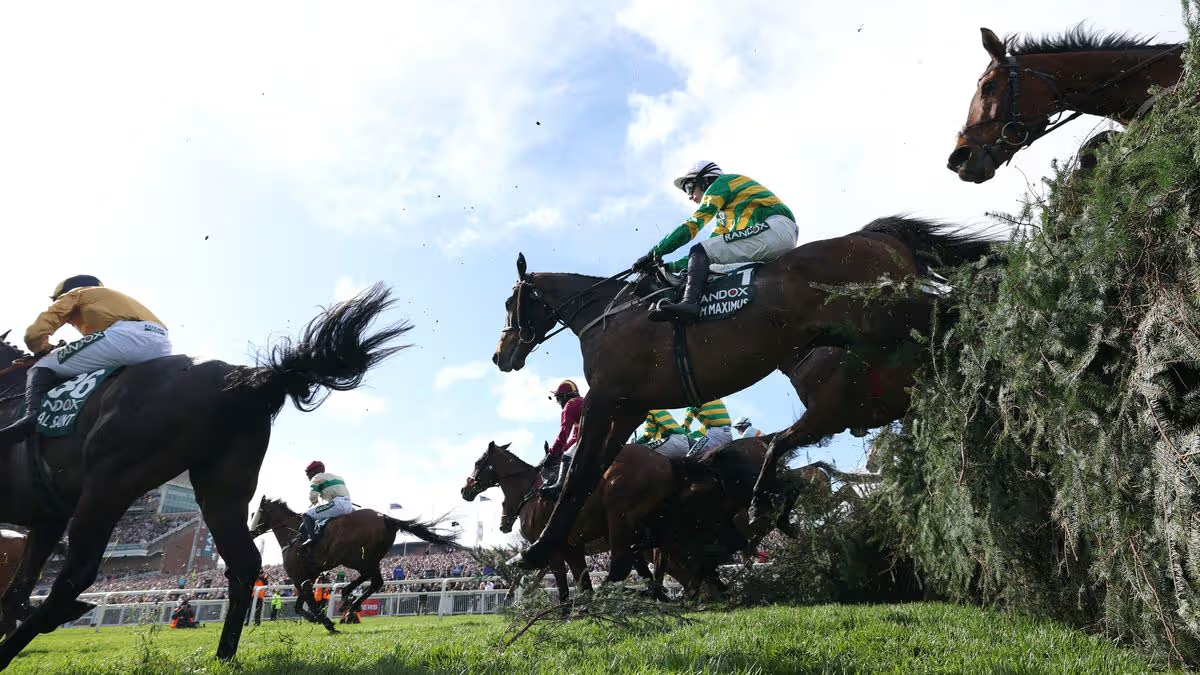
Aintree officials have issued an update on two horses who were hurt during falls in the Grand National. A number of horses fell during the race, with particular concern among viewers for Top of The Bill and Quai de Bourbon.

Advertisement

Top of The Bill who was being ridden by legendary trainer Ginger McCain’s grandson Toby McCain-Mitchell was initially being assessed on the course, with a later update confirming he was up and had walked off the course.

There were also concerns about Quai de Bourbon, who fell early and looked unwell before he was taken to a horse ambulance to be assessed back at the stables.

Jockey Robert Dunne, who was riding Stellar Story, has been taken to hospital for assessment. He was said to be conscious and talking as he was taken away in an ambulance.

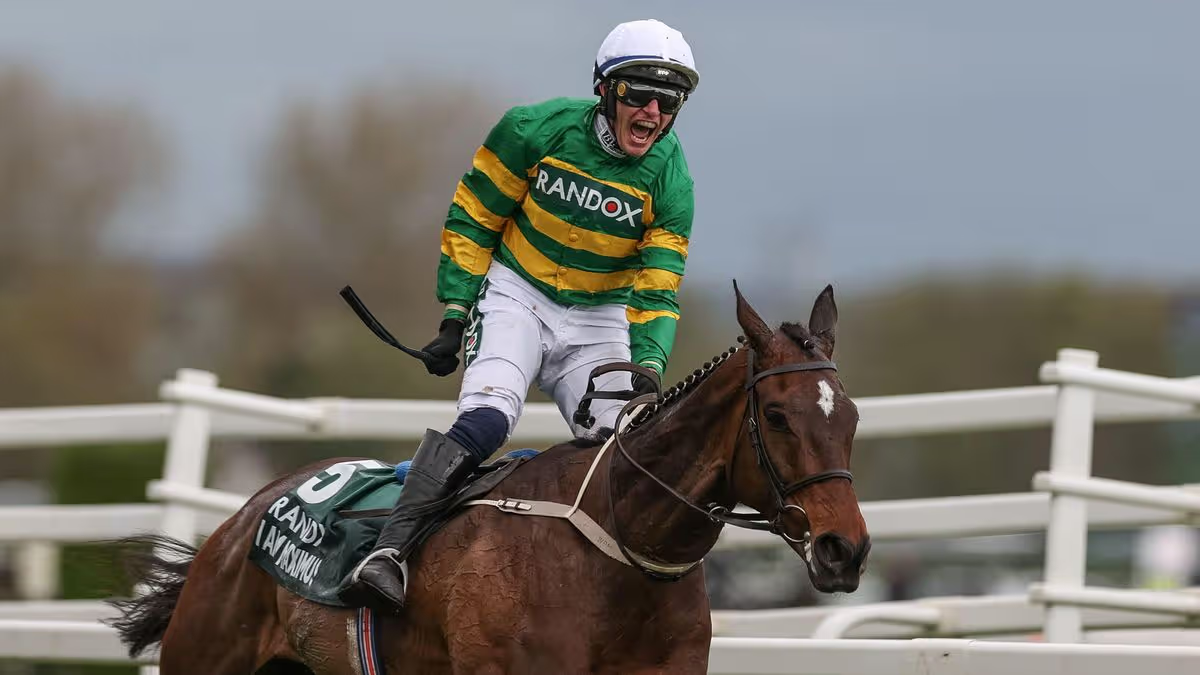
The race was won by favourite I Am Maximus

Advertisement

More to follow

Source link

Continue Reading

NewsBeat

Fury vs Makhmudov LIVE: Start time, fight stream, latest updates and results

Published

on

Fury vs Makhmudov LIVE: Start time, fight stream, latest updates and results

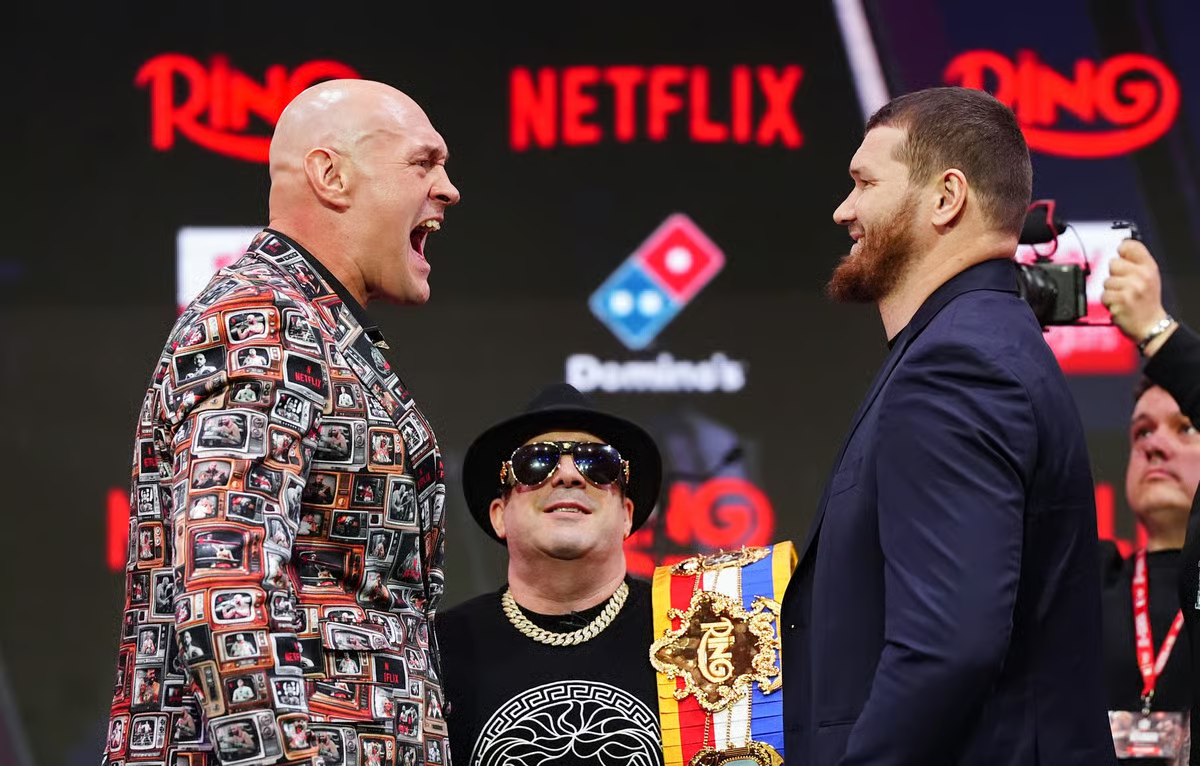
But the former two-time world heavyweight champion cannot afford to overlook Makhmudov, the aggressive and hard-hitting Russian contender who last fought as recently as October, when he defeated David Allen in Sheffield. Before that we will see Conor Benn, who fights under the Zuffa Boxing banner having split from Matchroom and Eddie Hearn as he meets Regis Prograis in a catchweight bout in his first outing since that rematch win over arch-rival Chris Eubank Jr.

Source link

Continue Reading

NewsBeat

Crook man accused of stabbingin Consett facing psych assessment

Published

on

Crook man accused of stabbingin Consett facing psych assessment

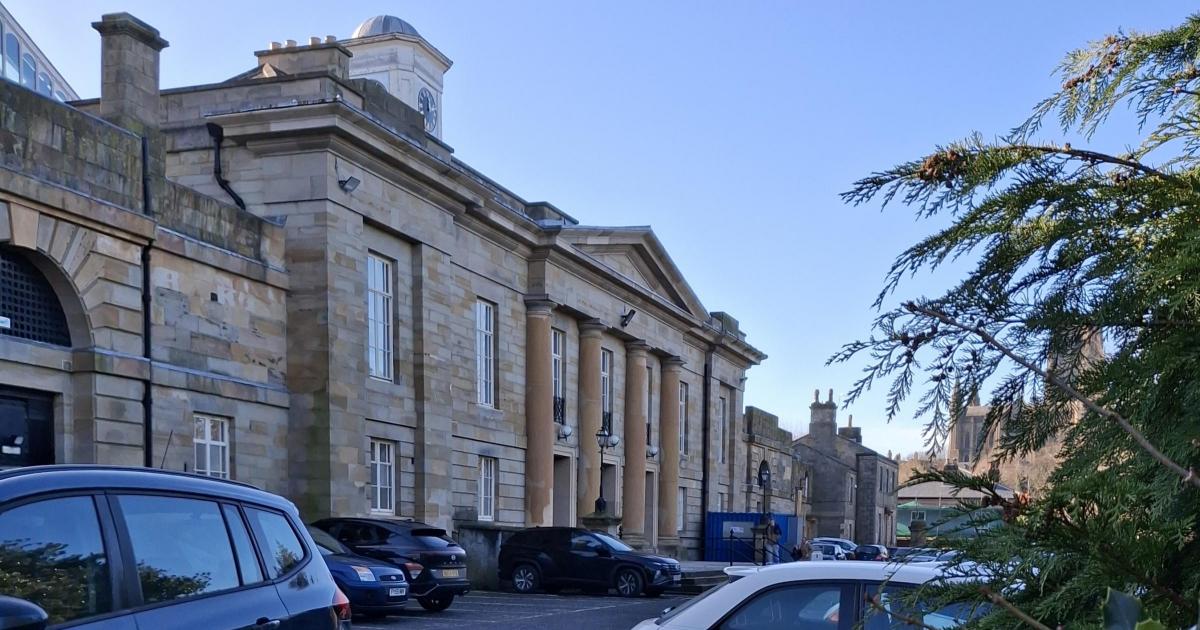
Kurt Pearn appeared at a Durham Crown Court on Wednesday (April 8), via video link from Holme House Prison, in Stockton accused stabbing the man on Oak Terrace in Consett, on Saturday March 7.

His barrister Chris Baker asked that the charge was not put to Pearn, saying: “The defence would like a psychiatric report in this case.

“We need to be sure he is fit to plead and to stand trial.”

Advertisement

Judge Richard Bennett agreed and adjourned the hearing until May 26, when he said the defendant could again appear via the prison to court video link.

Pearn, 35 today, of Weaver’s Croft, Crook, remains remanded in custody.

Source link

Advertisement
Continue Reading

NewsBeat

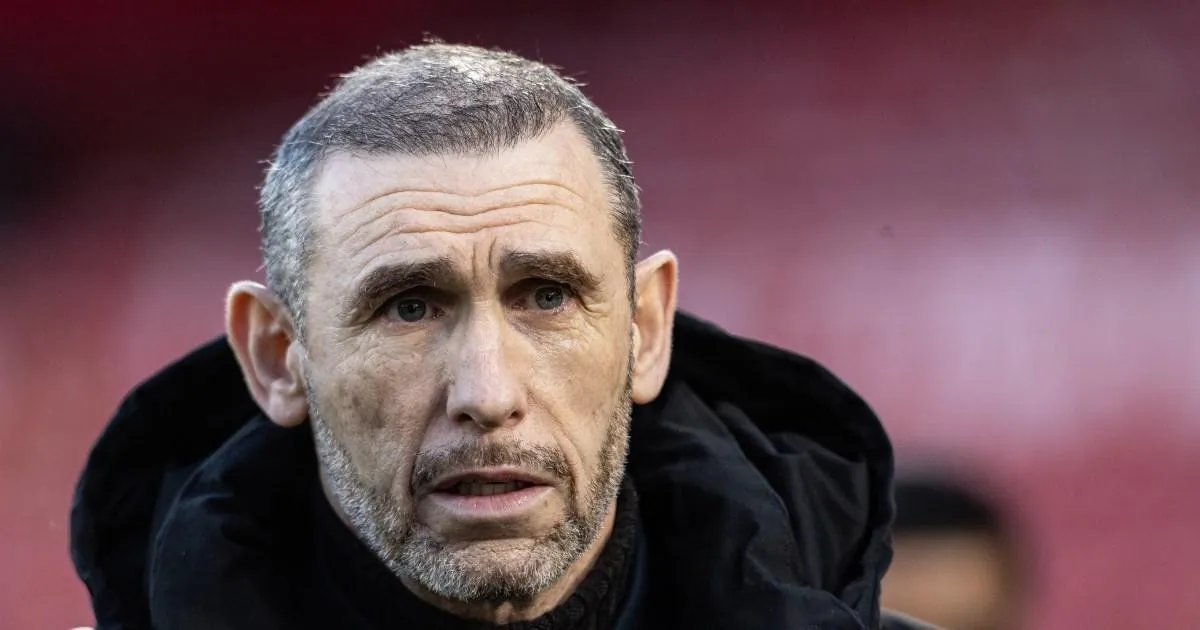
Martin Keown blasts Arsenal stars for not passing the ball to one teammate against Bournemouth | Football

Published

on

Martin Keown blasts Arsenal stars for not passing the ball to one teammate against Bournemouth | Football
Keown wanted to see the Gunners star on the ball more (Picture: Getty)

Martin Keown criticised Arsenal players for not passing the ball to Max Dowman enough as they fell to a devastating defeat at home to Bournemouth.

The Gunners had the chance to move 12 points clear of the summit of the Premier League and tighten their grip on the title in front of their own fans on Saturday afternoon.

But an insipid display led to their third defeat in their last four matches with Bournemouth sealing a 2-1 victory.

Viktor Gyokeres drew his side level after 35 minutes following Junior Kroupi’s early strike but it failed to spark the hosts into life.

Advertisement

Seeing no improvement from his side in the opening nine minutes of the second-half, Arteta decided enough was enough and made three changes with Eberechi Eze, Leandro Trossard and Dowman replacing Gabriel Martintelli, Kai Havertz and Noni Madueke.

The changes had little effect on the game with Arsenal still labouring. Arteta’s side were punished again after 74 minutes; coming up short in three second-ball situations before Alex Scott produced a fine finish to beat David Raya.

Despite only turning 16 in December, Dowman has looked at home in the first-team squad and was instrumental off the bench in Arsenal’s previous Premier League game, helping set up one and scored the other in dramatic 2-0 win over Everton.

Arsenal v Bournemouth - Premier League
Dowman played most of the second-half (Picture: Getty)

He could not replicate that impact on Saturday with Keown frustrated Arsenal did not look for their young teammate more often.

‘Arsenal fixed the play and the picture never changed,’ Keown told TNT Sports. ‘Arsenal then couldn’t develop the play into their midfield players.

Advertisement
Arsenal v Bournemouth - Premier League
Arsenal missed the chance to tighten their grip on the title (Picture: Getty)

‘Even when Dowman came on, we were all screaming give him the ball, but they didn’t have enough good control of the ball in the midfield and that is all down to Bournemouth and Arsenal not mixing up their game enough.’

Manchester City face a tough test away to Chelsea on Sunday but if they come through that, they can reduce the gap at the top to just three points when they play Arsenal at the Emirates next weekend.

City will then have a game in hand on their rivals.

Advertisement

Source link

Continue Reading

NewsBeat

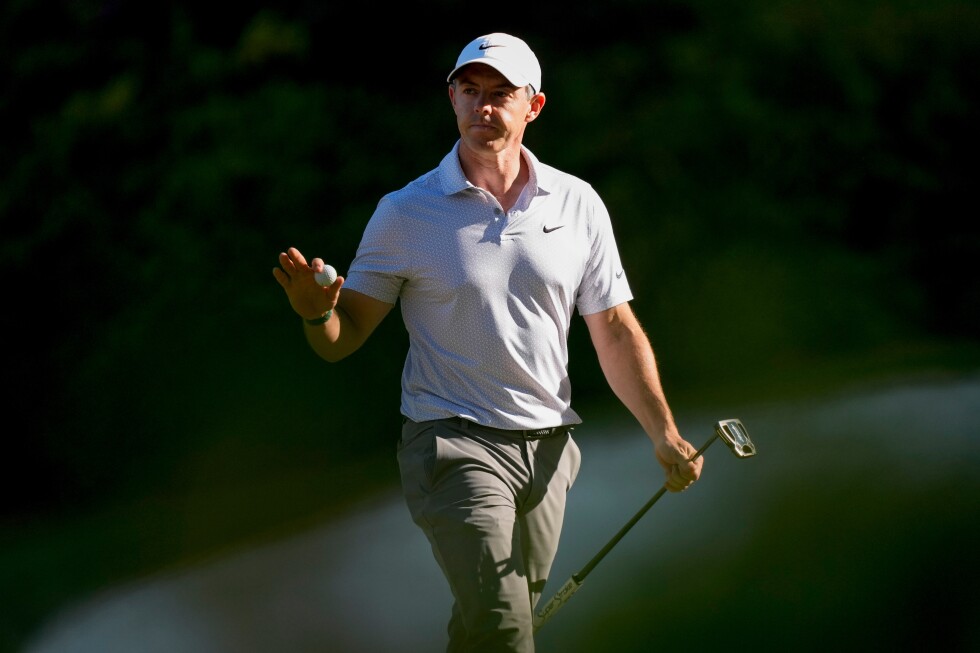
Rory McIlroy has a 6-shot lead entering the 3rd round of the Masters

Published

on

Rory McIlroy has a 6-shot lead entering the 3rd round of the Masters

AUGUSTA, Ga. (AP) — Rory McIlroy planned to keep his mind off golf as much as possible while awaiting the third round of the Masters.

“There’s actually two really good semifinals at Monte Carlo in the tennis. So I’ll watch that,” he said. “We’ve been watching the tennis early in the mornings.”

The tennis matches might be more competitive than what’s taken place so far at Augusta National, where McIlroy led by a record six strokes after 36 holes. He birdied six of the last seven in a second-round 65 on Friday that left him at 12 under par for the tournament.

Now this could go a few different ways. McIlroy could cruise to victory and become the fourth player to win back-to-back Masters. He could maintain this level of domination and challenge Tiger Woods’ record for margin of victory (12) or Dustin Johnson’s for lowest score (20 under).

Advertisement

Or he could blow the lead and make history that way — 36 holes is a lot of golf still to play.

“Look, I’ve built up a nice cushion at this point,” McIlroy said. “I guess my mindset is just trying to keep playing well and keeping my foot on the gas.”

McIlroy nearly was paired in Saturday’s final group with Patrick Reed, his foil during a memorable Ryder Cup match in 2016 and in the final group of the 2018 Masters, won by Reed. But a bogey on the 18th hole Friday left Reed tied for second with Sam Burns, who will play with McIlroy on Saturday.

“Just have to wait and see what the weekend entails,” Reed said. “Hopefully I can go out and have a good day tomorrow and have a good shot going into Sunday.”

Advertisement

Justin Rose, Shane Lowry and Tommy Fleetwood were another stroke back at 5 under.

Bryson DeChambeau won’t be playing this weekend after finishing at 6 over and missing the cut. He owed his exit to a pair of triple bogeys in which he needed multiple shots to get out of bunkers. The first was on No. 11 on Thursday. The second was on the 18th hole Friday, when he only needed a bogey to play on.

Before McIlroy finished his run of six birdies in the last seven holes Friday, the best round of the tournament was Tyrrell Hatton’s second-round 66. He was at 4 under along with Wyndham Clark, Haotong Li, Jason Day, Cameron Young and unheralded Norwegian Kristoffer Reitan.

The rest of the field shouldn’t give up. McIlroy, after all, shot 80 in the final round in 2011 after leading the Masters following the first three rounds.

Advertisement

He’s a different player now, though.

“Becoming a wily old veteran,” McIlroy said. “Even go back to the final round in 2011, hitting it in that bunker off the tee at the second hole and, like, not panicking, but thinking, ‘oh, this isn’t good.’ I can’t go for this in two. How am I — and I walk up there today, and it’s like, no, I lay it up to a good number, and I’ll have a good chance to make a birdie.”

___

AP golf: https://apnews.com/hub/golf

Advertisement

Source link

Advertisement
Continue Reading

NewsBeat

BREAKING: Grand National 2026 result in full – Where did my horse finish in Aintree race?

Published

on

Daily Mirror

The Grand National took place at Aintree at 4pm on Saturday, April 11 – with Paul Townend riding I Am Maximus to a second title at the biggest horse racing event of the seasonal calendar

I Am Maximus has won the 2026 Grand National. It marks the second title that the JP McManus-owned horse has won, joining Tiger Roll in becoming a two-time champion at one of racing’s most prestigious events.

It also sees McManus become the most highly-decorated owner in the event’s history, with four wins at the National.

Here are how the other horses placed at the Grand National…

Advertisement

1st 1 I Am Maximus

2nd 13 Iroko

3rd 28 Jordans

4th 33 Jonnywho

Advertisement

5th 18 High Class Hero

6th 14 Favori De Champdou

JOIN US ON FACEBOOK! All the best sports news and much more on our dedicated Facebook page

There will be more to follow on this breaking news story and Mirror Sport will bring you the very latest updates, pictures and video as soon as possible.

Advertisement

Please check back regularly for updates on this developing story.

Follow us on Google News, Flipboard, Apple News, Twitter, Facebook or visit The Mirror homepage.

Source link

Advertisement
Continue Reading

NewsBeat

Syrian man mourns wife and children in Israeli strikes on Beirut

Published

on

Syrian man mourns wife and children in Israeli strikes on Beirut

DEIR EL-ZOUR, Syria (AP) — A Syrian man on Saturday buried his wife and four of his five children, killed in the massive wave of Israeli strikes that pounded Beirut earlier this week, laying them to rest in Deir el-Zour province in northeastern Syria.

It was not the homecoming they had anticipated when they fled to Lebanon six years ago.

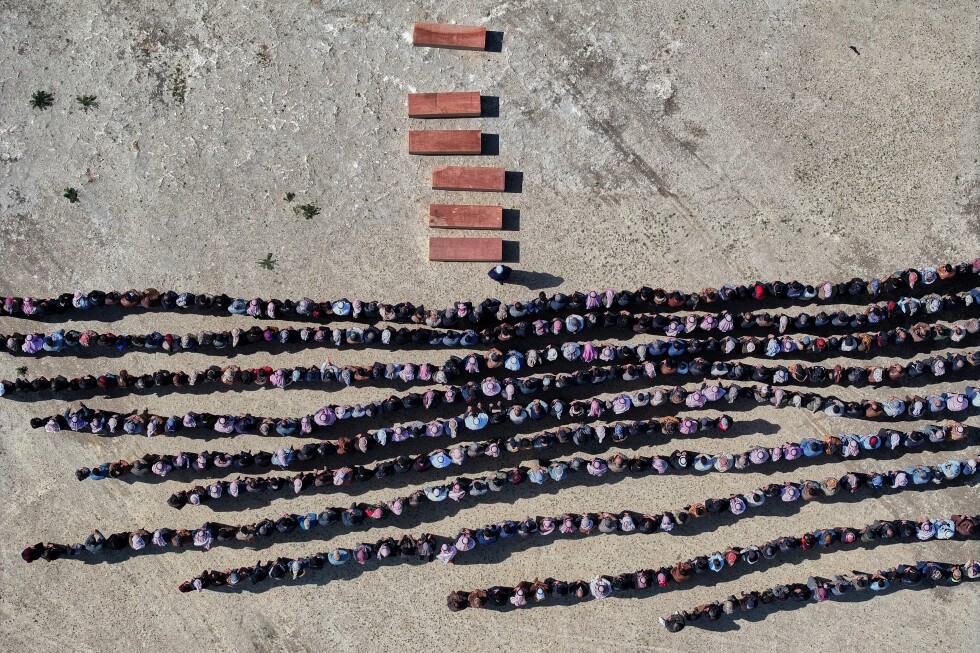
The bodies, along with that of his six-month pregnant daughter-in-law, arrived in wooden coffins on a bus from Lebanon, their names scribbled on the sides. Men stood beside the bus crying before the burial procession in al-Sour town, as mourners gathered to offer condolences.

The remains of one of his two daughters were still missing, believed to be trapped under rubble, as search operations concluded Saturday, three days after the attacks.

Advertisement

The strike was one of roughly 100 carried out by Israel on Wednesday without warning, targeting what the Israeli military said were Hezbollah-linked sites across Beirut and other parts of Lebanon. More than 350 people were killed that day, a third being women and children, making it the deadliest day in nearly six weeks of war.

Many of the strikes hit commercial streets and densely populated neighborhoods in central Beirut, far from conflict zones, where repeated Israeli evacuation warnings have been issued since March 2, when the Iran-backed militant group Hezbollah fired missiles into Israel in retaliation for the U.S.-Israeli attacks on Iran.

A father’s grief

The father, Hamad al-Jalib, survived because he was away fetching a gas canister while working as the building’s concierge. When he heard that a strike had hit the Ain Mreisseh neighborhood, where he lives, he rushed back, only to see a plume of smoke rising from a building behind a mosque across from Beirut’s famous seaside promenade — usually crowded with people walking and exercising.

“The Israeli attack killed my girls, they are innocent, just sitting at home,” al-Jalib said. “They were having lunch.”

Advertisement

He said it took rescue teams three days to extract the bodies of his family from under the rubble. “And I still have a daughter missing, her name is Fatima Hamad al-Jalib.” She is 10 years old. His other daughter was 12 while his sons were 17, 14 and 13 years old.


Three other Syrian relatives were also killed in the Ain Mreisseh strike and were buried on Saturday in the town of al-Shuhail in Deir el-Zour, after the family split upon returning to Syria.

Al-Jalib said his family had been displaced from their area and moved to Lebanon in 2020, as local tensions grew involving tribal groups and the Kurdish-led Syrian Democratic Forces.

Syrian refugees among the dead and wounded

The casualties from Wednesday’s strikes and others across the country have pushed the death toll in more than a month of Israel’s war with Hezbollah to over 1,950 killed and more than 6,300 wounded, according to Lebanon’s Health Ministry. The toll includes at least 315 Syrians killed and wounded.

Advertisement

It remains unclear how many of those killed on Wednesday were non-Lebanese, as the Health Ministry did not provide a breakdown by nationality. Officials have reported that at least 39 Syrians were among the dead.

Dalal Harb, a spokesperson for the U.N. refugee agency, said the family killed in Ain Mreisseh was not registered with the UNHCR. There are about 530,000 Syrians refugees registered with UNHCR in Lebanon, with hundreds of thousands more believed to be unregistered.

While hundreds of thousands of Syrians have returned from Lebanon since the ouster of former Syrian President Bashar Assad in December 2024, many others remain reluctant to go back because of the lack of jobs and ongoing violence.

Al-Jalib’s brother, Jomaa, who also lived in Lebanon, said he was about 150 meters (500 feet) away at work when the first blast hit. “We ran and we ran, then the second strike happened.” He said he was arriving at the building as it began to collapse. “It was too late to get anyone out. We yelled for them, but no one answered.”

He said ambulances later recovered the bodies, which he identified at a hospital.

Following the burial on Saturday, men stood shoulder to shoulder in prayer over the fresh graves.

Advertisement

——-

Associated Press writer Abby Sewell in Beirut contributed to this report.

Advertisement

Source link

Continue Reading

NewsBeat

Man taken to hospital after crash near Bolton Morrisons

Published

on

Man taken to hospital after crash near Bolton Morrisons

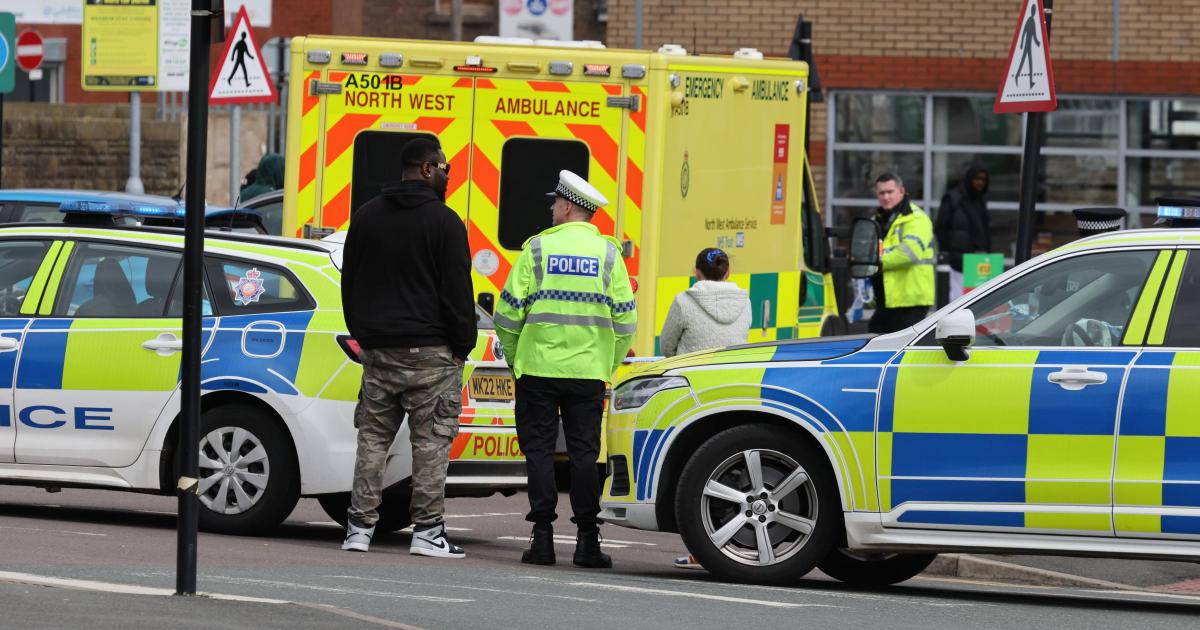
The incident took place this afternoon (Saturday, April 11), at around 1pm, with the ambulance service and police in attendance.

Images from the scene show that a cordon had been put in place near the petrol station of the supermarket.

Greater Manchester Police confirmed that the incident involved a road traffic collision between a pedestrian and a car.

(Image: PHIL TAYLOR)

They added that a man was taken to hospital and the driver remained at the scene.

Advertisement

No arrests have been made in relation to the incident.

Morrisons has not commented on the incident, but a spokesperson confirmed that they are assisting police with their inquiries.

The North West Ambulance Service has also been contacted for comment.

Advertisement

Source link

Continue Reading

Trending

Copyright © 2025