

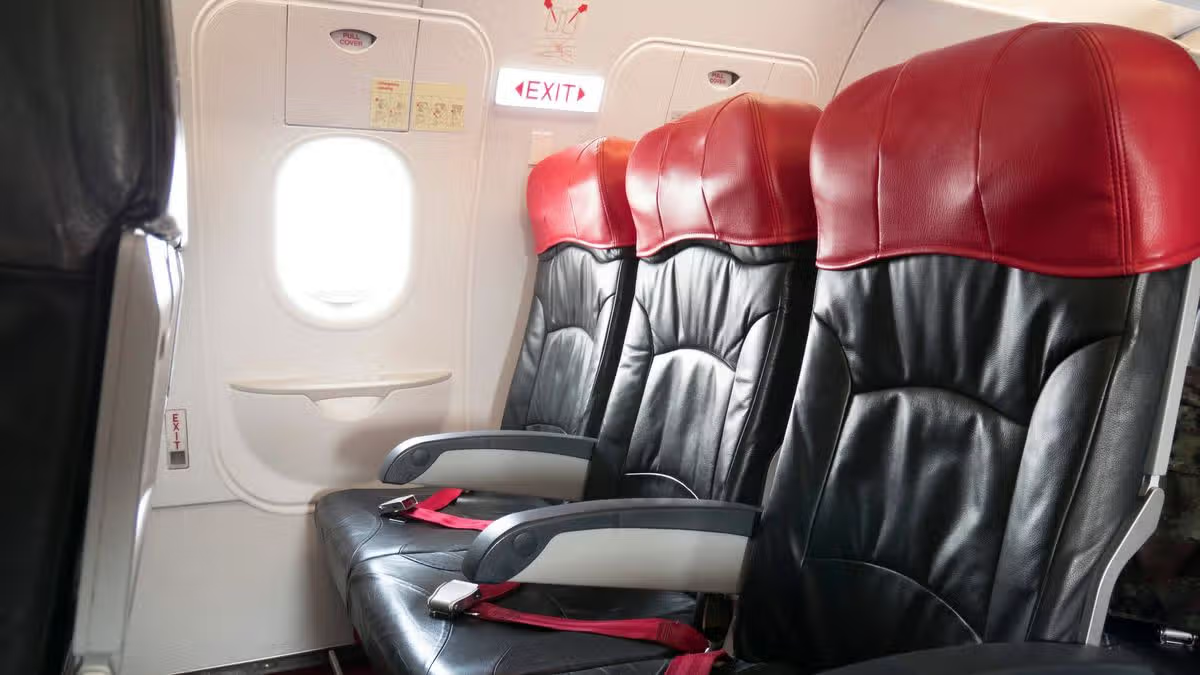
A flight attendant has explained the aeroplane exit row requirements and who is not allowed to sit there – and it’s about much more than extra legroom on a flight
Getting an exit-row seat with extra legroom for free can feel like a major win, but imagine paying for it and then being told you’re not actually allowed to sit there? It would feel like a real blow. But a TUI flight attendant has explained that there are quite a few people who aren’t allowed to sit in an exit row.
An exit row isn’t simply a nice upgrade offering additional legroom throughout your journey – it actually fulfils a far more critical function should your aircraft encounter any difficulties. In reality, passengers seated in an exit row may be required to assist the crew if necessary, and before departure is complete, the cabin crew will discuss this responsibility with you to ensure you’re comfortable with it.
Miva, a flight attendant, stated: “An emergency exit seat is not just a seat with extra legroom. In an evacuation, the passenger sitting there may need to assess the situation outside, open the exit, direct other passengers and help the crew.”
Fortunately, it’s extremely uncommon that a passenger would genuinely need to provide assistance, but you must be prepared to do so should the cabin crew require your help.
This explains why there’s a specific list of travellers who aren’t permitted to occupy exit row seats, as they wouldn’t be capable of providing support during a real emergency.
Who cannot sit in an exit row?
Children aren’t permitted to sit in the exit row. Each airline maintains different policies regarding the minimum age requirement for passengers allowed to occupy these seats.
Adults travelling with an infant or child in their care are also prohibited from sitting in the exit row.
Anyone with restricted mobility or with an injury cannot be seated there, nor can anyone unable to comprehend the instructions provided to them.
Passengers who are incapable of operating the exit mechanism cannot be seated there. Similarly, people who are uncomfortable with or incapable of assisting during an emergency situation are also excluded, as these seats serve a specific safety purpose.
Miva explained: “The reason is simple: every second counts during an evacuation. The person sitting at the emergency exit must be physically and mentally capable, willing to act immediately and able to help other passengers leave the aircraft safely.
“The cabin crew can move someone to another seat if they believe that person is unsuitable. Exact requirements may differ between airlines.”
In the comments section, some readers expressed confusion, questioning: “Then why charge extra to sit there for the extra leg room? Should be giving us money for being willing to help.”
Another contributor clarified: “Children, pregnant women, people with disabilities, elderly. Because in case of an emergency, you will have to help open/help passengers off, which is also why the floor must be clear at all times.”
A further commenter highlighted an additional restriction: “People who need a seatbelt extended can’t sit there either because the extender could trip people on the way out the emergency exit.”






















































You must be logged in to post a comment Login