Lianne was just 13 when she lost her parents to Aids. Newly orphaned, she had to find a way to keep herself and her younger sister alive. With no money to finish school, unable to find a job and struggling to put food on the table, there was only one option – sex work.
Now 24, she knows the dangers in Eswatini, a kingdom in southern Africa once described as the epicentre of the HIV epidemic and a country still struggling with some of the highest infection rates in the world.
“Both my parents passed away. Hunger led me to join this work although I know it’s risky,” Lianne says, explaining that she earns under £25 a week. She is unable to acquire HIV preventative medication – known as PrEP – on her own.
But there is now hope in the form of lenacapavir – dubbed the “miracle” drug – which the United Nations hopes can protect millions of people like Lianne and even end the Aids epidemic altogether.
Advertisement
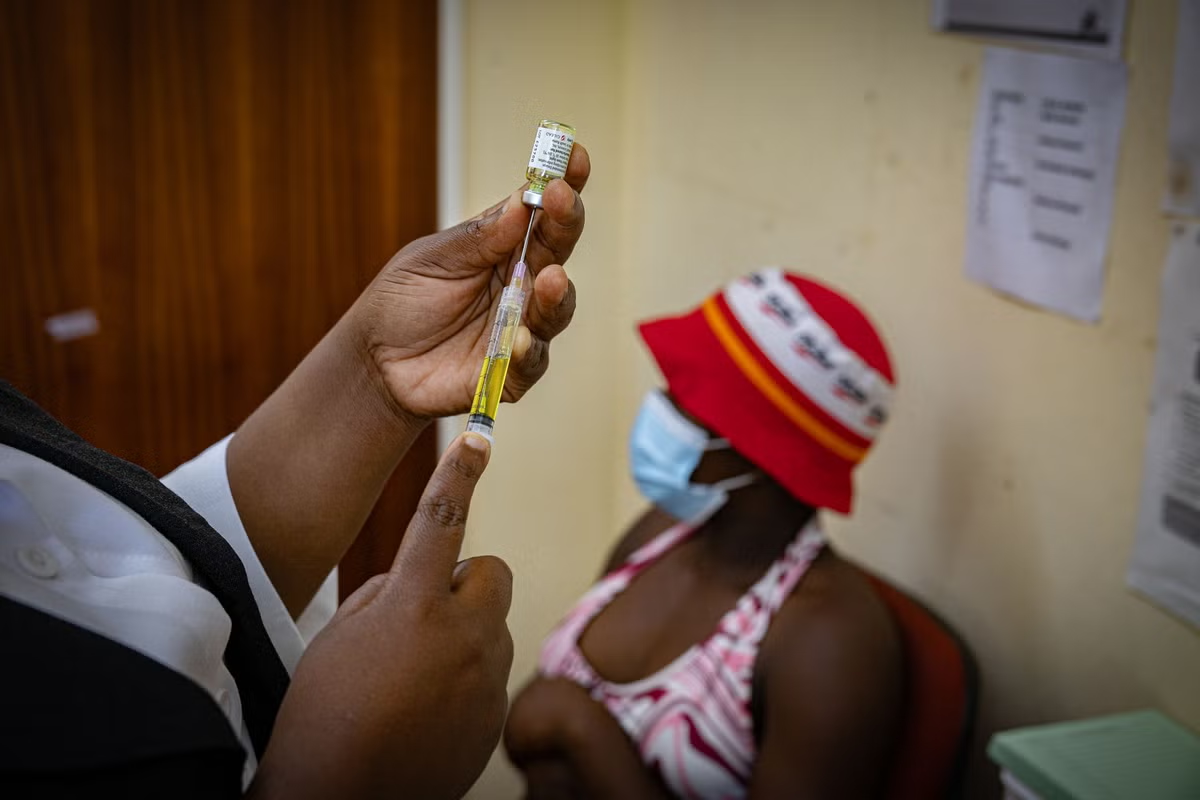
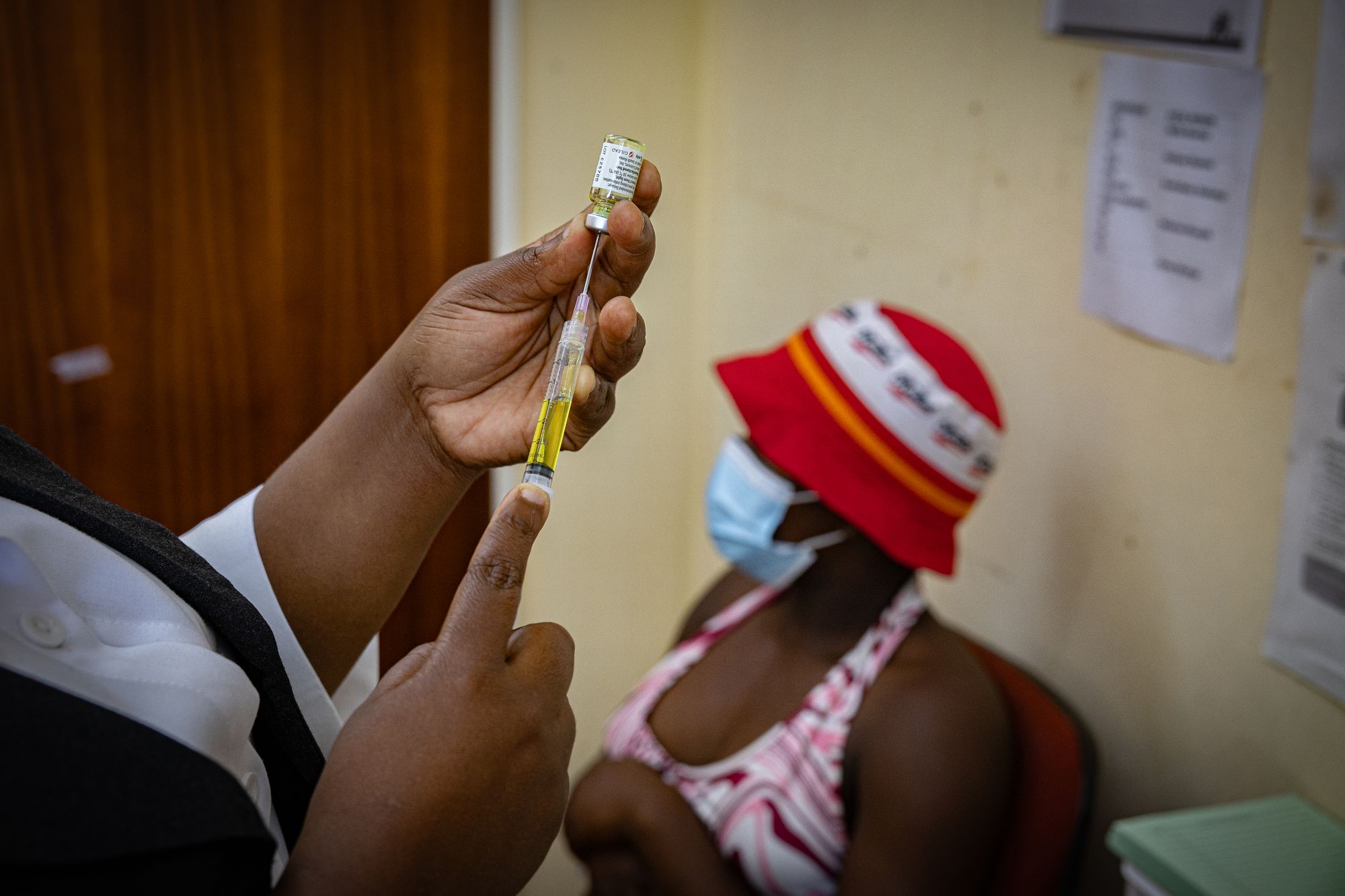
A nurse administers lenacapavir – dubbed the ‘miracle’ drug – to Arianna, a teenage sex worker in Eswatini (Bel Trew/The Independent)
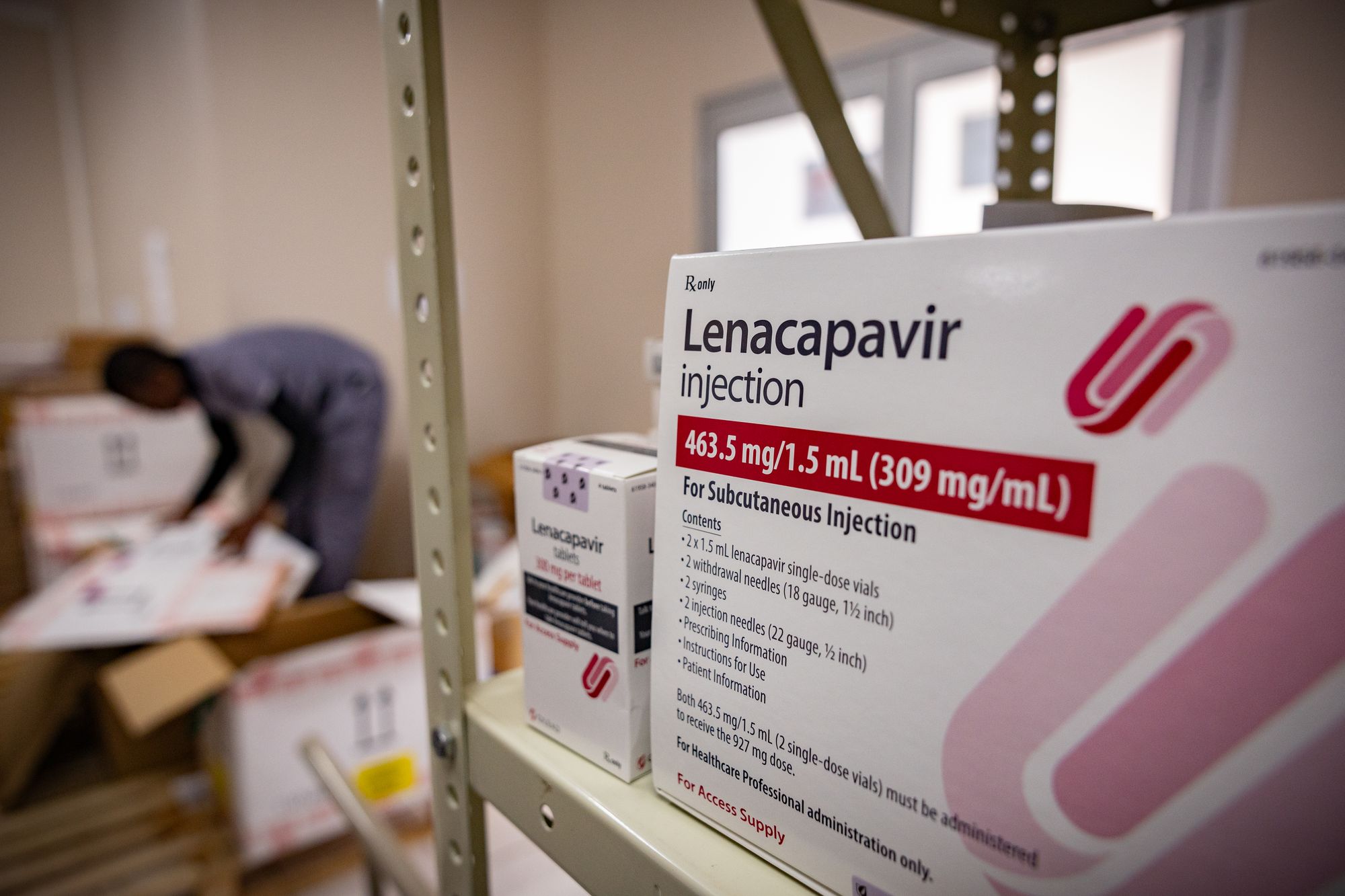
The twice-yearly injection – described by the head of the UN Aids agency as “the closest thing we have to a vaccine” – provides near complete protection against infection.
Lenacapavir is being introduced for the first time in nine of the most at-risk countries, including Eswatini, meaning Lianne was among the first people in the world to get the injection.
While it is a big step forward in HIV care, concerns have been raised about the extent of the rollout and fears it will be ineffective if it is not introduced on a global scale.
The positive news about lenacapavir comes after last year’s devastating cuts to foreign aid spending by US president Donald Trump, which had previously funded around half of Eswatini’s HIV response.
For Lianne, it meant the abrupt closure of the mobile clinics that gave her access to potentially life-saving HIV prevention therapy for free.
Advertisement
The closures have had a deadly effect: a friend and fellow sex worker recently died after contracting HIV and losing access to life-sustaining medication.
“That is why I am so happy today, it’s protection,” she continues with relief, as she receives the brightly coloured yellow injection.
At the beginning of 2025, the world was on track to end the Aids pandemic by 2030.
But that was upended by unprecedented foreign aid cuts from the US, the UK and other European countries, which have created the biggest ever disruptions to HIV response, from testing to treatment and prevention.
Advertisement
If these aid cuts continue, there could be millions more deaths and infections, as well as double the number of medication-resistant strains, according to The Independent’s own modelling of data.
This makes the timing for the lenacapavir rollout critical. Developed by California-based biopharmaceutical company Gilead Sciences, the UN believes the treatment, if properly deployed, could help bring about the end of the epidemic by reducing new infections to zero.
Lenacapavir is so popular they have already run out in Eswatini (Bel Trew)
The current plan, funded by the Global Fund to Fight Aids, TB and Malaria, together with the US government and others, is to deliver lenacapavir to three million people by 2028.
Lenacapavir, which in wealthy countries can cost up to $24,000 (£18,000) a year, is being simultaneously delivered to some of the poorest countries most at risk at a significantly reduced cost.
Life-sustaining antiretroviral therapy was infamously accessible in the West for a full decade before being rolled out in sub-Saharan Africa, costing countless lives and paving a way for the crisis today.
Advertisement
“This has been a defining moment for the Aids epidemic,” says Dianne Stewart from the Global Fund. “We have been fighting for equitable access to new tools since the beginning, and this is the first time in history that we have got it right.”
The first country to receive these jabs is Eswatini. Formerly known as Swaziland, it has worked hard to reduce new HIV infections from a peak of 21,000 per year 20 years ago to 4,000 in 2023, according to the UN.
But still around a quarter of Swazis aged between 15 and 49 are living with HIV, according to the latest data from the US Center for Disease Control.
Eswatini, once dubbed the epicentre of the HIV epidemic, is now among the first countries in the world to roll out long-lasting PrEP injections (Bel Trew)
David Maseko of HealthPlus for men, a charity working with key populations including LGBT+ communities, explains that the aid cuts shut all 15 mobile charity clinics that Lianne and others used.
That has meant there has been a soaring number of people – including some of the most at-risk communities – off their HIV medication and off PrEP – a problem unfolding across Sub-Saharan Africa.
Advertisement
“There are a lot of gaps now. We are even struggling to do community testing.”
For him, a twice-yearly injection that could help curb the recent surge in infections is “simply a game-changer”.
Arianna, 17, who was also forced into sex work after her mother died and she left an abusive home, agrees. “This is lifesaving for us,” she says as she gets the injection.
She explains that trying to get daily prevention PrEP pills from a public facility, where she could face prejudice as a sex worker, makes it near impossible, especially when they earn so little a week to cover transport.
Advertisement
“That is why today I decided to come here. To me, this is the best way to help myself, to survive.”
But there are concerns that without proper investment around the world to reach a critical mass of people protected globally, the impact will be limited.
For now, delivery is targeted at just nine countries, although there are plans to expand that. Lenacapavir has not yet been licensed or procured for delivery in large parts of Latin America, where infection rates are rising.
“We have seen in the past that piecemeal solutions, especially for infectious diseases, do not work,” adds Stewart from the Global Fund.
Advertisement
“As we saw during Covid, you cannot solve it in one country and think it is done while others do not have access.”
MSF’s Dr Diojki Bahati says there must be a comprehensive rollout of lenacapavir for it to be effective (Bel Trew)
At a Medecins Sans Frontieres (MSF) clinic in a town outside the capital, country lead Dr Diojki Bahati says they were given only 50 doses to distribute and have had to turn patients away.
Even reaching two million people with lenacapavir over the next three years is “far below the global need”, he continues.
UNAIDS has said that to tackle the pandemic, the world needs to get 20 million people on PrEP in the next few years.
“Two million people over three years is less than 10 per cent of that target.”
Advertisement
He adds that there are no alternative procurement systems, especially for organisations like MSF, that he says have been denied the right to purchase directly.
In parallel, generic manufacturing licences have been granted to around six manufacturers in the coming year to supply 120 countries and territories.
“But that leaves quite a number of low- and middle-income countries where up to 20 per cent of new infections are happening,” he continues, such as Brazil, Peru and Mexico that participated in lenacapavir drug trial.
He says it is essential that the rollout is properly funded and supported by governments, even as they cut aid. It will ultimately be considerably cheaper in the long term.
Advertisement
In 2024, there were at least 1.3 million new HIV infections. Carmen Pérez Casas, from health initiative Unitaid, explains that these additional infections will cost an extra $52m (£38.8m) per year if everyone is put on antiretroviral treatment, leading to a lifetime treatment cost of approximately $2bn.
As transmission increases, this cost will accumulate exponentially over time.
“Delivering Lenacapavir to prevent infections would be a fraction of this cost,” she adds.
Lianne, who lost both her parents to HIV and was forced to become a sex worker to support her and her sister, calls lenacapavir ‘life-saving’ (Bel Trew)
Back in the Eswatini clinic, the demand is clearly there. Lianne and Arianna breathe a sigh of relief after getting their jabs, knowing for now they are protected.
“We beg that they do not get tired of helping us,” says Lianne as she finishes her appointment. “If they are cutting the funding, it means we will be exposed and die of HIV. Please help.”
Advertisement
This article has been produced as part of The Independent’s Rethinking Global Aid project
Even when it’s not directly dementia-related, movement appears to improve memory and thinking skills which become more vital in later life.
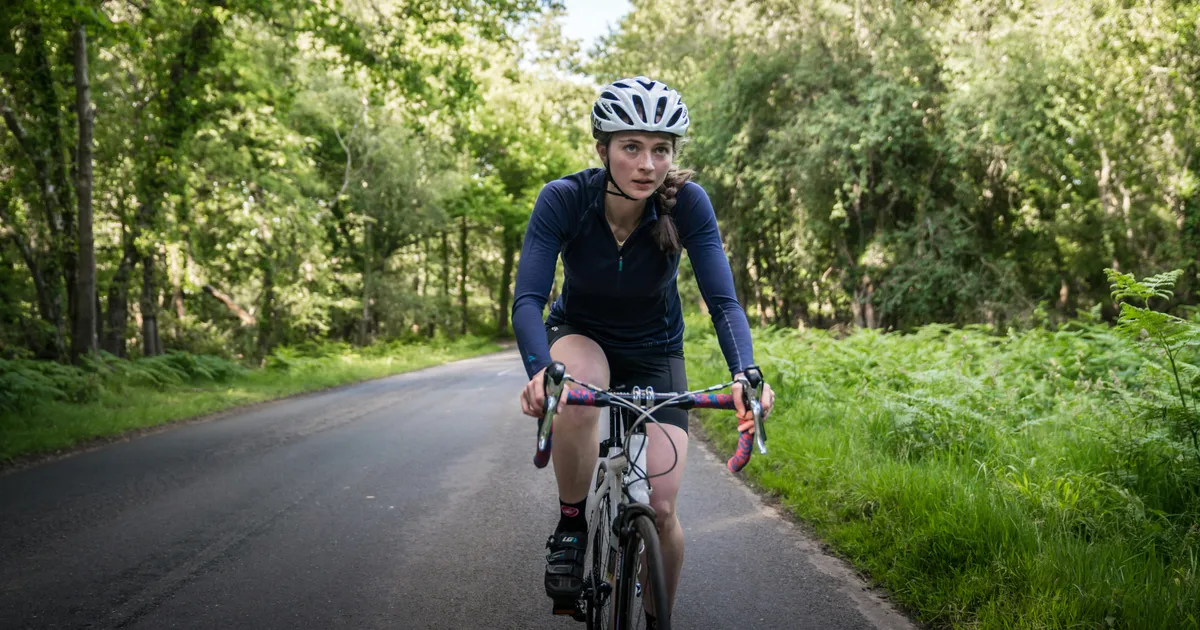
A recent paper, published in Brain Communications, has found that 20 minutes of cycling a day can create “ripples” in the brain that might help us to process and store information more efficiently.
How did cycling seem to affect participants’ memory?
Advertisement
The research involved 14 participants aged from 17-50. They tracked their brain activity before and after 20-minute stationary cycling sessions through an intracranial electroencephalography (iEEG).
The iEEG measures electrical activity in the brain, which provides an added layer of detail.
Previously, scientists had noticed “ripples” in the minds of rats, which were believed to improve their memories after exercise, though these had not been seen in humans before.
But the iEEGs in this research saw similar results after the participants completed their exercise.
Advertisement
Speaking to Medical News Today, study author Dr Juan Ramirez-Villegas said, “Ripples are very brief bursts of highly synchronised electrical activity in the brain’s memory centre, the hippocampus.
“In animals, they are known to play a key role in stabilising memories after an experience. You can think of them as moments when the brain rapidly ‘reviews’ information, helping convert recent experiences into lasting memories.”
They might also help to regulate blood sugar in animals, the study added.
The study found that the higher someone’s heart rate got during the cycling session, the stronger those “ripples” seemed to be.
Advertisement
“This suggests that the intensity of physical activity may influence how strongly the brain’s memory circuits respond,” stated Dr Ramirez-Villegas.
That might not be the only benefit
Aside from the “ripple” effect, this research also seemed to help different parts of the brain communicate better, potentially leading to improved memory.
“It is surprising how after a session of acute exercise, hippocampal-cortical communication seems to be enhanced, a phenomenon thought to be strongly linked to memory processing,” Dr Ramirez-Villegas said.
Advertisement
“This suggests that even a brief bout of physical activity can influence the neural dynamics involved in learning and memory.”
Two police officers and a car passenger were injured in the incident at Fleming Way in Hillhouse
Two police officers and a car passenger have been taken to hospital and a road in Hamilton has been closed off after a car crash on Tuesday morning.
Advertisement
Fleming Way in Hillhouse is shut for crash investigations after the collision on Tuesday morning, when “a vehicle made off after officers engaged with the driver”.
Local residents have reported seeing multiple police vehicles and even an emergency helicopter circling the scene following the crash, with police saying the driver “left the scene”.
A statement from Police Scotland read: “Around 9.30am on Tuesday, April 28, a vehicle made off after officers engaged with the driver on Fleming Way, Hamilton.
“It was then involved in a collision with a stationary vehicle a short distance away.
Advertisement
“The passenger of the car and two police officers were injured and have been taken to hospital. The driver of the car left the scene and enquiries are ongoing to trace them.”
A former teacher convicted by a jury of sexually abusing pupils at an all-girls grammar in Belfast was handed a two-year jail sentence today (Tuesday).
The sentence was imposed upon William Lloyd-Lavery at Belfast Crown Court by Judge Patrick Lynch KC.
The 77-year old, from Richmond Avenue in Lisburn, will also spend the next ten years on the Sex Offenders Register.
As he sent Lloyd-Lavery to jail, Judge Lunch said the four victims – who were sexually abused when they were aged 13 and 14 – were “to be commended for coming forward to expose a paedophile.”
Advertisement
Lloyd-Lavery stood trial earlier this year and was found guilty by a jury of six counts of indecent assault against four females.
All the charges relate to a period spanning from August 31, 1975 and July 1, 1979 when Lloyd-Lavery worked as a history teacher at Richmond Lodge College on Belfast’s Malone Road.
The school merged with Victoria College in 1987.
Lloyd-Lavery denied all the charges against him and during the two-week trial, the jury of six men and six women heard evidence from his victims.
Advertisement
One woman who is now in her 60s said she felt she was “hunted like prey through my own school by a teacher for his own sexual gratification.”
The jury heard that she was lifted up and sexually abused by Lloyd-Lavery in a French stationery cupboard after telling her he needed help looking for a history book.
The woman recalled how, when her feet were off the ground, Lloyd-Lavery held her with his left hand whilst he used his right hand to touch her genitals which left her “frozen in horror.”
Her 94-year old mother also gave evidence at the trial and recalled how her “heart sank” when her then 13-year old daughter told her what had happened.
Advertisement
She added that her daughter told her how frightened she was and how she felt she couldn’t get away.
The woman said that as a result, both her and her now-deceased husband went to the school the following morning and that she felt the headmistress was “keen that nothing should be done.”
Another victim of Lloyd-Lavery’s gave evidence and recalled how she was taken by him to a storeroom where he asked her about the Bubonic Plague then touched her armpit, touched her breast then rubbed her groin over her school skirt.
The now-convicted sex offender also gave evidence at the trial and rejected the allegations of all the complainants and brandished their claims as “lies” and “nonsense.”
The pensioner was questioned first by his barrister and when asked what his response was to the various allegations made, Lloyd-Lavery said: “There is no truth in any of them. They are all completely wrong, completely untrue.”
Lloyd-Lavery was also cross-examined by a Crown barrister who suggested to him that he used his “privileged position to take advantage of young girls” which he said was “totally untrue.”
Advertisement
Despite his denials and claims that he was the victim of a vendetta and that the complainants colluded against him via Facebook, the jury deliberated for around four-and-a-half before returning their unanimously guilty verdicts on six charges of indecent assault against four females.
The jury also returned unanimous not guilty verdicts on a further two charges of indecent assault whilst Judge Lynch directed them to find Lloyd-Lavery not guilty of one count of indecent assault on an evidential basis.
Earlier in the trial, two counts of gross indecency with or towards a child were withdrawn from the jury on a point of law.
Following his conviction, Lloyd-Lavery spoke to a Probation Officer and continued his claims of innocence.
Advertisement
After the two-year sentence was imposed today, Lloyd-Lavery was led from the dock by prison staff who took him into custody.
From 1976-1978, Lloyd-Lavery sexually assaulted four girls at Richmond Lodge School in Belfast, ranging from nine to 13 years of age.Now adults, the victims in this case have all come forward seeking justice.On November 16, 2022, he attended a police station voluntarily and was interviewed for all offences. He denied all.He was later reported to the Public Prosecution Service and then unanimously found guilty on January 23, 2026.Following sentencing today (Tuesday) of Lloyd-Lavery, Detective Inspector Kelly Foley said: “This man was an opportunist, using his position of power and trust within the school environment to prey on young girls.“He thought for a long time he had got away with this. Today has proven that the passage of time has no bearing on a criminal justice outcome.“I want to thank the bravery of the victims in coming forward. We have seen an increase in reports of non-recent child abuse over the last five years, with an average of 76 new referrals of this type each month across the province.“Sentencings like today, I hope, will provide those who have suffered with the confidence to break the years of silence they have endured.“Let this serve as another warning to those perpetrating child sexual abuse in our communities, we are working every day to break down reporting barriers and encourage victims to come forward.“Our specialist officers are working day and night to relentlessly pursue offenders and bring them to justice.”In an effort to encourage other victims of non-recent crimes to come forward, three of the victims in this case have bravely spoken out.Sarah, now 63 years of age, said: “It happened 50 years ago, but it may as well have been yesterday. That is the reality of non-recent child abuse, it stays with you. It shapes you and, if you let it, the silence will take its toll. I have not let him ruin my life but he has certainly given it a dimension I could do without.“A memory that resurfaces now and again to remind me that my bubble of innocence was burst at only 13 years of age.“Speaking out is hard, but staying silent is harder. Today we got justice against a man who thought he had got away with it.”Emma, now 61 years of age, said: “Each day, I hid myself within groups of girls when I moved between lessons, for fear of meeting him in the very long corridors and feeling his eyes on me, reliving what he had done.“It was like the constant, painful, picking at a scab that never heals and a profound sense of injustice has followed me all my life.“From the moment that I lifted the phone to the police, I was listened to and believed. Special measures are put in place for victims of abuse right from the start, so I felt safe and finally able to unload the toxic burden that I had been carrying for so long.”Lucy, now 61 years of age, said: “The assault in the autumn term of 1979 changed me. I felt so ashamed and was unable to speak to anyone. I blocked it out and tried to forget about it.“However, I stopped sleeping and spent most nights for some months on a mattress on my parents’ bedroom floor.“I was referred to a child psychologist. I am glad that I have finally stood up for the truth, I have no regrets.“I am a strong woman and will survive – I hope the outcome of the case will encourage other victims of historical sexual abuse to come forward.”Parents/guardians and wider local communities should report any activity, online or physical towards a child that they find concerning.Similarly, if you have been the victim of recent or non-recent child abuse, please report to the police on 101 or 999 in an emergency.
It was already confirmed that the upcoming episodes would be set at a luxury resort in the South of France during the Cannes Film Festival, exploring various ideas around fame.
On Monday, Deadline reported that Bernad told the audience during a Canneseries Q&A that the new episodes would explore the “loneliness” and “pain” that surround “the life of an artist”.
Advertisement
Mike White and David Bernad at the Emmys in 2022
“As we located the show at the Cannes Film festival, this idea of fame popped up,” he explained. “And [the idea of] who has the world’s attention? Who can grab it and who is the plus one in a relationship?
“What are the things that satisfy us? Is it the love of an intimate partner, the love of strangers, what do we prioritise in people?”
He continued: “It really examines the things we value as people and what is attractive to us, and how fame can be corrosive and dictate your choices in life.
“Some of the characters are existentially reflecting on those choices, some are reflecting on the choices and sacrifices they made as artists, and some are just starting to enter into this world of fame.”
Advertisement
Bernad added that the episodes would look at “how relationships can be corroded” by celebrity – but if all that sounds a little bit heavy, rest assured that he also described the upcoming season as “the funniest” White Lotus offering to date, as well as the “most personal”.
The Château de La Messardière hotel is one of the filming locations of the next season of The White Lotus
JARRY via Gamma-Rapho via Getty Images
Indeed, he went on to tease how an incident he and Mike White witnessed while dining out at Cannes, involving a waiter and a maître d, led to them settling on France as a location.
Shooting is now underway at two hotels in the Côte d’Azur, and while some scenes will also be filmed in Paris, this is simply for logistical reasons, and the action will be contained to the south of France and its surrounding areas.
US broadcaster HBO said: “With filming just underway on Season 4 of The White Lotus, it had become apparent that the character which Mike White created for Helena Bonham Carter did not align once on set.
“The role has subsequently been rethought, is being rewritten and will be recast in the coming weeks. HBO, the producers and Mike White are saddened that they won’t get to work with her, but remain ardent fans and very much hope to work with the legendary actress on another project soon.”
The retrospective application for shopfront advertising in Scarborough’s conservation area has been blocked after the scheme was slammed as “hideous” by town councillors.
Unique Home Properties Ltd said it had installed its signage at the vape and confectionery shop at 91-91A Westborough “without prior advertisement consent” due to an “inadvertent oversight”.
The ‘Yes Store’ is located in a historic corner plot in the designated Scarborough Conservation Area and the town’s primary shopping area. The Grade II-listed Capitol Plaza is adjacent to the shop.
Advertisement
“The glazing to the front is completely filled by internally secured vinyl signs advertising primarily vapes but other miscellaneous goods sold within the store,” a report notes.
Planners described the design as a “garish, multi-coloured, contemporary form of advertisement signage with overly large letters which dominate the fascia and which visually jars and clashes with the traditional façade of the building”.
They added: “The sum of this is an unsympathetic shop front which harshly juxtaposes with the attractive historic detailing and architecture of the host building, resulting in significant visual harm to the appearance of the building and character of the surrounding area.”
Officers concluded that the signage visually detracts from the host building in a harmful way because of its “‘lively’ frontage in comparison to the broad traditional and subdued character of the area, and thus, fails to preserve the characteristics of the host building and the appearance and character of the designated conservation area”.
Advertisement
North Yorkshire Council rejected the application on Friday, April 24.
For decades, one of the most prominent public health messages has been that smoking kills. But another everyday habit, far less dramatic and far more socially acceptable, may also be damaging our health: prolonged sitting.
Many people now spend up to ten hours a day seated at desks, in meetings or in front of screens. It may feel harmless, even unavoidable, but growing evidence suggests that too much sitting is linked to serious health risks, including cardiovascular disease, type 2 diabetes and early death.
People are often told to protect their health by exercising more and eating better. That advice matters, but it misses something important. Even those who meet recommended exercise targets may still face increased health risks if they spend most of the day sitting down.
This is because sedentary behaviour and physical inactivity are not the same thing. Physical inactivity means not doing enough moderate or vigorous exercise. Public health guidelines recommend at least 150 minutes of moderate activity a week, such as brisk walking or cycling, or 75 minutes of vigorous activity, such as running. Sedentary behaviour, by contrast, refers to long periods of sitting or reclining with very low energy expenditure, whether at a desk, in front of the television or during a long commute.
Advertisement
A person can therefore be physically active and still highly sedentary. Someone might go for a run before work, then remain seated for most of the next eight hours. The exercise helps, but it does not erase the effects of prolonged sitting on the body.
When the body stays still for long periods, a series of changes begins to take place. Skeletal muscle activity drops, making it harder for the body to absorb glucose from the blood. Over time, this contributes to insulin resistance, a major pathway to type 2 diabetes. Fat metabolism also slows down.
Blood flow becomes less efficient, reducing the delivery of oxygen and nutrients to tissues. This can impair vascular function and, over time, contribute to raised blood pressure.
Advertisement
Together, these metabolic and circulatory changes increase the risk of cardiometabolic problems, including high blood sugar, unhealthy cholesterol levels and the accumulation of abdominal fat.
Prolonged sitting also affects the musculoskeletal system. Poor posture and limited movement place strain on the neck, shoulders and lower back, helping to explain the aches and pains so common among office workers.
The effects are not only physical. Long periods of inactivity can reduce alertness, concentration and energy levels. Employees who sit for extended periods often report feeling more sluggish and less productive.
Globally, physical inactivity is estimated to contribute to around four to five million deaths each year. Much of the public health response has focused on encouraging people to exercise more, but reducing sedentary time is increasingly recognised as an important goal in its own right.
Advertisement
Since most adults spend a large share of their waking hours at work, the workplace is one of the most important settings for tackling the problem. Offices, universities and hospitals are not just places of productivity. They are also environments in which daily habits are shaped and reinforced.
Reducing sitting time does not require a gym membership or a dramatic office overhaul. Small, regular interruptions to sitting can make a meaningful difference.
Research suggests that standing up or moving for just two to five minutes every 30 to 60 minutes can improve glucose metabolism and reduce cardiometabolic risk.
Advertisement
Some organisations are already trying to build this into the working day. Walking meetings, prompts to stand or stretch and short movement breaks between tasks can all help people spend less time sitting.
Workplace design matters too. Height-adjustable desks allow employees to alternate between sitting and standing, while accessible staircases and walking routes can encourage more movement throughout the day.
A study of offices in the UK found that these kinds of measures can reduce daily sitting time by around one to one and a half hours. Employees also reported improvements in energy, focus and musculoskeletal comfort.
The message is straightforward: regular exercise is essential, but it does not fully offset the risks of sitting for too long. If smoking forced us to rethink the environments in which we worked and socialised, prolonged sitting should force us to rethink the structure of the working day itself. A short walk at lunch, standing during a phone call or simply getting up between meetings may sound like trivial adjustments. They are not. For modern workers, protecting health is not only about moving more before or after work. It is also about sitting less while work is happening.
Red Bull have had a difficult start to the season and Verstappen, who missed out on last year’s title to McLaren’s Lando Norris by two points, is ninth in the championship after three races with a best result of sixth.
Red Bull are introducing a major upgrade to their car for Miami, when the season restarts after a break enforced by the cancellation of the Bahrain and Saudi Arabian Grands Prix.
This was tested by Verstappen at Silverstone last Wednesday and Mekies said it would address “a fair chunk” of their shortcomings
“One thing is sure, we haven’t solved everything,” Mekies said. “But there is no doubt that progress has been made into giving something more consistent to our drivers.
Advertisement
“How does that make you fit in the classifications? It’s impossible to know. But in terms of us alone on the track, in terms of giving a more consistent product to our drivers, I’m confident we have made some progress. Do we know if we cracked everything? No, we know we didn’t crack everything yet.”
Stella – whose world champions have had a more successful start to the season, including a second-place finish for Oscar Piastri at the last race in Japan – said: “There was always the idea to deliver sort of a completely new car, especially from an aerodynamic upgrades point of view for the North American races.
“I would like to stress that this is what I would expect of most of our competitors so not necessarily is going to be a shift in the pecking order.
“It will be effectively just a check who has been able to add more performance within the same timeframe, and we also have some performance to recover if we look at Mercedes and to some extent Ferrari as well.”
Advertisement
Mekies said he believed about 0.3secs of the Red Bull’s one-second-a-lap deficit to front-runners Mercedes was accounted for by the new in-house Red Bull engine.
“Unfortunately, the first few races confirmed that we have a lot of work to do,” he said. “It’s 360. But certainly on the PU side as well, we can see that competition has a clear advantage. So we see them clearly ahead of us.
“It doesn’t remove anything to the amazing job that the guys have done. But it’s just confirmed that we have been evaluating ever since we put the car on the ground in Barcelona and in Bahrain. So fantastic starting point, unbelievable starting point. But it’s a competitive business.
“We are quite a few 10ths of a (second per) lap behind them in terms of performance. Even more so in terms of chassis performance, to be clear. And so we know we have a lot of work to do ahead of us.”
The number of domestic abuse victims taking their own lives has outstripped the number being killed by an intimate partner for the third consecutive year (Picture: Getty Images)
A teenage girl has been identified as being driven to end her own life because of domestic abuse for the first time, with ‘toxic influencers’ and violent porn blamed for a worrying rise in abuse among teenagers.
The number of domestic abuse victims taking their own lives has outstripped the number being killed by an intimate partner for the third consecutive year – and nearly doubled in the past year.
There were 150 suspected cases where abuse victims ended their lives in the year to March 2025 – up from 98 in the previous 12 months. The Domestic Homicide Project report recorded 80 intimate partner killings.
Teenagers aged 16 to 19 are now the fastest growing age group to report suffering domestic abuse, figures show.
Advertisement
And for the first time, the annual Crime Survey for England and Wales includes a case of suicide following domestic abuse where both the victim and suspect were aged under 18.
Assistant Commissioner Louisa Rolfe, the national policing lead for domestic abuse, said access to violent pornography and ‘toxic influencers’ online may be fuelling abuse cases among teenagers.
She said: ‘People are now much more likely to access violent pornography which normalises violence and behaviour in a relationship, and particularly non-fatal strangulation, (which is) hugely dangerous.
‘We see the connection between the sort of sense of toxic influencers online and their sort of views that are promoted about women and women’s status in society.’
Advertisement
Last month, more than 60 Labour MPs wrote to the broadcasting regulator’s chief executive, Dame Melanie Dawes, on Tuesday, saying they are ‘gravely concerned’ about the risk posed to teenage boys online, such as ‘far-right political radicalisation’, violent pornography, and ‘misogynist influencers’.
There have been four reported cases of suicides where the victim was under 16 and the perpetrator was over 18 – three an adult family member, and one an intimate partner.
Tim Woodhouse, a suicide prevention programme manager who is undertaking a PhD examining domestic abuse-related suicides, told Metro: ‘Every suicide by a victim of domestic abuse is tragic, but there is extra pain and poignancy when someone so young dies.
This Is Not Right
On November 25, 2024 Metro launched This Is Not Right, a campaign to address the relentless epidemic of violence against women.
Advertisement
With the help of our partners at Women’s Aid, This Is Not Right aims to shine a light on the sheer scale of this national emergency.
You can find more articles here, and if you want to share your story with us, you can send us an email at vaw@metro.co.uk.
Read more:
Advertisement
‘The rise in teenagers reporting domestic abuse is very concerning but it reinforces the need for additional effort and resources to go into prevention and early intervention. And that must include measures to keep these young people safe from suicide as well as safe from their perpetrators.’
In the five years of the annual Domestic Homicide Project, which analyses police recorded domestic homicides, 414 were intimate partner homicide, 227 were adult familial homicide, 553 were suicide following domestic abuse, 131 were unexpected deaths, 86 child deaths and 41 classed as other.
Mr Woodhouse said the rise in the number of domestic abuse-related suicides ‘is a national scandal that is largely being ignored’.
Advertisement
He repeated calls for a national task force specifically aimed at reducing the number, adding: ‘Without a co-ordinated response, our country’s attempts to reduce the numbers of these tragic deaths will continue to be piecemeal and ineffective.’
Campaigners also want a new law to make suicide following domestic abuse a specific criminal offence separate from manslaughter, to make it easier for juries to understand.
There have been two high profile cases involving suicides allegedly caused by abuse in the past 18 months which both resulted in verdicts of not guilty in relation to manslaughter charges.
Advertisement
Frank Mullane from support service Advocacy After Fatal Domestic Abuse said: ‘We need a new law which separates suicide from domestic abuse, from manslaughter.
‘I’m speculating that the average juror sees manslaughter as maybe a punch-up in a car park, other types of killing.
‘I think if we separate suicide from domestic abuse, it will help educate the public.’
Mr Woodhouse told Metro there is a causal link between domestic abuse and suicide in some cases.
Advertisement
He said: ‘Suicide is always complicated, and for some people there may be other things that contribute to the suicide attempt, however for many victims the overwhelming nature of the abuse, which may have been going on for months and years, the pain from the physical and sexual abuse, the coercive control which leads to isolation from friends and family all adds up to feelings of hopelessness and entrapment which means that they believe suicide is the only escape.’
What to do if you’re experiencing domestic abuse
If you are experiencing domestic abuse, you are not alone. And whether you are currently coping with or have made the decision to leave, you do have options.
If you are thinking about leaving, domestic abuse charity Refuge suggests starting a record of abusive incidents, which might include saving pictures or messages, or making notes of times, dates and details of incidents.
The next step is to make copies of important documents such as court orders, marriage certificates, National Insurance Numbers and your driving licence.
In the meantime, identify the safer areas of your home so that you know where to go if your abuser becomes aggravated. Ideally, this should be a room with a phone and a door or window to the outside.
If you feel ready to leave, start by making a plan for a safe, reliable route out. If you feel safe to do so, pack an emergency bag so that you leave in a hurry if needed.
You can access a local refuge, either with or without children, for as long as you need to stay. The address is confidential. The National Domestic Abuse Helpline (0808 2000 247) is open 24-hours a day and has all the details of refuges in your area.
In an emergency situation, ring 999 and ask for the police. If you aren’t able to talk, try the Silent Solution: after dialling 999, listen to the questions from the operator and respond by coughing or tapping your device, if possible. If prompted, press 55 to let the operator know it’s an emergency – you’ll be put through to the police.
In the past five years, there have been 17 cases where domestic abuse charges have been brought after a victim took their own life, three of which investigated possible manslaughter.
There are expected to be seven more posthumous cases, and the number of these investigations is expected to rise.
No jury in England and Wales has ever convicted someone of manslaughter after a case of suicide involving domestic abuse.
In total, 1,452 deaths linked to domestic abuse were recorded over a five-year period, and 347 deaths in the year to March 2025.
Advertisement
This is an increase of 85 deaths from the previous year, most of which are suspected suicides following domestic abuse.
Police believe this is down to increased recording of such cases rather than a rise in the number of crimes being committed.
Minister for Safeguarding and Violence Against Women and Girls Jess Phillips said: ‘Every life lost to domestic abuse is a devastating tragedy, and my thoughts are with families and loved ones left grieving.
‘I welcome this important report, which highlights the link between domestic abuse and suicide, and reinforces the need for tougher action to stop perpetrators causing harm.
Advertisement
‘Our Violence Against Women and Girls Strategy sets out how we are rooting out the causes of domestic abuse-related deaths and deploying the full power of the state to crack down on these vile crimes.’
A storyline is set to unfold for her character, Betsy Swain, and her co-star Liam McCheyne, who plays Dylan Wilson in the ITV soap
Coronation Street star Sydney Martin has confirmed she has a ‘busy summer’ ahead as a storyline is set to unfold for her character, Betsy Swain, and her co-star Liam McCheyne, who plays Dylan Wilson in the long-running show.
Advertisement
Actress Sydney Martin is best known for playing the teenager in the ITV soap, having joined back in 2024. Fans will recall that the teenage character first appeared on-screen as Sabrina Adetiba’s mate, before it was revealed that her mum is DS Lisa Swain.
She’s since been involved in a number of the soap’s biggest storylines in the last couple of years and she has more big scenes ahead as not only does Betsy discover the dead body of one of her neighbours on her mum and Carla Connor’s wedding day, it’s also been revealed that she’s set to be involved in an upcoming storyline for Dylan Wilson, who Betsy has had a subtle romance with on-screen.
Click here to sign up for more Coronation Street updates in our newsletter
And Sydney has got some big scenes ahead, as not only does Betsy discover the dead body of one of her neighbours on her mum and Carla Connor’s wedding day, but the scenes are set to air this Friday (May 1).
Advertisement
But it’s also been revealed that she’s set to be involved in an upcoming storyline for Dylan Wilson, with whom Betsy has had a subtle romance on-screen. Previously speaking to Inside Soap, actor Liam confirmed: “It’s going to be quite a big 2026. I’ve got a nice storyline to get my teeth stuck into, which is great.”
Liam then continued to explain: “It’ll be quite a lot of work with Sydney [Martin, who plays Betsy]. It’s very coming of age. It’s a subject storyline, which is obviously Corrie’s speciality – it’s one thing the show is amazing at. So I’m very excited for that.”
Now, Sydney has told the publication that viewers can expect a mixture of emotions to unfold between the young couple. “Dylan and Betsy have been through a lot together,” she said. “There’s beautiful moments to come. They’re polar opposites; she’s this ticking time bomb that could go off at any time, and he’s quite grounded and sweet.
Advertisement
“That can create some quite funny scenes, because there’s that natural comedic element of them being so different, but also some beautiful ones. I’m also excited for Liam to get his chance to shine.” She later added: “I’ve been working hard, so I’m really excited for people to see it. It’s going to be a busy summer.”
Owen Martin, 21, was sentenced to three years after admitting wilful fire-raising at the Drumchapel home of Kelly “Bo” Green.
A gangland foot soldier who set fire to the family home of the partner of slain gangster Kevin ‘Gerbil’ Carroll was jailed today for three years.
Advertisement
Owen Martin, 21, fled after sparking the blaze at Kelly ‘Bo’ Green’s property in Glasgow’s Drumchapel on May 13 2025. Green, her 21-year-old son Konnor, his friend and three children were forced to evacuate in the middle of the night.
Martin was later snared following Operation Portaledge – a police investigation into a recent serious organised crime feud in Scotland.
Green is one of the daughter of late crime boss Jamie Daniel who died of cancer in 2016.
She is also the widow of Daniel crime enforcer ‘Gerbil’ who was gunned down in an Asda car park in Glasgow’s Robroyston in 2010.
Advertisement
Martin pleaded guilty to wilful fire raising to the danger of the lives of Kelly Green, Konnor Green, Stephen Jackson and three children.
Sheriff Andrew McIntyre told Martin at today’s sentencing: “This was an exceptionally serious offence.
“If you set fire to someone’s house in the middle of the night there is a real likelihood that the occupants in there can be adults or children.
Advertisement
“It is a quite shocking offence and an exceptionally serious offence.
“I have taken account of your age but that does not mean that you should not go to prison. It is so serious and the public need to be protected.”
Martin will also be put under supervision for one year upon his release from prison.
Advertisement
Glasgow Sheriff Court was told that the victims in this case were “well documented as having links to organised crime groups.”
Kelly Green went to bed around 11pm on the night of the incident. Her son Konnor, his friend Mr Jackson and three children aged 16, 11 and six were also in the property.
Around 1.40am, witness Ibrahim Alhawady drove past Green’s home.
The fiscal depute said: “He saw a man [Martin] throwing liquid from a petrol can to the side of the house.
Advertisement
“The witness noticed a fire had already taken hold and the liquid was caused the flames to spread.
The witness slowed his vehicle down and Martin to fled the scene towards Glenkirk Drive. Green then woke up to see an “orange glow” from her bedroom window.
The fiscal depute added: “She saw the fire take hold at the front from looking through the window.
“She exited the property and used a hose to extinguish the fire.”
Advertisement
Mr Alhawady then left the area when she saw Green’s son Konnor come out of the property to help his mother. He wrongly thought that Konnor had started the fire.
Advertisement
Green then got all the children evacuated from the property and put them into the back garden. She then called the fire brigade who then contacted the police due to a suspected accelerant being used.
When officers arrived, the fire had been extinguished and a search took place.
The fiscal depute said: “There was damage to the PVC living room windows.
“Officers also removed a plastic bottle from under the living room window.”
Advertisement
Taxi driver Mohammed Ashif stated that he collected Martin and a woman at 12.15am that night. He stated that Martin was carrying a green petrol can.
The driver asked Martin to remove the can due to its smell. The woman then threw the can into bushes on Glenkirk Drive. Officers later attended Martin’s home and arrested him.
Paul McCue, defending, told the sentencing: “He is genuinely remorseful for what he did and there is no getting around that this was a serious offence which he understands and has reflected on it.”
Get more Daily Record exclusives by signing up for free to Google’s preferred sources. Click HERE.


















![Yelawolf - "Money" Ft: Jelly Roll & Struggle Jennings [MUSIC VIDEO]](https://wordupnews.com/wp-content/uploads/2026/01/1769894485_hqdefault-80x80.jpg)

































You must be logged in to post a comment Login