Connect with us
DAPA Banner

NewsBeat

Lessons learned in ’70s have made US, world economies less vulnerable to oil shocks

Published

on

Iran formalizes its chokehold over the Strait of Hormuz

WASHINGTON (AP) — The world economy is experiencing a disorienting flashback to the 1970s.

Oil prices are once again surging in the wake of war in the Middle East, driving up the cost of gasoline, diesel and jet fuel and threatening a return to stagflation – the toxic mix of higher prices and slower growth that made economic life so miserable a half century ago.

But the U.S. and world economies are less vulnerable now than they were when Saudi Arabia and other Middle Eastern petroleum producers withheld oil supplies to punish countries that supported Israel in the 1973 Yom Kippur War.

In response to that shock – and another triggered six years later by the Iranian revolution — countries embarked on a new course to increase their energy efficiency, reduce their dependence on Middle Eastern oil, stockpile fuel against future threats, and find and develop alternative sources of energy.

Advertisement

“We have decades of experience now dealing with these kinds of oil shocks,’’ said Amy Myers Jaffe, research professor at New York University’s Center for Global Affairs.

Of course, the notion that the current Iran energy shock could have been worse is little comfort to frustrated American motorists paying $4 or more for a gallon of gasoline, to European farmers contending with skyrocketing fertilizer prices and to street vendors in India who can’t get enough gas to cook curries and samosas for their customers.

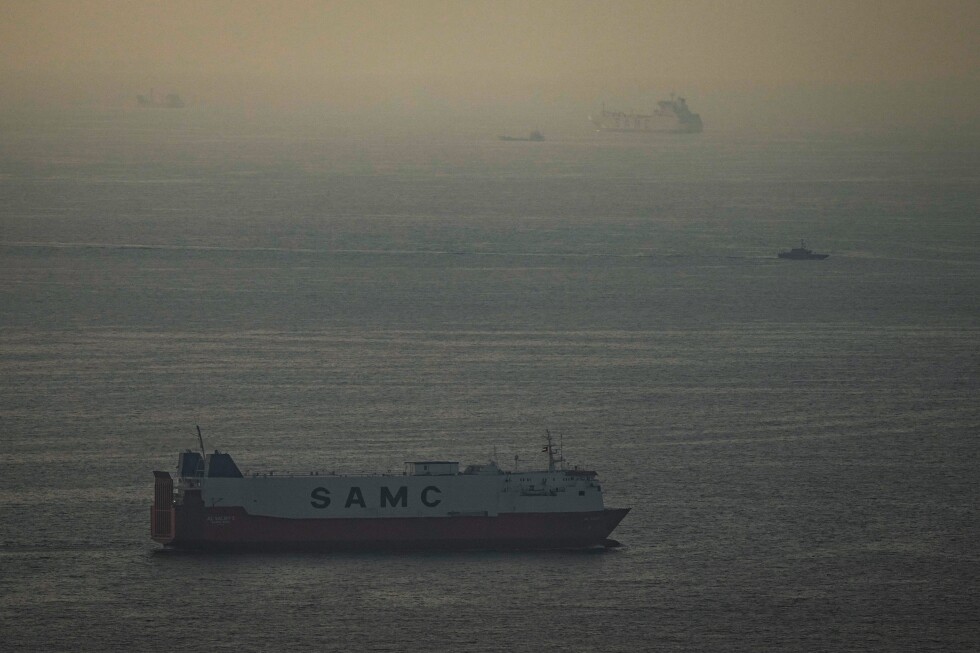
And the sheer scale is unprecedented. In response to attacks by the United States and Israel that began Feb. 28, Iran effectively shut off the Strait of Hormuz, through which 20 million barrels of oil — or one-fifth of global production — flowed daily.

Lutz Kilian, director of the Federal Reserve Bank of Dallas’ Center for Energy and the Economy, figures that 5 million daily barrels can either be rerouted from the Persian Gulf to the Red Sea or continue to transit through the Strait of Hormuz. But that still means that roughly 15 million barrels — or 15% — of daily global oil production is missing, compared with just 6% in the 1973 embargo and after Iraq’s invasion of Kuwait in 1990.

Advertisement

Cushioning the blow

Changes the U.S. and other countries made over the past five decades have limited the economic fallout from the war. In 1973, oil accounted for almost half — 46% — of world energy supplies. By 2023, oil’s share had fallen to 30%, according to the International Energy Agency.

The world still uses more oil than ever: Consumption topped 100 million barrels a day last year, up from fewer than 60 million barrels a day in 1973. But a much bigger share of global energy is coming from other sources — such as natural gas, nuclear, solar — compared to five decades ago.

The United States, in particular, has weaned itself away from dependence on foreign oil.

When the ’73 oil shock hit, America’s domestic energy production was in decline and its reliance on oil imports was growing alarmingly. But the rise of fracking — pumping high-pressure water deep underground to extract previously hard-to-get oil or gas from rock – rejuvenated U.S. energy production in the 21st century. By 2019, America had become a net petroleum exporter.

“The U.S. economy is much better positioned than it was in the 1970s,” when it was “particularly vulnerable to an oil price shock,” said Sam Ori, executive director of the University of Chicago’s Energy Policy Institute.

In the early ‘70s, for example, the United States got about 20% of its electricity from oil, Ori said. But a law enacted in 1978 prohibited the use of petroleum in power plants. Now the United States gets no electricity from oil — aside from a few generators in, say, the far reaches of Alaska.

Advertisement

Dimming the lights

The 1973 oil embargo was a wakeup call, creating shortages that led to long lines at U.S. gasoline stations.

On Nov. 25, 1973, President Richard Nixon went on television to ask the American people to make sacrifices. To conserve fuel, he urged gasoline stations to shut their pumps from Saturday night through Sunday, hoping to discourage long-distance weekend driving.

He asked Congress to lower the maximum speed limit to 50 miles an hour (lawmakers settled for 55 miles an hour) and to ban ornamental and most commercial lighting (they balked at that). Nixon himself promised to dim the White House Christmas lights.

But while those memories may have left a lasting imprint on some, Jaffe of New York University’s Center for Global Affairs says that today, “a repeat of long gasoline lines, fuel rationing, and outright fuel shortages in the U.S seems highly unlikely.”

Advertisement

Other countries took aggressive action following the 1973 oil embargo as well.

The United Kingdom, contending with a coal strike as well as the energy crisis, cut the work week to three days to slash electricity consumption. France ordered offices to turn off the lights at night.

Japan, almost entirely dependent on imported oil, passed a series of “sho-ene’’ laws — combining the Japanese words for “save’’ or “reduce’’ with “energy’’ — mandating energy efficiency in shipping, buildings, machinery, automobiles and homes.

Japan also encouraged the use of liquefied natural and gas and the rapid growth of nuclear power, an effort set back after a 2011 earthquake and tsunami damaged the Fukushima nuclear plant. Overall, Japan ranks No. 21 in the world in per-capita energy consumption, according to International Energy Agency data, as a result of its efficiency drive and widespread use of buses and trains. The United States is No. 9.

Advertisement

More fuel efficient cars, new oil fields

The U.S. government began imposing fuel economy standards in 1975. Fuel economy has risen from 13.1 miles per gallon for model year 1975 vehicles to 27.1 mpg in model year 2023, according to the Environmental Protection Agency. The World Bank, in fact, attributes most of the drop in the global economy’s dependence on oil to stricter fuel efficiency requirements for vehicles around the world.

The ’70s shocks also set off a search for oil outside the Middle East — Prudhoe Bay in Alaska, the North Sea fields off the coasts of the United Kingdom and Norway and Canada’s oil sands deposits.

As fracking boomed, U.S. oil production shot up from 5 million barrels a day in 2008 to 13.6 million barrels a day last year. Over the same period, U.S. natural gas production has more than doubled.

Countries also began stockpiling oil and set up the Paris-based International Energy Agency in 1975 to coordinate responses to energy shocks. Last month, the agency’s 32 member countries agreed to release 400 million barrels of oil in an effort to calm the oil market; included were 172 million barrels from the U.S. Strategic Petroleum Reserve, set up in 1975.

Advertisement

Central banks such as the Federal Reserve also learned lessons. In the ‘70s, they reduced interest rates to protect the economy from the oil shocks. In so doing, they overlooked the threat posed by higher energy costs — and inflation, already elevated, got worse.

In a Feb. 17 commentary – 11 days before the United States and Israel attacked Iran – the Dallas Fed’s Kilian wrote that the Fed erred in cutting rates to boost the economy when the 1970s oil shocks hit: “What we can learn from the 1970s is that a well-intentioned policy of stimulating the economy by lowering interest rates has the potential of inadvertently reigniting inflation.’’

Trump undoes efforts to reduce oil dependence

While much has changed, the University of Chicago’s Ori cautions: “Oil is still king, the No. 1 fuel in the U.S. economy.’’ Cars, planes, trucks and ships get about 90% of their delivered energy from petroleum. “The lifeblood of the economy – the transportation sector —is still overwhelmingly reliant on petroleum fuel, the price of which is set in a global market,’’ Ori said, “and a disruption anywhere affects the price everywhere.’’

He also notes that President Donald Trump is undoing many of the policies meant to reduce America’s dependence on petroleum and to encourage the use of electric vehicles.

Advertisement

Trump’s sweeping tax bill last year ended consumer credits of up to $7,500 for EV purchases. He has announced a proposal to weaken U.S. fuel economy standards and repealed fines on automakers that don’t meet those standards.

“You take all that together, and the fact is, the U.S. is going in the opposite direction of making big changes to further insulate the economy from oil shocks and oil price volatility,’’ Ori said.

_____

Kageyama reported from Tokyo.

Advertisement

Source link

Advertisement
Continue Reading
Click to comment

You must be logged in to post a comment Login

Leave a Reply

NewsBeat

Mystery of mum who vanished decades ago and could have been killed

Published

on

Cambridgeshire Live

The former RAF servicewoman was last seen at her Cambridgeshire home in November 1993, but there have been no traces of her since

There are many cases of murders or missing people that have been left cold for many years. Over the last few decades, there have been cases left with no trace of investigation across Cambridgeshire.

Advertisement

A case left as a mystery for over three decades is the disappearance of Davina McMillan from Godmanchester. The former RAF servicewoman, aged 36 at the time, was last seen alive at her home in Godmanchester on November 25, 1993.

It was believed she went to Germany to look for work. When there was no sign of her, she was reported missing by her brother, Gary Coulson, on December 27.

Since then, there has been no trace of her. At the time when she was last seen at her home, she lived with her four-year-old daughter Rebecca. Davina’s family said she would have never left her beloved daughter.

In 2020, Gary claimed that he had been told by a cold case detective that Davina’s case had changed from a missing person’s investigation to a murder investigation. At the time, he appealed to the public to share any vital information with Cambridgeshire Police.

Advertisement

Gary told The Mirror in 2020: “I hope more people will come forward to help the investigation. Even after all this time it could only take one key witness to crack the case.

“Losing Davina still hurts as much now as it did then. I have a daughter who is a ringer for my sister and every time I see her it makes me think of her.

“I’m desperate for the case to be solved. I’ll never stop fighting to find out what happened.”

Source link

Advertisement
Continue Reading

NewsBeat

Where to watch the Masters: TV channel and live stream for round 4

Published

on

Where to watch the Masters: TV channel and live stream for round 4

Masters Sunday is upon us once more, with the 2026 edition of golf’s prestigious first major of the year set for a typically thrilling conclusion at Augusta.

World No2 McIlroy made a mess of Amen Corner during a rollercoaster day and wound up shooting a one-over 73, which was only good enough to see him head into round four tied at the top of the leaderboard.

He shares the lead on 11-under with Players Championship winner Cameron Young, who was eight shots off McIlroy to begin Saturday but came roaring into contention with a magnificent seven-under 65.

Advertisement

Also hitting a seven-under 65 on Saturday was a certain Scottie Scheffler, who is in the mix at four shots adrift along with Haotong Li.

Where to watch the Masters

TV channel: As ever at the Masters, the amount of action shown on television is restricted by tournament organisers.

But that is slightly relaxed over the weekend, with main fourth-round coverage getting underway in the UK on Sky Sports Golf from 4:30pm BST on Sunday.

Advertisement

Sky Sports Main Event also picks things up at 6:45pm until the finish, after the Premier League showdown between Chelsea and Manchester City at Stamford Bridge.

Source link

Advertisement
Continue Reading

NewsBeat

Police seek whereabouts of missing man last seen near Grand Central Station Belfast

Published

on

Belfast Live

Officers said they are “growing increasingly concerned” for the missing man

Police are growing increasingly concerned for the whereabouts of Richard Marcus who was last seen in Belfast last Friday.

Officers said Richard is 45-years-old, approximately 5ft5 inches tall and of medium build. He has ginger hair with a stubble beard.

Advertisement

Richard was last sighted on Friday, April 10, 2026 at 7.45am walking from Grand Central Station Belfast towards Glengall Street.

READ MORE: Dublin fuel protesters say they felt ‘ambushed’ by police during late-night operationREAD MORE: NI woman on devastation of dad’s terminal cancer diagnosis days before Christmas

He was wearing a blue puffer coat, grey/white hoodie underneath and dark bottoms. It is believed Richard was also carrying a green backpack.

If you have any information on Richard’s whereabouts that may assist police, contact 101 quoting serial 1630 of 10/04/26.

Advertisement

For all the latest news, visit the Belfast Live homepage here and sign up to our daily newsletter here.

Source link

Continue Reading

NewsBeat

Jet2 warns of flight delays to and from Portugal destination

Published

on

Jet2 warns of flight delays to and from Portugal destination

The airline, which is primarily based at Leeds Bradford Airport (LBA) said it is “aware of adverse weather conditions” currently affecting the Portuguese region of Madeira, specifically in its capital, Funchal.

In recent days, Portugal has seen heavy rain and thunderstorms, which resulted in yellow weather warnings for all mainland districts.

In a statement this afternoon, Jet2 shared: “We are aware of adverse weather conditions currently affecting Madeira (Funchal).

“Our UK Based Operations Team are working hard to minimise any disruption to flight to and from Madeira (Funchal).”

The UK air carrier urged customers to find out if their flight has been affected by entering their flight number on the arrivals and departures section of its website, for the most up to date information.

Advertisement

It added: “We have credited your boarding passes with €10 each towards some light refreshments.

“If you are currently delayed in Madeira (Funchal) and are awaiting confirmation of your new flight times back to the UK, please refer to the communications we have sent to you via SMS & Email for confirmation of your new flight date and time.

“Information will also be included regarding check-in opening times for your new flight.


“Safety is our number one priority and we’re sorry if you’re affected by any flight disruption during this period.

Advertisement

“We appreciate your patience and understanding at this time.”

Full list of delayed Jet2 flights from Madeira to UK departing today

Jet2 has informed its passengers of the below delayed flights, now expected to depart on Sunday (local time):

  • LS3624 Bournemouth via London Stansted – 8.25pm
  • LS1226 Birmingham – 8.35pm
  • LS736 Edinburgh via Leeds Bradford – 9.25pm

Visit the Jet2 website (a link to which can be found above) to find out more information about possible flight delays.

Jet2 announces brand-new flight route to La Palma

Earlier this month, Jet2 marked the launch of its brand-new route to La Palma, after the first flight departed from Manchester Airport on April 3.

Luqa, Malta - May 28, 2025: Jet2 Boeing 737-800 (REG: G-JZBO) arring in the late evening light.Has your Jet2 flight been cancelled this week? (Image: GORDON ZAMMIT/Getty)

The full flight signalled the start of Jet2 operating flights and holidays to La Palma for summer 2026 – its fifth destination in the Canary Islands. 

Advertisement

As a result of the new flying programme, Jet2 now has two weekly services (Monday and Friday) on sale year-round from Manchester Airport to La Palma.

In addition to this, holidaymakers from London, Essex and the Southeast will also be able to experience La Palma’s subtropical landscape, natural beauty and culture from November 6 this year, as Jet2 will offer weekly Friday flights to the Canary Island from London Stansted Airport from this date.

Emirates confirms it is operating a ‘reduced flight schedule’

The latest travel news from Jet2 comes as the Dubai-based Emirates airline has warned UK travellers it is currently operating a “reduced flight schedule” to more than 100 destinations, after the US and Iran reached a two-week ceasefire.


Advertisement

In a statement on Friday (April 10) Emirates said: “Following the partial reopening of regional airspace, Emirates is operating a reduced flight schedule.

“You can check our latest flight schedules for upcoming flights and book seats to travel.

“We continue to monitor the situation, and we will develop our operational schedule accordingly.

“We would like to thank you for your understanding and patience.

Advertisement

“The safety and security of our passengers and crew remain our highest priority and will not be compromised.”

Have you got a flight booked with Jet2 that’s been disrupted or delayed? Let us know in the comments below.

Source link

Advertisement
Continue Reading

NewsBeat

The hidden gem Cambridgeshire villages you should visit this summer

Published

on

Cambridgeshire Live

We have compiled a list of four hidden gems in Cambridgeshire just waiting to be explored

With the warmer months upon us, many people will be looking to make a list of places to branch out and explore this summer. We are so lucky to have a county filled with numerous pretty villages offering unique attributes, fun days out, and intriguing history.

Advertisement

The Imperial War Museum in Duxford, Oliver Cromwell’s House in Ely, and Fitzwilliam Museum in Cambridge are all fun-filled days out in Cambridgeshire. However, for many who have lived and explored Cambridgeshire for many years, you may have visited these well-known places time and time again.

There is so much more to this county than the most famous attractions. There are also so many small, lesser-known villages with cute cottages, hidden history, and gorgeous houses. To help you narrow down your search of places to visit this summer, we have compiled a list of four hidden gems in Cambridgeshire.

Hemingford Gre

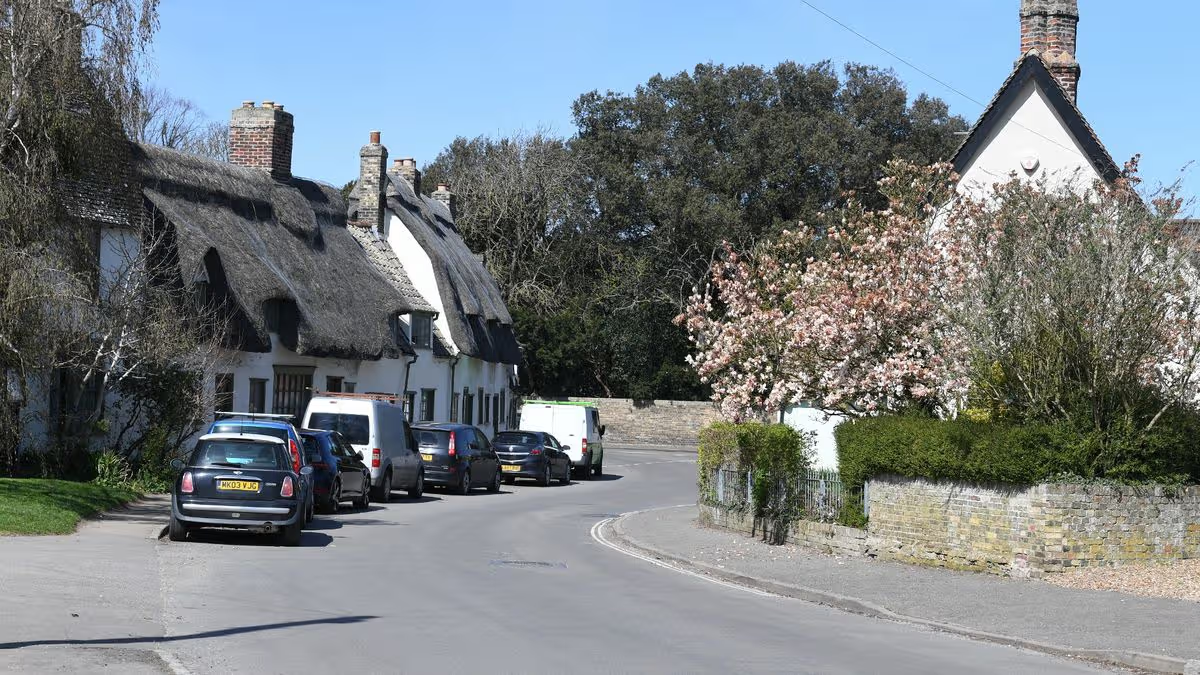
This picturesque village, Hemingford Grey, located east of Huntingdon is home to one of the oldest continuously-inhabited houses in Britain called The Manor. The pretty village features a lovely meadow that pops with colour.

Advertisement

Sitting against the banks of the River Great Ouse, this village is arguably known best for its stunning thatched cottages and countryside walks. Visitors can enjoy a delightful lunch at the charming pub – The Cock – which offers a varied selection of food and drink as well as dining pods in the outside area ideal for the summer.

Doddington

Doddington sits around halfway between Chatteris and March. It is home to a war memorial and a lovely plant life. Doddington has its own horticultural society and two independent garden centres.

Debatably the busiest time for this village is during the first weekend of July when it hosts their annual vibrant carnival dating back over a hundred years.

Bourn

Perhaps the most popular feature in this village, is for having one of the oldest windmills in England. Bourn is a petite village located in South Cambridgeshire. It is filled with properties considered ‘chocolate box’ houses and extensive countryside.

It is home to Cambridge Country Club offering endless facilities for a relaxing day. It is no wonder this village has been recognised as one of the best places to live in Cambridgeshire by Muddy Stilettos.

Grantchester

Nestled beside the River Cam sits Grantchester, home to an array of characterful cottages, tree-lined streets, a medieval church, several pubs, and arguably the most riveting – a tea garden known for its previous famous guests.

Advertisement

The Church of St Andrews & St Mary is not just filled with history, but also features in the ITV drama ‘Grantchester’. Although it’s a small village, it has four pubs called The Red Lion, The Grantchester Green Man, The Blue Ball Inn, and The Rupert Brooke.

Better yet, The Orchard Tea Garden, offering delectable items including scones and homemade cakes, has seen a few notable faces over the years. This includes English poet, Rupert Brooke, Virginia Woolf, philosophers Bertrand Russell, and Ludwig Wittgenstein.

Source link

Advertisement
Continue Reading

NewsBeat

We stepped back in time as the stunning Settle to Carlisle line marks 150th year

Published

on

Daily Mirror

As the world famous Settle to Carlisle line celebrates 150 years of service, the Mirror joined the 1 m passengers expected this year.

150th anniversary of Settle to Carlisle line

It is widely lauded as one of the best train journeys in the world, and is just about to celebrate its 150th anniversary.

A huge public outcry and an appeal that raised £3m saved it from closure in the 1980s.

The Settle to Carlisle line survived and remains one of the most scenic in the country, crossing the Pennine Hills, the Yorkshire Dales and Cumbria’s Eden Valley.

It celebrates 150 years since its first rail passenger journey with a series of events including a steam train service.

Advertisement

The Mirror joined some of the 1 million passengers expected to travel on the route this year.

READ MORE: Jeremy Clarkson shows off birthday cake given to him by David BeckhamREAD MORE: Omeprazole patients with acid reflux told ‘red flag issue’ by NHS GP and BBC star

Advertisement

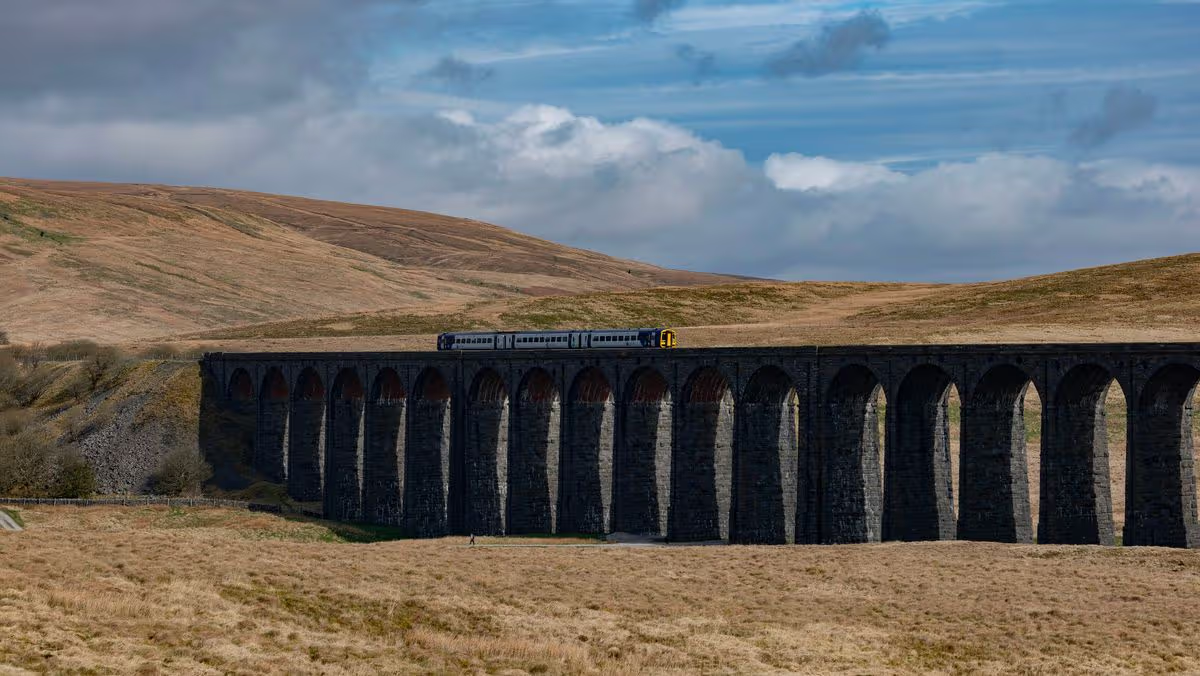
It was wet, wild and stormy as we ventured south from Carlisle to the Ribblehead Viaduct.

Its magnificent 400m arches are 400 meters (1,300 ft) long. A huge workforce of 6,000 men – 2,300 specifically on the Viaduct – built it between 1870 and 1875.

You can imagine the conditions they faced during winter on the wide open moorland surrounding the giant structure.

The navvies who died are buried in the cemetery at Chapel-le-Dale. Even in the pouring rain, the path passing under its 24 arches remains busy with hikers and cyclists.

Advertisement

You must take a short break during your train journey to see the viaduct in all its glory.

From your train seat, you have a breathtaking backdrop of rolling countryside.

Wind bent the trees on the distant hills. The stations are straight out of a 1930s black-and-white film.

Advertisement

“I say that is my office window,” said Yvonne Harland, 52, a Carlisle-based conductor on the route.

“It is absolutely stunning. Many passengers are hikers and dog lovers heading outdoors.

“It does not matter if you are in the valleys around Dent or the Ribblehead Viaduct.

“It is a tonic. You have to get off the train to see the viaduct; otherwise, you only catch a glimpse.

Advertisement

“The Three Peaks are just beautiful too. No disrespect to people who work in an office, but it takes some beating.

“I was in education for 20 years, and I fancied a change.”

Regular passenger Robin Gilder, 83, a retired ITV newsman, remembers the campaign to save the line in the 1980s.

Advertisement

Now he enjoys bringing along his grandson Finley Doran, 12, for days out. “I use it regularly now,” he said. “Especially since I retired.

“They had a dog sign the petition to save the railway and there is a statue to him at Garsdale station.

“There was huge public outcry when they announced they were closing this line.

“They raised millions of pounds to keep it open. So I think we should use it as much as we can.”

Advertisement

Finley, tucking into some sweets and pop, added: “I have been on about twenty times now. We use it all the time.”

For Scottish pharmacist Amy Robertson, it is her maiden journey. The 28-year-old is heading to Leeds to see a former friend with the misty hills rolling by her window.

“It does remind me of Scotland,” she said. “This is really lovely and you get some really nice views when you go up to the north of Scotland around Fort William.

Advertisement

“The weather may not be very good, but the countryside is beautiful.”

Northern recorded 995,000 passenger journeys on the line in 2025, the highest number since the Covid-19 pandemic.

But demand is expected to rise this year. Commercial and customer director Alex Hornby said he was confident passenger numbers would hit 1m.

“Customers can enjoy miles of breathtaking scenery, which changes throughout the year, and there are plenty of opportunities to get off and explore,” he said.

Advertisement

The Settle to Carlisle section of the line was completed in 1875; freight trains ran for a year before passenger trains were introduced on May 1, 1876.

The Settle Carlisle Railway Development Company will run a chartered steam train between Carlisle and York on May 23.

Karen Morley-Chesworth, their community rail officer, told the Mirror: “The Lonely Planet said it was in the Top 10 most scenic railway journeys in Europe.

“So it brings in many tourists and serves local people all year round. It runs down the backbone of Britain through Cumbria, Yorkshire and the Pennines.

Advertisement

“But it is the beauty of it that stays with you; every station takes you back in time, and the history of the line still fascinates people. It remains important to communities all along the route.”

Northern is set to offer £1.50 tickets to customers travelling on the route to mark the milestone.

Thousands of workers contributed to its complex construction, which includes 14 tunnels and more than 20 viaducts along its 72 miles (116km) of track.

In 1983, British Rail announced plans to close the line to passengers amid concerns about the cost of repairing the Ribblehead Viaduct. But £3m was spent between 1988 and 1991 to bring it back into use.

Advertisement

The Settle Carlisle Railway Development Company’s chairman, Pete Myers, said the company was working with communities along the line to mark the “special anniversary year.”

He said: “The Settle to Carlisle line is unique, connecting communities from Yorkshire through to Cumbria, and also providing a sustainable and beautiful way for visitors to explore the Yorkshire Dales, Westmorland Dales and Lake District.”

Source link

Advertisement
Continue Reading

NewsBeat

Late Mateta winner piles pressure on Eddie Howe at Newcastle

Published

on

Late Mateta winner piles pressure on Eddie Howe at Newcastle

Crystal Palace came from a goal down to beat Newcastle and add to growing pressure on Eddie Howe. William Osula had given Newcastle the lead in the first half after an excellent passing move but they wilted after the introduction of Jean-Philippe Mateta and Ismaila Sarr from the Palace bench. Mateta scored twice and Newcastle seemed intimidated by his presence.

Howe will not have many better chances than this to quieten discussions about his future. Newcastle seemed in charge after taking the lead against a Palace team clearly prioritising their European campaign. Yet a position of strength was squandered, raising another period of uncomfortable questions about Newcastle’s direction of travel.

Something fundamental has shifted in Howe’s team, from upward-trajectory upstarts to tired under-deliverers. A can-do attitude has become can’t. They had chances to add to William Osula’s opening goal, Osula himself spurning the best early in the second half. His replacement, Nick Woltemade, was placid when attacking a cross when he should have been attacking it with fury.

Advertisement

Mateta was the opposite, a menace with his application and intelligent centre-forward play. Sarr added attacking composure allayed with speed of thought which the game had been lacking and the two combined for the equaliser, Sarr benefitting from Tino Livramento missing a cross before chipping it up for Mateta to head in. A penalty, awarded for the softest of shirt-pulls on Jefferson Lerma by Sven Botman, was thundered in by Mateta.

It was a largely untidy game, with the tone set with the opening kick-off, when Sandro Tonali took a long run-up and duly found touch around the Palace 22. The resulting line-out was the most exciting moment of the opening half hour.

This was Palace’s first Premier League game for almost a month due to the international break and rescheduled fixtures against teams still in domestic cup competitions. They would rather be anywhere than here in this competition, with just three home league wins all season and only one in their last 10.

Their season is now all about the Europa Conference League and the increasing possibility of a third trophy in two years under Oliver Glasner. No, you would not usually count the Community Shield but an exception can be made for Palace.

Advertisement

Mateta, Sarr and Adam Wharton arrived with 25 minutes left, delaying recognition that Palace would need more than their second string to trouble an increasingly composed Newcastle defence. From then, the wobbles crept in and previously steady performances evaporated. There was no surprise that Palace equalised but their winner was harsh on the visitors.

Red flags for Howe or just a bad run? Six games of their season remain to find out either way. 

Source link

Advertisement
Continue Reading

NewsBeat

Strictly bosses ‘snap up new Giovanni Pernice’ after brutal culling of pro dancers

Published

on

Strictly bosses 'snap up new Giovanni Pernice' after brutal culling of pro dancers
Is this one of the new Strictly Come Dancing professionals? (Picture: Instagram)

After giving several professional dancers the chop ahead of the next series, Strictly Come Dancing bosses are introducing fresh blood.

In the latest reports, it’s been claimed that an American dance star has been snapped up to join the pro roster.

Named D’Angelo Castro, the 25-year-old has already been tipped as a replacement for Giovanni Pernice, 35, who was axed from Strictly in 2024 along with fellow Italian star Graziano Di Prima, 31, after a bullying investigation prompted by ‘numerous serious complaints’ about his behaviour in training. He denied all allegations.

D’Angelo already has an impressive following, having appeared on Dancing with the Stars in the US.

Advertisement

And on a recent trip across the pond, it’s said he caught the eye of Strictly execs.

Get personalised updates on Strictly

Wake up to find news on your TV shows in your inbox every morning with Metro’s TV Newsletter.

Sign up to our newsletter and then select your show in the link we’ll send you so we can get TV news tailored to you.

Advertisement

A source told The Sun: ‘Strictly bosses are on the lookout for fresh faces and love the look of D’Angelo; he ticks all the boxes.

Strictly bosses 'snap up new Giovanni Pernice' after brutal culling of pro dancers D?angelo Castro
D’Angelo Castro is said to have impressed Strictly bosses (Picture: Instagram)
Strictly bosses 'snap up new Giovanni Pernice' after brutal culling of pro dancers D?angelo Castro
The 25-year-old has already appeared on Dancing with the Stars in America (Picture: Instagram)

‘They hope he could be the new Giovanni Pernice.’

D’Angelo appears to already be connected with the Strictly family, as recently axed pro Nadiya Bychkova follows him on Instagram, as do newbie pro Alexis Warr and It Takes Two host Janette Manrara.

According to IMDb, he also has a screen presence thanks to appearances in Cody Fry: Waltz for Sweatpants (2023) and World of Dance (2017).

Advertisement

In his Instagram bio, he describes himself as a ‘dancer, performer, and teacher’, stating that he is currently based in Miami and New York.

His online content showcases his undeniable talents, as he frequently uploads dancing videos, earning high praise from viewers.

As rumours of his signing swirl, Strictly fans have been weighing in, with FabulousCat7823 on Reddit saying he’d be a ‘great’ addition.

Strictly Come Dancing. Giovanni Pernice and Amanda Abbington 2023,23-09-2023,Generics,Giovanni Pernice & Amanda Abbington,BBC,Ray Burniston
D’Angelo is thought to be somewhat of a replacement for Giovanni Pernice, who was axed in 2024 (Picture: BBC/Ray Burmiston)
Mandatory Credit: Photo by Maurizio D'Avanzo/MDPhoto/ipa-agency.net/Shutterstock (15026385v) Bianca Guaccero And Giovanni Pernice, Federica Pellegrini And Pasquale La Rocca 'Dancing With The Stars' TV show Final, Rome, Italy - 21 Dec 2024
The star went on to win Strictly’s Italian version with Bianca Guaccero, whom he is now dating (Picture: Maurizio D’Avanzo/MDPhoto/ipa-ag)

‘They would be daft not to hire him. He was an incredible troupe dancer for DTWS. His Latin moves are insane,’ added Travellinglense.

CanEnvironmental6204 echoed that they would ‘LOVE’ him to join the show, while forevertrueblue exclaimed: ‘Really hoping this happens!’

Advertisement

This year marks a significant shake-up for the flagship BBC programme, which began when hosts Tess Daly and Claudia Winkleman announced they would be stepping down after the 2025 Christmas special.

Having always insisted they would ‘go together’, the duo – who made history as primetime TV’s first female presenting duo in 2014 – decided it was the ‘right time’ to pass the baton.

This was seemingly the catalyst for a string of other changes, with some of the most popular and longest-serving professionals being informed that their contracts wouldn’t be renewed, allegedly leaving them ‘distraught’.

Along with Ukrainian pro Nadiya, who joined in 2017, Karen Hauer, Luba Mushtuk, and Michelle Tsiakkas have also announced their exits.

Advertisement
Claudia Winkleman and Tess Daly on Strictly Come Dancing
Claudia Winkleman and Tess Daly stepping down as hosts was the catalyst for major changes in the Strictly world (Picture: Guy Levy/BBC/PA Wire)

In her Instagram video announcement, Karen said it was a ‘tough’ one to make, but she’s decided to ‘close this chapter and take on new projects’, while Luba wrote of feeling ‘deeply grateful for the past 10 years’ as she prepares to ‘follow [her] dreams beyond the show’.

Meanwhile, Michelle, who only joined in 2022, released a statement saying it’s been an ’emotional time’ as Strictly was ‘a big part of [her] life’.

Her post followed a tell-all interview with The Sun, in which the Cypriot pro claimed she was dropped during a 30-minute Zoom call, which she ‘didn’t see coming’.

‘I thought I had more time,’ she told the publication. ‘When she told me I wasn’t coming back, there was a moment of shock. I felt my story was unfinished.’

It has further been claimed that Spanish pro Gorka Márquez, who’s been on Strictly for 10 years, has been axed. However, he is yet to speak out.

Advertisement

In additional changes, Neil Jones and Nancy Xu are set to be ‘benched’ in the upcoming season, meaning they will not receive a celebrity partner.

TX DATE:16-11-2025,TX WEEK:46,EMBARGOED UNTIL:16-11-2025 00:00:00,PEOPLE:Nadiya Bychkova,DESCRIPTION:,COPYRIGHT:BBC Public Service,CREDIT LINE:BBC/Guy Levy
Nadiya Bychkova was reportedly ‘distraught’ upon being informed that her contract wouldn’t be renewed (Picture: BBC/Guy Levy)
For use in UK, Ireland or Benelux countries only BBC handout photo of Jamie Borthwick and Michelle Tsiakkas during Saturday's Strictly Come Dancing show on BBC1. Issue date: Saturday October 5, 2024. PA Photo. See PA story SHOWBIZ Strictly. Photo credit should read: Guy Levy/BBC/PA Wire NOTE TO EDITORS: Not for use more than 21 days after issue. You may use this picture without charge only for the purpose of publicising or reporting on current BBC programming, personnel or other BBC output or activity within 21 days of issue. Any use after that time MUST be cleared through BBC Picture Publicity. Please credit the image to the BBC and any named photographer or independent programme maker, as described in the caption.
After joining in 2022, Michelle Tsiakkas was allegedly dropped during a 30-minute Zoom meeting (Picture: Guy Levy/BBC/PA Wire)

Then, of course, there’s still the small matter of new presenters to sort.

Chemistry tests for a new pair are thought to be taking place this month, having been pushed back from January.

Currently, the frontrunners include Zoe Ball, Rylan Clark, Angela Scanlon, Emma Willis, and Fleur East.

Bradley Walsh and Alex Jones have also had their names in the mix for a while, and comedians Miranda Hart and Mel Giedroyc have been tipped as replacements for Claudia’s chaotic claudiatoriam segments.

Advertisement

When contacted for a comment, a BBC spokesperson told Metro that plans for the 2026 series would be revealed ‘in due course’.

Got a story?

If you’ve got a celebrity story, video or pictures get in touch with the Metro.co.uk entertainment team by emailing us celebtips@metro.co.uk, calling 020 3615 2145 or by visiting our Submit Stuff page – we’d love to hear from you.

Advertisement

Source link

Advertisement
Continue Reading

NewsBeat

Deep-fried food banned from school menus for good in war against child obesity | News UK

Published

on

Deep-fried food banned from school menus for good in war against child obesity | News UK
Ministers want to tackle alarming childhood obesity rates (Picture: Getty Images)

Deep-fried foods will disappear from school menus in favour of fruit-filled desserts as part of a sweeping new health drive.

New rules drawn up by ministers will ban the unhealthy cooking method from schools and scale back fatty ‘grab and go’ items and sugary treats.

Instead, each school lunch must be accompanied by one or more portions of vegetables and salad, and desserts will need to contain at least 50% fruit.

The shake-up hopes to combat childhood obesity and tooth decay and has been welcomed by healthy eating campaigners.

Advertisement

The government will set out the first overhaul School Food Standards in over a decade as data shows that one in three children are leaving primary school overweight or obese.

Sign up for all of the latest stories

Start your day informed with Metro’s News Updates newsletter or get Breaking News alerts the moment it happens.

Advertisement
A large tray holds a mound of crispy chicken nuggets, freshly prepared, while another tray nearby features golden fries. This scene is set in a busy cafeteria during lunch.
Deep-fried food will no longer be allowed on school menus, but chicken nuggets can be served once a week if cooked in another way (Picture: Getty Images)

The changes will eliminate deep-fried food from the menu and stop schools from serving to-go pizzas and sausage rolls every day.

Desserts like ice cream and waffles and baked goods such as puddings and cakes will only be served once a week.

But these high-sugar treats will contain at least 50% fruit, while there will have to be one fruit-only dessert day as well.

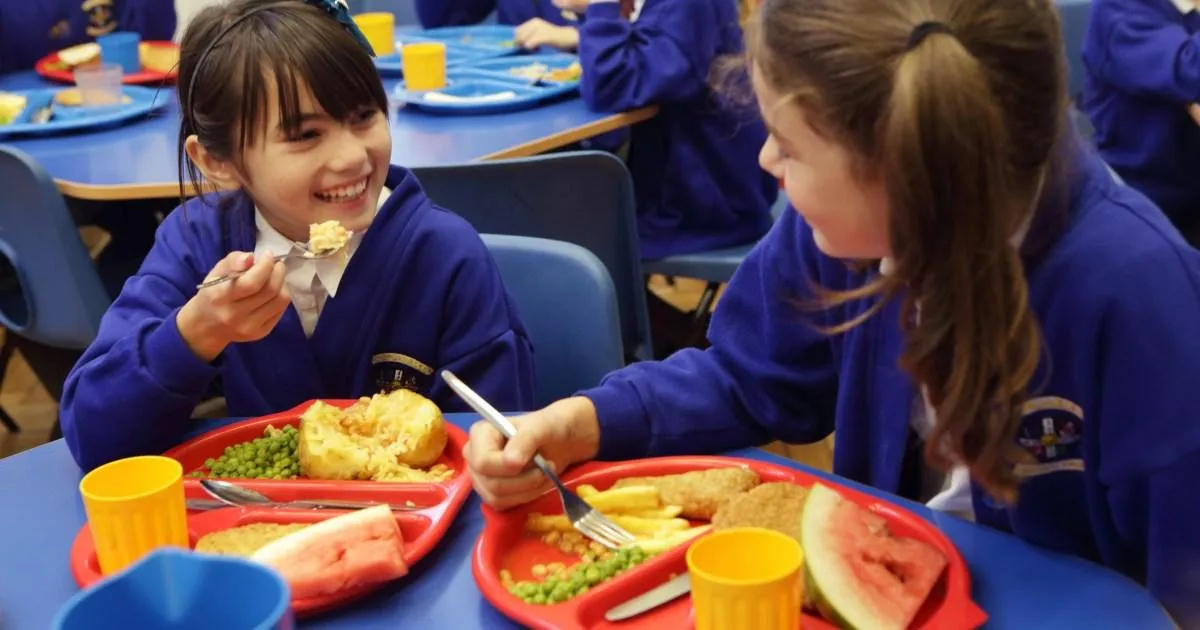
Breadcrumb-coated and batter-coated foods will be allowed just once a week, meaning fish fingers and even chicken nuggets can be served as long as they aren’t deep-fried in the process.

At present, schools can dish out deep-fried options twice a week and only need to offer majority-fruit desserts twice a week.

Advertisement

The government’s changes will also see sides which are cooked using fat or oil, such as chips and hash browns, served no more than twice a week.

Cheese is also taking a hit in the new proposals. Foods where the dairy is the main ingredient, such as pizza and paninis, are permitted only twice a week.

Students enjoying their lunch break. View More:
The government wants children to hit the five a day fruit and veg target (Picture: Getty Images)

Ministers want to boost young people’s fibre intake by getting more fruit, vegetables and whole grains in school lunches.

Research shows that only 9 per cent of 11 to 18 year-olds currently meet the target of eating five fruit and veg a day.

Ministers are also worried about the fact that children are consuming double the recommended sugar, with dental decay the leading cause of hospital admissions for children aged five to nine.

Advertisement

Sample menus, unveiled as part of the proposals, reveal what the new dishes could look like.

Kids might be served cottage pie with root-and-veg mash, Mexican-style burritos, jerk chicken with rice and peas and spaghetti bolognese.

The changes will first be considered in a nine-week consultation beginning April 13.

Schools will have to start implementing the new menus from September 2027.

Advertisement

Secondary schools will be allowed to offer two portions of desserts or sweet treats a week before reducing to one by 2028.

Get in touch with our news team by emailing us at webnews@metro.co.uk.

For more stories like this, check our news page.

Advertisement

Source link

Advertisement
Continue Reading

NewsBeat

Newscast – US-Iran Talks Fail – What Happens Next?

Published

on

Newscast - Epstein Files: New Mandelson and Andrew Allegations

Available for over a year

Today, we look at what the failure to reach an agreement between the US and Iran means for the war in the Middle East and the world.

We also look at what stopped an agreement between the two sides, after differing accounts emerge.

Victoria Derbyshire and Nick Watt are joined by political correspondent Joe Pike, who has the latest on the UK-US row over the Chagos Islands.

Advertisement

And could an election in Hungary reshape political power in Europe?

You can now listen to Newscast on a smart speaker. If you want to listen, just say “Ask BBC Sounds to play Newscast”. It works on most smart speakers.

You can join our Newscast online community here: https://bbc.in/newscastdiscord

Get in touch with Newscast by emailing newscast@bbc.co.uk or send us a WhatsApp on +44 0330 123 9480.

Advertisement

New episodes released every day. If you’re in the UK, for more News and Current Affairs podcasts from the BBC, listen on BBC Sounds: https://bbc.in/4guXgXd

Newscast brings you daily analysis of the latest political news stories from the BBC. The hosts were Victoria Derbyshire and Nick Watt. It was made by Chris Flynn with Kris Jalowiecki. The social producer was Grace Braddock. The technical producer was Michael Regaard. The assistant editor is Chris Gray. The senior news editor is Sam Bonham.

Programme Website

Source link

Advertisement
Continue Reading

Trending

Copyright © 2025