Connect with us
DAPA Banner
DAPA Coin
DAPA
COIN PAYMENT ASSET
PRIVACY · BLOCKDAG · HOMOMORPHIC ENCRYPTION · RUST
ElGamal Encrypted MINE DAPA
🚫 GENESIS SOLD OUT
DAPAPAY COMING

NewsBeat

Man United latest: Club losing patience over transfer as fee emerges for ‘next Dembele’

Published

on

Manchester Evening News

There is plenty of work left to do for Manchester United in the transfer market

Manchester United are navigating a pivotal transfer window as they seek to build upon the progress made under Michael Carrick.

Advertisement

Securing Champions League football means bolstering the squad is essential, with the midfield remaining a key area of focus. United have already reinforced their core with the additions of Andrey Santos from Chelsea and Youri Tielemans from Aston Villa.

French midfielders Manu Kone of Roma and Real Madrid’s Aurelien Tchouameni are both now under consideration. The chase for Alex Scott has, however, been abandoned, with United unwilling to meet Bournemouth’s £70m asking price.

Meanwhile, Marcus Rashford’s future remains unclear after Barcelona opted not to exercise their permanent purchase clause. After a youthful side’s impressive triumph over Rosenborg on Friday, here’s a summary of the latest United developments…

Get MEN Premium now for just £1 HERE – or get involved in our United WhatsApp group by clicking HERE. You can also join our United Facebook page by clicking HERE and don’t miss out on our brilliant selection of newsletters HERE.

Advertisement

Roma’s frustration

Roma are eager to complete the sale of Kone to United as quickly as possible to avoid a substantial UEFA sanction.

Old Trafford remains the France star’s most probable destination this summer, but impatience is said to be mounting in Rome regarding the sluggish progress of the deal. Roma must offload a player before the end of the month to satisfy financial regulations and avoid a fine of up to £12m.

According to Corriere dello Sport, United are yet to table a firm bid and are ‘moving slowly’ regarding the potential signing. They are believed to be preparing an offer of £42m, while Roma are holding out for a figure closer to £50m.

Advertisement

However, with the clock ticking, the Serie A outfit may be forced to reduce their asking price, particularly as United have demonstrated they’re willing to abandon a deal if valuations don’t align.

Competition for ‘next Dembele’

United find themselves in a straight battle with Everton for Bologna’s attacking talent Jonathan Rowe.

The 23-year-old, whose playing style has previously been compared to current Ballon d’Or holder Ousmane Dembele, has been catching the eye in Serie A since his switch from Marseille last year, having begun his career at Norwich City.

According to Corriere di Bologna, they’re seeking approximately £35m for the two-footed forward, who can feature across either wing, with David Moyes’ Toffees equally keen on securing his signature.

Rowe, who has British-Jamaican citizenship, has represented England at various youth levels. At the 2025 European Under-21 Championship, he came off the bench to score the winning goal in the final against Germany.

Thousands of Man United fans upgraded their matchday last season. This is how they did it.

This article contains affiliate links, we will receive a commission on any sales we generate from it. Learn more
Content Image

Various Prices

Seat Unique

Advertisement

Buy official packages at Seat Unique

Official premium experiences at Old Trafford are available now for the 26/27 Premier League season. Make it easier than ever to turn a regular fixture into something genuinely unforgettable.

Source link

Continue Reading
Click to comment

You must be logged in to post a comment Login

Leave a Reply

NewsBeat

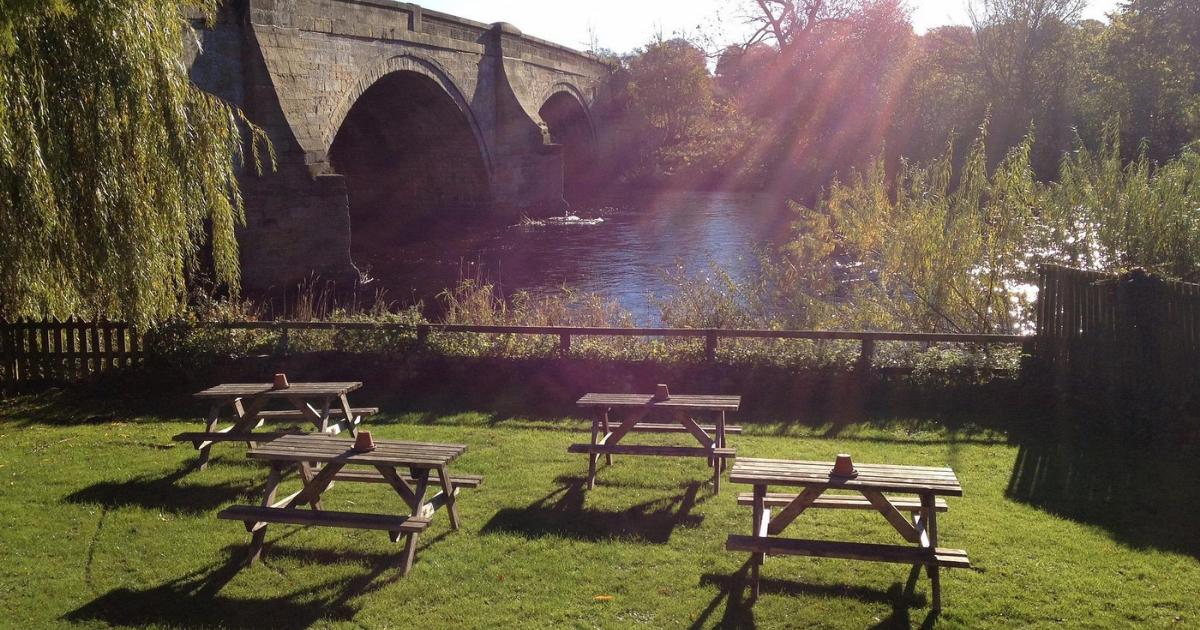
The Bull Inn in West Tanfield has a riverside pub garden

Published

on

The Bull Inn in West Tanfield has a riverside pub garden

The “picturesque” village is home to The Bull Inn, which has three different outdoor areas for pubgoers to enjoy.

Found just north of Ripon, the village might be worth a visit for a day trip or just as a stop on the way to the Yorkshire Dales.

The pub is placed right next to the River Ure, making it a relaxing spot for a quick pint or meal.

The pub serves lots of pub classic dishes and does a Sunday roast. (Image: Tripadvisor)

What is The Bull Inn in West Tanfield like?

The Bull Inn’s garden has flowers planted around its edges and plenty of picnic tables to sit and have a drink while looking over the River Ure.

Advertisement

If you want to be outside but need a bit of shade, the marquee has five tables you can book and is heated in the winter.

There is also the terrace above the pub garden so you can enjoy riverside views no matter where you are sitting.

The pub’s website says: “Located at the gateway to the beautiful Yorkshire Dales, the area around West Tanfield is steeped in history and is an ideal base from which to tour the area.

“For walkers interested in exploring the countryside, routes such as the Ripon Rowel, Yoredale Way, the Staveley Circle, and the Way of the Roses are close by.

Advertisement

“For family entertainment, Lightwater Valley is just a short distance away.

“The Bull Inn has a small private dining room-cum-family room and children are welcome to eat there.”

The Bull Inn serves a range of classic pub dishes from gammon steaks and pies to beer-battered haddock and even a ploughman’s lunch.

Every Sunday, the pub has a roast available where you can have beef served with roast potatoes, Yorkshire pudding, gravy, and traditional vegetables.

Advertisement

There are also lots of sandwiches on offer for those wanting something smaller to eat.

There are plenty of dessert options like lemon curd cheesecake, banana bread and butter pudding that comes with custard, and sticky toffee pudding.

What do guests at The Bull Inn think?

One reviewer on Tripadvisor said: “Just had a fabulous meal in the most stunning location.

“My husband’s curry was absolutely gorgeous, full of flavour, and my ploughman’s lunch had a great variety from the wonderful pork pie to the delicious ham and beautiful cheeses.

Advertisement

“Also, the burger was beautifully cooked and chips were delicious.


“You couldn’t wish for a more lovely spot by the river on a warm sunny day.

“Will definitely be back again.”

Would you ever visit The Bull Inn in West Tanfield? Let us know in the comments.

Advertisement

Source link

Continue Reading

NewsBeat

Prestigious Green Flag awarded to Ropner and Wynyard parks

Published

on

Prestigious Green Flag awarded to Ropner and Wynyard parks

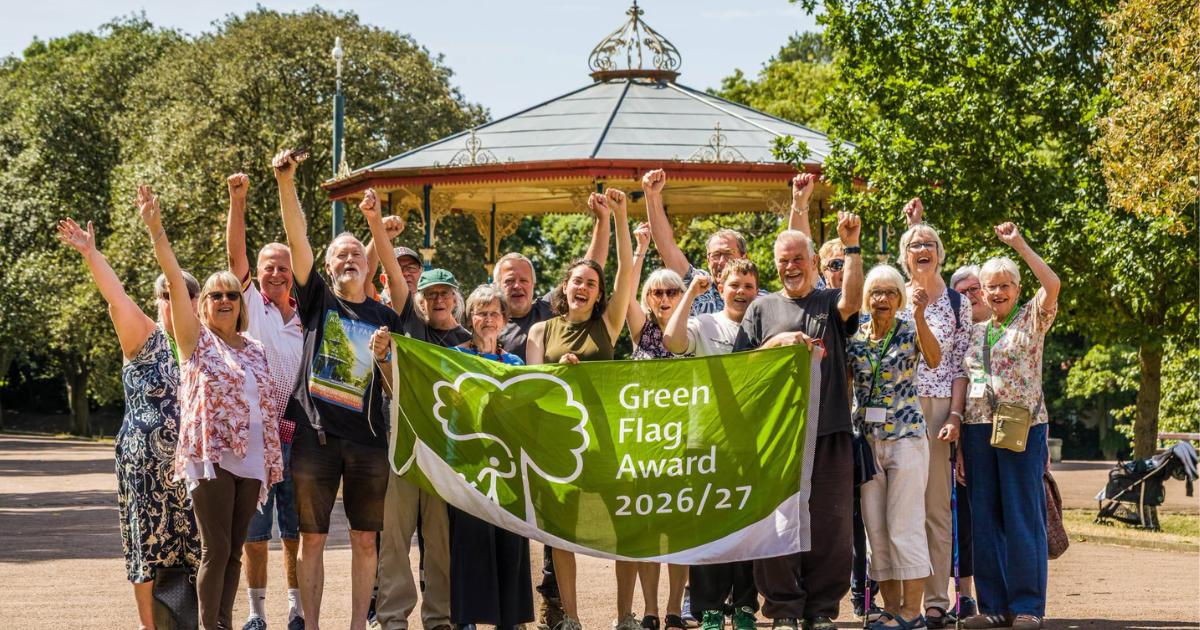
Wynyard Woodland Park and Stockton‘s historic Ropner Park have once again been awarded Green Flag status, an internationally recognised mark of quality for parks and public green spaces.

Wynyard Woodland Walk gets a Green Flag Award. (Image: Stuart Boulton)

The scheme, run by environmental charity Keep Britain Tidy, is regarded as the global benchmark for excellence and rewards sites that are welcoming, safe, well maintained and managed with sustainability in mind.

The awards recognise not only the quality of the parks themselves but also the work of the staff and volunteers who maintain them throughout the year.

Wynyard Woodland Walk gets a Green Flag Award. (Image: Stuart Boulton)

Ropner Park, one of Stockton’s most popular visitor attractions, is known for its Victorian heritage, lakeside walks and family-friendly facilities, while Wynyard Woodland Park attracts thousands of visitors with its extensive network of walking and cycling trails through ancient woodland.

Advertisement

Ropner Park in Stockton gets a Green Flag Award. (Image: Stuart Boulton)

Ropner Park in Stockton gets a Green Flag Award. (Image: Stuart Boulton)

Councillor Nigel Cooke, Stockton Cabinet Member for Environment, Leisure and Culture, said: “The wonderful news that both Wynyard Woodland Park and Stockton’s Ropner Park have won Green Flag Awards is testament to the hard work and dedication of the teams that care for these popular green spaces so that residents and visitors alike can enjoy them all year round.

“This is a fantastic achievement. Congratulations to everyone involved in managing and maintaining Wynyard Woodland Park and Ropner Park, and for working tirelessly to ensure they achieve the high standards required for the Green Flag Award.”

The latest recognition means both sites continue to rank among a select group of parks and green spaces across the UK and beyond to meet the scheme’s high standards.

Advertisement

Source link

Continue Reading

NewsBeat

Why air travel can be so hard on the body

Published

on

Why air travel can be so hard on the body

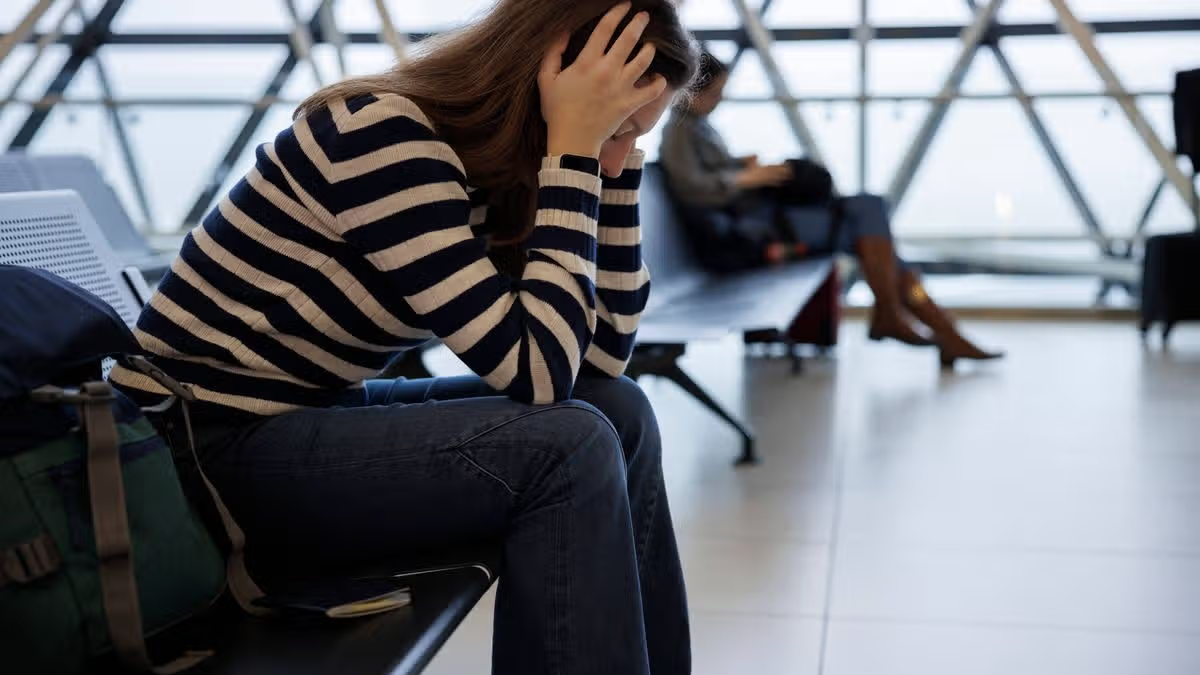
At any given point there are hundreds of thousands of people in the skies travelling by air. For many, these journeys will pass by without consequence. But for some, a routine flight may trigger a health emergency.

Although these events are rare, with the demand and availability of air travel increasing, so too is the likelihood of an in-flight emergency occurring. A study last year showed that one in every 212 flights experiences some kind of in-flight emergency, while in 2013 it only occurred on an estimated one in every 604 flights. In-flight emergencies cover everything from bumps, cuts and minor injuries through to heart attacks.

While air travel is one of the safest modes of transport, it places many unique challenges on the human body – which is why it can sometimes trigger sudden health problems.

One of the key reasons air travel is so hard on the body is due to the cabin pressure.

Advertisement

The aircraft cabin is pressurised at a level of up to 8,000 feet above sea-level. This pressure change has a significant impact on many body systems, especially those containing gases (such as the respiratory and gastrointestinal systems).

As the pressure in the cabin decreases, the amount of available oxygen decreases because the molecules are further apart. At sea-level, the air contains approximately 21% oxygen. But when flying at altitude, the air only contains the equivalent of 15% oxygen. To compensate, the body increases the number of breaths it takes. It also increases heart rate to better pump oxygen to tissues.

A healthy person probably won’t notice these changes. But for someone who has a cardiopulmonary disease (such as chronic obstructive pulmonary disease or hypertension), these changes in cabin pressure and oxygen levels may be dangerous.

This is because the reduction in oxygen and pressure changes all effect how well the heart and lungs can do their job. For someone whose heart and lung function are already impaired, the aircraft’s unique environment can therefore have an even greater impact on these systems.

Advertisement

Fluid loss and dehydration are another big challenge when it comes to air travel.

Humidity is often very low in-cabin, which dries out the skin, eyes, nose and throat. It also increases water loss from the body – with passengers losing up to 360ml an hour.

This dehydration often makes our blood thicker and reinforces the extra work the heart is having to do to pump blood round our bodies. This sticky blood also increases the risk of clotting-related conditions arising, such as deep vein thrombosis.

In-flight emergencies

Fainting is common on flights. It’s seen in at least one in three airline emergencies. Most are caused by postural hypotension, where going from sitting to standing causes blood to pool in the legs, resulting in reduced blood flow to the brain.

Advertisement

Alcohol and dehydration, combined with the atmospheric conditions onboard the aircraft, make a perfect cocktail for fainting as well. The food we eat onboard can feed into this, too. At altitude, your tastebuds are about 30% less sensitive so foods often have additional salt added for flavour. This further contributes to dehydration.

Some passengers may experience air sickness or jet belly.
Melnikov Dmitriy/ Shutterstock

Many complaints and emergencies on aircraft are the result of gastrointestinal issues. This can include airsickness – a specific form of motion sickness – but more commonly they’re issues at the other end of the body.

When the gut breaks down food, it produces gas – which, on a plane, expands in the gut. This is why everyone finds they’re more flatulent on a plane – a phenomenon aptly termed high altitude flatus expulsion. Certain foods, such as beans, broccoli, kale, onions, red meat, lentils and gluten may make things worse.

When airborne, the gas in the intestines may expand to four times the normal volume. This gas is typically harmless and doesn’t cause an emergency – though their impact on other passengers might.

Advertisement

But in rare instances, upset stomachs – termed “jet belly” – have forced flights to turnaround. For example, a 2023 flight from Atlanta to Spain had to return to the States after a passenger left a trail of diarrhoea along the aircraft.

Although mid-air cardiac emergencies are rare, they have far poorer outcomes than when they happen on land. In fact, the vast majority of in-flight deaths are due to cardiac events.

There are a few reasons for this – including varied and limited in-flight medical equipment and a lack of trained medical professionals.

Other vascular events, such as strokes, are also rare on aircraft, but they can have a particularly poor outcome for similar reasons.

Advertisement

Safe travels

As you jet off on your travels, consider drinking plenty of water before and during the flight. Set a schedule of when you need to take your medication so that you don’t fall behind on taking them.

Try to move around at least once every couple of hours if you can to ensure adequate blood circulation and prevent muscle stiffness. Avoid or limit alcohol intake as its effects at altitude are increased and it exacerbates many of the bodily issues that are brought on by flying.

People who have recently had dental work, surgery or been diving in the days prior to flying may all be at increased risk of complications due to changes in pressure and the potential gases that may have been introduced to the body. Depending on the type of diving, at least 48 hours between diving and flying may be recommended.

Not every emergency onboard a flight will necessitate landing. Ultimately, that decision rests with the captain. But behind it is a calculated decision based on input from crew, medical professionals on the ground (and sometimes onboard), as well as many other factors.

Advertisement

Correction: An earlier version of this article stated: “As the pressure in the cabin increases, the amount of available oxygen decreases”. It should have said “As the pressure in the cabin decreases”.

Source link

Advertisement
Continue Reading

NewsBeat

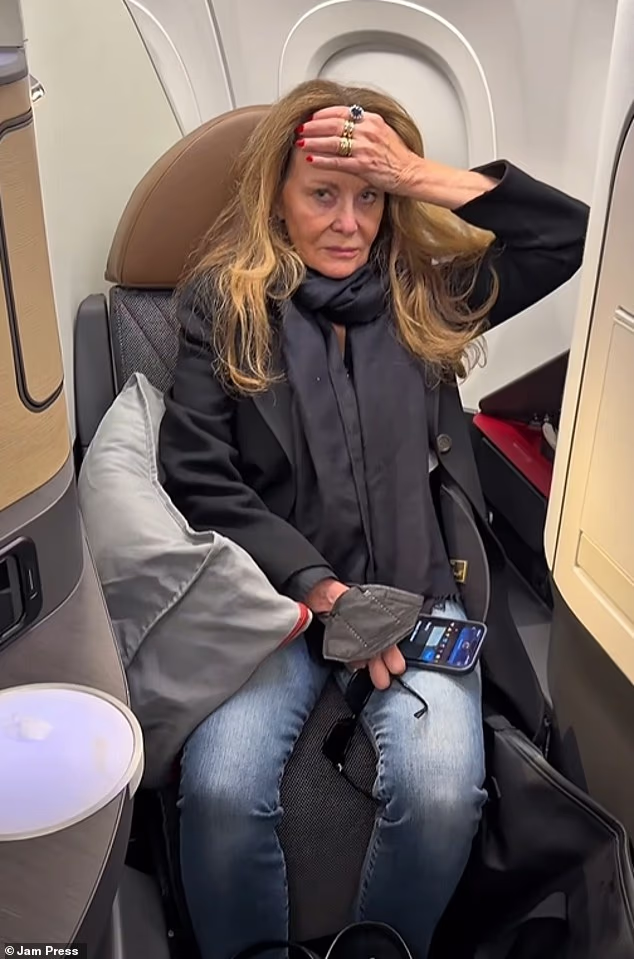
Woman accused of stealing another passenger’s first class seat on American Airlines flight from NYC to LA because hers wouldn’t recline

Published

on

A first class passenger aboard an American Airlines flight claims this woman woke him up and asked to swap seats with him because hers did not recline

An entitled American Airlines flier woke up a fellow passenger and demanded to take his first class seat because hers wouldn’t recline, the dumfounded traveler claims.

Justin Escalona was left stunned by the alleged behavior by a woman aboard his New York to Los Angeles flight on Monday.

The entrepreneur said he was dozing in his seat ahead of the 6am departure when he was rudely awakened by the passenger urging him to switch seats.

Escalona, 27, said he initially agreed as he thought that the woman just wanted to get a better view for five-and-a-half hour flight from JFK. 

Advertisement

He claims she hopped into his lay flat seat before he realized the reason for the swap was because hers did not recline.

Escalona was incredulous and grabbed his phone to record the moments after she sat down and allegedly refused to move.

‘It’s six in the morning and I am getting in a fight in the First Class section,’ he said. ‘I was half asleep, this woman she is currently in my seat, woke me up and was like “hey, you mind swapping seats?”

‘I thought she wanted a better view but no, hers won’t recline and somehow it’s my fault. She won’t get out of my seat, she’s just in it.’

Advertisement

A first class passenger aboard an American Airlines flight claims this woman woke him up and asked to swap seats with him because hers did not recline

Justin Escalona was left stunned by the exchange with a fellow passenger aboard his flight from New York to Los Angeles on Monday

Justin Escalona was left stunned by the exchange with a fellow passenger aboard his flight from New York to Los Angeles on Monday

He then filmed himself heading down the aisle to confront the woman who was sprawled out in a seat designated as 6A. 

Advertisement

‘You gotta get out of my seat, this is crazy,’ Escalona could be heard saying as the woman glared at him.

They sat in an uncomfortable silence as she continued narrowing her eyes and staring acidly at Escalona.

Eventually she let out a sigh and told him: ‘I’m going to UCLA.’

‘I went to USC so that makes it even worse,’ Escalona then joked causing the woman to start to whine.

Advertisement

‘You’re holding up the entire flight,’ he continued, panning to show several passengers who are craning their necks to watch the exchange.

‘You’ve got to get out of my seat,’ Escalona implored as the woman pretended to busy herself on her phone.

‘You were moved sir,’ she tersely replied while barely looking up from the device.

Join the discussion

Advertisement

What would you do if someone demanded your seat simply because theirs was broken?

Escalona said he was snoozing in his seat prior to the 6am takeoff when he was woken up by the woman

Escalona said he was snoozing in his seat prior to the 6am takeoff when he was woken up by the woman

Escalona filmed the argument and included a screenshot showing evidence of his First Class seat

Escalona filmed the argument and included a screenshot showing evidence of his First Class seat

‘My boarding pass says 6A, yours says 3F,’ Escalona continues before the video flashed up photo evidence of his ticket.

Advertisement

The clip then cut to the furious woman gathering her belongings and finally agreeing to move.

‘You are just such a…’ she started, before huffing and shaking her head.

Escalona then finally flopped down in his rightful seat and panned the camera to show his astounded expression.

As he settled in, another passenger could be heard chuckling before telling him: ‘You almost got robbed!’ 

Advertisement

The video sparked fury online with thousands of comments rolling in branding the woman ‘entitled.’ 

However some also criticized Escalona after they pointed out he received his first class seat as a free upgrade, while the woman had paid for her seat.

He spotlighted a comment which said: ‘People gotta realize you have to be spending hella flying for a “free upgrade.”‘

She eventually agreed to move after a tense back and forth with Escalona which he captured on camera

She eventually agreed to move after a tense back and forth with Escalona which he captured on camera

Advertisement

‘That’s what I’m saying,’ Escalona said. ‘Why are so many people acting like this was my f***ing Make-A-Wish?’

Escalona said he was flying home to Los Angeles when the incident took place.

The entrepreneur founded lifestyle streetwear brand 1340 COLLECTIVE, according to his YouTube channel.

Escalona said he founded the brand with a $100 investment and grew it into a company worth $5 million while studying film and TV production at the University of Southern California. 

Advertisement

The Daily Mail has reached out to Escalona and American Airlines for comment. 

Source link

Continue Reading

NewsBeat

Cheaper, intelligent Chinese AI models make inroads in the US

Published

on

Cheaper, intelligent Chinese AI models make inroads in the US

HONG KONG (AP) — China has a hot new product in the United States: artificial intelligence.

San Francisco-based Raffi Krikorian, the chief technology officer at Mozilla, which runs the Firefox browser, switched to Chinese AI startup Moonshot’s Kimi K3 for many of his day-to-day activities within days of the new, powerful model’s launch more than a week ago.

“It just seems snappier,” he said of K3, comparing it to the acclaimed and more expensive Claude Fable chatbot from San Francisco company Anthropic. Earlier, he had been using another high-performing Chinese model, Z.ai’s GLM-5.2, for routine tasks such as managing his calendar, documents and email.

Krikorian is one of a growing number of Americans adopting Chinese AI systems, which are gaining ground around the world because they are more affordable and increasingly efficient. U.S. companies like cryptocurrency exchange Coinbase said they’re switching to Chinese AI models to help trim costs.

Advertisement

Their popularity has frustrated some U.S. tech giants, but short of an outright ban, they’re likely to continue to appeal to independent software developers in the U.S. and elsewhere.

American-led restrictions block China from accessing some of the world’s most advanced technologies including cutting-edge AI chips and U.S. Treasury Secretary Scott Bessent has warned more sanctions could be coming to protect American intellectual property.

U.S. President Donald Trump’s administration on Wednesday accused Moonshot of using “covert” but not necessarily illegal methods to build K3 off the back of Anthropic’s Fable. Some U.S. politicians and AI companies including Anthropic have accused Chinese startups of illicit “distillation” of their models to extract their technologies, a claim that Beijing rejects as “groundless.”

China’s AI models are cheaper and ‘good enough’

The rapid rise of cutting-edge Chinese AI models this year shows the China-U.S. race in AI has moved on from early last year, when Chinese startup DeepSeek shook up the U.S. technology industry and put China on the map with an AI model that performed on par with those in the U.S. but much more cheaply.

Advertisement

The latest AI models launched by startups Z.ai, or Zhipu, in June, and Moonshot in July are nearly as intelligent as the frontier models from OpenAI and Anthropic, experts say. Also in July, China’s Alibaba previewed its Qwen3.8 Max AI model. In April, DeepSeek rolled out previews of its latest V4 model, challenging OpenAI’s GPT and Google’s Gemini.

Those constant advances are bearing fruit. Curt Meinhold, a Greensboro, North Carolina-based technology executive, said he increasingly prefers to use DeepSeek for tasks such as finding business leads or ways to generate sales.

“At the end of the day, most of us, the vast majority of us, 90 plus percent, don’t need (Anthropic’s) Mythos or Fable,” said Meinhold, who founded digital legacy platform LilyList. “Like, we just don’t need it, we need something good enough.”

Chinese AI models are reaching a “critical stage” for wide adoption, U.S. investment bank Goldman Sachs wrote in a July research report, especially when a surge of global “agentic” AI usage, which requires the AI models to autonomously conduct multistep, complex tasks, is driving higher demand for cost effective AI models.

AI prices are calculated per million tokens for both input and output, so the use of AI “agents” is dramatically compounding cost differences, according to analysts including Alex Colville of the Australian Strategic Policy Institute.

“The Chinese models, you know, I find them to be pretty close on code and research,” said Meinhold. “If I can pay a handful of cents per million output tokens versus 30 bucks or 40 bucks or 50 bucks, then it’s good enough.”

Advertisement

Moonshot’s Kimi K3 leads, but Chinese AI models have limits

Based on data over the past month, the top five most popular models on OpenRouter, a platform that tracks data across AI models, were Chinese.

Estimates from Sensor Tower, a market intelligence firm, showed Kimi had more than 930,000 downloads during the week after K3’s July release, an increase of 200% from the week before. In the U.S. it was downloaded around 86,000 times, a 387% jump.

K3 proved so popular that Moonshot had to temporarily suspend new subscriptions after overwhelming demand pushed its capacity close to its limits.

Still, while Chinese models are becoming serious competitors to the U.S., they lag American AI leaders across their overall, full-range capabilities, said Anastasios Angelopoulos, co-founder and CEO of Arena, a platform for evaluating AI systems.

Advertisement

And U.S. AI firms are also looking for more options to reduce pricing, such as with cheaper alternatives of competitive models, added Yasir Atalan, with the Center for Strategic and International Studies.

US policy could boost Chinese AI models

Most Chinese AI models are open-source — meaning anyone can examine and build on them — at a time when frontier models from U.S. companies like Anthropic and OpenAI are closed-source.

Chinese model vendors are expected to leverage open-source software to promote their global usage and adoption, said Lian Jye Su, of the technology research and advisory group Omdia.

As Chinese open-source models are increasingly almost as good as closed systems made by leading U.S. companies, said Mozilla’s Krikorian, “the open frontier is becoming increasingly Chinese-built.” While the U.S. weighs restricting Chinese AI models, a group of American tech firms including Microsoft, Meta and Nvidia signed an open letter published Friday backing “open” AI models.

Advertisement

Other U.S. tech policies also at times give China an upper hand, some experts say. China’s Z.ai released its GLM-5.2 model in mid-June, not long after the Trump administration put export controls on Anthropic’s Fable and Mythos models, keeping them offline for more than two weeks.

“Restricting an American model can immediately create an opening for a Chinese competitor,” said Arena’s Angelopoulos.

Chinese AI models look to expand globally

In China, people and businesses have rapidly embraced AI technologies that have prospered with state support. Chinese tech companies like Huawei and Tencent are also embedding AI in devices such as smartphones, AI glasses and humanoid robots.

Now China is increasingly looking to dominate AI abroad, too. At a flagship technology summit in Shanghai, Chinese President Xi Jinping championed open-source AI models and the importance of promoting greater global equity, while pledging Chinese involvement in raising AI capabilities especially in developing nations.

Advertisement

As is true for many other industries in China, intense competition at home is driving companies to expand globally. Leading Chinese AI startups are now raising more funding to support that effort, including through public share offerings.

Both China and the U.S. will want to “encourage widespread adoption of their AI ecosystems, while safeguarding technologies that could materially strengthen strategic rivals,” said Chelsey Tam, with investment research firm Morningstar.

“The competition is no longer simply the United States against China; the Chinese labs are also putting a lot of pressure on one another,” Angelopoulos said.

But as is the case in the U.S., huge investments in AI have also raised concerns over sustainability of these Chinese startups. Z.ai, for example, reported its revenue surged 132% to 724 million yuan ($107 million) last year, but net loss jumped 60% to 4.7 billion yuan ($694 million).

Advertisement

For now, Chinese AI models will likely continue to march ahead including in the U.S. “I would highly recommend anyone doing any serious AI load to at least evaluate it,” said Krikorian.

___

O’Brien reported from Providence, Rhode Island. AP Business Writer Kelvin Chan in Toronto contributed to this report.

Advertisement

Source link

Continue Reading

NewsBeat

Edinburgh Airport drop-off charge among UK’s highest as costs rise across UK

Published

on

Daily Record

Motorists face paying up to £10 just to drop off passengers at major UK airports

Scots families heading off on holiday are getting hit before they’ve even reached security, as airport drop-off charges continue to climb. New figures suggest the cost of giving a loved one a quick lift to the terminal – and nipping away again – has shot up across the UK, turning a simple goodbye into another travel bill.

Advertisement

For travellers using Edinburgh Airport, the fee is now among the steepest on the list, adding to the cost pressures already facing households. People dropping off there pay £8.50 for 10 minutes.

The RAC says the average “farewell fee” at Britain’s busiest airports has risen from £5.30 last summer to £7 – an increase of around a third in 12 months – with 16 of the UK’s 20 busiest airports putting their prices up. Drivers can now be asked to pay as much as £10 just to stop briefly at the terminal, and the analysis suggests free drop-offs have now disappeared entirely across the top 20 airports after London City removed its last free option.

At the top end are London Gatwick and London Stansted, where motorists pay £10 for a short stop outside the terminal. Edinburgh and Bristol both charge £8.50, while Leeds Bradford, Bournemouth and London City are £8.

The RAC says the UK’s approach looks even tougher when compared internationally. It points out that none of Europe’s 10 busiest airports charges drivers simply to drop passengers at the terminal – and the same applies at major global hubs including Atlanta, Dubai, Shanghai and Istanbul.

And when the fees are broken down by the minute, some charges look even more punishing. At London City Airport, £8 covers just five minutes – equivalent to £1.60 a minute – making it the most expensive in Britain on that basis. Manchester follows at £1.10 a minute, with Gatwick at £1 a minute. Edinburgh works out at 85p per minute.

Most expensive UK airport drop-off charges (RAC)

  • Gatwick – £10 (10 mins)
  • Stansted – £10 (15 mins)
  • Edinburgh – £8.50 (10 mins)
  • Bristol – £8.50 (10 mins)
  • Leeds Bradford – £8 (10 mins)
  • London City – £8 (5 mins)
  • Bournemouth – £8 (30 mins)

Britain’s priciest by cost per minute (RAC)

  • London City – £1.60
  • Manchester – £1.10
  • Gatwick – £1.00
  • Edinburgh – 85p
  • Bristol – 85p
  • Leeds Bradford – 80p

In one comparison, the RAC says paying £1 a minute can actually be more expensive than the cost per minute of a return flight for two from Gatwick to the Greek island of Zakynthos this summer. The organisation also flagged a trap for drivers at airports using barrier-free “pay later” systems. At Heathrow, Gatwick, Manchester, Stansted and Luton, motorists must pay online or by phone before midnight the following day rather than paying on the way out.

Miss that cut-off and a parking charge notice of up to £100 could drop through the letterbox. Rod Dennis, senior policy officer at the RAC, said: “It’s disappointing to see so many airports charging so much for what many regard as a simple act of kindness in dropping off family and friends.

“Having a captive audience should be no excuse for these ‘farewell fees’ – especially when they’re completely at odds with how major airports around the world operate.” He also warned: “Those that drop off but miss the signage, or forget to go online or phone the airport to pay soon afterwards, can face a parking charge notice as high as £100 – a fee that feels distinctly disproportionate to the contravention.”

The RAC said motorists should look out for cheaper or free options, such as using short- or long-stay car parks with shuttle buses to the terminal. However, that can mean extra walking or a longer transfer.

A spokesman for Edinburgh Airport said: “This increase has been driven by a substantial £8 million rise in our business rates bill. That is a significant additional cost which cannot simply be absorbed. As a membership organisation that regularly adjusts its own prices in response to rising costs, the RAC will more than understand these commercial realities.

Advertisement

“Passengers continue to have access to a free pick-up and drop-off area for up to 30 minutes, which has recently been extended and brought closer to the terminal.”

A London Gatwick spokesperson said: “Drop-off charges are part of a range of measures aimed at disincentivising ‘kiss and fly’ trips and supporting our sustainability commitment of at least 52% of passengers travelling to and from the airport by public transport by 2030.

“We don’t take decisions related to this charge lightly, however data indicates that it is effective in influencing passengers to seek alternative options. Passengers can still be dropped off for free in our long-stay car parks, with a free shuttle bus to the terminal and Blue Badge holders are exempt from the charge.

“London Gatwick also has excellent public transport connectivity, with passengers able to travel directly to more than 120 train stations across London and the South East, with eight local bus routes serving the airport 24 hours a day, seven days a week.”

Advertisement

Source link

Continue Reading

NewsBeat

One in three Brits living with ‘silent killer’ could be helped by these drinks

Published

on

Belfast Live

Certain fruit juices could help lower blood pressure

One in three adults in the UK could benefit from drinking three drinks. These juices have the potential to lower blood pressure, according to studies.

Sometimes known as a “silent killer” because it often has no obvious symptoms, high blood pressure is dangerous it makes the heart work harder to push blood around the body. Over time, that extra pressure can damage blood vessels and vital organs, and has been linked with conditions including heart disease, stroke and dementia.

Advertisement

As reported by Blood Pressure UK, around one in three adults in the UK are living with the condition. Luckily blood pressure can often be improved with lifestyle changes. Cutting down on salt, being more active, losing excess weight, stopping smoking and keeping alcohol within recommended limits can all help.

Diet is a big part of that too – and while some foods and drinks may push blood pressure up, others may help bring it down. Here are three red-coloured juices that research suggests may have a positive effect.

Pomegranate juice

Pomegranate juice has been linked with improvements in blood pressure in several studies. A 2017 meta-analysis in Pharmacological Research reviewed eight randomised, placebo-controlled trials involving 574 participants.

Some people drank pomegranate juice for as little as two weeks, while others continued for up to 18 months. The analysis found the juice lowered both systolic and diastolic blood pressure, with systolic improvements seen regardless of how long participants drank it.

Advertisement

Beetroot juice

Beetroot juice is naturally rich in nitrates. In the body, nitrates can be converted into nitric oxide – a compound that helps blood vessels relax and widen, which can improve blood flow and reduce blood pressure.

A 2022 scientific review published in Frontiers in Nutrition looked at seven studies on beetroot juice and blood pressure, and found it reduced systolic blood pressure in people with hypertension.

Tomato juice

Tomato juice has also been studied for its potential heart-health benefits. In a 2019 study published in Food Science and Nutrition, researchers investigated the effects of drinking unsalted tomato juice.

Participants drank about 200ml a day for an average of a year. Researchers reported reductions in both systolic and diastolic blood pressure among 94 people who had untreated high blood pressure or prehypertension.

Advertisement

NHS advice

The NHS recommends a number of steps that can help reduce blood pressure, including:

  • Eating a healthy, balanced diet
  • Exercising regularly (aim for at least 150 minutes a week)
  • Losing weight if you’re overweight
  • Cutting down on salt (avoid salty foods and adding extra salt to meals)
  • Keeping alcohol within guidelines (no more than 14 units a week regularly)
  • Not having too much caffeine (found in coffee, tea and cola)
  • Not smoking

If you’re worried about your blood pressure, or think you may have hypertension, you should speak to your GP.

Source link

Continue Reading

NewsBeat

why useful social media content gets lost online

Published

on

why useful social media content gets lost online

When Amy posts a photograph of herself on Instagram, she knows what will attract attention. A picture of her in a bikini may receive thousands of views. A post explaining the realities of living with a stoma (an opening in her abdomen that directs waste to a bag attached to it) may reach far fewer people.

“I get caught up in the numbers game like anyone,” said Amy. She has around 5,000 followers on Instagram, which is a respectable following considering that she creates content about surviving bowel cancer. Amy, like many others we have spoken to, uses social media to share her experience, connect with others and raise awareness. But what happens when sharing health information becomes tied to the rules of social media attention?

Finding others facing similar situations can be life-changing for people with rare or rarely discussed conditions. Amy has Lynch syndrome, an inherited condition that substantially increases the risk of developing certain cancers, often at a younger age. About one in 400 people are affected by Lynch syndrome, yet only 5% are aware of having it. Amy’s posts provide something many people with Lynch syndrome struggle to find: accessible information and the experience of someone with the condition.

In our research into how hereditary cancers are discussed online, we spoke to dozens of people around the world who share their experiences of illness on social media. They all told us that their primary goal is to educate others and support their peers.

Advertisement

Some want to represent their communities, especially if they feel these communities are underserved by the healthcare system. Kiara (not her real name) told us: “If you are a black or brown person and you don’t see yourself represented, then the immediate thought is that, ‘Oh, this is not something that we do, this is just something that white women do’.”

Those who post about their experiences of illness often offer information that would be extremely useful in the public domain. Yet the way social media platforms operate can make it difficult for even the most useful health information to reach the people who need it.

Social media platforms are designed around engagement: posts that generate reactions, comments and shares are more likely to be shown to users. Users have increasingly less influence over what appears in their feeds as recommendation systems decide which posts are shown to users. This means that engagement-savvy posts are more likely than others to appear on feeds and searches and face less risk than in the past of being fact-checked and moderated.

Designed around engagement.
Tada Images/Shutterstock.com

Those who share content on social media and want their content to be seen are usually aware of how the platforms work and try to make the most of it. Amy told us: “I’m like, that post is so important and then my dumb post of me in a bikini gets so many more views. I get mad about it, but I think to myself – Hey, if that bikini picture makes them go, ‘What is that on her stomach?’, and brings them to my page, they’re going to see the information.”

Advertisement

Like Amy, the people we spoke to have learned what makes their posts more visible and use this knowledge to curate their content. Sometimes, they even use it to control its visibility and reduce the risk of receiving harmful comments, which can go unmoderated. But this also means that the posts reaching the largest audiences may not always provide the most balanced picture of a health condition. We found that highly visible content creates narrow representations of illness.

What good content looks like

The problem is amplified because social media companies reward content creators whose posts generate high levels of engagement. This does not mean that all users who receive financial rewards are “bad influencers” – but they operate in a profit-driven environment with limited fact-checking and inconsistent moderation. In other words, they deserve scrutiny.

Based on our research, we have put together a set of recommendations to promote helpful health information on social media. If you come across someone sharing their experience, ask yourself: in what capacity do they share information on social media? Do they collaborate with external organisations? What sources do they rely on? How is their personal experience relevant? Use knowledge from reputable sources (health professionals, advocacy organisations) to cross-check the information they share.

Don’t rely on social media alone. Pair information you find on social media with other trusted sources. Charity websites, for example, can host content that would be removed or suppressed from social media platforms. Also, remember that platform algorithms can throw content in unexpected ways – and this can be emotionally triggering. You can control your feed by muting words and turning off notifications as a way of engaging with content on your own terms.

Advertisement

People like Amy are filling gaps that many patients experience between diagnosis, treatment and everyday life. But it may be harder to see them because social media are designed to reward attention over anything else.

Source link

Advertisement
Continue Reading

NewsBeat

Whitby traffic alert over swing bridge weekend closures

Published

on

Whitby traffic alert over swing bridge weekend closures

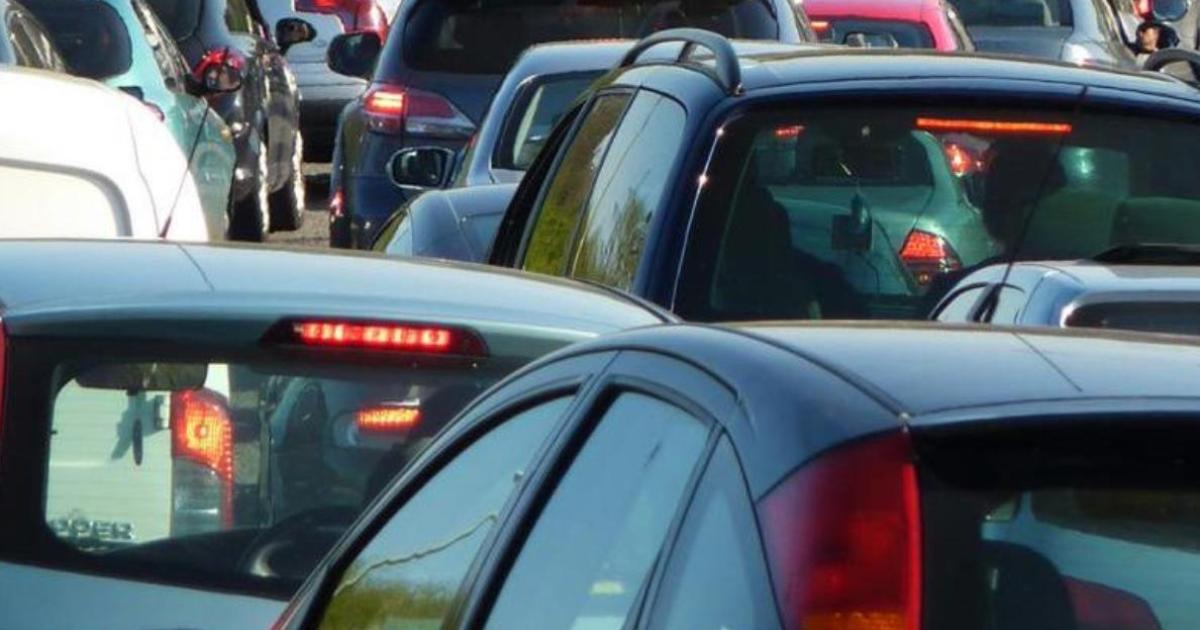
Traffic will be affected in the popular tourist town at peak times as the bridge will be closed to vehicles at weekends during the school summer holidays, as well as on bank holidays and special events between 10.30am and 4pm.

Buses will be exempt from the order, with public transport allowed to continue using the route while other vehicles are diverted.

Road users are being reminded of summer bridge closures at peak times in Whitby.Whitby traffic alert over swing bridge weekend closures. (Image: Kevin Glenton)

The closure is intended to protect pedestrian safety and support the local economy.


Recommended reads:

Advertisement

York garage confirms permanent closure as prime site faces uncertain future

‘Wrong proposal in wrong location’: council demands rethink over Linton asylum bid

Three York roads face disruption as works get underway

Motorbike ‘faces the crusher’ after riders flee North Yorkshire police

Advertisement

This measure will be operational on specific dates, including, among others, Saturday, July 25, and Sunday, July 26, and the following Saturdays and Sundays up to September 5 to 6.

The bridge will also be closed for the Whitby Regatta on, Monday, August 10, as well as for the summer bank holiday on Monday, August 31 when it is expected to be heavily used by crowds moving between the town centre and the seafront.

North Yorkshire Council says the closure of the bridge, which carries vehicles and pedestrians across the River Esk between Whitby’s east and west sides, is aimed at easing congestion on the narrow approaches and cutting the risk to pedestrians at one of the town’s busiest pinch‑points.

The 75‑foot swing bridge, which dates from 1909, regularly sees vehicles nose‑to‑tail in summer as visitors cross between the harbour and the old town. Recent timed closures around school holidays and bank holiday weekends have already been trialled and are now being extended into this summer season.

Advertisement

The latest order covers weekends from mid‑July through to early September.

Highways bosses say they will continue to monitor the impact of the closures on congestion and footfall, with signage and traffic management in place to direct drivers to alternative routes and parking.

Traders on both sides of the Esk have previously reported benefits from traffic‑free periods on the bridge, saying people feel safer and are more likely to linger when the road is given over to pedestrians

Advertisement

Source link

Continue Reading

NewsBeat

Nearly 300 humpback whales were seen in a rare ‘supergroup’ that shows their recovery

Published

on

Nearly 300 humpback whales were seen in a rare 'supergroup' that shows their recovery

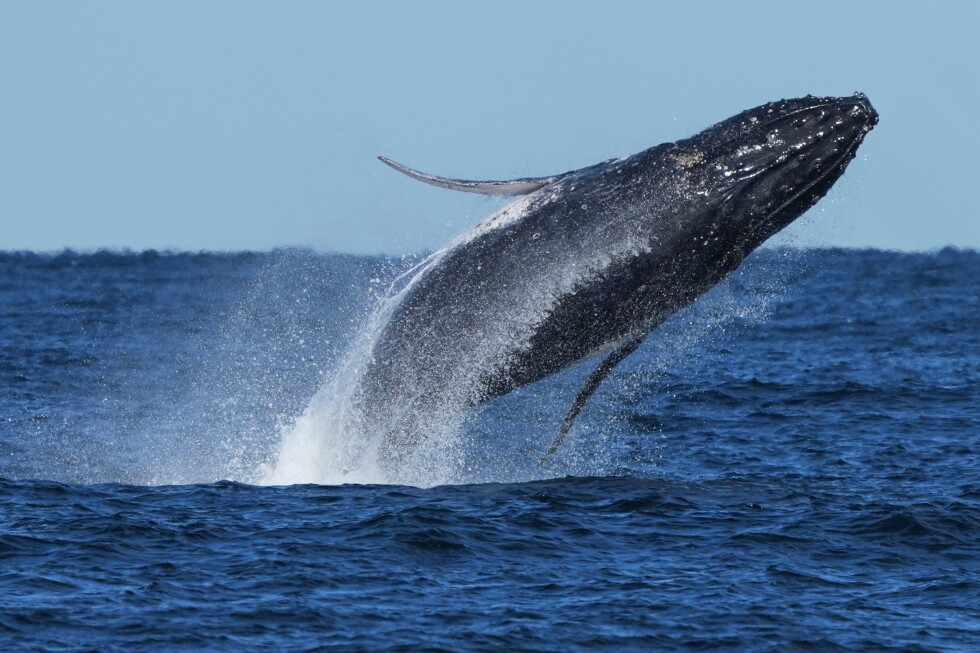
CAPE TOWN, South Africa (AP) — A South African couple found themselves in a rare situation when they witnessed a humpback whale “supergroup” consisting of nearly 300 of the giant marine mammals gathering together.

It’s an indication, scientists say, of how some whale species numbers have strongly rebounded in the southern hemisphere oceans decades after an international whale hunting ban came into effect in 1986.

Chris and Monique Fallows said they were used to seeing bigger and bigger groups of humpback whales off the west coast of South Africa but weren’t prepared for what they saw one morning last December. Plumes of whale breath and spray burst into the air one after the other from blowholes, and the husband and wife found their boat in the midst of what’s known as a supergroup.

“It was extraordinary,” said Chris Fallows, a renowned fine art wildlife photographer who has documented marine animals for 35 years. “Quite quickly we realized that there must be several hundred whales coming together in one particular area.”

Advertisement

He said what they saw can best be described as a “Manhattan skyline” of whale breath plumes.

Chris and Monique documented 299 humpback whales in the group, they said. They count whales by taking a photograph of their tail, which is called a fluke, said Monique Fallows, an author and naturalist.

Each whale’s tail is different and it’s a common tactic used by scientists to identify individuals.

It appears to be the biggest group of humpback whales sighted, according to Alex Vogel, the Africa coordinator for Happywhale. That organization has a global database of whales built off photos and information sent in largely by what it calls “citizen scientists” — ordinary people who capture images of whales that are then verified.

Advertisement

The organization did a count of the group that the Fallows came across.

Humpback numbers have strongly recovered in the southern hemisphere from less than 10,000 at the height of whaling to more than 100,000 whales now, according to assessments by scientists and the International Whaling Commission, which monitors whale numbers.

Only a few countries still hunt whales commercially.

Humpbacks are generally solitary or move in small pods, but they sometimes gather in supergroups in food-rich areas. They feed on krill or small fish.

Advertisement

Sightings of humpbacks are also increasing in other parts of the Southern Hemisphere.

Els Vermeulen, the chief scientist at the University of Pretoria’s Whale Unit in South Africa, said humpback supergroups started to be seen again around 2012 and it’s likely a result of their recovery from whaling.

“In general, the moratorium on whaling can be classified as one of the strongest conservation success stories in the marine environment,” said Vermeulen, who has a doctorate in zoology.

Vermeulen said that humpbacks feeding in supergroups make underwater sounds that attract other whales.

Advertisement

While humpbacks have seen the biggest comeback from whaling, the World Wildlife Fund says the recovery has been mixed for other whale species and that various threats remain, like entanglement in commercial fishing equipment, collisions with ships and climate change.

Seven out of the 14 great whale species are classified as endangered or vulnerable by the International Union for Conservation of Nature, including the critically endangered North Atlantic right whales, which number only around 380 now.

Vermeulen also raised a new threat for whales around South Africa: the conflict in the Middle East.

She said a recent preliminary assessment she co-authored showed that shipping around the southern point of Africa had quadrupled since December 2023 — after the Israel-Hamas war broke out and Yemen’s Houthi rebels began attacking ships in the Red Sea.

Advertisement

That is being made worse by the Iran war and the security crisis over the Strait of Hormuz, diverting more ships around Africa.

Because most whales killed by ships sink in the ocean there are no detailed statistics. But Gregg Oelofse, the coastal and environmental manager for the city of Cape Town, said more whales and more shipping clearly increase the risk.

He said some whale carcasses wash ashore with evidence they’ve been killed by vessels.

“We’ll see the propellor strike often through the whale’s body,” Oelofse said. “So, it’s like these big cuts in the whale’s body.”

Advertisement

Vermeulen said she and others are lobbying for official speed limits for ships near the South African coast to give them time to spot any whales in their path.

___

Associated Press writer Gerald Imray contributed to this story.

___

Advertisement

AP Africa news: https://apnews.com/hub/africa

Source link

Advertisement
Continue Reading

Trending

Copyright © 2025