



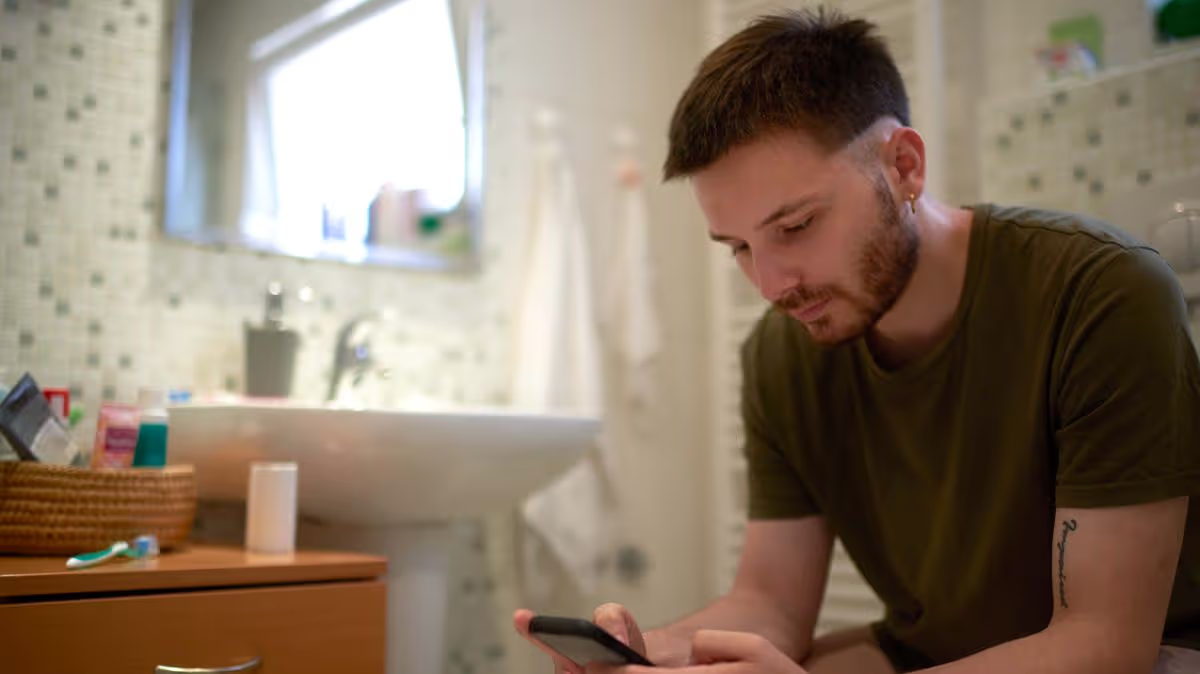
Using your phone on the toilet could be more damaging than you might think
A gut specialist has delivered a stark warning urging people to “stop” scrolling on their phone while on the toilet. Spending extended periods sitting and browsing on the loo could present a significant health risk.
As smartphones have grown more widespread and sophisticated, people have increasingly grown accustomed to carrying them wherever they go. And this extends to the bathroom, with one YouGov survey revealing that 57 per cent of Britons frequently use their phone while sitting on the toilet.
While this might appear harmless, it could in fact be harmful to our bodies. In a clip posted to social media platform TikTok, Doctor Saurabh Sethi, a Harvard-trained gastroenterologist, said: “Stop scrolling through the phone while using the toilet.
“Hi, I’m a board-certified gastroenterologist, so hit that follow button for more such gut health tips.” First, he warned that this widespread habit could lead to haemorrhoids.
He said: “While it may seem harmless to scroll through your social media feed or answer some emails while on the toilet, it can actually have some serious consequences.
“First, you using your phone while doing number two can lead to prolonged sitting on the toilet, which can cause strain and pressure on your rectum and anus. This can lead to issues such as haemorrhoids, anal fissures, and even rectal prolapse.”
He added: “Another issue is that it can be a breeding ground for bacteria. Studies have found that an average smartphone is dirtier than a public toilet seat.
“Try avoiding scrolling while using the toilet, but if you can’t help it, at least have a disinfectant wipe around to clean the phone after you’re done with the business.”
According to the Mayo Clinic in the US, sitting and scrolling on the toilet is a common cause of haemorrhoids.
“The veins around the anus tend to stretch under pressure and may bulge or swell,” the clinic says. “Haemorrhoids can develop from increased pressure in the lower rectum due to sitting for long periods of time, especially on the toilet.”
Other causes of haemorrhoids include:
- Straining during bowel movements
- Having chronic diarrhoea or constipation
- Being obese
- Being pregnant
- Having anal intercourse
- Eating a low-fibre diet
- Regularly lifting heavy items
Symptoms of haemorrhoids will depend where they are but can include:
- Painless bleeding during bowel movements
- A haemorrhoid pushing through the anal opening, called a prolapsed or protruding haemorrhoid
- Itching or irritation in the anal region
- Pain or discomfort
- Swelling around the anus
- Bleeding
- A hard, discoloured lump near the anus
The Mayo Clinic adds: “If you have bleeding during bowel movements or you have haemorrhoids that don’t improve after a week of home care, talk to your health care provider.
“Don’t assume rectal bleeding is due to haemorrhoids, especially if you have changes in bowel habits or if your stools change in colour or consistency. Rectal bleeding can happen with other diseases, including colorectal cancer and anal cancer.
“Seek emergency care if you have large amounts of rectal bleeding, lightheadedness, dizziness or faintness.”














































You must be logged in to post a comment Login