Grant Hunter threatened the guard while he was in jail on remand for the murder of Webley.
A hitman who murdered Edinburgh gangster Marc Webley has admitted threatening to kill a prison guard. Grant Hunter appeared at Peterhead Sheriff Court on March 23.
Advertisement
The 34-year-old pled guilty to threatening the man at HMP Grampian last August while he was on remand for the murder of Webley.
The court heard he threatened to kill the prison officer after a row about getting medication from the jail’s nurse.
Sheriff Alan Sinclair added three months to the 26-year sentence he is serving for shooting Webley outside a pub in Edinburgh on New Year’s Eve in 2023.
Marc Webley – who was cleared of two attempted murders in 2023 – was wearing a stab vest when Hunter pulled up in a stolen red Hyundai Tucson car before firing bullets. The hired gunman was captured on camera pulling down a balaclava so Webley could see who he was.
He was locked up for the murder at the High Court in Glasgow in December last year. Hunter was also convicted over the attempted murder of Webley’s pal Stewart Pearson, who was also shot during the drama.
Hunter’s ex-girlfriend Emma McVie, 27, was jailed for four years and six months after she pled guilty to attempting to destroy evidence. Another man, Gary Robertson, 22, was also jailed for six years and six months after admitting attempting to pervert the course of justice.
In the days before the Hogmanay assassination, Webley filmed himself taunting rivals to “come to the pub”. In a pair of videos obtained by the Record, Webley was seen talking directly to the camera.
Advertisement
Speaking in the first video, he said: “You could come to the pub. I’ll only be here a couple of hours. Surely gies you enough time. You’ve had all day to make an effort.
Advertisement
“Youse talk a good fight so when you’re lying in bed or talking s***e or whatever it is you’re daein, saying ‘we’re gonna get him, we’re gonna get him’, well, here I f***ing am. Stone cold sober. Come and get it. I don’t think you’ll come. You’ve not got the f***ing b*ws. Fire guns, fire windaes. Ha Ha. I’ve never missed. Enjoy your night guys. I will. Come and get it.
“We put the city on the map. Youse deal with the cops. Ha ha ha.”
A second clip shows Webley outside again and addressing the camera. He said: “Still at the pub. We bit drunk so you’d be at an advantage, it would be a good advantage.
Advertisement
“I don’t see it though. Nah, honestly I don’t. Come and give me a wee tuppence and youse get a strike that ends the show.
“We were brought up with stab wounds. Youse maim people, dinnae want to kill anyone. Don’t blame you for that. You’re just no like us Roysters. We were taught from wild, wild men. One shot can end it all.
“I hate doing social media, but I just like to call youse c****s oot cos you’re f***ing chickens. I’m here mysel tae. F***ing come. Youse will get us. I’ll get one of youse though. One of youse will come to the grave with me, believe it, believe it.
“Ask your boss if you can come. Stay off the crack guys.”
Advertisement
Get more Daily Record exclusives by signing up for free to Google’s preferred sources. Click HERE.
In parts of Germany and Australia, a surprising thing is happening more and more often: households are being offered free electricity.
This is happening at times of day when there are high levels of energy being generated from solar or wind. It is caused because sometimes more electricity is being produced than people need. Only a limited amount of storage is available and most of it must be used immediately to keep the system stable.
As countries expand use of wind and solar power, these periods when people are not charged for the energy to run their washing machine or kettle will happen more often. When supply exceeds demand, electricity prices can fall sharply, and sometimes drop below zero. Negative electricity prices mean generators pay consumers to use excess electricity, and this has already started to happen in some European countries such as Germany and Spain. In 2024 alone, European power markets recorded over 1,000 hours of negative prices.
The Internationale Energy Agency expects solar capacity to more than double by 2030, making up almost 80% of new electricity worldwide. Renewables are also expected to meet over 90% of global electricity demand by 2030.
Recent data by energy think-tank Ember shows how quickly this shift is happening. In 2025, global low-carbon electricity generation rose by about 887 terawatt-hours, slightly more than the increase in demand. Solar met around 75% of this growth, while solar and wind together met almost all of it.
Paying consumers to use energy
In Australia, this is largely driven by rooftop solar, which produces large amounts of electricity in the middle of the day when household demand is low. In Germany, strong wind and solar output, especially at weekends, can create similar surpluses. These conditions are now occurring frequently enough to affect electricity prices.
The trend is spreading. In South Australia, negative electricity prices accounted for around a quarter of wholesale electricity in both 2023 and 2024. In California, the share of hours with negative pricing rose from about 4% in 2023 to 15% in 2024. Across Europe, countries such as Finland, Sweden, the UK and Germany are all starting to see similar patterns, although the UK is seeing the lowest level of hours with negative pricing compared to these other European nations.
Data from 2025 shows that this trend is continuing. Negative electricity prices are becoming more common, reaching around 6% of hours in countries such as France, Germany and Spain. In Spain, this doubled in 2025, compared with 2024. In France, they rose by almost half, while Germany and the Netherlands saw increase by around a quarter.
These patterns point to a deeper issue: electricity systems are not yet flexible enough to respond to rapid changes in supply, so have to give away energy to be able to cope.
Evidence from Australia shows how this is beginning to change. Negative electricity prices are now common in the middle of the day, when solar output is highest, with prices falling to zero or below for around two to three hours each day on average. At the same time, extreme price spikes are becoming less frequent.
But for those on flexible tariffs, electricity can become cheaper or “free” during these periods, and in some cases these lower prices may be reflected in reduced unit costs or small bill credits.
However, not everyone will benefit equally. Households with batteries or smart systems are better placed to take advantage of this trend, as they can store energy to use later in the day, particularly in the evenings when typically use is highest.
Advertisement
This reflects a system that is beginning to adapt. According to the Australian Energy Market Operator, large-scale batteries are playing a growing role by storing electricity when it is abundant and releasing it when demand rises. This helps to smooth price fluctuations and stabilise the system.
Together, these changes mark a shift in how electricity systems operate. Now, as renewable energy generation grows, supply is increasingly shaped by the weather. This means demand must become more flexible in response.
UK policy
This shift is already influencing policy in other countries such as the UK. According to the UK’s National Energy System Operator, from summer 2026 households and businesses will be encouraged to use more electricity during periods of excess supply more often, particularly when solar generation is high and demand is low. The aim is to actively shift when electricity is used, helping to absorb surplus energy and improve system stability.
The timing is not accidental. As part of a shift towards renewables, particularly solar, continues to grow in the UK, for instance, periods of excess supply are becoming more common.
Advertisement
Similar patterns were seen in countries such as Germany, where a rapid surge in solar generation urged a sudden need for greater system flexibility. In the UK, for instance, managing the grid during periods of low demand is becoming more complex, as electricity supply becomes increasingly driven by weather conditions rather than consumption patterns.
This is why flexibility is needed. In extreme cases, large imbalances between supply and demand can place significant strain on electricity systems. 2025’s blackout across Spain and Portugal, shows how quickly instability can happen if systems cannot respond effectively. In the UK, system operators stress that these conditions are actively managed.
Free electricity reflects a deeper shift in how the energy system works. As renewable power grows, excess supply is going to become even more common.
Last month, the DOJ released summaries of interviews with a woman who made unsubstantiated claims of sexual assault against Trump. The agency said that the documents had been accidentally withheld. Trump, who is mentioned thousands of times in the files including in emails and correspondence sent by Epstein himself to others, has denied any wrongdoing.
Party leaders, with the exception of the SNP’s John Swinney, took part in the BBC Question Time debate in Aberdeen. We gave them a mark out of five.
20:42, 23 Apr 2026Updated 20:46, 23 Apr 2026
With two weeks to go until the Holyrood election, opinion polls show the SNP with a strong lead over their rivals.
Labour and Reform appear locked in a battle for second place, with Greens, the Lib Dems and the Tories fighting it out on the lower rungs.
Tonight’s BBC Question Time debate in Aberdeen featured five party leaders – Anas Sarwar, Gillian Mackay, Russell Findlay, Alex Cole-Hamilton and Malcolm Offord – but no John Swinney. SNP candidate Mairi McAllan took his place.
Advertisement
Around half of the programme focused on the plight of the North Sea oil and gas industry, and the six politicians traded blows on the cost of living crisis and independence.
Here is how they fared and the rating given to them by Daily Record Political Editor Paul Hutcheon.
Anas Sarwar
A quieter night for the Scottish Labour leader compared to the fireworks of the Channel 4 debate, where he was accused by Reform leader Malcolm Offord of plotting a secret deal.
Advertisement
The future of North Sea oil and and gas is a weakness for Labour and the dominance of the issue during the debate could have proved awkward for Sarwar.
But he put enough distance between himself and the UK Government to neutralise the issue and pivot onto nuclear power.
He also had the best line of the night – it was a shortlist of one – when he said he wanted Reform UK to get “absolutely pumped”.
3/5
Mairi McAllan
The polls show the Tories in line for huge losses on May 7th and Findlay was in desperate need of a strong showing in Aberdeen.
Findlay put in a typically no-nonsense performance which will appeal to some voters.
But the issue for Findlay is as it always has been: credibility.
Advertisement
When he spoke of ending waste and being careful with public money, McAllan reminded viewers he backed the disastrous Liz Truss.
It’s a torpedo that never misses.
2/5
Alex Cole-Hamilton
The Scottish Liberal Democrat leader delivered a performance that was entirely in keeping with previous efforts.
Advertisement
He sounded plausible without saying anything memorable and viewers likely switched off without having a view on him one way or another.
He was able to find the space during the debate to trot out his core messages on public service investment, and for that he will be grateful.
A gaffe free, highlight free night for ACH.
2/5
Gillian Mackay
The Scottish Greens co-leader did not have as much air time as her rivals and this was probably a blessing.
With so much time devoted to the oil and gas industry, a North East audience was unlikely to be receptive to a candidate hostile to more drilling.
When the time came, she played the usual Green tunes on wealth, fairness and a better society. A pedestrian showing.
2/5
Malcolm Offord
Reform UK’s leader enjoys talking about energy policy and was at ease with the debate’s focus on the oil and gas industry.
But Offord is poor on almost every other subject and comes across as a bar room bore who loves the sound of his own voice.
He even had the audacity to again peddle a fantasy tax cut that has been panned by experts.
Not his worst night, but that is not a high hurdle to clear.
Police have told motorists to expect dispruption from 1pm
There has been a warning of potential disruption to traffic due to a parade taking place in Belfast City Centre on Saturday.
Advertisement
The parade by the ROSA Socialist feminist movement will take place at 1pm on April 25 in Victoria Street before moving to Belfast City Hall via High Street and Donegall Place. The parade is expected to end by 3pm.
Police have said that officers will be in the area to assist with traffic management during the parade.
In a brief statement, a PSNI spokesperson said: “Road users are advised to expect disruption in Belfast City Centre this Saturday, 25th April, due to a planned parade. It will commence at 1pm in Victoria Street and culminate at Belfast City Hall. Police will be present in the area in order to assist with traffic management.”
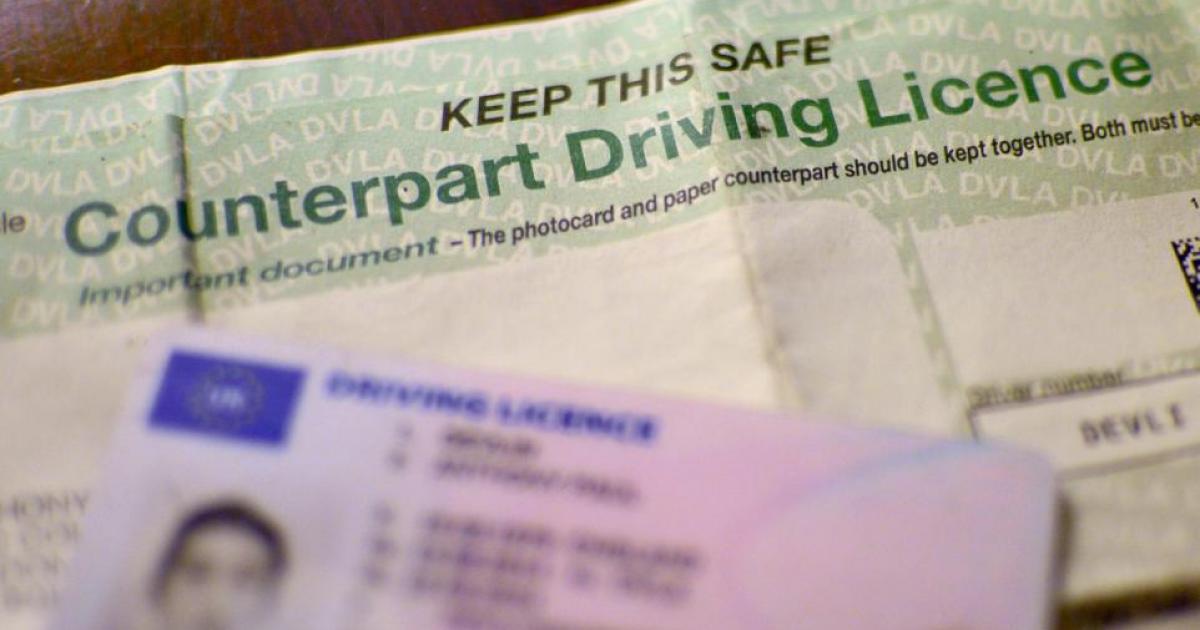
The DVLA have now explained to drivers that there are “no shortcuts” when bringing a vehicle back into use after declaring it off the road under a Statutory Off Road Notification (SORN).
The agency said: “Want to use your vehicle again after telling DVLA it’s off the road (SORN)?
“You have to tax it first.”
Advertisement
Want to use your vehicle again after telling DVLA it’s off the road (SORN)?
Experts have discovered evidence of ‘vibrio vulnificus hotspots’ in various ponds around Long Island, New York, with those infected facing a ‘20% chance of dying within 48 hours’
20:24, 23 Apr 2026Updated 20:24, 23 Apr 2026
Researchers are warning about a terrifying flesh-eating bacteria found in bodies of water across an area of New York – which could kill those infected “within 48 hours”.
Dr Christopher Gobler, an ecologist from Stony Brook University’s School of Marine and Atmospheric Sciences, said his team discovered evidence of “vibrio vulnificus hotspots” in various ponds around Long Island. Those who are infected with the bacteria could face a 20% chance of dying within 48 hours, he warned.
A 10-year-old girl who found an endangered Mexican axolotl while on holiday in Wales has told the BBC about the moment she found and caught the amphibian.
It is the first documented discovery of an axolotl in the wild in the UK, with only 50 to 1,000 left globally, according to experts.
Evie was playing in the shallows of the River Ogmore in Bridgend when she spotted the axolotl nestled in the rocks.
The family decided to cut their trip short to take the animal back to their home in Leicester, naming it Dippy as a tribute to where Evie found it.
Advertisement
“I think it’s a really nice change to the family,” Evie said about having Dippy.
Chris Newman, the National Centre for Reptile Welfare (NCRW) director, said the manner in which Dippy was found suggested its previous owner had released it due to a “change in circumstances”.
The 16-year-old should not have had the vehicle on the road
A 16-year-old was stopped by police after driving a tractor on the M1 on a journey from Co Cavan to Ballymena.
Advertisement
The teenager was stopped by officers from the PSNI Road Policing Strategic Unit near Lisburn on Wednesday, April 22, as the vehicle should not have been using the motorway.
The driver was found to have only a provisional licence from the Republic of Ireland and was not allowed to drive on any Northern Ireland road with officers saying his parents would have to travel three hours to “deal with the matter”.
A PSNI spokesperson said: “Officers from Road Policing Strategic Unit – Mahon Road – stopped a tractor on the M1 Motorway near Lisburn, earlier today.
Advertisement
“The tractor was travelling to Ballymena from County Cavan. This tractor should not be on the motorway – tractors are not allowed to use motorways.
“The driver, who was only 16 years old and only had a provisional entitlement in the Republic of Ireland, should not have been driving on any road in Northern Ireland. His parents now have a three hour journey to come to Lisburn and deal with the matter.”
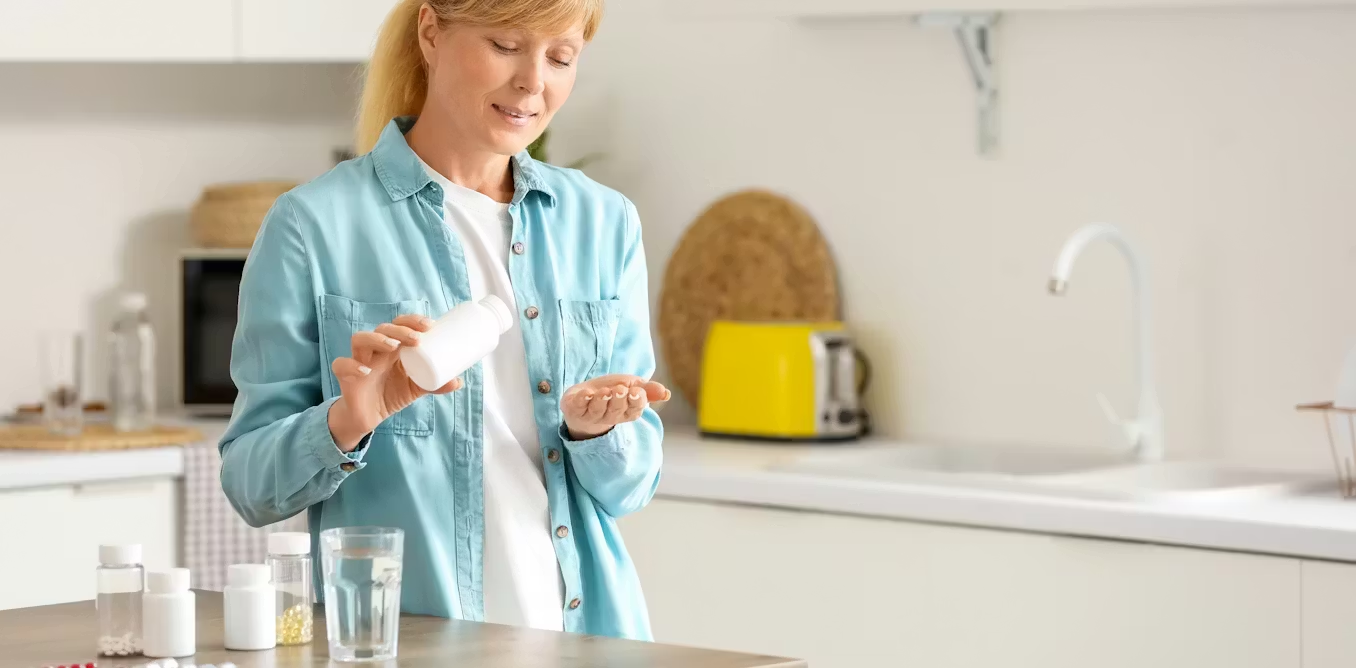
Social media is saturated with menopause solutions: powders for brain fog, gummies for sleep or capsules promising hormonal balance. Supplements such as magnesium, lion’s mane, creatine and collagen are being marketed as must-haves for perimenopause and menopause. But how much of this is actually grounded in science?
During perimenopause and menopause, fluctuating and declining oestrogen levels can trigger symptoms such as hot flushes, night sweats, sleep disruption, anxiety, brain fog, joint pain and changes in muscle mass and body composition.
Hormone replacement therapy (HRT) remains the most effective treatment for many symptoms, but not everyone can or wants to use it. This is why alternative remedies attract so much attention.
Magnesium
Magnesium plays a role in more than 300 metabolic processes, including muscle relaxation, nerve signalling and blood pressure regulation. Several menopause-related symptoms overlap with areas where magnesium has effects.
Advertisement
For instance, many menopausal women experience sleep problems. Clinical trials in adults, including older women, show magnesium can improve how fast you fall asleep and reduce insomnia severity.
Anxiety can also be an issue for menopausal women. Meta analyses show magnesium supplements can modestly reduce anxiety symptoms – particularly in people with low magnesium levels. However, this research wasn’t specifically done in menopausal women.
Menopause also places women at higher risk of osteoporosis (weakened bones). As oestrogen levels fall during menopause, certain bone cells become more active, causing bone to be lost faster than it’s rebuilt.
But magnesium contributes to bone density by encouraging the formation of new bone. Given some older women may have low magnesium levels and low bone density, this supplement may help address this menopause-related issue.
Advertisement
However, magnesium has not shown benefit for hot flushes, weight changes or cognitive symptoms.
The type of magnesium you take matters. Magnesium citrate and glycinate tend to be better absorbed by the body, while magnesium oxide is absorbed less efficiently.
It’s also important to note high doses can cause diarrhoea and may affect the heart and nervous system. People with kidney disease should avoid supplementation unless medically supervised.
Lion’s mane mushrooms
Lion’s mane mushroom is promoted to help with brain fog, a common complaint for women going through the menopause.
Advertisement
Animal studies suggest lion’s mane extract may stimulate new brain cell growth and support the hippocampus – the brain structure involved in memory and emotional regulation.
But the small human trials that have been done show mixed results – with only some reporting mood improvements. Importantly, none of these studies involved menopausal women.
If you’re still keen to try the supplement, it’s usually well tolerated – though those with mushroom allergies should avoid it.
Advertisement
Creatine
Although researchers have studied creatine for decades, most of that work has focused on men. But emerging research suggests it has many benefits for women in perimenopause and menopause.
A 14-week study found creatine supplementation significantly increased lower body strength and improved sleep quality in perimenopausal women. These improvements in muscle strength are notable, given the increased risk of sarcopenia (loss of muscle mass and function) during menopause.
However, evidence in post-menopausal women is mixed. One review found creatine may offer minor short-term benefits in post-menopausal women, but sustained supplementation didn’t produce significant muscle or bone health improvements.
Creatine may also support the brain. Growing evidence suggests it may support memory, focus and mood – particularly during periods of hormonal fluctuation or mental fatigue. However, more research is needed specifically in menopausal women.
Advertisement
Perimenopausal women have about a 40% higher risk of developing depressive symptoms or receiving a depression diagnosis than premenopausal women (premenopause is the period before any menopausal changes; perimenopause is the transition phase leading to menopause, when symptoms begin to appear). Some limited data suggests that taking creatine alongside an antidepressant can accelerate symptom improvement in women.
Creatine is generally safe, though those with kidney disease should seek medical advice before taking it.
Collagen
Collagen supplements are widely marketed for skin elasticity, joint health and healthy ageing.
Collagen is the body’s most abundant protein, giving structure to bones, cartilage, tendons, ligaments, muscles and skin. As we age, collagen-producing cells become less active. This contributes to visible skin ageing and weaker bones that are more prone to fracture.
Advertisement
A year-long trial in postmenopausal women found daily collagen supplementation led to small but significant increases in bone mineral density compared with a placebo. This suggests collagen supplements may help counter age-related bone loss in postmenopausal women.
Research also indicates collagen supplements may ease joint discomfort and stiffness, particularly in people with osteoarthritis. This could be relevant for menopausal women as many experience the onset or worsening of joint issues during this time. However, more robust research in needed in menopausal women.
It’s important to note that collagen supplements differ widely due to how they’re produced and the source they come from. This makes the evidence hard to interpret.
This means different products can behave very differently in the body. Grouping them together can therefore obscure important differences in how they work. For instance, hydrolysed collagen is absorbed far more easily than the collagen molecules found in food. This means collagen is more likely to reach tissues where they may support skin, joint and muscle health.
Advertisement
Side effects tend to be minimal, although people with liver or kidney conditions should consult a doctor or pharmacist first.
Final verdict
So, are supplements worth it? Based on the current evidence out there, magnesium and creatine seem to be the most beneficial. However, it’s clear more research is needed. Supplements can also be expensive – and their quality can vary widely.
While supplements can feel empowering, until stronger evidence emerges proving their benefits, a healthy lifestyle remains the best, evidence-based way to navigate perimenopause and menopause.
“The Britain that I want is a Britain where people can practice their religion, their faith, in safety and security, and we must stand with and alongside our Jewish community here, and that’s amongst the reasons I wanted to come here personally myself this afternoon to hear first hand from the people affected by the attack this weekend.”



















































You must be logged in to post a comment Login