
NewsBeat
Melania Trump movie fails to crack top 25 as documentary film flops in UK


Melania, the documentary about the US first lady, might have generated a media firestorm, but it has failed to dent the UK box office in its first weekend of release, opening at just No 29.
Brett Ratner’s film amassed £32,974 from 155 cinemas in total, a screen average of £212.80. While the takings are a far cry from the reported $75m (£54.6m) paid by Amazon to distribute and promote the film, it’s not the disaster that was projected.
Ahead of its premiere, UK ticket sales were described as “soft”, according to Tim Richards, the chief executive of Vue, and on the day of release, many screenings across the UK were sparsely attended, with the film even playing to empty rooms in several locations over the weekend. However, some screening rooms, namely in Vue Islington, were booked up and filled with journalists.
Reporters rushed to see the film on Friday (30 January) after Amazon decided not to preview it ahead of time. The Independent attended a near-empty screening at Vue Westfield in Stratford where four other audience members were present, two of whom were reporters.
In the US, the film exceeded predictions on its opening day, grossing $2.9m (£2.1m) from 1,778 cinemas, but was still a flop. It was ultimately beaten at the box office by Iron Lung, an independently financed horror film made by YouTuber Mark Fischbach.
Inspired by the 2022 horror game created by David Szymanski, Iron Lung was made for $3m (£2.1m) and has made $21m (£15.3m) to date – seven times its budget. In the UK, the film reached No 4 at the box office, with takings of £948,731, beating the week’s big release, Jason Statham action film Shelter (£946,903).
Melania follows the 20 days leading up to her husband Donald Trump’s second inauguration in January 2025.

Since its release, reviews have been largely negative, with the film sitting at a measly 10 per cent on the platform. However, viewers on the site have given the documentary a 99 percent score, in an apparent demonstration of support for Trump.
In a one-star review for The Independent, Nick Hilton wrote: “Perhaps Melania is merely a piece of post-modern post-entertainment. After all, it is transparently not a documentary.”

Watch Apple TV+ free for 7 day
New subscribers only. £9.99/mo. after free trial. Plan auto-renews until cancelled.
ADVERTISEMENT. If you sign up to this service we will earn commission. This revenue helps to fund journalism across The Independent.
Watch Apple TV+ free for 7 day
New subscribers only. £9.99/mo. after free trial. Plan auto-renews until cancelled.
ADVERTISEMENT. If you sign up to this service we will earn commission. This revenue helps to fund journalism across The Independent.
Hilton continues: “Melania spends most scenes playing a staged version of herself, and shots of the first lady are composed with all the deliberateness Ratner brought to his work on X-Men: The Last Stand. This is somewhere between reality TV and pure fiction.”


Capcom continues its hot streak with Pragmata, delivering both a great sci-fi shooter and another impressive Nintendo Switch 2 port.
Between Resident Evil Requiem, Monster Hunter Stories 3, and Pragmata, Capcom is already having a banner year in 2026. We’re only four months deep as well, with Onimusha: Way Of The Sword also slated to arrive before the year wraps up.
But then Capcom has been on a hot streak for years – between the likes of Resident Evil 4 remake and Monster Hunter Wilds – and this extends to its support of the Nintendo Switch 2. The developer has released a string of impressive ports, including Street Fighter 6 and Resident Evil Requiem, which take an expected hit in the resolution department, but if you’re not a stickler for crisp hair physics, are surprisingly close to the PlayStation 5 and Xbox Series X versions.
The Switch 2 version of Pragmata easily joins these ranks. It has some rough edges, and Diana (the android girl that can hack other robots) looks like she’s been blasted through a car wash during close-up conversations, but it’s still a well optimised showcase of what Nintendo’s handheld can do.
In many ways, this port is more impressive because Pragmata is a faster-paced action game when compared to Resident Evil Requiem. In the heat of the firefights, where you’re oscillating between Diana’s hacking capabilities and Hugh’s arsenal of weapons, there are lots of flashy sci-fi effects, explosions, and multiple enemies on-screen at once.
Some of the extra detail is dialled down on Switch 2 – like smoke effects, for example – but this isn’t noticeable unless you’re actively looking for differences in comparison shots or videos.
Expert, exclusive gaming analysis
Sign up to the GameCentral newsletter for a unique take on the week in gaming, alongside the latest reviews and more. Delivered to your inbox every Saturday morning.
These trade-offs keep the action running smoothly. Pragmata targets 60fps on Nintendo’s console, and while it doesn’t achieve this consistently (like other Capcom games, it has an unlocked frame rate), it rarely dips to a noticeable degree. It fares better in handheld mode thanks to the VRR (variable refresh rate) support, but even when docked the performance is surprisingly good considering how frenetic the action can be.
The most distracting and noticeable downgrade is Diana herself. There’s an uncanny valley element to the android infant on other platforms, but on the Switch 2 the details have been reduced to a less believable degree. Her static, clumpier hair when bounding around is the biggest giveaway, but during close-up conversations in the Shelter hub area, it can feel like you’re talking to a smudged doll who hasn’t been synchronised properly.
These visual qualms are more noticeable in handheld mode, where everything does have a blurrier effect when compared to the PlayStation 5 version, but it is still impressive how much detail it still maintains in the surroundings. Playing the second area, set in a 3D printed duplicate of New York’s Times Square, across both the PS5 Pro and Switch 2, it’s surprising how comparable the experiences are, minus the finer visual flourishes on Nintendo’s console
The negatives are a small price to pay, If you want to play Pragmata on the go. We’d definitely advise using a Pro Controller, though, as the Joy-Con controls can get finicky when you’re trying to cycle through weapons in the heat of a ruckus. The analogue sticks on the Joy-Cons don’t feel built to sustain frequent clicks either, which you’ll be doing fairly often to make Hugh run (there is a toggle in the options menu, so technically you don’t need to hold it down to sprint, but that feels weird).
There are some unfortunate omissions, though. One of the Switch 2’s most underused features, mouse controls, isn’t supported, which is a shame as it could have presented an intuitive way of dealing with the hacking minigame (or broken it entirely). There’s no toggle to lock the frame rate either, which would have been optimal for those who are more sensitive to frame rate dips.
If you’re looking for the best version of Pragmata, you’re better off sticking with PlayStation 5, Xbox Series X or PC, but the Switch 2 edition is a comparable and valid alternative which isn’t far removed from its more powerful cousins. When positioned next to Capcom’s existing ports, and other current gen titles like Star Wars Outlaws, it’s another sign that the era of mangled, heavily compromised Switch ports appears to be over. Well, not counting Overwatch anyway.
Formats: PlayStation 5, Xbox Series X/S, Nintendo Switch 2, and PC
Price: £49.99
Publisher: Capcom
Developer: Capcom
Release Date: 17th April 2026
Age Rating: 16

Email gamecentral@metro.co.uk, leave a comment below, follow us on Twitter.
To submit Inbox letters and Reader’s Features more easily, without the need to send an email, just use our Submit Stuff page here.
For more stories like this, check our Gaming page.
MORE: Metro 2039 reveal trailer is a grimly defiant response to the Russia-Ukraine war
MORE: Street Fighter movie trailer highlights the problem with being too authentic
MORE: Live service games are in decline as gamers crave more traditional gaming

Chairman Dave Sullivan echoed the opinions of Planning Board members by saying that none of them were “comfortable” with the new plans, lamenting the loss of affordable housing as well as the removal of the reviews. However, the committee approved the plans as the project would help address the borough’s housing needs.

The York Inset Scooter Club will host its Mods and Rockers run on Sunday, April 26, beginning at 10.30am from the Eye of York.
Riders will travel through the Howardian Hills, finishing at The Mended Drum pub in Huby.
Recommended reading:
The ride is also known as the John Martin Memorial Ride, in honour of one of the original members of the club who died in 2010.
Committee member Nick Beilby said: “John was known as Vespa John as he rode a Vespa scooter and was known for his ready smile and friendly nature.
“A popular member, much missed, and the ride keeps his memory alive.”
Scooter and motorbike riders are both welcome to take part, with each rider asked to donate £5 to Yorkshire and Scarborough Hospitals Charity.
Last year’s event raised nearly £1,000 for the cause.
More information can be found via The York Inset Scooter Club social media pages.
The Lord Mayor of York, Martin Rowley, will officially start the ride, along with Normandy D-Day veteran and club president Ken Cooke.
Marshals help guide riders through each stage of the route, which passes Strensall Camp and Foston before looping back to Huby.
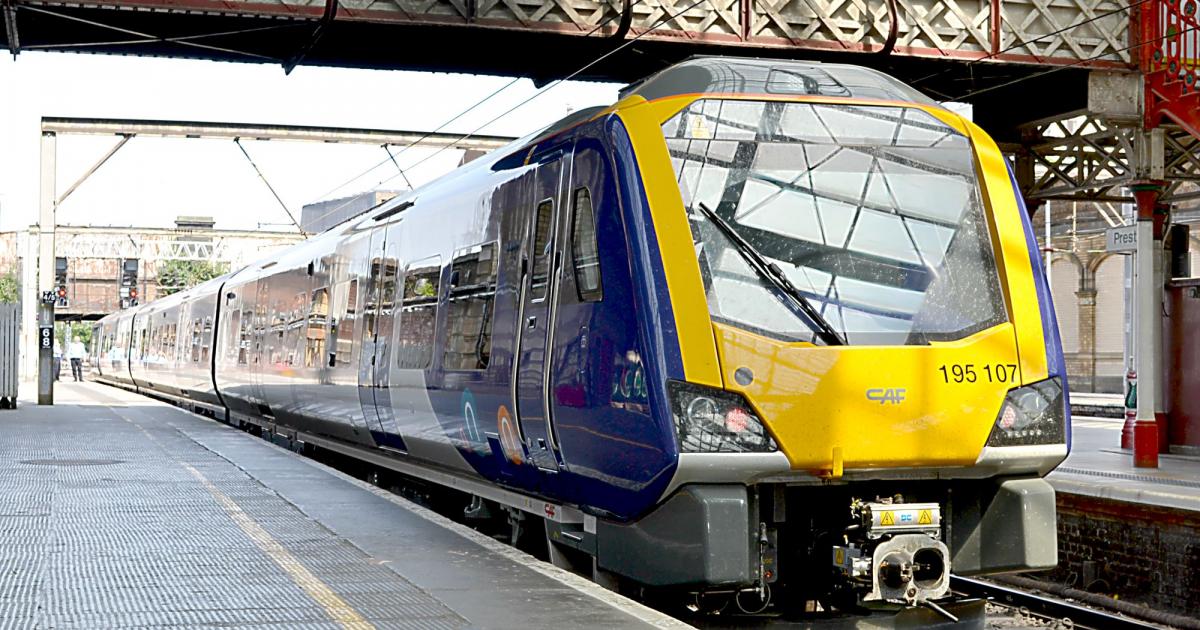
Engineering work between Preston and Lancaster on the West Coast Main Line will mean line closures between Preston and Carlisle from April 17 to 19.
Avanti West Coast has confirmed that no trains will run between Preston and Glasgow Central or Edinburgh on the normal West Coast Main Line route during the works.
One train per hour will operate between London Euston and Preston via Nuneaton.
Northern services will also be impacted, with trains between Barrow-in-Furness and Manchester Airport running only as far as Lancaster on April 18, and between Windermere and Manchester Piccadilly only as far as Oxenholme Lake District or Lancaster.
Rail replacement buses will operate between Preston and Lancaster throughout the works.
On April 19, rail replacement services will also operate between Grange-over-Sands and Lancaster, Heysham Port/Morecambe and Lancaster, and Windermere and Oxenholme Lake District.
No Avanti West Coast services will run between Preston and Carlisle on Saturday or Sunday.
Services between London Euston and Manchester Piccadilly or Liverpool Lime Street will not be impacted and will operate as normal.
READ MORE:
Passengers are encouraged to check their journey before travelling and allow extra time where rail replacement transport is in use.
A spokesperson for Avanti West Coast said: “To help you complete your journey between Preston and Glasgow Central, Avanti West Coast are operating rail replacement buses on various routes.
“Please note that you may also need to use buses provided by other operators to complete your journey.”

NEW YORK (AP) — The worrisome rise in colorectal cancer deaths in younger adults is concentrated in people with less education, suggesting socioeconomic factors could be driving the escalation, according to a new study.
Celebrity deaths — including Chadwick Boseman in 2020 and James Van Der Beek earlier this year — have highlighted the increase in colorectal cancer deaths among younger adults, but the new paper was called the first to parse which people are most affected by the alarming rise.
The researchers found that over the last 30 years, the rise in colorectal cancer deaths in young adults occurred almost entirely among people without a four-year college degree.
Of course, getting a college degree doesn’t protect you from getting colon cancer. Rather, experts say it’s a marker for other issues: People without degrees tend to earn less money, have poorer diets, exercise less and get less medical care.
It’s not totally unexpected that the death risk is concentrated in the less advantaged, but the paper published Thursday in JAMA Oncology is the first national study to actually show the connection, said Dr. Paolo Boffetta, a researcher at Stony Brook Cancer Center in New York who wasn’t involved in the work.
American Cancer Society researchers used government data on more than 101,000 younger adults, ages 25 to 49, who died of colorectal cancer from 1994 through 2023.
Overall, the colorectal cancer death rate rose from about 3 per 100,000 in that age group to about 4 per 100,000. But for people who only made it through high school, the rate rose from 4 to 5.2 per 100,000, while the rate for people with at least a bachelor’s degrees did not change from 2.7 per 100,000.
Ahmedin Jemal, the study’s first author, said the findings underscore the need for public awareness about colorectal cancer and for younger adults to heed screening recommendations. Symptoms can include blood in stool or rectal bleeding; changes in bowel habits, such as diarrhea, constipation or narrowing of stool that lasts more than a few days; unintended weight loss; and cramps or abdominal pain.
The American Cancer Society estimates that more than 158,000 cases of colorectal cancer will be diagnosed in the U.S. this year. Overall, it’s the nation’s second leading cancer killer, behind lung cancer, and is expected to claim more than 55,000 in 2026.
The number of deaths for adults younger than 50 is around 7% of the total — about 3,900. Earlier this year, cancer society researchers reported that colorectal cancer mortality in Americans under 50 had increased by 1.1% a year since 2005, making it now the deadliest cancer in that age group.
Scientists don’t know what’s behind that increase. But they note risk factors include obesity, lack of physical activity, a diet high in red or processed meat and low in fruits and vegetables, and a family history of colorectal cancer. The American Cancer Society changed its screening guidelines in 2021, lowering the age U.S. adults should start getting screened from 50 to 45.
Why did the researchers behind Thursday’s study look at education level and not other factors?
Death certificates don’t detail how much money a person had, or most other aspects of their life. But they do note how much schooling someone completed. And other research has found that data often aligns with statistics about income, health insurance, physical activity and chronic disease. So education serves as a proxy, but can’t speak to other factors, like whether the person had health insurance.
“The focus on education is really (due to) something which was available in the data,” Boffetta observed.
___
The Associated Press Health and Science Department receives support from the Howard Hughes Medical Institute’s Department of Science Education and the Robert Wood Johnson Foundation. The AP is solely responsible for all content.
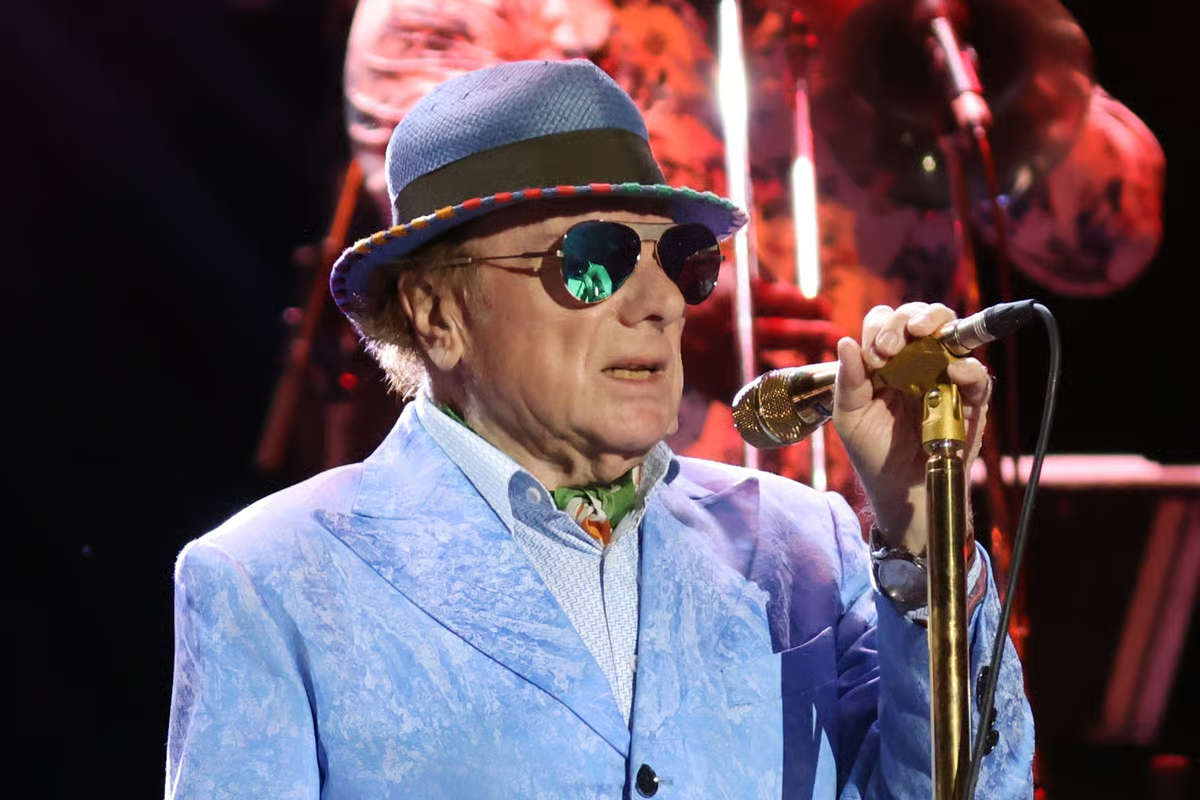
Other winners on the night included Donovan Haffner, who won breakthrough act of the year, Omar, who won soul act of the year, Joe Webb, who was given instrumentalist of the year, Yazmin Lacey, who won vocalist of the year, and Emma-Jean Thackray, who picked up the innovation award.

Named Chip and Dale, the large semiaquatic rodents travelled from the Gaia Zoo in the Netherlands and are now settling into their new home in the park’s Amazonas Reserve.
Born on the June 9 last year, the young capybaras have already made a positive impression on animal rangers with their “laid back attitude” and adjusted so well to their new environment that they were allowed outside just days after arriving.
Dr Charlotte MacDonald, Director of Animals, said: “We are delighted to welcome Chip and Dale to the park.
“They have settled in well after their long journey.
“We let them outside and they had a good look around before heading straight back into their house.
“Capybaras are very sociable animals, and we are sure that they will be very popular amongst visitors.
“The Amazonas reserve transports visitors to the Amazon rainforest and is home to some incredible South American species.
“The capybaras will live amongst our monkeys – golden lion tamarins, silvery marmosets, red titi monkeys and other South American rodents, the Mara and agouti.”
The reserve offers a walk-through experience, allowing visitors to immerse themselves in the habitat and observe the animals up close as they move freely around the space.
Capybaras are the world’s largest rodents, closely related to guinea pigs, and are known for their highly social nature.
They spend much of their time in water, using their partially webbed feet to swim and submerging for up to five minutes at a time.
They often hide underwater to evade predators and can sleep while submerged, keeping only their nostrils above the surface to breathe.
Yorkshire Wildlife Park, on the outskirts of Doncaster is home to a range of rare and endangered animals, including Amur tigers, giraffes, black rhinos, and polar bears.
The park’s broader resort includes the Hex Wildlife Hotel and the Yorkshire Hive, a nearby complex offering shopping, dining, and entertainment options for visitors.
NewsBeat
Conference League semi-final dates in full: Crystal Palace set up Shakhtar clash as Strasbourg eye final berth

The Eagles won 2-0 in the first-leg to put them in good stead for a tricky away fixture, where they managed to progress despite falling to a 2-1 defeat on the night.
Their campaign suffered a further setback, too, as both Adam Wharton and Maxence Lacroix picked up injuries.
Shakhtar romped past AZ Alkmaar in their own quarter-final, and will pose particularly tricky opposition for Oliver Glasner’s men.
Conference League semi-final first leg matches are scheduled to be held on April 30, with the return fixtures taking place the following Thursday.
Conference League semi-final dates in full
Rayo Vallecano vs Strasbourg
Shakhtar Donetsk vs Crystal Palace
Strasbourg vs Rayo Vallecano
Crystal Palace vs Shakhtar Donetsk
May 27: Shakhtar Donetsk/Crystal Palace vs Rayo Vallecano/Strasbourg
Conference League quarter-final results
Shakhtar Donetsk 5-2 AZ Alkmaar
Crystal Palace 4-2 Fiorentina
Rayo Vallecano 4-3 AEK Athens
Mainz 05 2-4 RC Strasbourg
Conference League last 16 results
Lech Poznan 3-4 Shakhtar Donetsk
AZ Alkmaar 6-1 Sparta Prague
Crystal Palace 2-1 AEK Larnaca
Fiorentina 4-2 Rakov Czestochowa
Samunspor 2-3 Rayo Vallecano
Sigma Olomouc 0-2 Mainz 05
HNK Rijeka 2-3 RC Strasbourg
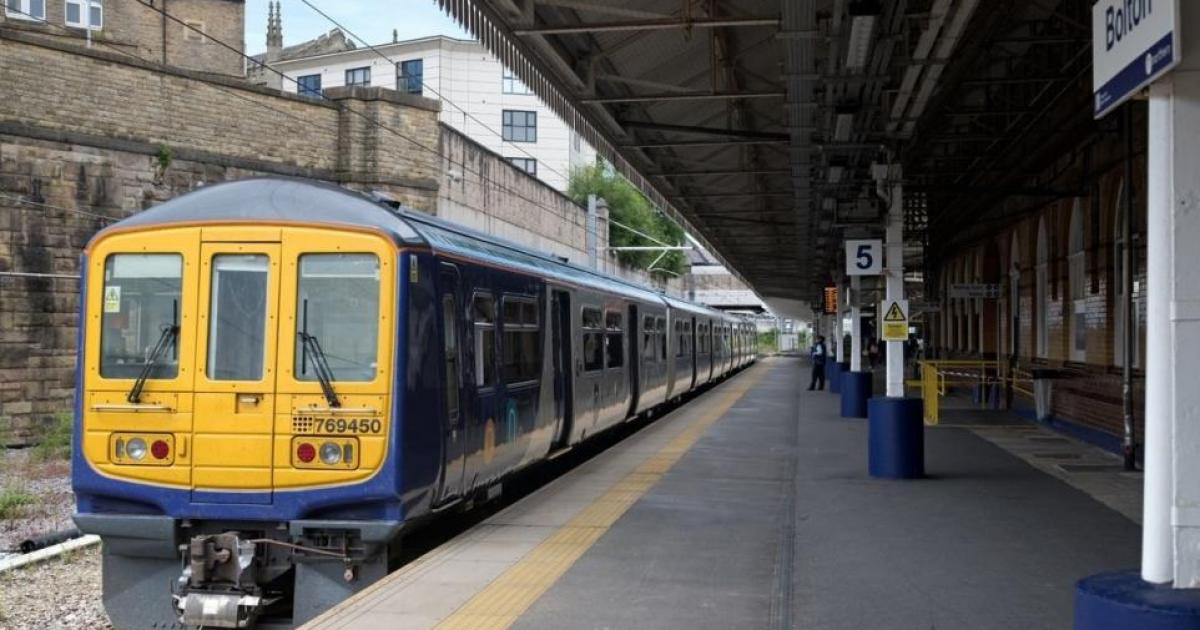
The delays are due to ‘overhead wire damage’ outside Manchester Piccadilly, meaning there are ‘signficant delays’ going to and from this station.
Travellers are advised to avoid the following routes entirely:
- Manchester Piccadilly to Crewe
- Manchester Piccadilly to Stoke on Trent
- Manchester Piccadilly to Hadfield
- Manchester Piccadilly to Buxton
- Manchester Piccadilly to Chester
The following routes are still in service but are subject to delays and, in some cases, cancellations:
- Manchester Airport, Piccadilly and Blackpool / Liverpool
- Manchester Piccadilly and Sheffield
- Manchester Piccadilly and Rose Hill Marple
- Manchester Piccadilly and New Mills Central
In a social media post, Northern Rail alerted passengers to the fact that they can use their tickets on Avanti West Coast, East Midlands Railway, TPExpress Trains, Cross Country UK, and TFWrail trains, though these trains are likely to be affected by the same issue.
Northern Rail tickets will also be accepted in the Manchester area on Bee Network and Metrolink services via ‘reasonable routes’.
This will include Bee Network bus services.
The disruption is currently expected to last until about 4pm while workers attempt to fix the problem.

The Prescot venue unveiled the programme on Wednesday, April 15, promising a wide-ranging line-up of productions.
The Cockpit Theatre will stage a “bold, immediate and immersive” staging of Macbeth, directed by associate artist Ben Crystal.
The Playhouse describes the new season as a celebration of “creativity in all its forms,” offering something for every taste and age group.
A spokesperson for the Shakespeare North Playhouse said: “The highlight of the season is one of Shakespeare’s darkest tragedies, as Shakespeare North’s Associate Artist Ben Crystal brings Macbeth into the Cockpit Theatre in Autumn 2026.
“Bold, immediate and immersive, this production places audiences at the heart of ambition, intrigue, power and fate.
“A summer-long celebration in the Sir Ken Dodd Performance Garden, with open-air Shakespeare, opera and family favourites.
“Across the other spaces of the building, artists and audiences can explore identity, history, humour and imagination.
“With something for everyone, Shakespeare North continues to bring communities together.”
The Sir Ken Dodd Performance Garden will again serve as the heart of the summer season, hosting open-air Shakespeare, opera, and family-friendly performances.
Plays scheduled for the outdoor stage include The Comedy of Errors, Love’s Labour’s Lost, Romeo and Juliet, Hamlet, Much Ado About Nothing, and As You Like It.
The Studio programme will focus on new writing and inventive storytelling.
Scheduled works include Out The Woodwork by Gingerlee Does It and The Story of Edith Smith by Pauline Fleming, alongside comedy performances such as Off Grid, which blends stand-up with theatre to explore themes of generational divide and binary politics.
Highlights include Reynard the Fox, The Almost Complete History of Britain, and a family-friendly version of A Midsummer Night’s Dream.
For the festive season, Colour the Clouds returns with A Very Messy Christmas and Wrongsemble’s Tinsel.
The comedy and fringe programme will feature Alex Stringer’s Happy Hour and the provocatively titled Women Aren’t Funny.
The Heading North Fringe Festival in May will showcase new work ahead of the Edinburgh Fringe, including Lambslaughter, The Hanged Man’s Bride, One Man Poe, The Perfect Match, and It Happened On A Tuesday.
More details and booking information are available at www.shakespearenorthplayhouse.co.uk.

Ripple Tokenized Bond Pilot Kicks Off in Korea

Robert Garcia names the one man who can beat Shakur Stevenson: “He might not want to do that”

Call of Duty movie arrives on June 30, 2028


-

 Politics6 days ago
US brings back mandatory military draft registration
-
 Sports6 days ago
Man United discover Nico Schlotterbeck transfer fee as defender reaches Dortmund agreement
-

 Fashion6 days ago
Weekend Open Thread: Veronica Beard
-

 Politics7 days ago
Malcolm In The Middle OG Turned Down ‘Buckets Of Money’ To Appear In Reboot
-

 Politics4 days ago
World Cup exit makes Italy enter crisis mode
-

 Business6 days ago
Tesla Model Y Tops China Auto Sales in March 2026 With 39,827 Registrations, Beating Cheaper EVs and Gas Cars
-

 Crypto World3 days ago
The SEC Conditionalises DeFi Platforms to Be Avoided for Broker Registration
-

 Crypto World3 days ago
SEC Signals Exemption for Crypto Interfaces From Broker Registration
-

 News Videos2 days ago
Secure crypto trading starts with an FIU-registered
-
 NewsBeat4 days ago
Pep Guardiola and Gary Neville agree over Arsenal title problem that benefits Man City
-

 Business5 days ago
Ireland Fuel Protests Enter Day 5 as Blockades Spark Shortages and Government Prepares Support Package
-

 Business7 days ago
OpenAI Halts Stargate UK Data Centre Project Over Energy Costs and Copyright Row
-

 Crypto World6 days ago
Federal judge blocks Arizona from bringing criminal charges against Kalshi
-

 Politics7 days ago
LBC Presenter Mocks Trump Over Iran War Failures
-

 NewsBeat3 days ago
Trump and Pope Leo: Behind their disagreement over Iran war
-

 Crypto World3 days ago
SEC Proposes Certain Crypto Interfaces Don’t Need to Register as Brokers
-
 NewsBeat5 days ago
JD Vance announces ‘no agreement’ with Iran over nuclear weapons fear
-

 Business6 days ago
IMF retains floor for precautionary balances at SDR 20 billion
-

 Business6 days ago
Former Liverpool CEO eviscerates FIFA for World Cup ticket pricing
-
 Crypto World4 days ago
Sei Network Enters Quiet Reset Phase as On-Chain Metrics Signal a Slowdown in 2026
You must be logged in to post a comment Login