The morning session had been held in ideal weather conditions on the north coast
12:22, 07 May 2026Updated 12:56, 07 May 2026
An incident at the Briggs Equipment North West 200 has led to Thursday’s Superbike Qualifying session being halted.
Organisers announced a stoppage due to an ‘incident’ on the course, with a delay of 45 minutes planned.
That was later followed by an update from race control stating an additional one hour stoppage.
Advertisement
Thursday’s morning session had been held in ideal weather conditions on the north coast.
Honda Racing’s Dean Harrison set the fastest lap of the week to date at 123.12mph before the red flag incident.
Glenn Irwin (Nitrous Competitions Racing Ducati) was in second place, with Peter Hickman third fastest.
The North West 200 takes place on public roads around the ‘Triangle’ circuit between Portrush, Portstewart, and Coleraine.
Advertisement
The event is Northern Ireland’s largest outdoor sporting event, attracting massive crowds of well over 100,000 spectators annually to the Causeway Coast in May.
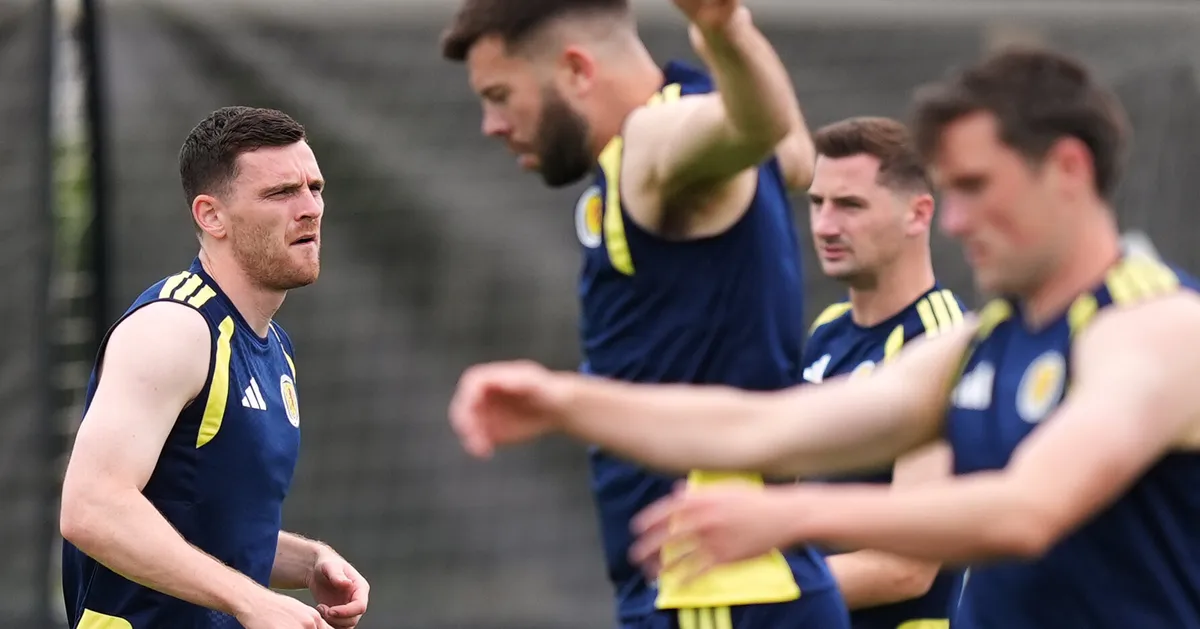
Ministers and government officials had to solve a last-minute visa row to keep alive Scotland’s hopes of reaching their first World Cup in 28 years, HuffPost UK can reveal.
Steve Clarke’s team could have been forced to forfeit a crucial qualifying match against Belarus if a solution had not been found.
That would have seen the result being registered as a 3-0 defeat for Scotland, depriving them of three crucial points.
In the end, the game went ahead at Hampden Park in Glasgow last October, Scotland beat Belarus 2-1 and ended up winning their qualifying group by two points.
Advertisement
They will play their first match of this year’s World Cup against Haiti in Boston in the early hours of Sunday morning.
But it can now be revealed that Scotland came close to not qualifying at all because of government sanctions imposed on Belarus because of the country’s support for Russia’s invasion of Ukraine.
They included a curb on issuing travel visas to Belarussian nationals inside Belarus itself.
When the eastern European minnows played a Nations League tie in Northern Ireland in November 2024, they agreed to travel to neighbouring countries to be issued with their UK visas.
Advertisement
But as the visit to Scotland in October 2025 loomed, their position changed.
The country’s football association told UEFA, the sport’s European governing body, that unless the UK government issued visas for their players and officials inside Belarus, they would not fly to Glasgow for the game.
Under UEFA’s rules, that would have seen Scotland forfeit the game on the grounds that the UK had prevented them from travelling.
No.10, the Scotland Office, Foreign Office, Home Office and the Department of Culture, Media and Sport had to find a way to make sure the Belarus travelling party were awarded visas.
Advertisement
A source said: “It was made very clear that this Labour government cannot be responsible for Scotland failing to qualify for the World Cup.”
In the first round of qualifying matches, Belarus travelled to Athens, where they were thrashed 5-1 by Greece on September 5.
In a last-ditch bid to solve the visa problem, the then immigration minister Seema Malhotra asked the British visa centre in the Greek capital if they could process the Belarus team’s applications while they were in the country.
They agreed to open their offices specially on Saturday, September 6, so their staff could give them their visas, thereby allowing them to travel to Scotland the following month.
Advertisement
A government source said: “It all succeeded, Scotland won the game, and not one of the 49,346 crowd at Hampden ever knew the role that the government in London had played in making sure that game went ahead, and that Scotland stayed on track for the World Cup.”
Ian Murray, who was Scottish Secretary at the time, was one of those involved in making sure the Belarus players got their UK visas and the game went ahead.
He told HuffPost UK: “Like millions of my fellow Scots, I’m absolutely thrilled and so excited that the Tartan Army made it across the Atlantic for our first World Cup in 28 years.
“The serious Belarus visa issue could have derailed Scotland’s qualifying campaign and with it our World Cup dream, so I’m glad it was sorted.
Advertisement
“When you go into government you know you could take the blame for a lot of things going wrong, but this problem was not of our making and solvable.
“The sheer national joy of Scotland going to the World Cup show how important it was to get the Belarus game on. Now hopefully Steve Clarke’s men can go on to have a brilliant tournament, and do us all proud.”
Subscribe to Commons People, the podcast that makes politics easy. Every week, Kevin Schofield and Kate Nicholson unpack the week’s biggest stories to keep you informed. Join us for straightforward analysis of what’s going on at Westminster.
A drug that can treat chemotherapy-resistant ovarian cancer has just been approved for use on the NHS in England. Mirvetuximab soravtansine (also known as Elahere) is the first new drug to be approved for hard-to-treat ovarian cancer in over 20 years.
In the UK, over 7,500 women are diagnosed with ovarian cancer every year. By 2040, it’s predicted this number will rise to 9,400.
For more than 30 years, platinum-based chemotherapy has been the standard of care for ovarian cancer. But while patients generally respond well to this treatment initially, in around 70% of patients cancer recurs and they develop a resistance to treatment. Once resistance has emerged, patient outcomes are poor – with a five-year survival rate of approximately 50%.
The approval of Elahere will help hundreds of women living in England who have treatment-resistant cancer by delaying cancer progression and prolonging life.
Advertisement
Elahere is an antibody drug conjugate (ADC). ADCs are a relatively new class of cancer treatment that have been developed to deliver highly potent chemotherapy specifically to cancer cells. This advance is an essential move away from typical chemotherapy, which can cause damage to both cancer cells and healthy cells and tissues when administered.
ADCs use antibodies, which are a type of immune protein. Antibodies are able to recognise cancer cells because of a protein found on their surface that is present at very high levels. This same protein is typically not found on healthy cells.
A chemotherapy agent is hidden within these antibodies so that the antibody doesn’t cause any damage to healthy cells when in circulation and only attacks the cancer cells. This chemotherapy agent is even more potent than those used in standard treatment.
The antibody and drug are tethered to one another by a chemical bridge known as a linker which only releases the drug from the antibody after it has entered into the cancer cells. The antibody binds to a cancer cell, hijacking a normal biological process called endocytosis which pulls the antibody into the cell.
Advertisement
Once the ADC is inside the cell, the linker will be cut by enzymes that are present inside it. This allows the antibody to release the chemotherapy, killing the cancer cell.
Elahere specifically targets the protein folate receptor-alpha (FR-alpha). The FR-alpha protein is found at high levels on many ovarian cancer tumours and includes those that have undergone metastasis (cancer which has spread from the site of the primary tumour).
ADCs only target cancer cells. Alpha Tauri 3D Graphics/ Shutterstock
About 35% of patients with platinum-resistant ovarian cancer are eligible for treatment with Elahere, which is a significant proportion. Tumour biopsies will need to be tested for the level of FR-alpha to confirm a patient’s eligibility.
In clinical trials, patients with high FR-alpha were selected for treatment with Elahere when they had become resistant to platinum-based chemotherapy treatments. Resistance was classified as those who had received one to three rounds of first-line chemo, but their cancer had still progressed within six months of the last round of treatment. These patients had limited further treatment options and high mortality rates.
Advertisement
The clinical research showed that Elahere was able to delay cancer progression. Patients treated with Elahere also lived longer on average than patients who continued to be treated with other chemotherapies.
Patients who had been treated with Elahere survived for around 17 months after treatment, while those who had received other types of chemotherapy only survived around 13 months.
Hope for patients
Elahere will be offered to patients with specific types of ovarian cancer – called high-grade serous epithelial ovarian, fallopian tube or primary peritoneal cancer. They must also have developed resistance to traditional chemotherapy after receiving one to three rounds of this class of therapy.
Ovarian cancer is a devastating disease. It’s very hard to diagnose until it reaches an advanced metastatic stage and the survival outcomes of the disease are low.
Advertisement
Elahere treatment outcomes are comparably very effective, and it appears to be associated with fewer side-effects compared to chemotherapy.
Elahere’s approval is a breakthrough treatment. It’s use results in increased life expectancy and quality of life for patients treated with it.
Foreign Office backed experts issue update as tourists from England, Scotland and Wales struck down
09:14, 12 Jun 2026Updated 09:19, 12 Jun 2026
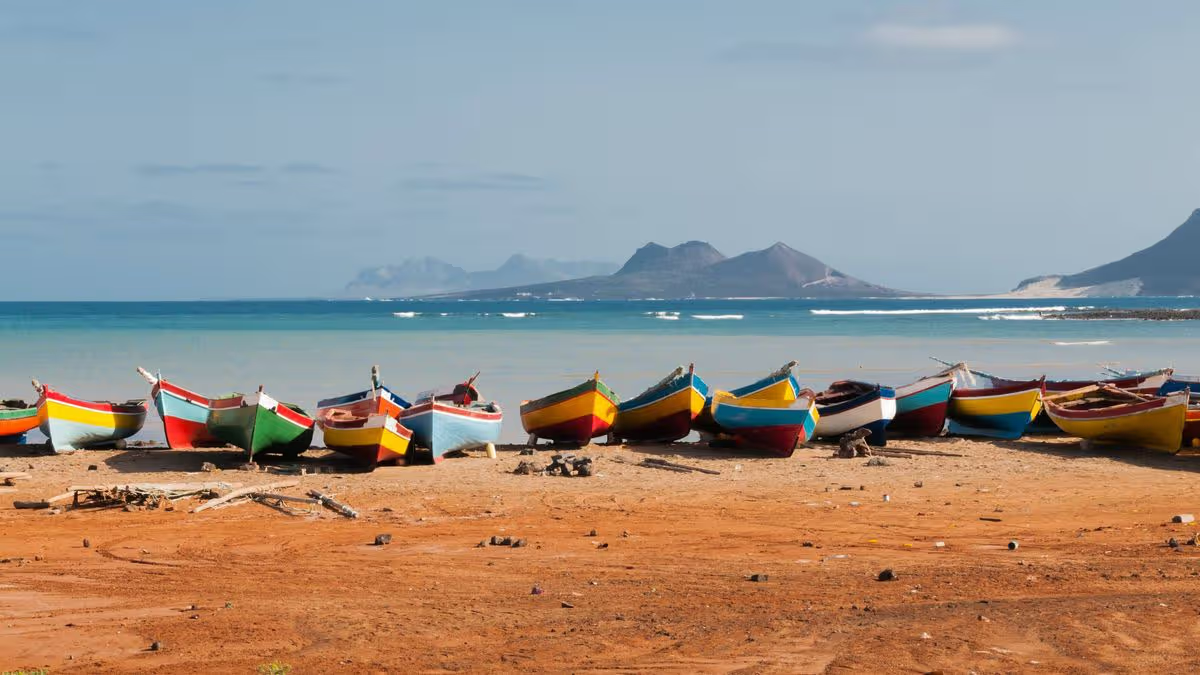
UK health experts have disclosed that 164 individuals have arrived back in England, Scotland and Wales from a holiday destination carrying a serious infection. In a fresh update, the Foreign Office-backed Travel Health Pro stated that people must exercise additional caution.
The surge in stomach bugs Shigella – also referred to as shigellosis or dysentery – and Salmonella has been occurring on the Cape Verde Islands, a favoured destination among British holidaymakers. Authorities confirmed that over the past eight months, cases of Shigella and Salmonella infection have been documented in travellers returning to England, Scotland and Wales from the Cape Verde Islands.
Of 164 confirmed Shigella cases, the majority – 112 – individuals reported travel to Cape Verde, predominantly to the Santa Maria and Boa Vista regions. As of June 2026, of 99 confirmed Salmonella cases, from three distinct clusters reported in England, Scotland and Wales since 1 October 2025, a total of 70 individuals reported travel to Cape Verde.
Advertisement
Cases in the largest of the Salmonella clusters reached their peak in January 2026. The European Centre for Disease Prevention and Control (ECDC) also flagged a surge in Shigella cases amongst travellers returning from Cape Verde since September 2022.
More than 1,000 confirmed and suspected cases of shigella and other gastrointestinal infections, including salmonella, have been identified in travellers returning from Cape Verde to 13 countries across the European Union/European Economic Area: Belgium, Czechia, Denmark, Finland, France, Germany, Ireland, Luxembourg, Norway, Poland, Portugal, Sweden and the Netherlands. Cases have also been recorded amongst US travellers who visited Cape Verde.
Shigella is a bacterium that can trigger shigellosis, a gut infection capable of causing severe diarrhoea, fever and stomach cramps. The majority of people recover within a week.
However, certain individuals, such as older adults, those with weakened immune systems, anyone with complex medical conditions, pregnant women and children under five, may face a heightened risk of complications, including sepsis.
Advertisement
Shigella spreads through contact with contaminated faeces, either directly via person-to-person transmission or indirectly through food, water or surfaces tainted with Shigella. Travellers visiting destinations where food and water safety cannot be guaranteed are particularly at risk.
Globally, the majority of Shigella cases occur in children younger than five years of age, though all age groups can be affected. There is additionally a risk of sexual transmission amongst men who have sex with men.
Salmonella, also known as salmonellosis, is a bacterial illness that primarily targets the intestines. Symptoms such as diarrhoea, stomach cramps, nausea, vomiting and fever typically appear between 12 and 72 hours after infection [8].
Young children, pregnant women, those with underlying health conditions and elderly people are at greater risk of developing severe symptoms. The majority of human cases stem from contaminated food and water.
Advertisement
For further details, click here.
While you are away.
Be sure to follow these steps when travelling overseas.
On Thursday, it was revealed that a host of British stars would be joining the cast of Only Murders for its upcoming sixth season, with one in particular catching our eye.
Of course, this isn’t the first time Geri has tried her hand at acting.
Back in the mid-90s, she and her bandmates lit up the screen in the cult classic Spice World – and who could forget her oh-so-convincing 30-second cameo in Sex And The City back in the day…?
Advertisement
The chart-toping star’s other acting credits include voicing Badger in the UK version of the animated series Franklin and appearing in the 2023 sports drama Gran Turismo, playing Archie Madekwe’s on-screen mum.
Exact details of Geri’s latest role are currently being kept under wraps, but we’ll definitely be tuning in to see how this one plays out.
Other newly-announced additions to the Only Murders season six cast include Martin Freeman, Jane Horrocks, Downton Abbey’s own Lesley Nicol and Irish performer Sharon Horgan.
The first five seasons of Only Murders In The Building are now streaming on Disney+.
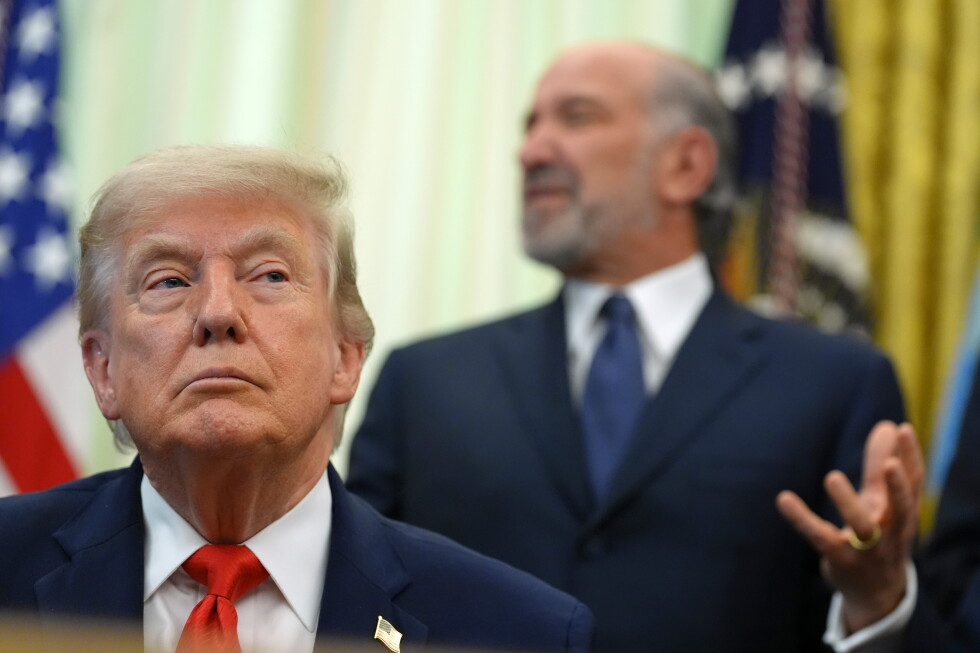
WASHINGTON (AP) — President Donald Trump has long been looking for this weekend to be a big one for his presidency.
The World Cup returns to the U.S. on Friday for the first time in 32 years after Trump threw himself into winning the bid to co-host the soccer tourney during his first term. He’ll be feted Sunday, his 80th birthday, during a UFC fight night that’s expected to draw thousands to the White House grounds. Hours after the final bout, he’s scheduled to jet off to the G7 summit in the French Alps for talks with several world leaders he’s been beefing with over war and tariffs.
But Trump set expectations even higher for the coming days when he announced Thursday that the U.S. and Iran could come to terms this weekend on an agreement that would set the pathway to end the three-month-old war that’s been broadly unpopular with Americans and has rattled global oil markets. He said he plans to dispatch Vice President JD Vance to the signing of the agreement.
Trump has said on several occasions in recent weeks that he’s on the cusp of a deal without anything coming to fruition. A spokesperson for Iran’s Foreign Ministry told state television following Trump’s comments that mediators were active but nothing had been finalized to end the conflict.
Advertisement
Still, Trump is claiming this time might be different.
The breakthrough comes after he threatened to escalate the conflict with more intense bombardment of Iran and by seizing control of Iran’s oil industry, including capturing Iran’s vital Kharg Island oil facility. The president’s threats followed back-and-forth strikes this week that had rendered a temporary ceasefire agreed to in early April all but meaningless.
“They’ve taken a pounding like very few people could take,” Trump said in an Oval Office exchange with reporters as he explained why he was confident that, this time, a deal would come through. “And they want to make the deal a lot more than I do.”
Trump offered scant details about the settlement he says is taking shape, but told reporters that he believed the Iranian supreme leader, Ayatollah Mojtaba Khamenei, who is believed to have been wounded on the first day of the war and has not been seen in public since, is ready to sign off on the deal.
Advertisement
Trump is billing the deal as “very strong,” though he says it remains “a little conceptual,” and says it would ensure Iran is blocked from ever developing a nuclear weapon.
Trump’s heightened threats are aimed at creating an off-ramp
With the conflict intensifying over the past week, Trump’s threat to escalate U.S. military action seemed in part aimed at demonstrating to the hawkish flank of his political base that he was willing to play “hardball” with the Iranians if they didn’t come to a deal soon, said Ali Vaez, Iran director at the International Crisis Group.
Trump in March warned he would target Iran’s infrastructure and put American troops on Kharg Island before he ultimately backed down, and the two countries agreed to the temporary ceasefire.
Almost immediately after raising the idea again on social media Thursday, Trump appeared to back away. He called into a morning show on Fox News Channel and questioned whether Americans had the “stomach” for an option that would require putting U.S. troops in harm’s way.
Advertisement
Hours later, Trump announced he had decided to cancel orders for “very hard” strikes on Iran and said a deal was close.
Vaez said even as Trump was posting on social media Thursday about escalating strikes, mediators from Pakistan, Turkey and Qatar had been making progress in their talks with Iran.
At the same time, Iran also may have reset the equation for Trump with its decision last weekend to attack Israel directly for the first time since the ceasefire after Israeli forces carried out military strikes on Iranian-backed Hezbollah militants in Lebanon.
With the move, Iran signaled that Israel could no longer bomb Lebanon without facing a meaningful reaction and in the process also raised the cost for the U.S. to follow through on its commitment to help safeguard Israel.
Advertisement
“It really does appear to me that Trump wants to bring this to an end, but his real challenge is that he’s looking for a victory lap and an exit ramp and those two things are not necessarily compatible,” Vaez said.
Trump expresses frustration with war narrative
Trump has been boasting since the early weeks of the conflict that he’d already won the war — much of the Islamic Republic’s leadership has been killed in the bombings and the Iranian navy and air force have been severely degraded.
But Iran continues to effectively keep the Strait of Hormuz closed, choking a waterway through which about 20% of the world’s oil supply passed before the war, and has yet to agree to restart negotiations with the U.S. over its concerns about Iran’s nuclear program, the main reason Trump and Israeli Prime Minister Benjamin Netanyahu gave to justify launching the war.
But the real problem, Trump grumbled Thursday, was largely a public relations issue.
Advertisement
“They could wave the white flag of surrender. They could say: ‘We surrender, we surrender, we’re finished, we’ve had it. The United States is the greatest power, praise be to Allah,’” Trump said on Fox News. “They could say it loud and clear. And the fake news would say it was a great victory for Iran.”
Rep. Michael McCaul, R-Texas, a former chairman of the House Foreign Affairs Committee, said Trump has grown impatient with Iran and the renewed strikes and threats on Kharg Island and Iran’s energy sector were intended to get the negotiations back to the “right place.”
Polls show that the conflict is largely unpopular with Americans. McCaul said he believes the Iranians want to “try to drag this out as long as they can,” closer to the midterm elections in November, because they see that as being to their benefit.
War will be high on agenda at next week’s G7
Deal or no deal, the war will loom large during next week’s talks at the Group of Seven summit in bucolic Évian-les-Bains, France.
Advertisement
Trump has frequently criticized some of the group leaders — British Prime Minister Keir Starmer, French President Emmanuel Macron, Italian Prime Minister Giorgia Meloni and German Chancellor Friedrich Merz — for resisting his calls to aid the U.S. and Israeli war effort.
The four leaders have also angered Trump by criticizing how he’s gone about executing the war and his lack of consultation with allies before jumping into a conflict that’s hurt the global economy as oil prices have surged.
But Trump said he is optimistic he could have an agreement before his talks with leaders in France.
“The strait will officially open as soon as we sign, which could be soon, very soon — maybe over the weekend in Europe,” Trump said.
Katie Price is looking at her past and thinks it explains her need to be in love and perhaps explains some of the bad romantic decisions she has made over the years.
Katie Price has “always needed a man” and her trouble with men stem from her childhood when her father wasn’t around.
Advertisement
The model, currently in a troubled marriage with Lee Andrews, speaks candidly about her relationship issues with men down the years in a new documentary about her life. Family members also give their side of the story’s including how Katie’s dad left the family home when she was a toddler.
Her stepdad Paul tells the new Sky documentary: “She can never be on her own. She’s always got to have a man, and this is when I was saying to myself, have I done something wrong? Is it the way she’s been brought up?
“I didn’t want to get that close. I didn’t want to feel like I’m taking over. I just wanted to be there if she needed me. I wanted her dad to be the dad, so I think that’s where she’s suffering.”
Katie agrees and says: “Paul never ever ever has made me feel like I’m not his, never. But when I think of it now, I look for in men what was probably missing from my real dad.
“I’ve always needed a man, always been vulnerable and needy. So, as much as I’ve got this power image, even though it is me, they chip away at me, and then makes me smaller as a person,. When I think of it now, I look for in men what was probably missing from my real dad.
“And through the years there’s a habitual kind of abuse for men against me, taking advantage of me from a young age for their self benefit, and each time the traumas happened, I think it affected me,”
Growing up Katie also suffered a horrific incident where a man in a park tried to abuse her aged around seven with two other children. She still remembers what the man said to her, before another pair of children raised the alarm and police arrived.
Advertisement
The former glamour model says she hopes four-part series Katie Price : Nothing to Hide, will mark a new chapter in her life, trying to move on from her problems.
She said at the premiere at the Sheffield Documentary Festival: “I am definitely the best version I’ve ever been of myself. It’s like I’ve been in a washing machine and come out the other side with the experience and the knowledge, and I am at peace with myself. I feel like I’m starting my career again, and this is the start of my new career.”
Despite currently being married she did not rule out going down the aisle again, and encouraged Sky to make another film about her in another decade or two and added: “What am I going to be like in 20 years? I should certainly look different, my face will be up here. How many more marriages? I don’t know.”
Advertisement
Katie admitted at times she found re-living her life for the cameras so stressful that she had to stop interviewing sessions early as she got too emotional going over old relationships and problems. Her life has included multiple marriage break ups, abuse as a child and overdoses.
She explained: “I am an open book. They would say we’re going to film today ten until three, and I’m like okay.
“And then sometimes after two hours, I’m like, I just can’t do it anymore. There’s some moments where I’ve had therapy to get over some of the moments in my life, and I had to relive it again, and Paddy’s very good at taking me back there, and me having to have the same feelings and I found that difficult and I’m too overwhelmed but that’s what I think makes a good show.
“Like I love watching documentaries but there’s so many people whose documentaries are so manufactured, they are in with the edits, so they look like a polished turd. I am not that, I am like so you have the footage, you do what you want, and I’ll be like everyone else and sit back and watch it. I haven’t had time to reflect on anything in my life, because it’s always the next thing.”
Advertisement
She added: “I’m a survivor. I’ve definitely got courage and the work ethic. Still hungry for it, still got the drive, and yeah, hopefully the younger generation will watch it and think it’s not easy and just putting up a picture(on social media). You’ve got to work for what you get.”
Katie Price: Nothing to Hide is launched on Sky on July 8.
If you’re struggling and need to talk, the Samaritans operate a free helpline open 24/7 on 116 123. Alternatively, you can email jo@samaritans.org or visit their site to find your local branch
Healey stunned Westminster on Thursday morning by unexpectedly announcing he was quitting the cabinet in protest at the amount of money No.10 and the Treasury were making available in the long-delayed Defence Investment Plan (DIP).
In a blistering letter to the prime minister, he said he had been left with “no other option” after learning that defence spending will go up from 2.6% of gross domestic product (GDP) next year to just 2.68% in 2030.
Advertisement
It is understood that amounted to an extra £13.5 billion, less than half of the £28bn army chiefs said they needed.
Healey said the funding settlement would force him “to make decisions that would reduce the readiness of our Forces and increase the risk to personnel on operations, and could make the country less safe”.
But in his reply, Starmer said he was “proud of our record on funding”.
He said: “When we entered government in 2024, I took the decision to increase defence spending after the Conservatives hollowed out our armed forces.
Advertisement
“That required a cut to the international aid budget but the result was the highest sustained increase in defence spending since the Cold War. I will always do what is needed to keep our country safe.
“I thank you for your work to deliver on all of this. You are also right that we have to go further. The Defence Investment Plan does just that— delivering an unprecedented increase in defence spending in a sustainable way.”
“It will provide the resources our military needs to keep us safe and the clarity the British defence industry needs to plan. It will make the big strategic investments we need for the long term and give the certainty which private finance needs to invest.
“It will allow our armed forces to transform and modernise and back them with the tools they need to change the way we fight – and to deter our enemies.”
Advertisement
The PM added: “Taking these decisions is never easy I am determined to rebuild our country after years of being buffeted by crises.
“I am sorry that you will not be part of that work going forward.”
Tory leader Kemi Badenoch said his resignation showed Starmer’s “premiership is falling apart”.
She said: “His health secretary resigned two weeks ago. His defence secretary has resigned at a critical time when we are facing global threats, and he is doing so because the prime minister is trying to please his backbenchers by putting money into welfare instead of defence.”
Advertisement
Subscribe to Commons People, the podcast that makes politics easy. Every week, Kevin Schofield and Kate Nicholson unpack the week’s biggest stories to keep you informed. Join us for straightforward analysis of what’s going on at Westminster.
A proposed ballot measure on voter ID, popular with Republican voters, could help drive turnout, he added. Hilton has said that he has not seen evidence of voter fraud in the state, but has called for electoral reform, including ending the practice of mailing ballots to California’s 23 million registered voters – a practise that largely causes the state’s slow ballot count.
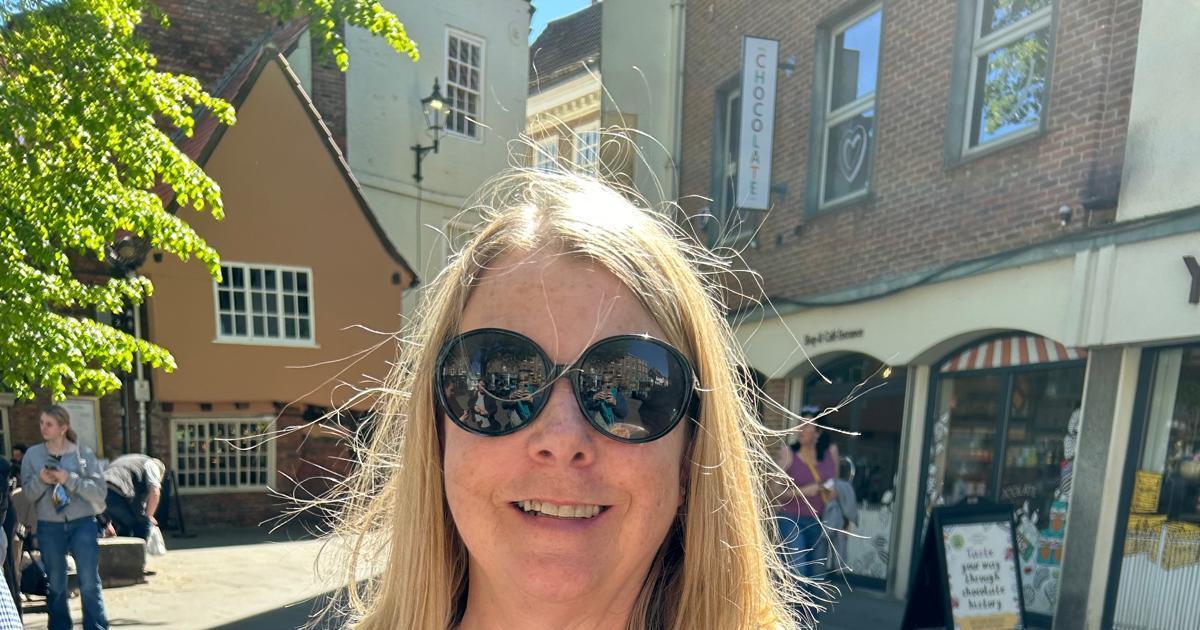
Yorkshire Appetite Food Tours has introduced its Taste of Yorkshire Food Tour, taking visitors to five venues across the city serving classic dishes rooted in the county’s culinary heritage.
Founder Kay Atkinson said the idea came after years of feedback from visitors expecting a more traditional menu.
Kay said: “When I have been on food tours elsewhere in the world, they mostly focus on foods particular to the destination.
Advertisement
“Over the years, we’ve had people come on our York Food Tour who are surprised that they’re tasting a diverse range of cuisines and not traditional Yorkshire dishes.
“Although we’re very clear on our website that our standard York Food Tours focus on York’s influences from around the world and not Yorkshire food, this did spring an idea.
“I felt there was a place for a food tour that focused on traditional and authentic Yorkshire dishes.”
The tour features five stops at well-known city venues – Love Cheese, The Royal Oak, Drake’s Fish and Chips, Thomas the Baker and York Cocoa Works.
Advertisement
New York food tour showcases traditional Yorkshire dishes – including Yorkshire puddings with beef and lashings of gravy at The Royal Oak. Photo: Submitted
Guests will sample a range of sweet and savoury specialities, including Yorkshire puddings, fish and chips cooked in beef dripping, traditional cake and locally made chocolate.
Kay added: “Yorkshire food is warm and welcoming, like our people. Our dishes are hearty and comforting. They’re like a hug in a dish.
“Our Taste of Yorkshire Food Tour focuses on popular Yorkshire dishes that the county is known for and the great produce our lush landscape produces.
“Yorkshire puddings make an appearance, of course, as well as the staple fish and chips, cooked the Yorkshire way in beef dripping.
Advertisement
“Guests will also try a traditional cake and locally made chocolate, which is a big part of York’s heritage.”
Fish and chips cooked the traditional Yorkshire way with beef dripping at Drake’s Fish and Chips. Photo: Submitted
The new four is fully guided, with visitors meeting outside York Minster before setting off on foot between the tasting locations. Along the way, guides share insight into Yorkshire’s food traditions and local history.
Kay said the tour is aimed particularly at international visitors keen to experience regional cuisine, although UK guests are also encouraged to take part.
Guests on the Taste of Yorkshire Food Tour in York. Photo: Submitted
She said: “Our new tour is generally aimed at international travellers who may not be familiar with the delicious food that our wonderful county produces. We want to give them a Taste of Yorkshire.
Advertisement
“Guests from the UK are, of course, very welcome to join us as well, whether they’re from the south or elsewhere in the country and want to try our local fare, or if they’re from Yorkshire and the north and want a taste of home.”
The Taste of Yorkshire Food Tour runs on selected Thursdays, Fridays and Saturdays throughout the year. The three-and-a-half-hour experience includes five tasting stops and costs £75 per person.
For more information or to book, visit the Yorkshire Appetite Food Tours website.














































You must be logged in to post a comment Login