The heat is likely to impact health and daily lives of those within the warning area
12:36, 21 Jun 2026Updated 12:50, 21 Jun 2026
Parts of the UK are under an extreme heat alert with forecasters predicting near 40C temperatures. The Met Office has expanded an Amber heat warning into next week, which will likely impact residents of affected areas.
The alert is in place for Monday, June 22, until Thursday, June 25, and covers South East England and parts of Wales. The incoming heat is a result of band of pressure that is currently migrating from France. While the alert is not in place for Scotland, high temperatures of up to 30C are to reach the country next week.
Met Office Deputy Chief Forecaster Tom Crabtree, said: “The forecast heatwave is developing into an impactful severe weather event, with record breaking June temperatures and very high humidity. The combination of heat and humidity will be oppressive and bring impacts across society from public health and infrastructure, to power and water supplies.”
Advertisement
Temperatures will quickly rise on Monday morning (June 22) and are forecast to reach 34C in southern parts of England. heat will rise further into Tuesday (June 23), with highs of 37C forecast for southern England and 35C southeast Wales.
Conditions are set to peak on Wednesday and Thursday (June 24 and 25) when temperatures are expected to climb to 38C. By Friday conditions will be less hot, with highs of 33C forecast across eastern areas.
It is now likely the current highest temperature on record for June will be broken, this being 35.6C recorded in Southampton in June 1976 and Camden Square in June 1957.
Advertisement
Forecasters say that the heat will not be specific to day time, as “Tropical Night” temperatures are set to remain in the low twenties. The warning highlights potential health impacts for the wider population, not just those vulnerable to extreme heat.
Crabtree added: “As well as very high daytime temperatures, there will be consecutive nights where temperatures do not drop below 20C, which is called a Tropical Night. This will make it very hard for people to recover from the daytime heat, exacerbating the heat stress impacts.”
This extreme heat alert is not in store for Scotland, but residual warm air is set to move upwards, bringing scorching temperatures next week. The latest figures from WX Charts show areas in the north of Scotland reaching 26C by next Tuesday in Edinburgh and the east coast.
By Wednesday, temperatures are to reach 25C predominantly below the Central Belt. However by Thursday, the UK’s extreme heat will finally arrive in Scotland, with areas furthest south set to reach a sweltering 30C.
Advertisement
The Amber alert highlights the potential rise in water safety incidents due to resident seeking respite in coastal areas. Those heading to the sea should be mindful that surface temperatures are not as high as those seen in mid-summer. Sudden impact with cold water can lead to shock, which in turn raises heart rate and could trigger panic.
Samantha Hughes is the National Water Safety Partner at the RNLI. She said: “If you find yourself struggling in the water, remember to Float to Live: tilt your head back so your ears are submerged, relax and control your breathing. You may need to gently use your hands to help you stay afloat, and it’s ok if your legs sink—everyone floats differently.
“Where possible, always choose a lifeguarded beach, and swim between the red and yellow flags. In a coastal emergency remember to call 999 for the coastguard.”
“Bradley Barcola emerging as a target for Arsenal shouldn’t be a huge surprise for us,” he said. “Of course, if we go back to the start of the Premier League era, or more accurately, the arrival of Arsene Wenger a couple of years after the Premier League started, Arsenal have this huge history with French players.
According to local media reports, under the extradition process, the UK’s formal request will be transmitted through Kenya’s Ministry of Foreign and Diaspora Affairs before being forwarded to the Office of the Attorney General and subsequently presented before the Director of Public Prosecutions (DPP) in court.
PARIS (AP) — France endured sizzling temperatures on Sunday, with trains, concerts and sports events canceled and authorities cracking down on drinking alcohol in public, as an exceptional heat wave unfurled across parts of Europe.
Multiple drownings were reported as people sought relief in whatever water they could find.
About a third of France is under a “red alert” for heat, and high temperatures reached 40 C (104 F) in some areas, in a country where air conditioning isn’t widespread. The forecast for Monday is even hotter.
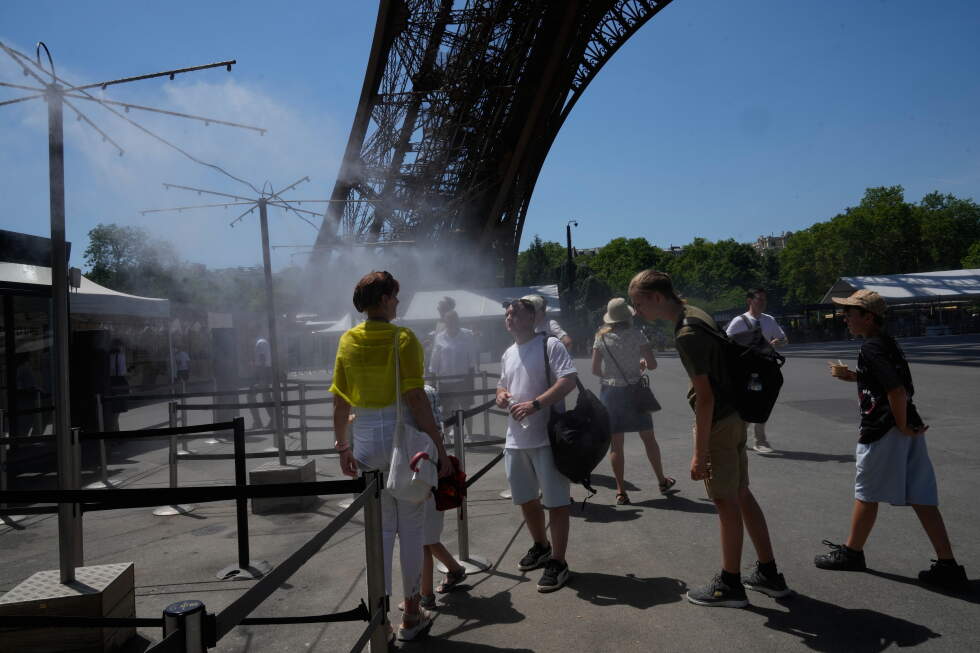
The Eiffel Tower and other Paris venues set up misting stations to cool down crowds, among a raft of measures introduced by authorities to minimize risks. Tourists in Rome dunked in fountains. Spain’s Basque region canceled some sports and cultural events.
Advertisement
Over the last four years, more than 200,000 people across Europe died from heat-related causes, and most of the fatalities were preventable, the World Health Organization’s Europe office said this month. More above-average temperatures are expected this summer, which can cause heat exhaustion and life-threatening heat stroke.
Human-caused climate change is tied to increasing extreme weather and U.N. climate agency projections say the next five years should shatter more heat records. A rapid study found that human-caused climate change was responsible for killing about 1,500 people in an unusually early European heat wave in May.
In this latest European hot spell, French media reported that four children drowned Saturday. Summer drownings are an annual problem that health authorities say worsens during hot spells.
Solstice parties draw large crowds in extreme heat
France’s annual Music Day on Sunday was of particular concern. The nationwide summer solstice celebration involves thousands of concerts in village squares, rave venues and Paris clubs, bringing communities together and increasingly drawing British and other international visitors. Some of the concerts outside Paris were canceled.
Advertisement
The French government banned drinking booze in “red alert” zones, and ordered organizers of music day events to limit alcohol consumption to “preserve emergency services and allow medics to concentrate on taking care of the most vulnerable.”
Scores of French trains were canceled, and the national rail authority dispatched thousands of extra staff to deal with potential problems as the heat threatened rails and electrical cables.
Authorities are notably worried about people living in the baking streets, and elderly people in nursing homes or isolated in their homes. About 15,000 older people died in France in a 2003 heat wave that became a national reckoning.
The government mobilized emergency services and military forces for reinforced wildfire readiness, imposed tightened surveillance of water supplies to France’s many nuclear reactors, and ordered 845 schools to close Monday.
Advertisement
Spain, Italy, Germany swelter as tourists seek relief
Spain kicked off the summer with large parts of the country on alert because of temperatures expected to hover around 40 C (104 F) — even in the interior of the Basque region, an area in the north of the country, which typically experiences cooler temperatures.
Authorities have suspended outdoor sports and cultural activities in the region. The heat wave is expected to scorch Spain at least through Wednesday.
In Italy, authorities expanded heat warnings — referred to locally as “red flags” — to eight cities Sunday in northern and central parts of the country. Temperatures there are mostly in the upper 30s C (high 90s to low 100s F).
Advertisement
Sign up for Morning Wire:
Our flagship newsletter breaks down the biggest headlines of the day.
Advertisement
At one farm outside Milan, owners set up fans and sprinklers to keep cows cool, while visitors to Milan Fashion Week huddled under parasols and clutched fans. In Rome, tourists dunked their arms and occasionally their faces into the city’s famed fountain pools.
German meteorologists are forecasting temperatures of up to 37 C (98 F) for Monday and Tuesday, and up to 39 C (102 F) on Wednesday.
A 23-year-old man drowned Saturday in a lake near Rheinstetten in the southwestern region of Baden-Württemberg, the German news agency dpa reported. Three other people are missing after swimming in the Rhine River, a police spokesperson told dpa.
Advertisement
The U.K. weather office has issued an “extreme heat” warning for much of southern England and parts of Wales from Monday until Thursday, saying temperatures could reach 38 C (100 F). The current record for a June day is 35.6 C (96 F), reached in 1976.
Thunderstorms also threatened regions in Germany and Poland.
French Prime Minister Sébastien Lecornu is convening a new government heat crisis meeting Sunday, and ordered government ministers to plan for better adapting France to heat waves in the future — including “via air conditioning, if necessary.”
___
Advertisement
Derek Gatopoulos in Athens, Greece, Claudia Ciobanu in Warsaw, Poland, Jill Lawless in London, and Teresa Medrano in Madrid, contributed to this report.
Gov. Sergey Aksyonov, the Kremlin-appointed head o Crimea, said that overnight Ukrainian strikes killed four people and wounded 28 others. He did not specify the target of the attack.
He later wrote on social media that local gas stations would halt all sales to non-state companies and individuals for an undefined period.
“Fuel will be sold only to government agencies that ensure the functioning and security of the Republic of Crimea,” Aksyonov said. “I ask everyone to remain calm and to only trust official sources of information.”
Advertisement
Ukrainian forces have repeatedly targeted fuel supplies to Crimea in recent weeks, triggering the worst energy crisis in the region since it was illegally annexed by Russia in 2014.
Ukrainian President Volodymyr Zelenskyy said in a statement Sunday that a Crimean oil depot, as well as an oil transport facility in Russia’s southern Krasnodar region were among the targets. He described the attacks as part of Ukraine’s “long-range sanctions” against Russia’s energy infrastructure.
“Russia understands only strength, and our long-range strength is certainly working for peace,” he wrote.
Russian officials in Krasnodar reported earlier Sunday that a drone strike sparked a fire at a Black Sea oil terminal in the village of Chushka. They said that Ukrainian attacks struck a ferry, killing one person.
Advertisement
Motorists struggle to find fuel
The Crimean peninsula has had periodic fuel shortages from Ukrainian strikes before, but the current crisis is the worst since its 2014 annexation.
At the end of May, authorities restricted the sale of gas to 20 liters (5 1/3 gallons) per vehicle owner per week, using prepaid coupons. Those were snapped up immediately following their release on an official messaging app channel, and motorists lined up for hours, waiting to refuel.
Social networks have been abuzz with requests and advice on where to find fuel, and authorities launched a hotline for tourists in the area who have found themselves trapped.
Some motorists bring their own gas from Krasnodar and elsewhere via the Kerch bridge, but they are restricted to carrying 100 liters (about 26 1/2 gallons) per vehicle. Some speculators are selling gas at double the market price.
Advertisement
Sign up for Morning Wire:
Our flagship newsletter breaks down the biggest headlines of the day.
Advertisement
In a rare public acknowledgment, the Kremlin has recognized the scope of the problem and promised to address the issue quickly.
However, Ukraine’s successes have highlighted its ability to inflict painful damage on Russia and change the course of the conflict while Moscow’s advances recently have ground to a near halt. On June 11, Russia’s full-scale invasion of Ukraine reached its 1,569th day, surpassing the duration of World War I.
The officer’s name has been placed on the police barred list
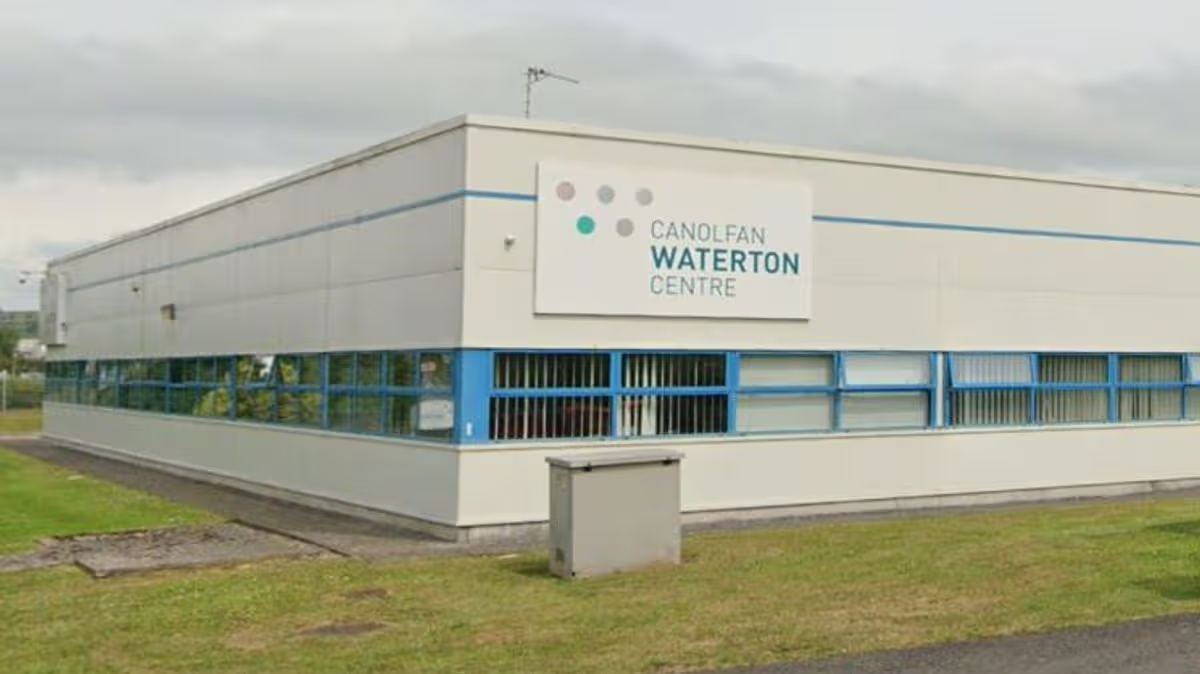
A police officer has been dismissed without notice after accessing the police computer to check records of their sister’s new boyfriend. A misconduct hearing was held by South Wales Police at the Waterton Centre in Bridgend over three days this month into the alleged misconduct of constable Sonia Lewis in relation to police computer misuse.
Advertisement
The allegations were that between March 2020 and October 2021, that constable Lewis undertook searches on police systems for no policing purpose. A report stated that on July 6, 2020, whilst on a rest day, she searched her sister, an ex-partner of hers, and that ex-partner’s sister, with “an aggravating factor” that she shared some of the information about the ex-partner with her then partner.
It further stated that on July 15, 2021, she had searched for her sister’s then partner. Other allegations stated she had conducted searches relating to other family members, the streets where they lived, and the street where she herself lived. On August 4, 2020, she had also conducted a search of a person believed to be in dispute with a family member, it was alleged. Stay in the know by making sure you’re receiving our daily newsletter.
The report stated: “PC Lewis accepts that she did access police systems as alleged, and that she did not have a policing purpose for doing so. She does not accept that she shared information in the manner described, but does accept that she made mention of the information she had gleaned from accessing the relevant record on July 6, 2020.”
It added that PC Lewis accepted that her conduct breached the Standards of Professional Behaviour, and that her conduct amounted to misconduct. But she denied that the ‘standard of honesty and integrity’ had been breached and maintained that her conduct did not amount to gross misconduct.
Advertisement
The Appropriate Authority did not accept PC Lewis’ assessment of seriousness, the report stated, and “maintains that the repeated instances of deliberately accessing confidential systems without a policing purpose, in circumstances where PC Lewis had adequate experience and training to know that she should not undertake such activity, would amount to gross misconduct, particularly given the variety of circumstances in which she does so and the extended period (approaching a year) of systems misuse.”
Concerning the searches on July 6, a statement from PC Lewis read: “I did the searches outlined in the circumstances I stated in interview. I had messages from an unknown male and then spoke to the male on the phone.
“I did not know who the person was. It looked like the male was from Essex. Initially did not know if the messages were genuine. At the time I was unaware of my sister being with anyone and did not know she was ‘dating’. I was in a panic. I was crying and upset by what the male was telling me. I did tell someone I was going to check to see if I could find out what was going on.
“When I did this, I did not then consciously relay what I had found out to them, but as I was doing the searches I recall saying out loud what I was seeing on the system, as it was feeding into my panic and anxiety. I did not hold a conversation with them about what was on the system.”
Advertisement
It added: “I appreciate I should not have done the searches. It was wrong and I should have dealt with the situation in a different way.
“At the time I was not in a good place in my personal life and the panic and anxiety I felt when I received the messages and calls triggered my reaction. I did not gain anything from what I did and I did not deliberately pass any information to anyone.”
It further added: “I did the search in June 2021 to try and ‘vet’ the address that I was hoping to move to. I should not have done the searches. I appreciate this was being done for personal reasons and was not appropriate. I did not pass any information to anyone. Though it does not justify my actions I hope that the above helps explain why I did it, and that at the time I did not think rationally about the seriousness of what I was doing, but was simply driven by my emotions.”
The judgement stated: “The officer repeatedly told us that she knew what she had done was wrong at the time of the incidents and that she would not do the same thing again. She also expressed remorse. She accepted that every time she opened the force system that a pop-up warning about all key aspects of the appropriate use of police systems had to be proactively acknowledged before access to the system was granted.
Advertisement
“This would have routinely reminded her of her obligation not to access the information on the computer, unless it was for policing purposes – she repeatedly disregarded this instruction.
“Overall, on the balance of probabilities, the panel concluded that the officer completely disregarded the sanctity of a core tenet of policing in relation to data access and security and effectively treated the police data as something that she had a right and entitlement to use, as she pleased, for her own purposes (and that of her family). The panel also concluded that the officer had not been completely open and honest with the panel and that many of her actions were motivated by a general disregard for rules and her pursuit of her own best interests.”
Dealing with breaches of the standards of professional behaviour, the panel found find that the officer had breached the ‘honesty and integrity’ Standard of Professional Behaviour, an allegation she denied, on the basis that it said integrity “directly relates to an individual’s requirement to adhere to the ethical standards of their profession.” It said it had “no doubt that PC Lewis abused her position.”
Gross misconduct
Advertisement
Misconduct hearing chairman, Ian Arundale QPM, wrote in the judgement: “Overall, we consider that the officers offending is very serious and we have carefully applied the purposes of the misconduct regime to all our sanction deliberations to apply an outcome which most closely meets its overall objectives.
“We first considered a final written warning and if it would meet the purpose of the regime. Gross misconduct is proved in this case and for this type of offence it is clear that, ‘dismissal is likely to follow’.”
He adds: “The officer’s conduct is contrary to significant training and awareness that she has received. As indicated, every time she accessed the police system, she casually disregarded the clear and precise warning about computer misuse. She chose not to follow her specific training in relation to this area, nor adhere to the clearly understood expectations of the police service.
“The panel considers that police officers, in the course of their duties, have access to very private and personal information, often acquired when members of the public are at their most vulnerable. In holding that information, police officers must be trusted completely and without exception. If police officers cannot be trusted then, naturally, members of the public are less likely to make disclosure and support police investigations. That access to information puts police officers into a position of authority that they should never abuse.
Advertisement
“The panel reminded itself that its central concern, having regard to the principle of proportionality and weighing the interests of the public and the officer, is the reputation or standing of the policing profession rather than the punishment of the officer.
“Accordingly, the panel concludes that, having found gross misconduct, the officer’s behaviour did/will cause great harm to public confidence in the profession of policing.
“Having considered the lesser potential outcome first, and given full and serious consideration to the option of a final written warning, we are satisfied that the misconduct was so serious in this case that only an outcome of dismissal without notice is justified and commensurate with the stated objectives of the police misconduct regime.
“We direct that the officer’s name be placed on the police barred list (Police Barred List Police Advisory List Regulations 2017).”
Advertisement
Get daily breaking news updates on your phone by joining our WhatsApp community here. We occasionally treat members to special offers, promotions and ads from us and our partners. See our Privacy Notice.
SOUTHAMPTON, N.Y. (AP) — Two winners could emerge at the U.S. Open barring any Sunday surprises at Shinnecock Hills.
That starts with Wyndham Clark, who went into the final round with a six-shot lead. No one has ever lost a 54-hole lead that large in U.S. Open history, and the last time anyone failed to win this major with a five-shot lead happened 107 years ago.
The other winner might be the USGA.
The toughest test in golf became too tough the last two U.S. Opens at Shinnecock Hills, the Long Island course where the the turf can go from soft to dry in a New York minute because of wind and sun and the sandy soil on which it was built.
Advertisement
It was so out of control in 2004 that no one broke par on the final day. The next time in 2018, some of the greens became borderline unplayable late in the afternoon and caused more chaos. That remains the last U.S. Open with a winning score over par.
Clark, who won the U.S. Open at Los Angeles Country Club in 2023, didn’t make it look that way. He has set a Shinnecock scoring record after each round with extraordinary golf, from making long putts to a sublime short game and one majestic 3-wood to make the only eagle all week at the par-5 16th.
All that was left was 18 holes to determine if Clark could hold on to become the first wire-to-wire U.S. Open champion since Martin Kaymer at Pinehurst No. 2 in 2014, or if Scottie Scheffler could stage a rally on his 30th birthday to win the career Grand Slam.
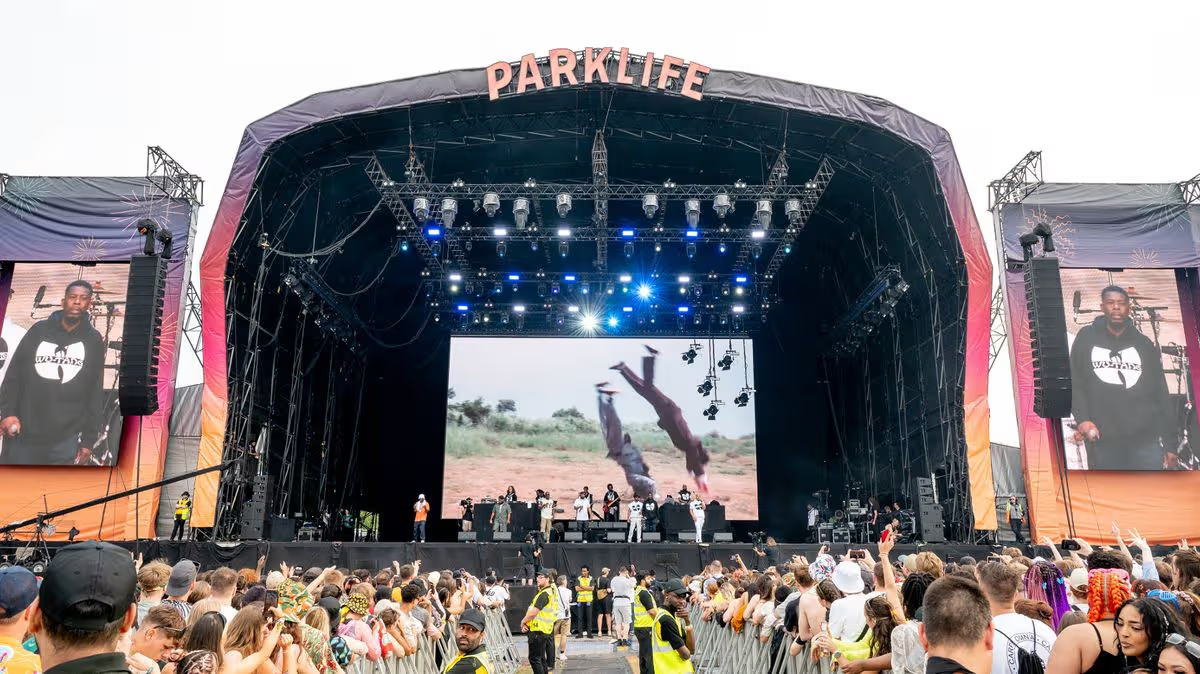
Drawing in more than 80,000 fans, this year’s festival has already featured the likes of Skepta, Sammy Virji, Josh Baker, Rossi, Prospa, Nia Archives and more yesterday (June 20) with many more big names playing later today.
Sunday’s line-up is fronted by headline sets from Calvin Harris and Zara Larsson, with artists including Armand Van Helden, Osmosis Jones, Omar+, LP Rhythm, Shy FX, Kettama, and Rudim3ntal also bringing the energy to crowds across the five main stages.
Advertisement
Click here for the latest on Manchester’s food & drink scene, gigs and more in our CityLife newsletter
The newest addition to this year’s Parklife will be the Panorama stage, which has been described as an evolution of the fan-favourite Hangar. Making its debut, the set-up will feature multi-level dance platforms, a massive 100-metre curved LED screen that wraps around the stage, and exclusive behind-the-booth access for VIPs. On Sunday, the likes of Chloé Caillet, Ewan McVicar and Chris Stussy will play the new stage.
Whilst fans will also be flocking to Heaton Park for the major music festival, there will also be other big-scale events taking place elsewhere across the city-region which are likely to have an impact on public transportation. The other big event will be Take That’s gigs at the Etihad Stadium – where they will play tonight for their third and final show this week.
There will also be the B-52’s and DEVO at the AO Arena, whilst the ICC Women’s T20 World Cup 2026 at Old Trafford will also see South Africa and India play against each other.
Advertisement
We’ll be sharing the latest updates for day two of Parklife 2026 in our live blog below which you can follow for updates and photos.
Ashley Jones, Head of Water Safety and Education at RLSS UK, said: “We urge parents, carers, teachers, and community providers to use RLSS UK’s free, accessible water safety resources to educate children and teens with critical information this June and ensure everyone has a safe summer.
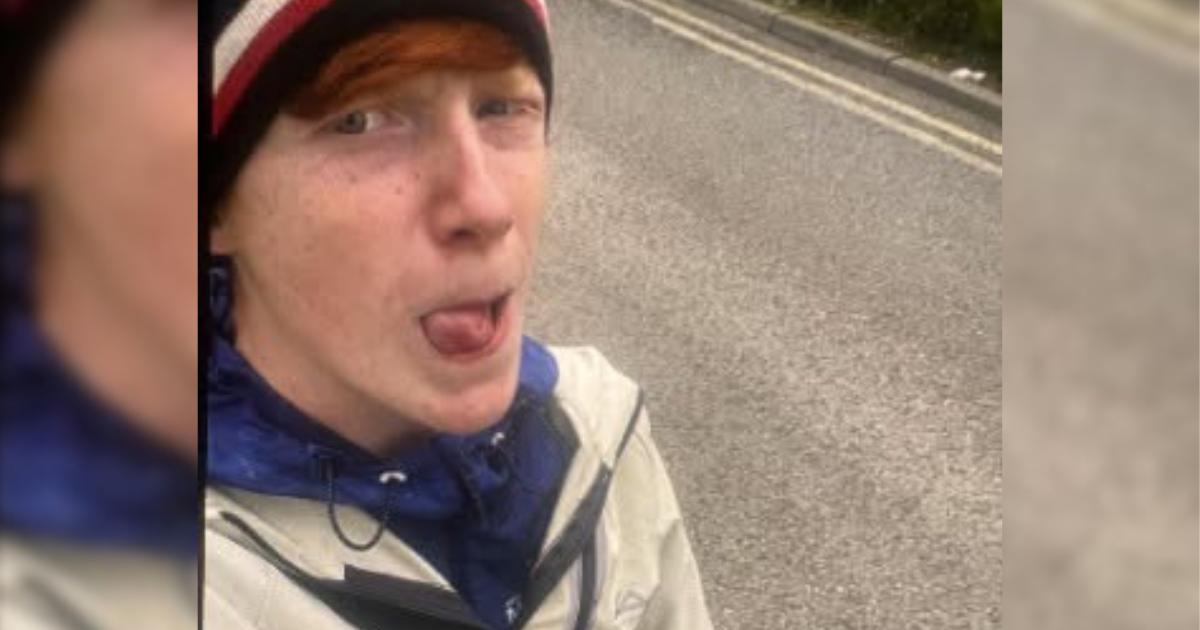
Harley, 16, was last seen on Gisburn Avenue, Bolton, at around 7pm on Saturday, June 20.
Bolton police issued an appeal to the public, asking for help to find him.
Approximately 5ft 10in tall and of slim build, he has short ginger hair with a fringe, officers said.
Harley is 16 (Image: GMP)
The force said they are increasingly concerned about Harley’s welfare and want to ensure his safety.
Advertisement
He wore a navy blue Moncler beanie hat, a light green and grey Trailberg jacket, navy blue cargo pants, black Nike trainers with a pink tick, and carried a Louis Vuitton bag.
Anyone with information is urged to contact police on 0161 856 5511.
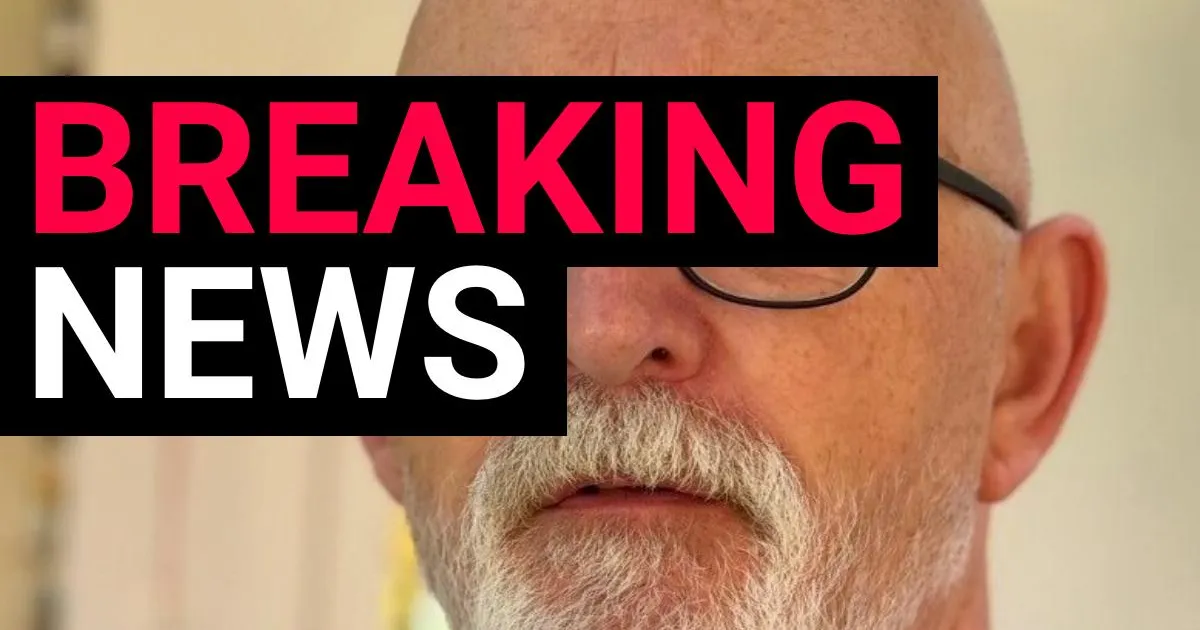
Family reveal devastation after loss of Shaun Burton
The family of a train driver who tragically lost his life in the Bedford crash have spoken of their ‘devastation’.
Shaun Burton, 60, was named as the only fatality of the rail crash that injured around 100 passengers on board on Friday.
His family said: ‘We are devastated by his loss. Our thoughts are also with those affected by this incident.’
A British Transport Police spokesman added: ‘Shaun’s family are also releasing this picture of him and would now like to ask for their privacy to be respected as they begin to come to terms with this devastating loss.
Advertisement
‘Our thoughts continue to be with them and his colleagues at East Midlands Railway.’
Sign up for all of the latest stories
Start your day informed with Metro’s News Updates newsletter or get Breaking Newsalerts the moment it happens.












![Who's your favorite girl in Digital Circus? [Money Money Green green meme] #shorts #trend](https://wordupnews.com/wp-content/uploads/2026/02/1771002718_maxresdefault-80x80.jpg)






















You must be logged in to post a comment Login