The roadworks will be taking place near Addenbrooke’s Hospital and will cause delays to traffic in the area.
Roadworks along two Cambridge streets are set to start this week and will last around eight weeks. The roadworks on Long Road and Hills Road towards Addenbrooke’s Hospital will be in place from Friday, May 1.
Advertisement
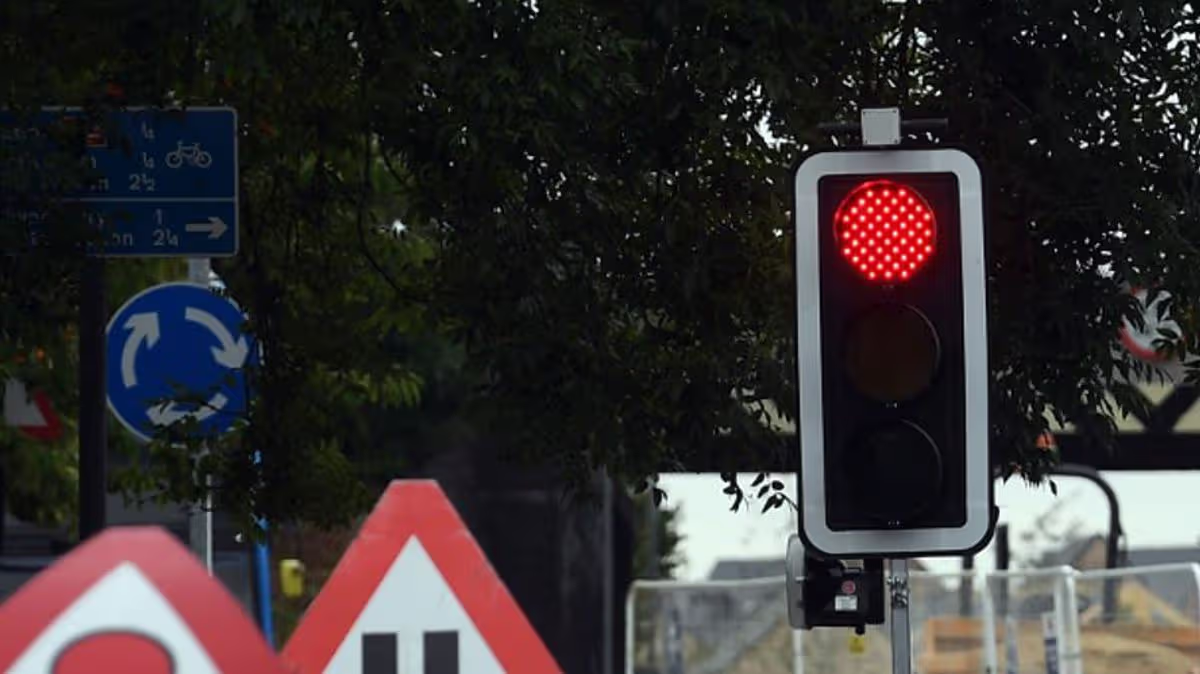
There will be temporary traffic lights placed on both roads during the works. The work is currently set to be completed by Sunday, June 28.
Cambridgeshire County Council has said the temporary traffic lights are likely to cause delays in the area. The work is being carried out by Cadent Gas, who will be replacing old pipes with new plastic ones.
The work means some properties will have their gas supply turned off during the day and Cadent Gas might need access to some homes. Cadent Gas has said its teams will be on the site to answer any questions residents might have.
A spokesperson for Cambridgeshire County Council said: “Only one road will be worked on at a time. Please plan your journey.”
Advertisement
To get more news and top stories delivered directly to your phone, join our new WhatsApp community.Click this linkto receive your daily dose of CambridgeshireLive content.
We also treat our community members to special offers, promotions, and adverts from us and our partners. If you don’t like our community, you can check out any time you like. If you’re curious, you can read ourPrivacy Notice.
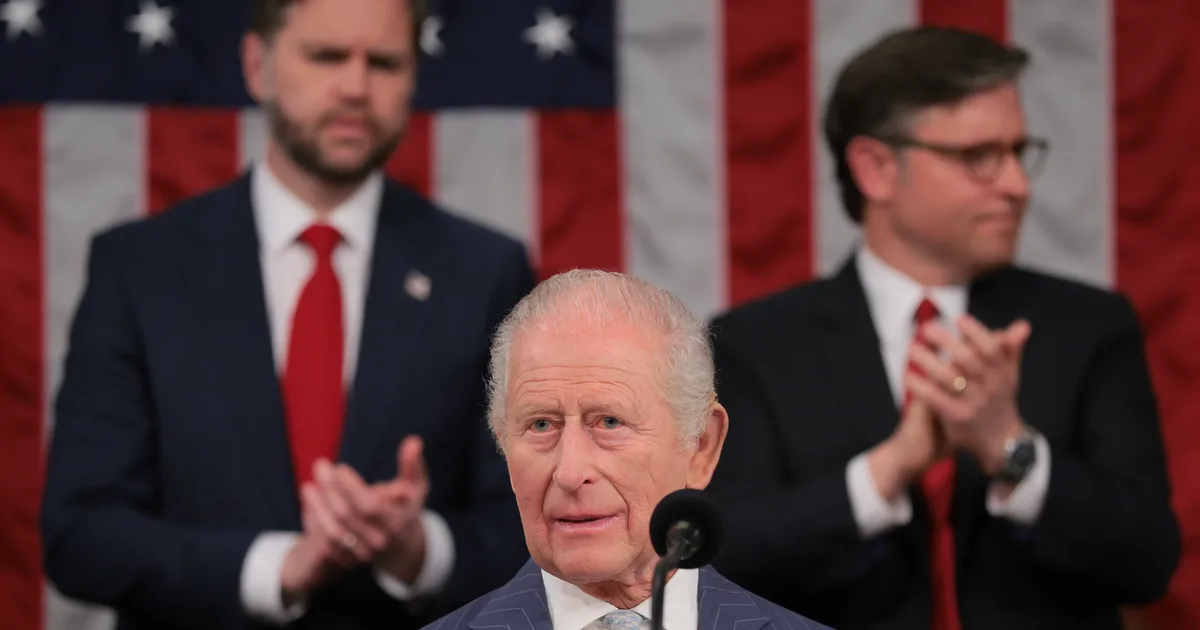
A body language expert believes that during Charles’ historic address to Congress, his demeanour played a huge part in getting across his poignant message
King Charles has delivered a powerful speech to Congress, as he urged Donald Trump to abandon his America First policy and commit to a new alliance with Britain for the good of the world.
Advertisement
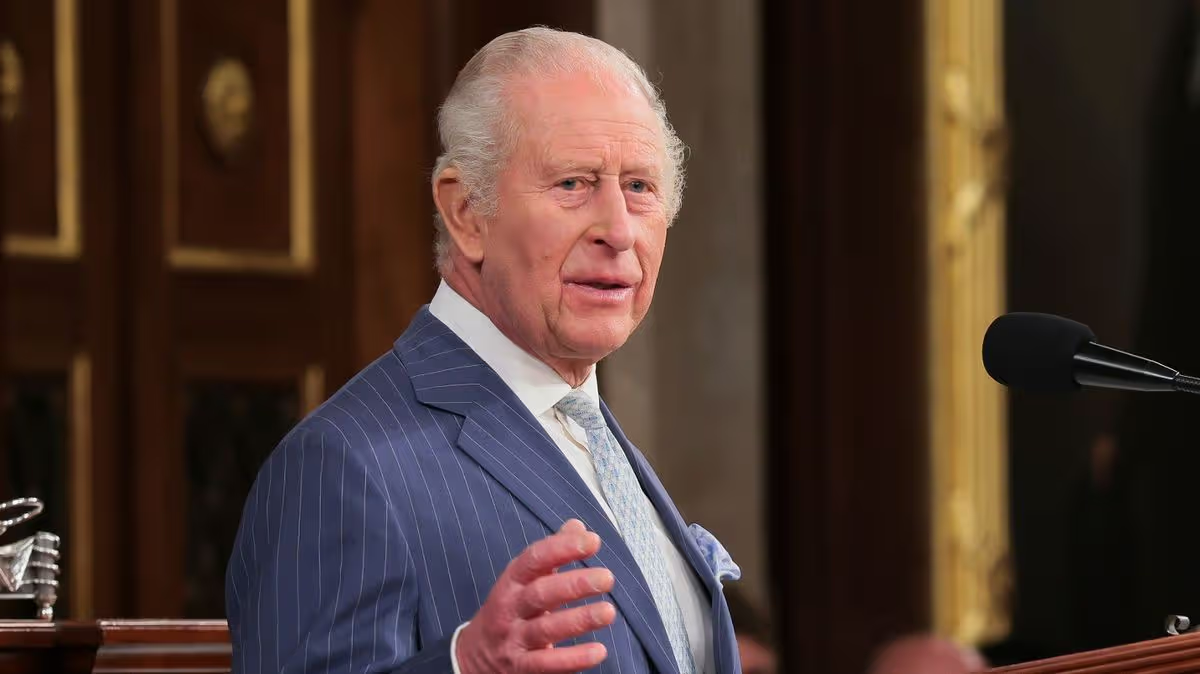
During the 20-minute long speech, which earned the monarch 22 rounds of applause, he reflected on the special relationship between the UK and the US, referencing the deep connections forged between past Kings, Queens and Presidents. Charles said that amid changing and often turbulent times, Britain and the United States should “stand united in our commitment to uphold democracy, to protect all our people from harm”.
And according to body language expert Bruce Durham from Huddle Culture, the monarch was in his element during the address, which is a far cry from Charles’ more subdued demeanour that was on show yesterday when he arrived in Washington.
Bruce said that the King was in his element as he stood to attention during the ceremonial welcome and seemed relaxed alongside Queen Camilla, and delivered a masterful address in Congress.
Bruce said: “This time, this is Charles in his absolute glory. He is so comfortable and we see a masterful piece of not only body language, but also the spoken word and how you can influence people with a smile on your face and a glint in your eye.
“What we see here is King Charles behind the podium, the lectern. His sweet spot. This is where he is in his element. Every one of us has somewhere or something that makes us feel really comfortable.”
The body language expert said given the King’s experience with delivering addresses, he seemed at ease as he delivered the speech with conviction.
He said: “The lectern, where Charles is by himself, he’s not having to interact with anybody. He can go through his notes and deliver them with panache, is where we’ve seen King Charles again and again deliver very specific yet humorous information in a way that galvanises the crowd that he is speaking to. He has an extremely affable style of communication.”
He added: “You’re calm, you’re collaborative, you’re communicative, but more so, you feel in control. This is exactly what we see King Charles do, which is why he’s able to deliver a fantastic bit of oratory performance to the gathering crowds and the millions watching on TV.”
The speech proved a hit with the members of Congress, and according to Bruce, was a clever way of delivering his powerful point despite Trump’s unpredictability.
In the address, Charles’ statements seemed to be call outs to Trump’s confrontational administration, but due to his delivery, Bruce believes his body language tactics make him seem coy as to not upset any politicians in the room.
“His body language then backs up the delivery,” Bruce explained. “It’s very much done with a subversive head tilt, slightly bowed, with his eyes slightly looking up, so he’s not directly challenging anybody head on. It’s almost a shy head tilt with a cheeky grin, very much a schoolboy delivery, exactly the same style that Ricky Gervais uses to deliver some of his most challenging and jarring jokes.
Advertisement
“It allows people to get away with something, as you would see that person as a young, innocent schoolboy delivering a one-liner. How can you fall out with a young schoolboy smiling, grinning, with a cheeky look on his face, delivering that one line? Very clever when put together with the words.”
The body language expert further explained that within Charles’ humorous quips, his demeanour signals that the audience is welcome to laugh, while the jokes have a far deeper meaning.
Bruce said: “Where King Charles goes on to deliver what we call status signalling, very subtly, again with humour, the message is clear. When we talk about in the UK 250 years ago, or as we say in the UK, “just the other day,” he laughs when he says it.”
Advertisement
“There’s a laugh from the audience, but what he’s really doing is giving an example of status signalling and also what we call expert power in his delivery of that sentence. Again, without saying it, what he’s really communicating is that the UK has far more history than America. But he does that in a way that everyone understands, without them getting annoyed, because of the body language and the way he delivers it.”
The body language expert believes that Charles’ address was a masterclass in his soft diplomacy skills, delivering his powerful speech with ease as he made his stance clear on the politics involved with the state visit.
“Again, the choice of words is hugely successful in allowing King Charles to deliver the message without irritating the audience,” Bruce said. “This is a sublime power play. It is a masterpiece in how to influence people with a smile on your face and a glint in your eye, while delivering the messages that you really want to deliver to achieve the impact you desire. And that’s something that we could all learn from.”
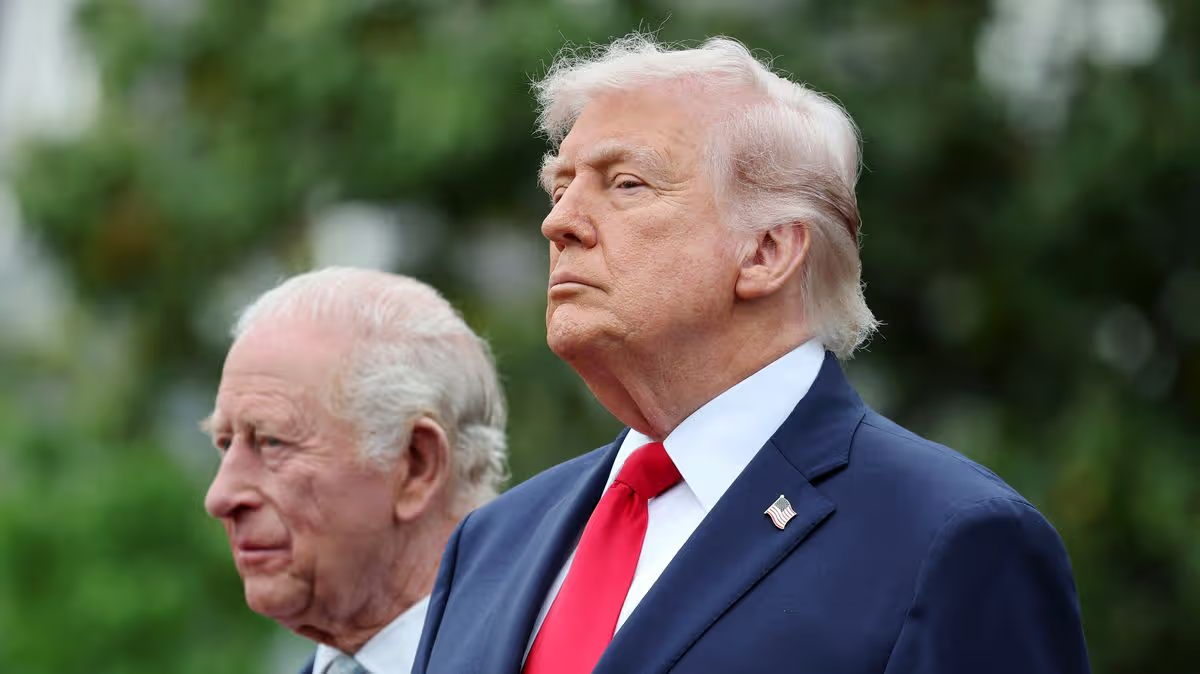
Britain’s King Charles has met with US President Donald Trump during a state visit to the US and the White House has called Trump a “KING” in a post on social media
US President Donald Trump met with Britain’s King Charles and the White House has been slammed over its comparison between the two.
Former US Assistant Secretary Philip Reeker, in conversation with LBC’s Iain Dale, said: “It’s a little bit embarrassing.”
“I think, its again, a political dig trying to go after the so-called ‘No Kings’ movement.”
Trump has been compared to a “king” by those apposed to his leadership.
A series of “No Kings” protests have taken place across the US, targeting his second term. Protesters are opposed to his immigration stance, war in the Middle East and policies.
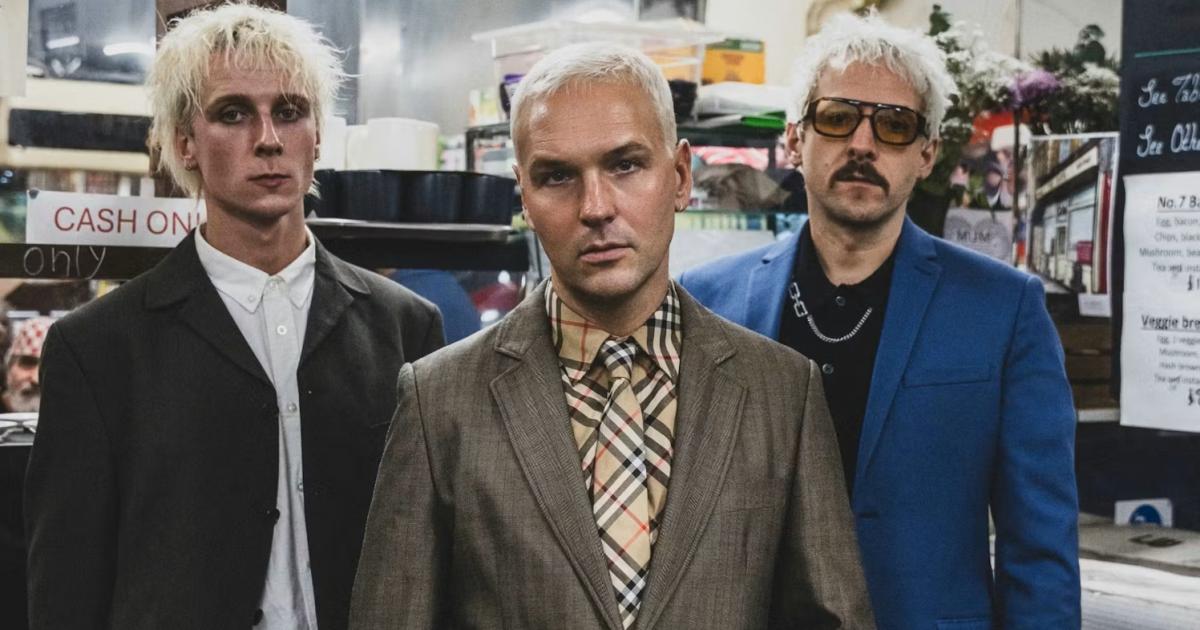
They will take the stage at KU in Stockton at 7pm on May 22 for an show ahead of a summer of big outdoor gigs.
Fans can expect a mix of old favourites and new material, including their latest single Peer Pressure.
The band, a three-piece from Worthing, rose to fame in the early 2000s and are best known for their single Boys Will Be Boys and other hits like Nine2Five and Talk Talk Talk.
Advertisement
Their debut album, Over The Counter Culture, was released in 2004, followed by Brassbound in 2005 and their third album, How To Get Everything You Ever Wanted In Ten Easy Steps, in 2006, which leaned more towards commercial pop.
The Ordinary Boys toured extensively during their early years, supporting major artists such as Morrissey, Paul Weller, and The Who.
They also appeared on iconic music programmes including Later… with Jools Holland and one of the final episodes of Top of the Pops before their split in 2008.
Frontman Samuel Preston went on to write songs for artists including Olly Murs, Kylie Minogue, and Enrique Iglesias before the band reunited in 2015.
Advertisement
Their return saw the release of a self-titled album on their own label, Treat Yourself.
More recently, the band released a collaborative single with Olly Murs titled Christmas Starts Tonight in December 2025, followed by Peer Pressure in April 2026.
The Stockton show will feature support from Bishop Auckland-based indie singer-songwriter Frankie Dobson.
KU, located on Prince Regent Street, is a well-known venue in the Teesside live music scene and has previously hosted acts such as Wolf Alice, The 1975, and Arctic Monkeys.
Advertisement
Tickets are priced at £16 plus booking fees and are available via fatsoma.com.
The event is open to ages 14 and over, with under-18s requiring adult supervision.
The monarch made clear his opposition to the US president’s policies in a range of areas, including on climate change and his approach to Nato.
American lawmakers, Supreme Court justices and US military officials gave His Majesty no fewer than 12 standing ovations in a speech in which he also hailed the “truly unique” alliance between Britain and the States.
King Charles and Queen Camilla are on a state visit to America at a time when relations between the UK and US are at their lowest ebb in decades.
Advertisement
President Trump has repeatedly attacked Keir Starmer for refusing to back the Iran war, and regularly criticised the Labour government’s record on immigration and oil and gas exploration in the North Sea.
However, King Charles insisted the relationship between the two countries “is more important today than it has ever been”.
But in a notably political speech, the monarch left no doubt about where his views differ from those of Trump.
In the most pointed section of his address, the king took issue with the president’s repeated claims that Nato has never helped America.
Advertisement
He said: ”“In the immediate aftermath of 9/11, when Nato invoked Article 5 for the first time, and the United Nations Security Council was united in the face of terror, we answered the call together as our people have done so for more than a century, shoulder to shoulder, through two world wars, the Cold War, Afghanistan and moments that have defined our shared security.”
In an apparent rebuke of Trump’s scepticism about climate change, King Charles spoke about the “disastrously melting ice-caps of the Arctic”.
He also appeared to hit out at the president’s threats to invade Greenland, which belongs to fellow Nato member Denmark, pointing out the military alliance was “pledged to each other’s defence, protecting our citizens and interests, keeping North Americans and Europeans safe from our common adversaries”.
Pleading for an end to wars like the one in Iran, the king said: “iI is my hope – my prayer – that, in these turbulent times, working together and with our international partners, we can stem the beating of ploughshares into swords.”
Advertisement
As head of the British armed forces, the king also mounted a stout defence of the Royal Navy, which has been criticised by both Trump his Pete Hegseth, the US defence secretary.
“I served with immense pride in the Royal Navy, following in the naval footsteps of my father, Prince Philip, Duke of Edinburgh; my grandfather, King George VI; my great-uncle, Lord Mountbatten; and my great-grandfather, King George V.”
The king also appeared to make a plea to US lawmakers to make greater use of the powers they have to keep Trump in check.
He said: “The US Supreme Court Historical Society has calculated that Magna Carta is cited in at least 160 Supreme Court cases since 1789, not least as the foundation of the principle that executive power is subject to checks and balances.”
Advertisement
King Charles had earlier visited the White House, where Trump had joked that his mother had had a crush on him when he was young prince.
Turmp also praised the “special relationship” between America and the UK, telling the king “we hope it will always remain that way”.
Subscribe to Commons People, the podcast that makes politics easy. Every week, Kevin Schofield and Kate Nicholson unpack the week’s biggest stories to keep you informed. Join us for straightforward analysis of what’s going on at Westminster.
The vehicle, which was subsequently tracked by the owner, was stolen during a 2-in-1 burglary in Ugthorpe, near Whitby, between Monday (April 13) and Tuesday (April 14).
Recommended reading:
A spokesperson for North Yorkshire Police said: “The owner had a tracking device on the vehicle and followed the signal to Hartlepool, where he sought the help of police.
Advertisement
“A PCSO quickly launched the drone and panned over the sky to the location pinpointed by the tracker and located the motorhome.”
PCSO Mark Say of Hartlepool Neighbourhood Policing Team added: “I’m so pleased that we managed to locate the stolen vehicle for the victim.
“The drone is a fantastic way to search the area quickly, and we use it in many different scenarios to fight crime, help us find and arrest criminals and keep people safe.”
Witnesses or anyone with information that could assist the investigation should call North Yorkshire Police on 101.
Advertisement
Or contact Crimestoppers anonymously on 0800 555 111 or via their website.
Please quote reference number 12260066152 when providing details.
Nearly 1,000 people died during the four raids with the highest fatalities in North Belfast, around the Antrim Road, Crumlin Road and New Lodge
22:33, 28 Apr 2026Updated 22:34, 28 Apr 2026
A new Belfast Blitz memorial sculpture has been approved for East Belfast.
A blitz memorial sculpture, made from concrete and set on a plinth, will be erected within the grounds of Westbourne Presbyterian Church, Newtownards Road BT4.
The applicant is Mervyn Gibson, Minister at Westbourne Presbyterian Church. He is also the grand secretary of the Orange Order.
The sculpture will be positioned on the hardstanding area to the front of Westbourne Presbyterian Church adjacent to the pedestrian footpath. Following advertisement in the local press and neighbour notification, no representations were received by the council. None of the Stormont departments or any other statutory consultees objected.
The council planning officer recommended the application for approval. The planning report states: “The scale, design and materials of the proposal will not detract from the appearance and character of the surrounding area. The proposal is considered to comply with relevant planning policy and guidance.”
Advertisement
The sculpture will measure approximately 2.4 metres by 0.5 metres. It will be cast in glass reinforced concrete with a dark charcoal finish and set on a masonry pier with red brick. It depicts a male rescue worker and a woman in front of the destroyed facade of a house.
Earlier this month, designs for the city centre Belfast Blitz Memorial were revealed by acclaimed Berlin-born artist Ralf Sander, and his daughter Naomi Sander, ahead of the 85th anniversary of the tragic events.
The result of a partnership between Belfast Council and The Northern Ireland War Memorial Museum, the planned memorial will be located in Cathedral Gardens, an area between St Anne’s Cathedral and the Ulster University Belfast campus.
Advertisement
It is anticipated that the memorial will be unveiled in spring 2027, when the revamped Cathedral Gardens open, featuring a large multi-use events space, a play area inspired by nature, and a kids’ interactive digital play zone.
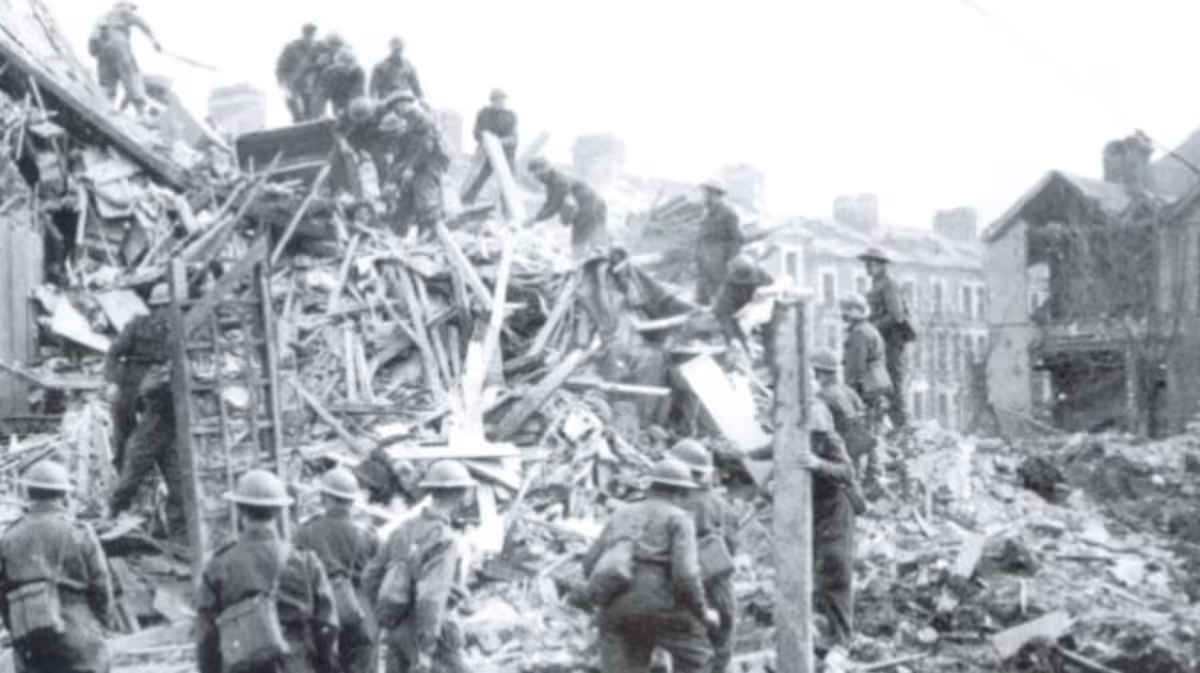
Belfast suffered four bombing raids from the Luftwaffe in 1941, now known as the Dockside Raid on April 7 and 8, the Easter Tuesday Raid on April 15 and 16, the Fire Raid on May 4 and 5 and the Final Raid on May 5 and 6.
Nearly 1,000 people died during the Belfast Blitz, with the highest fatalities occurring in North Belfast, around the Antrim Road, Crumlin Road, and New Lodge areas. 1,500 people were injured, 400 of them seriously.
50,000 houses, more than half the houses in the city, were damaged. 11 churches, two hospitals and two schools were destroyed. Densely populated residential streets, such as Hogarth Street, were devastated, while industrial areas like York Street Mill, Harland and Wolff, and the docks were also hit.
Advertisement
The devastation caused roughly 100,000 people to become homeless. Due to the destruction, makeshift morgues were established at locations like St George’s Market and Falls Road Baths.
In the east of the city, Westbourne and Newcastle Streets on the Newtownards Road, Thorndyke Street off the Albertbridge Road and Ravenscroft Avenue were destroyed or damaged.
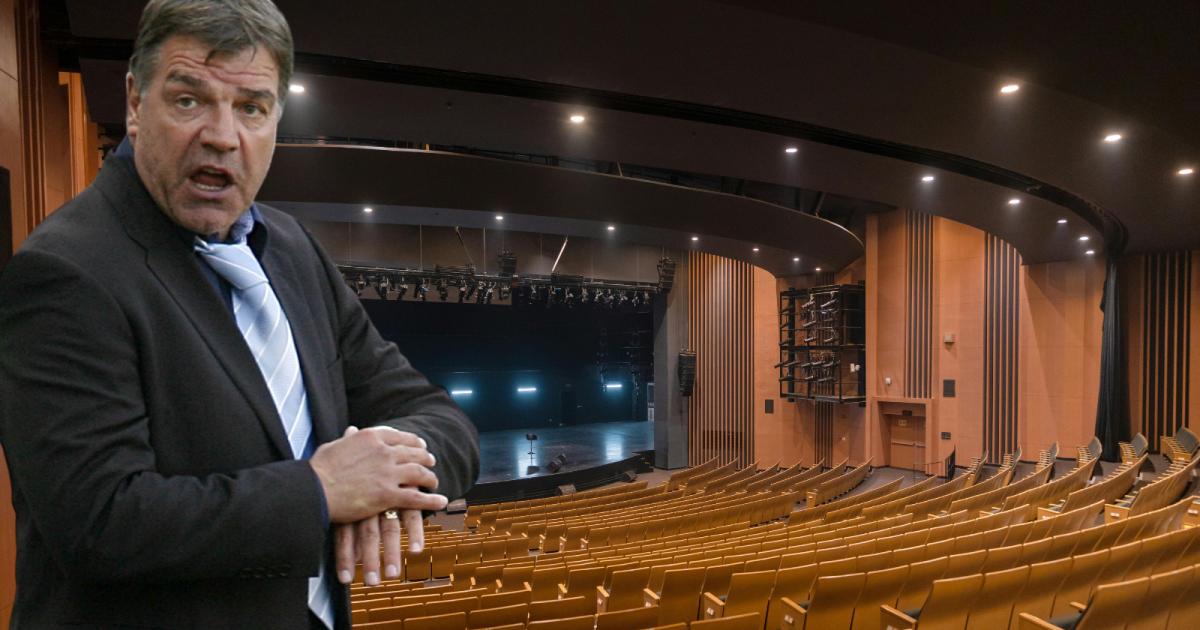
Plans for a brand-new theatre show inspired by the legendary Whites boss are in their early days, with hopes to bring it to life on the stage in 2028.
Backed by the club, The Octagon and the Arts Council, Allardici’s: The Big Sam Musical is the brainchild of lifelong supporter Jamie Walsh and will be assembled with the help of his company Small Talk Productions.
And the writer is now looking for input from fellow Bolton fans as he looks to shape the development of the musical over the summer.
Advertisement
He told The Bolton News: “Big Sam somehow became a punchline, labelled a long-ball manager with an old school team. But obviously that was never true!
“I’ve been a Wanderers fan my whole life, and those years under Big Sam were extraordinary: electric football, world-class players, and a feeling that anything was possible. I want to celebrate all of that.
“Allardici’s combines my two great passions – creativity and Bolton Wanderers – and I’d love as many fans as possible to help shape it from day one.
“Your memories, your voices, your stories. Come and be part of it.”
Advertisement
Allardici’s is a surreal comedy musical about football, fame and what happens when you defy expectations.
Set in a fictional Costa Blanca lounge bar owned by Sam Allardyce, Big Sam now holds a nightly residency. Backed by a house band of former players, he tells his story.
What follows is a cartoonish fever dream of footballing faces, press stings and Premier League legends.
The first phase of development will begin with a series of workshops held at the Community and Wellbeing Hub at the Toughsheet Stadium on Tuesday, June 23 (2pm to 3.30pm and 6pm to 7.30pm) and Tuesday, June 30 (2pm to 3.30pm and 6pm to 7.30pm). Sessions will finish before England’s scheduled World Cup fixtures and are limited to 30 people.
Advertisement
These sessions will give fans the chance to share memories, stories and perspectives from the Big Sam era, helping shape the development of the musical from the ground up.
The workshops will explore the Premier League days under Allardyce, the iconic players and figures of the day and how the period has been remembered by supporters. Contributions will directly inform the script, music and visual feel of the show.
Fans can also take part remotely via an online form, sharing stories, photos, videos and memories if they’re unable to attend in person.
More information on how to book a place on the workshop can be found on the Facebook page, facebook.com/smalltalkprods on Twitter/X on @smalltalkprods and Instagram @smalltalkprods.
Each May, nature lovers get out of bed early to experience the seasonal wonder of birds singing, as the sun rises above the horizon to take part in International Dawn Chorus Day.
In Europe you may hear blackbirds, chiffchaffs and nightingales. In the US, cardinals, chickadees and blue jays. In East Africa, morning thrush, hornbills and wood doves. Each with their own song.
There is no single dawn chorus, but the harmonies of hundreds of bird voices at first light change from place to place in a huge wave that surfs around the world as the planet rotates.
A dawn chorus is part of a wider soundscape – the interaction between biological sounds from birds and other animals (biophony), natural physical sounds such as wind or water (geophony) and human‑generated sounds like traffic (anthrophony). The dawn chorus is often the most prominent component of the soundscape at sunrise, but it never exists in isolation.
Advertisement
Scientists believe that birds structure their early morning singing in a way that prevents overlap and masking of each other’s vocalisations. They use different pitches and timings to partition and share the acoustic space. Birds in open landscapes such as grasslands use shorter, scratchier sounding song phrases, while birds in woodlands use longer whistling notes – each evolved to allow the best transmission of their song in their own habitat. So birdsong is filtered by trees, grasses, across water and through urban areas, to create a soundscape phenomenon that differs very clearly from region to region.
In the Caledonian pinewoods of northern Scotland, the first morning sounds are often geophonic: wind moving through tall pine canopies. Typically before first light, male western capercaillies gather together to vie for females. The males fan out their tail feathers, puff out their chests and produce a series of clicks, pops and wheezing notes. These are short‑range sounds, shaped by the open understorey and the resonant qualities of the forest.
Fieldwork in these woods has shown how these vocalisations are tied to group mating activity (known as lekking) and can be used to assess the populations of this rare and declining species. These sounds indicate a specialised habitat that has remained untouched for a long time? and without much human disturbance, where the secretive birds can go about their lives, while contributing to the distinctive acoustic character of the pinewoods.
Advertisement
Move to a lowland heath in southern England though, and the differences are immediate. The geophony shifts to the dry hiss of wind across heather and scattered gorse. The dawn biophony is dominated by an assemblage of species that are rare across Europe. The nightjar might have been producing its continuous churring since well before first light. Woodlarks add clear, falling song phrases, while Dartford warblers deliver rapid, scratchy calls from gorse clumps. Research on heathland species has shown how these calls are useful indicators of local habitat quality and structure.
In urban areas, birds have to compete with the noises made by people and their machines. Cars, motorbikes, trains. Sirens and alarms. Nightclubs and pubs. The urban architecture often makes this worse, with reflective hard surfaces bouncing these noises around the streets, instead of absorbing them as natural spaces would.
Birds have to adjust their behaviour around this. Some advance or delay the timing of their singing; others increase volume or shift pitch to higher frequencies. Large‑scale studies indicate that spring soundscapes across Europe and the US are becoming quieter and less varied, due to changes and declines in bird communities, linked to climate change and habitat loss.
Advertisement
Because many people hear birds more often than they see them, changes in soundscape complexity can be one of the earliest signs that local biodiversity is under pressure. Long‑term listeners of bird song – whether through formal monitoring or casual early‑morning walks – may be detecting real ecological change.
Listen up
Understanding soundscapes can help make sense of these changes. A chorus lacking high‑frequency elements may indicate the loss of particular warblers; reduced low‑frequency components may point to declines in larger bird species.
Changes in the geophony, such as increased wind noise in fragmented woodland, can alter how well birds communicate. And increasing man-made noise can mask quieter species entirely, leading to an impression of silence even where birds are still present.
In the UK, pinewoods and heaths both depend upon active vegetation management for conservation and long‑term habitat stability. Maintaining these landscapes means maintaining the conditions that support their characteristic sounds.
Advertisement
Paying attention to how different places sound at first light can be a reminder that biodiversity is something we can hear as well as see. You can even compare it with the sounds that accompany sunrise from other places. Arts cooperative SoundCamp’s Reveil project offers a 24‑hour broadcast that relays sunrise sounds from microphones around the world, allowing us to track the soundscape as the Earth rotates through one full day each spring.
A dawn chorus is more than an aesthetic experience: it is a summary of local ecology, habitat condition and the pressures shaping both.
If Jacob Gallagher (Joe-Warren Plant) didn’t live in Emmerdale, reporting Doctor Caitlin Todd (Caroline Harker) to HR probably would’ve worked. Unfortunately, he resides in a village that seemingly cannot function without secrets, lies and manipulation, which means his fight against the bullying surgeon isn’t over yet.
Jacob’s confidence has been chipped away at by Doctor Todd for weeks now. Even when he wasn’t working a shift at Hotten General Hospital, Jacob felt an intense amount of pressure at home due to his boss asking for new research papers.
As if humiliating him at hospital wasn’t bad enough, Doctor Todd now takes pleasure in making it seem as though Jacob is obsessed with her, and she ensures this happens in front of a stunned Vanessa and local GP Manpreet Sharma (Rebecca Sarker).
Advertisement
Next week, Caitlin continues to mock Jacob while in the village, and maliciously implies to Sarah Sugden (Katie Hill) that Jacob is desperate to return to work, despite the fact that baby Leyla has just been born.
Advertisement
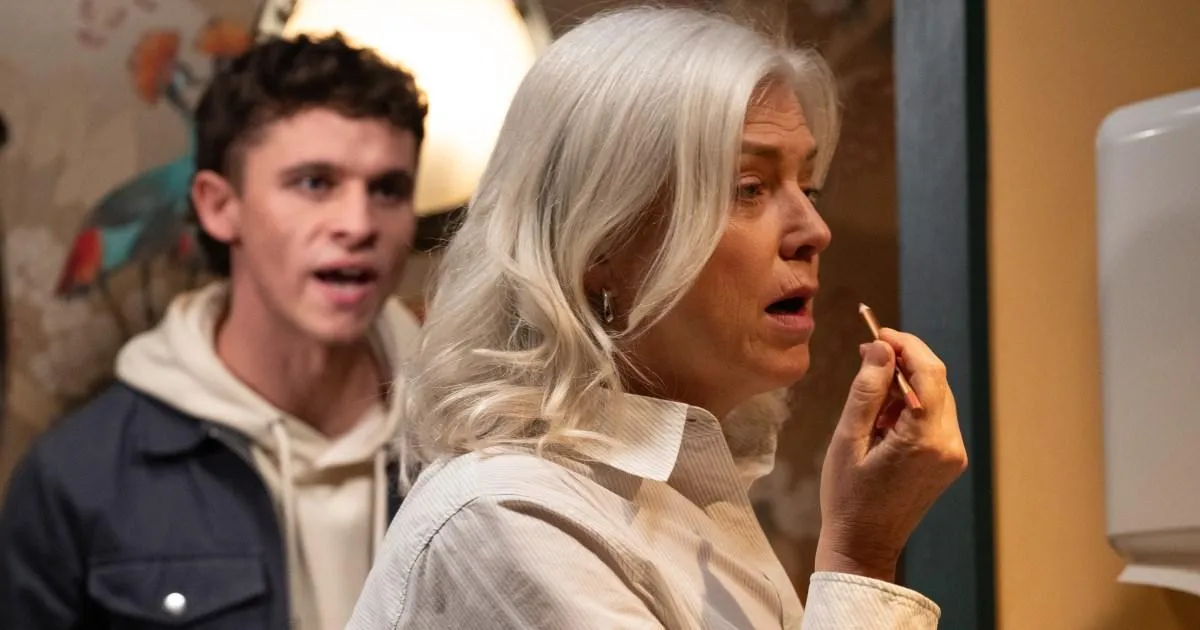
After being confronted by Sarah, Jacob heads to see Doctor Todd and warns her off after lying to his wife. Jacob then follows Todd into the toilets of the pub, and quickly realises he’s fallen into her trap. Seconds later, Vanessa enters, and is very alarmed to find Jacob standing beside Todd.
Jacob previously tried to tell HR about Todd (Picture: ITV)
Doctor Todd is also trying to make it seem as though Jacob is obsessed with her (Picture: ITV)
The next day, Jacob arrives at a meeting with Carol from HR. He decides to make a formal complaint against Todd, but is blindsided when Carol reveals that Caitlin has already submitted a complaint about him.
Stunned, Jacob then learns that Doctor Todd has provided a substantial file of evidence for her case, including voice recordings.
Heading home, Jacob makes it clear to Sarah that he’s ready to give up the fight. Sarah’s support is enough for Jacob to change his mind though, as he heads to Tug Ghyll to speak to Doctor Todd once more.
Drivers were warned to ‘avoid the area’ while emergency services dealt with the incident
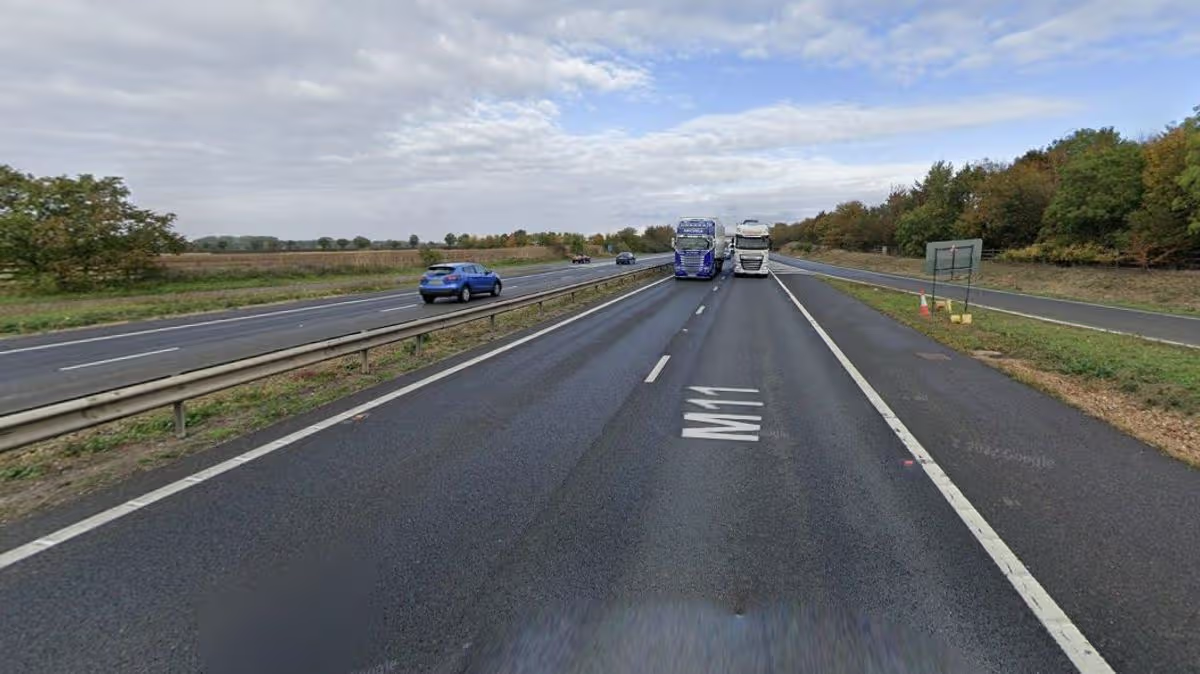
The M11 in Cambridgeshire(Image: Google)
Updated 12:56, 28 Apr 2026
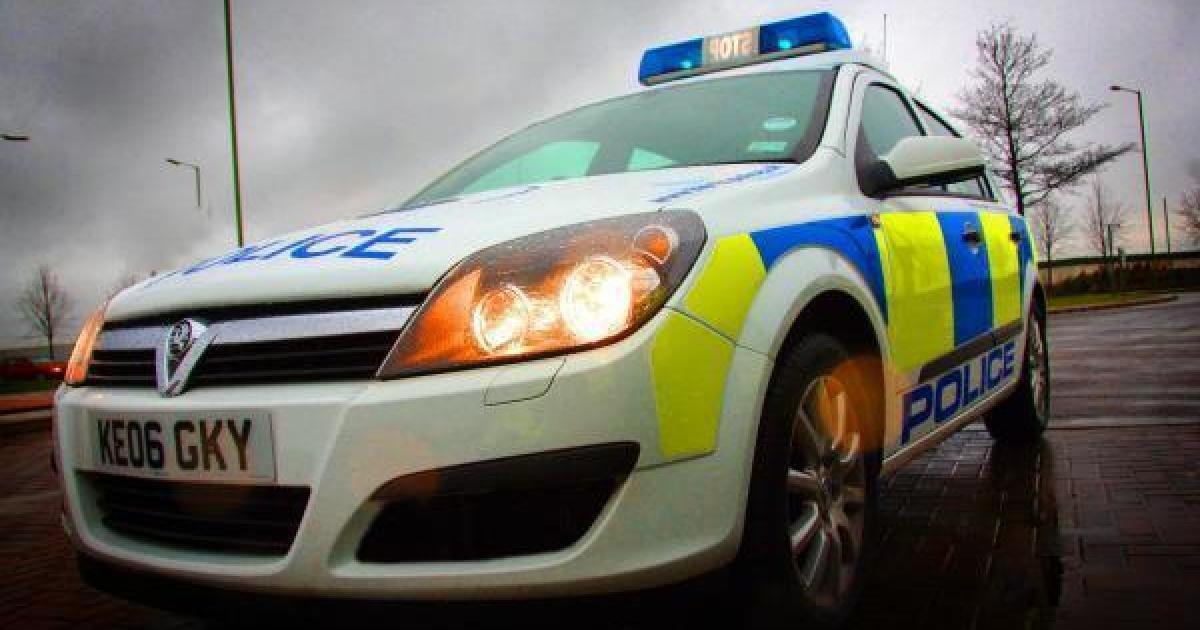
A major motorway in Cambridgeshire was blocked after a crash. Cambridgeshire Police officers, fire crews, and paramedics, were called to a crash on the M11 at Little Shelford, just before Trumpington, at around 11.18am on Tuesday (April 28).
Advertisement
The crash involved one vehicle that is reported to have overturned, according to traffic monitoring site Inrix. A Cambridgeshire Police spokesperson said: “We were called at 11.18am to the M11 at Little Shelford, with reports of a single vehicle collision just before Trumpington on the southbound carriageway.”
Cambridgeshire Fire and Rescue assisted to remove a casualty from the vehicle. A fire service spokesperson said: “We were called at 11.22am this morning to reports of a single collision on the M11 Southbound between Grantchester and Hauxton.
“Firefighters from Cambridge attended. They released a casualty from the vehicle who was left in the care of the ambulance service.”
Traffic has now eased along the road, according to Inrix. It said: “Traffic easing, earlier overturned vehicle on M11 Southbound from J11 A10 (Cambridge South / Harston) to J10 A505 (Duxford). Previous congestion to J12 A603 (Cambridge).”
Advertisement
The East of England Ambulance Service has been contacted for further comment.
Inrix reports traffic has now eased along the road following the earlier crash. It said: “Traffic easing, earlier overturned vehicle on M11 Southbound from J11 A10 (Cambridge South / Harston) to J10 A505 (Duxford). Previous congestion to J12 A603 (Cambridge).”
We are still awaiting further information from the East of England Ambulance Service.
Sign up to the CambridgeshireLive traffic and travel newsletter
Advertisement
Do you want all of the latest updates about traffic in your area? Sign up for the CambridgeshireLive traffic and travel newsletter
‘Severe delays’ remain along road
Inrix reports there are still ‘severe delays’ along the road after a vehicle overturned. It says: “Severe delays due to earlier overturned vehicle on M11 Southbound from J11 A10 (Cambridge South / Harston) to J10 A505 (Duxford). Congestion to J12 A603 (Cambridge).”
Advertisement
More as we have it.
The East of England Ambulance Service has been contacted for further information
Cambridgeshire Fire and Rescue confirmed a casualty was released from the vehicle involved in the crash and put into the care of ambulance crews. It is uknown how injured the person involved is.
Advertisement
CambridgeshireLive is still awaiting comment from the East of England Ambulance Service. More as we have it.
Drivers face around nine miles of delays
Cambs Travel News reports there is around nine miles of delays on the M11 southbound between J12 at Barton and J10 at Duxford as a result of the crash.
Advertisement
Content cannot be displayed without consent
An update from Cambridgeshire Fire and Rescue
Cambridgeshire Fire and Rescue were called to the crash at around 11.22am. Firefighters released a casualty from the vehicle involved.
A fire spokesperson said: “We were called at 11.22 this morning to reports of a single collision on the M11 Southbound between Grantchester and Hauxton.
Advertisement
“Firefighters from Cambridge attended. They released a casualty from the vehicle who was left in the care of the ambulance service.”
Traffic queueing for two miles
Traffic monitoring site Inrix reports the M11 southbound is blocked, with traffic queuing for around two miles. It says:
Advertisement
M11 Southbound blocked, queueing traffic for two miles due to overturned vehicle from J11 A10 (Cambridge South / Harston) to J10 A505 (Duxford).
Cambridgeshire Fire and Rescue and the East of England Ambulance Service have been contacted for further information.
Cambridgeshire Police is at the scene
A Cambridgeshire Police spokesperson said officers are at the scene of the single vehicle crash alongside fire crews and paramedics. The spokesperson added: “We were called at 11.18am to the M11 at Little Shelford, with reports of a single vehicle collision just before Trumpington on the southbound carriageway.
Advertisement
“Officers are currently at the scene together with firefighters and paramedics, and the road is closed at the junction while the crash is dealt with. Motorists are advised to avoid the area.”












































You must be logged in to post a comment Login