The head of the airline says anyone who can’t make it to their boarding gate on time, should not be allowed onto the plane
Tannur Anders UK & World News Reporter and Adam Care
08:08, 24 Jul 2026
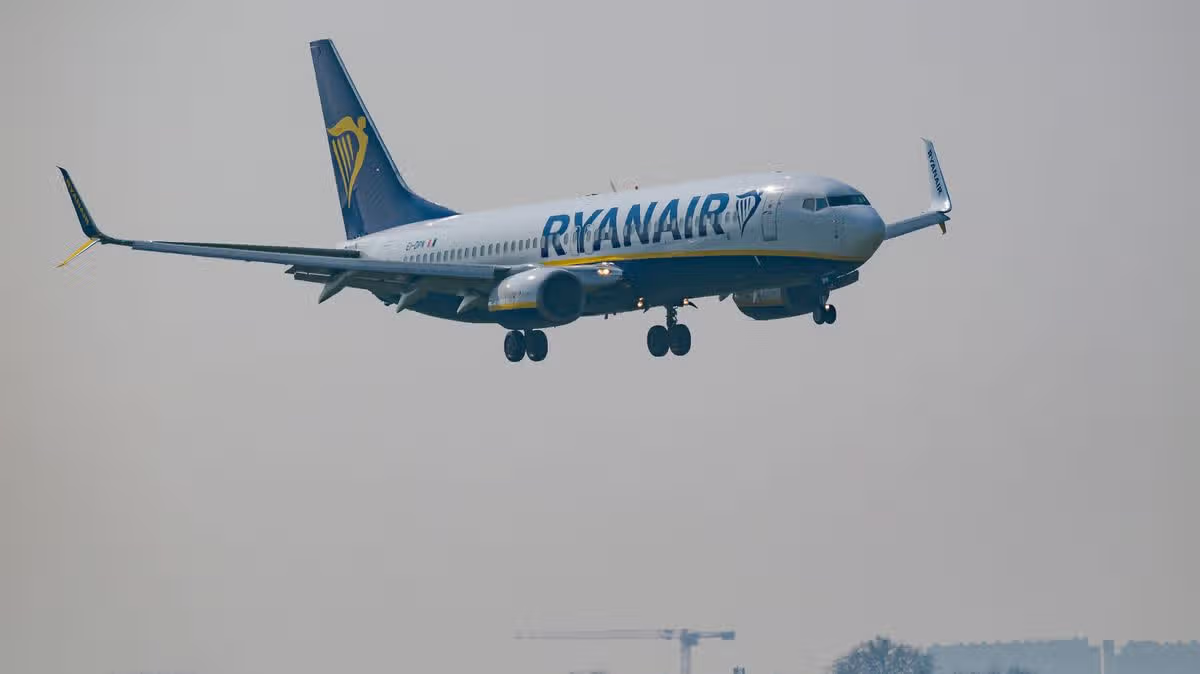
The head of Ryanair has criticised the European Union’s new travel rules, which have already caused chaos for British holidaymakers. Speaking on The Travel Expert podcast Michael O’Leary said if a flight has finished boarding and all passengers are not at the boarding gate, it should leave without them, even if they were delayed by new passport control systems.
He said it is travellers’ responsibility to arrive for flights on time. He also called EU Commissioner Ursula von der Leyen ‘stupid’ during his appearance on the podcast, reports the Express.
Advertisement
British holidaymakers have had to add the add the stress of the EU’s entry-exit system (EES) to their travel plans after a change to the digital borders scheme took effect in April.
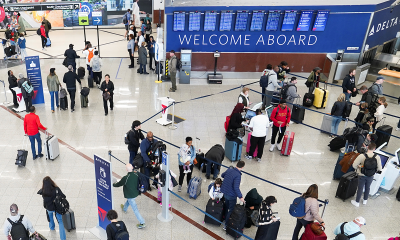
This has led to waits of up to three hours at Schengen Area airports.
“We will not wait for anybody,” he said. “Our priority is to those passengers who are at the boarding gate when boarding starts.
Advertisement
“If you’re not at the boarding gate when we finish boarding, the plane is going without you.”
Hundreds of travellers on a range of airlines have missed planes since April, including Ryanair who watched their flights take off without them because of extreme delays at passport control.
Stranded travellers have spent hundreds of pounds on replacement flights and hotels, only to find that neither the airline nor travel insurers will cover the cost.
Mr O’Leary called the lack of passenger rights “regrettable”.
He said that Ryanair will not delay flights for passengers.
“We’re not delaying our flights for people who are stuck in passport control queues,” he said.
Advertisement
“They have to show up at the airport earlier [and] be at the boarding gate, otherwise they’re not flying.”
Ensure our latest stories always appear at the top of your Google Search by making us a Preferred Source. Click here to activate or add us as your Preferred Source in your Google search settings.
Humans are not the only animals that communicate. Birds sing to attract mates, dolphins use signature whistles that identify individuals, and many primates produce complex vocalisations that help them coordinate their social lives.
By studying these communication systems, researchers can reconstruct some of the evolutionary steps that eventually led to one of our defining traits: language.
Language doesn’t just mean making sounds – it requires an extraordinary ability to control them. Human speech demands precise coordination between breathing, the vocal folds across the larynx, and our tongue, lips and jaw.
Humans’ closest living relatives – chimpanzees and bonobos – possess vocal tracts that are more similar to ours than scientists once believed. Yet they do not seem to have the same fine voluntary control over the structures – starting with our lips and tongue – that allow us to produce rapid sequences of speech and such diverse sounds.
Advertisement
This raises an intriguing question: when did our ancient ancestors begin to acquire this remarkable vocal control? One possible clue comes from an unexpected source: laughter.
The evolution of laughter
For several years, I have studied the rhythmic structure of vocalisations in non-human primates. Rather than focusing on what calls mean, I have been interested in how they are produced.
The timing of vocalisations can reveal how breathing and vocal movements are coordinated, offering a window into the mechanisms that generate them. Whether analysing the songs of Madagascar’s indris lemur or the calls of orangutans, I kept coming back to the same question: how much control do different primates have over the rhythm of their voices?
Laughter turned out to be an ideal system for exploring this question.
Advertisement
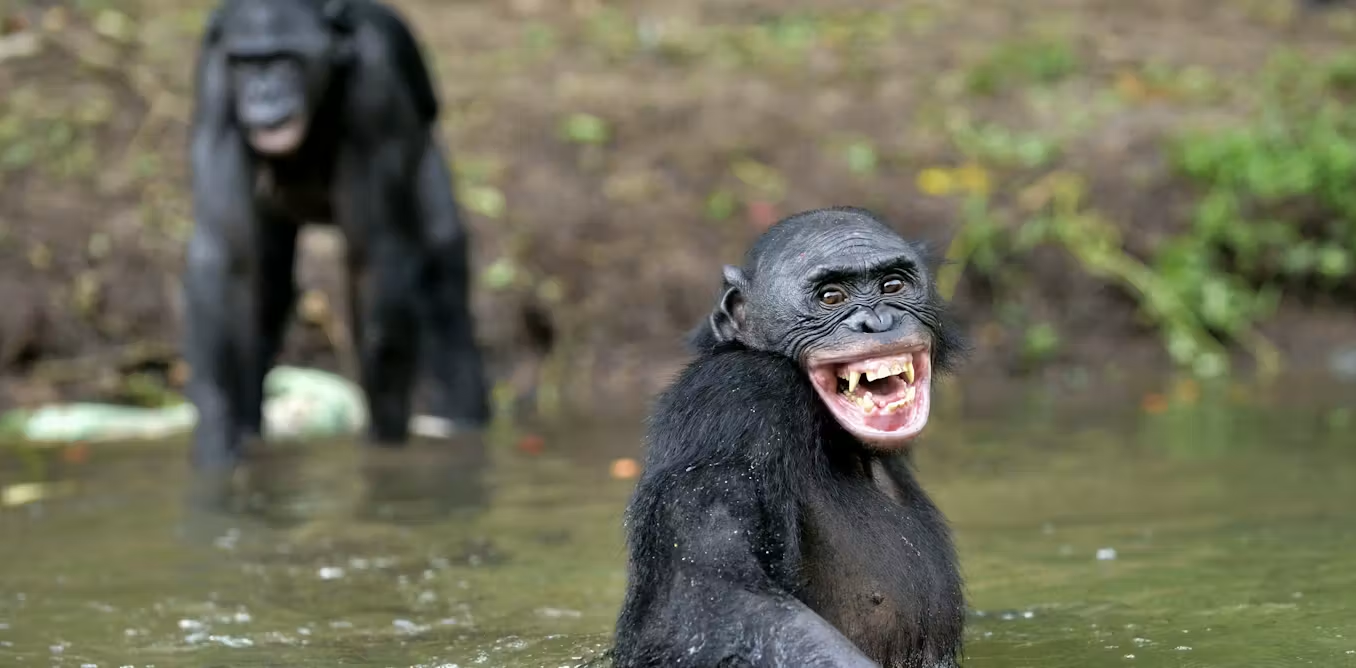
Unlike speech, our ability to laugh is shared with all the great apes. Chimpanzees, bonobos, gorillas and orangutans all produce laughter-like vocalisations during play. Although these sound quite different from our familiar “ha ha ha”, they serve similar social functions, signalling playful intentions and strengthening social bonds.
An example of bonobo laughter. Video: The Animal Rescue Site.
Human laughter is much more diverse, however. We can produce loud belly laughs, quiet chuckles, giggles, snorts or almost silent laughter. We laugh when we are amused but also when we are embarrassed, nervous or trying to ease social tension. This flexibility makes laughter much more than a simple emotional reflex for us.
Human laughter is highly context-dependent. We laugh differently when we are genuinely amused, when we engage in polite social interactions, when we feel awkward, or when we share an inside joke.
Advertisement
Together with colleagues, I analysed 140 laughter bouts from humans and the four other great ape species. Instead of asking whether laughter sounded similar across species, we examined its rhythm: how quickly each laugh element followed the previous one, and how consistent that timing was. Our results revealed a clear evolutionary pattern.
When laughing, humans show greater temporal variability than our closest relatives. Chimpanzees and bonobos produce laughter at a slower rhythm than humans, while gorillas and orangutans laugh at an even slower pace.
In contrast, human laughter consists of more rapidly repeated elements – successive vocal bursts that together form a laugh. This increased flexibility may be one of the evolutionary changes associated with the emergence of finer voluntary control over vocal production.
In other words, humans’ ability to “laugh fast” may reflect one of the key innovations that eventually made speech possible.
Advertisement
The link between laughter and speech
The evolution of speech may not simply have involved producing new sounds, but changing the very tempo at which vocal actions are organised. Our findings suggest traces of this key evolutionary transition are still preserved in one of our most familiar activities: laughing.
While humans and chimpanzees share a common evolutionary history, we will never hear how our ancient ancestors laughed. Fossils preserve bones not vocalisations, so the only way to reconstruct the evolution of laughter is by comparing living species and inferring the changes that occurred along the hominin lineage.
Because we found that chimpanzee and bonobo laughter differs from human laughter in rhythmic structure and temporal variability, we can use these living species to infer that early hominins may have exhibited laughter patterns which were already distinct from those of other great apes during the evolutionary transition towards modern human laughter.
Advertisement
Chimpanzees playing and laughing. Video: Apes Like Us.
Three-to-four million years ago, early hominins may already have shown some of the foundations of the flexible laughter patterns seen in humans today. Our findings suggest that increased temporal variability in laughter evolved along the hominin lineage. This may have enabled laughter to become increasingly adapted to different social contexts, from playful interactions to maintaining social bonds and signalling affiliation.
Every time we compare ourselves with our closest great ape relatives, we discover that the gap between humans and other apes is smaller than was once imagined. Yet we also uncover subtle differences that may have had profound evolutionary consequences.
Laughter is one of them. It may seem like a simple expression of joy, but hidden within its rhythm is a record of millions of years of evolution – and, perhaps, one of the clues to how our human ancestors eventually found their voice.
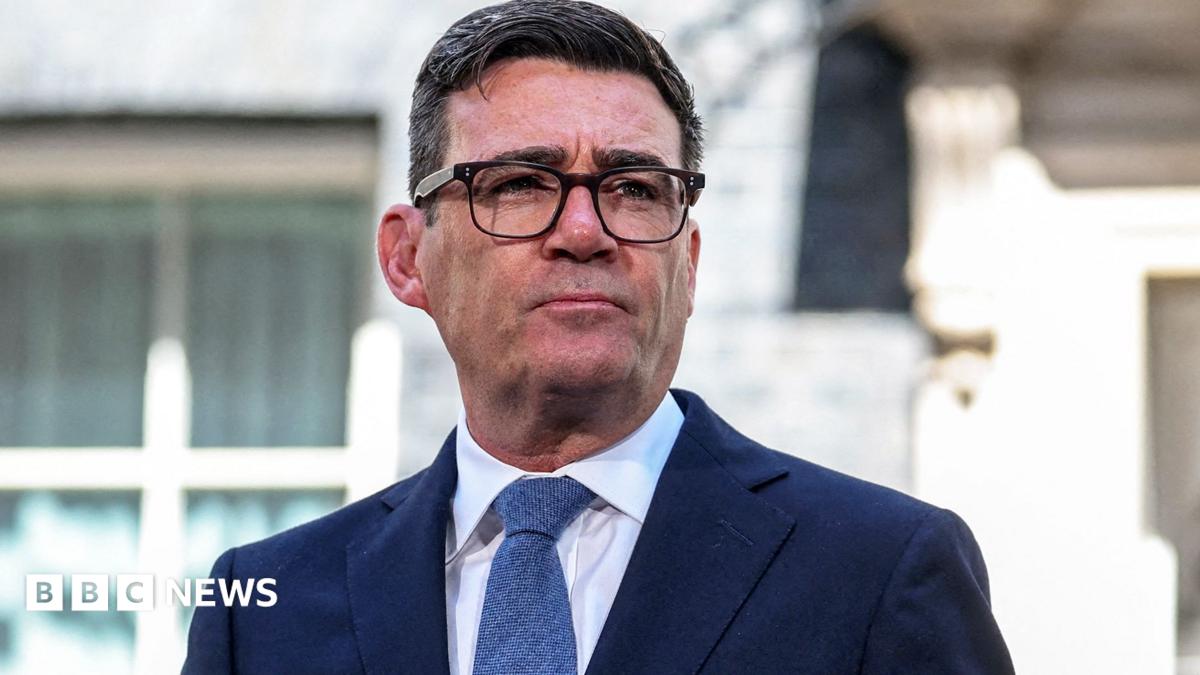
Burnham’s first day as prime minister in No 10 North will include talks with business leaders, including representatives of the Federation of Small Business, the Confederation of British Industry and the British Chambers of Commerce, about how to generate growth and investment.
Labour wants to create a plan that would pull from existing devolution strategy and local growth policy, to allow civil servants, mayors, councils and businesses to work together more closely.
Burnham’s first week in power has seen him make a series of interventions aimed at easing the cost of living, including announcing a 20% cut in business rates for pubs, social clubs and live music venues from April next year.
However, Conservative leader Kemi Badenoch has criticised his ambitions for being “too small”.
Advertisement
Speaking on Thursday, she urged him to tackle high energy costs for businesses as well as a gap in defence funding.
“When you are mayor of Manchester, you are handed a big pot of someone else’s money, and you decide where to spend it,” she said.
“I’m sure this is great fun. It can make you very popular. But it is not the same as being prime minister.
“Andy Burnham needs to do better. He is behaving like he’s still the mayor of Manchester. He is now the prime minister of the United Kingdom, he needs to start acting like it.”
Advertisement
Liberal Democrat MP Calum Miller said Burnham needs to show that No 10 North is “more than just a convenient Friday working from home base for him and other Manchester MPs”.
“I know he’s been out of the House of Commons for a long time, but he’ll probably be reminded that many of us go back to our constituencies on a Friday,” he told broadcasters.
“So he needs to demonstrate it’s more than just that and that this represents something for the whole country – that rural and coastal communities that have been really left behind are actually part of his plan for decentralisation.”
Miller said this includes the ability for local areas to “raise their own funding and spend it in ways that will benefit them”.
Advertisement
Miller earlier said the Lib Dems have “always believed strongly that power should be held close to people”, adding: “We will welcome anything that moves in that direction.”
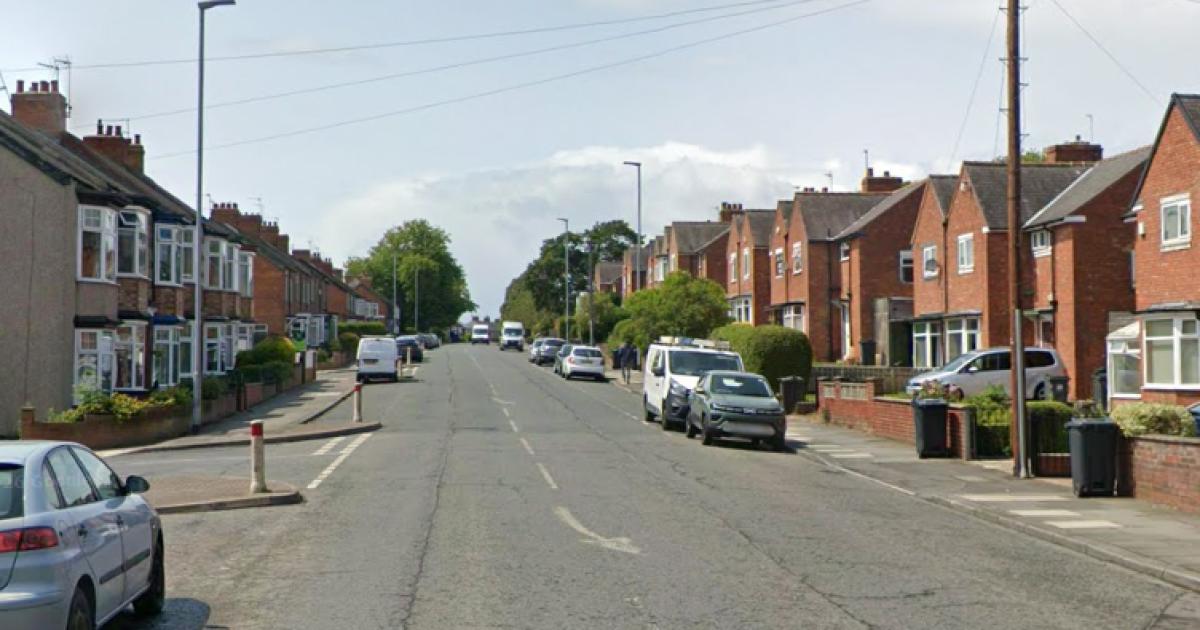
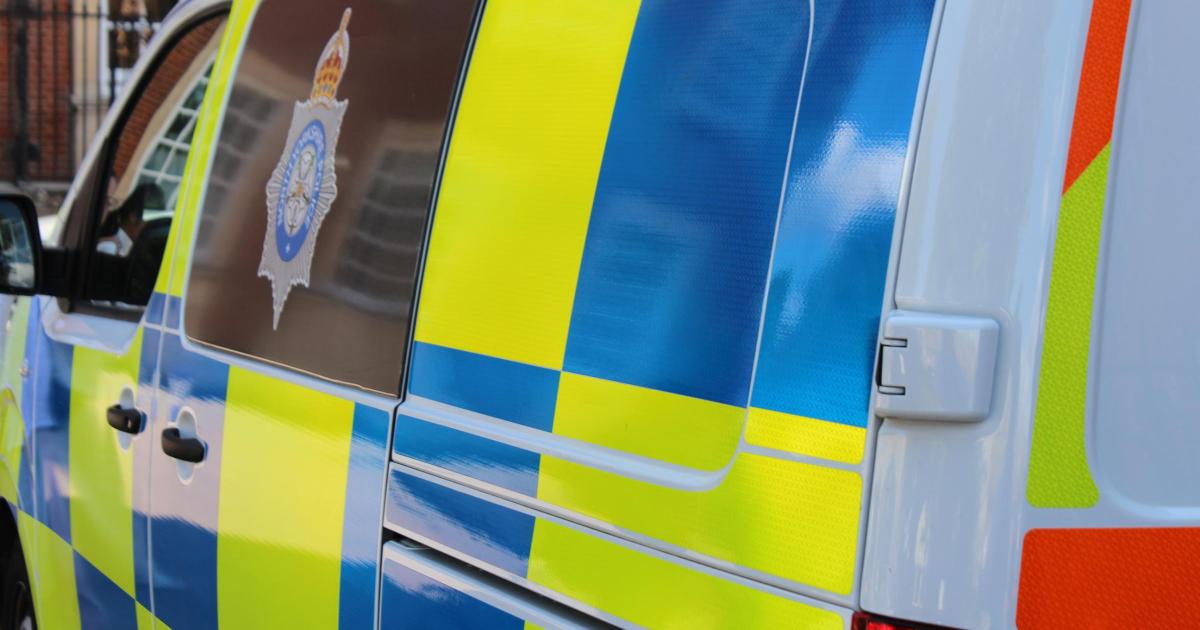
Emergency services were called just before 8pm on Thursday evening (July 23) to Brinkburn Road.
A 56-year-old man was arrested at the scene on suspicion of failing to provide a roadside breath test.
He was brought into custody and has since been further charged.
Advertisement
No one is believed to have been injured from the incident.
A spokesperson from Durham Police said: “Police were called just before 8pm on Thursday (July 23) to reports of a collision involving a van and a BMW on Brinkburn Road, in Darlington.
“A 56-year-old man, was arrested after failing to provide a roadside breath test and brought into custody, where he has since been further charged.
“Thankfully, nobody is believed to have been seriously injured and the vehicles were recovered.”
Andy Burnham’s decision to pause the plan for the early release of prisoners is a ‘good start’ but ‘not enough’, the mother of police officer Andrew Harper has said.
Under the new Sentencing Act set to come into force in September, some 6,000 criminals were due to be released under the early prison release scheme. The family of Pc Harper criticised the fact that two of his killers were being considered for early release.
Mr Burnham said that he had instructed his team to ‘put a pause on the changes’, adding: “No prisoners will be let out under this policy until we have conducted an urgent review and done everything we can to minimise risk to the public.”
Advertisement
Pc Harper’s mother Debbie Adlam later told ITV News: “It’s not enough. It’s a good start, and it really is a good basis to begin working on some sensible alternatives and looking at options for going forward, because there’s so many people this affects, it’s not just us.”
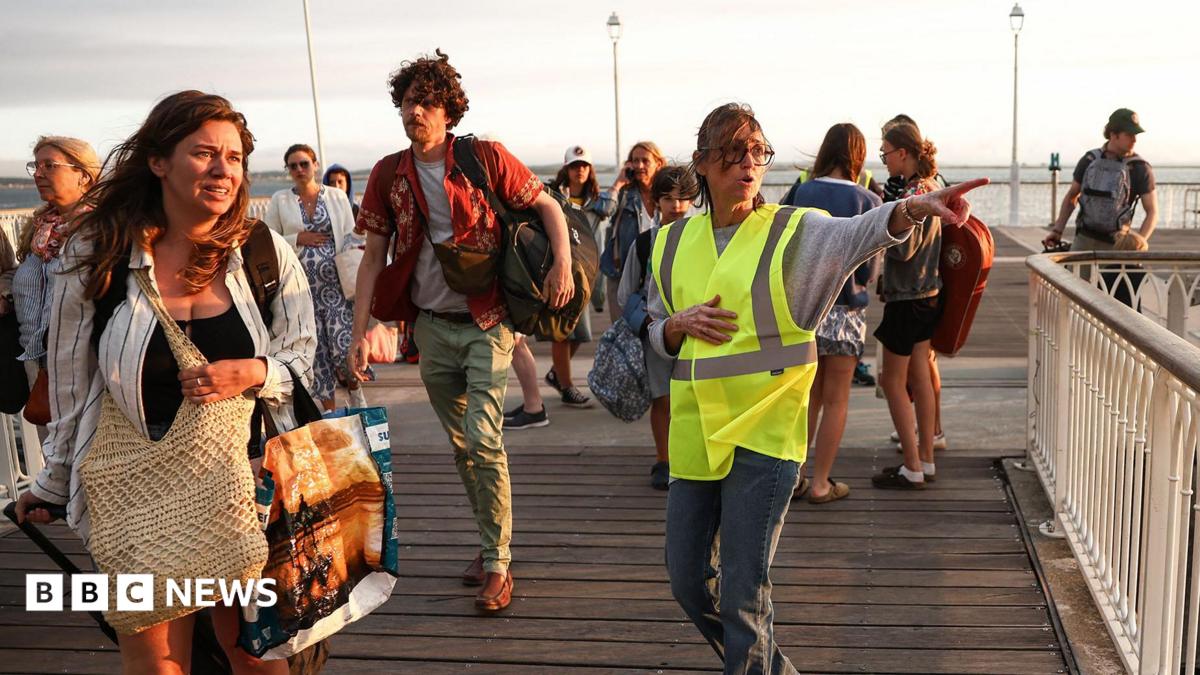
French authorities have ordered the evacuation of the entirety of the Cap Ferret peninsula on the south-west coast, with hundreds of people escaping the area by boat.
Tens of thousands of people are being evacuated from thetourism destination west of Bordeaux, as firefighters continue to battle what the local prefect has described as an “XXL fire” in the Gironde region.
The fires, which began on Tuesday, has burned for days, with officials saying 10,000 hectares (almost 25,000 acres) consumed by the flames.
Meanwhile, the government in Spain has declared a national emergency as wildfires burn out of control in several areas close to the capital Madrid.
Advertisement
Spanish Prime Minister Pedro Sánchez spoke of a “dramatic situation” and urged people to take great care. Three fires were burning west of Madrid, at Villa del Prado and San Martín de Valdeiglesias.
French Interior Minister Laurent Nuñez said 40,000 people had either been or were in the process of being evacuated from the Cap Ferret peninsula, which has the Atlantic on one side and the Bay of Arcachon on the other.
Local prefect Sophie Brocas said 53 homes had been lost as well as a campsite, but that 2,000 houses had been saved.
A local councillor said 2,000 evacuees from the peninsula had already arrived by boat in the port of Arcachon on the south side of the bay.
Advertisement
Fire and rescue chief Marc Vermeulen said the wildfire had spread rapidly at the end of Thursday and into the early hours of Friday. Authorities then took the decision on Friday morning to begin the evacuation of the town of Arès, which lies south-east of Lège-Cap Ferret on the Bay of Arcachon.
Cristian Volpato is alleged to have returned a positive roadside drug test after being stopped twice by police within hours
Australia international Cristian Volpato is alleged to have tested positive for cocaine during a roadside drug test after being stopped by police twice in the space of two hours in Sydney.
Advertisement
The 22-year-old, who starred for the Socceroos at this summer’s World Cup after switching his international allegiance from Italy, was allegedly caught driving at 109km/h (68mph) in a 60km/h (37mph) zone on Sydney’s Anzac Bridge shortly after 1am on Friday.
According to the Sydney Morning Herald, Volpato returned a positive roadside test for cocaine despite reportedly telling officers he had not taken any drugs.
Police allegedly stopped the midfielder just two hours earlier after he was detected driving between 86km/h and 94km/h (53-58mph) in the same 60km/h (37mph) zone.
On that occasion, he reportedly returned a negative roadside breath test before being issued with an infringement notice for speeding.
Advertisement
Following the second stop, police took a secondary oral fluid sample for further laboratory analysis after the alleged positive roadside drug test.
Volpato’s international driving licence has been suspended for six months, although he has not been charged with a criminal offence.
Football Australia confirmed it is aware of the allegations but has not taken disciplinary action against the player.
Instead, the governing body said it is supporting Volpato while continuing to monitor the situation.
Advertisement
Under Football Australia’s code of conduct, players can face sanctions for behaviour that brings the game into disrepute, while the organisation also has the power to impose interim suspensions in certain circumstances.
However, no such action has been announced.
Volpato’s former coach and mentor Tony Basha insists the midfielder has strongly denied taking cocaine or any other illicit substance.
Basha added that drug use would be “out of character” for the Australia international, who had reportedly been celebrating a friend’s birthday in central Sydney before the incident.
“I’m disappointed for him because he’s a young kid,” he said.
“He was shocked. I’m shocked because it’s a big allegation.”
Advertisement
Born in Sydney, Volpato came through the academies of Sydney FC and Western Sydney Wanderers before moving to Italy as a teenager to join Roma, where he made his Serie A debut aged 18.
He later joined Sassuolo and has recently been linked with a move to Fiorentina during the current transfer window.
Volpato was one of Australia’s breakout performers at the 2026 World Cup after making the high-profile decision to represent the Socceroos instead of Italy on the eve of the tournament.
The midfielder has not publicly commented on the allegations.
Keely Hodgkinson looked incredible as she flashed her abs in a tiny bralette while posing for stunning Instagram snaps.
The Olympic 800m gold medallist, 24, sent fans wild in a second braless look after stepping out in a racy red dress.
Keely recently enjoyed a string of dates with Love Island star Casey O’Gorman, according to reports.
The Olympian and the reality star, 29, were said to have exchanged ‘flirty messages’, before going on secret dates where there was ‘real sexual chemistry’.
Advertisement
However, insiders claimed any hopes of romance fizzled out after the pair soon realised it wouldn’t work long term.
Keely Hodgkinson looked incredible as she flashed her abs in a tiny bralette while posing for stunning Instagram snaps
The Olympic 800m gold medallist, 24, sent fans wild in a second braless look after stepping out in a racy red dress
Advertisement
‘Casey has known who Keely is for years. He thinks she’s very attractive and talented. He sees himself as a bit of a runner, obviously not on her level but enough for him to chat about it with her,’ a source told The Sun.
‘Some of her Insta pics caught his eye and they started swapping flirty DMs last year. She was really flattered by the attention – Casey really has the gift of the gab.
‘Casey didn’t waste any time in asking her out and they went on a few dates. They got on really well and there was real sexual chemistry but they lead very different lives and it was never going to work long term.’
The insider added they have remained friends, with Casey ‘showing his appreciation’ by liking her Instagram pictures.
Advertisement
The Daily Mail has contacted Casey and Keely’s representatives for comment.
Casey is best known for his multiple appearances on Love Island. He first appeared on the show back in 2023.
He then went on to star in Love Island: All Stars series one and two. He won the second series with Gabby Allen, but they split three months later.
Keely revealed back in March she won’t take part in this summer’s Commonwealth Games in Glasgow.
Advertisement
The Olympian and the reality star, 29, were said to have exchanged ‘flirty messages’, before going on secret dates
Keely revealed back in March that she won’t take part in this summer’s Commonwealth Games in Glasgow
The runner admitted she wants to avoid burnout with the Scottish showpiece falling just a week before the European Championships in Birmingham.
And her quest for a hat-trick of continental crowns must take precedence over the Commonwealths, claims the Englishwoman, who is currently a red-hot favourite to land her first world indoor title in Poland later this month.
Advertisement
‘I’m currently not going to be competing,’ Hodgkinson confirmed. ‘I love competing in front of a home crowd but it is such a busy year with Europeans and the world indoors.
‘I’ve done that many championships before in a year – and it is a lot. So I just had to decide on which one was best for me. But I definitely will be supporting and enjoying it as well.’
Share or comment on this article:
Keely Hodgkinson flashes her abs in a tiny top before going braless in red dress – after enjoying secret dates with Love Island star Casey O’Gorman’
Just as reports from the front lines in Ukraine are giving Volodymyr Zelensky some reasons to be cheerful, his government has descended into turmoil. Within a matter of days he sacked his defence minister, Mykhailo Fedorov, before having to fire his commander-in-chief, Oleksandr Syrskyi.
Fedorov’s dismissal was very much Zelensky’s decision. Syrskyi’s, however, appears to have been forced on the Ukrainian president, after hundreds of thousands of people took to the streets across Ukraine to protest the departure of the defence minister. Fedorov is widely credited with masterminding the success of Ukraine’s drone strategy, which, apart from helping to even up the odds on the front lines, has wreaked havoc inside Russia and Crimea.
Using drones to target Russian energy infrastructure has led to petrol shortages, and power outages across the country. Crimea, meanwhile, is under a state of emergency thanks to a bombing campaign targeting bridges, rail lines, roads and other infrastructure.
So it’s unsurprising that so many people are angry at Zelensky’s decision to dismiss Fedorov, writes Stefan Wolff, an expert in international security at the University of Birmingham. It seemed to make very little sense to defenestrate someone whose modern approach and nimble thinking have enabled this success.
Advertisement
Zelensky’s choice of replacements will, however, go some way to placating the protesters, Wolff believes. The military commander brought in to replace Syrskyi, Mykhailo Drapatyi, is thought of as part of a new generation of strategists very much aligned with Fedorov’s hi-tech approach. The acting defence minister, Yevhenii Khmara, is on the same page. This will be critical if Ukraine is to maintain its momentum.
The crisis began when Fedorov called for Syrskyi’s removal, saying the commander was blocking his attempts to reform Ukraine’s defence establishment. In the event, it was Fedorov that Zelensky sacked. The president opted to back his most senior military officer rather than his political colleague.
This is par for the course for Ukraine, say Sarah Whitmore of Oxford Brookes University and Bettina Renz of Nottingham University. The pair have spent some years researching the relationship between the government and the military in Ukraine. They have traced this pattern back to well before Zelensky acceded to the presidency in 2019.
Advertisement
Which is remarkable when you think that Nato and the EU, which have been encouraging reform in Ukraine as a condition for joining those alliances, require civilian control of the military. It hasn’t helped that previous defence ministers have been caught up in corruption scandals (three former defence ministers are accused of treason for allegedly selling off vital defence supplies). But Zelensky has also shown he is also more likely to side with his military commanders, write Whitmore and Renz. And this is unlikely to change while Ukraine remains under existential threat from Russia.
Someone else under existential threat, if you believe some of the more breathless commentary on the state of Russian politics during the war, is Vladimir Putin himself. Certainly Ukraine’s recent successes and the hardships they are imposing on the Russian people, coupled with the terrible death toll among Russian troops and the prospect of further rounds of conscription, have affected the Russian president’s popularity.
Putin’s approval ratings have fallen steadily this year and the Kremlin has been forced to deal harshly with a couple of outspoken Putin critics. But whether this is a sign that the president is losing his grip on power in Russia is debatable, to say the least. Since taking office on the last day of 1999, Putin has assumed almost complete control of the levers of power in Russia.
Advertisement
Opponents have been ruthlessly liquidated, the media stifled and big business – once a potentially powerful source of opposition to Putin – largely tamed.
Besides which, as Bo Petersson of Malmo University points out, history tells us that Russian (and Soviet) leaders tend to die in office. Petersson suggests this is likely to be Putin’s destiny too.
I’ve spent the past couple of weeks reading a fascinating new book about the first year of Donald Trump’s second presidency. Regime Change: Inside the Imperial Presidency of Donald Trump, by New York Times reporters Maggie Haberman and Jonathan Swan is a detailed, almost fly-on-the-wall report of goings on in the White House. It’s irresistible stuff for what our reviewer Colleen Murrell calls “political nerds and Trump obsessives” (guilty as charged).
Advertisement
All the president’s men: Donald Trump with secretary of war Pete Hegseth, vice-president JD Vance and secretary of state Marco Rubio. EPA/Carlos Barria/pool
And it’s the fly-on-the-wall aspect that Murrell homes in on. Haberman and Swan are seriously credentialed reporters of the Trump era, and their access to the US president’s inner circle is extraordinary. Most of the information in this 496-page book has been sourced on what journalists call “deep background”, an agreement between a reporter and their source that they can use information without attributing it.
But some of the direct quotes, including plenty of rather florid language from the 47th president about various of his political enemies, almost makes you feel as if you are in the room with him. Which, as Murrell observes here, feels like an invitation to play the time-honoured journalists’ parlour game: who blabbed?
One of the themes that anyone following the first 18 months of Trump’s second term will have identified is the way that the US president has sought to increase the power of the executive at the expense of the US Congress. Last month he took to his Truth Social platform to boast of a recent Supreme Court judgment that: “90 years of precedent has been COMPLETELY AND UNEQUIVOCALLY OVERRULED, greatly increasing Presidential Power at a time when it is most needed!”
Advertisement
The US Supreme Court ruled in June that the president was entitled to sack federal trade commissioner Rebecca Slaughter “at will”, despite an act of Congress and a Supreme Court precedent establishing that the power to appoint and remove the heads of various independent agencies should lie in the hands of Congress.
It’s a big deal which hands US presidents almost monarchical powers, writes Andrea Loux Jarman, an expert in US constitutional law at Bournemouth University. She highlights the words of Associate Supreme Court justice Sonia Sotomayor in her dissenting opinion that the decision “gives the President a power unknown even to the English Crown against which the Founders revolted”.
North Yorkshire Police said an e-bike was stolen from the bike park area of the Ron Cooke Hub in Deramore Lane, Heslington, which is part of the University of York.
A force spokesperson said a black “Eleglide M2” e-bike with mudguards front and back was stolen between 8.15am and 4.30pm on Thursday, July 16.
Recommended reading:
Advertisement
The bike has the serial number “MEL05050099”.
North Yorkshire Police said if anyone has seen the bike, or been offered it for sale, or has any information, to get in touch with the force.
The spokesperson said: “Email PC Ben Robinson-Brockhill on ben.robinson-brockhill@northyorkshirepolice.uk.
Advertisement
“Alternatively, visit our website, select ‘Tell us about’, then choose ‘An existing case or report’.
“If you are unable to use these options, please call North Yorkshire Police on 101.
“Please quote reference 12260135901 when providing information.”
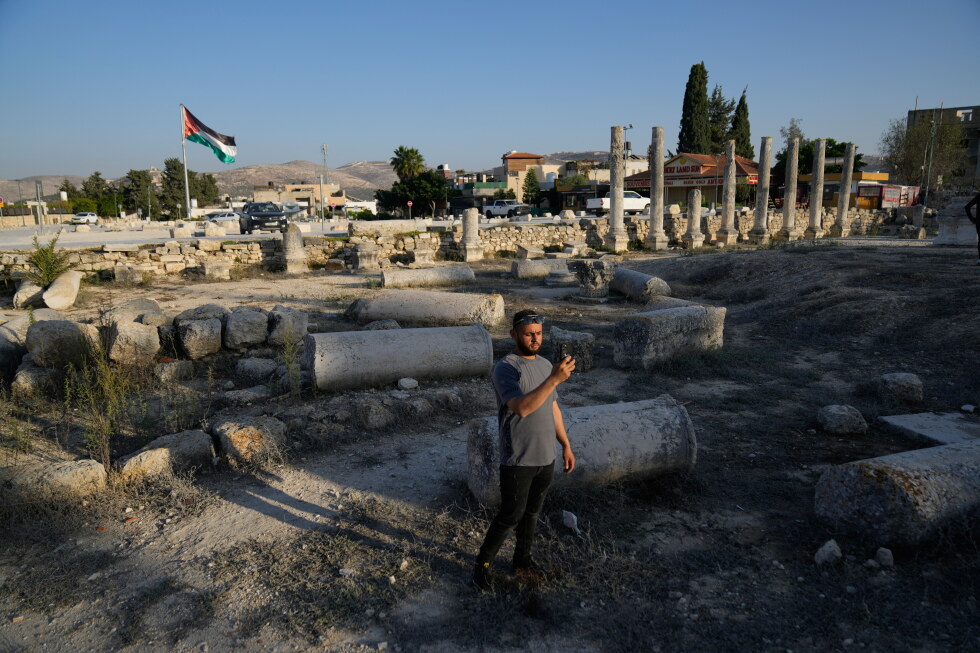
SEOUL, South Korea (AP) — A United Nations committee voted Friday to inscribe a major archaeological site in the West Bank and a set of castles in southern Lebanon as World Heritage sites, despite objections from Israel, which had urged the committee to reject the bids.
The decision at a U.N. Educational, Scientific and Cultural Organization meeting in South Korea came days after Israel’s Foreign Ministry urged the committee to reject efforts to designate the small West Bank town of Sebastia and the Lebanese castles, calling the nominations a “weaponization of cultural heritage.”
At their meeting in Busan, members of the UNESCO committee decided to place Sebastia and five castles in Lebanon’s Mount Amel area on both the World Heritage List and the List of World Heritage in Danger after reviewing the nominations on an emergency basis.
Sebastia, a hilltop town about 10 kilometers (6 miles) northwest of Nablus in the Israeli-occupied West Bank, is identified by scholars as ancient Samara, capital of the biblical Kingdom of Israel. The area’s archaeological remains span the Iron Age, Roman, Byzantine and Islamic periods. Christian and Islamic tradition holds that John the Baptist was buried there, according to a UNESCO website.
Advertisement
Sebastia’s nomination, first submitted by the Palestinian delegation to UNESCO in 2012, argued that World Heritage status was needed to help preserve the site, saying it remains largely undeveloped under Israeli control and requires additional conservation despite attracting tourists.
The designation comes as Israel, which does not recognize a Palestinian state, moves to expropriate large swaths of land around the site, even as it faces pressure to crack down on violence by Israeli settlers in the Palestinian territory.
The five castles in the Mount Amel region are recognized for their layered architectural heritage, combining Crusader, Ayyubid, Mamluk and local influences, reflecting the evolution of fortified architecture over nearly nine centuries, according to a UNESCO description.
In Tuesday’s statement, Israel’s Foreign Ministry accused the Palestinian delegation of waging a “hostile, one-sided campaign” at UNESCO by falsely portraying Sebastia as an area facing an emergency, calling the effort a political attempt to “erase the site’s profound, well-documented Jewish and Christian history.”
Advertisement
Israel withdrew from UNESCO in 2019, accusing the organization of being biased against it and of downplaying its historical ties to the Holy Land.
Advertisement
Sign up for Morning Wire:
Our flagship newsletter breaks down the biggest headlines of the day.
Israel’s Foreign Ministry also took objection to efforts to list Beaufort Castle in southern Lebanon as a World Heritage site. The castle was part of the nomination covering five castles in the Mount Amel area.
Advertisement
The ministry said Hezbollah, an Iran-backed militant group, has turned Beaufort Castle into a military stronghold by building tunnels beneath the site and launching rockets from the area, and accused UNESCO of ignoring those developments.
UNESCO and the Lebanese embassy in South Korea declined to comment on the Israeli claims about Hezbollah.
The UNESCO committee on Wednesday placed another Lebanese site, Tyre, an ancient Phoenician city in the southern part of the country, on the list of world heritage sites in danger.













































You must be logged in to post a comment Login