Spending 32 years (and 13 days) as travel correspondent for The Independent has been the privilege and pleasure of my life.
Today, 29 May 2026, is my final day. Do join me on a journey through the decades.
1994: First principles
When I joined the paper on 16 May 1994, The Independent was located in a former insurance office at 40 City Road in the City of London – just a few hundred metres from our present location.
Advertisement
Travel was more expensive, more complicated and significantly more dangerous than today. And so was communication.
The Independent was technically way ahead of most of Fleet Street. I was an early adopter of the laptop – about as rudimentary and bulky as a fridge. I soon found that writing an article was the relatively easy part: once finished, my problems were only just beginning.
In a bleak room of a Soviet-era hotel in Novosibirsk, central Siberia, I dismantled a Russian phone in order to file an article about a lively night in a bathhouse in the bleak wilderness of a Siberian midwinter. “The best bit is when the beating stops,” it began.
To get the precious prose to the mainframe computer back at The Independent, I needed to connect my laptop to the right terminals, tap in the right codes and hope for the best. When finally I heard a reassuring purr and squeak from the London end, I could send over the article – at the reading-out-loud speed of 180 words per minute. Perhaps, I reflected, I should have learnt Morse code.
Yet within Europe, fare were stubbornly high. A questionably obtained student card eased the financial pain, but even so London to Glasgow was a minimum of £100 return by air. Plenty of entrepreneurs had sought, unsuccessfully, to make flying affordable. So, when a fax arrived at the office of The Independent announcing a new carrier between Luton and Glasgow, beginning in November 1995, I paid it little heed.
The link between London and Scotland’s biggest city was conveniently carved up by Air UK, British Airways and British Midland. While easyJet promised fares as low as £29 each way, the business model seemed fatally flawed. You couldn’t buy through travel agents, only by phone – with the number emblazoned in orange on the plane.
Advertisement
There was no allocated seating – you grabbed a seat where you could. And the airline proposed charging passengers £1 for a cup of tea and a further 50p for a packet of shortbread, both of which were free on its frillier rivals. So, no thanks, I would not be going to Luton at 7am on 10 November to meet a 28-year-old shipping magnate named Stelios Haji-Ioannou.
Yet easyJet seems to have survived, along with what was, at the time, a small and struggling Irish airline named Ryanair.
Open skies: Stelios Haji-Iaonnou on easyJet’s first flight – enabled by deregulation (easyJet)
1996: Railway break-up
Even without competition from budget airlines on intercity routes, the UK’s railways were struggling in the 1990s. John Major’s government had a solution: privatisation. The 1992 Conservative manifesto claimed: “The best way to produce profound and lasting improvements on the railways is to end BR’s state monopoly.”
On 4 February 1996 Britain’s first privatised rail service departed. Actually, it was a rail-replacement bus from Fishguard to Cardiff, due to engineering work. And it was late. The first actual privatised train was the 5.10am Twickenham to London Waterloo.
Advertisement
Three decades on, passenger numbers have roughly doubled. Labour is renationalising the train operators, with the biggest – Govia Thamelink – entering public ownership this weekend. The transport secretary, Heidi Alexander, said: “From this Sunday, millions of passengers across the South East and East of England will be travelling on rail services back in public hands – run for the public good, not private profit. Bringing Britain’s largest train operator into public ownership is a defining moment in our reform of the railway.”
The key problem now is capacity, particularly on north-south intercity routes. If only there were a plan for high-speed rail to connect Leeds and Manchester with Birmingham, continuing to London. Oh wait…
1997: Dubai on the map
On 7 July, the Jumeirah Hotel group was launched. The first property was the Jumeirah Beach Hotel in Dubai. Travellers could get there aboard a small airline called Emirates, which flew nearly 10,000 passengers a day to and from its base at “DXB” – including some from London Heathrow aboard the shiny new Boeing 777. Last year, the figure was almost 150,000 daily – making Dubai International airport the busiest global hub in the world. While Emirates still has plenty of 777s, its workhorse is the Airbus A380 “SuperJumbo”.
Advertisement
In November 1997, terrorists attacked tourists and guides at an archaeological site on the east bank of the Nile at Luxor. Sixty-two people died in the massacre.
1998: End of cheap booze foretold
Competition between ferry firms across the Channel became so intense that, in a newspaper promotion in January 1998, Hoverspeed started paying drivers £1 to take a day trip from Dover to Calais – hoping to make money back on the sale of duty-free alcohol and tobacco.
In February, the European Union announced duty-free sales would soon end on flights and ferries within the EU. Despite predictions from many airlines and airports, short-haul aviation did not shut down after they ceased to be able to sell cheap spirits and cigarettes. But cross-Channel services, including the hovercraft, were hard hit.
Advertisement
Duty free was to reemerge in 2021 after the final Brexit agreement took effect. Perhaps that is what the former Brexit secretary David Davies had in mind when he said: “There will be no downside to Brexit, only a considerable upside.”
In other 1998 news, Hong Kong’s exciting Kai Tak airport shut down. The first British tourists visited Saudi Arabia. AndThe Angel of the North, a giant winged structure south of Newcastle, became a landmark for travellers on the East Coast Main Line and A1 road.
1999: On the world’s longest road
December in the UK can be dismal, so I opted to disappear for most of it: following the central section of the Pan-American Highway from Texas to Panama City. It was a glorious three weeks on the road through northern Mexico when it was (relatively) safe; witnessing the cultural wonders of Oaxaca and western Guatemala, El Salvador’s version of Pompeii and hitching through Nicaragua and Costa Rica.
Advertisement
Being mugged (ineptly, thankfully) on Christmas Day in the Costa Rican capital, San Jose, was annoying. But the highlight? The cheerful madness of Panama City. Just outside, the Pan-American Highway crosses the Panama Canal: the world’s longest road meets the planet’s greatest short cut. This is, the passer-by is informed, the “Puente del Mundo – Corazon del Universo” Bridge of the World – Heart of the Universe. There are worse places to end a millennium.
On the border: Vendors in no-man’s land between Panama and Costa Rica (Simon Calder)
2000: London comes alive
British Airways employees who had to work on the night of 31 December 1999 were given a special one-off payment of £400, or up to four free tickets anywhere in the world. One person who did not take advantage of the offer was BA’s then-chief executive, Bob Ayling, who at the turn of the year was officiating at the official opening of the British Airways Millennium Wheel.
The public were not allowed in until March due to technical problems. As with the Eiffel Tower, the giant Ferris wheel was intended only to be a temporary structure – but like the Paris icon, the London Eye (as it is now known) is part of the capital’s identity.
The first day of the new millennium saw the public opening of the Dome in North Greenwich, London. The venue had a difficult year as the UK’s cultural gift to the world, but has since thrived as the O2. And by May 2000, Tate Modern had opened in a former power station on London’s South Bank.
Advertisement
Two other openings of note: an online travel review site called TripAdvisor, and the Oresund Bridge between Denmark and Sweden. And a closedown: on 4 June 2000, smoking was banned on all flights to, from and within the US.
2001: Horror on 9/11
When airline passengers fall victim to terrorist outrages, the rest of us become acutely aware of what we should have feared. In 1988, no one worried that it was easy to check a bag on to a transatlantic flight without boarding the plane – until that bleak midwinter’s night when a bomb hidden in a suitcase exploded aboard Pan Am 103 from Heathrow to New York. The Boeing 747 crashed at Lockerbie with the loss of 270 lives.
On 11 September 2001, our vulnerability to evil was exposed to another order of magnitude. Four hijacked planes were used as guided weapons to kill almost 3,000 people.
Advertisement
Yet passenger planes also symbolise the achievements and aspirations of a generation without frontiers. On 15 September 2001 I wrote: “Tuesday’s tragedy would be amplified still further if it were allowed to crush travellers’ spirit of adventure, and the power for good that aviation represents. Airlines bring people together. That is what they are for. And, as grief resonates around the world, unity is what we need more than ever.”
2002: Forget francs, lire and pesetas
At the start of 2002, the euro replaced the French, Belgian and Luxembourg francs; Spain’s pesetas; Italian lire and even the mighty Deutschmark. “A sad moment for sad people like me, who get a cheap thrill from new currencies,” I wrote.
“The European travellers of tomorrow will never know the thrill of that first creased and torn Italian note with an unbelievable number of zeroes, nor the thin jangle of small change whose metal content is almost as low as its purchasing power.”
Advertisement
Change for good? The euro replaced individual currencies at the start of 2002 (Charlotte Hindle)
2003: It’ll never catch on (part 2)
Shortly after 7am on 12 February 2003, I settled into my seat aboard Jet2 flight 201 to Amsterdam. The plane was a secondhand Boeing 737 picked up cheap (with seven others) after the failure of Ansett of Australia in 2001, shortly after the 9/11 attacks.
My neighbour was Philip Meeson, the founder of the airline. He told me of his plans to unlock travel opportunities and improve lives.
To be honest, I was unconvinced. The arguments against Jet2 were powerful: easyJet and Ryanair had established bases in the London area, which was (and is) by far the biggest aviation market in Europe. No-frills flying was not proven in northern England, where the charter airlines were well established. And, whispered rivals, Leeds Bradford’s location was awkward and prone to bad weather. And there was clearly no future in package holidays.
Since then, Amsterdam has vanished from the Jet2 map – but dozens of other destinations have appeared, from Cyprus in the east to Madeira in the west.
Advertisement
Jet2 is now the biggest tour operator in the UK, offering top-class package holidays. Passengers are welcomed at the airport as though their journey is a cause for celebration – which it usually is.
As Jet2 was helping to democratise flying, the last flight of Concorde took off from New York JFK to Heathrow – ending a project that cost taxpayers billions and mainly benefited the super-rich.
2004: ‘Destination fatigue’ hits Spain’s Costa Brava
“This year, according to the tour operators, we’ve gone off sunny Spain. They blame ‘destination fatigue’.”
Advertisement
The giant tour operator First Choice (now part of Tui) announced it would abandon the stretch of coast where the Spanish package holiday was pioneered in the 1950s.
Customers had apparently seen quite enough of north-east Catalonia. Lloret de Mar, Blanes and Tossa del Mar were erased from the brochures so First Choice could concentrate on more profitable locations for 21st-century package tourism – such as Bulgaria, where the appalling rooms and terrible food under communism have been superseded by excellent Spanish-run hotels. And Benidorm received the ultimate put-down from Club 18-30, which felt the resort too unsophisticated for its clients.
But the Costa Brava survived: Girona, the main airport for the region, was Ryanair’s first destination in Spain. The Irish airline described it loosely as “Barcelona”.
2005: What do you mean, pay extra for baggage?
Advertisement
You may be shocked to learn that, two decades ago, it was normal for all airline passengers to be able to check in an item of baggage – between 15 and 23 kg – for free. In November 2005, though, Flybe announced plans to become the first airline to start charging for checked baggage. The initial charge was £2. Flybe is no longer with us. But baggage fees definitely are.
How much was that free allowance again? (Simon Calder)
2006: Gap month around the world
This trip took my personal policy of being on holiday pretending to work to new extremes. I spent November on a circumnavigation that included Chowpatty Beach in Mumbai, Australia’s Outback, bungee jumping in Queenstown, New Zealand, and following Che Guevara’s tyre tracks across the Andes. This was the Gap Month, in which I sought to pack a year’s worth of adventure.
I chose November because it is the optimum month for long-haul travel: the lowest of seasons in the northern hemisphere, late spring in the southern half of the globe, and with no school holidays to distort travel patterns, fill seats and beds or push up air fares.
The highlight? Easter Island: the epitome of isolation in the South Pacific. This wild isle was settled by an enigmatic population who created hundreds of giant stone heads, known as moai. Yet these mysterious figures are only part of the attraction. Easter Island is the same size as the Channel isle of Jersey, but rather more scenically spectacular: especially in the shape of the crater of Rano Kau, created when a catastrophic eruption tore through the Pacific Ocean.
Advertisement
Weird and wonderful: Stone heads on Easter Island (Simon Calder)
2007: No more Holiday
The final edition of the Holiday programme is broadcast on BBC1. It had launched on 2 January 1969 as “a series of programmes to help you choose your next holiday”, with the focus on low-price packages to Spain, Portugal and Morocco.
I had grown up with the programme, wide-eyed at the world (even in black-and-white), and still cannot believe my good fortune in presenting the last report: a river trip down the Mekong through Laos.
2008: Airbnb – meet Airbus
On 25 October, the Airbus A380 ”SuperJumbo” entered service between Singapore and Sydney. The specific aircraft used for the historic first flight was later dismantled for parts in southwest France. (Last year, Global Airlines reconfigured a used A380 for transatlantic trips. But for the past 12 months, the start-up has been silent.)
Advertisement
The QE2 began her final voyage from Southampton to Dubai, where she was due to become a floating hotel. The conversion took a decade. And as she arrived in the Gulf, on 21 November, Oasis of the Seas, then the biggest cruise ship in history, was launched. The Royal Caribbean vessel could carry more than 6,000 passengers.
Across in San Francisco, an accommodation website with the curious name of Airbedandbreakfast.com was founded in San Francisco. Nine months later, the site was relaunched as Airbnb.
2009: Uber and under
Start-ups in San Francisco were on something of a Pacific wave. In March, a company called UberCab was founded – later abbreviated to Uber. But in Europe things were closing down. On 12 December the Orient Express train ran for the last time.
Advertisement
Seventy-five years after the publication of Agatha Christie’s bestselling crime novel, Murder on the Orient Express, the train that epitomised trans-European travel for more than a century was finally killed off. “Death by a thousand cuts” summed up the demise of the Orient Express: by the end it was reduced to running only between Strasbourg and Budapest.
Yet at the village of Appenweier in western Germany, you can still see a self-aggrandising plaque announcing this little halt to be the rail crossroads of Europe: where the line of the Orient Express crosses the line from Hamburg and Cologne south to Switzerland and Italy.
Who was to blame for the demise of Graham Greene’s Stamboul Train? We travellers were, of course, abetted by low-cost airlines. London to Istanbul costs as little as £50 each way.
The Venice Simplon-Orient-Express, a luxury private train, continues.
Advertisement
Regional Express train at Appenweier station in western Germany, self-styled European rail crossroads (Simon Calder)
2010: Planes grounded by volcanic ash – and striking cabin crew
On 15 April 2010, I was in Trysil, Norway, on a skiing trip. I had flown in as a passenger on SAS, but went home as freight on a container ship.
You did not need a strong grasp of Norwegian to work out from the ski-resort newsstand that not all was well in the turbulent world of aviation. Vulkan Aske fra Island STOPPER FLY-NORGE yelled one tabloid front page headline, with a background of a billowing plume of Iceland’s finest ash.
While there are numerous potential locations where volcanoes could erupt, Iceland is particularly seismically active. And following the eruption of Eyjafjallajökull in 2010, airspace across northern Europe was closed — wrecking the travel plans of 7 million passengers and costing airlines over £1bn. I was lucky to find a berth on a container ship to Immingham.
This was also the year of British Airways cabin crew strikes. A toxic tussle between BA management and the cabin-crew union over working conditions jeopardised millions of passengers’ plans. The airline demanded more cost-effective arrangements as it was in a “fight for survival”, according to then-chief executive Willie Walsh.
Advertisement
As both sides dug in for an extended campaign, and Ryanair was brought in to cover some Heathrow flights for British Airways, I wrote: “The losers extend well beyond BA’s shareholders and strikers. One notable casualty is Scotland – which, at the first sniff of trouble at Heathrow, is traditionally cut off by British Airways.
“Anglo-Scottish links are always the first to go, on the basis that terrestrial alternatives are available. But overseas business travellers heading for Edinburgh or Glasgow are unlikely to be impressed to learn, on landing at Heathrow, that they face an eight-hour coach trip instead of the expected 80-minute hop.”
2011: Sleep your way to Orkney
When the sun shines and the wind abates, Scotland’s islands are as close to heaven as you need to be. In 2011, the sky, sea and ancient history coalesced magically in Orkney. I travelled there on a sleeper train (plus a short flight).
Advertisement
Later the same year, I wrote about the possible demise of the Highland Sleeper serving Fort William, Inverness and Aberdeen from London Euston. “This is the UK’s longest, stretching almost a quarter of a mile, and comprised of rolling stock four decades old. And the fear is that the day is not far off when it ceases to leave at all.”
Transport Scotland had just published a consultation document on future strategy. At its heart was a “focus on delivering customer outcomes at a lower subsidy cost”, which could have seen northern Scotland disconnected from London.
The options being considered included “removing the Highland or Lowland service, or by running the Lowland services to and from Edinburgh only”.
“How to scare away visitors” was the headline of a short article I wrote halfway through the London Olympic Games.
All the evidence from previous Olympiads, notably Sydney in 2000 and Athens in 2004, suggested that host cities are much quieter than usual while the Games are on, because tourists and business visitors stay away in their hundreds of thousands. But Transport for London was sure 2012 would be different.
“London will be very busy during the Games,” was the organisation’s mantra. That view was backed up by Britain’s busiest airport, Heathrow, which at one stage claimed every seat on every inbound plane during the Games would be filled. (It fell well short.)
Advertisement
During the superbly organised sporting summit, Heathrow continued to warn passengers that “roads and public transport in and around London will be busier than normal during the Games” and that hotel rooms “are running out fast”. In fact, the exact opposite applies. Roads and public transport were quieter than normal, and by the second week hoteliers were almost giving rooms away.
The same applied at the Paris Olympics in 2024 and will probably do so again in Los Angeles in 2028.
2013: Skyfall
For many travellers in 2013, getting off the ground proved the big problem. Barely had the new year begun than the snow came down and exposed the lack of resilience at Heathrow. Hundreds of flights were cancelled and tens of thousands of passengers were grounded at Europe’s busiest airport.
Advertisement
Then there was a pair of aircraft fire incidents at Heathrow. The first was on 24 May, when a British Airways Airbus took off, destination Oslo, with its engine cowls unlatched, precipitating a fire in the right engine and an emergency landing after the stricken jet flew back over London to return to the airport.
Less alarming, except for Boeing executives, was a fire aboard an Ethiopian Airlines 787 Dreamliner while it was parked, empty, on Heathrow’s apron. The cause was traced to a faulty battery – but not the same lithium devices that had caused the entire 787 fleet to be grounded worldwide in January, after Japanese airlines suffered a series of fires. It took three months to find a fix, and delivery of the state-of-the-art jet to the first UK customers – Thomson (now Tui) and British Airways – was delayed.
Ryanair launched a charm offensive: Michael O’Leary, the chief executive, vowed to “eliminate things that piss people off”. Thirteen years on, the shareholders of Europe’s biggest budget airline seem cheerful enough.
2014: Mountain high
Advertisement
“Welcome to my world,” my friend Graham Hoyland said. “You feel rubbish. It’s cold, it’s windy. I can’t imagine getting to the summit.” We were trying to climb the highest mountain in the southern hemisphere, Aconcagua – just shy of 7,000 metres or 23,000 feet. For most climbers, the Argentinian peak turns out to be Mount Disappointment.
Of the 1,400 people who tackle the peak during the brief summer window between December and March, between two-thirds and three-quarters fail. And an average of nine of them die.
Summiting may be the theoretical aim, but the vast majority of time is spent not ascending. Even when you do climb, the chances are you will descend immediately, thanks to the convergence of two principles: “climb high, sleep low” and “carry and cache”. The best way to acclimatise to the depleted oxygen levels is to “tag” high points during the day, then return to a lesser altitude to rest. And then there is the practical business of needing to transport fuel, food and fixtures to progressively higher camps.
Yet, if you can inure yourself to the brutal surroundings, overcome the morale- and energy-sapping scree, accept that the mountain has squeezed every ounce of joy from your heart and yet still plod ever upwards, eventually the pain stops. As does the ascent.
Advertisement
Briefly, I stood at the summit. Local time of 3.15pm in Argentina corresponds to midnight in Nepal, in January, which made it unlikely that anyone was climbing a 23,000ft-plus peak. So, for a moment I was probably the highest person on Earth.
Then the clouds rolled in; urgent stacatto radio exchanges cut through the breeze and a guide ordered everyone to descend. We were led down through an Andean blizzard from the worst of times to the best: to soap and salad and traffic and plumbing and art and beer and laughter and the rest of the human race.
Summit to do: Simon Calder at the peak of Aconcagua in Argentina (Graham Hoyland)
2015: The best of times …
The stand-out trip began with a Los Angeles city break that including hiking through the Hollywood Hills – surely one of the greatest urban walks. It continued with a week in Baja California snorkelling with sea lions, scampering through desert landscapes and indulging at one of the world’s more appealing ends. And in between, the view from a plane.
“From 30,000 feet, Baja California looks utterly unforgiving: less a holiday destination than an unworldly crumple of bare rock. The spectrum of desolation you see from the aircraft window runs from rust to old leather, decorated by dried-up riverbeds that resemble sad, discarded ribbons of beige.
Advertisement
“Some people come to Baja in search of cosmic experiences. Well, on the flight down, you may undergo one yourself. The peninsula that marks the end of the western world looks as raw as Earth itself when first the planet coagulated from a cosmological cloud. Baja California: twinned with the Moon, Mars and other heavenly hell holes. Yet at sea level, beneath a benign blue sky, this lonely outcrop delivers enlightenment and enchantment.
“This 700-mile-long finger of land, the same area as England, jabs into the Pacific. The interesting bit, touristically speaking, is the last 100 miles or so – from the cuticle to the fingertip, if you will. At the very end lies Cabo San Lucas, Mexico’s Land’s End and the southern tip of what was initially believed to be the island of California.”
2016: … the worst of times
A year later, I took the family on a cruise to Greenland and Arctic Canada. It was by far our most expensive holiday ever. “North Korea on Sea” does not precisely sum up the profoundly disappointing Adventure Canada voyage: nobody was executed for dissent. But at a cost of £1 for every minute of a two-week holiday, I hoped the family would spend less time drifting around incarcerated in an old Polish ferry and enjoy more than about one-third of the promised itinerary.
Advertisement
I handed over many thousands of pounds for the 12-day trip because the itinerary looked enthralling. “This journey encompasses the heart of the Arctic from Greenland to Canada’s newest territory, Nunavut, and finally, Nunavik in Northern Quebec,” gushed the publicity. “The chances of seeing wildlife, including polar bears, walrus, and musk ox are excellent.”
I did see a polar bear – but it was painted on the funnel of the ship. I didn’t see Nunavik in Northern Quebec, one of several locations that fell off the itinerary. What the Calder family and 180 other fare-paying passengers mostly saw was the inside of a 34-year-old ferry. Except when we watch from the deck as the crew went off on their own adventures on Zodiacs (inflatable boats).
“We’re all trapped on board, and over half of the planned itinerary has been cancelled,” said a fellow passenger who was even more grumpy than me. “This isn’t a cruise for the crew. Why aren’t we out there?”
In 2016 Simon Calder took his family on a cruise in northern Canada. Their most expensive holiday ever didn’t go well (Simon Calder)
2017: Monarch deposed
“Heartbreak for Monarch staff and passengers after 4am airline collapse,” read the headline on 4 October 2017. “Biggest peacetime airlift under way to bring home 110,000 holidaymakers.”
Advertisement
Earlier that morning, passengers booked on the first wave of Monarch flights were already at five UK airports, baffled at being unable to check in, when a brief text arrived announcing their holidays had been wrecked: “Important! Monarch has stopped operating,” read the message sent out by the Civil Aviation Authority (CAA). “Please do not go to the airport.”
After 49 years of flying tens of millions of passengers to Europe and beyond, one of the proudest names in travel collapsed — costing the jobs of 2,750 staff and the holiday plans of hundreds of thousands of travellers.
Andrew Swaffield, Monarch’s chief executive, blamed the collapse on the effects of terrorism.
“The root cause is the closure, due to terrorism, of Sharm-El- Sheikh and Tunisia and the decimation of Turkey,” he said in a letter to staff. “Since 2015 we’ve seen yields collapse by a quarter, resulting in £160m less revenue. This has especially affected Spain and Portugal which is 80 per cent of our business.
Advertisement
“Many of you have spent years working for this company and I want to thank you again for your service and loyalty. I am truly sorry that it has ended like this.”
2018: To Russia, with love
Russia had a good World Cup in 2018. And so did the football fans. For the first time in living memory, westerners were allowed to enter Russia without visas – just the Fan ID showing we had match tickets.
Hours after France beat Croatia in the final, Vladimir Putin announced anyone carrying the identity card could return any time before the end of 2018.
Advertisement
I made a rewarding foray to Moscow, Nizhny Novgorod and Vladimir in November, then went back for a final trip in December. Due to a British Airways maintenance delay at Heathrow, I missed the connection for Volgograd (formerly Stalingrad) and arrived seven hours late.
I was certain the subsequent flight to Sochi could not take off because of the blizzard, but it did. A highly unusual snowstorm in the Black Sea city scuppered most of my plans there, but I did get to Stalin’s Villa.
I yearn to return to the world’s biggest nation – but heaven knows when it will be morally acceptable to do so.
2019: Thomas Cook fails
Advertisement
“Thomas Cook UK Plc and associated UK entities has ceased trading with immediate effect and all future flights and holidays are cancelled.”
So ended 178 years of the strongest brand in travel. Thomas Cook was the Victorian preacher and entrepreneur who set up the company in 1841. He was fundamental in transforming travel into the industry of human happiness. By harnessing technology and economies of scale, he bestowed wider horizons than many could ever have imagined.
But on 23 September 2019, at 52 resorts across Europe, the Caribbean and Mexico, 155,000 Thomas Cook holidaymakers awoke to discover their travel company had vanished overnight.
Operation Matterhorn, a pop-up airline, was created from an assortment of chartered planes to replicate the schedules of the defunct company. A triumph for consumer protection – but still a tragedy for the original package holiday company.
Advertisement
2020: Where’s Wuhan?
I forget the exact wording of the New Year social media message I popped out a few minutes after midnight on 1 January 2020, but it was something to the effect of: “This is going to be the best decade for travellers in human history.”
Eleven weeks later, I found myself being airlifted from the Yemeni island of Socotra in the company of other travellers who, like me, had scoffed at the possibility that the “Wuhan coronavirus” (as Covid 19 was then known) was anything more than a passing irritation. I touched down in Cairo on 17 March 2020, in time to hear the then-foreign secretary, Dominic Raab, ordering British travellers to stay at home.
The announcement was in response to the clattering shut of frontiers around the world; the UK remained open. But soon ministers began imposing a frequently changing tangle of travel restrictions that scuppered tens of millions of travel plans.
Advertisement
In July, “travel corridors” opened for British travellers, allowing quarantine-free trips to France, Italy and Spain. But two weeks later, at six hours’ notice, the government said: “People returning to the UK from Spain from midnight tonight will need to self-isolate for two weeks, with the country removed from the travel corridors list.”
By September, neighbouring Portugal had been put in the same risk category as central Kabul and parts of Somalia, with the Foreign Office saying: “[We] advise against all but essential travel to mainland Portugal.”
Come October, you could visit Germany without needing to quarantine on return to the UK. But all of the countries that bordered it were deemed too risky. I explored the “corona curtain” that wrapped around the Federal Republic, unable to take one more into Swiss, French or Belgian territory without needing to spend 10 days in a room on my return.
One certainty as the year ended: 2021 can’t possibly be as bad. Hold on…
Advertisement
Which way now? Simon Calder on the Yemeni island of Socotra in March 2020 (Vinay Kishore)
2021: Testing, testing
On 6 January, in the single most punitive policy of the pandemic, all international leisure travel from the UK was banned until 17 May. Anyone at an airport, seaport or international railway station seeking to leave the UK without a reason for exemption faced a fine.
The then-transport secretary, Grant Shapps, said jail terms of up to 10 years for people who lie on their “passenger locator forms” were appropriate.
Later in January, the government warned in social media advertising: “Going on holiday is illegal.”
Hotel quarantine began, even though subsequently it was found to have been of no use in preventing the spread of infections. The Public Accounts Committee concluded taxpayers ended up subsidising hotel quarantine to the tune of £329m – representing over £1,500 for each arrival who spend two weeks in isolation.
Advertisement
Peak Covid travel nonsense was reached on 16 July 2021, when the UK government imposed an effective travel ban on France, at the start of the school summer holidays in England and Wales. The problem was a Covid variant on Reunion island, 5,800 miles away from Paris
Danny Callaghan, chief executive of the Latin American Travel Association, now says this episode “really highlighted how little the government understood what was happening in the world” and “caused a lot of despair in the industry as we realised what were were up against.”
2022: Oh look – Brexit
Given the extreme penalties for going abroad, nobody really noticed that at the start of 2021 British holidaymakers had become “third-country nationals” and therefore subject to more onerous rules than “please have a valid passport”.
Advertisement
To enter the European Union and wider Schengen area (including Iceland, Norway and Switzerland) your British passport has to meet two conditions. One is about the issue date, the other about the expiry date. The passport must be less than 10 years old on the day of entry to the EU. And, on the intended day of leaving the EU, at least three months’ validity must remain.
I spent months liaising with the European Commission in Brussels to establish these were the rules, and that they were independent of each other. So you can use a British passport to travel out to the EU up to the day before its 10th birthday, as long as it has at least three months before expiry.
This is handy, because millions of people have UK passports issued for longer than 10 years.
I passed the entire correspondence from senior European Commission officials to all the big airlines and holiday companies, as well as UK ministers. Astonishingly, though, Boris Johnson’s government started spouting misinformation. One official source claimed: “On the day you travel, you’ll need your passport to have at least six months left.” And a completely useless online passport checker deemed all UK passports to expire after 10 years.
Advertisement
Angela and Robert Kennedy from West Yorkshire were the first victims of the government issuing incorrect advice who sought my help. They were turned away from Leeds Bradford airport by Jet2. To the company’s considerable credit: when I intervened Jet2 changed its policy, apologised to the couple and flew them out to Ibiza on a rearranged holiday a couple of days later.
British Airways and Wizz Air, too, agreed with my interpretation of the rules. With rare exceptions, both have faithfully applied the Brussels doctrine.
Unfortunately, the UK government maintained that there was an element of confusion in the rules. To liven things up still further, the government’s online passport checker continued hallucinating – inventing a rule that children’s passports expired after exactly five months.
Finally, in April 2022 both the Foreign Office and easyJet conceded they had been, respectively, spreading fake news and wrongly denying boarding. Official travel advice finally aligned with the Schengen area rules, and Britain’s biggest budget airline started paying compensation to passengers it had wrongly turned away.
Advertisement
2023: Chaos from beginning to end
From the traveller’s point of view, each year begins full of hope and optimism – and the start of 2023 was expected to mark the great post-Covid reboot. With the vast majority of pandemic travel restrictions lifted, was it going to feel as though the 2020s were finally beginning?
But as the months rolled by, the range of hazards standing between you and your travel dreams multiplied. The year was bookended with rail strikes, with national walkouts in support of unions’ long and bitter disputes over pay and working arrangements.
On the last day of March, as the schools broke up for the Easter holidays, Dover’s processes seized up under the weight of arriving coaches – some of which had to wait for more than 12 hours to go through French passport control. The then-home secretary, Suella Braverman, insisted the queues at the UK’s main ferry port had nothing to do with Brexit.
Advertisement
British Airways’ IT systems have a habit of failing on bank holiday weekends, and so it proved on 25-27 May, at the start of half term. More than 200 flights, mainly domestic and European, were cancelled as a result of the systems failure.
Worst of all: on August bank holiday Monday, when passenger numbers were extremely high, the UK’s main air traffic control system and its back-up collapsed within 20 seconds of each other.
The “network-wide” failure left controllers having to enter flight details manually, leading to colossal delays and many passengers being stuck on grounded planes for hours on end. In the worst single day’s disruption to UK flying since the Icelandic volcano closed down airspace in 2010, at least 2,000 flights were cancelled as a result, with 300,000 passengers having their journeys wrecked.
Long haul: Australia’s foreign minister, Marise Payne in Sydney with the UK foreign secretary, Liz Truss – who flew in on a private A321 jet (Foreign Office)
2024: The price of tourism
In April, Venice introduced a tourism tax. The man behind it, Simone Venturini, told me on the first day: “Today we are starting entry fees to find the new balance between the community and the daytrippers.”
This is the right approach to deal with overtourism – when the industry of human happiness overloads a location. Taxes help to strike a balance between the needs and rewards of visitors and residents.
Every enterprise knows inbound tourism is of huge financial benefit to a nation, region or city. Tourism works only when both sides feel enriched as a result of their encounter.
Later in the year, I finally reached Kathmandu – having spent three decades as travel correspondent failing to visit the Nepali capital. The hub of the city is Durber Square, a Unesco-listed congregation of temples and mansions. Overseas visitors must pay a 1,000 rupee (£6) admission fee. “Thank you for your contribution to heritage conservation,” the entry ticket reads. You are handed a Tourist Entry Pass the colour of a Kathmandu sunset to hang around their neck, showing you have paid: simple and effective.
Advertisement
First timer: Simon Calder in Nepal with Himal Tamang of Visit Himalaya Treks (Charlotte Hindle)
2025: Lebanese calm
Travel is so often a matter of fortunate timing. In October 2022 I had booked a trip around Lebanon that proved to be a lifetime highlight, which I managed to visit some three years later.
The republic squeezed between Syria and Israel is just half the size of Wales but extraordinarily diverse. History reaching back well before the Christian era, with classical ruins you can enjoy in spectacular solitude.
The landscapes and shorelines are rarely short of spectacular. Delicious homegrown food and wine abounds. Above all, you meet generous and welcoming people who strive to keep you safe, and happy. With Israeli missiles now raining down on the nation, my heart goes out to them.
Living history: Baalbek in Lebanon (Charlotte Hindle)
2026: Comfort zone
I started hitchhiking aged 12. Happily, I can report that thumbing lifts gets better and better. Last year I achieved a modest record of sorts by hitching a ride through three countries (France, Germany, Luxembourg) in four minutes, in the vicinity of Schengen – the pretty village by the Moselle, not the vast geopolitical area.
Advertisement
In February this year I was in Broken Hill, New South Wales, hoping to reach the ghost town of Silverton. The driver who picked me up was none other than Esther La Rovere, owner of the Palace Hotel – the central set for Priscilla, Queen of the Desert.
When I reached Silverton, the world looked as though it was rusting away: this was the raw and dangerous territory where Mad Max 2 was filmed. The cult 1981 movie depicts a post-apocalyptic world that has emerged from a global conflagration involving Iran, in which oil looms large. How absurdly far-fetched.
Just three weeks ago, I was definitely not intending to hitchhike from Rennes to Caen in northern France. I thought: “I’ll catch the train to Dol-de-Bretagne, which is on the main line, and there is bound to be a connection from there.” Turned out, there wasn’t. So I walked to the edge of town and hitched a ride with Morgan, a 21-year-old student of shoemaking. He implored me to include the Normandy resort of Granville in my plans. Nothing beats a personal recommendation.
Morgan dropped me in Avranches, about 15 miles from Granville. I went to the railway station: the last one left at 7pm, and there were no buses. Marie picked me up, said she was going halfway, and told me some sad tales of her life. Then decided she would take me into Granville. I arrived in time for a spectacular sunset across the Channel from the cliffs. Glorious.
Advertisement
End of the day: Sunset from Granville in Normandy (Simon Calder)
Simon Calder has written for The Independent for 32 years as The Man Who Pays His Way. His remarkable travel adventures, policy-changing campaigning and indefatigable advice can be found in his archive here.
U.S. and Iranian negotiators were in Switzerland on Sunday for talks on their interim agreement to end the Iran war. Pakistani and Qatari mediators were also at the scene for the technical-level discussions on resolving the conflict that began in late February.
The U.S. team is led by Vice President JD Vance and includes Jared Kushner and Steve Witkoff. They will meet with Iranian negotiators led by Parliament Speaker Mohammad Bagher Qalibaf and Foreign Minister Abbas Araghchi.
On the eve of the talks, Tehran announced it has closed the Strait of Hormuz again over Israel’s ongoing military campaign in Lebanon. The interim deal between the U.S. and Iran is meant to stop fighting on all fronts, including Lebanon, as well as calling for billions of dollars of Iran’s assets to be unfrozen.
U.S. President Donald Trump has threatened to impose American tolls in the strait if a final deal with Iran isn’t reached in 60 days. The interim agreement calls for toll-free travel for 60 days in the waterway that is vital for the world’s oil supply.
Advertisement
Here is the latest:
Israel says it killed 2 militants in Gaza involved in Hamas’ financial arm
The Israeli military says it killed two militants who were involved in helping transfer up to half a billion dollars to Hamas. The military says the two — Hussein Qadra and Mohammed Farra, who worked with Hamas and the militant group Palestinian Islamic Jihad — were killed in a strike last week.
It said on Sunday that the men oversaw a network of couriers and money exchange spots in both Gaza and Turkey that funneled money towards Hamas militants and infrastructure.
Both men were killed on Wednesday and buried on Thursday, according to their families. Farra’s family said his father, mother and sister were killed in an Israeli strike earlier in the war.
Advertisement
The conflict in Gaza is not part of the U.S-Iran talks underway in Switzerland.
Pakistani team meets separately with US, Iranian delegations
Pakistan’s Prime Minister Shehbaz Sharif has separately met with JD Vance and with the Iranian delegation at the Bürgenstock Resort near Lucerne in Switzerland where the high-level talks are taking place.
Islamabad says Pakistan’s army chief, Field Marshal Asim Munir, accompanied Sharif at the meetings. It did not provide further details.
Sharif has repeatedly said Munir played a key role in brokering the memorandum of understanding between the U.S. and Iran.
Advertisement
A video released by Sharif’s office shows him warmly embracing Qalibaf, Iran’s parliament speaker, and Araghchi, Iran’s foreign minister, as Munir looks on.
The head of the UN nuclear watchdog is also at the scene of the talks
Rafael Grossi, chief of the U.N. nuclear watchdog — the International Atomic Energy Agency — met with Swiss Foreign Minister Ignazio Cassis on the sidelines of the gathering at the picturesque mountainside resort near Lake Lucerne on Sunday morning.
The agency had monitored the 2015 nuclear deal negotiated between the U.S. and Iran under the Obama administration.
Trump in 2018 withdrew the U.S. from that agreement.
Advertisement
Talks in Switzerland will focus on the Israel-Hezbollah war, Iran says
Iran’s Foreign Ministry spokesman Esmail Baghaei says Tehran will mainly focus during the talks on Sunday on the ongoing fighting in Lebanon.
Tehran insists that the deal’s implementation start with a cessation of all fighting — including between Israel and Hezbollah.
Iran will meet in the morning with Pakistani and Qatari mediators, and in the afternoon, there will be a four-way meeting including the U.S. negotiating team. There is currently only one day of negotiations planned, Baghaei told the state news agency.
Advertisement
Sign up for Morning Wire:
Our flagship newsletter breaks down the biggest headlines of the day.
Advertisement
“The implementation of any document is more important than its signing,” Baghaei also said Sunday.
Iran’s president has said that Iran will maintain its right to a nuclear program.
Advertisement
“What is certain is that we will never back down from the right to enrich uranium, and the other side is also forced to accept it,” Masoud Pezeshkian said on Sunday, according to state media.
A temporary lull in Israeli strikes in Lebanon
As the U.S.-Iran talks were to kick off in Switzerland, a ceasefire appears to be holding in Lebanon, a lull that came after another day of heavy fighting.
Since the ceasefire, Israeli strikes on Friday and Saturday killed 97 people, including eight women and four children, Lebanese officials said. Five Israeli soldiers were also killed.
Israel says it targeted Hezbollah infrastructure on Saturday, including a tunnel network in the southern Lebanese town of Kfar Tebnit.
Advertisement
But by Sunday morning, residents in southern Lebanon reported a lull in Israeli strikes. There also were no reports of Hezbollah fire from the Israeli side.
Israel’s military has received instructions to uphold the ceasefire, and said it is only acting defensively, according to an Israeli military official who spoke on condition of anonymity in line with military guidelines.
—Melanie Lidman in Tel Aviv, Israel
Pakistani mediators also in place in Switzerland
Pakistani Prime Minister Shehbaz Sharif and army chief Field Marshal Asim Munir are also in Switzerland for the high-level U.S.-Iran talks, the prime minister’s office said without providing further details.
Advertisement
The technical-level talks at Bürgenstock Resort near the Swiss city of Lucerne are being held after Sharif dispatched his special envoy, Interior Minister Mohsin Naqvi, to Tehran to persuade Iranian authorities to send a delegation to Switzerland. The meeting was originally scheduled for Friday but was delayed because of concerns raised by Iran.
Naqvi later informed Islamabad that Iran was willing to attend the talks. Pakistan subsequently conveyed the development to Washington.
Strait of Hormuz is once again a challenge
The strait has emerged as a key focus, with Iran’s joint military command saying on Saturday that it was closed again because of the U.S. “clear breach of its commitments” by failing to end the war. The interim deal is meant to stop fighting on all fronts, including in Lebanon where Israeli forces are battling the militant Hezbollah group.
The U.S. disputed Iran’s announcement, with the U.S. Central Command saying that traffic continues to flow and that 55 merchant ships transited on Saturday with more than 17 million barrels of oil.
Advertisement
Ships began transiting after the interim U.S.-Iran agreement was signed last week. The U.S. lifted its blockade of Iran’s ports and now allows Tehran to sell its oil freely — terms that have left some in U.S. Congress asking whether the war was worth it.
The interim deal signed by Trump and Iranian President Masoud Pezeshkian gives negotiators 60 days to reach a nuclear agreement, but the time can be extended.
The debate surrounding Roberto Martinez’s side remains the same: will he, or Portugal ever drop 41-year-old Cristiano Ronaldo?
After the No7 was criticised for robbing Bruno Fernandes of a goalscoring opportunity, Thierry Henry said: “The team needs to score, not you”.
Uzbekistan will feel confident of their chances despite a defeat to Colombia. Manchester City defender Abdukodir Khusanov will be tasked to shackle Ronaldo.
Advertisement
Date, kick-off time and venue
Portugal vs Uzbekistan is scheduled for a 6pm BST kick-off on Tuesday, June 23, 2026.
The match will take place at the NRG Stadium in Houston, Texas.
Where to watch Portugal vs Uzbekistan for FREE
Advertisement
TV channel: In the UK, the game will be televised live on ITV1, with coverage starting at 5pm BST.
Live stream: UK viewers can also catch the contest live online via ITVX app or the channel’s website.
Live blog: You can follow all the action on matchday via Standard Sport’s live blog.
Free highlights: World Cup highlights are available on FIFA’s official YouTube channel, along with ITVX app and their websites.
Advertisement
Portugal vs Uzbekistan team news
All the talk about the Portugal squad surrounds Ronaldo, but this does a disservice to their other talents: Fernandes, Vitinha, Neves and new Real Madrid signing Bernardo Silva form the tournament’s best midfield.
Ruben Dias was a notable absentee from the starting XI in their opener, with Martinez revealing the Manchester City was “not 100% fit”.
Portugal squad: Diogo Costa, Jose Sa, Rui Silva, Ricardo Velho, Diogo Dalot, Matheus Nunes, Ruben Dias, Nelson Semedo, Joao Cancelo, Nuno Mendes, Goncalo Inacio, Renato Veiga, Tomas Araujo, Ruben Neves, Samu Costa, Joao Neves, Vitinha, Bruno Fernandes, Bernardo Silva, Cristiano Ronaldo, Joao Felix, Francisco Trincao, Francisco Conceicao, Pedro Neto, Rafael Leao, Goncalo Guedes, Goncalo Ramos
Advertisement
Khusanov, 21, is Uzbekistan’s leading light after his £40m move to City last year, while their goalscorer against Colombia, Abbosbek Fayzullaev can threaten the A Selecao’s backline.
But it’s Uzbek veteran Eldor Shomorudov who is the real dangerman here: Shomorudov has 44 goals in 93 caps for his country. If he finds his shooting boots here the debutants could cause another upset.
With such a strong midfield, Portugal should be able to dictate play against almost any team in the tournament, but against DR Congo their only shot on target was Neves’ early header – clearly it’s not leading into enough attacks.
Will that change with this game? CR7 will be up front again, so I’m not sure it will.
But Uzbekistan lack pedigree at this level, and a single goal could decide it.
Head to head (h2h) history and results
Advertisement
The two sides have never played each other before.
Portugal vs Uzbekistan match odds
We aim to offer every online gambler and reader of The Standard a safe and fair platform through unbiased reviews and offers from the UK’s best online gambling companies.
Gambling can be addictive, always play responsibly and only bet what you can afford to lose. Gambling sites have a number of tools to assist you to stay in control, including deposit limits and time outs. If you think you have a problem, advice and support is available for you now from BeGambleAware or Gamcare.
Advertisement
Any offers or odds listed in this article are correct at the time of publication but are subject to change. Terms & Conditions apply to all offers.
Network Rail said it would be a ‘complex recovery operation’
The fatal train crash near Bedford was a “tragic, isolated incident”, Network Rail has said, as it announced that rail services will be disrupted until June 28 while a “complex recovery operation” to remove the damaged trains and carriages from the track continued.
Advertisement
The collision, which killed a train driver and left 100 others injured, involved two East Midlands Railway (EMR) trains – with one smashing into the back of the other on the same line shortly after 5pm on Friday.
On Sunday, Network Rail said a “complex recovery operation” to remove the damaged trains and carriages from the railway had begun.
Click here to get the biggest stories straight to your inbox in our Daily Newsletter
Engineers will then need to assess the damage and complete repairs.
Advertisement
Rail passengers have been warned to expect disruption to services to and from Bedford for another week, and were urged to only travel if it is “absolutely necessary”.
There will be no services north of Luton on the busy commuter Thameslink line and no EMR services south of Bedford, with a limited rail replacement bus service in operation between Luton and Bedford, Network Rail said.
British Transport Police said more than 80 people were treated in hospital on Friday night, and as of Saturday morning 28 remained in hospital, with nine in a critical condition.
Of the 100 victims, 11 people were very seriously injured, a further 32 were seriously hurt and 57 others suffered minor injuries, the East of England Ambulance Service (EEAS) said.
Advertisement
“While investigations are still at an early stage, current indications are that this was a tragic, isolated incident,” said Ellie Burrows, Network Rail Eastern regional managing director.
“We are focused on the safe reopening of the railway and getting services running as quickly as possible.
“During this time, our message to passengers is clear – please expect disruption to services through this area for the majority of next week and only travel if absolutely necessary.”
Is AI a boom that’s just getting started or a bubble about to burst?
Whichever you think, in San Francisco, once again the epicenter of a tech revolution, one thing is certain: AI is driving an already expensive housing market completely nuts.
In March, the median home price in the city topped $2 million. Bidders regularly pay more than $1 million above listing prices for houses that, in most other places, would be unremarkable single-family homes with a few bedrooms and small backyard. The California city has both the highest and fastest-rising home prices in the country, according to Redfin.
The median monthly priceof a one-bedroom apartment is hovering around $4,000. Since Covid, rent has roughlydoubled, at times hitting $10,000 per month on the iconic Victorian mansions sprinkled throughout the city, according to one real estate broker.
Advertisement
Real estate insiders say the spike in property prices is unmistakably tied to the AI race as start-up investors and major tech companies alike throw around huge sums of money to attract top talent to the region.
In San Francisco, the median monthly price of a one-bedroom apartment is hovering around $4,000 (Getty)
“They make really good money,” commercial real estate broker Dimitris Drolapas told The Independent. “We’re seeing $500-, $600-, $700,000 of income isn’t unheard of, plus stock and all that.”
The AI boom has helped drive a “complete 180” from the pandemic era, he added, when San Francisco was a poster child of urban dysfunction with residentsleaving in droves and the downtown area resembling a ghost town due to remote work.
Mo Zhu, an activist with local housing group SF YIMBY, lives in Mission Bay – a revamped waterfront district that houses offices for the leading AI companies who have helped drive a commercial real estate comeback around the city and a return to in-office work.
Zhu’s own rent recently went up by 10 percent,a fact he attributes to the AI-related investment in the area. At first, he felt lucky the price hike wasn’t worse – then realized it was shocking to feel fortunate to be facing a double-digit increase in his bills.
Advertisement
“I was upset that I felt lucky,” he said. “10 percent is not lucky in any objective sense of the world…I certainly was directly impacted by that with OpenAI down the street and Anthropic up the street.”
Many of his friends want to move into the neighborhood, which is home to scenic parks and the new Warriors NBA stadium, but can’t afford it.
In recent years, prices have roughly doubled for multi-bedroom rentals in San Francisco’s famous Victorian homes, which can be found scattered across neighborhoods including Alamo Square (pictured), Haight-Ashbury and the Mission District (Getty Images/iStockphoto)
“They work in high-paying tech jobs,” he said. “They’re not even able to…It’s really squeezing out even families in good economic situations. I can’t imagine what it’s like for families who are not.”
The squeeze is only going to worse this year, thanks to three blockbuster initial public offerings from AI-related companies with deep ties to the city and state.
Elon Musks’s SpaceX just went public, making Musk the world’s first trillionaire, and the company soon expanded on its existing xAI division with a $60 billion deal to acquire Cursor, a San Francisco-based AI coding agent start-up.Rivals OpenAI and Anthropic are next up for sale, and will mint plenty of other new fortunes, too. Some Anthropic employees could be set to earn $50 million from the I.P.O. Together, the three I.P.O.s could generate as much as $4 trillion in value, Barron’s estimates. One local real estate agent predicted these offerings will unleash a “thermonuclear wealth explosion deposited squarely in San Francisco.”
Advertisement
In anticipation, sellers around the region have been offering to accept shares in these companies instead of cash for home purchases, according to reports.
The influx of people and capital is welcomed news for some but it’s putting enormous pressure on the city’s existing lower-income renters, according to Jennifer Fieber of the San Francisco Tenants Union, as landlords stand to gain from replacing longstanding tenants with wealthier new arrivals. The city has struggled for years to build enough affordable housing and keep rents feasible for lower-income people, and state law prevents cities from enacting rent control on large swathes of the housing stock.
Housing construction in San Francisco hasn’t kept up with the region’s booming tech wealth, leading to high prices and intense competition for desirable homes (Getty)
“Because the rents have increased in the city, there’s going to be huge pressure to get rid of the people you have, regardless of whether they’ve been paying on time,” Fieber said.
There is also concern that the AI industry might be a bubble about to pop – with investors irrationally assigning too much faith, capital and value to ventures that won’t survive, while letting this same optimism drive other major investments in their lives, such as splashy home purchases.
So far, according to Mike Simonsen, chief economist at real estate firm Compass, the AI boom hasn’t sent the San Francisco property market into full-on bubble territory just yet, where “junk starts getting overpriced.” Instead, the craziness is more concentrated.
In May, according to Compass data, homes were selling at 124 percent of their asking prices. The city’s wealthiest have begun “massive overbidding” on an even smaller basket of the most attractive homes in the most desirable areas. Last month, a five-bedroom mansion overlooking San Francisco Bay in scenic Pacific Heights sold for $3 million over asking price, and in nearby Presidio Heights, another palatial home went for nearly $4 million above the sticker price.
“Much of thewealth generation, especially around real estate, as a result of the AI companies is actually already in the system,” Simonsen said. “These are people who are already moved into town with big salaries and go, ‘I‘ll take whatever apartment is available.’”
By the end of 2026, AI-related companies SpaceX, Anthropic and OpenAI will have all gone public, generating $4 trillion and unleashing what one San Francisco real estate agent called a ‘thermonuclear wealth explosion’ in the city (Reuters)
“The concentration becomes overwhelming,” Simonsen added of those now pursuing top homes in the city. “Someone who is not armed with millions in new wealth, the scenario is just really stacked against ‘em.”
“The IPO mania is real and there are people making a lot of money, and there are clearly people moving here and taking very high-paying jobs at AI companies, but that’s also balanced with other people becoming unemployed and other jobs moving out of the city,” he said. “So there’s kind of a mix of many different things going on at once here.”
Simonsen, the Compass economist, said the soaring AI industry could eventually turn and resemble the early 2000s dot-com crash, which sent San Francisco real estate values plunging along with it.During the dot-com crash, tens of thousands of Bay Area workers lost their jobs, and San Francisco real estate took its worst hit since the Great Depression. By the time the bubble popped, commercial rents had fallen 60 percent from their year 2000 peak and residential rent was down 12 percent in the city.
If the AI economy suffers a similar bust, it could mean similar impacts. AI workers would lose their high-income jobs, and the stock some used as collateral to get home loans — or pay for houses outright — could become nearly worthless.
“All of a sudden, the stock is worth 90 percent less,” Simonsen said of this scenario.
Advertisement
In a downturn, homeowners also would not be able to sell their properties at the same high prices they paid for them, compounding the economic pain.
As for solutions to prevent some kind of AI-related housing apocalypse, experts told The Independent about a variety of reforms that could make a difference. These include expanding rent control, cutting down on city bureaucracy, and supporting existing pro-housing zoning reforms and state laws.
For the time being, demand remains high for premium properties in scenic areas such as Pacific Heights, which has sweeping views of San Francisco Bay (Chris Coplans)
Groups like SF Yimbyarechampioning mid-rise, “single-stair” apartment buildings, which feature one central staircase, rather than the multiple required under state law, as a way to maximize the number of units in buildings on San Francisco’s typically small property lots.
San Francisco Mayor Daniel Lurie and District Supervisor Myrna Melgar are backing $70 million bond to raise funds for affordable housing and a November ballot initiative to increase the city’s contribution to its affordability-focused Housing Trust Fund.
Whatever the future of San Francisco housing looks like in the age of AI, it doesn’t seem likely the city will return to the Covid days any time soon, when landlords were lowering prices to entice people to come back and keep residents who were on the fence about leaving. In an April 2020 survey, more than a third of San Francisco landlords said they had granted reductions, and 10- and 20-percent cuts could be seen on rents everywhere from finance-focused downtown to leafy, residential Glen Park.
Advertisement
Jennifer Fieber, the tenant activist, was one of those who benefitted from this brief window of declining prices. “Those days,” she said, “are definitely gone.”
As Drolapas the real estate broker sees it, the region is stuck in a bind. A booming economy strains San Francisco’s renters, and a declining economy offers them a silver lining. Neither scenario is a win-win for the city as a whole.
“There’s always good, there’s always bad,” he said. “The good is it’s nice to see some economic stimulation, especially after things were so dire here. The bad would be, you know, it’s hard for everyone to be able to afford to live here. That’s really where the conundrum is.”
This exchange, or some variation of it, used to be the sonic backdrop to every holiday I took with my ex. I defy any established couple not to recognise the seething tensions that roil beneath the somewhat calm transcript – the passive-aggressive undercurrent that flows through it – like strong waves on a beach getaway.
The subject of the discord was almost immaterial. There would always come a point – usually while sitting in tense silence at a restaurant, oblivious to the majestic sunset and delicious grilled seafood – when I’d wonder where it had all gone wrong. We were on holiday, for goodness sake! We were meant to be having a nice time!
It’s not just me who’s experienced the perils of the vacation barney. According to research by railcard.co.uk published earlier this year, one in four couples clash when travelling; another study found that more than 42 per cent of respondents argued more than expected with their partner on holiday. Far from being relaxing, time away could well be the ultimate stress test for a relationship. Why are we so prone to disagreements when not on home turf?
Advertisement
“A holiday places a magnifying glass on the relationship, and that can intensify things quite a lot,” says Elinor Harvey, a psychotherapist and clinical director at The Relationship Therapy Practice. It’s not that the holiday creates problems out of nowhere, but that it amplifies issues that were already there.
Jeers: it might start off all smiles, but holidays can prove the ultimate relationship stress test, as explored in the HBO show ‘The White Lotus’ (Sky)
“Think about all the combinations of things that have to happen in order for the holiday to even come about – possible financial stress around how much is acceptable to spend on a holiday, or there might be friction when planning it, because one person might be the natural organiser but have a lot of resentment about that,” adds Harvey. (I can certainly relate to that feeling.)
Then there’s the difference between expectation and reality, according to Fenia Christodoulidi, head of training and consultancy for Relate. “One reason that couples tend to have tension is the fantasy that the holiday will be perfect, and I think social media bombards us with a lot of information about what makes a ‘perfect’ holiday,” she says.
Decision fatigue is an inherent part of planning and executing travel too – where to stay, where to eat, which sights to see. It can be exhausting. And the gap between what you and your partner expect from a break can prove incredibly disappointing. “One partner may see it as time to pause and restore, whereas the other partner may think it’s time to be adventurous and explore – so they may clash about what needs they want to be met,” adds Christodoulidi.
I’m reminded of a friend who found herself weeping in the middle of Paris when she realised that her then partner’s idea of the perfect romantic mini-break involved ticking off every museum in a five-mile radius, while she’d been fantasising about quaffing red wine and slow strolls along the Seine.
Advertisement
One reason that couples tend to have tension is the fantasy for the holiday to be perfect
Fenia Christodoulidi, Relate
Frustrations can arise, too, around exactly the same domestic issues that plague day-to-day life. If you’re staying in a villa, no matter how beautiful it is, someone has to cook and wash up. “Technically you’re on holiday, but the roles and responsibilities often revert to type – and that can be huge, because you’ve come into it with the expectation that it’s going to be a chance for you to have a break,” Harvey explains. This reaction can be further heightened when you factor in childcare on a family holiday.
For a partner who has a high-pressure job, it can be a real challenge to switch off from work – another source of friction. “I work with lots of professionals and they crash into a holiday because they’ve been working flat out,” says Harvey. “In a week’s holiday, you can’t just decompress immediately. It might take several days to get out of work-mode.”
Advertisement
But couples don’t just have to accept that spats or all-out warfare are inevitable. Simply talking in the run-up to going away can make a world of difference.
“Communication is king,” advises Harvey. “How do we navigate what our different expectations might be, our different vision of holidays? Ideally, we’re not leaving that conversation until the week before; we’re hopefully having those discussions over a longer period in the lead-up.”
She recommends naming any specific anxieties ahead of time. Worried that you’re going to be saddled with making all the meals and cleaning the Airbnb kitchen every night? “Don’t be afraid to raise that stuff before you’re out there – don’t wait till you’re full of resentment as you scrub the worktops while everyone else is at the pool,” says Harvey.
Holiday blues? One in four couples clash when travelling (Getty)
Lifting the pressure to be joined at the hip on holiday is also advisable. “My husband likes hiking and exercising, whereas I may want to lie on the beach – and as long as we agree that we don’t have to do everything together, that is fine,” says Christodoulidi. She also recommends explicitly hashing out how you’re going to make decisions and who’s responsible for what in advance.
Even if you’ve laid the communication groundwork, conflict can and does still arise on holiday. Rather than avoiding it at all costs, what’s crucial is being able to navigate disagreement in a healthy way. (It’s certainly cheaper than booking a separate hotel room or catching the next flight home in a fit of pique.)
Advertisement
The normal dynamic of “rupture and repair” can admittedly be tougher – you’re spending an intense amount of time together, perhaps trapped in one hotel room. “I’m a big believer in a timeout,” says Harvey. “If you’re in a full emotional blast, communication is quite challenging.” If you notice things are escalating, her advice is to say: “Let’s press pause, let’s give each other some space.” Emotions can spike but then recede just as quickly; humans naturally self-regulate quite well.
Christodoulidi emphasises the need for the timeout to be “responsible”: “It’s not a timeout where I abandon you. It’s a timeout that says, I’ll go for a walk, and then I’ll come back in an hour, and we’ll speak. There needs to be a promise of return and a commitment to addressing the issue when I come back.”
If you’re in a full emotional blast, communication is quite challenging
Elinor Harvey, The Relationship Therapy Practice
Advertisement
Sharing more vulnerable emotions – saying you feel sad or overwhelmed, for example, rather than expressing frustrations through anger – can also invite compassion from your partner, says Harvey.
A final tip is to have a post-holiday debrief if micro-tensions or, indeed, World War Three did erupt. “Lots of couples just brush it under the carpet and pretend it didn’t happen,” says Harvey. “But it’s actually much better to use that as a bit of a wake-up call. Ask: ‘What was that about? What do we need to look at here?’”
She explains that we should frame our feelings as simply messengers that are trying to tell us something: maybe we need to be clearer with our expectations rather than projecting assumptions; maybe we need to work on communication. “Those tough holiday experiences can be a learning experience. Conflict is really healthy for couples, because they can grow through it; it doesn’t have to be a breaking point.”
When it comes to holidaying with your other half, a change may not always be as good as a rest – but you might not have to throw in the (beach) towel just yet.
Reece James is sick of talking about his assorted injuriy problems, and says the constant chatter about his physical problems is “boring now.”
The England defender’s career has been plagued by injuries, which saw him suffer heartbreak when ruled out of the 2022 World Cup in Qatar, a disappointment that was compounded by also missing England’s run to the Euro 2024 final.
Another injury with Chelsea disrupted the second half of his season before returning for the final few games and earning a seat on the plane to North America.
Advertisement
James says the narrative about his injuries is wearing thin.
“People always talk about injuries and availability, and to me it’s so boring now.” James told BBC 5 Live.
“I have one job, which is to be the best I can when I’m on the pitch. To be honest, I understand the stigma at the start, but after a while it gets boring.
“I’ve been fit for a long time before my last injury, and I don’t listen to too much noise.
Advertisement
“I just focus on myself, my body, trying to perform the best I can and help the team I’m playing in.”
James is Thomas Tuchel’s first-choice right-back and he says he “connects really well” with the boss as the pair aim to win another major trophy together
However, the men had been rescued by the time they arrived and were said to be safe and well.
Advertisement
Lifeboat organisation the RNLI has praised the youngster for his heroic efforts.
Andrew MacDonald, helm at Kyle RNLI, said: “Thanks to the quick thinking of the teenager going out in his own boat to rescue the two casualties, a far more serious situation was averted.
“We’d like to remind people that blow-up inflatable toys should be kept for use in swimming pools and not open water, and to always ensure that you have lifejackets on and a means of communicating to the emergency services if you get into any difficulty.”
Magistrates went ahead with all their cases, found them guilty in their absence and sentenced them.
Three cases were heard at Harrogate Magistrates Court.
Sarah Partridge, 38, of Water Lane, York, was convicted of failure to tell police who was driving her vehicle when it was allegedly committing a traffic offence.
Advertisement
She was banned from driving for six months, fined £120 and ordered to pay £120 prosecution costs and a £48 statutory surcharge.
Jamie Lee, 52, of Middlefield Close, Osgodby, Scarborough, was convicted of not telling police who was driving his vehicle when it was allegedly committing a traffic offence.
He was banned from driving for six months, fined £660 and ordered to pay £120 prosecution costs and a £264 statutory surcharge.
Thomas Butler, 37, of Hugden Close, Pickering, was convicted of driving without insurance in Helmsley and was banned from driving for six months.
Advertisement
He was fined £660 and ordered to pay £120 prosecution costs and a £264 statutory surcharge.
Christopher Roche, 36, of Millgate News, Selby, was convicted by Bradford magistrates of failure to tell police who was driving his car when it was allegedly speeding in a 30mph zone at Walton near Tadcaster.
He was fined £660, ordered to pay a £264 statutory surcharge and £130 prosecution and given six penalty points.
Having made his England debut in 2017, Pickford helped the team reach the World Cup semi-finals the following year in Russia and has cemented his place as manager Thomas Tuchel’s number one.
Now a veteran of the team with 85 caps at the age of 32, Carlisle played their part in his development after he joined the then-League One team on loan from Sunderland.
He only played 18 games for the Cumbria-based club but clearly left his mark.
“I remember one game in particular, we were playing at Deepdale against Preston,” said Ben Benson, who went to the game as a fan but was also part of Carlisle’s goalkeeping set-up.
Advertisement
“He made a mistake, one that goalkeepers up and down the country make every week.”
The stakes couldn’t have been higher in the incident Benson recalled as Pickford, aged just 19, had joined a club struggling to stay in the division.
Away to Preston he’d come for a cross and, despite seeming to have both hands on the ball, it fell from his grasp and Lee Holmes poked home to score North End’s third goal in a 6-1 success.
However, it was what Pickford did after that mistake which impressed Benson and set the tone for the rest of the season.
Advertisement
He added: “Once it happened, I could remember him going back to his goal. He got his towel and put it over his head for maybe five seconds.
“He took it off, put it back on, and it was almost like he’d pressed the reset button. From the moment on, I remember him being outstanding.”
Pickford’s displays weren’t enough to save Carlisle from relegation but he returned to Sunderland where he established himself as their first-choice keeper and moved to Everton in 2017 for a transfer fee reported to be £30m.
“In Jordan you see reliability and robustness first and foremost,” said Benson. “For him to have over 300 Premier League appearance and more than 80 England caps, there’s a robustness there and I think that’s very important.”
It has earned a growing reputation in recent years after joining the food line-up at the popular city venue
11:35, 21 Jun 2026
Knead Pizza Owner Aidan Moss
Knead Pizza needs no introduction to regular visitors to Belfast’s Common Market. The local pizzeria has become a firm staple at the iconic city food spot.
Founded by Newtownabbey man Aidan Moss, Knead has earned a growing reputation in recent years after joining the food line-up at the popular Cathedral Quarter venue.
Advertisement
His latest move has been him partner with food services giant SSP Group as part of the newly refurbished dining area at Belfast International Airport.
For Aidan, 38, it’s been a whirlwind journey from working in banking to making pizzas in a garage and now doing it for a living within Belfast’s thriving food scene and all in the space of a couple of years.
Aidan told Belfast Live: “It all started during COVID making pizzas in the garden, me and my friend, Mark. My wife Aisling had bought me a new pizza oven for my 30th birthday.
“It turned into a bit of a competition between the two of us. me and Mark, to see who was better at it and everybody would have said that we’re both good and that we should team up.
Advertisement
“As a result, Belfast Pizza Lads was born in 2022 – just two lads from Belfast doing pizza our way. We started in his garage, taking pre-orders on Instagram and we started to get busier and busier selling.
“Aisling, who is a teacher got us to do an event at her school catering for the staff. One of the staff member’s husbands owned a pizzeria in our local pub, The Crown and Shamrock Inn in Newtownabbey. I reached out to the pub owner and he agreed to take us on and we’ve been there for the last four years.”
Back in 2024, Aidan’s banking job was being made redundant and moved to Edinburgh so it was decision time for Aisling and himself: “We’d just had our first kid so I couldn’t really travel.
“My wife talked me into giving Knead to go. I came from a banking background, not a food background so I had no real network in the city centre.
“I reached out to one of my friends who is a director of the Waterfront Hall and he introduced me to Lawrence Bannon, who owns Common Market. Just purely by chance there was a vendor leaving, and we were able to get in.
“Our pizza is inspired by our travels and experiences, with a distinctive Belfast twist. We’re not Neapolitan, we’re not New York – we sit somewhere in the middle so I call it like a Belfast pizza experience. It’s as local an experience as I can make it.”
Knead Pizza is also now being enjoyed by passengers at Belfast International Airport. Flax & Soda is one of the airport’s newest food and drink venues and offers an approachable, family-friendly atmosphere.
Celebrating the best of Northern Ireland, Flax & Soda is a 280-cover space offering a flexible, all-day dining experience tailored to a wide range of passenger needs.
Advertisement
The venue has also teamed up with Knead to add their pizzas to the menu for passengers to get when they’re passing through.
“As a local business, we are incredibly excited for the opportunity to partner with SSP to bring our product to Belfast International Airport, and we are proud to share it with visitors from around the world.
“It’s been a mad journey from working in a bank in 2024 to making pizzas in an airport in 2026,” Aidan laughs.



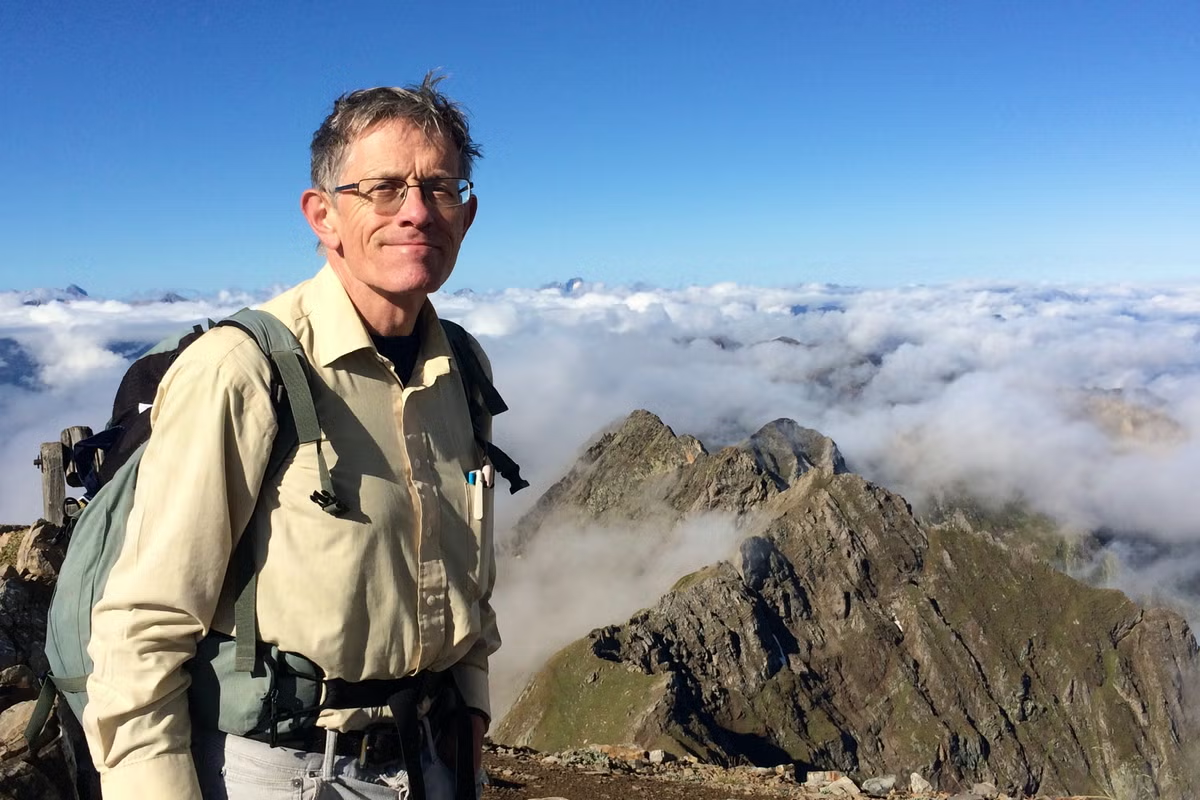


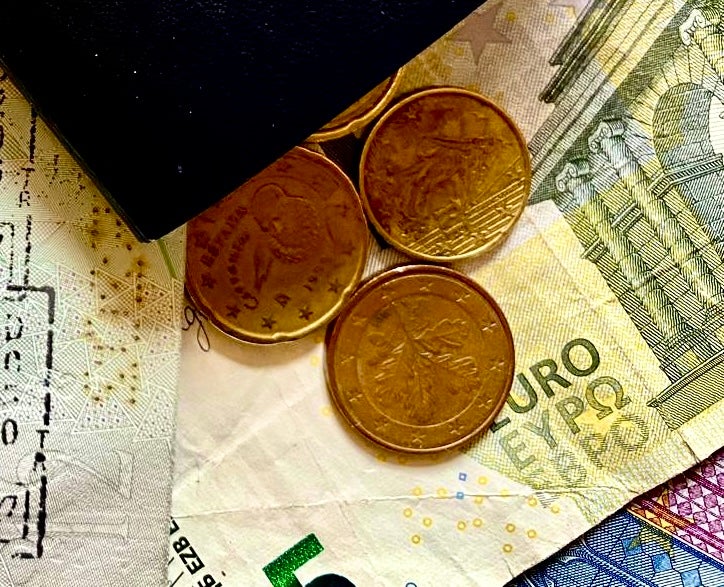
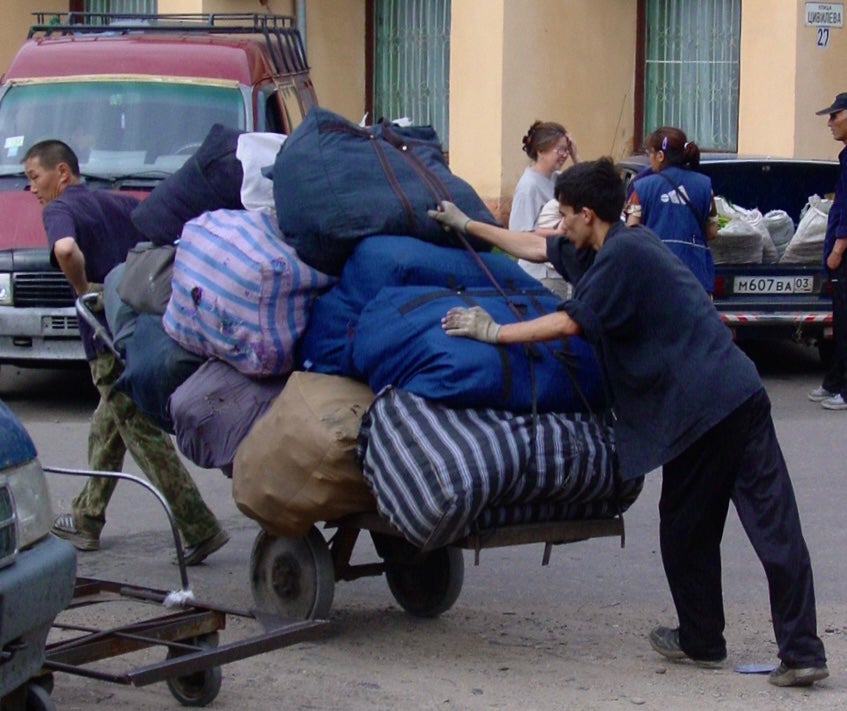
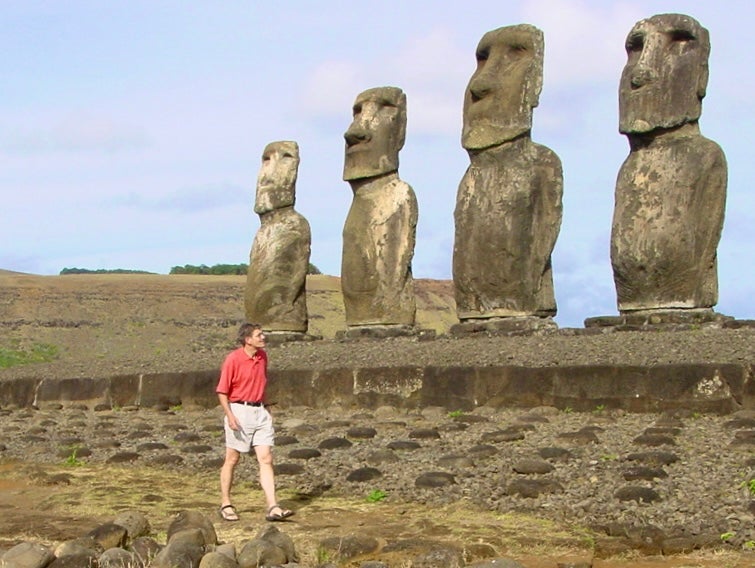
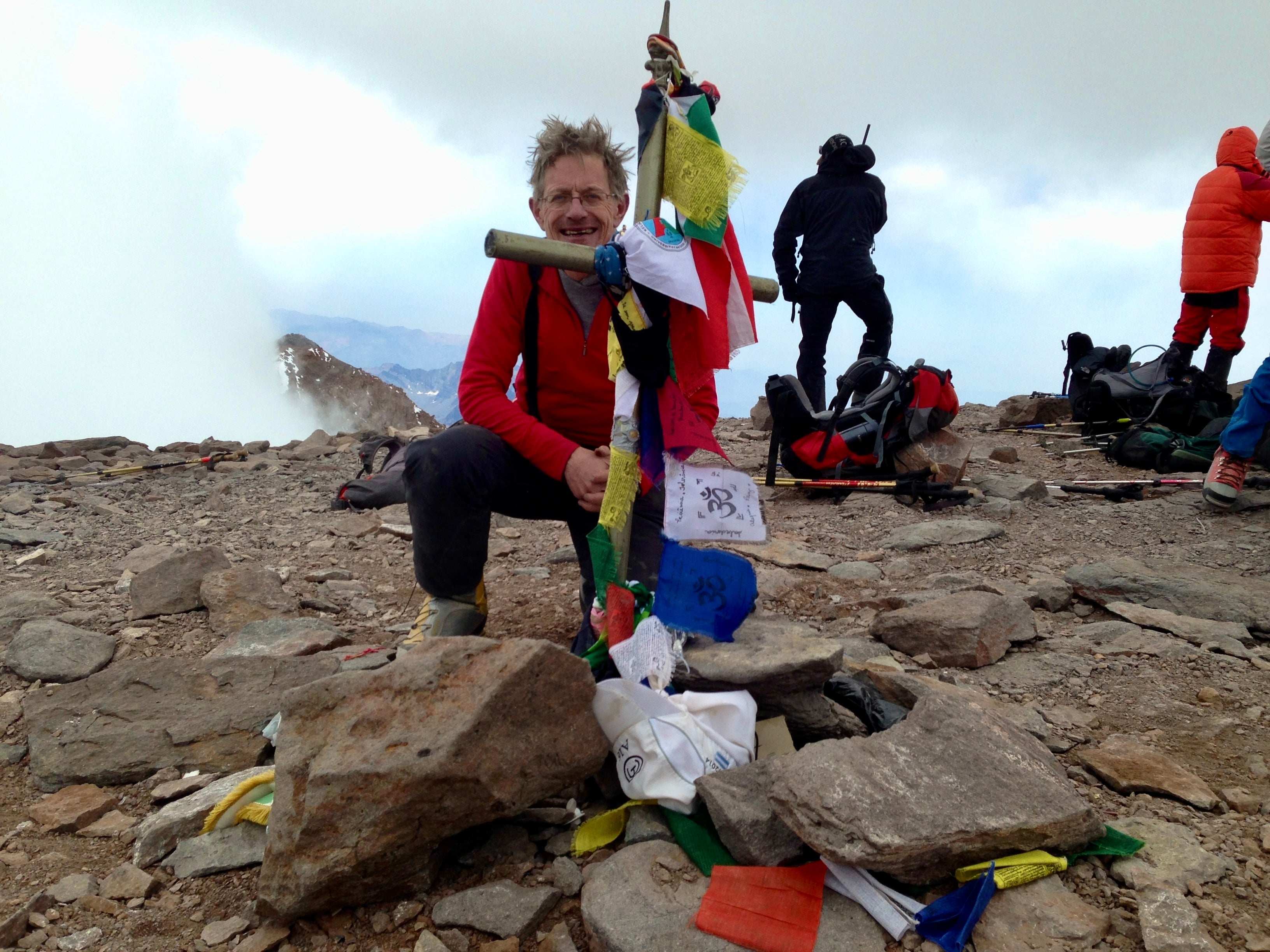
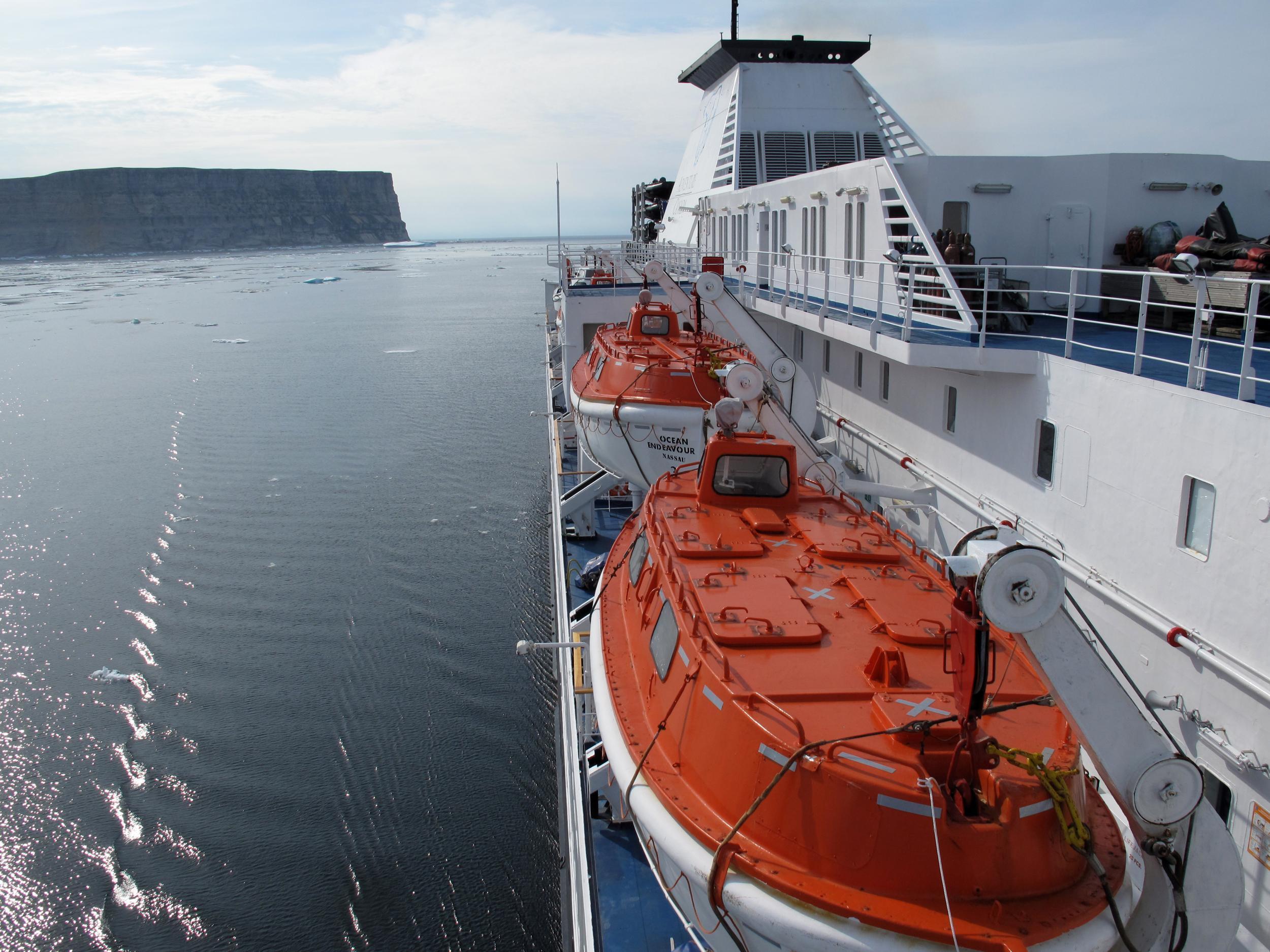
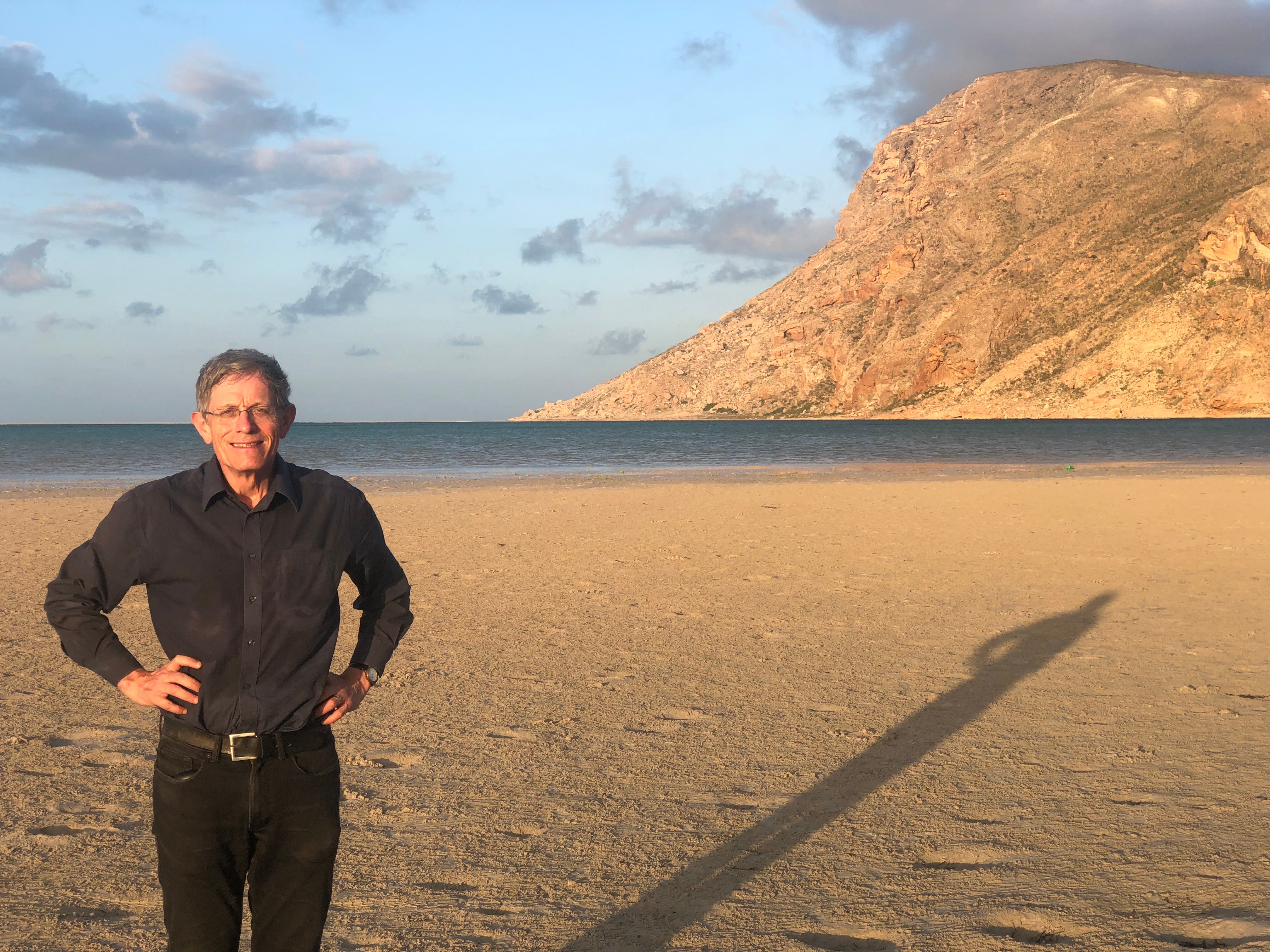
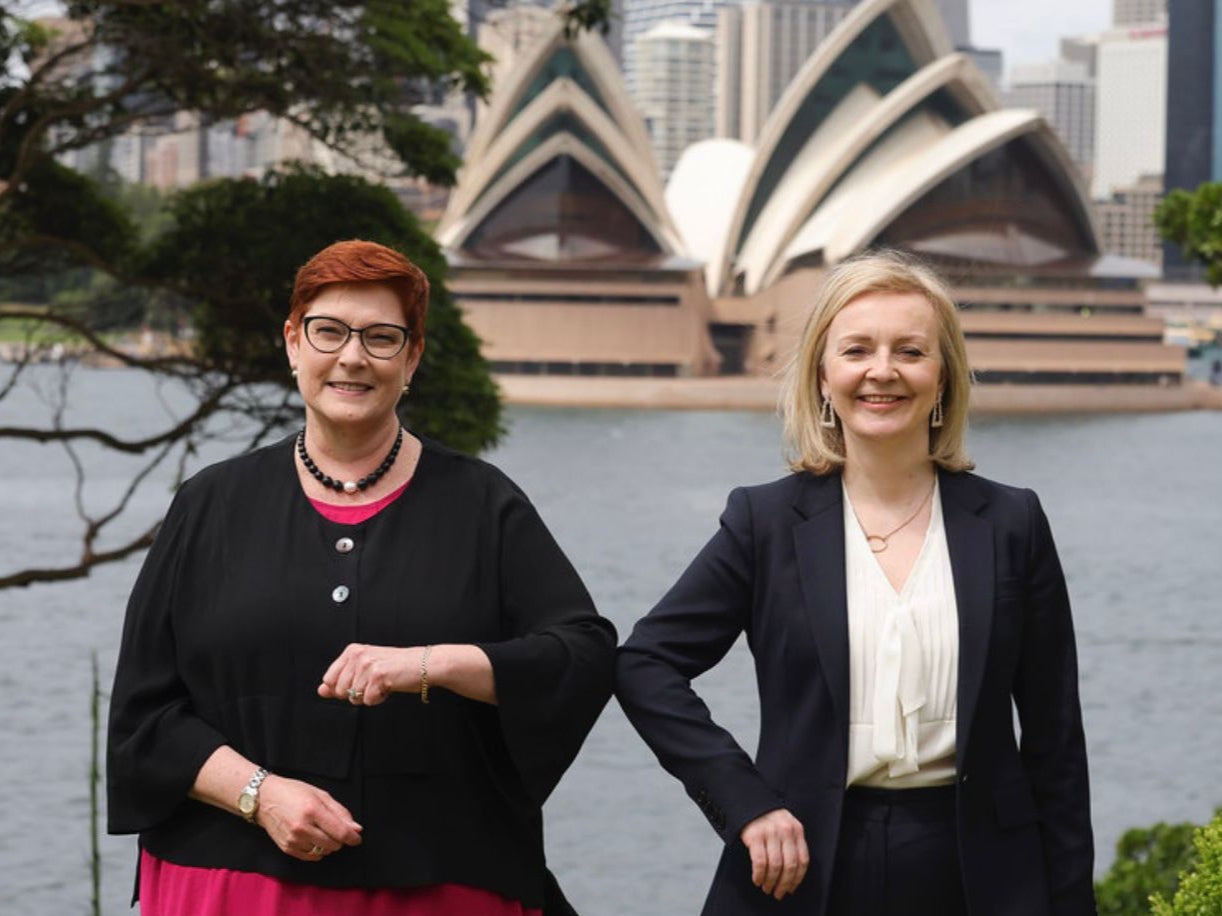

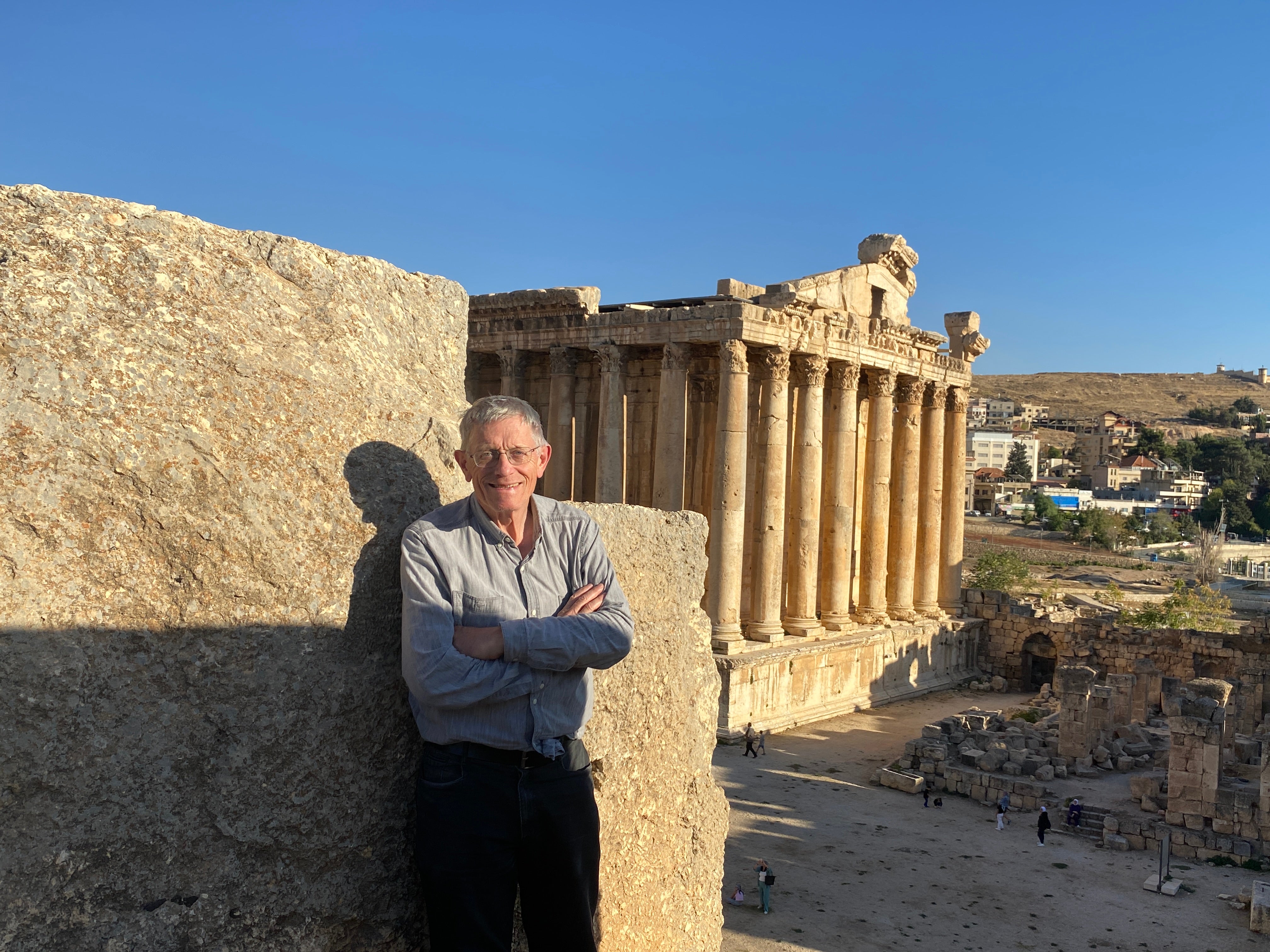
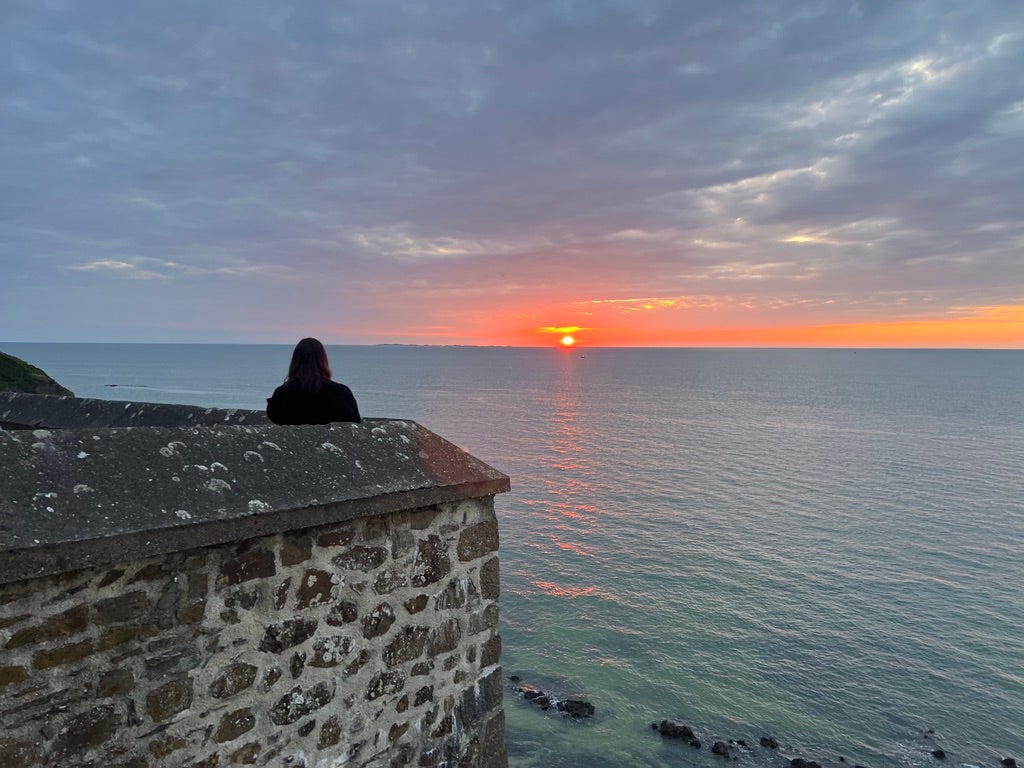

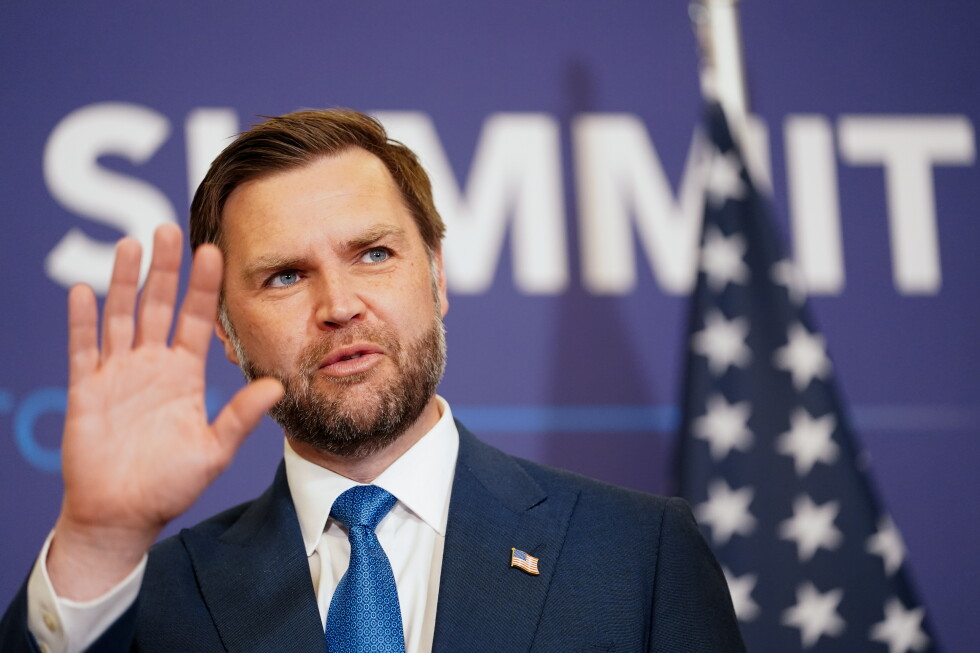

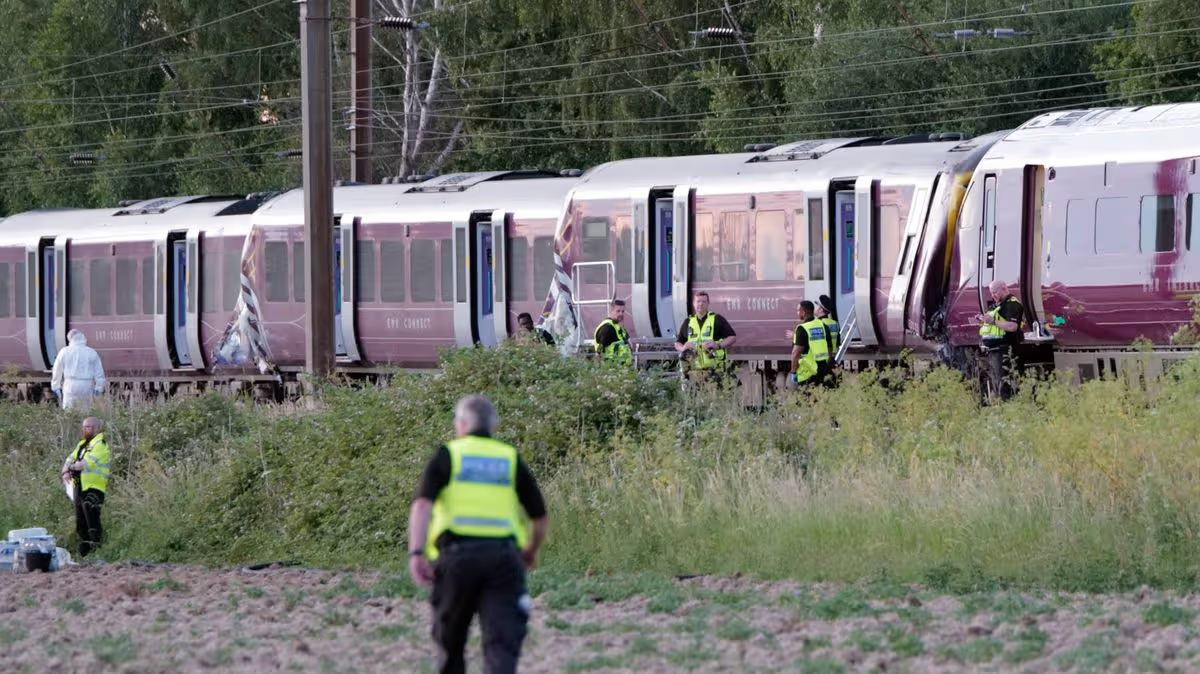

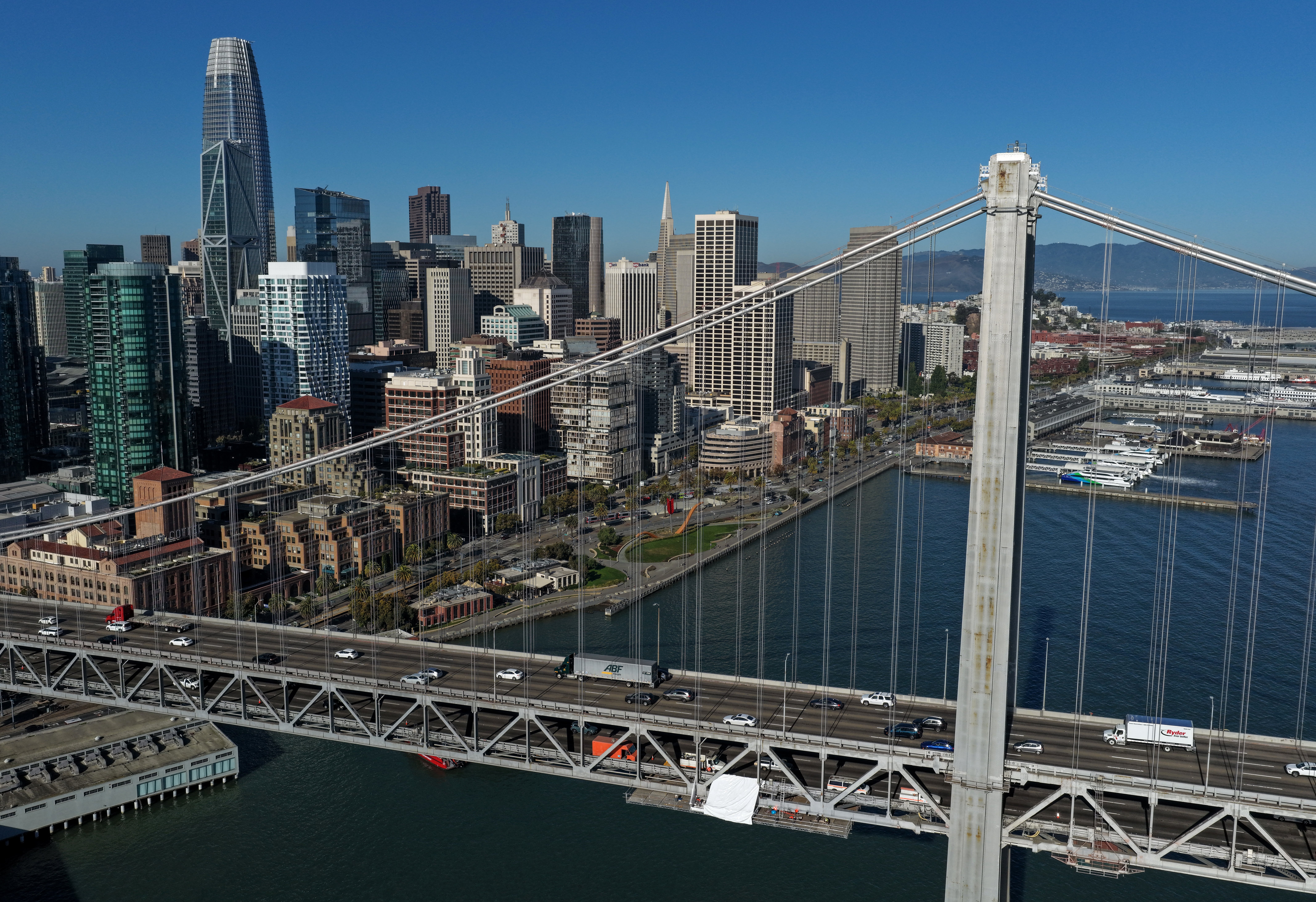
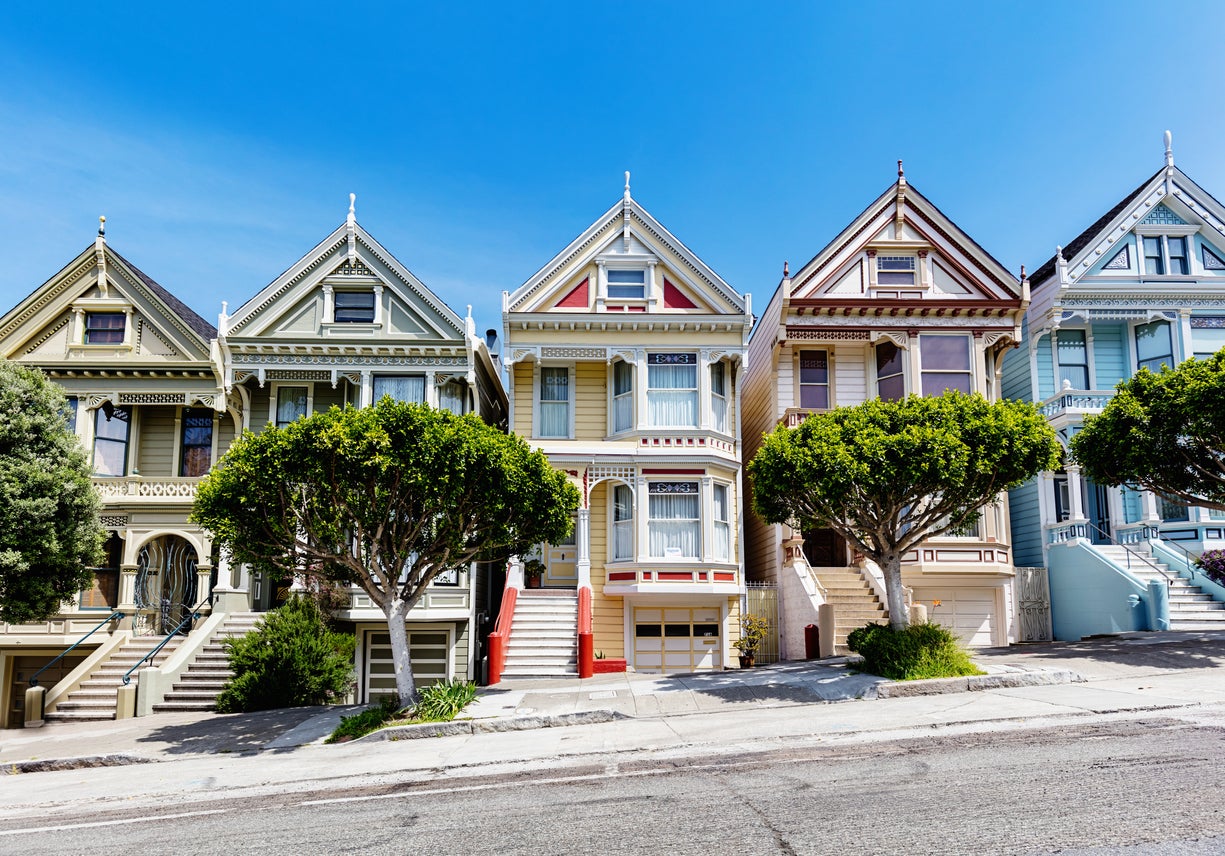


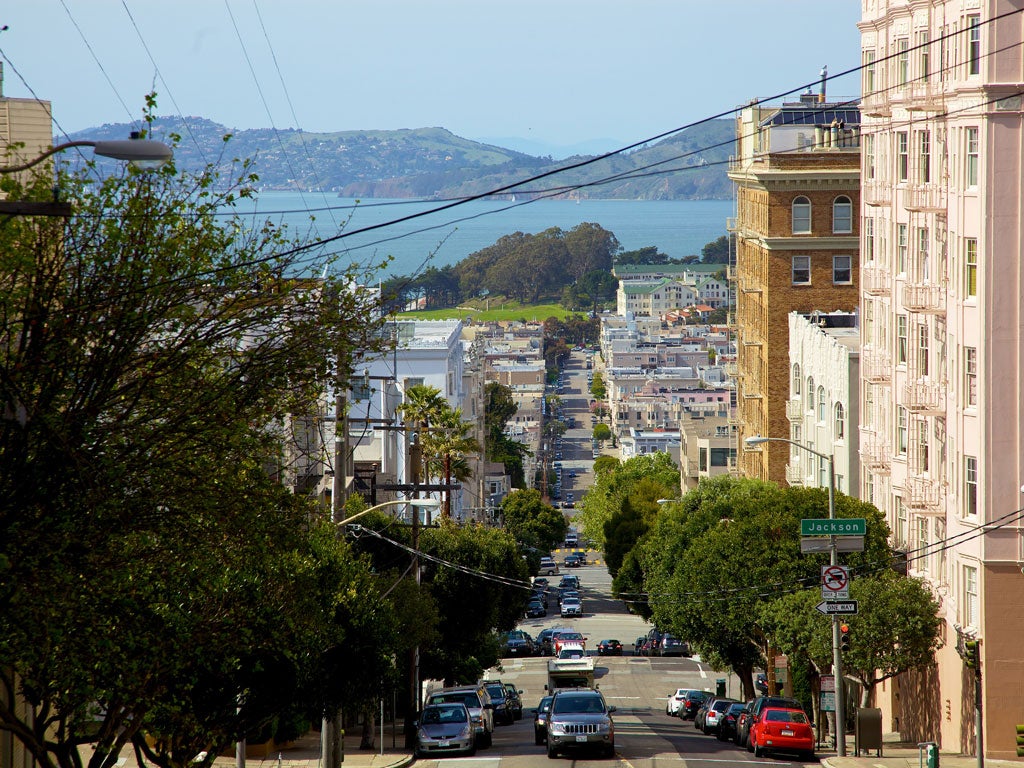
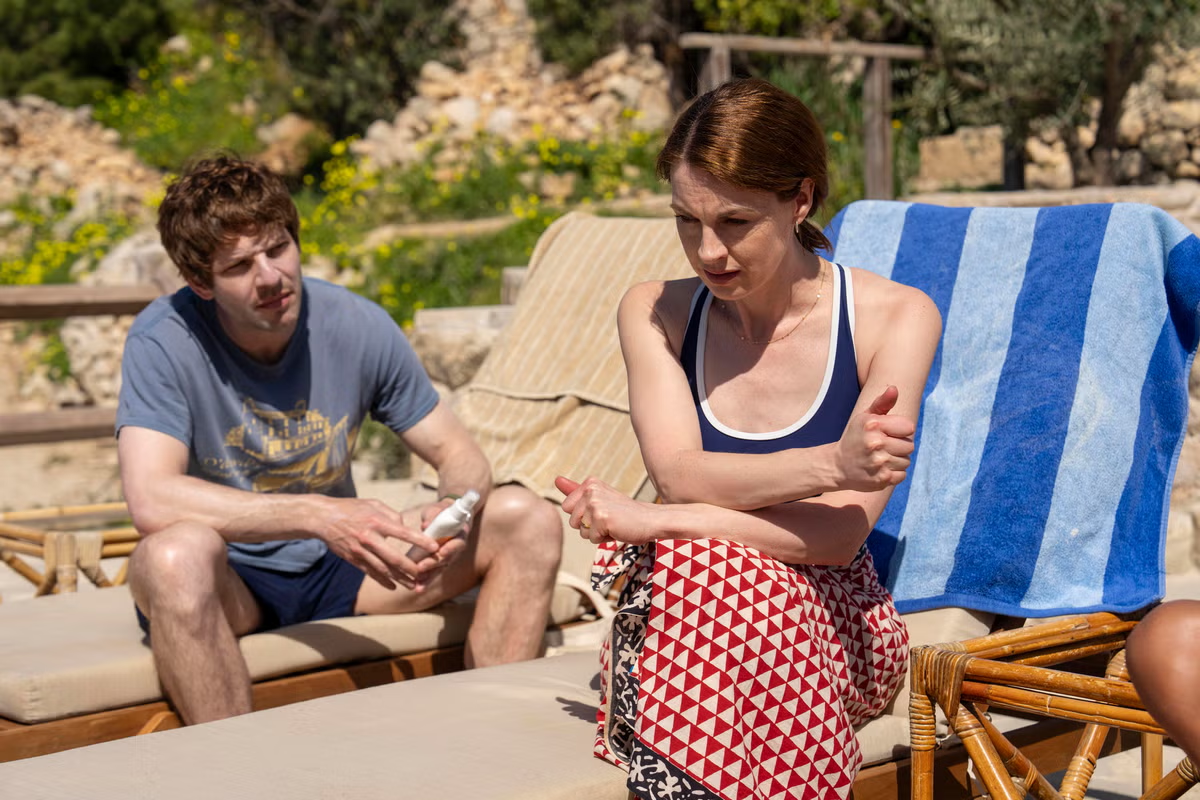
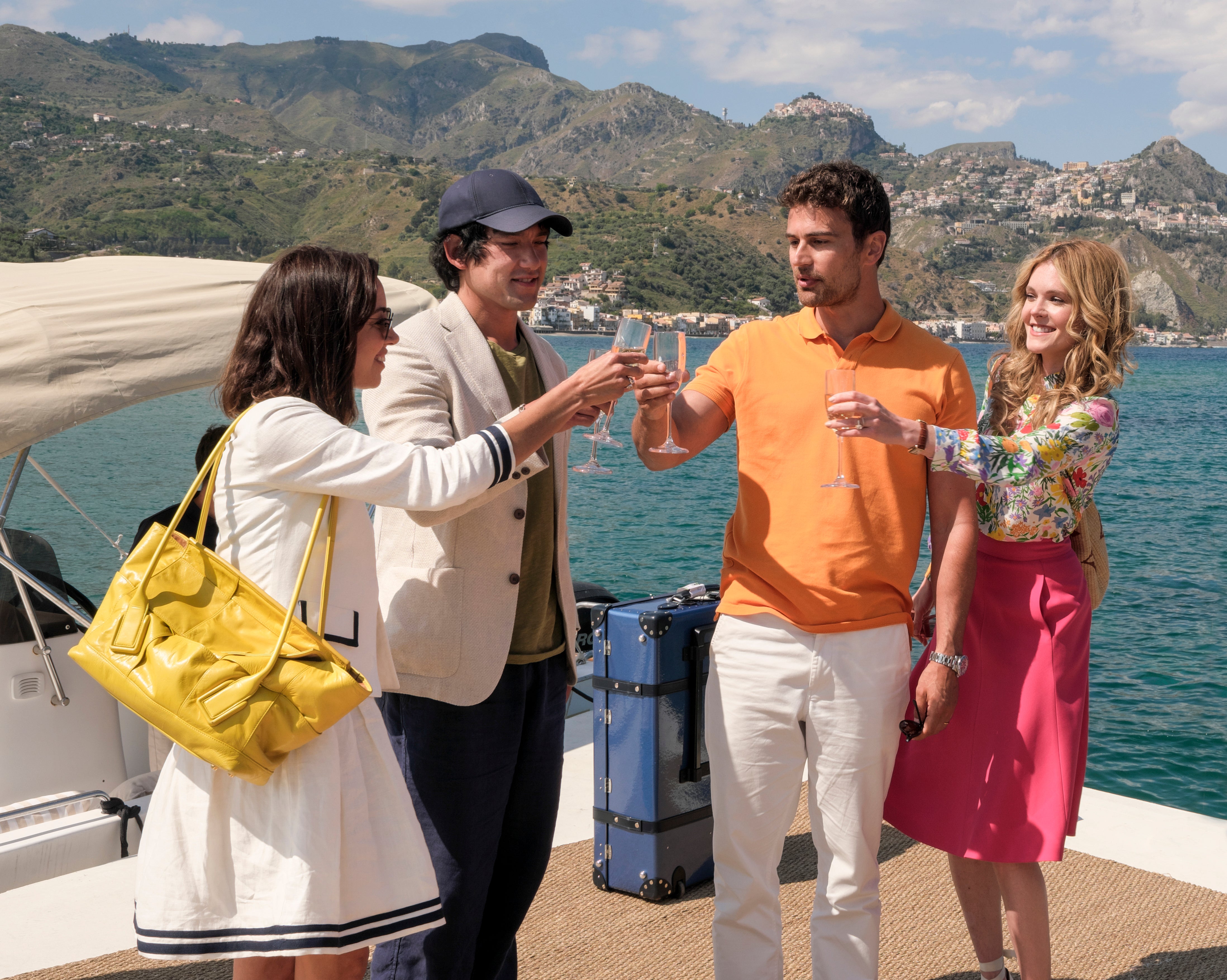
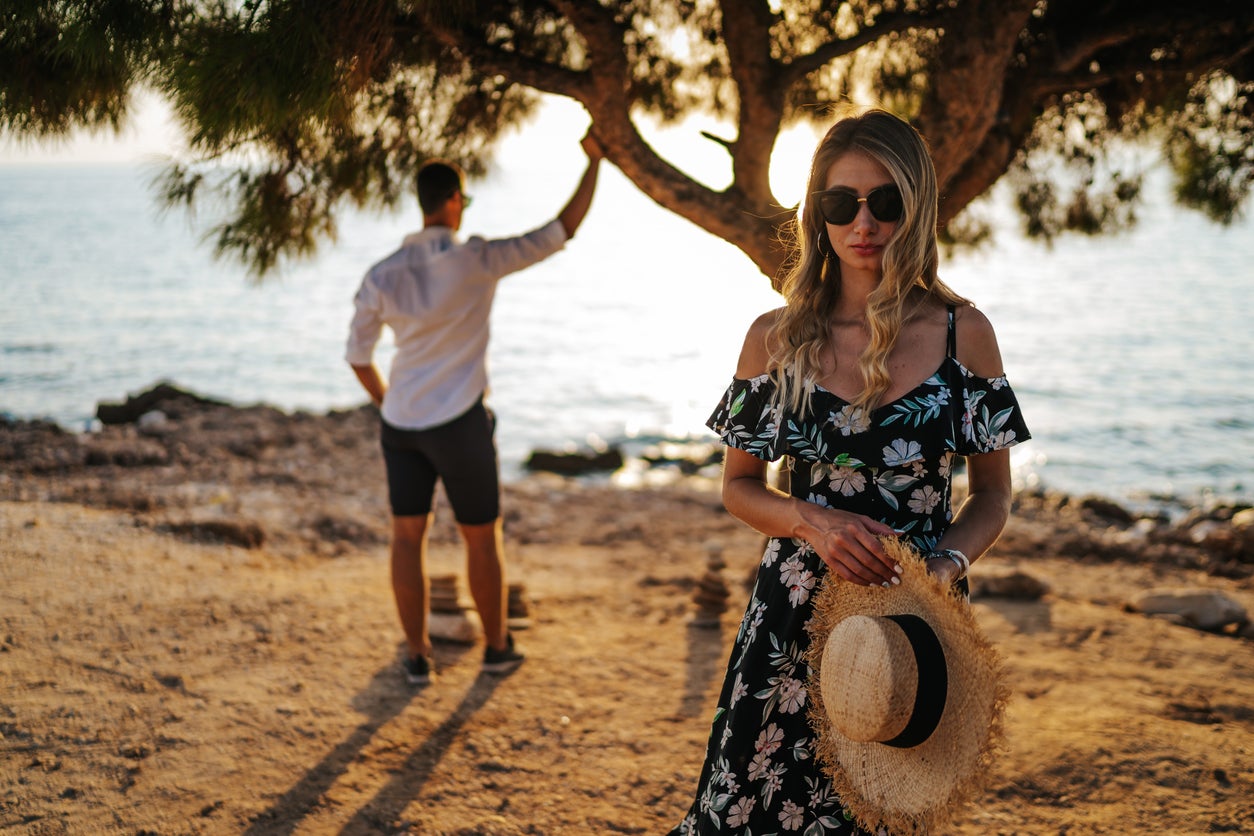

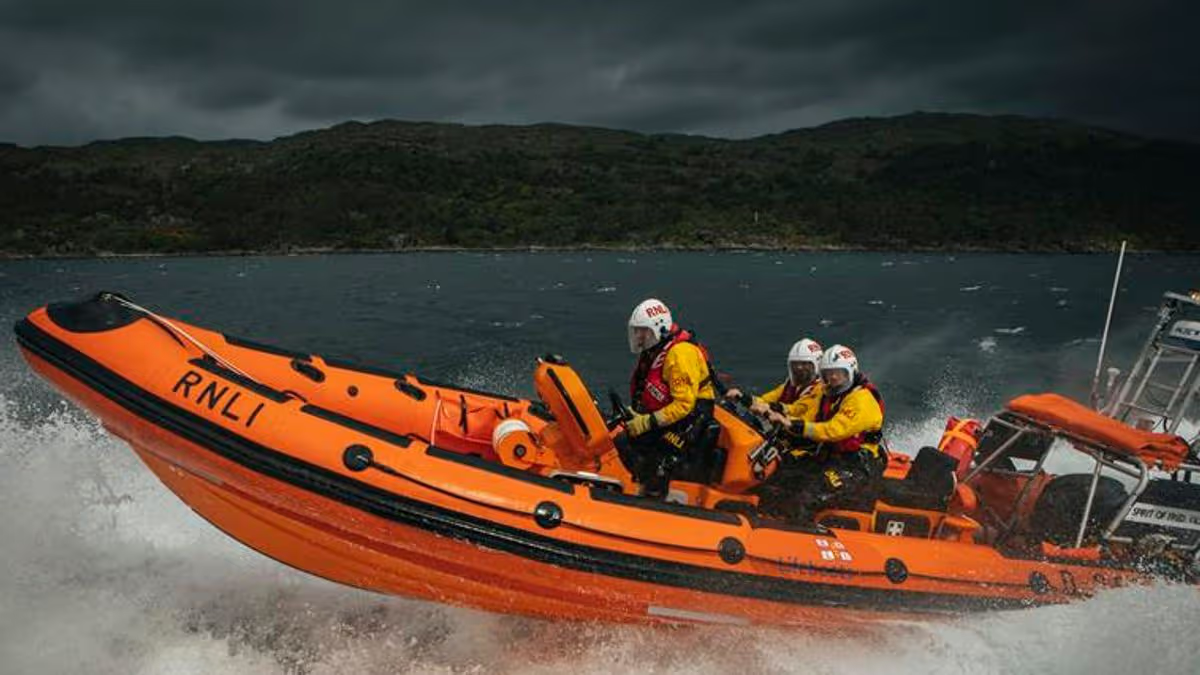

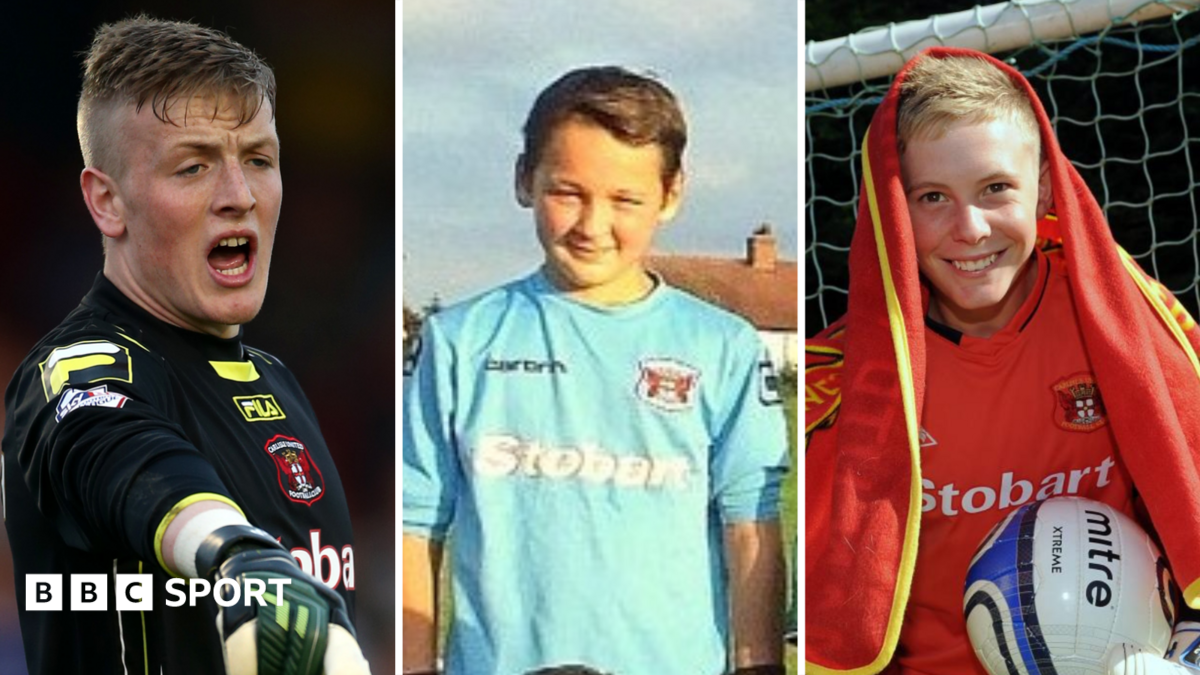
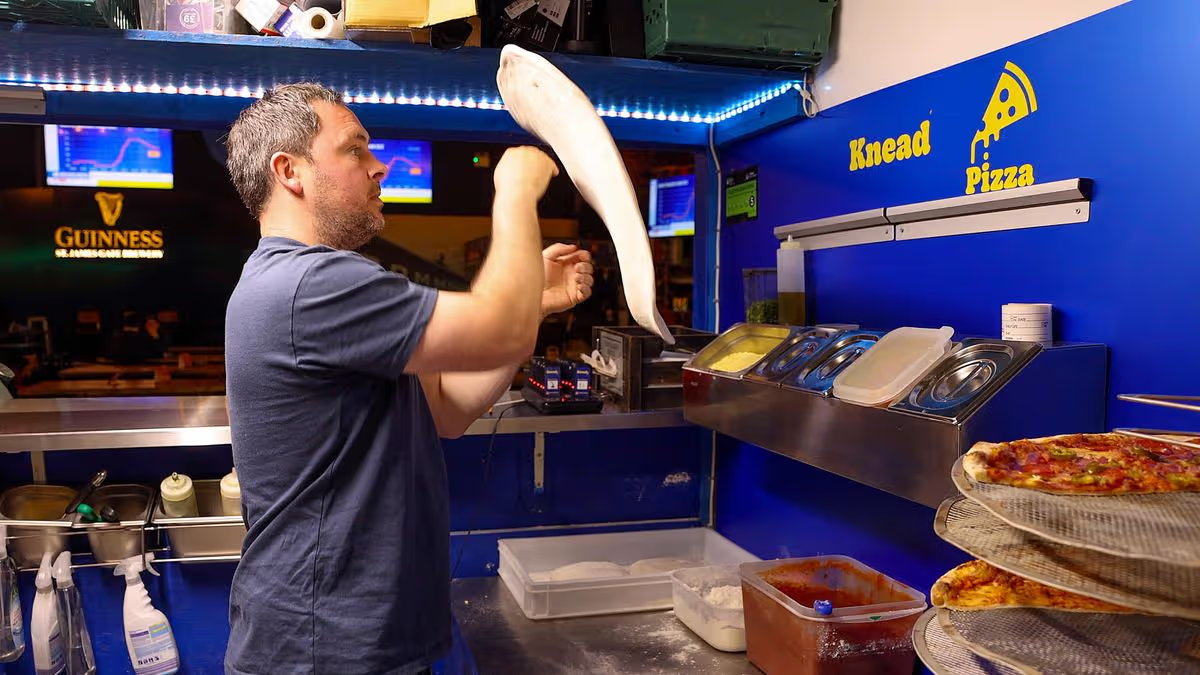

























You must be logged in to post a comment Login