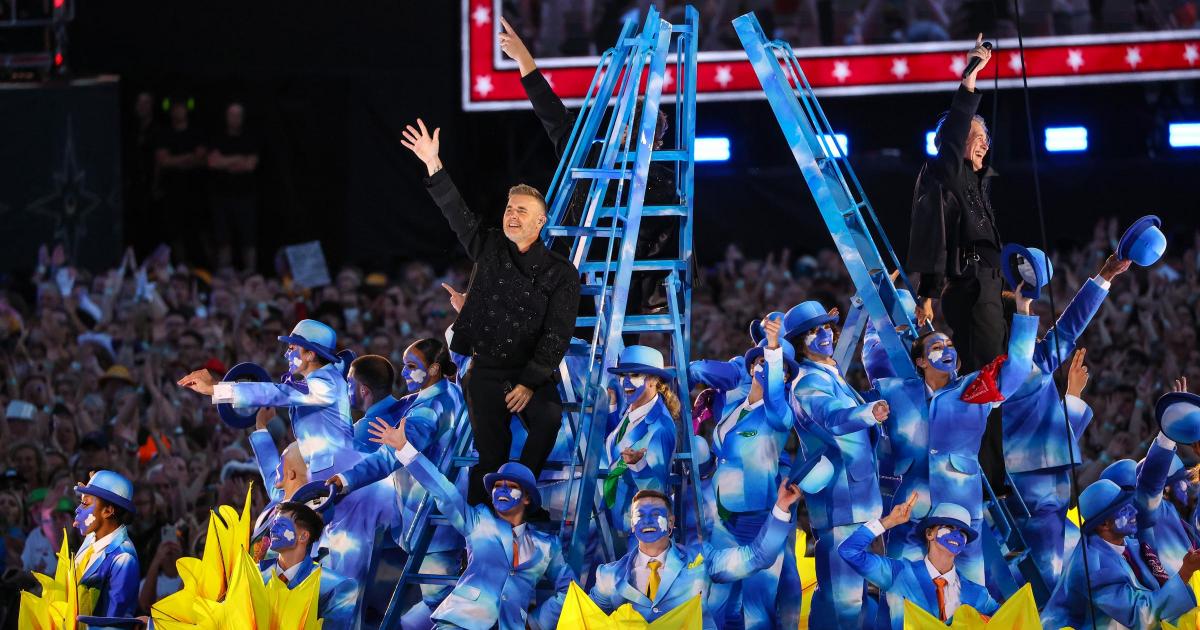
The band kicked off the reboot of their much-loved tour in Southampton last week, playing everything from Rule the World to Shine and Patience.
And there are now just days to go until they arrive on Wearside.
For those of you travelling to the concert, we have put together a handy guide of all the road closures to be aware of for the event, as well as details on public transport.
Advertisement
Take That ’The Circus Live’ show at St Mary’s Stadium. (Image: Stuart Martin)
Roads immediately surrounding the stadium will be closed to all traffic on the day, and all the roads closed are expected to remain shut until 5am.
Here is the full list of roads expected to be shut for the gig:
Sheepfolds North
Sheepfolds Road
Easington Street
Easington Street North
Wilson Street North
Brooke Street
Stobart Street
Hay Street
Stadium Way
Vaux Brewery Way
Millennium Way
Keir Hardie Way
Stoney Lane
Cumberland Street
Queens Road
Southwick Road
Rosebery Street
Back North Bridge Street
Bridge Street
If you are travelling to the Stadium of Light from the north or west, from the A19 follow signs for A1231 Sunderland, then yellow signs for ‘Park and Walk’ Sunderland Enterprise Park.
Parking facilities will be restricted until the Sunderland Enterprise Park workforce has left.
Take That ’The Circus Live’ show at St Mary’s Stadium. (Image: Stuart Martin)
If travelling from the south, from the A19 follow signs for A1018 Sunderland, then use city centre car parks. A ‘Park and Ride’ will be available from East Boldon and Heworth.
Advertisement
For those travelling by Metro, the stadium is served by two Metro stations – Stadium of Light and St Peter’s – and extra services will be running.
Take That ’The Circus Live’ show at St Mary’s Stadium. (Image: Stuart Martin)
There are multiple different coloured gates at the ground for fans with different tickets.
This includes yellow (pitch standing), red (seated), purple (seated), platinum (premium), orange (seated), blue (seated), peach and baby blue (front field pitch standing), and green (standing).
Concert goers with purple, red or yellow entry tickets should travel to Stadium of Light Metro station.
Advertisement
Concert goers with blue, green, orange, platinum or pink accessible entry tickets are best travelling to St Peter’s Metro station.
After the concert, fans travelling via the Metro should join the queue at St Peter’s or at Stadium of Light station immediately.
Access to Sunderland station and Park Lane will change after 10pm to assist with crowd control. Park Lane Metro station and Sunderland station will be closed from 10pm
There is no parking at the stadium – and those getting taxis are suggested to walk around seven minutes to or from the city centre.
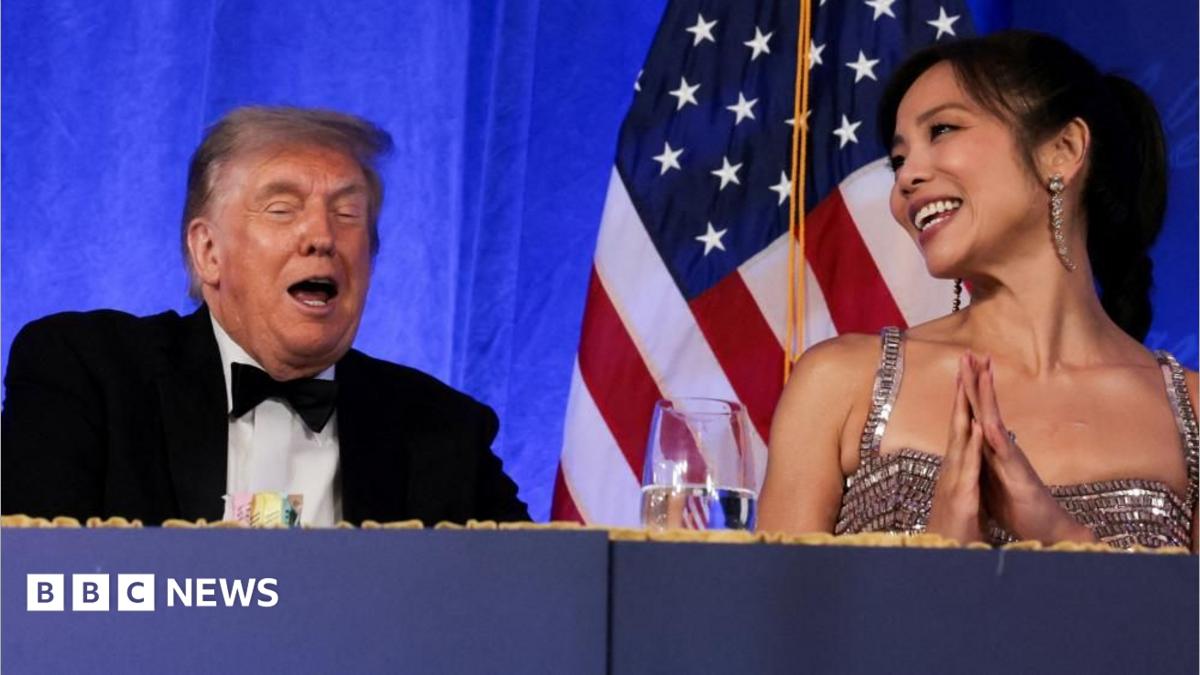
In his remarks, Trump was cordial and conciliatory, saying “the second time is always better”, joking and praising the media – saying he respects “most of them”.
“As I said three months ago, the show must go on,” Trump said.
The US president also called on Americans to respect freedom of speech.
“We settle our differences not with bullets, but with open and vigorous debate,” Trump said. “And no deranged loser with a gun will ever change that. We can’t let that ever happen.”
Advertisement
Trump appeared to be in a good mood throughout the event, jokingly telling the media that “sometimes I really do think that some of you don’t like me”.
“This place [the dinner] is really the largest group of ‘Trump derangement syndrome’ people ever put together at one time,” he said. “I suspect some of you are lucky that our last dinner was cut short…I was going to go after you.”
The event was considerably scaled down from the first correspondents’ dinner, with about 700 people in attendance, compared with more than 2,000 in April.
Security was also tighter. Several blocks around the hotel were blocked off, with a heavy presence of police and national guard. Guests were screened twice, with QR codes and IDs, and were given wristbands.
Advertisement
At one point, visitors were prompted to walk in a single file line past two Secret Service officers holding rifles.
The suspect of the shooting in April, identified as 31-year-old Cole Tomas Allen, has been charged with attempting to assassinate the president of the United States.
He was tackled by agents just short of a staircase which leads down to a ballroom where the dinner was getting underway.
Others in attendance on Saturday night included Defence Secretary Pete Hegseth, acting Attorney General Todd Blanche, FBI Director Kash Patel, Treasury Secretary Scott Bessent and Commerce Secretary Howard Lutnick.
Israel is gearing up for an election at the end of October. And, with the Likud party of the prime minister, Benjamin Netanyahu, trailing in the polls, his government is pushing through measures which aim to dramatically expand Israeli control over Palestinian land on the West Bank and Gaza Strip.
The October 27 poll will be the first since Hamas’s October 2023 attack, the bloodiest assault on Israel since its creation, and the devastating war on Gaza that followed. It appears that with the failure of the war in Iran to achieve its strategic objectives, and amid continuing instability in Lebanon, Netanyahu’s government believe that territorial expansion will be one of its strongest electoral assets.
The expansion of settlements in the West Bank and the steady reduction of Palestinian-controlled territory in Gaza are not new developments. But the recent announcement by the defence minister, Israel Katz, of plans to establish three military-community outposts in northern Gaza marks a significant escalation. Finance minister Bezalel Smotrich, meanwhile, recently announced 1.3 billion shekel (£318m) in funding for dozens of new Israeli settlements in the occupied West Bank.
Such proposals are likely to resonate with Israel’s increasingly right-wing electorate. But they may also reflect a broader effort to consolidate territorial gains before a possible change in political leadership.
Advertisement
The focus of international attention has shifted since the end of February towards Iran and Lebanon. So, with less scrutiny of developments in Palestinian territories, the government appears determined, in the words of Hagit Ofran, from the Israeli activist group Peace Now, to “create facts on the ground” before voters go to the polls.
The increasing suffocation of Gaza
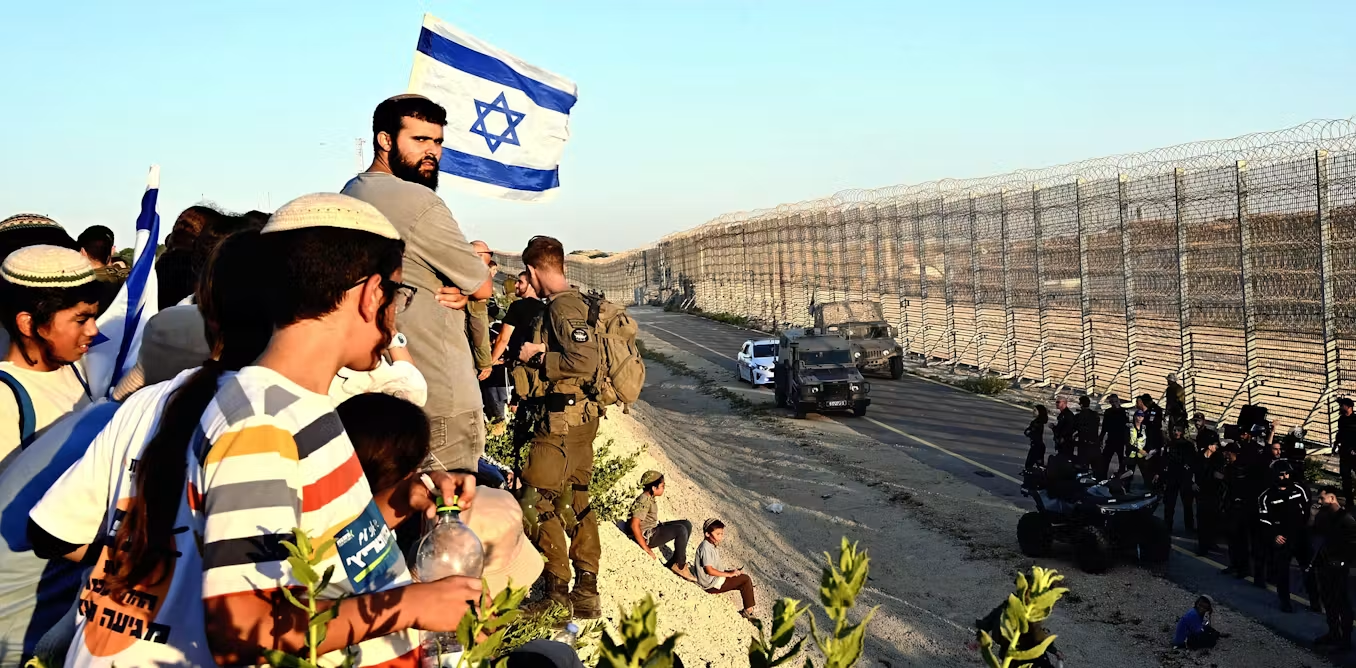
Israel already controls around 65% of the Gaza Strip, with Netanyahu aiming to seize 70%, despite the ceasefire agreement brokered in October 2025. Recent satellite imagery shows the construction of a more than 23km earth barrier designed to consolidate Israeli control over these areas.
Even before the war, Gaza was one of the world’s most densely populated territories. Roughly 2.2 million people lived within just 365 square kilometres, making it the fifth most densely populated territory globally. With the current population estimated at around 2.05 million, reducing the accessible territory to only 30% of the Strip would more than triple population density to nearly 19,000 people per square kilometre.
Meanwhile, around three-quarters of Gaza’s housing stock has been damaged or destroyed, while 1.4 million people require adequate shelter. The destruction of water, sanitation and waste infrastructure has left around 60% of the population exposed to sewage or human waste. More than 900,000 people live amid accumulated garbage that fuels rodent infestations and disease outbreaks. Chickenpox has spread through overcrowded displacement camps. People in tents report being bitten by rats.
The ambitious reconstruction proposals promoted by Trump’s Board of Peace, including “Project Sunrise”, which envisioned transforming Gaza into a futuristic high-tech city comparable to Dubai or Doha, appear to have been abandoned. They have been replaced by plans for a limited humanitarian zone, which will be capable of accommodating only a small fraction of Gaza’s displaced population. There has been little consultation with Palestinians themselves.
Meanwhile, the violence of the Israeli army in the Strip continues. More than 1,000 Palestinians have reportedly been killed since the ceasefire took effect. This includes documented shootings of civilians and children near the so-called Yellow Line. This is the line of occupation established by the Israeli army as part of the ceasefire, with soldiers reportedly operating under permissive ‘shoot to kill’ rules in this area. But most of those killed between July 13 and 20 died well away from this buffer zone. Clearly, more than nine months after the ceasefire, nowhere in Gaza can be considered safe.
Against this backdrop, defence minister Katz has openly reaffirmed the government’s objective of the large-scale expulsion of Palestinians from Gaza. This would be implemented, he said in May, “at the right time and in the right manner”.
Advertisement
The continued fragmentation of the West Bank
The simultaneous intensification of land seizures in the West Bank has attracted even less international attention. Since October 2023, the Israeli government has armed thousands of settlers and incorporated many into territorial defence units. This has further blurred the distinction between the Israeli military and armed settler groups.
Israeli settlers attack Palestinian farmers as they try to put out a fire in wheat fields near the West Bank town of Beit Furik, July 23 2026. Nedal Shtieh/JNA via ZUMA Press Wire
Israeli human rights group B’Tselem has documented what it describes as the forced displacement of Palestinian communities on a scale unseen since Israel occupied the West Bank in 1967. Human rights organisations increasingly argue that military operations and settler violence operate in tandem, systematically displacing Palestinian communities.
Smotrich recently described this as a “revolution in settlement”. Following cabinet approval for 13 new settlements in the central West Bank, violence has intensified around newly established outposts. Settlement expansion and settler violence reinforce one another, creating conditions that encourage the displacement of Palestinians.
A pre-election territorial grab
The cumulative effect of these actions and policies raises profound legal and moral questions under the 1948 Genocide Convention. This defines genocide not only as killing members of a protected group but also as deliberately inflicting conditions calculated to bring about the group’s physical destruction, in whole or in part, when accompanied by the requisite intent.
Advertisement
The large-scale displacement of Palestinians and the continued killing and deterioration of living conditions have led a growing number of international legal scholars, UN experts and human rights organisations to argue that these policies warrant assessment through the legal framework of genocide.
Whatever the eventual legal determination, the humanitarian and political consequences for Palestinians continue to deepen as Israel’s current government accelerates its territorial project amid the countdown to the October election.
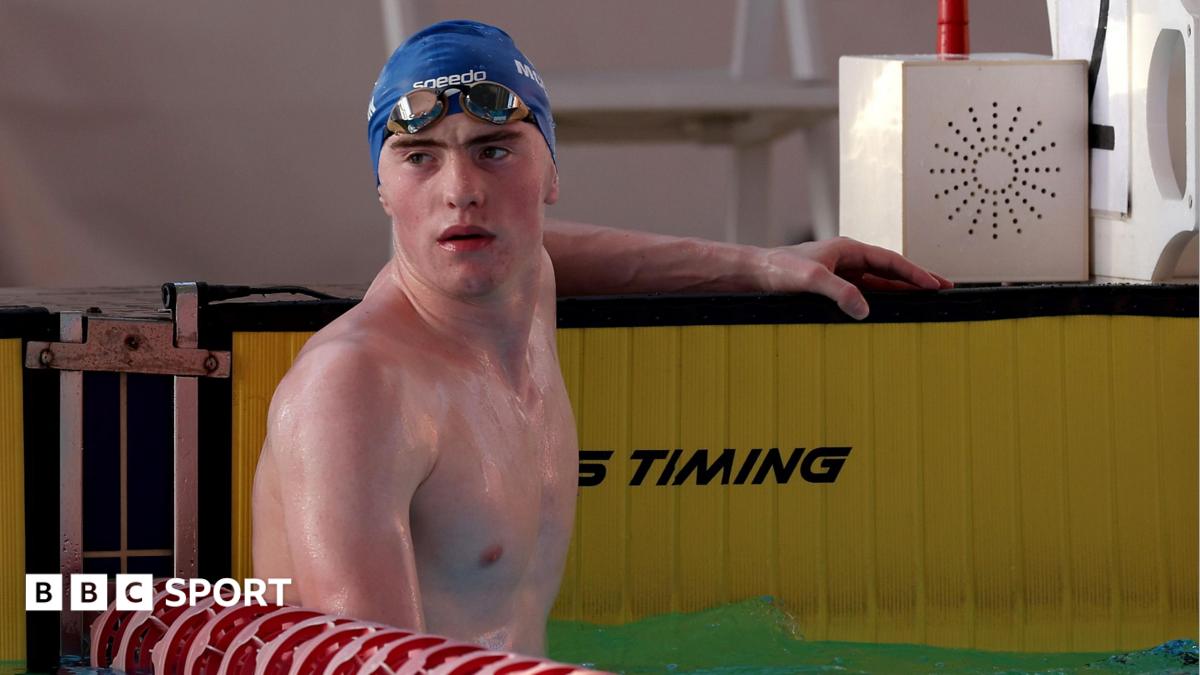
Sean McCann – the younger brother of Madeleine McCann – will swim for Scotland at the Commonwealth Games in Glasgow on Saturday.
The 21-year-old – a Loughborough University student – is entered in the 400m, 800m and 1500m freestyle events as he makes his debut at a major championships.
The 400m heats begin on Saturday morning at the Tollcross Swimming Centre.
“It’s the pinnacle really of representing Scotland at the Commonwealth Games, especially at a home Games.
“I’ve got lots of family up in Glasgow so that makes it even more special. I was there in 2014 [at the Commonwealth Games], watching as a kid, so to make it now, 12 years later, is really a full-circle moment.”
McCann grew up in England but qualifies to compete for Scotland through his father, Gerry.
He and his twin sister were two years old when Madeleine, then aged three, went missing during a family holiday in Praia Da Luz, Portugal, in 2007.
The lineup is receiving two brand new designs only available at one retailer
This article contains affiliate links, we will receive a commission on any sales we generate from it. Learn more
Advertisement
Jellycat fans have the opportunity to get their hands on two new toys that are ‘exclusive’ to just one retailer. The brand has grown in popularity in recent years, offering a variety of collectable toys using soft materials and fabrics to add a layer of quality to their products.
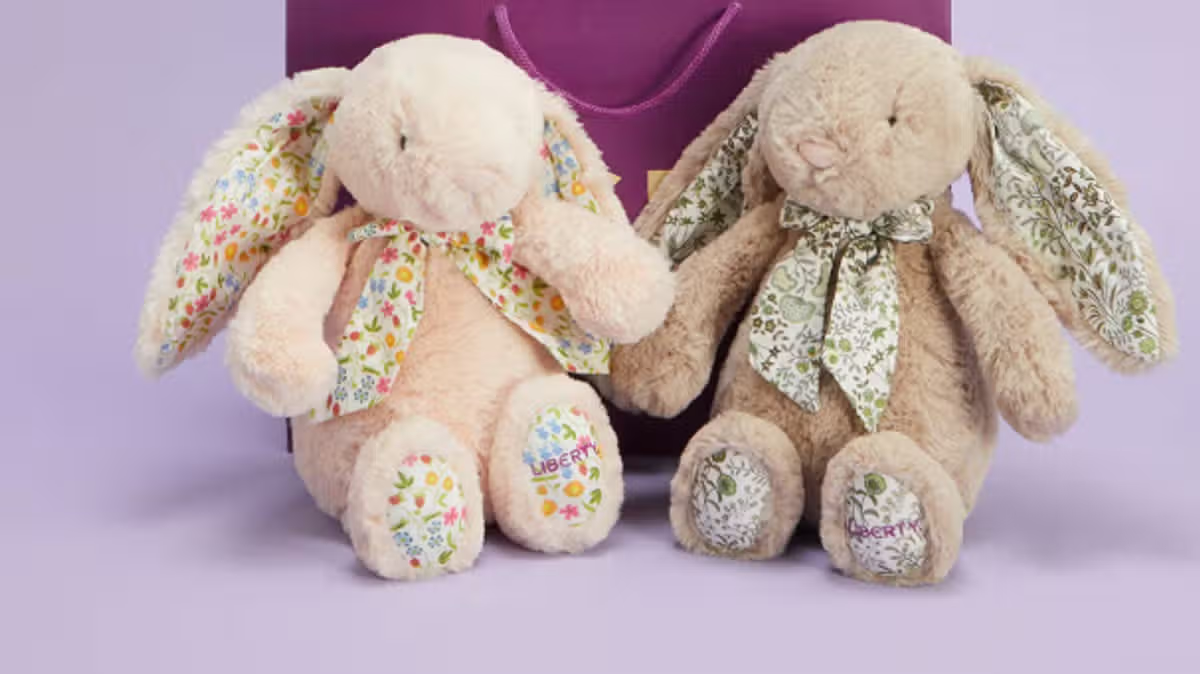
Now, those who want to add to their Jellycat collection can get their hands on two new Bashful Bunnies for £45 each at Liberty London. The Bashful Bunny line of Jellycats is regularly praised for its cute aesthetic, with the two new additions adding a refined touch.
Both bunnies include classic-style prints from Liberty Fabrics on the ears, feet and across the included adorable ribbon. However, both toys do have distinct differences that will also help them stand out in any serious collector’s display.
According to Liberty London, both bunnies are suitable for machine washing up to 30 degrees and have been fully tested to meet the European Safety Standard for toys. While Liberty London has noted that it limits purchases to three units of each item per person, this is more than enough for those who just want one of each of the new bunnies to add to their collection.
Advertisement
However, if you want something a little different, you could instead opt for the Funk POP! Kpop Demon Hunters – Rumi figure, which is available on Amazon for £12.91. This display figure is a must for anyone wanting to collect pop-culture icons, with this 9.5cm-tall figure coming in the image of Rumi from Netflix’s hit movie, Kpop Demon Hunters.
Otherwise, you could opt for the Happy Haul Duckalooz Snack Quack Clip-On Vinyl Plush, which is currently available at Argos for £10. This Happy Haul figure is part of a series of clip-on plushes that provide a twist on each figure, with this iteration coming in a sriracha-style hot sauce bottle.
While no reviews are currently available for either the Jellycat Liberty Mirabelle or Liberty Shepherdley Bunny Soft Toys, Jellycat itself has received a wave of praise on Trustpilot. One happy shopper wrote: “I bought a bashful bunny from Jellycat and I’m in love. The quality is supreme and there’s nothing else like it!!! Trust me 100% worth the money!!!”
Advertisement
Another added: “I love Jellycats to where I have started collecting them. They make great gifts and they are just so adorable I don’t know what I would do without my jellycat bunny and recently I have joined the perks program. I totally recommend!!”
A third said: “I am very pleased with my Jellycat purchases. The quality is one of main reasons I hope you always use top quality materials! Each of my grandchildren received a bunny and couple of them sleep with them when asked why they like they replied they are soft but firm feels like a real bunny!!!!”
A fourth added: “My daughter saved up to buy Cream Bunny with Rose. She arrived very quickly and my daughter sleeps with her every night. Super soft and cuddly. I have just ordered Puddlesea for my son’s first jellycat, he is going to love it!”
Advertisement
A fifth said: “Fast shipping. Cutest little bunny ever, it was exactly as described and pictured.” While a sixth added: “My order was shipped very quickly and arrived on time. My bunny was absolutely beautiful and so soft.”
However, another customer did note an issue, writing: “Quick delivery always however my hoppleston bunny has very wonky eyes so bit disappointed.”
Another added: “I bought a Little Bashful Woodland Bunny, as soon as I got home, I found that the stitching of its ear had lost hair, and a gentle pull pulled out a lot of hair.”
I think we should stop calling it a ‘postcode lottery’. A lottery implies that you’ve got some luck in this – but you’ve only got luck if you happen to live in that particular place. You don’t get any more luck once you’re there. You’re stuck.”
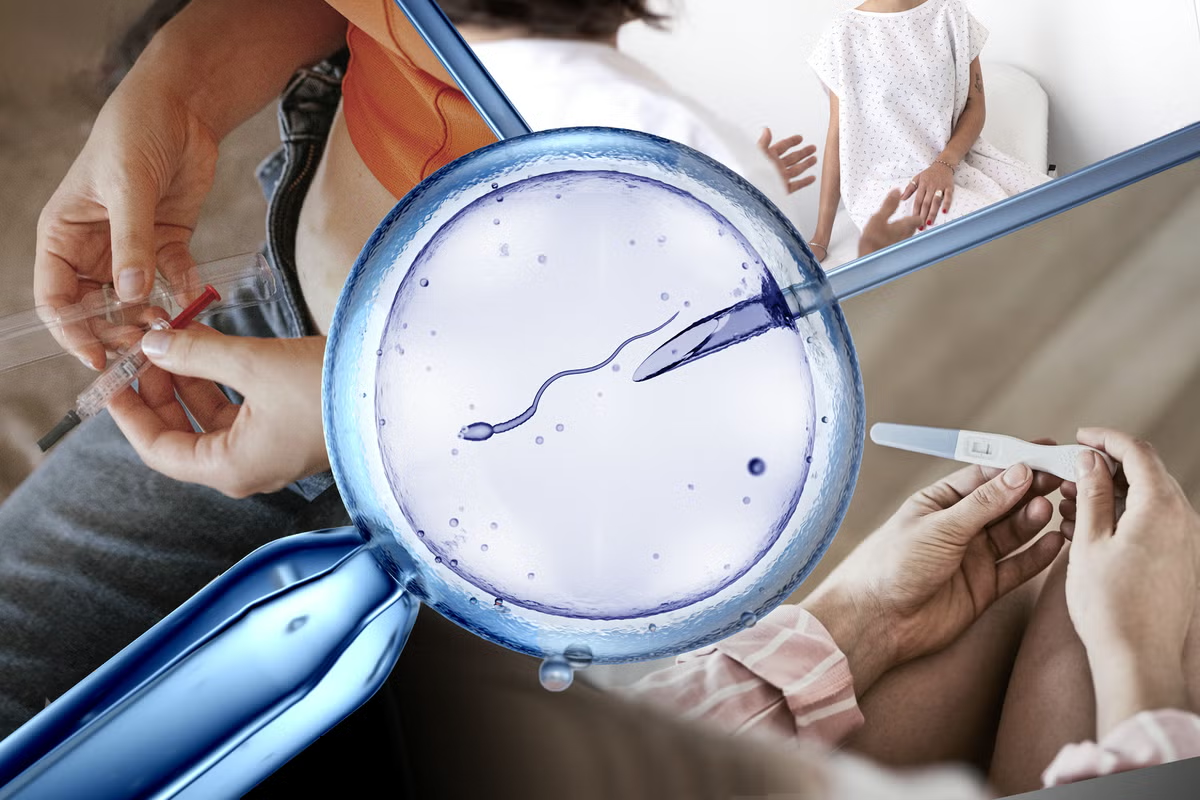
Sarah Norcross, director of the Progress Educational Trust (PET), a charity that improves choices for people affected by infertility, is talking about the current access to fertility treatment. More specifically, access to in vitro fertilisation (IVF) on the NHS in England.
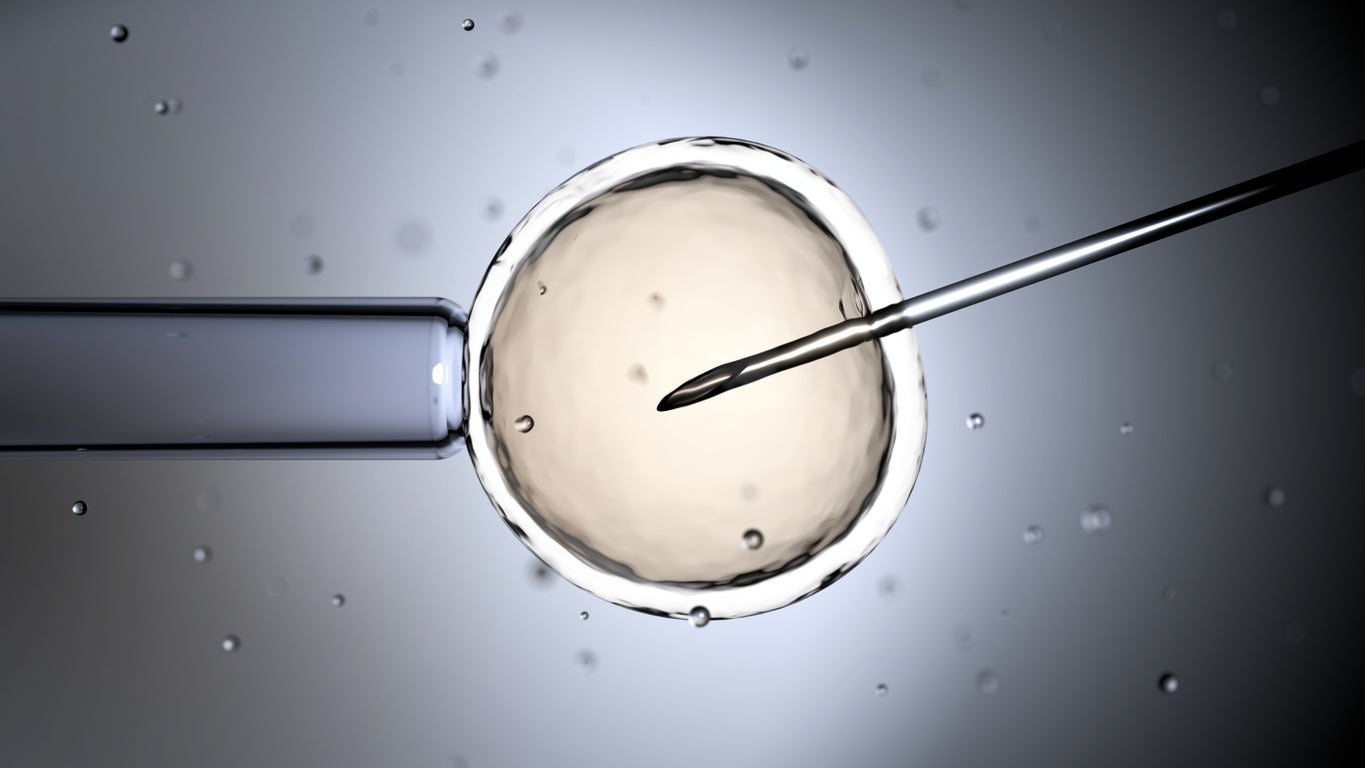
It’s a particularly relevant topic, given that today, 25 July, is World IVF Day: it commemorates the birth of Louise Joy Brown in Oldham, Greater Manchester, in 1978, the first baby ever conceived through IVF.
But although Brown’s remarkable legacy lives on, nearly 50 years later IVF provision is something of a roulette in the very country in which the pioneering treatment was invented. Eligibility and the number of cycles couples are entitled to vary wildly between areas. Rules are governed by NHS local integrated care boards (ICBs), which are able to conjure up their own policies at will.
Advertisement
In some places, IVF is offered to women up to the age of 42; in others, it’s capped at 35. In some places, couples are offered three full rounds of IVF; in others, one partial round. In some places, as long as there are no children from the current relationship, the couple will be eligible; in others, the existence of any kids from previous relationships immediately prohibits treatment.
There is no rhyme or reason to this – it’s just an issue of resource distribution amid a health service stretched wafer thin. It is, as Norcross says, “grossly unfair”.
The “luck” element is significant even at a granular level. PET research has revealed that female GPs are nearly 20 per cent more likely than their male peers to refer patients for NHS-funded fertility treatment.
IVF births now account for roughly one child in every UK classroom (Getty/iStock)
“Whether you can access treatment, what provision you’ll receive and under what conditions is fundamentally inequitable,” says Gwenda Burns, chief executive of the Fertility Alliance, a national charity offering support to those struggling with infertility.
Rather than improving, provision is getting substantively worse. In the past year alone, five separate ICBs in England have reduced their IVF offering.
Advertisement
On 1 April 2026, NHS Greater Manchester cut the number of cycles offered from up to three to just one. Katherine Sheerin, NHS Greater Manchester’s chief healthcare commissioning officer, said that, while they know the decision will be “upsetting and disappointing” for some, “access to NHS-funded IVF depends on where someone lives, and that variation is unfair and cannot continue as it is. Moving to a single policy removes this postcode variation.”
From 1 February 2026, NHS Cheshire and Merseyside ICB also went from offering two or three cycles to one. “We have a responsibility to ensure services are provided fairly for everyone across the region and by moving to a single funded IVF cycle, we can continue to offer treatment in a consistent way that remains clinically appropriate and financially sustainable,” a spokesperson told The Independent.
Whether you can access treatment and what provision you’ll receive is fundamentally inequitable
Gwenda Burns, Fertility Alliance
Advertisement
Across South Yorkshire, IVF cycles were slashed from two to one in December 2025. “This decision has not been taken lightly by the Board,” Chris Edwards, interim chief executive at NHS South Yorkshire, said of the decision. “However, in a difficult financial climate we have a responsibility to balance the needs of all our communities and ensure that we are delivering the best possible value for money within the resources available.”
At the beginning of July 2025, NHS Sussex’s ICB reduced the number of cycles patients can receive from three to one; they declined to comment when approached by The Independent.
Finally, in a double blow, Kent and Medway quietly announced in April this year that they would cut provision from two cycles for women up to the age of 40 to one cycle for women 37 and under.
On the ground, these changes have caused patients and doctors a huge amount of stress as they’ve tried to fast-track referrals to beat the deadline. “We’ve just been trying to get people through as quickly as possible so they can get their two or three rounds,” says Nicola Tempest, a consultant gynaecologist and lecturer at the University of Liverpool.
Advertisement
Holly, a 39-year-old psychotherapist who lives in Margate, was one patient whose IVF came under threat after Kent and Medway’s shrinkflation. Following a two-year wait for treatment, she and her partner started their first cycle in January; by the end of February, it had “dramatically failed”, she says. “We didn’t get any embryos, and we were extremely unprepared for that. I was utterly devastated.”
The UK birth rate has been falling for years – making IVF treatment all the more vital (Getty/iStock)
On top of this grief, more anxiety was piled on. For her second round, Holly was required to get an AMH test, which measures a hormone that indicates how many eggs someone has. By this point, it was the end of March.
“I had an appointment with my fertility doctor and she told me about the change in funding,” says Holly. “She said, ‘you have to get this AMH test done now, because otherwise you might not get your second round.’”
The NHS’s free AMH test would take too long – Holly was forced to arrange the test privately at a cost of more than £100, get up at 4am the next morning, and race home afterwards in time to start work.
“The stress was insane, and the potential implications were incredible,” she says. “To go from two rounds to one, four embryo transfers to two…”
Advertisement
The sudden reduction of eligibility due to age in Kent and Medway was particularly brutal; 38 is the age at which, according to some studies, women see a more rapid decline in fertility, and are therefore more likely to need assisted reproduction.
We didn’t get any embryos, and we were extremely unprepared for that. I was utterly devastated
Holly, psychotherapist
One academic review, for example, found that the rate of women defined as infertile who conceived without medical intervention within a year held steady at 29 per cent from the ages of 35 to 38. After that, it dropped far more quickly.
Advertisement
In fact, the backlash in Kent and Medway has been severe enough that the ICB has very recently pressed pause on this deeply unpopular move. “NHS Kent and Medway has listened to feedback following its decision to change the criteria for fertility services from 1 April 2026, and is now reviewing that change,” a spokesperson told The Independent. While the review is underway, the original criteria have been reinstated.
While this is undoubtedly good news, the likelihood that IVF provision will stay the same or improve during this next review process seems low if the national landscape is anything to go by.
Ignoring guidance
Putting aside the ICBs that have recently cut access, it is very rare to find one that is following NICE guidance. NICE stands for the National Institute for Health and Care Excellence – the official arm of the UK government responsible for providing evidence-based guidance, advice and standards for the NHS.
Advertisement
NICE updated its IVF guidelines in March this year, replacing the previous recommendations issued in 2013. These state that people who meet the eligibility criteria and are under 40 should be offered three full cycles of IVF. If they have not conceived after three cycles and are still under the age of 40, healthcare providers should consider up to three further cycles.
The number of cycles is crucial because, although it might sound obvious, the more cycles someone has, the higher the chance overall that they will have a baby. “Clinically, multiple cycles increase the overall chance of a live birth,” says Burns. “Reducing from three to one dramatically lowers the cumulative probability of success.”
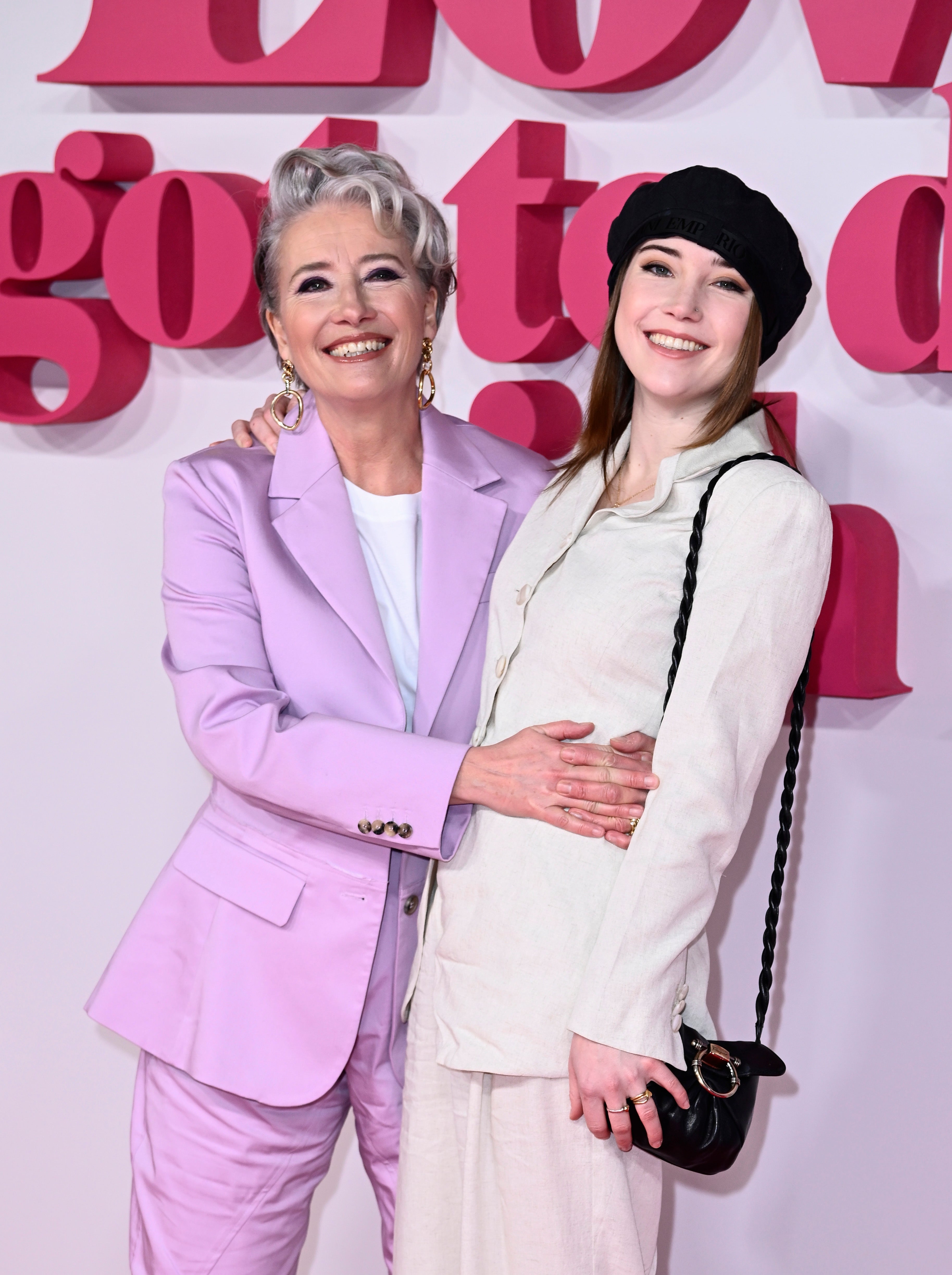
Emma Thompson (left) has been open about conceiving her daughter, Gaia (right) via IVF at the age of 40 (Getty)
Depressingly, only two ICBs in the whole of England are currently offering the recommended three full cycles: North East London and North East and North Cumbria.
The number of cycles is only one part of the story, too; some ICBs offer “non-full”, rather than “full” cycles. NICE guidelines define a “full” cycle as one in which, after egg retrieval and fertilisation, every resultant viable embryo has been transferred (one at a time – multiple embryo transfer is no longer practised in the UK) or one has resulted in pregnancy. But some ICBs will only transfer one viable embryo after retrieval, while others may cap it at two. Currently, only 11 of the 42 ICBs in England offer “full” cycles.
“It’s hard to communicate the message because it’s so complicated – but the bottom line is that, in many cases, we’re seeing ICBs making massive cuts and salami-slicing care,” says Norcross.
Advertisement
The issue is that NICE guidance is just that – guidance. There is no obligation to adopt it, and most ICBs simply choose not to as a cost-cutting exercise.
Not a ‘lifestyle choice’
Fertility treatment is frequently framed as a “luxury” or a “lifestyle choice”. This problematic viewpoint was recently spouted by Reform UK county councillor Bridget Porter in Kent, who compared IVF to “butt lifts” and “boob enhancements”, saying that increasing spending on fertility would be “frivolous”, reports the BBC.
Yet reproduction is anything but. The World Health Organisation (WHO) defines infertility as a “disease of the reproductive system”, and it’s becoming an increasingly pertinent public health problem, given that fertility and birth rates are declining the world over.
Advertisement
In 2025, births in England and Wales fell for the fourth year in a row and hit their lowest level for nearly 50 years, according to ONS data. The number of children born per woman in England and Wales has fallen to 1.4, well below the replacement rate – the number of babies per woman needed to sustain a population size – of 2.1.
This demographic shift is a cause for concern. “If you’ve got too many older people being supported by a much smaller young taxpaying population, it’s going to cause massive problems,” says Kevin McEleny, a consultant urologist and chair of the British Fertility Society (BFS). “One way of mitigating it is by allowing those who want to have children to do so.”
Are we really saying that the rich middle class are more entitled to have children than working class people?
Kevin McEleny, British Fertility Society
Advertisement
But while countries like Denmark and France are addressing their ageing populations by increasing fertility treatment provision, England is not.
Economically speaking, for every £1 spent on IVF, a country gets 8.5 times this back in terms of tax recouped from the children produced via the treatment, according to research. “The people who do healthcare economics have said these children are an asset,” says Norcross. “You get a really good return on your investment as a government.”
The difficulty is that political decisions are often made on a short-term basis, with those in charge looking from election to election rather than prioritising policies that will reap rewards in 40 years. And yet access to free fertility treatment is popular with the public; in a survey conducted by IPSOS on behalf of PET, 57 per cent of respondents said they thought IVF should be offered on the NHS.
The case for change
Advertisement
Some politicians are making the case for change, with Conservative MP Sir Gavin Williamson proposing a bid to amend the NHS bill to force ICBs to follow NICE recommendations on IVF.
“This is the country that invented IVF, yet Integrated Care Boards are rationing it unevenly,” he says. “NICE guidelines exist precisely to prevent this, and they are being ignored. Enforcing them across every region is the obvious fix, and it is long overdue.”
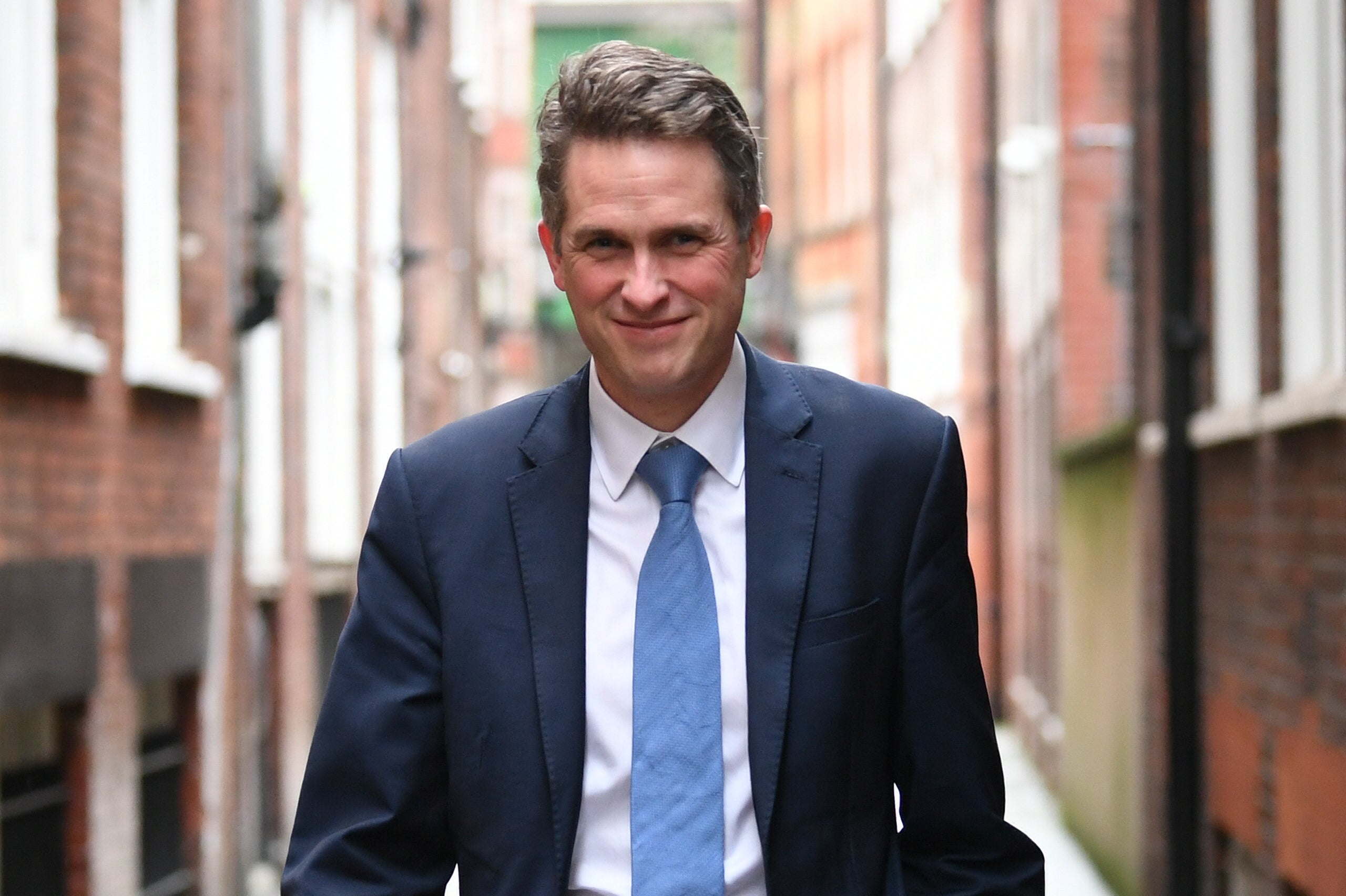
Conservative MP Gavin Williamson is leading the charge in making NICE guidelines on IVF mandatory (PA)
In the meantime, a lack of access to free fertility treatment is already creating a two-tier society. Only 25 per cent of IVF cycles in England are done through the NHS, according to the latest HFEA data, which means that 75 per cent are paid for privately, at a cost of £5,000 to £8,000 a pop.
For same-sex couples, there is an in-built bill before they have any chance of accessing NHS care. In the vast majority of areas, they must have completed at least six cycles of (unsuccessful) self-funded artificial insemination (IUI) before they’re considered for treatment, costing from around £750 per round, rising to £1,400 if donor sperm needs to be purchased – a total of £4,500 to £8,400.
Advertisement
“Are we really saying that the rich middle class are more entitled to have children than working class people?” asks McEleny. “Is that the kind of country we want to live in?”
It doesn’t have to be this way. Across Scotland, NHS boards follow the gold standard: three full rounds for women up to 40. They did a phased implementation, first introducing two rounds, then extending to three. “We’re meant to be a UK NHS, not an NHS England and an NHS Scotland,” points out Burns, “so why isn’t there equitable treatment across the country in line with the NICE guidelines?”
McEleny concludes with this warning: “There will come a time, mark my words, when they will be desperate for people to have more children. By then it’ll be too late. Make it easier now.”
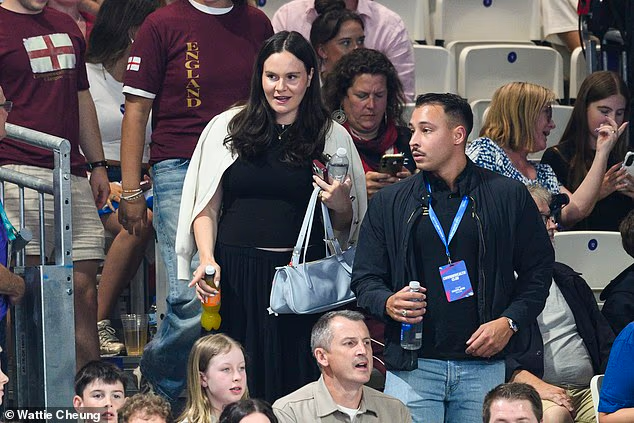
Pregnant Holly Ramsay takes a seat in the stands to watch husband Adam compete in the 100m breaststroke at the Commonwealth Games as he bags a place in the final
Holly Ramsay was spotted taking her seat in the stands to watch her husband Adam compete in his 100m breaststroke heat at the Commonwealth Games.
Ramsay-Peaty, who debuted his new name on his cap at the games, won his heat despite a 10-minute delay caused by a detached lane rope.
He posted the fastest qualifying time and advancing comfortably to the semifinals and then progressed through the semifinals to book his place in the final.
His pregnant wife Holly, 26, watched on in the crowd to support her partner, 31, displaying her blossoming baby bump after announcing they are expecting.
Advertisement
Ahead of the race, influencer announced last month she is expecting a baby girl with Adam, shared a snap to her Instagram Stories of Adam in his new ‘Ramsay-Peaty’ swimming cap and wrote: ‘So Special.’
Holly Ramsay was spotted taking her seat in the stands to watch her husband Adam compete in his 100m breaststroke heat at the Commonwealth Games
His pregnant wife Holly, 26, watched on in the crowd to support her partner, 31, displaying her blossoming baby bump after announcing they are expecting
Advertisement
Ramsay-Peaty, who debuted his new name on his cap at the games, won his heat despite a 10-minute delay caused by a detached lane rope
Ramsay-Peaty’s heat was temporarily halted as he was on the blocks when a lane divider broke off, requiring an official to strip to the waist and enter the pool to reconnect it.
But he duly wasted no time in recording the fastest time of the morning, 59.46 seconds, with only two rivals, Australia’s Sam Williamson and Filip Nowacki of Jersey, also finishing in under a minute.
The three-time Olympic champion is taking part in his fourth Commonwealth Games having clinched his first medals as a 19-year-old in Glasgow in 2014.
Advertisement
Ramsay-Peaty has described these Games as a ‘full circle moment’ as he looks to reignite his career.
A silver medal at the Paris Olympics in 2024 helped him refocus after a difficult 2023 in which he withdrew from a series of events in order to focus on mental health concerns.
His win in the 100m in 2014 began eight years of almost total dominance in the event. That streak came to an end in dramatic fashion in Birmingham four years ago when he trailed home in a shock fourth place in the event.
Ramsay-Peaty told TNT Sports: ‘Job done, really. We’ve got a busy two weeks coming up, so we’re reserving energy where we can.
Advertisement
‘Last time I was here, I was very young. We barely had any world records to my name, or known world records to my name, so it’s been a very long journey.’
Join the discussion
Should family drama ever overshadow an athlete’s achievements on the world stage?
His pregnant wife Holly, 26, watched on in the crowd to support her partner, 31, displaying her blossoming baby bump after announcing they are expecting
Advertisement
The three-time Olympic champion is taking part in his fourth Commonwealth Games having clinched his first medals as a 19-year-old in Glasgow in 2014
Holly Ramsay cheered husband Adam Peaty on from the sidelines as he powered through to the semi-finals of the men’s 100m breaststroke at the Commonwealth Games on Friday
Ramsay-Peaty debuted his new name on his swimming cap at the Commonwealth Games as he hopes his new moniker will bring him luck.
The three-time Olympic swimming champion is using his full name for the first time to compete at a major championship after marrying TV chef Gordon Ramsay‘s daughter Holly last December.
Advertisement
Sadly his parents did not attend the wedding and are assumed to not be attending the Commonwealth Games amid a falling out. Adam remains estranged from them.
Earlier this month, the Daily Mail revealed that Adam’s pregnant sister Bethany – the only member of his family to still be in contact with the couple – has now sensationally fallen out with Holly.
Not only are they no longer communicating, but this time it is Adam who is stuck in the middle, trying (and so far failing) to mend fences. Read the full story here.
The roots of the family conflict go back to September 2024, when Adam and Holly snubbed wider members of the Peaty family by not inviting them to their engagement party.
Advertisement
Caroline, who spent years ferrying her son to early–morning training sessions, was also not invited to Holly’s glamorous hen do at Soho Farmhouse in the Cotswolds, even though the bride’s mother, Tana, and friends including Victoria, were at the extravagant bash.
Adam changing his name to Ramsay-Peaty and registering under the double-barrel surname for the Games in Glasgow is the latest blow for his estranged loved ones – especially as Ramsay is placed first before Peaty.
A source said previously: ‘Adam may be rich but we have something that he hasn’t and that is brains, loyalty, integrity and family.
‘Money makes for a cold bedfellow. It can’t hold you tight when things go wrong or when you have a bad day.’
Advertisement
They added: ‘When you live to be famous you aren’t living, you are playing a role. Fame is but fleeting but family is forever.’
Holly shared a snap to her Instagram Stories of Adam in the new swimming cap and wrote: ‘So Special’
The athlete duly wasted no time in recording the fastest time of the morning, 59.46 seconds, with only two rivals, Australia’s Sam Williamson and Filip Nowacki of Jersey
Holly shared this snap of Adam ahead of the semi-final
Advertisement
The influencer, 26, announced last month she is expecting a baby girl with Adam
Sadly his parents, Caroline and Mark, did not attend the wedding and are assumed to not be attending the Commonwealth Games amid a falling out. Adam remains estranged from them
Adam’s heat was temporarily halted as he was on the blocks when a lane divider broke off, requiring an official to strip to the waist and enter the pool to reconnect it.
The athlete duly wasted no time in recording the fastest time of the morning, 59.46 seconds, with only two rivals, Australia’s Sam Williamson and Filip Nowacki of Jersey, also finishing in under a minute.
Advertisement
The three-time Olympic champion is taking part in his fourth Commonwealth Games having clinched his first medals as a 19-year-old in Glasgow in 2014.
Adam has described these Games as a ‘full circle moment’ as he looks to reignite his career.
A silver medal at the Paris Olympics in 2024 helped him refocus after a difficult 2023 in which he withdrew from a series of events in order to focus on mental health concerns.
His win in the 100m in 2014 began eight years of almost total dominance in the event. That streak came to an end in dramatic fashion in Birmingham four years ago when he trailed home in a shock fourth place in the event.
Advertisement
The athlete, who is due to return for his semi-final on Friday evening, told TNT Sports: ‘Job done, really. We’ve got a busy two weeks coming up, so we’re reserving energy where we can.
‘Last time I was here, I was very young. We barely had any world records to my name, or known world records to my name, so it’s been a very long journey.’
Adam won his first of four Commonwealth titles in Glasgow 12 years ago and he is looking to add to that tally this weekend in a major staging post before the LA 2028 Olympics.
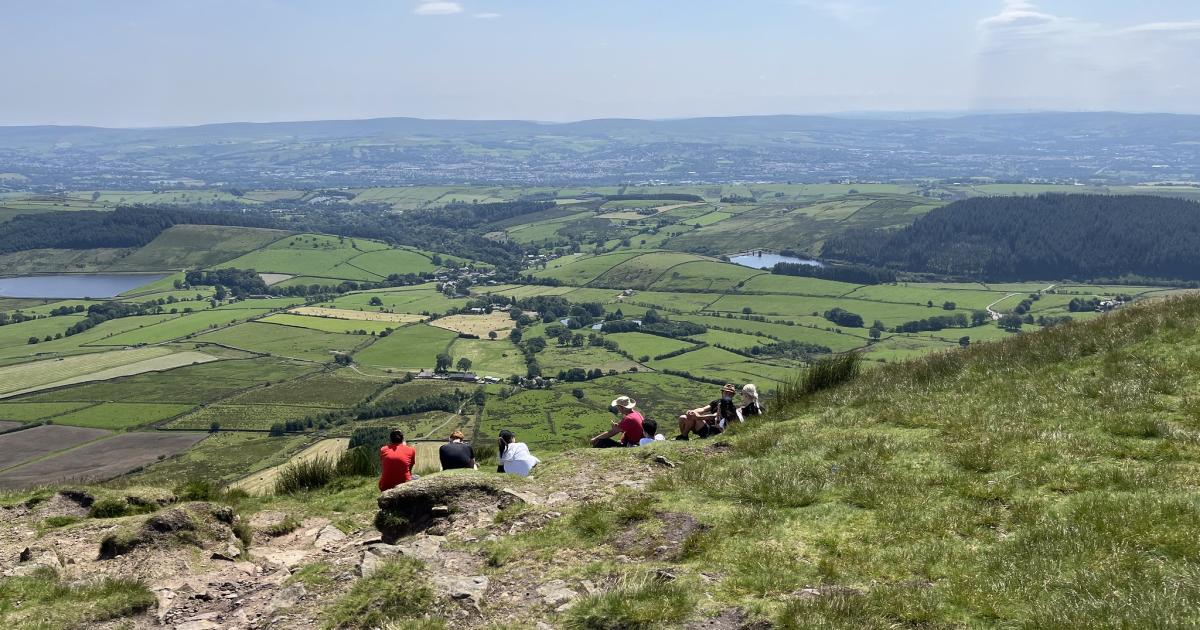
Here’s a selection of 10 routes across the county, from tough fell climbs to easy strolls, that showcase some of the best scenery Lancashire has to offer.
Pendle Hill
Distance: around 5 miles | Time: 2–2.5 hours
No list of Lancashire walks would be complete without Pendle Hill, the moorland peak forever tied to the county’s 17th-century witch trials.
Advertisement
The climb from Barley is steep in places, but walkers are rewarded with views stretching across much of Lancashire from the summit.
The Tolkien Trail
Distance: around 5.5–7 miles | Time: 2.5–3 hours
This circular route from Hurst Green takes in the grounds of Stonyhurst College and stretches of the River Ribble.
The landscape around Hurst Green is often linked to J.R.R. Tolkien, who stayed at nearby Stonyhurst College, although the extent of its influence on Middle-earth remains debated.
Nicky Nook
Distance: around 3–3.5 miles | Time: 1.5–2 hours
Advertisement
For a shorter fell walk with a big pay-off, Nicky Nook near Scorton is hard to beat.
The climb is modest, but the views over towards Morecambe Bay and the Fylde coast make it a favourite for those short on time.
Ward’s Stone
Distance: around 8–10 miles | Time: 4–6 hours
Those wanting somewhere wilder should head for Ward’s Stone, the highest point in the Forest of Bowland National Landscape.
It’s a more demanding and remote outing, better suited to experienced walkers comfortable navigating open moorland.
Advertisement
Preston Guild Wheel
Distance: 21 miles (can be split into shorter stages) | Time: 7–9 hours for the full circuit
Not every walk on this list involves hills.
The Preston Guild Wheel is a flat, fully signposted 21-mile route circling the city, and can easily be split into shorter stages for those preferring level ground.
Advertisement
Warton Crag
Distance: around 3.5 miles | Time: 2 hours (Crag Road way)
Overlooking Carnforth and Morecambe Bay, this limestone hill in the Arnside and Silverdale National Landscape combines ancient hill fort remains with some of the best coastal views in the county.
Longridge Fell
Distance: around 5–7 miles | Time: 2.5–3 hours
A moderate circular walk taking in panoramic views across the Ribble Valley towards Pendle Hill and the Bowland Fells beyond.
Advertisement
On a clear day you can even see the Lake District fells.
Downham
Distance: around 3.5 miles | Time: 1.5–2.5 hours
For something gentler, one of the circular walks around Downham offers a chance to explore one of Lancashire’s most picturesque villages, framed by classic Pendle countryside.
The village can be seen in the 1961 classic ‘Whistle Down The Wind’. Local schoolchildren from the Lancashire villages around Burnley and Clitheroe were used as extras
Roddlesworth Reservoir
Distance: around 3–4 miles | Time: 1.5–2 hours
Advertisement
This woodland and reservoir loop in the West Pennine Moors near Blackburn is popular with families thanks to its easy paths, and comes into its own during the autumn colours.
Not to mention the relaxing sound of flowing water, as well as the peaceful sights and sounds of Roddlesworth wood.
The Ribble Way
Distance: around 6–6.5 miles (Ribchester section) | Time: around 3 hours
Rather than tackling the whole 72-mile long-distance trail, shorter stretches around Ribchester or Whalley make for an easy riverside walk that still captures the best of Lancashire’s countryside.
Advertisement
Several of these routes, including Pendle Hill, Ward’s Stone and Nicky Nook, fall within the Forest of Bowland National Landscape, making it well worth building a day out around more than one walk if time allows.
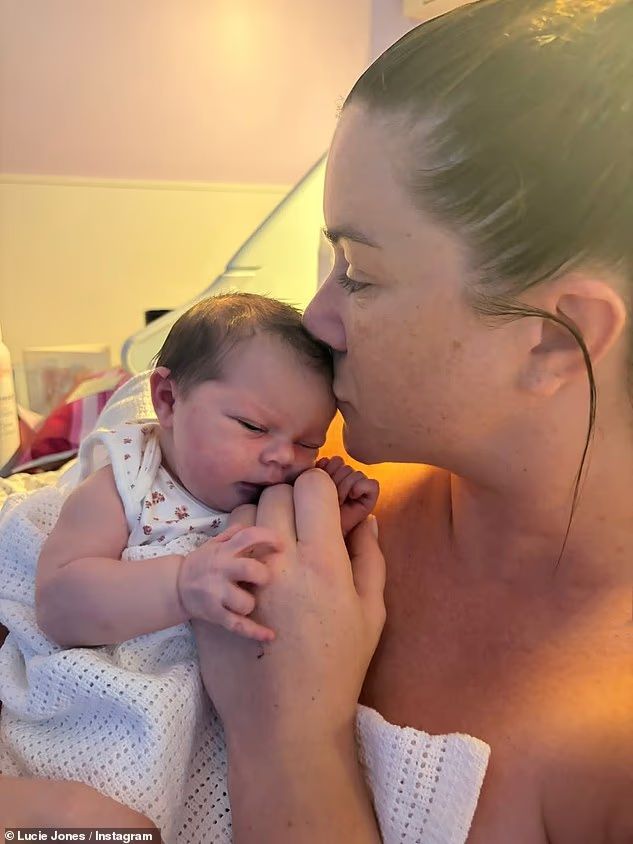
X Factor star Lucie Jones has announced she has welcomed her first child, a baby girl on Instagram on Friday.
The singer, 34, announced the happy news by sharing a series of adorable photos to social media with partner, restaurateur George Hersey.
Lucie, who starred on the hit ITV competition in 2009, revealed the sweet name she and George have chosen for their baby girl.
Lucie wrote: ‘Elowen Hersey-Jones. We are so lucky to be parents to the most perfect angel on the planet. This little girl has dropped in to change everything and we are utterly besotted.’
Advertisement
A number of friends took to the comments to congratulate the couple including McFly star Tom Fletcher‘s wife Giovanna.
The Welsh performer has enjoyed a whirlwind romance with George since the breakdown of her eight-year marriage to Ethan Boroian.
X Factor star Lucie Jones has announced she has welcomed her first child, a baby girl on Instagram on Friday
Advertisement
The singer, 34, announced the happy news by sharing a series of adorable photos to social media with partner, restaurateur George Hersey
Although the couple have only been together since last year, they have known each other for many years, with their longstanding friendship eventually blossoming into a relationship.
Lucie found fame after she finished in eighth place on The X Factor back in 2009, which also featured the likes of Olly Murs and Stacey Solomon, with Joe McElderry winning.
She went on to represent the United Kingdom in the Eurovision Song Contest 2017 with the song Never Give Up on You,’ finishing with 111 points in 15th place.
Advertisement
After she was voted out of the X Factor, Lucie went on to find huge success in musical theatre.
The young star played Cosette in Les Miserables opposite Nick Jonas and performed the role of Meat in the 2013 Arena Tour of We Will Rock You.
In 2016, she played Elle Woods in the UK Tour of Legally Blonde the Musical and was cast as Maureen Johnson in Rent.
Most recently, Lucie has returned to the West End juggernaut once again, this time, starring as Fantine at the Sondheim theatre until April.
Advertisement
Earlier this year, Lucie made her first appearance at Glastonbury Festival, which took place at Worthy Farm.
Lucie admitted she was ‘delighted to be involved’ ahead of the three-day stint.
The pop star previously represented the UK in Eurovision, and credited the contest for ‘changing her life’.
Join the discussion
Advertisement
Should celebrities introduce their newborns and private lives so openly on social media?
Lucie, who starred on the hit ITV competition in 2009, revealed the sweet name she and George have chosen for their baby girl
Lucie wrote: ‘Elowen Hersey-Jones. We are so lucky to be parents to the most perfect angel on the planet. This little girl has dropped in to change everything and we are utterly besotted’
Advertisement
A number of friends took to the comments to congratulatate the couple including McFly star Tom Fletcher’s wife Giovanna
The Welsh performer has enjoyed a whirlwind romance with George since the breakdown of her eight-year marriage to Ethan Boroian
Lucie finished in eighth place on series six back in 2009, which also featured the likes of Olly Murs and Stacey Solomon, with Joe McElderry winning
She also revealed she still keeps in touch with people on the show, including Joe McElderry, who Lucie is heading to Ibiza with.
Advertisement
Lucie announced the exciting news on Instagram with her official Glastonbury poster.
‘Worthy Farm, here I come. I’m so ridiculously excited to share that I will be performing at Glasto 2025,’ she wrote.
‘Joined by a band led by the unmatched @jonrangerinsta and guided as always by the best of the best @noisebyjonny.
‘I’m there to make some festival history in being the first musical theatre artist ever to perform at the festival.
Advertisement
‘Cannot wait to see the happiest people in the world – the glasto ticket holders – at Astrolabe on Thurs Fri and Sat! Let’s all defy gravity in a field together babyyyyyyyyy!!’
US Defence Secretary Pete Hegseth has admitted that China and Russia were “enabling some of the things Iran is doing” and President Donald Trump warned the countries against participating in the Iran war
US President Donald Trump has warned China and Russia against participating in the Iran war.
Advertisement
The American leader wrote in a post on X on Friday, July 24 that it “would be very bad for them” if they assist the Middle Eastern country.
Iran retaliated by striking sites across the region and closing the Strait of Hormuz waterway, through which 20% of global oil traded passes.
Last month, the US and Iran signed a Memorandum of Understanding to bring the war to a close within 60 days. But both sides have failed to achieve lasting peace, with attacks resuming this month.
Mr Trump wrote in a post on Truth Social on Friday that both China’s President Xi Jinping and Russia’s President Vladimir Putin have said they will not supply weapons to Iran.
“President Xi, at our recent meeting in Beijing, China, told me that he would not, under any circumstances, give or sell Weapons to the Islamic Republic of Iran — And that statement included Chinese Companies,” his post read.
“Likewise, President Putin, despite the horrible War going on in Ukraine (The relationship remains, as it does with President Zelenskyy), told me that he would not sell Weapons to Iran,” the post continued.
Advertisement
“Therefore, two major Countries that people speak of often in terms of Iran are, in my opinion, not participating.
“If they did, it would be very bad for them — Certainly not in their best interests.”
This week, US Defence Secretary Pete Hegseth was asked if Russia and China were helping Iran.
Advertisement
He said there were details that “ought to remain classified” but admitted that China and Russia were “enabling some of the things Iran is doing”.
How much is this jaunt costing, Mr Burnham? Taxpayer left to foot massive security and transport bill for No10 North – including new PM’s private jet to Manchester
Andy Burnham hailed yesterday as the ‘best day of my life’ as he opened a temporary ‘No10 North’ office in Manchester.
The Prime Minister praised the project after flying in on a Government jet for 38 minutes from Scotland, where he attended the Commonwealth Games’ opening on Thursday night.
He dismissed fears about the bill facing taxpayers for the ‘gimmick’ and huge security operation, saying: ‘What does it cost for everybody to troop down to London every time there’s a meeting when you need to make an argument about something?’
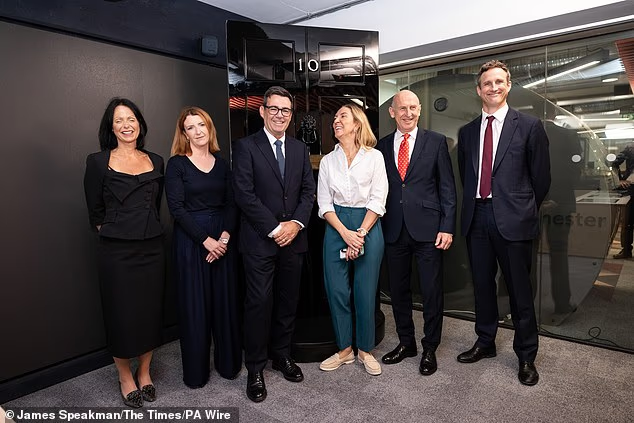
He posed in front of a fake No10 door with Cabinet Office minister Louise Haigh, Cabinet Secretary Dame Antonia Romeo and Chancellor John Healey.
Advertisement
Mr Burnham is making great play of his decision to be based part of the week in Manchester, where his family lives and he used to be mayor.
The so-called ‘King of the North’ wants to use the arrangements as a symbol of his drive to devolve power out of Westminster.
However, construction has not even started yet on the site earmarked to become the PM’s base in the city, and it will not be operational until 2032.
Instead, Mr Burnham is using Heron House, a Government office in the centre that is used by GCHQ, a pub and a register office – a bridal party was seen going in yesterday.
Advertisement
Andy Burnham in No10 North in central Manchester with (l-r) deputy chief of staff Caroline Simpson, Cabinet Office minister Louise Haigh, Cabinet secretary Dame Antonia Romeo, chancellor of the exchequer John Healey and director-general for No10 North Sam Lister
Armed police officers on duty as Andy Burnham arrived at so-called ‘No10 North’ in Manchester for the first time on Friday
Advertisement
Security at the building has been hugely increased and workers have been busily sprucing up nearby Albert Square.
No10 has insisted there will be no extra costs to the taxpayer, but experts have warned that the bill for fortifying an office for the PM and providing round-the-clock armed police will be eye-watering. Downing Street and much of the Government estate in Whitehall is closed off to the public.
Addressing staff at the Manchester office yesterday, Mr Burnham said: ‘I cannot tell you what a proud moment this is. I think this might be the best day of my life.
‘I’m not joking. I know you think I am, but I’m not. Things are just completely coming full circle here, for me to be here with you all in the heart of Manchester this Friday morning at the end of a fairly big week is just everything to me.
Advertisement
‘Because it’s almost exactly 35 years since I left this city as a recently graduated young man, couldn’t find a job in the city.
‘It was in a pretty bad place at that time, it’s fair to say. The 80s turned into the 90s. There wasn’t much.
‘And that really is an experience that I’ve never forgotten. My generation of people growing up here, and it’s true of places all over the country, to get on in life you had to leave where you were because things weren’t here.’
He added that No10 North was an example of ‘putting power in every postcode so that people can turn things around for themselves and make changes just as this great city has done and the other English cities are doing through devolution.’
Advertisement
Join the discussion
Should taxpayers have to fund a second No10 and PM flights for political symbolism?
A bridal party was seen going into the same venue on Friday as the Prime Minister arrived with his team
A replica of the No10 door designed by UK artist Jason Bruges in support of the GREAT Britain Campaign is displayed as the PM holds a National Economic Council meeting at No 10 North
Advertisement
The Treasury approved the ‘outline case’ for a civil service ‘digital campus’ in Manchester in March this year, after being in development since the council acquired the disused retail park in 2017.
That is now envisaged as the permanent No10 North.
Construction is due to begin at the five-acre site over the coming years but the ‘target’ for it becoming operational is not until 2032 – three years after the latest date for the next general election.
This week the PM’s spokesman said: ‘The running of No10 North will be covered by existing Cabinet Office budgets. There is no additional cost to taxpayers.’
Advertisement
Share or comment on this article:
How much is this jaunt costing, Mr Burnham? Taxpayer left to foot massive security and transport bill for No10 North – including new PM’s private jet to Manchester

















































You must be logged in to post a comment Login